RNA Ligase Market: RNA Ligation, Sequencing Library Prep, and Growth Outlook 2026–2032

Global Leading Market Research Publisher QYResearch announces the release of its latest report “RNA Ligase – Global Market Share and Ranking, Overall Sales and Demand Forecast 2026-2032”. Based on current situation and impact historical analysis (2021-2025) and forecast calculations (2026-2032), this report provides a comprehensive analysis of the global RNA Ligase market, including market size, share, demand, industry development status, and forecasts for the next few years.

For molecular biologists, NGS core facility managers, and synthetic biology researchers, joining RNA fragments or circularizing RNA molecules is essential for library preparation, RNA repair, and probe construction. RNA ligase addresses this as enzymes that catalyze phosphodiester bond formation between two RNA molecules or within a single RNA strand. Playing vital roles in RNA repair, RNA interference, small RNA sequencing library construction, RNA labeling, and molecular probe preparation, RNA ligases are indispensable tools in high-throughput sequencing, noncoding RNA research, and synthetic biology. Based on source and function, they include T4 RNA ligase 1 (single-stranded RNA or RNA-DNA ligation) and T4 RNA ligase 2 (double-stranded RNA end joining), typically relying on ATP as an energy source.

【Get a free sample PDF of this report (Including Full TOC, List of Tables & Figures, Chart)】
https://www.qyresearch.com/reports/6098343/rna-ligase

Market Size and Growth Fundamentals

The global RNA ligase market was valued at US$ 83.77 million in 2025 and is projected to reach US$ 112 million by 2032, growing at a CAGR of 4.3% from 2026 to 2032. Growth is driven by expanding next-generation sequencing (NGS) applications, increasing RNA-based research, and demand for RNA ligases in synthetic biology and molecular diagnostics.

Product Overview and Enzyme Types

RNA ligase enzymes are classified by their substrate preference and ligation mechanism:

  • T4 RNA Ligase 1: Catalyzes ligation of single-stranded RNA or RNA-DNA hybrids. Requires ATP as cofactor. Preferred for small RNA (miRNA, piRNA) library preparation, RNA labeling, and circularization of single-stranded RNA.
  • T4 RNA Ligase 2: Prefers joining double-stranded RNA ends with nicks or gaps. Requires ATP. Preferred for double-stranded RNA ligation, small RNA sequencing (3′ and 5′ adapter ligation), and RNA repair applications where double-strand specificity reduces background.
  • Other: Engineered variants and ligases from alternative sources (e.g., bacteriophage, bacterial) with specialized properties (thermostability, high efficiency for specific substrates).

Key applications by enzyme type:

  • T4 RNA Ligase 1: Small RNA sequencing library construction, 3′ end labeling, RNA circularization
  • T4 RNA Ligase 2: Small RNA library preparation (reduced adapter-dimer formation), double-stranded RNA ligation
  • Specialty Ligases: High-throughput automation, ligation of modified RNA, thermostable reactions

Market Segmentation: Enzyme Types and Applications

The RNA ligase market is segmented by enzyme type into:

  • T4 RNA Ligase 2: Largest segment (approximately 45% of market value), preferred for small RNA sequencing due to lower adapter-dimer background.
  • T4 RNA Ligase 1: Significant segment for general RNA ligation and 3′ end labeling applications.
  • Other: Engineered variants and alternative sources; fastest-growing for specialized applications.

By application, the market spans Molecular Biology, High-throughput Sequencing, RNA Repair and Synthetic Biology, Medicine and Drug Discovery, and Other:

  • High-throughput Sequencing: Largest segment (approximately 40%), driven by small RNA-seq, total RNA-seq, and single-cell RNA-seq library preparation
  • Molecular Biology: Routine cloning, RNA labeling, and probe preparation
  • RNA Repair and Synthetic Biology: RNA splicing studies, ribozyme engineering, synthetic RNA circuits
  • Medicine and Drug Discovery: RNA therapeutics development, RNA-based diagnostics

Competitive Landscape: Key Players

The RNA ligase market features global molecular biology reagent suppliers and specialized enzyme manufacturers:

Company Key Strengths
New England Biolabs (NEB) Molecular biology leader; T4 RNA Ligase 1 and 2; broad application support
Thermo Fisher Scientific Global life sciences leader; RNA ligase and NGS library prep kits
Qiagen Sample and assay technologies; RNA-seq workflows
Promega Corporation Molecular biology reagents; RNA ligase products
Yeasen, Yinjia Biological, Beijing Generaybiotech Chinese molecular biology reagent suppliers
Codexis Enzyme engineering; specialized RNA ligase variants
Hzymes Biotechnology, Enzynomics, KACTUS Regional enzyme manufacturers
Aji Bio-Pharma, Almac Biopharmaceutical and research reagent suppliers

Recent Developments (Last 6 Months)

Several developments have shaped the RNA ligase market:

  • NGS Market Growth: December 2025–January 2026 saw continued expansion of NGS applications (single-cell RNA-seq, spatial transcriptomics, small RNA discovery), driving demand for RNA ligases in library preparation workflows.
  • RNA Therapeutics: Growth in RNA therapeutics (mRNA vaccines, RNAi drugs, antisense oligonucleotides) increased demand for RNA ligases in manufacturing and quality control.
  • Engineered Variants: Introduction of thermostable and high-efficiency RNA ligase variants for automated library preparation and challenging substrates.
  • Small RNA Discovery: Increased focus on noncoding RNA biomarkers (miRNA, piRNA, circRNA) in cancer and disease research drove demand for small RNA-seq library preparation.

Exclusive Insight: T4 RNA Ligase 1 vs. T4 RNA Ligase 2—Substrate Specificity Drives Selection

A critical market dynamic is the divergence between T4 RNA Ligase 1 and T4 RNA Ligase 2 based on substrate and application requirements.

T4 RNA Ligase 1 (established segment) is characterized by:

  • Substrate: Single-stranded RNA or RNA-DNA hybrids
  • Primary Use: 3′ end labeling, RNA circularization, general RNA ligation
  • Limitation: Higher adapter-dimer background in NGS library prep
  • Applications: Molecular biology, RNA structure studies, probe preparation

T4 RNA Ligase 2 (largest segment for NGS) is characterized by:

  • Substrate: Double-stranded RNA ends with nicks or gaps
  • Primary Use: Small RNA-seq library construction (reduced adapter-dimer)
  • Advantage: Lower background, higher specificity for RNA ends
  • Applications: Small RNA sequencing, miRNA discovery, RNA repair

Engineered Variants (fastest-growing) are characterized by:

  • Thermostability: Active at higher temperatures for challenging structures
  • High Efficiency: Faster ligation kinetics for automation
  • Modified Substrate Compatibility: Ligation of chemically modified RNA
  • Applications: High-throughput sequencing, RNA therapeutics, synthetic biology

A 2026 industry analysis indicated that T4 RNA Ligase 2 is preferred for NGS library preparation where low background is critical. T4 RNA Ligase 1 remains standard for general molecular biology applications.

Technical Challenges and Innovation Directions

Key technical considerations in RNA ligase development include:

  • Substrate Specificity: Balancing efficiency with specificity to minimize off-target ligation
  • Adapter-Dimer Formation: Reducing self-ligation of adapters in NGS library prep
  • Modified RNA: Efficient ligation of chemically modified RNA (e.g., 2′-O-methyl, locked nucleic acids)
  • High-Throughput Compatibility: Automation-friendly formats and reaction conditions

Innovation focuses on:

  • Engineered Ligases: Directed evolution for improved activity and specificity
  • Thermostable Variants: Ligation at elevated temperatures for structured RNA
  • One-Pot Reactions: Combined ligation and reverse transcription workflows
  • Magnetic Bead-Based Cleanup: Simplified library preparation protocols

Conclusion

The RNA ligase market is positioned for steady growth through 2032, driven by NGS expansion, RNA therapeutics, and increasing RNA-based research. For manufacturers, success will depend on enzyme purity, substrate specificity, and integration with library preparation workflows. As RNA sequencing and RNA-based technologies continue to advance, RNA ligases will remain essential tools for molecular biology, diagnostics, and synthetic biology.

Contact Us:
If you have any queries regarding this report or if you would like further information, please contact us:
QY Research Inc.
Add: 17890 Castleton Street Suite 369 City of Industry CA 91748 United States
EN: https://www.qyresearch.com
E-mail: global@qyresearch.com
Tel: 001-626-842-1666(US)
JP: https://www.qyresearch.co.jp

カテゴリー: 未分類 | 投稿者huangsisi 16:57 | コメントをどうぞ

E. coli Expression System Industry Analysis: Promoter Types (T7/lac/araBAD), Application Segments (Research/Medicine), and Bioprocessing Trends

Global Leading Market Research Publisher QYResearch announces the release of its latest report “E. coli Expression System – Global Market Share and Ranking, Overall Sales and Demand Forecast 2026-2032”. Based on current situation and impact historical analysis (2021-2025) and forecast calculations (2026-2032), this report provides a comprehensive analysis of the global E. coli Expression System market, including market size, share, demand, industry development status, and forecasts for the next few years.

For biopharmaceutical researchers, industrial biotechnologists, and academic laboratories, efficient recombinant protein production is essential for drug development, enzyme manufacturing, and basic research. E. coli expression system addresses this as a genetic engineering platform that uses E. coli as host cells to efficiently express exogenous genes via recombinant plasmid vectors. Leveraging advantages such as clear genetic background, rapid growth, low cultivation costs, and simple transformation procedures—combined with strong promoters to regulate target protein transcription and translation—this system is widely used for recombinant protein production in research, industry, and medicine. Despite lacking post-translational modification capabilities for complex proteins, the E. coli expression system remains one of the most commonly used and economical platforms for prokaryotic protein expression.

【Get a free sample PDF of this report (Including Full TOC, List of Tables & Figures, Chart)】
https://www.qyresearch.com/reports/6098339/e–coli-expression-system

Market Size and Growth Fundamentals

The global E. coli expression system market was valued at US$ 123 million in 2025 and is projected to reach US$ 171 million by 2032, growing at a CAGR of 4.8% from 2026 to 2032. Growth is driven by increasing demand for recombinant proteins in biopharmaceuticals, industrial enzymes, and research reagents, as well as the system’s cost-effectiveness and scalability.

System Overview and Promoter Technologies

E. coli expression system utilizes various promoter systems for controlled protein expression:

  • T7 Promoter System: Most widely used system for high-level expression. Requires T7 RNA polymerase (provided by lysogenic E. coli strains such as BL21(DE3)). Offers very high yields (up to 50% of total cellular protein). Ideal for non-toxic proteins requiring maximal production.
  • lac Promoter System: Classic inducible system using IPTG induction. Lower expression levels than T7 but suitable for moderately expressed proteins. Provides tunable expression via IPTG concentration.
  • araBAD Promoter System: Arabinose-inducible system offering tight regulation and low basal expression. Preferred for toxic proteins where leaky expression is problematic. Allows precise titration of expression levels.

Key advantages of E. coli systems:

  • Rapid Growth: 20–30 minute doubling time; high cell density achievable
  • Low Cost: Simple media (LB, TB); inexpensive compared to mammalian or insect systems
  • High Yield: 0.1–10 g/L recombinant protein typical
  • Genetic Simplicity: Well-characterized genetics; extensive toolkits available

Market Segmentation: Promoter Types and Applications

The E. coli expression system market is segmented by promoter type into:

  • T7 Promoter System: Largest segment (approximately 50% of market value), preferred for high-yield production of research-grade proteins and industrial enzymes.
  • lac Promoter System: Significant segment for moderate expression and applications requiring tunable control.
  • araBAD Promoter System: Fastest-growing segment for toxic protein expression and applications requiring tight regulation.

By application, the market spans Research, Medicine, and Other:

  • Research: Largest segment (approximately 60%), including academic and industrial research, protein structure studies, and reagent production
  • Medicine: Therapeutic protein production (insulin, growth factors, cytokines), vaccine antigens, and diagnostic reagents
  • Other: Industrial enzymes (proteases, polymerases), food industry, and agricultural applications

Competitive Landscape: Key Players

The E. coli expression system market features global life sciences reagent suppliers and specialized protein expression companies:

Company Key Strengths
Thermo Fisher Scientific Global life sciences leader; expression vectors and competent cells
New England Biolabs (NEB) Molecular biology reagents; expression systems and cloning
Takara Bio Japanese biotech; expression vectors and kits
Sino Biological Chinese biologics leader; recombinant protein expression services
QIAGEN Protein expression and purification systems
GenScript Gene synthesis and protein expression services
Addgene Non-profit plasmid repository; expression vectors
Creative Enzymes, Cusabio, ProMeb, Bioingenium, BiologicsCorp Regional and specialty expression service providers

Recent Developments (Last 6 Months)

Several developments have shaped the E. coli expression system market:

  • Bioprocessing Demand: December 2025–January 2026 saw increased demand for recombinant proteins in mRNA vaccine manufacturing (enzymes for IVT), diagnostics, and biologics development.
  • Toxic Protein Expression: Improved araBAD and tightly regulated T7 systems enabled expression of previously difficult toxic proteins.
  • Cell-Free Systems Competition: Growth of cell-free protein synthesis platforms, though E. coli remains dominant for cost-effective large-scale production.
  • Auto-Induction Media: Commercial auto-induction formulations simplified high-density expression without manual IPTG induction.

Exclusive Insight: T7 vs. lac vs. araBAD Promoters—Yield vs. Regulation Trade-offs

A critical market dynamic is the divergence between T7, lac, and araBAD promoter systems based on protein toxicity and yield requirements.

T7 Promoter System (largest segment) is characterized by:

  • Highest Yield: 0.5–10 g/L typical; up to 50% of total protein
  • Leaky Expression: Basal expression can be problematic for toxic proteins
  • Applications: Non-toxic research proteins, industrial enzymes, high-yield production
  • Strains: BL21(DE3), Rosetta(DE3), Lemo21(DE3)

lac Promoter System (moderate segment) is characterized by:

  • Moderate Yield: 0.05–1 g/L typical
  • Tunable Expression: IPTG concentration controls expression level
  • Applications: Moderately expressed proteins, optimization studies
  • Limitation: Lower yield than T7

araBAD Promoter System (fastest-growing) is characterized by:

  • Tightest Regulation: Very low basal expression; ideal for toxic proteins
  • Precise Control: Arabinose concentration titrates expression
  • Applications: Toxic proteins, membrane proteins, proteins affecting cell viability
  • Trade-off: Lower maximum yield than T7

A 2026 industry analysis indicated that T7 remains dominant for non-toxic, high-yield applications. araBAD is gaining share for toxic protein expression where tight regulation is critical.

Technical Challenges and Innovation Directions

Key technical considerations in E. coli expression system development include:

  • Codon Bias: Rare codons in target genes can limit expression; solved by codon optimization or Rosetta strains
  • Protein Solubility: Many recombinant proteins form insoluble inclusion bodies; requires refolding or solubility tags
  • Toxicity: Target protein may inhibit E. coli growth; requires tightly regulated promoters
  • Post-Translational Modifications: No glycosylation, disulfide bonds require oxidizing cytoplasm strains (Origami, SHuffle)

Innovation focuses on:

  • Engineered Strains: Cytoplasmic disulfide bond formation (SHuffle), rare codon tRNA supplementation (Rosetta), protease-deficient (lon, ompT)
  • Auto-Induction Media: Simplified high-density expression protocols
  • Cell-Free Systems: Supplementing E. coli expression for toxic or membrane proteins
  • High-Throughput Cloning: Gibson Assembly, Golden Gate for expression library construction

Conclusion

The E. coli expression system market is positioned for steady growth through 2032, driven by recombinant protein demand in research, medicine, and industrial biotechnology. For manufacturers, success will depend on promoter system diversity, engineered strain availability, and integration with downstream purification. As the workhorse of prokaryotic protein expression, E. coli systems will remain essential for cost-effective recombinant protein production.

Contact Us:
If you have any queries regarding this report or if you would like further information, please contact us:
QY Research Inc.
Add: 17890 Castleton Street Suite 369 City of Industry CA 91748 United States
EN: https://www.qyresearch.com
E-mail: global@qyresearch.com
Tel: 001-626-842-1666(US)
JP: https://www.qyresearch.co.jp

カテゴリー: 未分類 | 投稿者huangsisi 16:55 | コメントをどうぞ

Soft Agar Colony Formation Service Industry Analysis: Double-Layer vs. Single-Layer Methods, Application Segments, and Cancer Research Trends

Global Leading Market Research Publisher QYResearch announces the release of its latest report “Soft Agar Colony Formation Service – Global Market Share and Ranking, Overall Sales and Demand Forecast 2026-2032”. Based on current situation and impact historical analysis (2021-2025) and forecast calculations (2026-2032), this report provides a comprehensive analysis of the global Soft Agar Colony Formation Service market, including market size, share, demand, industry development status, and forecasts for the next few years.

For cancer researchers, drug discovery scientists, and pharmaceutical companies, assessing the tumorigenic potential of cells is essential for understanding malignancy and developing effective therapies. Soft agar colony formation service addresses this as an in vitro assay that assesses anchorage-independent growth ability—a hallmark of cancerous cells. By suspending cells in low-concentration agarose (soft agar) for three-dimensional culture, the assay mimics the disordered proliferation of tumor cells in vivo. Normal cells typically require attachment to solid surfaces, while transformed or cancerous cells can independently proliferate and form clonal colonies in semi-solid environments. This service is widely used in tumorigenesis research, anti-cancer drug screening, and cell transformation activity assessment, serving as a critical tool for detecting malignant phenotypes.

【Get a free sample PDF of this report (Including Full TOC, List of Tables & Figures, Chart)】
https://www.qyresearch.com/reports/6098327/soft-agar-colony-formation-service

Market Size and Growth Fundamentals

The global soft agar colony formation service market was valued at US$ 117 million in 2025 and is projected to reach US$ 165 million by 2032, growing at a CAGR of 5.1% from 2026 to 2032. Growth is driven by increasing cancer research funding, demand for in vitro tumorigenicity assays in drug development, and the expanding pipeline of anti-cancer therapeutics requiring pre-clinical validation.

Assay Overview and Principle

Soft agar colony formation service is based on the principle of anchorage-independent growth:

  • Assay Principle: Transformed/cancerous cells proliferate in semi-solid agarose media without attachment to solid surfaces; normal cells do not
  • Readout: Colony count, size, and morphology as indicators of tumorigenic potential
  • Applications: Tumorigenesis research, anti-cancer drug screening, cell transformation assessment, cancer stem cell research

Key advantages of soft agar assays:

  • In Vitro Model: Mimics tumor growth without animal studies (early-stage screening)
  • Quantitative: Colony counting provides objective measurement of transformation
  • High-Throughput: Adaptable to multi-well plate formats for compound screening
  • Predictive: Anchorage-independent growth correlates with in vivo tumorigenicity

Market Segmentation: Assay Methods and Applications

The soft agar colony formation service market is segmented by assay method into:

  • Double-Layer Agar Method: Base layer of hard agar (1–2%) with top layer of soft agar (0.3–0.6%) containing cells. Prevents cell attachment to plate bottom; more robust and commonly used. Largest segment for research applications.
  • Single-Layer Agar Method: Single layer of soft agar (0.3–0.6%) with cells suspended throughout; simpler and faster, but may allow some cell attachment. Growing segment for rapid screening.

By application, the market spans Tumor Biology Research, Anti-Cancer Drug Development, and Other:

  • Tumor Biology Research: Largest segment (approximately 55%), including cancer cell transformation studies, oncogene validation, and cancer stem cell research
  • Anti-Cancer Drug Development: Fastest-growing segment, driven by pre-clinical screening of novel compounds and combination therapies
  • Other: Quality control for cell-based therapies and regenerative medicine

Competitive Landscape: Key Players

The soft agar colony formation service market features specialized CROs, biotechnology service providers, and research reagent companies:

Company Key Strengths
GENECHEM Chinese biotechnology company; cell biology services
SHANGHAI WESTANG BIO-TECH Contract research services; tumor biology focus
NEST Scientific Laboratory consumables and research services
Genomeditech (Shanghai) Gene editing and cell biology services
Beijing WeiChuang BoJing Biotechnology Research reagents and assay services
Reaction Biology Drug discovery and biochemical assays
Creative Bioarray Cell-based assays and research models
Bio-protocol Protocol standardization and validation
Cell Biolabs Assay kits and contract services

Recent Developments (Last 6 Months)

Several developments have shaped the soft agar colony formation service market:

  • Cancer Research Funding: December 2025–January 2026 saw continued government and private funding for cancer research (NCI, CRUK, EC Horizon Europe), driving demand for in vitro tumorigenicity assays.
  • Drug Development Pipeline: Growth in anti-cancer drug pipelines (immuno-oncology, targeted therapies, ADCs) increased demand for pre-clinical screening assays, including soft agar colony formation for transformation assessment.
  • High-Throughput Adaptation: Service providers expanded high-throughput soft agar assays in 96-well and 384-well formats for compound library screening.
  • Image Analysis Automation: Adoption of automated colony counting software (AI-based image analysis) improved throughput and reduced inter-operator variability.

Exclusive Insight: Double-Layer vs. Single-Layer Agar Methods—Robustness vs. Speed

A critical market dynamic is the divergence between double-layer and single-layer soft agar methods based on research requirements.

Double-Layer Agar Method (largest segment) is characterized by:

  • Higher Robustness: Base layer prevents cell attachment; more reproducible results
  • Longer Culture Time: 14–28 days for colony formation
  • Lower Background: Minimal false positives from adherent cell growth
  • Applications: Definitive tumorigenicity assessment, publication-quality data, regulatory submissions
  • Higher Cost: More labor-intensive; higher per-sample pricing

Single-Layer Agar Method (fastest-growing) is characterized by:

  • Faster Turnaround: 7–14 days for colony formation
  • Simpler Protocol: Single layer preparation reduces hands-on time
  • Adaptable to High-Throughput: Easier automation for 96/384-well plates
  • Applications: Early-stage drug screening, compound prioritization, comparative studies
  • Lower Cost: Reduced materials and labor

A 2026 industry analysis indicated that double-layer method remains the gold standard for definitive tumorigenicity assessment. Single-layer method is gaining share in high-throughput screening applications where speed and cost efficiency are prioritized over absolute robustness.

Technical Challenges and Innovation Directions

Key technical considerations in soft agar colony formation service delivery include:

  • Agarose Concentration Optimization: Balancing gel strength with cell growth support
  • Cell Clumping: Ensuring single-cell suspension for accurate colony counting
  • Colony Visualization: Staining methods and imaging for transparent agarose gels
  • Assay Standardization: Protocol variability across laboratories affects reproducibility

Innovation focuses on:

  • Automated Colony Counting: AI-based image analysis for objective colony enumeration
  • High-Throughput Formats: 384-well plate adaptation for large-scale screening
  • 3D Imaging: Z-stack imaging for colony size and morphology analysis
  • Alternative Matrices: Hydrogels and synthetic scaffolds for defined culture environments

Conclusion

The soft agar colony formation service market is positioned for steady growth through 2032, driven by cancer research funding, anti-cancer drug development pipelines, and demand for in vitro tumorigenicity assays. For service providers, success will depend on assay standardization, high-throughput capability, and automated colony analysis. As oncology research and drug discovery continue to expand, soft agar colony formation services will remain essential for assessing malignant phenotypes and pre-clinical compound screening.

Contact Us:
If you have any queries regarding this report or if you would like further information, please contact us:
QY Research Inc.
Add: 17890 Castleton Street Suite 369 City of Industry CA 91748 United States
EN: https://www.qyresearch.com
E-mail: global@qyresearch.com
Tel: 001-626-842-1666(US)
JP: https://www.qyresearch.co.jp

カテゴリー: 未分類 | 投稿者huangsisi 16:49 | コメントをどうぞ

Mortar Centrifugal Spraying System: From Manhole Restoration to Pipeline Coating—The Evolution of Trenchless Infrastructure Repair

Global Leading Market Research Publisher QYResearch announces the release of its latest report “Mortar Centrifugal Spraying System – Global Market Share and Ranking, Overall Sales and Demand Forecast 2026-2032”. Based on current situation and impact historical analysis (2021-2025) and forecast calculations (2026-2032), this report provides a comprehensive analysis of the global Mortar Centrifugal Spraying System market, including market size, share, demand, industry development status, and forecasts for the next few years.

For municipal engineers, pipeline rehabilitation contractors, and infrastructure asset managers, repairing deteriorating pipes and manholes without disruptive excavation is a critical priority. Mortar centrifugal spraying system addresses this need by using a high-speed rotating nozzle to evenly apply mortar to the interior of pipes or manholes. Centrifugal force propels the mortar in a circular motion onto the surface, creating a continuous, dense coating. Widely used in trenchless repairs, municipal pipeline reinforcement, and anti-corrosion coating applications, this method offers faster application speed, more uniform coating, and adaptability to complex geometries compared to manual plastering or conventional spraying—particularly well-suited for circular or enclosed spaces such as manholes, box culverts, and drainage pipes.

【Get a free sample PDF of this report (Including Full TOC, List of Tables & Figures, Chart)】
https://www.qyresearch.com/reports/6099491/mortar-centrifugal-spraying-system

Market Size and Growth Fundamentals

The global mortar centrifugal spraying system market was valued at US$ 464 million in 2025 and is projected to reach US$ 620 million by 2032, growing at a CAGR of 4.3% from 2026 to 2032. In 2024, global production reached 56,870 units, with an average selling price of US$ 8,000 per unit. Growth is driven by aging municipal infrastructure, increasing adoption of trenchless rehabilitation methods, and demand for corrosion protection in wastewater and industrial pipelines.

Product Overview and Centrifugal Spraying Technology

Mortar centrifugal spraying system operates on high-speed rotational application:

  • Core Mechanism: High-speed rotating nozzle (1,000–5,000 rpm) uses centrifugal force to propel mortar outward
  • Components: Mortar pumping unit, rotating nozzle, control system, delivery pipeline
  • Application Coverage: Continuous, dense coating on interior surfaces of pipes (6–60 inch diameter) and manholes
  • Mortar Types: Aluminate anti-corrosion mortars, polymer-modified mortars, epoxy coatings, and cementitious linings

Key advantages over traditional methods:

  • Faster Application: 2–5× faster than manual plastering
  • Uniform Coating: Consistent thickness eliminates voids and weak spots
  • Complex Geometry: Adapts to non-circular shapes, bends, and transitions
  • Reduced Disruption: Trenchless application minimizes surface excavation
  • Consistent Quality: Automated or semi-automated operation reduces labor variability

Market Segmentation: Automation Types and Applications

The mortar centrifugal spraying system market is segmented by automation type into:

  • Fully Automatic Systems: Computer-controlled spraying parameters (nozzle speed, traverse rate, mortar flow); highest consistency for large-scale projects. Growing segment for major pipeline rehabilitation.
  • Semi-Automatic Systems: Operator-controlled with assisted functions; more flexible for varied job site conditions. Largest segment for general rehabilitation work.

By application, the market spans Large Municipal Pipelines, Small and Medium-Sized Manholes, and Others:

  • Large Municipal Pipelines: Largest segment (approximately 50%), including storm drains, sanitary sewers, and water transmission mains
  • Small and Medium-Sized Manholes: Significant segment for access point rehabilitation and corrosion protection
  • Others: Industrial pipelines, culverts, tunnels, and marine structures

Competitive Landscape: Key Players

The mortar centrifugal spraying system market features specialized concrete spraying equipment manufacturers and trenchless rehabilitation specialists:

Company Key Strengths
Putzmeister Global concrete spraying leader; industrial and construction equipment
Graco Fluid handling and spraying equipment; industrial coatings
Airplaco, Blastcrete Equipment, ChemGrout Concrete and mortar spraying specialists
QuikSpray Trenchless rehabilitation and shotcrete equipment
Euromair, SeFluid, DERUTU European and regional spraying equipment manufacturers
Wengong Engineering Machinery, Wuhan Easy-Sight Technology, MORTITAN, Zhongke Machinery, Zhangzhou Anyue Chinese manufacturers; cost-competitive solutions

Recent Developments (Last 6 Months)

Several developments have shaped the mortar centrifugal spraying system market:

  • Aging Infrastructure Investment: December 2025–January 2026 saw increased government funding for water and wastewater infrastructure renewal (U.S. Bipartisan Infrastructure Law, EU Cohesion Fund), driving demand for trenchless rehabilitation equipment.
  • Corrosion Protection Focus: Rising concerns about hydrogen sulfide (H₂S) corrosion in wastewater systems accelerated adoption of aluminate and polymer-modified mortar linings.
  • Trenchless Technology Adoption: Growing preference for trenchless (no-dig) rehabilitation methods to minimize traffic disruption and surface restoration costs.
  • Automation Integration: New fully automatic systems with real-time thickness monitoring and data logging for quality assurance and project documentation.

Exclusive Insight: Fully Automatic vs. Semi-Automatic Systems—Consistency vs. Flexibility

A critical market dynamic is the divergence between fully automatic and semi-automatic mortar centrifugal spraying systems based on project scale and complexity.

Fully Automatic Systems (fastest-growing) are characterized by:

  • Precision Control: Computer-controlled nozzle speed, traverse rate, and mortar flow
  • Consistent Quality: Uniform thickness eliminates operator variability
  • Data Logging: Documentation for quality assurance and client reporting
  • Applications: Large-diameter pipelines (>24 inches), long-distance runs, high-value infrastructure
  • Higher Cost: US$ 15,000–30,000 per system

Semi-Automatic Systems (largest volume) are characterized by:

  • Operator Flexibility: Adjustable parameters based on job site conditions
  • Lower Cost: US$ 5,000–15,000 per system
  • Simpler Maintenance: Fewer electronic components
  • Applications: Manholes, small-diameter pipes, varied geometries, short runs

A 2026 industry analysis indicated that fully automatic systems are gaining share in large municipal pipeline projects where consistency and documentation are required. Semi-automatic systems remain dominant for manhole rehabilitation and smaller contractors.

Technical Challenges and Innovation Directions

Key technical considerations in mortar centrifugal spraying system development include:

  • Mortar Pumpability: Maintaining consistent flow with variable viscosity materials
  • Nozzle Wear: Abrasive mortar mixes erode high-speed rotating nozzles
  • Thickness Control: Achieving uniform coating on non-circular and variable-diameter pipes
  • Surface Preparation: Proper cleaning prior to mortar application

Innovation focuses on:

  • Real-Time Thickness Monitoring: Laser or ultrasonic sensors for feedback control
  • Lightweight Nozzles: Wear-resistant materials for extended service life
  • Robotic Integration: Remote-controlled systems for hazardous environments
  • Multi-Material Capability: Handling epoxy, polyurea, and cementitious linings

Conclusion

The mortar centrifugal spraying system market is positioned for steady growth through 2032, driven by aging infrastructure renewal, trenchless technology adoption, and corrosion protection requirements. For manufacturers, success will depend on automation integration, wear resistance, and the ability to serve both large municipal pipeline and manhole rehabilitation segments. As cities prioritize cost-effective, low-disruption infrastructure renewal, mortar centrifugal spraying systems will remain essential for pipeline and manhole rehabilitation.

Contact Us:
If you have any queries regarding this report or if you would like further information, please contact us:
QY Research Inc.
Add: 17890 Castleton Street Suite 369 City of Industry CA 91748 United States
EN: https://www.qyresearch.com
E-mail: global@qyresearch.com
Tel: 001-626-842-1666(US)
JP: https://www.qyresearch.co.jp

カテゴリー: 未分類 | 投稿者huangsisi 16:47 | コメントをどうぞ

AI-powered CSRD Reporting Software Research:CAGR of 26.0% during the forecast period

QY Research Inc. (Global Market Report Research Publisher) announces the release of 2025 latest report “AI-powered CSRD Reporting Software- Global Market Share and Ranking, Overall Sales and Demand Forecast 2026-2032”. Based on current situation and impact historical analysis (2020-2024) and forecast calculations (2026-2032), this report provides a comprehensive analysis of the global AI-powered CSRD Reporting Software market, including market size, share, demand, industry development status, and forecasts for the next few years.

The global market for AI-powered CSRD Reporting Software was estimated to be worth US$ 1869 million in 2024 and is forecast to a readjusted size of US$ 4972 million by 2031 with a CAGR of 15.0% during the forecast period 2025-2031.

【Get a free sample PDF of this report (Including Full TOC, List of Tables & Figures, Chart)】
https://www.qyresearch.com/reports/4940384/ai-powered-csrd-reporting-software


AI-powered CSRD Reporting Software Market Summary

AI-powered CSRD Reporting Software is an advanced reporting tool that integrates artificial intelligence technology to automatically extract and analyze critical ESG data from businesses, swiftly generating compliant reports that meet CSRD standards through intelligent algorithms. Its essence lies in its capability to monitor and evaluate a company’s environmental, social, and governance performance in real-time, autonomously identify and alert to potential compliance risks, while also providing deep data insights to assist businesses in formulating and optimizing their ESG strategies. By automating processes and conducting precise data analysis, it significantly enhances the efficiency and accuracy of reporting, offering robust support for enterprises in achieving their sustainable development goals.


According to the new market research report “Global AI-powered CSRD Reporting Software Market Report 2026-2032”, published by QYResearch, the global AI-powered CSRD Reporting Software market size is projected to reach USD 1.43 billion by 2032, at a CAGR of 26.0% during the forecast period.


Figure00001. Global AI-powered CSRD Reporting Software Market Size (US$ Million), 2026-2032

AI-powered CSRD Reporting Software

Above data is based on report from QYResearch: Global AI-powered CSRD Reporting Software Market Report 2026-2032 (published in 2026). If you need the latest data, plaese contact QYResearch.


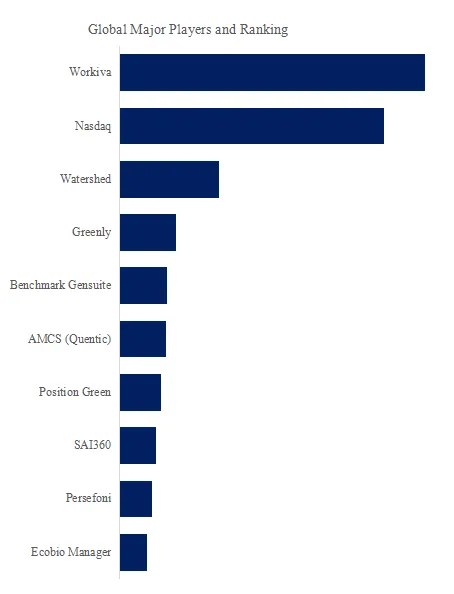
Figure00002. Global AI-powered CSRD Reporting Software Top 10 Players Ranking and Market Share (Ranking is based on the revenue of 2025, continually updated)

AI-powered CSRD Reporting Software

Above data is based on report from QYResearch: Global AI-powered CSRD Reporting Software Market Report 2026-2032 (published in 2026). If you need the latest data, plaese contact QYResearch.

According to QYResearch Top Players Research Center, the global key manufacturers of AI-powered CSRD Reporting Software include Workiva, Nasdaq, Watershed, Greenly, Benchmark Gensuite, AMCS (Quentic), Position Green, SAI360, Persefoni, Ecobio Manager, etc. In 2025, the global top five players had a share approximately 48.0% in terms of revenue.

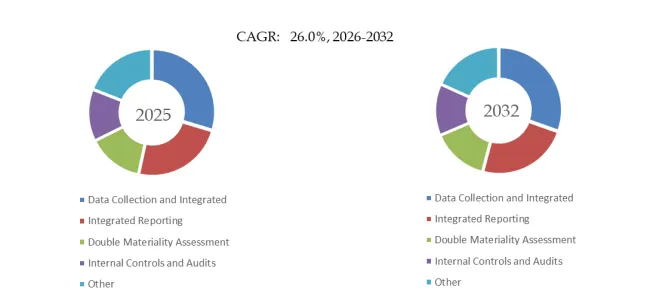
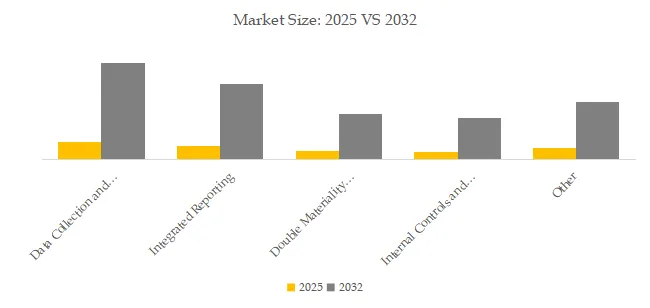
Figure00003. AI-powered CSRD Reporting Software, Global Market Size, Split by Product Segment

AI-powered CSRD Reporting Software

AI-powered CSRD Reporting Software

Based on or includes research from QYResearch: Global AI-powered CSRD Reporting Software Market Report 2026-2032.


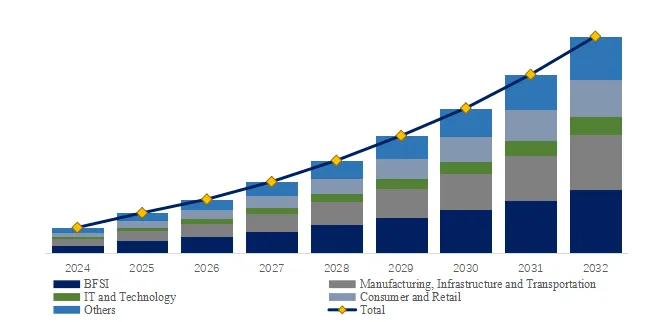
In terms of product type, currently Data Collection and Integrated is the largest segment, hold a share of 29.6%.


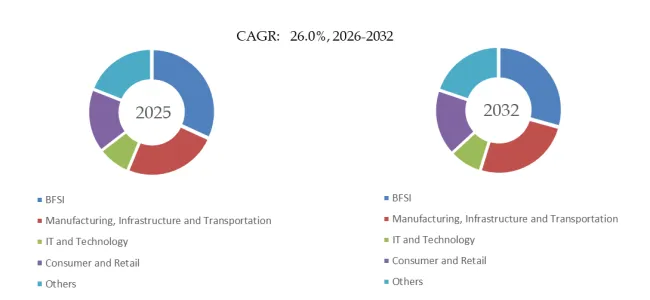
Figure00004. AI-powered CSRD Reporting Software, Global Market Size, Split by Application Segment

AI-powered CSRD Reporting Software

AI-powered CSRD Reporting Software

Based on or includes research from QYResearch: Global AI-powered CSRD Reporting Software Market Report 2026-2032.


In terms of product application, currently BFSI is the largest segment, hold a share of 31.9%.


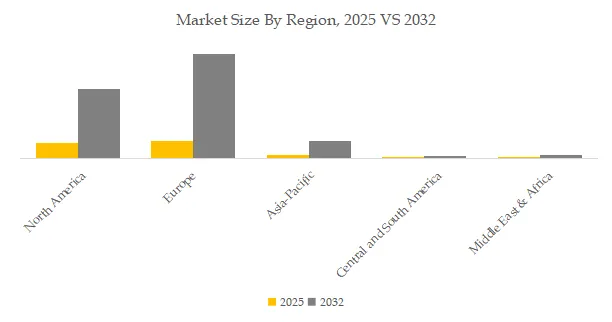
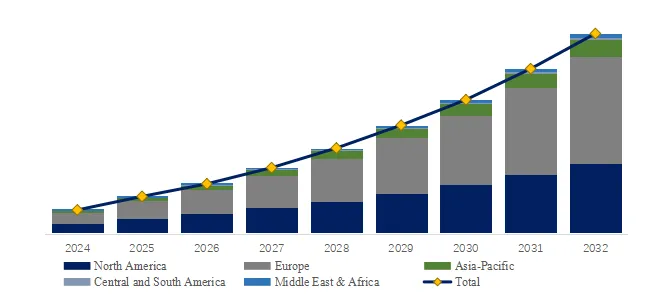
Figure00005. AI-powered CSRD Reporting Software, Global Market Size, Split by Region

AI-powered CSRD Reporting Software

AI-powered CSRD Reporting Software

Based on or includes research from QYResearch: Global AI-powered CSRD Reporting Software Market Report 2026-2032.


Key Drivers:

1. Regulatory & Compliance Drivers (The “Mandate”)

The Law is Non-Negotiable: CSRD is enshrined in EU law. Approximately 50,000+ companies are legally obligated to report. This is not a voluntary “nice-to-have”; it is a mandatory compliance exercise with deadlines and potential fines.

The Extraterritorial Reach: The law captures non-EU companies (US, Asia) with significant EU operations, expanding the Total Addressable Market (TAM) globally.

Assurance Requirements: The mandate for third-party auditing (“Limited Assurance”) renders manual spreadsheets obsolete, forcing companies into software with audit trails.


2. Operational Complexity Drivers (The “Pain Point”)

Volume of Data (1,000+ Data Points): The ESRS standards require disclosure on over 1,000 individual data points. Managing this manually is impossible.

Scope 3 Complexity: Mandatory reporting of value chain emissions requires collecting data from potentially thousands of suppliers. AI is the only scalable solution.

Unstructured Data: Sustainability data lives in PDFs, emails, and invoices. AI-powered OCR and NLP are required to digitize this information.


3. Economic & Financial Drivers (The “Incentive”)

Cost of Labor vs. Software: Hiring large sustainability teams is expensive. AI software offers a clear ROI by automating manual work.

Access to Capital: Investors and banks are tying financing terms (Green Bonds, Sustainability-Linked Loans) to verified ESG data, pushing companies towards auditable software.

Risk Mitigation: The cost of non-compliance (fines) or greenwashing (lawsuits, reputational damage) far exceeds the cost of software.


Key Challenges:

1. Data Quality & Availability Challenges

The “Garbage In, Garbage Out” Problem:

Issue: AI models are only as good as the data they are trained on. Many companies, especially SMEs, do not have historical sustainability data. If a company has never tracked water usage, no amount of AI can invent it.

Impact: Software vendors spend significant time on data cleansing and advisory services, which is not scalable.

Lack of Standardized Source Data:

Issue: Unlike financial data (which follows GAAP/IFRS), sustainability data from suppliers comes in thousands of different formats, units, and levels of quality.

Impact: AI models require constant retraining to interpret new and unusual data formats, increasing R&D costs.


2. The “AI Black Box” Problem (Explainability)

Issue: CSRD requires auditable data. If an AI model uses a complex neural network to estimate an emission factor, it must be able to explain how it arrived at that number to an external auditor.

Challenge: Many advanced AI models (especially deep learning) are inherently “black boxes.” They provide answers without clear reasoning.

Market Impact: Auditors and legal teams are pushing back against pure “AI” solutions, demanding “Explainable AI” (XAI) or deterministic calculations that can be easily verified. This slows the adoption of cutting-edge AI.


3. Integration Complexity with Legacy Systems

Issue: Large enterprises run on legacy ERP systems (SAP ECC, Oracle JD Edwards) that are decades old. These systems were not designed to output sustainability data.

Challenge: Building and maintaining connectors to these legacy systems is expensive and requires specialized engineering talent.

Market Impact: The “Data Collection” segment, while having the largest market share, also has the lowest profit margins due to the high cost of maintaining these integrations.


About QYResearch

QYResearch founded in California, USA in 2007. It is a leading global market research and consulting company. With over 17 years’ experience and professional research team in various cities over the world QY Research focuses on management consulting, database and seminar services, IPO consulting, industry chain research and customized research to help our clients in providing non-linear revenue model and make them successful. We are globally recognized for our expansive portfolio of services, good corporate citizenship, and our strong commitment to sustainability. Up to now, we have cooperated with more than 60,000 clients across five continents. Let’s work closely with you and build a bold and better future.

QYResearch is a world-renowned large-scale consulting company. The industry covers various high-tech industry chain market segments, spanning the semiconductor industry chain (semiconductor equipment and parts, semiconductor materials, ICs, Foundry, packaging and testing, discrete devices, sensors, optoelectronic devices), photovoltaic industry chain (equipment, cells, modules, auxiliary material brackets, inverters, power station terminals), new energy automobile industry chain (batteries and materials, auto parts, batteries, motors, electronic control, automotive semiconductors, etc.), communication industry chain (communication system equipment, terminal equipment, electronic components, RF front-end, optical modules, 4G/5G/6G, broadband, IoT, digital economy, AI), advanced materials industry Chain (metal materials, polymer materials, ceramic materials, nano materials, etc.), machinery manufacturing industry chain (CNC machine tools, construction machinery, electrical machinery, 3C automation, industrial robots, lasers, industrial control, drones), food, beverages and pharmaceuticals, medical equipment, agriculture, etc.


The report provides a detailed analysis of the market size, growth potential, and key trends for each segment. Through detailed analysis, industry players can identify profit opportunities, develop strategies for specific customer segments, and allocate resources effectively.

The AI-powered CSRD Reporting Software market is segmented as below:
By Company
SustainLab
Watershed
Benchmark Gensuite
Ecocharting
Pulsora
Workiva
Greenly
Planmark
Ecodrisil
ZeroScope
Glacier
Sweep
Greenomy
Coolset
Novisto
Footprint Intelligence
FINGREEN AI
Karomia
Klimado
Ecobio Manager
Code Gaia
Quentic
Position Gree

Segment by Type
End to End Solution
End to Cloud Solution

Segment by Application
Chemicals
Oil & Gas
Manufacturing
Transportation
Others

Each chapter of the report provides detailed information for readers to further understand the AI-powered CSRD Reporting Software market:

Chapter 1: Introduces the report scope of the AI-powered CSRD Reporting Software report, global total market size (valve, volume and price). This chapter also provides the market dynamics, latest developments of the market, the driving factors and restrictive factors of the market, the challenges and risks faced by manufacturers in the industry, and the analysis of relevant policies in the industry. (2021-2032)
Chapter 2: Detailed analysis of AI-powered CSRD Reporting Software manufacturers competitive landscape, price, sales and revenue market share, latest development plan, merger, and acquisition information, etc. (2021-2026)
Chapter 3: Provides the analysis of various AI-powered CSRD Reporting Software market segments by Type, covering the market size and development potential of each market segment, to help readers find the blue ocean market in different market segments. (2021-2032)
Chapter 4: Provides the analysis of various market segments by Application, covering the market size and development potential of each market segment, to help readers find the blue ocean market in different downstream markets.(2021-2032)
Chapter 5: Sales, revenue of AI-powered CSRD Reporting Software in regional level. It provides a quantitative analysis of the market size and development potential of each region and introduces the market development, future development prospects, market space, and market size of each country in the world..(2021-2032)
Chapter 6: Sales, revenue of AI-powered CSRD Reporting Software in country level. It provides sigmate data by Type, and by Application for each country/region.(2021-2032)
Chapter 7: Provides profiles of key players, introducing the basic situation of the main companies in the market in detail, including product sales, revenue, price, gross margin, product introduction, recent development, etc. (2021-2026)
Chapter 8: Analysis of industrial chain, including the upstream and downstream of the industry.
Chapter 9: Conclusion.

Benefits of purchasing QYResearch report:
Competitive Analysis: QYResearch provides in-depth AI-powered CSRD Reporting Software competitive analysis, including information on key company profiles, new entrants, acquisitions, mergers, large market shear, opportunities, and challenges. These analyses provide clients with a comprehensive understanding of market conditions and competitive dynamics, enabling them to develop effective market strategies and maintain their competitive edge.

Industry Analysis: QYResearch provides AI-powered CSRD Reporting Software comprehensive industry data and trend analysis, including raw material analysis, market application analysis, product type analysis, market demand analysis, market supply analysis, downstream market analysis, and supply chain analysis.

and trend analysis. These analyses help clients understand the direction of industry development and make informed business decisions.

Market Size: QYResearch provides AI-powered CSRD Reporting Software market size analysis, including capacity, production, sales, production value, price, cost, and profit analysis. This data helps clients understand market size and development potential, and is an important reference for business development.

Other relevant reports of QYResearch:
Global AI-powered CSRD Reporting Software Market Outlook, In‑Depth Analysis & Forecast to 2031
Global AI-powered CSRD Reporting Software Market Research Report 2025
Global AI-powered CSRD Reporting Software Sales Market Report, Competitive Analysis and Regional Opportunities 2025-2031

About Us:
QYResearch founded in California, USA in 2007, which is a leading global market research and consulting company. Our primary business include market research reports, custom reports, commissioned research, IPO consultancy, business plans, etc. With over 19 years of experience and a dedicated research team, we are well placed to provide useful information and data for your business, and we have established offices in 7 countries (include United States, Germany, Switzerland, Japan, Korea, China and India) and business partners in over 30 countries. We have provided industrial information services to more than 60,000 companies in over the world.

Contact Us:
If you have any queries regarding this report or if you would like further information, please contact us:
QY Research Inc.
Add: 17890 Castleton Street Suite 369 City of Industry CA 91748 United States
EN: https://www.qyresearch.com
Email: global@qyresearch.com
Tel: 001-626-842-1666(US)
JP: https://www.qyresearch.co.jp

カテゴリー: 未分類 | 投稿者huangsisi 16:42 | コメントをどうぞ

Projection Scanner Industry Analysis: DUV vs. EUV, Application Segments (ICs, MEMS, Nanotechnology), and Wafer Fab Investment Trends

Global Leading Market Research Publisher QYResearch announces the release of its latest report “Projection Scanner – Global Market Share and Ranking, Overall Sales and Demand Forecast 2026-2032”. Based on current situation and impact historical analysis (2021-2025) and forecast calculations (2026-2032), this report provides a comprehensive analysis of the global Projection Scanner market, including market size, share, demand, industry development status, and forecasts for the next few years.

For semiconductor fabs and chip manufacturers, the ability to pattern micro- to nano-scale circuits on silicon wafers is fundamental to integrated circuit production. Projection scanner addresses this as a high-end semiconductor manufacturing tool that employs an optical projection system to reduce and transfer patterns from a reticle onto a silicon wafer—essential for producing microprocessors, memory chips, and advanced logic devices. Relying on ultra-precise optical lenses, mask alignment systems, and DUV or EUV light sources, these scanners achieve extremely high resolution and pattern transfer accuracy. As the semiconductor industry pushes toward sub-3nm nodes and beyond, the demand for advanced projection scanners—particularly EUV systems—is driving substantial market growth.

【Get a free sample PDF of this report (Including Full TOC, List of Tables & Figures, Chart)】
https://www.qyresearch.com/reports/6099489/projection-scanner

Market Size and Growth Fundamentals

The global projection scanner market was valued at US$ 63,440 million in 2025 and is projected to reach US$ 117,960 million by 2032, growing at a CAGR of 9.4% from 2026 to 2032. In 2024, global sales reached approximately 400 units, with an average market price of about US$ 150 million per unit. Growth is driven by semiconductor node scaling (sub-3nm), increasing demand for advanced logic and memory chips, and the transition from DUV to EUV lithography for leading-edge nodes.

Product Overview and Lithography Technology

Projection scanner operates on optical lithography principles:

  • DUV (Deep Ultraviolet) : Wavelength 193nm, using ArF excimer lasers. Mature technology for mature nodes (≥7nm) and cost-sensitive applications. Lower capital cost but limited resolution for sub-7nm nodes.
  • EUV (Extreme Ultraviolet) : Wavelength 13.5nm, using plasma-based light sources. Leading-edge technology for sub-7nm nodes (5nm, 3nm, 2nm). Higher resolution and throughput but significantly higher capital cost.

Key components:

  • Light Source Module: DUV laser or EUV plasma source
  • Precision Optical Lenses: Complex mirror/lens systems for pattern reduction (4:1 or 5:1)
  • Mask (Reticle) Alignment System: High-precision wafer stage with nanometer positioning
  • Reticle (Mask) : High-purity quartz with chrome patterns

Market Segmentation: Technology Types and Applications

The projection scanner market is segmented by technology type into:

  • DUV Scanners: Deep Ultraviolet (193nm) systems for mature nodes (≥7nm) and high-volume manufacturing of memory and logic. Largest installed base; continues to dominate volume.
  • EUV Scanners: Extreme Ultraviolet (13.5nm) systems for leading-edge nodes (sub-7nm). Fastest-growing segment; higher average selling price (US$ 150–300 million per unit).

By application, the market spans Integrated Circuit Chips, Microelectromechanical Systems (MEMS) , Nanotechnology, Biomedicine, and Other:

  • Integrated Circuit Chips: Largest segment (approximately 85%), including logic (CPUs, GPUs, AI accelerators) and memory (DRAM, NAND)
  • Microelectromechanical Systems (MEMS) : Sensors, actuators, micro-mirrors
  • Nanotechnology: Nano-imprint lithography and advanced research
  • Biomedicine: Microfluidics, lab-on-a-chip, bio-MEMS

Competitive Landscape: Key Players

The projection scanner market is highly concentrated, with three dominant manufacturers:

Company Key Strengths
ASML EUV market leader; sole supplier of high-volume manufacturing EUV systems; advanced DUV portfolio
Nikon Japanese lithography equipment manufacturer; DUV and EUV research; semiconductor and display applications
Canon Japanese lithography and optical equipment manufacturer; DUV systems; nano-imprint lithography
SUSS MicroTec Specialty lithography for MEMS, advanced packaging, and compound semiconductors
Masteretch Semiconductor equipment supplier

Recent Developments (Last 6 Months)

Several developments have shaped the projection scanner market:

  • Sub-3nm Node Ramp: December 2025–January 2026 saw continued volume ramp of sub-3nm logic nodes (3nm, 2nm) at TSMC, Samsung, and Intel, driving orders for high-NA EUV systems.
  • High-NA EUV Introduction: ASML began shipping High-NA (0.55 NA) EUV systems for sub-2nm nodes (1.4nm, 1nm), with unit prices exceeding US$ 350 million.
  • Memory Node Scaling: DRAM and NAND flash scaling to sub-10nm and sub-5nm nodes increased demand for advanced DUV and EUV scanners for memory production.
  • Chiplet and Advanced Packaging: Growth in advanced packaging (3D-IC, chiplet integration) drove demand for specialty lithography tools for interposer and redistribution layer patterning.

Exclusive Insight: DUV vs. EUV Scanners—Mature Volume vs. Leading-Edge Value

A critical market dynamic is the divergence between DUV scanners (volume-driven) and EUV scanners (value-driven) based on technology node and application.

DUV Scanners (largest unit volume) are characterized by:

  • Lower Cost per Unit: US$ 30–80 million per system
  • Mature Technology: Well-established for 7nm and larger nodes
  • Applications: Mature logic (automotive, IoT, power management), memory (DRAM, NAND), MEMS, sensors
  • Volume Share: 70–80% of units shipped

EUV Scanners (fastest-growing, highest value) are characterized by:

  • Higher Cost per Unit: US$ 150–350+ million per system
  • Leading-Edge Technology: Required for sub-7nm logic (AI, HPC, mobile) and advanced memory
  • Applications: 5nm, 3nm, 2nm, 1.4nm logic nodes; advanced DRAM
  • Value Share: >60% of market value despite lower unit volume

A 2026 industry analysis indicated that EUV scanners represent the primary growth driver, with leading-edge logic and memory nodes requiring EUV for cost-effective multi-patterning reduction. DUV scanners remain essential for mature nodes, specialty applications, and memory where EUV is not yet cost-effective.

Technical Challenges and Innovation Directions

Key technical considerations in projection scanner development include:

  • Light Source Power: EUV sources require high-power (500W+) plasma generation for throughput
  • Optical Precision: Sub-nanometer surface figure for mirrors; thermal stability
  • Mask (Reticle) Defects: Zero-defect masks required for leading-edge nodes
  • Overlay Accuracy: Nanometer-level alignment between layers (sub-1nm for sub-2nm nodes)

Innovation focuses on:

  • High-NA EUV: 0.55 numerical aperture for sub-2nm resolution
  • Computational Lithography: Mask optimization and source-mask co-optimization for pattern fidelity
  • Stitching and Multi-Beam: Alternative patterning technologies for beyond-EUV nodes
  • Infrastructure: Pellicles for EUV mask protection; advanced metrology

Conclusion

The projection scanner market is positioned for strong growth through 2032, driven by semiconductor node scaling, AI/HPC demand, and memory technology advancement. For manufacturers, success depends on EUV technology leadership (ASML), DUV specialization (Nikon, Canon), and the ability to serve both leading-edge and mature node segments. As the semiconductor industry pushes toward sub-1nm nodes, projection scanners will remain the most critical and capital-intensive equipment in wafer fabs, enabling continued advancement of integrated circuit technology.

Contact Us:
If you have any queries regarding this report or if you would like further information, please contact us:
QY Research Inc.
Add: 17890 Castleton Street Suite 369 City of Industry CA 91748 United States
EN: https://www.qyresearch.com
E-mail: global@qyresearch.com
Tel: 001-626-842-1666(US)
JP: https://www.qyresearch.co.jp

カテゴリー: 未分類 | 投稿者huangsisi 16:41 | コメントをどうぞ

Apron Lighting Controller: From Landing Lights to Remote Operation—Ensuring Safe Helipad Operations

Global Leading Market Research Publisher QYResearch announces the release of its latest report “Apron Lighting Controller – Global Market Share and Ranking, Overall Sales and Demand Forecast 2026-2032”. Based on current situation and impact historical analysis (2021-2025) and forecast calculations (2026-2032), this report provides a comprehensive analysis of the global Apron Lighting Controller market, including market size, share, demand, industry development status, and forecasts for the next few years.

For helipad operators, aviation safety managers, and infrastructure developers, ensuring safe helicopter takeoff and landing in all weather and lighting conditions is a critical operational requirement. Apron lighting controller addresses this need as a core device used to manage and control electrical and navigational aids on the helipad—including centralized control and monitoring of landing lights, navigation indicators, wind vanes, and electric heating systems. Operable remotely or locally, these controllers ensure safe helicopter operations across diverse conditions, improving helipad operational efficiency and safety. As helicopter transportation expands for emergency medical services (EMS), offshore oil and gas, corporate aviation, and urban air mobility (UAM), demand for reliable helipad control systems continues to grow.

【Get a free sample PDF of this report (Including Full TOC, List of Tables & Figures, Chart)】
https://www.qyresearch.com/reports/6099485/apron-lighting-controller

Market Size and Growth Fundamentals

The global apron lighting controller market was valued at US$ 487 million in 2025 and is projected to reach US$ 855 million by 2032, growing at a CAGR of 8.5% from 2026 to 2032. Sales in 2024 reached 124,000 units, with an average price of US$ 3,650 per unit. Growth is driven by helicopter infrastructure expansion, increasing helipad automation, safety regulation compliance, and the emergence of urban air mobility (UAM) vertiports.

Product Overview and Controlled Systems

Apron lighting controller manages and monitors multiple helipad systems:

  • Landing Lights: Touchdown zone lighting, perimeter lights, approach lighting systems
  • Navigation Indicators: Wind direction indicators (windsocks), beacon lights, obstruction lights
  • Environmental Sensors: Wind speed/direction sensors, visibility sensors, pressure/temperature monitors
  • Electric Heating Systems: Helipad surface heating for snow/ice removal
  • Communication Systems: Pilot-to-helipad communication interfaces

Key control capabilities:

  • Centralized Control: Single interface for all helipad electrical systems
  • Remote Operation: Control from off-site locations via network connection
  • Local Control: Manual operation from helipad control panel
  • Monitoring: Real-time status of all connected systems with fault indication
  • Automation: Pre-programmed lighting sequences and automated weather-responsive operations

Market Segmentation: Controller Types and Applications

The apron lighting controller market is segmented by controller type into:

  • Lighting Controller: Controls landing lights, perimeter lights, approach lighting, and beacon systems. Largest segment for commercial helipads.
  • Navigation and Positioning Controller: Manages wind indicators, navigation aids, and sensor integration. Fastest-growing for advanced heliport automation.
  • Power Supply and Emergency Control Module: Manages backup power, emergency lighting, and fail-safe operations. Critical for remote and offshore helipads.

By application, the market spans Commercial Helipad, Private Helipad, and Others:

  • Commercial Helipad: Largest segment (approximately 60%), including hospital helipads (EMS), offshore oil and gas platforms, and urban heliports
  • Private Helipad: Corporate facilities, private estates, and VIP transport
  • Others: Military helipads, temporary landing zones, and vertiports

Competitive Landscape: Key Players

The apron lighting controller market features a mix of aviation lighting specialists, industrial control manufacturers, and heliport equipment suppliers. Key players include Send Fly Industrial Group, Hunan Lingte Technology, Guangzhou New Voyage Technology, Shenzhen Anhang Technology, Hunan Yuansheng Electronic Technology, and Shenzhen Green Source Light Equipment.

Recent Developments (Last 6 Months)

Several developments have shaped the apron lighting controller market:

  • Helicopter EMS Expansion: December 2025–January 2026 saw continued growth in helicopter emergency medical services (HEMS), driving demand for helipad controllers at hospital helipads and trauma centers.
  • Offshore Wind Farm Support: Offshore wind farm construction and maintenance operations increased demand for helipads on service vessels and platforms, requiring rugged, marine-grade helipad controllers.
  • Urban Air Mobility (UAM) Vertiports: Emerging vertiport infrastructure for electric vertical takeoff and landing (eVTOL) aircraft is creating new requirements for automated helipad/vertipad control systems.
  • Remote Monitoring Integration: Helipad controllers with cloud connectivity and remote monitoring capabilities gained traction for distributed helipad networks (offshore platforms, remote hospitals).

Exclusive Insight: Commercial vs. Private Helipad Controllers—Complexity vs. Simplicity

A critical market dynamic is the divergence between commercial helipad controllers and private helipad controllers based on operational requirements.

Commercial Helipad Controllers (largest segment) are characterized by:

  • Higher Complexity: Multiple lighting zones, sensor integration, redundant systems
  • Compliance Requirements: ICAO, FAA, EASA heliport lighting standards
  • Remote Monitoring: Centralized control for distributed helipad networks
  • Applications: Hospital helipads, offshore platforms, urban heliports
  • Price Point: Premium (US$ 5,000–15,000+ per controller)

Private Helipad Controllers (stable segment) are characterized by:

  • Simpler Configuration: Basic lighting control, local operation only
  • Lower Cost: US$ 1,000–5,000 per controller
  • Applications: Corporate facilities, private estates
  • Features: Manual switching, basic timer functions

A 2026 industry analysis indicated that commercial helipad controllers are growing faster due to infrastructure investment in hospital heliports and offshore platforms. Private helipad controllers represent a smaller but stable segment for high-net-worth individuals and corporate facilities.

Technical Challenges and Innovation Directions

Key technical considerations in apron lighting controller development include:

  • Environmental Durability: Weather resistance for outdoor installation (rain, snow, salt spray)
  • EMI/RFI Immunity: Avoiding interference with aircraft navigation systems
  • Fail-Safe Operation: Redundant power and control paths for safety-critical applications
  • Regulatory Compliance: Meeting ICAO Annex 14, FAA AC 150/5390-2, and EASA CS-HPT standards

Innovation focuses on:

  • Remote Monitoring: Cloud-based helipad status and fault reporting
  • Automated Lighting Control: Day/night switching, weather-responsive intensity adjustment
  • Solar-Powered Controllers: Off-grid operation for remote helipads
  • Integration with Building Management Systems: Unified control for helipad and facility systems

Conclusion

The apron lighting controller market is positioned for strong growth through 2032, driven by helicopter EMS expansion, offshore wind farm support, urban air mobility infrastructure, and helipad automation. For manufacturers, success will depend on regulatory compliance, environmental durability, remote monitoring capabilities, and the ability to serve both commercial and private helipad segments. As helicopter operations expand and safety standards tighten, apron lighting controllers will remain essential for safe and efficient heliport operations.

Contact Us:
If you have any queries regarding this report or if you would like further information, please contact us:
QY Research Inc.
Add: 17890 Castleton Street Suite 369 City of Industry CA 91748 United States
EN: https://www.qyresearch.com
E-mail: global@qyresearch.com
Tel: 001-626-842-1666(US)
JP: https://www.qyresearch.co.jp

カテゴリー: 未分類 | 投稿者huangsisi 16:40 | コメントをどうぞ

Veterinary Absorbable Sutures Research:compound annual growth rate (CAGR) of 6.15% in the next few years.

QY Research Inc. (Global Market Report Research Publisher) announces the release of 2025 latest report “Veterinary Absorbable Sutures- Global Market Share and Ranking, Overall Sales and Demand Forecast 2026-2032”. Based on current situation and impact historical analysis (2020-2024) and forecast calculations (2026-2032), this report provides a comprehensive analysis of the global Veterinary Absorbable Sutures market, including market size, share, demand, industry development status, and forecasts for the next few years.

The global market for Veterinary Absorbable Sutures was estimated to be worth US$ 553 million in 2024 and is forecast to a readjusted size of US$ 854 million by 2031 with a CAGR of 6.4% during the forecast period 2025-2031.

【Get a free sample PDF of this report (Including Full TOC, List of Tables & Figures, Chart)】
https://www.qyresearch.com/reports/4842908/veterinary-absorbable-sutures


Veterinary Absorbable Sutures Market Summary

According to the latest report “Global Veterinary Absorbable Sutures Market Report 2025-2031″ by the QYResearch research team, the global Veterinary Absorbable Sutures market size is expected to reach US$1.96 billion in 2031, with a compound annual growth rate (CAGR) of 6.15% in the next few years.

Veterinary Absorbable Sutur are suture materials specifically designed for animal surgery. They are characterized by gradual degradation and absorption by the tissue within the body, avoiding postoperative suture removal. These sutures are typically made from natural polymers (such as catgut and collagen) or synthetic polymers (such as polylactic acid and polyglycolic acid), possessing good tensile strength, flexibility, and ligation properties, adaptable to the suturing needs of various tissue types. Based on absorption rate and tissue healing cycle, they can be divided into fast-absorbing and slow-absorbing types, meeting the suturing requirements of skin, muscle, internal organs, and blood vessels. Absorbable sutures for veterinary use are widely applied in surgical procedures on pets, livestock, and wild animals, including wound closure, organ surgery, and reconstructive surgery. They reduce the need for secondary procedures, lower the risk of infection, and promote tissue repair and wound healing, making them an indispensable consumable in modern veterinary surgery.


The veterinary absorbable suture market is a relatively limited but highly specialized, steadily growing, and promising segment. Its development is deeply dependent on the booming global pet economy and the technological upgrades in modern animal husbandry. This market will be characterized by both material innovation-driven growth and differentiated competition. In terms of technological innovation, next-generation products will focus on faster absorption rates, stronger initial tension retention, better flexibility, and the addition of antibacterial coatings (such as triclosan) or growth factors to meet the needs of complex wounds and high-risk surgeries. Simultaneously, the development of specialized sutures for different animal species and tissues (such as fascia, subcutaneous tissue, and mucous membranes) will be an important direction for product differentiation. In terms of business models, with the increasing prevalence of pet insurance and the growing intensification of animal husbandry, the market will pay increasing attention to product efficacy evidence (evidence-based veterinary medicine) and total lifecycle costs. This requires suppliers to not only provide products but also complementary surgical technical support and training. Overall, while the veterinary absorbable suture market is not a mass market, its growth is closely tied to the overall development of the animal health industry, making it a technology-intensive, value-driven, and promising specialized sector.

The driving factors influencing the development of absorbable sutures for veterinary use primarily stem from the continuous growth in animal medical needs and the improvement in surgical techniques. With the increasing number of pets and the large-scale development of livestock farming, the demand for high-quality, safe, and easy-to-handle suture materials is constantly rising, especially in surgeries involving small pets, special livestock and poultry, and wild animals. Absorbable sutures can reduce postoperative suture removal and lower the risk of infection, thus becoming one of the routine consumables in veterinary surgery.

The improvement of regulations and standards is also an important driving factor. Increasingly stringent regulations on the safety, sterility, and biocompatibility of animal medical devices in various countries have prompted manufacturers to continuously improve material performance, control degradation rates, and develop multi-specification sutures suitable for different surgical types to meet compliance requirements and clinical safety standards, thereby increasing market acceptance.

Technological advancements are also a core driving force for industry development. Advances in polymer materials science have optimized the strength, flexibility, absorption period, and ligation performance of sutures. Furthermore, surface modification or drug encapsulation can achieve antibacterial and anti-inflammatory functions, further enhancing their clinical application value. Furthermore, the trends towards digitalization and minimally invasive procedures in veterinary surgery are driving the development of sutures towards easier operation and compatibility with minimally invasive instruments, providing technical support for product innovation and market expansion.

Finally, rising awareness of animal health and the development of the pet economy are also boosting market demand. Pet owners’ emphasis on postoperative recovery and wound healing quality, along with livestock companies’ requirements for growth performance and disease control, are leading to a continuous increase in the use of high-performance, absorbable sutures in veterinary clinics, providing a sustained market driving force for industry development.

This report profiles key players of Veterinary Absorbable Sutures such as Katsan Medical Devices、MEDTRONIC、Boz Medical、Medico、VMG Vitrex Medical Group、Universal Sutures、Unisur Lifecare、Shandong Haidike Medical Products Co.,Ltd.、CROWNJUN、Orion Sutures、Lotus Surgicals、Corza Medical、Medico、VeterSut、Shanghai Yuyan Instruments Co.,Ltd.、Shinva Medical Instrument、Worldwide Medivest

The veterinary absorbable suture industry chain mainly consists of the following aspects: The upstream supply of raw materials and core technologies is fundamental to determining product performance and biosafety.

This segment has high technological barriers, primarily driven by polymer synthesis and processing technologies. Core raw materials fall into two main categories: first, synthetic polymers such as polyglycolic acid, polylactic acid, polydioxanone, and polycaprolactone. The molecular weight, purity, and copolymerization ratio of these materials directly determine the suture’s absorption period, mechanical strength, and tissue reactivity; second, natural materials such as catgut (collagen) and emerging materials like chitosan and silk fibroin, which possess good biocompatibility but whose performance control is more complex. In addition, special additives (such as barium sulfate for imaging and antibacterial agents for anti-infection), dyes, and precision spinning and coating equipment are also key upstream links. Core competitiveness in this field is held by a few chemical companies with capabilities in medical-grade polymer synthesis and precision processing.

The midstream of the industry chain involves suture design, spinning, post-processing, and sterilization, which are the core of value creation and product finalization.

Manufacturers process upstream raw materials into monofilaments or multifilaments using processes such as melt spinning or solution spinning. This process involves several precision technologies: spinning process control determines the thread’s diameter uniformity and initial strength; stretching and annealing optimize its crystallinity and mechanical properties; surface coating technologies (such as lubricating coatings) improve its feel, knotting performance, and smoothness through tissue; and integrated needle-thread forming and connection technologies directly affect surgical efficiency. Subsequently, the product undergoes rigorous cleaning, slitting, and packaging, and is ultimately sterilized using ethylene oxide or irradiation. Midstream companies can be divided into comprehensive giants spanning human and veterinary medicine (leveraging their human medical device technology, production capacity, and certification systems for backward compatibility) and specialized manufacturers focused on animal health. Their core competitiveness lies in a deep understanding of animal tissue healing characteristics, specialized product lines, cost control capabilities, and quality control systems that comply with veterinary regulations.

Downstream in the industry chain are distribution, clinical applications, and end markets, directly realizing the final value of the product.

Professional veterinary medical device distributors are key channels connecting manufacturers and end-users, responsible for warehousing, logistics, academic promotion, and technical training for veterinarians. End-users fall into two distinct markets: the companion animal (pet) medical market, primarily served by veterinary hospitals and clinics, driven by a demand for minimally invasive procedures, sutureless procedures, and rapid recovery, with products trending towards high-end, sophisticated techniques, similar to high-end human surgery; and the livestock market, primarily served by large-scale breeding groups, ranches, and veterinary stations, where the core needs are ease of use, cost-effectiveness, and efficient herd health management, with products emphasizing standardization, bulk packaging, and reliability. Additionally, wildlife conservation organizations, zoos, and equestrian clubs are also important niche customers. Veterinarians’ usage habits, brand awareness, and surgical training have a decisive influence on product selection.

Throughout the entire industry chain lies a unique regulatory, technological, and market-driven system. While veterinary products typically do not require the extremely lengthy and expensive clinical trials seen in human medical products, they still must comply with the regulatory requirements for veterinary drugs or veterinary medical devices in various countries to ensure their safety and efficacy. The trend of pets becoming “family members,” leading to consumption upgrades, and the large-scale and welfare-oriented development of the livestock industry are two core market drivers. Continuous R&D and innovation not only follow advancements in human medical materials science but also focus on developing specialized products for specific animals (such as ruminants with unique absorption and metabolism characteristics) and specific surgeries (such as orthopedics and ophthalmology). Comprehensive veterinary education and cooperation (establishing professional recognition through sponsored training and surgical demonstrations) are key to building a competitive advantage for brands. Ultimately, the value of this industry chain lies not only in providing an absorbable suture but also in offering a complete solution for animal surgery that promotes healing, reduces pain, and improves overall medical or production efficiency.

The competitive landscape of veterinary absorbable sutures mainly exhibits the following characteristics: From a segmented perspective, the competitive landscape of veterinary absorbable sutures is primarily characterized by differentiated competition based on product type and material technology. On the one hand, based on material source, sutures can be divided into natural polymer sutures (such as catgut and collagen) and synthetic polymer sutures (such as polylactic acid and polyglycolic acid). The former has good biocompatibility and mild absorption, making it suitable for general tissue suturing; the latter offers strong controllability, high strength, and adjustable degradation cycles, making it suitable for high-stress or deep tissue suturing. On the other hand, based on absorption cycle, sutures can be divided into fast-absorbing, standard-absorbing, and slow-absorbing types to meet the needs of different surgical sites and healing periods. Some high-end products also possess antibacterial, anti-inflammatory, or drug-encapsulated functions, creating diversified competition in technological approaches.

From the perspective of company type, the market presents a pattern of international brands and local manufacturers operating in parallel. Internationally renowned medical consumable companies from Europe, America, and Japan hold an advantage in the high-end pet healthcare and professional livestock markets due to their R&D strength, product certifications, brand trust, and global sales and service networks. Meanwhile, local manufacturers in China and other emerging markets have significant advantages in price, customized specifications, rapid supply, and local after-sales service, especially in small and medium-sized animal hospitals and local farms. Furthermore, some companies venturing into medical materials or biopolymers are also establishing new competitive strength in the high-end, differentiated market through material innovation and product functional extensions.

Overall, the veterinary absorbable suture industry exhibits competitive characteristics of “diverse materials and technological routes, diverse company types, and significant regional differentiation.” The high-end market is dominated by international brands, while competition in the mid-to-low-end and localized markets is fierce. In the future, with the growth of the pet economy, improvements in surgical techniques, and the development of functional suture technology, comprehensive manufacturers capable of combining biocompatibility, controllable absorption, and additional functions are expected to increase their market share, driving a gradual increase in industry concentration.


About QYResearch

QYResearch founded in California, USA in 2007.It is a leading global market research and consulting company. With over 17 years’ experience and professional research team in various cities over the world QY Research focuses on management consulting, database and seminar services, IPO consulting (data is widely cited in prospectuses, annual reports and presentations), industry chain research and customized research to help our clients in providing non-linear revenue model and make them successful. We are globally recognized for our expansive portfolio of services, good corporate citizenship, and our strong commitment to sustainability. Up to now, we have cooperated with more than 60,000 clients across five continents. Let’s work closely with you and build a bold and better future.

QYResearch is a world-renowned large-scale consulting company. The industry covers various high-tech industry chain market segments, spanning the semiconductor industry chain (semiconductor equipment and parts, semiconductor materials, ICs, Foundry, packaging and testing, discrete devices, sensors, optoelectronic devices), photovoltaic industry chain (equipment, cells, modules, auxiliary material brackets, inverters, power station terminals), new energy automobile industry chain (batteries and materials, auto parts, batteries, motors, electronic control, automotive semiconductors, etc.), communication industry chain (communication system equipment, terminal equipment, electronic components, RF front-end, optical modules, 4G/5G/6G, broadband, IoT, digital economy, AI), advanced materials industry Chain (metal materials, polymer materials, ceramic materials, nano materials, etc.), machinery manufacturing industry chain (CNC machine tools, construction machinery, electrical machinery, 3C automation, industrial robots, lasers, industrial control, drones), food, beverages and pharmaceuticals, medical equipment, agriculture, etc.


The report provides a detailed analysis of the market size, growth potential, and key trends for each segment. Through detailed analysis, industry players can identify profit opportunities, develop strategies for specific customer segments, and allocate resources effectively.

The Veterinary Absorbable Sutures market is segmented as below:
By Company
Katsan Medical Devices
MEDTRONIC
Boz Medical
Medico
VMG Vitrex Medical Group
AIP Medical
Unisur Lifecare
Haidike
CROWNJUN
Orion Sutures
Lotus Surgicals
Corza Medical

Segment by Type
Natural Polymers
Synthetic Polyesters
Polylactic Acid
Copolymers
Others

Segment by Application
Pets
Livestock
Aquatic Animals
Others

Each chapter of the report provides detailed information for readers to further understand the Veterinary Absorbable Sutures market:

Chapter 1: Introduces the report scope of the Veterinary Absorbable Sutures report, global total market size (valve, volume and price). This chapter also provides the market dynamics, latest developments of the market, the driving factors and restrictive factors of the market, the challenges and risks faced by manufacturers in the industry, and the analysis of relevant policies in the industry. (2021-2032)
Chapter 2: Detailed analysis of Veterinary Absorbable Sutures manufacturers competitive landscape, price, sales and revenue market share, latest development plan, merger, and acquisition information, etc. (2021-2026)
Chapter 3: Provides the analysis of various Veterinary Absorbable Sutures market segments by Type, covering the market size and development potential of each market segment, to help readers find the blue ocean market in different market segments. (2021-2032)
Chapter 4: Provides the analysis of various market segments by Application, covering the market size and development potential of each market segment, to help readers find the blue ocean market in different downstream markets.(2021-2032)
Chapter 5: Sales, revenue of Veterinary Absorbable Sutures in regional level. It provides a quantitative analysis of the market size and development potential of each region and introduces the market development, future development prospects, market space, and market size of each country in the world..(2021-2032)
Chapter 6: Sales, revenue of Veterinary Absorbable Sutures in country level. It provides sigmate data by Type, and by Application for each country/region.(2021-2032)
Chapter 7: Provides profiles of key players, introducing the basic situation of the main companies in the market in detail, including product sales, revenue, price, gross margin, product introduction, recent development, etc. (2021-2026)
Chapter 8: Analysis of industrial chain, including the upstream and downstream of the industry.
Chapter 9: Conclusion.

Benefits of purchasing QYResearch report:
Competitive Analysis: QYResearch provides in-depth Veterinary Absorbable Sutures competitive analysis, including information on key company profiles, new entrants, acquisitions, mergers, large market shear, opportunities, and challenges. These analyses provide clients with a comprehensive understanding of market conditions and competitive dynamics, enabling them to develop effective market strategies and maintain their competitive edge.

Industry Analysis: QYResearch provides Veterinary Absorbable Sutures comprehensive industry data and trend analysis, including raw material analysis, market application analysis, product type analysis, market demand analysis, market supply analysis, downstream market analysis, and supply chain analysis.

and trend analysis. These analyses help clients understand the direction of industry development and make informed business decisions.

Market Size: QYResearch provides Veterinary Absorbable Sutures market size analysis, including capacity, production, sales, production value, price, cost, and profit analysis. This data helps clients understand market size and development potential, and is an important reference for business development.

Other relevant reports of QYResearch:
Global Veterinary Absorbable Sutures Market Research Report 2025
Global Veterinary Absorbable Sutures Market Outlook, In‑Depth Analysis & Forecast to 2031
Global Veterinary Absorbable Sutures Sales Market Report, Competitive Analysis and Regional Opportunities 2025-2031

About Us:
QYResearch founded in California, USA in 2007, which is a leading global market research and consulting company. Our primary business include market research reports, custom reports, commissioned research, IPO consultancy, business plans, etc. With over 19 years of experience and a dedicated research team, we are well placed to provide useful information and data for your business, and we have established offices in 7 countries (include United States, Germany, Switzerland, Japan, Korea, China and India) and business partners in over 30 countries. We have provided industrial information services to more than 60,000 companies in over the world.

Contact Us:
If you have any queries regarding this report or if you would like further information, please contact us:
QY Research Inc.
Add: 17890 Castleton Street Suite 369 City of Industry CA 91748 United States
EN: https://www.qyresearch.com
Email: global@qyresearch.com
Tel: 001-626-842-1666(US)
JP: https://www.qyresearch.co.jp

カテゴリー: 未分類 | 投稿者huangsisi 16:33 | コメントをどうぞ

Transfer Station Compaction System: From Loose Waste to Efficient Transport—The Evolution of Waste Management Infrastructure

Global Leading Market Research Publisher QYResearch announces the release of its latest report “Transfer Station Compaction System – Global Market Share and Ranking, Overall Sales and Demand Forecast 2026-2032”. Based on current situation and impact historical analysis (2021-2025) and forecast calculations (2026-2032), this report provides a comprehensive analysis of the global Transfer Station Compaction System market, including market size, share, demand, industry development status, and forecasts for the next few years.

For municipal sanitation departments, solid waste management companies, and urban planners, reducing the cost and environmental impact of waste transport is a persistent challenge. Transfer station compaction system addresses this by efficiently compressing loose municipal and industrial solid waste to 1/3–1/5 of its original volume. Large compaction trucks or semi-trailers then transport the waste in bulk, significantly reducing transportation costs and vehicle frequency. These stations feature automatic feed ports, sealed compression chambers, and leachate collection with deodorization systems to meet environmental standards and reduce secondary pollution. Widely used in transfer hubs and industrial parks across major cities, these systems are essential for modern waste management infrastructure.

【Get a free sample PDF of this report (Including Full TOC, List of Tables & Figures, Chart)】
https://www.qyresearch.com/reports/6099483/transfer-station-compaction-system

Market Size and Growth Fundamentals

The global transfer station compaction system market was valued at US$ 348 million in 2025 and is projected to reach US$ 548 million by 2032, growing at a CAGR of 6.8% from 2026 to 2032. In 2024, global sales reached approximately 14,200 units, with an average unit price of US$ 24,000 per unit. Growth is driven by urbanization, increasing waste generation, tightening environmental regulations, and the need for cost-efficient waste transport.

Product Overview and Compaction Technology

Transfer station compaction system is engineered for high-efficiency waste processing:

  • Compression Mechanism: Hydraulic or electric systems compress loose waste to 1/3–1/5 original volume
  • Throughput Capacity: Configurable for 20, 40, or 80+ tons per hour
  • Environmental Controls: Sealed compression chambers, leachate collection, deodorization systems
  • Waste Types: Municipal solid waste (MSW), small-to-medium industrial solid waste

Key operational benefits:

  • Reduced Transport Costs: Fewer truck trips due to volume reduction
  • Lower Vehicle Requirements: Compacted waste enables larger payload per vehicle
  • Environmental Compliance: Leachate and odor control for urban and suburban locations
  • Efficient Transfer: Bulk transport via large compaction trucks or semi-trailers

Market Segmentation: Processing Capacity and Applications

The transfer station compaction system market is segmented by processing capacity (tons per hour) into:

  • 20 T/h: Small-scale transfer stations for suburban and rural areas; lower capital investment. Largest volume segment for distributed infrastructure.
  • 40 T/h: Mid-range for urban transfer stations and regional hubs; balanced capacity and cost.
  • 80 T/h: Large-scale for major metropolitan transfer stations and industrial parks; fastest-growing for high-density urban areas.
  • Others: Custom configurations for specialized applications.

By application, the market spans Municipal Sanitation Departments, Municipal Solid Waste Treatment Companies, and Others:

  • Municipal Sanitation Departments: Largest segment (approximately 60%), responsible for city waste collection and transfer
  • Municipal Solid Waste Treatment Companies: Contract waste management operators and private sector providers
  • Others: Industrial parks, large commercial facilities, and waste-to-energy facilities

Competitive Landscape: Key Players

The transfer station compaction system market features global waste equipment manufacturers and regional Chinese leaders:

Company Key Strengths
Infore Enviro Chinese environmental equipment leader; comprehensive portfolio
Marathon Equipment North American waste compaction specialist
SSI Shredding Systems Waste reduction and compaction solutions
Wastequip Waste handling equipment manufacturer
Husmann Umwelttechnik, Werner & Weber European waste equipment specialists
XGMA, FULONGMA, CLW GROUP, Weihua Heavy Machinery, Huanlong Chinese manufacturers; cost-competitive solutions
BINACITRA, Sebright, Ecopress Waste Systems, Thetford International, Reaction Distributing, FleetGenius, ACE Equipment, JNHTC, PEAKS-ECO Regional and specialty manufacturers

Recent Developments (Last 6 Months)

Several developments have shaped the transfer station compaction system market:

  • Urbanization and Waste Growth: December 2025–January 2026 saw continued urban population growth and rising waste generation (global MSW expected to reach 2.5 billion tons annually by 2030), driving demand for waste transfer infrastructure.
  • Environmental Standards: Stricter leachate and odor control regulations in China, EU, and North America accelerated replacement of older transfer stations with sealed, environmentally compliant compaction systems.
  • Waste-to-Energy Integration: Transfer stations increasingly integrated with waste-to-energy facilities, requiring consistent waste volume and moisture content delivered via compaction.
  • Automation and IoT: New compaction systems with remote monitoring, automated feed control, and predictive maintenance capabilities for improved operational efficiency.

Exclusive Insight: Processing Capacity Segmentation—Urban Density Drives Scale

A critical market dynamic is the divergence between small-capacity (20 T/h) , medium-capacity (40 T/h) , and large-capacity (80+ T/h) compaction systems based on service area population density.

Small-Capacity (20 T/h) (largest volume) is characterized by:

  • Service Area: Suburban, rural, small municipalities (population <100,000)
  • Lower Capital Cost: US$ 15,000–30,000 per system
  • Smaller Footprint: Suitable for space-constrained sites
  • Applications: Rural waste transfer, collection point consolidation

Medium-Capacity (40 T/h) (balanced segment) is characterized by:

  • Service Area: Mid-sized cities, regional hubs (population 100,000–500,000)
  • Mid-Range Cost: US$ 25,000–50,000 per system
  • Applications: Urban transfer stations, suburban regional hubs

Large-Capacity (80+ T/h) (fastest-growing) is characterized by:

  • Service Area: Major metropolitan areas, industrial parks (population >500,000)
  • Higher Cost: US$ 50,000–100,000+ per system
  • Largest Footprint: Requires significant site area
  • Applications: Major city transfer stations, waste-to-energy feed systems

A 2026 industry analysis indicated that large-capacity systems are growing fastest due to urbanization and consolidation of waste processing into fewer, larger facilities. Small-capacity systems maintain steady demand for rural and suburban applications.

Technical Challenges and Innovation Directions

Key technical considerations in transfer station compaction system development include:

  • Leachate Management: Collecting and treating liquid squeezed from waste; environmental compliance
  • Odor Control: Ventilation and deodorization for urban locations
  • Wear Resistance: Abrasion-resistant components for high-volume operation
  • Energy Efficiency: Hydraulic and electric system optimization

Innovation focuses on:

  • Sealed Systems: Fully enclosed compaction chambers with negative pressure ventilation
  • Leachate Treatment: On-site pre-treatment before municipal sewer discharge
  • Automatic Feed: Tipping floor conveyors and automatic compaction cycle control
  • Remote Monitoring: IoT sensors for fill level, system health, and predictive maintenance

Conclusion

The transfer station compaction system market is positioned for steady growth through 2032, driven by urbanization, waste generation increases, and environmental regulation enforcement. For manufacturers, success will depend on capacity flexibility, environmental compliance (leachate, odor), and integration with waste-to-energy infrastructure. As cities continue to optimize waste management for cost and environmental impact, transfer station compaction systems will remain essential for efficient waste collection and transport.

Contact Us:
If you have any queries regarding this report or if you would like further information, please contact us:
QY Research Inc.
Add: 17890 Castleton Street Suite 369 City of Industry CA 91748 United States
EN: https://www.qyresearch.com
E-mail: global@qyresearch.com
Tel: 001-626-842-1666(US)
JP: https://www.qyresearch.co.jp

カテゴリー: 未分類 | 投稿者huangsisi 16:31 | コメントをどうぞ

Stainless Steel Electromagnetic Flowmeter: From Water Treatment to Chemicals—Faraday’s Law in Industrial Applications

Global Leading Market Research Publisher QYResearch announces the release of its latest report “Stainless Steel Electromagnetic Flowmeter – Global Market Share and Ranking, Overall Sales and Demand Forecast 2026-2032”. Based on current situation and impact historical analysis (2021-2025) and forecast calculations (2026-2032), this report provides a comprehensive analysis of the global Stainless Steel Electromagnetic Flowmeter market, including market size, share, demand, industry development status, and forecasts for the next few years.

For process engineers and plant operators in chemical, water treatment, and food processing industries, accurate flow measurement of conductive liquids is essential for process control, quality assurance, and regulatory compliance. Stainless steel electromagnetic flowmeter addresses this need using Faraday’s law of electromagnetic induction to measure flow rate of conductive liquids in closed pipelines. Consisting of a sensor and converter with a stainless steel body for corrosion resistance, these meters offer high accuracy, minimal pressure loss, and no moving parts. Widely used for measuring water, acids, bases, and slurries, they are essential instruments across chemical processing, water treatment, food and beverage, and paper manufacturing.

【Get a free sample PDF of this report (Including Full TOC, List of Tables & Figures, Chart)】
https://www.qyresearch.com/reports/6099481/stainless-steel-electromagnetic-flowmeter

Market Size and Growth Fundamentals

The global stainless steel electromagnetic flowmeter market was valued at US$ 244 million in 2025 and is projected to reach US$ 306 million by 2032, growing at a CAGR of 3.3% from 2026 to 2032. In 2024, global output reached 493,000 units, with an average price of US$ 511 per unit. Growth is driven by water and wastewater infrastructure investment, chemical industry expansion, and increasing demand for reliable, low-maintenance flow measurement.

Product Overview and Operating Principle

Stainless steel electromagnetic flowmeter operates on electromagnetic induction:

  • Principle: Faraday’s law—voltage induced across conductive liquid moving through magnetic field is proportional to flow velocity
  • Construction: Stainless steel body for corrosion resistance and durability; lined with non-conductive material (PTFE, rubber, ceramic)
  • Components: Sensor (electrodes, coils) and converter (signal processing, output)
  • Advantages: No moving parts (minimal maintenance), no pressure drop, high accuracy (±0.2–0.5% of reading)

Key specifications:

  • Pipe Sizes: DN6 to DN2000+ (1/4″ to 80″+)
  • Fluid Conductivity: Minimum 5–20 µS/cm depending on design
  • Temperature Range: -40°C to +180°C with appropriate liner
  • Pressure Rating: Up to PN40 (40 bar) / ANSI Class 300

Market Segmentation: Configuration Types and Applications

The stainless steel electromagnetic flowmeter market is segmented by configuration type into:

  • All-in-One (Compact) : Sensor and converter integrated into single unit; lower installation cost, smaller footprint. Dominant for general industrial applications.
  • Split Type: Separate sensor and converter connected by cable; used in high-temperature, high-vibration, or remote reading applications. Preferred for harsh environments.

By application, the market spans Municipal Water Services, Chemicals, Pharmaceuticals, Energy, Metallurgy, and Others:

  • Municipal Water Services: Largest segment (approximately 30%), including water treatment plants, distribution networks, wastewater treatment
  • Chemicals: Chemical processing, acid/base handling, corrosive fluid measurement
  • Pharmaceuticals: Pure water (WFI), CIP/SIP processes, sanitary applications
  • Energy: Power plant cooling water, boiler feedwater
  • Metallurgy: Mining slurry measurement, process water

Competitive Landscape: Key Players

The stainless steel electromagnetic flowmeter market features global instrumentation leaders and regional Chinese manufacturers:

Company Key Strengths
Endress+Hauser Global process instrumentation leader; broad flowmeter portfolio
Emerson Industrial automation and measurement specialist
WIKA Pressure and temperature instrumentation; flow measurement
Kobold German instrumentation manufacturer
Chongqing Chuanyi Automation Chinese automation and instrumentation leader
Shanghai Kent Instrument, Jinhu Kaiming Instrument, Supmea, Kaifeng Meihe Automation, Q&T Instrument, Asmik Sensors Technology, Sino-Inst, Henan Junyuan Automation Chinese regional manufacturers; cost-competitive solutions

Recent Developments (Last 6 Months)

Several developments have shaped the stainless steel electromagnetic flowmeter market:

  • Water Infrastructure Investment: December 2025–January 2026 saw increased government spending on water and wastewater infrastructure globally, driving demand for flowmeters for monitoring and billing applications.
  • Industrial IoT Integration: New flowmeters with digital communication protocols (Modbus, Profibus, HART, Ethernet/IP) for integration into plant automation and remote monitoring systems.
  • Battery-Powered Options: Battery-operated electromagnetic flowmeters for remote water network monitoring without external power.
  • Sanitary Designs: Electromagnetic flowmeters with sanitary tri-clamp fittings and electropolished stainless steel surfaces for pharmaceutical and food applications.

Exclusive Insight: All-in-One vs. Split Type—Installation Environment Drives Choice

A critical market dynamic is the divergence between all-in-one and split type electromagnetic flowmeters based on installation conditions.

All-in-One (Compact) Flowmeters (largest volume) are characterized by:

  • Lower Installed Cost: No interconnecting cable; simpler mounting
  • Compact Footprint: Single unit on pipe
  • Applications: General industrial, water treatment, HVAC, chemical plants
  • Limitations: Converter exposed to pipe ambient temperature; limited for high-vibration areas

Split Type Flowmeters (specialized applications) are characterized by:

  • Remote Converter: Sensor in process area; converter in control room or junction box
  • High Temperature Operation: Sensor up to 180°C; converter at ambient temperature
  • High Vibration Areas: Converter isolated from pipe vibration
  • Submersible Applications: Sensor only in wet environment; converter above grade
  • Applications: High-temperature processes, steam lines, outdoor installations, submersible

A 2026 industry analysis indicated that all-in-one flowmeters dominate general industrial applications due to lower cost and simpler installation. Split type flowmeters maintain strong presence in high-temperature, high-vibration, and submersible applications where converter protection is required.

Technical Challenges and Innovation Directions

Key technical considerations in stainless steel electromagnetic flowmeter development include:

  • Low Conductivity Measurement: Measuring fluids with conductivity below 5 µS/cm (pure water, deionized water) remains challenging
  • Liner Material Selection: PTFE (chemical resistance), rubber (abrasion resistance), ceramic (high temperature, sanitary)
  • Electrode Fouling: Coating or scaling on electrodes affects signal; self-cleaning or non-contacting electrode designs
  • Empty Pipe Detection: Reliable detection of empty or partially filled pipes

Innovation focuses on:

  • Low Conductivity Capability: Extended measurement range down to 1 µS/cm for pure water applications
  • Battery Operation: Low-power electronics for remote monitoring without line power
  • Non-Fouling Electrodes: Capacitive or non-contacting electrode designs for difficult fluids
  • Predictive Diagnostics: Electrode coating monitoring and cleaning alerts

Conclusion

The stainless steel electromagnetic flowmeter market is positioned for steady growth through 2032, driven by water infrastructure investment, chemical industry demand, and industrial automation trends. For manufacturers, success will depend on accuracy, reliability, digital communication capabilities, and the ability to serve both all-in-one and split type configurations. As industries continue to automate and digitize process monitoring, electromagnetic flowmeters will remain essential for conductive liquid flow measurement across municipal, chemical, pharmaceutical, and energy applications.

Contact Us:
If you have any queries regarding this report or if you would like further information, please contact us:
QY Research Inc.
Add: 17890 Castleton Street Suite 369 City of Industry CA 91748 United States
EN: https://www.qyresearch.com
E-mail: global@qyresearch.com
Tel: 001-626-842-1666(US)
JP: https://www.qyresearch.co.jp
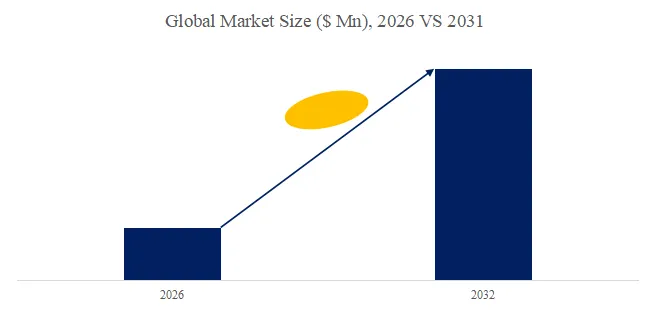
カテゴリー: 未分類 | 投稿者huangsisi 16:30 | コメントをどうぞ