Analog Pyroelectric Infrared Detector: From Security Systems to Smart Homes—The Evolution of Passive Infrared Sensing

Global Leading Market Research Publisher QYResearch announces the release of its latest report “Analog Pyroelectric Infrared Detector – Global Market Share and Ranking, Overall Sales and Demand Forecast 2026-2032”. Based on current situation and impact historical analysis (2021-2025) and forecast calculations (2026-2032), this report provides a comprehensive analysis of the global Analog Pyroelectric Infrared Detector market, including market size, share, demand, industry development status, and forecasts for the next few years.

For security integrators, smart home developers, and industrial automation engineers, reliable motion and presence detection is foundational to system performance. Analog pyroelectric infrared detector addresses this need as an infrared sensing device that generates charge signals in response to temperature changes using pyroelectric crystals such as lithium tantalate or lead zirconium titanate. Outputting a continuous analog voltage signal, these detectors offer fast response, low power consumption, and high sensitivity, making them ideal for passive infrared (PIR) sensors, security monitoring, smart lighting, appliance control, and environmental monitoring. As smart home adoption accelerates, security systems proliferate, and IoT device ecosystems expand, analog pyroelectric infrared detectors are experiencing strong and sustained growth across consumer, industrial, and automotive applications.

【Get a free sample PDF of this report (Including Full TOC, List of Tables & Figures, Chart)】
https://www.qyresearch.com/reports/6098257/analog-pyroelectric-infrared-detector

Market Size and Growth Fundamentals

The global analog pyroelectric infrared detector market was valued at US$ 527 million in 2025 and is projected to reach US$ 931 million by 2032, growing at a CAGR of 8.6% from 2026 to 2032. In 2024, global sales reached approximately 135 million units, with an average unit price of US$ 3.60 per unit. Growth is driven by smart home expansion, security system proliferation, IoT device adoption, and increasing applications in automotive and industrial sensing.

Product Overview and Technology Architecture

Analog pyroelectric infrared detector converts infrared radiation into electrical signals through the pyroelectric effect:

  • Pyroelectric Crystal: Lithium tantalate (LiTaO₃) or lead zirconium titanate (PZT) generates charge in response to temperature changes
  • Output Signal: Continuous analog voltage proportional to infrared radiation changes
  • Key Components: Pyroelectric crystal, infrared window (filter), low-noise FET amplifier, ceramic or plastic base, metal packaging
  • Power Consumption: Ultra-low (typically <10 µA), ideal for battery-powered applications

Key characteristics:

  • Fast Response: Microsecond-level response time for motion and flame detection
  • High Sensitivity: Detects small temperature changes (0.1–0.5°C) at distances up to 10 meters
  • Cost Advantage: Lower cost than digital alternatives with flexible circuit design
  • Design Flexibility: Analog output allows customization of backend signal processing

Market Segmentation: Channel Types and Applications

The analog pyroelectric infrared detector market is segmented by channel type into:

  • Single Channel: Largest segment for basic motion detection in security and lighting applications; typical detection range 5–10 meters; cost-effective for high-volume consumer applications
  • Dual Channel: Enhanced detection for direction sensing and false alarm reduction; used in higher-end security and industrial applications
  • Quad Channel: Multi-element arrays for wider field of view and zone discrimination; used in flame detection systems and advanced occupancy sensing

By application, the market spans Security, Industrial Automation, Automotive Systems, Healthcare Diagnostics, and Others:

  • Security: Largest segment (approximately 45%), driven by PIR motion sensors, security cameras, and smart doorbells
  • Industrial Automation: Flame monitoring, gas analysis, burner control; steady growth from safety regulations
  • Automotive Systems: Fastest-growing segment, driven by in-vehicle occupant monitoring and battery safety applications
  • Healthcare Diagnostics: Non-contact temperature monitoring, gas sensing, patient presence detection

Competitive Landscape and Supply Chain Structure

The analog pyroelectric infrared detector supply chain comprises upstream material suppliers, midstream manufacturers, and downstream end-users:

Upstream Suppliers: Provide pyroelectric crystals (lithium tantalate, lithium titanate), infrared windows, low-noise FET amplifiers, ceramic/metal packaging. Key suppliers include Shin-Etsu, Murata Manufacturing, Corning, Heraeus, and Schott.

Midstream Manufacturers: Design, fabricate, and package detectors:

  • Broadcom: Cost-effective, high-volume security detectors; dominant in consumer segment
  • Excelitas: High-end medical and industrial flame detection; low noise, high sensitivity
  • KEMET: High-reliability devices for automotive and industrial markets
  • Gentec-EO: Scientific research and optical experiments; wide spectral response
  • Other Key Players: InfraTec, NICERA, Heimann Sensor, Laser Components, DIAS Infrared, GEWEE, Micro-Hybrid Electronic, Winsen Electronics Technology

Recent Developments (Last 6 Months)

Several developments have shaped the analog pyroelectric infrared detector landscape:

  • Smart Home Expansion: December 2025–January 2026 saw continued growth in smart doorbells, security cameras, and automated lighting, driving high-volume detector demand, particularly in Asia-Pacific manufacturing hubs.
  • Automotive Applications: EV battery safety monitoring and in-cabin occupant detection emerged as significant growth segments, with major automakers incorporating pyroelectric sensors for child presence detection and thermal runaway monitoring.
  • Domestic Substitution: Accelerating localization of sensor production in China reduced consumer-grade detector prices from US$ 3–4 to below US$ 1, expanding accessibility in mid- and low-end markets while high-end (scientific, medical) prices remain US$ 15–50.
  • Energy Efficiency Mandates: Updated building energy codes (California Title 24, EU EPBD) strengthened requirements for occupancy-based lighting control, driving sensor adoption in commercial buildings.

Exclusive Insight: Single-Channel vs. Multi-Channel Detector Divide

A critical market dynamic is the divergence between single-channel and multi-channel analog pyroelectric infrared detectors based on application sophistication.

Single-Channel Detectors (largest volume, approximately 65% of units) are characterized by:

  • Simple Detection: Basic on/off motion detection for security and lighting
  • Low Cost: US$ 1–3 per unit; high-volume production
  • Applications: PIR sensors, motion-activated lighting, basic security, occupancy sensing

Multi-Channel Detectors (dual-channel, quad-channel; fastest-growing) are characterized by:

  • Enhanced Capabilities: Direction sensing, zone discrimination, false alarm reduction
  • Higher Cost: US$ 5–20 per unit; premium for advanced functionality
  • Applications: Flame detection (2–3 sensors for full-angle monitoring), advanced security, industrial gas analysis, automotive occupant detection

A 2026 industry analysis indicated that multi-channel detectors are gaining share in industrial flame monitoring (driven by safety regulations) and automotive occupant detection (new vehicle safety requirements). Single-channel detectors continue to dominate the high-volume smart home and consumer security markets.

Technical Challenges and Innovation Directions

Key technical considerations in analog pyroelectric infrared detector development include:

  • Noise Reduction: Minimizing dark current and amplifier noise for enhanced sensitivity
  • Temperature Compensation: Maintaining performance across ambient temperature variations (-20°C to +60°C)
  • Package Miniaturization: Reducing footprint for space-constrained applications
  • Spectral Selectivity: Optimizing IR window materials for specific application bands (8–14 µm for human detection, 3–5 µm for flame detection)

Innovation focuses on:

  • Lower Noise: Advanced crystal formulations and amplifier designs for high-end medical/industrial applications
  • Miniaturization: Plastic packaging replacing ceramic bases for cost reduction
  • Multi-Channel Arrays: 2×2 and 4×4 arrays for enhanced spatial resolution
  • Integrated Signal Processing: On-chip amplification and filtering for simplified system design

Conclusion

The analog pyroelectric infrared detector market is positioned for strong growth through 2032, driven by smart home expansion, industrial safety regulations, automotive sensing applications, and accelerating domestic substitution. For manufacturers, success will depend on cost competitiveness in consumer segments, performance differentiation in high-end applications, and the ability to serve emerging automotive and industrial markets. As sensing requirements evolve across security, automotive, and industrial domains, analog pyroelectric infrared detectors will remain essential components for motion, presence, and flame detection.

Contact Us:
If you have any queries regarding this report or if you would like further information, please contact us:
QY Research Inc.
Add: 17890 Castleton Street Suite 369 City of Industry CA 91748 United States
EN: https://www.qyresearch.com
E-mail: global@qyresearch.com
Tel: 001-626-842-1666(US)
JP: https://www.qyresearch.co.jp

カテゴリー: 未分類 | 投稿者huangsisi 13:00 | コメントをどうぞ

EMI Shielding Can Industry Analysis: Low-Frequency vs. High-Frequency Solutions, Application Segments, and Regional Manufacturing Dynamics

Global Leading Market Research Publisher QYResearch announces the release of its latest report “EMI Shielding Can – Global Market Share and Ranking, Overall Sales and Demand Forecast 2026-2032”. Based on current situation and impact historical analysis (2021-2025) and forecast calculations (2026-2032), this report provides a comprehensive analysis of the global EMI Shielding Can market, including market size, share, demand, industry development status, and forecasts for the next few years.

For electronics design engineers and product manufacturers, ensuring electromagnetic compatibility (EMC) has become a critical challenge as device frequencies rise and circuit densities increase. EMI shielding can addresses this by serving as a hood-like structural component—typically metal or plastic with a metallized shielding layer—installed on printed circuit boards (PCBs) to isolate sensitive integrated circuits, radio frequency modules, or entire circuit units within a sealed metal cavity. Functioning as a “miniature Faraday cage,” these shielding solutions effectively block internal electromagnetic waves from radiating outward while preventing external electromagnetic interference from compromising device performance. As 5G communications, smart vehicles, high-performance computing, and the Internet of Things (IoT) continue to expand, the demand for efficient, reliable EMI shielding is accelerating, driving steady market growth across global electronics manufacturing.

【Get a free sample PDF of this report (Including Full TOC, List of Tables & Figures, Chart)】
https://www.qyresearch.com/reports/6098255/emi-shielding-can

Market Size and Growth Fundamentals

The global EMI shielding can market was valued at US$ 2,013 million in 2025 and is projected to reach US$ 3,049 million by 2032, growing at a CAGR of 6.2% from 2026 to 2032. By 2025, global production volume is expected to reach approximately 4 billion units, with an average market price of US$ 0.50 per unit. Growth is driven by the proliferation of high-frequency electronic devices, the rollout of 5G infrastructure, automotive electrification, and increasingly stringent EMC regulatory requirements across global markets.

Product Overview and Functional Importance

EMI shielding can serves as a critical component for electromagnetic compatibility:

  • Structural Design: Metal or metalized plastic enclosure that mounts directly onto PCBs, forming a sealed cavity over sensitive components
  • Faraday Cage Functionality: Blocks electromagnetic emissions both outward (preventing device-generated interference) and inward (protecting against external interference)
  • Application Scope: Protects integrated circuits (ICs), RF modules, power management units, and complete circuit sections
  • Compliance Enabler: Essential for meeting EMC regulations (FCC, CE, CISPR) required for market access

Key drivers of demand:

  • 5G Communications: Higher frequency bands (mmWave) and dense antenna arrays require enhanced shielding to prevent interference
  • Automotive Electronics: Advanced driver-assistance systems (ADAS), infotainment, and vehicle-to-everything (V2X) communication demand robust EMI protection
  • High-Performance Computing: Server, data center, and AI accelerator modules with dense component layouts create significant shielding requirements
  • Consumer Electronics: Smartphones, wearables, and IoT devices requiring compact, lightweight shielding solutions

Market Segmentation: Frequency Types and Applications

The EMI shielding can market is segmented by frequency type into:

  • Low-Frequency Shielding Enclosure: Optimized for frequencies below 1 GHz; used in power electronics, motor drives, and general industrial applications. Stable segment with ongoing demand.
  • High-Frequency Shielding Enclosure: Designed for frequencies above 1 GHz (including 5G, Wi-Fi 6/7, millimeter-wave); fastest-growing segment as wireless communications and high-speed digital interfaces proliferate.

By application, the market spans Consumer Electronics, Communication Equipment, Automotive Electronics, Medical Devices, Industrial Control, and Other:

  • Consumer Electronics: Largest segment (approximately 35%), driven by smartphones, tablets, wearables, and smart home devices
  • Communication Equipment: Fastest-growing segment, fueled by 5G infrastructure deployment, base stations, and network equipment
  • Automotive Electronics: Significant growth from ADAS, infotainment, and electric vehicle (EV) power electronics
  • Medical Devices: High-reliability requirements for diagnostic and therapeutic equipment
  • Industrial Control: Factory automation, motor drives, and industrial computing

Competitive Landscape and Regional Dynamics

The EMI shielding can market features a mix of global electronics components suppliers and regional specialists:

Company Key Strengths
Laird (now part of DuPont) Global EMI shielding leader; broad product portfolio
Parker Hannifin Aerospace and industrial shielding; high-reliability focus
TE Connectivity Connectivity and sensor solutions; integrated shielding
Schaffner EMC and power quality specialist
Kitagawa Industries Japanese specialist; precision shielding components
Rosenberger RF and high-frequency interconnect solutions
Shenzhen FRD Chinese manufacturer; cost-competitive consumer electronics focus
Holland Shielding Systems, Harwin, GCT, East Coast Shielding Regional and specialized manufacturers

Regional Market Structure:

  • Asia-Pacific: Dominant region, accounting for over 60% of global market, driven by massive consumer electronics manufacturing bases in China, South Korea, and Taiwan. Chinese and South Korean manufacturers are steadily increasing supply chain influence, particularly in cost-competitive consumer segments.
  • North America and Europe: High-value, high-performance segments for automotive electronics, aerospace, and medical devices. Focus on technology-intensive shielding solutions with superior attenuation performance and reliability.
  • Latin America and Middle East: Smaller but growing markets as local electronics manufacturing expands and communication infrastructure upgrades progress.

Recent Developments (Last 6 Months)

Several developments have shaped the EMI shielding can landscape:

  • 5G mmWave Deployment: December 2025–January 2026 saw accelerated 5G mmWave infrastructure deployment, driving demand for high-frequency shielding cans capable of maintaining attenuation above 100 GHz.
  • Automotive Electrification: EV platform proliferation increased shielding requirements for battery management systems, onboard chargers, and power inverters, with automotive-grade reliability standards driving premium product demand.
  • Material Innovation: New composite materials (conductive polymers, metal-plated plastics) introduced for lightweight, form-fitting shielding solutions, addressing space constraints in compact consumer electronics.
  • Regulatory Updates: Updated EMC standards (CISPR 32, automotive CISPR 25) tightened radiated emission requirements, expanding the addressable market for high-performance shielding solutions.

Exclusive Insight: The Low-Frequency vs. High-Frequency Shielding Divide—Application Determines Technology

A critical market dynamic is the divergence between low-frequency shielding and high-frequency shielding based on application requirements and material selection.

Low-Frequency Shielding (below 1 GHz) is characterized by:

  • Material Focus: Primarily steel or aluminum enclosures providing magnetic field shielding
  • Applications: Power electronics, motor drives, industrial control, automotive power systems
  • Design Considerations: Thicker materials, seam sealing for low-frequency magnetic interference

High-Frequency Shielding (above 1 GHz, including 5G mmWave) is characterized by:

  • Material Focus: Copper alloys, nickel-silver, and conductive polymers optimized for electric field shielding
  • Applications: RF modules, 5G transceivers, Wi-Fi 6/7, high-speed digital interfaces
  • Design Considerations: Thin-wall designs, multi-cavity configurations, and absorption-enhanced materials

A 2026 industry analysis indicated that high-frequency shielding is the fastest-growing segment, driven by 5G deployment and increasing wireless content in automotive and consumer devices. High-frequency shields typically command 20–30% price premiums due to tighter manufacturing tolerances and advanced material requirements.

Technical Challenges and Innovation Directions

Key technical considerations in EMI shielding can design and manufacturing include:

  • Attenuation Performance: Maintaining shielding effectiveness (SE) of 60–100 dB across target frequency ranges
  • Thermal Management: Balancing shielding with heat dissipation requirements
  • Manufacturing Tolerances: Achieving precise fit for automated pick-and-place assembly
  • Cost Optimization: Balancing material performance with volume production economics

Innovation focuses on:

  • Multi-Material Solutions: Hybrid metal-plastic designs for weight reduction and complex geometries
  • Integrated Shielding: Combining shielding can with heat spreader or structural functions
  • Form-Fitting Designs: Custom-shaped shields for space-constrained applications
  • Sustainable Materials: Recyclable metal and polymer options for environmental compliance

Conclusion

The EMI shielding can market is positioned for strong growth through 2032, driven by 5G deployment, automotive electrification, and the increasing frequency and density of electronic systems. For manufacturers, success will depend on material innovation, high-frequency performance capabilities, and the ability to serve diverse segments from cost-sensitive consumer electronics to high-reliability automotive and medical applications. As electronic devices continue to operate at higher frequencies and greater integration, EMI shielding cans will remain essential components for ensuring electromagnetic compatibility and stable device operation.

Contact Us:
If you have any queries regarding this report or if you would like further information, please contact us:
QY Research Inc.
Add: 17890 Castleton Street Suite 369 City of Industry CA 91748 United States
EN: https://www.qyresearch.com
E-mail: global@qyresearch.com
Tel: 001-626-842-1666(US)
JP: https://www.qyresearch.co.jp

カテゴリー: 未分類 | 投稿者huangsisi 12:58 | コメントをどうぞ

Analog Pyroelectric Detector: From Security Systems to Automotive Occupancy—The Evolution of Infrared Sensing

Global Leading Market Research Publisher QYResearch announces the release of its latest report “Analog Pyroelectric Detector – Global Market Share and Ranking, Overall Sales and Demand Forecast 2026-2032”. Based on current situation and impact historical analysis (2021-2025) and forecast calculations (2026-2032), this report provides a comprehensive analysis of the global Analog Pyroelectric Detector market, including market size, share, demand, industry development status, and forecasts for the next few years.

For security integrators, smart home developers, and industrial automation engineers, reliable motion and flame detection is foundational to system performance. Analog pyroelectric detector addresses this need as an infrared detection device that generates charge signals in response to temperature changes using pyroelectric crystals such as lithium tantalate or lead zirconium titanate. Outputting a continuous analog voltage signal, these detectors offer fast response, low power consumption, and high sensitivity, making them ideal for passive infrared (PIR) sensors, security monitoring, smart lighting, appliance control, and environmental monitoring. As the smart home market expands, security systems proliferate, and new applications emerge in automotive and industrial sensing, analog pyroelectric detectors are experiencing strong and sustained growth.

【Get a free sample PDF of this report (Including Full TOC, List of Tables & Figures, Chart)】
https://www.qyresearch.com/reports/6098251/analog-pyroelectric-detector

Market Size and Growth Fundamentals

The global analog pyroelectric detector market was valued at US$ 527 million in 2025 and is projected to reach US$ 931 million by 2032, growing at a CAGR of 8.6% from 2026 to 2032. In 2024, global sales reached approximately 135 million units, with an average unit price of US$ 3.60 per unit. Growth is driven by smart home and security system expansion, industrial safety regulations, automotive occupant monitoring, and accelerating domestic substitution in cost-sensitive markets.

Product Overview and Technology Architecture

Analog pyroelectric detector converts infrared radiation into electrical signals through pyroelectric effect:

  • Pyroelectric Crystal: Lithium tantalate (LiTaO₃) or lead zirconium titanate (PZT) generates charge in response to temperature changes
  • Output Signal: Continuous analog voltage proportional to infrared radiation changes
  • Key Components: Pyroelectric crystal, infrared window (filter), low-noise FET amplifier, ceramic or plastic base, metal packaging

Key characteristics:

  • Fast Response: Microsecond-level response time for motion and flame detection
  • Low Power Consumption: Suitable for battery-powered applications (security sensors, IoT devices)
  • High Sensitivity: Detects small temperature changes (0.1–0.5°C) at range
  • Cost Advantage: Lower cost than digital alternatives with flexible circuit design

Industry Supply Chain Structure

The analog pyroelectric detector supply chain comprises:

Upstream Suppliers provide raw materials:

  • Pyroelectric Crystals: Lithium tantalate, lithium titanate
  • Infrared Windows and Filters: IR-transmissive materials for spectral selectivity
  • Electronic Components: Low-noise FET amplifiers, ceramic/metal packaging
  • Key Suppliers: Shin-Etsu, Murata Manufacturing, Corning, Heraeus, Schott

Midstream Manufacturers: Design, fabricate, and package detectors:

  • Global Leaders: Broadcom (cost-effective, high-volume security detectors)
  • High-End Specialists: Excelitas (medical, industrial flame detection; low noise, high sensitivity)
  • Automotive/Industrial: KEMET (high-reliability, varied packaging)
  • Scientific/Research: Gentec-EO (wide spectral response, customization)
  • Other Key Players: InfraTec, NICERA, Heimann Sensor, Laser Components, DIAS Infrared, GEWEE, Micro-Hybrid Electronic, Winsen Electronics Technology

Downstream End-Users span multiple sectors:

  • Security and Smart Home: Hikvision, Honeywell for PIR motion detection alarms, sensor lights, doorbells
  • Industrial: Siemens, Emerson for flame monitoring, burners, gas analysis
  • Consumer Electronics: LG, Panasonic for appliance energy-saving control
  • Automotive: Tesla, BYD for in-vehicle occupant monitoring, battery safety
  • Medical: Medtronic, Philips for non-contact temperature monitoring, gas sensing

Market Segmentation: Channel Types and Applications

The analog pyroelectric detector market is segmented by channel type into:

  • Single Channel: Largest segment for basic motion detection in security and lighting applications; typical detection range 5–10 meters
  • Dual Channel: Enhanced detection for direction sensing and false alarm reduction; used in higher-end security and industrial applications
  • Quad Channel: Multi-element arrays for wider field of view and zone discrimination; used in flame detection systems (2–3 sensors provide full-angle monitoring)

By application, the market spans Security, Industrial Automation, Automotive Systems, Healthcare Diagnostics, and Others:

  • Security: Largest segment (approximately 45%), driven by PIR motion sensors, security cameras, and smart doorbells
  • Industrial Automation: Flame monitoring, gas analysis, burner control; steady growth from safety regulations
  • Automotive Systems: Fastest-growing segment, driven by in-vehicle occupant monitoring and battery safety applications
  • Healthcare Diagnostics: Non-contact temperature monitoring, gas sensing, medical imaging

Recent Developments (Last 6 Months)

Several developments have shaped the analog pyroelectric detector landscape:

  • Smart Home Expansion: December 2025–January 2026 saw continued growth in smart doorbells, security cameras, and automated lighting, driving high-volume detector demand.
  • Automotive Applications: EV battery safety monitoring and in-cabin occupant detection emerged as growth segments, with major automakers incorporating pyroelectric sensors for child presence detection and thermal runaway monitoring.
  • Domestic Substitution: Accelerating localization of sensor production in China reduced consumer-grade detector prices from US$ 3–4 to below US$ 1, expanding accessibility in mid- and low-end markets while high-end (scientific, medical) prices remain US$ 15–50.
  • Technology Integration: Introduction of detectors with integrated digital interfaces and on-chip amplification circuits, bridging analog and digital capabilities for simplified system design.

Exclusive Insight: The Single-Channel vs. Multi-Channel Detector Divide—Application Drives Complexity

A critical market dynamic is the divergence between single-channel and multi-channel analog pyroelectric detectors based on application sophistication.

Single-Channel Detectors (largest volume, approximately 70% of units) are characterized by:

  • Simple Detection: Basic on/off motion detection for security and lighting
  • Low Cost: US$ 1–3 per unit; high-volume production
  • Applications: PIR sensors, motion-activated lighting, basic security

Multi-Channel Detectors (dual-channel, quad-channel; fastest-growing) are characterized by:

  • Enhanced Capabilities: Direction sensing, zone discrimination, false alarm reduction
  • Higher Cost: US$ 5–20 per unit; premium for advanced functionality
  • Applications: Flame detection (2–3 sensors for full-angle monitoring), advanced security, industrial gas analysis

A 2026 industry analysis indicated that multi-channel detectors are gaining share in industrial flame monitoring (driven by safety regulations) and automotive occupant detection (new vehicle safety requirements). Single-channel detectors continue to dominate the high-volume smart home and consumer security markets.

Technical Challenges and Innovation Directions

Key technical considerations in analog pyroelectric detector development include:

  • Noise Reduction: Minimizing dark current and amplifier noise for enhanced sensitivity
  • Temperature Compensation: Maintaining performance across ambient temperature variations
  • Package Miniaturization: Reducing footprint for space-constrained applications
  • Spectral Selectivity: Optimizing IR window materials for specific application bands

Innovation focuses on:

  • Lower Noise: Advanced crystal formulations and amplifier designs for high-end medical/industrial applications
  • Miniaturization: Plastic packaging replacing ceramic bases for cost reduction
  • Multi-Channel Arrays: 2×2 and 4×4 arrays for enhanced spatial resolution
  • Integrated Signal Processing: On-chip amplification and filtering for simplified system design

Conclusion

The analog pyroelectric detector market is positioned for strong growth through 2032, driven by smart home expansion, industrial safety regulations, automotive sensing applications, and accelerating domestic substitution. For manufacturers, success will depend on cost competitiveness in consumer segments, performance differentiation in high-end applications, and the ability to serve emerging automotive and industrial markets. As sensing requirements evolve across security, automotive, and industrial domains, analog pyroelectric detectors will remain essential components for motion, flame, and presence detection.

Contact Us:
If you have any queries regarding this report or if you would like further information, please contact us:
QY Research Inc.
Add: 17890 Castleton Street Suite 369 City of Industry CA 91748 United States
EN: https://www.qyresearch.com
E-mail: global@qyresearch.com
Tel: 001-626-842-1666(US)
JP: https://www.qyresearch.co.jp

カテゴリー: 未分類 | 投稿者huangsisi 12:57 | コメントをどうぞ

Photography Light Control Accessories Research:CAGR of 3.64% from 2026 to 2032

QY Research Inc. (Global Market Report Research Publisher) announces the release of 2025 latest report “Photography Light Control Accessories- Global Market Share and Ranking, Overall Sales and Demand Forecast 2026-2032”. Based on current situation and impact historical analysis (2020-2024) and forecast calculations (2026-2032), this report provides a comprehensive analysis of the global Photography Light Control Accessories market, including market size, share, demand, industry development status, and forecasts for the next few years.

The global market for Photography Light Control Accessories was estimated to be worth US$ 94.50 million in 2024 and is forecast to a readjusted size of US$ 124 million by 2031 with a CAGR of 3.6% during the forecast period 2025-2031.

【Get a free sample PDF of this report (Including Full TOC, List of Tables & Figures, Chart)】
https://www.qyresearch.com/reports/5376345/photography-light-control-accessories


Photography Light Control Accessories Market Summary

Photographic light control accessories are a general term for various tools used to actively intervene, shape, and optimize lighting effects during the shooting process. Their core function is to modify the inherent characteristics of natural or artificial light, including its quality, direction, intensity, color, and distribution. Common light control accessories include reflectors, softboxes/umbrellas, grids/grids, and beauty dishes/beauty dishes. Through sophisticated optical design and physical blocking principles, these accessories empower photographers with powerful capabilities, from subtle adjustments to complete lighting reshaping. They are indispensable technical means for achieving creative image expression, controlling tonal gradations, and enhancing the professionalism of their work. They are widely used in professional photography fields such as portraiture, still life, commercials, and film and television production.

Driven by the explosive growth in global demand for video content creation and the popularization of photography technology, the Photography Light Control Accessories market is undergoing a structural transformation from traditional photography aids to core systems for video creation. According to the latest data from QYResearch, the global market size reached $99.7 million in 2025 and is projected to climb to $128 million by 2032, representing a CAGR of 3.64% from 2026 to 2032. This growth is supported by three core factors: the daily content upload volume on global short video platforms maintains a growth rate of over 25%, the cost of professional-grade LED light sources has decreased by 40% (compared to 2020), and the high-performance, cost-effective solutions provided by the Chinese supply chain (similar products are 30-50% cheaper than European and American brands). Currently, the market exhibits a clear trend of consumer segmentation: the high-end professional market pursues technological excellence, the mid-range creative market emphasizes ecosystem integrity, and the entry-level market focuses on portability and cost-effectiveness. This article analyzes product forms, competitive landscape, and regional market characteristics based on the technological changes in the content creation industry in 2025, providing decision-making references for the strategic adjustments of relevant enterprises.


Figure00001. Global Photography Light Control Accessories Market Size (US$ Million), 2021-2032

Photography Light Control Accessories

Above data is based on report from QYResearch: Global Photography Light Control Accessories Market Report 2025-2032 (published in 2025). If you need the latest data, plaese contact QYResearch.

Technological Evolution: Intelligentization and Lightweighting Lead Product Innovation

The current technological development of Photography Light Control Accessories exhibits three main characteristics: intelligent integration, lightweight design, and the democratization of professional performance. With the maturity of LED light source technology, high color rendering index and stable color temperature have become industry standards, while true differentiation is gradually shifting towards wireless control, multi-device collaboration, and the integration of hardware and software ecosystems. The widespread adoption of lightweight carbon fiber materials and quick-release systems has significantly improved the mobility and deployment efficiency of professional equipment, enabling individual creators to quickly complete complex lighting setups.

From a product structure perspective, the market presents a dual-track pattern of professional and mass-market offerings. Professional film and television-grade accessories emphasize system integrity, environmental adaptability, and industrial-grade reliability, while the mass-market focuses more on a balance between portability, ease of use, and cost-effectiveness. It is worth noting that while intelligent Photography Light Control Accessories currently have a limited market share, they have become the fastest-growing segment, demonstrating a clear path for the industry to shift from a hardware-oriented to a system service-oriented approach.

Figure00002. Global Photography Light Control Accessories Top 13 players Ranking (Ranking is based on the revenue of 2025, continually updated)

Photography Light Control Accessories

According to QYResearch Top Players Research Center, the global key manufacturers of Photography Light Control Accessories include Profoto, Broncolor, Godox, Aputure, Manfrotto, etc. In 2025, the global top five players had a share approximately 43.5% in terms of revenue.

Competitive Landscape and Vendor Dynamics

The global Photography Light Control Accessories market exhibits a three-tiered competitive landscape. The first tier, represented by European professional brands such as Profoto and Broncolor, holds approximately 25% of the high-end market share, leveraging their technological advantages and comprehensive ecosystems to build competitive barriers. The second tier includes brands like Aputure and Godox, holding approximately 50% of the market share and dominating the creator market through a “high performance + excellent cost-effectiveness” strategy. The third tier, represented by brands like Ulanzi and SmallRig, holds approximately 25% of the market share, meeting mass-market needs with rapid response and exceptional cost-effectiveness.

Regionally, North America and Europe together account for approximately 45% of the global market share, continuing to lead technological development. The Asia-Pacific market (centered on China) currently accounts for approximately 35%, projected to rise to 40% by 2032, becoming the main engine of industry growth. Emerging markets (Southeast Asia, Latin America, etc.) account for 20%, demonstrating significant growth potential with the rise of local content industries.

Cost Structure and Supply Chain Evolution

In 2025, fluctuations in global electronic component prices and changes in logistics costs will have a structural impact on the market: First, cost pressures will be transmitted, with gross profit margins for mid-to-low-end products generally shrinking by 5-8 percentage points, forcing brands to strengthen vertical integration of the supply chain or seek technological differentiation to maintain profits. Second, manufacturing centers will shift, with international brands relocating more mid-range product manufacturing to Southeast Asia (such as Vietnam and Thailand) to optimize costs and be closer to the market. Meanwhile, China’s supply chain, with its complete industrial support and engineering talent pool, will continue to upgrade towards R&D and high-end manufacturing. Third, channel transformation will deepen, with professional film and television equipment distributors still controlling the high-end market, but e-commerce platforms (especially interest-based e-commerce and B2B platforms) now account for more than 60% of sales in the mid-to-low-end market, driving the transformation of marketing models towards content-driven and scenario-based approaches.

Typical Cases and Technological Breakthroughs

Aputure has achieved market breakthroughs through its “technology equality” concept: its Light Storm series of lights, paired with the Sidus Link ecosystem, provides small and medium-sized teams with near-cinematic wireless lighting control solutions at a cost far lower than traditional high-end brands, and has been widely used in web dramas, advertising, and high-quality short video production. SmallRig, with its exceptional product definition and rapid supply chain response, has pioneered a new category of “modular ecosystem accessories.” Its magnetic connection system and abundant expansion parts meet the highly personalized lighting and shooting setup needs of creators, making it one of the preferred brands for DIY creators worldwide. Regarding technological challenges, the industry currently faces the issues of “heat dissipation and size balance for high-power LEDs” and the ecosystem barrier of “incompatibility between cross-brand wireless control protocols,” which provides breakthrough opportunities for companies with self-developed control systems and heat dissipation technologies.

Future Trends and Core Challenges

Technological convergence will profoundly reshape the industry landscape. The widespread adoption of virtual production technology will drive the deep integration of photography light control accessories with digital content production workflows, while the application of artificial intelligence in light simulation and automated lighting may redefine creative workflows. Business model innovation is also noteworthy; new models such as device-as-a-service and cloud-based lighting library subscriptions are emerging and may change the way value is distributed in the industry.

However, the industry still faces structural challenges such as ecosystem fragmentation due to inconsistent standards and homogeneous competition in the low-to-mid-end market. The next stage of competition will not only be a contest of product performance but also a comprehensive test of ecosystem building capabilities, depth of understanding of user scenarios, and continuous innovation. Companies that can grasp the pace of technological evolution, accurately position their target markets, and build differentiated competitive advantages will gain greater development space during this period of transformation.


About The Authors

Shang Tianmin – Main Analyst for this Article

Email: shangtianmin@qyresearch.com

Ms. Shang has 3 years of industry research experience, focusing on the fields of mechanical equipment (such as self-climbing cranes, autonomous surface ships, autonomous mobile robots 3D cameras, etc.) and business services and software (such as patent databases, cold storage lighting, laboratory piping systems, etc.). Ms. Sang is engaged in the development of technology and market reports and is good at pre-sales services for customized projects.

About QYResearch

QYResearch founded in California, USA in 2007.It is a leading global market research and consulting company. With over 17 years’ experience and professional research team in various cities over the world QY Research focuses on management consulting, database and seminar services, IPO consulting (data is widely cited in prospectuses, annual reports and presentations), industry chain research and customized research to help our clients in providing non-linear revenue model and make them successful. We are globally recognized for our expansive portfolio of services, good corporate citizenship, and our strong commitment to sustainability. Up to now, we have cooperated with more than 60,000 clients across five continents. Let’s work closely with you and build a bold and better future.

QYResearch is a world-renowned large-scale consulting company. The industry covers various high-tech industry chain market segments, spanning the semiconductor industry chain (semiconductor equipment and parts, semiconductor materials, ICs, Foundry, packaging and testing, discrete devices, sensors, optoelectronic devices), photovoltaic industry chain (equipment, cells, modules, auxiliary material brackets, inverters, power station terminals), new energy automobile industry chain (batteries and materials, auto parts, batteries, motors, electronic control, automotive semiconductors, etc.), communication industry chain (communication system equipment, terminal equipment, electronic components, RF front-end, optical modules, 4G/5G/6G, broadband, IoT, digital economy, AI), advanced materials industry Chain (metal materials, polymer materials, ceramic materials, nano materials, etc.), machinery manufacturing industry chain (CNC machine tools, construction machinery, electrical machinery, 3C automation, industrial robots, lasers, industrial control, drones), food, beverages and pharmaceuticals, medical equipment, agriculture, etc.

The report provides a detailed analysis of the market size, growth potential, and key trends for each segment. Through detailed analysis, industry players can identify profit opportunities, develop strategies for specific customer segments, and allocate resources effectively.

The Photography Light Control Accessories market is segmented as below:
By Company
Manfrotto
Photoflex
Aputure
Ulanzi
Godox
Broncolor
Profoto
AMARAN
Cinelight
Bresser
Smith-Victor
Dynaphos
COLBOR

Segment by Type
Diffusion Accessories
Reflection Accessories
Blocking and Focusing Accessories
Gel Accessories
Others

Segment by Application
Professional Portrait Photography
Commercial Photography and Advertising
E-Commerce and Still Life Product Photography
Others

Each chapter of the report provides detailed information for readers to further understand the Photography Light Control Accessories market:

Chapter 1: Introduces the report scope of the Photography Light Control Accessories report, global total market size (valve, volume and price). This chapter also provides the market dynamics, latest developments of the market, the driving factors and restrictive factors of the market, the challenges and risks faced by manufacturers in the industry, and the analysis of relevant policies in the industry. (2021-2032)
Chapter 2: Detailed analysis of Photography Light Control Accessories manufacturers competitive landscape, price, sales and revenue market share, latest development plan, merger, and acquisition information, etc. (2021-2026)
Chapter 3: Provides the analysis of various Photography Light Control Accessories market segments by Type, covering the market size and development potential of each market segment, to help readers find the blue ocean market in different market segments. (2021-2032)
Chapter 4: Provides the analysis of various market segments by Application, covering the market size and development potential of each market segment, to help readers find the blue ocean market in different downstream markets.(2021-2032)
Chapter 5: Sales, revenue of Photography Light Control Accessories in regional level. It provides a quantitative analysis of the market size and development potential of each region and introduces the market development, future development prospects, market space, and market size of each country in the world..(2021-2032)
Chapter 6: Sales, revenue of Photography Light Control Accessories in country level. It provides sigmate data by Type, and by Application for each country/region.(2021-2032)
Chapter 7: Provides profiles of key players, introducing the basic situation of the main companies in the market in detail, including product sales, revenue, price, gross margin, product introduction, recent development, etc. (2021-2026)
Chapter 8: Analysis of industrial chain, including the upstream and downstream of the industry.
Chapter 9: Conclusion.

Benefits of purchasing QYResearch report:
Competitive Analysis: QYResearch provides in-depth Photography Light Control Accessories competitive analysis, including information on key company profiles, new entrants, acquisitions, mergers, large market shear, opportunities, and challenges. These analyses provide clients with a comprehensive understanding of market conditions and competitive dynamics, enabling them to develop effective market strategies and maintain their competitive edge.

Industry Analysis: QYResearch provides Photography Light Control Accessories comprehensive industry data and trend analysis, including raw material analysis, market application analysis, product type analysis, market demand analysis, market supply analysis, downstream market analysis, and supply chain analysis.

and trend analysis. These analyses help clients understand the direction of industry development and make informed business decisions.

Market Size: QYResearch provides Photography Light Control Accessories market size analysis, including capacity, production, sales, production value, price, cost, and profit analysis. This data helps clients understand market size and development potential, and is an important reference for business development.

Other relevant reports of QYResearch:
Global Photography Light Control Accessories Market Research Report 2025
Global Photography Light Control Accessories Market Outlook, In‑Depth Analysis & Forecast to 2031
Global Photography Light Control Accessories Sales Market Report, Competitive Analysis and Regional Opportunities 2025-2031

About Us:
QYResearch founded in California, USA in 2007, which is a leading global market research and consulting company. Our primary business include market research reports, custom reports, commissioned research, IPO consultancy, business plans, etc. With over 19 years of experience and a dedicated research team, we are well placed to provide useful information and data for your business, and we have established offices in 7 countries (include United States, Germany, Switzerland, Japan, Korea, China and India) and business partners in over 30 countries. We have provided industrial information services to more than 60,000 companies in over the world.

Contact Us:
If you have any queries regarding this report or if you would like further information, please contact us:
QY Research Inc.
Add: 17890 Castleton Street Suite 369 City of Industry CA 91748 United States
EN: https://www.qyresearch.com
Email: global@qyresearch.com
Tel: 001-626-842-1666(US)
JP: https://www.qyresearch.co.jp

カテゴリー: 未分類 | 投稿者huangsisi 12:51 | コメントをどうぞ

MELF Resistor: From Cylindrical Design to High-Reliability Applications—The Evolution of Surface-Mount Passive Components

Global Leading Market Research Publisher QYResearch announces the release of its latest report “MELF (Metal Electrode Leadless Face) Resistor – Global Market Share and Ranking, Overall Sales and Demand Forecast 2026-2032”. Based on current situation and impact historical analysis (2021-2025) and forecast calculations (2026-2032), this report provides a comprehensive analysis of the global MELF (Metal Electrode Leadless Face) Resistor market, including market size, share, demand, industry development status, and forecasts for the next few years.

For electronics design engineers and procurement specialists, selecting passive components that balance precision, reliability, and manufacturing compatibility is critical to product performance. MELF resistor (Metal Electrode Leadless Face Resistor) is a cylindrical, surface-mount resistor that uses metal film or thick film technology with metalized ends instead of traditional wire leads. Unlike standard chip resistors, MELF resistors offer superior pulse load capability, high precision, and excellent stability under temperature and humidity variations. These characteristics make them particularly valuable in applications where reliability is paramount—automotive electronics, industrial automation, medical equipment, and precision measurement devices. As automotive electrification, industrial automation, and high-reliability electronics continue to expand, the MELF resistor market is experiencing steady growth.

【Get a free sample PDF of this report (Including Full TOC, List of Tables & Figures, Chart)】
https://www.qyresearch.com/reports/6098227/melf–metal-electrode-leadless-face–resistor

Market Size and Growth Fundamentals

The global MELF resistor market was valued at US$ 449 million in 2025 and is projected to reach US$ 637 million by 2032, growing at a CAGR of 5.2% from 2026 to 2032. In 2024, global sales volume reached approximately 8.41 billion units, with an average market price of US$ 0.05 per unit. Growth is driven by increasing demand in automotive electronics, industrial automation, and high-reliability applications requiring superior pulse load and stability characteristics.

Product Overview and Key Characteristics

MELF resistor is a cylindrical surface-mount component with distinct advantages over traditional chip resistors:

  • Construction: Cylindrical body with metalized end caps; no wire leads, enabling automated surface-mount assembly
  • Resistive Technology: Metal film (dominant) or carbon film for resistive element
  • Key Advantages:
    • Pulse Load Capability: Cylindrical geometry provides superior pulse handling compared to flat chip resistors
    • Temperature Stability: Low temperature coefficient (typically ±25 to ±100 ppm/°C)
    • Moisture Resistance: Robust sealing against humidity and environmental stress
    • High Precision: Tight tolerance options (0.1%, 0.5%, 1%)
    • Reliability: Proven performance in automotive and industrial applications

Common applications by precision and reliability requirements:

  • Automotive Electronics: Engine control units, transmission controllers, safety systems
  • Industrial Automation: PLCs, motor drives, power supplies
  • Medical Equipment: Patient monitoring, diagnostic devices
  • Communications Equipment: Base stations, network infrastructure
  • Consumer Electronics: Premium audio, precision measurement devices

Market Segmentation: Technology Types and Applications

The MELF resistor market is segmented by technology type into:

  • Metal Film MELF Resistor: Dominant segment (approximately 75% of market value), offering high precision, low noise, excellent stability, and superior pulse load capability. Preferred for automotive, industrial, medical, and precision applications.
  • Carbon Film MELF Resistor: Smaller segment, offering cost-effective solutions for less demanding applications where precision and pulse requirements are moderate.
  • Other: Specialty materials for high-frequency or ultra-high-precision applications.

By application, the market spans Automotive Electronics, Consumer Electronics, Communications Equipment, Industrial Automation, Medical Equipment, and Other:

  • Automotive Electronics: Largest and fastest-growing segment (approximately 35%), driven by vehicle electrification, advanced driver-assistance systems (ADAS), and increasing electronic content per vehicle
  • Industrial Automation: Steady segment for PLCs, motor drives, power supplies, and control systems
  • Consumer Electronics: Premium products requiring reliability and precision
  • Communications Equipment: Base stations, network infrastructure, and telecom applications

Competitive Landscape: Key Players

The MELF resistor market features specialized passive component manufacturers alongside broader electronic component suppliers:

Company Key Strengths
Vishay Global passive component leader; broad MELF portfolio; automotive and industrial focus
YAGEO Major passive component manufacturer; comprehensive product line
KOA Speer Japanese specialist; high-reliability and automotive focus
TE Connectivity Broad connectivity and component portfolio; industrial and automotive strength
TT Electronics Precision and high-reliability components; medical and industrial focus
Viking Tech Precision passive components; Asia-Pacific market presence
Multicomp, Aillen, Firstohm, Synton-Tech Regional and value-oriented manufacturers
Ohmite, Microhm Electronics, Watts, Stackpole Electronics Specialty and industrial resistor manufacturers

Recent Developments (Last 6 Months)

Several developments have shaped the MELF resistor landscape:

  • Automotive Electrification: December 2025–January 2026 saw increased demand for MELF resistors in electric vehicle power electronics, battery management systems, and onboard chargers, where pulse handling and reliability are critical.
  • Supply Chain Diversification: Continued regionalization of passive component supply chains, with manufacturers expanding capacity in North America and Europe to reduce Asia concentration.
  • High-Power Variants: Introduction of higher-power-rated MELF resistors (1W–2W) for power electronics applications, expanding addressable market beyond traditional signal-level circuits.
  • Tight Tolerance Expansion: Increased availability of 0.1% and 0.5% tolerance MELF resistors for precision industrial and medical applications.

Exclusive Insight: The MELF vs. Chip Resistor Decision—Pulse Handling Drives Selection

A critical market dynamic is the divergence between MELF resistors and standard chip resistors based on application requirements.

MELF Resistor Advantages (justifying 2–5× price premium over chip resistors):

  • Superior Pulse Load: Cylindrical geometry distributes pulse energy evenly; withstands 10–100× higher pulse energy than equivalent chip resistors
  • Moisture Resistance: Sealed construction prevents moisture ingress; ideal for automotive under-hood and industrial environments
  • Mechanical Strength: Robust cylindrical body withstands board flex and vibration better than flat chip designs
  • High Precision: Available in tighter tolerances (0.1%) with lower temperature coefficients

Chip Resistor Advantages (dominant in volume applications):

  • Lower Cost: US$ 0.01–0.03 vs. US$ 0.04–0.10 for MELF
  • Smaller Footprint: Flat geometry enables higher packing density
  • Simpler Assembly: Standard pick-and-place with lower placement variation
  • Applications: Consumer electronics, commodity applications without severe pulse or environmental demands

A 2026 industry analysis indicated that MELF resistor adoption is highest in automotive (under-hood, safety-critical), industrial (motor drives, power supplies), and medical (patient-connected) applications where reliability justifies premium pricing. In consumer electronics and general-purpose applications, chip resistors maintain dominance due to cost and density advantages.

Technical Challenges and Innovation Directions

Key technical considerations in MELF resistor manufacturing include:

  • Automated Assembly Compatibility: Cylindrical geometry requires careful pick-and-place programming to avoid rolling
  • Power Dissipation: Managing heat in high-density assemblies
  • Precision Control: Maintaining tight tolerance across manufacturing volumes
  • Materials Cost: Fluctuations in precious metals (used in thick film formulations) affect pricing

Innovation focuses on:

  • Higher Power Ratings: Extending power handling for power electronics applications
  • Ultra-Precision: Expanding 0.05% and 0.02% tolerance options for instrumentation
  • Miniaturization: Smaller case sizes (MELF 0102, 0204) for compact assemblies
  • AEC-Q200 Qualification: Expanding automotive-qualified portfolios for safety-critical applications

Conclusion

The MELF resistor market is positioned for steady growth through 2032, driven by automotive electrification, industrial automation, and increasing demand for high-reliability passive components. For manufacturers, success will depend on precision capabilities, automotive qualification, and the ability to serve both volume and high-reliability segments. As electronic systems become more complex and reliability requirements increase, MELF resistors will remain essential components for applications demanding superior pulse handling, stability, and environmental resistance.

Contact Us:
If you have any queries regarding this report or if you would like further information, please contact us:
QY Research Inc.
Add: 17890 Castleton Street Suite 369 City of Industry CA 91748 United States
EN: https://www.qyresearch.com
E-mail: global@qyresearch.com
Tel: 001-626-842-1666(US)
JP: https://www.qyresearch.co.jp

カテゴリー: 未分類 | 投稿者huangsisi 12:50 | コメントをどうぞ

TFT LCD Touch Screen Research:CAGR of 4.5% during the forecast period

QY Research Inc. (Global Market Report Research Publisher) announces the release of 2025 latest report “TFT LCD Touch Screen- Global Market Share and Ranking, Overall Sales and Demand Forecast 2026-2032”. Based on current situation and impact historical analysis (2020-2024) and forecast calculations (2026-2032), this report provides a comprehensive analysis of the global TFT LCD Touch Screen market, including market size, share, demand, industry development status, and forecasts for the next few years.

The global market for TFT LCD Touch Screen was estimated to be worth US$ million in 2023 and is forecast to a readjusted size of US$ million by 2030 with a CAGR of % during the forecast period 2024-2030.

【Get a free sample PDF of this report (Including Full TOC, List of Tables & Figures, Chart)】
https://www.qyresearch.com/reports/3014363/tft-lcd-touch-screen


TFT LCD Touch Screen Market Summary

TFT LCD touch screen is an interactive display module that integrates a touch-sensing layer on top of a thin-film transistor liquid crystal display. It combines high display clarity, responsive touch performance, and strong long-term reliability, enabling intuitive human–machine interaction while maintaining stable visual output. As electronic devices continue to evolve toward greater intelligence, visualization, and interactivity, TFT LCD touch screens have become a standardized display solution across a wide range of end applications.

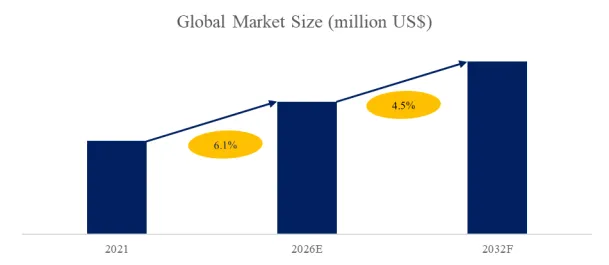
According to the new market research report “Global TFT LCD Touch Screen Market Report 2026-2032”, published by QYResearch, the global TFT LCD Touch Screen market size is projected to reach USD 39.85 billion by 2032, at a CAGR of 4.5% during the forecast period.

Figure00001. Global TFT LCD Touch Screen Market Size (US$ Million), 2021-2032

TFT LCD Touch Screen

Above data is based on report from QYResearch: Global TFT LCD Touch Screen Market Report 2026-2032 (published in 2025). If you need the latest data, plaese contact QYResearch.


Figure00002. Global TFT LCD Touch Screen Top 12 Players Ranking and Market Share (Ranking is based on the revenue of 2025, continually updated)

TFT LCD Touch Screen

Above data is based on report from QYResearch: Global TFT LCD Touch Screen Market Report 2026-2032 (published in 2025). If you need the latest data, plaese contact QYResearch.

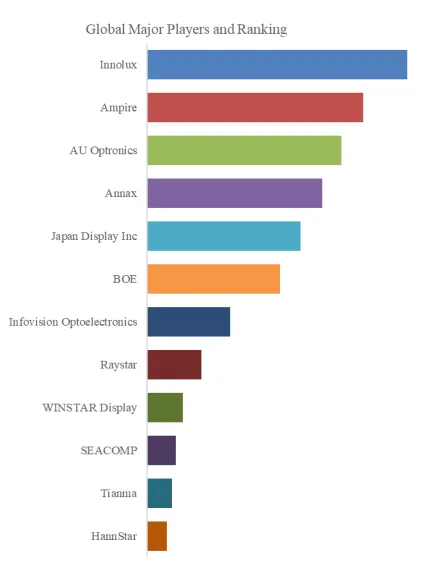
According to QYResearch Top Players Research Center, the global key manufacturers of TFT LCD Touch Screen include Innolux, Ampire, AU Optronics, Annax, Japan Display Inc, etc. In 2025, the global top five players had a share approximately 43.0% in terms of revenue.

Industrial Chain

In the upstream segment of the industrial chain, TFT LCD touch screens rely primarily on TFT LCD panels and ITO conductive films as core materials. TFT panels define baseline display performance, size formats, and cost structure, while ITO films serve as the conductive electrodes for touch sensing and directly influence touch sensitivity and signal stability. Representative TFT panel suppliers include BOE Technology Group, CSOT, and AUO. In the ITO film segment, Changxin Technology, Nitto Denko, and Toray provide mature products and process capabilities. Upstream material performance and supply stability directly affect display quality, touch consistency, and manufacturing yield.


The midstream segment represents the most technology- and value-intensive stage of the TFT LCD touch screen industry. It includes touch structure and stack design, optical bonding and lamination process optimization, controller tuning and firmware calibration, module integration, reliability testing, and mass-production quality control. Manufacturers must balance touch accuracy, display uniformity, power consumption, and mechanical robustness, while ensuring stable operation under temperature variation, humidity, and long-term usage. Engineering capability and quality management at this stage are critical to reducing failure rates and supporting large-scale deployment.


In the downstream segment, TFT LCD touch screens are widely applied across consumer electronics, smart home devices, industrial equipment, and medical devices, serving as the primary interface for visual display and user interaction. Representative end customers include Apple, Samsung Electronics, Xiaomi, Amazon, Google, Haier, Siemens, Schneider Electric, Philips, GE HealthCare, and Mindray. As intelligent terminals continue to penetrate multiple industries, application scenarios for TFT LCD touch screens are expanding steadily.

Influencing Factors

Drivers:

The primary growth driver for the TFT LCD touch screen market is the rising level of intelligence and visualization across end devices. Consumer electronics and smart home products demand improved display and interaction experiences, while industrial and medical sectors increasingly adopt digital human–machine interfaces. In parallel, the maturity of the TFT LCD supply chain and continuous refinement of touch technologies allow these products to maintain an effective balance between cost and performance.

Challenges:

The industry faces intense price competition and a high degree of technological commoditization. Core display and touch specifications are relatively easy to replicate, pushing competition toward cost reduction. In addition, midstream processes require strict yield control, precise bonding techniques, and long-term reliability assurance, increasing manufacturing complexity and quality management requirements.

Trend:

Looking ahead, TFT LCD touch screens are expected to evolve toward higher resolution, thinner form factors, and greater functional integration. Display–touch integration, optical performance optimization, and enhanced environmental robustness will become key upgrade directions. As applications extend further into industrial and medical environments, manufacturers with strong reliability performance and mature quality systems are likely to gain a competitive advantage.

About The Authors

Lead Author: Julie Zhang

Email: zhangjianan@qyresearch.com

Julie Zhang, a key industry analyst a industry analyst of QYResearch (Beijing Hengzhou Bozhi International Information Consulting Co.,Ltd.), focuses on market research and trend forecasting of the entire industry chain upstream and downstream of the electric vehicle and lithium battery industry, we are good at providing strategic market insights through in-depth data mining, focusing on trends and technological innovations in the automotive and lithium battery industry, and helping the company achieve sustainable success in the highly competitive market environment. Typical studies include Electronic Fusing IC, EV Skateboard Platform, Electric Vehicle Controller, Automotive Interior Monitoring System, Automotive PCIe Switch Chips, End-To-End Automotive Software Platform, LiFSI Electrolyte Salts, Portable Power Supply, Outdoor Mobile Powers, and Solar Energy Storage Battery, etc.


About QYResearch

QYResearch founded in California, USA in 2007. It is a leading global market research and consulting company. With over 17 years’ experience and professional research team in various cities over the world QY Research focuses on management consulting, database and seminar services, IPO consulting (data is widely cited in prospectuses, annual reports and presentations), industry chain research and customized research to help our clients in providing non-linear revenue model and make them successful. We are globally recognized for our expansive portfolio of services, good corporate citizenship, and our strong commitment to sustainability. Up to now, we have cooperated with more than 60,000 clients across five continents. Let’s work closely with you and build a bold and better future.

QYResearch is a world-renowned large-scale consulting company. The industry covers various high-tech industry chain market segments, spanning the semiconductor industry chain (semiconductor equipment and parts, semiconductor materials, ICs, Foundry, packaging and testing, discrete devices, sensors, optoelectronic devices), photovoltaic industry chain (equipment, cells, modules, auxiliary material brackets, inverters, power station terminals), new energy automobile industry chain (batteries and materials, auto parts, batteries, motors, electronic control, automotive semiconductors, etc.), communication industry chain (communication system equipment, terminal equipment, electronic components, RF front-end, optical modules, 4G/5G/6G, broadband, IoT, digital economy, AI), advanced materials industry Chain (metal materials, polymer materials, ceramic materials, nano materials, etc.), machinery manufacturing industry chain (CNC machine tools, construction machinery, electrical machinery, 3C automation, industrial robots, lasers, industrial control, drones), food, beverages and pharmaceuticals, medical equipment, agriculture, etc.


The report provides a detailed analysis of the market size, growth potential, and key trends for each segment. Through detailed analysis, industry players can identify profit opportunities, develop strategies for specific customer segments, and allocate resources effectively.

The TFT LCD Touch Screen market is segmented as below:
By Company
Innolux
Ampire
AU Optronics
Annax
Japan Display Inc
BOE
Infovision Optoelectronics
Raystar
WINSTAR Display
SEACOMP
Tianma
HannStar

Segment by Type
Capacitive Type
Resistive Type
PCAP Type
Others

Segment by Application
Mobile Device
Smart Home Device
Automobile
Camera
Others

Each chapter of the report provides detailed information for readers to further understand the TFT LCD Touch Screen market:

Chapter 1: Introduces the report scope of the TFT LCD Touch Screen report, global total market size (valve, volume and price). This chapter also provides the market dynamics, latest developments of the market, the driving factors and restrictive factors of the market, the challenges and risks faced by manufacturers in the industry, and the analysis of relevant policies in the industry. (2021-2032)
Chapter 2: Detailed analysis of TFT LCD Touch Screen manufacturers competitive landscape, price, sales and revenue market share, latest development plan, merger, and acquisition information, etc. (2021-2026)
Chapter 3: Provides the analysis of various TFT LCD Touch Screen market segments by Type, covering the market size and development potential of each market segment, to help readers find the blue ocean market in different market segments. (2021-2032)
Chapter 4: Provides the analysis of various market segments by Application, covering the market size and development potential of each market segment, to help readers find the blue ocean market in different downstream markets.(2021-2032)
Chapter 5: Sales, revenue of TFT LCD Touch Screen in regional level. It provides a quantitative analysis of the market size and development potential of each region and introduces the market development, future development prospects, market space, and market size of each country in the world..(2021-2032)
Chapter 6: Sales, revenue of TFT LCD Touch Screen in country level. It provides sigmate data by Type, and by Application for each country/region.(2021-2032)
Chapter 7: Provides profiles of key players, introducing the basic situation of the main companies in the market in detail, including product sales, revenue, price, gross margin, product introduction, recent development, etc. (2021-2026)
Chapter 8: Analysis of industrial chain, including the upstream and downstream of the industry.
Chapter 9: Conclusion.

Benefits of purchasing QYResearch report:
Competitive Analysis: QYResearch provides in-depth TFT LCD Touch Screen competitive analysis, including information on key company profiles, new entrants, acquisitions, mergers, large market shear, opportunities, and challenges. These analyses provide clients with a comprehensive understanding of market conditions and competitive dynamics, enabling them to develop effective market strategies and maintain their competitive edge.

Industry Analysis: QYResearch provides TFT LCD Touch Screen comprehensive industry data and trend analysis, including raw material analysis, market application analysis, product type analysis, market demand analysis, market supply analysis, downstream market analysis, and supply chain analysis.

and trend analysis. These analyses help clients understand the direction of industry development and make informed business decisions.

Market Size: QYResearch provides TFT LCD Touch Screen market size analysis, including capacity, production, sales, production value, price, cost, and profit analysis. This data helps clients understand market size and development potential, and is an important reference for business development.

Other relevant reports of QYResearch:
Global TFT LCD Touch Screen Market Insights, Forecast to 2030
Global TFT LCD Touch Screen Market Research Report 2024

About Us:
QYResearch founded in California, USA in 2007, which is a leading global market research and consulting company. Our primary business include market research reports, custom reports, commissioned research, IPO consultancy, business plans, etc. With over 19 years of experience and a dedicated research team, we are well placed to provide useful information and data for your business, and we have established offices in 7 countries (include United States, Germany, Switzerland, Japan, Korea, China and India) and business partners in over 30 countries. We have provided industrial information services to more than 60,000 companies in over the world.

Contact Us:
If you have any queries regarding this report or if you would like further information, please contact us:
QY Research Inc.
Add: 17890 Castleton Street Suite 369 City of Industry CA 91748 United States
EN: https://www.qyresearch.com
Email: global@qyresearch.com
Tel: 001-626-842-1666(US)
JP: https://www.qyresearch.co.jp

カテゴリー: 未分類 | 投稿者huangsisi 12:42 | コメントをどうぞ

Pyroelectric Infrared Array Sensors: From Security Systems to Smart Lighting—The Evolution of Motion-Activated Sensing

Global Leading Market Research Publisher QYResearch announces the release of its latest report “Pyroelectric Infrared Array Sensors – Global Market Share and Ranking, Overall Sales and Demand Forecast 2026-2032”. Based on current situation and impact historical analysis (2021-2025) and forecast calculations (2026-2032), this report provides a comprehensive analysis of the global Pyroelectric Infrared Array Sensors market, including market size, share, demand, industry development status, and forecasts for the next few years.

For security integrators, lighting control engineers, and building automation specialists, reliable motion detection is fundamental to energy efficiency, security, and occupant comfort. Pyroelectric infrared array sensors address this requirement by using an array of pyroelectric elements to detect changes in infrared radiation from objects or people in their field of view. Unlike thermopile IR arrays that measure absolute temperature, pyroelectric arrays specialize in detecting motion and changes in thermal patterns, making them ideal for security systems, automatic lighting, occupancy sensing, and smart home applications. As demand for energy-efficient buildings, touchless control, and automated security continues to grow, pyroelectric infrared array sensors are experiencing steady adoption across residential, commercial, and industrial sectors.

【Get a free sample PDF of this report (Including Full TOC, List of Tables & Figures, Chart)】
https://www.qyresearch.com/reports/6098221/pyroelectric-infrared-array-sensors

Market Size and Growth Fundamentals

The global pyroelectric infrared array sensors market was valued at US$ 217 million in 2025 and is projected to reach US$ 325 million by 2032, growing at a CAGR of 6.0% from 2026 to 2032. In 2024, global sales volume reached approximately 9.2 million units, with an average market price of US$ 22.4 per unit. Growth is driven by increasing adoption in security systems, smart lighting, building automation, and IoT-enabled occupancy sensing applications.

Product Overview and Technology Architecture

Pyroelectric infrared array sensors detect motion through changes in thermal radiation:

  • Pyroelectric Elements: Array of sensing elements (typically 4×4, 8×8, or 16×16) that generate charge in response to temperature changes
  • Motion Detection Principle: Detects changes in infrared radiation as warm objects (people, animals) move across the field of view
  • Spatial Information: Array configuration provides direction and location of movement, enabling more sophisticated detection than single-element PIR sensors
  • Output Data: Processed motion events and occupancy information via digital interfaces (I²C, SPI)

Key advantages over single-element PIR sensors:

  • Directional Detection: Identifies direction of movement (entering vs. leaving)
  • Zone Detection: Differentiates activity in multiple zones within the same field of view
  • Stationary Detection: Some models can detect stationary occupants through continuous sensing
  • False Alarm Reduction: Array data enables filtering of small movements and environmental disturbances

Market Segmentation: Resolution Types and Applications

The pyroelectric infrared array sensors market is segmented by resolution type into:

  • Low-Resolution Arrays (4×4 to 8×8) : Largest segment (approximately 65% of market value), offering cost-effective motion detection for security systems, lighting control, and basic occupancy sensing. Dominant in residential and commercial building applications.
  • High-Resolution Arrays (16×16 and above) : Fastest-growing segment, driven by applications requiring detailed motion tracking, people counting, and advanced occupancy analytics. Higher resolution enables precise location detection and movement tracking.

By application, the market spans Security and Surveillance, Home Appliance, Healthcare, Industrial, and Other:

  • Security and Surveillance: Largest segment (approximately 40%), driven by intrusion detection, perimeter monitoring, and security automation
  • Home Appliance: Growing segment for smart lighting, smart thermostats, and appliance automation based on occupancy
  • Industrial: Safety monitoring, equipment presence detection, and automated lighting in warehouses and manufacturing facilities
  • Healthcare: Patient monitoring, elder care, and fall detection applications

Competitive Landscape: Key Players

The pyroelectric infrared array sensors market features specialized sensor manufacturers and broader electronics suppliers:

Company Key Strengths
Excelitas Technologies Sensor and detection leader; comprehensive pyroelectric portfolio
Heimann Sensor Pyroelectric array specialist; European market presence
Melexis Automotive and industrial sensor specialist; array sensor expertise
Nicera Japanese sensor manufacturer; cost-competitive offerings
InfraTec Pyroelectric sensor specialist; high-performance products
DIAS Infrared Infrared sensor manufacturer; industrial focus
Panasonic Consumer electronics leader; smart home and appliance integration

Recent Developments (Last 6 Months)

Several developments have shaped the pyroelectric infrared array sensors landscape:

  • Smart Lighting Expansion: December 2025–January 2026 saw increased adoption of array-based sensors in commercial lighting systems for granular occupancy-based control, delivering 30–40% energy savings compared to fixed-schedule lighting.
  • Building Automation Integration: Integration with BACnet and other building management protocols expanded, enabling centralized monitoring and control of occupancy across large facilities.
  • Healthcare Applications: Growing deployment in elder care facilities for fall detection and activity monitoring, leveraging array sensors for privacy-preserving occupancy tracking.
  • Energy Code Compliance: Updated energy efficiency codes (ASHRAE 90.1, California Title 24, EU EPBD) strengthened requirements for occupancy-based lighting control, driving sensor adoption in new construction and retrofits.

Exclusive Insight: The Single-Element vs. Array PIR Sensor Divide—Capability vs. Cost

A critical market dynamic is the divergence between single-element PIR sensors and array-based PIR sensors in motion detection applications.

Single-Element PIR Sensors (adjacent market, transitioning) are characterized by:

  • Lower Cost: US$ 2–5 per unit; mature, high-volume production
  • Simple Detection: Binary on/off motion detection without directional or spatial information
  • Higher False Alarm Susceptibility: Limited ability to distinguish small movements or environmental changes
  • Applications: Basic security, outdoor lighting, simple occupancy

Pyroelectric Array Sensors (growth segment) are characterized by:

  • Higher Cost: US$ 15–30 per unit; premium for advanced capability
  • Enhanced Detection: Directional movement, zone differentiation, and stationary occupancy detection
  • False Alarm Reduction: Array data enables intelligent filtering of non-occupant movement
  • Applications: Smart building occupancy analytics, advanced security, people counting

A 2026 industry analysis indicated that array sensors are increasingly displacing single-element PIR sensors in commercial building applications where energy savings from precise occupancy detection justify the higher sensor cost. In residential applications, cost sensitivity maintains single-element dominance, though premium smart home products are increasingly adopting array technology for enhanced functionality.

Technical Challenges and Innovation Directions

Key technical considerations in pyroelectric infrared array sensors development include:

  • Stationary Occupant Detection: Detecting individuals who remain still (working at desk, sleeping) remains technically challenging for traditional pyroelectric sensors
  • Temperature Sensitivity: Performance varies with ambient temperature changes
  • Field of View Optimization: Balancing detection range with resolution
  • Interference Rejection: Distinguishing human movement from pets, curtains, and HVAC air movement

Innovation focuses on:

  • Hybrid Sensors: Combining pyroelectric arrays with thermopile elements for stationary occupant detection
  • AI Processing: On-sensor or edge AI for false alarm reduction and pattern recognition
  • Extended Detection Range: Higher sensitivity for larger spaces and longer detection distances
  • Multi-Zone Configuration: Independent sensitivity settings for different zones within the sensor field

Conclusion

The pyroelectric infrared array sensors market is positioned for steady growth through 2032, driven by building automation, energy efficiency mandates, and increasing adoption of smart security and lighting systems. For manufacturers, success will depend on balancing resolution and cost, enhancing stationary detection capabilities, and integrating with building automation platforms. As the demand for energy-efficient, responsive buildings continues to grow, pyroelectric infrared array sensors will remain essential components for motion-based occupancy detection and control.

Contact Us:
If you have any queries regarding this report or if you would like further information, please contact us:
QY Research Inc.
Add: 17890 Castleton Street Suite 369 City of Industry CA 91748 United States
EN: https://www.qyresearch.com
E-mail: global@qyresearch.com
Tel: 001-626-842-1666(US)
JP: https://www.qyresearch.co.jp

カテゴリー: 未分類 | 投稿者huangsisi 12:35 | コメントをどうぞ

Synthetic White Diamond Research: CAGR of 8.1% during the forecast period

QY Research Inc. (Global Market Report Research Publisher) announces the release of 2025 latest report “Synthetic White Diamond- Global Market Share and Ranking, Overall Sales and Demand Forecast 2026-2032”. Based on current situation and impact historical analysis (2020-2024) and forecast calculations (2026-2032), this report provides a comprehensive analysis of the global Synthetic White Diamond market, including market size, share, demand, industry development status, and forecasts for the next few years.

The global market for Synthetic White Diamond was estimated to be worth US$ 440 million in 2025 and is projected to reach US$ 753 million, growing at a CAGR of 8.1% from 2026 to 2032.

【Get a free sample PDF of this report (Including Full TOC, List of Tables & Figures, Chart)】
https://www.qyresearch.com/reports/5784008/synthetic-white-diamond


Synthetic White Diamond Market Summary

Synthetic white diamond is an unmounted diamond product grown using Chemical Vapor Deposition (CVD) or High Pressure High Temperature (HPHT) processes, followed by precision cutting and polishing, and is primarily targeted at the jewelry end market. Compared with natural diamonds, synthetic white diamonds offer highly controllable purity, uniform appearance, stable crystal structure, and balanced optical performance. Their key advantages include predictable quality, significantly lower cost, and the ability to customize color and clarity according to brand positioning and consumer preferences. In addition, synthetic white diamonds provide stronger traceability and sustainability credentials, making them increasingly attractive to brands and consumers seeking responsible sourcing.

According to the new market research report “Global Synthetic White Diamond Market Report 2026-2032”, published by QYResearch, the global Synthetic White Diamond market size is projected to reach USD 0.75 billion by 2032, at a CAGR of 8.1% during the forecast period.

Figure00001. Global Synthetic White Diamond Market Size (US$ Million), 2021-2032

Synthetic White Diamond

Above data is based on report from QYResearch: Global Synthetic White Diamond Market Report 2026-2032 (published in 2025). If you need the latest data, plaese contact QYResearch.


Figure00002. Global Synthetic White Diamond Top 15 Players Ranking and Market Share (Ranking is based on the revenue of 2025, continually updated)

Synthetic White Diamond

Above data is based on report from QYResearch: Global Synthetic White Diamond Market Report 2026-2032 (published in 2025). If you need the latest data, plaese contact QYResearch.

According to QYResearch Top Players Research Center, the global key manufacturers of Synthetic White Diamond include Zhongnan Diamond, Huanghe Whirlwind, Zhengzhou Sino‑Crystal Diamond, Liliang Diamond, Element Six, etc. In 2025, the global top five players had a share approximately 56.0% in terms of revenue.

Industrial Chain

In the upstream segment of the industrial chain, production of synthetic white diamonds relies on a coordinated supply of specialized raw materials and core equipment. Key inputs include methane and hydrogen gases, CVD reaction chambers, graphite, metal catalysts, and ultra-high-pressure presses used in HPHT synthesis. Industrial gases and reactor stability directly affect crystal purity and growth efficiency, while carbon source materials and equipment performance determine crystal quality and yield. Representative upstream suppliers include Air Liquide, Linde, Applied Materials, GrafTech, and Sumitomo Group, which provide industrial gases, core equipment, and carbon source materials essential to the industry. The maturity and supply stability of upstream inputs play a foundational role in cost control and quality consistency.

The midstream segment represents the most technology- and value-intensive stage of the synthetic white diamond industry. It encompasses seed crystal preparation, CVD or HPHT growth process control, plasma or high-pressure process management, rough diamond cutting and polishing, and grading based on the four key criteria of carat, color, clarity, and cut. At this stage, producers focus on maintaining strict process discipline and quality systems to ensure uniform optical performance and dimensional consistency across batches, meeting the stringent specifications required by jewelry brands and retailers.

In the downstream segment, synthetic white diamonds are primarily supplied to jewelry brand companies for use in engagement rings, fashion jewelry, and branded collections, addressing growing consumer demand for high value-for-money, high-quality, and responsibly sourced diamonds. Representative downstream customers include Signet Jewelers, Pandora, and Chow Tai Fook. As brands place increasing emphasis on consistency, traceability, and sustainability narratives, synthetic white diamonds are becoming more deeply integrated into mainstream jewelry retail portfolios.

Influencing Factors

Drivers:

The synthetic white diamond market is driven by rising consumer acceptance of lab-grown diamonds and strategic shifts by jewelry brands toward sustainable and responsible sourcing. Compared with natural diamonds, synthetic white diamonds offer superior quality predictability and supply stability, aligning well with brand-scale operations and standardized product development. At the same time, younger consumer segments place greater emphasis on price transparency and environmental impact, further accelerating market penetration.

Challenges:

The industry continues to face challenges related to consumer perception and brand education. Some high-end consumers remain attached to the rarity and emotional symbolism of natural diamonds, limiting penetration in premium bespoke segments. In addition, midstream production requires significant capital investment in equipment, process control, and quality management, creating barriers to entry for new participants.

Trend:

Looking ahead, the synthetic white diamond market is expected to evolve toward greater standardization, branding, and scale. Midstream producers will increasingly focus on process optimization and quality system enhancement to ensure stable supply of higher-grade stones. As jewelry brands expand the share of lab-grown diamonds in their product lines and reinforce sustainability and traceability positioning, synthetic white diamonds are likely to achieve broader adoption in engagement and everyday jewelry applications, establishing themselves as a core category within the global jewelry market.

About The Authors

Lead Author: Julie Zhang

Email: zhangjianan@qyresearch.com

Julie Zhang, a key industry analyst a industry analyst of QYResearch (Beijing Hengzhou Bozhi International Information Consulting Co.,Ltd.), focuses on market research and trend forecasting of the entire industry chain upstream and downstream of the electric vehicle and lithium battery industry, we are good at providing strategic market insights through in-depth data mining, focusing on trends and technological innovations in the automotive and lithium battery industry, and helping the company achieve sustainable success in the highly competitive market environment. Typical studies include Electronic Fusing IC, EV Skateboard Platform, Electric Vehicle Controller, Automotive Interior Monitoring System, Automotive PCIe Switch Chips, End-To-End Automotive Software Platform, LiFSI Electrolyte Salts, Portable Power Supply, Outdoor Mobile Powers, and Solar Energy Storage Battery, etc.


About QYResearch

QYResearch founded in California, USA in 2007. It is a leading global market research and consulting company. With over 17 years’ experience and professional research team in various cities over the world QY Research focuses on management consulting, database and seminar services, IPO consulting (data is widely cited in prospectuses, annual reports and presentations), industry chain research and customized research to help our clients in providing non-linear revenue model and make them successful. We are globally recognized for our expansive portfolio of services, good corporate citizenship, and our strong commitment to sustainability. Up to now, we have cooperated with more than 60,000 clients across five continents. Let’s work closely with you and build a bold and better future.

QYResearch is a world-renowned large-scale consulting company. The industry covers various high-tech industry chain market segments, spanning the semiconductor industry chain (semiconductor equipment and parts, semiconductor materials, ICs, Foundry, packaging and testing, discrete devices, sensors, optoelectronic devices), photovoltaic industry chain (equipment, cells, modules, auxiliary material brackets, inverters, power station terminals), new energy automobile industry chain (batteries and materials, auto parts, batteries, motors, electronic control, automotive semiconductors, etc.), communication industry chain (communication system equipment, terminal equipment, electronic components, RF front-end, optical modules, 4G/5G/6G, broadband, IoT, digital economy, AI), advanced materials industry Chain (metal materials, polymer materials, ceramic materials, nano materials, etc.), machinery manufacturing industry chain (CNC machine tools, construction machinery, electrical machinery, 3C automation, industrial robots, lasers, industrial control, drones), food, beverages and pharmaceuticals, medical equipment, agriculture, etc.


The report provides a detailed analysis of the market size, growth potential, and key trends for each segment. Through detailed analysis, industry players can identify profit opportunities, develop strategies for specific customer segments, and allocate resources effectively.

The Synthetic White Diamond market is segmented as below:
By Company
Zhongnan Diamond
Huanghe Whirlwind
Zhengzhou Sino‑Crystal Diamond
Liliang Diamond
Element Six
Diamond Foundry
IIa Technologies
WD Advanced Materials
Shanghai Zhengshi Technology
Changrun Jirui
SINOMACH Precision Industry
Worldia
Hangzhou Chaoran Technology
SF Diamond
Wonder Technologies

Segment by Type
CVD
HPHT

Segment by Application
Ring
Necklace
Others

Each chapter of the report provides detailed information for readers to further understand the Synthetic White Diamond market:

Chapter 1: Introduces the report scope of the Synthetic White Diamond report, global total market size (valve, volume and price). This chapter also provides the market dynamics, latest developments of the market, the driving factors and restrictive factors of the market, the challenges and risks faced by manufacturers in the industry, and the analysis of relevant policies in the industry. (2021-2032)
Chapter 2: Detailed analysis of Synthetic White Diamond manufacturers competitive landscape, price, sales and revenue market share, latest development plan, merger, and acquisition information, etc. (2021-2026)
Chapter 3: Provides the analysis of various Synthetic White Diamond market segments by Type, covering the market size and development potential of each market segment, to help readers find the blue ocean market in different market segments. (2021-2032)
Chapter 4: Provides the analysis of various market segments by Application, covering the market size and development potential of each market segment, to help readers find the blue ocean market in different downstream markets.(2021-2032)
Chapter 5: Sales, revenue of Synthetic White Diamond in regional level. It provides a quantitative analysis of the market size and development potential of each region and introduces the market development, future development prospects, market space, and market size of each country in the world..(2021-2032)
Chapter 6: Sales, revenue of Synthetic White Diamond in country level. It provides sigmate data by Type, and by Application for each country/region.(2021-2032)
Chapter 7: Provides profiles of key players, introducing the basic situation of the main companies in the market in detail, including product sales, revenue, price, gross margin, product introduction, recent development, etc. (2021-2026)
Chapter 8: Analysis of industrial chain, including the upstream and downstream of the industry.
Chapter 9: Conclusion.

Benefits of purchasing QYResearch report:
Competitive Analysis: QYResearch provides in-depth Synthetic White Diamond competitive analysis, including information on key company profiles, new entrants, acquisitions, mergers, large market shear, opportunities, and challenges. These analyses provide clients with a comprehensive understanding of market conditions and competitive dynamics, enabling them to develop effective market strategies and maintain their competitive edge.

Industry Analysis: QYResearch provides Synthetic White Diamond comprehensive industry data and trend analysis, including raw material analysis, market application analysis, product type analysis, market demand analysis, market supply analysis, downstream market analysis, and supply chain analysis.

and trend analysis. These analyses help clients understand the direction of industry development and make informed business decisions.

Market Size: QYResearch provides Synthetic White Diamond market size analysis, including capacity, production, sales, production value, price, cost, and profit analysis. This data helps clients understand market size and development potential, and is an important reference for business development.

Other relevant reports of QYResearch:
Global Synthetic White Diamond Market Outlook, In‑Depth Analysis & Forecast to 2032
Global Synthetic White Diamond Sales Market Report, Competitive Analysis and Regional Opportunities 2026-2032
Global Synthetic White Diamond Market Research Report 2026

About Us:
QYResearch founded in California, USA in 2007, which is a leading global market research and consulting company. Our primary business include market research reports, custom reports, commissioned research, IPO consultancy, business plans, etc. With over 19 years of experience and a dedicated research team, we are well placed to provide useful information and data for your business, and we have established offices in 7 countries (include United States, Germany, Switzerland, Japan, Korea, China and India) and business partners in over 30 countries. We have provided industrial information services to more than 60,000 companies in over the world.

Contact Us:
If you have any queries regarding this report or if you would like further information, please contact us:
QY Research Inc.
Add: 17890 Castleton Street Suite 369 City of Industry CA 91748 United States
EN: https://www.qyresearch.com
Email: global@qyresearch.com
Tel: 001-626-842-1666(US)
JP: https://www.qyresearch.co.jp

カテゴリー: 未分類 | 投稿者huangsisi 12:31 | コメントをどうぞ

Single-acting Pneumatic Actuator Research:compound annual growth rate (CAGR) of 6.1% in the next few years

QY Research Inc. (Global Market Report Research Publisher) announces the release of 2025 latest report “Single-acting Pneumatic Actuator- Global Market Share and Ranking, Overall Sales and Demand Forecast 2026-2032”. Based on current situation and impact historical analysis (2020-2024) and forecast calculations (2026-2032), this report provides a comprehensive analysis of the global Single-acting Pneumatic Actuator market, including market size, share, demand, industry development status, and forecasts for the next few years.

The global market for Single-acting Pneumatic Actuator was estimated to be worth US$ 601 million in 2025 and is projected to reach US$ 909 million, growing at a CAGR of 6.1% from 2026 to 2032.

【Get a free sample PDF of this report (Including Full TOC, List of Tables & Figures, Chart)】
https://www.qyresearch.com/reports/5990335/single-acting-pneumatic-actuator


Single-acting Pneumatic Actuator Market Summary

According to the latest report “Global Single-acting Pneumatic Actuator Market Report 2025-2031″ by the QYResearch research team, the global Single-acting Pneumatic Actuator market size is expected to reach US$0.91 billion in 2031, with a compound annual growth rate (CAGR) of 6.1% in the next few years.

A single-acting pneumatic actuator is an automated actuator that uses compressed air as a power source, is driven by air pressure on only one side, and is reset by a spring or external force. It is mainly used to open or close valves or mechanisms. Its basic structure typically consists of a cylinder, piston, return spring, sealing assembly, and connecting mechanism. During operation, compressed air enters the cylinder and pushes the piston to produce linear or rotary motion, completing the actuation action. When the air source is disconnected or fails, the built-in spring automatically releases energy, returning the actuator to its initial safe position. Compared to double-acting pneumatic actuators, single-acting pneumatic actuators have a simpler structure, require less air, and possess the inherent safety characteristic of automatic reset upon air loss, making them particularly suitable for applications with high safety requirements. These actuators are widely used in on/off valve control scenarios in petrochemical, natural gas, energy, power, water treatment, and process industries, often for emergency shut-off, fail-safe closure, or system opening. Based on the output form, single-acting pneumatic actuators can be divided into two main categories: linear stroke and rotary stroke. Their core advantages lie in safety, reliability, rapid response, and low maintenance costs, making them one of the common and critical actuators in industrial automation control systems.


The single-acting pneumatic actuator market is experiencing steady growth, benefiting from the global trend of industrial automation and smart manufacturing. As industries increasingly demand higher production efficiency, reliability, and safety, single-acting pneumatic actuators, with their simple structure, low maintenance costs, and fast response speed, are gradually becoming the preferred solution for factory automation, process control, and valve actuation. Simultaneously, the growing demand for energy conservation, emission reduction, and equipment intelligence in sectors such as new energy, environmental protection, petrochemicals, and chemicals provides sustained market momentum for this product.

In the future, product upgrades will focus on high-precision control, high-temperature and high-pressure resistance, and IoT connectivity to meet the needs of smart factories and remote operation and maintenance. Furthermore, while the domestic and international market competition remains dominated by a few large enterprises, small and medium-sized enterprises (SMEs) also have significant growth potential through differentiated products and customized services. Therefore, while maintaining stable growth, the single-acting pneumatic actuator market also presents significant opportunities for technological innovation and supply chain integration.

The primary driver of the development of single-acting pneumatic actuators is the continuous improvement in industrial safety and regulatory requirements. In high-risk industries such as petrochemicals, natural gas, energy, and chemical plants, automatic reset upon gas loss is considered a critical safety function. Increasingly, safety regulations and engineering standards require valves to return to a preset safe position when the gas supply is interrupted. This directly drives the increased application of single-acting pneumatic actuators in emergency shut-off valves and critical control points.

The second important driving factor is the demand for automation and equipment upgrades in process industries. With the increase in the replacement of aging equipment and new projects, companies are placing greater emphasis on system reliability and simplification. Single-acting pneumatic actuators have a relatively simple structure, fewer gas paths, and lower maintenance difficulty, making them particularly suitable for on/off valves and high-frequency operation scenarios, ensuring stable demand in automation upgrades and replacement of existing equipment.

Third, energy structure adjustments and infrastructure construction are also key driving forces. The large-scale construction and expansion of oil and gas pipelines, LNG receiving terminals, chemical industrial parks, and water treatment facilities have significantly increased the demand for actuators with fail-safe characteristics. Single-acting pneumatic actuators, due to their inherent safety attributes, have become the preferred choice in these infrastructure projects.

Furthermore, cost control and system integration requirements also influence market development. Compared to double-acting actuators, single-acting products offer advantages in terms of air source configuration, number of control components, and system complexity, helping to reduce overall system costs. They are particularly favored by small and medium-sized engineering projects and the standardized valve supply market.

Finally, advancements in materials and manufacturing processes have also supported the development of single-acting pneumatic actuators. The application of high-performance spring materials, sealing technologies, and anti-corrosion coatings significantly improves the actuator’s lifespan and stability, enabling it to withstand higher pressures, greater corrosiveness, and more complex industrial conditions, thereby broadening its application scope and extending its product lifecycle.

This report profiles key players of Single-acting Pneumatic Actuator such as MT Valves & Fittings、Uflow Automation、COVNA、EBRO ARMATUREN、Quifer Actuators, SL、Autorun Control Valve Co.,Ltd、JUHANG、Marsh Automation、Aira Euro Automation、FREYA、FLOWX、ZHONGZHI VALVE GROUP、ACTUATECH、SHANGHAI QUGONG VALVE PIPE ENGINEERING CO.,LTD、Huaershi、Kinetrol、VINCER.

The supply chain for single-acting pneumatic actuators is a typical technology-intensive precision manufacturing and system integration chain, mainly comprising the following aspects:

The upstream segment begins with the supply of core basic materials.

This segment is highly specialized, primarily including high-strength aluminum alloys, stainless steel, ductile iron, and other metal raw materials used for casting or machining actuator housings, cylinders, and key structural components; high-performance engineering plastics and special sealing materials, such as PTFE (polytetrafluoroethylene), FKM (fluororubber), and NBR (nitrile butadiene rubber), used to manufacture piston seals, O-rings, and valve stem seals, ensuring reliability and long service life under wide temperature ranges and harsh media; and precision spring steel, which is the core for achieving the “spring return” function, its fatigue life and force stability directly determining the actuator’s reliable operating frequency and fail-safe performance. In addition, the supply of high-precision sensors, solenoid valves, positioners, and other electro-pneumatic components also constitutes an important part of the upstream segment.

The midstream segment comprises the design, manufacturing, and integration of single-acting pneumatic actuators, which is the core of value creation.

Manufacturers utilize upstream raw materials and components, employing processes such as precision casting, CNC machining, and automated assembly to produce standardized actuator bodies. The core technologies in this process lie in the precise fit between the cylinder and piston, the accurate selection and preload of the spring, and the optimized design of the entire motion mechanism (such as gears, racks, and shift forks) to achieve the required output torque, speed, and reliability. Leading manufacturers not only produce hardware but also provide add-on modules such as intelligent positioners, limit switches, and manual operating mechanisms, and can offer non-standard customization based on customer needs (such as special sizes, explosion-proof ratings, and anti-corrosion coatings). The competitiveness of midstream companies is reflected in the completeness of their product lines, consistency of quality, delivery cycles, and cost control capabilities.

Downstream is the system integrator and end-application, responsible for transforming the actuator into a final solution.

System integrators and valve manufacturers play a key role here, assembling single-acting pneumatic actuators with valve bodies such as ball valves, butterfly valves, and plug valves to form pneumatic valves, which are then integrated into broader industrial automation control systems. These systems are widely used in end-user industries such as oil and gas, chemicals, power, water treatment, pharmaceuticals, and food and beverage. Single-acting actuators, due to their inherent safety feature of automatic reset upon gas failure (fault-on or fault-off), are the preferred choice for applications requiring safety interlocking or emergency shut-off. Downstream demand directly drives technological iteration in midstream products, with increasing demands for higher protection ratings (IP68), wider temperature adaptability (-40°C to +150°C), and digital interfaces (such as PROFIBUS and Modbus).

Throughout the entire industry chain is a robust horizontal support system. This includes stringent international standards and certifications, such as ISO 5211 installation standards, ATEX/IECEx explosion-proof certification, and SIL functional safety certification, which provide benchmarks for product interoperability and market access. Continuous R&D and innovation focus on improving energy efficiency, reducing friction, extending spring life, and developing integrated intelligent diagnostic functions. A comprehensive distribution network and technical services ensure rapid product delivery and provide end-users with installation, commissioning, maintenance training, and after-sales support, thus completing the final transformation from product to reliable productivity.

The competitive landscape of single-acting pneumatic actuators exhibits the following characteristics: From a segmented perspective, the single-acting pneumatic actuator market displays a clear tiered competitive structure. In the high-end market, competition is primarily concentrated among manufacturers with long-term technological accumulation and international engineering project experience. These companies possess significant advantages in product reliability, spring design life, corrosion and explosion-proof ratings, and international certification systems. Their products are mostly supplied to large-scale petrochemical, oil and gas pipeline, and multinational engineering projects, resulting in strong customer loyalty, high barriers to entry, and relatively stable prices and profit margins. The mid-range market is dominated by reliable, cost-effective standardized products, with the largest number of manufacturers. These primarily serve regional engineering projects and established industrial clients, with competition focusing on delivery time, customization capabilities, and after-sales service. The low-end market is dominated by general-purpose, low-specification products. Technological barriers are low, price competition is fierce, and product homogeneity is significant. Manufacturers primarily compete through large-scale production and cost control.

From a regional competition perspective, European and American companies maintain a strong influence in high-end applications and core technologies, while Asia-Pacific manufacturers hold a clear advantage in the low-to-mid-end market and supporting capabilities, and are continuously penetrating the mid-to-high-end market through cost, delivery, and localized services. Differences in material selection, design standards, and certification systems among manufacturers in different regions further intensify the stratified competition in the market.

Overall, the single-acting pneumatic actuator industry exhibits a pattern of “high-end concentration, mid-range dispersion, and intense competition in the low-end.” As safety standards become more stringent and engineering projects demand higher reliability, market demand is gradually shifting towards high-performance, high-certification-level products. Industry competition will shift from simple price competition to comprehensive competition based on technological reliability, application experience, and system solution capabilities. Companies with advantages in brand, certification, and engineering support are expected to continue to increase their market share.


About QYResearch

QYResearch founded in California, USA in 2007.It is a leading global market research and consulting company. With over 17 years’ experience and professional research team in various cities over the world QY Research focuses on management consulting, database and seminar services, IPO consulting (data is widely cited in prospectuses, annual reports and presentations), industry chain research and customized research to help our clients in providing non-linear revenue model and make them successful. We are globally recognized for our expansive portfolio of services, good corporate citizenship, and our strong commitment to sustainability. Up to now, we have cooperated with more than 60,000 clients across five continents. Let’s work closely with you and build a bold and better future.

QYResearch is a world-renowned large-scale consulting company. The industry covers various high-tech industry chain market segments, spanning the semiconductor industry chain (semiconductor equipment and parts, semiconductor materials, ICs, Foundry, packaging and testing, discrete devices, sensors, optoelectronic devices), photovoltaic industry chain (equipment, cells, modules, auxiliary material brackets, inverters, power station terminals), new energy automobile industry chain (batteries and materials, auto parts, batteries, motors, electronic control, automotive semiconductors, etc.), communication industry chain (communication system equipment, terminal equipment, electronic components, RF front-end, optical modules, 4G/5G/6G, broadband, IoT, digital economy, AI), advanced materials industry Chain (metal materials, polymer materials, ceramic materials, nano materials, etc.), machinery manufacturing industry chain (CNC machine tools, construction machinery, electrical machinery, 3C automation, industrial robots, lasers, industrial control, drones), food, beverages and pharmaceuticals, medical equipment, agriculture, etc.


The report provides a detailed analysis of the market size, growth potential, and key trends for each segment. Through detailed analysis, industry players can identify profit opportunities, develop strategies for specific customer segments, and allocate resources effectively.

The Single-acting Pneumatic Actuator market is segmented as below:
By Company
MT Valves & Fittings
Uflow Automation
COVNA
EBRO ARMATUREN
Quifer Actuators, SL
Autorun Control Valve Co.,Ltd
JUHANG
Marsh Automation
Aira Euro Automation
FREYA
FLOWX
ZHONGZHI VALVE GROUP
ACTUATECH
SHANGHAI QUGONG VALVE PIPE ENGINEERING CO.,LTD
Huaershi
Kinetrol
VINCER

Segment by Type
Torque <100 Nm
Torque 100-2000 Nm
Torque >2000 Nm
Others

Segment by Application
Petroleum
Chemicals
Metallurgy
Water Treatment
Others

Each chapter of the report provides detailed information for readers to further understand the Single-acting Pneumatic Actuator market:

Chapter 1: Introduces the report scope of the Single-acting Pneumatic Actuator report, global total market size (valve, volume and price). This chapter also provides the market dynamics, latest developments of the market, the driving factors and restrictive factors of the market, the challenges and risks faced by manufacturers in the industry, and the analysis of relevant policies in the industry. (2021-2032)
Chapter 2: Detailed analysis of Single-acting Pneumatic Actuator manufacturers competitive landscape, price, sales and revenue market share, latest development plan, merger, and acquisition information, etc. (2021-2026)
Chapter 3: Provides the analysis of various Single-acting Pneumatic Actuator market segments by Type, covering the market size and development potential of each market segment, to help readers find the blue ocean market in different market segments. (2021-2032)
Chapter 4: Provides the analysis of various market segments by Application, covering the market size and development potential of each market segment, to help readers find the blue ocean market in different downstream markets.(2021-2032)
Chapter 5: Sales, revenue of Single-acting Pneumatic Actuator in regional level. It provides a quantitative analysis of the market size and development potential of each region and introduces the market development, future development prospects, market space, and market size of each country in the world..(2021-2032)
Chapter 6: Sales, revenue of Single-acting Pneumatic Actuator in country level. It provides sigmate data by Type, and by Application for each country/region.(2021-2032)
Chapter 7: Provides profiles of key players, introducing the basic situation of the main companies in the market in detail, including product sales, revenue, price, gross margin, product introduction, recent development, etc. (2021-2026)
Chapter 8: Analysis of industrial chain, including the upstream and downstream of the industry.
Chapter 9: Conclusion.

Benefits of purchasing QYResearch report:
Competitive Analysis: QYResearch provides in-depth Single-acting Pneumatic Actuator competitive analysis, including information on key company profiles, new entrants, acquisitions, mergers, large market shear, opportunities, and challenges. These analyses provide clients with a comprehensive understanding of market conditions and competitive dynamics, enabling them to develop effective market strategies and maintain their competitive edge.

Industry Analysis: QYResearch provides Single-acting Pneumatic Actuator comprehensive industry data and trend analysis, including raw material analysis, market application analysis, product type analysis, market demand analysis, market supply analysis, downstream market analysis, and supply chain analysis.

and trend analysis. These analyses help clients understand the direction of industry development and make informed business decisions.

Market Size: QYResearch provides Single-acting Pneumatic Actuator market size analysis, including capacity, production, sales, production value, price, cost, and profit analysis. This data helps clients understand market size and development potential, and is an important reference for business development.

Other relevant reports of QYResearch:
Global Single-acting Pneumatic Actuator Market Research Report 2026
Global Single-acting Pneumatic Actuator Market Outlook, In‑Depth Analysis & Forecast to 2032
Global Single-acting Pneumatic Actuator Sales Market Report, Competitive Analysis and Regional Opportunities 2026-2032

About Us:
QYResearch founded in California, USA in 2007, which is a leading global market research and consulting company. Our primary business include market research reports, custom reports, commissioned research, IPO consultancy, business plans, etc. With over 19 years of experience and a dedicated research team, we are well placed to provide useful information and data for your business, and we have established offices in 7 countries (include United States, Germany, Switzerland, Japan, Korea, China and India) and business partners in over 30 countries. We have provided industrial information services to more than 60,000 companies in over the world.

Contact Us:
If you have any queries regarding this report or if you would like further information, please contact us:
QY Research Inc.
Add: 17890 Castleton Street Suite 369 City of Industry CA 91748 United States
EN: https://www.qyresearch.com
Email: global@qyresearch.com
Tel: 001-626-842-1666(US)
JP: https://www.qyresearch.co.jp
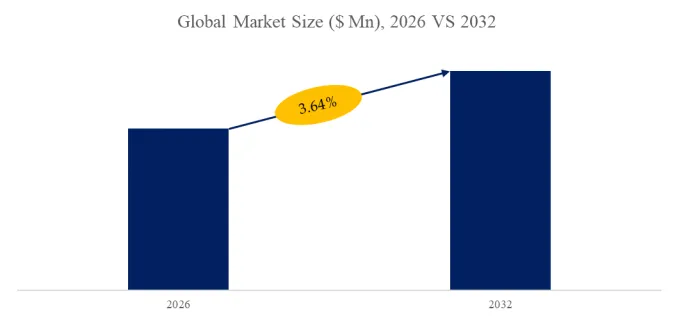
カテゴリー: 未分類 | 投稿者huangsisi 12:22 | コメントをどうぞ

Self-priming Mud Pump Research:compound annual growth rate (CAGR) of 5.8% in the next few years

QY Research Inc. (Global Market Report Research Publisher) announces the release of 2025 latest report “Self-priming Mud Pump- Global Market Share and Ranking, Overall Sales and Demand Forecast 2026-2032”. Based on current situation and impact historical analysis (2020-2024) and forecast calculations (2026-2032), this report provides a comprehensive analysis of the global Self-priming Mud Pump market, including market size, share, demand, industry development status, and forecasts for the next few years.

The global market for Self-priming Mud Pump was estimated to be worth US$ 722 million in 2025 and is projected to reach US$ 1071 million, growing at a CAGR of 5.8% from 2026 to 2032.

【Get a free sample PDF of this report (Including Full TOC, List of Tables & Figures, Chart)】
https://www.qyresearch.com/reports/5786779/self-priming-mud-pump


Self-priming Mud Pump Market Summary

According to the latest report “Global Self-priming Mud Pump Market Report 2025-2031″ by the QYResearch research team, the global Self-priming Mud Pump market size is expected to reach US$0.98 billion in 2031, with a compound annual growth rate (CAGR) of 5.8% in the next few years.

Self-priming mud pumps are special pumps designed for automatically drawing in and transporting media containing solid particles, high viscosity, or strong abrasiveness. Their core feature is that they do not require priming before startup. Relying on a specific structural design and liquid storage space within the pump body, a negative pressure is created during initial operation, automatically drawing in and continuously transporting mud, slurry, or sand-containing liquids. These pumps typically employ wear-resistant impellers, wide-flow-channel pump casings, and reinforced sealing structures to meet the long-term operational requirements under complex conditions. Self-priming mud pumps have strong throughput for solid particles in the medium, outstanding anti-clogging capabilities, and can maintain stable operation under conditions of frequent liquid level fluctuations and unstable operating conditions. They are widely used in mining, dredging, environmental protection, construction, and drilling, and are essential equipment for achieving efficient transport of mud-like media.


The self-priming mud pump market is a robust and resilient specialized industrial market closely linked to global infrastructure, mining development, and environmental protection activities. Its core demand stems from the pump’s unique technological advantages—it can handle turbid media containing solid particles without priming and can tolerate a certain amount of gas, making it an irreplaceable choice for temporary drainage, disaster relief, mobile construction, and situations with variable operating conditions. Currently, the market is at a critical stage of transformation from traditional general-purpose products to more efficient, specialized, and intelligent ones. On the one hand, mature economies’ continued investment in the repair of aging municipal pipe networks, maintenance of industrial facilities, and environmental governance (such as river dredging and contaminated sediment treatment) forms a stable foundation; on the other hand, large-scale mineral exploration and development, infrastructure construction, and agricultural modernization in emerging markets inject strong momentum into market growth. Furthermore, the frequent occurrence of global extreme weather events and the resulting demand for emergency drainage and flood control have significantly increased the procurement and stockpiling of this product as a key emergency equipment.

Looking ahead, technological iteration and the requirements of sustainable development are jointly shaping new market trends. At the product level, efficient hydraulic model design, the application of ultra-wear-resistant composite materials (such as high-chromium alloys and ceramic coatings), and deep integration with variable frequency technology are continuously improving pump energy efficiency and service life, thereby reducing the total cost of ownership for users. In terms of intelligence, intelligent pump systems integrating sensors and IoT technology, enabling remote monitoring, fault warnings, and automatic optimization of operating parameters, are beginning to move from concept to high-end applications. This not only improves management efficiency but is also key to predictive maintenance. Meanwhile, increasingly stringent global environmental regulations are driving market demand for pumps with lower noise, lower leakage, and higher energy efficiency. Overall, the self-priming slurry pump market is not a market experiencing explosive growth, but rather a basic equipment market that fluctuates and evolves in sync with the global economic pulse and industrial activity levels. Its future growth will depend more on the value enhancement brought by technological innovation and the in-depth exploration of emerging application scenarios.

The driving factors influencing the development of self-priming slurry pumps mainly stem from the continuous growth of industrial application demands and the increasing complexity of operating conditions. In fields such as mining, tunnel construction, river dredging, and oil drilling, the demand for high-efficiency, wear-resistant pumps capable of handling media containing solid particles continues to increase. This is especially true in deep wells, long-distance transport, or low-level conditions, where self-priming capability is crucial, directly driving the expansion and technological iteration of the self-priming mud pump market.

Simultaneously, the rapid development of infrastructure construction and environmental governance projects has also become a significant driver. Projects such as urban drainage, river management, and sludge transportation require equipment with high reliability and continuous operation capabilities. Self-priming mud pumps can reduce manual priming, improve construction efficiency, and reduce energy consumption, meeting the dual requirements of modern engineering for construction speed and environmental emissions.

Technological advancements are also a core internal factor driving industry development. The application of highly wear-resistant materials, improved mechanical seals, optimized impeller and pump body structures, as well as intelligent control and remote monitoring technologies, has continuously improved the efficiency, lifespan, and ease of maintenance of self-priming mud pumps, reducing operating costs and expanding their applicability in complex working conditions.

Furthermore, the industry’s digitalization and automation trends are strengthening market demand. Self-priming mud pumps, which can be integrated with intelligent monitoring systems, pump station automation, and IoT platforms, provide enterprises with equipment health management, operation optimization, and predictive maintenance capabilities. This added value makes purchasing decisions more inclined towards high-performance, intelligent products, thereby further promoting technological upgrades and market development.

This report profiles key players of Self-priming Mud Pump such as JEE Pumps Limited、Sujal Pumps、Denwellpumps、Viraj Pumps、JEE Pumps、Soomake Engineers、Hindustan Pumps、Grundfos、Vishwakarma Engineering、MP Pumps、PRIME DRILLING、Hebei Shitan Machinery Manufacturing Co., Ltd.、Fido Pumps、Excel Pumps、Flowchem.

The self-priming mud pump industry chain mainly consists of the following parts: The self-priming mud pump industry chain begins with the upstream supply of raw materials and core components, which is the fundamental link determining product performance, reliability, and cost.

This level is highly specialized and mainly includes: high-performance metallic materials, such as high-chromium wear-resistant cast iron, duplex stainless steel, and hard alloys for pump casings and impellers, which directly resist the impact of abrasive particles; precision casting and machining services, responsible for transforming these materials into complex flow-through component blanks; mechanical seals and bearings, as key rotating support and sealing units, requiring extremely high durability and reliability; and drive sources, namely standardized explosion-proof motors, diesel engines, or hydraulic motors. In addition, wear-resistant rubber (for hoses and linings), electrical control components (such as starter cabinets and frequency converters), and standard fasteners also constitute important upstream supplies. The core competitiveness in this link lies in the wear-resistant and corrosion-resistant formulation of materials, the consistency of internal casting quality, and the performance level of key components.

The midstream of the industry chain is the design, manufacturing, assembly, and testing of the pump, which is the core of technology integration and value creation.

Manufacturers, based on fluid mechanics and materials science, transform upstream components into complete machines. This process involves several key steps: first, hydraulic design and simulation to optimize pump casing flow channels and impeller profiles to balance efficiency, cavitation performance, and throughput; second, precision machining and heat treatment to ensure the accuracy of key mating surfaces and the surface hardness of components; third, final assembly and dynamic balancing testing to guarantee the smooth operation of the rotor; and finally, factory performance testing and durability verification to simulate actual operating conditions and ensure product compliance. Midstream companies can be divided into large, comprehensive pump manufacturers (with complete product lines and strong brand power) and specialized pump manufacturers (deeply engaged in specific fields such as slurry pumps and dredging pumps). Their core competitiveness lies in the advancement of hydraulic models, the stability of manufacturing processes, the completeness of product series, and a deep understanding of application experience in specific industries (such as mining and dredging).

Downstream in the industry chain are system integration, sales and service, and end-user applications, directly realizing the final value of the product.

Distributors, agents, and equipment leasing companies are important bridges connecting manufacturers and end users, responsible for regional market development, inventory management, and localized services. System integrators and engineering contractors integrate pumps with power sources, valves, pipelines, control systems, and filtration units into complete pumping systems or mobile pump trucks, based on specific project needs, and provide installation and commissioning services. The end-use market is extremely broad and closely related to macroeconomic activities: the mining and metallurgical industries are the largest demanders, using pumps for tailings transportation, slurry hoisting, and process recycling; dredging and river management require high-flow, high-lift pumps for dredging and reclamation; construction and municipal engineering use them for foundation pit drainage, slurry transportation, and emergency rescue; the energy and chemical industries use them for coal slurry, slag slurry, and waste treatment; and the environmental protection industry uses them for transporting sewage sludge and industrial waste. In addition, agricultural irrigation and emergency rescue are also important niche markets.

Throughout the entire industry chain is a powerful horizontal driving and supporting system. Global infrastructure investment cycles, mining prosperity, and environmental policies are the most direct macroeconomic drivers influencing market demand. International and industry standards (such as ISO and GB standards) provide benchmarks for product performance and safety. Continuous R&D and innovation focus on improving efficiency, reducing wear, developing intelligent monitoring (such as online wear detection and wireless remote control), and exploring new materials (such as advanced ceramics and polymer composites). A comprehensive after-sales and support network (providing rapid spare parts supply, on-site repair, and technical upgrades) is key to building customer loyalty and achieving full product lifecycle value management. Ultimately, the value of this industry chain lies not only in delivering a durable pump, but also in providing reliable, efficient, and economical fluid transport solutions for customers’ complex operating conditions, ensuring the continuity and economy of their core production or engineering activities.

The competitive landscape of self-priming mud pumps exhibits the following characteristics:

From a segmented perspective, the competitive landscape of self-priming mud pumps mainly reflects differentiated competition in product types and application areas. On the one hand, based on pump body structure and flow channel design, they can be divided into single-stage self-priming pumps, multi-stage self-priming pumps, and forced circulation self-priming pumps. Different types differ in head, flow rate, solid particle throughput capacity, and wear resistance. Manufacturers typically customize designs according to specific operating conditions such as mining, dredging, construction, or drilling, thus creating differentiation in technological approaches. On the other hand, competition is also evident in the materials and sealing technologies used in wear-resistant metal pumps and composite wear-resistant material pumps. The former is suitable for high-concentration, highly abrasive mud, while the latter excels in low-cost and moderately abrasive conditions.

From the perspective of company type, market competition exhibits a parallel pattern of international brands and local manufacturers. Well-known pump manufacturers from Europe, America, and Japan dominate the high-end mining and large-scale engineering project markets thanks to their mature designs, stable performance, global after-sales networks, and brand trust. Meanwhile, local manufacturers in China and emerging Asian markets have significant advantages in price, customization capabilities, rapid delivery, and local service, particularly in small and medium-sized construction projects and the retrofitting of existing equipment. Furthermore, some companies from the automation and engineering machinery sectors, through collaboration with pump manufacturers or independent research and development, provide integrated mud transportation solutions, forming new competitive forces in specific market segments.

Overall, the self-priming mud pump industry exhibits competitive characteristics of “diverse technological routes, diverse company types, and significant regional differentiation.” The high-end market is still dominated by international brands, while the mid-to-low-end and local markets are highly competitive. In the future, with the upgrading of wear-resistant material technology, the popularization of intelligent control and pump station automation, comprehensive manufacturers that can combine high performance, cost-effectiveness and digital management capabilities are expected to gain a higher market share in the industry, driving the gradual increase in industry concentration.


About QYResearch

QYResearch founded in California, USA in 2007.It is a leading global market research and consulting company. With over 17 years’ experience and professional research team in various cities over the world QY Research focuses on management consulting, database and seminar services, IPO consulting (data is widely cited in prospectuses, annual reports and presentations), industry chain research and customized research to help our clients in providing non-linear revenue model and make them successful. We are globally recognized for our expansive portfolio of services, good corporate citizenship, and our strong commitment to sustainability. Up to now, we have cooperated with more than 60,000 clients across five continents. Let’s work closely with you and build a bold and better future.

QYResearch is a world-renowned large-scale consulting company. The industry covers various high-tech industry chain market segments, spanning the semiconductor industry chain (semiconductor equipment and parts, semiconductor materials, ICs, Foundry, packaging and testing, discrete devices, sensors, optoelectronic devices), photovoltaic industry chain (equipment, cells, modules, auxiliary material brackets, inverters, power station terminals), new energy automobile industry chain (batteries and materials, auto parts, batteries, motors, electronic control, automotive semiconductors, etc.), communication industry chain (communication system equipment, terminal equipment, electronic components, RF front-end, optical modules, 4G/5G/6G, broadband, IoT, digital economy, AI), advanced materials industry Chain (metal materials, polymer materials, ceramic materials, nano materials, etc.), machinery manufacturing industry chain (CNC machine tools, construction machinery, electrical machinery, 3C automation, industrial robots, lasers, industrial control, drones), food, beverages and pharmaceuticals, medical equipment, agriculture, etc.


The report provides a detailed analysis of the market size, growth potential, and key trends for each segment. Through detailed analysis, industry players can identify profit opportunities, develop strategies for specific customer segments, and allocate resources effectively.

The Self-priming Mud Pump market is segmented as below:
By Company
JEE Pumps Limited
Sujal Pumps
Denwellpumps
Viraj Pumps
JEE Pumps
Soomake Engineers
Hindustan Pumps
Grundfos
Vishwakarma Engineering
MP Pumps
PRIME DRILLING
SHITAN
Fido Pumps
Excel Pumps
Flowchem

Segment by Type
External Blending
Internal Blending

Segment by Application
Drilling Circulation
Mine Slurry Discharge
Municipal Wastewater
Others

Each chapter of the report provides detailed information for readers to further understand the Self-priming Mud Pump market:

Chapter 1: Introduces the report scope of the Self-priming Mud Pump report, global total market size (valve, volume and price). This chapter also provides the market dynamics, latest developments of the market, the driving factors and restrictive factors of the market, the challenges and risks faced by manufacturers in the industry, and the analysis of relevant policies in the industry. (2021-2032)
Chapter 2: Detailed analysis of Self-priming Mud Pump manufacturers competitive landscape, price, sales and revenue market share, latest development plan, merger, and acquisition information, etc. (2021-2026)
Chapter 3: Provides the analysis of various Self-priming Mud Pump market segments by Type, covering the market size and development potential of each market segment, to help readers find the blue ocean market in different market segments. (2021-2032)
Chapter 4: Provides the analysis of various market segments by Application, covering the market size and development potential of each market segment, to help readers find the blue ocean market in different downstream markets.(2021-2032)
Chapter 5: Sales, revenue of Self-priming Mud Pump in regional level. It provides a quantitative analysis of the market size and development potential of each region and introduces the market development, future development prospects, market space, and market size of each country in the world..(2021-2032)
Chapter 6: Sales, revenue of Self-priming Mud Pump in country level. It provides sigmate data by Type, and by Application for each country/region.(2021-2032)
Chapter 7: Provides profiles of key players, introducing the basic situation of the main companies in the market in detail, including product sales, revenue, price, gross margin, product introduction, recent development, etc. (2021-2026)
Chapter 8: Analysis of industrial chain, including the upstream and downstream of the industry.
Chapter 9: Conclusion.

Benefits of purchasing QYResearch report:
Competitive Analysis: QYResearch provides in-depth Self-priming Mud Pump competitive analysis, including information on key company profiles, new entrants, acquisitions, mergers, large market shear, opportunities, and challenges. These analyses provide clients with a comprehensive understanding of market conditions and competitive dynamics, enabling them to develop effective market strategies and maintain their competitive edge.

Industry Analysis: QYResearch provides Self-priming Mud Pump comprehensive industry data and trend analysis, including raw material analysis, market application analysis, product type analysis, market demand analysis, market supply analysis, downstream market analysis, and supply chain analysis.

and trend analysis. These analyses help clients understand the direction of industry development and make informed business decisions.

Market Size: QYResearch provides Self-priming Mud Pump market size analysis, including capacity, production, sales, production value, price, cost, and profit analysis. This data helps clients understand market size and development potential, and is an important reference for business development.

Other relevant reports of QYResearch:
Global Self-priming Mud Pump Market Outlook, In‑Depth Analysis & Forecast to 2032
Global Self-priming Mud Pump Market Research Report 2026
Global Self-priming Mud Pump Sales Market Report, Competitive Analysis and Regional Opportunities 2026-2032
Global Self Priming Mud Pumps Market Research Report 2026
Self Priming Mud Pumps- Global Market Share and Ranking, Overall Sales and Demand Forecast 2026-2032
Industrial Self Priming Mud Pumps- Global Market Share and Ranking, Overall Sales and Demand Forecast 2026-2032
Global Industrial Self Priming Mud Pumps Market Research Report 2026

About Us:
QYResearch founded in California, USA in 2007, which is a leading global market research and consulting company. Our primary business include market research reports, custom reports, commissioned research, IPO consultancy, business plans, etc. With over 19 years of experience and a dedicated research team, we are well placed to provide useful information and data for your business, and we have established offices in 7 countries (include United States, Germany, Switzerland, Japan, Korea, China and India) and business partners in over 30 countries. We have provided industrial information services to more than 60,000 companies in over the world.

Contact Us:
If you have any queries regarding this report or if you would like further information, please contact us:
QY Research Inc.
Add: 17890 Castleton Street Suite 369 City of Industry CA 91748 United States
EN: https://www.qyresearch.com
Email: global@qyresearch.com
Tel: 001-626-842-1666(US)
JP: https://www.qyresearch.co.jp
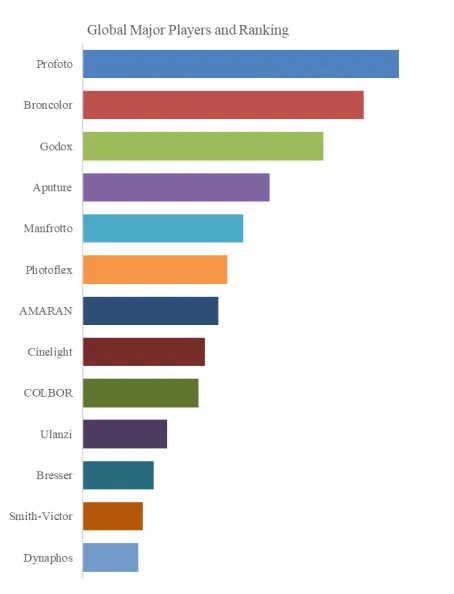
カテゴリー: 未分類 | 投稿者huangsisi 12:14 | コメントをどうぞ