
Jewelry spot welding machines have become essential tools in modern workshops, allowing jewelers to join small metal components quickly and precisely without the need for solder. While these machines are efficient and convenient, they also involve high electrical currents and intense heat. Improper use can lead to injuries, damaged workpieces, or equipment failure. Following proper safety practices is crucial for anyone operating a jewelry spot welding machine.
One of the most important safety tips is to wear appropriate personal protective equipment. Eye protection is essential, as spot welding can produce bright flashes, sparks, or tiny metal particles. Safety glasses or a face shield help protect against eye strain and potential injury. In addition, wearing heat-resistant gloves can prevent burns when handling freshly welded pieces, which may appear cool but retain significant heat.
A clean and well-organized workspace is another key factor in safe operation. Jewelry spot welding requires precision, and cluttered workbenches increase the risk of accidental contact with electrodes or hot metal. Ensure that flammable materials such as paper, polishing cloths, or chemicals are kept well away from the welding area. Good lighting is also essential to clearly see small components and avoid mistakes during welding.
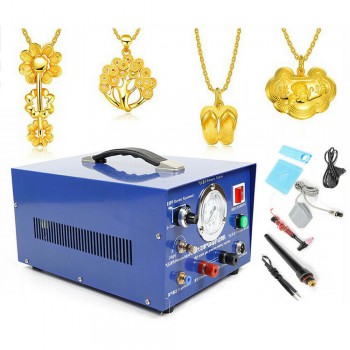
Proper machine setup and inspection should never be overlooked. Before starting, check that the electrodes are clean, correctly aligned, and securely fastened. Dirty or worn electrodes can cause inconsistent welds and require higher power levels, increasing the risk of overheating. Make sure all cables and connections are intact, with no exposed wires or loose plugs that could lead to electrical hazards.
Controlling power settings is another critical safety consideration. Jewelry spot welding machines are designed to deliver short bursts of high current, and using excessive power can easily damage delicate jewelry or cause metal to splatter. Always start with the lowest effective setting and gradually increase if necessary. Testing settings on scrap metal before working on valuable pieces helps prevent accidents and costly errors.
Hand placement and body positioning also play an important role in safe operation. Keep fingers and hands well away from the electrode tips during welding. Many machines include foot pedals or hand controls—use them as intended to maintain a safe distance from the welding point. Maintaining a stable posture and steady hands reduces the chance of slipping or accidental contact during the weld.
Electrical safety should never be underestimated. Jewelry spot welding machines must be properly grounded and connected to a reliable power source. Avoid operating the machine with wet hands or in damp environments, as moisture significantly increases the risk of electric shock. If the machine behaves unusually, such as producing inconsistent sparks or strange noises, stop immediately and inspect it before continuing.
Finally, training and familiarity with the equipment are essential. Even compact jewelry spot welders require proper understanding to use safely. Reading the manufacturer’s manual, following recommended procedures, and practicing regularly all contribute to safer operation. When in doubt, seek guidance rather than experimenting.
In conclusion, a jewelry spot welding machine is a powerful and valuable tool when used responsibly. By wearing protective gear, maintaining a clean workspace, inspecting equipment, controlling power settings, and respecting electrical safety, jewelers can minimize risks and enjoy the full benefits of spot welding with confidence and precision.
Related articles: https://jewelerstoolsmall.tenkomori.tv/e487236.html