A mirror-like finish is often the final touch that transforms a handmade piece of jewelry from attractive to truly professional. While hand polishing with cloth and compound can produce decent results, nothing compares to the depth and brilliance achieved with a jewelry buffer polisher. Mastering this tool not only enhances appearance but also elevates the overall perceived value of your work.
A jewelry buffer polisher operates using a motor-driven spindle that spins polishing wheels at high speeds. These wheels, typically made from cotton, muslin, or felt, are paired with specialized polishing compounds. The key to achieving a professional shine lies in understanding the relationship between wheel type, compound selection, and the metal being polished. For example, a firmer stitched muslin wheel combined with a cutting compound is ideal for removing fine scratches, while a softer loose cotton wheel with a finishing compound produces the final high-gloss sheen.
Preparation is critical before turning on the machine. The surface of the jewelry must be properly sanded and pre-finished. Buffing cannot effectively remove deep scratches or tool marks; it refines and enhances an already smooth surface. Progressing through fine grits of sandpaper ensures that the buffer can do its job efficiently. Skipping preparation often leads to uneven shine and visible imperfections.
When using the buffer, technique matters as much as equipment. Hold the piece firmly but gently, allowing the wheel to do the work. Excessive pressure can generate heat, distort delicate components, or even cause the piece to be pulled from your hands. Always polish on the lower half of the wheel’s rotation so that if the item slips, it is directed downward rather than toward you. Consistent, smooth movements prevent over-polishing in one spot and maintain uniform brilliance.
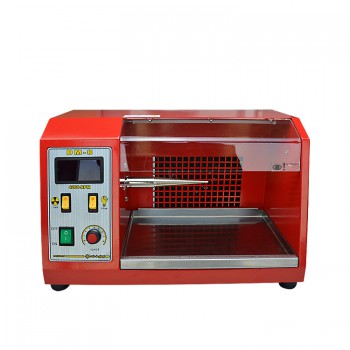
Choosing the correct polishing compound also makes a significant difference. Tripoli is commonly used for initial cutting, while rouge compounds are preferred for final finishing. For softer metals like silver or gold, lighter compounds preserve detail while enhancing luster. Harder metals such as stainless steel may require more aggressive compounds and longer polishing times. Matching compound to material ensures efficient polishing without unnecessary wear.
Cleanliness between polishing stages is often overlooked but essential. Residual compound from a previous step can contaminate the next wheel, reducing clarity and shine. Many professionals dedicate specific wheels to individual compounds and clearly label them. This disciplined approach maintains consistent results and extends the lifespan of the polishing wheels.
Safety should never be ignored. Wearing eye protection, securing loose clothing, and tying back long hair are simple but vital precautions. A dust collection system or proper ventilation minimizes exposure to fine metal particles and compound residue, contributing to a healthier workspace.
Ultimately, achieving a professional shine with a jewelry buffer polisher is a combination of preparation, proper materials, refined technique, and attention to detail. With practice and patience, even small workshops can produce finishes comparable to high-end studios. The brilliance of a perfectly polished piece not only reflects light—it reflects craftsmanship, care, and dedication to excellence.
Related articles: https://carl259.pixnet.net/blog/posts/866972037500063734