When you first step into the world of small-scale metal casting—whether for jewelry making, crafting, or hobby foundry work—one of the most important tools you’ll encounter is the ceramic crucible. Compact, durable, and built to handle extreme temperatures, ceramic crucibles make it possible for beginners to melt metals safely and efficiently. But with so many types available, understanding how they work and how to choose the right one can feel overwhelming. This guide breaks everything down into simple, beginner-friendly terms.
Ceramic melting crucibles are made from high-temperature refractory materials such as alumina, clay graphite, or silicon carbide. These materials allow the crucible to withstand the intense heat required for melting common metals like gold, silver, copper, brass, and aluminum. For beginners, clay-graphite crucibles are often the best entry-level option—they offer good thermal shock resistance, heat evenly, and are relatively affordable.
One of the biggest advantages of ceramic crucibles is their ability to maintain stable temperature zones. This is important for achieving clean melts without oxidation or impurities. The walls of the crucible absorb and radiate heat gradually, which helps prevent hot spots that can cause metal splatter or incomplete melting. For hobby casters using propane torches or small induction furnaces, this even heating is a major benefit.
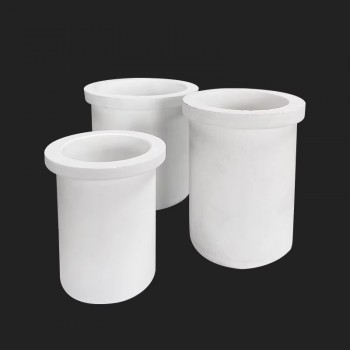
Choosing the right crucible size is another key step. Too small, and you’ll need multiple melt cycles; too large, and your heat source may struggle to bring the metal to temperature. Beginners usually start with a 1 kg or 2 kg crucible, depending on the type of metal and the furnace capacity. Always match the crucible shape—typically conical or dish-shaped—to your furnace or torch setup to ensure stable placement during heating.
Proper usage and care extend the life of your crucible significantly. Before each melt, warm the crucible slowly to drive out any moisture that may have been absorbed. Moisture trapped in the ceramic can expand rapidly when heated, causing cracks or even breakage. During melting, avoid stirring with steel tools, which can scrape or weaken the lining. Instead, use graphite or carbon rods. After each session, allow the crucible to cool naturally; rapid cooling in water is a common beginner mistake that leads to thermal shock and premature wear.
Finally, store your crucible in a dry, dust-free environment. Ceramic materials are porous, and keeping them dry helps prevent contamination and cracking.
For anyone entering the metal-melting hobby, investing in a reliable ceramic crucible—and learning to use it properly—lays the foundation for safe, consistent, and enjoyable casting work. With the right crucible, even a beginner can achieve professional-quality results.
Related articles: