
Melting gold at home has become increasingly popular among hobbyists, jewelers, and small-scale metalworkers. Whether the goal is recycling old jewelry, casting small ingots, or experimenting with custom alloys, a successful DIY gold melting project depends heavily on choosing the right furnace and setting up a safe, efficient workspace. Understanding the key factors involved can help beginners avoid costly mistakes and achieve reliable results.
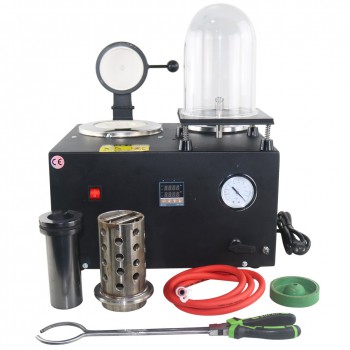
The first and most critical decision is selecting the appropriate furnace. Gold melts at approximately 1,064°C (1,947°F), so the furnace must comfortably exceed this temperature. For DIY use, electric melting furnaces and gas-powered furnaces are the most common options. Electric furnaces are favored for their precise temperature control, clean operation, and ease of use. They are especially suitable for indoor workshops with proper ventilation. Gas furnaces, typically powered by propane, can reach higher temperatures quickly and are often more affordable, but they require careful handling and are better suited for outdoor or well-ventilated areas.
Small gold melting furnace size is another important consideration. Beginners often assume that bigger is better, but an oversized furnace wastes energy and reduces temperature stability. A compact furnace designed for small crucibles is ideal for melting gold in quantities ranging from a few grams to several hundred grams. Matching the furnace capacity to the crucible size ensures efficient heat transfer and more consistent melts.
Equally important is the crucible selection. Clay graphite crucibles are widely recommended for gold melting due to their excellent thermal shock resistance and chemical stability. They can withstand repeated heating cycles and do not react with molten gold, preserving metal purity. Choosing a crucible that fits snugly inside the furnace chamber helps maintain even heat distribution and reduces the risk of tipping or spillage.
A proper setup goes beyond the furnace itself. Safety equipment is essential and should never be overlooked. Heat-resistant gloves, a face shield, safety glasses, and fireproof clothing protect against splashes and radiant heat. The work surface should be non-flammable, such as a firebrick or steel table, and a fire extinguisher rated for metal-related fires should always be nearby.
Ventilation also plays a critical role in a DIY gold melting setup. Fluxes and impurities can produce fumes during melting, which are hazardous if inhaled. Working outdoors or installing a strong ventilation system ensures a safer environment and a more comfortable workflow.
In conclusion, DIY gold melting is both rewarding and educational when done correctly. Choosing the right furnace, properly sized crucibles, and a safe, well-organized setup forms the foundation of successful gold melting at home. With the right tools and precautions, hobbyists can confidently transform scrap gold into clean, usable material while gaining valuable hands-on experience in metalworking.
Related articles: https://blog.udn.com/G_113682304699756508/184959312