日別アーカイブ: 2026年4月13日

Semiconductor Cigar Humidor Research:CAGR of 3.9% during the forecast period

Semiconductor Cigar Humidor Market Summary

A semiconductor cigar humidor is a storage device using thermoelectric cooling technology. By passing an electric current through semiconductor materials to create a temperature difference, it precisely controls temperature. With features like vibration-free operation, low noise, and environmental friendliness, it preserves cigars’ quality and flavor.

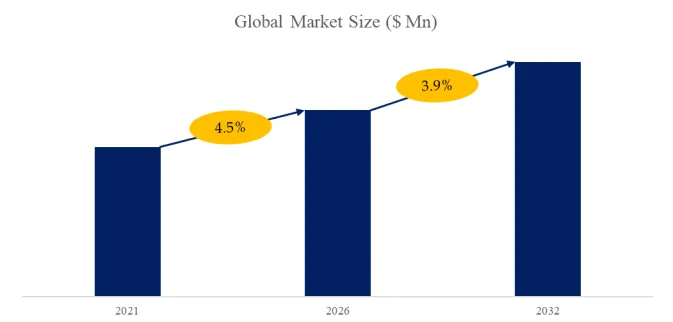
According to the new market research report “Global Semiconductor Cigar Humidor Market Report 2026-2032”, published by QYResearch, the global Semiconductor Cigar Humidor market size is projected to reach USD 41.5 million by 2032, at a CAGR of 3.9% during the forecast period.

Figure00001. Global Semiconductor Cigar Humidor Market Size (US$ Million), 2021-2032
Semiconductor Cigar Humidor

Above data is based on report from QYResearch: Global Semiconductor Cigar Humidor Market Report 2026-2032 (published in 2026). If you need the latest data, plaese contact QYResearch.

1. Market Trends

Trend 1: Evolution from functional integration to intelligent semiconductor cooling systems

Mainstream products are upgrading from basic electronic temperature control to precision environmental systems centered on thermoelectric cooling (TEC). The trend is shifting from single cooling functions to integrated platforms combining temperature, humidity, airflow, and VOC sensing with closed-loop control. By leveraging the thermoelectric effect alongside fuzzy logic and PID control, advanced cabinets deliver compressor-free, vibration-free, and refrigerant-free microenvironment simulation with high precision, meeting long-term aging requirements of premium cigars. This reflects a broader transition from conventional refrigeration appliances to precision environmental equipment.

Trend 2: Upgrade from storage devices to IoT-enabled consumer terminals

With the penetration of IoT technologies, cigar cabinets are evolving into intelligent terminals that connect users with lifestyle ecosystems. Key trends include remote monitoring, data visualization, and cloud-based services. Integrated sensors and wireless modules enable real-time environmental tracking, while advanced applications incorporate blockchain for provenance tracking of rare cigars, shifting from simple storage to digital asset management and enhancing brand-consumer interaction.

Trend 3: Younger and more segmented consumer demographics

The global cigar consumption landscape is becoming younger and more diversified, extending beyond traditional affluent male users to younger professionals and female enthusiasts. This shift drives demand for compact, portable products as well as customized cabinets with strong aesthetic and social attributes. Product development increasingly balances technical performance with design and cultural positioning.

2. Market Drivers

Driver 1: Asset-oriented preservation demand in the premium segment

As interest in alternative investments grows, aged cigars are increasingly viewed as consumable assets. Their value lies in both consumption and appreciation through aging. Semiconductor cigar cabinets provide the precise environmental control required for long-term preservation, supporting this asset-oriented demand and driving growth in high-end storage equipment.

Driver 2: Maturity and cost optimization of thermoelectric technology

Advancements in thermoelectric cooling technology are a core driver. Compared with compressor-based systems, TEC solutions offer advantages in miniaturization, silent operation, vibration-free performance, precise temperature control (up to ±0.1°C), and environmental friendliness. As upstream components such as thermoelectric modules, heat dissipation systems, and insulation materials become more cost-effective, manufacturers can deliver high-performance solutions at competitive prices, accelerating substitution of traditional storage devices.

Driver 3: Channel transformation and experiential marketing

Market expansion is also driven by evolving sales channels. Traditional appliance retail is being supplemented by partnerships with premium lifestyle venues such as luxury hotels, private clubs, and duty-free stores. Embedding products into real-life usage scenarios enhances consumer understanding and reduces education costs, improving conversion rates and brand value.

3. Market Restraints

Restraint 1: Lack of industry standards and trust issues

The absence of unified technical standards and certification systems has led to inconsistent product quality. Misleading specifications and poor performance in low-end products undermine consumer trust, prolong purchase decisions, and hinder healthy market development.

Restraint 2: Macroeconomic pressure on discretionary spending

As non-essential luxury products, cigar cabinets are highly sensitive to economic conditions. Slower growth, geopolitical risks, and inflation can weaken consumer confidence and reduce spending on high-value durable goods, limiting market expansion.

Restraint 3: Cross-cultural perception gaps and regulatory barriers

In emerging markets, awareness of professional cigar storage remains limited, leading to confusion with simpler alternatives. Additionally, complex regulations related to tobacco products, energy efficiency, and safety standards create barriers to market entry and increase compliance costs for global players.

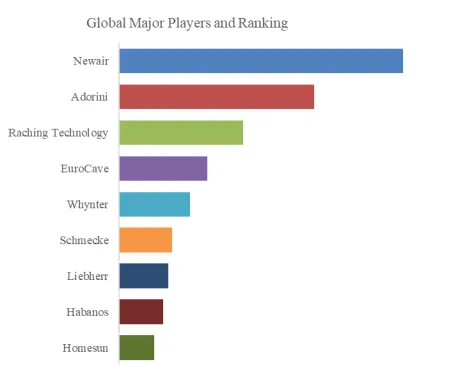
Figure00002. Global Semiconductor Cigar Humidor Top 5 Players Ranking and Market Share (Ranking is based on the revenue of 2025, by revenue, continually updated)
Semiconductor Cigar Humidor

Above data is based on report from QYResearch: Global Semiconductor Cigar Humidor Market Report 2026-2032 (published in 2026). If you need the latest data, plaese contact QYResearch.

According to QYResearch Top Players Research Center, the global key manufacturers of Semiconductor Cigar Humidor include Newair, Adorini, Raching Technology, EuroCave, Whynter, etc. In 2025, the global top five players had a share approximately 34% in terms of revenue.


Major Players Profiles:

Newair

Founded in 2001 and headquartered in California, USA, Newair is a leading provider of compact household appliances and specialized cooling solutions in North America. The company’s core business revolves around built-in and freestanding precision appliances, with its electric cigar humidor line (Newair Wineadors) gaining significant market share through competitive pricing and modern industrial design. Newair’s products integrate advanced thermoelectric cooling technology and precise hygrometers to ensure optimal storage environments. Dedicated to making professional-grade storage accessible, the company caters to both novices and aficionados, establishing itself as a dominant force in the global retail and consumer-grade cigar preservation market.

Adorini

Adorini is a globally recognized German specialist in cigar accessories and humidification systems. Since its inception in 1999, the brand has built a prestigious reputation by blending rigorous German engineering with sophisticated aesthetic design. Its business scope spans from artisanal humidors to large-scale electronic cigar cabinets, with a core competitive advantage centered on its proprietary humidification technology. Adorini’s electric cabinets emphasize long-term material stability and uniform airflow circulation, utilizing precise electronic control systems to ensure the aging quality of premium cigars. Distributed in numerous countries, Adorini stands as a benchmark brand for professional cigar collectors and connoisseurs across Europe and international markets.

Raching Technology

Shenzhen Raching Technology Co., Ltd., founded in 2004 and headquartered in Shenzhen, China, is a premier global provider of constant temperature and humidity storage solutions. As a high-tech enterprise, Raching maintains a significant technological lead in the electric cigar humidor sector, specializing in the R&D and manufacturing of smart, solid-wood cabinets. Its core business integrates IoT technology and advanced ultrasonic humidification to simulate ideal cellar environments, featuring APP remote monitoring and automated water-filling systems. Leveraging superior craftsmanship and supply chain efficiencies, Raching has become a world leader in production and sales volume, serving high-end clubs and private collectors globally with innovative, intelligent preservation solutions.

EuroCave

Created in 1976 in France, EuroCave is a global pioneer and luxury brand in professional wine and cigar storage. As a standard-bearer for “Origine France Garantie,” the company focuses on utilizing biomimetic technology to replicate natural cellar environments. EuroCave’s electric cigar humidor business targets the high-end luxury market, featuring unique temperature and humidity compensation systems designed for the long-term maturation of premium cigars. Their products are regarded not just as storage units, but as masterpieces combining artistic aesthetics with precision science. Through an international network of specialized distributors, EuroCave serves the world’s finest hotels, restaurants, and private clients who demand the ultimate standards in preservation technology.


About The Authors

Zhang Xuelu – Analyst for this report
Email: zhangxuelu@qyresearch.com


Website: www.qyresearch.com Hot Line:4006068865

QYResearch focus on Market Survey and Research

US: +1-888-365-4458(US) +1-202-499-1434(Int’L)

EU: +44-808-111-0143(UK) +44-203-734-8135(EU)

Asia: +86-10-8294-5717(CN) +852-30628839(HK)


About QYResearch

QYResearch founded in California, USA in 2007.It is a leading global market research and consulting company. With over 17 years’ experience and professional research team in various cities over the world QY Research focuses on management consulting, database and seminar services, IPO consulting (data is widely cited in prospectuses, annual reports and presentations), industry chain research and customized research to help our clients in providing non-linear revenue model and make them successful. We are globally recognized for our expansive portfolio of services, good corporate citizenship, and our strong commitment to sustainability. Up to now, we have cooperated with more than 60,000 clients across five continents. Let’s work closely with you and build a bold and better future.

QYResearch is a world-renowned large-scale consulting company. The industry covers various high-tech industry chain market segments, spanning the semiconductor industry chain (semiconductor equipment and parts, semiconductor materials, ICs, Foundry, packaging and testing, discrete devices, sensors, optoelectronic devices), photovoltaic industry chain (equipment, cells, modules, auxiliary material brackets, inverters, power station terminals), new energy automobile industry chain (batteries and materials, auto parts, batteries, motors, electronic control, automotive semiconductors, etc.), communication industry chain (communication system equipment, terminal equipment, electronic components, RF front-end, optical modules, 4G/5G/6G, broadband, IoT, digital economy, AI), advanced materials industry Chain (metal materials, polymer materials, ceramic materials, nano materials, etc.), machinery manufacturing industry chain (CNC machine tools, construction machinery, electrical machinery, 3C automation, industrial robots, lasers, industrial control, drones), food, beverages and pharmaceuticals, medical equipment, agriculture, etc.


About Us:
QYResearch founded in California, USA in 2007, which is a leading global market research and consulting company. Our primary business include market research reports, custom reports, commissioned research, IPO consultancy, business plans, etc. With over 18 years of experience and a dedicated research team, we are well placed to provide useful information and data for your business, and we have established offices in 7 countries (include United States, Germany, Switzerland, Japan, Korea, China and India) and business partners in over 30 countries. We have provided industrial information services to more than 60,000 companies in over the world.

Contact Us:
If you have any queries regarding this report or if you would like further information, please contact us:
QY Research Inc.
Add: 17890 Castleton Street Suite 369 City of Industry CA 91748 United States
EN: https://www.qyresearch.com
Email: global@qyresearch.com
Tel: 001-626-842-1666(US)
JP: https://www.qyresearch.co.jp

カテゴリー: 未分類 | 投稿者huangsisi 12:06 | コメントをどうぞ

SAE Connector Research:CAGR of 7.1% during the forecast period

SAE Connector Market Summary

SAE connectors are industrial-grade electrical connection products that conform to the standards of the Society of Automotive Engineers (SAE). They are widely used in automotive diagnostics, power batteries, fuel systems, signal communication, and electric vehicle charging.


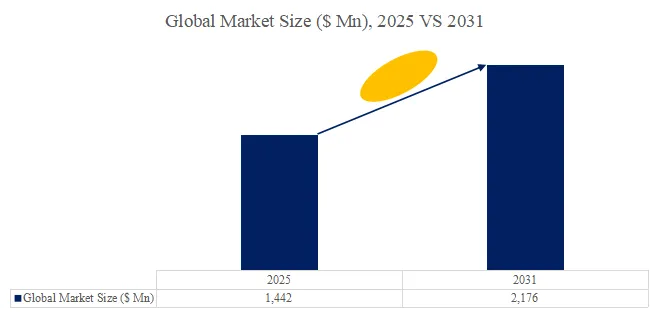
According to the new market research report “Global SAE Connector Market Report 2025-2031”, published by QYResearch, the global SAE Connector market size is projected to reach USD 2.18 billion by 2031, at a CAGR of 7.1% during the forecast period.

Figure00001. Global SAE Connector Market Size (US$ Million), 2025-2031

SAE Connector

Above data is based on report from QYResearch: Global SAE Connector Market Report 2025-2031 (published in 2026). If you need the latest data, plaese contact QYResearch.

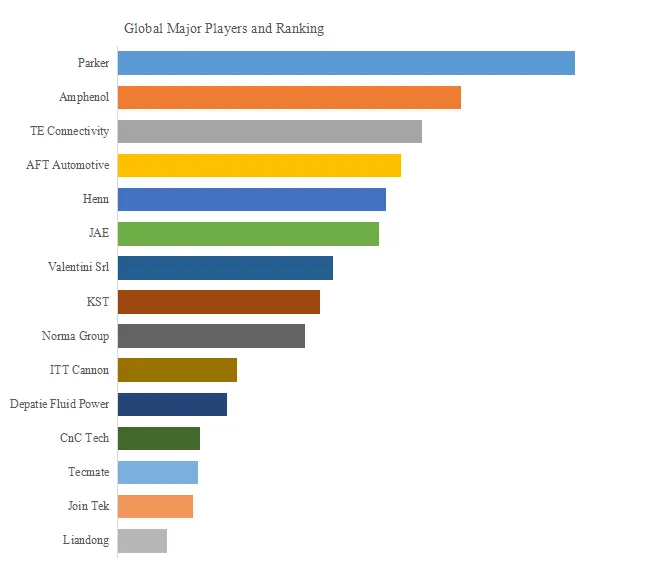
Figure00002. Global SAE Connector Top 15 Players Ranking and Market Share (Ranking is based on the revenue of 2025, continually updated)

SAE Connector

Above data is based on report from QYResearch: Global SAE Connector Market Report 2025-2031 (published in 2026). If you need the latest data, plaese contact QYResearch.

According to a survey by QYResearch’s Leading Enterprise Research Center, major global SAE connector manufacturers include Parker, Amphenol, TE Connectivity, AFT Automotive, and Henn.

In 2025, the top five global manufacturers held approximately 54.1% of the market share.

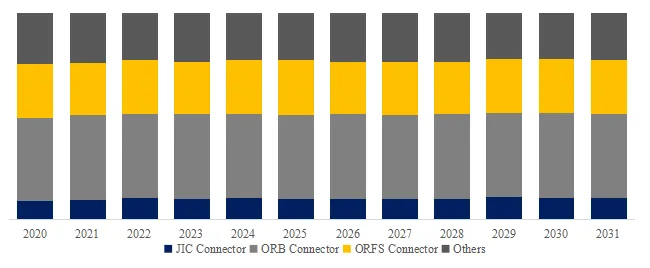
Figure00003. SAE Connector, Global Market Size, Split by Product Segment

SAE Connector

Based on or includes research from QYResearch: Global SAE Connector Market Report 2025-2031.

In terms of product type, ORB connectors are currently the most important product segment, accounting for approximately 40.5% of the market share (2025).

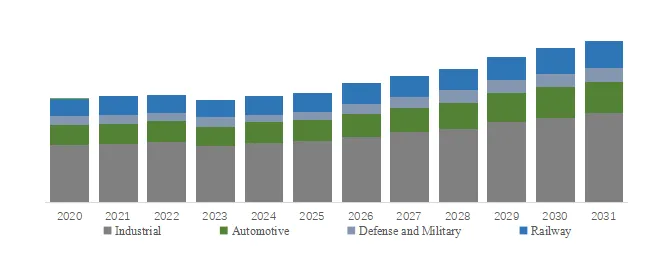
Figure00004. SAE Connector, Global Market Size, Split by Application Segment

SAE Connector

Based on or includes research from QYResearch: Global SAE Connector Market Report 2025-2031.

In terms of product application, industry is currently the primary source of demand, accounting for approximately 31.1% of the market share.

Figure00005. SAE Connector, Global Market Size, Split by Region

SAE Connector

Based on or includes research from QYResearch: Global SAE Connector Market Report 2025-2031.


Leading Enterprise Introduction: Parker

Since its founding in 1918 by Arthur L. Parker, Parker Hannifin has grown into the world’s largest and most comprehensive company in motion and control.

Parker Hannifin manufactures fluid drive components and systems for controlling the transmission, flow, and pressure of various machines and other equipment. Parker offers over 1,400 product lines for more than 1,000 projects in engineering, industrial, and aerospace applications. Parker is the only manufacturer capable of providing customers with hydraulic, pneumatic, sealing, mechatronics, and computer-controlled drive solutions. Furthermore, Parker boasts the world’s largest sales network in this field, with over 7,500 distributors worldwide serving more than 400,000 customers.

About The Authors


Analyst: Ran xinrong

Email: ranxinrong@qyresearch.com

Website: www.qyresearch.com Hot Line:4006068865

QYResearch focus on Market Survey and Research

US: +1-888-365-4458(US) +1-202-499-1434(Int’L)

EU: +44-808-111-0143(UK) +44-203-734-8135(EU)

Asia: +86-10-8294-5717(CN) +852-30628839(HK)


The main analyst of this report: Ran

Email: ranxinrong@qyresearch.com

Has 3 years of industry research experience, focusing on research in the fields of communications and related industry chains, including 5G, 5G-A related, switches, CPO, routers and CPE, Metaverse and its communication networks, optical fiber cables and other topics and extended research.

About QYResearch

QYResearch founded in California, USA in 2007.It is a leading global market research and consulting company. With over 17 years’ experience and professional research team in various cities over the world QY Research focuses on management consulting, database and seminar services, IPO consulting (data is widely cited in prospectuses, annual reports and presentations), industry chain research and customized research to help our clients in providing non-linear revenue model and make them successful. We are globally recognized for our expansive portfolio of services, good corporate citizenship, and our strong commitment to sustainability. Up to now, we have cooperated with more than 60,000 clients across five continents. Let’s work closely with you and build a bold and better future.

QYResearch is a world-renowned large-scale consulting company. The industry covers various high-tech industry chain market segments, spanning the semiconductor industry chain (semiconductor equipment and parts, semiconductor materials, ICs, Foundry, packaging and testing, discrete devices, sensors, optoelectronic devices), photovoltaic industry chain (equipment, cells, modules, auxiliary material brackets, inverters, power station terminals), new energy automobile industry chain (batteries and materials, auto parts, batteries, motors, electronic control, automotive semiconductors, etc.), communication industry chain (communication system equipment, terminal equipment, electronic components, RF front-end, optical modules, 4G/5G/6G, broadband, IoT, digital economy, AI), advanced materials industry Chain (metal materials, polymer materials, ceramic materials, nano materials, etc.), machinery manufacturing industry chain (CNC machine tools, construction machinery, electrical machinery, 3C automation, industrial robots, lasers, industrial control, drones), food, beverages and pharmaceuticals, medical equipment, agriculture, etc.


About Us:
QYResearch founded in California, USA in 2007, which is a leading global market research and consulting company. Our primary business include market research reports, custom reports, commissioned research, IPO consultancy, business plans, etc. With over 18 years of experience and a dedicated research team, we are well placed to provide useful information and data for your business, and we have established offices in 7 countries (include United States, Germany, Switzerland, Japan, Korea, China and India) and business partners in over 30 countries. We have provided industrial information services to more than 60,000 companies in over the world.

Contact Us:
If you have any queries regarding this report or if you would like further information, please contact us:
QY Research Inc.
Add: 17890 Castleton Street Suite 369 City of Industry CA 91748 United States
EN: https://www.qyresearch.com
Email: global@qyresearch.com
Tel: 001-626-842-1666(US)
JP: https://www.qyresearch.co.jp
カテゴリー: 未分類 | 投稿者huangsisi 12:02 | コメントをどうぞ

Rim Protection Accessories Research:Report 2022-2031 (published in 2025)

Rim Protection Accessories Market Summary

I. Product Definition and Technical Foundations

1. Product Definition and Functional Positioning

Rim Protection Accessories refer to add-on components designed to protect vehicle wheel rims from scratches, curb damage, impact, and environmental wear during everyday driving, parking, or off-road use. Their primary function is to absorb or disperse impact forces from curbs, road debris, potholes, and other external hazards, thereby reducing cosmetic damage and structural stress to alloy wheels.

With the increasing adoption of larger alloy wheels in passenger vehicles, SUVs, and performance cars, rim damage has become more common and costly to repair. As a result, demand for rim protection solutions has grown, particularly in urban environments where curb contact is frequent.

In addition to their protective function, many rim protection products also serve a decorative purpose. Color options and customizable designs allow vehicle owners to enhance the aesthetic appearance of their wheels.

2. Product Types and Structural Designs

Rim protection accessories can be categorized based on installation method and structural design:

l Adhesive Rim Protectors: Flexible strips attached to the outer edge of the rim using high-strength adhesive. These are easy to install and compatible with most passenger vehicles.

l Clip-On or Snap-In Rings: Designed to fit into specific rim grooves using mechanical locking structures. These provide stronger attachment but require precise size compatibility.

l Integrated Rim Rings: Installed between the tire bead and rim during tire mounting, offering more permanent protection. Typically used in professional or modification markets.

l Rim Covers or Guards: Larger protective shells that partially cover the rim surface, combining impact protection with styling features.

Common materials include thermoplastic polyurethane (TPU), rubber composites, and high-impact engineering plastics. These materials must demonstrate abrasion resistance, flexibility, UV resistance, and thermal durability across varying climate conditions.


Figure00001. Global Rim Protection Accessories Market Size (US$ Million), 2021-2032

Rim Protection Accessories

Above data is based on report from QYResearch: Global Rim Protection Accessories Market Report 2022-2031 (published in 2025). If you need the latest data, plaese contact QYResearch.


Figure00002. Global Rim Protection Accessories Top 13 Players Ranking and Market Share (Ranking is based on the revenue of 2025, continually updated)

Rim Protection Accessories

Above data is based on report from QYResearch: Global Rim Protection Accessories Market Report 2025-2031 (published in 2025). If you need the latest data, plaese contact QYResearch.

II. Industry Chain Analysis

1. Upstream Materials and Component Supply

The upstream supply chain consists of engineering plastic manufacturers, rubber compound suppliers, adhesive producers, and mold manufacturers.

Material performance is critical to product quality. TPU is widely used in higher-end products due to its flexibility, impact resistance, and weather durability. Rubber-based materials offer cost advantages but may have shorter lifespan under harsh conditions.

Adhesives must provide strong bonding strength while maintaining resistance to moisture, heat, and road chemicals. Mold development plays a significant role in cost structure, especially because different rim sizes and designs require multiple mold variations, limiting full standardization.

2. Midstream Manufacturing and Brand Operations

Midstream activities include material blending, extrusion or injection molding, trimming, surface finishing, and packaging.

While production technology is relatively mature, dimensional accuracy and durability consistency are important differentiators. Products must maintain structural integrity under centrifugal forces, vibration, and environmental exposure.

Brand positioning plays a major role in competitive performance. Products are primarily sold through e-commerce platforms, automotive accessory retailers, and car modification shops. Marketing messages typically emphasize cost savings (avoiding expensive rim repairs), ease of installation, and enhanced styling.

Some brands partner with tire service centers or automotive workshops to offer professional installation services.

3. Downstream Market Structure and Consumer Demand

The primary downstream market lies within the automotive aftermarket, targeting individual vehicle owners. Rising global vehicle ownership and the increasing popularity of large-diameter alloy wheels (18 inches and above) expand the addressable market.

Premium and modified vehicles represent higher-margin segments, where consumers are more willing to pay for both protection and visual enhancement. Urban driving environments with tight parking spaces further increase the likelihood of rim contact with curbs, supporting demand growth.

Online retail channels are dominant, particularly in markets with strong digital commerce penetration.

Overall demand is closely linked to vehicle ownership trends, car customization culture, and consumer willingness to invest in vehicle appearance protection.

III. Development Trends, Opportunities, and Challenges

1. Product and Technology Trends

The market is gradually shifting toward higher durability and extended service life. Some manufacturers are exploring self-healing surface materials and enhanced UV resistance technologies to improve longevity.

Customization trends are also increasing. Multi-color options, branded collaborations, and personalized styling features are becoming more common, strengthening the aesthetic appeal of rim protection products.

Ease of installation is another key competitive factor. Products designed for tool-free installation are particularly attractive to DIY consumers.

2. Market Opportunities

Global vehicle fleet expansion, especially in emerging markets, provides a stable demand foundation. Growth in SUV and large-wheel vehicle segments further supports long-term market expansion.

Automotive customization culture continues to grow in several regions, generating additional demand in the performance and enthusiast markets.

Electrification of vehicles does not significantly reduce demand, as rim protection requirements are largely independent of powertrain type.

3. Industry Challenges

Entry barriers are relatively low, resulting in intense competition and price pressure in commoditized segments. Low-quality products that detach or deform can negatively impact consumer perception and brand reputation.

Certain premium tire models incorporate built-in rim protector edges, partially reducing the need for external accessories.

The aftermarket remains fragmented, and brand loyalty is limited, requiring continuous marketing investment.

IV. Entry Barriers and Competitive Landscape

Overall technological entry barriers are moderate to low. Core differentiation lies in material formulation optimization, mold precision, product durability testing, and distribution channel development.

Access to established retail networks and online marketplace visibility significantly influence market success. Premium segments demand higher durability validation and quality assurance standards.

In summary, rim protection accessories represent a consumer-driven automotive aftermarket niche characterized by steady growth potential, strong price competition, and performance differentiation centered on material quality and brand positioning.

About The Authors

Hongjichi – Lead Author

Email: hongjichi@qyresearch.com


About QYResearch

QYResearch founded in California, USA in 2007.It is a leading global market research and consulting company. With over 17 years’ experience and professional research team in various cities over the world QY Research focuses on management consulting, database and seminar services, IPO consulting (data is widely cited in prospectuses, annual reports and presentations), industry chain research and customized research to help our clients in providing non-linear revenue model and make them successful. We are globally recognized for our expansive portfolio of services, good corporate citizenship, and our strong commitment to sustainability. Up to now, we have cooperated with more than 60,000 clients across five continents. Let’s work closely with you and build a bold and better future.

QYResearch is a world-renowned large-scale consulting company. The industry covers various high-tech industry chain market segments, spanning the semiconductor industry chain (semiconductor equipment and parts, semiconductor materials, ICs, Foundry, packaging and testing, discrete devices, sensors, optoelectronic devices), photovoltaic industry chain (equipment, cells, modules, auxiliary material brackets, inverters, power station terminals), new energy automobile industry chain (batteries and materials, auto parts, batteries, motors, electronic control, automotive semiconductors, etc.), communication industry chain (communication system equipment, terminal equipment, electronic components, RF front-end, optical modules, 4G/5G/6G, broadband, IoT, digital economy, AI), advanced materials industry Chain (metal materials, polymer materials, ceramic materials, nano materials, etc.), machinery manufacturing industry chain (CNC machine tools, construction machinery, electrical machinery, 3C automation, industrial robots, lasers, industrial control, drones), food, beverages and pharmaceuticals, medical equipment, agriculture, etc.


About Us:
QYResearch founded in California, USA in 2007, which is a leading global market research and consulting company. Our primary business include market research reports, custom reports, commissioned research, IPO consultancy, business plans, etc. With over 18 years of experience and a dedicated research team, we are well placed to provide useful information and data for your business, and we have established offices in 7 countries (include United States, Germany, Switzerland, Japan, Korea, China and India) and business partners in over 30 countries. We have provided industrial information services to more than 60,000 companies in over the world.

Contact Us:
If you have any queries regarding this report or if you would like further information, please contact us:
QY Research Inc.
Add: 17890 Castleton Street Suite 369 City of Industry CA 91748 United States
EN: https://www.qyresearch.com
Email: global@qyresearch.com
Tel: 001-626-842-1666(US)
JP: https://www.qyresearch.co.jp
カテゴリー: 未分類 | 投稿者huangsisi 11:55 | コメントをどうぞ

PVDC Latex Research:CAGR of 6.06% during the forecast period

PVDC Latex Market Summary

PVDC latex (also known as PVDC emulsion) is a stable aqueous polymeric colloidal dispersion system prepared via free-radical emulsion polymerization, with vinylidene chloride (VDC) as the main polymerizable monomer (typically accounting for ≥50% by mass), most commonly in copolymer systems such as VDC-vinyl chloride (VDC-VC), VDC-methyl acrylate (VDC-MA) and VDC-acrylate systems, under the action of emulsifiers/protective colloids and an initiator system. It is commercially supplied as a wet-state sold latex product consisting of nanoscale latex particles dispersed in an aqueous phase and can form a continuous and dense PVDC (copolymer) barrier layer on substrate surfaces through a coating-drying-film formation process.

In contrast to PVDC resins produced via suspension polymerization, which are in granular or powder form and mainly applied to thermoplastic processing including extrusion, film blowing and calendering (e.g., for cling films and rigid sheets), the core processing methods of PVDC latex are coating and lamination rather than thermoplastic processing. Its key properties are jointly determined by the high polarity and dense crystallization/packing characteristics of the polymer segments, combined with the compactness of the formed film. In commercial aqueous coating systems, it typically delivers the comprehensive barrier advantage of simultaneous high oxygen barrier and high-water vapor barrier performance, and also features grease resistance, resistance to most chemical media, as well as formulation tunability and process compatibility for a wide range of substrates including films, paper substrates, metals and fabrics.

Typical applications of PVDC latex include barrier coatings for food and pharmaceutical packaging (such as high-barrier coated films for flexible packaging, paper-based barrier coatings, and barrier layers in blister packaging structures), industrial protective and anti-corrosion primer/barrier coatings, as well as functional coating scenarios with stringent requirements for chemical resistance, hydrothermal resistance and penetration resistance. Its core value lies in significantly enhancing the barrier and media resistance of substrates via a micro-scale ultra-thin coating, while enabling low-VOC processing with the aqueous system and compatibility with downstream processes including heat sealing, lamination and printing. Furthermore, through the design of monomer and additive systems, engineering trade-offs and customized optimization can be achieved across key performance indicators including barrier properties, adhesion, flexibility, heat resistance, migration resistance and biosafety.


According to the new market research report “Global PVDC Latex Market Report 2026-2032″, published by QYResearch, the global PVDC Latex market size is projected to grow from USD 243.28 million in 2025 to USD 366.02 million by 2032, at a CAGR of 6.06% during the forecast period.


Figure00002. Global PVDC Latex Top 8 Players Ranking and Market Share (Ranking is based on the revenue of 2026, continually updated)

PVDC Latex

Above data is based on report from QYResearch: Global PVDC Latex Market Report 2026-2032 (published in 2026). If you need the latest data, plaese contact QYResearch.

Globally, major PVDC latex manufacturers include Synensqp, Borchers, Asahi Kasei, Zhejiang Juhua Group, and Zhejiang Keguan Polymer, with the top five manufacturers holding approximately 94% of the market share.

Currently, the core global manufacturers are mainly located in Europe and the Asia-Pacific region.

Figure00003. PVDC Latex, Global Market Size, Split by Application Segment

PVDC Latex

Based on or includes research from QYResearch: Global PVDC Latex Market Report 2026-2032.

In terms of product type, pharmaceutical packaging is currently the primary source of demand, accounting for approximately 73% of the market share.


Figure00004. PVDC Latex, Global Market Size, Split by Region (Production)

PVDC Latex

Based on or includes research from QYResearch: Global PVDC Latex Market Report 2026-2032.


Figure00005. PVDC Latex, Global Market Size, Split by Region

PVDC Latex

Based on or includes research from QYResearch: Global PVDC Latex Market Report 2026-2032.


PVDC Latex Supply Chain Analysis:

Upstream: Primarily relies on chemical raw materials such as vinylidene chloride, vinyl chloride, and various emulsifiers and initiators. Its price is significantly influenced by the chlor-alkali and petrochemical chains, as well as environmental policies, directly impacting costs.

Midstream: Production requires high standards for polymerization process control, product stability, coating compatibility, and environmental compliance. The industry has high barriers to entry, and suppliers typically maintain competitiveness through customized formulations and customer certifications.

Downstream: Mainly serves food, pharmaceutical, and high-barrier packaging material companies. Demand is influenced by upgrades in consumer product packaging, increased preservation requirements, and competition from alternative materials.

Overall, the PVDC latex supply chain is characterized by raw material cost sensitivity, long customer certification cycles, and high requirements for quality consistency. The future trend is an upgrade towards low-residue, sustainable, and high-performance barrier solutions under environmental pressure.

Market Drivers:

The PVDC latex market is driven by a variety of factors. The growing demand from the food packaging industry is a major driver, as PVDC latex possesses excellent barrier properties, effectively extending food shelf life and ensuring safety. The pursuit of high-performance materials in the pharmaceutical and cosmetic packaging sectors has also contributed to market expansion, as these industries require reliable materials to protect product integrity. Increasingly stringent environmental regulations have encouraged the development of sustainable packaging solutions, and PVDC latex exhibits environmentally friendly characteristics in certain applications. Technological advancements continuously optimize production processes, reducing costs and enhancing product functionality, making them more readily accepted by the market. Rapid industrialization and consumption upgrades in emerging markets have driven up demand for packaging materials, particularly in the food and consumer goods sectors. Global focus on reducing food waste has further fueled the demand for high-efficiency packaging materials, in which PVDC latex plays a crucial role. These driving factors combined support the robust growth of the PVDC latex market.

Market Hinders:

The PVDC latex market faces several growth obstacles. The price of its core raw material, vinylidene chloride monomer, fluctuates significantly, directly impacting production costs and product pricing stability. Strict process control requirements and technological barriers limit rapid capacity expansion. Environmental pressures persist, with increasingly stringent regulations governing wastewater treatment and final product recycling. Competition from other high-barrier materials, such as EVOH and silica-coated materials, offers advantages in specific performance characteristics or environmental image. End-use industries are highly cost-sensitive, particularly in the consumer goods sector, where more cost-effective alternatives are constantly squeezing market share. Furthermore, global discussions on the sustainability of plastic packaging have made some brands more cautious in selecting chlorinated polymers. These factors combined pose challenges to the speed of market expansion.

Industry Development Trends:

The PVDC latex industry is moving towards a balance between high performance and sustainability, with technological innovation as the core driving force. Companies are committed to developing new product formulations with higher barrier properties, greater toughness, and easier processing to meet stringent packaging requirements. To enhance environmental attributes, the industry is actively developing technologies to reduce the environmental impact of production processes and exploring the feasibility of using bio-based raw materials. Simultaneously, addressing recycling challenges, the industry is researching modified products that are easier to recycle or degrade. Application areas are continuously deepening and expanding. In addition to consolidating its position in traditional markets such as sausage casings and pharmaceutical blister packs, it is increasingly penetrating high-end functional fields such as electronic component protective films and lithium battery packaging. The market competition landscape is also evolving. Leading companies are stabilizing raw material supply and controlling costs by integrating upstream and downstream supply chains and are increasing their presence in emerging markets such as the Asia-Pacific region to capture growth opportunities brought about by local consumption upgrades. Facing pressure from environmental regulations and alternative materials, the overall industry development trend is reflected in consolidating its irreplaceable position in the high-end barrier packaging market through continuous technological upgrades and application innovation.


About The Authors

Meng Yu Lead Author

Email: yumeng@qyresearch.com

QYResearch Nanning Research Center analyst, main research areas include semiconductors, chemical materials, electronics and other fields, some of the sub-research topics include Motor for semiconductor equipment, air bearing stage, low CTE ceramic material, high purity oleic acid, camera soc, intelligent energy management system, etc., also engaged in market segment report development, and participate in the writing of customized projects.


About QYResearch

QYResearch founded in California, USA in 2007.It is a leading global market research and consulting company. With over 17 years’ experience and professional research team in various cities over the world QY Research focuses on management consulting, database and seminar services, IPO consulting (data is widely cited in prospectuses, annual reports and presentations), industry chain research and customized research to help our clients in providing non-linear revenue model and make them successful. We are globally recognized for our expansive portfolio of services, good corporate citizenship, and our strong commitment to sustainability. Up to now, we have cooperated with more than 60,000 clients across five continents. Let’s work closely with you and build a bold and better future.

QYResearch is a world-renowned large-scale consulting company. The industry covers various high-tech industry chain market segments, spanning the semiconductor industry chain (semiconductor equipment and parts, semiconductor materials, ICs, Foundry, packaging and testing, discrete devices, sensors, optoelectronic devices), photovoltaic industry chain (equipment, cells, modules, auxiliary material brackets, inverters, power station terminals), new energy automobile industry chain (batteries and materials, auto parts, batteries, motors, electronic control, automotive semiconductors, etc.), communication industry chain (communication system equipment, terminal equipment, electronic components, RF front-end, optical modules, 4G/5G/6G, broadband, IoT, digital economy, AI), advanced materials industry Chain (metal materials, polymer materials, ceramic materials, nano materials, etc.), machinery manufacturing industry chain (CNC machine tools, construction machinery, electrical machinery, 3C automation, industrial robots, lasers, industrial control, drones), food, beverages and pharmaceuticals, medical equipment, agriculture, etc.

About Us:
QYResearch founded in California, USA in 2007, which is a leading global market research and consulting company. Our primary business include market research reports, custom reports, commissioned research, IPO consultancy, business plans, etc. With over 18 years of experience and a dedicated research team, we are well placed to provide useful information and data for your business, and we have established offices in 7 countries (include United States, Germany, Switzerland, Japan, Korea, China and India) and business partners in over 30 countries. We have provided industrial information services to more than 60,000 companies in over the world.

Contact Us:
If you have any queries regarding this report or if you would like further information, please contact us:
QY Research Inc.
Add: 17890 Castleton Street Suite 369 City of Industry CA 91748 United States
EN: https://www.qyresearch.com
Email: global@qyresearch.com
Tel: 001-626-842-1666(US)
JP: https://www.qyresearch.co.jp
カテゴリー: 未分類 | 投稿者huangsisi 11:51 | コメントをどうぞ

Global Oil and Gas Battery Industry Outlook: Lead-Acid vs. Nickel-Cadmium vs. Lithium Batteries, Explosion-Proof Certification, and Remote Wellhead Monitoring 2026-2032

Introduction: Addressing Harsh Environment Reliability, Remote Power, and Safety Certification Pain Points

For oil and gas operators, drilling contractors, and pipeline managers, battery reliability in extreme environments is not a convenience—it is a safety and operational imperative. Downhole tools operate at 150–200°C and 20,000 psi, where standard batteries fail within hours (electrolyte boiling, seal rupture). Remote wellhead monitoring sites in Arctic or desert locations require 5–10 year battery life without maintenance (no technician access for months). Refinery and offshore platform applications demand explosion-proof certification (ATEX, IECEx, Class I Division 1) to prevent ignition of flammable gases. The result: battery failures cause non-productive time (NPT) costing $50,000–500,000 per day in drilling operations, missed production data, and safety incidents. Global Leading Market Research Publisher QYResearch announces the release of its latest report “Oil and Gas Battery – Global Market Share and Ranking, Overall Sales and Demand Forecast 2026-2032″. Based on current situation and impact historical analysis (2021-2025) and forecast calculations (2026-2032), this report provides a comprehensive analysis of the global Oil and Gas Battery market, including market size, share, demand, industry development status, and forecasts for the next few years.

For drilling equipment OEMs (Schlumberger, Halliburton, Baker Hughes), oilfield service companies, and refinery operators, the core pain points include surviving downhole extreme temperatures (150–200°C) and pressures (20,000 psi), achieving 5–10 year battery life for remote monitoring (no maintenance access), and meeting explosion-proof certifications (ATEX, IECEx, UL for hazardous locations). Oil and gas batteries address these challenges as energy storage or power supply devices specifically designed for exploration, production, transportation, and processing—withstanding extreme environments (high temperature, high pressure, corrosion, explosion-proof) while meeting high reliability, long life, and low maintenance requirements. As digital oilfield adoption expands (remote wellhead monitoring, SCADA, IIoT sensors) and drilling activity recovers (global rig count up 12% in 2025), the battery market is experiencing robust growth, with lithium primary and rechargeable batteries gaining share in upstream applications.

【Get a free sample PDF of this report (Including Full TOC, List of Tables & Figures, Chart)】
https://www.qyresearch.com/reports/6096446/oil-and-gas-battery

Market Sizing and Recent Trajectory (Q1–Q2 2026 Update)

The global market for Oil and Gas Battery was estimated to be worth US$ 1869 million in 2025 and is projected to reach US$ 3519 million, growing at a CAGR of 9.6% from 2026 to 2032. In 2024, global production reached approximately 7,415 MWh, with an average global market price of around US$ 229 per kWh. Preliminary data for the first half of 2026 indicates accelerating demand in upstream exploration (downhole logging-while-drilling tools) and midstream monitoring (pipeline SCADA, remote wellhead control). The lithium-ion battery segment is fastest-growing (CAGR 14.5%, 35% of revenue) for downhole tools (high energy density, long life) and remote monitoring (10+ year life with Li-SOCl₂ primary cells). The lead-acid battery segment (40% of revenue, declining -2% CAGR) remains in backup power for refineries, pipelines, and surface facilities. The nickel-cadmium (Ni-Cd) battery segment (20% of revenue, stable 2% CAGR) serves extreme temperature applications (-40°C to +70°C) and emergency backup. The oil application segment (upstream, midstream) leads (70% of revenue), followed by gas (30%, fastest-growing at CAGR 11% driven by LNG and pipeline monitoring).

Product Mechanism: Lithium Primary vs. Rechargeable, High-Temperature Downhole, and Explosion-Proof

Oil and gas batteries are energy storage or power supply devices designed specifically for oil and gas exploration, production, transportation, and processing. These batteries must withstand extreme environments (such as high temperatures, high pressures, corrosion, and explosion-proofing) and meet requirements for high reliability, long life, and low maintenance.

A critical technical differentiator is chemistry, temperature rating, and hazardous location certification:

  • Lithium Primary (Li-SOCl₂, Li-SO₂, Li-MnO₂) – Non-rechargeable, ultra-long life. Advantages: 10–20 year shelf life, high energy density (500–700 Wh/kg), wide temperature range (-60°C to +150°C for specialty cells), no maintenance. Disadvantages: single use (cannot recharge), high cost ($50–500 per cell). Applications: downhole logging tools, remote wellhead monitors, pipeline pig tracking. Market share: 20% of lithium segment (primary), 15% of total battery market.
  • Lithium-Ion (Rechargeable, LFP, NMC, LTO) – Rechargeable for surface and periodic maintenance access. Advantages: 2,000–5,000 cycle life, high energy density (150–250 Wh/kg), fast charging. Disadvantages: limited to <85°C without cooling (downhole requires active cooling or specialty cells). Applications: electric fracturing pumps, top drives, rig battery storage, remote site backup. Market share: 80% of lithium segment (rechargeable), 28% of total battery market (fastest-growing, CAGR 14.5%).
  • Nickel-Cadmium (Ni-Cd) – Extreme temperature robustness. Advantages: -40°C to +70°C operation (no derating), long life (15–20 years), high reliability, tolerant of overcharge/overdischarge. Disadvantages: low energy density (40–60 Wh/kg), cadmium toxicity (environmental restrictions). Applications: emergency backup for offshore platforms, refineries, gas plants. Market share: 20% of revenue (stable 2% CAGR).
  • Lead-Acid (AGM, Gel, Flooded) – Low-cost backup. Advantages: lowest cost ($100–200/kWh), recyclable, simple charging. Disadvantages: short life (3–5 years), temperature sensitive (capacity drops 50% at -20°C), requires maintenance (flooded). Applications: surface facility backup (uninterruptible power supplies), wellhead control panels. Market share: 40% of revenue (declining -2% CAGR).
  • Explosion-Proof Certifications – ATEX (Europe), IECEx (international), UL (US), Class I Division 1 (hazardous locations—gas, vapor). Batteries must be certified for use in Zone 0/1 (continuous/intermittent explosive atmosphere). Certification adds 20–50% to battery cost.

Recent technical benchmark (March 2026): Electrochem’s Li-SOCl₂ downhole battery (DD-size, 19Ah, 3.6V, $85) achieved 180°C operation (30-day continuous), 20,000 psi pressure rating, and 10-year shelf life. Certified for downhole logging-while-drilling (LWD) tools. Independent testing (Schlumberger) confirmed 99.95% reliability over 1,000 downhole runs.

Real-World Case Studies: Downhole LWD, Remote Wellhead Monitoring, and Offshore Backup

The Oil and Gas Battery market is segmented as below by battery type and application:

Key Players (Selected):
GS Yuasa, Hoppecke, Saft, Shandong Sacred Sun Power Sources, Exide Industries, Amara Raja, Lithion Battery, Enix Power Solutions, Excell Battery, Custom Power, Power Sonic, HBL Electronics, Amp owr, Alcad, FZSonick, Yokogawa Electric Corporation, Electrochem, Dragonfly Energy, Southwest Electronic Energy Group, Vitzrocell

Segment by Type:

  • Lead-acid Battery – Surface backup. 40% of revenue (declining -2% CAGR).
  • Nickel-cadmium Battery – Extreme temp backup. 20% of revenue (stable 2% CAGR).
  • Lithium-ion Battery – Rechargeable, high energy. 28% of revenue (CAGR 14.5%).
  • Others – Li primary, Ni-MH, etc. 12% of revenue.

Segment by Application:

  • Oil – Upstream drilling, production, midstream pipelines. 70% of revenue.
  • Gas – LNG, gas processing, pipeline monitoring. 30% of revenue (CAGR 11%).

Case Study 1 (Oil – Downhole Logging-While-Drilling): Schlumberger’s LWD tools use Li-SOCl₂ primary batteries (Electrochem, DD-size, 19Ah, 180°C rating). Tool requires 200 hours downhole operation (14 days at 150°C). Battery pack: 20 cells in series (280Wh, $1,700). Schlumberger runs 5,000 LWD jobs annually → 100,000 cells ($8.5M). Downhole battery segment growing 10% CAGR.

Case Study 2 (Oil – Remote Wellhead Monitoring): Permian Basin operator (1,200 wellheads) installed Li-SOCl₂ battery packs (Southwest Electronic Energy, 48V, 100Ah, 4.8kWh, $2,500) for remote wellhead monitoring (pressure, temperature, flow). Requirements: 5-year battery life (no maintenance access), -20°C to +50°C operation, and solar trickle-charge compatible (rechargeable version). Operator reports $500,000 annual battery replacement cost (240 batteries × $2,500, replaced every 5 years) vs. $1.2M for monthly technician visits (lead-acid required maintenance). Remote monitoring segment (subset of oil/gas) fastest-growing (CAGR 12%).

Case Study 3 (Oil – Offshore Platform Emergency Backup): North Sea offshore platform uses Ni-Cd batteries (Hoppecke, 110V, 200Ah, 22kWh, $15,000) for 30-minute emergency backup (lifeboat, emergency lighting, BOP control). Requirements: -40°C to +55°C operation (North Sea), 15-year life (no replacement offshore), and low maintenance (valve-regulated Ni-Cd). Platform has 5 battery strings ($75,000). Offshore backup segment (subset of oil) stable at 5% CAGR.

Case Study 4 (Gas – LNG Plant UPS Backup): Qatar LNG plant uses lead-acid batteries (GS Yuasa, 480V, 500Ah, 240kWh, $60,000) for UPS backup (control systems, emergency shutdown). Requirements: 4-hour runtime, 10-year life (temperate indoor environment), and low cost. LNG plant has 20 UPS strings ($1.2M). Gas segment (30% of revenue) fastest-growing (CAGR 11%) driven by LNG expansion.

Industry Segmentation: Lead-Acid vs. Ni-Cd vs. Lithium and Oil vs. Gas Perspectives

From an operational standpoint, lead-acid (40% of revenue, declining) dominates surface facility backup (cost-sensitive, indoor). Ni-Cd (20%, stable) dominates offshore and extreme-temperature backup (reliability-critical). Lithium (40% combined, fastest-growing) dominates downhole (primary) and remote monitoring (rechargeable) where high energy density and long life justify premium cost. Oil (70% of revenue) drives volume through drilling (downhole), production (wellhead monitoring), and pipeline (SCADA). Gas (30%, fastest-growing at 11% CAGR) drives LNG plant backup and gas pipeline monitoring.

Technical Challenges and Recent Policy Developments

Despite strong growth, the industry faces four key technical hurdles:

  1. High-temperature downhole batteries (200°C+): Current Li-SOCl₂ cells rated to 180°C. Deep wells (25,000+ feet) reach 200–250°C. Solution: high-temperature primary cells (Li-CFx, 250°C rating) under development, 2–3× current cost.
  2. Explosion-proof certification cost: ATEX/IECEx certification adds 20–50% to battery cost and 6–12 months to development. OEMs standardize on certified batteries to amortize cost.
  3. Remote site battery monitoring: Lead-acid batteries at remote wellheads fail unpredictably (no BMS). Solution: smart batteries with cellular/IoT monitoring (voltage, temperature, cycles) add 30% to battery cost but enable predictive replacement.
  4. Cadmium restrictions: EU RoHS restricts cadmium (Ni-Cd batteries have exemption for industrial and emergency systems). Policy update (March 2026): EU Battery Regulation extended Ni-Cd exemption through 2028 for oil/gas and aviation, but manufacturers planning transition to Li-ion (LTO for extreme temperature) and Ni-MH.

独家观察: Lithium Primary Domination in Downhole and Remote Monitoring

An original observation from this analysis is lithium primary (Li-SOCl₂) domination in downhole LWD/MWD and remote wellhead monitoring where rechargeable batteries are impractical (no access to charging, extreme temperatures). Li-SOCl₂ provides 10–20 year life, 180°C operation, and 500–700 Wh/kg (5–10× Ni-Cd energy density). Downhole tools (LWD, MWD, wireline) consume 100,000–200,000 Li primary cells annually. Remote wellhead monitoring (digital oilfield) consumes 500,000+ cells annually. Li primary segment growing 12% CAGR.

Additionally, LFP (lithium iron phosphate) rechargeable batteries gaining share in electric fracturing pumps, top drives, and rig battery storage. Electric fracturing (e-frac) replaces diesel pumps with electric pumps powered by grid or battery storage. LFP safety (no thermal runaway) critical in oilfield environment (flammable gas present). LFP also used in solar+storage for remote wellheads (replaces diesel generators). LFP rechargeable segment growing 20% CAGR from low base. Looking toward 2032, the market will likely bifurcate into lithium primary (Li-SOCl₂) for downhole tools and remote monitoring (performance-driven, long life, 10–12% annual growth), lithium rechargeable (LFP) for electric oilfield equipment and remote solar+storage (safety-driven, 15–20% annual growth), and lead-acid/Ni-Cd for surface and offshore backup (cost/legacy-driven, 0–2% annual growth).

Contact Us:
If you have any queries regarding this report or if you would like further information, please contact us:
QY Research Inc.
Add: 17890 Castleton Street Suite 369 City of Industry CA 91748 United States
EN: https://www.qyresearch.com
E-mail: global@qyresearch.com
Tel: 001-626-842-1666(US)
JP: https://www.qyresearch.co.jp
カテゴリー: 未分類 | 投稿者huangsisi 11:40 | コメントをどうぞ

Global Autonomous Mobile Robots (AMRs) Battery Industry Outlook: 24/7 Delivery Robot Batteries, Lithium Iron Phosphate vs. NMC, and Security-Surveillance AMRs 2026-2032

Introduction: Addressing AMR Shift Duration, Fast-Charging, and Reliability Pain Points

For warehouse operators, logistics managers, and factory automation engineers, autonomous mobile robots (AMRs) promise to revolutionize material handling—but only if they can operate continuously through 8–24 hour shifts without human intervention. A typical AMR consumes 50–200W during operation, requiring 400–1,600Wh batteries for a full shift. Traditional lead-acid batteries, while low-cost, take 6–8 hours to charge (requires battery swapping or extended downtime), lose capacity in partial charge cycles (memory effect), and need weekly maintenance (water topping, terminal cleaning). The result: warehouse operators must buy 2–3× the number of AMRs to compensate for charging downtime, increasing capital costs by 100–200% and negating the labor-saving benefits of automation. Global Leading Market Research Publisher QYResearch announces the release of its latest report “Autonomous Mobile Robots (AMRs) Battery – Global Market Share and Ranking, Overall Sales and Demand Forecast 2026-2032″. Based on current situation and impact historical analysis (2021-2025) and forecast calculations (2026-2032), this report provides a comprehensive analysis of the global Autonomous Mobile Robots (AMRs) Battery market, including market size, share, demand, industry development status, and forecasts for the next few years.

For AMR OEMs (Amazon Robotics, Fetch Robotics, Locus Robotics, MiR), warehouse operators (Amazon, Walmart, FedEx, DHL), and logistics automation integrators, the core pain points include achieving 8–24 hour runtime per charge, enabling opportunity charging (15–30 minute top-ups during breaks), and maintaining battery reliability across thousands of charge cycles (2–3 years continuous operation). Autonomous mobile robots (AMRs) batteries address these challenges as energy storage devices that power AMRs—directly impacting robot range, performance, and reliability. Serving as both energy source and enabler for autonomous operation in complex environments (warehouses, factories, hospitals, farms), these batteries have rapidly transitioned from lead-acid to lithium-ion, driven by fast-charging capability (1–2 hours vs. 6–8 for lead-acid), long cycle life (2,000–5,000 cycles), and maintenance-free operation.

【Get a free sample PDF of this report (Including Full TOC, List of Tables & Figures, Chart)】
https://www.qyresearch.com/reports/6096443/autonomous-mobile-robots–amrs–battery

Market Sizing and Recent Trajectory (Q1–Q2 2026 Update)

The global market for Autonomous Mobile Robots (AMRs) Battery was estimated to be worth US$ 1574 million in 2025 and is projected to reach US$ 4520 million, growing at a CAGR of 16.5% from 2026 to 2032. In 2024, global production reached approximately 8,863 MWh, with an average global market price of around US$ 149 per kWh. Preliminary data for the first half of 2026 indicates explosive demand in warehouse automation (Amazon, Walmart, Alibaba deploying 500,000+ AMRs in 2025–2026) and delivery/logistics AMRs (last-mile delivery robots, hospital supply robots). The lithium-ion battery segment dominates (88% of revenue, fastest-growing at CAGR 18.2%) with LFP (lithium iron phosphate) for safety and NMC (nickel manganese cobalt) for energy density. The lead-acid battery segment (10% of revenue, declining -5% CAGR) persists in legacy AMRs and cost-sensitive applications. The delivery and logistics AMRs application segment leads (65% of revenue), followed by security and inspection AMRs (15%), agriculture AMRs (12%), and others (8%).

Product Mechanism: Li-ion Fast-Charging, LFP vs. NMC, and Opportunity Charging

Autonomous mobile robots (AMRs) batteries are energy storage devices that power the AMRs and directly impact the robots’ range, performance, and reliability. They serve not only as a source of energy but also as a means of meeting the unique needs of AMRs operating autonomously in complex environments.

A critical technical differentiator is battery chemistry, charging rate (C-rate), and cycle life:

  • Lithium-Ion (LFP – Lithium Iron Phosphate) – Safety-focused chemistry. Advantages: superior safety (no thermal runaway), long cycle life (3,000–5,000 cycles), wide temperature range (-20°C to +60°C), flat voltage discharge. Disadvantages: lower energy density (150–160 Wh/kg). Applications: warehouse AMRs (high cycle count), security robots. Market share: 55% of Li-ion segment (fastest-growing).
  • Lithium-Ion (NMC – Nickel Manganese Cobalt) – Energy density-focused. Advantages: higher energy density (200–250 Wh/kg), smaller/lighter battery for same capacity. Disadvantages: shorter cycle life (1,500–2,500 cycles), thermal runaway risk (requires robust BMS). Applications: delivery/logistics AMRs needing long range, agriculture AMRs. Market share: 33% of Li-ion segment.
  • Lead-Acid (AGM, Gel) – Legacy technology. Advantages: low upfront cost ($50–150 per kWh vs. $300–500 for Li-ion), recyclable. Disadvantages: slow charge (6–8 hours), short cycle life (300–500 cycles), requires maintenance, heavy (3–5× Li-ion weight). Applications: legacy AMRs, entry-level bots. Market share: 10% of revenue (declining).
  • Fast Charging & Opportunity Charging – Li-ion supports 1–2C charging (1–2 hours full charge, 15–30 minutes opportunity charge during breaks). Lead-acid limited to 0.2C (5+ hours). AMRs with Li-ion can operate 20–22 hours/day with 2 hours charging (vs. 12–14 hours/day for lead-acid, 6–8 hours charging).

Recent technical benchmark (March 2026): Flux Power’s LFP AMR battery (48V, 30Ah, 1.44kWh, $500) achieved 4,000 cycles at 80% DoD, 2C fast-charge (1 hour to 80%), IP65 rating (dust/water resistant), and CAN bus J1939 communication. Independent testing (Intertek) confirmed 8-year lifespan in simulated warehouse AMR duty cycle (16 hours/day, 365 days/year).

Real-World Case Studies: Warehouse AMRs, Delivery Robots, and Security AMRs

The Autonomous Mobile Robots (AMRs) Battery market is segmented as below by battery type and AMR application:

Key Players (Selected):
EnerSys, Flux Power, Electrovaya, BSLBATT, Jiangsu Frey New Energy, Discover Battery, RICHYE, Anhui Ekofil Autopats Company, EMBS, VRI GmbH Batterie Technik, Grepow Battery, MANLY Battery, Green Cubes Technology, Tycorun Batteries, Inventus Power, KH Battery, DEFORD New Power Co., Ltd., Redway Power, Raeon

Segment by Type:

  • Lead Acid Battery – Legacy, slow charge. 10% of revenue (declining -5% CAGR).
  • Lithium-ion Battery – LFP (55%) + NMC (33%). 88% of revenue (CAGR 18.2%).
  • Others – NiMH, solid-state. 2% of revenue.

Segment by Application:

  • Delivery and Logistics AMRs – Warehouse, factory, last-mile. 65% of revenue.
  • Security and Inspection AMRs – Perimeter patrol, facility inspection. 15% of revenue.
  • Agriculture AMRs – Crop monitoring, weeding. 12% of revenue.
  • Others – Healthcare, hospitality. 8% of revenue.

Case Study 1 (Delivery & Logistics – Amazon Warehouse AMRs): Amazon’s warehouse AMRs (5,000+ per fulfillment center) use LFP batteries (Flux Power, 48V, 1.44kWh) for 8-hour shift operation, 1-hour opportunity charging during shift breaks. Li-ion enables 21-hour/day operation (3 shifts, 2 charging periods) vs. lead-acid 14-hour/day (2 shifts, 6-hour charge). Amazon operates 500,000 AMRs globally → 500,000 batteries × $500 = $250M battery spend annually. Delivery/logistics segment (65% of revenue) fastest-growing (CAGR 20%).

Case Study 2 (Delivery & Logistics – Last-Mile Delivery Robot): Starship Technologies delivery robots (sidewalk delivery) use NMC batteries (Grepow, 48V, 20Ah, 0.96kWh) for range (20km per charge). NMC energy density (220 Wh/kg) provides 30% longer range vs. LFP (same weight). Starship deployed 50,000 robots in 2025 → 50,000 batteries ($2,500 each, $125M). Delivery segment driving NMC adoption (range-critical).

Case Study 3 (Security & Inspection – Perimeter Patrol Robot): S5 Security patrol robot (Cobalt Robotics) uses LFP battery (BSLBATT, 24V, 40Ah, 0.96kWh) for 24-hour patrol (low speed, 5km/h). LFP’s 4,000-cycle life critical (patrol robot operates 24/7, 365 days → 3+ years battery life). Security segment (15% of revenue) growing 15% CAGR.

Case Study 4 (Agriculture AMR – Crop Monitoring Robot): Small Robot Company (UK) crop monitoring robot (Tom, Dick, Harry) uses LFP battery (Electrovaya, 48V, 30Ah, 1.44kWh) for 8-hour field operation. Requirements: wide temperature range (-10°C to +40°C), vibration resistance (uneven fields), IP67 (dust/mud). Agriculture AMR segment (12% of revenue) growing 18% CAGR.

Industry Segmentation: Lithium-Ion vs. Lead-Acid and AMR Application Perspectives

From an operational standpoint, lithium-ion batteries (88% of revenue, fastest-growing) dominate all AMR applications due to fast-charging (1–2 hours vs. 6–8 for lead-acid), long cycle life (2,000–5,000 cycles), and maintenance-free operation. LFP (55% of Li-ion) dominates warehouse AMRs (safety, long life). NMC (33% of Li-ion) dominates delivery AMRs (range-critical). Lead-acid (10%, declining) persists in legacy AMRs and cost-sensitive applications. Delivery & logistics AMRs (65% of revenue) largest segment, driven by warehouse automation (Amazon, Walmart) and last-mile delivery (Starship, Kiwibot). Security & inspection (15%) and agriculture (12%) fastest-growing (15–18% CAGR).

Technical Challenges and Recent Policy Developments

Despite strong growth, the industry faces four key technical hurdles:

  1. Fast-charging vs. cycle life trade-off: 2C charging reduces cycle life 20–30% vs. 0.5C charging. AMRs require 1–2C for opportunity charging (15–30 minute top-ups). Solution: hybrid charging (2C for 80% SoC, then 0.5C for last 20%) extends cycle life 15%.
  2. Cold-temperature charging for outdoor AMRs: Li-ion cannot charge below 0°C (lithium plating). Delivery robots in northern climates (below 0°C) require self-heating batteries or heated docking stations. Solution: self-heating LFP (resistive heaters, 5–10% energy penalty).
  3. Battery swapping vs. opportunity charging: Some AMR fleets use battery swapping (swap depleted for charged in 30 seconds) to avoid charging downtime. Swapping requires spare batteries (100–200% additional battery investment). Opportunity charging (1-hour charge during shift) requires 0–30% spare batteries. ROI analysis favors opportunity charging for most applications.
  4. Recycling infrastructure for AMR Li-ion: Warehouse AMRs generate 100–500kWh of Li-ion batteries annually per large fulfillment center. Policy update (March 2026): EU Battery Regulation extended to industrial batteries (AMR batteries >2kWh), requiring 50% recycling efficiency by 2027, 70% by 2030.

独家观察: LFP Dominance in Warehouse AMRs and Fast-Charging as Key Enabler

An original observation from this analysis is LFP dominance (55% of Li-ion) in warehouse AMRs due to safety (no thermal runaway in high-density robot fleets) and cycle life (4,000+ cycles, 8+ years in 24/7 operation). Amazon, Walmart, Alibaba specify LFP for all indoor warehouse AMRs. NMC reserved for outdoor/range-critical applications (delivery robots, agriculture). LFP battery cost premium (vs. lead-acid) has dropped from 5× (2015) to 3× (2020) to 2× (2025, $500 vs. $250 for equivalent lead-acid). At 2× upfront cost but 8× cycle life (4,000 vs. 500 cycles), LFP lifecycle cost 75% lower than lead-acid.

Additionally, fast-charging (1–2C) as key enabler for AMR adoption. Warehouse operators run 3 shifts (24 hours/day). Lead-acid AMRs require 6–8 hour charging, limiting to 2 shifts/day (need 1.5× more robots for same throughput). Li-ion AMRs with 1-hour charging can operate 22–23 hours/day (3 shifts with 2 × 1-hour charges). Robot fleet reduction from 150 to 100 for same throughput (33% fewer robots). At $50,000 per AMR, savings of $2.5M per 100-robot fleet. Looking toward 2032, the market will likely bifurcate into LFP batteries with 2C fast-charging for warehouse, security, and agriculture AMRs (performance-driven, safety-critical, 15–18% annual growth) and NMC batteries with high energy density for delivery/logistics AMRs (range-critical, 12–15% annual growth), with lead-acid phased out by 2028 in new AMRs (<5% market share).

Contact Us:
If you have any queries regarding this report or if you would like further information, please contact us:
QY Research Inc.
Add: 17890 Castleton Street Suite 369 City of Industry CA 91748 United States
EN: https://www.qyresearch.com
E-mail: global@qyresearch.com
Tel: 001-626-842-1666(US)
JP: https://www.qyresearch.co.jp
カテゴリー: 未分類 | 投稿者huangsisi 11:39 | コメントをどうぞ

Global Agricultural Machinery Lithium Battery Industry Outlook: Lithium Iron Phosphate Farm Batteries, Long-Lifespan Energy Storage, and Harvester-Seeder Electrification 2026-2032

Introduction: Addressing Farm Equipment Reliability, Maintenance Burden, and Precision Electronics Power Demands

For modern farmers and agricultural equipment operators, the shift toward precision agriculture—GPS auto-steer, variable rate seeding, yield monitoring, and telematics—has fundamentally changed power requirements. A modern tractor may draw 300–500W from its battery to power displays, controllers, sensors, and actuators, 3–5× the load of conventional machines. Traditional lead-acid batteries, designed for brief engine starting, cannot sustain these continuous loads without deep discharging (damaging plates) and require weekly maintenance (water topping). The result: battery failures during planting or harvest (costing $1,000–5,000 per day in downtime), premature replacement (every 2–3 years), and increased labor (maintenance checks). Global Leading Market Research Publisher QYResearch announces the release of its latest report “Agricultural Machinery Lithium Battery – Global Market Share and Ranking, Overall Sales and Demand Forecast 2026-2032″. Based on current situation and impact historical analysis (2021-2025) and forecast calculations (2026-2032), this report provides a comprehensive analysis of the global Agricultural Machinery Lithium Battery market, including market size, share, demand, industry development status, and forecasts for the next few years.

For agricultural OEMs (John Deere, CNH, AGCO, Kubota), aftermarket battery suppliers, and large-scale farm operators, the core pain points include extending battery life under continuous deep-cycle operation (precision ag electronics), eliminating maintenance (no water topping, terminal cleaning), and withstanding high-vibration agricultural environments (uneven fields, PTO operation). Agricultural machinery lithium batteries address these challenges as power batteries specifically designed for modern agricultural machinery—offering high efficiency, environmental friendliness, and long lifespan. Featuring lithium iron phosphate (LFP) chemistry, these batteries provide 2,000–4,000 cycles (8–10 year lifespan vs. 2–4 years for lead-acid), 80–90% depth of discharge (vs. 50% for lead-acid), 60–70% weight reduction, and maintenance-free operation, gradually replacing traditional lead-acid batteries and becoming a key energy solution for intelligent agricultural equipment.

【Get a free sample PDF of this report (Including Full TOC, List of Tables & Figures, Chart)】
https://www.qyresearch.com/reports/6096441/agricultural-machinery-lithium-battery

Market Sizing and Recent Trajectory (Q1–Q2 2026 Update)

The global market for Agricultural Machinery Lithium Battery was estimated to be worth US$ 489 million in 2025 and is projected to reach US$ 786 million, growing at a CAGR of 7.1% from 2026 to 2032. In 2024, global production reached approximately 2,871 MWh, with an average global market price of around US$ 159 per kWh. Preliminary data for the first half of 2026 indicates accelerating demand in North America and Europe, driven by precision agriculture adoption (now 70% of new tractors in US/Europe) and electric/hybrid tractor development. The lithium iron phosphate (LFP) battery segment dominates (92% of revenue) as the preferred chemistry for agricultural applications due to superior safety (no thermal runaway), long cycle life (3,000–4,000 cycles), and wide temperature tolerance (-20°C to +60°C). The others segment (NMC, 8% of revenue) serves niche high-energy-density applications. The tractor application segment leads (55% of revenue), followed by harvester (25%), seeder (10%), and others (10%).

Product Mechanism: LFP Chemistry, BMS Integration, and Vibration Resistance

Agricultural machinery lithium batteries are power batteries designed specifically for modern agricultural machinery. They offer high efficiency, environmental friendliness, and a long lifespan. They are gradually replacing traditional lead-acid batteries and fuel-powered vehicles, becoming a key energy solution for intelligent agricultural equipment.

A critical technical differentiator is chemistry (LFP vs. NMC), battery management system (BMS) integration, and environmental robustness:

  • Lithium Iron Phosphate (LFP) – LiFePO₄ cathode, graphite anode. Advantages: superior safety (no thermal runaway, even when punctured/overcharged), long cycle life (3,000–4,000 cycles to 80% capacity), wide temperature range (-20°C to +60°C operation), flat voltage discharge curve (consistent power to electronics). Disadvantages: lower energy density (150–160 Wh/kg vs. 200–250 Wh/kg for NMC), lower cell voltage (3.2V vs. 3.7V). Applications: tractors, harvesters, seeders (safety-critical, long-life required). Market share: 92% of revenue.
  • NMC (Nickel Manganese Cobalt) – LiNiMnCoO₂ cathode. Advantages: higher energy density (200–250 Wh/kg), higher cell voltage (3.7V). Disadvantages: safety concerns (thermal runaway risk), shorter cycle life (1,500–2,000 cycles), narrower temperature range. Applications: electric tractor propulsion (where energy density critical), limited agricultural adoption. Market share: 8% of revenue.
  • Battery Management System (BMS) – Essential for Li-ion operation: cell balancing (over 4–16 series cells), temperature monitoring (cutoff at >60°C or < -20°C), over-discharge protection (cutoff at 2.5V/cell), over-charge protection (cutoff at 3.65V/cell), and CAN bus communication (tractor telematics integration). Agricultural BMS must survive 10g+ vibration (automotive BMS typically 3–5g). Solution: potting (conformal coating), vibration-damped mounting.
  • Vibration Tolerance – Agricultural machinery experiences 5–10g vibration (field operation). Lead-acid batteries fail (plate shedding, acid spill). LFP with welded terminals, no liquid electrolyte, and potted BMS demonstrates 0.5% failure rate vs. 5–8% for lead-acid in high-vibration applications.

Recent technical benchmark (March 2026): EnerSys’s NexSys LFP (12V 100Ah, $750, 3,000 cycles) achieved -20°C cranking (700 CCA), IP67 rating (dust/water resistant), and CAN bus J1939 (tractor telematics). Independent testing (University of Nebraska Tractor Test Lab) confirmed 8-year lifespan in simulated agricultural duty cycle (1,500 cycles, 80% DoD, 50°C ambient, 8g vibration).

Real-World Case Studies: Precision Tractor, Harvester Electronics, and Electric Seed Meter

The Agricultural Machinery Lithium Battery market is segmented as below by battery type and equipment:

Key Players (Selected):
EnerSys, GS Yuasa, Hoppecke, Crown Equipment, East Penn Manufacturing, MIDAC, Saft, Crown Battery, Tianneng Battery Group, LEOCH, EIKTO, Camel Group, BSLBATT, Flash Battery, Aliant Battery, Fagor Ederbatt, Eleo Technologies

Segment by Type:

  • Lithium Iron Phosphate Battery – LFP chemistry. 92% of revenue.
  • Others – NMC, Li-ion variants. 8% of revenue.

Segment by Application:

  • Tractor – Engine starting, precision ag electronics. 55% of revenue.
  • Harvester – Combine electronics, yield mapping. 25% of revenue.
  • Seeder – Electric seed meters, variable rate. 10% of revenue.
  • Others – Sprayers, balers, telehandlers. 10% of revenue.

Case Study 1 (Tractor – Precision Agriculture Retrofit): A 10,000-acre corn/soybean farm converted 50 tractors (John Deere 8R series) from lead-acid to LFP (EnerSys NexSys, 12V 100Ah, $750 each). Drivers: precision ag electronics (GPS auto-steer, telematics, yield monitor) increased house loads to 400W. Lead-acid failed every 2–3 years (deep-cycle damage). LFP: 8-year lifespan, 80% DoD usable (vs. 50% for lead-acid), eliminated water topping (40 labor hours annually). Results: zero jump-starts in 2025 season (vs. 18 in 2024), $15,000 annual maintenance savings, 2-year payback. Tractor segment (55% of revenue) driving LFP adoption.

Case Study 2 (Harvester – Combine Electronics): A custom harvesting operation (20 Class 10 combines) replaced lead-acid with LFP (BSLBATT, 12V 120Ah, $900 per combine). Harvesters operate 16-hour days, high vibration (threshing drum, sieves). Lead-acid failed every 12–18 months (plate shedding). LFP lifespan: 3,000 cycles (10+ years in harvest use). Operator reports $25,000 annual battery replacement cost reduction (20 combines × $500 lead-acid every 18 months vs. LFP every 10 years). Harvester segment (25% of revenue) growing 10% CAGR.

Case Study 3 (Seeder – Electric Seed Meter): A precision seeding operation retrofitted 15 planters (John Deere DB120) with electric seed meters powered by 48V LFP batteries (Flash Battery, 48V 50Ah, $2,500 per planter). Requirements: stable voltage (seed meter accuracy requires ±0.5V), consistent current (meter motors 5–10A). Lead-acid voltage droop under load (12V→10V) affected seed spacing. LFP flat discharge curve (48V ±1V) improved singulation accuracy 3%, yield increase 4%. Seeder segment (10% of revenue) growing 8% CAGR.

Case Study 4 (Electric Tractor – Monarch MK-V): Monarch Electric Tractor (MK-V, 70hp, 40kWh LFP battery pack) uses EnerSys LFP modules (40kWh, $6,400). Requirements: 4–5 hour runtime (field operations), 10-year lifespan, CAN bus integration. LFP enables electric tractor (lead-acid would require 2–3× weight). Monarch sold 500 tractors in 2025 → 20,000 kWh battery sales ($3.2M). Electric tractor segment (subset of tractor) fastest-growing at 25% CAGR.

Industry Segmentation: LFP vs. NMC and Equipment Perspectives

From an operational standpoint, LFP batteries (92% of revenue) dominate agricultural applications due to safety (no thermal runaway), long cycle life (3,000–4,000 cycles), and wide temperature tolerance. NMC batteries (8% of revenue) serve niche electric tractor propulsion where energy density outweighs safety concerns. Tractor (55% of revenue) is largest segment, driving LFP adoption for precision ag electronics (GPS, telematics, displays). Harvester (25%) drives high-vibration LFP (vibration tolerance key differentiator). Seeder (10%) drives 48V LFP for electric seed meters (stable voltage). Electric tractor (subset of tractor) fastest-growing niche (25% CAGR).

Technical Challenges and Recent Policy Developments

Despite strong growth, the industry faces four key technical hurdles:

  1. Vibration tolerance of BMS electronics: Agricultural BMS must survive 10g+ vibration (vs. 3–5g for automotive). Potting (conformal coating) and vibration-damped mounting add 10–15% to BMS cost.
  2. Cold-temperature charging limitation: LFP cannot charge below 0°C (lithium plating). Farm equipment stored in unheated sheds (-20°C). Solution: self-heating LFP batteries (resistive heaters, 5–10% energy penalty) or battery sheds with temperature control (additional farm infrastructure).
  3. Deep discharge recovery: LFP BMS disconnects battery below 2.5V/cell. Farmers may leave lights on, draining battery below recovery threshold. Solution: “jump-start recovery mode” (low-current charging to revive over-discharged cells) standard on agricultural LFP batteries (EnerSys, BSLBATT).
  4. Recycling infrastructure for agricultural LFP: Lead-acid has 98% recycling rate; agricultural LFP recycling nascent. Policy update (March 2026): EU Battery Regulation (2023/1542) extended to agricultural batteries, requiring 50% Li-ion recycling efficiency by 2027, 70% by 2030. EnerSys, GS Yuasa establishing take-back programs.

独家观察: 48V LFP Systems for Electric Implements and Harvester Li-ion Dominance

An original observation from this analysis is the 48V LFP battery segment growth for electric seed meters, planters, and implements. Precision planting requires stable voltage (±0.5V) for electric seed meter accuracy; lead-acid voltage droop under load affects singulation. 48V LFP (48V 50–100Ah, $2,000–4,000) provides flat discharge curve (±1V), 10-year lifespan, and CAN bus communication (implement telematics). Major planter OEMs (John Deere, Kinze, Precision Planting) now specify 48V LFP for electric seed meters. 48V LFP segment growing 18% CAGR, fastest within agricultural lithium battery market.

Additionally, harvester Li-ion adoption (45% of new Class 10 combines shipped with Li-ion in 2025, up from 10% in 2022) driven by vibration tolerance. Combines operate at high vibration (threshing drum, sieves)—lead-acid plate shedding causes premature failure every 12–18 months. LFP (no liquid electrolyte, welded terminals) lasts 5+ years. Farm managers report 3–4 year payback in harvesters (reduced replacement labor, no downtime). Looking toward 2032, the market will likely bifurcate into LFP batteries for tractors, harvesters, seeders, and electric implements (performance-driven, safety-critical, 10–12% annual growth) and NMC batteries for electric tractor propulsion (energy density-driven, 15–20% annual growth from low base), with 48V LFP for electric implements as fastest-growing subsegment (15–18% annual growth).

Contact Us:
If you have any queries regarding this report or if you would like further information, please contact us:
QY Research Inc.
Add: 17890 Castleton Street Suite 369 City of Industry CA 91748 United States
EN: https://www.qyresearch.com
E-mail: global@qyresearch.com
Tel: 001-626-842-1666(US)
JP: https://www.qyresearch.co.jp
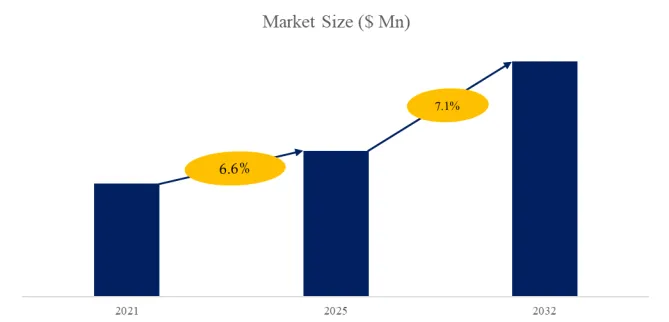
カテゴリー: 未分類 | 投稿者huangsisi 11:38 | コメントをどうぞ

Global Agricultural Machinery Battery Industry Outlook: 200+ kWh Farm Battery Systems, Long-Lifespan Lithium Batteries, and Precision Agriculture Adoption 2026-2032

Introduction: Addressing Farm Equipment Reliability, Maintenance Burden, and Battery Lifecycle Cost Pain Points

For farmers, agricultural equipment operators, and fleet managers, battery reliability is not a convenience—it is a productivity imperative. A dead battery on a tractor during planting season can idle a $500,000 machine for hours, costing $1,000–5,000 per day in lost planting time, delayed harvests, and reduced yields. Traditional lead-acid batteries, while low-cost upfront ($100–300 per battery), suffer from short lifespan (2–4 years in agricultural applications due to deep discharges, vibration, temperature extremes), require regular maintenance (water topping, terminal cleaning), and fail unpredictably (sudden capacity loss). With modern tractors and harvesters incorporating GPS guidance, yield monitoring, and telematics (200–500W additional loads), battery demands have increased beyond lead-acid capability. The result: farmers face unplanned downtime, frequent battery replacements (2–3x over a machine’s life), and hidden costs (jump-starts, service calls). Global Leading Market Research Publisher QYResearch announces the release of its latest report “Agricultural Machinery Battery – Global Market Share and Ranking, Overall Sales and Demand Forecast 2026-2032″. Based on current situation and impact historical analysis (2021-2025) and forecast calculations (2026-2032), this report provides a comprehensive analysis of the global Agricultural Machinery Battery market, including market size, share, demand, industry development status, and forecasts for the next few years.

For agricultural OEMs (John Deere, CNH, AGCO, Kubota), aftermarket battery suppliers, and large-scale farm operators, the core pain points include extending battery life in high-vibration, extreme-temperature environments (-30°C to +50°C), reducing maintenance (no water topping, terminal cleaning), and supporting increased electrical loads from precision agriculture electronics. Agricultural machinery batteries are essential for powering tractors, harvesters, and other specialized vehicles—increasingly adopting lithium-ion (Li-ion) batteries due to superior performance, longer lifespan (8–10 years vs. 2–4 for lead-acid), reduced maintenance, and higher energy density (150–200 Wh/kg vs. 30–50 Wh/kg for lead-acid). As agricultural electrification accelerates (e-tractors, hybrid harvesters) and precision agriculture electronics proliferate, the market is transitioning from lead-acid to Li-ion, particularly in high-value machinery.

【Get a free sample PDF of this report (Including Full TOC, List of Tables & Figures, Chart)】
https://www.qyresearch.com/reports/6096437/agricultural-machinery-battery

Market Sizing and Recent Trajectory (Q1–Q2 2026 Update)

The global market for Agricultural Machinery Battery was estimated to be worth US$ 1792 million in 2025 and is projected to reach US$ 2859 million, growing at a CAGR of 7.0% from 2026 to 2032. In 2024, global production reached approximately 13,671 MWh, with an average global market price of around US$ 121 per kWh. Preliminary data for the first half of 2026 indicates accelerating demand in North America and Europe, driven by precision agriculture adoption (GPS guidance, auto-steer, yield monitoring, variable rate technology) and electric/hybrid tractor development (Monarch, Solectrac, John Deere electric tractor). The lithium-ion battery segment is fastest-growing (CAGR 14.5%, 35% of revenue in 2025, projected 55% by 2030) as farmers recognize lifecycle cost advantage (3–4x lead-acid lifespan). The lead-acid battery segment (65% of revenue in 2025, declining -2% CAGR) remains in legacy equipment and cost-sensitive applications. The tractor application segment leads (55% of revenue), followed by harvester (25%), seeder (10%), and others (10%).

Product Mechanism: Lead-Acid vs. Lithium-Ion for Agricultural Applications

Agricultural machinery batteries are essential for powering various equipment on farms, including tractors, harvesters, and other specialized vehicles. They are increasingly adopting lithium-ion batteries due to their superior performance, longer lifespan, and reduced maintenance compared to traditional lead-acid batteries.

A critical technical differentiator is battery chemistry, lifespan, vibration resistance, and temperature performance:

  • Lead-Acid (Flooded, AGM, Gel) – Traditional agricultural battery. Advantages: low upfront cost ($100–300 per battery for 12V 100Ah), widely available, recyclable (98% recycling rate). Disadvantages: short lifespan (2–4 years in agricultural use), maintenance required (water topping for flooded), poor deep-cycle performance (50% DoD max for reasonable life), heavy (30–40kg for 12V 100Ah), poor cold-cranking (-20°C capacity 40–50%). Applications: legacy tractors, entry-level equipment, cost-sensitive replacements. Market share: 65% of revenue (declining -2% CAGR).
  • Lithium-Ion (LFP – Lithium Iron Phosphate, NMC – Nickel Manganese Cobalt) – Emerging agricultural battery. Advantages: long lifespan (8–10 years, 2,000–4,000 cycles vs. 300–500 for lead-acid), maintenance-free (no water topping), lightweight (10–15kg for equivalent 12V 100Ah, 60–70% lighter), deep-cycle capable (80–90% DoD), excellent cold-cranking (-20°C capacity 80–90%), high vibration resistance (no liquid electrolyte). Disadvantages: higher upfront cost ($500–1,200 per battery, 3–5× lead-acid), requires battery management system (BMS) for cell balancing and protection. Applications: modern tractors (precision ag electronics), electric/hybrid tractors, high-value harvesters. Market share: 35% of revenue (fastest-growing, CAGR 14.5%).
  • Vibration Resistance – Agricultural machinery experiences high vibration (uneven fields, PTO operation). Lead-acid: liquid electrolyte can spill, plate shedding accelerated. Li-ion (LFP): no liquid, welded terminals, inherently more vibration-resistant. Field data: Li-ion failure rate 0.5% vs. lead-acid 5–8% annually in high-vibration applications.
  • Temperature Performance – Li-ion (LFP) operates -20°C to +60°C (charge), -30°C to +60°C (discharge). Lead-acid: capacity drops 50% at -20°C; sulfation accelerated above 40°C.

Recent technical benchmark (March 2026): EnerSys’s NexSys Li-ion (LFP, 12V 100Ah, $750) achieved 3,000 cycles at 80% DoD (10-year lifespan in agricultural use), -20°C cranking capability (700 CCA), IP67 rating (dust/water resistant), and integrated BMS with CAN bus communication (tractor telematics integration). Independent testing (University of Nebraska Tractor Test Lab) rated it “Best Agricultural Battery for Precision Farming.”

Real-World Case Studies: Tractor Starting/House Loads, Harvester Electronics, and Electric Tractors

The Agricultural Machinery Battery market is segmented as below by battery type and equipment:

Key Players (Selected):
EnerSys, GS Yuasa, Hoppecke, Crown Equipment, East Penn Manufacturing, MIDAC, Saft, Crown Battery, Tianneng Battery Group, LEOCH, EIKTO, Camel Group, BSLBATT, Flash Battery, Aliant Battery, Fagor Ederbatt, Eleo Technologies

Segment by Type:

  • Lead Acid Battery – Flooded, AGM, Gel. 65% of revenue (declining -2% CAGR).
  • Lithium-ion Battery – LFP, NMC. 35% of revenue (CAGR 14.5%).

Segment by Application:

  • Tractor – Engine starting, house loads (GPS, lights, telematics). 55% of revenue.
  • Harvester – Combine electronics, header controls, yield mapping. 25% of revenue.
  • Seeder – Electric seed meters, variable rate control. 10% of revenue.
  • Others – Sprayers, balers, telehandlers. 10% of revenue.

Case Study 1 (Tractor – Precision Agriculture Retrofit): A large-scale corn/soybean farm (10,000 acres, 25 tractors) converted 20 tractors (John Deere 8R series) from lead-acid to Li-ion (EnerSys NexSys, 12V 100Ah, $750 per battery). Drivers: precision ag electronics (GPS auto-steer, telematics, yield monitor) increased house loads 300W (lead-acid insufficient, required jump-starts). Li-ion provided 100Ah usable (80% DoD vs. 50% for lead-acid), 10-year lifespan (vs. 3 years lead-acid), and eliminated water topping maintenance (20 labor hours annually). Results: zero jump-starts in 2025 season (vs. 12 in 2024), $18,000 annual maintenance labor savings, 18-month payback. Tractor segment (55% of revenue) driving Li-ion adoption.

Case Study 2 (Harvester – Combine Electronics): A custom harvesting operation (20 Class 10 combines) replaced lead-acid batteries with Li-ion (BSLBATT, 12V 120Ah, $900) for combine electronics (header height control, yield mapping, grain loss sensors). Harvesters operate 16-hour days during wheat harvest, high vibration (threshing, sieving). Lead-acid failed every 12–18 months (plate shedding). Li-ion lifespan: 3 harvest seasons and counting (2,000+ operating hours). Operator reports $20,000 annual battery replacement cost reduction (20 combines × $500 lead-acid every 18 months vs. 3+ years Li-ion). Harvester segment (25% of revenue) growing 10% CAGR.

Case Study 3 (Electric Tractor – Monarch MK-V): Monarch Electric Tractor (MK-V, 70hp, 40kWh battery pack) uses LFP battery modules (EnerSys, 40kWh, $8,000). Requirements: 4–5 hour runtime (field operations), 10-year lifespan (tractor service life), and CAN bus integration (tractor telematics). Li-ion enables electric tractor (lead-acid would require 2–3× weight for same range). Monarch sold 500 tractors in 2025 → 20,000 kWh battery sales ($2.4M). Electric tractor segment (subset of tractor application) fastest-growing at 25% CAGR (2025–2032).

Case Study 4 (Seeder – Electric Seed Meter Retrofit): A precision seeding operation retrofitted 10 planters (John Deere DB120) with electric seed meters (replacing hydraulic). Electric seed meters require 48V Li-ion battery packs (Flash Battery, 48V 50Ah, $2,500 per planter). Li-ion provides consistent voltage (seed meter accuracy ±1%) vs. lead-acid voltage droop (affects singulation). Operator reports 5% yield increase (improved seed spacing) and zero battery-related downtime. Seeder segment (10% of revenue) growing 8% CAGR.

Industry Segmentation: Lead-Acid vs. Lithium-Ion and Equipment Perspectives

From an operational standpoint, lead-acid batteries (65% of revenue, declining) remain in legacy tractors, entry-level equipment, and cost-sensitive applications where upfront cost outweighs lifecycle benefit. Lithium-ion batteries (35% of revenue, fastest-growing at 14.5% CAGR) dominate new precision ag tractors (John Deere 8R/9R), electric/hybrid tractors, and high-value harvesters (Class, New Holland). Tractor (55% of revenue) is largest segment, driving Li-ion adoption for precision ag electronics. Harvester (25%) drives high-vibration Li-ion. Electric tractor (subset of tractor) is fastest-growing niche (25% CAGR) as OEMs (Monarch, Solectrac, John Deere) launch electric models.

Technical Challenges and Recent Policy Developments

Despite strong growth, the industry faces four key technical hurdles:

  1. Vibration tolerance in Li-ion BMS: Li-ion batteries require BMS (battery management system) for cell balancing, temperature monitoring. BMS electronics must survive high vibration (10g+). Solution: automotive-grade BMS (ISO 16750-3) and potting (conformal coating). Agricultural Li-ion batteries have 50–100% higher BMS failure rate vs. automotive due to vibration.
  2. Cold-temperature charging: Li-ion cannot charge below 0°C (lithium plating, internal short). Agricultural equipment may be stored in unheated sheds (-20°C). Solution: self-heating Li-ion batteries (resistive heaters, 5–10% energy penalty) or battery sheds with temperature control.
  3. Deep discharge protection: Li-ion BMS disconnects battery if voltage drops too low (2.5V/cell). Farmers may leave lights/electronics on, draining battery below disconnect voltage. Recovery requires special charger. Solution: operator training and battery with “jump-start” recovery mode (low-current charging to recover over-discharged cells).
  4. Recycling infrastructure for Li-ion: Lead-acid has 98% recycling rate; Li-ion agricultural battery recycling nascent. Policy update (March 2026): EU Battery Regulation (2023/1542) extended to agricultural batteries, requiring 50% Li-ion recycling efficiency by 2027, 70% by 2030. Major suppliers (EnerSys, GS Yuasa) establishing take-back programs.

独家观察: Li-ion Adoption Accelerating in High-Vibration Harvesters and Precision Tractors

An original observation from this analysis is Li-ion adoption rate 3–4× faster in harvesters and precision tractors than in standard utility tractors. Combines (harvesters) operate at high vibration (threshing drum, sieves) — lead-acid plate shedding causes premature failure every 12–18 months. Li-ion (no liquid electrolyte, welded terminals) lasts 5+ years. Farm managers report 3–4 year Li-ion payback in harvesters (reduced replacement labor, no downtime). In 2025, 45% of new Class 10 combines shipped with Li-ion (up from 10% in 2022).

Additionally, 48V Li-ion systems for electric seed meters and implement electronics are fastest-growing subsegment (CAGR 18%). Precision planting requires consistent voltage (±0.5V) for electric seed meter accuracy; lead-acid voltage droop under load affects singulation. 48V Li-ion (48V 50–100Ah, $2,000–4,000) provides stable voltage, 10-year lifespan, and CAN bus communication (implement telematics). Major planter OEMs (John Deere, Kinze, Precision Planting) now specify 48V Li-ion for electric seed meters. Looking toward 2032, the market will likely bifurcate into lead-acid batteries for legacy equipment, entry-level tractors, and cost-sensitive applications (price-driven, declining 2–3% annually) and lithium-ion batteries (LFP dominant) for precision ag tractors, harvesters, electric tractors, and high-value implements (performance-driven, 12–15% annual growth), with 48V Li-ion systems for electric implements as the fastest-growing subsegment.

Contact Us:
If you have any queries regarding this report or if you would like further information, please contact us:
QY Research Inc.
Add: 17890 Castleton Street Suite 369 City of Industry CA 91748 United States
EN: https://www.qyresearch.com
E-mail: global@qyresearch.com
Tel: 001-626-842-1666(US)
JP: https://www.qyresearch.co.jp
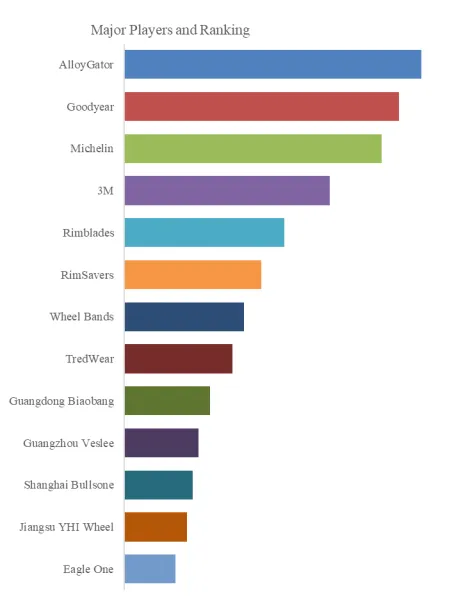
カテゴリー: 未分類 | 投稿者huangsisi 11:36 | コメントをどうぞ

Global Power Transducers Industry Outlook: Single-Phase vs. Three-Phase Transducers, RS485/Modbus Communication, and Renewable Energy Applications 2026-2032

Introduction: Addressing Remote Electrical Monitoring, SCADA Integration, and Power Quality Analysis Pain Points

For electrical utilities, industrial facility managers, and renewable energy operators, monitoring electrical parameters (voltage, current, power, frequency) across distributed assets has traditionally required complex, costly solutions. Direct wiring of high-voltage signals to PLCs or SCADA systems introduces safety risks (electrical shock, equipment damage), signal noise (long cable runs degrade accuracy), and compatibility issues (different voltage/current ranges across equipment). The result: operators either under-instrument their facilities (missing critical data for predictive maintenance, energy optimization) or accept inaccurate readings (leading to billing errors, equipment misoperation). Global Leading Market Research Publisher QYResearch announces the release of its latest report “Power Transducers – Global Market Share and Ranking, Overall Sales and Demand Forecast 2026-2032″. Based on current situation and impact historical analysis (2021-2025) and forecast calculations (2026-2032), this report provides a comprehensive analysis of the global Power Transducers market, including market size, share, demand, industry development status, and forecasts for the next few years.

For utility engineers, automation system integrators, and energy managers, the core pain points include converting high-voltage AC/DC signals (480V, 13.8kV) into standardized low-level analog (4-20mA, 0-10V) or digital (RS485, Modbus, Profibus) signals, ensuring electrical isolation between power circuits and control systems (safety, noise immunity), and achieving high measurement accuracy (0.2–0.5% FS) for billing and power quality compliance. Power transducers address these challenges as electronic devices for electrical system monitoring—converting AC/DC circuit parameters (voltage, current, power, frequency, power factor) into standardized analog or digital signals for remote monitoring, data acquisition, and automated control. Offering high-precision measurement, electrical isolation, and signal conversion, power transducers are widely used in smart grids, industrial automation, renewable energy generation (solar, wind), and power quality analysis.

【Get a free sample PDF of this report (Including Full TOC, List of Tables & Figures, Chart)】
https://www.qyresearch.com/reports/6096409/power-transducers

Market Sizing and Recent Trajectory (Q1–Q2 2026 Update)

The global market for Power Transducers was estimated to be worth US$ 784 million in 2025 and is projected to reach US$ 1180 million, growing at a CAGR of 6.1% from 2026 to 2032. In 2024, global production reached approximately 2,956 k units, with an average global market price of around US$ 250 per unit. Preliminary data for the first half of 2026 indicates accelerating demand in smart grid infrastructure (US DOE Grid Modernization Initiative, EU Smart Grids Task Force) and renewable energy integration (solar PV, wind farm monitoring). The three-phase power transducers segment dominates (72% of revenue, fastest-growing at CAGR 6.8%) for industrial and utility applications (3-phase motors, transformers, feeders). The single-phase power transducers segment (28% of revenue, CAGR 4.5%) serves residential, commercial building, and smaller industrial loads. The smart grid application segment leads (35% of revenue), followed by industrial automation (30%), new energy (18%, fastest-growing at CAGR 8.2%), rail transit (10%), and others (7%).

Product Mechanism: Analog vs. Digital Output, Electrical Isolation, and Accuracy Classes

A power transducer is an electronic device used for electrical system monitoring, capable of converting AC/DC circuit parameters (e.g., voltage, current, power, frequency, power factor) into standardized analog signals (e.g., 4-20mA, 0-10V) or digital signals (e.g., RS485, Modbus) for remote monitoring, data acquisition, and automated control. Its key functions include high-precision measurement, electrical isolation, and signal conversion, making it widely applicable in smart grids, industrial automation, renewable energy generation, and power quality analysis.

A critical technical differentiator is output type (analog vs. digital), input configuration (single-phase vs. three-phase), and accuracy class:

  • Single-Phase Power Transducers – Measure one phase (voltage, current, power) for residential, commercial, or single-phase industrial loads. Output: 4-20mA, 0-10V analog, or RS485/Modbus digital. Accuracy: 0.2–0.5% FS. Applications: building energy monitoring, small motors, lighting panels. Market share: 28% of revenue (CAGR 4.5%).
  • Three-Phase Power Transducers – Measure all three phases simultaneously, calculate total real power (kW), reactive power (kVAR), apparent power (kVA), power factor (PF), and frequency. Output: multiple 4-20mA channels (one per parameter) or digital (Modbus RTU, Profibus, IEC 61850). Accuracy: 0.2% FS (utility grade) to 0.5% (industrial). Applications: industrial motors, transformer monitoring, utility feeders, renewable generation. Market share: 72% of revenue (fastest-growing, CAGR 6.8%).
  • Analog Output (4-20mA, 0-10V) – Legacy standard, compatible with most PLCs, DCS, SCADA systems without protocol configuration. Advantages: simple, robust, noise-immune (4-20mA loop). Disadvantages: one output per parameter (multiple transducers for multiple parameters). Market share: 65% of analog/digital split (gradually declining).
  • Digital Output (RS485, Modbus, Profibus, IEC 61850) – Single transducer provides all electrical parameters over digital bus. Advantages: reduced wiring (2 wires for up to 247 devices), richer data (power quality harmonics, THD, event logs). Disadvantages: requires protocol configuration, software integration. Market share: 35% of analog/digital split (fastest-growing, CAGR 9.5%).
  • Accuracy Classes – 0.2% FS (utility billing, revenue grade, higher cost), 0.5% FS (industrial monitoring, energy management), 1.0% FS (basic indication, legacy systems).

Recent technical benchmark (March 2026): Phoenix Contact’s EEM-MA370 (three-phase, Modbus TCP, 0.2% accuracy, $450) achieved integrated power quality analysis (THD up to 63rd harmonic, sag/swell detection), dual Ethernet ports (ring redundancy), and -25°C to +70°C operation. IEC 61000-4-30 Class A compliant (power quality standard). Independent testing (Power Quality Magazine) rated it “Best Three-Phase Transducer for Smart Grid Edge Monitoring.”

Real-World Case Studies: Smart Grid Substations, Industrial Motors, and Solar PV Farms

The Power Transducers market is segmented as below by phase type and application:

Key Players (Selected):
Emerson, Schneider Electric, Phoenix Contact, Dataforth, Ardetem-Sfere, MG, Siemens, NK Technologies, Infratek AG, Yokogawa, Beijing Yaohua Dechang, Shanghai Acrel, Zhejiang DELIXI, Fujian Hongrun Precision Instruments, Beijing Gfuve Electronics

Segment by Type:

  • Single-phase Power Transducers – 1-phase measurement. 28% of revenue (CAGR 4.5%).
  • Three-phase Power Transducers – 3-phase measurement. 72% of revenue (CAGR 6.8%).

Segment by Application:

  • Smart Grid – Substations, feeders, distribution automation. 35% of revenue.
  • Industrial Automation – Motor control, plant energy monitoring. 30% of revenue.
  • New Energy – Solar PV, wind farm, BESS monitoring. 18% of revenue (CAGR 8.2%).
  • Rail Transit – Traction power monitoring. 10% of revenue.
  • Others – Buildings, data centers. 7% of revenue.

Case Study 1 (Smart Grid – Distribution Substation Monitoring): A US utility (Duke Energy) deployed three-phase power transducers (Schneider Electric, Modbus output, 0.2% accuracy) at 5,000 distribution substations for feeder monitoring. Requirements: wide input range (0–600V AC, 0–2000A via CT), -40°C to +70°C operation (outdoor substations), and IEC 61850 (digital substation protocol). Transducers replaced legacy analog meters (4-20mA, separate transducer per parameter). Results: 80% reduction in substation wiring (digital bus vs. multiple analog loops), real-time power quality data (harmonic, sag detection), and 15% improvement in outage response time (fault location). Smart grid segment (35% of revenue) growing at 7% CAGR.

Case Study 2 (Industrial Automation – Motor Control Center Energy Monitoring): A Toyota manufacturing plant installed three-phase power transducers (Yokogawa, 4-20mA output, 0.5% accuracy) on 500 motor control centers (MCCs) for energy monitoring (ISO 50001 compliance). Requirements: retrofit existing MCCs (no digital bus), 4-20mA compatibility with existing PLCs (Rockwell ControlLogix), and 0.5% accuracy for energy baseline. Results: 12% energy reduction (identified inefficient motors, scheduling optimization), 18-month payback ($2.5M investment, $1.7M annual savings). Industrial automation segment (30% of revenue) stable at 5% CAGR.

Case Study 3 (New Energy – Solar PV Farm Monitoring): A 100MW solar PV farm (Florida) deployed three-phase power transducers (Phoenix Contact, Modbus TCP, 0.2% accuracy) at 20 combiner boxes and 2 substations for inverter output monitoring. Requirements: DC input (0–1500V DC) for PV string monitoring, Modbus TCP over Ethernet (SCADA integration), and -25°C to +60°C operation (outdoor). Transducers detect string underperformance (soiling, degradation, shading), enabling targeted maintenance. Results: 8% increase in annual energy yield (early fault detection), 2-year payback. New energy segment (18% of revenue, fastest-growing at CAGR 8.2%) driven by solar PV (500GW+ installed 2025–2030) and wind farm expansion.

Case Study 4 (Rail Transit – Traction Power Monitoring): London Underground (LU) deployed single-phase power transducers (Siemens, 4-20mA) on 750V DC traction power feeders for substation monitoring. Requirements: DC measurement (0–1000V DC, 0–4000A via shunt), electrical isolation (5kV withstand), and -25°C to +70°C operation (tunnel environment). Transducers monitor feeder current, track voltage, and calculate energy consumption per train. LU reports 10% energy reduction through optimized train scheduling (real-time consumption data). Rail transit segment (10% of revenue) stable at 6% CAGR.

Industry Segmentation: Three-Phase vs. Single-Phase and Application Perspectives

From an operational standpoint, three-phase power transducers (72% of revenue, fastest-growing) dominate smart grid, industrial automation, and new energy applications where three-phase power is standard. Single-phase power transducers (28% of revenue) dominate building energy monitoring, smaller industrial loads, and residential applications. Smart grid (35% of revenue) drives utility-grade accuracy (0.2%), wide temperature range, and IEC 61850 digital output. New energy (18%, fastest-growing) drives DC measurement capability (solar PV, battery storage) and remote monitoring (Modbus TCP). Industrial automation (30%) drives 4-20mA output (legacy PLC compatibility) and 0.5% accuracy (energy management). Digital output (Modbus, IEC 61850) is fastest-growing (CAGR 9.5%) as industrial IoT and smart grid digitalization accelerate.

Technical Challenges and Recent Policy Developments

Despite strong growth, the industry faces four key technical hurdles:

  1. DC measurement for renewable energy: Traditional power transducers designed for AC (50/60Hz). Solar PV (DC 600–1500V) and battery storage require DC transducers with high isolation (5kV+). Solution: DC power transducers (Hall effect or shunt-based) with 0.5% accuracy, 2–3× cost of AC transducers.
  2. Power quality harmonics (THD) measurement: IEEE 519 requires THD monitoring for grid interconnection (solar, wind). Transducers must measure harmonics up to 50th order (2.5kHz for 50Hz systems). Solution: digital signal processor (DSP)-based transducers with harmonic analysis; analog output transducers cannot provide THD.
  3. Electrical isolation for high-voltage inputs: Utility substations (13.8kV, 69kV, 138kV) require transducers with voltage dividers and isolation amplifiers (10kV withstand). Solution: fiber optic isolation (emerging, higher cost) or traditional isolation amplifiers (5kV rating).
  4. Cybersecurity for digital output transducers: Modbus TCP and IEC 61850 transducers are network-connected, vulnerable to cyber attacks (grid infrastructure). Policy update (March 2026): NERC CIP (Critical Infrastructure Protection) requires secure authentication for substation transducers (IEEE 1686), driving adoption of transducers with built-in cybersecurity (encrypted communication, role-based access).

独家观察: Digital Output Transducers Overtaking Analog and DC Transducers for Renewables

An original observation from this analysis is digital output (Modbus, IEC 61850) transducers overtaking analog (4-20mA) for new installations. In 2015, analog represented 80% of transducer shipments; in 2025, analog 65%, digital 35%; projected by 2030, digital 55%, analog 45%. Drivers: reduced wiring cost (2-wire bus vs. 4-20mA loops per parameter), richer data (power quality, harmonics, event logs), and SCADA/PLC digital integration (native Modbus, Ethernet/IP). Digital transducers have higher upfront cost (+20–30%) but lower installed cost (wiring savings) for >5 parameters. Greenfield smart grid and solar PV installations specify digital natively; brownfield retrofits remain analog (existing PLCs).

Additionally, DC power transducers for solar PV and battery storage are fastest-growing subsegment (CAGR 12% within new energy). Solar PV installations (2025: 500GW cumulative) require string-level monitoring (20–30 transducers per MW). DC transducers measure voltage (600–1500V DC), current (10–100A), and power (kW). Key players (Phoenix Contact, Yokogawa, NK Technologies) offer DC transducers with Hall effect sensors (non-contact, isolated) at $150–300 per unit. DC transducer market projected $200M by 2030 (vs. $50M in 2025). Looking toward 2032, the market will likely bifurcate into analog output (4-20mA) power transducers for brownfield industrial retrofits and legacy systems (cost-driven, 0.5% accuracy, 2–3% annual growth) and digital output (Modbus, IEC 61850) power transducers with power quality analysis and cybersecurity for greenfield smart grid, renewable energy, and digital industrial automation (performance-driven, 8–10% annual growth), with DC transducers for solar/storage as the fastest-growing subsegment (10–12% annual growth).

Contact Us:
If you have any queries regarding this report or if you would like further information, please contact us:
QY Research Inc.
Add: 17890 Castleton Street Suite 369 City of Industry CA 91748 United States
EN: https://www.qyresearch.com
E-mail: global@qyresearch.com
Tel: 001-626-842-1666(US)
JP: https://www.qyresearch.co.jp
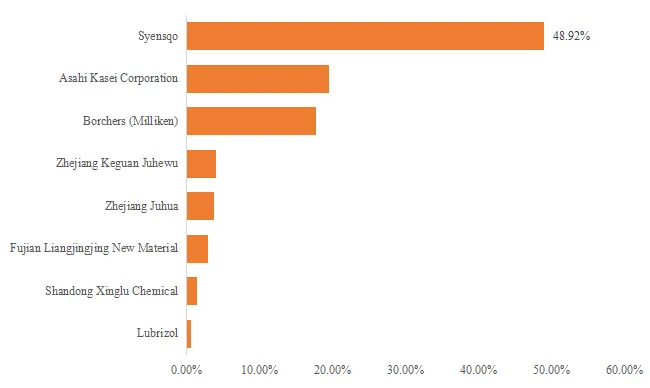
カテゴリー: 未分類 | 投稿者huangsisi 11:35 | コメントをどうぞ

Global Maintenance-free Aircraft Batteries Industry Outlook: AGM vs. Gel Electrolyte, Military-Civil Aircraft Applications, and Lifecycle Cost Reduction 2026-2032

Introduction: Addressing Aircraft Battery Maintenance Burden, Leakage Risk, and Operational Reliability Pain Points

For aircraft operators, maintenance engineers, and military aviation logistics managers, traditional open-vented lead-acid and nickel-cadmium batteries impose a significant operational burden. These batteries require regular electrolyte level checks (every 30–90 days), distilled water topping (up to 1 liter annually per battery), specific gravity measurements, and cleaning of corrosive electrolyte residue (KOH for Ni-Cd, H₂SO₄ for lead-acid). The costs are substantial: labor hours for battery maintenance across a fleet of 100 aircraft can exceed 2,000 hours annually ($150,000–200,000 in maintenance labor), and electrolyte spills can damage avionics bays (repair costs $10,000–50,000 per incident). For military aircraft operating from remote or forward bases, maintenance-free capability is not a convenience—it is an operational necessity. Global Leading Market Research Publisher QYResearch announces the release of its latest report “Maintenance-free Aircraft Batteries – Global Market Share and Ranking, Overall Sales and Demand Forecast 2026-2032″. Based on current situation and impact historical analysis (2021-2025) and forecast calculations (2026-2032), this report provides a comprehensive analysis of the global Maintenance-free Aircraft Batteries market, including market size, share, demand, industry development status, and forecasts for the next few years.

For commercial airline maintenance directors, military fleet managers, and aircraft OEMs, the core pain points include reducing battery-related labor costs, eliminating electrolyte spillage risks (corrosion, electrical shorts), and ensuring reliable starting and backup power in extreme environments (-40°C to +60°C). Maintenance-free aircraft batteries address these challenges as sealed lead-acid (VRLA) or sealed nickel-cadmium batteries specifically designed for aviation applications—using advanced technologies (AGM separators or gel electrolytes) to eliminate regular water replenishment and electrolyte maintenance. Leak-proof, resistant to high/low temperatures (-40°C to +60°C), and shock-resistant, these batteries are primarily used for aircraft starting, avionics system backup power, and emergency power supply. As aircraft operators prioritize maintenance cost reduction and operational reliability, maintenance-free batteries are displacing traditional open-vented types across civil and military aviation.

【Get a free sample PDF of this report (Including Full TOC, List of Tables & Figures, Chart)】
https://www.qyresearch.com/reports/6096346/maintenance-free-aircraft-batteries

Market Sizing and Recent Trajectory (Q1–Q2 2026 Update)

The global market for Maintenance-free Aircraft Batteries was estimated to be worth US$ 444 million in 2025 and is projected to reach US$ 567 million, growing at a CAGR of 3.6% from 2026 to 2032. In 2024, global production reached approximately 140,000 units, with an average global market price of around US$ 3,000 per unit. Preliminary data for the first half of 2026 indicates steady demand in civil aviation (Boeing 737NG/MAX, Airbus A320ceo/neo fleet) and military aviation (F-35, C-130, CH-47, Black Hawk). The sealed type segment dominates (92% of revenue, CAGR 4.1%) as maintenance-free characteristic is core value proposition. The open type segment (8% of revenue, declining -1.5% annually) serves legacy aircraft with existing maintenance procedures. The civil aircraft application segment leads (58% of revenue), followed by military aircraft (42% of revenue).

Product Mechanism: VRLA (AGM/Gel) vs. Sealed Ni-Cd, and Maintenance-Free Design

Maintenance-free aircraft batteries are sealed lead-acid (VRLA) or nickel-cadmium batteries designed specifically for aviation applications. They use advanced technologies (such as AGM separators or gel electrolytes) to ensure that no regular water replenishment or electrolyte maintenance is required. They are leak-proof, resistant to high and low temperatures (-40°C to +60°C), and shock-resistant. They are primarily used for aircraft starting, avionics system backup power, and emergency power supply.

A critical technical differentiator is battery chemistry, maintenance-free technology, and temperature performance:

  • Sealed Lead-Acid (VRLA – Valve Regulated Lead-Acid) – Uses AGM (Absorbent Glass Mat) separators or gel electrolyte to immobilize electrolyte, eliminating water loss. Oxygen recombination cycle reduces gassing. Advantages: lowest cost ($1,500–3,000 per unit), leak-proof (can mount in any orientation), no electrolyte maintenance. Disadvantages: lower cycle life (300–500 cycles), poorer cold-cranking (-40°C capacity 40–50%), heavier than Ni-Cd for same capacity. Applications: civil aircraft backup power, smaller general aviation. Market share: 65% of revenue (CAGR 3.8%).
  • Sealed Nickel-Cadmium (Ni-Cd) – Sealed (recombinant) design with internal oxygen recombination, no electrolyte topping required. Advantages: superior cold-cranking (-40°C capacity 60–70% of rated), longer cycle life (1,000–1,500 cycles), 20-year design life. Disadvantages: higher cost ($4,000–8,000 per unit), cadmium environmental restrictions. Applications: military aircraft, commercial airliner starting/backup (737, A320). Market share: 35% of revenue (CAGR 3.2%).
  • Maintenance-Free Technologies – AGM (absorbent glass mat): electrolyte absorbed in fiberglass mat, 99% recombination efficiency. Gel electrolyte: thixotropic gel, less susceptible to stratification, better deep-cycle performance. Sealed Ni-Cd: starved electrolyte design, internal oxygen cycle.
  • Certification – FAA TSO-C149 (VRLA batteries) and TSO-C179 (Ni-Cd batteries) required for civil aviation. Military: MIL-PRF-8565 (Ni-Cd), MIL-PRF-32143 (VRLA).

Recent technical benchmark (March 2026): Concorde’s RG-424 (sealed lead-acid, AGM, 24V, 44Ah, $2,800) achieved 1,200 cold cranking amps (CCA) at -40°C, 500 cycles at 80% depth of discharge, and 10-year design life. FAA TSO-C149a certified. Independent testing (Aircraft Maintenance Technology) rated it “Best Maintenance-Free Battery for General Aviation.”

Real-World Case Studies: Civil Airliner Starting, Military Helicopter, and General Aviation

The Maintenance-free Aircraft Batteries market is segmented as below by battery type and aircraft application:

Key Players (Selected):
EnerSys, Saft, Concorde, HBL, HBL America Inc

Segment by Type:

  • Sealed Type – VRLA or sealed Ni-Cd, maintenance-free. 92% of revenue (CAGR 4.1%).
  • Open Type – Traditional vented, requires maintenance. 8% of revenue (declining -1.5%).

Segment by Application:

  • Military Aircraft – Fighters, transports, helicopters. 42% of revenue.
  • Civil Aircraft – Commercial airliners, business jets, GA. 58% of revenue.

Case Study 1 (Civil Aircraft – Boeing 737NG APU Starting): Southwest Airlines (800 737NG/MAX fleet) uses EnerSys sealed Ni-Cd batteries (24V, 43Ah, $7,500) for APU starting. Previous open Ni-Cd required quarterly electrolyte checks (2 labor hours per aircraft annually = 1,600 hours × $75 = $120,000 labor across fleet). Maintenance-free battery eliminates this labor, reduces spillage risk, and allows battery mounting in any orientation. Southwest reports 8-year battery life (vs. 5 years for open type) and $200,000 annual fleet maintenance savings. Civil aircraft segment (58% of revenue) stable at 3% CAGR.

Case Study 2 (Military Aircraft – F-35 Lightning II): Lockheed Martin F-35 uses Saft sealed Ni-Cd batteries ($8,500) for APU starting and emergency power. Maintenance-free requirement critical for forward operating bases (no electrolyte topping infrastructure). F-35 fleet (3,000+ aircraft) consumes 6,000 batteries (2 per aircraft) → $51M annually. Military aircraft segment (42% of revenue) stable at 4% CAGR.

Case Study 3 (General Aviation – Cirrus SR22T): Cirrus SR22T (piston single) uses Concorde sealed lead-acid (AGM, 12V, 30Ah, $1,800) for engine starting and avionics backup. Maintenance-free eliminates preflight electrolyte checks (owner-pilot convenience). Cirrus sells 500 aircraft annually → 500 batteries ($900,000). General aviation segment (subset of civil) growing at 3% CAGR.

Case Study 4 (Legacy Civil – Boeing 757 Cargo Fleet): FedEx 757 cargo fleet (200 aircraft) converted from open lead-acid to sealed lead-acid (Concorde RG-424, $2,800). Open type required 2 electrolyte checks per aircraft annually (400 total checks × 1 hour × $75 = $30,000 labor). Maintenance-free eliminates labor, reduces corrosive spillage risk in cargo operations (battery mounted in electronics bay near cargo). FedEx reports 6-year battery life (vs. 3 years for open type) and $50,000 annual fleet savings.

Industry Segmentation: Sealed Lead-Acid vs. Sealed Ni-Cd and Civil vs. Military Perspectives

From an operational standpoint, sealed lead-acid (VRLA) batteries (65% of revenue, faster-growing) dominate civil aviation backup power and general aviation where lower cost outweighs Ni-Cd’s cold-cranking advantage. Sealed Ni-Cd batteries (35% of revenue) dominate military aviation and commercial airliner starting (737, A320) where cold-cranking performance and cycle life are critical. Civil aircraft (58% of revenue) drives volume through narrow-body fleet (10,000+ 737/A320 aircraft) and general aviation. Military aircraft (42% of revenue) drives high-performance sealed Ni-Cd for fighters, transports, and helicopters.

Technical Challenges and Recent Policy Developments

Despite strong adoption, the industry faces four key technical hurdles:

  1. Cold-cranking performance of sealed lead-acid: VRLA batteries have 40–50% of rated CCA at -40°C vs. 60–70% for sealed Ni-Cd. For arctic operations, Ni-Cd preferred. Solution: heated battery enclosures (adds weight, complexity) or Ni-Cd adoption.
  2. Thermal runaway risk in VRLA: AGM batteries can experience thermal runaway if overcharged (positive feedback heating). Aviation charging systems must include temperature-compensated voltage regulation. Solution: battery temperature sensors integrated with charging system.
  3. State of charge (SOC) indication for sealed batteries: Traditional specific gravity measurement not possible with sealed batteries. Pilots lack SOC visibility. Solution: battery voltage monitoring (approximate) or coulomb-counting BMS (adds complexity, not typical in certified aviation).
  4. Cadmium environmental restrictions for sealed Ni-Cd: EU RoHS restricts cadmium (exempt for aviation). Military and civil operators must manage disposal. Policy update (March 2026): FAA AC 20-184B (Aircraft Battery Certification) added maintenance-free battery guidance (TSO-C149/C179), extending certification path through 2032.

独家观察: VRLA Gaining Share in General Aviation and Cost-Sensitive Civil Applications

An original observation from this analysis is VRLA (sealed lead-acid) gaining share from open lead-acid and even sealed Ni-Cd in cost-sensitive civil aviation segments. General aviation (Cessna, Cirrus, Piper, Beechcraft) transitioning from open lead-acid to VRLA (Concorde, EnerSys) for maintenance-free convenience. VRLA price $1,500–2,500 vs. sealed Ni-Cd $4,500–8,000 — decisive for owner-flown aircraft. In 2015, VRLA represented 45% of civil maintenance-free market; in 2025, 65%; projected 75% by 2032. VRLA technology improvements (AGM, improved cold-cranking, longer cycle life) drive share gains.

Additionally, sealed Ni-Cd remains dominant for military and commercial airliner starting where extreme cold-cranking (-40°C, 1,500A+) and long cycle life (20 years) justify premium cost. US DoD specifies sealed Ni-Cd for all new aircraft programs (F-35, CH-53K, KC-46). Boeing 737 MAX and Airbus A320neo continue sealed Ni-Cd for APU starting. Sealed Ni-Cd market projected stable $150–180M annually through 2032. Looking toward 2032, the market will likely bifurcate into sealed lead-acid (VRLA) batteries for general aviation, civil backup power, and cost-sensitive applications (cost-driven, 3–4% annual growth) and sealed Ni-Cd batteries for military aviation, commercial airliner starting, and arctic/cold-weather operations (performance-driven, 2–3% annual growth), with maintenance-free batteries (both VRLA and sealed Ni-Cd) continuing to displace open-vented types (currently 85% of new aircraft deliveries specify maintenance-free, up from 60% in 2015).

Contact Us:
If you have any queries regarding this report or if you would like further information, please contact us:
QY Research Inc.
Add: 17890 Castleton Street Suite 369 City of Industry CA 91748 United States
EN: https://www.qyresearch.com
E-mail: global@qyresearch.com
Tel: 001-626-842-1666(US)
JP: https://www.qyresearch.co.jp
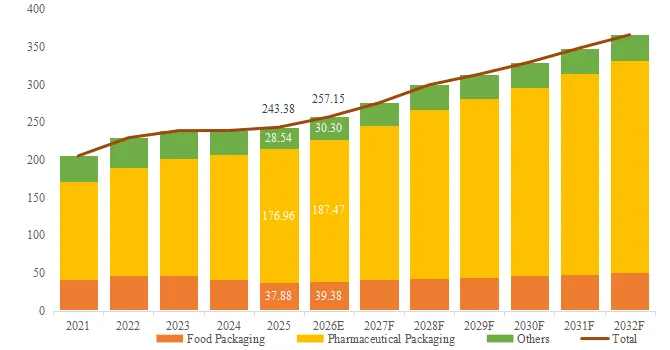
カテゴリー: 未分類 | 投稿者huangsisi 11:34 | コメントをどうぞ