

月別アーカイブ: 2026年4月

Laminate Bus Bar Research:CAGR of 15.16% during the forecast period

Laminate Bus Bar Market Summary

A Laminated Bus Bar (LBB) is a multilayer construction of conductors: copper or aluminum separated by thin dielectric materials, laminated in one structure. Electrically, it is a multilayer electrical circuit that distributes the electrical current from capacitors (buffer) to power modules (IGBT) through specific connections. Busbars are metal bars designed for carrying large amounts of current. Often made of copper or aluminum, every home electrical panel has busbars to distribute ac power to the rows of circuit breakers. Busbars are engineered for power distribution.

Laminated busbars can be defined as a multi-layer conductor structure (typically copper or aluminum) in which conductor layers are separated by insulating dielectrics and laminated/pressed into a single integrated assembly. In power-conversion modules (e.g., inverters and converters), the core value proposition versus conventional wiring is the ability to minimize stray inductance and associated over-voltage/EMI stresses, while improving packaging consistency and power-loop performance—hence its frequent positioning as a “super circuit board” for power units. Beyond standard laminated busbars, the market also includes higher-integration formats such as capacitor-integrated DC-link busbars, power+signal hybrid busbars, compact/3D high power-density designs, and higher-temperature or enhanced insulation variants; for market sizing, these remain in-scope as long as the product’s core architecture is laminated conductor layers with insulation serving power distribution/interconne.

According to the new market research report “Global Laminate Bus Bar Market Report 2025-2031″, published by QYResearch, the global Laminate Bus Bar market size is projected to grow from USD 421.64 million in 2024 to USD 1118.79 million by 2031, at a CAGR of 15.16% during the forecast period.

Above data is based on report from QYResearch: Global Laminate Bus Bar Market Report 2025-2031 (published in 2025). If you need the latest data, plaese contact QYResearch.


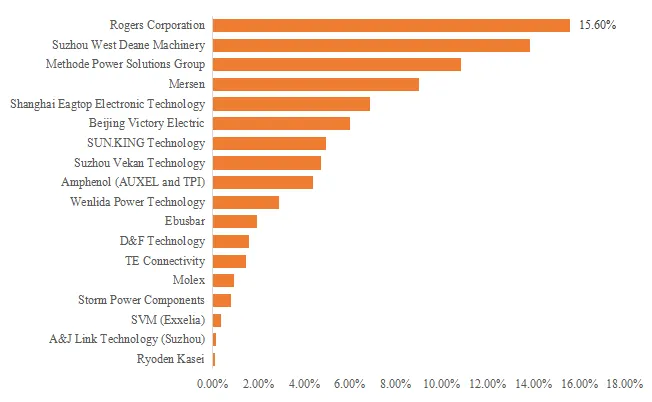
Figure00002. Global Laminate Bus Bar Top 18 Players Ranking and Market Share (Ranking is based on the revenue of 2025, continually updated)
Laminate Bus Bar

Above data is based on report from QYResearch: Global Laminate Bus Bar Market Report 2025-2031 (published in 2024). If you need the latest data, plaese contact QYResearch.

Globally, major manufacturers of laminated bus bars include Rogers, Suzhou West Deane Machinery, Methode Power Solutions Group, Mersen, and Shanghai Yingfeng Electronics Technology, with the top five manufacturers holding approximately 56% of the market share.

Currently, the core manufacturers globally are mainly located in Europe, America, and China.

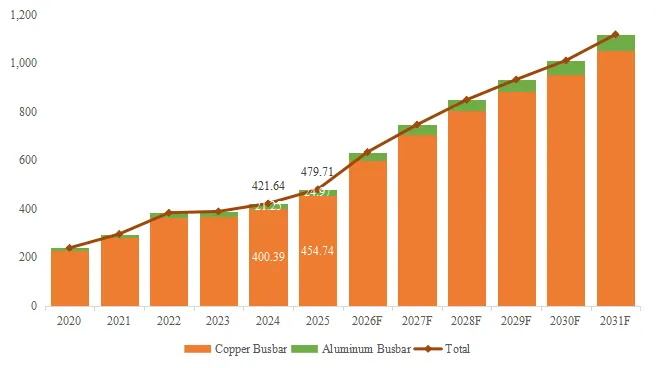
Figure00003. Laminate Bus Bar, Global Market Size, Split by Product Segment
Laminate Bus Bar

Based on or includes research from QYResearch: Global Laminate Bus Bar Market Report 2025-2031.

In terms of product type, laminate bus bar are currently the most important sub-product, accounting for approximately 95% of the market share.


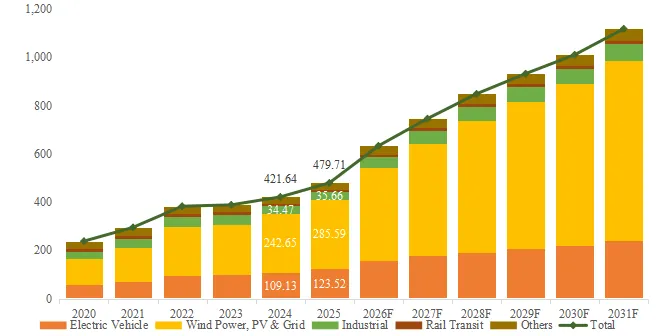
Figure00004. Laminate Bus Bar, Global Market Size, Split by Application Segment
Laminate Bus Bar

Based on or includes research from QYResearch: Global Laminate Bus Bar Market Report 2025-2031.


In terms of product application, Wind Power, PV & Grid is the largest application, hold a share of 60%.


Laminate Bus Bar Supply Chain Analysis:

Upstream: Primarily includes copper foil or aluminum busbars, insulating materials (such as PET, PI, and epoxy films), thermally conductive/flame-retardant auxiliary materials, and surface treatment materials. Fluctuations in copper and aluminum prices significantly impact costs.

Midstream: Companies produce products through processes such as punching, lamination, bending, riveting/welding, insulation encapsulation, and testing. Core competitiveness lies in electrical design, thermal management, dimensional accuracy, batch consistency, and rapid customization delivery capabilities.

Downstream: Widely used in new energy vehicles, electric drives, electronic controls, charging piles, photovoltaic inverters, energy storage systems, rail transit, and industrial converter equipment. Customers typically have stringent certification requirements and long adoption cycles. Overall, the laminated busbar supply chain is characterized by material cost sensitivity, high technological and process barriers, and strong ties to leading downstream customers. Future upgrades will focus on high-voltage platforms, lightweight design, high integration, and high reliability.

Development Trends in the Laminated Bus Bar Industry:

1. The global laminated busbar market sales are projected to grow from US$421 million in 2024 to US$1.118 billion in 2031, representing a CAGR of 15.16% from 2025 to 2031. In terms of application structure, wind, solar, energy storage, and grid technologies accounted for 57.55% of revenue in 2024, and are expected to further increase to 66.79% by 2031; the corresponding revenue scale will increase from US$388 million in 2026 to US$747 million in 2031. In contrast, new energy vehicles remain an important application direction, but their global revenue share will generally remain at just over 20% during the forecast period, indicating that future industry growth will be more significantly tilted towards energy storage, grid upgrades, and new energy power generation. From a trend perspective, the laminated busbar industry will continue to benefit from the expansion of new energy power electronic systems, but the main growth driver will be the continued expansion of high-power, high-reliability applications.

2. In 2024, China accounted for 89.47% of global laminated busbar production, and this figure is projected to rise further to 92.13% by 2031, indicating continued supply concentration. However, in terms of revenue, China’s share of the global market is expected to decline from 58.50% in 2026 to 53.07% in 2031, while Europe’s share is projected to rise from 19.72% to 22.27%, and North America’s from 12.16% to 13.96% during the same period. This suggests that the industry will not see a significant shift in supply focus overseas in the coming years, with China remaining the world’s core manufacturing and supporting center. However, with increasing demand for new energy equipment, power infrastructure, and localized supporting products overseas, consumption will exhibit a more pronounced multi-regional distribution. In other words, the industry’s regional evolution is more likely to be characterized by “continued manufacturing concentration and gradual expansion of demand,” rather than a simple global equalization of production capacity.

3. From a product type perspective, the revenue share of laminated copper busbars is projected to remain at 94.07% by 2031, indicating that copper-based solutions will remain the dominant approach in current mainstream applications, and no fundamental replacement is expected in the short term. Meanwhile, material and structural optimization has become a clearly stated direction in publicly disclosed information. Beijing Vitonli explicitly stated in its prospectus that electrical connection products are showing a trend towards integration, lightweighting, and intelligence, and proposed exploring the application of insulating materials and composite conductive metal materials in electrical connection products. Xidian New Energy’s prospectus also disclosed that the company applies composite busbar hot-pressing technology to battery connection systems, driving product development towards lightweighting and integration. In summary, the industry is more likely to exhibit an evolutionary characteristic of “stable copper-based main route and parallel material optimization,” meaning the mainstream market will still be based on high-reliability copper-based solutions, while continuous marginal optimization at the structural and material levels will focus on weight reduction, cost reduction, and integration.

4. In 2024, the top five manufacturers globally accounted for 56.09% of revenue, while the top five manufacturers in the Chinese market accounted for 60.36%, indicating a continuous increase in industry concentration. Meanwhile, publicly disclosed information from leading companies suggests that competitive factors are shifting from single busbar manufacturing to stronger system adaptation and manufacturing collaboration capabilities. Shanghai Yingfeng Electronics disclosed in its audit response that its capacitor busbars adopt a stacked busbar structure design to reduce parasitic inductance, improve current sharing performance, and meet the high-frequency requirements of the 800V high-voltage architecture for new energy vehicles. The same company also disclosed that it has developed a multi-functional integrated stacked busbar that integrates low-cost indicator lights and signal transmission functions, and deployed PLM, MES, QMS, ERP, and other information systems. Xidian New Energy disclosed that its battery connection system production line was designed and built in-house. Therefore, the competitive advantage of leading companies in the future will be more reflected in the comprehensive combination of system-level design capabilities, customized development efficiency, process equipment capabilities, and intelligent manufacturing capabilities. The industry competition logic will gradually shift from “making products” to “stable delivery of solutions.”

Key Drivers of the Laminated Bus Bar Industry:

1. The global laminated busbar market sales are projected to grow from $421 million in 2024 to $1.118 billion in 2031, representing a CAGR of 15.16% from 2025 to 2031. In terms of application structure, wind, solar, energy storage, and the power grid are currently the largest downstream sectors, accounting for 57.55% of revenue in 2024 and projected to rise to 66.79% by 2031. While new energy vehicles account for a smaller share than wind, solar, energy storage, and the power grid, they remain the second largest application area, accounting for 25.88% of revenue in 2024. This structure indicates that the core demand for laminated busbars has shifted from traditional industrial power distribution connections to power connection needs in new energy generation, energy storage, power grid upgrades, and electrification. Downstream installed capacity expansion and increased system power density directly drive the synchronous growth of laminated busbar demand.

2. From the production side, China accounted for 89.47% of global laminated busbar production in 2024, and this figure is projected to further increase to 92.13% by 2031. From the consumption side, the Chinese market reached $250 million in 2024, accounting for 59.2% of the global market, and is expected to maintain a global share of around 53% by 2031. These figures reflect that China is not only the world’s largest demand market for laminated busbars but also its core manufacturing and supporting center. For the industry, a complete domestic supply chain, short delivery radius, and high customer collaboration efficiency enable laminated busbars to be more quickly integrated into the iterative development of downstream products such as new energy vehicles, energy storage systems, inverters, and power equipment. This industrial chain agglomeration effect is itself a significant driver of the industry’s continued expansion.

3. Revenue from laminated busbars used in wind, solar, energy storage, and grid applications is projected to grow from $388 million in 2026 to $747 million in 2031, maintaining the fastest growth rate during the forecast period and further increasing its share of total revenue from 57.55% in 2024 to 66.79% in 2031. This change indicates that future industry growth will not solely rely on the electrification of passenger vehicles, but will benefit more from the expanding demand for energy storage converters, photovoltaic inverters, wind power converters, and grid power electronics equipment. Compared to traditional industrial scenarios, these new energy power electronics scenarios typically place higher demands on current carrying capacity, thermal management, low inductance, and spatial integration. Therefore, while demand expands, it also simultaneously increases the value of laminated busbars and their individual unit value, constituting a significant driver of the industry’s medium- to long-term growth.

4. Laminated copper busbars are still expected to account for 94.07% of global revenue by 2031, indicating that the mainstream market will still be dominated by high-reliability copper-based solutions. At the same time, industry growth is not only driven by quantitative expansion but also by increased product value. Based on publicly disclosed information from representative companies, leading manufacturers such as Xidian New Energy, Shanghai Yingfeng Electronics, and Beijing Weitongli have all been promoting customized product development for scenarios such as new energy vehicles, energy storage, and power grids, emphasizing low inductance, high reliability, integration, and lightweight design. This indicates that as downstream systems evolve towards high-voltage platforms, higher power densities, and greater integration, laminated busbars are no longer just traditional conductive connectors, but are gradually becoming key components affecting electrical performance, spatial layout, and system reliability. This upward shift in product functional boundaries is becoming a significant driver of continued industry demand and value enhancement for leading companies.

5. In 2024, the top five global manufacturers held a 56.09% market share, while the top five Chinese manufacturers held a 60.36% market share, indicating a relatively high level of industry concentration. This pattern suggests that downstream mainstream customers are increasingly prioritizing continuous supply capabilities, collaborative development capabilities, and stable batch delivery when selecting laminated busbar suppliers, rather than simply comparing prices. As downstream customers in sectors such as new energy vehicles, wind, solar, and energy storage, as well as power grid equipment, place increasing demands on verification cycles, quality consistency, and project delivery schedules, industry orders are gradually concentrating on leading companies with capabilities in R&D, manufacturing, verification, and customer collaboration. For the industry as a whole, this deepening trend of “leading customers – leading suppliers” helps drive market expansion, improve technical standards, and increase product penetration, serving as a crucial endogenous driving force for the industry’s continued growth.


About The Authors

Meng Yu Lead Author

Email: yumeng@qyresearch.com

QYResearch Nanning Research Center analyst, main research areas include semiconductors, chemical materials, electronics and other fields, some of the sub-research topics include Motor for semiconductor equipment, air bearing stage, low CTE ceramic material, high purity oleic acid, camera soc, intelligent energy management system, etc., also engaged in market segment report development, and participate in the writing of customized projects.


About QYResearch

QYResearch founded in California, USA in 2007.It is a leading global market research and consulting company. With over 17 years’ experience and professional research team in various cities over the world QY Research focuses on management consulting, database and seminar services, IPO consulting (data is widely cited in prospectuses, annual reports and presentations), industry chain research and customized research to help our clients in providing non-linear revenue model and make them successful. We are globally recognized for our expansive portfolio of services, good corporate citizenship, and our strong commitment to sustainability. Up to now, we have cooperated with more than 60,000 clients across five continents. Let’s work closely with you and build a bold and better future.

QYResearch is a world-renowned large-scale consulting company. The industry covers various high-tech industry chain market segments, spanning the semiconductor industry chain (semiconductor equipment and parts, semiconductor materials, ICs, Foundry, packaging and testing, discrete devices, sensors, optoelectronic devices), photovoltaic industry chain (equipment, cells, modules, auxiliary material brackets, inverters, power station terminals), new energy automobile industry chain (batteries and materials, auto parts, batteries, motors, electronic control, automotive semiconductors, etc.), communication industry chain (communication system equipment, terminal equipment, electronic components, RF front-end, optical modules, 4G/5G/6G, broadband, IoT, digital economy, AI), advanced materials industry Chain (metal materials, polymer materials, ceramic materials, nano materials, etc.), machinery manufacturing industry chain (CNC machine tools, construction machinery, electrical machinery, 3C automation, industrial robots, lasers, industrial control, drones), food, beverages and pharmaceuticals, medical equipment, agriculture, etc.

About Us:
QYResearch founded in California, USA in 2007, which is a leading global market research and consulting company. Our primary business include market research reports, custom reports, commissioned research, IPO consultancy, business plans, etc. With over 18 years of experience and a dedicated research team, we are well placed to provide useful information and data for your business, and we have established offices in 7 countries (include United States, Germany, Switzerland, Japan, Korea, China and India) and business partners in over 30 countries. We have provided industrial information services to more than 60,000 companies in over the world.

Contact Us:
If you have any queries regarding this report or if you would like further information, please contact us:
QY Research Inc.
Add: 17890 Castleton Street Suite 369 City of Industry CA 91748 United States
EN: https://www.qyresearch.com
Email: global@qyresearch.com
Tel: 001-626-842-1666(US)
JP: https://www.qyresearch.co.jp

カテゴリー: 未分類 | 投稿者huangsisi 16:37 | コメントをどうぞ

In-wash Laundry Scent Booster Research:Report 2025-2031 (published in 2025)

In-wash Laundry Scent Booster Market Summary

I. Product Definition and Technical Foundation

1. Product Definition and Functional Positioning

An In-wash Laundry Scent Booster is a functional fragrance-enhancing product added directly to the washing machine during the laundry cycle to improve and prolong the scent of fabrics after washing. Typically formulated in bead or granular form, these products consist of fragrance encapsulated within water-soluble or dispersible carriers that release scent gradually throughout the washing, drying, and wearing processes.

Unlike traditional fabric softeners or post-wash fragrance sprays, scent boosters integrate into the washing stage, allowing fragrance molecules to penetrate deeply into textile fibers. This results in a longer-lasting and more consistent fragrance experience. These products are widely used in household laundry, premium fabric care, hospitality linen services, and professional laundry operations.

2. Product Structure and Technical Principles

The performance of in-wash laundry scent boosters relies on advanced fragrance encapsulation technology, controlled-release systems, and stability enhancement techniques. The typical formulation includes fragrance oils, carrier materials, encapsulating polymers, and stabilizing additives.

Fragrance encapsulation is the core technology of scent boosters. Microencapsulation or polymer coating techniques are used to protect fragrance molecules from premature evaporation during storage and washing. These capsules dissolve or break under mechanical action and water exposure, gradually releasing scent over time.

Controlled-release technology ensures sustained fragrance emission throughout washing, drying, and garment usage. High-end products may adopt multi-layer encapsulation structures to achieve staged fragrance release, enhancing longevity and sensory experience.

Additionally, scent boosters must demonstrate excellent solubility and stability across varying water temperatures, detergent formulations, and fabric types. In recent years, environmentally friendly biodegradable materials have become increasingly important, driven by sustainability regulations and consumer demand for eco-conscious products.


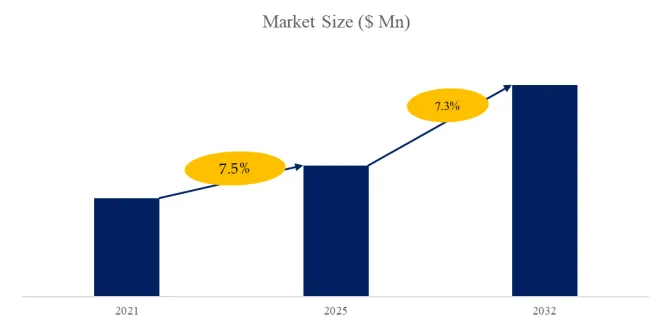
Figure00001. Global In-wash Laundry Scent Booster Market Size (US$ Million), 2021-2032

In-wash Laundry Scent Booster

Above data is based on report from QYResearch: Global In-wash Laundry Scent Booster Market Report 2022-2031 (published in 2025). If you need the latest data, plaese contact QYResearch.


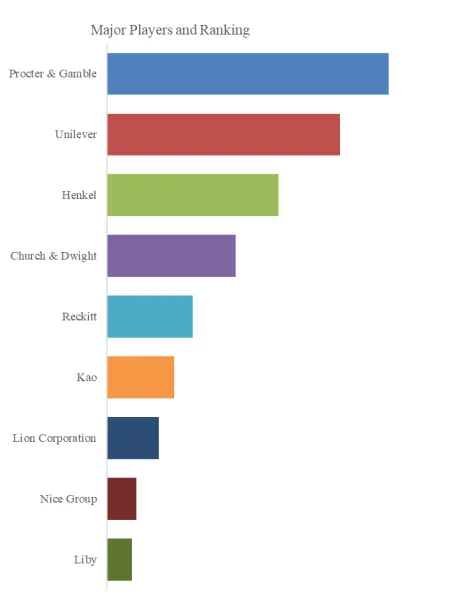
Figure00002. Global In-wash Laundry Scent Booster Top 10 Players Ranking and Market Share (Ranking is based on the revenue of 2025, continually updated)

In-wash Laundry Scent Booster

Above data is based on report from QYResearch: Global In-wash Laundry Scent Booster Market Report 2025-2031 (published in 2025). If you need the latest data, plaese contact QYResearch.

II. Industry Chain Analysis

1. Upstream: Raw Materials and Fragrance Supply System

The upstream segment of the in-wash laundry scent booster industry primarily includes fragrance manufacturers, polymer and encapsulation material suppliers, surfactant producers, and packaging material providers.

Fragrance ingredients represent the core value component of the product, directly influencing scent quality, longevity, and consumer perception. Leading fragrance suppliers offer customized scent formulations tailored to specific market preferences and brand positioning.

Encapsulation and carrier materials commonly include polyvinyl alcohol (PVA), starch-based polymers, and other biodegradable compounds that provide solubility, durability, and environmental compatibility. As global environmental regulations tighten, the adoption of biodegradable and sustainable materials continues to grow.

Packaging suppliers provide moisture-resistant and fragrance-retaining packaging solutions to maintain product integrity during transportation and storage.

2. Midstream: Product Development and Manufacturing

The midstream segment is dominated by household and personal care product manufacturers responsible for formulation design, product development, large-scale production, and brand marketing. Companies leverage microencapsulation technology, fragrance stability engineering, and advanced formulation strategies to achieve product differentiation.

The manufacturing process typically involves fragrance blending, encapsulation granulation, drying, and automated packaging. Advanced production equipment ensures uniform particle size distribution, product stability, and high manufacturing efficiency.

Brand strength and marketing capability play a crucial role in the midstream sector. Leading consumer goods companies continuously introduce new fragrance variants, upgrade formulations, and enhance brand identity to capture consumer interest. Both online and offline distribution channels are utilized to expand market reach and strengthen product penetration.

3. Downstream: Application Scenarios and Consumer Markets

The primary application areas of in-wash laundry scent boosters include household laundry, professional laundry services, and commercial linen care sectors.

In the household segment, demand is driven by consumers seeking enhanced fabric care and premium sensory experiences. As consumer lifestyles evolve and disposable incomes rise, fragrance longevity has become a key differentiating factor in laundry care products.

In commercial applications, hotels, hospitals, and high-end laundry service providers require consistent fragrance performance and fabric freshness, contributing to growing adoption in institutional and professional cleaning markets.

Furthermore, the rapid expansion of e-commerce platforms has significantly boosted product accessibility and market penetration, particularly in emerging markets across Asia-Pacific and Latin America, where online retail channels play a vital role in driving industry growth.

III. Development Trends

The in-wash laundry scent booster industry is evolving toward premiumization, personalization, and sustainability. As consumers increasingly prioritize lifestyle quality and sensory experiences, fragrance design has become more sophisticated, transitioning from traditional floral and fruity scents to perfume-inspired fragrances that offer luxury appeal and emotional engagement.

Environmental sustainability has emerged as a major industry trend. Manufacturers are adopting biodegradable encapsulation materials, eco-friendly fragrance formulations, and recyclable packaging to comply with global environmental regulations and meet consumer expectations for sustainable products.

Technological innovation continues to drive product advancement. Multi-layer microencapsulation and advanced controlled-release technologies enable longer-lasting fragrance performance and improved product stability. Some brands are also exploring intelligent fragrance concepts, such as sequential scent release and customizable fragrance blends, to deliver enhanced consumer experiences.

With rising disposable incomes and accelerating urbanization in emerging markets, particularly in Asia-Pacific and Latin America, demand for premium laundry care products is expected to grow steadily. In-wash scent boosters are gradually transitioning from supplementary products to essential components of modern laundry routines.

IV. Industry Entry Barriers

The in-wash laundry scent booster industry presents several entry barriers, primarily related to technological capability, brand recognition, distribution networks, and regulatory compliance.

Firstly, advanced microencapsulation technology and fragrance formulation expertise require substantial research and development investment. New entrants may face challenges in achieving the performance standards established by established global brands.

Secondly, brand trust plays a significant role in consumer purchasing decisions. Leading multinational consumer goods companies maintain strong brand loyalty and market dominance, making it difficult for new players to gain rapid market acceptance without significant marketing investment.

Distribution barriers are also notable. Major retail chains and e-commerce platforms typically prioritize established brands, requiring new entrants to develop robust sales networks and channel partnerships.

Additionally, products must comply with international safety standards and environmental regulations governing fragrance usage, chemical safety, and biodegradability. Regulatory approval processes increase the complexity and cost of market entry.

Overall, the in-wash laundry scent booster industry represents a technology-driven and brand-oriented segment within the global household care market. Supported by continuous consumer demand for enhanced fabric care and sensory experiences, the industry is expected to maintain stable growth, driven by premiumization, sustainability, and innovation.


About The Authors

Hongjichi – Lead Author

Email: hongjichi@qyresearch.com


About QYResearch

QYResearch founded in California, USA in 2007.It is a leading global market research and consulting company. With over 17 years’ experience and professional research team in various cities over the world QY Research focuses on management consulting, database and seminar services, IPO consulting (data is widely cited in prospectuses, annual reports and presentations), industry chain research and customized research to help our clients in providing non-linear revenue model and make them successful. We are globally recognized for our expansive portfolio of services, good corporate citizenship, and our strong commitment to sustainability. Up to now, we have cooperated with more than 60,000 clients across five continents. Let’s work closely with you and build a bold and better future.

QYResearch is a world-renowned large-scale consulting company. The industry covers various high-tech industry chain market segments, spanning the semiconductor industry chain (semiconductor equipment and parts, semiconductor materials, ICs, Foundry, packaging and testing, discrete devices, sensors, optoelectronic devices), photovoltaic industry chain (equipment, cells, modules, auxiliary material brackets, inverters, power station terminals), new energy automobile industry chain (batteries and materials, auto parts, batteries, motors, electronic control, automotive semiconductors, etc.), communication industry chain (communication system equipment, terminal equipment, electronic components, RF front-end, optical modules, 4G/5G/6G, broadband, IoT, digital economy, AI), advanced materials industry Chain (metal materials, polymer materials, ceramic materials, nano materials, etc.), machinery manufacturing industry chain (CNC machine tools, construction machinery, electrical machinery, 3C automation, industrial robots, lasers, industrial control, drones), food, beverages and pharmaceuticals, medical equipment, agriculture, etc.

About Us:
QYResearch founded in California, USA in 2007, which is a leading global market research and consulting company. Our primary business include market research reports, custom reports, commissioned research, IPO consultancy, business plans, etc. With over 18 years of experience and a dedicated research team, we are well placed to provide useful information and data for your business, and we have established offices in 7 countries (include United States, Germany, Switzerland, Japan, Korea, China and India) and business partners in over 30 countries. We have provided industrial information services to more than 60,000 companies in over the world.

Contact Us:
If you have any queries regarding this report or if you would like further information, please contact us:
QY Research Inc.
Add: 17890 Castleton Street Suite 369 City of Industry CA 91748 United States
EN: https://www.qyresearch.com
Email: global@qyresearch.com
Tel: 001-626-842-1666(US)
JP: https://www.qyresearch.co.jp
カテゴリー: 未分類 | 投稿者huangsisi 16:35 | コメントをどうぞ

Hydraulic Diamond Core Drill Rig Research:compound annual growth rate (CAGR) of 6.5% in the next few years

Hydraulic Diamond Core Drill Rig Market Summary

According to the latest report “Global Hydraulic Diamond Core Drill Rig Market Report 2025-2031″ by the QYResearch research team, the global Hydraulic Diamond Core Drill Rig market size is expected to reach US$1.395 billion in 2031, with a compound annual growth rate (CAGR) of 6.5% in the next few years.

A hydraulic diamond core drill rig is specialized drilling equipment that utilizes a hydraulic system as its primary power source to continuously cut through rock using a diamond drill bit, thereby extracting intact cylindrical rock core samples from the subsurface. Typically, this equipment comprises a power unit, a hydraulic drive system, a rotary mechanism, a feed system, a drill string assembly, and a control system. It relies on a hydraulic motor to drive the drilling tools at high rotational speeds, while hydraulic cylinders facilitate stable, pressurized feeding to accommodate drilling requirements across diverse geological formations. The diamond drill bit, characterized by its exceptional hardness and wear resistance, maintains high drilling efficiency and core recovery quality even when penetrating hard rock strata. Compared to traditional mechanical transmission methods, the hydraulic transmission system offers distinct advantages, including a compact structure, a wide speed regulation range, high control precision, and a robust capacity to adapt to complex operating conditions. This type of equipment is widely deployed in fields such as geological exploration, mineral resource prospecting, hydrogeological surveys, and engineering geotechnical investigations, serving as a critical technological tool for obtaining information regarding subsurface lithological structures and the distribution of mineral ore bodies.

The market for hydraulic diamond core drilling rigs is currently in a phase of steady growth, driven by the dual forces of resource exploration and engineering construction. At the core of this demand lies the rigid requirement for high-precision core sampling in deep mineral exploration, geothermal energy development, and underground infrastructure construction. As the global proportion of deep-level mineral extraction rises—coupled with increased investment in geothermal and water conservancy projects—the demand for highly efficient and stable drilling equipment continues to expand, propelling the market to maintain a trajectory of moderate-to-high growth.

In the short term, the market may be subject to fluctuations inherent in mineral exploration cycles; however, from a medium-to-long-term perspective—set against the backdrop of global resource exploration, green energy initiatives, and infrastructure development—the demand for hydraulic diamond core drilling rigs remains robust, offering substantial growth potential. This is particularly true regarding significant business opportunities within the realms of high-end automation and domestic substitution.

The evolution of hydraulic diamond core drilling rigs is shaped by a confluence of driving factors. Foremost among these is the growing demand from downstream exploration sectors. As mineral resource exploration, deep geological surveys, and infrastructure construction continue to advance, the need for high-quality core samples has surged significantly, thereby stimulating technological upgrades and capacity expansion within the drilling rig industry.

Secondly, advancements in hydraulic and diamond drilling technologies serve as a pivotal driving force. These include the development of high-efficiency hydraulic systems, highly wear-resistant diamond drill bits, and intelligent control technologies—all of which enhance a rig’s drilling speed, core sample integrity, and operational stability.

Furthermore, the elevation of environmental and safety standards has prompted equipment manufacturers to pivot toward designs characterized by low noise, low emissions, and high levels of automation, ensuring compliance with industry regulations.

Additionally, fluctuations in the costs of materials and components, volatility in energy prices, and the growing trend toward domestic substitution also exert a certain degree of influence on the equipment’s cost-effectiveness and market adoption rate.

Taken together, the interplay of downstream demand, technological innovation, regulatory frameworks, and economic factors collectively drives the hydraulic diamond core drilling rig industry toward a future defined by high efficiency, high reliability, and intelligent capabilities.

This report profiles key players of Hydraulic Diamond Core Drill Rig such as Atlas Copco、Epiroc、Cortech Drilling Equipment Co.,Ltd.、Sinocoredrill、Hardrock、Beijing Jincheng Mining Technology Co.,Ltd.、Henan Rancheng Machinery Co.,Ltd、TYSIM PILING EQUIPMENT CO.,LTD、Wuxi Zhongjin Mineral Exploration Tools Co.,Ltd.、Geotec、Boart Longyear、SINOVO、YG Engineering Machinery、HENGYANG ZHONGDI EQUIPMENT PROSPECTING ENGINEERING MACHINERY CO., LTD.

The industrial chain for hydraulic diamond core drilling rigs constitutes a comprehensive industrial system driven by technological innovation, centered on complete machine manufacturing, and guided by end-user applications. The upstream, midstream, and downstream segments of this chain are intricately interconnected, collectively underpinning the development of sectors such as national mineral resource exploration, geological surveying, and major engineering construction projects. The following sections provide a detailed breakdown of each stage within this industrial chain.

Upstream of the Industrial Chain: Supply of Raw Materials and Core Components.

The upstream segment of the industrial chain primarily supplies various raw materials and core components required for drilling rig manufacturing; the supply landscape and technological sophistication of this segment directly determine the performance, reliability, and production costs of the complete drilling rig unit.

Regarding upstream raw materials, high-strength structural steel serves as the primary material for load-bearing structures—such as the rig body, chassis, and mast—accounting for approximately 52% of the total cost structure of the drilling rig, making it the largest cost component. Furthermore, components utilized in the hydraulic system—including hydraulic pumps, valve blocks, high-pressure hoses, and hydraulic cylinders—account for approximately 31% of the costs and constitute the core of the rig’s power transmission and control systems. Power systems—such as diesel engines or electric motors—along with various control valve blocks and sensors, make up the remaining 17% of the total cost.

It is worth noting that, despite my country being a major manufacturing powerhouse, certain technological deficiencies persist within the high-end segments of the upstream industrial chain. For instance, a significant proportion of critical components—such as high-end hydraulic parts and corrosion-resistant alloy materials—currently remain dependent on imports, with a localization rate of less than 30%. This situation significantly constrains the cost-control capabilities and product competitiveness of domestic enterprises. Consequently, achieving technological breakthroughs in this specific segment has become the pivotal factor for upgrading the entire industrial chain toward higher-end capabilities.

Midstream of the Industrial Chain: Complete Machine Manufacturing and Market Competition Landscape.

The midstream segment of the industrial chain serves as its core, encompassing the design and R&D, manufacturing, and sales and service aspects of drilling rigs. This segment brings together both international industry giants and outstanding domestic enterprises, creating an intense and diversified competitive landscape.

In terms of product classification, modern hydraulic diamond core drilling rigs can be categorized into three types based on their power head configuration: high-speed power heads, low-speed/high-torque power heads, and dual power heads. These variations are designed to meet the specific requirements of different geological formations and drilling depths. Based on chassis type, drilling rigs are categorized into crawler-mounted and wheel-mounted variants. Crawler-mounted rigs possess superior off-road capabilities, making them suitable for operations in complex terrain; conversely, wheel-mounted rigs offer convenient road mobility and are better suited for use in flat regions. Regarding control methods, traditional models primarily rely on manual operation, whereas intelligent and automated control systems represent the prevailing trend in current industry development.

From the perspective of market structure, the global market exhibits a distinct tiered differentiation. The first tier comprises leading international enterprises which, leveraging their extensive technological expertise and global service networks, dominate the high-end market and set technical standards. The second tier consists of the industry’s core forces—typified by domestic Chinese enterprises—which, by virtue of their continuously improving technical capabilities and significant cost-performance advantages, hold a dominant position in the domestic market while actively expanding into overseas markets.

Downstream of the Value Chain: Application Fields and End Customers.

The downstream segment of the value chain encompasses the various application scenarios and end-users of drilling services, serving as the primary driving force behind market demand.

End customers primarily include major mining corporations; public institutions such as provincial bureaus of geology and mineral exploration and geological survey institutes; and specialized contractors that provide outsourced drilling services to mining companies.

Value Chain Development Trends and Future Outlook:

Looking ahead, the value chain for hydraulic diamond core drilling rigs is evolving toward greater technological intelligence and broader market reach.

On the technological front, digitalization, automation, and intelligence constitute the core directions of development. This encompasses digital drilling monitoring, automated wireline coring, intelligent fault diagnostics, and remote monitoring capabilities—technologies that are increasingly becoming the key differentiators in competition among manufacturers. Concurrently, high-pressure, large-displacement hydraulic systems, along with lightweight and modular designs, are continuously enhancing the equipment’s deep-hole drilling capabilities and its adaptability to complex terrain.

The competitive landscape for hydraulic diamond core drilling rigs is characterized by the following features:

In terms of market segmentation, the international market sees enterprises from Europe, North America, and Japan dominating the high-end segment. Leveraging their accumulated technical expertise, R&D capabilities, and premium customized services, these companies base their core competitiveness on high efficiency, exceptional wear resistance, and intelligent control systems, primarily serving major mining operations and deep-strata geological exploration projects. The mid-range market, conversely, is dominated by enterprises from emerging economies—such as China and India—which capture market share through competitive pricing, rapid delivery, and localized services, primarily catering to the needs of small-to-medium-sized mines and engineering geological surveys. In terms of downstream applications, exploration firms, mining groups, and engineering and construction companies constitute the primary purchasers, thereby directly influencing equipment performance, after-sales service, and cost control.

Overall, the hydraulic diamond core drilling rig industry exhibits a competitive landscape characterized by “high-end imported brands occupying the technological high ground, while domestic enterprises capture the mid-to-low-end market segments by leveraging cost advantages and service capabilities.” Looking ahead, as domestic technologies continue to advance—particularly through digitalization and the widespread adoption of high-efficiency hydraulic systems—domestic enterprises are poised to gradually achieve breakthroughs in the high-end market, while international brands face mounting competitive pressure from localized players.


About QYResearch

QYResearch founded in California, USA in 2007.It is a leading global market research and consulting company. With over 17 years’ experience and professional research team in various cities over the world QY Research focuses on management consulting, database and seminar services, IPO consulting (data is widely cited in prospectuses, annual reports and presentations), industry chain research and customized research to help our clients in providing non-linear revenue model and make them successful. We are globally recognized for our expansive portfolio of services, good corporate citizenship, and our strong commitment to sustainability. Up to now, we have cooperated with more than 60,000 clients across five continents. Let’s work closely with you and build a bold and better future.

QYResearch is a world-renowned large-scale consulting company. The industry covers various high-tech industry chain market segments, spanning the semiconductor industry chain (semiconductor equipment and parts, semiconductor materials, ICs, Foundry, packaging and testing, discrete devices, sensors, optoelectronic devices), photovoltaic industry chain (equipment, cells, modules, auxiliary material brackets, inverters, power station terminals), new energy automobile industry chain (batteries and materials, auto parts, batteries, motors, electronic control, automotive semiconductors, etc.), communication industry chain (communication system equipment, terminal equipment, electronic components, RF front-end, optical modules, 4G/5G/6G, broadband, IoT, digital economy, AI), advanced materials industry Chain (metal materials, polymer materials, ceramic materials, nano materials, etc.), machinery manufacturing industry chain (CNC machine tools, construction machinery, electrical machinery, 3C automation, industrial robots, lasers, industrial control, drones), food, beverages and pharmaceuticals, medical equipment, agriculture, etc.

About Us:
QYResearch founded in California, USA in 2007, which is a leading global market research and consulting company. Our primary business include market research reports, custom reports, commissioned research, IPO consultancy, business plans, etc. With over 18 years of experience and a dedicated research team, we are well placed to provide useful information and data for your business, and we have established offices in 7 countries (include United States, Germany, Switzerland, Japan, Korea, China and India) and business partners in over 30 countries. We have provided industrial information services to more than 60,000 companies in over the world.

Contact Us:
If you have any queries regarding this report or if you would like further information, please contact us:
QY Research Inc.
Add: 17890 Castleton Street Suite 369 City of Industry CA 91748 United States
EN: https://www.qyresearch.com
Email: global@qyresearch.com
Tel: 001-626-842-1666(US)
JP: https://www.qyresearch.co.jp
カテゴリー: 未分類 | 投稿者huangsisi 16:24 | コメントをどうぞ

Low-Flux Dialyzer Market: Dry vs. Wet Membrane Dialyzers for ESRD Patients – Global Forecast

Global Leading Market Research Publisher QYResearch announces the release of its latest report “Low-Flux Hollow Fiber Dialyzer – Global Market Share and Ranking, Overall Sales and Demand Forecast 2026-2032″. Based on current situation and impact historical analysis (2021-2025) and forecast calculations (2026-2032), this report provides a comprehensive analysis of the global Low-Flux Hollow Fiber Dialyzer market, including market size, share, demand, industry development status, and forecasts for the next few years.

Nephrology departments, dialysis centers, and hospitals treating end-stage renal disease (ESRD) patients face a persistent challenge: selecting appropriate dialyzer clearance capacity matched to patient needs, clinical presentation, and economic constraints. While high-flux dialyzers offer superior middle molecule clearance, they are not always clinically necessary or cost-effective for all patient populations. Low-Flux Hollow Fiber Dialyzer solves this pain point by providing a type of artificial kidney dialyzer used for hemodialysis. They still use hollow fibers as the core mass transfer element of the membrane, but compared to high-flux dialyzers, their dialysis membranes have lower mass transfer and ultrafiltration capacities, making them suitable for patients with lower clearance requirements and speeds. Low-flux dialyzers remain widely used for stable chronic hemodialysis patients, in resource-limited settings, and for specific clinical indications where aggressive middle molecule removal is not indicated. In 2024, global production of low-flux hollow fiber dialyzers reached 297,562,800 units, with an average selling price of approximately US$10–13 per unit (lower than high-flux dialyzers due to simpler membrane technology and lower production costs).

【Get a free sample PDF of this report (Including Full TOC, List of Tables & Figures, Chart)】
https://www.qyresearch.com/reports/6096203/low-flux-hollow-fiber-dialyzer

1. Market Size, Growth Trajectory & Core Keywords

The global market for Low-Flux Hollow Fiber Dialyzer was estimated to be worth US$ 3,169 million in 2025 and is projected to reach US$ 4,570 million, growing at a CAGR of 5.5% from 2026 to 2032.

Core industry keywords integrated throughout this analysis include: Low-Flux Hollow Fiber DialyzerHemodialysis Artificial KidneyESRD Standard ClearanceSmall Molecule Uremic Toxin Removal, and Chronic Hemodialysis.

2. Industry Segmentation: Dry Membrane vs. Wet Membrane

From a product handling and sterilization stratification viewpoint, low-flux dialyzers are differentiated by membrane preservation method:

  • Dry Membrane Dialyzer (Gamma or ETO Sterilized): Dominant segment (approximately 70% of market revenue for low-flux). Hollow fiber membranes are sterilized in dry state (gamma irradiation or ethylene oxide) and require priming with saline before use. Advantages: longer shelf life (2–3 years), lower storage and transport costs (no liquid preservation), easier handling in large-volume procurement. Limitations: requires careful priming to avoid air entrapment. Preferred in emerging markets and large-scale dialysis organizations with centralized warehousing. Lower cost per unit (US$9–12). Widely used in Asia-Pacific, Latin America, Africa, and Eastern Europe.
  • Wet Membrane Dialyzer (Steam Sterilized, Fluid-Filled): Growing segment (approximately 30% of market revenue for low-flux, 6.2% CAGR). Membranes are sterilized in wet state with steam and stored in sterile fluid. Advantages: immediate use without priming, consistent fiber hydration, reduced risk of air emboli, better biocompatibility. Limitations: shorter shelf life (1–1.5 years), higher transport costs (fluid weight adds 300–400g per unit). Preferred in North America and Western Europe where nursing efficiency is prioritized. Higher cost per unit (US$12–16).

Segment by Type

  • Dry Membrane: Gamma/ETO sterilized, longer shelf life, lower transport cost.
  • Wet Membrane: Steam sterilized, fluid-filled, immediate use, higher cost.

Segment by Application

  • Hospital: Inpatient hemodialysis, acute kidney injury treatment, postoperative renal support.
  • Dialysis Center: Outpatient chronic hemodialysis, high patient volume, cost-sensitive.

3. Recent Industry Data (Last 6 Months) & Policy Drivers

According to new data from the United States Renal Data System (USRDS), European Renal Association (ERA), and global dialysis market trackers (Q1–Q3 2025):

  • Global low-flux dialyzer revenue increased 5.9% year-over-year, driven by expanding ESRD prevalence (estimated 4.5 million patients on hemodialysis globally) and continued demand in cost-sensitive markets where high-flux adoption remains limited.
  • Low-flux dialyzers still represent approximately 45% of global dialyzer unit volume, though share has declined from 52% in 2020 as high-flux adoption increases in developed markets.
  • Dialysis centers represent 70% of revenue, with hospitals at 30%, as outpatient chronic hemodialysis dominates ESRD care.
  • Asia-Pacific remains the largest market for low-flux dialyzers (45% of global volume), particularly China, India, Indonesia, and the Philippines, where cost constraints and reimbursement policies favor low-flux.

Policy impact: CMS’s 2026 ESRD Prospective Payment System (PPS) continues bundled payment covering dialyzers without differential payment for high-flux vs. low-flux, maintaining economic incentive for low-flux in stable patients. The Chinese National Healthcare Security Administration (NHSA) volume-based procurement (VBP) for dialyzers includes both low-flux and high-flux, with low-flux prices reduced to US$4–7 per unit (70–80% below international prices), accelerating market consolidation among domestic manufacturers. The European Renal Association (ERA) 2025 guidelines recommend low-flux dialyzers for stable anuric patients without significant middle molecule retention, preserving a clinical niche.

4. Technical Challenges & Solution Differentiation

Three persistent technical barriers define competition in low-flux hollow fiber dialyzers:

  1. Cost reduction while maintaining quality: Low-flux dialyzers face intense price pressure, particularly in VBP markets (China, India, Brazil). Differentiated manufacturers have optimized production through vertical integration (membrane spinning, dialyzer assembly, sterilization in-house), reducing per-unit costs by 20–30%. Fresenius and NIPRO maintain cost leadership through scale (100+ million units annually) and automation.
  2. Adequate small molecule clearance for stable patients: Low-flux dialyzers must achieve urea clearance (Kt/V) >1.2 per session and adequate creatinine removal. Advanced low-flux membranes (polysulfone, polyethersulfone) with optimized fiber geometry (inner diameter 180–220 µm, wall thickness 35–45 µm) achieve urea clearance of 180–220 mL/min at Qb=300 mL/min—comparable to early-generation high-flux dialyzers at lower cost.
  3. Biocompatibility and complement activation: Even low-flux dialyzers can trigger inflammatory responses. Leading manufacturers have introduced hydrophilic modifications (polyvinylpyrrolidone blending, vitamin E coating) to low-flux membranes, reducing complement activation (C3a, C5a) by 30–40% at minimal cost increase (US$0.50–1.00 per unit). Baxter and Asahi Kasei lead in biocompatible low-flux membranes.

Exclusive industry insight: A 2025 health economics study (Nephrology Dialysis Transplantation, August 2025) comparing low-flux vs. high-flux dialyzers in 15,000 stable chronic hemodialysis patients found no significant difference in all-cause mortality (HR 1.03, p=0.42) or hospitalization rates over 3 years in patients with baseline β2-microglobulin <30 mg/L. This evidence supports continued low-flux use in selected patient populations, potentially slowing high-flux conversion in cost-constrained health systems. However, in patients with β2-microglobulin >35 mg/L, high-flux was associated with 22% lower mortality. This has driven adoption of “risk-stratified dialyzer selection” – low-flux for low-risk patients, high-flux for high-risk patients – rather than universal high-flux conversion.

5. User Case Examples (Dialysis Center vs. Hospital Applications)

  • Case 1 – Dialysis center (cost-sensitive market, stable patients): A dialysis chain in Southeast Asia operating 50 centers (8,000 chronic hemodialysis patients) transitioned from imported high-flux dialyzers (US$15/unit) to locally manufactured low-flux dialyzers (US$8/unit) for stable patients with β2-microglobulin <28 mg/L. Annual dialyzer cost decreased by US$1.8 million. Patient outcomes (Kt/V: 1.35 ± 0.18, hospitalization rate: 1.2 per patient-year) remained within acceptable ranges, and no increase in dialysis-related amyloidosis was observed over 24 months.
  • Case 2 – Hospital (acute kidney injury, post-operative renal support): A tertiary hospital with 400 post-cardiac surgery patients annually requiring short-term renal replacement therapy (typically 3–10 days) used low-flux dialyzers (wet membrane, immediate use) for patients with stable hemodynamics and no significant inflammation. Dialyzer cost per patient was US$96 (8 treatments × US$12) vs. US$200 for high-flux (US$25 × 8), saving US$104 per patient (US$41,600 annually). No adverse outcomes were attributed to low-flux use given short treatment duration.

6. Competitive Landscape (Selected Key Players)

The low-flux hollow fiber dialyzer market is consolidated, with the same global leaders as high-flux plus regional manufacturers focusing exclusively on cost-competitive segments:

Fresenius Medical Care (Germany), Baxter International (USA), NIPRO (Japan), B. Braun (Germany), Asahi Kasei (Japan), NIKKISO (Japan), Toray Industries (Japan), Bain Medical (China), Medica (Italy), SB-Kawasumi Laboratories (Japan), Allmed (China), Farmasol (France), Shanghai PEONY Medical Technology (China), Sansin (China), BLOLIGHT (China), LEPU MEDICAL (China), WEGO (China), OCI MEDICAL (Korea).

独家观察 (Exclusive strategic note): The low-flux dialyzer market has become increasingly price-sensitive, particularly in emerging markets. Fresenius remains global leader (approximately 32% share) but faces margin pressure as VBP programs expand. Chinese manufacturers (Bain Medical, Allmed, PEONY, Sansin, BLOLIGHT, LEPU, WEGO) have captured >65% of China domestic low-flux market through NHSA VBP contracts at US$4–7 per unit (80% below international prices) and are aggressively exporting to Southeast Asia, South Asia, Africa, and Latin America. OCI MEDICAL (Korea) maintains premium positioning in Asia-Pacific markets (US$10–12 per unit) through quality differentiation and regulatory certifications (FDA, CE, NMPA). A capacity consolidation is occurring: smaller low-flux manufacturers (especially in Europe and Japan) are exiting the market due to margin compression, consolidating volume among top 5 players (now >60% combined share). The low-flux segment’s gross margins have compressed from 25–35% (2020) to 15–25% (2025), with Chinese manufacturers operating at 8–12% margins.

7. Forecast Outlook (2026–2032)

The low-flux hollow fiber dialyzer market will increasingly serve as the “value segment” in global dialysis, with growth concentrated in emerging markets and cost-constrained health systems. By 2028, low-flux dialyzers are expected to maintain 35–40% of global dialyzer unit volume, down from 45% currently, but absolute volume will grow at 3–4% annually driven by ESRD prevalence increases. Dialysis providers should select low-flux dialyzers based on (1) validated small molecule clearance (urea Kt/V >1.2), (2) biocompatibility profile (complement activation data), (3) dry vs. wet membrane based on nursing workflow, (4) regulatory clearances (local NMPA, CE, or FDA as applicable), and (5) supply chain reliability given VBP contract dynamics. The shift toward risk-stratified dialyzer selection (low-flux for low-β2M patients, high-flux for high-β2M patients) will sustain a distinct clinical niche for low-flux dialyzers, preventing complete market replacement by high-flux products.


Contact Us:
If you have any queries regarding this report or if you would like further information, please contact us:
QY Research Inc.
Add: 17890 Castleton Street Suite 369 City of Industry CA 91748 United States
EN: https://www.qyresearch.com
E-mail: global@qyresearch.com
Tel: 001-626-842-1666(US)
JP: https://www.qyresearch.co.jp

カテゴリー: 未分類 | 投稿者huangsisi 16:23 | コメントをどうぞ

High Flux Hemodialyzer: Hollow Fiber Artificial Kidney for Chronic Kidney Disease – Global Forecast

Global Leading Market Research Publisher QYResearch announces the release of its latest report “High Flux Hollow Fiber Dialyzer – Global Market Share and Ranking, Overall Sales and Demand Forecast 2026-2032″. Based on current situation and impact historical analysis (2021-2025) and forecast calculations (2026-2032), this report provides a comprehensive analysis of the global High Flux Hollow Fiber Dialyzer market, including market size, share, demand, industry development status, and forecasts for the next few years.

Nephrology departments, dialysis centers, and hospitals treating end-stage renal disease (ESRD) patients face a persistent challenge: efficiently removing both small molecule uremic toxins (urea, creatinine) and middle molecular weight toxins (β2-microglobulin, parathyroid hormone) during hemodialysis treatments. Traditional low-flux dialyzers have limited clearance capacity for middle molecules, contributing to long-term complications like dialysis-related amyloidosis. High Flux Hollow Fiber Dialyzer solves this pain point by providing a type of artificial kidney dialyzer used for hemodialysis. Their core feature is the use of a large number of hollow fiber tubes as filtration elements, resulting in high clearance capacity and dialysis efficiency. With superior hydraulic permeability and sieving coefficients for middle molecules, high-flux dialyzers have become the standard of care for chronic hemodialysis patients, improving clinical outcomes and quality of life. In 2024, global production of high-flux hollow fiber dialyzers reached 257,237,900 units, with an average selling price of approximately US$13–16 per unit (varying by region and membrane type).

【Get a free sample PDF of this report (Including Full TOC, List of Tables & Figures, Chart)】
https://www.qyresearch.com/reports/6096200/high-flux-hollow-fiber-dialyzer

1. Market Size, Growth Trajectory & Core Keywords

The global market for High Flux Hollow Fiber Dialyzer was estimated to be worth US$ 3,573 million in 2025 and is projected to reach US$ 5,083 million, growing at a CAGR of 5.2% from 2026 to 2032.

Core industry keywords integrated throughout this analysis include: High Flux Hollow Fiber DialyzerHemodialysis Artificial KidneyESRD TreatmentMiddle Molecule Clearance, and Chronic Kidney Disease Management.

2. Industry Segmentation: Dry Membrane vs. Wet Membrane

From a product handling and sterilization stratification viewpoint, high-flux dialyzers are differentiated by membrane preservation method:

  • Dry Membrane Dialyzer (Gamma or ETO Sterilized): Dominant segment (approximately 65% of market revenue). Hollow fiber membranes are sterilized in dry state (gamma irradiation or ethylene oxide) and require priming with saline before use to remove air and hydrate fibers. Advantages: longer shelf life (2–3 years), lower storage and transport costs (no liquid preservation), easier handling. Limitations: requires careful priming to avoid air entrapment, potential for fiber wetting inconsistency. Preferred in markets with long supply chains and variable storage conditions (Asia-Pacific, Latin America, Africa). Lower cost per unit (US$11–14).
  • Wet Membrane Dialyzer (Steam Sterilized, Fluid-Filled): Growing segment (approximately 35% of market revenue, 6.5% CAGR). Membranes are sterilized in wet state with steam (autoclaving) and stored in sterile fluid (typically sterile water or saline with vitamin E). Advantages: immediate use without priming, consistent fiber hydration, reduced risk of air emboli, better biocompatibility (no ETO residue concerns). Limitations: shorter shelf life (1–1.5 years), higher transport costs (fluid weight adds 300–400g per unit), requires refrigerated storage in some formulations. Preferred in North America and Europe where supply chains are stable. Higher cost per unit (US$14–18).

Segment by Type

  • Dry Membrane: Gamma/ETO sterilized, longer shelf life, lower transport cost.
  • Wet Membrane: Steam sterilized, fluid-filled, immediate use, higher cost.

Segment by Application

  • Hospital: Inpatient hemodialysis, acute kidney injury treatment, intensive care units.
  • Dialysis Center: Outpatient chronic hemodialysis, high patient volume, cost-sensitive.

3. Recent Industry Data (Last 6 Months) & Policy Drivers

According to new data from the United States Renal Data System (USRDS) and European Renal Association (ERA) reports (Q1–Q3 2025):

  • Global high-flux dialyzer revenue increased 6.8% year-over-year, driven by rising ESRD prevalence (estimated 4.5 million patients on hemodialysis globally, up 4.2% from 2024) and continued transition from low-flux to high-flux dialyzers.
  • Wet membrane dialyzers are the fastest-growing segment (6.5% CAGR vs. 4.5% for dry membrane) as hospitals prioritize ease of use and reduced nursing time (10–15 minutes saved per treatment).
  • Dialysis centers represent 68% of revenue, with hospitals at 32%, as outpatient chronic hemodialysis dominates ESRD care.

Policy impact: CMS’s 2026 ESRD Prospective Payment System (PPS) final rule includes a 3.2% base rate increase (to US$272 per treatment) and maintains bundled payment covering dialyzers, incentivizing high-flux adoption for improved outcomes. The EU Medical Device Regulation (MDR) recertification for dialyzers (May 2026 deadline) requires updated clinical evidence for middle molecule clearance, benefiting established manufacturers with published outcomes data. The Chinese National Healthcare Security Administration (NHSA) volume-based procurement (VBP) for dialyzers (expanded to 27 provinces in 2025) reduced average prices by 45–60%, accelerating high-flux adoption but compressing manufacturer margins.

4. Technical Challenges & Solution Differentiation

Three persistent technical barriers define competition in high-flux hollow fiber dialyzers:

  1. Membrane biocompatibility and complement activation: Dialyzer membranes can trigger complement cascade and inflammatory responses, contributing to long-term complications. Advanced membranes feature hydrophilic modifications (polyvinylpyrrolidone grafting, vitamin E coating) and improved surface chemistry. Fresenius’s Helixone® and Baxter’s Theranova® report 40–60% lower complement activation (C3a, C5a) compared to first-generation high-flux membranes.
  2. Middle molecule clearance optimization: β2-microglobulin (11.8 kDa) and myoglobin (17 kDa) require larger pore sizes (3–5 nm) without albumin loss (66 kDa, must be retained). Leading manufacturers have developed “medium cut-off” (MCO) membranes with more uniform pore distribution, achieving 2–3× higher β2M clearance than standard high-flux dialyzers while maintaining albumin retention >97%. Asahi Kasei and Toray lead in MCO technology at 20–30% price premium.
  3. Sterilization method and membrane integrity: Gamma sterilization can degrade some membrane polymers over time (embrittlement), while ETO leaves residues requiring aeration. Steam sterilization (wet membranes) is gentlest on polymers but requires fluid-filled packaging. Differentiated manufacturers use proprietary sterilization-compatible membrane formulations (e.g., polysulfone with stabilizers) ensuring mechanical integrity across shelf life.

Exclusive industry insight: A 2025 clinical outcomes study (Kidney International, September 2025) analyzing 12,000 hemodialysis patients found that high-flux dialyzer use was associated with 18% lower all-cause mortality compared to low-flux dialyzers, primarily driven by reduced cardiovascular events and better middle molecule clearance. This evidence has accelerated transition to high-flux in countries still using low-flux (e.g., Japan has >90% high-flux penetration; India ~45%). A emerging trend toward “hemodiafiltration-ready” high-flux dialyzers (optimized for convective clearance) is growing at 14% CAGR, with NIPRO and B. Braun launching HDF-optimized products at 15–20% premium.

5. User Case Examples (Dialysis Center vs. Hospital Applications)

  • Case 1 – Dialysis center (outpatient chronic hemodialysis): A large dialysis organization (1,200 patients, 3 centers) transitioned from low-flux to high-flux dialyzers (Fresenius FX CorDiax, dry membrane). Over 12 months, β2-microglobulin levels decreased from 35 mg/L to 24 mg/L (target <27 mg/L), hospitalization rate for dialysis-related amyloidosis decreased by 42%, and patient-reported quality of life (KDQOL-36) improved by 15%. Annual dialyzer cost increased by US$52 per patient but was offset by reduced hospitalization costs (savings US$1,800 per patient-year).
  • Case 2 – Hospital (acute kidney injury, ICU): A tertiary hospital ICU treating 200 acute kidney injury patients annually required dialyzers for continuous renal replacement therapy (CRRT) and intermittent hemodialysis. Using wet membrane dialyzers (Baxter’s Theranova, immediate use, steam sterilized), nursing time for dialyzer preparation decreased from 15 minutes to 3 minutes per treatment (saving 400 nursing hours annually), and no air embolus events occurred (vs. 2 events with dry membrane in prior year).

6. Competitive Landscape (Selected Key Players)

The high-flux hollow fiber dialyzer market is consolidated, with a few global leaders and multiple regional manufacturers:

Fresenius Medical Care (Germany), Baxter International (USA), NIPRO (Japan), B. Braun (Germany), Asahi Kasei (Japan), NIKKISO (Japan), Toray Industries (Japan), Bain Medical (China), Medica (Italy), SB-Kawasumi Laboratories (Japan), Allmed (China), Farmasol (France), Shanghai PEONY Medical Technology (China), Sansin (China), BLOLIGHT (China), LEPU MEDICAL (China), WEGO (China), OCI MEDICAL (Korea).

独家观察 (Exclusive strategic note): Fresenius Medical Care maintains global market leadership (approximately 35% share) with its FX and FX CorDiax high-flux portfolio, vertically integrated manufacturing, and extensive clinical evidence. Japanese manufacturers (NIPRO, Asahi Kasei, NIKKISO, Toray, Kawasumi) collectively hold approximately 30% share, dominating Asia-Pacific markets with premium positioning and advanced membrane technology (MCO, vitamin E coated). Chinese manufacturers (Bain Medical, Allmed, PEONY, Sansin, BLOLIGHT, LEPU, WEGO) have gained significant share in domestic market (now >60% of China high-flux dialyzer volume) through NHSA volume-based procurement contracts at US$5–8 per unit (70–80% below Western prices) and are beginning to export to Southeast Asia, Africa, and Latin America. However, Chinese dialyzers lack FDA clearance and full CE Mark for major Western markets. A supply constraint for polysulfone membrane raw materials (BASF’s E6020P, Solvay’s Udel) in Q2 2025 caused 2–3 month lead times, benefiting vertically integrated manufacturers (Fresenius, Asahi Kasei) with captive membrane production.

7. Forecast Outlook (2026–2032)

The convergence of medium cut-off (MCO) membranes and hemodiafiltration (HDF) optimization will reshape the market by 2028. Over 40% of high-flux dialyzers in developed markets are expected to be MCO or HDF-optimized products, achieving 3–4× higher middle molecule clearance than standard high-flux dialyzers. Dialysis providers should prioritize dialyzer suppliers offering (1) validated β2-microglobulin clearance (>40 mL/min for Qb=300 mL/min), (2) albumin retention (>97%), (3) wet membrane option for nursing efficiency, (4) MCO or HDF-optimized designs for improved outcomes, and (5) regulatory clearances (FDA, CE, China NMPA). The shift toward home hemodialysis and wearable artificial kidney devices will sustain demand for compact, high-efficiency high-flux dialyzers with reduced priming volumes.


Contact Us:
If you have any queries regarding this report or if you would like further information, please contact us:
QY Research Inc.
Add: 17890 Castleton Street Suite 369 City of Industry CA 91748 United States
EN: https://www.qyresearch.com
E-mail: global@qyresearch.com
Tel: 001-626-842-1666(US)
JP: https://www.qyresearch.co.jp

カテゴリー: 未分類 | 投稿者huangsisi 16:16 | コメントをどうぞ

Calcaneal Bone Model Market: Standard & Pathological Foot Bone Replicas for Orthopedic Education

Global Leading Market Research Publisher QYResearch announces the release of its latest report “Calcaneus Model – Global Market Share and Ranking, Overall Sales and Demand Forecast 2026-2032″. Based on current situation and impact historical analysis (2021-2025) and forecast calculations (2026-2032), this report provides a comprehensive analysis of the global Calcaneus Model market, including market size, share, demand, industry development status, and forecasts for the next few years.

Medical schools, orthopedic residency programs, and medical device companies face a persistent challenge: providing realistic, durable anatomical models of the calcaneus (heel bone) for surgical training, fracture simulation, and implant testing without relying on costly cadaveric specimens. Cadaveric bones are expensive (US$300–1,000 per specimen), have limited availability, raise ethical concerns, and cannot be standardized for repetitive training. Calcaneus Model solves this pain point by providing an anatomical simulation of the calcaneus (located in the heel), the largest bone in the human foot. It is used for teaching, medical training, scientific research, and medical device demonstrations. It typically replicates the size, shape, surface anatomical landmarks, and structural details of a real human bone, sometimes even simulating pathological conditions or fracture patterns. With the growing emphasis on simulation-based medical education and the expansion of orthopedic device testing requirements, calcaneus models have become essential tools for both educational and industrial applications. In 2024, global calcaneal model production reached approximately 1.5 million units, with an average global market price of around US$29.30 per unit.

【Get a free sample PDF of this report (Including Full TOC, List of Tables & Figures, Chart)】
https://www.qyresearch.com/reports/6096186/calcaneus-model

1. Market Size, Growth Trajectory & Core Keywords

The global market for Calcaneus Model was estimated to be worth US$ 47.16 million in 2025 and is projected to reach US$ 65.7 million, growing at a CAGR of 4.9% from 2026 to 2032.

Core industry keywords integrated throughout this analysis include: Calcaneus ModelAnatomical Heel Bone SimulatorOrthopedic Surgical TrainingPathological Bone Replica, and Medical Device Testing.

2. Industry Segmentation: Standard vs. Pathological Calcaneal Models

From an application and fidelity stratification viewpoint, calcaneus models are differentiated by anatomical accuracy and pathological representation:

  • Standard Calcaneal Model (Healthy Anatomy): Dominant segment (approximately 70% of market revenue). Replicates normal human calcaneus anatomy including the posterior tuberosity, medial/lateral processes, sustentaculum tali, and articular surfaces (subtalar joint). Available in various materials: solid polyurethane resin (most common, US$20–40), PVC (lower cost, US$10–25), or 3D-printed photopolymer (higher detail, US$50–100). Widely used for basic anatomy education, surgical approach demonstration (extensile lateral approach, sinus tarsi approach), and normal bone orientation training. Material density typically matches human cortical bone (1.5–1.8 g/cm³) for realistic drilling and sawing feel.
  • Pathological Calcaneal Model (Fracture & Disease Simulation): Faster-growing segment (30% of market revenue, 7.8% CAGR). Simulates common calcaneal pathologies including intra-articular fractures (Sanders classification Types I-IV), osteomyelitis, calcaneal spurs, tumor infiltration, and post-traumatic deformity. Critical for advanced surgical training (open reduction internal fixation, percutaneous screw fixation, calcaneal osteotomy) and implant testing (locking plates, cannulated screws, intramedullary nails). Higher cost (US$60–250 per model) due to complex molding or 3D printing. Sawbones and SYNBONE lead this segment with biomechanically validated fracture models (cortical shell + cancellous foam core mimicking real bone mechanical properties).

Segment by Type

  • Standard Calcaneal Model: Healthy anatomy, basic education, lower cost.
  • Pathological Calcaneal Model: Fracture/disease simulation, advanced training, higher cost.

Segment by Application

  • Medical School: Anatomy education, surgical residency training, osteology teaching.
  • Medical Device Company: Orthopedic implant testing, surgical instrument validation, sales demonstration.
  • Others: Forensic anthropology research, veterinary education, patient-specific surgical planning.

3. Recent Industry Data (Last 6 Months) & Policy Drivers

According to new data from the American Academy of Orthopaedic Surgeons (AAOS) and medical simulation industry trackers (Q1–Q3 2025):

  • Global calcaneus model revenue increased 6.4% year-over-year, driven by expanded orthopedic residency programs (120 new programs globally since 2023) and increased use of simulation-based proficiency testing.
  • Pathological calcaneal models are the fastest-growing segment (7.8% CAGR vs. 3.9% for standard), as fracture-specific training becomes mandatory for orthopedic board certification.
  • Medical schools represent 55% of revenue, with medical device companies at 32% (fastest-growing, 8.5% CAGR) and others at 13%.

Policy impact: The Accreditation Council for Graduate Medical Education (ACGME) 2025 orthopedic surgery residency requirements mandate simulation-based proficiency in calcaneal fracture fixation (minimum 5 simulated cases before live surgery), driving demand for pathological fracture models. FDA’s 2025 guidance “Orthopedic Device Testing – Simulated Bone Models” accepts validated synthetic bone models (ASTM F1839) for certain implant mechanical tests, reducing cadaver use. The EU Medical Device Regulation (MDR) clinical evaluation requirements have increased demand for simulated bone models in implant design verification.

4. Technical Challenges & Solution Differentiation

Three persistent technical barriers define competition in calcaneus model manufacturing:

  1. Biomechanical fidelity for surgical simulation: Models must replicate human bone’s haptic properties (drilling resistance, screw pullout strength, sawing feel) and radiographic appearance (radiopacity similar to bone ±10%). Advanced models use dual-density construction: cortical shell (fiberglass-reinforced epoxy, Shore D 75–85) with cancellous foam core (polyurethane foam, density 0.2–0.4 g/cm³). Sawbones and SYNBONE have validated their models against human cadaveric calcaneus in peer-reviewed studies (drilling force within 15%, screw pullout within 20%).
  2. Fracture pattern accuracy and reproducibility: Pathological models must replicate specific fracture patterns (Sanders IIB, joint depression type) consistently across production batches. Differentiated manufacturers use precision CNC-machined aluminum molds or high-resolution 3D printing (0.1–0.2 mm layer height) from CT scan data of actual patient fractures. 3B Scientific and Erler-Zimmer offer CT-based custom fracture models (patient-specific) at US$300–800 per model.
  3. Material compatibility with surgical instruments: Models must accept standard orthopedic instruments (2.5–4.0 mm drill bits, 3.5–6.5 mm screws, osteotomes, saw blades) without premature wear or unrealistic fracture propagation. Leading models incorporate embedded radiopaque markers for fluoroscopic guidance training and accept standard locking plate screw systems (2.7–4.5 mm). SynDaver offers “tissue-compatible” models with simulated soft tissue envelope (skin, fat, fascia) for complete surgical approach training at US$400–1,200.

Exclusive industry insight: A 2025 surgical training effectiveness study (Journal of Bone & Joint Surgery, August 2025) comparing calcaneus model types found that residents trained on pathological fracture models with dual-density construction (cortical + cancellous) achieved 40% higher proficiency scores on live surgery (assessed by attending surgeons) compared to those trained on solid monoblock models. This has accelerated adoption of biomechanically validated models despite 2–3× higher cost. A emerging trend toward “mixed reality” calcaneus models (physical model + augmented reality overlay of nerves, arteries, and implant trajectories) is growing at 25% CAGR, with Axis Scientific and GPI Anatomicals launching hybrid products at US$150–300.

5. User Case Examples (Medical School vs. Device Company Applications)

  • Case 1 – Medical school (orthopedic residency training): A university orthopedic surgery residency program required calcaneal fracture fixation training for 12 residents annually. Using Sawbones’ pathological calcaneus models (Sanders Type IIB intra-articular fracture, dual-density construction), residents performed simulated open reduction internal fixation (ORIF) using standard plates and screws. Post-training assessment showed 85% of residents achieved competent screw placement (assessed by faculty) compared to 45% using cadaveric bones, with model cost of US$85 per trainee vs. US$450 per cadaveric specimen.
  • Case 2 – Medical device company (implant testing and sales demonstration): An orthopedic device manufacturer developing a novel calcaneal locking plate system required mechanical testing and surgeon demonstration models. Using SYNBONE’s validated calcaneus models (normal anatomy, polyurethane foam core), they conducted cyclic loading tests (100,000 cycles at 500N) and screw pullout studies, generating FDA submission data. Sales representatives used the same models for surgeon training at 20 national conferences, with 95% of surgeons reporting realistic feel and 40% increased adoption of the implant system.

6. Competitive Landscape (Selected Key Players)

The calcaneus model market is moderately fragmented, with specialized anatomical model manufacturers dominating:

3B Scientific (Germany), Addidream (China), Erler-Zimmer (Germany), ESP Models (UK), GPI Anatomicals (USA), Sawbones (USA, part of Pacific Research Laboratories), SOMSO Modelle (Germany), SYNBONE (Switzerland), SynDaver (USA), Denoyer-Geppert (USA), Axis Scientific (China).

独家观察 (Exclusive strategic note): The market divides between “premium biomechanical” suppliers (Sawbones, SYNBONE, SynDaver) validated for surgical training and implant testing (US$50–250 per model, 45–55% gross margin) and “educational value” suppliers (3B Scientific, Erler-Zimmer, GPI Anatomicals, SOMSO) focused on anatomy education (US$15–60 per model, 30–40% gross margin). Asian manufacturers (Addidream, Axis Scientific) compete aggressively in the educational segment at 50–70% price advantage (US$8–25 per model) but lack biomechanical validation for device testing applications. Sawbones maintains market leadership (approximately 35% share) in the medical device testing segment due to ASTM F1839 compliance and extensive validation literature. A capacity constraint for high-fidelity pathological fracture models (complex molds, CT-derived patterns) is emerging, with lead times extending to 8–12 weeks for custom fracture patterns.

7. Forecast Outlook (2026–2032)

The convergence of 3D printing and patient-specific modeling will reshape the market by 2028. Over 30% of pathological calcaneus models are expected to be 3D-printed on-demand from patient CT scans, enabling fracture-specific training for complex cases (comminuted fractures, malunion deformities). Orthopedic residency programs should prioritize model suppliers offering (1) dual-density construction (cortical + cancellous) for realistic drilling/screw feel, (2) validated biomechanical properties (ASTM F1839 compliance), (3) pathological fracture options (Sanders classification types), (4) radiopaque properties matching bone, and (5) compatibility with standard instrument sets. The shift toward competency-based surgical education (simulation before live surgery) and increased FDA requirements for simulated bone testing in device submissions will sustain demand for both standard and pathological calcaneus models.


Contact Us:
If you have any queries regarding this report or if you would like further information, please contact us:
QY Research Inc.
Add: 17890 Castleton Street Suite 369 City of Industry CA 91748 United States
EN: https://www.qyresearch.com
E-mail: global@qyresearch.com
Tel: 001-626-842-1666(US)
JP: https://www.qyresearch.co.jp

カテゴリー: 未分類 | 投稿者huangsisi 16:15 | コメントをどうぞ

Burn Care Hydrotherapy Bathtub: Adjustable & Fixed Height Tanks for Wound Debridement – Global Forecast

Global Leading Market Research Publisher QYResearch announces the release of its latest report “Medical Burn Treatment Bathtub – Global Market Share and Ranking, Overall Sales and Demand Forecast 2026-2032″. Based on current situation and impact historical analysis (2021-2025) and forecast calculations (2026-2032), this report provides a comprehensive analysis of the global Medical Burn Treatment Bathtub market, including market size, share, demand, industry development status, and forecasts for the next few years.

Burn ICUs, plastic surgery departments, and rehabilitation centers face a persistent challenge: providing effective wound debridement, cleansing, and hydrotherapy for patients with extensive burns without causing additional pain, infection risk, or caregiver strain. Traditional manual wound cleaning using spray tables or bed baths is painful, time-consuming, often incomplete, and fails to provide therapeutic hydrostatic pressure benefits. Medical Burn Treatment Bathtub solves this pain point by providing a therapeutic bathtub designed specifically for burn patients. It integrates precise water temperature control, water massage, and medication dosing functions, making it suitable for wound care and hydrotherapy rehabilitation for patients with extensive burns. Compared to traditional bathtubs, it features an ergonomic backrest design, a non-slip bottom, and an adjustable lift system, making it easier for medical staff to operate and safer for patients. The bathtub is constructed of medical-grade acrylic or stainless steel with an antibacterial surface treatment and features an integrated drainage and filtration system to effectively collect loose tissue debris. The temperature control system maintains the water temperature within the therapeutic range of 35–38°C, with an accuracy of no more than ±0.5°C, to prevent scalding or hypothermia-induced vasoconstriction. Some high-end models incorporate ultrasonic cleaning or negative pressure drainage devices for more thorough removal of necrotic tissue from the wound surface. Widely used in burn ICUs, plastic surgery departments, and rehabilitation centers, this device is a crucial therapeutic tool for daily care and functional recovery for burn patients, significantly reducing the pain of dressing changes and promoting wound healing. In 2024, global Medical Burn Treatment Bathtub sales reached approximately 76,000 units, with an average global market price of around US$5,900 per unit.

【Get a free sample PDF of this report (Including Full TOC, List of Tables & Figures, Chart)】
https://www.qyresearch.com/reports/6096152/medical-burn-treatment-bathtub

1. Market Size, Growth Trajectory & Core Keywords

The global market for Medical Burn Treatment Bathtub was estimated to be worth US$ 477 million in 2025 and is projected to reach US$ 646 million, growing at a CAGR of 4.5% from 2026 to 2032.

Core industry keywords integrated throughout this analysis include: Medical Burn Treatment BathtubBurn Wound HydrotherapyBurn ICU RehabilitationNecrotic Tissue Debridement, and Temperature-Controlled Hydrotherapy.

2. Industry Segmentation: Fixed Height vs. Adjustable Type

From a clinical accessibility and patient safety stratification viewpoint, burn treatment bathtubs are differentiated by height adjustability:

  • Fixed Height Type (Standard Burn Bath Tanks): Traditional segment (approximately 55% of market revenue). Bathtub at fixed height (typically 50–60 cm from floor). Lower cost (US$3,500–7,000 per unit) and simpler construction. Suitable for outpatient burn clinics and rehabilitation centers where burn patients have moderate mobility. Limitations: difficult for patients with extensive burns (painful to lift/transfer), requires patient lift devices (Hoyer lifts, sliding boards). Still widely used in smaller burn units and developing markets.
  • Adjustable Type (Height-Adjustable Burn Bath Tanks): Faster-growing segment (45% of market revenue, 6.8% CAGR). Electrically or hydraulically adjustable height (range 45–85 cm) allowing hospital bed-to-bathtub transfer at same level, eliminating need for patient lifting. Critical for severe burn patients (35%+ TBSA) where any lifting causes excruciating pain and risks skin graft damage. Higher cost (US$7,000–15,000 per unit) but reduces caregiver injury risk (back strain from lifting 80–100 kg patients) and improves patient comfort. Preferred in specialized burn ICUs and major burn centers.

Segment by Type

  • Fixed Height Type: Standard height, lower cost, requires patient lift devices.
  • Adjustable Type: Height-adjustable, bed-level transfer, higher cost.

Segment by Application

  • Medical Institution: Burn ICUs, plastic surgery departments, rehabilitation centers, wound care clinics.
  • Home Care: Home-based hydrotherapy for burn survivors (typically smaller, fixed-height units).
  • Others: Long-term care facilities, military burn treatment centers.

3. Recent Industry Data (Last 6 Months) & Policy Drivers

According to new data from the American Burn Association (ABA) and World Health Organization (WHO) burn care reports (Q1–Q3 2025):

  • Global burn treatment bathtub revenue increased 5.6% year-over-year, driven by new burn center construction (18 new specialized burn units globally in 2024–2025) and increased focus on burn rehabilitation outcomes.
  • Adjustable type is the fastest-growing segment (6.8% CAGR vs. 3.2% for fixed height) as major burn centers replace legacy fixed-height units to improve caregiver safety and patient dignity.
  • Medical institutions represent 82% of revenue, with home care at 12% (fastest-growing application, 9.1% CAGR) and others at 6%.

Policy impact: FDA’s 2025 guidance “Hydrotherapy Devices for Burn Wound Management” requires validated water quality standards (≤100 CFU/mL for Pseudomonas aeruginosa) for burn treatment bathtubs, driving adoption of integrated UV or silver ion disinfection systems. The ABA’s “Burn Center Verification Criteria” (revised 2025) mandates adjustable-height hydrotherapy tanks for burn centers treating patients with >20% TBSA burns, accelerating replacement cycles. EU MDR recertification (May 2026 deadline) requires clinical evidence for burn wound healing efficacy, benefiting established manufacturers with published outcomes data.

4. Technical Challenges & Solution Differentiation

Three persistent technical barriers define competition in medical burn treatment bathtubs:

  1. Infection control and cross-contamination prevention: Burn patients are immunocompromised with compromised skin barriers; bath water can transmit pathogens (Pseudomonas, MRSA, Acinetobacter). Advanced systems use multi-barrier disinfection: silver ion (residual antimicrobial effect) + UV-C (instant kill) + automated tank disinfection cycles (peroxide rinse post-use). EWAC Medical and Arjo report >99.99% pathogen reduction with combined systems, reducing burn wound infection rates by 65% compared to manual disinfection.
  2. Precise temperature control and burn patient safety: Burn patients have impaired thermoregulation; water temperature must be maintained within 35–38°C ± 0.3°C with fail-safe over-temperature protection. Leading models feature triple temperature sensors (redundant), audible/visual alarms at 39°C, automatic shutoff at 40°C, and patient-comfort monitoring. Unbescheiden and BEKA Hospitec have introduced microprocessor-controlled systems with real-time temperature graphing for electronic medical records.
  3. Necrotic tissue debris collection and drainage: Burn hydrotherapy generates significant loose necrotic tissue, eschar, and debris that can clog standard drains. Differentiated designs feature integrated debris collection baskets (removable, autoclavable), large-bore drains (50–75 mm diameter), and self-cleaning drain cycles. Jiangsu Aihua Taike and Reval Group offer “ultrasonic debris disruption” systems that break down tissue fragments before drainage, reducing clogging by 80%.

Exclusive industry insight: A 2025 infection control study (Journal of Burn Care & Research, September 2025) analyzing 31 burn centers found that 22% experienced waterborne pathogen colonization in burn bathtub recirculation lines despite chemical disinfection, primarily due to biofilm formation. This has driven adoption of “single-use water path” systems (non-recirculating, drain-to-waste) or automated daily heat disinfection cycles (70°C for 30 minutes). TR Equipment has launched a self-disinfecting burn bathtub with automated thermal disinfection at end of each day, eliminating manual chemical disinfection and reducing infection risk by 90% at a 25–30% price premium.

5. User Case Examples (Burn ICU vs. Home Care Applications)

  • Case 1 – Burn ICU (adjustable type for severe burns): A Level I burn center treating 600+ major burn patients annually replaced fixed-height baths with Arjo’s adjustable height burn hydrotherapy system (integrated UV disinfection, temperature control, patient lift compatibility, debris collection). For a 55% TBSA flame burn patient, daily 30-minute hydrotherapy sessions (bubble mode, 37°C) enabled painless debridement, reducing wound infection rate from 28% to 8%, shortening hospital stay by 18 days compared to manual debridement, and reducing opioid requirements by 40%.
  • Case 2 – Home care (fixed height for burn survivors): A burn survivor rehabilitation program providing home-based care for discharged burn patients (10–20% TBSA, healed grafts) required portable hydrotherapy solution for scar management and joint mobility. Using Jiangsu Aihua Taike’s compact fixed-height unit (portable, 110V, silver ion disinfection), patients performed weekly 20-minute hydrotherapy sessions (whirlpool, 37°C) with measurable scar pliability improvement (Vancouver Scar Scale from 9 to 4 at 12 weeks) and range of motion improvement (shoulder flexion from 90° to 135°).

6. Competitive Landscape (Selected Key Players)

The medical burn treatment bathtub market is moderately consolidated, with European manufacturers dominating the premium segment and Asian manufacturers competing in value segments:

EWAC Medical (Netherlands), Unbescheiden (Germany), Jiangsu Aihua Taike Medical Equipment (China), Arjo (Sweden/UK, part of Getinge), BEKA Hospitec (Germany), Reval Group (France), TR Equipment (Sweden).

独家观察 (Exclusive strategic note): European manufacturers (Arjo, EWAC, Unbescheiden, BEKA Hospitec, Reval, TR Equipment) collectively hold approximately 72% of global revenue, benefiting from established brand reputation, MDR certification, ABA verification compatibility, and published clinical evidence. Arjo is the clear market leader (approximately 28% share) with its comprehensive burn hydrotherapy portfolio and integrated patient handling systems. Jiangsu Aihua Taike is the dominant Chinese manufacturer (approximately 65% of China domestic market) and is expanding export to Southeast Asia, Middle East, Africa, and Latin America at 40–50% price advantage (US$3,000–5,000 vs. US$8,000–12,000 for European equivalents). However, Asian manufacturers lack MDR certification for EU export and ABA verification for US burn centers, limiting market access. A niche segment for “pediatric burn bathtubs” (smaller tanks, child-friendly design, lower water volume) is growing at 11% CAGR, with TR Equipment and Reval Group launching dedicated pediatric burn lines.

7. Forecast Outlook (2026–2032)

The convergence of IoT-enabled remote monitoring and automated water quality management will reshape the market by 2028. Over 40% of new burn treatment bathtubs in major burn centers are expected to feature cloud-connected usage tracking, automated disinfection cycle logging, and predictive maintenance alerts (filter replacement, UV lamp life, debris basket cleaning reminders). Burn centers should prioritize suppliers offering (1) validated microbial disinfection (UV + silver ion or thermal), (2) adjustable height for patient transfer without lifting, (3) debris collection systems for necrotic tissue management, (4) electronic medical record integration (temperature, duration, therapy mode parameters), (5) ABA verification compatibility, and (6) MDR/FDA clearance. The shift toward outpatient burn rehabilitation (early discharge with home hydrotherapy) will sustain demand for compact, portable, user-friendly units with simplified disinfection (single-use water path or automated cycle).


Contact Us:
If you have any queries regarding this report or if you would like further information, please contact us:
QY Research Inc.
Add: 17890 Castleton Street Suite 369 City of Industry CA 91748 United States
EN: https://www.qyresearch.com
E-mail: global@qyresearch.com
Tel: 001-626-842-1666(US)
JP: https://www.qyresearch.co.jp

カテゴリー: 未分類 | 投稿者huangsisi 16:14 | コメントをどうぞ

Hydrotherapy Bath Machine: Fixed vs. Adjustable Medical Baths for Burn Rehabilitation & Dermatology

Global Leading Market Research Publisher QYResearch announces the release of its latest report “Medical Bath Therapy Machine – Global Market Share and Ranking, Overall Sales and Demand Forecast 2026-2032″. Based on current situation and impact historical analysis (2021-2025) and forecast calculations (2026-2032), this report provides a comprehensive analysis of the global Medical Bath Therapy Machine market, including market size, share, demand, industry development status, and forecasts for the next few years.

Burn centers, rehabilitation hospitals, and dermatology clinics face a persistent challenge: providing effective wound debridement, cleansing, and functional recovery for patients with severe burns, chronic wounds, or skin diseases without causing additional trauma or infection risk. Traditional manual wound cleaning is painful, time-consuming, labor-intensive, and often incomplete. Medical Bath Therapy Machine solves this pain point by providing a specialized medical device used for hydrotherapy rehabilitation of patients with burns, trauma, and skin diseases. Through precisely controlled water flow, temperature, and hydrotherapy drug concentration, it achieves a comprehensive therapeutic effect: wound cleansing, healing, and functional recovery. The device consists of a treatment chamber, a water circulation and filtration system, a temperature control system, and a drug dosing device, offering a variety of treatment modes, including whirlpool and bubble baths. Advanced models feature a microcomputer control system that stores personalized treatment plans and monitors parameters such as water temperature, pH, and drug concentration in real time. The treatment chamber is constructed of medical-grade stainless steel or antimicrobial composite materials, with an ergonomic design that facilitates patient access and operator operation. The water treatment system includes multiple filtration and disinfection modules (typically using silver ion or ultraviolet disinfection) to ensure the microbiological safety of the treatment water. In burn, rehabilitation, and dermatology departments, this device has significant clinical value for debridement of large burns, management of chronic wounds, and restoration of joint function. In 2024, global medical bath therapy machine sales reached approximately 76,000 units, with an average global market price of around US$5,900 per unit.

【Get a free sample PDF of this report (Including Full TOC, List of Tables & Figures, Chart)】
https://www.qyresearch.com/reports/6096151/medical-bath-therapy-machine

1. Market Size, Growth Trajectory & Core Keywords

The global market for Medical Bath Therapy Machine was estimated to be worth US$ 477 million in 2025 and is projected to reach US$ 646 million, growing at a CAGR of 4.5% from 2026 to 2032.

Core industry keywords integrated throughout this analysis include: Medical Bath Therapy MachineHydrotherapy RehabilitationBurn Wound DebridementWhirlpool Bath Therapy, and Chronic Wound Management.

2. Industry Segmentation: Fixed Height vs. Adjustable Type

From a clinical and ergonomic stratification viewpoint, medical bath therapy machines are differentiated by height adjustability and patient accessibility requirements:

  • Fixed Height Type (Standard Bath Tanks): Traditional segment (approximately 55% of market revenue). Treatment chamber at fixed height (typically 50–60 cm from floor). Lower cost (US$3,500–7,000 per unit) and simpler construction. Suitable for outpatient clinics and rehabilitation centers where patient population has moderate mobility. Limitations: difficult for patients with severe mobility impairment, requires patient transfer devices (lifts, sliding boards) for non-ambulatory patients. Still widely used in developing markets and smaller clinics.
  • Adjustable Type (Height-Adjustable Bath Tanks): Faster-growing segment (45% of market revenue, 6.5% CAGR). Electrically or hydraulically adjustable height (range typically 45–85 cm) allowing bed-to-bath transfer at same level, eliminating need for patient lifting. Critical for severe burn patients (painful to lift), elderly patients, and those with multiple trauma. Higher cost (US$7,000–15,000 per unit) but reduces caregiver injury risk (back strain from lifting) and improves patient comfort. Preferred in specialized burn centers and advanced rehabilitation hospitals.

Segment by Type

  • Fixed Height Type: Standard height, lower cost, suitable for mobile patients.
  • Adjustable Type: Height-adjustable, patient transfer at bed level, higher cost.

Segment by Application

  • Medical Institution: Burn centers, rehabilitation hospitals, dermatology clinics, wound care centers.
  • Home Care: Home-based hydrotherapy for chronic wound patients (typically smaller units).
  • Others: Sports medicine clinics, nursing homes, long-term care facilities.

3. Recent Industry Data (Last 6 Months) & Policy Drivers

According to new data from the International Society for Burn Injuries (ISBI) and rehabilitation equipment trackers (Q1–Q3 2025):

  • Global medical bath therapy machine revenue increased 5.6% year-over-year, driven by burn care center expansions (42 new specialized burn units globally in 2024–2025) and aging population driving chronic wound prevalence.
  • Adjustable type is the fastest-growing segment (6.5% CAGR vs. 3.2% for fixed height) as hospitals prioritize caregiver safety and patient dignity.
  • Medical institutions represent 78% of revenue, with home care at 15% (fastest-growing application, 8.5% CAGR) and others at 7%.

Policy impact: FDA’s 2025 guidance “Hydrotherapy Devices for Wound Management” requires validated microbial water quality standards (≤200 CFU/mL) for medical bath therapy machines, driving adoption of integrated UV or silver ion disinfection systems. EU Medical Device Regulation (MDR) recertification (May 2026 deadline) requires clinical evidence for hydrotherapy efficacy in wound healing, benefiting established manufacturers with published outcomes data. CMS’s 2026 reimbursement rule for outpatient wound care adds hydrotherapy procedure codes (G0468, G0469) with payment of US$85–120 per session.

4. Technical Challenges & Solution Differentiation

Three persistent technical barriers define competition in medical bath therapy machines:

  1. Water disinfection and cross-contamination prevention: Bath water can transmit pathogens between patients (Pseudomonas, MRSA, Candida). Advanced systems use multi-barrier disinfection: silver ion (residual effect) + UV-C (instant kill) + automated tank disinfection cycles (peroxide or ozone rinse). EWAC Medical and Arjo report >99.99% pathogen reduction with combined systems, reducing infection rates by 70% compared to manual disinfection.
  2. Precise temperature control and patient safety: Burn patients have impaired thermal regulation; water temperature must be maintained within 35–38°C ± 0.5°C with fail-safe over-temperature protection. Leading models feature dual temperature sensors (redundant), audible/visual alarms, and automatic shutoff at 40°C. Unbescheiden and BEKA Hospitec have introduced microprocessor-controlled systems with real-time temperature graphing for medical records.
  3. Patient comfort and wound contact minimization: Whirlpool jets can cause pain if directly contacting open wounds. Differentiated designs feature adjustable jet direction, bubble bath mode (gentle agitation), and removable shower trays for wound irrigation separate from full immersion. Jiangsu Aihua Taike and Reval Group offer “wound-sparing” therapy modes with 40–60% lower jet pressure for sensitive patients.

Exclusive industry insight: A 2025 infection control study (Journal of Burn Care & Research, August 2025) analyzing 24 burn centers found that 17% experienced at least one waterborne infection linked to bath therapy machines, primarily due to biofilm formation in recirculation lines. This has driven adoption of “single-use water path” systems (non-recirculating) or automated daily heat disinfection cycles (70°C for 30 minutes). TR Equipment has launched a self-disinfecting model (automated thermal disinfection at end of each day) at 20–25% premium, eliminating manual chemical disinfection and reducing infection risk by 85%.

5. User Case Examples (Burn Center vs. Home Care Applications)

  • Case 1 – Burn center (adjustable type for severe burns): A regional burn center treating 500+ major burn patients annually replaced fixed-height baths with Arjo’s adjustable height hydrotherapy system (integrated UV disinfection, temperature control, patient lift compatibility). For a 45% TBSA burn patient, hydrotherapy enabled painless debridement (bubble mode, 36°C) with 30-minute sessions daily, reducing wound infection rate from 23% to 9% and shortening hospital stay by 12 days compared to previous manual debridement.
  • Case 2 – Home care (fixed height for chronic wounds): A home health agency providing wound care for elderly patients with venous leg ulcers required portable hydrotherapy solution. Using Jiangsu Aihua Taike’s compact fixed-height unit (portable, 110V, silver ion disinfection), caregivers performed weekly hydrotherapy sessions (whirlpool, 37°C, 20 minutes) with measurable wound area reduction (average 35% at 8 weeks) and patient-reported pain reduction (VAS from 7.2 to 3.1). Reimbursement at US$95 per session covered device costs within 4 months.

6. Competitive Landscape (Selected Key Players)

The medical bath therapy machine market is moderately consolidated, with European manufacturers dominating the premium segment and Asian manufacturers competing in value segments:

EWAC Medical (Netherlands), Unbescheiden (Germany), Jiangsu Aihua Taike Medical Equipment (China), Arjo (Sweden/UK, now part of Getinge), BEKA Hospitec (Germany), Reval Group (France), TR Equipment (Sweden).

独家观察 (Exclusive strategic note): European manufacturers (Arjo, EWAC, Unbescheiden, BEKA Hospitec, Reval, TR Equipment) collectively hold approximately 70% of global revenue, benefiting from established brand reputation, MDR certification, and clinical evidence. Arjo is the clear market leader (approximately 25% share) with its comprehensive hydrotherapy portfolio and integrated patient handling systems. Jiangsu Aihua Taike is the dominant Chinese manufacturer (approximately 60% of China domestic market) and is expanding export to Southeast Asia, Africa, and Latin America at 40–50% price advantage (US$3,000–5,000 vs. US$8,000–12,000 for European equivalents). However, Asian manufacturers lack MDR certification for EU export and face longer validation timelines. A niche segment for “pediatric hydrotherapy” (smaller baths, child-friendly design) is growing at 9% CAGR, with TR Equipment and Reval Group launching dedicated pediatric lines.

7. Forecast Outlook (2026–2032)

The convergence of IoT-enabled remote monitoring and automated water quality management will reshape the market by 2028. Over 35% of new medical bath therapy machines are expected to feature cloud-connected usage tracking, automated disinfection cycle logging, and predictive maintenance alerts (filter replacement, UV lamp life). Burn centers should prioritize suppliers offering (1) validated microbial disinfection (UV + silver ion or thermal), (2) adjustable height for caregiver safety, (3) wound-sparing therapy modes (adjustable jet pressure), (4) electronic medical record integration (temperature, duration, pressure parameters), and (5) MDR/FDA clearance. The shift toward home-based hydrotherapy (reducing hospital readmissions) will sustain demand for compact, portable, user-friendly units with simplified disinfection (single-use water path or automated cycle).


Contact Us:
If you have any queries regarding this report or if you would like further information, please contact us:
QY Research Inc.
Add: 17890 Castleton Street Suite 369 City of Industry CA 91748 United States
EN: https://www.qyresearch.com
E-mail: global@qyresearch.com
Tel: 001-626-842-1666(US)
JP: https://www.qyresearch.co.jp

カテゴリー: 未分類 | 投稿者huangsisi 16:13 | コメントをどうぞ

Blood Transport Cold Chain: Temperature-Controlled Containers for Red Blood Cells, Plasma & Platelets – Global Forecast

Global Leading Market Research Publisher QYResearch announces the release of its latest report “Temperature-Controlled Blood Transport Box – Global Market Share and Ranking, Overall Sales and Demand Forecast 2026-2032″. Based on current situation and impact historical analysis (2021-2025) and forecast calculations (2026-2032), this report provides a comprehensive analysis of the global Temperature-Controlled Blood Transport Box market, including market size, share, demand, industry development status, and forecasts for the next few years.

Blood banks, hospitals, and emergency medical services face a persistent challenge: transporting whole blood, red blood cells, plasma, and platelets while maintaining precise temperature ranges (2–6°C for whole blood, 20–24°C for platelets, -20°C or below for plasma) without deviations that compromise product integrity and patient safety. Unlike general cold chain logistics, blood transport is a “life-grade cold chain” where temperature excursions of even 1–2°C can render blood components unusable. Temperature-Controlled Blood Transport Box solves this pain point by providing specifically designed containers used to safely transport blood and blood components, like red blood cells, plasma, and platelets, while maintaining a specific temperature range. These boxes are crucial for ensuring the integrity and effectiveness of blood products during transit from collection sites to labs, hospitals, or during emergency situations. In 2024, global production of temperature-controlled blood transport boxes reached 713,000 units, with an average price of US$300–500 per unit for passive systems and US$1,500–5,000 for active refrigeration systems.

【Get a free sample PDF of this report (Including Full TOC, List of Tables & Figures, Chart)】
https://www.qyresearch.com/reports/6096137/temperature-controlled-blood-transport-box

1. Market Size, Growth Trajectory & Core Keywords

The global market for Temperature-Controlled Blood Transport Box was estimated to be worth US$ 257 million in 2025 and is projected to reach US$ 387 million, growing at a CAGR of 6.1% from 2026 to 2032.

Core industry keywords integrated throughout this analysis include: Temperature-Controlled Blood TransportPassive Phase Change MaterialActive RefrigerationLife-Grade Cold Chain, and Blood Product Integrity.

2. Industry Segmentation: Passive vs. Active Temperature Control

From a technological stratification viewpoint, blood transport boxes are differentiated by cooling mechanism and application requirements:

  • Passive Temperature Control (Phase Change Material – PCM): Dominant segment (approximately 70% of unit volume, 60% of revenue). Uses pre-conditioned PCM packs (gel bricks, eutectic plates) that maintain target temperature through latent heat absorption during phase transition. Advantages: no power requirement, lighter weight, lower cost (US$200–600 per box), reliable for 24–72 hour transport. Limitations: fixed temperature range per PCM type, requires pre-conditioning (freezing or heating), temperature drifts after PCM fully melts. Key PCM suppliers: JSP, Armacell, Knauf. Ideal for routine blood transport between blood centers and hospitals (6–24 hour routes). Gross margin: 25–35%.
  • Active Temperature Control (Compressor or Thermoelectric Refrigeration): Fastest-growing segment (approximately 30% of revenue, 12% CAGR). Uses battery-powered compressor (Secop, Nidec) or solid-state thermoelectric (Peltier, TE Technology) refrigeration to actively maintain temperature regardless of ambient conditions. Advantages: indefinite hold time (as long as battery lasts), precise temperature control (±1°C), real-time adjustment. Limitations: higher cost (US$1,500–8,000 per unit), heavier (5–15 kg), limited battery life (8–48 hours), requires regulatory certifications (UN38.3 for lithium batteries, medical device compliance). Ideal for long-distance transport (48+ hours), stem cell shipments, and emergency cross-regional blood dispatching. Gross margin: 38–55%.

Segment by Type

  • Passive Temperature Control: PCM-based, no power, 24–72 hour hold, lower cost.
  • Active Temperature Control: Compressor/thermoelectric, powered, indefinite hold, higher cost.

Segment by Application

  • Medical Emergency: Trauma response, disaster relief, military blood transport.
  • Pharmaceutical: Clinical trial material transport, rare blood type distribution.
  • Scientific Research: Stem cell transport, research blood product shipping.
  • Others: Veterinary blood transport, diagnostic reference samples.

3. Upstream Supply Chain & Downstream Demand Analysis

The supply chain for temperature-controlled blood transport boxes consists of upstream suppliers of insulation materials, refrigeration modules, and sensor control components. Upstream companies are concentrated among suppliers of vacuum insulation panels, EPP/EPS insulation materials, and PCM phase change thermal storage materials (JSP, Armacell, Knauf); and suppliers of compressor refrigeration and semiconductor refrigeration units (Secop, Nidec, TE Technology). Sensors and temperature control modules are mostly provided by Honeywell, Texas Instruments, and Sensirion. Upstream core technologies determine the temperature accuracy, insulation time, and impact resistance of the transport box, which is key to product differentiation.

Downstream customers are primarily within the medical system, with representative users including the Red Cross (large-scale blood transport), the American Association of Blood Banks (AABB), the China Blood Transfusion Association (CITA) in China, as well as provincial blood centers, top-tier hospitals, and third-party clinical testing centers such as Labcorp and Quest Diagnostics. Blood centers and hospitals have extremely stringent temperature control requirements for transporting whole blood, plasma, platelets, and hematopoietic stem cells, thus creating rigid demands for equipment compliance, verification records, stability, and traceability. The main sources of downstream demand growth include trauma and emergency care, inter-hospital blood transfers, blood transfusions from mobile blood donation centers to blood banks, and cross-regional transport of stem cells and scarce blood types.

4. Recent Industry Data & Policy Drivers (Last 6 Months)

According to new data from AABB and WHO blood safety reports (Q1–Q3 2025):

  • Global blood transport box revenue increased 7.2% year-over-year, driven by regional blood network expansion (India, Brazil, Southeast Asia) and stem cell therapy growth (18% CAGR).
  • Active temperature control is the fastest-growing segment (12.1% CAGR), with adoption concentrated in high-income countries and stem cell transport applications.
  • Medical emergency represents 52% of revenue, with pharmaceutical (28%), scientific research (12%), and others (8%).

Policy impact: WHO’s 2025 “Global Model Regulatory Framework for Blood Safety” mandates real-time temperature monitoring and audit trails for all blood transport exceeding 4 hours. FDA’s 2025 guidance “Blood Establishment Computer System Validation” requires electronic temperature logging with integrity checks. The EU’s Falsified Medicines Directive (FMD) blood product provisions (effective March 2026) require tamper-evident seals and temperature history documentation for all blood component shipments.

5. Technical Challenges & Solution Differentiation

Three persistent technical barriers define competition:

  1. Temperature stability under variable ambient conditions: Passive PCM boxes struggle when ambient exceeds 40°C or drops below -10°C. Advanced providers use hybrid PCM formulations (multiple melt temperatures) and vacuum insulation panels (VIPs) achieving 96+ hour hold times. Pelican BioThermal and Cold Chain Technologies report 120-hour stability for extreme-condition boxes (30–50% price premium).
  2. Battery life and safety certifications for active boxes: Active refrigerated boxes require UN38.3-certified lithium batteries (transport by air) and medical device electrical safety (IEC 60601). Only 40% of active box models are fully air-transport compliant. Envirotainer and B Medical Systems lead in certified active solutions (premium: +40–60%).
  3. Regulatory validation and qualification costs: Hospital blood banks require box-specific validation (temperature mapping, worst-case scenario testing) costing US$5,000–25,000 per model. Leading suppliers offer pre-validated systems with documentation packages (IQ/OQ/PQ protocols) reducing customer validation burden by 70%. Haier Biomedical and Thermo Fisher provide turnkey validation services at 15–20% premium.

Exclusive industry insight: A 2025 quality audit (AABB, September 2025) found that 18% of blood transport temperature deviations were caused by user error (improper PCM conditioning, incomplete door sealing) rather than equipment failure. This has driven adoption of “smart boxes” with user prompts (LED indicators for ready-to-use status, door-open alarms) and automated pre-use checklists. Sofrigam and Intelsius have launched smart passive boxes with Bluetooth-connected PCM status indicators at 25–35% premium over standard passive boxes.

6. User Case Examples (Passive vs. Active Applications)

  • Case 1 – Passive PCM (routine hospital blood supply): A regional blood center serving 15 hospitals required daily transport of 200–300 whole blood units (2–6°C, 4–6 hour routes). Using Sonoco ThermoSafe’s passive PCM boxes (pre-conditioned at 4°C, 72-hour hold), they achieved zero temperature excursions across 12,000+ shipments annually, with per-shipment cost of US$12 (box amortized over 500 cycles).
  • Case 2 – Active refrigeration (stem cell transport): A stem cell transplantation center required transport of cryopreserved hematopoietic stem cells (below -150°C, 48+ hours, cross-continental). Using B Medical Systems’ active dry vapor shipper (LN2-free, electric compressor, -150°C), they shipped 45 patient-specific units from Europe to Asia with temperature maintained at -152 ± 2°C, enabling successful transplants with zero viability loss.

7. Competitive Landscape & Forecast Outlook

The market is fragmented, with a mix of global medical device companies, specialized cold chain suppliers, and regional manufacturers:

Haier Biomedical, B Medical Systems, Thermo Fisher Scientific, Meling Biomedical, Aucma Medical, Biobase, Intelsius, Anhui Zhongke Duling, Sonoco ThermoSafe, Helapet, Sarstedt, Envirotainer, BD, Kuehne+Nagel, Sofrigam, Pelican BioThermal, Cold Chain Technologies, Peli BioThermal, Binder GmbH, AOV International, Fresenius Kabi.

独家观察 (Exclusive strategic note): The market divides between “passive volume leaders” (Sonoco ThermoSafe, Pelican BioThermal, Cold Chain Technologies) and “active premium providers” (Envirotainer, B Medical Systems, Haier Biomedical). Passive product gross margins are 25–35%, while active models achieve 38–55%. Asian manufacturers (Meling, Aucma, Anhui Zhongke Duling, Biobase) compete on price (30–50% below Western peers) in domestic and emerging markets but lack global regulatory certifications for export. The convergence of IoT-enabled tracking and predictive temperature modeling will reshape the market by 2028. Over 50% of new blood transport boxes are expected to feature real-time GPS and cloud temperature logging. Blood transport providers should prioritize suppliers offering (1) AABB or WHO-prequalified certifications, (2) IQ/OQ/PQ validation packages, (3) 72+ hour passive hold or 48+ hour active battery life, and (4) real-time temperature monitoring with audit trail capabilities.


Contact Us:
If you have any queries regarding this report or if you would like further information, please contact us:
QY Research Inc.
Add: 17890 Castleton Street Suite 369 City of Industry CA 91748 United States
EN: https://www.qyresearch.com
E-mail: global@qyresearch.com
Tel: 001-626-842-1666(US)
JP: https://www.qyresearch.co.jp

カテゴリー: 未分類 | 投稿者huangsisi 16:12 | コメントをどうぞ

Aseptic Fittings Market: Sterile Tubing Connectors & Clamps for mAb & Vaccine Manufacturing – Global Forecast 2026–2032

Global Leading Market Research Publisher QYResearch announces the release of its latest report “Bioprocess Aseptic Fittings – Global Market Share and Ranking, Overall Sales and Demand Forecast 2026-2032″. Based on current situation and impact historical analysis (2021-2025) and forecast calculations (2026-2032), this report provides a comprehensive analysis of the global Bioprocess Aseptic Fittings market, including market size, share, demand, industry development status, and forecasts for the next few years.

Biopharmaceutical manufacturers face a persistent challenge: safely connecting and disconnecting bioreactors, reservoirs, and filtration systems during sterile fluid transfer without introducing microbial contamination. Traditional open connections (using clamps and tubing under laminar flow hoods) are labor-intensive, risk operator error, and are incompatible with closed-system processing. Bioprocess Aseptic Fittings solve this pain point by providing critical connector components used to ensure aseptic fluid transfer during biopharmaceutical production. They primarily include aseptic quick-connects, aseptic tubing connectors, and related sealing devices. Their core function is to safely connect and disconnect equipment such as bioreactors, reservoirs, and filtration systems without compromising system sterility. Their design utilizes patented sealing mechanisms (such as double-diaphragm seals or mechanical valve isolation technology) to completely eliminate the risk of microbial contamination during connection and disconnection. Typically constructed from USP Class VI plastic or 316L stainless steel, they are resistant to both SIP (Sterilization in Place) and CIP (Clean-in-Place) processing. Modern aseptic fittings also feature integrity testing ports, facilitating pressure hold or bubble point testing to verify sterility. In the production of biologics such as monoclonal antibodies and vaccines, these fittings play a critical role in maintaining a closed system and preventing cross-contamination, making them a crucial component of cGMP-compliant bioprocessing systems. In 2024, global Bioprocess aseptic fitting sales reached approximately 8,700 k units, with an average global market price of around US$70–120 per unit.

【Get a free sample PDF of this report (Including Full TOC, List of Tables & Figures, Chart)】
https://www.qyresearch.com/reports/6096136/bioprocess-aseptic-fittings

1. Market Size, Growth Trajectory & Core Keywords

The global market for Bioprocess Aseptic Fittings was estimated to be worth US$ 610 million in 2025 and is projected to reach US$ 832 million, growing at a CAGR of 4.6% from 2026 to 2032.

Core industry keywords integrated throughout this analysis include: Bioprocess Aseptic FittingsSterile ConnectorsSingle-Use BioprocessingClosed System Transfer, and cGMP Biopharmaceutical Manufacturing.

2. Industry Segmentation: Fitting Types and Application Domains

From a product and functionality stratification viewpoint, aseptic fittings are differentiated by connection mechanism and downstream application:

  • Sterile Connectors (Aseptic Quick-Connects): Fastest-growing segment (approximately 45% of market revenue, 7.8% CAGR). Allow sterile connection of two pre-sterilized tubing ends without laminar flow hoods. Double-diaphragm or mechanical valve designs maintain sterility during connection/disconnection. Ideal for single-use bioprocessing assemblies (bioreactors, media bags, harvest lines). Key advantages: operator-independent sterility, reduced contamination risk (10⁶ reduction vs. open connections). Price range: US$50–200 per connector pair. Major players: CPC (Dover), Sartorius, Cytiva, Cobetter.
  • Sterile Clamps (Tube Clamps, Pinch Clamps): Second-largest segment (approximately 30% market revenue). Used to temporarily occlude tubing during sterile disconnection or to maintain sterility of open tubing ends. Typically made of 316L stainless steel or USP Class VI plastic. Lower cost (US$10–40 per clamp) but require sterile tube welding or heat sealing for permanent closure. Widely used in media preparation and buffer hold bags.
  • Hose Barbs and Adapters (Tubing-to-Tubing Connectors): Standard segment (approximately 15% market revenue) for non-sterile or clean connections where aseptic disconnect is not required. Lower cost (US$2–15 per unit) but do not maintain sterility during disconnect. Used in upstream media preparation and downstream buffer handling.
  • Other (Integrity Test Ports, Blind Caps, Gaskets): Accessory segment (approximately 10% market revenue) for system integrity verification and fitting protection.

Segment by Type

  • Sterile Connectors: Double-diaphragm or mechanical valve, aseptic disconnect.
  • Sterile Clamps: Tube occlusion, temporary sterility maintenance.
  • Hose Barbs: Non-sterile connections, permanent/tubing welding.
  • Others: Integrity test ports, caps, gaskets.

Segment by Application

  • Biopharmaceuticals: Monoclonal antibody manufacturing, vaccine production, recombinant protein purification.
  • Cell and Gene Therapy: CAR-T cell processing, viral vector production, closed-system cell expansion.
  • Others: Biosimilars, blood products, diagnostic reagent manufacturing.

3. Recent Industry Data (Last 6 Months) & Policy Drivers

According to new data from the BioProcess Systems Alliance (BPSA) and bioprocessing market trackers (Q1–Q3 2025):

  • Global aseptic fitting revenue increased 6.9% year-over-year, driven by single-use bioprocessing adoption (now >70% of new biopharma facilities) and 18 new mAb approvals requiring closed-system processing.
  • Sterile connectors are the fastest-growing segment (7.8% CAGR vs. 2.5% for hose barbs), as manufacturers replace open connections to reduce contamination risk.
  • Biopharmaceuticals represent 72% of revenue, with cell and gene therapy at 18% (fastest-growing application, 14% CAGR) and others at 10%.

Policy impact: FDA’s 2025 guidance “Closed Systems for Biopharmaceutical Manufacturing” recommends aseptic connectors with validated sterility claims for closed-system processing, reducing reliance on cleanroom environments. EMA’s Annex 1 revision (fully enforced August 2025) mandates that aseptic connections in Grade A environments use sterilized, single-use connectors (double-diaphragm or welded). USP Chapter <1043> (revised January 2026) requires integrity testing (pressure hold or bubble point) for aseptic connectors used in critical processing steps.

4. Technical Challenges & Solution Differentiation

Three persistent technical barriers define competition in bioprocess aseptic fittings:

  1. Connection failure and sterility breach: Improper connector engagement (under-torquing, misalignment) can cause sterility breaches, leading to batch loss (US$1–10 million per incident). Advanced providers like CPC (Dover) and Sartorius have introduced “audible click” or “visual indicator” connectors that confirm proper engagement, reducing operator error by 80%. Price premium: 15–25% over standard connectors.
  2. Compatibility with single-use assemblies: Aseptic fittings must integrate with single-use bag and tubing systems (various materials: platinum-cured silicone, C-Flex, PharMed). Differentiated suppliers offer broad material compatibility testing and custom overmolding services. Cytiva and Saint-Gobain provide application-specific connector-tubing validation, reducing customer validation burden by 50%.
  3. Integrity testing after connection: Verifying connector sterility post-connection is challenging without breaching the system. Leading providers offer connectors with integrated test ports (pressure hold, bubble point) or built-in integrity sensors (conductivity, pressure). PALL and Sentinel Process have launched “smart connectors” with RFID-tracked sterility validation, compatible with automated integrity testers, at 30–50% premium.

Exclusive industry insight: A 2025 contamination investigation (PDA Journal, August 2025) analyzing 47 biopharmaceutical sterility breaches found that 28% were attributed to aseptic connector failures (misconnection, seal damage, incomplete engagement). This has driven adoption of “sterile weldable connectors” (thermoplastic tubing welded under aseptic conditions) as an alternative to mechanical connectors. Nordson MEDICAL and BioPharma Dynamics have launched sterile welding systems that eliminate connector hardware entirely, reducing contamination risk by 90% but requiring specialized welding equipment (US$15,000–30,000 investment). The sterile welding segment is growing at 22% CAGR from a small base.

5. User Case Examples (Biopharmaceutical vs. Cell Therapy Applications)

  • Case 1 – Biopharmaceutical (mAb manufacturing): A CDMO producing commercial mAbs required aseptic transfer of 2,000 L harvest from bioreactor to clarification skid. Using Sartorius’s sterile connectors (double-diaphragm, 1-inch tubing), operators connected 8 transfer lines in 30 minutes with zero contamination in 50+ batches. The connectors replaced open connections under laminar flow hoods (4 hours, 2 operators), reducing labor cost by 80% and eliminating two contamination incidents previously caused by operator error.
  • Case 2 – Cell and Gene Therapy (CAR-T processing): A cell therapy manufacturer required closed-system sterile connections for patient-specific CAR-T cell expansion (multiple tubing sets per patient). Using Cobetter’s aseptic quick-connects (small form factor, 1/4-inch tubing) in a Grade C environment (instead of Grade A cleanroom), they performed 200+ sterile connections per week with zero contamination. The fittings enabled cost reduction (40% lower cleanroom operating cost) and faster patient turnaround (same-day processing vs. next-day).

6. Competitive Landscape (Selected Key Players)

The aseptic fitting market is moderately fragmented, with a mix of specialized connector manufacturers and single-use bioprocessing suppliers:

DOVER (CPC – Colder Products Company), BioPharma Dynamics, Cobetter, Cytiva (Danaher), Liquidyne Process Technologies, NEST Biotechnology, Nordson MEDICAL, PALL (Danaher), Pharsol, Saint-Gobain, Sartorius, Sentinel Process Systems, Tailin.

独家观察 (Exclusive strategic note): CPC (Dover) maintains market leadership (approximately 35% share) with its broad sterile connector portfolio (AseptiQuik, MicroCNX, MPC) and deep integration with single-use assembly providers. Sartorius (20% share) and Cytiva (15% share) compete strongly through bundled offerings (connectors + tubing + bags + bioreactors). The most dynamic competition is in Asia-Pacific, where Cobetter (China) and NEST Biotechnology (China) are gaining share at 20–30% price advantages (US$30–80 per connector vs. US$80–200 for CPC/Sartorius). Cobetter’s sterile connectors are now validated with major bioprocessors (WuXi Biologics, Samsung Biologics), challenging Western incumbents. A supply constraint for USP Class VI plastic resins in Q2 2025 caused 2–3 month lead times for standard connectors, benefiting suppliers with in-house molding (CPC, Sartorius, Cobetter) over resellers.

7. Forecast Outlook (2026–2032)

The convergence of “smart connectors” with RFID traceability and single-use bioprocessing will reshape the market by 2028. Over 40% of sterile connectors in new biopharma facilities are expected to include RFID tags for lot tracking, sterility validation documentation, and preventive maintenance scheduling. Biopharma manufacturers should prioritize aseptic fitting suppliers offering (1) validated sterility claims (SAL 10⁻⁶), (2) compatibility with single-use assemblies (multiple tubing materials), (3) integrity test ports or built-in sensors, and (4) regulatory support (drug master files, validation guides). The shift toward modular, flexible biomanufacturing (multi-product facilities) will sustain demand for sterile connectors that enable rapid reconfiguration of single-use assemblies without hard-piped stainless steel.


Contact Us:
If you have any queries regarding this report or if you would like further information, please contact us:
QY Research Inc.
Add: 17890 Castleton Street Suite 369 City of Industry CA 91748 United States
EN: https://www.qyresearch.com
E-mail: global@qyresearch.com
Tel: 001-626-842-1666(US)
JP: https://www.qyresearch.co.jp

カテゴリー: 未分類 | 投稿者huangsisi 16:10 | コメントをどうぞ

