

カテゴリー別アーカイブ: 未分類

Emery Roller Rice Mill Industry Analysis: Vertical vs. Horizontal Configurations, Application Segments, and Rice Processing Technology

Global Leading Market Research Publisher QYResearch announces the release of its latest report “Emery Roller Rice Mill – Global Market Share and Ranking, Overall Sales and Demand Forecast 2026-2032”. Based on current situation and impact historical analysis (2021-2025) and forecast calculations (2026-2032), this report provides a comprehensive analysis of the global Emery Roller Rice Mill market, including market size, share, demand, industry development status, and forecasts for the next few years.

For rice millers and grain processors, achieving high-precision bran removal while maintaining yield and minimizing kernel breakage is a critical operational challenge. Emery roller rice mill addresses this need as a rice milling machine that utilizes a rotating emery roller as its core working component. The emery roller, sintered from abrasive grains (silicon carbide or emery) and bonding agents, features hard, sharp grits with uniform pores on its surface. During operation, paddy or brown rice undergoes grinding action from the high-speed rotating emery roller, combined with friction and extrusion from milling blades and pressure doors, stripping the bran layer (rice bran) from the kernel. Known for strong grinding characteristics, this mill type is particularly suitable for processing long-grain indica rice with high strength and for achieving high-precision milling. While offering high rice yield, the mill produces a slightly rougher milled rice surface with more noticeable temperature increase.

【Get a free sample PDF of this report (Including Full TOC, List of Tables & Figures, Chart)】
https://www.qyresearch.com/reports/6099477/emery-roller-rice-mill

Market Size and Growth Fundamentals

The global emery roller rice mill market was valued at US$ 266 million in 2025 and is projected to reach US$ 346 million by 2032, growing at a CAGR of 3.9% from 2026 to 2032. In 2024, global production reached approximately 7,632 units, with an average market price of US$ 33,500 per unit. Growth is driven by rice consumption growth, modernization of rice milling infrastructure, and demand for high-precision milling in premium rice markets.

Product Overview and Milling Mechanism

Emery roller rice mill employs abrasive grinding for bran removal:

  • Core Component: Rotating emery roller sintered from abrasive grains (silicon carbide or emery)
  • Surface Characteristics: Hard, sharp grits with uniform pores for consistent abrasion
  • Milling Action: High-speed rotation combined with friction and extrusion from milling blades and pressure door
  • Application: Long-grain indica rice (high-strength varieties) and high-precision milling of brown rice

Key operational characteristics:

  • Strong Grinding: Effective for high-strength rice varieties resistant to conventional milling
  • High Rice Yield: Efficient bran removal with minimal kernel loss
  • Precision Control: Adjustable pressure and speed for customized milling degree
  • Trade-offs: Slightly rougher milled rice surface; noticeable temperature increase during operation

Market Segmentation: Configuration Types and Applications

The emery roller rice mill market is segmented by configuration type into:

  • Vertical Sand Roller Rice Mill: Vertically oriented roller for compact footprint; common in smaller mills and retrofit applications. Easier maintenance access.
  • Horizontal Sand Roller Rice Mill: Horizontally oriented roller for higher throughput; dominant in large-scale commercial rice mills. Better for continuous operation.

By application, the market spans Rice Processing, Whole Grain Processing, and Other:

  • Rice Processing: Largest segment (approximately 80%), including white rice production, parboiled rice milling, and premium rice processing
  • Whole Grain Processing: Brown rice and specialty grain applications
  • Other: Small-scale and artisanal rice milling

Competitive Landscape: Key Players

The emery roller rice mill market features global grain processing equipment leaders and regional Chinese manufacturers:

Company Key Strengths
Bühler Group Global grain processing leader; high-capacity integrated mills
Satake Corporation Japanese rice milling specialist; precision technology
Hubei Yongxiang Chinese manufacturer; domestic market leadership
Hubei Fotma, Hunan Chenzhou Grain & Oil Machinery, Hubei Tianhe Regional Chinese manufacturers; cost-competitive solutions
Shandong Jinglianghaiwei, Changzhou Wujin Huanqiu Grain Machinery, Hubei Bishan Machinery, Zhejiang Qili Machinery Specialized rice milling equipment manufacturers

Recent Developments (Last 6 Months)

Several developments have shaped the emery roller rice mill market:

  • Rice Mill Modernization: December 2025–January 2026 saw continued investment in rice milling infrastructure in major rice-producing countries (India, Vietnam, Thailand, China), driving demand for higher-capacity and higher-precision mills.
  • Premium Rice Demand: Growing consumer demand for premium white rice and high-precision milling (90–95% polished) increased adoption of emery roller mills for final polishing stages.
  • Energy Efficiency: New mill designs with improved drive systems and reduced power consumption per ton of paddy processed, addressing operating cost concerns.
  • Indica Rice Processing: Expansion of long-grain indica rice cultivation and export (India, Vietnam) driving demand for emery roller mills suitable for high-strength rice varieties.

Exclusive Insight: Vertical vs. Horizontal Emery Roller Mills—Space vs. Throughput

A critical market dynamic is the divergence between vertical and horizontal emery roller mill configurations based on facility constraints and throughput requirements.

Vertical Sand Roller Mills (growing segment for smaller facilities) are characterized by:

  • Compact Footprint: Smaller floor space requirement
  • Easier Maintenance: Vertical orientation simplifies roller access
  • Lower Throughput: Typically 0.5–3 tons per hour
  • Applications: Small to medium rice mills, retrofit installations, specialty rice processing

Horizontal Sand Roller Mills (larger segment for commercial mills) are characterized by:

  • Higher Throughput: 3–15+ tons per hour
  • Continuous Operation: Better suited for high-volume commercial milling
  • Larger Footprint: Requires more floor space
  • Applications: Large-scale commercial rice mills, integrated rice processing plants

A 2026 industry analysis indicated that horizontal mills dominate large-scale commercial installations due to throughput advantages. Vertical mills maintain strong presence in smaller facilities and retrofit markets where space is constrained.

Technical Challenges and Innovation Directions

Key technical considerations in emery roller rice mill development include:

  • Temperature Control: Managing rice kernel temperature rise during milling to prevent cracking and quality degradation
  • Roller Wear: Emery grit degradation over time affecting milling consistency; replacement intervals typically 500–2,000 operating hours
  • Yield Optimization: Balancing bran removal efficiency with kernel breakage prevention
  • Energy Consumption: Power requirements for high-speed abrasive milling

Innovation focuses on:

  • Improved Abrasive Materials: Longer-lasting emery formulations for extended roller life
  • Temperature Management: Integrated cooling systems to reduce kernel temperature rise
  • Automated Control: Sensor-based pressure and speed adjustment for consistent milling quality
  • Hybrid Mills: Combining emery rollers with rubber roller hullers for optimized processing

Conclusion

The emery roller rice mill market is positioned for steady growth through 2032, driven by rice consumption, milling infrastructure modernization, and demand for high-precision rice products. For manufacturers, success will depend on milling efficiency, durability (roller life), and the ability to serve both vertical and horizontal configuration markets. As global rice consumption rises and consumers demand higher-quality milled rice, emery roller rice mills will remain essential equipment for commercial rice processing.

Contact Us:
If you have any queries regarding this report or if you would like further information, please contact us:
QY Research Inc.
Add: 17890 Castleton Street Suite 369 City of Industry CA 91748 United States
EN: https://www.qyresearch.com
E-mail: global@qyresearch.com
Tel: 001-626-842-1666(US)
JP: https://www.qyresearch.co.jp

カテゴリー: 未分類 | 投稿者huangsisi 16:14 | コメントをどうぞ

Helipad Controller Industry Analysis: Controller Types (Lighting/Navigation/Power), Application Segments, and Heliport Automation Trends

Global Leading Market Research Publisher QYResearch announces the release of its latest report “Helipad Controller – Global Market Share and Ranking, Overall Sales and Demand Forecast 2026-2032”. Based on current situation and impact historical analysis (2021-2025) and forecast calculations (2026-2032), this report provides a comprehensive analysis of the global Helipad Controller market, including market size, share, demand, industry development status, and forecasts for the next few years.

For helipad operators, aviation safety managers, and infrastructure developers, ensuring safe helicopter takeoff and landing in all weather and lighting conditions is a critical operational requirement. Helipad controller addresses this need as a core device used to manage and control electrical and navigational aids on the helipad—including centralized control and monitoring of landing lights, navigation indicators, wind vanes, and electric heating systems. Operable remotely or locally, these controllers ensure safe helicopter operations across diverse conditions, improving helipad operational efficiency and safety. As helicopter transportation expands for emergency medical services (EMS), offshore oil and gas, corporate aviation, and urban air mobility (UAM), demand for reliable helipad control systems continues to grow.

【Get a free sample PDF of this report (Including Full TOC, List of Tables & Figures, Chart)】
https://www.qyresearch.com/reports/6099469/helipad-controller

Market Size and Growth Fundamentals

The global helipad controller market was valued at US$ 487 million in 2025 and is projected to reach US$ 855 million by 2032, growing at a CAGR of 8.5% from 2026 to 2032. Sales in 2024 reached 124,000 units, with an average price of US$ 3,650 per unit. Growth is driven by helicopter infrastructure expansion, increasing helipad automation, safety regulation compliance, and the emergence of urban air mobility (UAM) vertiports.

Product Overview and Controlled Systems

Helipad controller manages and monitors multiple helipad systems:

  • Landing Lights: Touchdown zone lighting, perimeter lights, approach lighting systems
  • Navigation Indicators: Wind direction indicators (windsocks), beacon lights, obstruction lights
  • Environmental Sensors: Wind speed/direction sensors, visibility sensors, pressure/temperature monitors
  • Electric Heating Systems: Helipad surface heating for snow/ice removal
  • Communication Systems: Pilot-to-helipad communication interfaces

Key control capabilities:

  • Centralized Control: Single interface for all helipad electrical systems
  • Remote Operation: Control from off-site locations via network connection
  • Local Control: Manual operation from helipad control panel
  • Monitoring: Real-time status of all connected systems with fault indication
  • Automation: Pre-programmed lighting sequences and automated weather-responsive operations

Market Segmentation: Controller Types and Applications

The helipad controller market is segmented by controller type into:

  • Lighting Controller: Controls landing lights, perimeter lights, approach lighting, and beacon systems. Largest segment for commercial helipads.
  • Navigation and Positioning Controller: Manages wind indicators, navigation aids, and sensor integration. Fastest-growing for advanced heliport automation.
  • Power Supply and Emergency Control Module: Manages backup power, emergency lighting, and fail-safe operations. Critical for remote and offshore helipads.

By application, the market spans Commercial Helipad, Private Helipad, and Others:

  • Commercial Helipad: Largest segment (approximately 60%), including hospital helipads (EMS), offshore oil and gas platforms, and urban heliports
  • Private Helipad: Corporate facilities, private estates, and VIP transport
  • Others: Military helipads, temporary landing zones, and vertiports

Competitive Landscape: Key Players

The helipad controller market features a mix of aviation lighting specialists, industrial control manufacturers, and heliport equipment suppliers. Key players include Send Fly Industrial Group, Hunan Lingte Technology, Guangzhou New Voyage Technology, Shenzhen Anhang Technology, Hunan Yuansheng Electronic Technology, and Shenzhen Green Source Light Equipment.

Recent Developments (Last 6 Months)

Several developments have shaped the helipad controller market:

  • Helicopter EMS Expansion: December 2025–January 2026 saw continued growth in helicopter emergency medical services (HEMS), driving demand for helipad controllers at hospital helipads and trauma centers.
  • Offshore Wind Farm Support: Offshore wind farm construction and maintenance operations increased demand for helipads on service vessels and platforms, requiring rugged, marine-grade helipad controllers.
  • Urban Air Mobility (UAM) Vertiports: Emerging vertiport infrastructure for electric vertical takeoff and landing (eVTOL) aircraft is creating new requirements for automated helipad/vertipad control systems.
  • Remote Monitoring Integration: Helipad controllers with cloud connectivity and remote monitoring capabilities gained traction for distributed helipad networks (offshore platforms, remote hospitals).

Exclusive Insight: Commercial vs. Private Helipad Controllers—Complexity vs. Simplicity

A critical market dynamic is the divergence between commercial helipad controllers and private helipad controllers based on operational requirements.

Commercial Helipad Controllers (largest segment) are characterized by:

  • Higher Complexity: Multiple lighting zones, sensor integration, redundant systems
  • Compliance Requirements: ICAO, FAA, EASA heliport lighting standards
  • Remote Monitoring: Centralized control for distributed helipad networks
  • Applications: Hospital helipads, offshore platforms, urban heliports
  • Price Point: Premium (US$ 5,000–15,000+ per controller)

Private Helipad Controllers (stable segment) are characterized by:

  • Simpler Configuration: Basic lighting control, local operation only
  • Lower Cost: US$ 1,000–5,000 per controller
  • Applications: Corporate facilities, private estates
  • Features: Manual switching, basic timer functions

A 2026 industry analysis indicated that commercial helipad controllers are growing faster due to infrastructure investment in hospital heliports and offshore platforms. Private helipad controllers represent a smaller but stable segment for high-net-worth individuals and corporate facilities.

Technical Challenges and Innovation Directions

Key technical considerations in helipad controller development include:

  • Environmental Durability: Weather resistance for outdoor installation (rain, snow, salt spray)
  • EMI/RFI Immunity: Avoiding interference with aircraft navigation systems
  • Fail-Safe Operation: Redundant power and control paths for safety-critical applications
  • Regulatory Compliance: Meeting ICAO Annex 14, FAA AC 150/5390-2, and EASA CS-HPT standards

Innovation focuses on:

  • Remote Monitoring: Cloud-based helipad status and fault reporting
  • Automated Lighting Control: Day/night switching, weather-responsive intensity adjustment
  • Solar-Powered Controllers: Off-grid operation for remote helipads
  • Integration with Building Management Systems: Unified control for helipad and facility systems

Conclusion

The helipad controller market is positioned for strong growth through 2032, driven by helicopter EMS expansion, offshore wind farm support, urban air mobility infrastructure, and helipad automation. For manufacturers, success will depend on regulatory compliance, environmental durability, remote monitoring capabilities, and the ability to serve both commercial and private helipad segments. As helicopter operations expand and safety standards tighten, helipad controllers will remain essential for safe and efficient heliport operations.

Contact Us:
If you have any queries regarding this report or if you would like further information, please contact us:
QY Research Inc.
Add: 17890 Castleton Street Suite 369 City of Industry CA 91748 United States
EN: https://www.qyresearch.com
E-mail: global@qyresearch.com
Tel: 001-626-842-1666(US)
JP: https://www.qyresearch.co.jp
カテゴリー: 未分類 | 投稿者huangsisi 16:12 | コメントをどうぞ

NDT Ultrasonic Couplants Research:CAGR of 4.26% between 2026 and 2032

QY Research Inc. (Global Market Report Research Publisher) announces the release of 2025 latest report “NDT Ultrasonic Couplants- Global Market Share and Ranking, Overall Sales and Demand Forecast 2026-2032”. Based on current situation and impact historical analysis (2020-2024) and forecast calculations (2026-2032), this report provides a comprehensive analysis of the global NDT Ultrasonic Couplants market, including market size, share, demand, industry development status, and forecasts for the next few years.

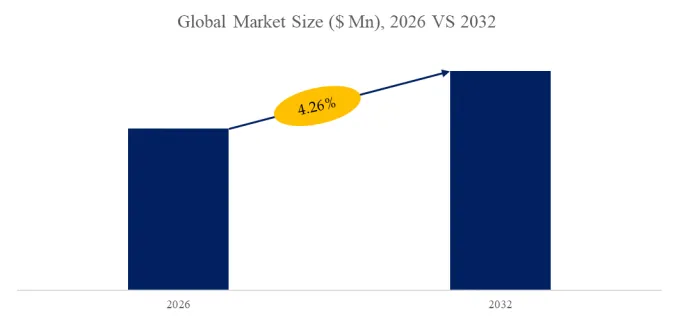
The global market for NDT Ultrasonic Couplants was estimated to be worth US$ 112 million in 2025 and is projected to reach US$ 149 million, growing at a CAGR of 4.3% from 2026 to 2032.

【Get a free sample PDF of this report (Including Full TOC, List of Tables & Figures, Chart)】
https://www.qyresearch.com/reports/6091083/ndt-ultrasonic-couplants


NDT Ultrasonic Couplants Market Summary

NDT Ultrasonic Couplant is a special dielectric material used in ultrasonic testing (UT). Its core function is to fill the air gap between the ultrasonic probe and the surface of the workpiece to be tested, reduce the energy loss of sound waves during propagation (such as reflection, scattering and attenuation), and thus improve the strength and clarity of the detection signal.

Driven by both rising global industrial safety standards and surging demand for infrastructure aging testing, the NDT Ultrasonic Couplants market is entering a new phase of steady growth and technological iteration. According to the latest data from QYResearch, the global market size reached $112 million in 2025 and is projected to steadily climb to $149 million by 2032, with a CAGR of 4.26% between 2026 and 2032. This growth is supported by three core factors: increasingly stringent mandatory safety testing regulations for aging infrastructure (such as bridges and pipelines) worldwide; “zero tolerance” testing requirements for internal material defects in new energy (such as wind turbine blades) and aerospace sectors; and the trend of environmentally friendly water-based couplants replacing traditional oil-based products. However, the industry also faces cost pressures from fluctuating raw material prices and challenges from differing environmental regulations in different regions, prompting the market to shift towards high-performance, low-environmental-impact product structures. This report aims to analyze product technology evolution, competitive landscape, and segmented application needs, providing decision-making references for relevant companies to seize market opportunities.


Technical Characteristics and Product Classification

The core function of NDT Ultrasonic Couplants lies in efficiently filling the tiny gaps between the probe and the workpiece being tested, eliminating air interference, and ensuring that ultrasonic energy is transmitted to the object being tested to the maximum extent. Its technical performance focuses on three key indicators: first, acoustic impedance matching—the optimal couplant should have an acoustic impedance as close as possible to the metal or composite material being tested to reduce interface reflection loss; second, sound transmission and wettability, which determine the efficiency and stability of ultrasonic wave penetration; and third, environmental adaptability, including temperature stability, corrosiveness, and ease of subsequent cleaning.

In terms of product type, NDT Ultrasonic Couplants are mainly divided into two categories: water-based couplants and oil-based couplants. Water-based couplants (usually in gel form) have become the absolute mainstream in the market due to their easy-to-clean, non-polluting, and safe characteristics, accounting for over 70% in fields with high cleanliness requirements such as construction and rail transportation, and this share continues to increase. Oil-based coupling agents (such as glycerol-based and engine oil-based coupling agents) maintain their place in harsh conditions such as heavy industry and oil and gas pipeline inspection due to their excellent wettability and stability on rough surfaces, at high temperatures, or underwater. By application scenario, building and infrastructure inspection is the largest market, accounting for approximately 35%, mainly used for health assessment of concrete structures and inspection of steel structure welds; the automotive manufacturing and energy (including power and wind power) sectors each account for approximately 20%, with the former focusing on online inspection of components and the latter on preventative maintenance of large equipment; the oil and gas industry accounts for approximately 15%, focusing on high-risk detection of pipeline corrosion and storage tank defects.

Figure00001. Global NDT Ultrasonic Couplants Market Size (US$ Million), 2021-2032

NDT Ultrasonic Couplants

Above data is based on report from QYResearch: Global NDT Ultrasonic Couplants Market Report 2025-2032 (published in 2025). If you need the latest data, plaese contact QYResearch.

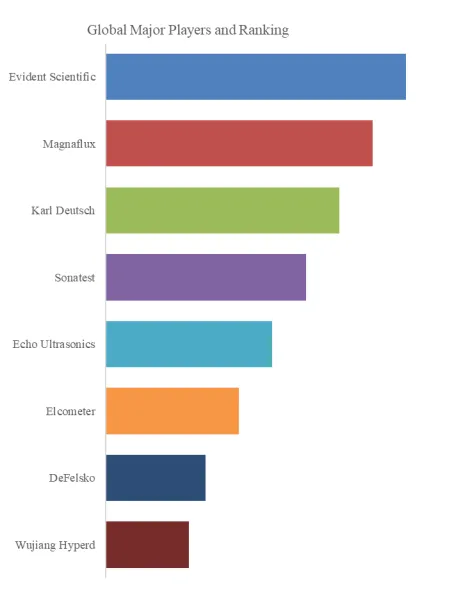
Figure00002. Global NDT Ultrasonic Couplants Top 8 layers Ranking and Market Share (Ranking is based on the revenue of 2025, continually updated)

NDT Ultrasonic Couplants

According to QYResearch Top Players Research Center, the global key manufacturers of NDT Ultrasonic Couplants include Evident Scientific, Magnaflux, Karl Deutsch, Sonatest, etc. In 2025, the global top four players had a share approximately 60.0% in terms of revenue.

Market Competition Landscape Analysis

The market presents a stable pattern of “equipment giants dominating, specialized manufacturers deeply cultivating the market, and cost competitors catching up.”

Tier 1: Comprehensive Equipment Giants (Market Share > 12%)

Dominators: Evident Scientific, Magnaflux, Karl Deutsch. These companies are not only major suppliers of NDT Ultrasonic Couplants but also global leaders in ultrasonic, eddy current, and penetrant testing equipment. Their NDT Ultrasonic Couplants are deeply optimized and matched with their own testing equipment. Through strong sales channels and brand trust, they achieve a closed-loop sales model of “equipment + consumables,” occupying a commanding position in the market.

Tier 2: Specialized Testing Solution Providers (Market Share 8%-12%)

Core Forces: Sonatest, Echo Ultrasonics. These companies are also professional NDT equipment manufacturers, especially with deep experience in specific fields or regional markets. They provide high-performance, highly targeted NDT Ultrasonic Couplants, possessing a stable customer base and reputation in niche industries with extremely high testing requirements, such as aerospace, nuclear power, and precision manufacturing.

Third Tier: Diversified and Cost-Driven Competitors (Market Share <8%)

Characteristics: Companies like Elcometer (covering coating thickness measurement and inspection) and DeFelsko (renowned for its coating thickness gauges) supplement their coupling agents as a product line, serving a wider range of industrial applications. Meanwhile, Chinese manufacturers like Wujiang Hyperd, with their significant cost advantages and rapid-response localized services, are expanding their market share globally, posing a strong competitive threat, especially in the conventional industrial inspection field.

Key Market Dynamics and Trends

Highly Integrated Equipment Ecosystem: The performance of NDT Ultrasonic Couplants directly impacts inspection accuracy; therefore, users tend to choose original equipment manufacturers (OEMs) or recommended brands, resulting in extremely high customer loyalty.

Technological Specialization and Segmentation: The market has spurred the development of a wide variety of specialized coupling agents (such as gels, pastes, silicone-free, and fluorescent-free) for different applications (high temperature, underwater, extremely low temperature, and pollution-free). Technological barriers lie in formulation and stability.

Compliance and Safety Requirements: In industries such as nuclear power and aerospace, NDT Ultrasonic Couplants must meet stringent industry standards and safety certifications, which solidifies the position of existing leading companies.

Price and Channel Competition: In the general industrial testing sector, price competition and distribution channel coverage become particularly important, providing opportunities for manufacturers with cost advantages.


About The Authors

Shang Tianmin – Main Analyst for this Article

Email: shangtianmin@qyresearch.com

Ms. Shang has 3 years of industry research experience, focusing on the fields of mechanical equipment (such as self-climbing cranes, autonomous surface ships, autonomous mobile robots 3D cameras, etc.) and business services and software (such as patent databases, cold storage lighting, laboratory piping systems, etc.). Ms. Sang is engaged in the development of technology and market reports and is good at pre-sales services for customized projects.

About QYResearch

QYResearch founded in California, USA in 2007.It is a leading global market research and consulting company. With over 17 years’ experience and professional research team in various cities over the world QY Research focuses on management consulting, database and seminar services, IPO consulting (data is widely cited in prospectuses, annual reports and presentations), industry chain research and customized research to help our clients in providing non-linear revenue model and make them successful. We are globally recognized for our expansive portfolio of services, good corporate citizenship, and our strong commitment to sustainability. Up to now, we have cooperated with more than 60,000 clients across five continents. Let’s work closely with you and build a bold and better future.

QYResearch is a world-renowned large-scale consulting company. The industry covers various high-tech industry chain market segments, spanning the semiconductor industry chain (semiconductor equipment and parts, semiconductor materials, ICs, Foundry, packaging and testing, discrete devices, sensors, optoelectronic devices), photovoltaic industry chain (equipment, cells, modules, auxiliary material brackets, inverters, power station terminals), new energy automobile industry chain (batteries and materials, auto parts, batteries, motors, electronic control, automotive semiconductors, etc.), communication industry chain (communication system equipment, terminal equipment, electronic components, RF front-end, optical modules, 4G/5G/6G, broadband, IoT, digital economy, AI), advanced materials industry Chain (metal materials, polymer materials, ceramic materials, nano materials, etc.), machinery manufacturing industry chain (CNC machine tools, construction machinery, electrical machinery, 3C automation, industrial robots, lasers, industrial control, drones), food, beverages and pharmaceuticals, medical equipment, agriculture, etc.

The report provides a detailed analysis of the market size, growth potential, and key trends for each segment. Through detailed analysis, industry players can identify profit opportunities, develop strategies for specific customer segments, and allocate resources effectively.

The NDT Ultrasonic Couplants market is segmented as below:
By Company
DeFelsko
Echo Ultrasonics
Elcometer
Evident Scientific
Karl Deutsch
Magnaflux
Sonatest
Wujiang Hyperd

Segment by Type
Oil-Based Couplant
Water-Based Couplant

Segment by Application
Construction and Infrastructure
Automotive
Energy
Oil and Gas
Other

Each chapter of the report provides detailed information for readers to further understand the NDT Ultrasonic Couplants market:

Chapter 1: Introduces the report scope of the NDT Ultrasonic Couplants report, global total market size (valve, volume and price). This chapter also provides the market dynamics, latest developments of the market, the driving factors and restrictive factors of the market, the challenges and risks faced by manufacturers in the industry, and the analysis of relevant policies in the industry. (2021-2032)
Chapter 2: Detailed analysis of NDT Ultrasonic Couplants manufacturers competitive landscape, price, sales and revenue market share, latest development plan, merger, and acquisition information, etc. (2021-2026)
Chapter 3: Provides the analysis of various NDT Ultrasonic Couplants market segments by Type, covering the market size and development potential of each market segment, to help readers find the blue ocean market in different market segments. (2021-2032)
Chapter 4: Provides the analysis of various market segments by Application, covering the market size and development potential of each market segment, to help readers find the blue ocean market in different downstream markets.(2021-2032)
Chapter 5: Sales, revenue of NDT Ultrasonic Couplants in regional level. It provides a quantitative analysis of the market size and development potential of each region and introduces the market development, future development prospects, market space, and market size of each country in the world..(2021-2032)
Chapter 6: Sales, revenue of NDT Ultrasonic Couplants in country level. It provides sigmate data by Type, and by Application for each country/region.(2021-2032)
Chapter 7: Provides profiles of key players, introducing the basic situation of the main companies in the market in detail, including product sales, revenue, price, gross margin, product introduction, recent development, etc. (2021-2026)
Chapter 8: Analysis of industrial chain, including the upstream and downstream of the industry.
Chapter 9: Conclusion.

Benefits of purchasing QYResearch report:
Competitive Analysis: QYResearch provides in-depth NDT Ultrasonic Couplants competitive analysis, including information on key company profiles, new entrants, acquisitions, mergers, large market shear, opportunities, and challenges. These analyses provide clients with a comprehensive understanding of market conditions and competitive dynamics, enabling them to develop effective market strategies and maintain their competitive edge.

Industry Analysis: QYResearch provides NDT Ultrasonic Couplants comprehensive industry data and trend analysis, including raw material analysis, market application analysis, product type analysis, market demand analysis, market supply analysis, downstream market analysis, and supply chain analysis.

and trend analysis. These analyses help clients understand the direction of industry development and make informed business decisions.

Market Size: QYResearch provides NDT Ultrasonic Couplants market size analysis, including capacity, production, sales, production value, price, cost, and profit analysis. This data helps clients understand market size and development potential, and is an important reference for business development.

Other relevant reports of QYResearch:
Global NDT Ultrasonic Couplants Market Outlook, In‑Depth Analysis & Forecast to 2032
Global NDT Ultrasonic Couplants Sales Market Report, Competitive Analysis and Regional Opportunities 2026-2032
Global NDT Ultrasonic Couplants Market Research Report 2026

About Us:
QYResearch founded in California, USA in 2007, which is a leading global market research and consulting company. Our primary business include market research reports, custom reports, commissioned research, IPO consultancy, business plans, etc. With over 19 years of experience and a dedicated research team, we are well placed to provide useful information and data for your business, and we have established offices in 7 countries (include United States, Germany, Switzerland, Japan, Korea, China and India) and business partners in over 30 countries. We have provided industrial information services to more than 60,000 companies in over the world.

Contact Us:
If you have any queries regarding this report or if you would like further information, please contact us:
QY Research Inc.
Add: 17890 Castleton Street Suite 369 City of Industry CA 91748 United States
EN: https://www.qyresearch.com
Email: global@qyresearch.com
Tel: 001-626-842-1666(US)
JP: https://www.qyresearch.co.jp

カテゴリー: 未分類 | 投稿者huangsisi 16:07 | コメントをどうぞ

Portable Probe Gas Detector Industry Analysis: Detection Ranges (0-100ppm vs. 0-10000ppm), Application Segments, and Safety Compliance Trends

Global Leading Market Research Publisher QYResearch announces the release of its latest report “Portable Probe Gas Detector – Global Market Share and Ranking, Overall Sales and Demand Forecast 2026-2032”. Based on current situation and impact historical analysis (2021-2025) and forecast calculations (2026-2032), this report provides a comprehensive analysis of the global Portable Probe Gas Detector market, including market size, share, demand, industry development status, and forecasts for the next few years.

For safety managers, industrial hygienists, and emergency responders, detecting hazardous gases in confined spaces and high-risk areas is critical for worker safety and regulatory compliance. Portable probe gas detector addresses this need as a handheld device equipped with a retractable probe and front-end sampling pump that actively extracts gas for real-time detection of flammable and toxic gas concentrations. Issuing audible and visual alarms to ensure safe operation, these devices are essential for confined space entry (tanks, vessels, sewers), leak detection, and emergency response. As workplace safety regulations tighten and industries prioritize gas hazard prevention, the portable probe gas detector market continues to expand.

【Get a free sample PDF of this report (Including Full TOC, List of Tables & Figures, Chart)】
https://www.qyresearch.com/reports/6099461/portable-probe-gas-detector

Market Size and Growth Fundamentals

The global portable probe gas detector market was valued at US$ 719 million in 2025 and is projected to reach US$ 1,061 million by 2032, growing at a CAGR of 5.8% from 2026 to 2032. In 2024, the average market price reached US$ 1,620 per unit, with sales of approximately 420,000 units. Growth is driven by stringent workplace safety regulations, expansion of oil and gas operations, increasing awareness of confined space hazards, and demand for reliable gas detection in emergency response.

Product Overview and Operating Principle

Portable probe gas detector is engineered for active sampling in hazardous environments:

  • Sampling Method: Active extraction via front-end sampling pump (vs. diffusion-based passive detection)
  • Retractable Probe: Extends up to 1–3 meters for remote sampling in confined spaces
  • Detection Range: Configurable for low (0–100 ppm) or high (0–10,000 ppm) concentration ranges
  • Gas Types: Flammable gases (methane, propane, hydrogen), toxic gases (H₂S, CO, NH₃, Cl₂, SO₂), oxygen (O₂), and volatile organic compounds (VOCs)
  • Alarms: Audible, visual, and vibration alarms for immediate hazard notification

Key advantages over diffusion-based detectors:

  • Remote Sampling: Access confined spaces without entering
  • Pre-Entry Testing: Sample atmosphere before personnel entry
  • Stratified Gas Detection: Detect gases at different vertical levels
  • Faster Response: Active pumping reduces response time

Market Segmentation: Detection Ranges and Applications

The portable probe gas detector market is segmented by detection range into:

  • Detection Range 0–100 ppm: High-sensitivity for toxic gas monitoring; used for H₂S, CO, NH₃, Cl₂ where low ppm levels are hazardous. Largest segment for safety-critical applications.
  • Detection Range 0–10,000 ppm: Wide-range for flammable gas detection (LEL percent equivalent) and high-concentration monitoring; used in oil and gas, chemical plants, and leak detection.

By application, the market spans Oil and Gas, Chemical, Emergency Rescue, and Other:

  • Oil and Gas: Largest segment (approximately 40%), including upstream exploration, refineries, pipelines, and tank cleaning
  • Chemical: Process plants, storage tanks, reactor entry
  • Emergency Rescue: Fire services, hazmat teams, disaster response
  • Other: Mining, wastewater treatment, utilities, manufacturing

Competitive Landscape: Key Players

The portable probe gas detector market features global safety equipment leaders and specialized gas detection manufacturers:

Company Key Strengths
Honeywell Global safety leader; comprehensive gas detection portfolio
MSA Safety Incorporated Personal protective equipment (PPE) and gas detection specialist
Drager Medical and safety technology; gas detection expertise
RIKEN KEIKI Japanese gas detection specialist; industrial focus
Industrial Scientific Gas detection and safety compliance solutions
Inficon Leak detection and gas analysis
RKI Instrument Gas detection instrumentation
Seitron, Sensitron European gas detection manufacturers
Bebur, Singoan, Senko, DOD Technology, Frontline Safety, Rankeer Regional and specialty manufacturers

Recent Developments (Last 6 Months)

Several developments have shaped the portable probe gas detector market:

  • Confined Space Regulation Enforcement: December 2025–January 2026 saw stricter enforcement of confined space entry regulations (OSHA 1910.146 in U.S., similar standards globally), driving demand for pre-entry gas detection equipment.
  • Wireless Connectivity: New models with Bluetooth connectivity for real-time data logging, remote monitoring, and safety management system integration.
  • Multi-Gas Capability: Increased adoption of 4-gas (H₂S, CO, O₂, LEL) and 5-gas (+ VOC) portable detectors for comprehensive hazard assessment.
  • Battery Life Improvements: Extended runtime (24–48 hours) for full-shift operation without recharging, reducing downtime in field operations.

Exclusive Insight: Low-Range (0–100 ppm) vs. Wide-Range (0–10,000 ppm)—Toxic vs. Flammable Gas Detection

A critical market dynamic is the divergence between low-range and wide-range detectors based on target gas types.

Low-Range Detectors (0–100 ppm) (largest safety segment) are characterized by:

  • Target Gases: H₂S (10 ppm IDLH), CO (1,200 ppm IDLH), NH₃ (300 ppm IDLH), Cl₂ (10 ppm IDLH)
  • Sensitivity: ppm to sub-ppm resolution for early warning
  • Applications: Refineries, chemical plants, wastewater treatment, confined space entry
  • Alarm Thresholds: Typically set at 5–10 ppm for H₂S, 25–35 ppm for CO

Wide-Range Detectors (0–10,000 ppm) (volume segment) are characterized by:

  • Target Gases: Methane (5% LEL = ~50,000 ppm), propane, other hydrocarbons
  • Units: %LEL (Lower Explosive Limit) or ppm for higher concentrations
  • Applications: Oil and gas, pipelines, tank cleaning, leak detection
  • Alarm Thresholds: 10% LEL (warning), 20% LEL (alarm)

A 2026 industry analysis indicated that low-range detectors for toxic gas monitoring are growing faster due to stricter occupational exposure limits (OELs) and increased focus on chronic health effects. Wide-range flammable gas detectors maintain steady demand for explosion prevention in oil and gas operations.

Technical Challenges and Innovation Directions

Key technical considerations in portable probe gas detector development include:

  • Sensor Interference: Cross-sensitivity to non-target gases affecting accuracy
  • Calibration Drift: Maintaining accuracy over time; regular calibration required
  • Pump Reliability: Sample flow rate consistency over extended use
  • Environmental Durability: Dust, moisture, and temperature extremes in field conditions

Innovation focuses on:

  • Sensor Fusion: Multiple sensing technologies (electrochemical, catalytic, photoionization, infrared) in single device
  • Wireless Data Transfer: Bluetooth and cloud connectivity for fleet management
  • GPS Integration: Location tagging of gas readings for mapping and compliance
  • Extended Probe Length: Longer retractable probes (5–10 meters) for deep confined space sampling

Conclusion

The portable probe gas detector market is positioned for steady growth through 2032, driven by workplace safety regulations, confined space entry requirements, and industrial gas hazard awareness. For manufacturers, success will depend on sensor accuracy, multi-gas capability, wireless connectivity, and compliance with global safety standards (ATEX, IECEx, UL). As industries prioritize worker safety and regulators tighten exposure limits, portable probe gas detectors will remain essential for confined space entry, leak detection, and emergency response operations.

Contact Us:
If you have any queries regarding this report or if you would like further information, please contact us:
QY Research Inc.
Add: 17890 Castleton Street Suite 369 City of Industry CA 91748 United States
EN: https://www.qyresearch.com
E-mail: global@qyresearch.com
Tel: 001-626-842-1666(US)
JP: https://www.qyresearch.co.jp
カテゴリー: 未分類 | 投稿者huangsisi 16:05 | コメントをどうぞ

Pressure Calibration Test Pump: From Process Industry to Aerospace—Ensuring Measurement Traceability

Global Leading Market Research Publisher QYResearch announces the release of its latest report “Pressure Calibration Comparison Test Pump – Global Market Share and Ranking, Overall Sales and Demand Forecast 2026-2032”. Based on current situation and impact historical analysis (2021-2025) and forecast calculations (2026-2032), this report provides a comprehensive analysis of the global Pressure Calibration Comparison Test Pump market, including market size, share, demand, industry development status, and forecasts for the next few years.

For metrology laboratories, process industry engineers, and aerospace quality assurance teams, verifying the accuracy of pressure measurement instruments is essential for safety, compliance, and operational efficiency. Pressure calibration comparison test pump addresses this need as a portable or desktop device used to calibrate and verify pressure gauges, transmitters, and other pressure instruments. Generating stable, adjustable test pressure through mechanical or pneumatic/hydraulic means, it compares the output against a standard pressure gauge or reference standard to determine instrument accuracy. Covering pressure ranges from vacuum to several thousand bar, these devices operate with air, water, or oil, offering simple operation, rapid pressure generation, and high stability. Widely used in metrology institutions, process industries, petrochemicals, power generation, aerospace, and laboratory metrology, they are essential for maintaining measurement traceability.

【Get a free sample PDF of this report (Including Full TOC, List of Tables & Figures, Chart)】
https://www.qyresearch.com/reports/6099460/pressure-calibration-comparison-test-pump

Market Size and Growth Fundamentals

The global pressure calibration comparison test pump market was valued at US$ 318 million in 2025 and is projected to reach US$ 482 million by 2032, growing at a CAGR of 6.2% from 2026 to 2032. In 2024, global sales reached approximately 42,000 units, with an average unit price of US$ 7,150 per unit. Growth is driven by increasing quality and safety regulations, expansion of process industries, and the need for regular instrument recalibration in petrochemical, power, pharmaceutical, and aerospace sectors.

Product Overview and Technical Specifications

Pressure calibration comparison test pump is engineered for precision and reliability:

  • Pressure Range: Vacuum to several thousand bar (up to 3,000+ bar / 43,500 psi)
  • Media Compatibility: Air, water, or oil depending on application
  • Generation Mechanism: Mechanical (hand-operated screw pump) or pneumatic/hydraulic
  • Key Components: High-strength alloy steel or stainless steel pump body, seals, precision-machined pressure ports
  • Performance Features: Rapid pressure generation, fine adjustment capability, high stability, minimal leakage

Key calibration capabilities:

  • Pressure Gauge Calibration: Verifying accuracy of analog and digital gauges
  • Transmitter Calibration: Testing 4–20 mA output against applied pressure
  • Switch Testing: Determining set and reset points of pressure switches
  • Leak Testing: Pressure decay measurement for system integrity

Market Segmentation: Pressure Ranges and Applications

The pressure calibration comparison test pump market is segmented by pressure range into:

  • < 2000 bar: Standard range for most industrial applications; largest volume segment. Covers typical process industry needs (100–1,000 bar for hydraulic systems, 0–600 bar for pneumatic systems).
  • > 2000 bar: High-pressure segment for specialized applications; premium pricing. Used in aerospace hydraulics (3,000–5,000 psi / 200–350 bar typically; >2000 bar for specialized testing), deep-sea equipment, material testing, and research.

By application, the market spans Petrochemicals, Aerospace, Pharmaceuticals and Food, and Others:

  • Petrochemicals: Largest segment (approximately 35%), including refineries, chemical plants, oil and gas extraction, and pipeline operations
  • Aerospace: High-value segment for aircraft hydraulic systems, engine testing, and landing gear maintenance
  • Pharmaceuticals and Food: Sterile and hygienic applications requiring clean calibration media (often water or air)
  • Others: Power generation, manufacturing, metrology laboratories, and research institutions

Competitive Landscape: Key Players

The pressure calibration comparison test pump market features global instrumentation leaders and specialized calibration equipment manufacturers:

Company Key Strengths
Fluke (Fortive) Calibration instrumentation leader; broad test and measurement portfolio
WIKA Pressure and temperature instrumentation specialist; global presence
Additel Calibration equipment manufacturer; pressure and temperature focus
Ralston Instruments Portable pressure calibration specialist
Presto Group, Stiko European calibration equipment manufacturers
Torc-Tech, Leitenberger, Sika Specialty pressure calibration
Ace Instruments, Giussani Srl, Europascal, Meokon, Nagman, HSIN, Sino Instruments Regional and specialized manufacturers

Recent Developments (Last 6 Months)

Several developments have shaped the pressure calibration comparison test pump market:

  • Quality Standards Enforcement: December 2025–January 2026 saw stricter enforcement of ISO 9001 and industry-specific quality standards (ASME, API, GMP), driving demand for regular instrument calibration.
  • Digital Calibration Integration: New test pumps with digital pressure readouts and Bluetooth connectivity for automated calibration documentation and reporting.
  • Pharmaceutical Industry Demand: GMP compliance in pharmaceutical manufacturing requires regular calibration of pressure instruments in clean rooms and process lines, driving demand for hygienic calibration pumps.
  • Aerospace Aftermarket: Commercial aviation fleet maintenance (MRO) and defense contractor calibration requirements sustain steady demand for high-pressure calibration pumps.

Exclusive Insight: <2000 bar vs. >2000 bar Pressure Ranges—Industrial Volume vs. High-Pressure Specialty

A critical market dynamic is the divergence between standard pressure (<2000 bar) and high-pressure (>2000 bar) test pumps based on application and customer base.

Standard Pressure Pumps (<2000 bar) (largest volume) are characterized by:

  • Broader Customer Base: Process industries, manufacturing, pharmaceutical, food
  • Lower Price Point: US$ 2,000–8,000 depending on features
  • Common Media: Air, water, light oil
  • Applications: Process instrumentation calibration, pneumatic systems, low-to-medium hydraulic systems
  • Volume Share: 70–80% of unit sales

High-Pressure Pumps (>2000 bar) (premium segment) are characterized by:

  • Specialized Customer Base: Aerospace, deep-sea equipment, material testing, research
  • Higher Price Point: US$ 10,000–30,000+
  • Robust Construction: Heavy-duty materials, specialized seals, higher safety margins
  • Applications: Aircraft hydraulic systems (5,000 psi / 345 bar typically; >2000 bar for specialized), ultra-high-pressure testing
  • Safety Requirements: Burst protection, pressure relief systems, operator training

A 2026 industry analysis indicated that standard pressure pumps (<2000 bar) constitute the majority of unit volume, while high-pressure pumps (>2000 bar) capture a smaller but high-value segment with premium pricing.

Technical Challenges and Innovation Directions

Key technical considerations in pressure calibration comparison test pump development include:

  • Leak-Free Operation: Maintaining pressure stability without leakage over extended test periods
  • Fine Adjustment Resolution: Achieving precise pressure increments for accurate calibration
  • Media Compatibility: Seals and materials compatible with diverse fluids (air, water, oil, specialty fluids)
  • Portability: Balancing weight (pump body, fluid reservoir) with field-use requirements

Innovation focuses on:

  • Integrated Digital Pressure Modules: On-pump digital reference gauges for reduced equipment setup
  • Automated Pressure Generation: Motorized pumps for hands-free pressure stepping
  • Wireless Data Transfer: Bluetooth or Wi-Fi for automated calibration reporting
  • Combination Units: Single pump handling vacuum, low pressure, and high pressure ranges

Conclusion

The pressure calibration comparison test pump market is positioned for steady growth through 2032, driven by quality standards enforcement, process industry expansion, and regulatory compliance requirements. For manufacturers, success will depend on pressure range coverage, stability, media compatibility, and integration with digital calibration workflows. As industries increasingly prioritize measurement accuracy for safety, quality, and regulatory compliance, pressure calibration test pumps will remain essential tools for metrology and instrumentation maintenance.

Contact Us:
If you have any queries regarding this report or if you would like further information, please contact us:
QY Research Inc.
Add: 17890 Castleton Street Suite 369 City of Industry CA 91748 United States
EN: https://www.qyresearch.com
E-mail: global@qyresearch.com
Tel: 001-626-842-1666(US)
JP: https://www.qyresearch.co.jp

カテゴリー: 未分類 | 投稿者huangsisi 15:57 | コメントをどうぞ

5G Outdoor Small Cells Industry Analysis: Micro vs. Pico Base Stations, Application Segments, and Deployment Trends

Global Leading Market Research Publisher QYResearch announces the release of its latest report “5G Outdoor Small Cells – Global Market Share and Ranking, Overall Sales and Demand Forecast 2026-2032”. Based on current situation and impact historical analysis (2021-2025) and forecast calculations (2026-2032), this report provides a comprehensive analysis of the global 5G Outdoor Small Cells market, including market size, share, demand, industry development status, and forecasts for the next few years.

For mobile network operators and infrastructure planners, delivering consistent 5G coverage and capacity in dense urban environments is a significant challenge. 5G outdoor small cells address this need as low-power, small-coverage wireless access devices that supplement macro base stations by filling signal blind spots and hotspots, improving network capacity and coverage quality. Characterized by compact size, flexible deployment, support for high frequency bands (mmWave, C-band), and wide bandwidth, these small cells are essential for densely populated urban areas, transportation hubs, stadiums, and shopping districts. As 5G network densification accelerates to meet capacity demands from mobile video, IoT, and emerging applications, the outdoor small cell market is experiencing explosive growth.

【Get a free sample PDF of this report (Including Full TOC, List of Tables & Figures, Chart)】
https://www.qyresearch.com/reports/6096301/5g-outdoor-small-cells

Market Size and Growth Fundamentals

The global 5G outdoor small cells market was valued at US$ 1,047 million in 2025 and is projected to reach US$ 6,150 million by 2032, growing at a staggering CAGR of 29.2% from 2026 to 2032. Growth is driven by 5G network densification, increasing mobile data traffic, demand for coverage in urban canyons and indoor spaces, and the need for cost-effective capacity solutions.

Product Overview and Deployment Architecture

5G outdoor small cells provide targeted capacity and coverage:

  • Small Coverage Area: Typically 50–500 meter radius, compared to 1–10 km for macro cells
  • Low Power Output: 1–10 watts, minimizing interference and enabling dense deployment
  • High Frequency Support: mmWave (24–71 GHz) and C-band (3.5–7 GHz) for wide bandwidth
  • Flexible Deployment: Streetlights, utility poles, building facades, and transportation infrastructure

Two primary form factors dominate:

  • Micro Base Stations: Larger small cells with coverage radius of 200–500 meters; deployed in moderately dense urban areas
  • Pico Base Stations: Compact small cells with coverage radius of 50–200 meters; deployed in high-density hotspots and indoor-outdoor transition zones

Key advantages over macro-only networks:

  • Capacity Scaling: Multiple small cells per macro cell area dramatically increase network capacity
  • Coverage Filling: Eliminate dead zones in urban canyons, tunnels, and shadowed areas
  • mmWave Enablement: Short-range mmWave propagation requires dense small cell deployments
  • Cost Efficiency: Lower site acquisition and operational costs compared to macro cells

Market Segmentation: Base Station Types and Applications

The 5G outdoor small cells market is segmented by base station type into:

  • Micro Base Stations: Larger form factor for moderately dense deployments; higher power (5–10W) and coverage (200–500m). Largest segment for suburban and urban fringe.
  • Pico Base Stations: Ultra-compact for high-density hotspots; lower power (1–5W) and coverage (50–200m). Fastest-growing segment for dense urban cores and mmWave.

By application, the market spans Residential, Business, Transportation, and Others:

  • Business: Largest segment (approximately 40%), including commercial districts, office complexes, shopping centers, and stadiums
  • Transportation: Airports, train stations, subway systems, and bus terminals
  • Residential: Urban residential neighborhoods, apartment complexes
  • Others: Public venues, universities, hospitals

Competitive Landscape: Key Players

The 5G outdoor small cells market features global telecom infrastructure leaders, network equipment specialists, and component suppliers:

Company Key Strengths
Nokia, Ericsson, Samsung, ZTE, NEC Global RAN leaders; integrated small cell portfolios
Mavenir Open RAN specialist; software-based small cells
Qualcomm Chipset leader; small cell system-on-chip solutions
Texas Instruments RF and analog components; signal processing
Crown Castle Tower and small cell infrastructure owner/operator
Sercomm, Askey Computer ODMs for small cell hardware
Amphenol Connectivity and antenna solutions
EnerSys Power and backup solutions for outdoor small cells
EdgeQ Emerging 5G chipset and small cell platform
Star Solutions (BTI Wireless) Regional small cell manufacturer

Recent Developments (Last 6 Months)

Several developments have shaped the 5G outdoor small cells landscape:

  • Open RAN Adoption: December 2025–January 2026 saw accelerated Open RAN deployment for small cells, enabling multi-vendor interoperability and reduced deployment costs.
  • mmWave Deployment: Dense mmWave small cell deployments in major cities (New York, Tokyo, London, Seoul) for ultra-high-bandwidth applications (fixed wireless access, venue connectivity).
  • Neutral Host Models: Emerging neutral host small cell deployments shared by multiple carriers, reducing site acquisition costs and accelerating urban coverage.
  • AI-Powered Optimization: Machine learning for small cell placement optimization, power adjustment, and interference management.

Exclusive Insight: Micro vs. Pico Base Stations—Coverage Area vs. Capacity Density

A critical market dynamic is the divergence between micro base stations and pico base stations based on deployment density requirements.

Micro Base Stations (largest coverage area) are characterized by:

  • Coverage Radius: 200–500 meters
  • Power Output: 5–10 watts
  • Deployment Density: 10–50 per square km
  • Applications: Suburban areas, urban fringe, along highways, capacity augmentation

Pico Base Stations (fastest-growing) are characterized by:

  • Coverage Radius: 50–200 meters
  • Power Output: 1–5 watts
  • Deployment Density: 50–500+ per square km
  • Applications: Urban canyons, transportation hubs, stadiums, shopping districts, mmWave hotspots

A 2026 industry analysis indicated that pico base stations are the fastest-growing segment due to mmWave requirements (where short range demands high density) and the need for capacity in high-density urban cores. Micro base stations continue to be deployed for broader coverage extension and suburban densification.

Technical Challenges and Innovation Directions

Key technical considerations in 5G outdoor small cells deployment include:

  • Backhaul Connectivity: Fiber or wireless backhaul to core network; availability often limits deployment
  • Power and Cooling: Outdoor environmental protection and thermal management
  • Interference Management: Coordinating small cells with macro network and each other
  • Site Acquisition: Permitting and landlord agreements for street furniture deployment

Innovation focuses on:

  • Integrated mmWave Small Cells: Self-contained mmWave radios with beamforming antennas
  • Open RAN Interfaces: O-RAN compliant small cells for multi-vendor interoperability
  • Energy Harvesting: Solar and small wind for off-grid small cells
  • Integrated Backhaul: Wireless backhaul (microwave, mmWave) eliminating fiber requirement

Conclusion

The 5G outdoor small cells market is positioned for explosive growth through 2032, driven by network densification requirements, mmWave deployment, and increasing mobile data traffic. For manufacturers, success will depend on cost-effective designs, Open RAN compatibility, and integration of mmWave capabilities. As 5G networks evolve to meet capacity demands, outdoor small cells will become essential infrastructure for dense urban coverage and high-bandwidth applications.

Contact Us:
If you have any queries regarding this report or if you would like further information, please contact us:
QY Research Inc.
Add: 17890 Castleton Street Suite 369 City of Industry CA 91748 United States
EN: https://www.qyresearch.com
E-mail: global@qyresearch.com
Tel: 001-626-842-1666(US)
JP: https://www.qyresearch.co.jp

カテゴリー: 未分類 | 投稿者huangsisi 15:42 | コメントをどうぞ

Dual-Band Blade Antenna Industry Analysis: Frequency Segments, Application Platforms, and Ruggedized Deployment Trends

Global Leading Market Research Publisher QYResearch announces the release of its latest report “Dual-Band Blade Antenna – Global Market Share and Ranking, Overall Sales and Demand Forecast 2026-2032”. Based on current situation and impact historical analysis (2021-2025) and forecast calculations (2026-2032), this report provides a comprehensive analysis of the global Dual-Band Blade Antenna market, including market size, share, demand, industry development status, and forecasts for the next few years.

For aerospace engineers, defense contractors, and maritime communication specialists, compact antennas that support multiple frequency bands while minimizing drag and maintaining low profiles are essential for modern platforms. Dual-band blade antenna addresses this need as a compact, blade-shaped antenna typically installed on aircraft, ships, ground vehicles, and emergency communication vehicles. Simultaneously transmitting and receiving signals in two frequency bands (VHF and UHF), these antennas enable voice communication, data links, navigation, and remote monitoring. Their low-drag, streamlined design minimizes mechanical wear while optimized feed systems, impedance matching, and polarization enhance gain and reduce VSWR for stable communications in complex or high-noise environments. Manufactured from corrosion-resistant, UV-resistant, and impact-resistant materials, dual-band blade antennas are indispensable for civil aviation, military communications, maritime vessels, ground emergency command, and unmanned systems.

【Get a free sample PDF of this report (Including Full TOC, List of Tables & Figures, Chart)】
https://www.qyresearch.com/reports/6096252/dual-band-blade-antenna

Market Size and Growth Fundamentals

The global dual-band blade antenna market was valued at US$ 513 million in 2025 and is projected to reach US$ 803 million by 2032, growing at a CAGR of 6.7% from 2026 to 2032. In 2024, global sales reached approximately 384,000 units, with an average unit price of US$ 1,250 per unit. Growth is driven by aviation and naval communication upgrades, military and emergency communications demand, unmanned system expansion, and global communications infrastructure investment.

Product Overview and Technical Design

Dual-band blade antenna is engineered for platform-mounted operation:

  • Frequency Coverage: Simultaneous VHF (30–300 MHz) and UHF (300–3000 MHz) operation
  • Low-Drag Profile: Streamlined blade shape minimizes air resistance and mechanical wear
  • Technical Components: Dual-band feed point structure, highly conductive metal oscillator, coaxial feed line, weather-resistant housing
  • Materials: Corrosion-resistant alloys or engineering plastics with UV protection and impact resistance
  • Environmental Protection: Weatherproofing, wide-temperature sealing for harsh climates (desert, high-altitude, maritime)

Key performance features:

  • Optimized Feed System: Low VSWR across both bands
  • Polarization Control: Enhanced anti-interference capability
  • Impedance Matching: Signal stability in complex environments
  • Modular Expansion: Multi-band compatibility for platform integration

Market Segmentation: Frequency Bands and Applications

The dual-band blade antenna market is segmented by frequency band into:

  • 400 MHz: Primary for UHF military and public safety communications
  • 512 MHz: Commercial and civil aviation applications
  • 1220 MHz: L-band for navigation and data links

By application platform, the market spans Aircraft, Ship, and Others (ground vehicles, unmanned systems):

  • Aircraft: Largest segment (approximately 50%), including civil aviation, military aviation, and helicopters
  • Ship: Maritime vessels, naval platforms, and commercial shipping
  • Others: Ground command vehicles, emergency response vehicles, unmanned systems

Competitive Landscape: Key Players

The dual-band blade antenna market features specialized aerospace and defense antenna manufacturers:

Company Key Strengths
HR Smith Aviation and shipbuilding antennas; low-drag streamlined housing; corrosion-resistant aluminum alloy
MARS Antennas Military models; wide-temperature adaptability; high gain
CAES Lightweight and modular design; rapid multi-platform deployment
Dayton-Granger Command vehicle antennas; optimized dual-feed design; high VHF/UHF isolation; low VSWR
L3Harris Highly reliable military antennas; salt spray and vibration resistance; wide-temperature sealing
Chelton, Rojone, Cooper Antennas, Sensor Systems, Spectrum Antenna, U B Corporation, Comant, PIDSO, ACR Artex Regional and specialty antenna manufacturers

Recent Developments (Last 6 Months)

Several developments have shaped the dual-band blade antenna market:

  • Aviation Communication Upgrades: Civil aircraft and helicopter upgrades for multi-band, multi-purpose communications driving demand for reliable, low-drag blade antennas.
  • Military Modernization: Defense agencies procuring dual-band, multi-function antennas to reduce equipment volume while improving communications flexibility.
  • Unmanned Systems Expansion: Drone and unmanned vehicle demand for high-performance, lightweight dual-band antennas for disaster relief, border patrol, and field operations.
  • Global Infrastructure Investment: Aviation, maritime, and mobile communications infrastructure development in Asia-Pacific, Middle East, and North America driving antenna demand.

Exclusive Insight: Application Platform Segmentation—Civil Aviation Volume vs. Military Value

A critical market dynamic is the divergence between civil aviation (largest unit volume) and military (highest value) segments in dual-band blade antenna adoption.

Civil Aviation Segment (approximately 40% of unit sales) is characterized by:

  • Volume-Driven: Commercial aircraft, general aviation, helicopters
  • Key Requirements: Lightweight, low-drag, weather resistance, FAA/EASA certification
  • Materials: Weather-resistant engineering plastics, lightweight alloys
  • Applications: Air-to-ground voice, navigation, data links
  • Price Point: Moderate, volume-driven pricing

Military Aviation and Naval Segment (approximately 25% of unit sales, significant revenue contribution) is characterized by:

  • Value-Driven: Fighter jets, military transport, helicopters, naval platforms
  • Key Requirements: Corrosion resistance, salt spray resistance, vibration resistance, wide-temperature sealing
  • Materials: High-strength metals, advanced composites
  • Applications: VHF/UHF tactical data links, navigation, secure communications
  • Price Point: Premium pricing for ruggedization and certification

Ground Mobile Platforms (approximately 20% of unit sales) and Unmanned Systems (approximately 15%, fastest-growing) represent emerging segments with specific requirements for modular installation, rapid deployment, and lightweight compact design.

A 2026 industry analysis indicated that civil aviation leads unit volume, but military and unmanned systems segments are growing fastest, driven by defense modernization and drone expansion.

Technical Challenges and Innovation Directions

Key technical considerations in dual-band blade antenna development include:

  • Aerodynamic Drag: Minimizing air resistance for aircraft-mounted applications
  • Inter-band Isolation: Reducing interference between VHF and UHF feed systems
  • Environmental Durability: Salt spray, UV, temperature extremes, vibration
  • Size Constraints: Low-profile design for space-limited platforms (drones, vehicles)

Innovation focuses on:

  • Lightweight Composites: Advanced materials for weight reduction without strength compromise
  • Multi-Band Integration: Adding GPS, L-band, or satellite communication bands to VHF/UHF
  • Active Tuning: Electronically tunable matching networks for optimal VSWR across bands
  • Conformal Designs: Blade antennas integrated into platform surfaces for reduced drag

Conclusion

The dual-band blade antenna market is positioned for strong growth through 2032, driven by aviation modernization, military communications upgrades, unmanned system expansion, and global infrastructure investment. For manufacturers, success will depend on ruggedization, environmental durability, lightweight design, and the ability to serve both civil aviation volume and military value segments. As platforms increasingly require multi-band, multi-mission communications, dual-band blade antennas will remain essential for aerospace, maritime, and ground mobile applications.

Contact Us:
If you have any queries regarding this report or if you would like further information, please contact us:
QY Research Inc.
Add: 17890 Castleton Street Suite 369 City of Industry CA 91748 United States
EN: https://www.qyresearch.com
E-mail: global@qyresearch.com
Tel: 001-626-842-1666(US)
JP: https://www.qyresearch.co.jp

カテゴリー: 未分類 | 投稿者huangsisi 15:41 | コメントをどうぞ

Industrial Modular Edge Gateways Market: Factory Automation, IIoT, and Growth Outlook 2026–2032

Global Leading Market Research Publisher QYResearch announces the release of its latest report “Industrial Modular Edge Gateways – Global Market Share and Ranking, Overall Sales and Demand Forecast 2026-2032”. Based on current situation and impact historical analysis (2021-2025) and forecast calculations (2026-2032), this report provides a comprehensive analysis of the global Industrial Modular Edge Gateways market, including market size, share, demand, industry development status, and forecasts for the next few years.

For industrial automation engineers and IIoT architects, deploying edge computing infrastructure that adapts to diverse factory floor requirements while minimizing downtime is a persistent challenge. Industrial modular edge gateways address this need as highly configurable edge computing devices deployed in industrial automation, smart cities, and energy management. Consisting of plug-and-play hardware modules—CPU, storage, network interfaces (Ethernet, Wi-Fi, LTE/5G), I/O expansion slots, and security modules like TPM—these gateways support diverse protocol and sensor integration needs. The modular design offers flexibility and scalability, enabling on-site customization and upgrades while simplifying maintenance and reducing inventory costs. As Industry 4.0 accelerates, industrial modular edge gateways are becoming essential infrastructure for smart manufacturing and industrial IoT deployments.

【Get a free sample PDF of this report (Including Full TOC, List of Tables & Figures, Chart)】
https://www.qyresearch.com/reports/6096231/industrial-modular-edge-gateways

Market Size and Growth Fundamentals

The global industrial modular edge gateways market was valued at US$ 414 million in 2025 and is projected to reach US$ 539 million by 2032, growing at a CAGR of 3.9% from 2026 to 2032. In 2024, global sales volume reached approximately 120,000 units, with an average market price of US$ 3,300 per unit. Growth is driven by industrial automation expansion, IIoT adoption, smart city investments, and demand for flexible, scalable edge computing in harsh environments.

Product Overview and Modular Architecture

Industrial modular edge gateways deliver flexibility through interchangeable industrial-grade components:

  • Plug-and-Play Modules: CPU, storage, network interfaces, I/O expansion, TPM security modules
  • Connectivity Options: Ethernet, Wi-Fi, LTE/5G, Bluetooth, CAN bus, RS-485, Profibus, Modbus
  • Edge Computing: Local data processing, filtering, analytics; reduces cloud dependency
  • Industrial Durability: Wide temperature range (-40°C to +75°C), vibration resistance, IP-rated enclosures
  • Protocol Support: OPC UA, Modbus TCP/IP, Profinet, EtherNet/IP, MQTT, BACnet

Key advantages over fixed-configuration gateways:

  • Flexibility: Configure exactly the modules needed for each deployment
  • Scalability: Add modules as requirements evolve (additional I/O, new connectivity)
  • Maintenance Efficiency: Replace only failed modules vs. entire gateway
  • Inventory Reduction: Fewer SKUs when modules are interchangeable across deployments
  • Future-Proofing: Upgrade individual modules (e.g., 4G to 5G) without replacing entire gateway

Market Segmentation: Connectivity Types and Applications

The industrial modular edge gateways market is segmented by connectivity type into:

  • Wired Gateways: Ethernet, industrial fieldbus (Profinet, EtherNet/IP, Modbus TCP), serial (RS-232/485). Dominant in factory automation for deterministic, reliable communication.
  • Wireless Gateways: Cellular (LTE, 5G), Wi-Fi, Bluetooth, LoRaWAN. Fastest-growing for remote monitoring, mobile assets, and locations where cabling is impractical.

By application, the market spans Smart Manufacturing, Industrial IoT, Smart Cities, and Others:

  • Smart Manufacturing: Largest segment (approximately 45%), including factory automation, process control, predictive maintenance, and quality inspection
  • Industrial IoT: Remote equipment monitoring, asset tracking, energy management
  • Smart Cities: Traffic management, environmental monitoring, infrastructure sensors
  • Others: Oil and gas, mining, agriculture, utilities

Competitive Landscape: Key Players

The industrial modular edge gateways market features industrial automation leaders, embedded computing specialists, and rugged gateway manufacturers:

Company Key Strengths
Cisco Networking leader; industrial IoT gateways; enterprise security
Advantech Industrial computing specialist; broad modular gateway range
Moxa Industrial connectivity; rugged edge devices; protocol expertise
Rockwell Automation Factory automation leader; integrated control and edge
Eurotech Edge computing pioneer; modular IoT platforms
CompuLab Embedded computing; small-form-factor industrial gateways
EXOR International, Vintecc European industrial automation; HMI and gateway integration
amnimo, RUGGED LIMITED, Robuste, Yado, PUSR Regional and specialized industrial gateway manufacturers

Recent Developments (Last 6 Months)

Several developments have shaped the industrial modular edge gateways market:

  • 5G Integration: December 2025–January 2026 saw expanded availability of 5G-ready modular gateways for industrial applications, enabling high-bandwidth, low-latency edge processing in smart factories.
  • AI at the Edge: New modules with integrated AI accelerators (NPU, GPU) enabled on-device machine learning for predictive maintenance and visual quality inspection.
  • Cybersecurity Focus: Enhanced TPM 2.0 modules and hardware root-of-trust implementations addressed growing industrial cybersecurity concerns (IEC 62443 compliance).
  • Modular Standardization: Industry initiatives toward standardized form factors and interfaces improved interoperability across vendors.

Exclusive Insight: Industrial vs. Commercial Modular Gateways—Ruggedness Drives Design

A critical market dynamic is the divergence between industrial modular edge gateways and commercial-grade modular gateways based on environmental requirements.

Industrial Modular Gateways (higher value, ruggedized) are characterized by:

  • Extended Temperature Range: -40°C to +75°C for factory, outdoor, and remote deployments
  • Vibration and Shock Resistance: MIL-STD-810 or IEC 60068 compliance
  • Ingress Protection: IP40 to IP67 ratings for dust and moisture resistance
  • Longer Lifecycle: 5–10+ year product availability for industrial capital planning
  • Protocol Support: Native industrial protocols (Profinet, EtherNet/IP, Modbus TCP)
  • Applications: Factory automation, oil and gas, mining, outdoor infrastructure

Commercial Modular Gateways (larger volume, lower cost) are characterized by:

  • Standard Temperature Range: 0°C to 40°C for indoor use
  • Minimal Environmental Protection: Limited vibration and dust resistance
  • Shorter Lifecycle: 2–3 year product cycles typical
  • Applications: Office buildings, retail, smart home, light commercial

A 2026 industry analysis indicated that industrial modular gateways command 2–3× price premiums over commercial equivalents due to ruggedization, extended temperature operation, and industrial protocol support. The industrial segment is growing steadily with manufacturing automation and infrastructure investment.

Technical Challenges and Innovation Directions

Key technical considerations in industrial modular edge gateways development include:

  • Thermal Management: Cooling for dense modules in sealed, fanless industrial enclosures
  • Module Interoperability: Ensuring hot-swappable modules work reliably across configurations
  • Deterministic Communication: Low and predictable latency for real-time control applications
  • Long-Term Availability: Maintaining module availability over 5–10+ year product lifecycles

Innovation focuses on:

  • AI Acceleration: On-board NPU modules for edge inference in quality inspection
  • TSN Support: Time-Sensitive Networking for deterministic real-time communication
  • Containerized Applications: Docker/Kubernetes support for application portability
  • Enhanced Modularity: Smaller, more granular modules for precise configuration

Conclusion

The industrial modular edge gateways market is positioned for steady growth through 2032, driven by Industry 4.0 adoption, IIoT expansion, and demand for flexible, rugged edge computing. For manufacturers, success will depend on modular architecture design, industrial protocol breadth, ruggedization capabilities, and long-term product availability. As factories and critical infrastructure increasingly adopt edge computing for real-time analytics and control, industrial modular edge gateways will remain essential for smart manufacturing and industrial IoT deployments.

Contact Us:
If you have any queries regarding this report or if you would like further information, please contact us:
QY Research Inc.
Add: 17890 Castleton Street Suite 369 City of Industry CA 91748 United States
EN: https://www.qyresearch.com
E-mail: global@qyresearch.com
Tel: 001-626-842-1666(US)
JP: https://www.qyresearch.co.jp

カテゴリー: 未分類 | 投稿者huangsisi 15:39 | コメントをどうぞ

VHF/UHF Dual Band Mobile Antenna Market: Vehicle Communications, Public Safety, and Growth Outlook 2026–2032

Global Leading Market Research Publisher QYResearch announces the release of its latest report “VHF/UHF Dual Band Mobile Antenna – Global Market Share and Ranking, Overall Sales and Demand Forecast 2026-2032”. Based on current situation and impact historical analysis (2021-2025) and forecast calculations (2026-2032), this report provides a comprehensive analysis of the global VHF/UHF Dual Band Mobile Antenna market, including market size, share, demand, industry development status, and forecasts for the next few years.

For public safety agencies, military tacticians, and amateur radio operators requiring reliable mobile communications, operating across both VHF and UHF bands from a single vehicle-mounted antenna is essential for interoperability and coverage flexibility. VHF/UHF dual band mobile antenna addresses this need as a wireless communication antenna capable of simultaneous operation in Very High Frequency (VHF, 30–300 MHz) and Ultra High Frequency (UHF, 300–3,000 MHz) bands. Designed for vehicles and mobile platforms, these antennas feature compact, durable construction with mobile adaptability—rotatable or magnetic mounts—supporting omnidirectional or hemidirectional radiation patterns. Widely used in public safety wireless communications, emergency command, civilian intercoms, traffic management, and field operations, these antennas enable efficient communication across diverse environments by balancing VHF’s long-range coverage with UHF’s urban penetration.

【Get a free sample PDF of this report (Including Full TOC, List of Tables & Figures, Chart)】
https://www.qyresearch.com/reports/6096224/vhf-uhf-dual-band-mobile-antenna

Market Size and Growth Fundamentals

The global VHF/UHF dual band mobile antenna market was valued at US$ 168 million in 2025 and is projected to reach US$ 226 million by 2032, growing at a CAGR of 4.4% from 2026 to 2032. Global annual sales are expected to reach approximately 2.69 million units in 2024, with an average unit price of US$ 62 per unit. The civilian and amateur radio markets account for 78% of unit sales (average price US$ 40), while military and public safety markets account for 22% of sales but contribute over half of market revenue (average price US$ 220).

Product Overview and Design Characteristics

VHF/UHF dual band mobile antenna is engineered for vehicle and mobile platform deployment:

  • Frequency Coverage: Simultaneous VHF (30–300 MHz) and UHF (300–3,000 MHz) operation
  • Mobile Adaptability: Rotatable or magnetic mounts for vehicle installation
  • Radiation Pattern: Omnidirectional or hemidirectional for 360° coverage
  • Technical Components: Coaxial feeder interface, highly conductive metal oscillator, broadband matching network, weatherproof enclosure
  • Military Specifications: Corrosion-resistant alloys, wide-temperature sealed design for desert, high-altitude, and maritime environments

Key performance features:

  • Optimized Gain: Balanced across both VHF and UHF bands
  • Low VSWR: Impedance matching for minimal signal loss
  • Durability: Vibration-resistant for mobile operation
  • Weather Protection: Sealed against moisture, dust, and salt spray

Market Segmentation: Power Ratings and Applications

The VHF/UHF dual band mobile antenna market is segmented by power rating into:

  • 150W: Entry-level for amateur radio and civilian use; largest volume segment
  • 200W: Mid-range for public safety and commercial applications
  • 330W: High-power for military and demanding tactical communications; premium segment

By application, the market spans Amateur Radio, Military, and Public Safety:

  • Amateur Radio: Largest unit volume (approximately 65% of units), driven by hobbyist community
  • Public Safety: Police, fire, EMS vehicle communications; reliability and coverage priorities
  • Military: Tactical vehicle communications; ruggedness and security requirements

Competitive Landscape: Key Players

The VHF/UHF dual band mobile antenna market features specialized antenna manufacturers:

Company Key Strengths
Benelec Military and maritime antennas; high-strength composites; sealed for salt spray
Diamond Antenna Civilian/amateur radio leader; high-gain, low-SWR designs
Comet Antennas Telescopic and foldable portable antennas; outdoor portability
COMPACtenna Ultra-short, high-performance antennas; urban and vehicular environments
Larsen Antennas Weather-resistant, high-power antennas; public safety focus
L3Harris, Motorola Solutions Defense and public safety communications; integrated systems
Laird, Hustler Antenna, WiMo, JetStream, Powerwerx, Truest, Trival Antene, Autotek, Komunica Power, RFI Technology Solutions Regional and specialty antenna manufacturers

Recent Developments (Last 6 Months)

Several developments have shaped the VHF/UHF dual band mobile antenna market:

  • Multi-Band Convergence: Military and public safety agencies increasingly procuring dual-band antennas to reduce vehicle equipment footprint while maintaining VHF (long-range) and UHF (urban) interoperability.
  • Asia-Pacific Infrastructure Investment: Security and communications infrastructure investments in Asia-Pacific and Middle East driving demand for both vehicle-mounted and fixed-station dual-band antennas.
  • Amateur Radio Growth: Steady growth in amateur radio licensing (3–5% annually) sustaining demand for consumer-grade mobile antennas.
  • Ruggedization Advances: New corrosion-resistant materials and sealed designs for extreme environments (salt spray, dust, temperature extremes).

Exclusive Insight: Civilian vs. Military/Public Safety—Volume vs. Value Segmentation

A critical market dynamic is the divergence between civilian/amateur radio (high volume, lower value) and military/public safety (lower volume, high value) segments.

Civilian/Amateur Radio Segment (78% of unit sales) is characterized by:

  • Volume-Driven: 2.1 million+ units annually
  • Lower Price Point: Average US$ 40 per unit
  • Key Features: Gain, low SWR, ease of installation
  • Distribution: Hobbyist retailers, online marketplaces
  • Key Players: Diamond Antenna, Comet Antennas, COMPACtenna

Military/Public Safety Segment (22% of unit sales, >50% of revenue) is characterized by:

  • Value-Driven: Higher price point (average US$ 220)
  • Key Features: Ruggedization, corrosion resistance, reliability, security
  • Distribution: Government procurement, defense contractors
  • Key Players: Benelec, L3Harris, Motorola Solutions

A 2026 industry analysis indicated that the military/public safety segment commands premium pricing due to stringent environmental requirements (MIL-STD-810), extended warranties, and compliance with government spectrum regulations. The civilian segment, while lower margin, provides steady volume and brand visibility.

Technical Challenges and Innovation Directions

Key technical considerations in VHF/UHF dual band mobile antenna development include:

  • Gain Balance: Maintaining consistent gain across VHF and UHF bands
  • VSWR Optimization: Low standing wave ratio across both bands
  • Mobile Durability: Vibration resistance, wind load, and weather protection
  • Form Factor: Compact enough for vehicle mounting without excessive height

Innovation focuses on:

  • Ultra-Short Designs: COMPACtenna-style short antennas for low-profile vehicle mounting
  • Multi-Position Configurations: Telescopic and foldable designs for storage and deployment
  • Active Tuning: Electronically tunable matching networks for optimal SWR
  • Integrated GPS: Combination VHF/UHF/GPS antennas for multi-function vehicle roofs

Conclusion

The VHF/UHF dual band mobile antenna market is positioned for steady growth through 2032, driven by amateur radio participation, public safety infrastructure investment, and military tactical communication needs. For manufacturers, success will depend on balancing civilian volume and military value segments, with durability and environmental sealing critical for premium applications. As mobile communications require interoperability across VHF and UHF bands, dual band mobile antennas will remain essential for vehicle-based voice and data communications.

Contact Us:
If you have any queries regarding this report or if you would like further information, please contact us:
QY Research Inc.
Add: 17890 Castleton Street Suite 369 City of Industry CA 91748 United States
EN: https://www.qyresearch.com
E-mail: global@qyresearch.com
Tel: 001-626-842-1666(US)
JP: https://www.qyresearch.co.jp

カテゴリー: 未分類 | 投稿者huangsisi 15:29 | コメントをどうぞ

Intelligent Edge Server: From Data Processing to AI Reasoning—The Evolution of Edge Infrastructure

Global Leading Market Research Publisher QYResearch announces the release of its latest report “Intelligent Edge Server – Global Market Share and Ranking, Overall Sales and Demand Forecast 2026-2032”. Based on current situation and impact historical analysis (2021-2025) and forecast calculations (2026-2032), this report provides a comprehensive analysis of the global Intelligent Edge Server market, including market size, share, demand, industry development status, and forecasts for the next few years.

For IT architects, industrial automation engineers, and AI infrastructure planners, processing data at the source—rather than sending it to the cloud—is increasingly essential for low-latency applications. Intelligent edge server addresses this need as a high-performance computing device deployed close to data sources, integrating data processing, artificial intelligence inference, storage, and network communication capabilities. By enabling real-time analytics and AI reasoning at the edge, these servers reduce latency, conserve bandwidth, and enhance data privacy. As AI adoption accelerates across industrial, transportation, retail, and healthcare sectors, the intelligent edge server market is experiencing explosive growth.

【Get a free sample PDF of this report (Including Full TOC, List of Tables & Figures, Chart)】
https://www.qyresearch.com/reports/6096125/intelligent-edge-server

Market Size and Growth Fundamentals

The global intelligent edge server market was valued at US$ 4,717 million in 2025 and is projected to reach US$ 16,620 million by 2032, growing at a CAGR of 20.0% from 2026 to 2032. In 2024, global sales reached approximately 773,400 units, with an average market price of US$ 5,000 per unit. Growth is driven by AI inference at the edge, industrial IoT expansion, smart city deployments, and demand for real-time data processing.

Product Overview and Computing Architectures

Intelligent edge server leverages specialized computing architectures for AI workloads:

  • CPU+GPU: Combines general-purpose CPU with graphics processing units for parallel computation; ideal for AI inference, video analytics, and machine learning. Most common architecture for edge AI deployments.
  • CPU+FPGA: CPU with field-programmable gate arrays for reconfigurable acceleration; optimized for low-latency, deterministic processing. Used in telecom, industrial control, and financial trading.
  • CPU+ASIC: CPU with application-specific integrated circuits for fixed-function acceleration; highest efficiency for specific workloads (e.g., neural network inference). Emerging segment for dedicated AI applications.
  • Others: CPU-only for light edge workloads, and emerging neuromorphic or photonic computing.

Key capabilities:

  • AI Inference: On-device machine learning model execution
  • Real-Time Processing: Sub-millisecond latency for time-sensitive applications
  • Data Aggregation: Collect and preprocess data from multiple sensors/devices
  • Edge-Cloud Synergy: Filter and prioritize data for cloud transmission

Market Segmentation: Architecture Types and Applications

By architecture type: CPU+GPU (largest segment, approximately 50% of market value), CPU+FPGA (fastest-growing for telecom/industrial), CPU+ASIC (emerging for dedicated AI), and Others.

By application, the market spans Industrial, Transportation, Retail, Healthcare, and Others:

  • Industrial: Largest segment (approximately 35%), including factory automation, predictive maintenance, quality inspection, and robotics
  • Transportation: Autonomous vehicles, traffic management, rail monitoring
  • Retail: Computer vision for inventory management, customer analytics, loss prevention
  • Healthcare: Medical imaging analysis, patient monitoring, real-time diagnostics
  • Others: Smart cities, agriculture, energy management

Competitive Landscape: Key Players

The intelligent edge server market features global server manufacturers, IT infrastructure leaders, and industrial computing specialists:

Company Key Strengths
Dell, HPE Global server leaders; enterprise edge solutions
Huawei, Lenovo, Inspur Chinese server leaders; telecom and industrial edge
Cisco Networking and edge computing; IoT integration
IBM AI and hybrid cloud; edge software and hardware
Advantech, ADLINK Industrial computing specialists; rugged edge servers
Supermicro, GIGABYTE High-performance server manufacturers; customization focus
Fujitsu, Atos European server and IT infrastructure
H3C, Nettrix, Enginetech, PowerLeader, Fii, Digital China, xFusion Chinese and regional manufacturers

Recent Developments (Last 6 Months)

Several developments have shaped the intelligent edge server market:

  • AI Inference Shift: December 2025–January 2026 saw accelerated shift of AI inference workloads from cloud to edge, driven by latency requirements and bandwidth cost reduction.
  • GPU Shortage Impact: Constrained supply of high-end GPUs led to increased adoption of FPGA and ASIC alternatives for edge AI workloads, diversifying architecture landscape.
  • 5G Edge Integration: Integration of intelligent edge servers with 5G infrastructure (MEC – Multi-access Edge Computing) enabled new low-latency applications in autonomous vehicles and industrial robotics.
  • Energy Efficiency Focus: New lower-power edge server designs (15–65W TDP) for deployments in power-constrained environments (remote sites, legacy facilities).

Exclusive Insight: CPU+GPU vs. CPU+FPGA vs. CPU+ASIC—Flexibility vs. Efficiency Trade-off

A critical market dynamic is the divergence between CPU+GPU, CPU+FPGA, and CPU+ASIC architectures based on workload requirements.

CPU+GPU Architecture (largest segment) is characterized by:

  • Flexibility: Supports diverse AI models and frameworks (TensorFlow, PyTorch)
  • Mature Ecosystem: Extensive software support and developer community
  • Applications: Video analytics, general AI inference, computer vision
  • Trade-off: Higher power consumption (150–300W+ for GPU)

CPU+FPGA Architecture (fastest-growing for deterministic workloads) is characterized by:

  • Low Latency: Microsecond-level deterministic processing
  • Reconfigurable: Field-programmable for evolving algorithms
  • Applications: Telecom (5G), financial trading, industrial control
  • Trade-off: Higher programming complexity

CPU+ASIC Architecture (emerging for dedicated workloads) is characterized by:

  • Highest Efficiency: Optimized for specific neural network architectures
  • Lower Cost per Inference: At scale, for fixed workloads
  • Applications: Dedicated AI cameras, specialized edge appliances
  • Trade-off: No flexibility for algorithm changes

A 2026 industry analysis indicated that CPU+GPU remains dominant for general-purpose edge AI. CPU+FPGA is gaining share in telecom and industrial control where low, deterministic latency is critical. CPU+ASIC is emerging in high-volume, fixed-function applications (smart cameras, sensors).

Technical Challenges and Innovation Directions

Key technical considerations in intelligent edge server development include:

  • Thermal Management: Cooling high-performance compute in compact, rugged enclosures
  • Power Efficiency: Balancing performance with deployment constraints (remote sites, legacy infrastructure)
  • Software Ecosystem: Edge-optimized AI frameworks and model optimization
  • Security: Hardware root-of-trust for edge deployments

Innovation focuses on:

  • Lower Power GPUs: 15–75W GPUs for edge-optimized inference
  • Integrated CPU+AI Chips: SoCs with dedicated neural processing units (NPUs)
  • Containerized Edge: Kubernetes for edge server orchestration
  • Liquid Cooling: High-density edge deployments

Conclusion

The intelligent edge server market is positioned for explosive growth through 2032, driven by AI inference shift to the edge, industrial IoT expansion, and 5G edge integration. For manufacturers, success will depend on architecture diversity (GPU/FPGA/ASIC), power efficiency, and software ecosystem support. As AI workloads increasingly require low-latency processing at the source, intelligent edge servers will become essential infrastructure for industrial, transportation, retail, and healthcare applications.

Contact Us:
If you have any queries regarding this report or if you would like further information, please contact us:
QY Research Inc.
Add: 17890 Castleton Street Suite 369 City of Industry CA 91748 United States
EN: https://www.qyresearch.com
E-mail: global@qyresearch.com
Tel: 001-626-842-1666(US)
JP: https://www.qyresearch.co.jp

カテゴリー: 未分類 | 投稿者huangsisi 15:22 | コメントをどうぞ


