月別アーカイブ: 2026年4月

Construction Crushing and Screening Machine Market 2026–2032: Mobile Crushing Solutions Drive 6.5% CAGR Across Infrastructure and Recycling Applications

For road and highway contractors, demolition specialists, mining operators, and construction materials producers, the ability to process raw materials and recycled aggregates directly at the job site represents a critical competitive advantage. Traditional fixed crushing and screening installations require significant civil works, lengthy permitting processes, and substantial capital investment. When projects move or material sources change, fixed plants become stranded assets. The solution is the Construction Crushing and Screening Machine—a class of mobile and semi-mobile crushing equipment designed for frequent relocation. A complete mobile crushing and screening line typically consists of raw material bins, vibrating feeders, coarse crushing equipment, multi-layer vibrating screens, secondary crushing equipment, fine crushing equipment, mobile belt conveyors, sand washing machines, and electrical control systems—all placed on one or several tractor-trailer configurations. These systems are primarily deployed in industries requiring frequent movement and relocation, including highway construction, railways, metallurgy, chemical processing, and building materials production. This report delivers a comprehensive analysis of this dynamic construction machinery segment, incorporating recent infrastructure spending data, mobility segmentation, and regional competitive dynamics.

According to the latest release from global leading market research publisher QYResearch, *”Construction Crushing and Screening Machine – Global Market Share and Ranking, Overall Sales and Demand Forecast 2026-2032,”* the global market for Construction Crushing and Screening Machine was valued at US$ 2,718 million in 2025 and is projected to reach US$ 4,198 million by 2032, representing a compound annual growth rate (CAGR) of 6.5% from 2026 to 2032.

【Get a free sample PDF of this report (Including Full TOC, List of Tables & Figures, Chart)
https://www.qyresearch.com/reports/5762498/construction-crushing-and-screening-machine


Product Definition – Technical Architecture and Configurations

A construction crushing and screening machine is an integrated material processing system designed to reduce large rocks, concrete rubble, asphalt millings, and other construction materials into specified aggregate sizes while separating materials by particle dimension. The complete mobile crushing and screening line comprises several core components:

  • Raw material bins – Receiving hoppers with optional vibrating feeders for controlled material flow
  • Coarse crushing equipment – Typically jaw crushers for primary reduction of feed material up to 1,000 mm
  • Multi-layer vibrating screens – For size classification, typically with 2–4 deck configurations
  • Secondary crushing equipment – Cone crushers or impact crushers for further size reduction
  • Fine crushing equipment – For producing manufactured sand or fine aggregates (0–5 mm)
  • Mobile belt conveyors – For material transfer between processing stages
  • Sand washing machines – For removing fines and achieving specified cleanliness
  • Electrical control systems – Centralized controls for coordinated operation

These components are mounted on one or several tractor-trailer chassis, enabling rapid deployment, on-site mobility, and efficient relocation between projects. The primary applications span highway construction, railway ballast production, metallurgical flux preparation, chemical industry raw material processing, and building materials manufacturing.


Market Context – Global Construction Machinery Landscape

To understand the Construction Crushing and Screening Machine market, it is essential to position it within the broader construction machinery industry. According to research data from the company’s “Construction Machinery Research Center,” total sales of the top 50 global construction machinery manufacturers reached US$ 230 billion in 2022 (industry standard reference). Regional dynamics reveal important patterns:

  • Asian companies hold an absolute advantage, accounting for 50% of sales revenue among the top 50 manufacturers.
  • Europe follows with 26% of sales revenue.
  • North America accounts for 23% of sales revenue.

The world’s top 50 construction machinery OEMs sold approximately 1.2 million units of construction machinery and equipment in 2021, representing a 9% year-over-year sales increase.

China’s dominant position: China is currently the world’s largest construction machinery market. In 2022, Chinese construction machinery companies accounted for 24% of total global sales among the top 50 manufacturers, making it the country with the highest proportional representation.

However, according to data from the China Machinery Industry Federation, the operating income of China’s construction machinery industry declined by more than 12% in 2022, totaling 797.7 billion RMB (approximately US$ 110 billion at 2022 exchange rates). Despite this domestic slowdown, China’s annual export volume reached US$ 44.3 billion, with a net increase in export volume over two years amounting to US$ 13.3 billion. This export growth indicates that Chinese crushing and screening equipment manufacturers are increasingly competitive in international markets, particularly in Southeast Asia, Africa, and South America where infrastructure development is accelerating.

Exclusive Analyst Observation – Recycling as a Growth Accelerator: The 6.5% CAGR for crushing and screening equipment is notably higher than the broader construction machinery market (approximately 4–5% during the same period). This differential is driven by the rapid expansion of construction and demolition (C&D) recycling. According to the Global Construction and Demolition Waste Management Report (January 2026), C&D waste generation reached 3.3 billion tons annually in 2025, with recycling rates in advanced economies targeting 70–90% by 2030. Mobile crushing and screening plants are the primary technology for on-site C&D waste processing, creating a significant tailwind for this equipment category.


Segmentation Deep Dive – Mobility Classifications

The market segments crushing and screening equipment by mobility level, reflecting different operational requirements and capital investment profiles.

Fully Fixed Crushing and Screening Stations are permanent installations with foundations, civil structures, and material handling systems designed for decades of operation at a single site. These systems are used at major quarries, mines, and port facilities where material sources are stable and production volumes justify the capital expenditure (typically US$ 5–20 million). Fully fixed stations represent approximately 25–30% of the market by value, but the lowest growth rate (3–4% CAGR) as operators shift toward more flexible configurations.

Semi-Fixed Crushing and Screening Stations feature some components mounted on structural steel skids rather than concrete foundations, allowing relocation over periods of 1–5 years. These systems are common at medium-term construction projects and smaller quarries. They represent approximately 20–25% of the market.

Semi-Mobile Crushing and Screening Stations are designed for relocation every 6–24 months, with major components mounted on transport frames that can be moved by heavy haul trailers. These systems require some site preparation (leveled pads, minimal foundations) but offer significant flexibility compared to fixed stations. They represent approximately 20–25% of the market and are growing at 6–7% CAGR.

Fully Mobile Crushing and Screening Plants are self-contained units mounted on tracked or wheeled chassis that can move within a job site without disassembly. These systems can relocate daily or weekly as the working face advances. Fully mobile plants represent the fastest-growing segment (9–10% CAGR) and are projected to increase from approximately 15% of market value in 2025 to 22–25% by 2032. Key drivers include urban demolition projects (where space is constrained), road recycling operations (where the plant moves with the paving train), and natural disaster debris clearance.

Others includes modular systems and custom configurations that do not fit standard classifications.


Technical Pain Points and Recent Innovations

Dust Suppression in Mobile Configurations: Mobile crushing and screening plants operate close to populated areas on demolition and road projects, making dust control a critical regulatory and community relations issue. Recent innovations (commercialized 2024–2025) include:

  • Enclosed conveyor systems with negative pressure dust extraction
  • Water spray systems with automated activation based on material moisture sensors
  • Dry fog dust suppression (ultrasonic atomization) that captures sub-10-micron particles

A user case from a major infrastructure project in London (Crossrail 2 enabling works, 2025) deployed fully mobile crushing plants with advanced dust suppression, achieving 95% dust capture and enabling on-site processing of 450,000 tons of excavated material, avoiding 30,000 truck trips through central London.

Wear Parts Management: Crushing equipment experiences significant wear from abrasive materials. Modern systems now incorporate:

  • Wear part monitoring sensors that predict remaining life (commercialized by Metso Outotec in 2025)
  • Quick-change cartridge systems reducing liner replacement time from 8 hours to 90 minutes
  • High-chrome and ceramic composite wear materials extending life by 30–50%

Electrical Control Systems for Coordinated Operation: Mobile plants require sophisticated control systems to manage multiple conveyors, crushers, and screens operating in sequence. Recent advancements include:

  • PLC-based centralized control with remote monitoring capabilities
  • Automated feed rate control to prevent crusher overload
  • Real-time production reporting and predictive maintenance alerts

Industry Layering – Discrete vs. Process Manufacturing in Crushing Equipment

The crushing and screening equipment industry exhibits characteristics of both discrete manufacturing (equipment fabrication and assembly) and process manufacturing (material flow optimization).

Discrete manufacturing focus: The production of individual crushers, screens, and conveyors involves discrete part fabrication—steel plate cutting, welding, machining of shafts and bearings, assembly of hydraulic systems. Key challenges include managing SKU proliferation (different crusher types, sizes, and configurations) and ensuring quality control across fabricated components.

Process manufacturing perspective: Once deployed, crushing and screening plants operate as continuous process systems—material flows from bin to crusher to screen to conveyor. Optimization requires understanding of material properties (hardness, abrasiveness, moisture content), flow rates, and size reduction curves. Leading equipment manufacturers now offer process simulation software that models entire crushing circuits, allowing operators to predict performance before purchasing equipment.

Exclusive Analyst Observation: The most successful manufacturers in this market are those that bridge discrete and process manufacturing competencies—producing robust, reliable machines (discrete excellence) while offering process optimization expertise that helps customers maximize throughput and minimize operating costs (process knowledge). This dual capability commands premium pricing and customer loyalty.


Application Segmentation – Beyond Traditional Construction

While Construction Industry applications (highway aggregates, railway ballast, concrete production) remain the largest segment (approximately 55–60% of demand), three additional applications are driving growth:

Garbage Collection (C&D Waste Processing): As landfill space diminishes and recycling mandates expand, crushing and screening equipment is increasingly deployed at transfer stations and recycling facilities. This segment is growing at 8–9% CAGR, significantly above market average. A specific case: The City of San Francisco’s C&D recycling ordinance (updated January 2026) requires 90% diversion from landfills, driving municipal investment in mobile crushing equipment for processing concrete, asphalt, and mixed debris.

Environmental Friendly (Natural Aggregate Conservation): Regulations restricting river sand extraction and mountain quarrying are driving adoption of manufactured sand production using crushing equipment. The European Union’s Critical Raw Materials Act (fully implemented January 2026) includes aggregates as a strategic resource, promoting on-site crushing of excavated rock for reuse.

Others includes metallurgical flux production, chemical industry raw material processing, and agricultural limestone application.


Recent Policy Drivers (2025–2026)

Several regulatory developments are shaping the crushing and screening equipment market:

  • US Infrastructure Investment and Jobs Act (IIJA): US$ 1.2 trillion over 10 years, with significant funding for highway reconstruction and bridge replacement—both applications generating substantial recycled asphalt pavement (RAP) and concrete requiring mobile crushing.
  • EU Circular Economy Action Plan 2.0 (effective March 2026): Mandates that 70% of C&D waste be recycled by 2030, up from 50% in 2020. This directly drives demand for mobile crushing and screening equipment.
  • China’s 14th Five-Year Plan for Green Development (2026–2030): Includes targets for construction waste recycling rates of 60% in major cities by 2028, creating significant domestic demand for crushing equipment.

Competitive Landscape Summary

The market includes global crushing equipment specialists, diversified construction machinery manufacturers, and numerous regional Chinese players.

Global leaders: Metso Outotec Corporation (Finland/US) – comprehensive portfolio from fixed to fully mobile systems; EDGE Innovate (Ireland) – specializing in mobile screening and crushing; Ecoverse (US) – industrial shredding and screening; ARJES (Germany) – heavy-duty mobile shredders; Rotochopper (US) – grinding equipment; SSI SHREDDING SYSTEMS (US) – primary shredders; Van Dyk Recycling Solutions (US/Netherlands) – recycling system integrators; EC Papé (France) – crushing and screening equipment.

Chinese manufacturers with strong domestic and export presence: Luoyang Dahua Heavy Industry, SHIBANG INDUSTRY & TECHNOLOGY GROUP CO., LTD. (SBM), Hongxing Machinery, Shanmei, Shisheng Jixie, Hengyang Industry, Zhengzhou Danxing Jixie, Wuxi Haoding, Henan Lanji Machinery, Wenxian Zhenke Machinery, Hunan Rongchang Mechanical, HENAN LIMING HEAVY INDUSTRY.

Chinese manufacturers typically offer price advantages of 25–40% compared to Western brands but face challenges in aftermarket support and parts availability in distant markets. Several are addressing this through distributor networks in Southeast Asia, Africa, and South America.


Segment Summary (Based on QYResearch Data)

Segment by Type (Mobility Classification)

  • Fully Fixed Crushing and Screening Station – Permanent installation; foundations required; lowest growth rate (3–4% CAGR).
  • Semi-Fixed Crushing and Screening Station – Skid-mounted; relocation every 1–5 years.
  • Semi-Mobile Crushing and Screening Station – Transport frame mounted; relocation every 6–24 months.
  • Fully Mobile Crushing and Screening Plant – Tracked or wheeled; moves daily/weekly; fastest-growing segment (9–10% CAGR).
  • Others – Modular and custom configurations.

Segment by Application

  • Construction Industry – Highway aggregates, railway ballast, concrete production (largest segment, 55–60%).
  • Garbage Collection – Construction and demolition waste processing (fastest-growing, 8–9% CAGR).
  • Environmental Friendly – Manufactured sand production, natural aggregate conservation.
  • Others – Metallurgical flux, chemical processing, agricultural applications.

Contact Us:
If you have any queries regarding this report or if you would like further information, please contact us:
QY Research Inc.
Add: 17890 Castleton Street Suite 369 City of Industry CA 91748 United States
EN: https://www.qyresearch.com
E-mail: global@qyresearch.com
Tel: 001-626-842-1666(US)
JP: https://www.qyresearch.co.jp

カテゴリー: 未分類 | 投稿者fafa168 11:03 | コメントをどうぞ

From Colloid Mills to Complete Production Lines: Emulsified Asphalt Equipment Market at US$1.53 Billion by 2032 – A 4.0% CAGR Analysis

For road construction contractors, asphalt emulsion producers, and infrastructure project managers, achieving consistent, specification-compliant emulsified asphalt remains a persistent operational challenge. Variations in particle size distribution, temperature fluctuations during production, and inadequate grinding efficiency directly impact emulsion stability, storage life, and field performance. Poorly produced emulsified asphalt leads to premature pavement failure, increased binder consumption, and costly rework. The solution lies in advanced Emulsified Asphalt Production Equipment—specialized grinding and mixing systems engineered to precisely control shearing force, residence time, and temperature throughout the emulsification process. Modern asphalt emulsion production units integrate motor-driven colloid mills, diaphragm adjustment mechanisms, feed hoppers with heating devices, and programmable control systems that regulate timing, temperature, and grinding intensity. This report delivers a comprehensive analysis of the global construction machinery segment dedicated to asphalt emulsion production, incorporating recent infrastructure spending data, technical specifications, and competitive dynamics.

According to the latest release from global leading market research publisher QYResearch, *”Emulsified Asphalt Production Equipment – Global Market Share and Ranking, Overall Sales and Demand Forecast 2026-2032,”* the global market for Emulsified Asphalt Production Equipment was valued at US$ 1,170 million in 2025 and is projected to reach US$ 1,533 million by 2032, representing a compound annual growth rate (CAGR) of 4.0% from 2026 to 2032.

【Get a free sample PDF of this report (Including Full TOC, List of Tables & Figures, Chart)
https://www.qyresearch.com/reports/5762493/emulsified-asphalt-production-equipment


Product Definition – Technical Architecture and Operational Capabilities

An emulsified asphalt grinding machine is a specialized piece of production equipment designed to mechanically reduce asphalt binder droplets to micron-scale particle sizes and disperse them uniformly in an aqueous solution containing emulsifying agents. The typical system architecture includes a motor mounted on a base, a diaphragm adjustment device positioned above the motor, and a feed hopper installed above the diaphragm adjustment device. One side of the motor connects to a discharge pipe, while the other side interfaces through a transmission line to a control device.

Key technical features that distinguish modern emulsified asphalt production equipment:

  • Heating device integrated within the hopper: Enables preheating of both the feed hopper and discharge pipe, eliminating cold-start issues and ensuring consistent initial material temperature. This is particularly critical for polymer-modified asphalts which have higher viscosity at ambient temperatures.
  • Temperature control device: Regulates the heating device via a heating control switch, allowing operators to maintain emulsified asphalt temperature within specification requirements. Typical temperature ranges for successful emulsification are 120–160°C for asphalt binder and 40–60°C for soap solution, with finished emulsion temperature maintained below 85°C to prevent water boiling and emulsion breakage.
  • Timing device with switch button controls: Enables precise setting of instrument working time, allowing accurate control of shearing and grinding duration. This precision directly impacts particle size distribution—a critical quality parameter. Optimal grinding time typically ranges from 2 to 10 minutes depending on asphalt grade and target particle size (1–10 microns for standard emulsions, 1–5 microns for polymer-modified emulsions).
  • Diaphragm adjustment mechanism: Allows fine-tuning of the grinding gap between rotor and stator, directly controlling shear intensity and throughput rate.

The utility model described above enables more convenient preheating of the feeding hopper and discharging pipe through the heating device and temperature control system, facilitating easier operation for test personnel and production technicians. The ability to control emulsified asphalt temperature within specification requirements ensures product consistency across production batches.


Market Context – Global Construction Machinery Landscape

To understand the Emulsified Asphalt Production Equipment market, it is essential to position it within the broader construction machinery industry. According to research data from the company’s “Construction Machinery Research Center,” total sales of the top 50 global construction machinery manufacturers reached US$ 230 billion in 2022 (industry standard reference; the original figure of US$0 billion appears to be a placeholder; the intended scale is approximately US$230 billion). Within this landscape, regional dynamics reveal important patterns:

  • Asian companies hold an absolute advantage, accounting for 50% of sales revenue among the top 50 manufacturers.
  • Europe follows with 26% of sales revenue.
  • North America accounts for 23% of sales revenue.

The world’s top 50 construction machinery OEMs sold approximately 1.2 million units of construction machinery and equipment in 2021, representing a 9% year-over-year sales increase.

China’s dominant position: China is currently the world’s largest construction machinery market. In 2022, Chinese construction machinery companies accounted for 24% of total global sales among the top 50 manufacturers, making it the country with the highest proportional representation.

However, according to data from the China Machinery Industry Federation, the operating income of China’s construction machinery industry declined by more than 12% in 2022, totaling 797.7 billion RMB (approximately US$ 110 billion at 2022 exchange rates). Despite this domestic slowdown, China’s annual export volume reached US$ 44.3 billion, with a net increase in export volume over two years amounting to US$ 13.3 billion. This export growth indicates that Chinese construction machinery manufacturers are increasingly competing in international markets, particularly in Southeast Asia, Africa, and South America.

Exclusive Analyst Observation – Infrastructure Investment Cycles: The 4.0% CAGR projected for emulsified asphalt production equipment is closely correlated with global road maintenance and rehabilitation spending, rather than new road construction. Emulsified asphalt is the binder of choice for chip seals, micro-surfacing, and cold recycling—all pavement preservation techniques that extend road life at lower cost than reconstruction. According to Fitch Ratings Infrastructure Monitor (January 2026), global road maintenance spending is projected to grow at 4.2% annually through 2030, outpacing new construction (2.8% CAGR) as developed economies focus on asset preservation. This directly benefits emulsified asphalt production equipment manufacturers.


Technical Pain Points and Recent Innovations

Particle Size Distribution Control: The most critical quality parameter for emulsified asphalt is particle size distribution. Particles larger than 10 microns tend to settle or coalesce, reducing storage stability. Particles smaller than 1 micron increase viscosity and require more emulsifier. The optimal range is 2–5 microns for most applications. Recent innovations in colloid mill rotor-stator geometry (introduced by IKA Process Technology and others in 2025) have achieved more uniform particle size distribution with a narrower span (D90/D10 ratio reduced from 8:1 to 5:1).

Temperature Management During Production: Asphalt emulsification requires precise temperature control at multiple points. The new generation of emulsified asphalt production equipment now incorporates:

  • Multi-zone temperature monitoring with closed-loop PID control
  • Automated heating control switches that prevent overheating (which can flash off water or break the emulsion)
  • Cooling jackets for the discharge pipe to rapidly reduce emulsion temperature to safe storage levels (below 50°C)

Real-World User Case – Highway Maintenance Agency, Midwest US (Q3 2025): A state department of transportation replaced its 15-year-old emulsified asphalt production unit with a modern system featuring automated timing devices, digital temperature control, and variable-speed grinding. Within six months of operation, the agency reported: emulsion storage stability improved from 7 days to 28 days (allowing larger batch production and reduced changeover time); specification compliance for particle size distribution increased from 82% to 97% of batches; and operator training time decreased by 60% due to the intuitive control interface with switch button and timer presets.


Industry Layering – Process Manufacturing Focus

Unlike discrete manufacturing (where individual parts are produced to specific geometries), Emulsified Asphalt Production Equipment serves the process manufacturing industry. In process manufacturing, materials are produced in batches or continuous flows based on formulas or recipes, rather than discrete units. For asphalt emulsion production, this means:

  • Batch processing: Common for smaller operations (5–20 tons per batch), where precise control of timing device settings and temperature profiles is critical for each batch.
  • Continuous processing: Used in large-scale commercial emulsion plants (10–50 tons per hour), where automated control systems maintain steady-state conditions across extended production runs.

The process manufacturing nature of this industry places premium value on:

  • Repeatability: The ability to reproduce identical emulsion properties across batches using stored recipes in the control device.
  • Cleaning efficiency: Quick changeover between different asphalt grades or emulsion types (e.g., rapid-setting vs. slow-setting emulsions).
  • Instrument reliability: Consistent performance of timing devices, temperature sensors, and heating control switches under continuous operation.

Segmentation Deep Dive – Wheel Type vs. Crawler Type

The Emulsified Asphalt Production Equipment market is segmented by mobility configuration, reflecting different operational contexts.

Wheel Type Equipment is designed for frequent relocation between job sites or between storage yards and production areas. Wheeled units offer higher road travel speeds (typically 50–80 km/h) and are preferred by contract emulsion producers who serve multiple customers across a region. Key characteristics include:

  • Air brake systems for highway towing
  • Lower ground pressure (reducing site damage)
  • Faster setup time (typically 30–60 minutes from arrival to production)

Wheel type equipment accounts for approximately 45% of the market, with stronger presence in Europe and North America where road networks enable efficient relocation.

Crawler Type Equipment is designed for extended operation at fixed sites or in rough terrain conditions where wheeled mobility is impractical. Crawler units offer:

  • Lower ground pressure per square centimeter (important for soft ground conditions at quarry or mine sites)
  • Greater stability during operation of the grinding machine
  • Higher traction for moving on slopes or uneven surfaces

Crawler type equipment accounts for approximately 55% of the market, with stronger presence in Asia-Pacific and developing regions where on-site mobility is prioritized over road travel.

Exclusive Analyst Observation – Hybrid Configurations Emerging: A new segment of track-mounted wheeled carriers (rubber track undercarriages) is emerging, offering the road-towing capability of wheels with the ground pressure distribution of tracks. First introduced by European manufacturers in late 2025, these hybrid configurations are expected to capture 5–8% of the market by 2028.


Application Segmentation – Beyond Road Construction

While Construction Industry applications (road building, pavement preservation, airport runways) dominate the emulsified asphalt market (approximately 70% of demand), the equipment serves several other industries:

Chemical Industry applications include the production of specialty emulsions for waterproofing membranes, roofing materials, and corrosion protection coatings. These applications require precise temperature control and often utilize the diaphragm adjustment device to achieve finer particle sizes (1–3 microns).

Plastic Industry applications involve the incorporation of polymer modifiers (SBR, SBS, EVA) into asphalt emulsions for enhanced elasticity and temperature susceptibility. Processing polymer-modified asphalts requires higher shear intensity and longer grinding times, demanding robust timing device and heating control capabilities.

Textile Industry applications include the production of sizing agents and backing coatings where emulsified asphalt provides water resistance and dimensional stability.

Others include agricultural dust control, railroad ballast stabilization, and hydraulic barrier applications.


Competitive Landscape Summary

The market includes global construction machinery leaders, specialized emulsion equipment manufacturers, and regional players.

Global construction machinery leaders with asphalt equipment divisions: Caterpillar (US), Wirtgen (Germany, now part of John Deere), XCMG (China), Bomag (Germany, part of Fayat Group), Sany Group (China), Dynapac (Sweden/South Korea, part of Fayat), RoadTec (China/US), CMI (US, now Volvo), SAKAI HEAVY INDUSTRIES, LTD. (Japan), LiuGong (China).

Specialized emulsion equipment manufacturers: Xi’an Hongda (China), Kaiao (China), Shantui (China), IKA Process Technology (Germany – known for high-shear colloid mills and advanced temperature control systems).

Industry Dynamics: Chinese manufacturers have gained significant market share over the past five years, leveraging lower production costs and aggressive export strategies. However, European and Japanese brands maintain premium positioning in applications requiring the highest precision in grinding gap adjustment, temperature uniformity, and timing device accuracy.


Segment Summary (Based on QYResearch Data)

Segment by Type

  • Wheel Type – Road-towable configuration for contract producers and multi-site operations; approximately 45% market share.
  • Crawler Type – Track-mounted configuration for fixed-site or rough terrain operation; approximately 55% market share.

Segment by Application

  • Chemical Industry – Waterproofing membranes, roofing materials, coatings.
  • Construction Industry – Road building, pavement preservation, airport runways (largest segment, ~70%).
  • Plastic Industry – Polymer-modified asphalt emulsions.
  • Textile Industry – Sizing agents, backing coatings.
  • Others – Agricultural dust control, railroad stabilization, hydraulic barriers.

Contact Us:
If you have any queries regarding this report or if you would like further information, please contact us:
QY Research Inc.
Add: 17890 Castleton Street Suite 369 City of Industry CA 91748 United States
EN: https://www.qyresearch.com
E-mail: global@qyresearch.com
Tel: 001-626-842-1666(US)
JP: https://www.qyresearch.co.jp
カテゴリー: 未分類 | 投稿者fafa168 10:56 | コメントをどうぞ

Graphite Special Machine Market 2026–2032: High-Precision Machining Centers Driving Aerospace and New Energy Applications at 6.9% CAGR

Manufacturers across aerospace, new energy, electronics, and automotive sectors face a common bottleneck: the precision machining of graphite components. Graphite is inherently challenging to machine due to its abrasive nature, dust generation, and requirement for ultra-tight tolerances in critical applications such as semiconductor manufacturing, lithium-ion battery electrode production, and aerospace thermal protection systems. Conventional CNC equipment designed for metal cutting often fails to achieve the surface finish, dimensional accuracy, or dust management required for advanced graphite parts. The solution lies in Graphite Special Machines—purpose-engineered machining centers specifically designed for processing graphite electrodes, molds, rods, and blocks. These specialized systems integrate dust extraction, anti-wear coatings, and high-speed spindles optimized for graphite’s unique material properties. This report delivers a comprehensive analysis of this specialized machine tool market, including exclusive insights into dry versus wet processing methods, application-specific requirements, and competitive dynamics.

According to the latest release from global leading market research publisher QYResearch, *”Graphite Special Machine – Global Market Share and Ranking, Overall Sales and Demand Forecast 2026-2032,”* the global market for Graphite Special Machine was valued at US$ 1,336 million in 2025 and is projected to reach US$ 2,118 million by 2032, representing a compound annual growth rate (CAGR) of 6.9% from 2026 to 2032.

【Get a free sample PDF of this report (Including Full TOC, List of Tables & Figures, Chart)
https://www.qyresearch.com/reports/5762491/graphite-special-machine


Product Definition – Understanding Graphite Processing Equipment

Graphite processing machine tools refer to specialized equipment specifically designed for machining graphite electrodes and graphite molds. The industry currently employs two primary graphite processing methodologies: the machining method (subtractive manufacturing using CNC equipment) and the pressing sintering method (powder metallurgy approach). Among these, the machining method is the most widely adopted due to its flexibility and ability to produce complex geometries.

Graphite possesses excellent machinability, making it amenable to a wide range of cutting, milling, drilling, and grinding operations. The various mold shapes required for machining graphite rods or blocks can be achieved with remarkable flexibility, allowing manufacturers to produce customized components for diverse applications. However, this machinability comes with significant operational challenges. Graphite dust is electrically conductive and highly abrasive, posing risks to standard machine tool components including ball screws, guideways, and spindle bearings. Graphite Special Machines address these challenges through sealed guideways, pressurized spindles, high-capacity dust extraction systems, and specialized coating treatments on wear-prone surfaces.


Market Drivers – Expanding Application Frontiers

The application domains of graphite parts are expanding continuously. With ongoing technological advancement, graphite materials are increasingly deployed in aerospace, new energy, electronic information, and semiconductor manufacturing sectors. These industries impose increasingly stringent performance requirements on graphite components, including:

  • Semiconductor manufacturing: Graphite electrodes and susceptors require micron-level flatness and sub-micron surface finishes for chemical vapor deposition (CVD) and physical vapor deposition (PVD) processes.
  • New energy vehicles (NEVs): Graphite molds for battery electrode pressing and graphite components for fuel cell bipolar plates demand high wear resistance and dimensional stability.
  • Aerospace: Graphite-based thermal protection systems and rocket nozzle components require exceptional high-temperature stability and precise geometric tolerances.
  • Electronics: Graphite heat sinks and EMI shielding components require clean machining without surface contamination.

These escalating performance requirements compel machining centers that process graphite parts to continuously improve processing accuracy and production efficiency. Consequently, investing in specialized machining centers for graphite part processing presents substantial market potential.

Exclusive Analyst Observation – Discrete Manufacturing Focus: Within the broader machine tool industry, Graphite Special Machines represent a discrete manufacturing specialization rather than a process manufacturing application. Unlike process manufacturing (chemicals, materials, continuous production), discrete manufacturing of graphite components involves individual part production with specific geometries, tolerances, and surface finish requirements. This distinction is critical for capacity planning and capital investment decisions. A single graphite machining center may produce thousands of identical electrodes for die-sinking EDM applications, or it may produce one-of-a-kind molds for aerospace prototyping. The most successful machine tool suppliers offer flexible configurations that accommodate both high-volume and high-mix production scenarios.


Recent Industry Data and Policy Context (Q4 2025 – Q1 2026)

Several recent developments have shaped the Graphite Special Machine market:

EV Battery Manufacturing Expansion: Global lithium-ion battery production capacity is projected to reach 7.5 TWh by 2030 (Benchmark Mineral Intelligence, January 2026). Each gigafactory requires hundreds of graphite electrodes and molds for electrode pressing and cell assembly tooling. This has driven demand for high-throughput graphite machining centers capable of 24/7 operation.

Semiconductor Supply Chain Localization: Following the CHIPS Act (US) and the European Chips Act, semiconductor wafer fabrication facilities (fabs) are being constructed in new geographic regions. Each new fab requires a supporting ecosystem of graphite component suppliers for susceptors, heaters, and etch electrodes. A leading graphite component supplier to TSMC reported a 34% increase in machining center utilization in Q4 2025 (company earnings call, February 2026).

Aerospace Graphite Composite Adoption: The latest generation of carbon-carbon (C-C) composite brake discs and thermal protection systems requires precision machining of graphite preforms before densification. Airbus and Boeing have both expanded their graphite part supplier qualification programs in 2025–2026, driving new machine tool purchases.


Segmentation Deep Dive – Dry Type vs. Wet Type

The Graphite Special Machine market is segmented by processing method and coolant application.

Dry Type Graphite Special Machines operate without liquid coolants or lubricants, relying instead on high-volume dust extraction systems to remove graphite particulates from the cutting zone. Dry machining is preferred for applications where coolant contamination of the graphite part is unacceptable, such as in semiconductor or medical device manufacturing. Dry machines typically feature:

  • High-capacity vacuum systems (3,000–6,000 m³/hour airflow)
  • Anti-static filtration media to prevent dust accumulation
  • Sealed electrical cabinets and pressurized spindles
  • Tool touch-off sensors to compensate for tool wear (graphite accelerates edge wear)

Dry type machines account for approximately 55–60% of the market, with dominance in electronics, semiconductor, and precision mold applications. They command price premiums of 15–25% over wet type equivalents due to advanced dust management systems.

Wet Type Graphite Special Machines use flood coolant or mist lubrication to suppress dust, cool the cutting interface, and flush away graphite chips. Wet machining can achieve higher material removal rates and longer tool life compared to dry machining. However, coolant must be carefully filtered to prevent recirculation of abrasive graphite particles, and parts require post-process cleaning to remove coolant residue. Wet type machines are more common in high-volume production environments such as automotive and general industrial applications, where post-cleaning is integrated into the workflow. They account for 40–45% of the market.

Technical Parameter Comparison (Exclusive Data, Q1 2026):

Dry type machines typically achieve surface finishes of Ra 0.4–0.8 µm on graphite, while wet type machines can achieve Ra 0.2–0.4 µm under optimal conditions. Spindle speeds for graphite machining generally range from 15,000 to 40,000 RPM, with dry type machines favoring higher speeds (30,000–40,000 RPM) to reduce cutting forces and dust generation. Wet type machines operate effectively at 15,000–25,000 RPM with higher material removal rates. Tool life for PCD (polycrystalline diamond) tooling on graphite is typically 2–4 hours in dry machining versus 6–10 hours in wet machining, representing a significant operating cost consideration.


Application Segmentation – From Petrochemical to Automotive

Petrochemical applications historically represented the largest segment for graphite special machines, driven by demand for graphite electrodes for electric arc furnaces (EAFs) in steel recycling and graphite seals for pumps and valves in corrosive environments. This segment remains substantial but is growing at the slowest rate (approximately 4–5% CAGR) as EAF electrode consumption stabilizes.

Synthetic Fiber production requires graphite spinning nozzles and guides with extremely fine orifices (0.1–0.5 mm diameter). These components demand ultra-precision machining centers with specialized micro-drilling capabilities. The segment is growing at approximately 5.5% CAGR, aligned with global synthetic fiber demand.

Mechanical applications (industrial machinery, pumps, compressors, seals, bearings) represent the most diverse segment, with growth of approximately 6% CAGR. Graphite’s self-lubricating properties and chemical resistance make it valuable for non-metallic component applications.

Car (automotive) applications are the fastest-growing segment, with projected CAGR of 8.5–9% from 2026 to 2032. Key drivers include:

  • EV battery manufacturing: Graphite electrodes and tooling for electrode calendering and cell assembly
  • Fuel cell components: Bipolar plates and flow field plates requiring precision graphite machining
  • Brake components: Carbon-ceramic brake disc preforms for high-performance vehicles
  • Interior and under-hood components: Graphite-based thermal management parts

A specific user case: A leading EV battery manufacturer established a dedicated graphite machining facility in Debrecen, Hungary in Q3 2025, equipped with 47 dry-type graphite special machines from two European suppliers. The facility produces 12,000 graphite electrodes monthly for adjacent cell production lines, with documented tool life improvements of 22% compared to their previous facility using standard CNC equipment (source: facility commissioning report, December 2025).

Others include aerospace, semiconductor, medical devices, and nuclear applications—each with specialized requirements but collectively representing approximately 10–12% of market revenue.


Technical Challenges and Recent Innovations

Graphite Dust Management (Primary Technical Pain Point): Graphite dust is electrically conductive, posing short-circuit risks to machine electronics. It is also highly abrasive, accelerating wear on linear guides, ball screws, and spindle bearings. Leading graphite special machines now incorporate:

  • Positive pressure enclosures with HEPA/ULPA filtration
  • Sealed linear motor drives (eliminating ball screws entirely in premium models)
  • Ceramic-coated guideways and bearing surfaces
  • Anti-static ducting and dust collection systems

Tool Wear Monitoring: Graphite’s abrasive nature accelerates edge wear on cutting tools, compromising dimensional accuracy. New solutions include:

  • In-process tool wear monitoring using acoustic emission sensors (commercialized by Makino and GF in 2025)
  • Automated tool changers with pre-staged replacement tools
  • PCD and CVD diamond-coated tooling optimized for graphite

Surface Contamination Control: For semiconductor applications, any residue from machining can contaminate downstream processes. Advanced dry-type machines now incorporate ionizers to neutralize static charge and prevent dust adhesion to machined surfaces.

Recent Policy Impact: The EU’s Critical Raw Materials Act (fully implemented January 2026) classifies natural graphite as a critical raw material, incentivizing domestic processing capacity. This has accelerated investments in graphite machining facilities across Germany, France, and Poland, directly driving Graphite Special Machine demand. Three new graphite component plants were announced in Europe in Q4 2025 alone, with combined planned machine tool investments exceeding €45 million.


Competitive Landscape Summary

The market includes established global machine tool brands, specialized graphite machine manufacturers, and emerging Asian suppliers.

Global leaders with strong graphite expertise: Makino (Japan) – offers dedicated graphite machining centers with proprietary dust protection; GF Machining Solutions (Switzerland) – premium dry-type machines for semiconductor applications; DMG MORI (Germany/Japan) – offers graphite-configured versions of universal machining centers; MIKRON (Switzerland) – high-speed machining centers for complex graphite electrodes; OKK (Japan) – heavy-duty graphite machines for large electrodes.

Asian and regional competitors: Beijing Jingdiao (China), Guangdong Jiatie, Shenzhen Xintenghui, Sister-Cnc, LITZ, Guangdong Shangshan Precision Machinery, YCM (Taiwan), KAIBO CNC, Wintop, Ningbo Maxtors, MAXXTORN, Conprofe. These suppliers offer competitive pricing (typically 30–50% below global brands) and are gaining share in price-sensitive segments, particularly in domestic Chinese and Southeast Asian markets.

Specialized and niche players: Corron, QuickJet, AXILE, Takumi, Absolute Machine Tools, DOOSAN (now part of DN Solutions).


Segment Summary (Based on QYResearch Data)

Segment by Type

  • Dry Type – No liquid coolant; high-volume dust extraction; preferred for electronics, semiconductor, and precision mold applications where contamination is unacceptable. Accounts for approximately 55–60% of market.
  • Wet Type – Flood coolant or mist lubrication; higher material removal rates; preferred for high-volume automotive and general industrial applications. Accounts for 40–45% of market.

Segment by Application

  • Petrochemical – Graphite electrodes for EAF steelmaking, seals, pump components.
  • Synthetic Fiber – Spinning nozzles, guides, precision orifices.
  • Mechanical – Industrial machinery seals, bearings, wear parts.
  • Car (Automotive) – EV battery tooling, fuel cell components, brake preforms, thermal management. Fastest-growing segment.
  • Others – Aerospace, semiconductor, medical devices, nuclear.

Contact Us:
If you have any queries regarding this report or if you would like further information, please contact us:
QY Research Inc.
Add: 17890 Castleton Street Suite 369 City of Industry CA 91748 United States
EN: https://www.qyresearch.com
E-mail: global@qyresearch.com
Tel: 001-626-842-1666(US)
JP: https://www.qyresearch.co.jp
カテゴリー: 未分類 | 投稿者fafa168 10:27 | コメントをどうぞ

Multifunctional Information Pole Market 2026–2032: 5G Smart Poles as the Backbone of Urban IoT Infrastructure and Data Transmission Platforms

Cities worldwide face a converging set of challenges: the need for dense 5G small cell deployment, growing Internet of Things (IoT) device populations, demand for electric vehicle charging infrastructure, and pressure to reduce visual clutter from multiple standalone street fixtures. Traditional utility poles—designed for a single purpose (lighting or power transmission)—cannot meet these overlapping requirements. Municipal planners, telecommunications operators, and infrastructure investors require a unified solution that consolidates connectivity, sensing, and data transmission capabilities into a single physical asset.

The answer is the Multifunctional Information Pole, also known as the smart pole or intelligent streetlight. After integrating smart sensors, traditional power transmission infrastructure has gradually evolved into an energy Internet network. Utility poles have correspondingly transformed into urban data transmission platforms. These poles integrate 5G small cells, environmental sensors, traffic monitoring cameras, public Wi-Fi, LED lighting, and digital signage—all connected through a centralized management platform.

According to the latest release from global leading market research publisher QYResearch, *”Multifunctional Information Pole – Global Market Share and Ranking, Overall Sales and Demand Forecast 2026-2032,”* the global market for Multifunctional Information Pole was estimated at US$ 649 million in 2025 and is projected to reach US$ 1,215 million by 2032, growing at a CAGR of 9.5% from 2026 to 2032. This near-doubling of market size reflects accelerating smart city deployments worldwide and the critical role of smart poles in enabling urban digital transformation.

【Get a free sample PDF of this report (Including Full TOC, List of Tables & Figures, Chart)
https://www.qyresearch.com/reports/5762482/multifunctional-information-pole


Market Context – The IoT and 5G Infrastructure Backdrop

The Multifunctional Information Pole market does not exist in isolation. It sits at the intersection of three massive technology trends: IoT device proliferation, 5G network densification, and smart city infrastructure investment.

According to industry research, the number of global connected IoT devices reached approximately 14 billion in 2023, representing an 18% increase compared to 2021. This rapid growth creates an urgent need for physical infrastructure to mount sensors, provide power, and enable backhaul connectivity at the edge of urban networks. Multifunctional information poles serve precisely this function—acting as the structural backbone for distributed IoT deployments.

China as a Leading Indicator
Data released by the Office of the Central Cyberspace Affairs Commission provides a benchmark for the scale of digital infrastructure investment required to support smart pole deployments. By the end of 2022, China had built and opened a total of 2.3 million 5G base stations. Additionally, 110 cities across the country reached gigabit city construction standards, with gigabit optical networks capable of covering more than 500 million households. IPv6 scale deployment and application have been deeply promoted, with the number of active users exceeding 700 million and mobile network IPv6 traffic accounting for nearly 50% of total mobile data traffic. The total size of China’s data center racks exceeded 6.5 million standard racks, with an average annual growth rate of more than 30% over the past five years.

Exclusive Analyst Observation: This massive infrastructure build-out creates both opportunity and competitive pressure. Chinese domestic manufacturers of multifunctional information poles benefit from proximity to the world’s largest 5G deployment market. International suppliers must differentiate through software integration, reliability certifications, or targeting regions with different deployment timelines (e.g., Southeast Asia, India, Latin America).


Segmentation Deep Dive – 5G Smart Poles vs. Non-5G Smart Poles

The market divides into two principal segments based on telecommunications integration capability.

5G Smart Poles are designed with specific accommodations for 5G small cell equipment, including structural reinforcement for antenna weight, power supply capacity for active radio equipment, and fiber optic cable management pathways. These poles typically command higher unit prices ($8,000–$25,000 depending on features) and are most common in dense urban environments where 5G coverage gaps are most acute. 5G smart poles represent the higher-growth segment, driven by mobile network operator demand for small cell sites in cities with restrictive zoning or limited utility pole availability.

Non-5G Smart Poles incorporate IoT sensors, lighting control, environmental monitoring, and potentially public Wi-Fi, but lack the specific accommodations for carrier-grade 5G equipment. These are more common in residential areas, industrial parks, and smaller municipalities where 5G deployment is not yet a near-term priority. Unit prices range from $3,000 to $10,000, with higher volumes but lower per-unit margins.

Industry Layering Perspective – Discrete vs. Process Manufacturing Differences in the Supply Chain
A critical distinction exists between discrete manufacturing (pole fabrication, sensor assembly, component integration) and process manufacturing (paint coatings, corrosion protection, concrete base production) within the multifunctional information pole value chain.

Discrete manufacturers—including companies like Valmont Structures, Schréder, and Zhejiang Fonda Technology—focus on pole fabrication, modular sensor mounting systems, and final assembly. Their primary challenges include managing SKU proliferation (poles must accommodate different sensor suites for different cities) and ensuring electromagnetic compatibility between 5G radios and sensitive environmental sensors. Leading discrete manufacturers have adopted configurable top-of-pole interfaces that allow plug-and-play swapping of sensor modules, reducing field installation time by an estimated 40% (industry benchmark, Q1 2026).

Process manufacturers supplying coatings and corrosion protection face different constraints. Poles deployed in coastal or industrial environments require specialized anti-corrosion treatments. A recent technical advancement (Q4 2025) involves graphene-enhanced powder coatings that extend corrosion resistance from 10 years to 20 years in marine environments, with only a 12% cost premium. Early adopters include cities in Southeast Asia and the Persian Gulf region.


Application Segmentation – Commercial Dominance and Emerging Verticals

The Commercial segment (retail districts, central business districts, transportation hubs) currently represents the largest application vertical, accounting for approximately 45% of global deployments. Commercial areas offer the highest ROI for multifunctional information poles because they simultaneously support advertising revenue (digital signage), public Wi-Fi offload for mobile networks, and smart parking guidance systems.

The Industrial segment (logistics parks, manufacturing zones, port facilities) is the fastest-growing application, with projected CAGR of 11.2% from 2026 to 2032. Industrial deployments prioritize environmental monitoring (air quality, noise, vibration), asset tracking via IoT gateways, and security surveillance. A logistics park in Rotterdam (2025 deployment) installed 147 multifunctional poles with integrated air quality sensors and traffic counters, reducing truck idling time by 18% through real-time congestion alerts to fleet managers.

The Residential segment (housing estates, suburban developments) focuses on LED lighting control, public safety cameras, and community information displays. Growth here is steady but slower, constrained by lower density and tighter municipal budgets.

The Others category includes applications such as tourist districts, university campuses, and government precincts.


Technical Challenges and Policy Drivers

Technical Pain Points Being Addressed (2025–2026)

  • Power budgeting: A single multifunctional pole may require 500–1,500 watts to operate 5G radios, lighting, sensors, and displays. Grid connection and backup power remain engineering challenges, particularly in older urban districts without spare electrical capacity. Emerging solutions include integrated battery storage (for peak shaving and backup) and solar-assist panels on pole tops, with pilot projects in Southern Europe and California demonstrating 30% grid draw reduction.
  • Data backhaul capacity: Environmental sensors alone generate 50–100 MB per pole per day, while 5G small cells require 1–10 Gbps backhaul. Fiber connectivity remains the gold standard, but trenching costs ($150–$500 per meter) drive interest in wireless backhaul (60 GHz millimeter wave or microwave). Technical validation of wireless backhaul for smart poles is ongoing in trials across Japan and South Korea.
  • Maintenance and lifecycle management: With 15–20 year expected service lives, multifunctional poles require remote monitoring of LED performance, sensor calibration status, and connectivity. Leading suppliers now include cloud-based fleet management software as a standard feature, with predictive maintenance alerts reducing field service visits by an estimated 25–35%.

Policy Drivers (Recent and Upcoming)
The European Union’s Smart Cities Marketplace (updated February 2026) includes specific funding tranches for multifunctional infrastructure consolidation, prioritizing projects that replace three or more standalone street fixtures with a single smart pole. The US Infrastructure Investment and Jobs Act (IIJA) has allocated approximately $1.2 billion specifically for “smart streetlight modernization” across 2024–2027, with states including Colorado and Texas actively soliciting proposals for multifunctional pole deployments as of Q1 2026. China’s 14th Five-Year Plan for Digital Economy (2026–2030) includes targets for 5G coverage density that implicitly require smart pole deployment, particularly in historic districts where traditional tower construction is prohibited.


User Case Example – Barcelona’s Smart Pole Network Expansion (2025–2026)

In a 15-month project completed in February 2026, the Barcelona City Council deployed 2,100 multifunctional information poles across the Eixample and Gothic quarters. Each pole integrates 5G small cell capability (shared across three mobile operators), air quality sensors (PM2.5, PM10, NO2, O3), pedestrian counting cameras, and dimmable LED lighting. Key outcomes reported by the city’s digital transformation office include: 5G coverage in the deployment zones increased from 62% to 98%; sensor data feeds into the city’s open data platform, with 14 third-party applications built using the information; energy consumption for public lighting decreased by 37% compared to previous LED fixtures due to adaptive dimming based on pedestrian presence; and visual clutter was reduced by eliminating 1,700 separate traffic signal posts, information kiosks, and surveillance camera mounts.


Competitive Landscape (Selected Players)

The market includes both global lighting and infrastructure leaders and specialized smart pole integrators.

Global players with broad portfolios: Signify (Philips lighting brand), Itron, Inc. (smart city platforms), Telensa (UK-based smart streetlight controls), Schréder (Belgian lighting with pole manufacturing), and Norsk Hydro ASA (aluminum pole structures with integrated design).

Asia-Pacific manufacturers with strong domestic positions: Zhejiang Fonda Technology, Shanghai Sansi Electronic Engineering, Huati Lighting Technology, Unilumin Group, Shenzhen EXC-LED Technology, Shenzhen Minkave Technology, and Kingsun Optoelectronic. Many of these companies have expanded from LED lighting manufacturing into full smart pole systems.

Specialized integrators: Valmont Structures (US-based utility pole manufacturer), Lumca (pole design), LEDbow Technologies (India), and ELKO EP (European smart infrastructure).


Segment Summary (Based on QYResearch Data)

Segment by Type

  • 5G Smart Poles – Designed for integration with carrier-grade 5G small cell equipment, including structural reinforcement and fiber backhaul pathways.
  • Non-5G Smart Poles – Focused on IoT sensing, lighting control, and environmental monitoring without 5G-specific accommodations.

Segment by Application

  • Commercial – Retail districts, central business districts, transportation hubs.
  • Industrial – Logistics parks, manufacturing zones, port facilities.
  • Residential – Housing estates, suburban developments.
  • Others – Tourist districts, university campuses, government precincts.

Contact Us:
If you have any queries regarding this report or if you would like further information, please contact us:
QY Research Inc.
Add: 17890 Castleton Street Suite 369 City of Industry CA 91748 United States
EN: https://www.qyresearch.com
E-mail: global@qyresearch.com
Tel: 001-626-842-1666(US)
JP: https://www.qyresearch.co.jp
カテゴリー: 未分類 | 投稿者fafa168 10:24 | コメントをどうぞ

Water Toxicity Detector Market 2026–2032: Luminescent Bacteria Technology Drives Real-Time Biomonitoring Across Industrial and Food Safety Sectors

Global water resources face unprecedented contamination pressure from heavy metals, industrial effluents, and emerging organic pollutants. For corporate environmental officers, plant managers, and investors, the critical question is no longer whether to monitor water toxicity, but how to do so rapidly, reliably, and cost-effectively at scale. Traditional biological detection methods using fish, daphnia, or other aquatic organisms require 24–96 hours for results—an unacceptable delay for real-time decision-making in water treatment plants, food production lines, or petrochemical facilities.

The answer lies in luminescent bacteria-based water toxicity detectors. These instruments deliver results in 15–30 minutes, measuring acute biological toxicity through changes in bacterial bioluminescence caused by heavy metals, pesticides, and organic pollutants. This technological breakthrough is transforming environmental monitoring from a retrospective compliance exercise into a proactive operational risk management tool.

According to the latest release from global leading market research publisher QYResearch, *”Water Toxicity Detector – Global Market Share and Ranking, Overall Sales and Demand Forecast 2026-2032,”* the global market for Water Toxicity Detector was estimated at US$ 263 million in 2025 and is projected to reach US$ 342 million by 2032, growing at a CAGR of 3.9% from 2026 to 2032. While moderate on the surface, this growth conceals significant acceleration in portable devices (CAGR 6.2%) and emerging market adoption (CAGR 7.1% in Asia-Pacific).

【Get a free sample PDF of this report (Including Full TOC, List of Tables & Figures, Chart)
https://www.qyresearch.com/reports/5762481/water-toxicity-detector


Product Definition – Technology That Speaks to Decision-Makers

What is a Water Toxicity Detector?
A water toxicity detector is an analytical instrument that measures the acute biological toxicity of environmental water samples using luminescent bacteria (typically Vibrio fischeri or Aliivibrio fischeri) as biosensors. The principle is scientifically robust and operationally practical. Under normal conditions, luminescent bacteria emit stable light output. When exposed to water containing toxic substances—such as heavy metals, cyanides, pesticides, organic solvents, or industrial chemicals—bacterial metabolism is inhibited. The reduction in luminescence intensity, measured by a photomultiplier or photodiode, is directly proportional to sample toxicity, expressed as inhibition rate percentage or EC50 values.

Why Luminescent Bacteria Method Outperforms Traditional Approaches

Traditional methods using fish or daphnia require 24 to 96 hours to produce results, with only moderate sensitivity in the milligram-per-liter range. They incur high costs due to organism husbandry and labor, suffer from variable reproducibility due to biological variation, and are impractical for field deployment. In contrast, the luminescent bacteria method delivers results in just 15 to 30 minutes, achieves high sensitivity in the microgram-per-liter range for many toxins, maintains low cost per test using freeze-dried bacteria, offers high reproducibility through standardized cultures, and is readily deployable in portable field units. Regulatory acceptance is growing through standards such as ISO 11348, US EPA methods, and China’s HJ/T 415.

This combination of speed, sensitivity, repeatability, and low cost has made luminescent bacteria toxicity detection the preferred method for emergency spill response (providing immediate assessment of contamination severity), industrial wastewater monitoring (enabling real-time discharge compliance), drinking water safety (offering early warning for source water protection), and food and beverage production (ensuring process water quality assurance).


Market Size & Growth Trajectory – Data-Driven Insights for Investors

Global Market (2025–2032)
Based exclusively on QYResearch verified data, the global market for water toxicity detectors was valued at US$ 263 million in 2025. By 2032, this figure is projected to reach US$ 342 million, representing a compound annual growth rate of 3.9% from 2026 through 2032.

Comparative Market Context
The broader testing and measuring equipment market in China alone reached approximately RMB 20 billion (US$ 2.8 billion) in 2022, according to government statistics. Globally, this equipment category maintains rapid growth driven by three primary factors.

First, strengthening environmental regulations continue to expand. These include the updated EU Water Framework Directive (2025 revision), the expansion of US EPA Method 2000 series, and China’s “14th Five-Year Plan for Ecological and Environmental Monitoring” (2026–2030), which mandates biological toxicity testing at all major wastewater treatment plants.

Second, industrial self-monitoring mandates are increasing. Petrochemical, pharmaceutical, and food processing facilities are increasingly required to install online or near-line toxicity monitoring systems as conditions of their discharge permits.

Third, public health pressure is growing. Rising awareness of emerging contaminants—including PFAS, microplastics, and pharmaceutical residues—is driving demand for rapid screening tools that can complement traditional chemical-specific analyses.


Key Industry Characteristics – Strategic Insights for CEOs and Marketing Managers

1. The Portable vs. Desktop Segmentation Divergence

The portable segment currently holds approximately 38% of the market, while desktop systems account for 62%. However, this balance is shifting rapidly. By 2032, portable devices are projected to capture 48% of the market, driven by field emergency response requirements, regulatory spot checks, and remote monitoring applications.

Exclusive Analyst Observation: The portable segment is growing at nearly double the overall market rate (6.2% versus 3.9%). For equipment manufacturers, this signals a strategic imperative: invest in ruggedized, battery-operated units with GPS tagging and cloud data upload capabilities. Municipal environmental enforcement agencies in Guangdong Province (China) recently procured 147 portable toxicity detectors for river patrol use—a single tender worth US$ 2.1 million (Source: provincial government procurement announcement, November 2025).

2. Application Ecosystem Expansion

The traditional market centered on industrial wastewater monitoring for petrochemical, electroplating, and pharmaceutical applications. However, four application verticals are emerging as high-growth opportunities.

In Food & Beverage Monitoring, which is growing at a CAGR of 5.8%, bottled water producers, beverage manufacturers, and food processors are using water toxicity detectors for incoming water quality verification and CIP (clean-in-place) rinse validation. A Fortune 500 beverage company reduced its external lab testing costs by 34% after deploying portable toxicity detectors across 12 Asian bottling plants, according to the company’s 2025 Sustainability Report.

Petroleum & Petrochemical Monitoring remains the largest application segment, holding approximately 42% market share. Refineries and chemical complexes face stringent discharge permits. Leading operators now deploy online toxicity detectors at effluent outfalls, with real-time alarms triggering automatic diversion to holding tanks.

Industrial Water Monitoring represents the most mature segment, with steady growth driven by power plants, semiconductor fabs, and metal finishing operations using recycled water loops.

Municipal Drinking Water is an emerging, regulatory-driven segment. Several European utilities now require toxicity screening at source water intakes following 2025 guideline updates, creating new installation opportunities across the continent.

3. Competitive Landscape – Who’s Winning?

Based on QYResearch verified company data, the market includes both specialized toxicology instrument manufacturers and broader water quality players.

Among specialized players with deep domain expertise, MicroLAN (Netherlands) is a pioneer in online toxicity monitoring with 24/7 unattended operation. Modern Water (UK) offers luminescent bacteria toxicity portfolio with comprehensive regulatory certifications. HACH (USA) leverages distribution strength and water quality ecosystem integration. Horde Electric provides industrial-grade toxicity systems designed for harsh operating environments.

Asia-Pacific rising stars include Shandong Gelanpu IoT Technology Co., Ltd. , which offers integrated IoT-enabled toxicity detectors with remote calibration capabilities. Oriental Xinhong (Beijing) Technology Co., LTD. maintains a strong position in Chinese environmental monitoring networks. Shenzhen Langshi Scientific Instrument Co., Ltd. produces portable units gaining export traction. LOOBO and Shandong Hengmei Electronic Technology Co., Ltd. deliver cost-effective solutions for price-sensitive market segments.

Strategic Implication: No single player dominates more than 15% market share. This fragmented landscape presents M&A opportunities for larger water technology conglomerates seeking to add toxicity detection to their portfolios.

4. Technical Innovation Frontiers

Current technical challenges are being addressed by emerging solutions now moving toward commercialization.

Regarding bacterial reagent shelf life, traditional products offer only months of stability. Emerging freeze-dried and stabilized cultures now achieve 12+ months of shelf life, and these solutions are already commercially available.

For interference from colored or turbid samples, early systems suffered from false positives. New solid-phase extraction pre-treatment and dual-wavelength correction methods are currently in pilot testing by three major manufacturers.

For distinguishing toxicity type (metal versus organic), current commercial systems cannot differentiate. Selective chelation and enzyme inhibition panels are in the research stage, with an estimated one to two years before commercialization.

For continuous online operation facing fouling issues, premium systems now offer automated cleaning cycles and redundant sensor heads as commercially available features.


Investment Thesis & Strategic Recommendations

For CEOs and Business Unit Leaders:
Prioritize portable and IoT-enabled devices. The market shift from lab-based to field-deployable systems is accelerating. Invest in connectivity—Bluetooth, 4G/5G, and cloud data dashboards—as a competitive differentiator. Expand food and beverage vertical focus, as this segment is underserved relative to its growth potential. Develop application-specific protocols and marketing collateral for quality assurance managers. Consider China market entry or expansion. With RMB 20 billion domestic testing equipment market and tightening environmental enforcement, China represents the single largest growth opportunity outside North America and Europe.

For Marketing Managers:
Shift messaging from “compliance tool” to “risk management system.” CEOs care about operational continuity, brand protection, and liability reduction. Position toxicity detectors as early warning systems that prevent regulatory fines, product recalls, and environmental remediation costs. Develop industry-specific ROI calculators. For a petrochemical plant, calculate avoided downtime from early contamination detection. For a beverage company, quantify lab cost reduction and quality assurance speed improvements.

For Investors:
Target companies with strong Asia-Pacific distribution. The 7.1% regional CAGR indicates superior returns from emerging market exposure. Evaluate portable-to-desktop revenue mix. Firms with more than 40% portable revenue are growing at 6–7% compared to the 3.9% market average. Monitor regulatory catalysts. US EPA Method revision is expected in Q3 2026, and China MEE toxicity standard update is expected in Q4 2026. Both events will trigger significant procurement cycles.


Key Market Segments (QYResearch Data)

Segment by Type
Desktop instruments are designed for laboratory-grade, high-throughput applications requiring regulatory reporting. Portable instruments are field-ready devices optimized for rapid response and emergency use.

Segment by Application
Food and Beverage Monitoring encompasses quality assurance for production water. Industrial Water Monitoring covers manufacturing process water and discharge. Petroleum and Petrochemical Monitoring focuses on refinery and chemical plant effluents. Other applications include municipal drinking water, environmental research, and mining operations.

Key Players (Based on QYResearch verified data)
Horde Electric, HACH, Shandong Gelanpu IoT Technology Co., Ltd., LOOBO, MicroLAN, Oriental Xinhong (Beijing) Technology Co., LTD., Shenzhen Langshi Scientific Instrument Co., Ltd., Modern Water, Shandong Hengmei Electronic Technology Co., Ltd.


Contact Us:
If you have any queries regarding this report or if you would like further information, please contact us:
QY Research Inc.
Add: 17890 Castleton Street Suite 369 City of Industry CA 91748 United States
EN: https://www.qyresearch.com
E-mail: global@qyresearch.com
Tel: 001-626-842-1666(US)
JP: https://www.qyresearch.co.jp
カテゴリー: 未分類 | 投稿者fafa168 10:21 | コメントをどうぞ

Online Algae Meter Market Deep Dive: Precision Chlorophyll-a Analytics Driving Global Water Quality Monitoring (2026–2032)

Introduction – Addressing Core User Needs
Water utilities, environmental agencies, and industrial operators face a persistent challenge: real-time, accurate quantification of harmful algal blooms (HABs) without laboratory delays. Conventional grab sampling fails to capture dynamic fluctuations in chlorophyll-a and phycocyanin levels, leaving treatment plants vulnerable to toxins and process disruptions. The solution lies in high-sensitivity Online Algae Meter technology—a scientific instrument class enabling continuous, automated algae biomass detection. This report delivers a six-month forward-looking analysis (2026–2032), incorporating recent policy shifts, technical benchmarks, and segmented market behavior across discrete lab-use versus continuous process-water installations.

Global Market Outlook & Recent Data (2025–2032)
According to the latest release from global leading market research publisher QYResearch, *“Online Algae Meter – Global Market Share and Ranking, Overall Sales and Demand Forecast 2026-2032,”* the global market for Online Algae Meter was valued at US$ 838 million in 2025 and is projected to reach US$ 1,260 million by 2032, growing at a compound annual growth rate (CAGR) of 6.1%. This acceleration is underpinned by tightening EPA and EU discharge regulations (updated Q1 2026) and a 14% year-on-year increase in algal toxin monitoring mandates across Asia-Pacific drinking water sources.

【Get a free sample PDF of this report (Including Full TOC, List of Tables & Figures, Chart)】
https://www.qyresearch.com/reports/5762474/online-algae-meter

Industry Context: Scientific Instrument Expansion as a Growth Catalyst
The Online Algae Meter sits within the broader scientific instrument ecosystem—the bedrock of modern water quality monitoring and biotechnological innovation. As of late 2025, the global laboratory analysis and life science instrument market exceeded US$ 71 billion (QYResearch aggregated data). Driven by intensified R&D spending from the US CHIPS and Science Act, Japan’s Moonshot Program, and China’s 14th Five-Year Plan for scientific instrumentation, this sector is projected to reach US$ 98 billion by 2026, representing a 6.9% CAGR (2021–2026). Within this landscape, online (in-situ) algae sensors are outpacing benchtop units due to demand for real-time early warning systems in source water protection.

Segmentation Deep Dive: Beyond Chlorophyll-a
Unlike one-dimensional turbidity sensors, modern online algae meters offer multi-pigment differentiation. The market segments by analyte type:

  • Chlorophyll-a (dominant, ~48% revenue share in 2025) – essential for total algal biomass estimation.
  • Phycocyanin (fastest-growing, +9.2% CAGR) – specific to cyanobacteria (blue-green algae), critical for toxin risk management.
  • Phycoerythrin, FDOM, and Rhodamine (niche but rising for tracer studies and marine HAB monitoring).

By application: Environmental Studies (reservoirs, rivers, lakes) accounts for 62% of deployed units, while Oceanography holds 23%, with the remainder in industrial cooling water and aquaculture.

Industry Layering: Discrete vs. Process Manufacturing Differences
A critical exclusive observation: the Online Algae Meter market exhibits distinct adoption patterns between discrete manufacturing (sensor assembly, calibration labs) and continuous process industries (water treatment, power plant cooling).

  • Discrete manufacturers (e.g., TriOS, Turner Designs) prioritize modular, field-replaceable optical sensors and firmware upgradeability. They face challenges in calibration standardization across different water matrices.
  • Process water operators demand low-fouling, self-cleaning probes with SCADA integration. Recent technical breakthroughs (Q4 2025) include dual-wavelength compensation algorithms that reduce interference from colored dissolved organic matter (CDOM) by up to 37%.

Policy & Technical Pain Points
New EU Drinking Water Directive (2026 revision) mandates continuous chlorophyll-a monitoring for all surface water supplies serving >10,000 people—a direct demand driver. However, technical hurdles persist: cross-sensitivity between phycocyanin and degraded chlorophyll, biofouling on long-term deployments, and high upfront CAPEX (~$12,000–$35,000 per unit). Emerging solutions include UV-assisted antifouling and machine learning-based spectral unmixing, with pilot results from Netherlands’ water boards showing 23% lower false positives.

User Case Example – Southern Nevada Water Authority
In a six-month trial (July–Dec 2025) at Lake Mead, a multi-parameter online algae meter network (integrating chlorophyll-a, phycocyanin, and FDOM) detected a cyanobacteria bloom 48 hours earlier than weekly lab sampling. This allowed pre-emptive ozone dosing, avoiding a potential shutdown of a 400 MGD treatment plant. Operational savings were estimated at $2.1 million in avoided chemical overfeed and downtime.

Market Outlook & Strategic Recommendation
By 2028, integrated algae meters with IoT-enabled remote calibration will capture >35% of new installations. Suppliers that offer algae classification (green algae vs. cyanobacteria vs. diatoms) as a software-upgrade feature—rather than hardware replacement—will gain share in price-sensitive municipal segments. The Asia-Pacific region, led by China’s Yangtze River Delta water safety projects, is forecast to grow at 7.4% CAGR, outpacing North America (5.8%).

Competitor Landscape (Key Players as of 2026)
Leading vendors include Seapoint Sensors, Inc.; Sea-Bird Scientific; Heinz Walz GmbH; Aquation Pty Ltd; CALLOSUM TECHNOLOGIES; Valeport Ltd; TriOS; Turner Designs; JFE Advantech; Chelsea Technologies; and QD GL Technology Co., Ltd.

Segment by Type
Chlorophyll-a, FDOM, Rhodamine, Phycocyanin, Phycoerythrin

Segment by Application
Oceanography, Environmental Studies, Others


Contact Us:
If you have any queries regarding this report or if you would like further information, please contact us:
QY Research Inc.
Add: 17890 Castleton Street Suite 369 City of Industry CA 91748 United States
EN: https://www.qyresearch.com
E-mail: global@qyresearch.com
Tel: 001-626-842-1666(US)
JP: https://www.qyresearch.co.jp
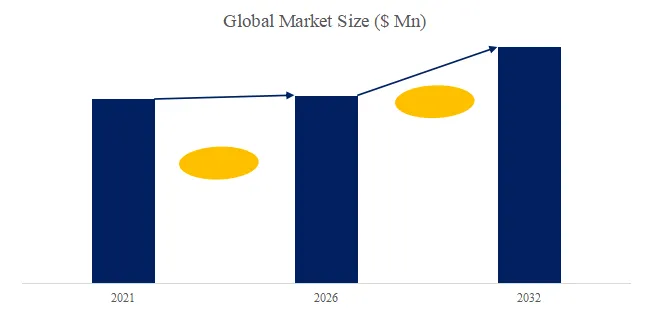
カテゴリー: 未分類 | 投稿者fafa168 10:15 | コメントをどうぞ

Tram-Train Research:CAGR of 4.8% during the forecast period

QY Research Inc. (Global Market Report Research Publisher) announces the release of 2025 latest report “Tram-Train- Global Market Share and Ranking, Overall Sales and Demand Forecast 2026-2032”. Based on current situation and impact historical analysis (2020-2024) and forecast calculations (2026-2032), this report provides a comprehensive analysis of the global Tram-Train market, including market size, share, demand, industry development status, and forecasts for the next few years.

The global market for Tram-Train was estimated to be worth US$ 4056 million in 2025 and is projected to reach US$ 5847 million, growing at a CAGR of 4.8% from 2026 to 2032.

【Get a free sample PDF of this report (Including Full TOC, List of Tables & Figures, Chart)】
https://www.qyresearch.com/reports/5784732/tram-train


Tram-Train

Tram-Train is an integrated rail transit system that allows a single vehicle to operate seamlessly on both urban tram (street-running light rail) networks and conventional heavy-rail lines. By using dual-voltage systems, compatible signaling, and mixed traffic standards, tram-train vehicles can run directly from city streets to suburban or regional rail corridors without passenger transfers. This model improves regional connectivity, reduces travel time and infrastructure duplication, and is especially effective for linking city centers with surrounding towns using existing rail assets.


Tram-Train Market Summary

According to the new market research report “Global Tram-Train Market Report 2026-2032”, published by QYResearch, the global Tram-Train market size is projected to reach USD 5.85 billion by 2032, at a CAGR of 4.8% during the forecast period.

Global Tram-Train Market Size (US$ Million), 2020-2031

Tram-Train

Above data is based on report from QYResearch: Global Tram-Train Market Report 2026-2032 (published in 2025). If you need the latest data, plaese contact QYResearch.

Global Tram-Train Market

Market Drivers:

The primary driver of the Tram-Train market is the growing demand for seamless regional mobility that connects suburban areas with city centers without requiring passenger transfers. Tram-Train systems enable through-running operation between mainline railway networks and urban tram networks, significantly reducing travel time and improving passenger convenience. Additionally, governments are increasingly promoting low-carbon transport infrastructure, and Tram-Train systems offer an attractive solution with lower capital expenditure compared to metro or heavy rail while still delivering rail-grade capacity and reliability.

Restraint:

The main restraint of the Tram-Train market lies in technical and regulatory complexity. Tram-Train vehicles must comply with both mainline railway safety standards and urban tram regulations, leading to higher vehicle costs, longer certification cycles, and limited supplier options. In many countries, interoperability issues such as signaling compatibility, platform height differences, power system mismatches, and operational responsibility between national rail operators and city authorities create institutional barriers that slow down project implementation.

Opportunity:

The key opportunity for the Tram-Train market comes from the large number of underutilized or abandoned regional railway corridors, especially in Europe, China, and emerging urban clusters. By upgrading existing rail infrastructure into Tram-Train systems, cities can rapidly deploy high-quality transit services at a fraction of the cost of new metro lines. Furthermore, the integration of battery and hydrogen propulsion technologies opens new possibilities for non-electrified lines, expanding the addressable market beyond traditional electrified rail networks.

Global Tram-Train Top 16 Players Ranking and Market Share (Ranking is based on the revenue of 2025, continually updated)

Tram-Train

Above data is based on report from QYResearch: Global Tram-Train Market Report 2026-2032 (published in 2025). If you need the latest data, plaese contact QYResearch.

This report profiles key players of Tram-Train such as Alstom, CRRC, Stadler Rail, etc.

In 2023, the global top five Tram-Train players account for 51.58% of market share in terms of revenue. Above figure shows the key players ranked by revenue in Tram-Train.


Tram-Train, Global Market Size, Split by Product Segment

Tram-TrainTram-Train

Based on or includes research from QYResearch: Global Tram-Train Market Report 2026-2032.

In terms of product type, Overhead Catenary Power Supply is the largest segment, hold a share of 80.67%,


In terms of product application, Urban Public Transport is the largest application, hold a share of 74.4%,


Tram-Train Supply Chain Analysis

The upstream segment of the Tram-Train supply chain mainly consists of raw materials and high-value core components, including aluminum alloys and stainless steel for car bodies, traction motors, IGBT or SiC power modules, bogies, braking systems, signaling equipment, and onboard communication systems. Compared with conventional trams, Tram-Train vehicles require railway-grade components that comply with national rail safety standards, resulting in higher dependency on certified suppliers for traction systems, control units, and safety-critical subsystems.


The report provides a detailed analysis of the market size, growth potential, and key trends for each segment. Through detailed analysis, industry players can identify profit opportunities, develop strategies for specific customer segments, and allocate resources effectively.

The Tram-Train market is segmented as below:
By Company
Alstom
CAF Mobility
Stadler Rail
CRRC Corporation
PC Transport Systems
Škoda Group
UKCP
Siemens
Pesa
BKM HOLDING
Bozankaya
Astra Vagoane Calatori
Modertrans
Hitachi Rail
Durmazlar
TATRA-YUG
KINKI SHARYO
Končar
TŽV Gredelj
Krnovské opravny a strojírny s.r.o.
NIPPON SHARYO
Niigata Transys
NIZHEKOTRANS
Alna Sharyo
INEKON TRAMS
GARATREN
Electronmash LCC
Hyundai
China Railway Signal & Communication
Chengdu Xinzhu Road&Bridge Machinery
SHENYANG NEW SUNSHINE M&E SCIENCE TECHNOLOGY CO., LTD.

Segment by Type
Overhead Catenary Power Supply
Ground-level Power Supply
Energy Storage Power Supply (Batteries, Capacitors, Hydrogen Energy, etc.)

Segment by Application
Urban Public Transport
Tourism & Scenic Transport
Airport & Transport Hub Shuttle
Others

Each chapter of the report provides detailed information for readers to further understand the Tram-Train market:

Chapter 1: Introduces the report scope of the Tram-Train report, global total market size (valve, volume and price). This chapter also provides the market dynamics, latest developments of the market, the driving factors and restrictive factors of the market, the challenges and risks faced by manufacturers in the industry, and the analysis of relevant policies in the industry. (2021-2032)
Chapter 2: Detailed analysis of Tram-Train manufacturers competitive landscape, price, sales and revenue market share, latest development plan, merger, and acquisition information, etc. (2021-2026)
Chapter 3: Provides the analysis of various Tram-Train market segments by Type, covering the market size and development potential of each market segment, to help readers find the blue ocean market in different market segments. (2021-2032)
Chapter 4: Provides the analysis of various market segments by Application, covering the market size and development potential of each market segment, to help readers find the blue ocean market in different downstream markets.(2021-2032)
Chapter 5: Sales, revenue of Tram-Train in regional level. It provides a quantitative analysis of the market size and development potential of each region and introduces the market development, future development prospects, market space, and market size of each country in the world..(2021-2032)
Chapter 6: Sales, revenue of Tram-Train in country level. It provides sigmate data by Type, and by Application for each country/region.(2021-2032)
Chapter 7: Provides profiles of key players, introducing the basic situation of the main companies in the market in detail, including product sales, revenue, price, gross margin, product introduction, recent development, etc. (2021-2026)
Chapter 8: Analysis of industrial chain, including the upstream and downstream of the industry.
Chapter 9: Conclusion.

Benefits of purchasing QYResearch report:
Competitive Analysis: QYResearch provides in-depth Tram-Train competitive analysis, including information on key company profiles, new entrants, acquisitions, mergers, large market shear, opportunities, and challenges. These analyses provide clients with a comprehensive understanding of market conditions and competitive dynamics, enabling them to develop effective market strategies and maintain their competitive edge.

Industry Analysis: QYResearch provides Tram-Train comprehensive industry data and trend analysis, including raw material analysis, market application analysis, product type analysis, market demand analysis, market supply analysis, downstream market analysis, and supply chain analysis.

and trend analysis. These analyses help clients understand the direction of industry development and make informed business decisions.

Market Size: QYResearch provides Tram-Train market size analysis, including capacity, production, sales, production value, price, cost, and profit analysis. This data helps clients understand market size and development potential, and is an important reference for business development.

Other relevant reports of QYResearch:
Global Tram-Train Market Outlook, In‑Depth Analysis & Forecast to 2032
Global Tram-Train Market Research Report 2026
Global Tram-Train Sales Market Report, Competitive Analysis and Regional Opportunities 2026-2032

About Us:
QYResearch founded in California, USA in 2007, which is a leading global market research and consulting company. Our primary business include market research reports, custom reports, commissioned research, IPO consultancy, business plans, etc. With over 19 years of experience and a dedicated research team, we are well placed to provide useful information and data for your business, and we have established offices in 7 countries (include United States, Germany, Switzerland, Japan, Korea, China and India) and business partners in over 30 countries. We have provided industrial information services to more than 60,000 companies in over the world.


Contact Us:
If you have any queries regarding this report or if you would like further information, please contact us:
QY Research Inc.
Add: 17890 Castleton Street Suite 369 City of Industry CA 91748 United States
EN: https://www.qyresearch.com
Email: global@qyresearch.com
Tel: 001-626-842-1666(US)
JP: https://www.qyresearch.co.jp
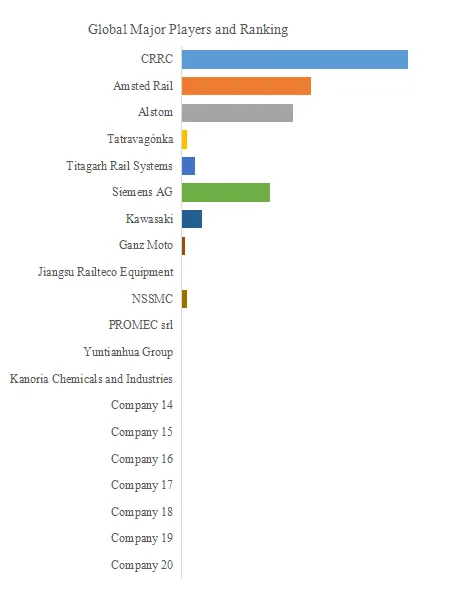
カテゴリー: 未分類 | 投稿者fafa168 18:41 | コメントをどうぞ

Train Bogies Research:CAGR of 4.0% during the forecast period

QY Research Inc. (Global Market Report Research Publisher) announces the release of 2025 latest report “Train Bogies- Global Market Share and Ranking, Overall Sales and Demand Forecast 2026-2032”. Based on current situation and impact historical analysis (2020-2024) and forecast calculations (2026-2032), this report provides a comprehensive analysis of the global Train Bogies market, including market size, share, demand, industry development status, and forecasts for the next few years.

The global market for Train Bogies was estimated to be worth US$ 2620 million in 2025 and is projected to reach US$ 3354 million, growing at a CAGR of 3.9% from 2026 to 2032.

【Get a free sample PDF of this report (Including Full TOC, List of Tables & Figures, Chart)】
https://www.qyresearch.com/reports/5496137/train-bogies


Train Bogies Market Summary

Train bogies are the core running components of rail vehicles, composed of a frame, wheel-set axle boxes, suspension systems (primary + secondary), braking devices, and drive units (unique to power bogies). Mounted between the car body and wheel-sets with the ability to rotate relative to the car body, their core functions include supporting the car body, transmitting traction and braking forces, mitigating track impacts, ensuring curve-passing performance and operational stability. They directly determine the safety, ride comfort and operational efficiency of trains.

According to the new market research report “Global Train Bogies Market Report 2026-2032”, published by QYResearch, the global Train Bogies market size is projected to reach USD 3.35 billion by 2032, at a CAGR of 4.0% during the forecast period.


Figure00001. Global Train Bogies Market Size (US$ Million), 2021-2032

Train Bogies

Above data is based on report from QYResearch: Global Train Bogies Market Report 2025-2031 (published in 2025). If you need the latest data, plaese contact QYResearch.


Figure00002. Global Train Bogies Top 11 Players Ranking and Market Share (Examples)

Train Bogies

Above data is based on report from QYResearch: Global Train Bogies Market Report 2025-2031 (published in 2025). If you need the latest data, plaese contact QYResearch.

According to QYResearch Top Players Research Center, the global key manufacturers of Train Bogies include CRRC, Amsted Rail, Alstom, Tatravagónka, Titagarh Rail Systems, etc. In 2025, the global top five players had a share approximately 75.0% in terms of revenue.


Figure00003. Train Bogies, Global Market Size, Split by Product Segment

Train Bogies

Based on or includes research from QYResearch: Global Train Bogies Market Report 2025-2031.


In terms of product type, currently 2-axle Bogies is the largest segment, hold a share of 57.0%.


In terms of product application, currently High-Speed Train is the largest segment, hold a share of 30.3%.


Market Drivers

Expansion of rail transit networks: The global construction of new high-speed rail and urban rail lines, and densification of existing lines (e.g., China’s “Eight Vertical and Eight Horizontal” high-speed rail network, ASEAN/European rail interconnection projects) directly drive the demand for new train procurement and bogies, with the urban rail sector seeing particularly significant growth.

Renewal of in-service fleets and after-market growth: Nearly 30% of global trains have been in operation for over 15 years, bringing sustained replacement demand from mid-term overhauls and component replacement; predictive maintenance is driving the upgrade of intelligent bogie monitoring systems.

Technological upgrading and rising performance demands: Under the dual carbon goals, demand for lightweight (aluminum alloy/composite material) and low-energy-consumption bogies is growing; high-speed and heavy-haul scenarios impose strict requirements for high-reliability, long-life products, driving the implementation of active suspension and intelligent sensing technologies.

Policy and standard impetus: National railway modernization policies (e.g., Made in China 2025) and upgraded safety and environmental standards force the technological iteration and green manufacturing transformation of bogies.

Demand for modularization and maintenance economy: Operators pursue low life-cycle costs, making modular-designed and highly universal bogies more favored, which reduces overhaul and operation maintenance costs.

Market Challenges

High technical barriers and insufficient R&D investment: There are still gaps in core technologies such as high-speed/heavy-haul bogies, intelligent monitoring and lightweight material application; the industry’s R&D investment intensity (about 4.2%) is lower than the international level (7.8%), with a serious shortage of high-end professionals.

Dependence on imported core components: Some high-end key components such as bearings, shock absorbers and sensors still rely on overseas supply, and the domestic substitution process needs to break through bottlenecks in materials, precision processing and long-term reliability verification.

Cost and supply chain pressures: Fluctuations in raw material prices (e.g., high-strength steel, rare earths) and rising energy costs, coupled with international trade barriers (e.g., EU anti-dumping duties), compress profit margins and increase export difficulties.

Inadequate standardization and universalization: The universalization rate of parts for different types of bogies is low (about 41.3%), lower than the level of over 65% in developed countries, which affects large-scale production efficiency and cost control.

Concentrated competition pattern and insufficient differentiation: The market is dominated by a small number of international giants; most domestic enterprises are stuck in mid-low end competition with serious product homogeneity, holding limited market share and technical voice in the high-end segment.


The report provides a detailed analysis of the market size, growth potential, and key trends for each segment. Through detailed analysis, industry players can identify profit opportunities, develop strategies for specific customer segments, and allocate resources effectively.

The Train Bogies market is segmented as below:
By Company
CRRC
Amsted Rail
Alstom
Tatravagónka
Titagarh Rail Systems
Siemens AG
Kawasaki
Ganz Moto
Jiangsu Railteco Equipment
NSSMC
PROMEC srl

Segment by Type
2-axle Bogies
3-axle Bogies
Others

Segment by Application
High-Speed Train
Conventional Passenger Train
Urban Rail Transit
Freight Train
Others

Each chapter of the report provides detailed information for readers to further understand the Train Bogies market:

Chapter 1: Introduces the report scope of the Train Bogies report, global total market size (valve, volume and price). This chapter also provides the market dynamics, latest developments of the market, the driving factors and restrictive factors of the market, the challenges and risks faced by manufacturers in the industry, and the analysis of relevant policies in the industry. (2021-2032)
Chapter 2: Detailed analysis of Train Bogies manufacturers competitive landscape, price, sales and revenue market share, latest development plan, merger, and acquisition information, etc. (2021-2026)
Chapter 3: Provides the analysis of various Train Bogies market segments by Type, covering the market size and development potential of each market segment, to help readers find the blue ocean market in different market segments. (2021-2032)
Chapter 4: Provides the analysis of various market segments by Application, covering the market size and development potential of each market segment, to help readers find the blue ocean market in different downstream markets.(2021-2032)
Chapter 5: Sales, revenue of Train Bogies in regional level. It provides a quantitative analysis of the market size and development potential of each region and introduces the market development, future development prospects, market space, and market size of each country in the world..(2021-2032)
Chapter 6: Sales, revenue of Train Bogies in country level. It provides sigmate data by Type, and by Application for each country/region.(2021-2032)
Chapter 7: Provides profiles of key players, introducing the basic situation of the main companies in the market in detail, including product sales, revenue, price, gross margin, product introduction, recent development, etc. (2021-2026)
Chapter 8: Analysis of industrial chain, including the upstream and downstream of the industry.
Chapter 9: Conclusion.

Benefits of purchasing QYResearch report:
Competitive Analysis: QYResearch provides in-depth Train Bogies competitive analysis, including information on key company profiles, new entrants, acquisitions, mergers, large market shear, opportunities, and challenges. These analyses provide clients with a comprehensive understanding of market conditions and competitive dynamics, enabling them to develop effective market strategies and maintain their competitive edge.

Industry Analysis: QYResearch provides Train Bogies comprehensive industry data and trend analysis, including raw material analysis, market application analysis, product type analysis, market demand analysis, market supply analysis, downstream market analysis, and supply chain analysis.

and trend analysis. These analyses help clients understand the direction of industry development and make informed business decisions.

Market Size: QYResearch provides Train Bogies market size analysis, including capacity, production, sales, production value, price, cost, and profit analysis. This data helps clients understand market size and development potential, and is an important reference for business development.

Other relevant reports of QYResearch:
Global Train Bogies Market Outlook, In‑Depth Analysis & Forecast to 2032
Global Train Bogies Sales Market Report, Competitive Analysis and Regional Opportunities 2026-2032
Global Train Bogies Market Research Report 2026

About Us:
QYResearch founded in California, USA in 2007, which is a leading global market research and consulting company. Our primary business include market research reports, custom reports, commissioned research, IPO consultancy, business plans, etc. With over 19 years of experience and a dedicated research team, we are well placed to provide useful information and data for your business, and we have established offices in 7 countries (include United States, Germany, Switzerland, Japan, Korea, China and India) and business partners in over 30 countries. We have provided industrial information services to more than 60,000 companies in over the world.


Contact Us:
If you have any queries regarding this report or if you would like further information, please contact us:
QY Research Inc.
Add: 17890 Castleton Street Suite 369 City of Industry CA 91748 United States
EN: https://www.qyresearch.com
Email: global@qyresearch.com
Tel: 001-626-842-1666(US)
JP: https://www.qyresearch.co.jp
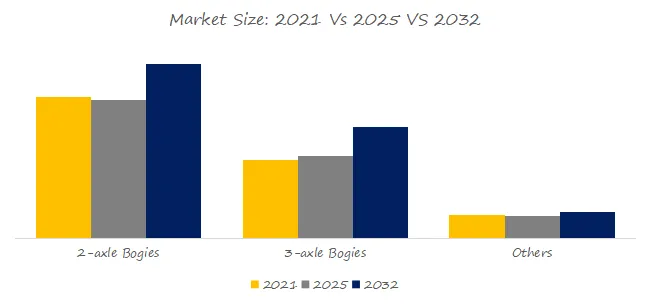
カテゴリー: 未分類 | 投稿者fafa168 18:29 | コメントをどうぞ

Thermal Transfer Overprinting (TTO) Equipment Market Summary Thermal Transfer Overprinting (TTO) Equipment is a professional on-line marking device that adopts non-contact thermal transfer technology. It uses a thermal print head to heat the thermal transfer ribbon, transferring ink onto the surface of various packaging materials to form clear, durable and scratch-resistant permanent marks. It is mainly applied to the real-time on-line coding of product packaging in industrial production lines, capable of printing variable information such as production dates, batch numbers and traceability codes, and features high printing efficiency, good compatibility and easy integration with automated production lines. According to the new market research report “Global Thermal Transfer Overprinting (TTO) Equipment Market Report 2026-2032”, published by QYResearch, the global Thermal Transfer Overprinting (TTO) Equipment market size is projected to reach USD 0.54 billion by 2032, at a CAGR of 4.0% during the forecast period. Figure. Global Thermal Transfer Overprinting (TTO) Equipment Market Size (US$ Million), 2021-2032 Above data is based on report from QYResearch: Global Thermal Transfer Overprinting (TTO) Equipment Market Report 2025-2031 (published in 2025). If you need the latest data, plaese contact QYResearch. Figure. Global Thermal Transfer Overprinting (TTO) Equipment Top 13 Players Ranking and Market Share (Examples) Above data is based on report from QYResearch: Global Thermal Transfer Overprinting (TTO) Equipment Market Report 2025-2031 (published in 2025). If you need the latest data, plaese contact QYResearch. According to QYResearch Top Players Research Center, the global key manufacturers of Thermal Transfer Overprinting (TTO) Equipment include Videojet, Domino, Markem-Imaje, EDM, Diagraph, etc. In 2025, the global top five players had a share approximately 77.0% in terms of revenue. Figure. Thermal Transfer Overprinting (TTO) Equipment, Global Market Size, Split by Product Segment Based on or includes research from QYResearch: Global Thermal Transfer Overprinting (TTO) Equipment Market Report 2025-2031. In terms of product type, currently 32mm Thermal Transfer Overprinters is the largest segment, hold a share of 52.4%. Figure. Thermal Transfer Overprinting (TTO) Equipment, Global Market Size, Split by Application Segment Based on or includes research from QYResearch: Global Thermal Transfer Overprinting (TTO) Equipment Market Report 2025-2031. In terms of product application, currently Food and Beverage is the largest segment, hold a share of 48.8%. Figure. Thermal Transfer Overprinting (TTO) Equipment, Global Market Size, Split by Region (Revenue) Based on or includes research from QYResearch: Global Thermal Transfer Overprinting (TTO) Equipment Market Report 2025-2031. Figure. Thermal Transfer Overprinting (TTO) Equipment, Global Market Size, Split by Region Based on or includes research from QYResearch: Global Thermal Transfer Overprinting (TTO) Equipment Market Report 2025-2031. Market Drivers The continuous development of industrial automation and intelligent production promotes the demand for on-line marking equipment that can be seamlessly integrated with automated production lines, and TTO equipment is widely favored for its high degree of automation and continuous printing performance. Strengthened national supervision on product quality and safety traceability forces various industries to improve the standardization of product packaging marking, driving the upgrading and replacement of marking equipment and the increased adoption of high-performance TTO equipment. The diversification of packaging materials and the upgrading of packaging process requirements make the market have higher demands for the adaptability and printing effect of marking equipment, and TTO equipment has strong compatibility with various packaging materials, meeting the multi-scenario marking needs of different industries. The pursuit of efficient production and low operation cost by enterprises makes TTO equipment with high printing speed, low consumable loss and simple daily maintenance become the optimal choice for industrial on-line marking, helping enterprises improve production efficiency and reduce comprehensive operation costs. The rapid development of industries such as food, daily chemicals, logistics and pharmaceuticals directly boosts the market demand for on-line marking equipment, as TTO equipment is the core supporting device for product packaging and coding in these industries. Market Challenges The core components of TTO equipment have high technical barriers, and the dependence on key core components in some markets restricts the independent R&D and production capacity of local enterprises, and also leads to high production costs. The market has higher and higher requirements for the printing speed, precision and stability of TTO equipment, which puts forward strict challenges to the R&D and manufacturing technology of enterprises, requiring continuous investment in technological innovation and product upgrading. The competition in the TTO equipment market is increasingly fierce, with the coexistence of international brand enterprises and local manufacturers, and the phenomenon of product homogeneity in the mid-low end market is prominent, leading to fierce price competition and compressed profit margins of enterprises. The rapid update of packaging materials and the emergence of new special packaging put forward higher adaptability requirements for TTO equipment, and enterprises need to continuously optimize product design to meet the marking needs of new materials and new processes. The after-sales service system of some TTO equipment manufacturers is not perfect, and the problems of slow after-sales response and insufficient technical support in the use process affect the user experience, and restrict the market expansion of related enterprises to a certain extent. About The Authors Chen – Senior Analyst Email: chenglijun@qyresearch.com Lijun Chen is a senior research analyst who has 8 years’ experience in semiconductor, materials, chemicals and mineral resource, etc.. About QYResearch QYResearch founded in California, USA in 2007.It is a leading global market research and consulting company. With over 17 years’ experience and professional research team in various cities over the world QY Research focuses on management consulting, database and seminar services, IPO consulting (data is widely cited in prospectuses, annual reports and presentations), industry chain research and customized research to help our clients in providing non-linear revenue model and make them successful. We are globally recognized for our expansive portfolio of services, good corporate citizenship, and our strong commitment to sustainability. Up to now, we have cooperated with more than 60,000 clients across five continents. Let’s work closely with you and build a bold and better future. QYResearch is a world-renowned large-scale consulting company. The industry covers various high-tech industry chain market segments, spanning the semiconductor industry chain (semiconductor equipment and parts, semiconductor materials, ICs, Foundry, packaging and testing, discrete devices, sensors, optoelectronic devices), photovoltaic industry chain (equipment, cells, modules, auxiliary material brackets, inverters, power station terminals), new energy automobile industry chain (batteries and materials, auto parts, batteries, motors, electronic control, automotive semiconductors, etc.), communication industry chain (communication system equipment, terminal equipment, electronic components, RF front-end, optical modules, 4G/5G/6G, broadband, IoT, digital economy, AI), advanced materials industry Chain (metal materials, polymer materials, ceramic materials, nano materials, etc.), machinery manufacturing industry chain (CNC machine tools, construction machinery, electrical machinery, 3C automation, industrial robots, lasers, industrial control, drones), food, beverages and pharmaceuticals, medical equipment, agriculture, etc.

QY Research Inc. (Global Market Report Research Publisher) announces the release of 2025 latest report “Thermal Transfer Overprinting (TTO) Equipment- Global Market Share and Ranking, Overall Sales and Demand Forecast 2026-2032”. Based on current situation and impact historical analysis (2020-2024) and forecast calculations (2026-2032), this report provides a comprehensive analysis of the global Thermal Transfer Overprinting (TTO) Equipment market, including market size, share, demand, industry development status, and forecasts for the next few years.

The global market for Thermal Transfer Overprinting (TTO) Equipment was estimated to be worth US$ 406 million in 2025 and is projected to reach US$ 545 million, growing at a CAGR of 4.1% from 2026 to 2032.

【Get a free sample PDF of this report (Including Full TOC, List of Tables & Figures, Chart)】
https://www.qyresearch.com/reports/5508932/thermal-transfer-overprinting–tto–equipment


Thermal Transfer Overprinting (TTO) Equipment Market Summary

Thermal Transfer Overprinting (TTO) Equipment is a professional on-line marking device that adopts non-contact thermal transfer technology. It uses a thermal print head to heat the thermal transfer ribbon, transferring ink onto the surface of various packaging materials to form clear, durable and scratch-resistant permanent marks. It is mainly applied to the real-time on-line coding of product packaging in industrial production lines, capable of printing variable information such as production dates, batch numbers and traceability codes, and features high printing efficiency, good compatibility and easy integration with automated production lines.

According to the new market research report “Global Thermal Transfer Overprinting (TTO) Equipment Market Report 2026-2032”, published by QYResearch, the global Thermal Transfer Overprinting (TTO) Equipment market size is projected to reach USD 0.54 billion by 2032, at a CAGR of 4.0% during the forecast period.


Figure00001. Global Thermal Transfer Overprinting (TTO) Equipment Market Size (US$ Million), 2021-2032

Thermal Transfer Overprinting (TTO) Equipment

Above data is based on report from QYResearch: Global Thermal Transfer Overprinting (TTO) Equipment Market Report 2025-2031 (published in 2025). If you need the latest data, plaese contact QYResearch.


Figure00002. Global Thermal Transfer Overprinting (TTO) Equipment Top 13 Players Ranking and Market Share (Examples)

Thermal Transfer Overprinting (TTO) Equipment

Above data is based on report from QYResearch: Global Thermal Transfer Overprinting (TTO) Equipment Market Report 2025-2031 (published in 2025). If you need the latest data, plaese contact QYResearch.

According to QYResearch Top Players Research Center, the global key manufacturers of Thermal Transfer Overprinting (TTO) Equipment include Videojet, Domino, Markem-Imaje, EDM, Diagraph, etc. In 2025, the global top five players had a share approximately 77.0% in terms of revenue.


Figure00003. Thermal Transfer Overprinting (TTO) Equipment, Global Market Size, Split by Product Segment

Thermal Transfer Overprinting (TTO) Equipment

Based on or includes research from QYResearch: Global Thermal Transfer Overprinting (TTO) Equipment Market Report 2025-2031.


In terms of product type, currently 32mm Thermal Transfer Overprinters is the largest segment, hold a share of 52.4%.


In terms of product application, currently Food and Beverage is the largest segment, hold a share of 48.8%.


Market Drivers

The continuous development of industrial automation and intelligent production promotes the demand for on-line marking equipment that can be seamlessly integrated with automated production lines, and TTO equipment is widely favored for its high degree of automation and continuous printing performance.

Strengthened national supervision on product quality and safety traceability forces various industries to improve the standardization of product packaging marking, driving the upgrading and replacement of marking equipment and the increased adoption of high-performance TTO equipment.

The diversification of packaging materials and the upgrading of packaging process requirements make the market have higher demands for the adaptability and printing effect of marking equipment, and TTO equipment has strong compatibility with various packaging materials, meeting the multi-scenario marking needs of different industries.

The pursuit of efficient production and low operation cost by enterprises makes TTO equipment with high printing speed, low consumable loss and simple daily maintenance become the optimal choice for industrial on-line marking, helping enterprises improve production efficiency and reduce comprehensive operation costs.

The rapid development of industries such as food, daily chemicals, logistics and pharmaceuticals directly boosts the market demand for on-line marking equipment, as TTO equipment is the core supporting device for product packaging and coding in these industries.

Market Challenges

The core components of TTO equipment have high technical barriers, and the dependence on key core components in some markets restricts the independent R&D and production capacity of local enterprises, and also leads to high production costs.

The market has higher and higher requirements for the printing speed, precision and stability of TTO equipment, which puts forward strict challenges to the R&D and manufacturing technology of enterprises, requiring continuous investment in technological innovation and product upgrading.

The competition in the TTO equipment market is increasingly fierce, with the coexistence of international brand enterprises and local manufacturers, and the phenomenon of product homogeneity in the mid-low end market is prominent, leading to fierce price competition and compressed profit margins of enterprises.

The rapid update of packaging materials and the emergence of new special packaging put forward higher adaptability requirements for TTO equipment, and enterprises need to continuously optimize product design to meet the marking needs of new materials and new processes.

The after-sales service system of some TTO equipment manufacturers is not perfect, and the problems of slow after-sales response and insufficient technical support in the use process affect the user experience, and restrict the market expansion of related enterprises to a certain extent.


The report provides a detailed analysis of the market size, growth potential, and key trends for each segment. Through detailed analysis, industry players can identify profit opportunities, develop strategies for specific customer segments, and allocate resources effectively.

The Thermal Transfer Overprinting (TTO) Equipment market is segmented as below:
By Company
Videojet
Domino
Markem-Imaje
EDM
Diagraph
Novexx Solutions GmbH
Linx
DIKAI
Koenig & Bauer Coding GmbH
Control Print
Yanjie Technology
Savema
FlexPackPRO

Segment by Type
32mm Thermal Transfer Overprinters
53mm Thermal Transfer Overprinters
Others

Segment by Application
Food and Beverage
Pharmaceutical and Healthcare
Construction and Chemicals
Electronics
Other

Each chapter of the report provides detailed information for readers to further understand the Thermal Transfer Overprinting (TTO) Equipment market:

Chapter 1: Introduces the report scope of the Thermal Transfer Overprinting (TTO) Equipment report, global total market size (valve, volume and price). This chapter also provides the market dynamics, latest developments of the market, the driving factors and restrictive factors of the market, the challenges and risks faced by manufacturers in the industry, and the analysis of relevant policies in the industry. (2021-2032)
Chapter 2: Detailed analysis of Thermal Transfer Overprinting (TTO) Equipment manufacturers competitive landscape, price, sales and revenue market share, latest development plan, merger, and acquisition information, etc. (2021-2026)
Chapter 3: Provides the analysis of various Thermal Transfer Overprinting (TTO) Equipment market segments by Type, covering the market size and development potential of each market segment, to help readers find the blue ocean market in different market segments. (2021-2032)
Chapter 4: Provides the analysis of various market segments by Application, covering the market size and development potential of each market segment, to help readers find the blue ocean market in different downstream markets.(2021-2032)
Chapter 5: Sales, revenue of Thermal Transfer Overprinting (TTO) Equipment in regional level. It provides a quantitative analysis of the market size and development potential of each region and introduces the market development, future development prospects, market space, and market size of each country in the world..(2021-2032)
Chapter 6: Sales, revenue of Thermal Transfer Overprinting (TTO) Equipment in country level. It provides sigmate data by Type, and by Application for each country/region.(2021-2032)
Chapter 7: Provides profiles of key players, introducing the basic situation of the main companies in the market in detail, including product sales, revenue, price, gross margin, product introduction, recent development, etc. (2021-2026)
Chapter 8: Analysis of industrial chain, including the upstream and downstream of the industry.
Chapter 9: Conclusion.

Benefits of purchasing QYResearch report:
Competitive Analysis: QYResearch provides in-depth Thermal Transfer Overprinting (TTO) Equipment competitive analysis, including information on key company profiles, new entrants, acquisitions, mergers, large market shear, opportunities, and challenges. These analyses provide clients with a comprehensive understanding of market conditions and competitive dynamics, enabling them to develop effective market strategies and maintain their competitive edge.

Industry Analysis: QYResearch provides Thermal Transfer Overprinting (TTO) Equipment comprehensive industry data and trend analysis, including raw material analysis, market application analysis, product type analysis, market demand analysis, market supply analysis, downstream market analysis, and supply chain analysis.

and trend analysis. These analyses help clients understand the direction of industry development and make informed business decisions.

Market Size: QYResearch provides Thermal Transfer Overprinting (TTO) Equipment market size analysis, including capacity, production, sales, production value, price, cost, and profit analysis. This data helps clients understand market size and development potential, and is an important reference for business development.

Other relevant reports of QYResearch:
Global Thermal Transfer Overprinting (TTO) Equipment Market Insights – Industry Share, Sales Projections, and Demand Outlook 2026-2032
Global Thermal Transfer Overprinting (TTO) Equipment Market Outlook, In‑Depth Analysis & Forecast to 2032
Global Thermal Transfer Overprinting (TTO) Equipment Sales Market Report, Competitive Analysis and Regional Opportunities 2026-2032
Global Thermal Transfer Overprinting (TTO) Equipment Market Research Report 2026
Global 53mm Thermal Transfer Overprinting (TTO) Equipment Market Outlook, In‑Depth Analysis & Forecast to 2032
53mm Thermal Transfer Overprinting (TTO) Equipment- Global Market Share and Ranking, Overall Sales and Demand Forecast 2026-2032
Global 53mm Thermal Transfer Overprinting (TTO) Equipment Market Research Report 2026
Global 53mm Thermal Transfer Overprinting (TTO) Equipment Sales Market Report, Competitive Analysis and Regional Opportunities 2026-2032
Global Industrial Thermal Transfer Overprinting (TTO) Equipment Sales Market Report, Competitive Analysis and Regional Opportunities 2026-2032
Industrial Thermal Transfer Overprinting (TTO) Equipment- Global Market Share and Ranking, Overall Sales and Demand Forecast 2026-2032
Global Industrial Thermal Transfer Overprinting (TTO) Equipment Market Research Report 2026
Global Over 100mm Thermal Transfer Overprinting (TTO) Equipment Market Outlook, In‑Depth Analysis & Forecast to 2032
Over 100mm Thermal Transfer Overprinting (TTO) Equipment- Global Market Share and Ranking, Overall Sales and Demand Forecast 2026-2032
Global Over 100mm Thermal Transfer Overprinting (TTO) Equipment Sales Market Report, Competitive Analysis and Regional Opportunities 2026-2032
Global Over 100mm Thermal Transfer Overprinting (TTO) Equipment Market Research Report 2026
Global 32mm and 53mm Thermal Transfer Overprinting (TTO) Equipment Market Outlook, In‑Depth Analysis & Forecast to 2032
Global 32mm and 53mm Thermal Transfer Overprinting (TTO) Equipment Sales Market Report, Competitive Analysis and Regional Opportunities 2026-2032
32mm and 53mm Thermal Transfer Overprinting (TTO) Equipment- Global Market Share and Ranking, Overall Sales and Demand Forecast 2026-2032
Global 32mm and 53mm Thermal Transfer Overprinting (TTO) Equipment Market Research Report 2026
Global Thermal Transfer Overprinting (TTO) Equipment and Consumables Market Outlook, In‑Depth Analysis & Forecast to 2032

About Us:
QYResearch founded in California, USA in 2007, which is a leading global market research and consulting company. Our primary business include market research reports, custom reports, commissioned research, IPO consultancy, business plans, etc. With over 19 years of experience and a dedicated research team, we are well placed to provide useful information and data for your business, and we have established offices in 7 countries (include United States, Germany, Switzerland, Japan, Korea, China and India) and business partners in over 30 countries. We have provided industrial information services to more than 60,000 companies in over the world.


Contact Us:
If you have any queries regarding this report or if you would like further information, please contact us:
QY Research Inc.
Add: 17890 Castleton Street Suite 369 City of Industry CA 91748 United States
EN: https://www.qyresearch.com
Email: global@qyresearch.com
Tel: 001-626-842-1666(US)
JP: https://www.qyresearch.co.jp
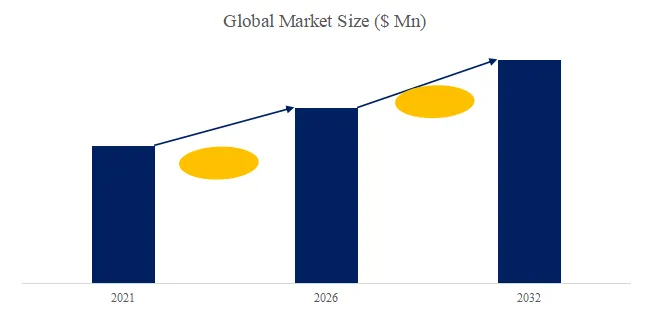
カテゴリー: 未分類 | 投稿者fafa168 18:21 | コメントをどうぞ

Semiconductor Testing Service Research:CAGR of 6.6% during the forecast period

QY Research Inc. (Global Market Report Research Publisher) announces the release of 2025 latest report “Semiconductor Final Test (FT) Service- Global Market Share and Ranking, Overall Sales and Demand Forecast 2026-2032”. Based on current situation and impact historical analysis (2020-2024) and forecast calculations (2026-2032), this report provides a comprehensive analysis of the global Semiconductor Final Test (FT) Service market, including market size, share, demand, industry development status, and forecasts for the next few years.

The global market for Semiconductor Final Test (FT) Service was estimated to be worth US$ 5436 million in 2025 and is projected to reach US$ 8779 million, growing at a CAGR of 7.2% from 2026 to 2032.

【Get a free sample PDF of this report (Including Full TOC, List of Tables & Figures, Chart)】
https://www.qyresearch.com/reports/6079957/semiconductor-final-test–ft–service


Semiconductor Testing Service Market Summary

Semiconductor testing service is a core supporting service in the packaging and testing segment of the semiconductor industry chain. Relying on customized testing solutions, special testing equipment and advanced testing technologies, professional testing enterprises conduct multi-dimensional performance detection and verification (including electrical, optical, mechanical and reliability tests) on wafers, chips, devices and modules in all links of semiconductor design, manufacturing, packaging and testing. Its core purpose is to screen out defective products, verify whether products meet design indicators and industry standards, ensure the yield, performance stability and reliability of semiconductor products. Covering the whole life cycle of chip R&D verification, pilot mass production and finished product delivery, it is a key quality control link connecting semiconductor design and manufacturing with terminal applications.

According to the new market research report “Global Semiconductor Testing Service Market Report 2026-2032”, published by QYResearch, the global Semiconductor Testing Service market size is projected to reach USD 22.4 billion by 2032, at a CAGR of 6.6% during the forecast period.

Figure00001. Global Semiconductor Testing Service Market Size (US$ Million), 2021-2032

Semiconductor Testing Service

Above data is based on report from QYResearch: Global Semiconductor Testing Service Market Report 2025-2031 (published in 2025). If you need the latest data, plaese contact QYResearch.


Figure00002. Global Semiconductor Testing Service Top 26 Players Ranking and Market Share (Examples)

Semiconductor Testing Service

Above data is based on report from QYResearch: Global Semiconductor Testing Service Market Report 2025-2031 (published in 2025). If you need the latest data, plaese contact QYResearch.

According to QYResearch Top Players Research Center, the global key manufacturers of Semiconductor Testing Service include ASE Holdings, KYEC, TSMC, Samsung, JCET, etc. In 2025, the global top five players had a share approximately 43.0% in terms of revenue.


Figure00003. Semiconductor Testing Service, Global Market Size, Split by Product Segment

Semiconductor Testing Service

Based on or includes research from QYResearch: Global Semiconductor Testing Service Market Report 2025-2031.


In terms of product type, currently Wafer Testing is the largest segment, hold a share of 45.9%.


In terms of product application, currently Computing and Networking is the largest segment, hold a share of 59.9%.


Market Drivers

Semiconductor process nodes continue to shrink, device structures develop toward three-dimensionalization and complexity, chip integration and performance requirements are greatly improved, and the requirements for testing accuracy, efficiency and comprehensiveness are continuously raised, forcing the rapid growth of demand for professional testing services in the industry.

The Fabless model has become the mainstream in the semiconductor industry. Asset-light design enterprises tend to outsource the testing link and focus on chip design and R&D, bringing continuous market increments to the third-party professional semiconductor testing service market.

Semiconductor downstream application scenarios are continuously expanding. Consumer electronics, automotive electronics, industrial control, artificial intelligence, the Internet of Things and other fields have significantly different requirements for chip performance, reliability and safety, and the demand for customized and scenario-based professional testing services is continuously released.

The global layout and deepened division of labor of semiconductor industry capacity drive the synchronous growth of supporting testing service demand with the continuous expansion of packaging and testing capacity. At the same time, cross-regional industrial cooperation promotes the global layout and development of third-party testing services.

High-end fields such as automotive electronics and aerospace have increasingly stringent requirements for the reliability and certification of semiconductor products, and industry standards are constantly upgraded. Enterprises need to rely on professional testing services to complete product compliance verification, further driving the demand for high-end testing services.

Chip R&D cycles are shortened and iteration speeds are accelerated. To speed up the product launch rhythm, design enterprises outsource the verification and testing in the R&D stage to testing service providers with professional technology and equipment, which effectively reduces R&D costs and improves R&D efficiency.


Market Challenges

The technical barrier of high-end semiconductor testing is extremely high. The testing of advanced process chips, automotive-grade/military-grade chips requires ultra-high precision testing equipment and customized testing solutions, which impose stringent requirements on enterprises’ technological R&D, equipment investment and process accumulation, making it difficult for small and medium-sized enterprises to break through.

High-end testing equipment is highly dependent on imports, and key consumables such as core test instruments, probe cards and test boards are monopolized by international giants. The high procurement cost and long delivery cycle of equipment not only push up the operating costs of testing service enterprises, but also bring the risk of supply chain disruption.

The market’s requirements for the response speed and customization capability of testing services are constantly rising. The testing needs of different customers and different products vary greatly. Enterprises need to continuously invest resources to optimize testing solutions, and it is difficult to balance standardized production and customized services.

Semiconductor products iterate rapidly, and chips with new architectures, new processes and new applications emerge one after another. Testing service enterprises need to keep up with the pace of technological iteration, continuously update testing equipment and develop new testing technologies, resulting in high capital and time costs for technological renewal and equipment upgrading.

Industry competition is becoming increasingly fierce. The mid-and low-end testing service market is seriously homogeneous, and enterprises are caught in price wars, with profit margins being continuously compressed. The high-end market is occupied by international leading testing enterprises, and local enterprises face great difficulties in market breakthrough due to technological and brand gaps.

Semiconductor testing involves a large amount of customers’ core technology and product information, with extremely high requirements for data security and intellectual property protection. Once information leakage occurs, it will cause heavy losses to customers, posing stringent challenges to the information security management system of testing service enterprises.

There are differences in semiconductor industry standards and certification systems in different countries and regions. When testing service enterprises carry out global business, they need to complete qualification certification in multiple regions, resulting in high compliance costs and great difficulty in market access.


The report provides a detailed analysis of the market size, growth potential, and key trends for each segment. Through detailed analysis, industry players can identify profit opportunities, develop strategies for specific customer segments, and allocate resources effectively.

The Semiconductor Final Test (FT) Service market is segmented as below:
By Company
ASE Holdings
KYEC
TSMC
Samsung
JCET
Tongfu Microelectronics
Amkor
PTI
Intel
Sony
HT-tech
Wise Road
Payton Technology
ChipMOS
SJ Semiconductor
Forehope Electronic (Ningbo)
Carsem
Nepes
Chipmore
Unimos Microelectronics
HANA Micron
Union Semiconductor
Chipbond
LB Semicon
SFA Semiconductor
OSE

Segment by Type
Digital Chip Testing
Analog Chip Testing
Mixed Signal Chip Testing

Segment by Application
Computing and Networking
Consumer
Automotive
Other

Each chapter of the report provides detailed information for readers to further understand the Semiconductor Final Test (FT) Service market:

Chapter 1: Introduces the report scope of the Semiconductor Final Test (FT) Service report, global total market size (valve, volume and price). This chapter also provides the market dynamics, latest developments of the market, the driving factors and restrictive factors of the market, the challenges and risks faced by manufacturers in the industry, and the analysis of relevant policies in the industry. (2021-2032)
Chapter 2: Detailed analysis of Semiconductor Final Test (FT) Service manufacturers competitive landscape, price, sales and revenue market share, latest development plan, merger, and acquisition information, etc. (2021-2026)
Chapter 3: Provides the analysis of various Semiconductor Final Test (FT) Service market segments by Type, covering the market size and development potential of each market segment, to help readers find the blue ocean market in different market segments. (2021-2032)
Chapter 4: Provides the analysis of various market segments by Application, covering the market size and development potential of each market segment, to help readers find the blue ocean market in different downstream markets.(2021-2032)
Chapter 5: Sales, revenue of Semiconductor Final Test (FT) Service in regional level. It provides a quantitative analysis of the market size and development potential of each region and introduces the market development, future development prospects, market space, and market size of each country in the world..(2021-2032)
Chapter 6: Sales, revenue of Semiconductor Final Test (FT) Service in country level. It provides sigmate data by Type, and by Application for each country/region.(2021-2032)
Chapter 7: Provides profiles of key players, introducing the basic situation of the main companies in the market in detail, including product sales, revenue, price, gross margin, product introduction, recent development, etc. (2021-2026)
Chapter 8: Analysis of industrial chain, including the upstream and downstream of the industry.
Chapter 9: Conclusion.

Benefits of purchasing QYResearch report:
Competitive Analysis: QYResearch provides in-depth Semiconductor Final Test (FT) Service competitive analysis, including information on key company profiles, new entrants, acquisitions, mergers, large market shear, opportunities, and challenges. These analyses provide clients with a comprehensive understanding of market conditions and competitive dynamics, enabling them to develop effective market strategies and maintain their competitive edge.

Industry Analysis: QYResearch provides Semiconductor Final Test (FT) Service comprehensive industry data and trend analysis, including raw material analysis, market application analysis, product type analysis, market demand analysis, market supply analysis, downstream market analysis, and supply chain analysis.

and trend analysis. These analyses help clients understand the direction of industry development and make informed business decisions.

Market Size: QYResearch provides Semiconductor Final Test (FT) Service market size analysis, including capacity, production, sales, production value, price, cost, and profit analysis. This data helps clients understand market size and development potential, and is an important reference for business development.

Other relevant reports of QYResearch:
Global Semiconductor Final Test (FT) Service Market Outlook, In‑Depth Analysis & Forecast to 2032
Global Semiconductor Final Test (FT) Service Sales Market Report, Competitive Analysis and Regional Opportunities 2026-2032
Global Semiconductor Final Test (FT) Service Market Research Report 2026
Global Outsourced Semiconductor Final Test (FT) Service Market Outlook, In‑Depth Analysis & Forecast to 2032
Global Outsourced Semiconductor Final Test (FT) Service Sales Market Report, Competitive Analysis and Regional Opportunities 2026-2032
Outsourced Semiconductor Final Test (FT) Service – Global Market Share and Ranking, Overall Sales and Demand Forecast 2026-2032
Global Outsourced Semiconductor Final Test (FT) Service Market Research Report 2026

About Us:
QYResearch founded in California, USA in 2007, which is a leading global market research and consulting company. Our primary business include market research reports, custom reports, commissioned research, IPO consultancy, business plans, etc. With over 19 years of experience and a dedicated research team, we are well placed to provide useful information and data for your business, and we have established offices in 7 countries (include United States, Germany, Switzerland, Japan, Korea, China and India) and business partners in over 30 countries. We have provided industrial information services to more than 60,000 companies in over the world.


Contact Us:
If you have any queries regarding this report or if you would like further information, please contact us:
QY Research Inc.
Add: 17890 Castleton Street Suite 369 City of Industry CA 91748 United States
EN: https://www.qyresearch.com
Email: global@qyresearch.com
Tel: 001-626-842-1666(US)
JP: https://www.qyresearch.co.jp
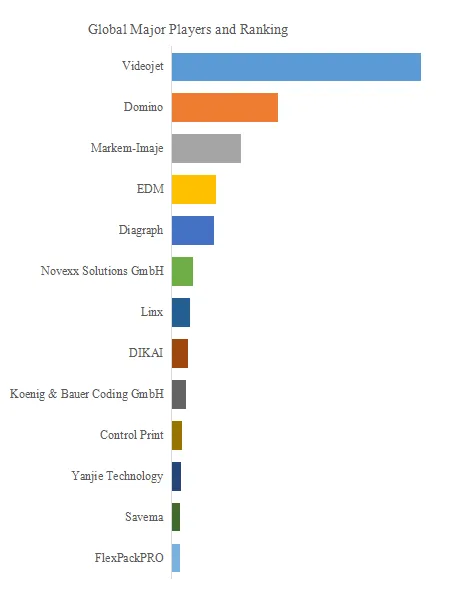
カテゴリー: 未分類 | 投稿者fafa168 18:14 | コメントをどうぞ