

Sumatriptan Subcutaneous Injection Research:CAGR of 4.62% during the forecast period

QY Research Inc. (Global Market Report Research Publisher) announces the release of 2025 latest report “Sumatriptan Subcutaneous Injection- Global Market Share and Ranking, Overall Sales and Demand Forecast 2026-2032”. Based on current situation and impact historical analysis (2020-2024) and forecast calculations (2026-2032), this report provides a comprehensive analysis of the global Sumatriptan Subcutaneous Injection market, including market size, share, demand, industry development status, and forecasts for the next few years.

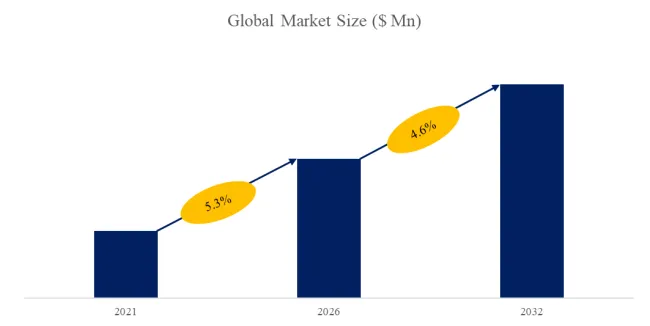
The global market for Sumatriptan Subcutaneous Injection was estimated to be worth US$ 176 million in 2025 and is projected to reach US$ 241 million, growing at a CAGR of 4.6% from 2026 to 2032.

【Get a free sample PDF of this report (Including Full TOC, List of Tables & Figures, Chart)】
https://www.qyresearch.com/reports/6259137/sumatriptan-subcutaneous-injection


Sumatriptan Subcutaneous Injection Market Summary

Sumatriptan Subcutaneous Injection is an injectable formulation of a triptan-class 5-HT1B/1D receptor agonist, primarily used for the rapid relief of acute migraine attacks in adults and, in selected cases, cluster headache. Compared with oral and intranasal formulations, the subcutaneous route offers faster onset, quicker peak plasma exposure, and more direct symptom control, making it particularly suitable for patients requiring rapid intervention or those with nausea, vomiting, or poor tolerance for oral administration. The mainstream commercial presentations are 6 mg/0.5 mL prefilled syringes and auto-injector devices, both of which support use in hospital and outpatient self-administration settings.

From a value-chain perspective, sumatriptan subcutaneous injection is a mature specialty pharmaceutical product combining sterile injectable formulation with drug-delivery device integration. Upstream materials mainly include sumatriptan succinate API, sterile water for injection, buffer systems such as acetate or phosphate buffers, stabilizers, and device-related components including glass barrels, rubber stoppers, needle assemblies, and auto-injector parts. Although the pharmacology and clinical pathway are well established, manufacturing still depends on high-standard aseptic compounding, sterile filtration, filling, and either terminal sterilization or fully aseptic processing, requiring strict cleanroom control and robust GMP systems.

In midstream production, manufacturers must ensure formulation stability, content uniformity, and impurity control, while also addressing device usability, dosing accuracy, and product reliability. For prefilled syringes and auto-injectors, integrated control of both drug and device quality is especially important, which preserves a meaningful technical barrier even in a genericized market. In regulated markets, manufacturers also need to meet stringent requirements for sterile injectable registration, device consistency, and usability validation.

Downstream customers include global and regional generic pharmaceutical companies, hospital emergency departments, neurology clinics, headache specialty practices, and retail pharmacy channels. Hospital use is centered on rapid symptom control, while outpatient and retail channels place greater emphasis on self-administration convenience, device usability, and brand familiarity. Although it is not the largest-volume product in headache treatment, sumatriptan subcutaneous injection maintains a clear clinical role in the acute-relief segment.

Looking ahead, the market for sumatriptan subcutaneous injection is expected to remain relatively mature, with future growth driven mainly by rising self-management demand, broader adoption of auto-injector formats, and improved specialty care access in emerging markets. At the same time, competition is gradually shifting from simple price competition toward a more comprehensive focus on formulation stability, ease of administration, device reliability, and channel coverage. For manufacturers, long-term competitiveness will depend on maintaining stable registration and supply in mature markets while expanding product accessibility in growth regions.

According to the new market research report “Global Sumatriptan Subcutaneous Injection Market Report 2026-2032”, published by QYResearch, the global Sumatriptan Subcutaneous Injection market size is projected to reach USD 0.24 billion by 2032, at a CAGR of 4.62% during the forecast period.


Figure00002. Global Sumatriptan Subcutaneous Injection Market Size (US$ Million), 2021-2032
Sumatriptan Subcutaneous Injection

Above data is based on report from QYResearch: Global Sumatriptan Subcutaneous Injection Market Report 2026-2032 (published in 2026). If you need the latest data, plaese contact QYResearch.

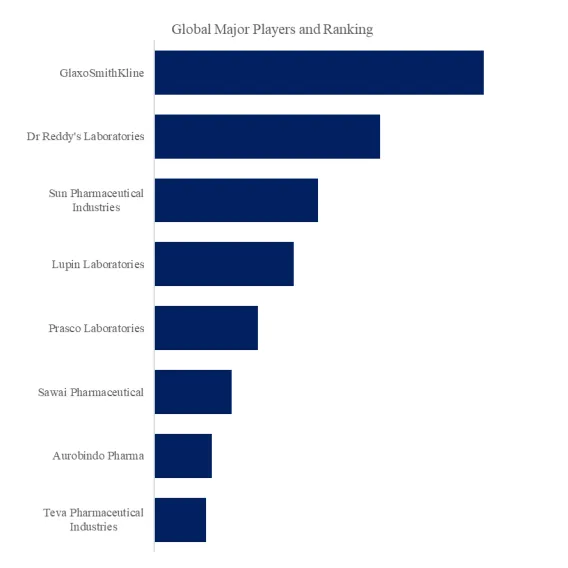
Figure00003. Global Sumatriptan Subcutaneous Injection Top 8 Players Ranking and Market Share (Ranking is based on the revenue of 2025, continually updated)
Sumatriptan Subcutaneous Injection

Above data is based on report from QYResearch: Global Sumatriptan Subcutaneous Injection Market Report 2026-2032 (published in 2026). If you need the latest data, plaese contact QYResearch.

According to QYResearch Top Players Research Center, the global key manufacturers of Sumatriptan Subcutaneous Injection include GlaxoSmithKline, Dr Reddy’s Laboratories, etc. In 2025, the global top three players had a share approximately 58.23% in terms of revenue.

The report provides a detailed analysis of the market size, growth potential, and key trends for each segment. Through detailed analysis, industry players can identify profit opportunities, develop strategies for specific customer segments, and allocate resources effectively.

The Sumatriptan Subcutaneous Injection market is segmented as below:
By Company
GlaxoSmithKline
Dr Reddy’s Laboratories
Sun Pharmaceutical Industries
Lupin Laboratories
Prasco Laboratories
Sawai Pharmaceutical
Aurobindo Pharma
Teva Pharmaceutical Industries

Segment by Type
Prefilled Syringe
Auto-injector Device
Others

Segment by Application
Hospital
Clinic
Others

Each chapter of the report provides detailed information for readers to further understand the Sumatriptan Subcutaneous Injection market:

Chapter 1: Introduces the report scope of the Sumatriptan Subcutaneous Injection report, global total market size (valve, volume and price). This chapter also provides the market dynamics, latest developments of the market, the driving factors and restrictive factors of the market, the challenges and risks faced by manufacturers in the industry, and the analysis of relevant policies in the industry. (2021-2032)
Chapter 2: Detailed analysis of Sumatriptan Subcutaneous Injection manufacturers competitive landscape, price, sales and revenue market share, latest development plan, merger, and acquisition information, etc. (2021-2026)
Chapter 3: Provides the analysis of various Sumatriptan Subcutaneous Injection market segments by Type, covering the market size and development potential of each market segment, to help readers find the blue ocean market in different market segments. (2021-2032)
Chapter 4: Provides the analysis of various market segments by Application, covering the market size and development potential of each market segment, to help readers find the blue ocean market in different downstream markets.(2021-2032)
Chapter 5: Sales, revenue of Sumatriptan Subcutaneous Injection in regional level. It provides a quantitative analysis of the market size and development potential of each region and introduces the market development, future development prospects, market space, and market size of each country in the world..(2021-2032)
Chapter 6: Sales, revenue of Sumatriptan Subcutaneous Injection in country level. It provides sigmate data by Type, and by Application for each country/region.(2021-2032)
Chapter 7: Provides profiles of key players, introducing the basic situation of the main companies in the market in detail, including product sales, revenue, price, gross margin, product introduction, recent development, etc. (2021-2026)
Chapter 8: Analysis of industrial chain, including the upstream and downstream of the industry.
Chapter 9: Conclusion.

Benefits of purchasing QYResearch report:
Competitive Analysis: QYResearch provides in-depth Sumatriptan Subcutaneous Injection competitive analysis, including information on key company profiles, new entrants, acquisitions, mergers, large market shear, opportunities, and challenges. These analyses provide clients with a comprehensive understanding of market conditions and competitive dynamics, enabling them to develop effective market strategies and maintain their competitive edge.

Industry Analysis: QYResearch provides Sumatriptan Subcutaneous Injection comprehensive industry data and trend analysis, including raw material analysis, market application analysis, product type analysis, market demand analysis, market supply analysis, downstream market analysis, and supply chain analysis.

and trend analysis. These analyses help clients understand the direction of industry development and make informed business decisions.

Market Size: QYResearch provides Sumatriptan Subcutaneous Injection market size analysis, including capacity, production, sales, production value, price, cost, and profit analysis. This data helps clients understand market size and development potential, and is an important reference for business development.

Other relevant reports of QYResearch:
Global Sumatriptan Subcutaneous Injection Market Outlook, In‑Depth Analysis & Forecast to 2032
Global Sumatriptan Subcutaneous Injection Market Research Report 2026
Global Sumatriptan Subcutaneous Injection Sales Market Report, Competitive Analysis and Regional Opportunities 2026-2032

About Us:
QYResearch founded in California, USA in 2007, which is a leading global market research and consulting company. Our primary business include market research reports, custom reports, commissioned research, IPO consultancy, business plans, etc. With over 19 years of experience and a dedicated research team, we are well placed to provide useful information and data for your business, and we have established offices in 7 countries (include United States, Germany, Switzerland, Japan, Korea, China and India) and business partners in over 30 countries. We have provided industrial information services to more than 60,000 companies in over the world.


Contact Us:
If you have any queries regarding this report or if you would like further information, please contact us:
QY Research Inc.
Add: 17890 Castleton Street Suite 369 City of Industry CA 91748 United States
EN: https://www.qyresearch.com
Email: global@qyresearch.com
Tel: 001-626-842-1666(US)
JP: https://www.qyresearch.co.jp

カテゴリー: 未分類 | 投稿者fafa168 18:08 | コメントをどうぞ

Smart Recording Earbuds Research:CAGR of 15.4% during the forecast period 2026-2032

QY Research Inc. (Global Market Report Research Publisher) announces the release of 2025 latest report “Smart Recording Earbuds- Global Market Share and Ranking, Overall Sales and Demand Forecast 2026-2032”. Based on current situation and impact historical analysis (2020-2024) and forecast calculations (2026-2032), this report provides a comprehensive analysis of the global Smart Recording Earbuds market, including market size, share, demand, industry development status, and forecasts for the next few years.

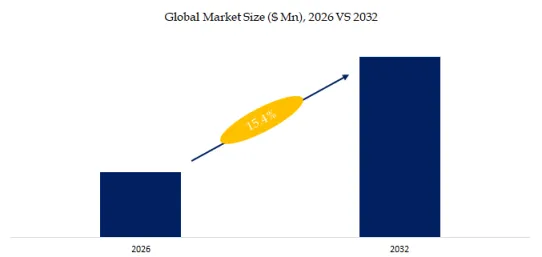
The global market for Smart Recording Earbuds was estimated to be worth US$ 133 million in 2025 and is projected to reach US$ 368 million, growing at a CAGR of 15.4% from 2026 to 2032.

【Get a free sample PDF of this report (Including Full TOC, List of Tables & Figures, Chart)】
https://www.qyresearch.com/reports/6634391/smart-recording-earbuds


Smart Recording Earbuds Market Summary

Smart recording earbuds are compact lightweight wearable audio devices integrated with high-sensitivity microphone arrays, intelligent noise reduction, clear real-time audio capture, built-in storage support, and AI-powered speech recognition and transcription functions; they deliver stable high-quality voice recording even in noisy environments, synchronize audio files with accurate text conversion instantly, and cater efficiently to daily note-taking, business meetings, academic lectures, interviews and remote office scenarios while maintaining comfortable wearing experience and normal daily audio playback and calling performance.


The current market for Smart Recording Earbuds is growing steadily, driven by the rising demand for efficient audio capture in remote work, meetings, and professional scenarios, with products integrating core functions such as high-definition recording, real-time transcription, and AI-assisted summarization, supported by advancements in 4G connectivity and AI technology, and a competitive landscape featuring both established audio brands and emerging AI hardware firms focusing on scenario-specific optimization

.

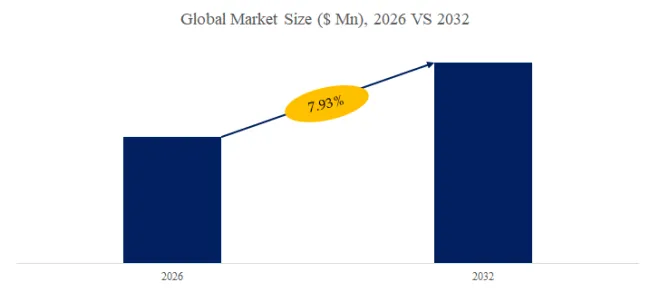
According to the new market research report “Global Smart Recording Earbuds Market Report 2026-2032″, published by QYResearch, the global market for Smart Recording Earbuds was valued at US$ 132.6 million in the year 2025 and is projected to reach a revised size of US$ 368.2 million by 2032, growing at a CAGR of 15.4% during the forecast period 2026-2032.

Figure00002. Global Smart Recording Earbuds Market Size (US$ Million), 2026 VS 2032

Smart Recording Earbuds

Above data is based on report from QYResearch: Global Smart Recording EarbudsMarket Report 2026-2032(published in 2026). If you need the latest data, plaese contact QYResearch.

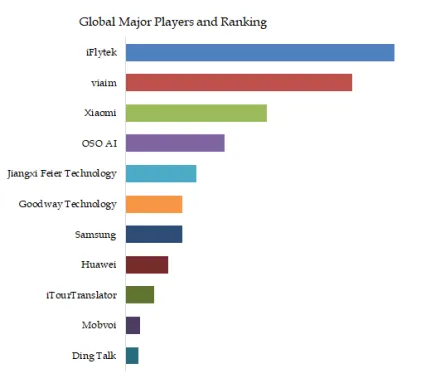
Figure00003. Global Smart Recording Earbuds Top 11 Players Ranking and Market Share (Ranking is based on the revenue of 2025, continually updated)

Smart Recording Earbuds

Above data is based on report from QYResearch: Global Smart Recording EarbudsMarket Report 2026-2032 (published in 2026). If you need the latest data, plaese contact QYResearch.

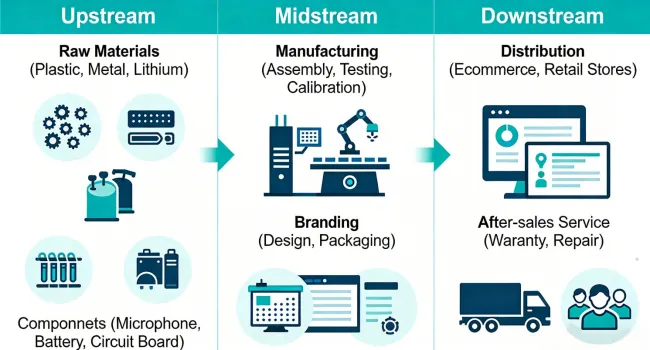
Figure00004. Smart Recording Earbuds Industry Chain Analysis

Smart Recording Earbuds

Source: Secondary Sources, Press Releases, Expert Interviews and QYResearch, 2026、


Table 1. Smart Recording Earbuds Industry Development Trends

Development Trends Description
1 AI-driven intelligentization Core algorithms are continuously optimized to enable real-time transcription, multi-speaker separation, and automatic content enhancement, transforming recording from a simple capture process into an intelligent content creation and management solution.
2 Functional integration Products are increasingly equipped with multi-mode connectivity, noise cancellation, and long battery life, while also integrating with cloud services and office software to form a closed loop of “recording-editing-synchronization” for seamless professional workflow support.
3 Design refinement and portability There is a clear trend toward miniaturization, ergonomic design, and premium material application, balancing portability and comfort to meet the high-frequency wearing needs of professionals in mobile working environments.

Source: Secondary Sources, Press Releases, Expert Interviews and QYResearch, 2026

Table 2. Smart Recording Earbuds Industry Development Opportunities

Development Opportunities Description
1 Expansion of mobile office scenarios The normalization of remote work and hybrid office models has created sustained demand for efficient on-the-go recording and documentation tools, driving the market penetration of smart recording earbuds beyond individual users to enterprise teams.
2 Penetration of vertical professional fields It is rapidly expanding into sectors such as education, healthcare, legal services, and field services, where accurate recording and information extraction are critical, presenting high-value application opportunities.
3 Hardware technology iteration Advances in microphones, sensors, and low-power chips improve recording clarity and device endurance, while the reduction in component costs enables the popularization of high-performance products across more consumer groups.

Source: Secondary Sources, Press Releases, Expert Interviews and QYResearch, 2026

Table 3. Smart Recording Earbuds Obstacles/Challenges to Industry Development

Obstacles/Challenges Description
1 High technical thresholds Achieving high-fidelity recording in complex acoustic environments, ensuring low-latency data transmission, and protecting user privacy all require strong R&D capabilities in acoustic engineering, AI algorithms, and data security, forming high entry barriers.
2 Fierce market competition and homogenization The market has a large number of participants, and the core functions of products are highly similar, leading to fierce price competition that compresses profit margins and reduces incentives for technological innovation.
3 Sensitivity to user experience The product experience is highly dependent on factors such as recording accuracy, connection stability, and ease of use; any flaws in these aspects can significantly affect user satisfaction, making it challenging for new products to gain market share.

Source: Secondary Sources, Press Releases, Expert Interviews and QYResearch, 2026


Future trends will focus on enhanced AI capabilities including multi-language translation and speaker identification, improved recording clarity and battery life, deeper integration with cloud collaboration platforms, expansion into vertical professional fields, and the adoption of advanced manufacturing to achieve lightweight designs, while moving toward more independent, intelligent terminals that reduce reliance on external devices.


The report provides a detailed analysis of the market size, growth potential, and key trends for each segment. Through detailed analysis, industry players can identify profit opportunities, develop strategies for specific customer segments, and allocate resources effectively.

The Smart Recording Earbuds market is segmented as below:
By Company
viaim
Mobvoi
OSO AI
iFlytek
Goodway Technology
Jiangxi Feier Technology
Ding Talk
Samsung
Huawei
Xiaomi
iTourTranslator

Segment by Type
In-Ear Type
Half In-Ear Type
Open-Ear Type

Segment by Application
Business Meetings
Interview and Field Recording
Education and Lecture Note-Taking
Personal Voice Memo and Daily Recording
Others

Each chapter of the report provides detailed information for readers to further understand the Smart Recording Earbuds market:

Chapter 1: Introduces the report scope of the Smart Recording Earbuds report, global total market size (valve, volume and price). This chapter also provides the market dynamics, latest developments of the market, the driving factors and restrictive factors of the market, the challenges and risks faced by manufacturers in the industry, and the analysis of relevant policies in the industry. (2021-2032)
Chapter 2: Detailed analysis of Smart Recording Earbuds manufacturers competitive landscape, price, sales and revenue market share, latest development plan, merger, and acquisition information, etc. (2021-2026)
Chapter 3: Provides the analysis of various Smart Recording Earbuds market segments by Type, covering the market size and development potential of each market segment, to help readers find the blue ocean market in different market segments. (2021-2032)
Chapter 4: Provides the analysis of various market segments by Application, covering the market size and development potential of each market segment, to help readers find the blue ocean market in different downstream markets.(2021-2032)
Chapter 5: Sales, revenue of Smart Recording Earbuds in regional level. It provides a quantitative analysis of the market size and development potential of each region and introduces the market development, future development prospects, market space, and market size of each country in the world..(2021-2032)
Chapter 6: Sales, revenue of Smart Recording Earbuds in country level. It provides sigmate data by Type, and by Application for each country/region.(2021-2032)
Chapter 7: Provides profiles of key players, introducing the basic situation of the main companies in the market in detail, including product sales, revenue, price, gross margin, product introduction, recent development, etc. (2021-2026)
Chapter 8: Analysis of industrial chain, including the upstream and downstream of the industry.
Chapter 9: Conclusion.

Benefits of purchasing QYResearch report:
Competitive Analysis: QYResearch provides in-depth Smart Recording Earbuds competitive analysis, including information on key company profiles, new entrants, acquisitions, mergers, large market shear, opportunities, and challenges. These analyses provide clients with a comprehensive understanding of market conditions and competitive dynamics, enabling them to develop effective market strategies and maintain their competitive edge.

Industry Analysis: QYResearch provides Smart Recording Earbuds comprehensive industry data and trend analysis, including raw material analysis, market application analysis, product type analysis, market demand analysis, market supply analysis, downstream market analysis, and supply chain analysis.

and trend analysis. These analyses help clients understand the direction of industry development and make informed business decisions.

Market Size: QYResearch provides Smart Recording Earbuds market size analysis, including capacity, production, sales, production value, price, cost, and profit analysis. This data helps clients understand market size and development potential, and is an important reference for business development.

Other relevant reports of QYResearch:
Global Smart Recording Earbuds Market Research Report 2026
Global Smart Recording Earbuds Sales Market Report, Competitive Analysis and Regional Opportunities 2026-2032
Global Smart Recording Earbuds Market Outlook, In‑Depth Analysis & Forecast to 2032

About Us:
QYResearch founded in California, USA in 2007, which is a leading global market research and consulting company. Our primary business include market research reports, custom reports, commissioned research, IPO consultancy, business plans, etc. With over 19 years of experience and a dedicated research team, we are well placed to provide useful information and data for your business, and we have established offices in 7 countries (include United States, Germany, Switzerland, Japan, Korea, China and India) and business partners in over 30 countries. We have provided industrial information services to more than 60,000 companies in over the world.


Contact Us:
If you have any queries regarding this report or if you would like further information, please contact us:
QY Research Inc.
Add: 17890 Castleton Street Suite 369 City of Industry CA 91748 United States
EN: https://www.qyresearch.com
Email: global@qyresearch.com
Tel: 001-626-842-1666(US)
JP: https://www.qyresearch.co.jp
カテゴリー: 未分類 | 投稿者fafa168 18:04 | コメントをどうぞ

SaaS User Management Tool Research:CAGR of 7.9% during the forecast period

QY Research Inc. (Global Market Report Research Publisher) announces the release of 2025 latest report “SaaS User Management Tool- Global Market Share and Ranking, Overall Sales and Demand Forecast 2026-2032”. Based on current situation and impact historical analysis (2020-2024) and forecast calculations (2026-2032), this report provides a comprehensive analysis of the global SaaS User Management Tool market, including market size, share, demand, industry development status, and forecasts for the next few years.

The global market for SaaS User Management Tool was estimated to be worth US$ million in 2024 and is forecast to a readjusted size of US$ million by 2031 with a CAGR of %during the forecast period 2025-2031.

【Get a free sample PDF of this report (Including Full TOC, List of Tables & Figures, Chart)】
https://www.qyresearch.com/reports/4385946/saas-user-management-tool


SaaS User Management Tool Market Summary

To address issues such as user identity confusion, loose access control, cross-system data silos, and fragmented user lifecycle management during enterprise digitalization processes, SaaS user management tools have emerged. Since the popularization of cloud computing in 2010, these tools have gradually developed into core digital tools encompassing identity authentication, access control, behavioral analysis, and full lifecycle management, widely used in internet, finance, retail, and manufacturing sectors, significantly improving enterprise user management efficiency and data security.

According to the new market research report “Global SaaS User Management Tool Market Report 2021-2032”, published by QYResearch, the global SaaS User Management Tool market size is projected to reach USD 1.08 billion by 2032, at a CAGR of 7.9% during the forecast period.

Figure00001. Global SaaS User Management Tool Market Size (US$ Million), 2026-2032

SaaS User Management Tool

Above data is based on report from QYResearch: Global SaaS User Management Tool Market Report 2021-2032 (published in 2025). If you need the latest data, plaese contact QYResearch.

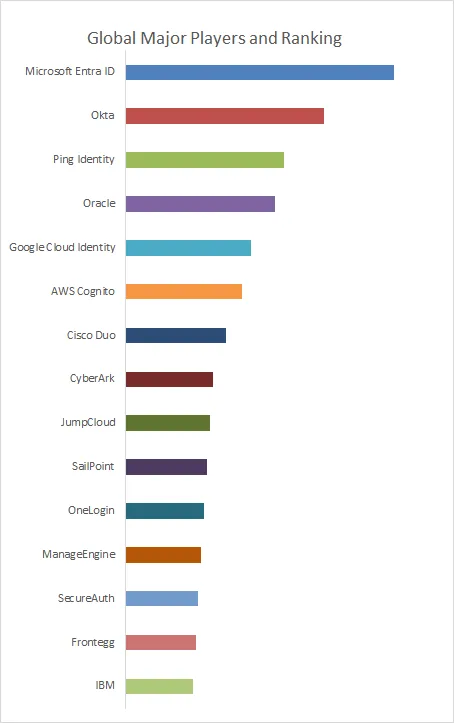
Figure00002. Global SaaS User Management Tool Top 15 Players Ranking and Market Share (Ranking is based on the revenue of 2025, continually updated)

SaaS User Management Tool

Above data is based on report from QYResearch: Global SaaS User Management Tool Market Report 2021-2032 (published in 2025). If you need the latest data, plaese contact QYResearch.

Table 1. SaaS User Management Tool Industry Chain Analysis

Item Description
Upstream Cloud Computing Cloud computing is a distributed computing paradigm that delivers computing resources—such as servers, storage, networks, software, and databases—on demand via the Internet. It allows users to utilize computing power and services flexibly without the need to build their own data centers or acquire hardware, paying only for their actual usage. Within the context of SaaS user management tools, cloud computing provides a runtime environment characterized by high availability, elastic scalability, security, stability, and global deployment capabilities. It supports massive user access, high-concurrency traffic, and rapid business scaling, serving as the foundational platform that enables the realization of the SaaS model.
Database Systems A database system is a software system designed for the structured storage, management, querying, and processing of user data. It is responsible for securely storing core data assets such as account information, permission policies, organizational structures, operation logs, and business configurations. Supporting high-concurrency read-and-write operations, transactional consistency, data encryption, backup and recovery, and horizontal scaling, it provides SaaS user management tools with reliable data persistence and efficient retrieval capabilities, thereby establishing the data foundation necessary for user authentication, access control, and behavioral auditing.
Downstream Internet & Digital Products Tailored for internet products, digital platforms, mobile apps, and multi-terminal applications, this solution provides unified identity authentication, centralized account management, Single Sign-On (SSO), OAuth authorization, and tiered user operational capabilities. It assists enterprises in achieving data interoperability across multiple products, granular operational management, robust security and risk control, and growth analytics—ultimately enhancing user experience and retention while supporting rapid business iteration and scalable expansion.
Finance Designed to meet the stringent regulatory requirements of financial institutions regarding account security, compliance auditing, granular access control, fraud prevention, and data security. It offers capabilities such as multi-factor authentication, tiered authorization, audit trails, and risk behavior monitoring. This ensures account security, transactional integrity, and regulatory traceability across banking, insurance, securities, and payment services, thereby facilitating digital transformation and the construction of robust risk management frameworks within the financial sector.
Retail Utilized for the unified management of omnichannel members, store employee accounts, and e-commerce platform access permissions, as well as for member profiling and precision marketing. It integrates user ecosystems across online stores, physical retail outlets, mini-programs, and third-party platforms, enabling seamless member identity recognition, unified benefits, and data sharing. This significantly boosts operational efficiency and customer repurchase conversion rates for retail enterprises.
Manufacturing Targeting systems such as factories, production lines, supply chains, MES (Manufacturing Execution Systems), and ERP (Enterprise Resource Planning), this solution enables the unified management of employee accounts, granular access control for equipment accounts, Single Sign-On (SSO) across multiple systems, and tiered access permissions for shop-floor operations. Reduce internal system management costs, enhance the security of production data and the standardization of operations, and support unified identity governance and secure collaborative work within smart manufacturing and digital factory environments.

Source: Secondary Sources, Press Releases, Expert Interviews and QYResearch, 2025

Table 2. SaaS User Management Tool Industry Policy Analysis

Policy Description
1 The *Cybersecurity Law* and the *Data Security Law* (China) China’s *Cybersecurity Law* mandates that operators of SaaS user management tools implement security measures—such as real-name authentication, encrypted data storage, and access controls—to safeguard user data throughout its entire lifecycle. The *Data Security Law* further clarifies that data processors must establish a data classification and hierarchical protection system, subjecting “core data” to strict controls based on the principle of “applying the highest standard.”
2 The *California Consumer Privacy Act* (CCPA) and the *Health Insurance Portability and Accountability Act* (HIPAA) (USA) In the U.S., California’s CCPA grants consumers rights regarding data access, deletion, and the ability to opt out of the sale of their personal information. It requires SaaS user management tool providers to explicitly disclose the intended use of user data at the point of collection and to provide an “opt-out of sale” option. For SaaS tools involving medical data, HIPAA mandates the adoption of technical safeguards—such as AES-256 encryption and two-factor authentication—to ensure the confidentiality, integrity, and availability of Protected Health Information (PHI); non-compliant enterprises may face fines of up to $50,000 per day.
3 The *General Data Protection Regulation* (GDPR) and the *Product Liability Directive* (PLD) (EU) The EU’s GDPR requires SaaS user management tools to adhere to the principle of “Privacy by Design” when processing user data—meaning they must collect only the minimum amount of data necessary to deliver the service and must obtain the user’s explicit consent. The 2024 revision of the PLD extends the scope of product liability to include SaaS, requiring enterprises to establish a security development framework covering the entire product lifecycle (e.g., in accordance with the ISO/IEC 27034 standard). If software defects result in user data breaches or business interruptions, enterprises may face fines of up to €10 million or 2% of their global annual turnover.

Source: Secondary Sources, Press Releases, Expert Interviews and QYResearch, 2025

Table 3. SaaS User Management Tool Industry Development Trends

Development Trends Description
1 Deep Integration of Intelligence and AI AI technology is emerging as a core driving force for SaaS user management tools. For instance, AI-driven risk alerting features now boast a 95% accuracy rate, while the efficiency of blocking anomalous login attempts has increased threefold. Intelligent identity authentication leverages machine learning to enable dynamic permission allocation, adapting automatically as employee roles evolve. Furthermore, predictive analytics optimize user behavior modeling, thereby enhancing the precision of permission approval processes.
2 Deep Integration of Unified Platforms and Cross-System Functionality These tools are evolving toward a unified, integrated paradigm encompassing “Identity Management + Access Control + Behavioral Analytics + Full Lifecycle Management.” In 2025, demand for integrated solutions is projected to grow by 50%, as enterprises leverage API interfaces to facilitate cross-system data sharing—such as supporting 100,000 concurrent access requests during major e-commerce promotional events—with data transmission encryption standards meeting ISO 27001 requirements.
3 Zero Trust Architecture and Security Hardening The adoption rate of Zero Trust architectures among large global enterprises has exceeded 60%, driving a 40% surge in demand for high-security tools. Data encryption, Multi-Factor Authentication (MFA), and access control policies have become standard requirements, while compliance mandates (such as GDPR and SOC 2) continue to drive tool upgrades.

Source: Secondary Sources, Press Releases, Expert Interviews and QYResearch, 2025


The report provides a detailed analysis of the market size, growth potential, and key trends for each segment. Through detailed analysis, industry players can identify profit opportunities, develop strategies for specific customer segments, and allocate resources effectively.

The SaaS User Management Tool market is segmented as below:
By Company
Frontegg
Auth0
Bettercloud
LastPass
Ping Identity
Duo
SecureAuth
OneLogin
Digicert
Oracle
IBM
JumpCloud
ForgeRock
ManageEngine
Rippling
OutSystems
UiPath RPA
Keeper

Segment by Type
Cloud-based
On-premises

Segment by Application
SMEs
Large Enterprises

Each chapter of the report provides detailed information for readers to further understand the SaaS User Management Tool market:

Chapter 1: Introduces the report scope of the SaaS User Management Tool report, global total market size (valve, volume and price). This chapter also provides the market dynamics, latest developments of the market, the driving factors and restrictive factors of the market, the challenges and risks faced by manufacturers in the industry, and the analysis of relevant policies in the industry. (2021-2032)
Chapter 2: Detailed analysis of SaaS User Management Tool manufacturers competitive landscape, price, sales and revenue market share, latest development plan, merger, and acquisition information, etc. (2021-2026)
Chapter 3: Provides the analysis of various SaaS User Management Tool market segments by Type, covering the market size and development potential of each market segment, to help readers find the blue ocean market in different market segments. (2021-2032)
Chapter 4: Provides the analysis of various market segments by Application, covering the market size and development potential of each market segment, to help readers find the blue ocean market in different downstream markets.(2021-2032)
Chapter 5: Sales, revenue of SaaS User Management Tool in regional level. It provides a quantitative analysis of the market size and development potential of each region and introduces the market development, future development prospects, market space, and market size of each country in the world..(2021-2032)
Chapter 6: Sales, revenue of SaaS User Management Tool in country level. It provides sigmate data by Type, and by Application for each country/region.(2021-2032)
Chapter 7: Provides profiles of key players, introducing the basic situation of the main companies in the market in detail, including product sales, revenue, price, gross margin, product introduction, recent development, etc. (2021-2026)
Chapter 8: Analysis of industrial chain, including the upstream and downstream of the industry.
Chapter 9: Conclusion.

Benefits of purchasing QYResearch report:
Competitive Analysis: QYResearch provides in-depth SaaS User Management Tool competitive analysis, including information on key company profiles, new entrants, acquisitions, mergers, large market shear, opportunities, and challenges. These analyses provide clients with a comprehensive understanding of market conditions and competitive dynamics, enabling them to develop effective market strategies and maintain their competitive edge.

Industry Analysis: QYResearch provides SaaS User Management Tool comprehensive industry data and trend analysis, including raw material analysis, market application analysis, product type analysis, market demand analysis, market supply analysis, downstream market analysis, and supply chain analysis.

and trend analysis. These analyses help clients understand the direction of industry development and make informed business decisions.

Market Size: QYResearch provides SaaS User Management Tool market size analysis, including capacity, production, sales, production value, price, cost, and profit analysis. This data helps clients understand market size and development potential, and is an important reference for business development.

Other relevant reports of QYResearch:
Global SaaS User Management Tool Market Outlook, In‑Depth Analysis & Forecast to 2031
Global SaaS User Management Tool Sales Market Report, Competitive Analysis and Regional Opportunities 2025-2031
Global SaaS User Management Tool Market Research Report 2025

About Us:
QYResearch founded in California, USA in 2007, which is a leading global market research and consulting company. Our primary business include market research reports, custom reports, commissioned research, IPO consultancy, business plans, etc. With over 19 years of experience and a dedicated research team, we are well placed to provide useful information and data for your business, and we have established offices in 7 countries (include United States, Germany, Switzerland, Japan, Korea, China and India) and business partners in over 30 countries. We have provided industrial information services to more than 60,000 companies in over the world.


Contact Us:
If you have any queries regarding this report or if you would like further information, please contact us:
QY Research Inc.
Add: 17890 Castleton Street Suite 369 City of Industry CA 91748 United States
EN: https://www.qyresearch.com
Email: global@qyresearch.com
Tel: 001-626-842-1666(US)
JP: https://www.qyresearch.co.jp
カテゴリー: 未分類 | 投稿者fafa168 17:58 | コメントをどうぞ

Progesterone Soft Capsules Research:CAGR of 5.88% during the forecast period

QY Research Inc. (Global Market Report Research Publisher) announces the release of 2025 latest report “Progesterone Soft Capsules- Global Market Share and Ranking, Overall Sales and Demand Forecast 2026-2032”. Based on current situation and impact historical analysis (2020-2024) and forecast calculations (2026-2032), this report provides a comprehensive analysis of the global Progesterone Soft Capsules market, including market size, share, demand, industry development status, and forecasts for the next few years.

The global market for Progesterone Soft Capsules was estimated to be worth US$ 262 million in 2025 and is projected to reach US$ 397 million, growing at a CAGR of 5.9% from 2026 to 2032.

【Get a free sample PDF of this report (Including Full TOC, List of Tables & Figures, Chart)】
https://www.qyresearch.com/reports/6259141/progesterone-soft-capsules


Progesterone Soft Capsules Market Summary

Progesterone Soft Capsules are oral progestogen formulations using progesterone as the active ingredient and manufactured through lipid-based soft capsule technology. They represent the dominant dosage form within the progesterone capsule segment. By dissolving highly lipophilic progesterone in vegetable oils or medium-chain triglycerides, this formulation significantly improves oral dissolution and absorption, offering stable bioavailability, extensive clinical experience, and good patient compliance. As a result, progesterone soft capsules have become an important oral dosage form in the management of luteal phase deficiency, luteal support in assisted reproductive technology cycles, and selected hormone replacement therapy settings.

From a value-chain perspective, progesterone soft capsules belong to a relatively mature hormone formulation category. Upstream materials mainly include pharmaceutical-grade progesterone API, gelatin or plant-based capsule shells, lipid solvent systems, antioxidants and stabilizers, and pharmaceutical packaging materials such as aluminum-plastic blisters and cartons. Although raw material costs account for a relatively small share of total cost, manufacturing quality depends heavily on dissolution stability, content uniformity, capsule sealing integrity, and long-term storage performance. Midstream producers therefore rely on stable soft capsule filling technology, precise encapsulation control, and well-established quality systems to ensure batch consistency and reliable oral bioavailability.

In clinical use, progesterone soft capsules are most closely associated with gynecology and reproductive medicine. They are widely used in the treatment of luteal phase insufficiency and related hormonal support therapy, and they play an important role in ART cycles where luteal support is a standard component of treatment. In addition, they are used in selected peri-menopausal and post-menopausal hormone replacement therapy regimens.

Downstream customers mainly include obstetrics and gynecology hospitals, reproductive medicine centers, outpatient departments of general hospitals, and prescription-based retail pharmacy channels. Demand is relatively stable because progesterone remains a well-established hormone therapy with mature clinical pathways. At the same time, competition has intensified as generics account for a high share of the market and regional pricing pressure remains strong, shifting competitive focus toward quality consistency, physician acceptance, brand positioning, and channel coverage.

Looking ahead, progesterone soft capsules are expected to remain a mature but resilient segment, with future growth mainly supported by the expansion of assisted reproductive treatment, rising awareness of women’s reproductive health, and improved access in emerging markets. At the same time, product development is likely to focus on plant-based capsule shells, excipient optimization, improved absorption consistency, and better patient experience. For manufacturers, long-term competitiveness will depend on maintaining stable quality in mature markets, expanding channel access in growth regions, and sustaining compliance under increasingly standardized regulatory frameworks.

According to the new market research report “Global Progesterone Soft Capsules Market Report 2026-2032”, published by QYResearch, the global Progesterone Soft Capsules market size is projected to reach USD 0.4 billion by 2032, at a CAGR of 5.88% during the forecast period.


Figure00002. Global Progesterone Soft Capsules Market Size (US$ Million), 2021-2032

Progesterone Soft Capsules

Above data is based on report from QYResearch: Global Progesterone Soft Capsules Market Report 2026-2032 (published in 2026). If you need the latest data, plaese contact QYResearch.

Figure00003. Global Progesterone Soft Capsules Top 12 Players Ranking and Market Share (Ranking is based on the revenue of 2025, continually updated)

Progesterone Soft Capsules

Above data is based on report from QYResearch: Global Progesterone Soft Capsules Market Report 2026-2032 (published in 2026). If you need the latest data, plaese contact QYResearch.

According to QYResearch Top Players Research Center, the global key manufacturers of Progesterone Soft Capsules include Besins Healthcare, Organon, Sun Pharmaceutical Industries, Zhejiang Medicine, Zydus Lifesciences, Zhejiang Xianju Pharmaceutical, Cipla, Zhejiang Shenzhou Pharmaceutical, Beijing Foyou Pharma, Intas Pharmaceuticals, etc. In 2025, the global top five players had a share approximately 56.92% in terms of revenue.

The report provides a detailed analysis of the market size, growth potential, and key trends for each segment. Through detailed analysis, industry players can identify profit opportunities, develop strategies for specific customer segments, and allocate resources effectively.

The Progesterone Soft Capsules market is segmented as below:
By Company
Besins Healthcare
Organon
Sun Pharmaceutical Industries
Zydus Lifesciences
Cipla
Intas Pharmaceuticals
Mankind Pharma
Zhejiang Xianju Pharmaceutical
Zhejiang Medicine
Zhejiang Shenzhou Pharmaceutical
Beijing Foyou Pharma
Humanwell PuraCap Pharmaceuticals

Segment by Type
0.1g
0.2g

Segment by Application
Hospital
Clinic
Others

Each chapter of the report provides detailed information for readers to further understand the Progesterone Soft Capsules market:

Chapter 1: Introduces the report scope of the Progesterone Soft Capsules report, global total market size (valve, volume and price). This chapter also provides the market dynamics, latest developments of the market, the driving factors and restrictive factors of the market, the challenges and risks faced by manufacturers in the industry, and the analysis of relevant policies in the industry. (2021-2032)
Chapter 2: Detailed analysis of Progesterone Soft Capsules manufacturers competitive landscape, price, sales and revenue market share, latest development plan, merger, and acquisition information, etc. (2021-2026)
Chapter 3: Provides the analysis of various Progesterone Soft Capsules market segments by Type, covering the market size and development potential of each market segment, to help readers find the blue ocean market in different market segments. (2021-2032)
Chapter 4: Provides the analysis of various market segments by Application, covering the market size and development potential of each market segment, to help readers find the blue ocean market in different downstream markets.(2021-2032)
Chapter 5: Sales, revenue of Progesterone Soft Capsules in regional level. It provides a quantitative analysis of the market size and development potential of each region and introduces the market development, future development prospects, market space, and market size of each country in the world..(2021-2032)
Chapter 6: Sales, revenue of Progesterone Soft Capsules in country level. It provides sigmate data by Type, and by Application for each country/region.(2021-2032)
Chapter 7: Provides profiles of key players, introducing the basic situation of the main companies in the market in detail, including product sales, revenue, price, gross margin, product introduction, recent development, etc. (2021-2026)
Chapter 8: Analysis of industrial chain, including the upstream and downstream of the industry.
Chapter 9: Conclusion.

Benefits of purchasing QYResearch report:
Competitive Analysis: QYResearch provides in-depth Progesterone Soft Capsules competitive analysis, including information on key company profiles, new entrants, acquisitions, mergers, large market shear, opportunities, and challenges. These analyses provide clients with a comprehensive understanding of market conditions and competitive dynamics, enabling them to develop effective market strategies and maintain their competitive edge.

Industry Analysis: QYResearch provides Progesterone Soft Capsules comprehensive industry data and trend analysis, including raw material analysis, market application analysis, product type analysis, market demand analysis, market supply analysis, downstream market analysis, and supply chain analysis.

and trend analysis. These analyses help clients understand the direction of industry development and make informed business decisions.

Market Size: QYResearch provides Progesterone Soft Capsules market size analysis, including capacity, production, sales, production value, price, cost, and profit analysis. This data helps clients understand market size and development potential, and is an important reference for business development.

Other relevant reports of QYResearch:
Global Progesterone Soft Capsules Market Outlook, In‑Depth Analysis & Forecast to 2032
Global Progesterone Soft Capsules Sales Market Report, Competitive Analysis and Regional Opportunities 2026-2032
Global Progesterone Soft Capsules Market Research Report 2026

About Us:
QYResearch founded in California, USA in 2007, which is a leading global market research and consulting company. Our primary business include market research reports, custom reports, commissioned research, IPO consultancy, business plans, etc. With over 19 years of experience and a dedicated research team, we are well placed to provide useful information and data for your business, and we have established offices in 7 countries (include United States, Germany, Switzerland, Japan, Korea, China and India) and business partners in over 30 countries. We have provided industrial information services to more than 60,000 companies in over the world.


Contact Us:
If you have any queries regarding this report or if you would like further information, please contact us:
QY Research Inc.
Add: 17890 Castleton Street Suite 369 City of Industry CA 91748 United States
EN: https://www.qyresearch.com
Email: global@qyresearch.com
Tel: 001-626-842-1666(US)
JP: https://www.qyresearch.co.jp
カテゴリー: 未分類 | 投稿者fafa168 17:55 | コメントをどうぞ

Eco-Friendly Automobile Interior Synthetic Leather Market 2026-2032: Water-Based PU, Microfiber, and Bio-Based Leathers for Seats and Dashboards – A USD 5.1 Billion Sustainable Interior Revolution

For three decades, I have tracked automotive interior materials from genuine leather to today’s eco-friendly synthetic alternatives. Eco-friendly automobile interior synthetic leather – materials made from PVC, PU, and TPO that mimic natural leather while offering low cost, stain resistance, and ease of processing – has become the dominant choice for seats, door panels, instrument panels, and steering wheels. However, tightening environmental regulations are now driving a fundamental shift: from solvent-based PVC and PU to water-based PU, microfiber, and bio-based synthetic leathers. The development of environmentally friendly green synthetic leather focuses primarily on water-based and solvent-free options, eliminating organic solvent pollution from the source. The global market, valued at USD 3,643 million in 2024, is projected to reach USD 5,120 million by 2031, growing at a CAGR of 4.8 percent. Global production reached approximately 500,357,000 square meters in 2024, with an average global market price of around USD 7.28 per square meter.

This analysis draws exclusively from QYResearch verified market data (2021-2026), corporate annual reports from leading synthetic leather manufacturers, automotive industry publications, and verified environmental regulation and electrification trend data. I will address three core stakeholder priorities: (1) understanding the shift from solvent-based to water-based and bio-based materials driven by environmental regulations; (2) recognizing the demand for lightweight materials for electric vehicle range optimization; and (3) navigating the emergence of “smart leathers” with integrated sensing, heating, and biometric functions.

Global Leading Market Research Publisher QYResearch announces the release of its latest report “Eco-Friendly Automobile Interior Synthetic Leather – Global Market Share and Ranking, Overall Sales and Demand Forecast 2026-2032”. Based on current situation and impact historical analysis (2021-2025) and forecast calculations (2026-2032), this report provides a comprehensive analysis of the global Eco-Friendly Automobile Interior Synthetic Leather market, including market size, share, demand, industry development status, and forecasts for the next few years.

【Get a free sample PDF of this report (Including Full TOC, List of Tables & Figures, Chart)
https://www.qyresearch.com/reports/4944883/eco-friendly-automobile-interior-synthetic-leather

1. Market Size & Growth Trajectory (2024–2031) in USD

According to QYResearch’s proprietary database, the global market for Eco-Friendly Automobile Interior Synthetic Leather was estimated to be worth USD 3,643 million in 2024 and is forecast to reach a readjusted size of USD 5,120 million by 2031, growing at a CAGR of 4.8 percent during the forecast period 2025-2031. Global production reached approximately 500,357,000 square meters in 2024, with an average global market price of around USD 7.28 per square meter.

Three structural demand drivers from verified 2025–2026 sources are shaping this market. First, tightening environmental regulations: national and local government departments have successively issued and implemented environmental protection measures, including air pollution prevention plans, synthetic leather industry regulations, and environmental access requirements. Second, electrification and lightweighting: electric vehicles are extremely sensitive to energy consumption and range; lightweighting the entire vehicle is a core goal. Third, increasing consumer demand for sustainable interiors: buyers increasingly expect eco-friendly, low-VOC, and recyclable materials even in mass-market vehicles. This is the “eco-friendly” focus distinguishing this market from conventional synthetic leather.

2. Product Definition – Green Synthetic Materials for Automotive Interiors

Eco-Friendly Automobile Interior Synthetic Leather refers to a synthetic leather material made from chemically synthesized materials (primarily polyvinyl chloride (PVC), polyurethane (PU), and thermoplastic olefin (TPO)) for use in automotive interior coverings (such as seats, door panels, instrument panels, and steering wheels). It mimics the look, feel, and functionality of natural leather, offering advantages such as low cost, mass production, stain and water resistance, and ease of processing. Not only does this material meet aesthetic and comfort requirements, but it can also be enhanced with flame retardancy, UV resistance, antibacterial properties, and wear resistance through additives. It is a widely used interior material in mid- to high-end and economy vehicles, offering a valuable alternative to natural leather. In recent years, with tightening environmental regulations, new artificial leathers such as water-based PU, artificial microfiber leather, and bio-based synthetic leather (partially derived from plant sources, e.g., corn, castor oil, cellulose) have seen rapid development. These eco-friendly variants reduce VOC emissions, eliminate hazardous solvents (DMF, MEK, toluene), and improve recyclability.

2.1 Eco-Friendly Material Types – Water-Based PU, Microfiber, Bio-Based

The Eco-Friendly Automobile Interior Synthetic Leather market is segmented by material type, with eco-friendly subcategories growing fastest. Water-based PU leather (polyurethane produced using water as solvent instead of DMF) currently accounts for approximately 25-30 percent of eco-friendly segment, growing at 8-9 percent CAGR. It virtually eliminates organic solvent emissions (VOCs <50 ppm), offers soft hand feel and breathability, and is suitable for seats, door trims, and armrests. Microfiber leather (ultra-fine nylon/polyester fibers impregnated with water-based PU) accounts for 15-20 percent of eco-friendly segment. It provides exceptional durability (abrasion resistance exceeding 100,000 cycles Martindale), breathability, and genuine leather-like hand feel. Bio-based synthetic leather (partially derived from renewable sources such as corn, castor oil, agricultural waste) accounts for 5-10 percent (small but fastest growing at 12-15 percent CAGR). OEMs developing circular economy vehicles increasingly specify bio-based content targets (e.g., 5-10 percent bio-based materials by weight). Recycled PET backing (using post-consumer or post-industrial recycled polyester) is also an eco-friendly feature, reducing virgin plastic consumption. Eco-friendly variants command 10-30 percent price premium over conventional PVC, justified by regulatory compliance and brand sustainability positioning.

3. Key Industry Characteristics – Environmental Compliance, Lightweighting, and Smart Integration

Environmental: Water-Based and Solvent-Free Solutions. Currently, the development of environmentally friendly green synthetic leather focuses primarily on water-based and solvent-free options, eliminating organic solvent pollution (dimethylformamide (DMF), methyl ethyl ketone (MEK), toluene) from the source of the production process, thereby achieving clean production and promising development prospects. New technology materials such as water-based PU, hot-melt coatings (replacing solvent-based adhesives for laminating), and recycled PET fiber backings are gradually replacing traditional solvent-based materials, improving environmental performance and reusability. Some leading suppliers have even proposed “net-zero VOC” (no volatile organic compound emissions during production or use) and “carbon-neutral leather” (lifecycle emissions offset through renewable energy or carbon credits) solutions, integrating leather production into their full lifecycle management systems. Compliance with global automotive environmental standards (China GB/T 30512-2014 hazardous substance limits, EU REACH, ELV Directive) is mandatory for OEM suppliers.

Lightweighting: Micro-Foaming and Thin Backings for EVs. Lightweight design has become a key trend in electric vehicles. Since electric vehicles are extremely sensitive to energy consumption and range (every 10 kg reduction improves range by approximately 0.1-0.2 km), lightweighting the entire vehicle is a core goal, and interior materials also face the challenge of weight reduction. Traditional genuine leather is thinned and laminated with lightweight foam to significantly reduce its weight per unit area. Synthetic leather achieves both high performance and low weight through micro-foaming technology (vacuum foaming creates micro-bubbles within PU layer, reducing density without compromising surface durability), a thin backing (reducing scrim thickness from 0.5-0.8 mm to 0.2-0.3 mm), and a high-strength, low-density substrate. For example, some microfiber PU leathers can now be kept below 0.6 mm in thickness, reducing weight by approximately 20 percent without sacrificing strength and durability (abrasion resistance >50,000 cycles Martindale). Weight reduction of 2-3 kg per vehicle interior translates to 0.5-1 percent range improvement for EVs, a meaningful marketing claim.

Smart Leathers – Integration of Heating, Sensing, and Biometrics. High-end vehicles are increasingly integrating temperature regulation (heating/ventilation), pressure sensing, touch response, and even biometric recognition functions into the leather surface or backing structure. For example, seats can sense body temperature and adjust heating intensity through the leather surface, or enable in-vehicle control functions (volume, climate) with a simple touch on the door armrest or center console. This type of “smart leather” typically utilizes a multi-layer composite structure, embedding a sensing film (capacitive or resistive touch sensors), heating elements (carbon nanotube or metal mesh), and microcircuits (flexible printed circuits, low-profile connectors), achieving technological integration without altering the leather’s feel or appearance. Smart leather currently accounts for a small percentage (estimated 1-2 percent of eco-friendly market) but is growing at 15-20 percent CAGR, particularly in luxury EVs.

4. Competitive Landscape – Key Manufacturers

The eco-friendly automobile interior synthetic leather market includes Japanese, Korean, European, and Chinese suppliers. Japanese manufacturers (Seiren (eco-PU, microfiber), Kyowa Leather Cloth (eco-PU), Toray (microfiber, bio-based development), Okamoto Industries) are leaders in high-quality water-based PU and microfiber leathers, supplying Toyota, Honda, Nissan, and premium brands (Lexus, Acura). Korean manufacturers (Kolon Industries (water-based PU), SKM, Responsive Industries) are strong in eco-PU for Hyundai/Kia and exports. European manufacturers (Continental (ContiTech surface materials) – Benecke-Kaliko heritage, water-based PU portfolio; CGT (Italy), Vulcaflex (Italy), Miko SRL (Italy), Alcantara (Italy, luxury faux suede, now part of Kering?), Haartz/TMG (Germany/US)) serve European OEMs (VW Group, Mercedes-Benz, BMW) with eco-friendly solutions. Chinese manufacturers (Suzhou Greentech (water-based PU leader), New ONF, Kuangda Technology, Tianan New Material, Beston, Derwins, Nan Ya Plastics (Taiwan), Mingxin Leather, Mayur Uniquoters (India), Huafon MF, Anhui ANLI, GUOXIN, Hexin, MarvelVinyls, and others) have captured 60-70 percent of domestic China market and are expanding eco-friendly exports, offering water-based PU at USD 6-10 per sq m versus Western/Japanese USD 12-20 per sq m. From an exclusive analyst observation, the shift to water-based PU and microfiber requires capital investment in new production lines (retooling from solvent-based). Larger players with R&D and regulatory resources will consolidate share; smaller players sticking with conventional PVC may lose OEM access as environmental standards tighten.

5. User Case – Eco-Friendly Interior for EV Launch

A Q3 2025 European electric vehicle startup (luxury segment) specified 100 percent water-based PU and microfiber interior leathers (no solvent-based materials) to achieve its “carbon-neutral interior” marketing claim. Production volume: 50,000 vehicles annually. Materials: seats and door armrests in water-based PU (Seiren), dashboard and pillars in microfiber PU (Toray). Backings used recycled PET (post-consumer bottles). Total interior area: 9 sq m per vehicle. API cost: USD 11 per sq m (vs. USD 7 for conventional PU, USD 4 for standard PVC) = incremental USD 36 per vehicle, USD 1.8 million annually. Marketing benefit: eligibility for EU Green Car Tax credit (EUR 2,000 per vehicle), qualification for eco-conscious consumer segment, and ability to advertise “vegan, petroleum-free interior.” Net benefit: tax credit USD 100 million (50,000 × EUR 2,000) far outweighs USD 1.8 million incremental cost, plus brand differentiation. The sustainability director commented: “Eco-friendly synthetic leather is no longer a cost premium; it’s an enabler of regulatory incentives and consumer preference.”

6. Strategic Recommendations for Decision Makers

For automotive procurement managers, specify water-based PU or microfiber eco-friendly synthetic leathers for EVs and markets with strict VOC regulations (EU, China, US California). For economy models in less regulated markets, high-quality low-VOC PVC may still be acceptable. Demand third-party eco-certification (OEKO-TEX LEATHER STANDARD, EU Ecolabel), VOC test results (VDA 278, ISO 12219), and lifecycle assessment data (carbon footprint, water usage).

For investors, the eco-friendly automobile interior synthetic leather market (USD 3.64 billion in 2024, 4.8 percent CAGR to USD 5.12 billion by 2031) offers steady growth with an environmental premium. Water-based PU and microfiber are growth segments; bio-based leather is niche but high-growth. Asian manufacturers (Seiren, Kyowa, Toray, Suzhou Greentech, Kolon) lead in eco-friendly technology. European manufacturers (Continental, Alcantara) command premium luxury segments. Chinese manufacturers are gaining share in cost-competitive eco-friendly segments.

Conclusion

The eco-friendly automobile interior synthetic leather market entering 2026–2032 is defined by three imperatives: water-based PU and microfiber for low-VOC sustainability, lightweight designs (micro-foaming) for EV range, and smart leathers with integrated functions for premium differentiation. As environmental regulations tighten globally and electrification accelerates, eco-friendly synthetic leather will continue displacing conventional PVC and genuine leather in mass-market vehicles. Download the sample PDF to access full segmentation.

Contact Us:
If you have any queries regarding this report or if you would like further information, please contact us:
QY Research Inc.
Add: 17890 Castleton Street Suite 369 City of Industry CA 91748 United States
EN: https://www.qyresearch.com
E-mail: global@qyresearch.com
Tel: 001-626-842-1666(US)
JP: https://www.qyresearch.co.jp
カテゴリー: 未分類 | 投稿者fafa168 17:50 | コメントをどうぞ

Passenger Car Interior Artificial Leather Market 2026-2032: Water-Based PU, Microfiber, and TPO for Seats, Door Trims, and Dashboards – A 5.0% CAGR to USD 4.8 Billion

For three decades, I have tracked automotive interior materials from genuine leather to today’s high-performance artificial leathers. Passenger car interior artificial leather – synthetic materials (PVC, PU, TPO) mimicking natural leather’s look and feel while offering lower cost, mass production scalability, stain resistance, and design freedom – has become the dominant choice for seats, door panels, instrument panels, and steering wheels in economy to premium vehicles. With additives for flame retardancy, UV resistance, and antibacterial properties, artificial leather often outperforms genuine leather in durability and maintenance. The global market, valued at USD 3,377 million in 2024, is projected to reach USD 4,807 million by 2031, growing at a CAGR of 5.0 percent. Global production reached 450,321,000 square meters in 2024, with an average global market price of around USD 7.5 per square meter.

This analysis draws exclusively from QYResearch verified market data (2021-2026), corporate annual reports from leading artificial leather manufacturers (Continental, Seiren, Kyowa, TORAY, Kolon, Huafon), automotive industry publications, and verified electrification and sustainability trend data. I will address three core stakeholder priorities: (1) understanding the shift from solvent-based PVC to water-based PU and microfiber leathers driven by environmental regulations; (2) recognizing the demand for lightweight materials for electric vehicle range optimization; and (3) navigating the emergence of “smart leathers” with integrated sensing and heating functions.

Global Leading Market Research Publisher QYResearch announces the release of its latest report “Passenger Car Interior Artificial Leather – Global Market Share and Ranking, Overall Sales and Demand Forecast 2026-2032”. Based on current situation and impact historical analysis (2021-2025) and forecast calculations (2026-2032), this report provides a comprehensive analysis of the global Passenger Car Interior Artificial Leather market, including market size, share, demand, industry development status, and forecasts for the next few years.

【Get a free sample PDF of this report (Including Full TOC, List of Tables & Figures, Chart)
https://www.qyresearch.com/reports/4944869/passenger-car-interior-artificial-leather

1. Market Size & Growth Trajectory (2024–2031) in USD

According to QYResearch’s proprietary database, the global market for Passenger Car Interior Artificial Leather was estimated to be worth USD 3,377 million in 2024 and is forecast to reach a readjusted size of USD 4,807 million by 2031, growing at a CAGR of 5.0 percent during the forecast period 2025-2031. In 2024, global passenger car interior artificial leather production reached approximately 450,321,000 square meters, with an average global market price of around USD 7.5 per square meter.

Three structural demand drivers from verified 2025–2026 sources are shaping this market. First, tightening environmental regulations: national and local government departments have successively issued and implemented environmental protection measures, including air pollution prevention plans, synthetic leather industry regulations, and environmental access requirements. The development of environmentally friendly green synthetic leather focuses primarily on water-based and solvent-free options, eliminating organic solvent pollution from the source. Second, electrification and lightweighting: electric vehicles are extremely sensitive to energy consumption and range; lightweighting the entire vehicle is a core goal. Interior materials face weight reduction challenges. Third, increasing demand for premium interiors in mass-market vehicles: consumers expect high-quality, durable, and aesthetically pleasing interiors even in economy segments, driving artificial leather adoption over cloth or low-grade vinyl.

2. Product Definition – Synthetic Materials with Natural Leather Aesthetics

Passenger car interior artificial leather refers to a synthetic leather material made from chemically synthesized materials (primarily polyvinyl chloride (PVC), polyurethane (PU), and thermoplastic olefin (TPO)) for use in passenger car interior coverings (such as seats, door panels, instrument panels, and steering wheels). It mimics the look, feel, and functionality of natural leather, offering advantages such as low cost, mass production, stain and water resistance, and ease of processing. Not only does this material meet aesthetic and comfort requirements, but it can also be enhanced with flame retardancy, UV resistance, antibacterial properties, and wear resistance through additives. It is a widely used interior material in mid- to high-end and economy vehicles, offering a valuable alternative to natural leather. In recent years, with tightening environmental regulations, new artificial leathers such as water-based PU, artificial microfiber leather, and bio-based synthetic leather have seen rapid development.

2.1 Material Types – PVC, PU, TPO, Microfiber, Faux Suede

The Passenger Car Interior Artificial Leather market is segmented by material type. PVC leather (traditional, lower cost, durable, but contains plasticizers which can migrate, VOC concerns) accounted for approximately 35-40 percent of market volume in 2024, declining in developed markets but still widely used in economy vehicles and emerging markets. PU leather (polyurethane, higher quality, softer hand feel, breathable, better aging resistance, can be water-based) accounted for 30-35 percent, growing fastest (6-7 percent CAGR) as water-based and solvent-free PU replaces traditional solvent-based PU. TPO leather (thermoplastic olefin, lightweight, excellent UV resistance, recyclable, low VOC) accounted for 10-15 percent, particularly used on instrument panels and door trims where UV exposure is high. Microfiber leather (ultra-fine fibers (nylon/polyester) impregnated with PU, extremely durable, abrasion-resistant, breathable, genuine leather-like feel) accounted for 10-15 percent, used in premium and luxury vehicles. Faux suede (finished with napped surface for velvety feel, typically PU or microfiber-based) accounted for 5-10 percent, used as accent trim on seats, headliners, pillars.

3. Key Industry Characteristics – Environmental, Lightweighting, and Smart Materials

Environmental: Water-Based and Solvent-Free Solutions. Currently, the development of environmentally friendly green synthetic leather focuses primarily on water-based and solvent-free options, eliminating organic solvent pollution (dimethylformamide (DMF), methyl ethyl ketone (MEK), toluene) from the source of the production process, thereby achieving clean production. New technology materials such as water-based PU, hot-melt coatings, and recycled PET fiber backings are gradually replacing traditional solvent-based materials, improving environmental performance and reusability. Some leading suppliers have even proposed “net-zero VOC” and “carbon-neutral leather” solutions, integrating leather production into their full lifecycle management systems.

Lightweighting: Micro-Foaming and Thin Backings. Lightweight design has become a key trend in electric vehicles. Traditional genuine leather is thinned and laminated with lightweight foam to significantly reduce weight per unit area. Synthetic leather achieves both high performance and low weight through micro-foaming technology, a thin backing, and a high-strength, low-density substrate. For example, some microfiber PU leathers can now be kept below 0.6 mm in thickness, reducing weight by approximately 20 percent without sacrificing strength and durability. Weight reduction of 2-3 kg per vehicle interior translates to 0.5-1 percent range improvement for EVs.

Smart Leathers – Integration of Functions. High-end vehicles are increasingly integrating temperature regulation (heating/ventilation), pressure sensing, touch response, and even biometric recognition functions into the leather surface or backing structure. For example, seats can sense body temperature and adjust heating intensity through the leather surface, or enable in-vehicle control functions with a simple touch. This type of “smart leather” typically utilizes a multi-layer composite structure, embedding a sensing film, heating elements, and microcircuits, achieving technological integration without altering the feel or appearance.

4. Competitive Landscape – Key Manufacturers

The passenger car interior artificial leather market includes Japanese, Korean, European, and Chinese suppliers. Japanese manufacturers (Seiren, Kyowa Leather Cloth, Okamoto Industries, Toray) are leaders in high-quality PU and microfiber leathers, supplying Toyota, Honda, Nissan, and premium brands. Korean manufacturers (Kolon Industries, SKM, Responsive Industries) are strong in PU and PVC. European manufacturers (Continental (Germany) – surface materials division (formerly Benecke-Kaliko, now ContiTech), CGT (Italy), Vulcaflex (Italy), Miko SRL (Italy), Alcantara (Italy, luxury faux suede), Haartz/TMG (Germany/US, automotive textiles)) serve European OEMs (VW Group, Mercedes-Benz, BMW, Stellantis, Renault). Chinese manufacturers (Suzhou Greentech, New ONF, Kuangda Technology, Tianan New Material, Beston, Derwins, Nan Ya Plastics (Taiwan), Mingxin Leather, Mayur Uniquoters (India), Huafon MF, Anhui ANLI, GUOXIN, Hexin, MarvelVinyls, and others) have captured 60-70 percent of domestic China market and are expanding exports, offering competitive quality at USD 5-8 per sq m versus Western/Japanese USD 10-20 per sq m. From an exclusive analyst observation, the market is moderately fragmented with regional leaders. Environmental regulation compliance (low-VOC, water-based) is a key differentiator.

5. User Case – EV Interior Lightweighting

A Q1 2026 global EV manufacturer (2 million units annually) set a target of reducing interior weight by 15 percent across seat, door, and instrument panel trims to improve range (target 10 km additional range per vehicle). Previous material: PVC leather with foam backing (thickness 1.2 mm, weight 650 g/sq m). New material: microfiber PU leather with micro-foamed backing (thickness 0.8 mm, weight 520 g/sq m). Area per vehicle: approximately 8 sq m (seats 4 sq m, door trims 2 sq m, instrument panel 1.5 sq m, other 0.5 sq m). Weight reduction per vehicle: 8 sq m × (650-520) g/sq m = 1,040 g (1.04 kg). Production volume 2 million units: 2,080 metric tons weight reduction across the fleet. Range improvement: estimated 0.4 km per vehicle, but across fleet reduces battery capacity requirement. ROI: incremental material cost (USD 12 per sq m microfiber vs. USD 9 per sq m PVC) = USD 24 per vehicle; USD 48 million annually for 2 million vehicles. Range improvement marketing benefit allowed price increase of USD 50 per special “Eco Interior” package, generating USD 100 million additional revenue, net positive USD 52 million. The interior engineering director commented: “Lightweighting has to pay for itself. We found that combining microfiber with a premium package made the economics work.”

6. Strategic Recommendations for Decision Makers

For automotive procurement managers, specify water-based PU or microfiber leathers for EVs and premium models where lightweighting and low-VOC are priorities. For economy models, high-quality PVC (low-migration plasticizers, adequate UV stabilization) remains cost-effective. Demand third-party testing for VOC emissions (VDA 278, ISO 12219) and abrasion (Martindale, Taber). For investors, the passenger car interior artificial leather market (USD 3.38 billion in 2024, 5.0 percent CAGR to USD 4.81 billion by 2031) offers steady growth. Water-based PU and microfiber are growth segments; PVC is stable or declining. Chinese manufacturers are gaining share globally. Smart leathers (integrated heating, sensors) high-value niche.

Conclusion

The passenger car interior artificial leather market entering 2026–2032 is defined by three imperatives: water-based PU and microfiber for sustainability and low VOC, lightweight designs (micro-foaming, thin backings) for EV range, and smart leathers with integrated functions for premium vehicles. As environmental regulations tighten and electrification accelerates, artificial leather will continue displacing genuine leather in mass-market vehicles. Download the sample PDF to access full segmentation.

Contact Us:
If you have any queries regarding this report or if you would like further information, please contact us:
QY Research Inc.
Add: 17890 Castleton Street Suite 369 City of Industry CA 91748 United States
EN: https://www.qyresearch.com
E-mail: global@qyresearch.com
Tel: 001-626-842-1666(US)
JP: https://www.qyresearch.co.jp
カテゴリー: 未分類 | 投稿者fafa168 17:47 | コメントをどうぞ

Beyond Retraction Cords: Gingival Hemostatic Retraction Paste Deep Dive – Aluminum Chloride and Ferric Chloride Formulations for Dental Restorations

For three decades, I have tracked dental materials from conventional retraction cords to today’s advanced hemostatic pastes. Gingival hemostatic retraction paste – a specialized dental material used to control bleeding and retract gingival tissue during crown and bridge impressions, cavity preparations, and cementation procedures – has become essential for achieving clear, dry operating fields. The hemostatic properties (vessel constriction and coagulation promotion) stop bleeding from the gingival sulcus, while physical properties gently displace gum tissue away from the tooth surface. Composed of active ingredients such as aluminum chloride or ferric chloride, these pastes are delivered via syringes (precise application) or capsules (single-use convenience). By providing hemostasis and gingival retraction, this paste significantly enhances impression accuracy, restoration fit, and procedure success rates. The global market, valued at USD 124 million in 2024, is projected to reach USD 166 million by 2031, growing at a steady CAGR of 4.3 percent.

This analysis draws exclusively from QYResearch verified market data (2021-2026), corporate annual reports from leading dental material manufacturers (3M, Kerr, Coltene, DMG, Voco), dental industry publications, and verified market trends. I will address three core stakeholder priorities: (1) understanding the shift from mechanical retraction cords to chemical-mechanical paste; (2) recognizing formulation differences (aluminum chloride vs. ferric chloride) for clinical outcomes; and (3) navigating application formats (syringe for precise placement, capsules for single-use convenience) across hospital and dental clinic settings.

Global Leading Market Research Publisher QYResearch announces the release of its latest report “Gingival Hemostatic Retraction Paste – Global Market Share and Ranking, Overall Sales and Demand Forecast 2026-2032”. Based on current situation and impact historical analysis (2021-2025) and forecast calculations (2026-2032), this report provides a comprehensive analysis of the global Gingival Hemostatic Retraction Paste market, including market size, share, demand, industry development status, and forecasts for the next few years.

【Get a free sample PDF of this report (Including Full TOC, List of Tables & Figures, Chart)
https://www.qyresearch.com/reports/4738517/gingival-hemostatic-retraction-paste

1. Market Size & Growth Trajectory (2024–2031) in USD

According to QYResearch’s proprietary database, the global market for Gingival Hemostatic Retraction Paste was estimated to be worth USD 124 million in 2024 and is forecast to reach a readjusted size of USD 166 million by 2031, growing at a CAGR of 4.3 percent during the forecast period 2025-2031.

Three structural demand drivers from verified 2025–2026 sources are shaping this mature but steadily growing market. First, increasing global demand for restorative and prosthodontic procedures: aging populations (65+ projected to reach 1.6 billion by 2050) require crowns, bridges, and implants, all of which require accurate impressions with retracted, hemostatic gingiva. Second, shift from conventional retraction cords (mechanical tissue displacement) to hemostatic pastes, which offer less patient discomfort (no cord packing trauma, reduced post-operative sensitivity), faster application (30-60 seconds versus 5-10 minutes for cord placement), and better hemostasis in bleeding cases. Third, expansion of dental services in emerging markets (China, India, Brazil, Southeast Asia, Middle East) where rising disposable incomes and dental insurance coverage increase demand for crowns, bridges, and cosmetic procedures.

2. Product Definition – Chemical-Mechanical Retraction

Gingival hemostatic retraction paste is a specialized dental material used primarily during various dental procedures to control bleeding and retract the gingiva, or gum tissue. When performing operations such as taking impressions for dental restorations (crowns, bridges, veneers, inlays, onlays), preparing cavities, or cementing crowns and bridges, it is crucial to have a clear and dry operating field. The hemostatic properties of the paste work by constricting blood vessels (vasoconstriction, astringent effect) and promoting blood coagulation (platelet aggregation, protein precipitation), effectively stopping any bleeding from the gingival sulcus (the crevice between tooth and gum). At the same time, its physical properties (viscosity, thixotropy, cohesive strength) enable it to gently displace the gum tissue away from the tooth surface (0.5-1.5 mm retraction), creating a space that allows dentists to access the tooth structure more easily and obtain accurate impressions without blood or gingival fluid contamination.

Composed of various active ingredients like aluminum chloride (AlCl₃) or ferric chloride (FeCl₃), these pastes come in different forms, including syringes (prefilled, with fine tip for precise application) for clinician-controlled delivery, and capsules (single-dose, twist-and-squeeze) for convenient storage, unit-dose waste reduction, consistent dosing, and maximum hygiene (no cross-contamination). By providing hemostasis and gingival retraction, this paste significantly enhances the quality and success rate of dental procedures (reducing impression voids, improving margin definition, decreasing remakes, saving chair time), ensuring better outcomes for patients.

2.1 Active Ingredients – Aluminum Chloride vs. Ferric Chloride

The market offers two primary active ingredient chemistries. Aluminum chloride (AlCl₃) is the most widely used astringent in gingival retraction pastes (estimated 70-80 percent of market). Concentration: typically 15-25 percent in aqueous or water-soluble paste base. Mechanism: causes protein precipitation, endothelial cell contraction, and vasoconstriction. Advantages: mild taste (less unpleasant), predictable hemostasis, good tissue compatibility (no significant necrosis), compatible with polyvinyl siloxane impression materials. Ferric chloride (FeCl₃) accounts for 20-30 percent of market. Concentration typically 10-15 percent. Mechanism: stronger astringent action, rapid hemostasis (15-30 seconds). Advantages: more effective in moderate to severe bleeding (e.g., inflamed tissues). Disadvantages: stronger taste (metallic), potential tissue irritation (can cause temporary tissue discoloration), may be incompatible with certain impression materials (check manufacturer guidelines). Some premium pastes combine multiple hemostatic agents (AlCl₃ + FeCl₃) with tissue-friendly bases.

2.2 Delivery Formats – Syringe vs. Capsule

Syringe-type paste (prefilled syringe with a fine dispensing tip, reusable with cap) accounts for approximately 55-60 percent of market revenue, preferred by clinicians who perform multiple retractions per day and want precise placement control (can deposit paste exactly at sulcus depth). Capsule-type paste (single-use capsule, twist cap or squeeze bulb, one-time application) accounts for 40-45 percent of market revenue, growing faster (estimated 4.5-5 percent CAGR) due to infection control (no cross-contamination risk, no cleaning, no storage issue), convenience (no measuring, no waste, always fresh), and unit-dose waste reduction (better for clinics with lower crown/bridge volume).

3. Key Industry Characteristics – Drivers, Challenges, and Trends

Drivers: Clinical Preference Shift from Retraction Cords. The gingival hemostatic retraction paste industry is experiencing steady growth driven by clinical preference away from conventional retraction cords (cotton or polyester cords impregnated with epinephrine or aluminum chloride). Cords require 5-10 minutes (cord packing, waiting), cause patient discomfort (cord placement, pressure, removal), potential post-operative sensitivity, and require two-handed technique (retraction and injection). Paste requires 30-60 seconds (paste application, wait 1-2 minutes, rinse), less patient discomfort, minimal technique sensitivity, and one-handed application. Paste also provides superior hemostasis when gingival bleeding is present (cords can’t control active bleeding). However, paste may be less effective than cords for deep (>3 mm) or very tight subgingival margins (cords physically displace tissue further).

Growth Drivers: Restorative Dentistry Volume and Aesthetic Demand. The growing prevalence of tooth decay (dental caries affects approximately 2.3 billion people globally, WHO) and tooth loss (edentulism prevalence 5-10 percent over 65) drives restoration demand (crowns, bridges, implants). Increasing demand for aesthetic dentistry (cosmetic crowns, veneers, all-ceramic restorations) requires precise impressions for perfect marginal fit (paste retraction crucial). Rising dental tourism in countries with lower treatment costs (e.g., Mexico for North Americans, Thailand/Malaysia for Asians, Hungary/Turkey for Europeans) often involves multi-unit crown and bridge cases requiring paste.

Challenges: Material Compatibility and Technique Sensitivity. Some hemostatic retraction pastes (particularly high concentration ferric chloride) are incompatible with certain vinyl polysiloxane impression materials (can inhibit polymerization, causing soft set, poor detail reproduction). Using ferric chloride paste requires thorough rinsing or use of compatible impression material (check manufacturer). Technique sensitivity: paste must contact sulcus base for effective retraction/hemostasis; overfilling or improper placement reduces effectiveness. Staff training required. Clinician preference for established brand (3M, Kerr, Coltene) with proven compatibility, manufacturer support.

Trends: Multi-Function Pastes and Biocompatible Formulations. Emerging trends include multi-function pastes (retraction + hemostasis + disinfection or antimicrobial agents (chlorhexidine, benzalkonium chloride) to reduce post-operative infection risk in subgingival margins). Biocompatible formulations for patients with sensitivities (aluminum allergy, ferric chloride tissue reaction; alternative aluminum sulfate-based hemostats, plant-derived astringents) are in development.

4. Competitive Landscape – Key Manufacturers

The gingival hemostatic retraction paste market includes global dental material manufacturers with broad product portfolios. 3M (US, Oral Care division) is a market leader. Kerr Dental (US, owned by Envista) is a significant competitor. Coltene (Switzerland) offers a strong portfolio in impression materials and accessories. DMG (Germany) specializes in dental materials. Voco (Germany) is a growing player. Premier (US), Parkell (US), Centrix (US, specialty tips), Safco (US distributor), Gingi-Pak (US, established retraction cord and paste brand). From an exclusive analyst observation, the market has moderate concentration (top 3-4 players share 50-60 percent). Brand loyalty is high (dentists prefer paste formulations they have used successfully). Distribution channels include dental dealers (Henry Schein, Patterson, Benco, Dental Depot), e-commerce (Amazon, eBay, specialty online dental stores; increasing share but compatibility questions for impressions).

5. User Case – High-Volume Crown and Bridge Clinic

A Q2 2025 high-volume crown and bridge clinic (15 operatories, 50 crown/bridge units per day) previously used retraction cords (aluminum chloride impregnated). Procedure time per unit: cord placement (5 minutes), waiting (3 minutes), removal (1 minute) = 9 minutes. Patient discomfort: moderate (cord tension, injection). Bleeding incidents: 15 percent of cases required reapplication.

Clinic switched to hemostatic retraction paste (syringe-type, 3M product) for all fixed prosthodontic impressions. Results: procedure time reduced to 3 minutes (paste application, wait 1 minute, rinse) = 66 percent reduction. Patient discomfort: minimal (paste only). Bleeding incidents reduced to 3 percent (paste hemostasis more effective). The clinic’s annual cost for paste (USD 8 per syringe, 10-15 applications per syringe) = USD 0.50-0.80 per unit. Annual savings (labor cost reduction of 6 minutes per unit at USD 60 per hour = USD 6.00 per unit). Net annual saving (at 15,000 units per year): USD 90,000. Dentist-owner: “Paste was a game-changer. Patients prefer it, and we produce more crowns per day with the same staff.”

6. Strategic Recommendations for Decision Makers

For dental practitioners, specify syringe-type paste (3M, Kerr, Coltene) for high-volume crown/bridge practices (cost-effective, precise placement). For clinics prioritizing infection control and convenience, use capsule-type paste (unit-dose). For bleeding-prone patients or deep subgingival margins, aluminum chloride paste is sufficient for most; reserve ferric chloride for moderate-severe bleeding.

For manufacturers and investors, the gingival hemostatic retraction paste market (USD 124 million in 2024, 4.3 percent CAGR to USD 166 million by 2031) offers steady growth. Brand loyalty and compatibility with impression materials are key. Opportunity to expand in emerging markets (China, India, Brazil) through distribution partnerships.

Conclusion

The gingival hemostatic retraction paste market entering 2026–2032 is defined by three imperatives: hemostasis and retraction for restorative dentistry, aluminum chloride and ferric chloride active ingredients, and syringe and capsule delivery formats. As global demand for crowns, bridges, and aesthetic restorations increases, and as dentists shift from painful, time-consuming cords to patient-friendly pastes, steady market growth is assured. Download the sample PDF to access full segmentation.

Contact Us:
If you have any queries regarding this report or if you would like further information, please contact us:
QY Research Inc.
Add: 17890 Castleton Street Suite 369 City of Industry CA 91748 United States
EN: https://www.qyresearch.com
E-mail: global@qyresearch.com
Tel: 001-626-842-1666(US)
JP: https://www.qyresearch.co.jp
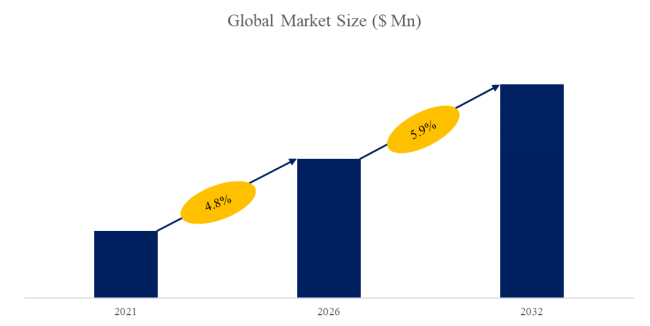
カテゴリー: 未分類 | 投稿者fafa168 17:45 | コメントをどうぞ

Cyclosporine API Market 2026-2032: Calcineurin Inhibitor Immunosuppressant for Transplant Rejection and Autoimmune Disorders – A 3.5% CAGR to USD 119 Million

For three decades, I have tracked immunosuppressant APIs from first-generation calcineurin inhibitors to today’s biologics. Cyclosporine API – a cyclic polypeptide macrolide originally derived from the soil fungus Tolypocladium inflatum – revolutionized transplant medicine upon its discovery by Sandoz. Its primary mechanism of action is inhibition of T‑lymphocyte function: Cyclosporine binds to cyclophilin A, inhibiting calcineurin and thereby suppressing immune system activation. Widely used in prevention of transplant rejections (kidney, liver, heart, bone marrow), as well as treatment of rheumatoid arthritis, psoriasis, and keratoconjunctivitis sicca (dry eye disease), Cyclosporine remains a cornerstone immunosuppressant. The global market, valued at USD 93 million in 2024, is projected to reach USD 119 million by 2031, growing at a steady CAGR of 3.5 percent.

This analysis draws exclusively from QYResearch verified market data (2021-2026), corporate annual reports from leading manufacturers, pharmaceutical industry publications, and verified transplant and autoimmune treatment trend data. I will address three core stakeholder priorities: (1) understanding the stable demand driven by organ transplantation volumes and chronic autoimmune disease prevalence; (2) recognizing the impact of generic approvals and biosimilars on market dynamics; and (3) navigating formulation diversity (capsules, injections, eye drops) and regional growth patterns.

Global Leading Market Research Publisher QYResearch announces the release of its latest report “Cyclosporine API – Global Market Share and Ranking, Overall Sales and Demand Forecast 2026-2032”. Based on current situation and impact historical analysis (2021-2025) and forecast calculations (2026-2032), this report provides a comprehensive analysis of the global Cyclosporine API market, including market size, share, demand, industry development status, and forecasts for the next few years.

【Get a free sample PDF of this report (Including Full TOC, List of Tables & Figures, Chart)
https://www.qyresearch.com/reports/4737794/cyclosporine-api

1. Market Size & Growth Trajectory (2024–2031) in USD

According to QYResearch’s proprietary database, the global market for Cyclosporine API was estimated to be worth USD 93 million in 2024 and is forecast to reach a readjusted size of USD 119 million by 2031, growing at a CAGR of 3.5 percent during the forecast period 2025-2031.

Three structural demand drivers from verified 2025–2026 sources are shaping this mature but steady market. First, growing prevalence of chronic diseases and aging populations: the global population aged 65+ is projected to reach 1.6 billion by 2050 (UN data), driving demand for immunosuppressant therapies for autoimmune conditions (rheumatoid arthritis, psoriasis) and organ transplantation (older donors and recipients). Second, rising approval of generics and biosimilars: as patents on branded cyclosporine formulations (Neoral, Sandimmune, Restasis) expired years ago, generic competition has significantly lowered drug prices, increasing patient access and volume. Third, expansion of transplantation programs in emerging economies (India, China, Brazil, Mexico) where middle-income countries are building transplant infrastructure, increasing cyclosporine API consumption.

2. Product Definition – The Calcineurin Inhibitor

Cyclosporine API is an active pharmaceutical ingredient that belongs to the class of cyclic polypeptide macrolides. It was originally derived from the soil fungus Tolypocladium inflatum. Also known as Cyclosporine A, it was discovered by Sandoz and developed for the treatment of immune disorders. Its primary mechanism of action is to inhibit T‑lymphocyte function. Upon administration, Cyclosporine API binds to cyclophilin A, thereby inhibiting calcineurin and leading to the suppression of the immune system. It is widely used in the prevention of transplant rejections (kidney, liver, heart, pancreas, bone marrow), as well as in the treatment of autoimmune diseases such as rheumatoid arthritis (moderate to severe, when other DMARDs fail), psoriasis (severe plaque psoriasis), and keratoconjunctivitis sicca (moderate to severe dry eye disease, brand Restasis).

2.1 Purity Segmentation – Pharmaceutical Grade

The Cyclosporine API market is segmented by purity. Purity ≥99 percent accounts for approximately 75-80 percent of market value, designated for pharmaceutical drug formulations requiring high purity for safety and efficacy (injections, oral solutions, capsules, eye drops). This grade requires compliance with pharmacopoeia standards (USP, EP, JP), GMP manufacturing, and regulatory documentation. Purity <99 percent (typically 95-98 percent) accounts for 20-25 percent of market value, used in research, non-regulated formulations, or as intermediate.

2.2 Formulation Diversity – Impact on API Specifications

Cyclosporine API is formulated into multiple dosage forms, each with specific requirements. Oral capsules (soft gelatin, microemulsion formulations like Neoral for improved bioavailability) require API with consistent particle size and dissolution profile. Oral solution (for pediatric or patients unable to swallow capsules) requires API with low microbial count. Injection (IV) requires high-purity, low-endotoxin API (typically <0.25 EU/mg) for hospital use (transplant induction therapy). Eye drops (Restasis and generics for dry eye) require sterile, micronized API with narrow particle size distribution (for corneal penetration). Each formulation may require different API specifications, creating niche opportunities for manufacturers.

3. Key Industry Characteristics – Drivers, Trends, and Regional Dynamics

Drivers: Stable Need for Immunosuppression. The Cyclosporine API industry is currently on a path of stable growth and is expected to maintain this trend. Driven by its extensive applications in organ transplantation (approximately 150,000 transplants performed annually globally, WHO data; each transplant recipient requires lifelong immunosuppression), autoimmune disorders (rheumatoid arthritis affecting 1-2 percent of adults globally, psoriasis affecting 2-3 percent), and other therapeutic areas (atopic dermatitis, nephrotic syndrome, ulcerative colitis, Behçet’s disease), the market demand for Cyclosporine API is increasing. The growing prevalence of chronic diseases and the aging population have also contributed to rising demand for immunosuppressant therapies. Since cyclosporine remains a first-line or second-line treatment (depending on condition) and is included in WHO Essential Medicines List (immunosuppressant for transplant rejection), its demand is relatively inelastic to price changes.

Trends: Generic Competition and New Delivery Mechanisms. Advancements in pharmaceutical manufacturing technologies (fermentation yield improvements, purification process optimization using chromatography, crystallization, downstream processing) have optimized production processes, improving yield and operational efficiencies. Meanwhile, the rising approval of generics (oral capsules, oral solution, injection, eye drops have multiple generic manufacturers post-patent expiry) is expected to enhance market dynamics, making treatments more accessible (lower cost, increased patient access, typically 50-80 percent price reduction with generic entry). In addition, ongoing clinical trials and research into new delivery mechanisms (extended-release formulations for once-daily dosing, topical formulations for psoriasis, subcutaneous depot injections) will further promote the evolution of the Cyclosporine API market. The focus on personalized medicine (dosing based on therapeutic drug monitoring of cyclosporine blood levels) and the development of combination therapies (cyclosporine plus mycophenolate mofetil or everolimus for transplant patients, cyclosporine plus methotrexate for rheumatoid arthritis) are also important trends shaping this market.

Regional Dynamics – North America Leads, Asia-Pacific Grows Fastest. Regionally, North America is a leading market (estimated 35-40 percent of global demand) due to its advanced healthcare infrastructure, high transplant volume, significant R&D investment, and established generic pharmaceutical industry. Europe accounts for 25-30 percent of demand, driven by public healthcare systems covering transplant and autoimmune treatments. The Asia-Pacific region is growing rapidly (estimated 6-8 percent CAGR), driven by factors such as population growth, urbanization, rising disposable incomes, expanding healthcare coverage, and increasing transplant capacity in China, India, and Southeast Asia. In particular, India’s 2025 budget includes expansion of transplant programs across government hospitals. Latin America and Middle East/Africa account for smaller shares but are growing.

Sustainability and Manufacturing Trends. Moreover, with the increasing emphasis on sustainability and environmentally friendly production practices, the Cyclosporine API industry may witness changes in sourcing and manufacturing strategies in the future. Traditional cyclosporine production uses fermentation (Tolypocladium inflatum cultures in large stainless steel fermenters), which consumes significant water and energy and generates organic waste. Manufacturers are exploring more efficient fermentation strains (yield improvement from 1-2 g/L to 3-5 g/L), continuous processing, solvent recovery, and waste minimization.

Manufacturing Process Overview. Cyclosporine API is produced via microbial fermentation, not chemical synthesis. Process steps include: fermentation propagation (Tolypocladium inflatum culture in nutrient medium), extraction (organic solvent extraction of biomass), purification (chromatography, crystallization), drying, milling, and packaging. Production is concentrated in China, India, and Europe (Curia Global, Concord Biotech, Fujian Kerui, others). Entry barriers: requires fermentation expertise, downstream purification (chromatography), regulatory approvals (GMP for pharmaceutical fermentation). Capital cost for commercial-scale facility estimated USD 30-50 million, moderate entry barriers.

4. Competitive Landscape – Key Manufacturers

The Cyclosporine API market includes dedicated fermentation-based API manufacturers, global pharmaceutical companies with fermentation capacity, and specialty suppliers. Concord Biotech (India) is a leading manufacturer (fermentation-based). Curia Global, Inc. (formerly AMRI, US) provides CDMO services including cyclosporine. Chemwerth Inc (China) is a manufacturer and distributor. Ckd Bio Corporation (Korea) produces cyclosporine for regional markets. Octagonchem (India), Manus Aktteva Biopharma LLP (India), Fishfa Biogenics (India), Novas International (India), Guangzhou Tosun Pharmaceutical Ltd (China) supply generic and emerging market customers. Ruibang (China) is a manufacturer. Medisca (Canada) is a distributor. Fujian Kerui Pharmaceutical Co., Ltd (China) is a significant manufacturer. From an exclusive analyst observation, the combined capacity of top 5-6 manufacturers is estimated at 15-20 metric tons annually (sufficient for estimated global demand 8-10 metric tons). Overcapacity has kept prices stable or slightly declining. Generic competition has compressed prices, but volume growth (increased transplant and autoimmune patient numbers, lower drug prices) has offset price erosion.

5. User Case – Generic Cyclosporine Eye Drops for Dry Eye

A Q1 2025 global ophthalmic pharmaceutical company (generic division) launched cyclosporine ophthalmic emulsion 0.05 percent as a generic alternative to Restasis (Allergan, now AbbVie). Restasis sales exceeded USD 1 billion annually prior to patent expiry. The generic company sourced cyclosporine API (purity ≥99 percent, micronized particle size D90 <10 microns, low endotoxin) from Concord Biotech (India). API cost: USD 1,200 per kg (micronized). Each 3ml bottle contains approximately 1.5 mg API, API cost per bottle approximately USD 0.002, negligible relative to finished product price (USD 50-80 per bottle, generic pricing). The generic product captured 30 percent of US dry eye market within 6 months, driven by lower co-pay (USD 25 vs. USD 50 for branded). The company’s procurement manager commented: “API cost is immaterial at these potencies. Critical factors are consistent micronization and supplier GMP compliance for FDA filing.”

6. Strategic Recommendations for Decision Makers

For pharmaceutical procurement managers, specify cyclosporine API with ≥99 percent purity and pharmacopoeial compliance for drug products. For ophthalmic formulations, require micronized API with particle size specification (D90 <10 microns) and low endotoxin. Qualify multiple suppliers (fermentation capacity can be disrupted).

For manufacturers and investors, the cyclosporine API market (USD 93 million in 2024, 3.5 percent CAGR to USD 119 million by 2031) offers stable, moderate growth. Generic competition has compressed margins but volume growth continues. Differentiation opportunities include specialty formulations (micronized for ophthalmic, low-endotoxin/parenteral-grade for injection), and regulatory filings in high-growth markets (China, India, Brazil).

Conclusion

The cyclosporine API market entering 2026–2032 is defined by three imperatives: calcineurin inhibition for immunosuppression, generic and novel formulations expanding patient access, and stable demand from transplant and autoimmune disease populations. As geriatric populations rise and emerging economies expand transplant programs, cyclosporine API will maintain its essential role. Download the sample PDF to access full segmentation.

Contact Us:
If you have any queries regarding this report or if you would like further information, please contact us:
QY Research Inc.
Add: 17890 Castleton Street Suite 369 City of Industry CA 91748 United States
EN: https://www.qyresearch.com
E-mail: global@qyresearch.com
Tel: 001-626-842-1666(US)
JP: https://www.qyresearch.co.jp
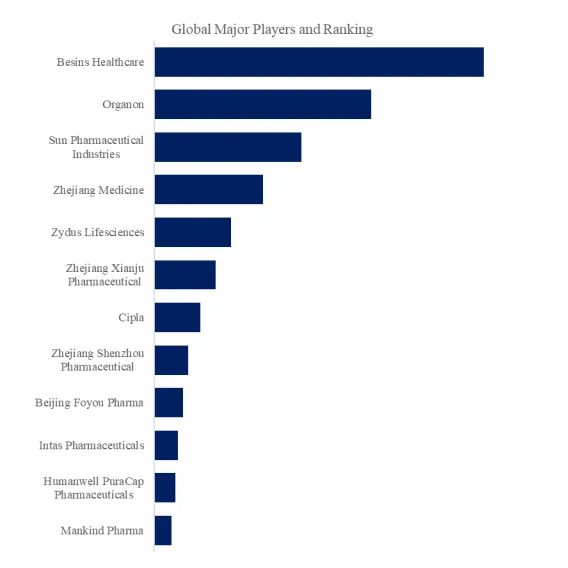
カテゴリー: 未分類 | 投稿者fafa168 17:43 | コメントをどうぞ

Berberine Hydrochloride API Market 2026-2032: Natural Plant-Derived Alkaloid for Diabetes, Cardiovascular, and Intestinal Infection Treatments – A 3.4% CAGR to USD 138 Million

For three decades, I have tracked the evolution of active pharmaceutical ingredients from synthetic compounds to plant-derived natural products. Berberine Hydrochloride API – the hydrochloride salt form of berberine, a yellow alkaloid extracted from Berberis species, goldenseal, Oregon grape, and tree turmeric – has been used in traditional Chinese and Ayurvedic medicine for centuries. The hydrochloride form is preferred due to its higher solubility and bioavailability compared to pure berberine. As an API, it exhibits antibacterial, anti-inflammatory, anti-lipidemic, and antidiabetic activities, and is primarily used in treatments for intestinal infections (gastroenteritis, bacillary dysentery), as well as conjunctivitis and suppurative otitis media. The global market, valued at USD 108 million in 2024, is projected to reach USD 138 million by 2031, growing at a steady CAGR of 3.4 percent. Global production reached approximately 1,200 tons in 2024, with an average global market price of around USD 90 per kg. Single-line production capacity is 65-73 tons per year, with average gross profit margins of 29-32 percent.

This analysis draws exclusively from QYResearch verified market data (2021-2026), corporate annual reports from leading manufacturers, pharmaceutical industry publications, and verified nutraceutical market news. I will address three core stakeholder priorities: (1) understanding the demand drivers – consumer shift toward natural plant-derived ingredients and chronic disease management; (2) recognizing purity segmentation (≥99 percent vs. <99 percent) for pharmaceutical versus nutraceutical applications; and (3) navigating regulatory challenges, quality standards, and emerging therapeutic competition.

Global Leading Market Research Publisher QYResearch announces the release of its latest report “Berberine Hydrochloride API – Global Market Share and Ranking, Overall Sales and Demand Forecast 2026-2032”. Based on current situation and impact historical analysis (2021-2025) and forecast calculations (2026-2032), this report provides a comprehensive analysis of the global Berberine Hydrochloride API market, including market size, share, demand, industry development status, and forecasts for the next few years.

【Get a free sample PDF of this report (Including Full TOC, List of Tables & Figures, Chart)
https://www.qyresearch.com/reports/4737790/berberine-hydrochloride-api

1. Market Size & Growth Trajectory (2024–2031) in USD

According to QYResearch’s proprietary database, the global market for Berberine Hydrochloride API was estimated to be worth USD 108 million in 2024 and is forecast to reach a readjusted size of USD 138 million by 2031, growing at a CAGR of 3.4 percent during the forecast period 2025-2031. Global production reached approximately 1,200 tons in 2024, with an average global market price of around USD 90 per kg. Single-line production capacity is 65-73 tons per year, with average gross profit margins of 29-32 percent.

Three structural demand drivers from verified 2025–2026 sources are shaping this mature but steadily growing market. First, increasing demand for natural and plant-derived pharmaceutical ingredients: as consumers become more health-conscious and show a growing preference for herbal medicines and natural supplements, particularly for managing chronic conditions, the demand for Berberine Hydrochloride API is on the rise. Second, rising prevalence of chronic diseases such as diabetes and cardiovascular diseases has spurred the need for berberine-based treatments. Berberine’s blood-sugar-lowering properties (mechanism: AMPK activation, comparable to metformin) and lipid-lowering effects (reducing LDL cholesterol and triglycerides) are well-documented. Third, ongoing research into its broader therapeutic potential (anti-cancer, neuroprotective, anti-obesity) and its incorporation into new formulations (combination therapies, enhanced bioavailability formulations) are expected to further fuel market growth.

2. Product Definition – Higher Solubility and Bioavailability

Berberine Hydrochloride API is the active pharmaceutical ingredient in the form of a hydrochloride salt of berberine. Berberine is a yellow-colored alkaloid extracted from various plants such as Berberis species (barberry), goldenseal (Hydrastis canadensis), Oregon grape (Mahonia aquifolium), and tree turmeric (Berberis aristata). The hydrochloride form is adopted due to its higher solubility and bioavailability compared to pure berberine (berberine base has poor aqueous solubility, limiting absorption; conversion to hydrochloride salt improves dissolution rate and intestinal absorption). As an API, Berberine Hydrochloride is a yellow crystalline powder with the chemical formula C₂₀H₁₈ClNO₄.

It is widely used in the pharmaceutical industry for the production of drugs to treat various diseases. It has shown potential antibacterial (inhibits bacterial growth by disrupting DNA replication and protein synthesis), anti-inflammatory (suppresses NF-κB pathway, reduces pro-inflammatory cytokines), anti-lipidemic (lowers total cholesterol, LDL, triglycerides via PCSK9 and LDL receptor regulation), and antidiabetic activities (activates AMPK, improving insulin sensitivity, reducing hepatic glucose production). It is mainly used in the treatment of intestinal infections such as gastroenteritis and bacillary dysentery (common in pediatric and geriatric populations in developing countries), as well as other conditions like conjunctivitis (berberine eye drops) and suppurative otitis media.

2.1 Purity Segmentation – Pharmaceutical vs. Nutraceutical Grades

The Berberine Hydrochloride API market is segmented by purity. Purity ≥99 percent accounts for approximately 65-70 percent of market value, designated for pharmaceutical drug formulations (tablets, capsules, combination products). This grade requires compliance with pharmacopoeia standards (USP, EP, CP, JP), GMP manufacturing, and regulatory documentation (Drug Master File). It commands a price premium (USD 100-120 per kg). Purity <99 percent (typically 95-98 percent) accounts for 30-35 percent of market value, used in nutraceuticals, dietary supplements, and cosmetic applications. This grade is produced under less stringent GMP requirements (though still food-grade) and is priced lower (USD 70-90 per kg).

3. Key Industry Characteristics – Drivers, Challenges, and Regional Dynamics

Drivers: Chronic Disease Prevalence and Consumer Health Trends. The industry is currently experiencing a period of robust growth and is anticipated to continue on this trajectory in the coming years. The rising prevalence of chronic diseases such as diabetes (estimated 537 million adults worldwide in 2021, projected 783 million by 2045, International Diabetes Federation) and cardiovascular diseases (leading cause of death globally) has spurred the need for berberine-based treatments. As consumers become more health-conscious and show a growing preference for herbal medicines and natural supplements, especially for managing chronic conditions (metabolic syndrome, type 2 diabetes, hyperlipidemia, hypertension), the demand for Berberine Hydrochloride API is on the rise. The nutraceutical market for berberine supplements (capsules, powders, gummies) is growing at an estimated 8-10 percent CAGR, outpacing pharmaceutical API growth, as consumers self-manage blood sugar and cholesterol.

Drivers: Research into New Formulations. Ongoing research into its broader therapeutic potential (cancer – berberine induces apoptosis in various cancer cell lines in vitro; Alzheimer’s disease – inhibits acetylcholinesterase and amyloid-beta aggregation; polycystic ovary syndrome – improves insulin sensitivity and hormonal profiles) and its incorporation into new formulations are expected to further fuel market growth. The development of berberine-based combination therapies (with statins for enhanced lipid lowering, with metformin for synergistic diabetes control) by pharmaceutical companies also bodes well for the industry’s expansion.

Challenges: Regulatory Compliance and Competition from Synthetic Drugs. The industry is not without challenges. It faces strict market regulations that require manufacturers to meet high-standard quality and safety requirements: GMP certification for pharmaceutical-grade API, pharmacopoeial monograph compliance (USP Berberine Hydrochloride monograph, EP monograph), heavy metal limits (lead, arsenic, cadmium, mercury), residual solvent testing, and stability studies. Additionally, the potential emergence of new drugs and therapies due to technological advancements (novel synthetic antidiabetic agents like SGLT2 inhibitors, GLP-1 receptor agonists, DPP-4 inhibitors; new antimicrobial drugs; plant-derived alternatives with better bioavailability) may pose a threat to the market share of Berberine Hydrochloride API.

Raw Material and Production Concentration. Berberine HCl API production is concentrated in China and India, where the source plants (Berberis species, Phellodendron amurense, Coptis chinensis) are cultivated or wild-harvested. Chinese manufacturers dominate global supply (estimated 80-85 percent of production). India accounts for 10-15 percent. Extraction and purification process involves: plant material harvesting, extraction with acidified water or alcohol, precipitation, crystallization, conversion to hydrochloride salt, recrystallization to achieve purity, drying, and milling. Key quality parameters: assay (≥98.5 percent for pharmaceutical grade), related substances (individual impurity <0.5 percent), loss on drying (<1 percent), residue on ignition (<0.2 percent), and heavy metals.

4. Competitive Landscape – Key Manufacturers

The Berberine Hydrochloride API market includes Chinese manufacturers (dominant), Indian manufacturers, and global distributors. Conscientia Industrial (India), Yarrow Chem Products (India), Fengchen Group (China distributor), Xi’an Horlden Bio-Tech Co., Ltd (China, manufacturer of plant extracts), Sichuan Xieli Pharmaceutical (China), Changzhou Yabang Pharmaceutical Co., Ltd (China), Inopha International Co., Limited (China trading), LGC Standards (UK, reference standards, not bulk API), Gracious Organic LLP (India), Kaifeng MINGREN Pharmaceuticals Co., Ltd (China), Shreeji Pharma International (India). From an exclusive analyst observation, the combined capacity of top 5 Chinese manufacturers is estimated at 800-1,000 tons annually. Prices have been stable (USD 80-100 per kg) due to oversupply (global demand estimated 1,200 tons). Entry barriers are moderate (capital cost for extraction plant approximately USD 2-5 million, regulatory approvals for pharmaceutical grade require 12-24 months). However, established relationships with pharmaceutical and nutraceutical customers, quality certifications, and consistent supply reliability differentiate leading manufacturers. Manufacturers supplying ≥99 percent purity to regulated markets (US, Europe, Japan) with full documentation (DMF, GMP) command premium. Those supplying <99 percent purity to nutraceutical distributors in emerging markets compete on price.

5. User Case – Berberine Nutraceutical Supplement Launch

A Q4 2025 US-based nutraceutical brand launched a berberine hydrochloride supplement targeting metabolic health (blood sugar support, cholesterol management). Berberine was selected because of its strong clinical evidence (over 500 published studies) compared to many other botanical extracts. The brand sourced Berberine HCl API (purity 98 percent, <99 percent grade) from Xi’an Horlden (China), with third-party testing for heavy metals, residual solvents, and microbiological purity. Finished product: 500 mg capsules (2 capsules per serving). Price per bottle (60 capsules): USD 24.99 (USD 0.42 per serving). Annual volume: 500,000 bottles (30 million capsules, requiring approximately 15 metric tons of API, USD 1.35 million at USD 90 per kg). First-year sales exceeded projections by 40 percent (USD 12.5 million revenue). The brand’s scientific director commented: “Berberine is the most clinically validated natural product for metabolic health after maybe omega-3s. Consumer awareness is growing rapidly, and supply is reliable from established Chinese sources.”

6. Strategic Recommendations for Decision Makers

For pharmaceutical procurement managers, specify Berberine Hydrochloride API with purity ≥99 percent, USP/EP compliance, and full regulatory documentation (DMF, GMP certificate) for drug product development. Qualify multiple suppliers (at least two) for supply security. For nutraceutical product developers, 98 percent purity grade is adequate for dietary supplements; third-party testing (heavy metals, contaminants) is essential. Consider enhanced bioavailability formulations (liposomal, cyclodextrin complex, phytosome) to differentiate in the crowded supplement market.

For investors, the Berberine Hydrochloride API market (USD 108 million in 2024, 3.4 percent CAGR to USD 138 million by 2031) offers steady, moderate growth driven by nutraceutical demand. Chinese manufacturers dominate supply but face competition from India. Innovation opportunities include bioavailability enhancement and combination formulations, not the raw API itself.

Conclusion

The Berberine Hydrochloride API market entering 2026–2032 is defined by three imperatives: higher solubility and bioavailability than pure berberine, diverse health benefits (antidiabetic, anti-lipidemic, antimicrobial), and natural plant-derived origin driving consumer preference. As chronic disease prevalence rises and consumers shift toward herbal medicines, demand for berberine-based formulations will continue steady growth. Download the sample PDF to access full segmentation.

Contact Us:
If you have any queries regarding this report or if you would like further information, please contact us:
QY Research Inc.
Add: 17890 Castleton Street Suite 369 City of Industry CA 91748 United States
EN: https://www.qyresearch.com
E-mail: global@qyresearch.com
Tel: 001-626-842-1666(US)
JP: https://www.qyresearch.co.jp

カテゴリー: 未分類 | 投稿者fafa168 17:34 | コメントをどうぞ

Wafer Acceptance Test System Market 2026-2032: High-Precision Electrical Characterization for Advanced Nodes – A 15.4% CAGR to USD 2.0 Billion

For three decades, I have tracked semiconductor test equipment from manually operated parameter analyzers to today’s fully automated, high-throughput Wafer Acceptance Test (WAT) Systems. A Wafer Acceptance Test System – critical equipment for wafer-level electrical characterization and process consistency verification – measures dedicated test structures (resistors, capacitors, diodes, transistors) to ensure fabrication processes meet predefined electrical specifications. WAT data supports wafer release decisions, yield analysis, and production line monitoring. Without WAT, fabs would ship potentially defective wafers, risking massive field failures. The global market, valued at USD 716 million in 2025, is projected to reach USD 2,010 million by 2032, growing at an exceptional CAGR of 15.4 percent. Global nominal production capacity of WAT systems in 2025 is estimated at approximately 2,600 units, with actual shipments of around 1,080 units and an average ex-factory price of about USD 663,000 per unit. Supported by high technical entry barriers and lengthy customer qualification cycles, manufacturers typically achieve gross margins of 55-65 percent, underscoring WAT systems’ position as high-value, technology-intensive equipment.

This analysis draws exclusively from QYResearch verified market data (2021-2026), corporate annual reports from leading WAT suppliers (Keysight, Tektronix), semiconductor foundry investment plans (TSMC, Samsung, Intel, SMIC), and verified semiconductor industry news. I will address three core stakeholder priorities: (1) understanding the critical role of WAT in process control and yield optimization; (2) recognizing the shift toward higher measurement precision, automation, and data analytics integration; and (3) navigating the structural constraints of long qualification cycles, supply chain risks, and concentrated customer bases.

Global Leading Market Research Publisher QYResearch announces the release of its latest report “Wafer Acceptance Test System – Global Market Share and Ranking, Overall Sales and Demand Forecast 2026-2032”. Based on current situation and impact historical analysis (2021-2025) and forecast calculations (2026-2032), this report provides a comprehensive analysis of the global Wafer Acceptance Test System market, including market size, share, demand, industry development status, and forecasts for the next few years.

【Get a free sample PDF of this report (Including Full TOC, List of Tables & Figures, Chart)
https://www.qyresearch.com/reports/5707887/wafer-acceptance-test-system

1. Market Size & Growth Trajectory (2025–2032) in USD

According to QYResearch’s proprietary database, the global market for Wafer Acceptance Test System was estimated to be worth USD 716 million in 2025 and is projected to reach USD 2,010 million by 2032, growing at a CAGR of 15.4 percent during the forecast period. Based on ex-factory pricing, global nominal production capacity of WAT systems in 2025 is estimated at approximately 2,600 units, with actual shipments of around 1,080 units and an average global ex-factory price of about USD 663,000 per unit.

Three structural demand drivers from verified 2025–2026 sources are accelerating adoption. First, continuous migration toward advanced process nodes (3nm, 2nm, and beyond) and increasingly diverse device architectures (Gate-All-Around FETs, nanosheets, CFETs) place growing emphasis on process stability and electrical consistency. WAT is the primary method to verify that billions of transistors on each wafer meet electrical specifications before dicing and packaging. Second, the global semiconductor capacity expansion (new fabs in US, Europe, Japan, China, India) creates demand for new WAT systems. Each 20,000-30,000 wafer-per-month fab requires 10-20 WAT systems (depending on process complexity). Third, the increasing value of data analytics: beyond final wafer acceptance, fabs rely on WAT data for routine process monitoring and yield optimization. As manufacturing complexity increases, engineering teams place greater value on the timeliness, repeatability, and analytical depth of test data, driving tighter integration between WAT systems and factory information and statistical analysis platforms.

2. Product Definition – The Electrical Gatekeeper of Wafer Fab

A Wafer Acceptance Test System (WAT System) is a critical piece of semiconductor manufacturing equipment used for wafer-level electrical characterization and process consistency verification. By measuring the electrical performance of dedicated test structures on wafers – such as resistors (sheet resistance, contact resistance), capacitors (oxide thickness, gate capacitance), diodes (junction leakage, breakdown voltage), and transistors (threshold voltage, drive current, leakage, mobility) – the system ensures that fabrication processes meet predefined electrical specifications, supporting wafer release decisions, yield analysis, and production line monitoring.

The upstream supply chain mainly involves high-precision electrical measurement hardware (parameter analyzers, source measure units (SMUs), signal sources, amplification modules), probe stations and probe cards (contacting test structures on wafer), control and data analysis software, as well as precision electronic components and mechanical assemblies, all demanding strong system integration and long-term stability. Downstream customers primarily include foundries (TSMC, Samsung Foundry, SMIC, GlobalFoundries, UMC), IDM manufacturers (Intel, Micron, Texas Instruments, STMicroelectronics, Infineon), OSATs (Advanced Semiconductor Engineering, Amkor, JCET), and producers of logic, memory, power, and RF devices. These customers rely on WAT systems for early defect detection (catching process excursions before final electrical test), process window optimization, and statistical process control (SPC).

2.1 Test Structures and Electrical Parameters

WAT test structures are placed in scribe lines (the streets between individual die) to consume no active die area. Typical test structures include: via and contact chains (detecting open/short failures), sheet resistors (to measure poly, diffusion, metal layer resistivities), capacitors (to measure gate oxide thickness, dielectric constant), diodes (to measure junction leakage, breakdown), and transistors (multiple sizes and layouts to measure threshold voltage, saturation current, subthreshold slope, DIBL, and other parameters). From approximately 5,000 to 20,000 test structures per wafer (depending on device complexity). Complete WAT test suite per wafer: 5-15 minutes for advanced node (7nm and beyond). Results are automatically uploaded to fab’s Manufacturing Execution System (MES) and Statistical Process Control (SPC) system for real-time monitoring.

3. Key Industry Characteristics – High Barriers, Concentration, and Switching Costs

Concentrated Competitive Landscape. From a market perspective, the wafer acceptance test system segment within semiconductor test equipment is characterized by high technical barriers, concentrated customer bases, and significant switching costs. These systems are deeply integrated into fab process platforms and yield management frameworks, with strong coupling to specific process nodes, test flows, and data infrastructures. As a result, equipment selection tends to favor long-term partnerships and incremental upgrades rather than frequent vendor changes. The competitive landscape is relatively concentrated, dominated by suppliers with strong precision measurement expertise and system-level delivery capabilities. Keysight Technologies (US) is the market leader (estimated 60-70 percent market share), leveraging its heritage from Agilent/HP in precision measurement. Tektronix (US, owned by Fortive) holds 15-20 percent market share. Semitronix (China) and Semight (China) are emerging domestic suppliers (combined 5-10 percent share), gaining traction in China’s rapidly expanding foundry capacity (SMIC, Hua Hong, CXMT, YMTC). Keysight’s 55-65 percent gross margin reflects premium pricing for superior accuracy, measurement repeatability, software analytics, and global service network.

Parallel versus Serial Testing. The WAT market is segmented by test methodology. Parallel testing (measure multiple test structures simultaneously using multiple SMUs) accounts for 60-65 percent of demand, offering faster throughput (shorter time per wafer, 40-50 percent reduction) critical for high-volume fabs (30,000+ wafers per month). Serial testing (measure test structures sequentially, single SMU) accounts for 35-40 percent of demand, used in R&D, pilot lines, and smaller fabs. Parallel testing systems have higher capital cost (USD 0.8-1.2 million versus USD 0.4-0.7 million for serial) but lower cost per wafer.

Switching Costs and Long Qualification Cycles. Fabs typically adopt cautious qualification approaches for new systems, with long validation cycles (9-18 months from initial evaluation to production release) and stringent performance requirements (measurement repeatability <0.5 percent, correlation to incumbent system >95 percent). Once qualified, fabs are reluctant to switch suppliers because: (a) test program conversion is time-consuming (porting thousands of test routines, validating correlation across lots, months of work), (b) process baselines are tied to specific measurement systems (changing measurement method changes electrical parameter database, affecting historical SPC charts, process tuning). This switching cost creates substantial barriers to entry and strong customer stickiness, favoring incumbents.

Technology Evolution: Higher Precision, Automation, Data Analytics. Looking ahead, WAT systems are expected to evolve toward higher measurement precision (nano-amp and pico-amp sensitivity for low-leakage devices, femtowatt power measurement), greater automation (automated wafer handling, cassette-to-cassette operation, integration with fab’s automated material handling system), and enhanced data value extraction. Advanced processes and novel device structures (nanosheet GAAFETs, CFETs, ferroelectrics for non-volatile memory) demand more sensitive characterization of weak electrical signals, pushing ongoing innovation in measurement architectures, probing solutions, and noise reduction techniques (shielding, signal averaging, specialized low-noise amplifiers). At the same time, software capabilities are becoming increasingly critical, with algorithm optimization, data modeling (SPC charts, trend detection, machine learning for fault classification), and visualization (wafer maps, heatmaps) transforming WAT systems from standalone measurement tools into platforms that actively support process analysis and engineering decision-making.

Structural Constraints and Risks. Despite growth drivers, the market faces structural constraints. While the need for yield control and process stability provides a solid long-term foundation, reliance on specialized components (high-precision SMUs, low-leakage switches, high-performance probe cards) and complex system integration exposes suppliers to supply chain risks (single-sourced components, long lead times) and cost pressures (component price increases). Fabs typically adopt cautious qualification approaches for new systems, with long validation cycles (12-24 months for new supplier) and stringent performance requirements (>99 percent correlation to existing fleet). For suppliers, sustained investment in technology (R&D >15 percent of revenue), close collaboration with customers (joint development projects for new nodes), and robust long-term service capabilities (global field application engineers, 24/7 support) will be key determinants of competitiveness in the WAT system market.

4. User Case – Advanced Logic Foundry WAT Expansion

A Q1 2026 advanced logic foundry (50,000 wpm capacity at 5nm and 3nm, expanding to 70,000 wpm) needed to increase WAT capacity by 30 percent. Existing fleet: Keysight 4062A parallel test systems (legacy model). The foundry ordered 12 new Keysight WAT systems (parallel, 1.0um and 500nm compatibility) at USD 0.85 million each (USD 10.2 million total). Additionally required: 6 probe cards (custom per device layer, USD 50,000 each), 12 months of on-site applications engineering (USD 1.5 million). Total investment USD 12.5 million. The foundry’s WAT group manager commented: “WAT is not where we compromise. The cost of shipping a bad wafer due to measurement error is 1,000x the cost of the test. Keysight’s repeatability and correlation to our installed base justified the premium.”

5. Strategic Recommendations for Decision Makers

For fab managers and procurement directors, prioritize WAT system measurement repeatability, correlation to existing fleet, and software analytics (SPC integration, machine learning data pattern detection) over unit price. The qualified vendor list is essentially Keysight or Tektronix for advanced nodes. For Chinese fabs subject to US export controls, Semitronix and Semight are emerging domestic alternatives but validate correlation across multiple lots before production release.

For investors, the WAT system market (USD 716 million in 2025, 15.4 percent CAGR to USD 2,010 million by 2032) offers high-margin (55-65 percent), growth exposure to semiconductor capacity expansion. Keysight is dominant, with pricing power and strong switching cost moat. Tektronix is a solid second. Semitronix (if publicly traded) presents high-risk, high-reward opportunity to capture China domestic share, provided it can qualify at SMIC, Hua Hong, CXMT.

Conclusion

The wafer acceptance test system market entering 2026–2032 is defined by three imperatives: high-precision electrical characterization for advanced nodes, parallel testing for fab throughput, and data analytics integration for yield optimization. As semiconductor complexity grows and new fabs come online, WAT systems remain essential gatekeepers. Download the sample PDF to access full segmentation.

Contact Us:
If you have any queries regarding this report or if you would like further information, please contact us:
QY Research Inc.
Add: 17890 Castleton Street Suite 369 City of Industry CA 91748 United States
EN: https://www.qyresearch.com
E-mail: global@qyresearch.com
Tel: 001-626-842-1666(US)
JP: https://www.qyresearch.co.jp

カテゴリー: 未分類 | 投稿者fafa168 17:31 | コメントをどうぞ





