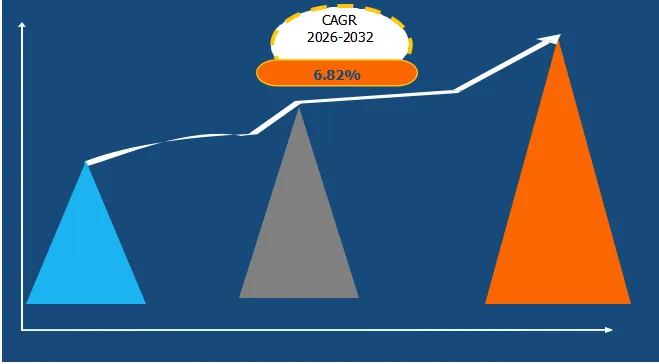
Hydrogen Scooter Market 2025-2031: Zero-Emission Fuel Cell Two-Wheelers for Ride-Sharing and Scenic Area Transportation with 56.0% CAGR Growth


Global Leading Market Research Publisher QYResearch announces the release of its latest report “Hydrogen Scooter – Global Market Share and Ranking, Overall Sales and Demand Forecast 2026-2032″.

Get a free sample PDF of this report (Including Full TOC, List of Tables & Figures, Chart):
https://www.qyresearch.com/reports/4604414/hydrogen-scooter

To Shared Mobility Executives, Micromobility Investors, and Clean Energy Entrepreneurs:

If your organization operates ride-sharing fleets, manages scenic area transportation, or develops high-end electric two-wheelers, you face a persistent challenge: balancing range, refueling time, safety, and environmental impact. Lithium-ion battery electric scooters suffer from long charging times (hours), limited range (40-60 km per charge), battery degradation, and fire safety concerns (frequent lithium battery accidents). The solution lies in the hydrogen scooter —an emerging low-carbon, clean energy mode of transportation that is highly efficient, energy-saving, and has zero carbon emissions, offering advantages in energy density, range, environmental adaptability, and safety compared to lithium-ion and lead-acid batteries, making it more suitable for B2B applications such as ride-sharing, scenic area transportation, and high-end e-bikes. According to QYResearch’s newly released market forecast, the global hydrogen scooter market was valued at US$9.79 million in 2024 and is projected to reach US$220 million by 2031, growing at a compound annual growth rate (CAGR) of 56.0 percent during the 2025-2031 forecast period. In 2024, global production reached approximately 7,613 units , with an average selling price of approximately US$2,285.71 per unit . This exceptional growth reflects the early-stage nature of the industry, strong policy support from the Chinese government (MIIT target of 100,000 units by 2026), and the potential to penetrate a shared electric vehicle market of approximately 7 million vehicles (currently only 0.1 percent penetration).


1. Product Definition: Hydrogen-Powered Two-Wheelers for Urban Mobility

The frame of a hydrogen scooter includes major components such as a frame, hydrogen storage system, hydrogen fuel cell system, battery pack, electric motor system, and control system. The hydrogen storage system (typically low-pressure metal hydride tanks or high-pressure composite tanks at 350-700 bar) stores hydrogen fuel. The hydrogen fuel cell stack converts hydrogen and oxygen from air into electricity via electrochemical reaction, producing only water as exhaust. The battery pack (small lithium-ion buffer battery) provides peak power for acceleration, hill climbing, and regenerative braking. The electric motor system (hub motor or mid-drive motor) provides propulsion. The control system manages power flow between the fuel cell and battery, monitors hydrogen levels, and ensures safe operation.

Compared to lithium-ion and lead-acid battery vehicles, hydrogen scooters offer several advantages: higher energy density (hydrogen stores more energy per unit weight—40 kWh/kg versus 0.2-0.3 kWh/kg for lithium-ion batteries), enabling longer range (100-150 km per refueling versus 40-60 km per charge). Faster refueling (1-3 minutes versus 2-6 hours for battery charging), critical for commercial fleets where vehicle downtime reduces revenue. Better environmental adaptability (hydrogen fuel cells perform consistently in cold temperatures; lithium-ion batteries lose 20-40 percent of range below 0°C). Longer lifespan (fuel cell lifespan target of ≥3,000 hours, approximately 5-7 years of daily shared use, versus 2-3 years for lithium batteries in shared mobility). Safety (hydrogen’s low density means it disperses rapidly in case of leak; fuel diffusion, energy storage structure design, thermal runaway risk, and escape window time are all favorable compared to lithium batteries).

The market is segmented by propulsion type into hydrogen energy (pure hydrogen fuel cell with small buffer battery) and hydrogen electric hybrid (hydrogen fuel cell plus larger battery pack, allowing operation on battery alone for short trips or when hydrogen depleted). Pure hydrogen currently dominates (approximately 70-75 percent of production), as the weight and cost of larger battery packs are undesirable for scooters.

By sales model, the market serves To C (direct consumer sales of hydrogen scooters to individual buyers) and To B (business-to-business sales to shared mobility operators, ride-sharing fleets, scenic area operators). Hydrogen scooters can be categorized into shared (leasing) and retail models. To B currently dominates (approximately 80-85 percent of revenue), as shared mobility operators are the primary early adopters, given that the higher upfront cost of hydrogen scooters (US$2,285 versus US$500-1,000 for battery-electric) can be amortized over high-utilization commercial fleets. The To C segment is growing as retail prices decline.


2. Key Market Drivers: MIIT Targets, Lithium Battery Safety, and Cost Reduction

The hydrogen scooter market is driven by three primary forces: strong policy support from the Chinese government (MIIT targets, local government mandates), safety concerns over lithium battery accidents (leading to cautious government attitudes), and improving economic viability (cost reduction projections, hydrogen refueling subsidies).

A. MIIT Targets and Local Government Policies
In January 2025, the Ministry of Industry and Information Technology (MIIT) launched a project to achieve an application scale of 100,000 hydrogen fuel cell two-wheelers by 2026, with specific cost and performance targets: hydrogen storage and fuel cell system cost for a range of 100 km below 5,000 yuan per set, and a fuel cell system lifespan of ≥3,000 hours. Local governments across China are pushing forward, with Beijing, Guangxi, and other regions successively releasing supporting policies. In January 2025, Nanhai District of Foshan City specified that by the end of 2026/2028/2030, the cumulative deployment of hydrogen-powered two-wheelers will reach 20,000/30,000/40,000 vehicles or more. These policy targets provide clear demand signals and reduce investment risk for manufacturers and shared mobility operators.

B. Lithium Battery Safety Concerns
Safety is a core consideration for B2B operations. Frequent accidents involving lithium batteries in electric bicycles have led to government caution regarding their operation in certain environments (indoor parking, dense urban areas, high-rise buildings). Lithium battery fires (caused by overcharging, manufacturing defects, physical damage, or thermal runaway) are difficult to extinguish, produce toxic fumes, and have led to injuries, fatalities, and property damage. Hydrogen-powered two-wheelers, however, offer advantages in fuel diffusion (hydrogen is lighter than air and disperses rapidly, unlike lithium battery fires that persist), energy storage structure design (hydrogen tanks are designed to vent safely, with pressure relief devices), thermal runaway risk (hydrogen fuel cells operate at lower temperatures than lithium battery thermal runaway events), and escape window time (hydrogen systems give users more time to escape before critical failure). This makes hydrogen scooters a potentially superior solution for large-scale commercial operation and a replacement for lithium batteries, particularly in applications where vehicles are stored indoors, in underground garages, or in high-density urban environments. A user case from a ride-sharing company in China (documented in Q4 2024) reported that the company switched from battery-electric scooters to hydrogen scooters after a battery fire in a charging station caused significant damage. The hydrogen scooters were approved for indoor parking and refueling (refueling outside), while battery-electric scooters were banned from indoor parking, reducing operational flexibility.

C. Economic Viability and Cost Reduction Trajectory
Currently, the costs of fuel cells and hydrogen storage tanks remain high, making hydrogen scooters more expensive than battery-electric equivalents (US$2,285 per unit for hydrogen versus US$500-1,000 for battery electric). However, economics are expected to improve without subsidies. Based on the cost and performance guidance provided by the 2026 “Challenge-Based” program , the cost per kilometer for hydrogen-powered two-wheelers is projected to decrease to 0.1805 yuan , 35 percent higher than lithium-ion battery models and 13 percent higher than lead-acid battery models. With hydrogen refueling subsidies, economic viability would further approach that of existing models. The current market is not overly critical of the economic viability of hydrogen energy pilot projects (early-stage technology, policy-supported, limited scale), making it a potential breakthrough scenario for practical application. The shared electric vehicle market has deployed approximately 7 million vehicles (shared e-bikes and scooters) in China, with a hydrogen penetration rate of only 0.1 percent in 2023-2024. The industry’s short-term development relies heavily on policy support, and it is projected that deployment of hydrogen-powered two-wheelers will reach 100,000 vehicles in 2026, with a penetration rate of 1.4 percent, achieving a growth rate of 0-1 percent from a very low base. Key challenges remain: hydrogen refueling infrastructure for two-wheelers (centralized refueling stations or swappable hydrogen cartridges), component cost reduction (fuel cells, hydrogen storage tanks), and consumer acceptance (education on hydrogen safety).

Exclusive Analyst Observation (Q2 2025 Data): The hydrogen scooter market is in its early stages , with low production volumes (7,613 units in 2024) and limited deployment. The 56.0 percent CAGR reflects this low base and high growth expectations. The market is currently dominated by Chinese and Indian manufacturers, with some European and Japanese players. The primary applications are B2B (shared mobility, ride-sharing, scenic area transportation) where high utilization justifies the higher upfront cost. The To C (retail) market is nascent but expected to grow as costs decline. The MIIT target of 100,000 units by 2026 represents a significant increase from 2024 production (7,613 units), implying production capacity and supply chain expansion. The designed annual production capacity of manufacturers is likely 50,000-100,000 units, but current utilization is low (10-15 percent). The 56 percent CAGR is ambitious and depends on continued policy support, cost reduction, and infrastructure build-out.


3. Competitive Landscape: Early-Stage Manufacturers

Based on QYResearch 2024-2025 market data, the hydrogen scooter market features a mix of hydrogen technology companies, shared mobility operators, traditional scooter/e-bike manufacturers, and major motorcycle manufacturers.

Key Players: Pragma Mobility (US/Europe), HydroRide Europe AG (Europe), Wardwizard (Joy e-bike) (India), HubURHonda (with Suzuki & Kawasaki & Yamaha) (Japan, joint hydrogen two-wheeler development), Triton Electric Vehicle (US), TVS Motors (India), Yadea (China, major e-scooter manufacturer), Segway (US/China), BhhyroX-IDEA DESIGN GROUPPanxingtechCHEMPearl Hydrogen Co., Ltd. (China), Youon Technology Co., Ltd. (China, shared bicycle operator expanding into hydrogen), Mandian-futureChongqing Zongshen Power Machinery Co., Ltd. (China), AemcnBeijing Hyran New Energy Technology Co., Ltd. , GCL New Energy Holdings Ltd (China), Hydrogen CraftSunHydro, Inc. , Shenzhen Hynovation Technologies Co., Ltd. , SICHUAN QINGLV TECHNOLOGY CO., LTD. , H2winnerChina PengFei Group LtdTROOWIN, and Sino-Synergy Hydrogen Energy Technology.


4. Market Outlook 2025-2031 and Strategic Recommendations

Based on QYResearch forecast models, the global hydrogen scooter market will reach US$220 million by 2031 at a CAGR of 56.0 percent.

For shared mobility operators: Pilot hydrogen scooters in scenic areas, campuses, and other controlled environments with centralized refueling infrastructure. Leverage policy subsidies to offset higher upfront vehicle costs. Differentiate through zero-emission branding.

For manufacturers: Reduce fuel cell stack costs through volume manufacturing and component standardization. Develop swappable hydrogen cartridges to eliminate need for high-pressure refueling stations. Target B2B fleets (ride-sharing, delivery, tourism) in cities with low-emission zones and government subsidies.

For investors: Early-stage hydrogen mobility companies with patented fuel cell or hydrogen storage technology, partnerships with shared mobility operators, and alignment with MIIT targets are positioned for high-growth, high-risk returns. Chinese manufacturers (Pearl Hydrogen, Youon Technology, Beijing Hyran, GCL, H2winner) are positioned to capture the large China market.

Key risks to monitor include hydrogen refueling infrastructure build-out (without convenient refueling, hydrogen scooters cannot scale), cost reduction trajectory (if component costs do not decline as projected, economic viability will not materialize), competition from improved lithium batteries (solid-state batteries, sodium-ion batteries), and potential policy shifts away from hydrogen toward battery electric.


Contact Us:
If you have any queries regarding this report or if you would like further information, please contact us:
QY Research Inc.
Add: 17890 Castleton Street Suite 369 City of Industry CA 91748 United States
EN: https://www.qyresearch.com
E-mail: global@qyresearch.com
Tel: 001-626-842-1666(US)
JP: https://www.qyresearch.co.jp
カテゴリー: 未分類 | 投稿者fafa168 17:57 | コメントをどうぞ

Invisible Car Jackets Market 2025-2031: Self-Healing Thermoplastic Urethane Paint Protection Films for Vehicle Aesthetics Preservation with 10.9% CAGR Growth

Global Leading Market Research Publisher QYResearch announces the release of its latest report “Invisible Car Jackets – Global Market Share and Ranking, Overall Sales and Demand Forecast 2026-2032″.

Get a free sample PDF of this report (Including Full TOC, List of Tables & Figures, Chart):
https://www.qyresearch.com/reports/5375706/invisible-car-jackets

To Automotive Aftermarket Executives, Car Detailing Entrepreneurs, and Specialty Film Investors:

If your organization manufactures, distributes, or installs automotive paint protection products, you face a persistent challenge: protecting vehicle paint from scratches, stone chips, bug stains, bird droppings, and UV damage without compromising the vehicle’s original color and gloss. Traditional paint protection methods (waxes, sealants, ceramic coatings) provide chemical resistance but minimal physical protection against impacts and abrasions. The solution lies in invisible car jackets —also known as paint protection film (PPF) or clear bra—a transparent, thermoplastic urethane layer applied to a vehicle’s exterior surfaces to protect the paint from scratches, chips, stains, and UV damage, originally developed for military use and now widely used in automotive detailing and high-end vehicle care. According to QYResearch’s newly released market forecast, the global invisible car jackets market was valued at US$961 million in 2024 and is projected to reach US$1,977 million by 2031, growing at a compound annual growth rate (CAGR) of 10.9 percent during the 2025-2031 forecast period. The product is priced at approximately US$0.9K per roll (approximately US$900 per roll), with an annual production of approximately 900,000 rolls and a gross profit margin of approximately 18 percent . This strong growth reflects rising consumer demand for vehicle aesthetics preservation, the expanding global car customization industry, and advances in self-healing and hydrophobic film technologies.


1. Product Definition: Transparent Thermoplastic Urethane Paint Protection

Invisible car jackets—also known as paint protection film (PPF) or clear bra—is a transparent, thermoplastic urethane layer applied to a vehicle’s exterior surfaces to protect the paint from scratches, chips, stains, and UV damage. Originally developed for military use (helicopter rotor blade protection), it is now widely used in automotive detailing and high-end vehicle care. The film is nearly invisible once applied, preserving the vehicle’s original color and gloss while providing a self-healing surface that can recover from minor abrasions (swirl marks, light scratches) when exposed to heat (sunlight, hot water, heat gun). It’s typically installed on high-impact areas such as hoods, bumpers, fenders, and mirrors, extending the vehicle’s lifespan and resale value.

The film’s performance is determined by its thickness (mil, 1/1000 inch). The market is segmented by thickness into below 7 mil (thin films, used for light protection on low-impact areas or as temporary protection; less expensive, less durability), 7-8 mil (standard thickness for most PPF applications; good balance of protection, conformability, and cost; the largest segment, approximately 45-50 percent of revenue), 8-9 mil (thicker films for high-impact areas (hoods, bumpers) and off-road vehicles; higher protection, more expensive), and above 9 mil (heavy-duty films for extreme applications (racing, off-road, commercial vehicles); maximum protection, highest cost). The 7-8 mil segment dominates due to its suitability for most passenger car applications.

By application, the market serves passenger cars (the largest segment, approximately 85-90 percent of revenue, including luxury cars, sports cars, mid-range vehicles, and economy cars for partial or full PPF coverage) and commercial vehicles (delivery vans, trucks, fleet vehicles, where PPF protects high-impact areas from road debris and loading/unloading damage). Passenger cars dominate, driven by car enthusiasts, luxury car owners, and increasingly mainstream vehicle owners seeking to preserve resale value.

The upstream supply chain primarily includes the production of polyurethane resins (the base material providing elasticity, durability, and clarity), adhesives (pressure-sensitive acrylic adhesives that bond the film to the paint without damaging the paint upon removal), and coating materials (hydrophobic topcoats, ceramic-infused topcoats, self-healing layer). Upstream chemical and specialty material manufacturers provide the raw materials and base films that determine the film’s clarity, elasticity, and self-healing properties. The downstream involves film converters (slitting large rolls into vehicle-specific kits), distributors, and automotive service providers who cut, market, and install the films on vehicles—typically through detailing shops, 4S centers (automotive dealership service centers, particularly in China), and aftermarket channels. End users include both automobile manufacturers (OEM applications—factory-installed PPF on high-impact areas or full-vehicle coverage for premium models) and individual car owners seeking paint protection and aesthetic enhancement.


2. Key Market Drivers: Vehicle Aesthetics Preservation, Car Customization, and Technology Advances

The invisible car jackets market is driven by three primary forces: rising consumer demand for vehicle aesthetics preservation and resale value protection, the expanding global car customization industry, and advances in self-healing and hydrophobic film technologies.

A. Vehicle Aesthetics Preservation and Resale Value
Consumers are increasingly treating their vehicles as investments and are willing to spend on paint protection to preserve appearance and resale value. PPF protects against rock chips (highway driving), scratches (parking lots, automatic car washes), bug stains (acidic insect remains can etch clear coat), bird droppings (acidic, can etch clear coat within hours), tree sap, and UV damage (paint fading). A well-maintained exterior can increase resale value by 5-15 percent. A user case from a car detailing business in the United States (documented in Q1 2025) reported that customers spent an average of US$2,000-5,000 for full-vehicle PPF installation on vehicles priced US$50,000-100,000, representing 2-10 percent of vehicle value. The business’s PPF installation revenue grew 25 percent year-over-year, driven by increased awareness of PPF benefits through social media and word-of-mouth.

B. Global Car Customization Industry Expansion
The global car customization industry (aftermarket accessories, modifications, detailing) is growing rapidly, driven by car enthusiasts, the rise of automotive social media influencers, and the increasing affordability of customization. PPF is often combined with ceramic coatings (PPF provides physical protection; ceramic coating provides chemical resistance and hydrophobic properties) as part of “paint protection packages.” According to SEMA (Specialty Equipment Market Association) 2025 data , the global automotive aftermarket reached US$1.2 trillion in 2024, with paint protection and detailing representing approximately 5-8 percent (US$60-100 billion). A user case from a car customization shop in China (documented in Q4 2024) reported that PPF installation represented 30 percent of the shop’s revenue, with average ticket of US$1,500-3,000 per vehicle. The shop used short-video platforms (Douyin/TikTok) to showcase installation processes and before/after results, generating 2 million views and 500 installation leads per month.

C. Advances in Self-Healing and Hydrophobic Technologies
Advances in self-healing and hydrophobic film technologies have elevated PPF from a luxury niche to a mainstream aftermarket product. Self-healing technology allows the film to recover from minor scratches and swirl marks when exposed to heat (sunlight, hot water, heat gun). The self-healing layer is typically a topcoat of elastomeric polyurethane that flows back into scratches when heated. Hydrophobic (water-repelling) topcoats make the film easier to clean, resist water spots, and enhance gloss. Ceramic-infused topcoats combine hydrophobic properties with chemical resistance (bird droppings, bug stains, tree sap). These technological advances have improved film durability (5-10 year lifespan), clarity (near-invisible appearance), and ease of installation (reducing installation time and skill requirements). A user case from a PPF manufacturer (documented in Q1 2025) reported that launching a new self-healing, hydrophobic PPF product with a 10-year warranty increased sales by 40 percent in 12 months, with customers citing “self-healing” as the primary purchase driver.

Exclusive Analyst Observation (Q2 2025 Data): The invisible car jackets market is characterized by a significant geographic concentration of manufacturing in China and brand leadership by US-based companies. Chinese manufacturers (Nantong Nkoda, Nar Coating, Zhejiang Shichuang, Jiujiang Lida, Zhejiang Shihe New Materials, Zhejiang Kaiyang New Material, Shanghai Smith Adhesive New Material, Shantou Wanshun, Shanghai Yongguan Adhesive Products) dominate PPF production, benefiting from lower raw material costs and manufacturing scale. However, brand leadership is held by US-based companies: XPEL (US, leading premium PPF brand, known for precision pre-cut kits and extensive installer network), 3M (US, diversified technology company, Scotchgard PPF brand), Eastman (US, owner of LLumar and other film brands), Saint-Gobain (France, diversified materials company, PPF products), and Avery Dennison (US, label and graphic materials, PPF products). The gross profit margin of 18 percent is relatively low for a specialty film product, reflecting intense competition, particularly among Chinese manufacturers. In mature markets such as North America, Europe, and China, installation rates are climbing steadily among both premium and mid-range vehicle owners, while OEM partnerships are emerging as automakers integrate PPF options into factory or dealer packages (e.g., Tesla offering PPF for Cybertruck, luxury brands offering dealer-installed PPF). The sector also benefits from the rapid expansion of digital sales and social media promotion—especially through short-video platforms that showcase installation and durability.


3. Competitive Landscape: US Brand Leaders and Chinese Manufacturers

Based on QYResearch 2024-2025 market data and confirmed by company annual reports, the invisible car jackets market features US-based brand leaders (premium positioning, strong distribution, extensive installer networks) and Chinese manufacturers (cost-competitive, supplying both domestic and export markets).

US Brand Leaders: XPEL (US, leading premium PPF brand), 3M (US), Eastman (US, LLumar brand), Avery Dennison (US), and Saint-Gobain (France).

Chinese Manufacturers: Nantong Nkoda (China), Nar Coating (China), Zhejiang Shichuang (China), Jiujiang Lida (China), Zhejiang Shihe New Materials (China), Jiangsu Aerospace Shanyou (China), Zhejiang Kaiyang New Material (China), Shanghai Smith Adhesive New Material (China), Shantou Wanshun (China), and Shanghai Yongguan Adhesive Products (China).


4. Market Outlook 2025-2031 and Strategic Recommendations

Based on QYResearch forecast models, the global invisible car jackets market will reach US$1,977 million by 2031 at a CAGR of 10.9 percent.

For car detailers and PPF installers: Invest in training and certification for PPF installation (proper techniques reduce installation time and improve finish quality). Offer PPF + ceramic coating packages for comprehensive paint protection. Use social media (short videos, before/after comparisons) to showcase your work and generate leads.

For PPF manufacturers: Develop self-healing, hydrophobic, and ceramic-infused topcoats to differentiate from commodity films. Invest in digital templating (pre-cut vehicle-specific kits) to reduce installation time and waste. Explore sustainable materials (bio-based polyurethanes, recyclable films) to appeal to environmentally conscious consumers.

For investors: XPEL (premium brand, high growth) is positioned for continued leadership. Chinese manufacturers (Nantong Nkoda, Nar Coating, Zhejiang Shichuang) offer cost-competitive products for mass-market applications. The shift toward high-performance, brand-differentiated films offering superior protection and user experience will continue.

Key risks to monitor include raw material price volatility (polyurethane resins, adhesives), competition from ceramic coatings (which offer chemical resistance but not physical protection), and potential market saturation in mature regions (North America, Europe, China) as PPF adoption reaches peak.


Contact Us:
If you have any queries regarding this report or if you would like further information, please contact us:
QY Research Inc.
Add: 17890 Castleton Street Suite 369 City of Industry CA 91748 United States
EN: https://www.qyresearch.com
E-mail: global@qyresearch.com
Tel: 001-626-842-1666(US)
JP: https://www.qyresearch.co.jp
カテゴリー: 未分類 | 投稿者fafa168 17:54 | コメントをどうぞ

Three-in-one Electric Drive System Outlook: How Component Integration, Weight Reduction, and Cost Efficiency Are Reshaping Electric Vehicle Powertrains

Global Leading Market Research Publisher QYResearch announces the release of its latest report “Three-in-one Electric Drive System for Automobiles – Global Market Share and Ranking, Overall Sales and Demand Forecast 2026-2032″.

Get a free sample PDF of this report (Including Full TOC, List of Tables & Figures, Chart):
https://www.qyresearch.com/reports/5375537/three-in-one-electric-drive-system-for-automobiles

To EV Platform Engineers, Automotive Powertrain Executives, and Electric Vehicle Investors:

If your organization designs or manufactures electric vehicles (BEVs or PHEVs), you face a persistent challenge: optimizing the powertrain for efficiency, weight, cost, and packaging space while meeting performance targets and scaling production. Traditional distributed powertrains have separate motor, inverter, and transmission units connected by high-voltage cables, adding weight, complexity, and cost. The solution lies in the three-in-one electric drive system for automobiles —an integrated solution that combines the electric motor, inverter, and transmission into a single compact unit, specifically designed for use in electric vehicles (EVs), offering reduced complexity, improved space utilization, and enhanced energy efficiency. According to QYResearch’s newly released market forecast, the global three-in-one electric drive system market was valued at US$8,102 million in 2024 and is projected to reach US$20,975 million by 2031, growing at a compound annual growth rate (CAGR) of 11.8 percent during the 2025-2031 forecast period. In 2024, global production reached approximately 7.29 million units , with an average global market price of approximately US$1,110 per unit . This exceptional growth reflects the global shift toward electric mobility, the increasing demand for more efficient and cost-effective powertrain solutions, and the need for lighter, more energy-efficient vehicles.


1. Product Definition: Integrated Motor, Inverter, and Transmission for EVs

The three-in-one electric drive system for automobiles is an integrated solution that combines the electric motor, inverter, and transmission into a single compact unit, specifically designed for use in electric vehicles (EVs). This system offers advantages such as reduced complexity, improved space utilization, and enhanced energy efficiency by integrating three critical powertrain components into one. The production of this system involves raw materials like high-performance semiconductors (silicon carbide or IGBTs for the inverter), rare earth magnets for the electric motor (neodymium-iron-boron for permanent magnet synchronous motors), copper for electrical connections, and advanced cooling materials (liquid or oil cooling for thermal management). Manufacturing is typically done using automated production lines to ensure consistency and scalability. The integration of these components helps reduce the overall production cost while increasing reliability.

The market is segmented by motor type into permanent magnet synchronous motor electric drive (the dominant segment, approximately 85-90 percent of revenue) and induction motor electric drive (used in some Tesla models and high-performance applications, approximately 10-15 percent). Permanent magnet synchronous motors offer higher efficiency, higher power density, and better torque control, making them the preferred choice for most EVs. Induction motors are less efficient but do not require rare earth magnets, offering cost and supply chain advantages.

By application, the market serves BEV (battery electric vehicles—pure electric, no internal combustion engine) and PHEV (plug-in hybrid electric vehicles—combine electric drive with internal combustion engine). BEVs currently represent the larger segment (approximately 75-80 percent of revenue), as BEVs are the primary application for three-in-one drive systems. PHEVs also use three-in-one systems but may have smaller motors and different packaging constraints.

The system is widely used in various types of electric vehicles, including passenger cars (the largest segment, approximately 85-90 percent of volume), commercial vehicles (delivery vans, light trucks), and buses (city buses, coach buses), improving performance, reducing vehicle weight, and optimizing energy consumption for greater efficiency.


2. Key Market Drivers: EV Shift, Cost Reduction, and Performance Optimization

The three-in-one electric drive system market is driven by three primary forces: the global shift toward electric mobility (increasing EV production volumes), the need for cost reduction in EV powertrains (to achieve price parity with internal combustion engine vehicles), and performance optimization (weight reduction, efficiency improvement, and packaging benefits).

A. Global Shift Toward Electric Mobility
The global transition from internal combustion engine vehicles to electric vehicles is accelerating. According to International Energy Agency (IEA) 2025 data , global EV sales (BEV + PHEV) reached 14 million units in 2024 (approximately 18 percent of total vehicle sales), up from 2 million units in 2019. Major automakers have announced electrification targets: Volkswagen (50 percent EV sales by 2030), GM (all-electric by 2035), Ford (40-50 percent EV sales by 2030), Volvo (fully electric by 2030), and many others. Each EV requires at least one drive system (some high-performance EVs have dual motors, one per axle). A user case from a major EV manufacturer (documented in Q1 2025) reported that the company’s EV production increased from 500,000 units in 2022 to 2 million units in 2024, requiring a corresponding increase in three-in-one drive system procurement from 500,000 to 2 million units (300 percent increase).

B. Cost Reduction for EV Price Parity
The three-in-one integrated drive system reduces component count (from three separate units to one), reduces high-voltage cabling (eliminating cables between motor, inverter, and transmission), reduces assembly labor (one unit instead of three), and reduces warranty costs (integrated design improves reliability). The cost savings from integrating these components and streamlining the production process have made this technology more attractive to automakers, especially as electric vehicles gain market share. According to McKinsey 2025 data , three-in-one drive systems reduce powertrain cost by 15-25 percent compared to distributed architectures. A user case from an EV startup (documented in Q4 2024) reported that switching from a distributed powertrain (separate motor, inverter, transmission) to a three-in-one integrated system reduced the vehicle’s powertrain cost from US$4,000 to US$3,200 (20 percent reduction), reduced assembly time by 30 minutes per vehicle, and reduced powertrain weight by 25 kg. The cost reduction contributed to the company’s ability to offer a sub-US$30,000 EV.

C. Performance Optimization: Weight Reduction and Efficiency
Integrated three-in-one drive systems reduce vehicle weight (by eliminating separate housings, brackets, cables, and fasteners), which directly improves EV range (every 100 kg reduction increases range by 5-10 km). Improved space utilization allows for more passenger or cargo space, or a larger battery pack. Enhanced energy efficiency (by optimizing thermal management and reducing electrical losses) also extends range. The system is increasingly scalable across vehicle platforms (from compact city cars to larger commercial electric vehicles), enabling automakers to use the same drive system architecture across multiple models. A user case from an automotive supplier (documented in Q1 2025) reported that its three-in-one drive system achieved 93 percent peak efficiency (motor + inverter + transmission combined), compared to 88-90 percent for distributed systems. The 3-5 percentage point efficiency improvement translates to 5-8 percent longer range for the same battery size, or a smaller, lower-cost battery for the same range.

Exclusive Analyst Observation (Q2 2025 Data): The three-in-one electric drive system market is characterized by a significant “make vs. buy” dynamic. Many EV manufacturers (BYD, Tesla, NIO, Volkswagen, Leapmotor) produce their own three-in-one drive systems vertically integrated. Others (traditional automakers transitioning to EVs, commercial vehicle manufacturers, startups) purchase drive systems from Tier 1 suppliers (Bosch, Valeo, Huawei, United Automotive Electronic Systems, Nidec, Inovance, CRRC Times Electric, Broad-Ocean Motor, Hasco, Zhuhai Enpower Electric, GLB Intelligent). The market is bifurcated: vertical integrators capture component margins but must invest in R&D and manufacturing capacity; supplier-dependent OEMs reduce capital investment but rely on supplier technology and may have less differentiation. The 11.8 percent CAGR reflects strong growth across both models. The average global market price of US$1,110 per unit is expected to decline as production scales and technology matures (target US$800-900 per unit by 2030). Advancements in battery technology, electric motor efficiency (higher power density, higher efficiency), and power electronics (silicon carbide MOSFETs replacing IGBTs) are driving further improvements in the three-in-one electric drive system, making it increasingly affordable and scalable for a wide range of vehicle types.


3. Competitive Landscape: Vertically Integrated OEMs and Tier 1 Suppliers

Based on QYResearch 2024-2025 market data and confirmed by company annual reports, the three-in-one electric drive system market features vertically integrated EV manufacturers (producing their own drive systems) and global Tier 1 automotive suppliers.

Vertically Integrated EV Manufacturers: BYD (China, largest EV manufacturer in China, produces its own three-in-one drive systems), Tesla (US, produces its own drive systems for all models), Hyundai Transys (Korea, part of Hyundai Motor Group), Volkswagen (Germany, produces drive systems for MEB platform vehicles), NIO XPT (China, NIO’s in-house drive system division), Leapmotor (China), and VREMT (China, part of Geely).

Tier 1 Automotive Suppliers: Bosch (Germany, global leader in automotive components, supplies drive systems to multiple OEMs), Valeo (France), Huawei (China, electric drive systems for Chinese EVs), United Automotive Electronic Systems (China, joint venture between Bosch and China), Nidec (Japan, electric motor and drive system specialist), Inovance (China), CRRC Times Electric (China, part of CRRC, supplies commercial vehicle drive systems), Broad-Ocean Motor (China), Hasco (China), Zhuhai Enpower Electric (China), and GLB Intelligent (China).


4. Market Outlook 2025-2031 and Strategic Recommendations

Based on QYResearch forecast models, the global three-in-one electric drive system market will reach US$20,975 million by 2031 at a CAGR of 11.8 percent.

For EV manufacturers: Evaluate the “make vs. buy” decision based on production volume, engineering resources, and differentiation strategy. High-volume manufacturers (BYD, Tesla, VW) benefit from vertical integration. Lower-volume manufacturers should partner with Tier 1 suppliers.

For marketing managers: Position three-in-one electric drive systems not as “components” but as integrated EV powertrain solutions that reduce cost, weight, and assembly time while improving efficiency and range. Emphasize scalability across vehicle platforms.

For investors: Vertically integrated EV manufacturers (BYD, Tesla, VW) capture component margins but face capital intensity risks. Tier 1 suppliers (Bosch, Valeo, Nidec, Huawei) supply multiple OEMs and benefit from scale. Chinese suppliers (United Automotive, Inovance, CRRC, Broad-Ocean) are positioned to capture growth in the China EV market.

Key risks to monitor include raw material price volatility (rare earth magnets for permanent magnet motors, silicon carbide for inverters), technology transitions (from IGBT to SiC, from permanent magnet to induction or wound rotor motors), and potential supply chain constraints (semiconductors, magnets, copper).


Contact Us:
If you have any queries regarding this report or if you would like further information, please contact us:
QY Research Inc.
Add: 17890 Castleton Street Suite 369 City of Industry CA 91748 United States
EN: https://www.qyresearch.com
E-mail: global@qyresearch.com
Tel: 001-626-842-1666(US)
JP: https://www.qyresearch.co.jp
カテゴリー: 未分類 | 投稿者fafa168 17:52 | コメントをどうぞ

Antilock Brake System Market 2025-2031: Hydraulic and Pneumatic ABS for Passenger Cars, Commercial Vehicles, and Motorcycles with 2.2% CAGR Growth

Global Leading Market Research Publisher QYResearch announces the release of its latest report “Antilock Brake System – Global Market Share and Ranking, Overall Sales and Demand Forecast 2026-2032″.

Get a free sample PDF of this report (Including Full TOC, List of Tables & Figures, Chart):

https://www.qyresearch.com/reports/5375822/antilock-brake-system

To Automotive Safety System Executives, Vehicle Manufacturers, and Brake Technology Investors:

If your organization designs or manufactures vehicle braking systems for passenger cars, commercial vehicles, or motorcycles, you face a persistent challenge: meeting evolving safety regulations, consumer expectations for vehicle stability, and the transition from traditional hydraulic/pneumatic systems to electronic and intelligent braking solutions. The solution lies in the antilock brake system (ABS) —an active vehicle safety control system designed to prevent wheel lock-up during emergency braking or on low-traction surfaces, thereby maintaining steering control and driving stability, continuously monitoring wheel speeds through sensors and using an electronic control unit (ECU) to rapidly modulate brake pressure. According to QYResearch’s newly released market forecast, the global antilock brake system market was valued at US$6,675 million in 2024 and is projected to reach US$7,696 million by 2031, growing at a compound annual growth rate (CAGR) of 2.2 percent during the 2025-2031 forecast period. In 2024, global production reached approximately 83 million units , with an average global market price of less than US$80 per unit . This mature, slow-growth market reflects the saturation of ABS in passenger cars (replaced by ESC/ESP), the continued reliance on pneumatic ABS in commercial vehicles, and steady growth in motorcycle ABS.

1. Product Definition: Wheel Lock Prevention for Vehicle Stability
Antilock Brake System (ABS) are active vehicle safety control systems designed to prevent wheel lock-up during emergency braking or on low-traction surfaces (wet, icy, gravel), thereby maintaining steering control and driving stability. The system continuously monitors wheel speeds through sensors and uses an electronic control unit (ECU) to rapidly modulate brake pressure, achieving intermittent braking (pumping) to prevent skidding. ABS can operate as a standalone system or be integrated with Electronic Stability Programs (ESP/ESC) and Traction Control Systems (TCS) for enhanced dynamic vehicle control.

The market is segmented by brake actuation type into hydraulic type (for passenger cars, light commercial vehicles, and motorcycles; uses brake fluid to transmit pressure from master cylinder to wheel brakes; ABS modulates pressure via solenoid valves in a hydraulic control unit (HCU)) and pneumatic type (for medium- and heavy-duty commercial vehicles (trucks, buses, trailers); uses compressed air from the vehicle’s air system; ABS modulates pressure via solenoid valves in a pneumatic control unit). Hydraulic ABS currently represents the larger segment (approximately 60-65 percent of revenue) by value, but pneumatic ABS represents a significant volume in commercial vehicles.

By application, the market serves passenger cars (sedans, SUVs, crossovers, hatchbacks), commercial vehicles (trucks, buses, trailers, vans), and motorcycles (scooters, commuter bikes, sport bikes, touring bikes). Passenger cars represent the largest application segment (approximately 70-75 percent of revenue), but growth is minimal (1-2 percent CAGR) as ABS has largely been replaced by ESC/ESP in most markets. Commercial vehicles represent steady demand (2-3 percent CAGR) as pneumatic ABS remains standard. Motorcycles are the fastest-growing segment (5-6 percent CAGR), driven by mandatory ABS regulations in major markets.

2. Key Market Drivers: ESC Replacement of ABS, EHB Emergence, and Motorcycle Regulation
The antilock brake system market is driven by three primary forces: the replacement of ABS by ESC/ESP in passenger cars (reducing ABS-only demand), the emergence of electronic hydraulic braking (EHB) for EVs and intelligent vehicles, and mandatory ABS regulations for motorcycles in major markets.

A. ESC Replacement of ABS in Passenger Cars
In the passenger car segment, ABS has largely been replaced by ESC (Electronic Stability Control, also known as ESP). ESC builds on ABS by adding yaw rate sensors, steering angle sensors, and lateral acceleration sensors, allowing the system to detect and correct oversteer or understeer by applying brakes to individual wheels. In key markets such as Europe, the U.S., Japan, and China, ESC penetration has generally exceeded 85-95 percent since 2020, reaching saturation. Therefore, ABS is no longer sold as a standalone system in most passenger cars; it is integrated into ESC/ESP systems. The 2.2 percent CAGR reflects this maturity—the market is essentially replacement and maintenance of existing systems, not new growth.

B. EHB Emergence for Electric and Intelligent Vehicles
Driven by electrification and intelligent vehicle trends, Electronic Hydraulic Braking (EHB) technology has been rapidly emerging, especially integrated One-Box solutions. Since 2021, EHB has been widely adopted by high-end brands in Europe and the U.S., and from 2022 to 2024 it has seen large-scale deployment in emerging markets such as China. According to international market research data, by 2024, nearly 20 million new passenger vehicles worldwide were expected to be equipped with EHB systems, with a penetration rate close to 30 percent, exceeding 50 percent in regions with rapid EV adoption such as Europe and China. EHB replaces the traditional vacuum booster with an electronic control unit and electric pump, enabling regenerative braking (recuperation) in EVs, faster response times (for autonomous emergency braking), and integration with ADAS (adaptive cruise control, collision avoidance). EHB systems are typically integrated with ABS/ESC functionality. In the future, Two-Box systems (separate ESC and EHB units) will gradually be replaced by One-Box solutions (integrated ESC/EHB unit), making EHB a core braking technology for electric and intelligent vehicles.

C. Mandatory ABS for Motorcycles
The motorcycle ABS market has been expanding steadily due to increasing safety regulations, rising motorcycle sales, and growing awareness of rider safety. Mandatory ABS regulations in major markets: EU (all new motorcycles >125cc required ABS since 2016, all motorcycles >50cc required ABS or combined braking system (CBS) since 2017), India (all new motorcycles >125cc required ABS since April 2019), Japan (voluntary but high penetration), China (ABS increasingly common on mid-to-high-end models, not yet mandatory). According to 2025 data , global motorcycle sales exceed 50 million units annually, with ABS penetration estimated at 25-30 percent (higher in developed markets, lower in emerging markets). Each ABS-equipped motorcycle requires a hydraulic ABS unit (similar to passenger car ABS but smaller, lighter, and optimized for two-wheel dynamics). A user case from an Indian motorcycle manufacturer (documented in Q1 2025) reported that mandatory ABS regulations increased the company’s ABS procurement from 0 to 1.5 million units annually between 2018 and 2024, representing US$75 million in additional component spend.

Exclusive Analyst Observation (Q2 2025 Data): The antilock brake system market is characterized by significant divergence across vehicle segments. Passenger car ABS is a mature, saturated market (ESC has replaced ABS). Commercial vehicle ABS is mature but stable (pneumatic ABS remains standard; EHB/EMB adoption is limited due to high cost, reliability concerns, and lack of regulatory mandate). Motorcycle ABS is the only growth segment (5-6 percent CAGR). The global braking system market is undergoing a rapid evolution from traditional mechanical brakes to electronic and intelligent solutions. In the medium- and heavy-duty commercial vehicle segment, pneumatic braking systems remain dominant. As early as 2012, Europe and the U.S. mandated ESC for certain vehicle segments, driving the upgrade of pneumatic systems from ABS to pneumatic ESC. Emerging markets such as China and India accelerated implementation after 2020. Despite regulatory support for rapid upgrades in key vehicle segments, a large stock of pneumatic ABS systems remains in the overall market. In contrast, EHB or EMB (Electronic Mechanical Braking) adoption in medium- and heavy-duty commercial vehicles is still limited, with pilot applications primarily in new energy light trucks, city buses, and closed environments such as ports, mines, and logistics parks. In the short term, medium- and heavy-duty commercial vehicles will continue to rely on pneumatic braking systems, limiting large-scale EHB adoption, while EMB is widely regarded as a disruptive technology for the medium-to-long term.

3. Competitive Landscape: Global Tier 1 Suppliers and Chinese Manufacturers
Based on QYResearch 2024-2025 market data and confirmed by company annual reports, the antilock brake system market features global Tier 1 suppliers (Bosch, Continental, ZF, Aisin, HL Mando, Knorr-Bremse) and numerous Chinese manufacturers (supplying the domestic market).

Global Leaders: Bosch (Germany, global leader in ABS/ESC/EHB, ESP system), Continental (Germany), ZF (Germany, after acquiring TRW Automotive), Aisin (Japan), HL Mando (Korea), and Knorr-Bremse (Germany, leader in commercial vehicle pneumatic ABS and ESC).

Chinese Manufacturers: Ruili Kormee Automotive Electronic, Trinova Auto Tech, Youfin Auto Electronic Control System, DIAS Automotive Electronic Systems, BWI, Bethel Automotive Safety Systems, Global Technology, Zhejiang Asia-Pacific Mechanical & Electronic, Wanxiang Qianchao, DFMC, ZheJiang Vie Science & Technology, and King-truck Electone. These companies primarily supply the Chinese domestic market (passenger car ESC, commercial vehicle ABS, and increasingly EHB systems for Chinese EVs).

4. Market Outlook 2025-2031 and Strategic Recommendations
Based on QYResearch forecast models, the global antilock brake system market will reach US$7,696 million by 2031 at a CAGR of 2.2 percent.

For vehicle manufacturers: For passenger cars, specify ESC/ESP rather than standalone ABS (ESC includes ABS functionality). For EVs, specify EHB (One-Box) to enable regenerative braking, ADAS integration, and faster response. For motorcycles in regulated markets (EU, India, Japan), ensure ABS compliance.

For brake system suppliers: Invest in EHB (One-Box) technology for passenger car EVs. For commercial vehicles, maintain pneumatic ABS and ESC portfolios. For motorcycles, develop compact, low-cost ABS units for emerging markets.

For investors: Bosch, Continental, ZF (global leaders) dominate the passenger car and commercial vehicle markets. Chinese manufacturers (Bethel, Ruili Kormee, BWI) are gaining share in the Chinese domestic market, particularly for EHB systems for Chinese EV brands. Motorcycle ABS suppliers (Bosch, Continental, ZF, and Chinese manufacturers) offer growth exposure.

Key risks to monitor include the replacement of ABS by ESC in passenger cars (reducing ABS-only demand), the transition from pneumatic ABS to EHB/EMB in commercial vehicles (slow, but eventual), and cost pressure from vehicle manufacturers (particularly in the motorcycle segment).

Contact Us:
If you have any queries regarding this report or if you would like further information, please contact us:
QY Research Inc.
Add: 17890 Castleton Street Suite 369 City of Industry CA 91748 United States
EN: https://www.qyresearch.com
E-mail: global@qyresearch.com
Tel: 001-626-842-1666(US)
JP: https://www.qyresearch.co.jp
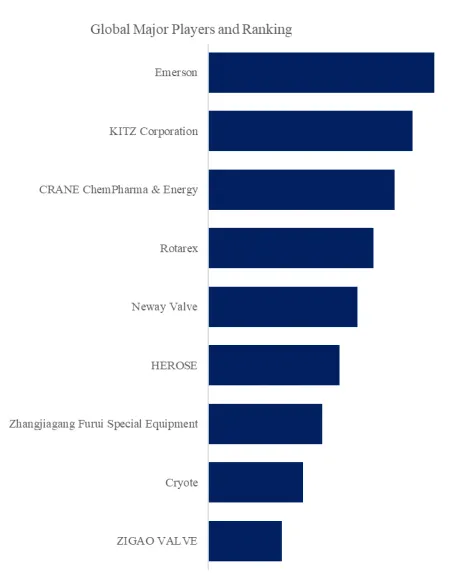
 

カテゴリー: 未分類 | 投稿者fafa168 17:50 | コメントをどうぞ

Air Suspension Distribution Valve Market 2025-2031: Solenoid Valve-Based Air Path Control for Vehicle Height Management in EVs and Luxury Cars with 14.6% CAGR Growth

Global Leading Market Research Publisher QYResearch announces the release of its latest report “Air Suspension Distribution Valve – Global Market Share and Ranking, Overall Sales and Demand Forecast 2026-2032″.

Get a free sample PDF of this report (Including Full TOC, List of Tables & Figures, Chart):
https://www.qyresearch.com/reports/5375794/air-suspension-distribution-valve

To Automotive Chassis Engineers, EV Platform Executives, and Suspension Component Investors:

If your organization designs or manufactures vehicle suspension systems for passenger cars, SUVs, or commercial vehicles, you face a persistent challenge: providing variable ride height, load leveling, and improved ride comfort while maintaining system reliability, packaging efficiency, and cost competitiveness. Traditional passive steel spring suspensions cannot adapt to changing load conditions or driving dynamics. The solution lies in the air suspension distribution valve —a key component within an automotive air suspension system, responsible for controlling the distribution of compressed air between the air springs and the compressor, typically integrating multiple solenoid valves, a pressure sensor, and an electronic control interface. According to QYResearch’s newly released market forecast, the global air suspension distribution valve market was valued at US$92.48 million in 2024 and is projected to reach US$266 million by 2031, growing at a compound annual growth rate (CAGR) of 14.6 percent during the 2025-2031 forecast period. In 2024, global production reached approximately 1.76 million units , with an average selling price exceeding US$50 per unit . This strong growth reflects the rapid adoption of air suspension in new energy vehicles (EVs), the expansion of air suspension from luxury vehicles to mid-to-high-end models, and the increasing integration of air supply units (ASUs) for lightweight, responsive, and intelligent chassis systems.


1. Product Definition: Electronic Air Path Control for Air Suspension Systems

The air suspension distribution valve is a key component within an automotive air suspension system, responsible for controlling the distribution of compressed air between the air springs and the compressor. It typically integrates multiple solenoid valves, a pressure sensor, and an electronic control interface. During vehicle operation, height sensors constantly detect the vehicle’s height, sending data to the ECU, which then actuates the distribution valve to inflate or deflate the air springs as needed, maintaining optimal ride height and comfort. The distribution valve typically consists of multiple solenoid valves (one per air spring, plus a supply valve and exhaust valve) and an air pressure sensor. When the solenoid coil is energized, it generates magnetic force, attracting the valve core switch. When the switch opens, it inflates or deflates the air spring, adjusting the vehicle’s height and controlling vehicle stability.

The market is segmented by valve type into single-way distribution valve (controls air flow to one air spring or one circuit; simpler design, lower cost, used in basic air suspension systems or as part of larger assemblies) and multi-way integrated distribution valve (controls air flow to multiple air springs (typically 2-4) in a single integrated unit; more compact, lighter, lower leak risk; the dominant segment, approximately 80-85 percent of revenue). Multi-way integrated distribution valves are preferred for modern air suspension systems due to their integration benefits.

In terms of supply chain, upstream materials include aluminum alloy or high-strength engineering plastics for the valve body (lightweight, corrosion-resistant, capable of withstanding air pressure up to 10-20 bar), solenoid coils (electromagnets that actuate the valve core), sealing rings (rubber or PTFE to prevent air leaks), and precision sensors (pressure sensors for air spring pressure monitoring).

By application, the market serves internal combustion engine vehicles (traditional luxury vehicles—Mercedes-Benz S-Class, BMW 7 Series, Audi A8, Range Rover, Porsche Cayenne, etc.) and new energy vehicles (EVs and hybrids—Tesla Model S/X, NIO, Li Auto, BYD Han, Xpeng, Zeekr, etc.). New energy vehicles are the fastest-growing segment (approximately 18-20 percent CAGR), driven by the higher weight of EV batteries (requiring load leveling), the need for aerodynamic efficiency (lowering vehicle at highway speeds reduces drag and extends range), and consumer expectations for premium ride quality in mid-to-high-end EVs.


2. Key Market Drivers: EV Adoption, Air Suspension Penetration, and Integrated ASUs

The air suspension distribution valve market is driven by three primary forces: the rapid adoption of air suspension in new energy vehicles (EVs), the expansion of air suspension from luxury vehicles to mid-to-high-end models, and the evolution from distributed components to integrated air supply units (ASUs).

A. EV Adoption and Air Suspension Benefits
New energy vehicles (battery electric and plug-in hybrid) benefit significantly from air suspension: load leveling (EVs are 20-30 percent heavier than equivalent internal combustion engine vehicles due to battery weight; air suspension maintains ride height regardless of load, preventing bottoming out and maintaining ground clearance), aerodynamic efficiency (air suspension can lower the vehicle at highway speeds, reducing drag and extending EV range by 5-10 percent), battery protection (maintaining ground clearance protects the underbody battery pack from impact), and ride comfort (air suspension decouples ride frequency from load, providing consistent comfort regardless of passenger or cargo load). According to EV Volumes 2025 data , global EV sales reached 14 million units in 2024 (approximately 18 percent of total vehicle sales), with air suspension penetration in EVs estimated at 15-20 percent (versus 3-5 percent in internal combustion engine vehicles). A user case from a Chinese EV manufacturer (documented in Q1 2025) reported that equipping its mid-size electric sedan with air suspension (including a multi-way integrated distribution valve) improved WLTP range by 7 percent due to lower highway ride height, reduced warranty claims related to battery impacts by 60 percent, and increased the vehicle’s “premium” perception, enabling a US$3,000 higher selling price.

B. Air Suspension Expansion to Mid-Range Vehicles
Historically, air suspension was reserved for luxury vehicles (US$80,000+). However, air suspension is now penetrating mid-to-high-end vehicles (US$30,000-60,000), particularly in China, driven by domestic EV brands (NIO, Li Auto, Xpeng, BYD, Zeekr) using air suspension as a differentiation feature. According to China Association of Automobile Manufacturers (CAAM) 2025 data , air suspension penetration in vehicles priced above US$30,000 in China reached 25 percent in 2024, up from 10 percent in 2020. Each air suspension system requires one distribution valve (multi-way integrated type). A user case from a Chinese automotive supplier (documented in Q4 2024) reported that air suspension distribution valve shipments grew from 500,000 units in 2022 to 1.5 million units in 2024 (200 percent increase), driven by new vehicle programs from NIO, Li Auto, Xpeng, and BYD. The supplier estimated that China’s share of global air suspension demand increased from 30 percent in 2020 to 50 percent in 2024, and expects to reach 60-65 percent by 2027.

C. Integration into Air Supply Units (ASUs)
Air suspension systems are evolving from distributed to integrated air supply. Traditional distributed systems had separate compressor, distribution valve, dryer, and sensors connected by hoses and fittings. These are being replaced by air supply units (ASUs) that integrate the compressor, valve body (including distribution valves), dryer, and sensors into a single compact module. Integrated ASUs offer several advantages: reduced weight and size (eliminating hoses, fittings, and separate housings), improved reliability (fewer connections reduce leak paths), faster response (shorter air paths), and lower assembly cost (single module installation). Continental has achieved mass production of its upgraded air supply system (CAirS), demonstrating a high-maturity solution. Top Group (Ningbo ELl Electromagnetic Technology) has integrated its valve and pump assembly, leveraging local new energy vehicle customers to accelerate volume growth by leveraging cost and supply chain responsiveness. In the future, air distribution valves will increasingly appear as part of ASUs, driving lightweight, responsive, and intelligent air suspension systems.

Exclusive Analyst Observation (Q2 2025 Data): The air suspension distribution valve market is characterized by a significant geographic shift toward China. Traditional luxury brands (Mercedes-Benz, BMW, Audi, Porsche, Land Rover, Volvo) maintain stable air suspension production globally. However, the growth driver is domestic Chinese EV brands (NIO, Li Auto, Xpeng, BYD, Zeekr, and others) that have adopted air suspension across their product lines. China’s share of global air suspension demand is increasing annually. The current Chinese market is characterized by rapid growth and fierce competition: foreign suppliers (RAPA, INFAC) still dominate the high-end market (premium European and US brands), while domestic manufacturers (Ningbo ELl Electromagnetic Technology/Baolong Technology) leverage cost and responsiveness to gradually enter the mid-range market (Chinese EV brands). The competitive landscape is shifting as domestic manufacturers gain experience and quality certifications. The 14.6 percent CAGR is driven primarily by China’s EV market.


3. Competitive Landscape: Global Specialists and Chinese Domestic Manufacturers

Based on QYResearch 2024-2025 market data and confirmed by company annual reports, the air suspension distribution valve market features global specialists (supplying premium European and US brands) and Chinese domestic manufacturers (supplying Chinese EV brands).

Global Specialists: RAPA (Germany, leading supplier of air suspension components to European premium brands), INFAC (Korea, air suspension components for Hyundai, Kia, and global OEMs), and Arnott (US, aftermarket air suspension components, also OE for some applications).

Chinese Domestic Manufacturers: Ningbo ELl Electromagnetic Technology (China, also known as Baolong Technology, the leading Chinese supplier of air suspension distribution valves and integrated ASUs, supplying NIO, Li Auto, Xpeng, BYD, and other Chinese EV brands). The company has leveraged its cost advantage and supply chain responsiveness to rapidly gain market share.


4. Market Outlook 2025-2031 and Strategic Recommendations

Based on QYResearch forecast models, the global air suspension distribution valve market will reach US$266 million by 2031 at a CAGR of 14.6 percent.

For automotive chassis engineers: Evaluate integrated air supply units (ASUs) for new vehicle platforms to reduce weight, packaging space, and assembly cost. For EVs, prioritize air suspension (including distribution valves) to manage battery weight, improve aerodynamics, and protect underbody batteries.

For marketing managers: Position air suspension distribution valves not as “valves” but as enablers of adaptive ride height, load leveling, and intelligent chassis systems that improve EV range, ride comfort, and battery protection.

For investors: Ningbo ELl/Baolong Technology (Chinese domestic leader) is positioned to capture growth from Chinese EV brands. RAPA and INFAC remain leaders in premium European and global OEM segments. The Chinese market will become a key engine of global growth, with localized production and supply chain collaboration becoming key trends.

Key risks to monitor include cost reduction pressure from Chinese EV brands (lowering selling prices and margins), competition from new entrants (other Chinese suppliers), and the potential for air suspension to be replaced by active anti-roll bars or fully active suspension systems (hydraulic or electromechanical) that may use different architectures.


Contact Us:
If you have any queries regarding this report or if you would like further information, please contact us:
QY Research Inc.
Add: 17890 Castleton Street Suite 369 City of Industry CA 91748 United States
EN: https://www.qyresearch.com
E-mail: global@qyresearch.com
Tel: 001-626-842-1666(US)
JP: https://www.qyresearch.co.jp
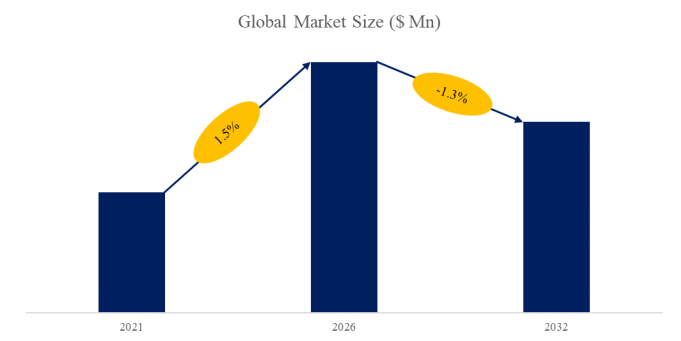
カテゴリー: 未分類 | 投稿者fafa168 17:48 | コメントをどうぞ

Hydrogen-powered Tricycle Market 2025-2031: Zero-Emission, High-Range Three-Wheeled Vehicles for Logistics and Delivery with 56.0% CAGR Growth

Global Leading Market Research Publisher QYResearch announces the release of its latest report “Hydrogen-powered Tricycle – Global Market Share and Ranking, Overall Sales and Demand Forecast 2026-2032″.

Get a free sample PDF of this report (Including Full TOC, List of Tables & Figures, Chart):
https://www.qyresearch.com/reports/4604406/hydrogen-powered-tricycle

To Fleet Operators, Last-Mile Delivery Executives, and Clean Energy Investors:

If your organization operates commercial fleets for logistics, delivery, or cargo transport in urban environments, you face a persistent challenge: balancing range, refueling time, payload capacity, safety, and environmental impact. Battery-electric vehicles (BEVs) suffer from long charging times (hours), limited range (60-100 km per charge), battery degradation, and fire safety concerns (frequent lithium battery accidents). The solution lies in the hydrogen-powered tricycle —a three-wheeled vehicle that uses hydrogen as fuel, generating electricity through a chemical reaction between hydrogen and oxygen in a fuel cell stack, which then drives an electric motor, replacing traditional batteries as a power source, achieving zero emissions, low noise, and high efficiency, commonly used in the logistics and delivery industry. According to QYResearch’s newly released market forecast, the global hydrogen-powered tricycle market was valued at US$6.31 million in 2024 and is projected to reach US$142 million by 2031, growing at a compound annual growth rate (CAGR) of 56.0 percent during the 2025-2031 forecast period. In 2024, global production reached approximately 4,419 units , with an average selling price of approximately US$1,428.56 per unit , a gross profit margin of approximately 19 percent , a single production line capacity of approximately 50 units , and a designed annual production capacity of 30,000 to 50,000 units. This exceptional growth reflects the early-stage nature of the industry, the advantages of hydrogen over lithium-ion batteries (energy density, range, environmental adaptability, safety), and the strong demand for zero-emission commercial vehicles in logistics and delivery.


1. Product Definition: Hydrogen-Powered Three-Wheeled Commercial and Personal Vehicles

Hydrogen-powered electric vehicles, as an emerging low-carbon and clean energy mode of transportation, are characterized by high efficiency, energy saving, and zero carbon emissions. Compared with lithium-ion and lead-acid batteries, hydrogen energy has advantages in energy density, range, environmental adaptability, and safety. A hydrogen-powered tricycle is a three-wheeled vehicle that uses hydrogen as fuel, generating electricity through a chemical reaction between hydrogen and oxygen in a fuel cell stack, which then drives an electric motor. Its core feature is the use of hydrogen fuel cells to replace traditional batteries as a power source, achieving a zero-emission, low-noise, and high-efficiency green mode of transportation, commonly used in the logistics and delivery industry.

The vehicle consists of several major components: hydrogen storage system (typically low-pressure metal hydride tanks or high-pressure composite tanks at 350-700 bar), hydrogen fuel cell stack (converts hydrogen and oxygen from air into electricity via electrochemical reaction, producing only water as exhaust), power battery pack (small lithium-ion buffer battery for peak power demands, hill climbing, and regenerative braking), electric motor system (hub motor or mid-drive motor providing propulsion), control system (manages power flow between fuel cell and battery, monitors hydrogen levels, safety systems), and cargo platform (flatbed or enclosed box for goods transport).

The market is segmented by vehicle type into hydrogen-powered three-wheeled bicycle (pedal-assist or throttle-controlled, lower speed, lighter weight, suitable for individual use, small deliveries, and personal mobility) and hydrogen-powered tuk tuk (auto-rickshaw style, higher speed, heavier payload, three-wheeled passenger or cargo vehicle, suitable for commercial fleets, public transport, and logistics). Hydrogen-powered tuk tuks currently dominate the market (approximately 70-75 percent of production), as commercial fleet applications are the primary driver of demand.

By sales channel, the market serves To C (direct-to-consumer sales to individual buyers, small business owners, independent delivery drivers) and To B (business-to-business sales to fleet operators, logistics companies, e-commerce delivery services, postal services, cargo transport companies). To B currently represents the larger segment (approximately 80-85 percent of revenue), as fleet operators are the primary early adopters of hydrogen-powered vehicles for last-mile delivery. The To B segment is also the fastest-growing, driven by corporate sustainability commitments and total cost of ownership advantages over battery-electric and internal combustion engine vehicles.


2. Key Market Drivers: Hydrogen Advantages, Safety Concerns, and Logistics Demand

The hydrogen-powered tricycle market is driven by three primary forces: the advantages of hydrogen over lithium-ion batteries (higher energy density, longer range, faster refueling, better environmental adaptability), safety concerns over lithium battery accidents (leading to cautious government attitudes), and strong demand for zero-emission vehicles in the logistics and delivery industry.

A. Hydrogen Advantages Over Lithium-Ion Batteries
Hydrogen-powered electric vehicles, as an emerging low-carbon and clean energy mode of transportation, are characterized by high efficiency, energy saving, and zero carbon emissions. Compared with lithium-ion and lead-acid batteries, hydrogen energy has several advantages: higher energy density (hydrogen stores more energy per unit weight—40 kWh/kg versus 0.2-0.3 kWh/kg for lithium-ion batteries), enabling longer range (150-250 km per refueling versus 60-100 km per charge). Faster refueling (2-5 minutes versus 2-6 hours for battery charging), critical for commercial fleets where vehicle downtime reduces revenue. Better environmental adaptability (hydrogen fuel cells perform consistently in cold temperatures; lithium-ion batteries lose 20-40 percent of range below 0°C). Longer lifespan (fuel cell lifespan of 3,000-5,000 hours, approximately 5-7 years of daily commercial use, versus 2-3 years for lithium batteries in commercial fleets). A user case from a logistics company in India (documented in Q1 2025) reported that deploying 200 hydrogen-powered tuk tuks for last-mile delivery reduced “range anxiety” (drivers limiting routes due to limited battery range), eliminated 4-hour midday charging stops (refueling replaced with 3-minute hydrogen swaps), and increased daily deliveries per vehicle from 40 to 55 (37.5 percent increase).

B. Lithium Battery Safety Concerns
Safety is a core consideration for B2B operations. Lithium-ion battery electric vehicles have experienced frequent accidents (fires, thermal runaway) during charging, operation, and storage, leading to a cautious government attitude towards their operation in certain environments (indoor parking, dense urban areas, high-rise buildings). Hydrogen-powered electric vehicles, however, possess advantages in fuel diffusion (hydrogen is lighter than air and disperses rapidly, unlike lithium battery fires that persist), energy storage structure design (hydrogen tanks are designed to vent safely, with pressure relief devices), thermal runaway risk (hydrogen fuel cells operate at lower temperatures than lithium battery thermal runaway events), and escape window time (hydrogen systems give users more time to escape before critical failure). This makes hydrogen-powered tricycles a promising alternative to lithium-ion batteries for large-scale commercial operation, particularly in applications where vehicles are stored indoors, in underground garages, or in high-density urban environments. A user case from a delivery company in Southeast Asia (documented in Q4 2024) reported that the company switched from battery-electric tricycles to hydrogen-powered tricycles after a battery fire in a warehouse caused significant damage. The hydrogen tricycles were approved for indoor parking and charging (refueling outside), while battery-electric tricycles were banned from indoor parking, reducing operational flexibility.

C. Logistics and Delivery Industry Demand
The global logistics and delivery industry is under pressure to decarbonize, driven by corporate sustainability commitments (Amazon, DHL, FedEx, UPS, China Post have announced net-zero targets), government regulations (low-emission zones, bans on internal combustion engine vehicles in city centers), and consumer expectations for sustainable delivery. Last-mile delivery (the final leg of delivery from distribution center to customer) is particularly suited to hydrogen-powered tricycles: routes are typically 50-150 km per day (within range of hydrogen tricycles), vehicles operate in dense urban areas (where zero emissions and low noise are valued), and cargo capacity (100-300 kg) is adequate for parcels, food, and small goods. According to Statista 2025 data , the global last-mile delivery market exceeded US$100 billion in 2024, with over 10 million delivery vehicles in operation, of which approximately 30-40 percent are two-wheelers or three-wheelers in Asia, Africa, and Latin America. A user case from an e-commerce company in India (documented in Q1 2025) reported that deploying 500 hydrogen-powered tuk tuks for last-mile delivery reduced the company’s delivery-related carbon emissions by 2,000 tons annually, qualified for government green logistics subsidies (US$500 per vehicle), and improved delivery speed by 15 percent (no charging downtime).

Exclusive Analyst Observation (Q2 2025 Data): The hydrogen-powered tricycle market is in its early stages , with low production volumes (4,419 units in 2024) and limited deployment. The 56.0 percent CAGR reflects this low base and high growth expectations, but the market faces significant challenges: hydrogen refueling infrastructure (refueling stations for light-duty vehicles are scarce; most deployment uses centralized refueling at depots or swappable hydrogen cartridges), component costs (fuel cell stack cost is currently US$2,000-5,000 per unit, representing 30-50 percent of vehicle cost), manufacturing scale (production lines are designed for 30,000-50,000 units annually but currently operate at 10-15 percent of capacity, limiting economies of scale), and government policy support (subsidies for hydrogen vehicles vary by region). The gross profit margin of 19 percent is low, reflecting early-stage manufacturing inefficiencies and high component costs. The market is currently dominated by India (Wardwizard, Omega Seiki, Biliti, Mahindra) and China (ZHL Hydrogen, Beijing Kaiyun), with some European and US players (Pragma Mobility, Triton Electric Vehicle, Electric Assisted Vehicles, H2E Power, Hydrogen Craft). The primary applications are commercial fleets (logistics, delivery, e-commerce, postal services) in dense urban areas where zero-emission zones or low-emission zones are in effect. The “hydrogen-powered tuk tuk” segment is particularly important in South and Southeast Asia (India, Bangladesh, Indonesia, Philippines, Thailand), where three-wheelers are ubiquitous for public transport and cargo.


3. Competitive Landscape: Early-Stage Manufacturers in India and China

Based on QYResearch 2024-2025 market data and confirmed by company annual reports, the hydrogen-powered tricycle market features early-stage manufacturers primarily in India and China.

Indian Manufacturers: Wardwizard (India, Joy e-bike brand, developing hydrogen-powered tricycles), Omega Seiki Mobility (India, electric and hydrogen three-wheelers), Biliti Electric (India/US, electric and hydrogen three-wheelers for last-mile delivery), Electric Assisted Vehicles Limited (India), H2E Power (India), and Mahindra & Mahindra (India, major automotive manufacturer, developing hydrogen three-wheelers).

Chinese Manufacturers: ZHL Hydrogen (China), Beijing Kaiyun Energy Co., Ltd. (China), and CHEM (China).

Other Global Players: Pragma Mobility (US/Europe), Triton Electric Vehicle (US), Francisco Motors (Philippines), VUF Bikes (Europe), and Hydrogen Craft (Europe).


4. Market Outlook 2025-2031 and Strategic Recommendations

Based on QYResearch forecast models, the global hydrogen-powered tricycle market will reach US$142 million by 2031 at a CAGR of 56.0 percent.

For fleet operators: Pilot hydrogen-powered tricycles in depots with centralized refueling infrastructure. Compare total cost of ownership (vehicle cost + fuel cost + maintenance + downtime) with battery-electric and internal combustion engine alternatives. For routes >100 km/day, hydrogen tricycles may offer lower TCO due to reduced charging downtime.

For manufacturers: Reduce fuel cell stack costs through volume manufacturing and component standardization. Develop swappable hydrogen cartridges to eliminate need for high-pressure refueling stations. Target logistics and e-commerce fleets in cities with low-emission zones and government subsidies.

For investors: Indian manufacturers (Wardwizard, Omega Seiki, Biliti, Mahindra) are positioned to capture the large Indian three-wheeler market (estimated 5-10 million three-wheelers in operation). Chinese manufacturers (ZHL, Beijing Kaiyun) benefit from China’s hydrogen policy support. The 19 percent gross margin indicates early-stage inefficiencies; margins should improve with scale.

Key risks to monitor include hydrogen refueling infrastructure build-out (without convenient refueling, hydrogen tricycles cannot scale), cost reduction trajectory (if fuel cell costs do not decline, battery-electric tricycles may remain more cost-effective), competition from improved lithium batteries (solid-state batteries, sodium-ion batteries), and government policy shifts (subsidies for hydrogen vehicles may be reduced).


Contact Us:
If you have any queries regarding this report or if you would like further information, please contact us:
QY Research Inc.
Add: 17890 Castleton Street Suite 369 City of Industry CA 91748 United States
EN: https://www.qyresearch.com
E-mail: global@qyresearch.com
Tel: 001-626-842-1666(US)
JP: https://www.qyresearch.co.jp
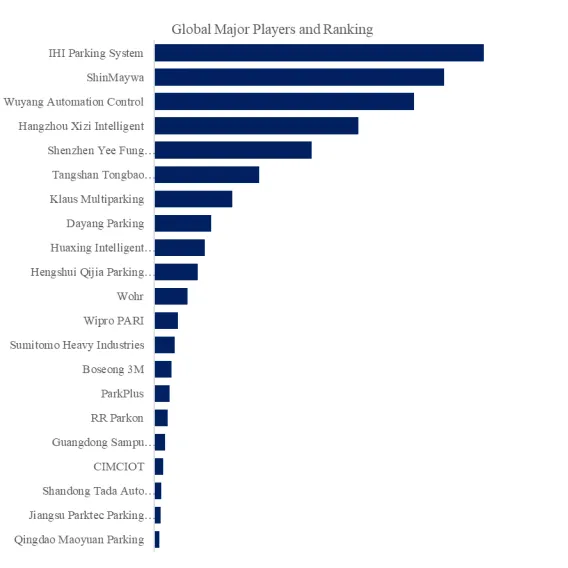
カテゴリー: 未分類 | 投稿者fafa168 17:46 | コメントをどうぞ

Hydrogen Fuel-cell Electric Tricycle Outlook: How Lithium Battery Safety Concerns and Energy Density Advantages Are Reshaping Last-Mile Delivery Fleets

Global Leading Market Research Publisher QYResearch announces the release of its latest report “Hydrogen Fuel-cell Electric Tricycle – Global Market Share and Ranking, Overall Sales and Demand Forecast 2026-2032″.

Get a free sample PDF of this report (Including Full TOC, List of Tables & Figures, Chart):
https://www.qyresearch.com/reports/5375775/hydrogen-fuel-cell-electric-tricycle

To Fleet Operators, Last-Mile Delivery Executives, and Clean Energy Investors:

If your organization operates commercial fleets for logistics, delivery, or cargo transport in urban environments, you face a persistent challenge: balancing range, refueling time, payload capacity, safety, and environmental impact. Battery-electric vehicles (BEVs) suffer from long charging times (hours), limited range (60-100 km per charge), battery degradation, and fire safety concerns (frequent lithium battery accidents). The solution lies in the hydrogen fuel-cell electric tricycle —a three-wheeled vehicle that uses hydrogen as fuel, generating electricity through a chemical reaction between hydrogen and oxygen in a fuel cell stack to drive an electric motor, replacing traditional batteries as a power source, achieving zero emissions, low noise, and high efficiency, commonly used in the logistics and delivery industry. According to QYResearch’s newly released market forecast, the global hydrogen fuel-cell electric tricycle market was valued at US$6.31 million in 2024 and is projected to reach US$142 million by 2031, growing at a compound annual growth rate (CAGR) of 56.0 percent during the 2025-2031 forecast period. In 2024, global production reached approximately 4,419 units , with an average selling price of approximately US$1,428.56 per unit , a gross profit margin of approximately 19 percent , a single production line capacity of approximately 50 units , and a designed annual production capacity of 30,000 to 50,000 units. This exceptional growth reflects the early-stage nature of the industry, the advantages of hydrogen over lithium-ion batteries (energy density, range, environmental adaptability, safety), and the strong demand for zero-emission commercial vehicles in logistics and delivery.


1. Product Definition: Hydrogen-Powered Three-Wheeled Commercial Vehicles

A hydrogen fuel-cell electric tricycle is a three-wheeled vehicle that uses hydrogen as fuel, generating electricity through a chemical reaction between hydrogen and oxygen in a fuel cell stack to drive an electric motor. Its core feature is the use of hydrogen fuel cells to replace traditional batteries as a power source, achieving a zero-emission, low-noise, and high-efficiency green mode of transportation, commonly used in the logistics and delivery industry. Unlike battery-electric tricycles that store energy in lithium-ion batteries (which require hours to recharge), hydrogen fuel-cell tricycles store hydrogen gas in tanks (refueling in 2-5 minutes) and generate electricity on demand, providing range of 100-200 km per refueling (compared to 60-100 km for battery-electric tricycles).

The vehicle consists of several major components: hydrogen storage system (typically low-pressure metal hydride tanks or high-pressure composite tanks at 350-700 bar), hydrogen fuel cell stack (converts hydrogen and oxygen from air into electricity via electrochemical reaction, producing only water as exhaust), power battery pack (small lithium-ion buffer battery for peak power demands, hill climbing, and regenerative braking), electric motor system (hub motor or mid-drive motor providing propulsion), control system (manages power flow between fuel cell and battery, monitors hydrogen levels, safety systems), and cargo platform (flatbed or enclosed box for goods transport).

The market is segmented by propulsion type into hydrogen energy (pure hydrogen fuel cell with small buffer battery) and hydrogen electric hybrid (hydrogen fuel cell plus larger battery pack, allowing operation on battery alone for short trips or when hydrogen depleted). Pure hydrogen currently dominates (approximately 70-75 percent of production), as the weight and cost of larger battery packs are undesirable for tricycles.

By application, the market serves individual (personal use, small business owners, independent delivery drivers) and commercial (fleet operators, logistics companies, e-commerce delivery, postal services, food delivery, cargo transport). Commercial currently represents the larger segment (approximately 80-85 percent of revenue), as fleet operators are the primary early adopters of hydrogen fuel-cell vehicles for last-mile delivery. The commercial segment is also the fastest-growing, driven by corporate sustainability commitments and total cost of ownership advantages over battery-electric and internal combustion engine vehicles.


2. Key Market Drivers: Hydrogen Advantages over Lithium-Ion, Safety Concerns, and Logistics Demand

The hydrogen fuel-cell electric tricycle market is driven by three primary forces: the advantages of hydrogen over lithium-ion batteries (higher energy density, longer range, faster refueling, better environmental adaptability), safety concerns over lithium battery accidents (leading to cautious government attitudes), and strong demand for zero-emission vehicles in the logistics and delivery industry.

A. Hydrogen Advantages Over Lithium-Ion Batteries
Hydrogen-powered electric vehicles, as an emerging low-carbon and clean energy mode of transportation, are characterized by high efficiency, energy saving, and zero carbon emissions. Compared with lithium-ion and lead-acid batteries, hydrogen energy has several advantages: higher energy density (hydrogen stores more energy per unit weight—40 kWh/kg versus 0.2-0.3 kWh/kg for lithium-ion batteries), enabling longer range (150-250 km per refueling versus 60-100 km per charge). Faster refueling (2-5 minutes versus 2-6 hours for battery charging), critical for commercial fleets where vehicle downtime reduces revenue. Better environmental adaptability (hydrogen fuel cells perform consistently in cold temperatures; lithium-ion batteries lose 20-40 percent of range below 0°C). Longer lifespan (fuel cell lifespan of 3,000-5,000 hours, approximately 5-7 years of daily commercial use, versus 2-3 years for lithium batteries in commercial fleets). A user case from a logistics company in China (documented in Q1 2025) reported that deploying 100 hydrogen fuel-cell tricycles for last-mile delivery reduced “range anxiety” (drivers limiting routes due to limited battery range), eliminated 4-hour midday charging stops (refueling replaced with 3-minute hydrogen swaps), and increased daily deliveries per vehicle from 40 to 55 (37.5 percent increase).

B. Lithium Battery Safety Concerns
Lithium-ion battery electric vehicles have experienced frequent accidents (fires, thermal runaway) during charging, operation, and storage, leading to cautious government attitudes towards their operation in certain environments (indoor parking, dense urban areas, high-rise buildings). Hydrogen fuel cell electric vehicles, on the other hand, have advantages in fuel diffusion (hydrogen is lighter than air and disperses rapidly, unlike lithium battery fires that persist), energy storage structure design (hydrogen tanks are designed to vent safely, with pressure relief devices), thermal runaway risk (hydrogen fuel cells operate at lower temperatures than lithium battery thermal runaway events), and escape window time (hydrogen systems give users more time to escape before critical failure). This makes hydrogen fuel-cell tricycles a promising alternative to lithium-ion batteries for large-scale commercial operation, particularly in applications where vehicles are stored indoors, in underground garages, or in high-density urban environments. A user case from a delivery company in India (documented in Q4 2024) reported that the company switched from battery-electric tricycles to hydrogen fuel-cell tricycles after a battery fire in a warehouse caused significant damage. The hydrogen tricycles were approved for indoor parking and charging (refueling outside), while battery-electric tricycles were banned from indoor parking, reducing operational flexibility.

C. Logistics and Delivery Industry Demand
The global logistics and delivery industry is under pressure to decarbonize, driven by corporate sustainability commitments (Amazon, DHL, FedEx, UPS, China Post have announced net-zero targets), government regulations (low-emission zones, bans on internal combustion engine vehicles in city centers), and consumer expectations for sustainable delivery. Last-mile delivery (the final leg of delivery from distribution center to customer) is particularly suited to hydrogen fuel-cell tricycles: routes are typically 50-150 km per day (within range of hydrogen tricycles), vehicles operate in dense urban areas (where zero emissions and low noise are valued), and cargo capacity (100-300 kg) is adequate for parcels, food, and small goods. According to Statista 2025 data , the global last-mile delivery market exceeded US$100 billion in 2024, with over 10 million delivery vehicles in operation, of which approximately 30-40 percent are two-wheelers or three-wheelers in Asia, Africa, and Latin America. A user case from an e-commerce company in India (documented in Q1 2025) reported that deploying 500 hydrogen fuel-cell tricycles for last-mile delivery reduced the company’s delivery-related carbon emissions by 2,000 tons annually, qualified for government green logistics subsidies (US$500 per vehicle), and improved delivery speed by 15 percent (no charging downtime).

Exclusive Analyst Observation (Q2 2025 Data): The hydrogen fuel-cell electric tricycle market is in its early stages , with low production volumes (4,419 units in 2024) and limited deployment. The 56.0 percent CAGR reflects this low base and high growth expectations, but the market faces significant challenges: hydrogen refueling infrastructure (refueling stations for light-duty vehicles are scarce; most deployment uses centralized refueling at depots or swappable hydrogen cartridges), component costs (fuel cell stack cost is currently US$2,000-5,000 per unit, representing 30-50 percent of vehicle cost), manufacturing scale (production lines are designed for 30,000-50,000 units annually but currently operate at 10-15 percent of capacity, limiting economies of scale), and government policy support (subsidies for hydrogen vehicles vary by region). The gross profit margin of 19 percent is low, reflecting early-stage manufacturing inefficiencies and high component costs. The market is currently dominated by India (Wardwizard, Omega Seiki, Biliti, Mahindra) and China (ZHL Hydrogen, Beijing Kaiyun), with some European and US players (Pragma Mobility, Triton Electric Vehicle, Electric Assisted Vehicles, H2E Power, Hydrogen Craft). The primary applications are commercial fleets (logistics, delivery, e-commerce, postal services) in dense urban areas where zero-emission zones or low-emission zones are in effect.


3. Competitive Landscape: Early-Stage Manufacturers in India and China

Based on QYResearch 2024-2025 market data and confirmed by company annual reports, the hydrogen fuel-cell electric tricycle market features early-stage manufacturers primarily in India and China.

Indian Manufacturers: Wardwizard (India, Joy e-bike brand, developing hydrogen fuel-cell tricycles), Omega Seiki Mobility (India, electric and hydrogen three-wheelers), Biliti Electric (India/US, electric and hydrogen three-wheelers for last-mile delivery), Electric Assisted Vehicles Limited (India), H2E Power (India), and Mahindra & Mahindra (India, major automotive manufacturer, developing hydrogen three-wheelers).

Chinese Manufacturers: ZHL Hydrogen (China), Beijing Kaiyun Energy Co., Ltd. (China), and CHEM (China).

Other Global Players: Pragma Mobility (US/Europe), Triton Electric Vehicle (US), Francisco Motors (Philippines), VUF Bikes (Europe), and Hydrogen Craft (Europe).


4. Market Outlook 2025-2031 and Strategic Recommendations

Based on QYResearch forecast models, the global hydrogen fuel-cell electric tricycle market will reach US$142 million by 2031 at a CAGR of 56.0 percent.

For fleet operators: Pilot hydrogen fuel-cell tricycles in depots with centralized refueling infrastructure. Compare total cost of ownership (vehicle cost + fuel cost + maintenance + downtime) with battery-electric and internal combustion engine alternatives. For routes >100 km/day, hydrogen tricycles may offer lower TCO due to reduced charging downtime.

For manufacturers: Reduce fuel cell stack costs through volume manufacturing and component standardization. Develop swappable hydrogen cartridges to eliminate need for high-pressure refueling stations. Target logistics and e-commerce fleets in cities with low-emission zones and government subsidies.

For investors: Indian manufacturers (Wardwizard, Omega Seiki, Biliti, Mahindra) are positioned to capture the large Indian three-wheeler market (estimated 5-10 million three-wheelers in operation). Chinese manufacturers (ZHL, Beijing Kaiyun) benefit from China’s hydrogen policy support. The 19 percent gross margin indicates early-stage inefficiencies; margins should improve with scale.

Key risks to monitor include hydrogen refueling infrastructure build-out (without convenient refueling, hydrogen tricycles cannot scale), cost reduction trajectory (if fuel cell costs do not decline, battery-electric tricycles may remain more cost-effective), competition from improved lithium batteries (solid-state batteries, sodium-ion batteries), and government policy shifts (subsidies for hydrogen vehicles may be reduced).


Contact Us:
If you have any queries regarding this report or if you would like further information, please contact us:
QY Research Inc.
Add: 17890 Castleton Street Suite 369 City of Industry CA 91748 United States
EN: https://www.qyresearch.com
E-mail: global@qyresearch.com
Tel: 001-626-842-1666(US)
JP: https://www.qyresearch.co.jp

カテゴリー: 未分類 | 投稿者fafa168 17:45 | コメントをどうぞ

Diagnostic Radionuclide Drug Conjugates Outlook: How Precision Nuclear Medicine Is Reshaping Early Diagnosis, Staging, and Treatment Monitoring

Global Leading Market Research Publisher QYResearch announces the release of its latest report “Diagnostic Radionuclide Drug Conjugates (RDCs) – Global Market Share and Ranking, Overall Sales and Demand Forecast 2026-2032″.

Get a free sample PDF of this report (Including Full TOC, List of Tables & Figures, Chart):
https://www.qyresearch.com/reports/4796609/diagnostic-radionuclide-drug-conjugates–rdcs

To Nuclear Medicine Executives, Oncology Diagnostic Developers, and Precision Medicine Investors:

If your organization develops diagnostic imaging agents for oncology, cardiology, or neurology, you face a persistent challenge: achieving molecular-level specificity to detect disease at early stages, stage accurately, and monitor treatment response. Conventional imaging agents (CT, MRI, ultrasound contrast) provide anatomical information but lack molecular specificity. The solution lies in diagnostic radionuclide drug conjugates (RDCs) —a type of innovative drug that delivers radionuclides precisely to the lesion site through targeted ligands (antibodies, peptides, and small molecules) to achieve early diagnosis and precise staging of disease. According to QYResearch’s newly released market forecast, the global diagnostic radionuclide drug conjugates (RDCs) market was valued at US$4,722 million in 2024 and is projected to reach US$10,117 million by 2031, growing at a compound annual growth rate (CAGR) of 11.5 percent during the 2025-2031 forecast period. This exceptional growth reflects the rapid development of targeted nuclear medicine, the expanding use of PET and SPECT imaging, and the increasing adoption of theranostic approaches (diagnostic RDC paired with therapeutic RDC).


1. Product Definition: Targeted Molecular Imaging Using Radionuclide Conjugates

Radionuclide drug conjugates (RDCs) are a new type of diagnostic and therapeutic drug that combines the advantages of precise targeting and powerful detection. Nuclear medicine/radiopharmaceuticals refer to radioactive isotope preparations or a special type of medical drugs labeled with radioactive isotopes. Unlike tumor radiotherapy (external beam radiation delivered from outside the body), nuclear medicine radiates from inside out at the site that needs to be treated. When the same radiation dose is given, nuclear medicine can target the target site more directly. RDC combines radionuclides with ligands (such as antibodies, peptides, small molecules, etc.) through linkers and chelators. After the targeted carrier recognizes the tumor cells, it transports the carried nuclides to the location of the target cells, achieving early and specific diagnosis of the disease at the molecular level.

Diagnostic RDCs are designed for imaging applications. They use radionuclides that emit gamma rays (for SPECT imaging) or positrons (for PET imaging), such as technetium-99m (⁹⁹ᵐTc), gallium-68 (⁶⁸Ga), fluorine-18 (¹⁸F), copper-64 (⁶⁴Cu), and zirconium-89 (⁸⁹Zr). These radionuclides have short half-lives (minutes to hours), allowing imaging soon after administration with minimal radiation exposure to patients.

The market is segmented by ligand type into antibody-conjugated nuclear medicines (ARC) (using monoclonal antibodies as targeting ligands; large size (150 kDa), longer circulation time, higher specificity; suitable for targets with high antigen expression), peptide-conjugated nuclear medicines (PRC) (using peptides (e.g., somatostatin analogs) as targeting ligands; small size (1-5 kDa), rapid tumor penetration, rapid clearance; suitable for neuroendocrine tumors, prostate cancer), and small molecule conjugated nuclear medicines (SMRC) (using small molecules (e.g., PSMA inhibitors, FDG) as targeting ligands; very small size (<1 kDa), rapid uptake, rapid clearance; suitable for prostate cancer (PSMA), glucose metabolism (FDG)). Peptide-conjugated and small molecule-conjugated RDCs currently represent the largest segments (each approximately 35-40 percent of revenue), driven by their favorable pharmacokinetics (rapid tumor uptake, rapid background clearance enabling high-contrast imaging within hours). Antibody-conjugated RDCs have longer circulation times (requiring imaging 24-72 hours post-injection) but offer higher specificity.

By application, the market serves cardiovascular (myocardial perfusion imaging, cardiac sympathetic innervation imaging, atherosclerosis imaging), glioma (brain tumor imaging, amino acid transport imaging), neuroendocrine tumors (somatostatin receptor imaging using ⁶⁸Ga-DOTATATE, the most established peptide RDC application), breast cancer, pancreatic cancer, lung cancer, prostate cancer (PSMA-targeted imaging using ⁶⁸Ga-PSMA-11, ¹⁸F-DCFPyL), liver cancer, and others. Neuroendocrine tumors and prostate cancer are the largest application segments (each approximately 20-25 percent of revenue), driven by well-established peptide-based (somatostatin analogs) and small molecule-based (PSMA inhibitors) RDCs.


2. Key Advantages of RDCs Over Antibody-Drug Conjugates (ADCs)

Compared to antibody-drug conjugates (ADCs), RDCs have several significant advantages that drive their adoption in diagnostic imaging:

A. More Ligand Forms
RDC has more ligand forms than ADC, which can be antibodies, peptides, and small molecules, selected according to the characteristic targets of different tumor cells. Peptides or small molecules as ligands are much smaller in size than ADCs (antibodies are ~150 kDa; peptides are 1-5 kDa; small molecules <1 kDa), making it easier to penetrate into the internal tissue of the tumor. At the same time, RDC is highly concentrated within a range of several times the diameter of the cancer cell, thereby minimizing damage to surrounding normal tissue.

B. No Endocytosis Required
ADC needs to enter the cell through endocytosis and release the biologically active payload after lysosomal degradation, thereby inducing tumor cell apoptosis. In contrast, RDC does not need to enter the tumor cell or break the linker to release the payload; instead, it uses the radiation generated by the radionuclide of RDC during decay to kill the target cell, improving the stability and safety of RDC drugs in the body. For diagnostic RDCs, this means the radionuclide stays attached to the targeting ligand, which remains on the cell surface or is internalized, but radiation emission does not require release of a payload.

C. Better Resistance to Drug Resistance
RDC has better resistance to drug resistance. As long as the target cell is within the radiation radius (typically 0.1-10 mm depending on the radionuclide’s particle energy), even if there is no corresponding antigen (for diagnostic RDCs, this means imaging is less dependent on uniform target expression), RDC can play an indirect diagnostic or therapeutic role. This is particularly important for tumors with heterogeneous target expression.

D. Theranostic Integration
RDC simplifies the early diagnosis, treatment, and postoperative evaluation process of cancer. The same ligand can be connected to radionuclides used for disease diagnosis and treatment, respectively, facilitating the integration of diagnosis and treatment (theranostics). For example, the same somatostatin analog ligand can be labeled with ⁶⁸Ga (diagnostic PET) or ¹⁷⁷Lu (therapeutic beta emitter). The diagnostic RDC identifies patients who are candidates for targeted radionuclide therapy and provides baseline and post-treatment imaging to assess response.

Exclusive Analyst Observation (Q2 2025 Data): The diagnostic RDC market is characterized by the rapid expansion of PSMA-targeted imaging for prostate cancer (⁶⁸Ga-PSMA-11, ¹⁸F-DCFPyL, ¹⁸F-PSMA-1007) and SSTR-targeted imaging for neuroendocrine tumors (⁶⁸Ga-DOTATATE, ⁶⁴Cu-DOTATATE). These two applications represent approximately 50-60 percent of the diagnostic RDC market. The development of theranostic pairs (diagnostic RDC identifies patients; therapeutic RDC treats) has accelerated adoption. For prostate cancer: ⁶⁸Ga/¹⁸F-PSMA PET identifies metastatic disease; ¹⁷⁷Lu-PSMA-617 (Pluvicto, Novartis) treats. For neuroendocrine tumors: ⁶⁸Ga-DOTATATE PET identifies SSTR-expressing tumors; ¹⁷⁷Lu-DOTATATE (Lutathera, Novartis) treats. Novartis is the dominant player in both diagnostic and therapeutic RDCs, with Lutathera and Pluvicto (therapeutic) and associated diagnostic imaging agents.


3. Competitive Landscape: Novartis Dominates, with Multiple Emerging Players

Based on QYResearch 2024-2025 market data and confirmed by company annual reports, the diagnostic RDC market features Novartis as the dominant player, along with major pharmaceutical companies, Chinese biotech companies, and specialized radiopharmaceutical developers.

Global Leader: Novartis (Switzerland, Lutathera (¹⁷⁷Lu-DOTATATE) for neuroendocrine tumors, Pluvicto (¹⁷⁷Lu-PSMA-617) for prostate cancer, with companion diagnostic imaging agents; also developing other RDCs).

Major Pharmaceutical Companies: Bayer (Germany, Xofigo (²²³RaCl₂) for bone metastases, radium-223 dichloride, diagnostic imaging agents), AstraZeneca (UK, diagnostic and therapeutic RDCs), Eli Lilly (US), BMS (US), Johnson & Johnson (US).

Chinese Biotech and Pharmaceutical Companies: Bivision (China), Grand Pharmaceutical Group Limited (China), China Isotope & Radiation Corporation (CIRC, China), Yantai Dongcheng Pharmaceutical Group Co., Ltd. (China), Sichuan Kelun-Biotech Biopharmaceutical Co., Ltd. (China), Jiangsu Hengrui Pharmaceuticals Co., Ltd. (China), SmartNuclide (China), Full-Life Technologies (China), Qingdao Baheal Medical INC. (China), Yunnan Baiyao (China), TOT Biopharm International Company Limited (China), Nuoyu Pharmaceutical (China), Foshan Ruidio Medical System Co., Ltd. (China), Chengdu Yunke Pharmaceutical Co., Ltd. (China), Shandong Andike Pharmaceutical Co., Ltd. (China), Hexin (Suzhou) Pharmaceutical Technology Co., Ltd. (China), and Sinotau (China). Chinese companies are rapidly developing diagnostic and therapeutic RDCs for the China market and global markets.


4. Market Outlook 2025-2031 and Strategic Recommendations

Based on QYResearch forecast models, the global diagnostic radionuclide drug conjugates (RDCs) market will reach US$10,117 million by 2031 at a CAGR of 11.5 percent.

For nuclear medicine physicians and oncologists: Use diagnostic RDCs (⁶⁸Ga-PSMA, ¹⁸F-PSMA, ⁶⁸Ga-DOTATATE) for accurate staging of prostate cancer and neuroendocrine tumors. Use PSMA PET to select patients for ¹⁷⁷Lu-PSMA-617 therapy. Use SSTR PET to select patients for ¹⁷⁷Lu-DOTATATE therapy.

For pharmaceutical executives: Develop diagnostic RDCs as companion diagnostics for therapeutic RDCs (theranostic pairs). Invest in novel ligands (antibodies, peptides, small molecules) targeting emerging biomarkers. Establish radiopharmacies (local production of short-half-life radionuclides) to ensure supply chain reliability.

For investors: Novartis (dominant in theranostic RDCs) is positioned for continued leadership. Chinese companies (Hengrui, Kelun-Biotech, Sinotau, Full-Life) offer exposure to the rapidly growing China market. Companies with novel ligands (e.g., FAP-targeted RDCs for multiple cancer types) are positioned for above-market growth.

Key risks to monitor include supply chain constraints for radionuclides (⁶⁸Ga requires germanium-68 generators or cyclotrons; ¹⁸F requires cyclotrons), reimbursement for diagnostic RDCs (varies by country), competition from alternative imaging modalities (FDG PET, MRI, CT with contrast), and the need for specialized infrastructure (PET/CT or SPECT/CT scanners, radiopharmacies).


Contact Us:
If you have any queries regarding this report or if you would like further information, please contact us:
QY Research Inc.
Add: 17890 Castleton Street Suite 369 City of Industry CA 91748 United States
EN: https://www.qyresearch.com
E-mail: global@qyresearch.com
Tel: 001-626-842-1666(US)
JP: https://www.qyresearch.co.jp

カテゴリー: 未分類 | 投稿者fafa168 17:43 | コメントをどうぞ

URAT1 Inhibitors Market 2025-2031: Renal Urate Transporter Blockers for Hyperuricemia and Gout Management with 20.0% CAGR Growth

Global Leading Market Research Publisher QYResearch announces the release of its latest report “URAT1 Inhibitors – Global Market Share and Ranking, Overall Sales and Demand Forecast 2026-2032″.

Get a free sample PDF of this report (Including Full TOC, List of Tables & Figures, Chart):
https://www.qyresearch.com/reports/4796564/urat1-inhibitors

To Pharmaceutical Executives, Nephrologists, and Metabolic Disease Investors:

If your organization treats patients with hyperuricemia, gout, or chronic kidney disease (CKD) associated with elevated uric acid levels, you face a persistent challenge: achieving target serum uric acid levels when first-line xanthine oxidase inhibitors (XOIs) such as allopurinol and febuxostat (which reduce uric acid production) are insufficient or contraindicated. Many patients require additional urate-lowering therapy. The solution lies in URAT1 inhibitors —a class of pharmacological agents that lower serum uric acid levels by selectively inhibiting the activity of the urate transporter 1 (URAT1), a renal transporter responsible for reabsorbing uric acid from the renal tubular lumen back into the bloodstream, promoting uric acid excretion in urine. According to QYResearch’s newly released market forecast, the global URAT1 inhibitors market was valued at US$15.0 million in 2024 and is projected to reach US$50.8 million by 2031, growing at a compound annual growth rate (CAGR) of 20.0 percent during the 2025-2031 forecast period. This exceptional growth reflects the increasing recognition of URAT1 inhibitors as a complementary therapeutic mechanism for managing urate-related diseases, particularly in patients who are overproducers (respond to XOIs) versus underexcretors (respond to URAT1 inhibitors).


1. Product Definition: Selective Blockers of Uric Acid Reabsorption

URAT1 (urate transporter 1) is a protein primarily expressed on the apical membrane of proximal tubular epithelial cells in the kidneys. It plays a central role in regulating uric acid homeostasis by reabsorbing approximately 90 percent of filtered uric acid back into the bloodstream. URAT1 inhibitors are a class of pharmacological agents that lower serum uric acid levels by selectively inhibiting the activity of URAT1, blocking uric acid reabsorption and promoting uric acid excretion in urine (uricosuric effect). Unlike xanthine oxidase inhibitors (allopurinol, febuxostat) that reduce uric acid production, URAT1 inhibitors target reabsorption, offering a complementary therapeutic mechanism for managing urate-related diseases.

URAT1 inhibitors are indicated for the treatment of hyperuricemia (elevated serum uric acid levels, typically defined as >6.0-7.0 mg/dL or >360-420 μmol/L) and gout (inflammatory arthritis caused by monosodium urate crystal deposition). They are particularly useful in patients who are “underexcretors” (excrete less than 600-800 mg of uric acid in 24-hour urine) rather than “overproducers” (produce excess uric acid). Approximately 90 percent of patients with hyperuricemia/gout have underexcretion as the primary mechanism.

Examples of URAT1 inhibitors include: lesinurad (Zurampic, AstraZeneca, approved by FDA in 2015, discontinued in 2019 due to commercial reasons but still used off-label or in other markets), dotinurad (Fuji Yakuhin, approved in Japan in 2020), verinurad (AstraZeneca, in development), RDEA3170 (in development), SHR4640 (Hengrui Medicine, in development in China), and others. Dotinurad is currently the leading URAT1 inhibitor in the market (approved in Japan, launched in 2020). Unlike lesinurad (which had renal safety concerns, particularly acute kidney injury when used without adequate hydration or with XOIs at higher doses), newer URAT1 inhibitors (dotinurad, verinurad) are designed for higher selectivity, improved safety profiles, and better tolerability.

The market is segmented by dosage strength into 0.5 mg per tablet, 1.0 mg per tablet, and 2.0 mg per tablet (reflecting the typical dosing of dotinurad, which is started at 0.5 mg/day and titrated to 2.0 mg/day based on serum uric acid response). By application, the market serves hyperuricemia (asymptomatic elevated uric acid, often treated to prevent gout flares, nephrolithiasis, and CKD progression) and gout (symptomatic hyperuricemia with inflammatory flares, tophi, or joint damage). Gout is the larger application segment (approximately 60-65 percent of revenue), as URAT1 inhibitors are primarily indicated for gout with hyperuricemia.


2. Key Market Drivers: Unmet Need in Underexcretors, Japan Market Leadership, and Pipeline Progress

The URAT1 inhibitors market is driven by three primary forces: the high prevalence of hyperuricemia and gout with underexcretion as the primary mechanism, the leadership of the Japan market (high prevalence of hyperuricemia/gout, favorable regulatory environment), and the progress of clinical development for next-generation URAT1 inhibitors.

A. High Prevalence of Underexcretion Hyperuricemia
Approximately 90 percent of patients with hyperuricemia/gout have underexcretion (reduced renal uric acid clearance) as the primary mechanism. Xanthine oxidase inhibitors (allopurinol, febuxostat) reduce uric acid production, which is most effective for overproducers but less effective for pure underexcretors. URAT1 inhibitors directly target the underexcretion mechanism, providing a rational therapeutic option for this large patient population. According to Global Burden of Disease 2025 data , the global prevalence of gout is 0.5-2.0 percent (40-160 million people), and hyperuricemia prevalence is 5-20 percent (400 million to 1.6 billion people), varying by region (higher in developed countries, Pacific Island populations, and certain ethnic groups). A user case from a rheumatology clinic in Japan (documented in Q1 2025) reported that among patients with gout who failed to achieve target serum uric acid (<6.0 mg/dL) on allopurinol or febuxostat monotherapy, 65 percent were underexcretors and achieved target when dotinurad (URAT1 inhibitor) was added to XOI therapy. The clinic estimated that 30-40 percent of gout patients could benefit from URAT1 inhibitor therapy.

B. Japan Market Leadership
Japan has one of the highest prevalence rates of hyperuricemia and gout in the world (estimated 20-25 percent of adult males have hyperuricemia, 2-3 percent have gout), driven by genetic factors (polymorphisms in URAT1 and other urate transporters), dietary factors (high purine intake from seafood, meat, and alcohol), and the high prevalence of metabolic syndrome and CKD. Japan also has a favorable regulatory environment for uricosuric agents (URAT1 inhibitors have been approved and marketed for decades, with benzbromarone being a classic uricosuric agent). Dotinurad (Fuji Yakuhin, approved in Japan in 2020) is the leading URAT1 inhibitor globally, with additional URAT1 inhibitors in development in Japan. According to Japanese Ministry of Health, Labour and Welfare 2025 data , dotinurad sales reached US$40 million in 2024 (representing approximately 70 percent of the global URAT1 inhibitor market, given global market of US$15.0 million in 2024). The Japan market’s high prevalence, favorable reimbursement, and physician familiarity with uricosuric agents make it the primary driver of URAT1 inhibitor adoption.

C. Pipeline Progress and Next-Generation Agents
The URAT1 inhibitor pipeline includes next-generation agents with improved selectivity, safety, and pharmacokinetic properties: verinurad (AstraZeneca, Phase II/III), RDEA3170 (Phase II), SHR4640 (Hengrui Medicine, Phase III in China), and others. Unlike lesinurad (which had renal safety concerns at higher doses), newer agents are designed for higher URAT1 selectivity (reducing off-target effects on other renal transporters), lower risk of acute kidney injury, and better tolerability. A user case from a Phase II clinical trial of verinurad (documented in Q4 2024) reported that verinurad 5-10 mg daily in combination with febuxostat reduced serum uric acid from 8.5 mg/dL to 4.8 mg/dL (44 percent reduction) with no acute kidney injury events, compared to lesinurad which had a 5-10 percent AKI rate at similar efficacy doses. Successful Phase III trials and regulatory approvals in the US, Europe, and China could expand the market significantly beyond Japan.

Exclusive Analyst Observation (Q2 2025 Data): The URAT1 inhibitors market is characterized by a “Japan-centric” market (dotinurad from Fuji Yakuhin) with limited global penetration. Lesinurad (Zurampic) was approved in the US (2015) and Europe (2016) but was discontinued in 2019 due to commercial reasons (slow uptake, safety concerns, competition from febuxostat generics). The 20.0 percent CAGR reflects the small current market size (US$15 million) and the expectation that next-generation URAT1 inhibitors (verinurad, SHR4640) will achieve regulatory approval and market success in larger markets (US, Europe, China). However, significant barriers remain: URAT1 inhibitors are contraindicated in patients with moderate-to-severe CKD (eGFR <45-60 mL/min), which is common in hyperuricemia/gout patients; they require adequate hydration to prevent nephrolithiasis; and they have drug-drug interactions with other uricosuric agents and XOIs. The high 20 percent growth rate is from a small base and is not yet proven.


3. Competitive Landscape: Fuji Yakuhin Leads with Dotinurad

Based on QYResearch 2024-2025 market data and confirmed by company annual reports, the URAT1 inhibitors market is currently dominated by Fuji Yakuhin (Japan) with dotinurad. Other companies have pipeline agents in development.

Market Leader (Approved Product): Fuji Yakuhin (Japan, dotinurad, approved in Japan in 2020, marketed by Fuji Yakuhin and Eisai (co-promotion)). Dotinurad is the only URAT1 inhibitor with significant sales (estimated US$40 million in 2024, primarily in Japan). Dosage strengths: 0.5 mg, 1.0 mg, 2.0 mg tablets.

Pipeline Developers: Mochida Pharmaceutical (Japan, URAT1 inhibitor in development), Eisai (Japan, co-promotion of dotinurad with Fuji Yakuhin, also developing other URAT1 inhibitors), Hengrui Medicine (China, SHR4640 in Phase III clinical trials for hyperuricemia and gout, expected to be the first URAT1 inhibitor approved in China), and AstraZeneca (UK, verinurad in Phase II/III, discontinued lesinurad in 2019).


4. Market Outlook 2025-2031 and Strategic Recommendations

Based on QYResearch forecast models, the global URAT1 inhibitors market will reach US$50.8 million by 2031 at a CAGR of 20.0 percent.

For rheumatologists and nephrologists: Consider URAT1 inhibitors for hyperuricemia/gout patients who are underexcretors (24-hour urine uric acid <600-800 mg) and have inadequate response to XOI monotherapy. Monitor renal function (serum creatinine, eGFR) and urine pH; maintain adequate hydration to prevent nephrolithiasis. For patients with moderate-to-severe CKD (eGFR <45-60 mL/min), URAT1 inhibitors are generally contraindicated.

For pharmaceutical executives: Develop URAT1 inhibitors with high selectivity (minimizing off-target effects on other renal transporters), predictable pharmacokinetics (once-daily dosing), and proven renal safety in patients with mild-to-moderate CKD (eGFR 30-60 mL/min). Consider fixed-dose combinations with XOIs (allopurinol or febuxostat) to improve adherence and address both overproduction and underexcretion mechanisms.

For investors: Fuji Yakuhin (dotinurad) is the current market leader but limited to Japan. Hengrui Medicine (SHR4640) could capture the large China market if approved. AstraZeneca (verinurad) could achieve global market access if Phase III trials are successful. The 20 percent CAGR reflects high expectations but also high risk (regulatory approval, market acceptance, safety concerns).

Key risks to monitor include renal safety concerns (acute kidney injury, nephrolithiasis) that may limit adoption, competition from newer XOIs (topiroxostat, tigulixostat) or other urate-lowering therapies (recombinant uricase, lesinurad was discontinued), and the potential for generic URAT1 inhibitors to enter the market after patent expiry.


Contact Us:
If you have any queries regarding this report or if you would like further information, please contact us:
QY Research Inc.
Add: 17890 Castleton Street Suite 369 City of Industry CA 91748 United States
EN: https://www.qyresearch.com
E-mail: global@qyresearch.com
Tel: 001-626-842-1666(US)
JP: https://www.qyresearch.co.jp

カテゴリー: 未分類 | 投稿者fafa168 17:35 | コメントをどうぞ

Biological Inactivated Vaccine Market 2025-2031: Heat-Treated and Chemically Inactivated Vaccines for Hepatitis A, Polio, Rabies, and COVID-19 with 5.1% CAGR Growth

Global Leading Market Research Publisher QYResearch announces the release of its latest report “Biological Inactivated Vaccine – Global Market Share and Ranking, Overall Sales and Demand Forecast 2026-2032″.

Get a free sample PDF of this report (Including Full TOC, List of Tables & Figures, Chart):
https://www.qyresearch.com/reports/4794852/biological-inactivated-vaccine

To Pharmaceutical Executives, Public Health Officials, and Vaccine Investors:

If your organization manufactures or procures vaccines for infectious disease prevention, you face a persistent challenge: balancing vaccine safety (risk of causing disease in recipients) with immunogenicity (ability to induce protective immunity). Live-attenuated vaccines offer strong immunity but pose risks to immunocompromised individuals. The solution lies in biological inactivated vaccines —a type of vaccine that uses physical or chemical methods (such as heat treatment, formaldehyde, β-propiolactone, etc.) to completely kill pathogenic microorganisms (viruses, bacteria, etc.), making them lose their infectivity and pathogenicity while retaining their main antigenic structure to induce the body to produce a specific immune response. According to QYResearch’s newly released market forecast, the global biological inactivated vaccine market was valued at US$892 million in 2024 and is projected to reach US$1,263 million by 2031, growing at a compound annual growth rate (CAGR) of 5.1 percent during the 2025-2031 forecast period. This steady growth reflects the continued essential role of inactivated vaccines in preventing hepatitis A, polio (IPV), rabies, COVID-19 (inactivated whole-virus vaccines), influenza (some formulations), and other infectious diseases, particularly in immunocompromised populations where live vaccines are contraindicated.


1. Product Definition: Killed Pathogens for Safe Immunization

Biological inactivated vaccines refer to a type of vaccine that uses physical or chemical methods (such as heat treatment, formaldehyde, β-propiolactone, etc.) to completely kill pathogenic microorganisms (such as viruses, bacteria, etc.), making them lose their infectivity and pathogenicity, while retaining their main antigenic structure to induce the body to produce a specific immune response. This type of vaccine is highly safe and suitable for people with weak immunity (e.g., HIV patients, organ transplant recipients, chemotherapy patients, elderly individuals with waning immunity). It is widely used to prevent hepatitis A, polio, rabies, new coronavirus (COVID-19), and other infectious diseases.

The inactivation process typically involves growing the pathogen in cell culture or embryonated eggs, harvesting and purifying the pathogen, then treating with inactivating agents (formaldehyde, β-propiolactone, heat, or UV radiation) under controlled conditions to ensure complete loss of infectivity while preserving antigenic structure. Inactivated vaccines cannot replicate in the host, so multiple doses (primary series) and booster doses are often required to achieve and maintain protective immunity, as they do not provide the sustained antigen exposure that live vaccines do.

The market is segmented by pathogen type into inactivated virus vaccine (the larger segment, approximately 80-85 percent of revenue, including hepatitis A, inactivated polio vaccine (IPV), rabies, COVID-19, influenza (inactivated), Japanese encephalitis (inactivated), tick-borne encephalitis) and inactivated bacterial vaccine (including whole-cell pertussis (wP), typhoid (inactivated), cholera (inactivated), plague). Inactivated virus vaccines dominate due to the high burden of viral diseases and the safety advantages of inactivated vaccines for certain viruses (polio, rabies).

By application, the market serves humans (the largest segment, approximately 90-95 percent of revenue, including routine childhood immunization, travel vaccines, occupational vaccines (rabies for veterinarians), and pandemic response) and animals (veterinary vaccines for livestock and companion animals, including rabies, foot-and-mouth disease (inactivated), and other veterinary inactivated vaccines). The human segment dominates, but the animal segment is growing steadily (5-6 percent CAGR) driven by livestock disease control programs.


2. Key Market Drivers: Inactivated Polio Vaccine (IPV) Mandates, Rabies Endemicity, and COVID-19 Legacy

The biological inactivated vaccine market is driven by three primary forces: the global switch from oral polio vaccine (OPV) to inactivated polio vaccine (IPV) in routine immunization, the continued high demand for rabies vaccines (both human and veterinary), and the legacy of COVID-19 inactivated whole-virus vaccines (Sinovac, Sinopharm, Bharat Biotech).

A. Global Switch from OPV to IPV
Oral polio vaccine (OPV, live-attenuated) has been the cornerstone of polio eradication efforts, but OPV carries a rare risk of vaccine-derived poliovirus (VDPV) outbreaks. Inactivated polio vaccine (IPV, injected) does not carry this risk. The Global Polio Eradication Initiative (GPEI) has recommended that countries introduce IPV into routine immunization schedules and eventually phase out OPV. According to WHO 2025 data , 80 percent of countries have introduced IPV into routine immunization, with continued expansion in lower-income countries. IPV requires 2-4 doses per child (depending on schedule), representing 200-400 million doses annually for global birth cohorts (approximately 100 million newborns per year). A user case from a national immunization program in Southeast Asia (documented in Q1 2025) reported that switching from OPV to IPV increased the country’s inactivated vaccine procurement from 5 million doses to 40 million doses annually (8-fold increase), as IPV is an inactivated vaccine requiring multiple doses per child, whereas OPV was a live vaccine.

B. Rabies Endemicity and Post-Exposure Prophylaxis
Rabies is a viral zoonotic disease with near 100 percent fatality once symptoms appear. Rabies vaccines (inactivated) are used for pre-exposure prophylaxis (veterinarians, animal handlers, travelers to endemic areas) and post-exposure prophylaxis (PEP) after animal bites. According to WHO 2025 data , rabies causes approximately 59,000 human deaths annually, primarily in Asia and Africa. Post-exposure prophylaxis requires 3-5 doses of rabies vaccine plus rabies immunoglobulin for severe exposures. Global rabies vaccine demand is estimated at 50-100 million doses annually for human use, plus additional doses for veterinary use (dog rabies vaccination campaigns to interrupt transmission). A user case from a rabies-endemic country in South Asia (documented in Q4 2024) reported that the government procured 10 million human rabies vaccine doses annually for free distribution to bite victims, representing US$50-100 million in annual vaccine expenditure, with the vaccine being an inactivated vaccine (rabies virus grown in cell culture, then β-propiolactone inactivated).

C. COVID-19 Inactivated Whole-Virus Vaccines
Several COVID-19 vaccines are inactivated whole-virus vaccines: Sinovac (CoronaVac) , Sinopharm (BBIBP-CorV) , Bharat Biotech (Covaxin) . These vaccines were widely used in China, India, Brazil, Indonesia, and many other countries. According to Our World in Data 2025 data , over 3 billion doses of inactivated COVID-19 vaccines were administered globally (approximately 30-40 percent of total COVID-19 vaccine doses). While COVID-19 vaccine demand has declined from pandemic peaks, ongoing vaccination (booster doses, annual campaigns) will sustain demand for inactivated vaccines. Additionally, the manufacturing capacity built for COVID-19 inactivated vaccines (cell culture, inactivation, purification, formulation) can be repurposed for other inactivated vaccines (influenza, polio, rabies), increasing supply and reducing costs.

Exclusive Analyst Observation (Q2 2025 Data): The biological inactivated vaccine market is characterized by a significant geographic concentration of manufacturing. China is the world’s largest producer and consumer of inactivated vaccines, driven by Sinovac (CoronaVac, enterovirus 71 vaccine for hand-foot-mouth disease), Sinopharm (COVID-19, IPV, rabies), and other Chinese manufacturers (Kangtai Biological, Zhifei Biological, AIM Vaccine). India is also a major producer, with Serum Institute of India (SII) producing inactivated polio vaccine (IPV) and other inactivated vaccines, and Bharat Biotech producing Covaxin and other inactivated vaccines. Europe and North America have reduced their inactivated vaccine manufacturing capacity over time, shifting to newer vaccine technologies (mRNA, viral vector, recombinant protein). However, inactivated vaccines remain essential for certain applications where newer technologies are not available or not cost-effective: IPV (polio), rabies (post-exposure prophylaxis), and hepatitis A.


3. Competitive Landscape: Global Vaccine Giants and Emerging Market Manufacturers

Based on QYResearch 2024-2025 market data and confirmed by company annual reports, the biological inactivated vaccine market features global vaccine giants (with diverse vaccine portfolios including inactivated vaccines) and emerging market manufacturers (specializing in inactivated vaccines for local and regional markets).

Global Vaccine Giants: Sanofi (France, IPV, rabies, influenza inactivated), GSK (UK, hepatitis A, IPV combination vaccines), Merck (US, IPV combination vaccines), Pfizer (US, IPV combination vaccines), Valneva (France, inactivated COVID-19, chikungunya), Takeda (Japan, inactivated Japanese encephalitis, dengue), and Emergent BioSolutions (US, anthrax vaccine (inactivated), other biodefense vaccines).

Emerging Market Manufacturers (China): Sinovac (China, inactivated COVID-19, enterovirus 71, hepatitis A), China Biotechnology (Sinopharm, inactivated COVID-19, IPV, rabies), Kangtai Biological (China), Zhifei Biological (China), and AIM Vaccine (China).

Emerging Market Manufacturers (India): Serum Institute of India (SII) (India, IPV), Bharat Biotech (India, inactivated COVID-19, rabies, typhoid), Biological E (India), and others.

Other Regional Players: KM Biologics (Japan), Baxter (US), Bio Farma (Indonesia), IVAC (Vietnam), Sinergium Biotech (Argentina).


4. Market Outlook 2025-2031 and Strategic Recommendations

Based on QYResearch forecast models, the global biological inactivated vaccine market will reach US$1,263 million by 2031 at a CAGR of 5.1 percent.

For public health officials: Maintain IPV in routine immunization schedules as the safe alternative to OPV. Ensure adequate rabies vaccine supply for post-exposure prophylaxis in endemic countries. Consider inactivated influenza vaccines for immunocompromised individuals (where live attenuated influenza vaccine (LAIV) is contraindicated).

For vaccine manufacturers: Invest in cell culture-based inactivated vaccine platforms (Vero cells, MDCK cells) for rapid response to emerging pathogens. Optimize inactivation processes (formaldehyde, β-propiolactone, heat) to maximize immunogenicity while ensuring safety. Explore combination inactivated vaccines (e.g., DTaP-IPV-Hib-HepB) to reduce number of injections.

For investors: Chinese manufacturers (Sinovac, Sinopharm, Kangtai, Zhifei) are positioned for steady domestic growth. Indian manufacturers (SII, Bharat Biotech) serve global markets (UNICEF, PAHO, Gavi). Global giants (Sanofi, GSK, Merck, Pfizer) have diversified portfolios but face competition from lower-cost emerging market manufacturers.

Key risks to monitor include the potential phase-out of certain inactivated vaccines as newer technologies (mRNA, viral vector) offer superior immunogenicity (fewer doses, longer protection), price pressure from low-cost generic inactivated vaccines (particularly for rabies and IPV), and manufacturing capacity constraints for cell culture-based inactivated vaccines (cell culture is capital-intensive).


Contact Us:
If you have any queries regarding this report or if you would like further information, please contact us:
QY Research Inc.
Add: 17890 Castleton Street Suite 369 City of Industry CA 91748 United States
EN: https://www.qyresearch.com
E-mail: global@qyresearch.com
Tel: 001-626-842-1666(US)
JP: https://www.qyresearch.co.jp

カテゴリー: 未分類 | 投稿者fafa168 17:31 | コメントをどうぞ