

QY Research Inc. (Global Market Report Research Publisher) announces the release of 2025 latest report “Thermogravimetric Analyser- Global Market Share and Ranking, Overall Sales and Demand Forecast 2026-2032”. Based on current situation and impact historical analysis (2020-2024) and forecast calculations (2026-2032), this report provides a comprehensive analysis of the global Thermogravimetric Analyser market, including market size, share, demand, industry development status, and forecasts for the next few years.
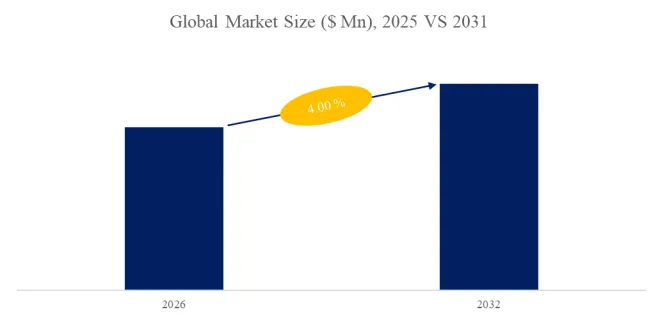
The global market for Thermogravimetric Analyser was estimated to be worth US$ 162 million in 2025 and is projected to reach US$ 211 million, growing at a CAGR of 4.0% from 2026 to 2032.
【Get a free sample PDF of this report (Including Full TOC, List of Tables & Figures, Chart)】
https://www.qyresearch.com/reports/6264124/thermogravimetric-analyser
Thermogravimetric Analyser Market Summary
A thermogravimetric analyser is a precision analytical instrument used to measure changes in sample mass under controlled temperature, time, and atmospheric conditions. Its core value is not simply “weighing,” but identifying moisture, volatile content, decomposition temperature, oxidation stability, ash content, filler content, residual solvents, thermal stability, and compositional ratios under heating, isothermal holding, cooling, inert atmosphere, or oxidative atmosphere. Compared with single-property testing, a thermogravimetric analyser converts the thermal behaviour of materials under real processing, storage, and operating environments into quantifiable curves. It is therefore widely used in plastics, rubber, composite materials, coatings, pharmaceuticals, food, electronic materials, lithium battery materials, and new energy materials. As material systems become increasingly complex, thermogravimetric analysers have gradually evolved from research laboratory instruments into important foundational tools for corporate development verification, quality control, and failure analysis.
Industry Background: Material Complexity Is Driving Thermal Analysis from Research Laboratories to Industrial Quality Control Platforms
Global manufacturing is shifting from experience-based formulation toward data-driven material development. In areas such as polymer modification, lightweight composite materials, power batteries, semiconductor packaging, biodegradable materials, pharmaceutical crystal forms, and excipient control, requirements for thermal stability, volatile matter, carbon residue, ash content, and thermal decomposition behaviour continue to rise. As a result, thermogravimetric analysers are no longer limited to universities and research institutions. They are increasingly being adopted in corporate development, incoming material inspection, process validation, failure analysis, and batch quality control. As material testing methods, quality certification systems, and downstream customer audit requirements become more standardised, the fundamental role of thermogravimetric analysers in industrial testing systems is becoming stronger.
Policy, Technology, and Demand Changes: Compliance, Low Carbon Development, and High-Performance Materials Are Raising Testing Requirements
The battery, pharmaceutical, chemical, and polymer material industries are facing stricter requirements for safety, sustainability, and quality consistency. Power batteries, energy storage materials, and recycled materials require more systematic assessment of thermal stability, residues, and compositional changes. The pharmaceutical sector continues to raise requirements for quality consistency in active ingredients, excipients, formulations, and packaging materials. Electronic materials and semiconductor packaging materials must maintain reliable performance under high temperatures, long service life, and complex operating conditions. On the technology side, modern thermogravimetric analysers are evolving toward high-sensitivity micro-weighing, automated sample loading, coupled gas analysis, automatic software interpretation, high-temperature testing, and reactive atmosphere testing. This is turning the instrument from a single testing device into a material characterisation data platform. On the demand side, enterprises are no longer satisfied with simply obtaining test results; they place greater emphasis on repeatability, traceability, method adaptability, and direct support for development decisions.
Market Opportunities: Continuous Demand Across Material Development, Process Validation, and Quality Control
The growth opportunities for thermogravimetric analysers come from three main directions. First, advanced material development is creating incremental demand, including engineering plastics, carbon fibre composites, thermal management materials, flame-retardant materials, biodegradable materials, solid-state battery materials, and electronic packaging materials. These materials commonly require thermogravimetric curves to determine decomposition ranges, filler ratios, and thermal stability limits. Second, quality control requirements in manufacturing are rising. Enterprises need repeatable and traceable thermal analysis data during incoming raw material inspection, formulation changes, batch validation, and customer certification. Third, the value offered by instrument manufacturers is expanding from hardware sales to method packages, application databases, automated sample loading, software algorithms, maintenance and calibration, and compliance services. This is increasing the share of mid-to-high-end instruments and long-term service revenue.
Application Scenarios: Polymers, Lithium Batteries, Pharmaceuticals, and Electronic Materials Offer the Strongest Commercial Conversion Potential
In polymers and rubber, thermogravimetric analysers can be used to evaluate decomposition temperature, carbon black content, glass fibre content, inorganic filler content, ash content, and oxidation resistance. In lithium batteries and new energy materials, they can be used to analyse the thermal stability of cathode materials, anode materials, binders, separators, electrolyte residues, and recycled powders. In pharmaceuticals and life sciences, they support studies of active pharmaceutical ingredients, excipients, freeze-dried formulations, hygroscopic materials, hydrates, and solvates. In electronic and semiconductor materials, they can be used to analyse the thermal decomposition and residue of encapsulation adhesives, thermal interface materials, copper-clad laminates, photoresist-related materials, and insulating materials. As downstream customers raise requirements for product reliability, batch consistency, and failure traceability, thermogravimetric analysers are extending from development laboratories into production quality systems and third-party testing services.
Risks: Mid-to-Low-End Substitution, Customer Budget Cycles, and Application Method Barriers Coexist
The thermogravimetric analyser market does not rely purely on unit expansion. Its main risks lie in several areas. On one hand, competition in mid-to-low-end instruments is intensifying, and basic thermogravimetric analysers can face pricing pressure in routine moisture, ash, and decomposition temperature testing. On the other hand, high-end customers place greater emphasis on long-term stability, weighing sensitivity, temperature control accuracy, atmosphere control, software algorithms, standard method support, and after-sales response. This means new entrants need a long time to build brand trust. In addition, the commercial value of thermogravimetric analysers depends heavily on application method development. If customers lack professional personnel or accumulated testing methods, instrument utilisation may fall short of expectations. For manufacturers, future competition will shift from “selling instruments” to “providing verifiable material analysis solutions,” including standard methods, automated workflows, coupled testing, and industry-specific application packages.
According to the new market research report “Global Thermogravimetric Analyser Market Report 2026-2032”, published by QYResearch, the global Thermogravimetric Analyser market size is projected to reach USD 0.21 billion by 2032, at a CAGR of 4.0% during the forecast period.
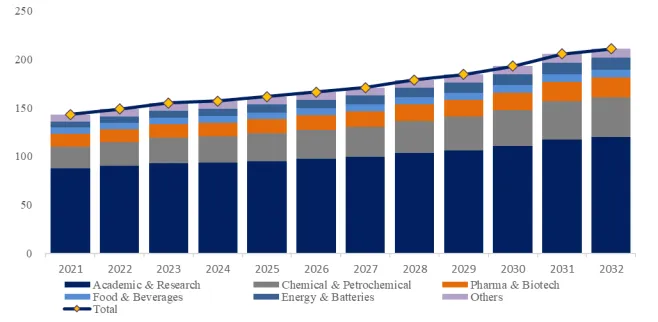
Figure00001. Global Thermogravimetric Analyser Market Size (US$ Million), 2021-2032
Above data is based on report from QYResearch: Global Thermogravimetric Analyser Market Report 2026-2032 (published in 2024). If you need the latest data, plaese contact QYResearch.
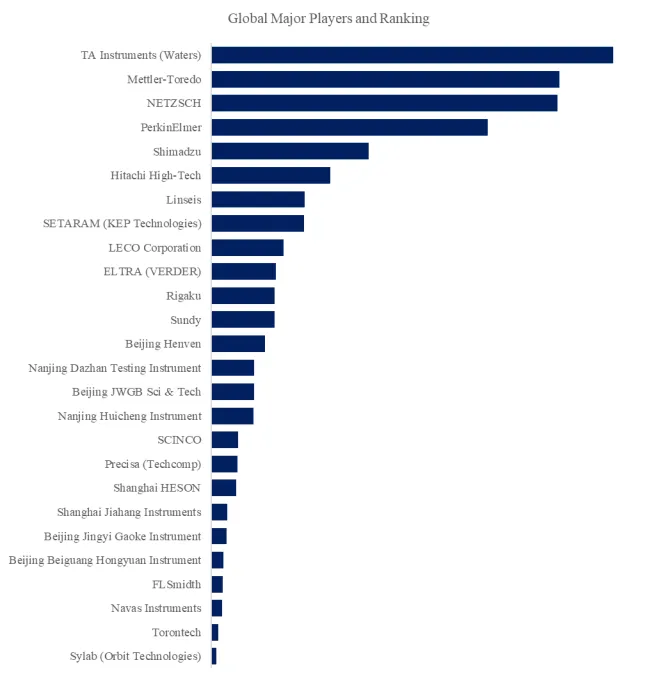
Figure00002. Global Thermogravimetric Analyser Top 26 Players Ranking and Market Share (Ranking is based on the revenue of 2025, continually updated)
Above data is based on report from QYResearch: Global Thermogravimetric Analyser Market Report 2026-2032 (published in 2025). If you need the latest data, plaese contact QYResearch.
According to QYResearch Top Players Research Center, the global key manufacturers of Thermogravimetric Analyser include TA Instruments (Waters), Mettler-Toredo, NETZSCH, PerkinElmer, Shimadzu, Hitachi High-Tech, Linseis, SETARAM (KEP Technologies), LECO Corporation, ELTRA (VERDER), etc. In 2025, the global top 10 players had a share approximately 71.0% in terms of revenue.
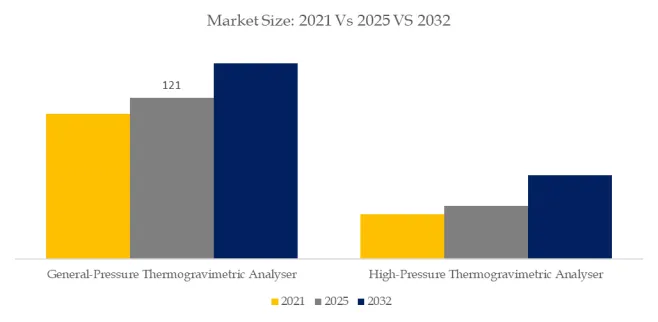
Figure00003. Thermogravimetric Analyser, Global Market Size, Split by Product Segment
Based on or includes research from QYResearch: Global Thermogravimetric Analyser Market Report 2026-2032.
In terms of product type, currently General-Pressure Thermogravimetric Analyser is the largest segment, hold a share of 75.2%.
Figure00004. Thermogravimetric Analyser, Global Market Size, Split by Application Segment
Based on or includes research from QYResearch: Global Thermogravimetric Analyser Market Report 2026-2032.
In terms of product application, currently Academic & Research is the largest segment, hold a share of 58.9%.
Figure00005. Thermogravimetric Analyser, Global Market Size, Split by Region
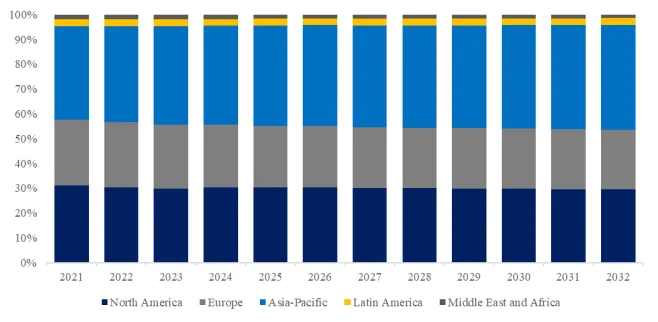
Based on or includes research from QYResearch: Global Thermogravimetric Analyser Market Report 2026-2032
The report provides a detailed analysis of the market size, growth potential, and key trends for each segment. Through detailed analysis, industry players can identify profit opportunities, develop strategies for specific customer segments, and allocate resources effectively.
The Thermogravimetric Analyser market is segmented as below:
By Company
TA Instruments (Waters)
Mettler-Toredo
NETZSCH
PerkinElmer
Shimadzu
Hitachi High-Tech
Linseis
SETARAM (KEP Technologies)
LECO Corporation
ELTRA (VERDER)
Rigaku
Sundy
Beijing Henven
Nanjing Dazhan Testing Instrument
Beijing JWGB Sci & Tech
Nanjing Huicheng Instrument
SCINCO
Precisa (Techcomp)
Shanghai HESON
Shanghai Jiahang Instruments
Beijing Jingyi Gaoke Instrument
Beijing Beiguang Hongyuan Instrument
FLSmidth
Navas Instruments
Torontech
Sylab (Orbit Technologies)
Segment by Type
General-Pressure TGA Analyzer
High-Pressure TGA Analyzer
Segment by Application
Academic & Research
Chemical & Petrochemical
Pharma & Biotech
Food & Beverages
Energy & Batteries
Others
Each chapter of the report provides detailed information for readers to further understand the Thermogravimetric Analyser market:
Chapter 1: Introduces the report scope of the Thermogravimetric Analyser report, global total market size (valve, volume and price). This chapter also provides the market dynamics, latest developments of the market, the driving factors and restrictive factors of the market, the challenges and risks faced by manufacturers in the industry, and the analysis of relevant policies in the industry. (2021-2032)
Chapter 2: Detailed analysis of Thermogravimetric Analyser manufacturers competitive landscape, price, sales and revenue market share, latest development plan, merger, and acquisition information, etc. (2021-2026)
Chapter 3: Provides the analysis of various Thermogravimetric Analyser market segments by Type, covering the market size and development potential of each market segment, to help readers find the blue ocean market in different market segments. (2021-2032)
Chapter 4: Provides the analysis of various market segments by Application, covering the market size and development potential of each market segment, to help readers find the blue ocean market in different downstream markets.(2021-2032)
Chapter 5: Sales, revenue of Thermogravimetric Analyser in regional level. It provides a quantitative analysis of the market size and development potential of each region and introduces the market development, future development prospects, market space, and market size of each country in the world..(2021-2032)
Chapter 6: Sales, revenue of Thermogravimetric Analyser in country level. It provides sigmate data by Type, and by Application for each country/region.(2021-2032)
Chapter 7: Provides profiles of key players, introducing the basic situation of the main companies in the market in detail, including product sales, revenue, price, gross margin, product introduction, recent development, etc. (2021-2026)
Chapter 8: Analysis of industrial chain, including the upstream and downstream of the industry.
Chapter 9: Conclusion.
Benefits of purchasing QYResearch report:
Competitive Analysis: QYResearch provides in-depth Thermogravimetric Analyser competitive analysis, including information on key company profiles, new entrants, acquisitions, mergers, large market shear, opportunities, and challenges. These analyses provide clients with a comprehensive understanding of market conditions and competitive dynamics, enabling them to develop effective market strategies and maintain their competitive edge.
Industry Analysis: QYResearch provides Thermogravimetric Analyser comprehensive industry data and trend analysis, including raw material analysis, market application analysis, product type analysis, market demand analysis, market supply analysis, downstream market analysis, and supply chain analysis.
and trend analysis. These analyses help clients understand the direction of industry development and make informed business decisions.
Market Size: QYResearch provides Thermogravimetric Analyser market size analysis, including capacity, production, sales, production value, price, cost, and profit analysis. This data helps clients understand market size and development potential, and is an important reference for business development.
Other relevant reports of QYResearch:
Global Thermogravimetric Analyser Market Outlook, In‑Depth Analysis & Forecast to 2032
Global Thermogravimetric Analyser Sales Market Report, Competitive Analysis and Regional Opportunities 2026-2032
Global Thermogravimetric Analyser Market Research Report 2026
Global High Pressure Thermogravimetric Analyser Sales Market Report, Competitive Analysis and Regional Opportunities 2026-2032
High Pressure Thermogravimetric Analyser- Global Market Share and Ranking, Overall Sales and Demand Forecast 2026-2032
Global High Pressure Thermogravimetric Analyser Market Research Report 2026
About Us:
QYResearch founded in California, USA in 2007, which is a leading global market research and consulting company. Our primary business include market research reports, custom reports, commissioned research, IPO consultancy, business plans, etc. With over 19 years of experience and a dedicated research team, we are well placed to provide useful information and data for your business, and we have established offices in 7 countries (include United States, Germany, Switzerland, Japan, Korea, China and India) and business partners in over 30 countries. We have provided industrial information services to more than 60,000 companies in over the world.
Contact Us:
If you have any queries regarding this report or if you would like further information, please contact us:
QY Research Inc.
Add: 17890 Castleton Street Suite 369 City of Industry CA 91748 United States
EN: https://www.qyresearch.com
Email: global@qyresearch.com
Tel: 001-626-842-1666(US)
JP: https://www.qyresearch.co.jp










