

Telecommunications Network Distributed Energy System Market Summary
Telecommunications network distributed energy system refer to small-scale energy supply systems deployed near communication infrastructure (such as base stations, edge data centers, and data centers). These systems integrate distributed power sources such as photovoltaic power generation, wind power, and diesel generators with energy storage devices (such as lead-acid or lithium batteries), combined with intelligent energy management systems, to achieve stable power supply and energy efficiency optimization for communication equipment. This system has both grid-connected and off-grid operation capabilities, allowing independent operation even when mains power is unstable or unavailable, improving network continuity and reliability. Simultaneously, through energy dispatch and optimized control, it reduces operating costs and carbon emissions, serving as a crucial support for the green, low-carbon, and intelligent evolution of communication networks.
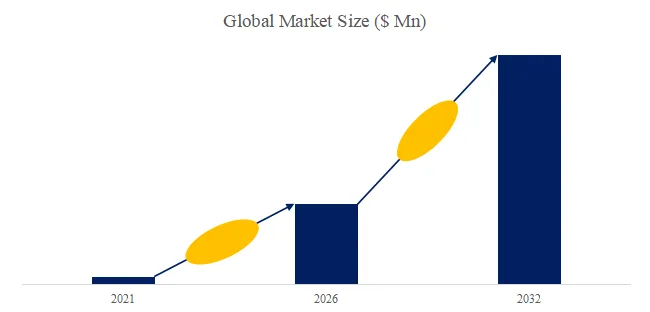
According to the new market research report “Global Telecommunications Network Distributed Energy System Market Report 2026-2032”, published by QYResearch, the global Telecommunications Network Distributed Energy System market size is projected to reach USD 37.08 billion by 2032, at a CAGR of 18.0% during the forecast period.
Figure00001. Global Telecommunications Network Distributed Energy System Market Size (US$ Million), 2021-2032
Above data is based on report from QYResearch: Global Telecommunications Network Distributed Energy System Market Report 2026-2032 (published in 2026). If you need the latest data, plaese contact QYResearch.
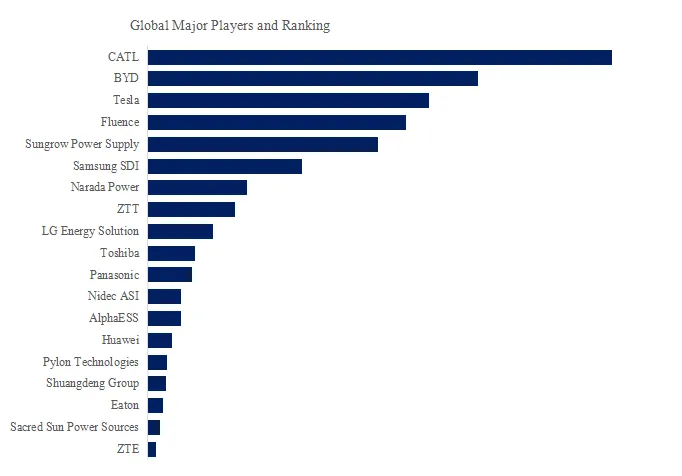
Figure00002. Global Telecommunications Network Distributed Energy System Top 19 Players Ranking and Market Share (Ranking is based on the revenue of 2025, continually updated)
Above data is based on report from QYResearch: Global Telecommunications Network Distributed Energy System Market Report 2026-2032 (published in 2026). If you need the latest data, plaese contact QYResearch.
According to QYResearch Top Players Research Center, the global key manufacturers of Telecommunications Network Distributed Energy System include CATL, BYD, Tesla, Fluence, Sungrow Power Supply, Samsung SDI, Narada Power, ZTT, LG Energy Solution, Toshiba, etc. In 2025, the global top five players had a share approximately 54.0% in terms of revenue.
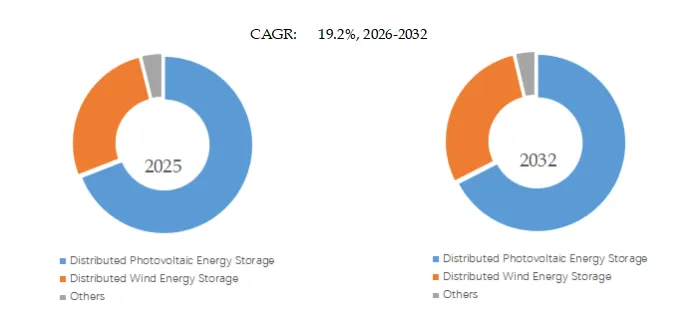
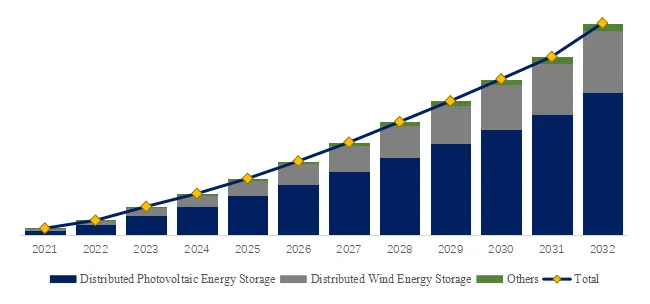
Figure00003. Telecommunications Network Distributed Energy System, Global Market Size, Split by Product Segment
Based on or includes research from QYResearch: Global Telecommunications Network Distributed Energy System Market Report 2026-2032.
In terms of product type, Distributed Photovoltaic Energy Storage is the largest segment, hold a share of 69.1%,
Market Drivers:
Accelerated Construction of 5G and Next-Generation Communication Networks
The large-scale deployment of next-generation communication networks, represented by 5G, has significantly increased the number of base stations and energy consumption levels. The construction of high-density small base stations and edge nodes, in particular, places higher demands on power supply stability and flexibility. Traditional centralized power supply models are insufficient for complete coverage, driving the rapid penetration of distributed energy systems at the base station level.
Increased Base Station Energy Consumption and Operating Cost Pressure
Communication base stations are major energy consumers for operators, with electricity costs accounting for a significant portion of operating costs. Introducing photovoltaic power generation and energy storage systems can achieve peak shaving and valley filling, reduce electricity costs, and decrease reliance on diesel generators, thereby effectively alleviating long-term cost pressures for operators and creating a direct economic driver.
Carbon Neutrality and Green Communication Policies Drive Development
Global goals of “carbon peaking and carbon neutrality” are driving the communications industry towards a green and low-carbon transformation. Distributed energy systems, by utilizing renewable energy and improving energy efficiency, help operators reduce carbon emissions, aligning with policy guidance and ESG requirements, and becoming an important path for green base station construction.
The demand for communication coverage in remote and off-grid areas is growing
In remote areas such as mountains, islands, and deserts, grid power access is costly or impossible, making off-grid power solutions essential for communication network construction. Distributed energy systems (such as photovoltaic + energy storage + diesel generators) can operate independently, significantly improving communication coverage in these areas and driving market demand growth.
Restraint:
High Initial Investment Costs
Distributed energy systems typically require photovoltaic modules, energy storage batteries, inverters, and intelligent control systems, resulting in substantial upfront investment. This financial pressure is particularly pronounced in large-scale base station deployments or projects in remote areas, forcing operators to carefully balance budgets and investment payback periods, impacting project progress.
Long Investment Recovery Periods
While distributed energy systems can generate long-term benefits through electricity cost savings and reduced diesel usage costs, their payback period is generally long (often several years). In areas with low electricity prices or unstable electricity loads, the economic advantages are less pronounced, reducing corporate investment incentives.
High System Integration and Operation/Maintenance Complexity
Telecommunications network distributed energy systems involve the coordinated operation of multiple energy forms (photovoltaics, energy storage, diesel engines, etc.) and control systems, demanding high levels of system design, integration capabilities, and operation/maintenance expertise. Insufficient compatibility, stability, and remote management capabilities between different devices increase maintenance difficulty and the risk of failure.
Energy storage technology and safety issues still need improvement.
Although energy storage technologies such as lithium batteries are constantly advancing, they still face challenges in communication scenarios involving high temperatures and long-term operation, including safety issues (such as thermal runaway), lifespan degradation, and performance stability. Furthermore, the battery recycling and secondary utilization system is still underdeveloped, which also restricts the industry’s development.
Opportunity:
The construction of 5G/6G and new infrastructure continues to advance. With the deepening coverage of 5G networks and the future evolution of 6G technology, the number of base stations and edge computing nodes continues to increase, significantly raising the demand for power supply for communication networks. Distributed energy systems can provide flexible and reliable power supply solutions and have broad application prospects in the new infrastructure wave.
Global energy transition and carbon neutrality goals drive development. Countries are accelerating green and low-carbon development, and the communications industry, as one of the high-energy-consuming industries, faces pressure to reduce emissions. Distributed energy systems, by introducing clean energy sources such as photovoltaics and wind power, help reduce carbon emissions, aligning with policy guidance and ESG requirements, and bringing long-term development opportunities to the industry.
Advances in energy storage technology and cost reductions unlock market potential. Breakthroughs in lithium batteries and new energy storage technologies, with continuously decreasing costs and improving performance, have significantly enhanced the economics of solutions such as “photovoltaics + energy storage.” This not only increases the investment attractiveness of distributed energy systems but also promotes their large-scale application in more communication scenarios.
Rapid growth in the remote and off-grid communication market. In mountainous areas, islands, deserts, and developing countries, traditional power grid coverage is insufficient, and communication construction relies on independent power supply systems. Distributed energy systems have the capability to operate off-grid, which can significantly reduce construction and maintenance costs, making them an important solution for expanding communication coverage.
About The Authors
| Ziyi Fan | ||
| Lead Author | ||
| Consumer Goods,
Equipment & Parts, Packaging, etc. |
About QYResearch
QYResearch founded in California, USA in 2007.It is a leading global market research and consulting company. With over 19 years’ experience and professional research team in various cities over the world QY Research focuses on management consulting, database and seminar services, IPO consulting (data is widely cited in prospectuses, annual reports and presentations), industry chain research and customized research to help our clients in providing non-linear revenue model and make them successful. We are globally recognized for our expansive portfolio of services, good corporate citizenship, and our strong commitment to sustainability. Up to now, we have cooperated with more than 60,000 clients across five continents. Let’s work closely with you and build a bold and better future.
QYResearch is a world-renowned large-scale consulting company. The industry covers various high-tech industry chain market segments, spanning the semiconductor industry chain (semiconductor equipment and parts, semiconductor materials, ICs, Foundry, packaging and testing, discrete devices, sensors, optoelectronic devices), photovoltaic industry chain (equipment, cells, modules, auxiliary material brackets, inverters, power station terminals), new energy automobile industry chain (batteries and materials, auto parts, batteries, motors, electronic control, automotive semiconductors, etc.), communication industry chain (communication system equipment, terminal equipment, electronic components, RF front-end, optical modules, 4G/5G/6G, broadband, IoT, digital economy, AI), advanced materials industry Chain (metal materials, polymer materials, ceramic materials, nano materials, etc.), machinery manufacturing industry chain (CNC machine tools, construction machinery, electrical machinery, 3C automation, industrial robots, lasers, industrial control, drones), food, beverages and pharmaceuticals, medical equipment, agriculture, etc.
About Us:
QYResearch founded in California, USA in 2007, which is a leading global market research and consulting company. Our primary business include market research reports, custom reports, commissioned research, IPO consultancy, business plans, etc. With over 18 years of experience and a dedicated research team, we are well placed to provide useful information and data for your business, and we have established offices in 7 countries (include United States, Germany, Switzerland, Japan, Korea, China and India) and business partners in over 30 countries. We have provided industrial information services to more than 60,000 companies in over the world.
Contact Us:
If you have any queries regarding this report or if you would like further information, please contact us:
QY Research Inc.
Add: 17890 Castleton Street Suite 369 City of Industry CA 91748 United States
EN: https://www.qyresearch.com
Email: global@qyresearch.com
Tel: 001-626-842-1666(US)
JP: https://www.qyresearch.co.jp










