Oil Insulated Commercial Switchgear Market Forecast 2026-2032: Arc Quenching Protection, Power Distribution Reliability, and Growth to US$ 2.78 Billion at 5.0% CAGR

Global Leading Market Research Publisher QYResearch announces the release of its latest report “Oil Insulated Commercial Switchgear – Global Market Share and Ranking, Overall Sales and Demand Forecast 2026-2032″. Based on current situation and impact historical analysis (2021-2025) and forecast calculations (2026-2032), this report provides a comprehensive analysis of the global Oil Insulated Commercial Switchgear market, including market size, share, demand, industry development status, and forecasts for the next few years.

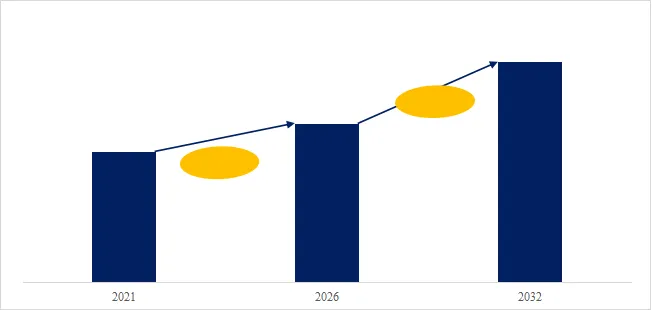
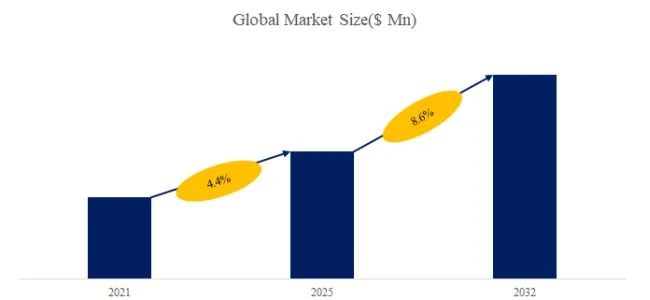
For utility operators, industrial facility managers, and commercial building engineers, reliable electrical distribution and fault protection are non-negotiable. When a fault occurs, switchgear must interrupt potentially massive fault currents (up to 50kA) without catastrophic failure. Oil insulated commercial switchgear addresses this through arc quenching protection: mineral oil serves as both dielectric insulator (high voltage withstand) and cooling medium. When electrical contacts separate, oil vaporizes around the arc, generating hydrogen gas (high thermal conductivity) that extinguishes the arc and prevents re-striking. According to QYResearch’s updated model, the global market for Oil Insulated Commercial Switchgear was estimated to be worth US$ 1,985 million in 2025 and is projected to reach US$ 2,779 million, growing at a CAGR of 5.0% from 2026 to 2032. In 2024, global Oil Insulated Commercial Switchgear production reached approximately 63,004 units, with an average global market price of around USD 30,000 per unit. A factory gross profit of USD 7,500 per unit with 25% gross margin. A single line full machine capacity production is around 1,000 units per line per year. Downstream demand is concentrated in utilities, industry/manufacturing, commercial buildings & data centers. Oil-insulated commercial switchgear is an electrical power distribution device where mineral oil serves as both an insulating and cooling medium for the switch and its components. When electrical contacts separate to interrupt current, the oil vaporizes around the arc, creating hydrogen gas that extinguishes the arc by exhausting the current and preventing it from re-striking. This type of switchgear is known for its high dielectric strength and arc quenching capabilities, making it suitable for protecting electrical equipment in commercial and industrial applications.

【Get a free sample PDF of this report (Including Full TOC, List of Tables & Figures, Chart)】
https://www.qyresearch.com/reports/6098136/oil-insulated-commercial-switchgear

1. Technical Architecture: Oil vs. Alternative Insulation

Oil insulated switchgear competes with gas insulated (SF6) and air insulated (AIS) technologies, each with distinct trade-offs:

Parameter Oil Insulated SF6 Gas Insulated (GIS) Air Insulated (AIS)
Dielectric strength High (oil ~20-30kV/mm) Very high (SF6 ~60-80kV/mm) Low (air ~3kV/mm)
Arc quenching mechanism Oil vaporization → H₂ gas SF6 decomposition → fluorine recombination Air blast or magnetic blow-out
Footprint Moderate (oil-filled tanks) Smallest (gas density reduces clearance) Largest (air clearance requirements)
Maintenance Regular oil testing, filtration Gas leakage monitoring, handling Visual inspection, contact cleaning
Environmental concerns Oil leakage (soil/water contamination) SF6 greenhouse gas (23,500x CO₂ equivalent) None (air)
Fire risk Flammable (oil) Non-flammable (SF6) Low (air)
Typical voltage range 5-245kV 1-800kV 1-800kV

Key technical challenge – oil degradation and maintenance: Over time, oil absorbs moisture, develops acids from arc byproducts, and loses dielectric strength. Over the past six months, several advancements have emerged:

  • ABB (February 2026) introduced “EcoOil” biodegradable ester fluid (vs. mineral oil) with higher fire point (>300°C vs. 140°C) and 5x longer service life (20 years vs. 4-5 years), reducing maintenance frequency.
  • Siemens (March 2026) launched an oil-insulated switchgear with integrated online oil monitoring (moisture, dielectric strength, acidity, particle count), enabling predictive maintenance (replace oil only when needed vs. time-based).
  • Eaton (January 2026) commercialized a “sealed tank” design eliminating oil-air interface (no breather), reducing moisture ingress and oxidation, extending oil life to 15+ years.

Industry insight – discrete manufacturing for oil-filled switchgear: Production is medium-volume discrete manufacturing (63,004 units in 2024). Key processes: tank fabrication (welding, pressure testing), contact assembly (silver-tungsten or copper-chromium), oil filling (vacuum dehydration, filtration), and high-voltage testing. One assembly line produces approximately 1,000 units/year. Gross margin: 25% ($7,500/unit at $30,000 ASP).

2. Market Segmentation: Voltage Level and Application

The Oil Insulated Commercial Switchgear market is segmented as below:

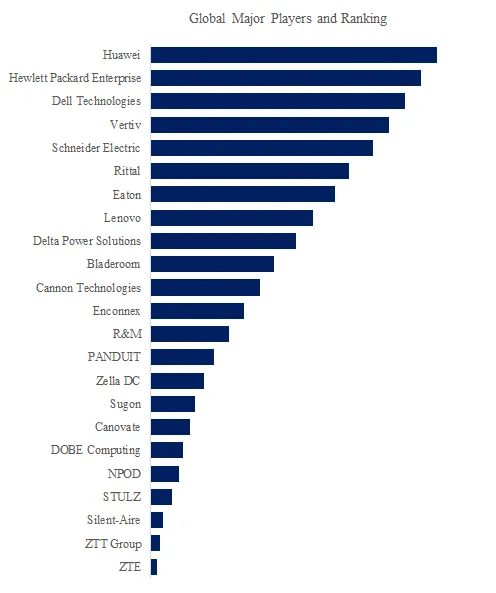
Key Players: ABB Ltd, Siemens AG, Schneider Electric, Eaton Corporation, Mitsubishi Electric Corporation, CG Power, Industrial Solutions, Powell Industries, TBEA, Howard Industries

Segment by Type (Voltage Level):

  • Low Voltage Switchgear (<1kV) – 20% of revenue. Commercial buildings, data centers, industrial control centers. ASP: $5,000-15,000.
  • Medium Voltage Switchgear (1-36kV) – Largest segment (55% of revenue). Utility distribution, industrial plants, renewable generation interconnection. ASP: $20,000-40,000.
  • High Voltage Switchgear (>36kV) – 25% of revenue. Transmission substations, large industrial facilities. ASP: $50,000-150,000.

Segment by Application:

  • Power Generation – 30% of revenue. Gas/coal plants (auxiliary power, generator breakers), hydroelectric, diesel generators.
  • Transmission and Distribution Utilities – Largest segment (40% of revenue). Substation protection, feeder switching, capacitor/reactor switching.
  • Renewable Energy Integration – Fastest-growing segment (8% CAGR). Wind farms (collector systems), solar plants (inverter interconnection), battery storage (BESS switching).
  • Others – Commercial buildings (HVAC, lighting, elevators), data centers (redundant power distribution), industrial manufacturing (10%).

Typical user case – data center medium-voltage switchgear: A 50MW hyperscale data center requires redundant medium-voltage (15kV) switchgear for utility feed + backup generators (N+1 configuration). Oil-insulated switchgear selected for cost effectiveness (20% lower than SF6 GIS) and reduced maintenance (utility-trained staff familiar with oil). Configuration: 6 breaker positions (2 main utility feeds, 2 generator feeds, 2 tie breakers). Unit cost: $35,000 × 6 = $210,000. Annual oil testing: $2,500.

Exclusive observation – SF6 phase-down driving oil resurgence: SF6 (sulfur hexafluoride) has a global warming potential 23,500x CO₂. EU F-Gas Regulation (phasedown to 10% of 2014 levels by 2030), US EPA AIM Act (80% reduction by 2030), and similar policies in Japan and Canada are driving utilities back toward oil-insulated and vacuum switchgear. Oil insulated is benefiting as a lower-cost alternative to SF6 for medium voltage applications (where vacuum is also an option but has lower interrupting capacity for some fault types). ABB and Siemens both report 30% increase in oil-insulated inquiries since 2025.

3. Regional Dynamics and Replacement Cycles

Region Market Share (2025) Key Drivers
Asia-Pacific 45% Rapid grid expansion (China, India, SE Asia), industrial growth, manufacturing base
North America 25% Aging infrastructure replacement (40+ years old), data center buildout, renewable interconnection
Europe 20% SF6 phase-down, grid modernization, offshore wind collector systems
RoW 10% Infrastructure investment (Middle East, Africa, Latin America)

Exclusive observation – replacement cycle catalyst: Installed oil-insulated switchgear has a typical service life of 30-40 years. The 1980s-1990s installation boom is now entering end-of-life, creating a predictable replacement market of 2-3% of installed base annually. Additionally, concerns over polychlorinated biphenyls (PCBs) in pre-1980s oil-filled equipment (banned in most countries) are accelerating replacement.

4. Competitive Landscape and Outlook

The oil-insulated switchgear market is mature and concentrated (top 5 >70% share):

Tier Supplier Key Strengths Focus
1 ABB, Siemens, Schneider Electric Global footprint, broad portfolios, digital monitoring, R&D leadership All voltage classes, global
2 Eaton, Mitsubishi Electric Regional strength (NA, Asia), cost-competitive Medium voltage
3 CG Power, Powell, TBEA, Howard Regional/domestic focus, lower cost (20-30% below Tier 1) Local markets

Technology roadmap (2027-2030):

  • Ester fluid replacement for mineral oil: Biodegradable, higher fire point (>300°C), longer life. ABB and Siemens offering as option; expected to reach 30% of new units by 2030.
  • Digital oil monitoring: Online sensors for moisture, dissolved gas analysis (DGA), particle count — enabling condition-based maintenance. Eaton and Schneider leading.
  • Hybrid oil-vacuum switchgear: Oil as insulator only; vacuum interrupters for arc quenching (eliminating oil arc products, reducing maintenance). Siemens prototype.

With 5.0% CAGR and 63,000 units produced in 2024 (projected 85,000+ by 2030), the oil-insulated commercial switchgear market offers stable, non-cyclical demand tied to grid infrastructure investment, building construction, and industrial expansion. Risks include competition from vacuum and SF6 alternatives (though SF6 facing phase-down), environmental regulations on oil leakage (spill containment, disposal costs), and raw material price volatility (copper, steel, transformer-grade oil).


Contact Us:
If you have any queries regarding this report or if you would like further information, please contact us:
QY Research Inc.
Add: 17890 Castleton Street Suite 369 City of Industry CA 91748 United States
EN: https://www.qyresearch.com
E-mail: global@qyresearch.com
Tel: 001-626-842-1666(US)
JP: https://www.qyresearch.co.jp

カテゴリー: 未分類 | 投稿者huangsisi 12:41 | コメントをどうぞ

Spacecraft Solar Cells Market Forecast 2026-2032: Multi-Junction III-V Photovoltaics, Radiation Hardening, and Growth to US$ 3.46 Billion at 12.0% CAGR

Global Leading Market Research Publisher QYResearch announces the release of its latest report “Spacecraft Solar Cells – Global Market Share and Ranking, Overall Sales and Demand Forecast 2026-2032″. Based on current situation and impact historical analysis (2021-2025) and forecast calculations (2026-2032), this report provides a comprehensive analysis of the global Spacecraft Solar Cells market, including market size, share, demand, industry development status, and forecasts for the next few years.

For satellite manufacturers, space agencies, and commercial constellation operators, spacecraft power generation demands exceed terrestrial solar capabilities by orders of magnitude. Spacecraft solar cells must operate in extreme radiation environments (protons, electrons, UV), temperature swings (-180°C to +150°C), and vacuum, with zero maintenance access for 15+ years. Unlike terrestrial silicon cells (20-25% efficiency), spacecraft solar cells use multi-junction III-V compound semiconductors (GaInP/GaAs/Ge, InGaP/GaAs/InGaAs) achieving 30-36% efficiency with radiation-hardened structures. According to QYResearch’s updated model, the global market for Spacecraft Solar Cells was estimated to be worth US$ 1,583 million in 2025 and is projected to reach US$ 3,461 million, growing at a CAGR of 12.0% from 2026 to 2032. In 2024, global spacecraft solar cells and arrays production reached approximately 117,000 kWh, with an average global market price of around US$ 13,000 per kWh. Spacecraft solar cells refer to photovoltaic power generation devices specially designed and manufactured for the extreme environment of space. Their core is to use the photovoltaic effect to directly convert sunlight energy into electrical energy, providing continuous power for all loads on the spacecraft. The fundamental difference between them and ordinary solar cells is that they pursue extremely high conversion efficiency and excellent reliability. They usually use III-V compound semiconductor materials and use multi-junction stacking technology to greatly improve performance. At the same time, they must have strong resistance to radiation damage and special protective coatings to ensure minimal power attenuation during years or even decades of in-orbit operation.

【Get a free sample PDF of this report (Including Full TOC, List of Tables & Figures, Chart)】
https://www.qyresearch.com/reports/6098083/spacecraft-solar-cells

1. Technical Architecture: Multi-Junction Cell Design

Spacecraft solar cells are distinguished by their junction count, which determines efficiency and radiation tolerance:

Cell Type Structure Efficiency (BOL) Radiation Tolerance Primary Application
Triple Junction GaInP/GaAs/Ge 30-32% Good (standard) LEO constellations, medium-cost missions
Quadruple Junction GaInP/GaAs/GaInAs/Ge 33-35% Very good (inverted metamorphic) GEO communications, high-radiation orbits
Five Junction GaInP/GaAs/GaInAs/GaInAs/Ge 35-38% (target) Excellent (radiation-hard epi) Deep space, high-radiation environments
Silicon (legacy) Single junction 14-18% Poor Obsolete, limited to CubeSats

Key technical challenge – lattice matching vs. metamorphic growth: Multi-junction cells require crystal lattices to be matched (or transitioned) between layers. Over the past six months, several advancements have emerged:

  • Spectrolab (February 2026) achieved 36.5% efficiency (BOL) with a five-junction cell using metamorphic buffers (graded composition layers), targeting NASA deep-space missions (Europa Clipper, Dragonfly). Radiation tolerance: 85% power remaining after 15 years in Jupiter radiation belts.
  • SolAero (Rocket Lab) (March 2026) commercialized a quad-junction cell with “inverted metamorphic” (IMM) structure, achieving 34.5% efficiency at 25% lower cost than standard lattice-matched cells, optimized for LEO constellations (Starlink, OneWeb) requiring cost-effective radiation tolerance.
  • Azur Space (January 2026) introduced a “radiation-hardened” triple-junction cell with n-on-p polarity (vs. p-on-n standard), reducing proton-induced degradation by 30% for medium-Earth orbit (MEO) navigation satellites (Galileo, GPS).

Industry insight – discrete manufacturing for space-grade cells: Spacecraft solar cell production is ultra-low-volume, high-precision discrete manufacturing. Production: 117,000 kWh in 2024 = approximately 5-8 million individual cells (assuming 15-20 W/cell). Key processes: MOCVD epitaxial growth (100-300nm layer precision), photolithography (grid lines, bus bars), wet chemical etching, metal evaporation, anti-reflective coating, and cover glass bonding. Yields: 65-75% for triple-junction; 50-65% for quadruple/five-junction (lower due to metamorphic complexity). Lead times: 6-12 months for custom cells.

2. Market Segmentation: Cell Type and Spacecraft Size

The Spacecraft Solar Cells market is segmented as below:

Key Players: Boeing (Spectrolab), AZUR SPACE Solar Power GmbH, CESI SpA, Rocket Lab (SolAero Technologies), Sharp Corporation, Airbus, Lockheed Martin, Emcore, Northrop Grumman, Mitsubishi Electric, CETC Solar Energy Holdings, O.C.E Technology

Segment by Type:

  • Triple Junction Solar Cell – Largest segment (55% of 2025 revenue). Workhorse for LEO constellations, MEO navigation, most GEO satellites. Mature technology, best cost/efficiency balance. ASP: $10,000-15,000/kW.
  • Quadruple Junction Solar Cell – Fastest-growing segment (30% CAGR). Higher efficiency for power-constrained missions (small sats, deep space). ASP: $15,000-20,000/kW.
  • Five Junction Solar Cell – Emerging (10% of revenue). Highest efficiency for demanding missions (NASA/ESA flagships, DoD). ASP: $20,000-30,000/kW.
  • Silicon Solar Cell – Declining (<5%). Low-cost for educational CubeSats, short-duration missions. ASP: $3,000-8,000/kW.

Segment by Application (Spacecraft Size):

  • Large Spacecraft – Dominant (65% of revenue). GEO commsats (5-10 tons), deep-space probes (Mars orbiters, outer planet missions), space stations (ISS, commercial stations). High power requirements (10-50kW), long lifespan (15+ years).
  • Small Spacecraft – Fastest-growing (35% CAGR). LEO constellations (Starlink, OneWeb, Kuiper, Guowang) — 200-500kg each, 1-10kW power, 5-7 year lifespan. Microsats and CubeSats (<100kg, <500W).

Typical user case – GEO communications satellite: A GEO broadband satellite (6 tons, 15-year life, 15kW power requirement) selects triple-junction cells for cost optimization. Cell count: 15,000 cells (1W/cell). Spectrolab triple-junction at 31% BOL efficiency, $12,000/kW. Total cell cost: $180,000. Array integration (substrate, deployment, harness) adds $8,000/kW → $120,000. Total power system: $300,000 for 15kW = $20,000/kW.

Exclusive observation – cell technology for constellations vs. GEO: LEO constellations (5-7 year life) prioritize cost per watt and manufacturing volume over absolute efficiency. Quad-junction (34% efficiency) costs 40% more than triple-junction (31%) but produces 10% more power per area. For volume-limited small sats, quad-junction reduces array size (lower drag, easier deployment). For power-limited missions, the premium is justified. For GEO (15+ years), radiation tolerance dominates; quad-junction’s lower degradation (20% vs. 25% for triple-junction over 15 years) provides higher end-of-life power, often justifying premium.

3. Regional Dynamics and Constellation Drivers

Region Market Share (2025) Key Drivers
North America 55% LEO constellations (Starlink, Kuiper), defense/NASA programs, vertical integration (Boeing, Rocket Lab)
Europe 22% GEO satellites (Airbus, Thales Alenia), Galileo (MEO), Copernicus, ESA science missions
Asia-Pacific 18% Chinese constellations (Guowang, G60), Japanese GEO (Mitsubishi, JAXA), Indian missions
RoW 5% Emerging space programs, export customers

Exclusive observation – capacity constraints for constellation demand: Existing spacecraft cell production capacity (Spectrolab, SolAero, Azur Space, Emcore, Sharp, CETC) totals approximately 200-250 MW/year (cell power). Announced LEO constellation demand (Starlink 2.0, OneWeb Gen 2, Kuiper, Guowang, G60) totals 500-800 MW over 2026-2030. This 2-3x capacity gap is driving new entrants (CESI, O.C.E Technology) and expansion investments. Rocket Lab’s acquisition of SolAero (2022) and subsequent capacity expansion (from 50MW to 100MW) is the largest single investment.

4. Competitive Landscape and Outlook

The spacecraft solar cell market is highly concentrated (top 4 >80% share):

Tier Supplier Key Strengths Focus
1 Spectrolab (Boeing) Highest efficiency (36.5% 5J), longest heritage, captive Boeing demand GEO, deep space, high-end
1 SolAero (Rocket Lab) High-volume production, cost leadership, vertical integration LEO constellations
1 Azur Space (Germany) European leader, radiation-hardened designs, Airbus relationship GEO, MEO, science
2 Emcore (US) Legacy supplier, defense/aerospace, government missions DoD, NASA
2 Sharp (Japan), Mitsubishi (Japan) Japanese domestic, JAXA missions GEO, LEO (Japan)
3 CETC (China) Chinese domestic, constellation supply LEO (Guowang, G60)
3 CESI, O.C.E Technology Emerging, regional Small satellites

Technology roadmap (2027-2030):

  • Six-junction cells (>40% efficiency) – Under development at Spectrolab and NREL; target 2028-2029 for NASA deep-space (Mars sample return, outer planet missions)
  • Thin-film III-V cells – Flexible, lightweight (10x less mass) for small sats and solar sails. SolAero and Azur Space prototyping
  • Perovskite-on-III-V tandem – Combining low-cost perovskite top cell with III-V bottom cell; research stage (NASA SBIR)

With 12.0% CAGR and 117,000 kWh produced in 2024 (projected 300,000+ kWh by 2030), the spacecraft solar cell market benefits from LEO constellation deployment (10,000+ satellites), GEO replacement cycles, and deep-space exploration (Artemis, Mars Sample Return). Risks include constellation consolidation (reducing demand), competition from thin-film alternatives (CIGS, perovskite — lower efficiency but much lower cost for short-duration small sats), and geopolitical supply chain restrictions (export controls on high-efficiency cells).


Contact Us:
If you have any queries regarding this report or if you would like further information, please contact us:
QY Research Inc.
Add: 17890 Castleton Street Suite 369 City of Industry CA 91748 United States
EN: https://www.qyresearch.com
E-mail: global@qyresearch.com
Tel: 001-626-842-1666(US)
JP: https://www.qyresearch.co.jp

カテゴリー: 未分類 | 投稿者huangsisi 12:40 | コメントをどうぞ

Satellite Solar Cells and Arrays Market Forecast 2026-2032: Space-Grade Photovoltaics, LEO Constellation Deployment, and Growth to US$ 4.31 Billion at 12.3% CAGR

Global Leading Market Research Publisher QYResearch announces the release of its latest report “Satellite Solar Cells and Arrays – Global Market Share and Ranking, Overall Sales and Demand Forecast 2026-2032″. Based on current situation and impact historical analysis (2021-2025) and forecast calculations (2026-2032), this report provides a comprehensive analysis of the global Satellite Solar Cells and Arrays market, including market size, share, demand, industry development status, and forecasts for the next few years.

For satellite manufacturers, space agencies, and commercial constellation operators, reliable, efficient power generation in the harsh space environment is mission-critical. Solar arrays serve as the satellite’s “heart,” converting sunlight into electricity for onboard systems and charging batteries for eclipse periods. Unlike terrestrial solar, space cells must withstand extreme temperature cycles (-180°C to +150°C), high radiation (protons, electrons, UV), and atomic oxygen erosion. The satellite solar cells and arrays market addresses these through space-grade photovoltaics: multi-junction III-V compound semiconductor cells (GaInP/GaAs/Ge) achieving 30-35% efficiency (vs. 20-25% for terrestrial Si) with radiation-hardened designs. According to QYResearch’s updated model, the global market for Satellite Solar Cells and Arrays was estimated to be worth US$ 1,933 million in 2025 and is projected to reach US$ 4,306 million, growing at a CAGR of 12.3% from 2026 to 2032. In 2024, global satellite solar cells and arrays production reached approximately 140,000 kWh, with an average global market price of around US$ 13,000 per kWh. Satellite solar cells and arrays are crucial to spacecraft operations. Simply put, they serve as the satellite’s “heart,” converting sunlight directly into electricity through the photovoltaic effect, powering various onboard devices. They also store excess energy in batteries to ensure the satellite remains operational even when it enters the Earth’s shadow. These arrays typically consist of a large number of solar cells connected in series and parallel to form a circuit, mounted on a sturdy substrate.

【Get a free sample PDF of this report (Including Full TOC, List of Tables & Figures, Chart)】
https://www.qyresearch.com/reports/6098070/satellite-solar-cells-and-arrays

1. Technical Architecture: Cells vs. Arrays

Satellite solar power systems consist of two distinct market segments: individual solar cells (converting light to electricity) and fully integrated arrays (cells + substrate + deployment mechanisms + wiring).

Parameter Solar Cell (Component) Solar Array (System)
Product scope Individual multi-junction cell Complete panel with substrate, interconnects, bypass diodes, harness
Efficiency 30-35% (current), 35-40% (next-gen) 25-30% (cell packing factor, shadowing losses)
Radiation tolerance Cell-level (inverted metamorphic, radiation-hard epi) Array-level (cover glass, bypass diodes)
Key players Spectrolab (Boeing), SolAero (Rocket Lab), Azur Space, Emcore Same as cells + Airbus, Lockheed, Northrop Grumman, Mitsubishi
ASP $5,000-15,000/kW (cell) $10,000-20,000/kW (array)

Key technical challenge – radiation degradation mitigation: Space radiation (protons, electrons) degrades cell efficiency over time (5-20% loss over 15 years). Over the past six months, several advancements have emerged:

  • Spectrolab (February 2026) introduced a next-gen inverted metamorphic (IMM) cell with radiation-hardened structure (n-on-p polarity), achieving 34.5% beginning-of-life (BOL) efficiency with 15% less degradation than standard cells over 15 years (20% → 17% loss).
  • SolAero (Rocket Lab) (March 2026) commercialized a “quad-junction” cell (GaInP/GaAs/GaInAs/Ge) at 36% BOL efficiency, targeting high-power LEO constellations (Starlink, OneWeb, Kuiper) where rapid degradation requires higher initial power.
  • CESI SpA (January 2026) developed a thin-glass cover (50μm vs. standard 100μm) with anti-reflective coating, reducing weight by 50% while maintaining proton shielding, critical for small satellites (CubeSats, microsats).

Industry insight – discrete vs. process manufacturing: Space solar cells are ultra-low-volume, high-precision discrete manufacturing. Production: 140,000 kWh in 2024 = approximately 7-10 million individual cells (assuming 15-20 W/cell). Yields: 70-85% for triple-junction cells (lower due to epitaxial growth defects, metal contact alignment). Lead times: 6-12 months for custom arrays.

2. Market Segmentation: Product and Orbit Type

The Satellite Solar Cells and Arrays market is segmented as below:

Key Players: Boeing (Spectrolab), Rocket Lab (SolAero Technologies), Sharp Corporation, Lockheed Martin, AZUR SPACE Solar Power GmbH, CESI SpA, Airbus, Northrop Grumman, Mitsubishi Electric, Emcore, CETC Solar Energy Holdings, O.C.E Technology

Segment by Type:

  • Solar Cell – Component segment (40% of 2025 revenue). Bare cells sold to satellite integrators who assemble into arrays. Higher ASP per W due to cell-level technology (multi-junction, radiation hardening).
  • Array – System segment (60% of revenue). Complete power subsystem including substrate (carbon composite or aluminum honeycomb), deployment mechanisms (hinges, springs, dampers), and harness. Higher absolute value, longer lead times.

Segment by Application (Orbit Type):

  • Low Earth Orbit (LEO) Satellites – Fastest-growing segment (50% of 2025 revenue, 25% CAGR). Mega-constellations (Starlink, OneWeb, Project Kuiper, Guowang). Harsh radiation environment (Van Allen belts), short lifespan (5-7 years), high volume (thousands of satellites). Requires cost-optimized cells, rapid production.
  • Geostationary Earth Orbit (GEO) Satellites – 30% of revenue. Communications satellites (TV broadcast, broadband backhaul). Long lifespan (15+ years), high radiation (higher orbit, trapped electrons). Requires highest-efficiency cells (34-36%), radiation-hardened arrays.
  • Medium Earth Orbit (MEO) Satellites – 20% of revenue. Navigation (GPS, Galileo, BeiDou), communications. Moderate radiation, 10-12 year lifespan.

Typical user case – LEO constellation: A LEO broadband constellation (planned 4,000 satellites) requires 10kW per satellite (40MW total). Cell requirement: 2.5 million triple-junction cells (16W each) × $8,000/kW = $320 million cell cost. SolAero selected for its high-volume production capability (50,000 cells/month) and radiation tolerance (20% degradation over 7 years). Array integration by Airbus (carbon composite substrate, roll-out deployment mechanism). Total array cost: $15,000/kW = $600 million.

Exclusive observation – the “constellation effect” on pricing: Traditional GEO satellite solar arrays (1-2 units per year) cost $20,000-30,000/kW due to custom design, extensive qualification, and low volume. LEO constellations (1,000+ units) drive standardized “production line” arrays at $10,000-15,000/kW—40% lower. This pricing pressure is forcing traditional space solar suppliers (Spectrolab, Azur Space) to adopt automotive-style manufacturing processes (automated assembly, statistical process control) to compete with new entrants (Rocket Lab/SolAero).

3. Regional Dynamics and Launch Drivers

Region Market Share (2025) Key Drivers
North America 50% LEO constellations (Starlink, Kuiper), defense satellites (GEO, LEO), NASA programs, vertical integration (Boeing, Lockheed, Rocket Lab)
Europe 25% GEO satellites (Airbus, Thales Alenia), Galileo (MEO), Copernicus (Earth observation), Ariane launch vehicle compatibility
Asia-Pacific 20% Chinese constellations (Guowang, G60 Starlink), Japanese GEO (Mitsubishi), Indian navigation/communications
RoW 5% Emerging space programs (UAE, Saudi Arabia, Brazil)

Exclusive observation – vertical integration vs. open market: Boeing (Spectrolab) and Rocket Lab (SolAero) keep cell production in-house, supplying primarily their own satellite buses. Airbus and Lockheed Martin source from multiple cell suppliers (Azur Space, Sharp, Emcore) and integrate arrays internally. CETC (China) supplies domestic constellation market. This vertical integration limits open market cell availability; LEO constellation operators without captive cell suppliers face longer lead times (12-18 months vs. 6-9 months for vertically integrated primes).

4. Competitive Landscape and Outlook

The space solar market is concentrated (top 4 players >70% share):

Tier Supplier Key Strengths Focus
1 Spectrolab (Boeing) Highest efficiency (35-36%), long GEO heritage, captive Boeing demand GEO, high-end LEO
1 SolAero (Rocket Lab) High-volume production, cost leadership (20% below Spectrolab), vertical integration LEO constellations
1 Azur Space (Germany) European market leader, Airbus relationship, radiation-hardened designs GEO, MEO, science missions
2 Emcore (US) Legacy supplier, defense/aerospace focus Government missions
2 Sharp (Japan), Mitsubishi Electric (Japan) Japanese domestic market, JAXA missions GEO, LEO (Japan)
3 CETC (China) Chinese domestic market, constellation supply LEO (Guowang, G60)

Technology roadmap (2027-2030):

  • Quad-junction cells (40% efficiency) – Spectrolab and SolAero both targeting 2027-2028 commercialization using dilute nitride (GaInNAs) sub-cells
  • Roll-out flexible arrays – Mega-constellation optimized (reducing mass, stowage volume). SolAero and Deployable Space Systems (DSS) have flight demonstrations
  • Perovskite space cells – Emerging (radiation tolerance promising, but stability concerns). NASA and ESA research programs; commercial <5 years

With 12.3% CAGR and 140,000 kWh produced in 2024 (projected 350,000+ kWh by 2030), the satellite solar market benefits from LEO constellation deployment (10,000+ satellites planned 2025-2030), GEO replacement cycles (40+ launches/year), and deep-space exploration (Artemis, Mars missions). Risks include constellation bankruptcies/consolidation (reducing demand), competition from nuclear power (RTGs for deep space), and manufacturing capacity constraints (only 3-4 qualified cell suppliers globally).


Contact Us:
If you have any queries regarding this report or if you would like further information, please contact us:
QY Research Inc.
Add: 17890 Castleton Street Suite 369 City of Industry CA 91748 United States
EN: https://www.qyresearch.com
E-mail: global@qyresearch.com
Tel: 001-626-842-1666(US)
JP: https://www.qyresearch.co.jp

カテゴリー: 未分類 | 投稿者huangsisi 12:39 | コメントをどうぞ

PV Industry Circular Economy Market Forecast 2026-2032: Solar Panel Recycling, Resource Efficiency, and Growth to US$ 6.26 Billion at 11.5% CAGR

Global Leading Market Research Publisher QYResearch announces the release of its latest report “PV Industry Circular Economy – Global Market Share and Ranking, Overall Sales and Demand Forecast 2026-2032″. Based on current situation and impact historical analysis (2021-2025) and forecast calculations (2026-2032), this report provides a comprehensive analysis of the global PV Industry Circular Economy market, including market size, share, demand, industry development status, and forecasts for the next few years.

For PV plant operators, module manufacturers, and environmental regulators, the explosive growth of solar installations creates a looming waste crisis. Solar panels have 25-30 year lifespans; the first generation of utility-scale PV (installed 1995-2005) is now reaching end-of-life. Without recycling, 8 million tons of solar waste will accumulate by 2030, rising to 80 million tons by 2050—containing valuable materials (silicon, silver, copper, glass, aluminum) and hazardous substances (lead, cadmium). The PV industry circular economy addresses this through solar panel recycling: recovering >90% of materials from decommissioned modules and reintroducing them into manufacturing, replacing the traditional “take-make-dispose” linear model. According to QYResearch’s updated model, the global market for PV Industry Circular Economy was estimated to be worth US$ 2,951 million in 2025 and is projected to reach US$ 6,257 million, growing at a CAGR of 11.5% from 2026 to 2032. The concept of the circular economy in the photovoltaic (PV) industry refers to a sustainable model that aims to minimize waste and maximize resource efficiency throughout the entire lifecycle of solar panels. This approach contrasts with the traditional linear economic model, which typically follows a “take-make-dispose” pattern. By adopting a circular economy approach, the PV industry can contribute significantly to sustainability goals, mitigate environmental impacts, and foster economic opportunities through the reuse and recycling of materials.

【Get a free sample PDF of this report (Including Full TOC, List of Tables & Figures, Chart)】
https://www.qyresearch.com/reports/6098025/pv-industry-circular-economy

1. Technical Architecture: Three Circular Economy Models

PV circular economy solutions fall into three technology categories with distinct material recovery outcomes:

Model Process Materials Recovered Recovery Rate Energy Intensity Maturity
Physically Driven Mechanical crushing, sieving, density separation Glass (90-95%), aluminum frames (98%), copper wire 70-80% (by weight) Low Mature (First Solar, Veolia)
Chemically Driven Thermal delamination + chemical etching (acid/alkaline) Silicon wafers (95%+ purity), silver (90-95%), copper, indium 85-95% (by value) High (thermal step) Pilot/commercial (ROSI, Solarcycle)
Digitally Driven AI sorting + traceability (blockchain) for module reuse Whole modules (functional, for second-life applications) 100% (reuse) Very low Emerging (PV Circonomy, ERI)

Key technical challenge – breaking the EVA bond: Ethylene-vinyl acetate (EVA) encapsulant bonds glass to cells, making physical separation difficult. Over the past six months, three significant advancements have emerged:

  • Solarcycle (February 2026) commercialized a thermal delamination process (400-500°C in inert atmosphere) that vaporizes EVA without oxidizing silicon, recovering intact silicon wafers at 98% purity—suitable for re-manufacturing into new solar cells (vs. downcycling to metallurgical silicon).
  • ROSI (March 2026) introduced a selective chemical leaching process for silver recovery (from cell metallization paste), achieving 95% silver recovery at 99.9% purity—critical as silver represents 60% of panel material value (US$ 15-20 per panel).
  • First Solar (January 2026) expanded its cadmium telluride (CdTe) thin-film recycling process to crystalline silicon (c-Si), using acid etching to separate cell metals from glass, achieving 95% glass recovery for closed-loop glass manufacturing.

Industry insight – the value pyramid: Panel material value distribution drives recycling economics:

Material Weight % Value % Recovery Priority
Glass 70-75% 5-10% Low (but bulk of waste)
Aluminum frame 10-15% 15-20% High (established recycling)
Silicon cells 3-5% 25-35% High (if wafer-quality)
Silver (metallization) <0.1% 40-50% Highest (drives profitability)
Copper ribbon 1-2% 5-10% Medium
Polymers (EVA, backsheet) 5-8% 0% (fuel) Low (energy recovery)

2. Market Segmentation: Model Type and Application

The PV Industry Circular Economy market is segmented as below:

Key Players: First Solar, Veolia, Eiki Shoji, Echo Environmental, Reiling Unternehmensgruppe, ERI, Green Clean Solar, NPC Group, Rinovasol, Solarcycle, SPR, We Recycle Solar, Solar Recycling Solutions, ROSI, PV Circonomy, Retrofit Environmental, Waste Experts, PV Industries, Cleanlites, Powerhouse Recycling, Sircel, EKG, Phoenix Recycling Group, KGS

Segment by Type:

  • Physically Driven Cycle Model – Dominant (70% of 2025 revenue). Mature, lower cost, suitable for high-volume glass/aluminum recovery. ASP: US$ 50-150/ton.
  • Chemically Driven Cycle Model – Fastest-growing (25% CAGR). Higher value recovery (silver, high-purity silicon), higher cost. ASP: US$ 200-500/ton.
  • Digitally Driven Cycle Model – Emerging (5% of revenue). Focus on module reuse (functional panels), traceability for compliance. ASP: US$ 10-50/panel.

Segment by Application:

  • Photovoltaic Power Station – Largest segment (75% of revenue). Utility-scale decommissioning (end-of-life panels from 1990s-2000s installations), repowering (replacing old panels with higher-efficiency units), storm-damaged arrays.
  • Photovoltaic Product Manufacturer – 25% of revenue. Production scrap (broken cells, off-spec modules), manufacturing waste (glass cullet, metal fines), closed-loop material return.

Typical user case – utility-scale repowering: A 50MW solar plant installed in 2005 (250,000 panels) is being repowered with modern 500W+ bifacial panels. Decommissioned panels (150W each) sent to Solarcycle for chemical recycling. Results: 4,500 tons of glass recovered (remanufactured into new panels), 750kg silver recovered (US$ 600,000 value at $800/kg), 150 tons of silicon wafers recovered (remanufactured into new cells). Recycling cost: US$ 1.2 million; recovered material value: US$ 1.5 million (net positive). Landfill avoidance: 4,500 tons.

Exclusive observation – silver price as market driver: Silver represents 40-50% of panel material value. With silver prices at $800-1,000/kg (2025-2026), recycling is profitable without subsidies. At $500/kg, only chemical recycling breaks even; at $300/kg, physical-only recycling dominates. Panel manufacturers are reducing silver loading (from 20mg/W in 2020 to 12mg/W in 2025, targeting 8mg/W by 2028), which reduces per-panel recycling value by 40% over five years—a long-term risk for recyclers.

3. Regional Dynamics and Regulatory Drivers

Region Market Share (2025) Key Drivers
Europe 45% Strongest regulations (EU WEEE Directive), early adoption, first-mover recyclers (Veolia, ROSI, PV Circonomy)
Asia-Pacific 30% Largest installed base (China, Japan, India, Australia), emerging regulations (China draft PV recycling standard)
North America 15% Growing utility-scale decommissioning (California, Texas, North Carolina), state-level regulations (Washington, California)
RoW 10% Emerging markets, international finance requirements (World Bank, IFC green standards)

Regulatory developments (Jan-Jun 2026):

  • EU (Revised WEEE Directive, February 2026) – Mandates 85% collection and 80% recycling rate for PV panels by 2030 (up from 65%/65% currently). Penalties for non-compliance: €50-200/ton.
  • China (MEE draft standard, March 2026) – First national standard for PV panel recycling (expected effective 2027). Requires producer responsibility (manufacturers finance recycling) and minimum 75% material recovery.
  • California (SB 38, January 2026) – Classifies PV panels as “universal waste” (simpler handling than hazardous waste), but requires recycling (not landfill) by 2028.
  • Australia (PV Stewardship Scheme, April 2026) – Industry-funded recycling program (AU$ 5/panel levy), targeting 90% recovery by 2030.

Exclusive observation – the “second-life module” market: Not all decommissioned panels need recycling. Panels with 70-80% of original output (after 25-30 years) can be reused in agrivoltaics, carports, rural electrification, or developing countries. Digital tracking (blockchain) of panel performance history enables certification for second-life markets. PV Circonomy and ERI specialize in testing, grading, and reselling functional panels, capturing higher margin than recycling (US$ 20-50/panel vs. US$ 5-15 recycling value). This “reuse-first” hierarchy aligns with circular economy principles.

4. Competitive Landscape and Outlook

The PV recycling market is fragmented, with no single player >15% share. Leaders include First Solar (vertical integration, CdTe recycling), Veolia (global waste management, utility contracts), Solarcycle (chemical recycling technology), and ROSI (silver/silicon specialists).

Technology roadmap (2027-2030):

  • Laser-assisted delamination: Precisely removing EVA and backsheet without thermal damage, preserving wafer integrity. ROSI and Solarcycle both developing.
  • Perovskite module recycling: Emerging technology (perovskite solar cells entering commercial production 2026-2028) requires new recycling processes (lead management, organic solvent recovery).
  • Automated AI disassembly: Computer vision + robotics for frame removal, junction box extraction, and cell separation—reducing labor cost (currently 40-50% of recycling cost).
  • Closed-loop glass recycling: Returning PV glass to solar glass manufacturers (vs. downcycling to container glass). First Solar and Veolia piloting.

With 11.5% CAGR and projected 8 million tons of cumulative waste by 2030 (80 million tons by 2050), the PV circular economy market is essential for sustainable solar growth. Risks include low recycling profitability (if silver prices decline, or if glass downcycling dominates), illegal dumping/landfilling (where cheaper than recycling), and technology lock-in (current recycling methods designed for crystalline silicon; thin-film and perovskite require different processes).


Contact Us:
If you have any queries regarding this report or if you would like further information, please contact us:
QY Research Inc.
Add: 17890 Castleton Street Suite 369 City of Industry CA 91748 United States
EN: https://www.qyresearch.com
E-mail: global@qyresearch.com
Tel: 001-626-842-1666(US)
JP: https://www.qyresearch.co.jp


カテゴリー: 未分類 | 投稿者huangsisi 12:38 | コメントをどうぞ

Programmable Bidirectional DC Power Supply Market Forecast 2026-2032: Source-Sink Mode Switching, EV Battery Test, and Growth to US$ 402 Million at 17.0% CAGR

Global Leading Market Research Publisher QYResearch announces the release of its latest report “Programmable Bidirectional DC Power Supply – Global Market Share and Ranking, Overall Sales and Demand Forecast 2026-2032″. Based on current situation and impact historical analysis (2021-2025) and forecast calculations (2026-2032), this report provides a comprehensive analysis of the global Programmable Bidirectional DC Power Supply market, including market size, share, demand, industry development status, and forecasts for the next few years.

For EV battery test engineers, motor drive developers, and energy storage system integrators, traditional unidirectional power supplies require separate electronic loads for discharge testing—doubling equipment cost, floor space, and cabling complexity. The programmable bidirectional DC power supply solves this through source-sink mode switching: a single device that can seamlessly transition between delivering DC power (source mode) and absorbing/returning energy (sink mode) with digital control of voltage, current, and power. This enables battery charging/discharging, motor drive regeneration simulation, and grid-tied inverter test without external loads. According to QYResearch’s updated model, the global market for Programmable Bidirectional DC Power Supply was estimated to be worth US$ 136 million in 2025 and is projected to reach US$ 402 million, growing at a CAGR of 17.0% from 2026 to 2032. In 2024, global Programmable Bidirectional DC Power Supply production reached approximately 2,117 units, with an average global market price of around US$ 54,800 per unit. The Programmable Bidirectional DC Power Supply is a power electronic device capable of switching between source and sink modes, with digitally controlled voltage, current, and power. It can both deliver DC power and absorb/return energy, enabling testing of energy storage, drives, and power electronic systems.

【Get a free sample PDF of this report (Including Full TOC, List of Tables & Figures, Chart)】
https://www.qyresearch.com/reports/6097815/programmable-bidirectional-dc-power-supply

1. Technical Architecture: Bidirectional vs. Unidirectional + Load

Bidirectional DC power supplies replace two separate instruments (power supply + electronic load) with a single regenerative unit:

Parameter Unidirectional Supply + Separate Load Bidirectional DC Power Supply Advantage
Equipment cost Supply ($15k) + Load ($20k) = $35k (30kW) $28-32k (30kW) 10-20% lower
Floor space 2 racks (8U + 6U = 14U) 1 rack (6-8U) 40-50% less
Switching time (source ↔ sink) Manual reconnection (minutes) Automatic (<1ms) Enables dynamic battery profile simulation
Energy recovery Load dissipates as heat Regenerative (>90% returned to grid) 90% energy savings in discharge tests
Programming complexity Two separate interfaces Single interface Simplified test automation

Key technical challenge – seamless zero-crossing transition: Bidirectional supplies must transition smoothly through zero current when switching from sourcing to sinking (or vice versa) without voltage glitches or oscillation. Over the past six months, several advancements have emerged:

  • EA Elektro-Automatik (February 2026) introduced a “zero-overlap” control algorithm using high-bandwidth current sensing (1MHz sampling), achieving transition time <50μs with <0.1% voltage overshoot—critical for battery simulation (prevents battery protection circuit tripping).
  • Chroma (March 2026) launched a bidirectional supply with built-in battery model library (Li-ion, LiFePO4, lead-acid, NiMH), enabling realistic battery emulation without physical cells. Model accuracy: ±2% voltage, ±3% internal resistance.
  • ITECH Electronics (January 2026) added regenerative capability to its bidirectional series, achieving 92% round-trip efficiency at 30kW, up from 85% in previous generation.

Industry insight – discrete manufacturing for precision power: Programmable bidirectional DC power supply production is low-volume, high-precision discrete manufacturing (2,117 units globally in 2024). Key processes: power stage assembly (IGBT/SiC modules, gate drivers, DC-link capacitors), control PCB assembly (DSP/FPGA, high-speed ADCs, communication interfaces), and grid-tie inverter assembly (LCL filters, contactors, EMI filters). Yields: 88-94% (lower than unidirectional due to bidirectional complexity). Calibration and safety testing add 15-25 hours per unit.

2. Market Segmentation: Power Rating and Application

The Programmable Bidirectional DC Power Supply market is segmented as below:

Key Players: EA Elektro-Automatik, Chroma, Itech Electronics, Delta Elektronika, ET System Electronic, ETPS, Kewell Technology, Shenzhen Faithtech, Shandong Wocen Power Source Equipment, Xi’an ActionPower Electric, Shandong Ainuo Intelligent Instrument, Shanghai Zhengfei Electronic Technology, Changzhou Tonghui Electronic, Guangzhou Zhiyuan Instrument, Nanjing Yanxu Electric Technology

Segment by Type (Power Rating):

  • Below 5kW – 25% of 2025 revenue. R&D bench-top units for battery cycling, fuel cell test, power electronics prototyping. ASP: US$ 3,000-12,000.
  • 5-15kW – 35% of revenue. Lab and production test for EV battery modules, motor drives, DC-DC converters. ASP: US$ 12,000-25,000.
  • Above 15kW – Fastest-growing segment (40% of revenue, 25% CAGR). EV battery pack test (30-500kW), ESS validation, megawatt-scale electrolyzer test. ASP: US$ 25,000-150,000+.

Segment by Application:

  • Automotive – Largest segment (45% of 2025 revenue). EV battery pack cycle testing, motor drive regeneration simulation, onboard charger (OBC) test, DC-DC converter validation. High power (30-500kW), high voltage (800-1,500V).
  • Electric Power – 20% of revenue. ESS battery test, grid-scale inverter validation, microgrid power hardware-in-the-loop (PHIL) simulation.
  • Aerospace – 15% of revenue. Aircraft battery test (MIL-STD-704), flight-critical power supply validation, ground support equipment test. Requires MIL-STD-461 EMC and wide temperature range.
  • Consumer Electronics – 12% of revenue. Smartphone/tablet battery cycling, USB-PD test, wireless charger validation. Low power (<500W), high volume.
  • Others – Renewable energy (PV inverter test), industrial drives, medical devices (8%).

Typical user case – EV battery pack cycle testing: A Tier-1 EV battery manufacturer tests 400V/150Ah (60kWh) packs for cycle life (1,000 cycles). Test protocol: charge at 1C (60kW) → discharge at 1C (60kW) → repeat. Unidirectional approach: supply (60kW) + load (60kW) = $120k + 24U rack space + 60kW cooling. Bidirectional approach: single 60kW regenerative supply = $65k + 8U rack space + energy recovery (90% of 60kWh/cycle × 1,000 cycles = 54,000kWh recovered, saving $5,400 at $0.10/kWh). ROI: <18 months.

Exclusive observation – battery simulation as killer app: The ability to emulate battery voltage and impedance profiles is driving bidirectional supply adoption beyond battery test into motor drive and inverter development. Developers can test drives with “virtual batteries” at any SOC (0-100%), temperature, or aging state without handling hazardous high-voltage batteries. Chroma and EA both offer battery model creation tools (from actual cell characterization data), reducing development time by 3-6 months.

3. Regional Dynamics and Policy Drivers

Region Market Share (2025) Key Drivers
Asia-Pacific 55% Largest EV battery production (China, Korea, Japan), electronics manufacturing (China, Taiwan), automotive R&D
North America 22% EV gigafactories (Tesla, LG-GM, Ford-SK, Toyota-NC), ESS deployment, aerospace (Boeing, NASA, SpaceX)
Europe 18% EV production (Germany, France), automotive R&D (Bosch, Continental, ZF), renewable energy test
RoW 5% Emerging battery manufacturing, infrastructure test

Policy developments (Jan-Jun 2026):

  • China (MIIT, February 2026) – Mandates bidirectional (regenerative) power supplies for EV battery production test lines >50kW, effective January 2027. Non-regenerative equipment prohibited, accelerating replacement cycle.
  • US DOE (March 2026) – US$ 50 million funding for “EV battery test equipment efficiency” grants, covering 30% of bidirectional supply costs for qualifying manufacturers.
  • EU Battery Regulation (January 2026) – Requires energy efficiency reporting for battery test equipment; bidirectional supplies meet “best available technology” standard.

Exclusive observation – the “grid as load” trend: Bidirectional supplies are increasingly used in vehicle-to-grid (V2G) and grid-forming inverter test, where the supply must both deliver power (simulating grid) and absorb power (simulating load) with programmable grid code behavior (voltage sag, frequency deviation, harmonic distortion). This requires AC input/output capability (not just DC), blurring the line between DC bidirectional supplies and AC grid simulators. EA and Chroma now offer hybrid units with both DC and AC ports.

4. Competitive Landscape and Outlook

The bidirectional DC power supply market is specialized and concentrated:

Tier Supplier Key Strengths Focus
1 EA Elektro-Automatik (Germany) Technology leader (SiC, 96% efficiency), highest power density (30kW/3U) High-power (>15kW), automotive, aerospace
1 Chroma (Taiwan) EV battery test expertise, turnkey systems (integrated with chambers and cyclers) EV battery production test, high-power
1 ITECH (China) Cost-competitive (20-30% below EA), domestic market leadership Mid-power (5-30kW), general purpose
2 Delta Elektronika (Netherlands) Precision low-power, medical/industrial focus Low-to-mid power (<10kW)
2 ET System (Germany), ETPS (Korea) Regional specialists, military/aerospace High-reliability, ruggedized
3 Faithtech, Wocen, ActionPower, Ainuo, Zhengfei, Tonghui, Zhiyuan, Yanxu (China) Low-cost (30-50% below EA), domestic market Entry-level, low-to-mid power

Technology roadmap (2027-2030):

  • 1,500V bidirectional supplies for next-gen EV battery packs (800V systems with 2x voltage margin)
  • Ultra-high power (1MW+) modular systems for EV megafactory production lines (paralleling 30kW modules)
  • SiC-based designs achieving 96-97% efficiency at 50kW (vs. 92-94% for IGBT)
  • Integrated battery safety test (thermal runaway simulation, isolation monitoring) in bidirectional supply

With 17.0% CAGR and 2,117 units produced in 2024 (projected 7,000+ by 2030), the programmable bidirectional DC power supply market is the fastest-growing segment in power test equipment. Key drivers: EV battery manufacturing expansion (500+ GWh new capacity 2026-2030), energy cost savings (regeneration), and test efficiency requirements (single device vs. supply + load). Risks include high upfront cost (though payback 1-3 years), competition from integrated battery cyclers (which include bidirectional supplies as subsystems), and supply chain constraints for high-power IGBT/SiC modules.


Contact Us:
If you have any queries regarding this report or if you would like further information, please contact us:
QY Research Inc.
Add: 17890 Castleton Street Suite 369 City of Industry CA 91748 United States
EN: https://www.qyresearch.com
E-mail: global@qyresearch.com
Tel: 001-626-842-1666(US)
JP: https://www.qyresearch.co.jp

カテゴリー: 未分類 | 投稿者huangsisi 12:37 | コメントをどうぞ

Regenerative Programmable Electronic Load Market Forecast 2026-2032: Energy Feedback Testing, EV and PV Inverter Validation, and Growth to US$ 160 Million at 6.0% CAGR

Global Leading Market Research Publisher QYResearch announces the release of its latest report “Regenerative Programmable Electronic Load – Global Market Share and Ranking, Overall Sales and Demand Forecast 2026-2032″. Based on current situation and impact historical analysis (2021-2025) and forecast calculations (2026-2032), this report provides a comprehensive analysis of the global Regenerative Programmable Electronic Load market, including market size, share, demand, industry development status, and forecasts for the next few years.

For power supply R&D engineers, battery test technicians, and new energy inverter manufacturers, traditional electronic loads waste the energy they absorb as heat—requiring massive cooling infrastructure and incurring high electricity costs. A 100kW conventional load dissipates 100kW of heat, costing thousands annually in cooling and energy. The regenerative programmable electronic load solves this through energy feedback technology: it absorbs electrical energy from the device under test (DUT), converts it back to grid-compatible AC power, and feeds it to the local grid, recovering >90% of test energy. According to QYResearch’s updated model, the global market for Regenerative Programmable Electronic Load was estimated to be worth US$ 107 million in 2025 and is projected to reach US$ 160 million, growing at a CAGR of 6.0% from 2026 to 2032. In 2024, global Regenerative Programmable Electronic Load production reached approximately 2,400 units, with an average global market price of around US$ 42,000 per unit. The Regenerative Programmable Electronic Load is a precise testing device that simulates various load characteristics and feeds absorbed electrical energy back to the grid, enabling precise control of parameters like current and voltage for performance verification in power supply R&D, production testing, and new energy grid-connected inverter scenarios.

【Get a free sample PDF of this report (Including Full TOC, List of Tables & Figures, Chart)】
https://www.qyresearch.com/reports/6097812/regenerative-programmable-electronic-load

1. Technical Architecture: Regenerative vs. Conventional Loads

Regenerative electronic loads differ fundamentally from conventional loads in power topology and energy handling:

Parameter Conventional Electronic Load Regenerative Electronic Load Benefit
Energy dissipation 100% as heat <10% as heat; >90% returned to grid 90% energy savings in testing
Cooling requirement Forced air or water (20-50kW/rack) Minimal (fan only for control electronics) Reduced HVAC capex/opex
Power factor (regeneration) N/A >0.99 Grid-friendly, no harmonics
Grid interface None (load only) Bi-directional AC-DC converter Requires grid interconnection (utility approval)
Response time (load step) 100-500μs 500μs-2ms Slightly slower due to regenerative path
Typical efficiency (absorb + return) N/A 90-93% Energy payback 1-3 years

Key technical challenge – grid synchronization and power quality: Regenerative loads must synchronize with grid frequency/phase and maintain low harmonic injection (THD <3%). Over the past six months, several advancements have emerged:

  • EA Elektro-Automatik (February 2026) introduced a regenerative load with 95% round-trip efficiency (DC-in to AC-out) using silicon carbide (SiC) MOSFETs, up from 91% with IGBTs. Payback period reduced from 2.5 years to 1.8 years for continuous test applications.
  • ITECH Electronics (March 2026) launched a series with built-in anti-islanding protection (UL 1741 compliant), simplifying utility interconnection approval for regenerative loads—previously a 3-6 month permitting delay.
  • Chroma (January 2026) added battery charge/discharge cycle simulation with regenerative capability, targeting EV battery pack test (200kW-1MW systems), recovering 90%+ of energy during discharge cycles.

Industry insight – discrete manufacturing for precision instrumentation: Regenerative electronic load production is low-volume, high-precision discrete manufacturing (2,400 units globally in 2024). Key processes: power stage assembly (IGBT/SiC modules, gate drivers, DC-link capacitors), control PCB assembly (DSP/FPGA, ADCs, communication interfaces), and grid-tie filter assembly (LCL filters, contactors). Yields: 90-95%. Calibration and safety testing (grid interconnection, anti-islanding) add 10-20 hours per unit. Lead times: 8-16 weeks.

2. Market Segmentation: Type and Application

The Regenerative Programmable Electronic Load market is segmented as below:

Key Players: EA Elektro-Automatik, ITECH Electronics, Chroma, Keysight, NH Research, Kikusui, Shandong Huatian Technology Group, Shenzhen Faithtech, Changzhou Tonghui Electronic, Kewell Technology, Shandong Ainuo Intelligent Instrument

Segment by Type:

  • DC Regenerative Load – Dominant (70% of 2025 revenue). Battery pack testing (EV, ESS), fuel cell testing, DC-DC converter validation, PV inverter MPPT tracking. Power range: 1kW-1MW+. ASP: US$ 8,000-80,000.
  • AC Regenerative Load – 30% of revenue. Grid-tied inverter testing (PV, wind, storage), UPS validation, AC power source test, PFC converter test. Power range: 5kW-500kW. ASP: US$ 15,000-100,000.

Segment by Application:

  • New Energy Vehicle – Largest segment (45% of revenue). EV battery pack discharge testing (capacity, cycle life), motor drive validation, onboard charger (OBC) test, DC-DC converter test. High power (100-500kW) and high voltage (800-1,500V) requirements.
  • Railway – 20% of revenue. Traction inverter test, auxiliary power supply validation, battery system test (rolling stock). Requires ruggedized design for factory and field use.
  • Aerospace – 15% of revenue. Aircraft power quality test (MIL-STD-704), battery test (flight-critical), ground support equipment validation. Requires high reliability, wide temperature range.
  • Others – Renewable energy (PV/wind inverter test), industrial power supply test, telecom rectifier test (20%).

Typical user case – EV battery pack production test: An EV battery manufacturer (CATL/BYD/LG Energy) produces 500V/200Ah packs (100kWh) at 1,000 units/day. Production end-of-line test requires discharging each pack from 100% to 0% SOC once (100kWh). Conventional load would consume 100kWh × 1,000 = 100MWh/day = US$ 10,000/day electricity + heat dissipation (100MWh heat = 100-ton AC). Regenerative load recovers 90% → US$ 9,000/day energy saving + cooling elimination. ROI: <6 months. Chroma 17040 series (120kW regenerative) selected.

Exclusive observation – regenerative load as grid asset: Some facilities are aggregating regenerative loads into virtual power plants (VPPs). During battery test cycles, regenerative loads feed energy back to grid when prices are high; during idle periods, they can draw energy for grid stabilization (frequency regulation). ITECH and EA Elektro-Automatik now offer software for participating in demand response programs, turning test equipment from cost center to revenue generator.

3. Regional Dynamics and Policy Drivers

Region Market Share (2025) Key Drivers
Asia-Pacific 50% Largest EV battery production (China, Korea, Japan), PV inverter manufacturing (China), semiconductor test
North America 25% EV battery gigafactories (Tesla, LG-GM, Ford-SK), grid-scale ESS test, aerospace (Boeing, NASA)
Europe 18% EV production (Germany, France), railway (Siemens, Alstom), automotive R&D
RoW 7% Emerging battery manufacturing, renewable energy test

Policy developments (Jan-Jun 2026):

  • China (GB/T 38661-2025, effective April 2026) – Mandates regenerative electronic loads for EV battery production test (energy efficiency requirement). Non-regenerative loads prohibited for new test lines >50kW.
  • EU Eco-design Directive (February 2026) – Requires test equipment >5kW to have “energy recovery capability” or pay efficiency penalty. Accelerates replacement of conventional loads.
  • US DOE (March 2026) – Industrial efficiency grants (up to 30% of equipment cost) for regenerative loads in battery and motor test applications.

Exclusive observation – the “load bank replacement cycle”: Industrial facilities with conventional load banks (resistive, water-cooled) are replacing them with regenerative loads at 8-12 year intervals. Key drivers: (1) energy costs (regenerative pays back 1-3 years), (2) cooling infrastructure end-of-life, (3) utility grid interconnection becoming easier (simplified permitting, pre-approved inverters).

4. Competitive Landscape and Outlook

The regenerative electronic load market is specialized and moderately concentrated:

Tier Supplier Key Strengths Focus
1 EA Elektro-Automatik (Germany) Technology leader (95% efficiency, SiC), highest power density High-power DC (50-1,000kW)
1 ITECH (China) Cost-competitive (20-30% below EA), domestic market leadership Mid-power DC/AC (5-500kW)
1 Chroma (Taiwan) EV battery test expertise, turnkey systems (load + chamber + software) EV battery production test
2 Keysight, NH Research, Kikusui Precision measurement, R&D focus Low-to-mid power (<50kW)
2 Huatian, Faithtech, Tonghui, Kewell, Ainuo (China) Low-cost, domestic market, growing quality Entry-level and mid-power

Technology roadmap (2027-2030):

  • 1.5kV DC regenerative loads for next-gen EV batteries (1,500V architectures, e.g., Porsche, Lucid, Rivian)
  • Bidirectional AC loads (grid simulation + regeneration) for grid-forming inverter test
  • Ultra-high power (2MW+) regenerative loads for ESS and EV megafactory production lines
  • AI-based test optimization (reducing test time by 20-30% while maintaining coverage)

With 6.0% CAGR and 2,400 units produced in 2024 (projected 4,000+ by 2030), the regenerative programmable electronic load market benefits from EV battery manufacturing expansion, energy cost pressures, and efficiency regulations. Risks include high upfront cost (2-3x conventional loads, though payback offsets), grid interconnection complexity (utility approvals, transformer requirements), and competition from regenerative-capable battery cyclers (integrated solutions).


Contact Us:
If you have any queries regarding this report or if you would like further information, please contact us:
QY Research Inc.
Add: 17890 Castleton Street Suite 369 City of Industry CA 91748 United States
EN: https://www.qyresearch.com
E-mail: global@qyresearch.com
Tel: 001-626-842-1666(US)
JP: https://www.qyresearch.co.jp

カテゴリー: 未分類 | 投稿者huangsisi 12:36 | コメントをどうぞ

Silicon PIN Photodiodes Research:CAGR of 5.4% during the forecast period

Silicon PIN Photodiodes Market Summary

Silicon PIN photodiodes are semiconductor photodetectors built on a silicon-based P-I-N structure that converts incoming optical signals into electrical signals quickly and reliably. Compared with conventional light-sensitive devices, they combine fast response speed, low junction capacitance, strong linearity, low dark current, mature process technology, and controllable cost, which is why they have long been used in industrial inspection, analytical instruments, optical communication receivers, medical equipment, consumer electronics, and a wide range of automation systems. Their value does not lie merely in detecting light. They serve essential functions in signal reception, position sensing, power monitoring, process control, and precision measurement in complex systems. As global manufacturing continues to digitalize, data infrastructure keeps expanding, and demand for reliable optical detection grows, silicon PIN photodiodes are evolving from basic components in the traditional discrete-device market into strategic interface devices that shape system performance, stability, and cost structure. For the optoelectronics industry, this is both the story of a mature product category continuing to scale and the story of value being repriced as applications move higher up the technology ladder.

According to the new market research report “Global Silicon PIN Photodiodes Market Report 2025-2031”, published by QYResearch, the global Silicon PIN Photodiodes market size is projected to reach USD 0.45 billion by 2031, at a CAGR of 5.4% during the forecast period.

Figure00001. Global Silicon PIN Photodiodes Market Size (US$ Million), 2021-2032

Silicon PIN Photodiodes

Above data is based on report from QYResearch: Global Silicon PIN Photodiodes Market Report 2025-2031 (published in 2025). If you need the latest data, plaese contact QYResearch.

A Market Path of Correction, Recovery, and Upgrading Is Now Clearly Visible

From a volume perspective, the global silicon PIN photodiodes market went through a clear phase of adjustment during 2021–2025. Sales volume increased from 194,312 K pcs in 2021 to 211,013 K pcs in 2022, then declined for three consecutive years to 205,472 K pcs in 2023, 201,759 K pcs in 2024, and 200,602 K pcs in 2025. This period reflected the short-term disruptions created by inventory correction, end-market volatility, and changing capital expenditure cycles across the electronics supply chain. From 2026 onward, however, the market returns to a growth path. Volume rises to 211,923 K pcs in 2026 and continues climbing through 2032, ultimately reaching 313,936 K pcs. Annual growth during 2026–2032 remains broadly in the range of 4.78% to 8.67%, indicating that the industry has moved beyond cyclical adjustment and entered a more stable recovery and medium-term expansion phase. This pattern shows that silicon PIN photodiodes are not simply a fragile market tied to short-cycle consumer electronics, but rather a resilient component segment capable of recovering through downturns and capturing fresh demand as industrial and digital systems continue to upgrade.

Revenue Is Outpacing Volume, Showing a Shift Toward Higher-Value Applications

Sales revenue provides an even clearer picture of how value is evolving. The global market increased from USD 266.49 million in 2021 to USD 299.62 million in 2022. Although revenue fluctuated slightly in 2023 and 2024, it had already recovered to USD 294.21 million by 2025. It then accelerated to USD 323.96 million in 2026, surpassed USD 419.52 million in 2030, and reached USD 449.24 million by 2032. Over the long term, the revenue trajectory is stronger than the shipment trajectory, indicating that growth is not driven by volume alone. It is increasingly supported by application upgrading, product mix optimization, and the expansion of higher-value demand. Pricing data reinforce the same conclusion. Average selling price increased from USD 1.37 per piece in 2021 to USD 1.42 in 2022, rose again to USD 1.47 in 2023, and reached a cyclical high of USD 1.53 in 2026. Although the average price gradually eased to USD 1.43 by 2032, it remained above the 2021 level. This pricing pattern is typical of an industry moving through recovery and upgrading: the earlier phase reflects supply-demand normalization and a rising share of higher-performance products, while the later phase reflects structural balance as scale expands, technology matures, and competition intensifies. What matters most is not whether average price always rises, but whether premium products continue to account for a larger share of revenue and support a higher overall value base.

Expanding Applications Are Reshaping the Demand Logic of the Industry

The reason silicon PIN photodiodes can sustain long-term growth is that their application boundaries are broad and several core end markets are upgrading at the same time. Hamamatsu states in its silicon photodiode selection materials that these products are widely used in medical, analytical, scientific measurement, optical communications, LiDAR, and general electronic products. Its fiscal 2025 materials also note continuing demand growth for sensors and light sources used in semiconductor inspection equipment, alongside stronger orders from industrial and medical sectors. Excelitas highlights that silicon PIN photodiodes offer high quantum efficiency and fast response for photon detection in the 400 nm to 1100 nm range, while OSI Optoelectronics notes that silicon photodiodes cover the ultraviolet to near-infrared range and support applications such as position sensing, power monitoring, and radiation detection. Taken together, these signals confirm that the market is not dependent on one single end-use cycle. It is simultaneously benefiting from industrial automation, semiconductor equipment, medical diagnostics, scientific instruments, short-reach optical communications, and intelligent sensing systems. In high-precision measurement and high-speed reception scenarios in particular, customer requirements for low capacitance, low dark current, strong uniformity, and package compatibility continue to rise, pushing silicon PIN photodiodes beyond the role of conventional building-block components and toward that of performance-critical devices.

The Real Industry Barrier Lies in Process Control, Packaging, and Customer Qualification

From a value-chain perspective, silicon PIN photodiodes are a classic example of a high-requirement device built on a mature material platform. Upstream inputs include high-purity silicon wafers, epitaxy and diffusion processes, metallization materials, lead frames, ceramic or metal packaging materials, and the calibration and testing equipment needed for consistent performance. Midstream production requires not only stable manufacturing capability, but also optimization of photosensitive structures, leakage current control, the balance between bandwidth and responsivity, packaging design, and mass-production consistency. Downstream demand comes from industrial instruments, medical equipment, consumer devices, optical communication modules, security systems, and automation equipment, with different customers imposing different requirements for performance, lifetime, package type, and validation procedures. That means competitive strength is no longer determined by manufacturing scale alone. It depends on long-term process know-how and application-level coordination. Product portfolios from Hamamatsu and Excelitas show how silicon photodiodes have already diversified into fast-response, near-infrared-enhanced, array-based, and large-area formats, which means suppliers must optimize deeply across wavelength response, sensitivity, speed, noise, and package structure. OSI has similarly extended into high-speed short-reach data communication and multi-element array detection. In practice, customers care less about one isolated specification than about performance in the end system, including stability, life, consistency, and ease of integration. That is why qualification cycles are long, switching costs are high, and profit quality in this market can remain relatively solid.

Competition Is Evolving from Catalog Breadth to Platform Capability

The global silicon PIN photodiodes market is no longer defined by simple catalog-based competition in standard products. It is steadily evolving into a broader contest centered on product platforms, application understanding, and delivery capability. Hamamatsu has built deep strengths in scientific instruments, medical systems, bioscience, and industrial inspection, supported by broad expertise in high-sensitivity, low-noise, and multi-format silicon photodiodes. Excelitas, leveraging its wider photonics platform, has established strong customer reach in life sciences, advanced industrial, semiconductor, and aerospace and defense markets. OSI Optoelectronics positions itself as one of the world’s large photodiode and optical sensor manufacturers, serving aerospace and defense, medical and life sciences, test and measurement, and industrial markets. Vishay’s official materials also show that its optoelectronic solutions are increasingly integrated into automotive applications, indicating that the commercial boundary of silicon-based devices is widening through the combination of standardization and automotive-grade demand. The key competitive question going forward will not simply be who can offer the cheapest part number. It will be who can serve multiple high-value scenarios at once, including industrial inspection, high-speed transmission, medical equipment, and automotive electronics, while building stronger barriers in customization, packaging, reliability control, and global delivery. From a QYResearch perspective, the appeal of silicon PIN photodiodes lies precisely in the fact that they are not legacy devices being displaced by new technology, but proven devices being reactivated and revalued by a new generation of applications.

Stable Pricing Does Not Mean Value Has Peaked

Looking ahead to 2026–2032, the most important feature of the global silicon PIN photodiodes market is not slight price moderation, but improving growth quality. The data provided already show that both volume and revenue will continue expanding in the coming years, even as average selling prices gradually normalize after peaking in 2026. That implies the market is moving from a phase shaped by supply-demand mismatch and structural price uplift into a phase driven more by technology upgrading, product segmentation, and customer quality improvement. Higher-end industrial inspection, medical analysis, short-reach high-speed transmission, laser-related applications, and multi-element array detection will remain key engines for raising value density across the market, while lower-end standardized products are more likely to compete primarily on scale. For that reason, the future logic of the global silicon PIN photodiodes industry will not be defined by broad-based volume expansion alone, but by higher performance, deeper customization, platform-based competition, and multi-application growth. For executives, market strategists, and investors tracking the upgrading of the global optoelectronics supply chain, the attraction of this segment lies in its combination of mature industrial foundations, stable demand, and continuing room for value migration upward.


About The Authors

Ms Zhao. Senior Analyst

Beijing Hengzhou Bozhi International Information Consulting Co.,Ltd. (QYResearch CO.,LIMITED)

Room C1501,U-Center Building,No.28 Chengfu Road, Haidian District,Beijing,100083,China

Tel:+86-15600075800 (9.00am-6.00pm UTC+8), zhaopeihong@qyresearch.com

Website: www.qyresearch.com Hot Line:4006068865

Tel:+1-6262952442(US) +81-9038009273(JP) +44-8081110143(UK)

+86-1082945717(CN) +82-1075511278(KR) +91-9766478224(IN)


About QYResearch

QYResearch founded in California, USA in 2007.It is a leading global market research and consulting company. With over 17 years’ experience and professional research team in various cities over the world QY Research focuses on management consulting, database and seminar services, IPO consulting (data is widely cited in prospectuses, annual reports and presentations), industry chain research and customized research to help our clients in providing non-linear revenue model and make them successful. We are globally recognized for our expansive portfolio of services, good corporate citizenship, and our strong commitment to sustainability. Up to now, we have cooperated with more than 60,000 clients across five continents. Let’s work closely with you and build a bold and better future.

QYResearch is a world-renowned large-scale consulting company. The industry covers various high-tech industry chain market segments, spanning the semiconductor industry chain (semiconductor equipment and parts, semiconductor materials, ICs, Foundry, packaging and testing, discrete devices, sensors, optoelectronic devices), photovoltaic industry chain (equipment, cells, modules, auxiliary material brackets, inverters, power station terminals), new energy automobile industry chain (batteries and materials, auto parts, batteries, motors, electronic control, automotive semiconductors, etc.), communication industry chain (communication system equipment, terminal equipment, electronic components, RF front-end, optical modules, 4G/5G/6G, broadband, IoT, digital economy, AI), advanced materials industry Chain (metal materials, polymer materials, ceramic materials, nano materials, etc.), machinery manufacturing industry chain (CNC machine tools, construction machinery, electrical machinery, 3C automation, industrial robots, lasers, industrial control, drones), food, beverages and pharmaceuticals, medical equipment, agriculture, etc.
About Us:
QYResearch founded in California, USA in 2007, which is a leading global market research and consulting company. Our primary business include market research reports, custom reports, commissioned research, IPO consultancy, business plans, etc. With over 18 years of experience and a dedicated research team, we are well placed to provide useful information and data for your business, and we have established offices in 7 countries (include United States, Germany, Switzerland, Japan, Korea, China and India) and business partners in over 30 countries. We have provided industrial information services to more than 60,000 companies in over the world.

Contact Us:
If you have any queries regarding this report or if you would like further information, please contact us:
QY Research Inc.
Add: 17890 Castleton Street Suite 369 City of Industry CA 91748 United States
EN: https://www.qyresearch.com
Email: global@qyresearch.com
Tel: 001-626-842-1666(US)
JP: https://www.qyresearch.co.jp

カテゴリー: 未分類 | 投稿者huangsisi 12:34 | コメントをどうぞ

SVG for New Energy Market Forecast 2026-2032: Dynamic Reactive Power Compensation, Grid-Connected Voltage Stability, and Growth to US$ 507 Million at 7.0% CAGR

Global Leading Market Research Publisher QYResearch announces the release of its latest report “SVG for New Energy – Global Market Share and Ranking, Overall Sales and Demand Forecast 2026-2032″. Based on current situation and impact historical analysis (2021-2025) and forecast calculations (2026-2032), this report provides a comprehensive analysis of the global SVG for New Energy market, including market size, share, demand, industry development status, and forecasts for the next few years.

For wind farm operators, solar plant developers, and grid integration engineers, maintaining voltage stability at the point of interconnection (POI) under fluctuating renewable generation is a critical challenge. Wind gusts and passing clouds cause rapid voltage swings; grid faults require low-voltage ride-through (LVRT) capability; weak grids may not provide sufficient reactive power support. The SVG for new energy addresses this through dynamic reactive power compensation: a static var generator specifically designed for renewable applications, providing sub-cycle response ( <10ms), continuous capacitive-to-inductive range, and maintaining full current output during voltage dips (down to 0.2 pu). According to QYResearch’s updated model, the global market for SVG for New Energy was estimated to be worth US$ 318 million in 2025 and is projected to reach US$ 507 million, growing at a CAGR of 7.0% from 2026 to 2032. In 2024, global SVG for New Energy production reached approximately 5,466 units, with an average global market price of around US$ 54,300 per unit. The SVG for New Energy is a Static Var Generator specifically designed for new energy power generation systems, enabling rapid dynamic compensation of reactive power, stabilizing grid-connected voltage, and enhancing power quality in wind, photovoltaic, and distributed generation scenarios.

【Get a free sample PDF of this report (Including Full TOC, List of Tables & Figures, Chart)】
https://www.qyresearch.com/reports/6097808/svg-for-new-energy

1. Technical Architecture: New Energy SVG vs. General SVG

SVGs for new energy applications share core technology with general high-voltage SVGs but feature specific optimizations for renewable integration:

Parameter General Utility SVG New Energy SVG Renewable-Specific Optimization
Response time <10ms <5ms (typical) Faster compensation for wind gusts and cloud transients
Low-voltage ride-through (LVRT) 0.15-0.3 pu for 0.5-1s 0.0-0.2 pu for 1-3s More severe grid codes for renewables (e.g., China GB/T 19963)
Operating temperature -25°C to +50°C -30°C to +55°C (outdoor) Wind farms (cold climates) and solar (desert)
Enclosure rating IP20 (indoor) IP54 (outdoor) Direct placement near wind turbines or solar inverters
Communications IEC 61850 (substation) Modbus, CAN, DNP3 (renewable plant SCADA) Integration with wind/PV plant controllers
Grid code compliance library Regional (e.g., NERC, ENTSO-E) Comprehensive (multiple countries) Renewable projects often require compliance across jurisdictions

Key technical challenge – weak grid operation: New energy projects are often located in weak grid areas (low short-circuit ratio, SCR <3). SVGs must maintain stability without causing harmonic resonance or voltage oscillations. Over the past six months, several advancements have emerged:

  • Siemens (February 2026) introduced “weak grid stabilization” control mode for its SVG line, using adaptive gain scheduling based on real-time SCR estimation, enabling stable operation down to SCR 1.5 (previously required SCR >3).
  • Sieyuan Electric (March 2026) launched a grid-forming SVG for 100% renewable microgrids (no synchronous generators), providing voltage and frequency reference for islanded operation.
  • WindSun Science Technology (January 2026) commercialized a “plug-and-play” SVG for distributed solar (1-10MW), pre-configured with IEEE 1547-2018 and UL 1741 SA compliance, reducing site commissioning time from 4 weeks to 3 days.

Industry insight – low-voltage vs. high-voltage SVG for renewables: The market splits by voltage level based on plant size:

  • Low voltage SVG (208V-690V): For distributed solar (rooftop, community), small wind (<5MW). Integrated with PCS inverter or standalone. ASP: US$ 10,000-30,000. Power range: 30-500kVAr.
  • High voltage SVG (6kV-35kV): For utility-scale wind (50MW+), large solar (20MW+). Standalone containerized unit at POI. ASP: US$ 40,000-150,000. Power range: 1-100MVAr.

2. Market Segmentation: Voltage Level and Energy Source

The SVG for New Energy market is segmented as below:

Key Players: Siemens, Hitachi, Mitsubishi Electric, GE, WindSun Science Technology, Sieyuan Electric, Liaoning Rongxin Xingye Power Technology, Shandong Taikai Power Electronic, Shenzhen Hopewind Electric, TBEA Xinjiang Sunoasis, Nanjing Switchgear, Shandong Albertson Electric, Wolong Electric Group, Shandong Huatian Technology Group, AMSC, NR Electric

Segment by Type:

  • Low Voltage SVG – Growing segment (35% of 2025 revenue, 40% CAGR). Distributed solar (residential/commercial), small wind, C&I storage. Lower ASP, higher volume.
  • High Voltage SVG – Dominant segment (65% of revenue). Utility-scale wind and solar, central inverters. Higher ASP, lower volume.

Segment by Application:

  • Wind Power – Largest segment (50% of 2025 revenue). Onshore wind (majority), offshore wind (growing). LVRT requirements most stringent (grid faults during high wind). Typical rating: ±5-30 MVAr per wind farm.
  • PV (Photovoltaic) – 40% of revenue. Utility-scale solar (tracking inverters), floating solar, agrivoltaics. Voltage fluctuations from cloud transients (10-90% power change in seconds). Typical rating: ±2-20 MVAr per plant.
  • Others – Distributed generation (biomass, small hydro), hybrid wind-solar-storage plants, microgrids (10%).

Typical user case – utility-scale solar with cloud-induced fluctuations: A 100MW solar plant in California’s Central Valley experienced 15% voltage excursions (±5% of nominal) during summer afternoon cloud cover (marine layer incursions). Installed a ±15 MVAr high-voltage SVG at POI. Results: voltage regulated to ±2% of nominal, flicker (Pst) reduced from 1.2 to 0.4 (within IEEE 519 limits), and plant availability improved by 3% (fewer inverter trips due to over/under voltage). System cost: US$ 750,000 (SVG + step-up transformer + installation). Payback: 3 years (avoided curtailment + performance penalty reduction).

Exclusive observation – the “SVG as inverter supplement” trend: Many modern wind turbine converters and solar PCS inverters provide reactive power capability (typically ±0.95 power factor, equivalent to 30-40% of rated power in VArs). However, during active power ramp events (e.g., wind gust or cloud clearing), converters prioritize active power delivery, reducing reactive power margin exactly when voltage support is most needed. Dedicated SVGs provide reactive power independent of active power output, making them preferred for grid code compliance and voltage stability—especially in high renewable penetration regions (Ireland, Texas, South Australia).

3. Regional Dynamics and Grid Code Drivers

Region Market Share (2025) Key Drivers
Asia-Pacific 55% Largest wind and solar installation (China, India, Vietnam), strictest grid codes (China GB/T 19963), state-owned utility procurement
North America 20% Renewables growth (ERCOT, CAISO, MISO), FERC Order 2222 (DER aggregation requires voltage support), aging transmission interconnection
Europe 18% Offshore wind (North Sea), grid code harmonization (ENTSO-E HVDC), renewable penetration (Germany >50% variable renewables)
RoW 7% Emerging markets (Brazil, Chile, Saudi Arabia, South Africa), World Bank-funded grid upgrades

Grid code developments (Jan-Jun 2026):

  • China (GB/T 19963.1-2025, effective April 2026) – Requires wind farms >30MW to provide dynamic reactive power with response time <30ms and continuous voltage regulation range of 0.9-1.1 pu. SVGs are preferred over SVCs (slower response).
  • ERCOT (Texas, March 2026) – Nodal Protocol Revision Request (NPRR) 1186 mandates that new inverter-based resources (wind, solar, storage) provide LVRT down to 0.15 pu for 0.5 seconds AND post-fault reactive power recovery within 50ms. SVGs are standard compliance solution.
  • Australia (AEMO, February 2026) – Updated connection standard for renewable zones (e.g., Renewable Energy Zones in NSW, Victoria) requires “fast frequency response” (FFR) capability, including reactive power injection within 1 second of frequency deviation.

Exclusive observation – the “capacity factor” impact on SVG economics: Unlike utilities (which need reactive power continuously), wind and solar plants need SVG support primarily during generation hours (daytime for solar, windy periods for wind). However, grid codes require SVG availability 24/7/365. Some developers are deploying “shared SVG” across multiple renewable plants (e.g., 100MW wind + 100MW solar sharing ±30 MVAr SVG), leveraging diversity (wind and solar peaks at different times) to reduce per-plant capital cost by 30-40%. This “shared infrastructure” model is emerging in China’s renewable bases and Texas CREZ (Competitive Renewable Energy Zones).

4. Competitive Landscape and Outlook

The new energy SVG market features global MNCs and Chinese domestic leaders:

Tier Supplier Group Key Players Strengths Focus Region
1 Global MNCs Siemens, Hitachi, Mitsubishi Electric, GE Technology leadership, grid code expertise, global service, premium pricing (+20-30%) US, Europe, RoW
2 Chinese leaders Sieyuan, Rongxin, Taikai, Hopewind, TBEA, WindSun Cost leadership (20-40% lower ASP), fast customization, domestic market dominance (70%+ share) China, Asia, emerging markets
3 Specialists AMSC (US, D-VAR), NR Electric (China) Grid-forming, weak-grid solutions Niche high-value

Technology roadmap (2027-2030):

  • Grid-forming SVG with black start: Enabling 100% renewable microgrids to restart after blackout. Siemens and AMSC have field demonstrations.
  • SiC-based SVG for solar: Higher efficiency (target 98.5% vs. 97% for IGBT), smaller footprint (40% reduction) for distributed solar applications. Hitachi prototype.
  • AI-predictive SVG control: Machine learning forecasting of renewable output (solar irradiance, wind speed) to pre-position reactive power margin before fluctuations occur. WindSun pilot (2026).

With 7.0% CAGR and 5,466 units produced in 2024 (projected 9,000+ by 2030), the SVG for new energy market benefits from global renewable deployment (wind + solar projected 1,000GW+ 2026-2032), stricter grid codes (LVRT, fast response), and weak grid integration (renewables in remote areas). Risks include competition from wind/solar inverter reactive capability (some grid codes accept ±0.95 PF without dedicated SVG), cost pressure on renewables (PPA prices declining), and interconnection queue delays (project timelines 3-7 years from proposal to COD).


Contact Us:
If you have any queries regarding this report or if you would like further information, please contact us:
QY Research Inc.
Add: 17890 Castleton Street Suite 369 City of Industry CA 91748 United States
EN: https://www.qyresearch.com
E-mail: global@qyresearch.com
Tel: 001-626-842-1666(US)
JP: https://www.qyresearch.co.jp

カテゴリー: 未分類 | 投稿者huangsisi 12:30 | コメントをどうぞ

Mobile Screening Equipment Research:compound annual growth rate (CAGR) of 8.6% in the next few years

Mobile Screening Equipment Market Summary

According to the latest report “Global Mobile Screening Equipment Market Report 2025-2031″ by the QYResearch research team, the global Mobile Screening Equipment market size is expected to reach US$218.25 billion in 2031, with a compound annual growth rate (CAGR) of 8.6% in the next few years.

Mobile screening equipment refers to screening machinery endowed with self-propelled capabilities or the capacity for convenient relocation; typically mounted on crawler tracks, wheels, or towable chassis, it integrates feeding, screening, and conveying units into a single cohesive system. Its core essence lies in “mobility” and “integration”—requiring no fixed foundation, it can be rapidly transferred between different work sites and put into immediate operation upon arrival. Compared to traditional stationary screening lines, it eliminates the need for civil engineering works and extensive conveyor belt connections, making it particularly well-suited for projects requiring multi-site operations or involving short construction schedules—such as sand and gravel mining, construction waste processing, and topsoil stripping. Primarily powered by diesel engines, this equipment operates autonomously and is characterized by its operational flexibility, low relocation costs, and rapid deployment capabilities, establishing itself as a pivotal asset in the modern fields of aggregate production and solid waste resource utilization.


The market for mobile screening equipment is currently experiencing a dual-growth phase, driven by both “engineering demand” and “catalytic environmental policies.” The core logic underpinning this growth lies in the equipment’s ability to replace traditional fixed screening models and enhance operational efficiency at job sites. On one hand, global demand for infrastructure construction, mining operations, and sand and aggregate materials continues to expand. Particularly against the backdrop of shortened project cycles and increased requirements for construction flexibility, mobile equipment is rapidly gaining market penetration—capitalizing on its key advantages of being “ready-to-use upon arrival” and requiring no complex civil engineering works. On the other hand, increasingly stringent policies regarding the recycling of construction waste and the treatment of solid waste are driving a significant surge in demand for the screening of recycled aggregates, thereby becoming a major source of incremental growth for the industry.

In terms of technological trends, the equipment is evolving toward electrification (replacing diesel-only propulsion), intelligent control systems (enabling remote monitoring and fault diagnostics), and modular design configurations. Concurrently, the development of integrated solutions—combining mobile screening units with mobile crushing equipment—has emerged as a primary competitive differentiator in the market.

In the short term, industry demand remains highly susceptible to the pace of infrastructure investment and fluctuations within the real estate cycle. However, from a medium-to-long-term perspective—and set against the broader context of green mining initiatives, recycled resource utilization, and global infrastructure modernization—mobile screening equipment demonstrates robust growth resilience. This is particularly evident in emerging markets across Asia, Africa, and Latin America, where there remains significant room for market expansion.

The growth of the mobile screening equipment sector is primarily driven by a confluence of factors, including expanding downstream demand and ongoing industrial upgrades.

First, the continuous advancement of infrastructure construction and mineral resource development—specifically major road, railway, and urban development projects—is fueling a rise in demand for sand and aggregate materials. This trend underscores the critical value of mobile screening equipment in facilitating rapid on-site screening and efficient resource utilization.

Second, increasingly stringent environmental regulations are compelling enterprises to minimize material transport and dust emissions. Mobile equipment addresses this challenge by enabling on-site processing and resource recycling, thereby significantly reducing environmental impact and accelerating the transition away from traditional fixed screening systems.

Third, technological innovation serves as a pivotal growth driver. Advancements such as modular design, diesel-electric hybrid power systems, remote monitoring capabilities, and intelligent control systems have substantially enhanced both the operational efficiency of the equipment and its capacity to adapt to complex working conditions. Furthermore, the broader shift in construction methodologies toward greater flexibility and decentralization has heightened the preference for equipment characterized by high mobility and rapid deployment capabilities.

Additionally, rising labor costs are prompting enterprises to adopt screening equipment with higher levels of automation in order to boost overall efficiency. Finally, the emergence of equipment leasing models has lowered the barriers to entry for equipment usage, enabling small and medium-sized enterprises (SMEs) to participate in the market and thereby further broadening the overall demand base. Overall, demand growth, environmental pressures, technological advancements, and business model innovations are collectively driving the continued development of the mobile screening equipment market.

This report profiles key players of Mobile Screening Equipment such as TSX Screen、RoadSky、AIMIX Group、Rubble Master、Fujian South Road Machinery Co., Ltd.、Fabo Company、NM Heilig、MT Royal、MINEVATE、VICKEY、Zhengzhou Anbang Machinery Technology Co., Ltd.、Shanghai Dongmeng ROAD&BRIDGE Machinery Co., Ltd.、Liming Heavy Industry、Baichen Heavy Industry Machinery

The industrial chain for mobile screening equipment constitutes a comprehensive industrial system, commencing with the supply of raw materials, centering on the manufacturing of complete machines, and driven by end-use applications. Each link within this chain is intricately interconnected, collectively underpinning the development of sectors such as mining, construction solid waste processing, and sand and aggregate production. The following discussion elaborates on this structure in detail, examining the upstream, midstream, and downstream segments.

Upstream of the Industrial Chain: Supply of Raw Materials and Core Components.

The upstream segment of the industrial chain primarily supplies various raw materials and core components required for the manufacture of mobile screening equipment. The supply landscape and technological sophistication of this segment directly determine the performance, reliability, and production costs of the complete machines.

Regarding upstream raw materials, high-strength, wear-resistant steel serves as the primary material for the equipment’s main body, screen box, chassis, and structural components; its cost accounts for a significant proportion of the complete machine’s overall cost structure. This type of steel must possess exceptional wear resistance and structural strength to withstand the continuous vibrations and material impacts inherent in screening operations.

Core components constitute the technological heart of the equipment, principally comprising vibrating motors, alloy springs, control systems, and hydraulic systems. Among these, the vibrating motor is the critical component responsible for generating the screening power, directly determining screening efficiency and stability; alloy springs serve to absorb shock and provide structural support; and the control system manages the automated operation and condition monitoring of the entire machine.

Furthermore, the power system represents another vital element of the upstream segment. Depending on the specific equipment type, mobile screening units may be driven by diesel engines, electric motors, or a dual-power hybrid system. Diesel-driven systems are well-suited for field operations in locations lacking access to grid power, while electric-driven systems offer greater environmental friendliness and energy efficiency; dual-power systems combine the operational flexibility of both approaches. The technological level of these upstream power systems directly impacts the equipment’s operational adaptability and energy consumption performance.

Technological barriers within the upstream segment are primarily manifested in areas such as the R&D of high-performance wear-resistant materials, the precision manufacturing of core vibrating components, and the development of intelligent control systems. As screening equipment evolves toward larger scales and greater intelligence, the technological demands placed upon upstream suppliers continue to rise.

Midstream of the Industrial Chain: Complete Machine Manufacturing and Market Competitive Landscape.

The midstream segment of the industrial chain serves as its core, encompassing the design, R&D, manufacturing, sales, after-sales service, and brand management of mobile screening equipment. This segment is home to the world’s—as well as China’s—leading manufacturers, giving rise to a multi-tiered and differentiated competitive landscape. From a global market perspective, the mobile screening equipment industry is characterized by the coexistence of international giants and outstanding domestic enterprises. Leveraging their deep technical expertise, comprehensive global service networks, and powerful brand influence, these companies have long dominated the high-end market segment.

In recent years, domestic Chinese manufacturers have experienced rapid growth and have emerged as a significant force in the global mobile screening equipment market. Through continuous technological innovation and cost advantages, these companies have secured leading positions in the mid-range market while actively expanding into the high-end sector. Furthermore, some enterprises have developed specialized products tailored to domestic market demands—specifically designed to adapt to complex operating conditions and meet stringent environmental protection requirements.

In terms of product types, mobile screening equipment can be broadly categorized into three main types based on their power source: diesel-driven, electric-driven, and dual-power-driven. Diesel-driven models are suitable for off-grid field operations and currently represent the most widely utilized type. Electric-driven models offer lower operating costs and superior environmental performance, making them ideal for job sites with access to a stable power supply. Dual-power-driven models combine the advantages of both systems, allowing for flexible switching based on specific on-site conditions.

In the midstream manufacturing segment, the focus of competition is shifting away from mere price competition toward competition centered on technology and service. Intelligent control systems, remote operation and maintenance capabilities, energy-saving and eco-friendly technologies, and comprehensive lifecycle after-sales services are becoming the key strategic directions for companies seeking to build their core competitiveness.

Downstream of the Value Chain: Application Fields and End Customers.

The downstream segment of the value chain comprises the application market for mobile screening equipment, encompassing various operational scenarios involving material screening, classification, impurity removal, and dewatering. The scale and structural composition of downstream demand directly determine the overall development trajectory of the entire industry value chain.

In terms of application fields, the mining industry constitutes the largest market for mobile screening equipment. These units are primarily utilized for the classification and screening of ore following crushing, preliminary screening prior to mineral processing, and the dewatering of tailings. In mining operations, mobile screening equipment can be flexibly relocated as the mining face advances, thereby significantly reducing ore transportation costs.

The construction sector represents another major application market, primarily encompassing two key areas: the production of sand and gravel aggregates, and the processing of construction solid waste. In the production of sand and gravel aggregates, mobile screening equipment is utilized to classify crushed stone materials, yielding finished aggregates of various particle sizes. In the processing of construction and demolition waste, this equipment screens materials—such as concrete blocks and bricks generated during demolition—into recyclable aggregates, serving as a pivotal tool for the resource-efficient utilization of construction waste.

The environmental protection sector is rapidly emerging as one of the fastest-growing application markets. As national priorities increasingly emphasize the prevention and control of solid waste pollution as well as resource recycling, the application of mobile screening equipment is becoming ever more widespread across scenarios such as municipal waste sorting, renovation waste processing, and soil remediation. Its inherent characteristics—specifically its flexibility in site transfer and rapid deployment capabilities—make it particularly well-suited for decentralized solid waste processing projects.

From the perspective of end-users, downstream customers primarily comprise large-scale mining corporations, cement and building material manufacturers, construction firms, solid waste management operators, and various engineering contractors. These clients place high demands on the equipment regarding reliability, production efficiency, environmental performance, and service support.

Geographically, China, North America, Europe, and Australia constitute the world’s major consumer markets for mobile screening equipment. As the world’s largest producer of sand and gravel aggregates and its largest construction market, China maintains a consistently robust demand for mobile screening equipment, serving as a key driving force behind global market growth.

Looking ahead, the mobile screening equipment industry chain is evolving toward greater intelligence, sustainability, large-scale capacity, and service-oriented integration.

On the technological front, intelligence stands as the core direction of development. By integrating sensors, IoT technologies, and big data analytics, the new generation of mobile screening equipment enables real-time operational monitoring, fault pre-warning systems, remote diagnostics, and automated adjustments—thereby significantly boosting operational efficiency and equipment uptime. Concurrently, energy-saving and eco-friendly technologies are garnering increasing attention; designs featuring low energy consumption, dust suppression and noise reduction technologies, and the application of new energy power sources are becoming key directions for product upgrades.

At the market level, the integration of the industry chain and a transition toward service-oriented models represent the primary trends. Leading manufacturers are shifting their focus from the mere sale of standalone equipment to providing integrated “equipment-plus-service” solutions, offering comprehensive lifecycle services that encompass equipment leasing, outsourced operation and maintenance, spare parts supply, and the buyback of pre-owned equipment. Furthermore, driven by the deepening implementation of national “Dual Carbon” strategies, sectors such as the resource-efficient utilization of construction waste and the development of green mines are expected to generate sustained market growth opportunities for mobile screening equipment.

Overall, the industrial chain for mobile screening equipment is currently undergoing a critical transition—shifting from a phase of scale expansion to one of quality enhancement. Breakthroughs in the localization of key upstream components, intelligent upgrades in midstream manufacturing processes, and the green expansion of downstream application sectors collectively constitute the central theme for the industry chain’s future development.

The competitive landscape for mobile screening equipment is characterized by the following features:

From a segmented perspective, the high-end market is dominated by European and North American enterprises, which leverage their mature capabilities in complete machine design, core component technology, and brand influence. Their products prioritize high processing capacity, operational stability, and advanced intelligence, primarily serving large-scale mining operations, aggregate producers, and multinational engineering projects. The mid-range market consists of regional manufacturers possessing a certain level of technological expertise; these firms strike a balance between performance and cost-effectiveness, with their products widely utilized in medium-sized mines, construction waste processing, and infrastructure projects. Conversely, the low-end market is characterized by a multitude of participants and significant product homogeneity, where players primarily rely on price advantages and rapid delivery capabilities to secure orders.

From a regional standpoint, the European and North American markets exhibit high concentration and distinct brand barriers. In contrast, the Asia-Pacific region—particularly China—features a larger number of enterprises and a more fragmented competitive environment; however, in recent years, companies in this region have made rapid strides in complete machine integration and cost-performance ratios, thereby gradually penetrating the mid-to-high-end markets.

Overall, the industry presents a landscape in which “the high-end market is dominated by international brands, while the mid-to-low-end markets are characterized by fierce competition and the accelerated rise of domestic enterprises.” Looking ahead, as equipment trends toward larger scale, greater intelligence, and eco-friendly energy efficiency, companies possessing core technologies and comprehensive system solution capabilities are poised to further expand their market share, and the overall industry concentration is expected to gradually increase.


About QYResearch

QYResearch founded in California, USA in 2007.It is a leading global market research and consulting company. With over 17 years’ experience and professional research team in various cities over the world QY Research focuses on management consulting, database and seminar services, IPO consulting (data is widely cited in prospectuses, annual reports and presentations), industry chain research and customized research to help our clients in providing non-linear revenue model and make them successful. We are globally recognized for our expansive portfolio of services, good corporate citizenship, and our strong commitment to sustainability. Up to now, we have cooperated with more than 60,000 clients across five continents. Let’s work closely with you and build a bold and better future.

QYResearch is a world-renowned large-scale consulting company. The industry covers various high-tech industry chain market segments, spanning the semiconductor industry chain (semiconductor equipment and parts, semiconductor materials, ICs, Foundry, packaging and testing, discrete devices, sensors, optoelectronic devices), photovoltaic industry chain (equipment, cells, modules, auxiliary material brackets, inverters, power station terminals), new energy automobile industry chain (batteries and materials, auto parts, batteries, motors, electronic control, automotive semiconductors, etc.), communication industry chain (communication system equipment, terminal equipment, electronic components, RF front-end, optical modules, 4G/5G/6G, broadband, IoT, digital economy, AI), advanced materials industry Chain (metal materials, polymer materials, ceramic materials, nano materials, etc.), machinery manufacturing industry chain (CNC machine tools, construction machinery, electrical machinery, 3C automation, industrial robots, lasers, industrial control, drones), food, beverages and pharmaceuticals, medical equipment, agriculture, etc.

About Us:
QYResearch founded in California, USA in 2007, which is a leading global market research and consulting company. Our primary business include market research reports, custom reports, commissioned research, IPO consultancy, business plans, etc. With over 18 years of experience and a dedicated research team, we are well placed to provide useful information and data for your business, and we have established offices in 7 countries (include United States, Germany, Switzerland, Japan, Korea, China and India) and business partners in over 30 countries. We have provided industrial information services to more than 60,000 companies in over the world.

Contact Us:
If you have any queries regarding this report or if you would like further information, please contact us:
QY Research Inc.
Add: 17890 Castleton Street Suite 369 City of Industry CA 91748 United States
EN: https://www.qyresearch.com
Email: global@qyresearch.com
Tel: 001-626-842-1666(US)
JP: https://www.qyresearch.co.jp

カテゴリー: 未分類 | 投稿者huangsisi 12:24 | コメントをどうぞ

Micro Data Centers Research:CAGR of 8.6% during the forecast period

Micro Data Centers Market Summary

Micro Data Centers are self-contained, pre-integrated IT infrastructure enclosures that combine rack space, power protection, cooling, monitoring, and physical security in a compact footprint. They are designed for rapid deployment at edge locations where space, staffing, and uptime requirements are constrained. Typical systems integrate servers, networking, UPS, PDUs, sensors, and environmental controls with remote management software. By standardizing and packaging critical functions, micro data centers enable consistent performance, shorter installation cycles, and scalable expansion for distributed computing needs.


The industrial chain of Micro Data Centers includes upstream components such as racks and enclosures, sheet metal and insulation, UPS modules and batteries, PDUs, breakers and cabling, cooling units, fans, heat exchangers, sensors, controllers, fire protection, and access-control hardware. The midstream consists of system integration, including mechanical and electrical assembly, wiring, firmware and monitoring integration, reliability testing, and factory validation. Downstream applications include edge computing sites for telecom, retail, manufacturing, healthcare, transportation, energy, and smart-city deployments. Supporting services include site survey, installation, commissioning, remote monitoring, maintenance, and lifecycle upgrades.

According to the new market research report “Global Micro Data Centers Market Report 2026-2032”, published by QYResearch, the global Micro Data Centers market size is projected to reach USD 12.5 billion by 2032, at a CAGR of 8.6% during the forecast period.

A large number of enterprises are increasingly adopting micro data centers to store critical data either on premise or in remote locations. Micro data centers exhibit virtues of simplified workload that traditional data centers lack.The micro data center market is expanding as computing shifts toward the edge to reduce latency and improve local resilience for AI inference, IoT, and 5G-enabled services. Buyers value pre-integrated designs that shorten deployment time, standardize quality, and enable remote operations with limited on-site staff. Demand is moving toward higher rack power density, smarter telemetry, cybersecurity-hardened management, and better serviceability, while cooling options diversify from compact DX to rear-door and liquid-ready architectures. Growth is also supported by distributed upgrades in retail, factories, healthcare, and transportation where small footprints and predictable uptime matter. Key constraints include site power availability, heat rejection limits, and the need for consistent maintenance across many locations. Overall, adoption should remain strong as organizations scale edge footprints and prioritize modular, repeatable infrastructure.

Global Micro Data Centers Market Size (US$ Million), 2020-2031


Micro Data Centers

Above data is based on report from QYResearch: Global Micro Data Centers Market Report 2021-2032 (published in 2025). If you need the latest data, plaese contact QYResearch.

Global Micro Data Centers Top 5 Players Ranking and Market Share (Ranking is based on the revenue of 2025, continually updated)

Micro Data Centers

Above data is based on report from QYResearch: Global Micro Data Centers Market Report 2026-2032 (published in 2025). If you need the latest data, plaese contact QYResearch.

According to QYResearch Top Players Research Center, the global key manufacturers of Micro Data Centers include Huawei, Hewlett Packard Enterprise, Dell Technologies, Vertiv, Schneider Electric, Rittal, Eaton, Lenovo, Delta Power Solutions, Bladeroom, etc. In 2025, the global top five players had a share approximately 46.0% in terms of revenue.

Micro Data Centers Market Trends

1. Continued rapid growth of edge computing drives micro data center deployment.

Micro data centers are increasingly adopted as compact, self-contained computing units deployed closer to users, supporting low-latency and real-time data processing across industries like telecommunications, healthcare, retail, and manufacturing. Their modular and prefabricated design enables faster deployment and flexibility compared with traditional centralized data centers, making them ideal for edge environments where immediate processing is required.

2. Modular, prefabricated solutions enhance market adoption and deployment speed.

One of the most observable trends is the shift toward standardized, modular micro data center solutions that reduce installation time from months to weeks while maintaining consistent performance. These systems are increasingly designed with integrated cooling, power, and management capabilities, which simplifies rollout in both urban and remote settings. Their plug-and-play compatibility supports rapid scaling of IT infrastructure without the prolonged planning and build cycles typical of traditional data centers, making them especially attractive for small and medium enterprises (SMEs), branch offices, and edge nodes serving hybrid cloud environments.

3.Sustainability and energy efficiency are shaping product design and customer choices.

As organizations face increasing regulatory and corporate pressures to reduce carbon footprints, micro data centers are evolving with more energy-efficient technologies and designs. Many deployments now incorporate advanced cooling methods, renewable energy integration, and energy monitoring features to support sustainability goals and lower operating costs. This shift reflects broader data center industry priorities where efficiency and environmental impact are becoming central to infrastructure decisions, and micro data centers are uniquely positioned to deliver these benefits at distributed sites.

Micro Data Centers Market Driving Factors and Opportunities

1. Rising demand for edge computing and real-time data processing.

A primary driver for micro data centers is the exponential increase in data generation at the network edge due to IoT, mobile connectivity, and digital services. As businesses and carriers seek to reduce latency and bandwidth usage associated with centralized data processing, micro data centers provide localized computing power that enables faster decision-making and improves user experience. This trend is particularly strong in industries such as telecommunications, manufacturing, healthcare, and retail where near-instantaneous processing and analytics are critical.

2. Rapid 5G deployment and digital transformation initiatives create broad market opportunities.

The rollout of 5G networks across regions is intensifying the need for distributed compute resources that support high-bandwidth, low-latency applications such as autonomous systems, AR/VR, mobile analytics, and smart city services. Micro data centers, with their compact footprint and scalable design, are well-suited to support distributed edge nodes within 5G architectures, opening growth opportunities for vendors and system integrators. Their ability to serve digital transformation goals in enterprises also makes them attractive for hybrid cloud and multi-cloud strategies.

3. Increased digitalization and demand for flexible, scalable IT infrastructure.

As organizations embrace digital transformation, the need for agile and resilient infrastructure that can adapt to changing workloads is growing. Traditional data centers are often too rigid and slow to scale for dynamic enterprise needs, whereas micro data centers offer scalable and customizable solutions that align with operational agility objectives. This creates opportunities not only in core IT deployments but also in remote or underserved regions where connectivity challenges exist.

About The Authors

Zhangyu – Lead Author
Email:zhangyu@qyresearch.com


About QYResearch

QYResearch founded in California, USA in 2007. It is a leading Global market research and consulting company. With over 17 years’ experience and professional research team in various cities over the world QY Research focuses on management consulting, database and seminar services, IPO consulting, industry chain research and customized research to help our clients in providing non-linear revenue model and make them successful. We are Globally recognized for our expansive portfolio of services, good corporate citizenship, and our strong commitment to sustainability. Up to now, we have cooperated with more than 60,000 clients across five continents. Let’s work closely with you and build a bold and better future.

QYResearch is a world-renowned large-scale consulting company. The industry covers various high-tech industry chain market segments, spanning the semiconductor industry chain (semiconductor equipment and parts, semiconductor materials, ICs, Foundry, packaging and testing, discrete devices, sensors, optoelectronic devices), photovoltaic industry chain (equipment, cells, modules, auxiliary material brackets, inverters, power station terminals), new energy automobile industry chain (batteries and materials, auto parts, batteries, motors, electronic control, automotive semiconductors, etc.), communication industry chain (communication system equipment, terminal equipment, electronic components, RF front-end, optical modules, 4G/5G/6G, broadband, IoT, digital economy, AI), advanced materials industry Chain (metal materials, polymer materials, ceramic materials, nano materials, etc.), machinery manufacturing industry chain (CNC machine tools, construction machinery, electrical machinery, 3C automation, industrial robots, lasers, industrial control, drones), food, beverages and pharmaceuticals, medical equipment, agriculture, etc.

About Us:
QYResearch founded in California, USA in 2007, which is a leading global market research and consulting company. Our primary business include market research reports, custom reports, commissioned research, IPO consultancy, business plans, etc. With over 18 years of experience and a dedicated research team, we are well placed to provide useful information and data for your business, and we have established offices in 7 countries (include United States, Germany, Switzerland, Japan, Korea, China and India) and business partners in over 30 countries. We have provided industrial information services to more than 60,000 companies in over the world.

Contact Us:
If you have any queries regarding this report or if you would like further information, please contact us:
QY Research Inc.
Add: 17890 Castleton Street Suite 369 City of Industry CA 91748 United States
EN: https://www.qyresearch.com
Email: global@qyresearch.com
Tel: 001-626-842-1666(US)
JP: https://www.qyresearch.co.jp

カテゴリー: 未分類 | 投稿者huangsisi 12:22 | コメントをどうぞ