

Railway Pantograph Slider Research:CAGR of 0.3% during the forecast period

QY Research Inc. (Global Market Report Research Publisher) announces the release of 2025 latest report “Railway Pantograph Slider- Global Market Share and Ranking, Overall Sales and Demand Forecast 2026-2032”. Based on current situation and impact historical analysis (2020-2024) and forecast calculations (2026-2032), this report provides a comprehensive analysis of the global Railway Pantograph Slider market, including market size, share, demand, industry development status, and forecasts for the next few years.

The global market for Railway Pantograph Slider was estimated to be worth US$ 301 million in 2025 and is projected to reach US$ 311 million, growing at a CAGR of 0.3% from 2026 to 2032.

【Get a free sample PDF of this report (Including Full TOC, List of Tables & Figures, Chart)】
https://www.qyresearch.com/reports/5504447/railway-pantograph-slider


Railway Pantograph Sliders

Railway pantograph sliders are key current-collecting components used in high-speed rail EMUs, electric locomotives, subways, and light rail systems. The slider directly contacts the overhead contact wire, and its performance is critical to power supply stability and train operational safety. Pantographs are generally classified into single-arm and double-arm types, with the slider being a typical wear part that requires periodic replacement.


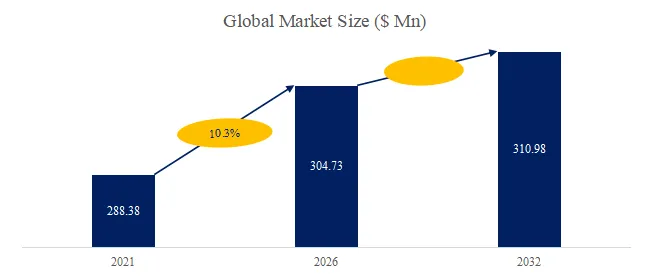
According to the new market research report ” Global Railway Pantograph Slider Market Growth 2026-2032″, published by QYResearch, the global Railway Pantograph Slider market size is projected to grow from USD 304.73 million in 2026 to USD 310.98 million by 2032, at a CAGR of 0.3% during the forecast period.

Figure00002. Global Railway Pantograph Slider Market Insights, Forecast to 2032
Railway Pantograph Slider

Above data is based on report from QYResearch: Global Railway Pantograph Slider Market Growth 2026-2032

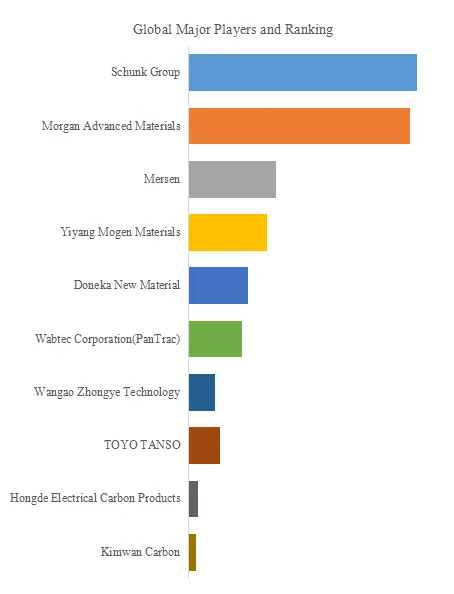
Figure00003. Global Railway Pantograph Slider Top 10 Players Ranking and Market Share (Ranking is based on the revenue of 2025, continually updated)
Railway Pantograph Slider

Above data is based on report from QYResearch: Global Railway Pantograph Slider Market Growth 2026-2032

This report profiles key players of Railway Pantograph Slider such as Schunk Group, Morgan Advanced Materials, Mersen, Yiyang Mogen Materials, Doneka New Material, Wabtec Corporation (PanTrac), Wangao Zhongye Technology, TOYO TANSO, Hongde Electrical Carbon Products, Kimwan Carbon.

In 2025, the global top five Railway Pantograph Slider players account for 67% of market share in terms of revenue. Above figure shows the key players ranked by revenue in Railway Pantograph Slider.

Company Name

Description

Schunk Group

Schunk Group is an industrial technology group built around materials and engineering capabilities, with key activities spanning carbon/graphite solutions, technical ceramics, environmental simulation & climate technologies, sintered metals, and ultrasonic welding. It supplies critical components and systems to end markets such as energy, electrical engineering, high-temperature processes, transportation, and industrial equipment. Its Schunk Carbon Technology division is positioned as a global leader in the development, manufacturing, and application of carbon and graphite solutions, supported by a broad international manufacturing and sales footprint and application engineering services.

Morgan Advanced Materials

Morgan Advanced Materials is a global advanced materials and engineering solutions company organized around three core platforms: Thermal Products, Performance Carbon, and Technical Ceramics. It supplies materials, components, and systems to demanding applications across energy-intensive industry, transport, electronics, and high-temperature manufacturing. Its Thermal Ceramics business is described as engineering advanced ceramic insulation products and systems for high-temperature environments, helping customers reduce energy use and emissions while improving safety and process performance.

Doneka New Material

Doneka New Material is a China-based company focused on electro-carbon materials and carbon-based functional components. According to its official profile, it has long specialized in carbon material R&D and manufacturing, with major business lines including carbon brushes for automotive motors, home appliances and power tools, carbon contact strips/sliders for rail transit, industrial carbon brushes, and specialty carbon materials. Its products serve applications across automotive, rail transit, appliances, power tools, and power generation, with an emphasis on in-house innovation, patent accumulation, and customer-oriented delivery capability.

Wangao Zhongye Technology

Wangao Zhongye is a China-based electro-carbon materials supplier serving rail current-collection systems. Public company/project information indicates its core business includes R&D, manufacturing, sales, and technical services for pantograph carbon contact strips (carbon sliders), and it also provides agency sales services for certain imported carbon sliders. Its products are primarily used across high-speed trains, electric locomotives, metro, and light-rail applications, with an engineering-oriented delivery model typically combining product supply with field technical support and service.


Market Drivers:

Demand for railway pantograph sliders grows alongside expanding rail and metro fleets, higher service intensity, and more standardized maintenance regimes. High-speed rail and dense urban operations raise requirements for current-collection stability, low failure rates, and predictive maintenance, driving continual upgrades in material systems, wear life, electrical resistance consistency, and thermal stability. In parallel, energy efficiency and environmental objectives—reducing arcing, wear debris, and contact-related damage—push the segment toward more consistent, engineering-grade products, sustaining recurring consumables replacement demand.

Restraint:

Constraints are driven by multi-objective performance trade-offs and lengthy system-level qualification. Pantograph sliders must balance conductivity, wear resistance, arc erosion resistance, mechanical strength, noise/vibration behavior, and catenary-friendliness—while route-specific factors (speed class, current load, climate, catenary material) strongly affect formulation fit. As a critical component within the pantograph–catenary system, large-scale adoption typically requires line trials, life validation, and operational proof, making qualification cycles long and switching costs high. Raw-material volatility (carbon/graphite, metal impregnation inputs, resins), lot-to-lot consistency, and variability in maintenance practices add uncertainty to failure rates and lifecycle economics.

Opportunity:

Opportunities arise from material upgrades, digitalized maintenance, and localization/dual-sourcing trends. Under higher speeds, higher current densities, and harsher operating conditions, advanced composites—optimized metal-impregnated systems, modified resin/carbon composites, functional fillers, and improved structural design—can improve arc resistance, wear life, and thermal behavior, increasing value per trainset and predictability of replacement cycles. As maintenance shifts toward condition-based approaches, wear monitoring, current-collection quality assessment, and data-driven acceptance elevate demand for consistency and traceable quality systems—favoring suppliers with engineering validation, process control, and field service capability. In parallel, supply-security and localization initiatives in multiple markets create entry windows for players that can meet qualification requirements while offering capacity assurance and fast delivery.


The report provides a detailed analysis of the market size, growth potential, and key trends for each segment. Through detailed analysis, industry players can identify profit opportunities, develop strategies for specific customer segments, and allocate resources effectively.

The Railway Pantograph Slider market is segmented as below:
By Company
Schunk Group
Morgan Advanced Materials
Mersen
Yiyang Mogen Materials
Doneka New Material
Wabtec Corporation (PanTrac)
TOYO TANSO
Wangao Zhongye Technology
Hongde Electrical Carbon Products
Kimwan Carbon

Segment by Type
Pure Carbon Slider
Metallic Carbon Slider
Other

Segment by Application
Electric Locomotive
EMU
Subway/Light Rail

Each chapter of the report provides detailed information for readers to further understand the Railway Pantograph Slider market:

Chapter 1: Introduces the report scope of the Railway Pantograph Slider report, global total market size (valve, volume and price). This chapter also provides the market dynamics, latest developments of the market, the driving factors and restrictive factors of the market, the challenges and risks faced by manufacturers in the industry, and the analysis of relevant policies in the industry. (2021-2032)
Chapter 2: Detailed analysis of Railway Pantograph Slider manufacturers competitive landscape, price, sales and revenue market share, latest development plan, merger, and acquisition information, etc. (2021-2026)
Chapter 3: Provides the analysis of various Railway Pantograph Slider market segments by Type, covering the market size and development potential of each market segment, to help readers find the blue ocean market in different market segments. (2021-2032)
Chapter 4: Provides the analysis of various market segments by Application, covering the market size and development potential of each market segment, to help readers find the blue ocean market in different downstream markets.(2021-2032)
Chapter 5: Sales, revenue of Railway Pantograph Slider in regional level. It provides a quantitative analysis of the market size and development potential of each region and introduces the market development, future development prospects, market space, and market size of each country in the world..(2021-2032)
Chapter 6: Sales, revenue of Railway Pantograph Slider in country level. It provides sigmate data by Type, and by Application for each country/region.(2021-2032)
Chapter 7: Provides profiles of key players, introducing the basic situation of the main companies in the market in detail, including product sales, revenue, price, gross margin, product introduction, recent development, etc. (2021-2026)
Chapter 8: Analysis of industrial chain, including the upstream and downstream of the industry.
Chapter 9: Conclusion.

Benefits of purchasing QYResearch report:
Competitive Analysis: QYResearch provides in-depth Railway Pantograph Slider competitive analysis, including information on key company profiles, new entrants, acquisitions, mergers, large market shear, opportunities, and challenges. These analyses provide clients with a comprehensive understanding of market conditions and competitive dynamics, enabling them to develop effective market strategies and maintain their competitive edge.

Industry Analysis: QYResearch provides Railway Pantograph Slider comprehensive industry data and trend analysis, including raw material analysis, market application analysis, product type analysis, market demand analysis, market supply analysis, downstream market analysis, and supply chain analysis.

and trend analysis. These analyses help clients understand the direction of industry development and make informed business decisions.

Market Size: QYResearch provides Railway Pantograph Slider market size analysis, including capacity, production, sales, production value, price, cost, and profit analysis. This data helps clients understand market size and development potential, and is an important reference for business development.

Other relevant reports of QYResearch:
Global Railway Pantograph Slider Market Insights – Industry Share, Sales Projections, and Demand Outlook 2026-2032
Global Railway Pantograph Slider Market Outlook, In‑Depth Analysis & Forecast to 2032
Global Railway Pantograph Slider Sales Market Report, Competitive Analysis and Regional Opportunities 2026-2032
Global Railway Pantograph Slider Market Research Report 2026

About Us:
QYResearch founded in California, USA in 2007, which is a leading global market research and consulting company. Our primary business include market research reports, custom reports, commissioned research, IPO consultancy, business plans, etc. With over 19 years of experience and a dedicated research team, we are well placed to provide useful information and data for your business, and we have established offices in 7 countries (include United States, Germany, Switzerland, Japan, Korea, China and India) and business partners in over 30 countries. We have provided industrial information services to more than 60,000 companies in over the world.


Contact Us:
If you have any queries regarding this report or if you would like further information, please contact us:
QY Research Inc.
Add: 17890 Castleton Street Suite 369 City of Industry CA 91748 United States
EN: https://www.qyresearch.com
Email: global@qyresearch.com
Tel: 001-626-842-1666(US)
JP: https://www.qyresearch.co.jp

カテゴリー: 未分類 | 投稿者fafa168 17:55 | コメントをどうぞ

Industrial Wireless Vibration Monitoring System Market Forecast 2026-2032: Predictive Maintenance, Real-Time Asset Health, and Industry 4.0 Driving 4.4% CAGR

Global Leading Market Research Publisher QYResearch announces the release of its latest report “Industrial Wireless Vibration Monitoring System – Global Market Share and Ranking, Overall Sales and Demand Forecast 2026-2032″. Based on current situation and impact historical analysis (2021-2025) and forecast calculations (2026-2032), this report provides a comprehensive analysis of the global Industrial Wireless Vibration Monitoring System market, including market size, share, demand, industry development status, and forecasts for the next few years.

The global market for Industrial Wireless Vibration Monitoring System was estimated to be worth US$ 633 million in 2024 and is forecast to a readjusted size of US$ 854 million by 2031 with a CAGR of 4.4% during the forecast period 2025-2031. An industrial wireless vibration monitoring system is a condition monitoring solution that uses wireless sensors and transmitters to measure vibration parameters (acceleration, velocity, displacement) on rotating machinery including motors, pumps, compressors, fans, turbines, and gearboxes. Unlike wired systems requiring extensive cabling, wireless configurations reduce installation costs by 50 to 70 percent, enable monitoring of previously inaccessible assets, and support predictive maintenance programs that prevent unplanned downtime.

[Get a free sample PDF of this report (Including Full TOC, List of Tables & Figures, Chart)]
https://www.qyresearch.com/reports/4031614/industrial-wireless-vibration-monitoring-system

  1. Market Growth Drivers: From Reactive Repairs to Predictive Asset Management

The industrial wireless vibration monitoring system market is propelled by several converging forces. Plant maintenance managers increasingly recognize that scheduled preventive maintenance and reactive repair approaches create significant operational inefficiencies including unnecessary component replacement, undetected degradation, and catastrophic failures. Wireless vibration monitoring systems eliminate these vulnerabilities by providing continuous, real-time asset health data that enables condition-based and predictive maintenance strategies. Global spending on industrial condition monitoring reached US$ 3.2 billion in 2025, with wireless systems representing an increasing share.

Recent Industry Data (Last 6 Months, Q4 2025 to Q2 2026)

According to QYResearch tracking, global industrial wireless vibration monitoring system shipments grew 5.8 percent year-over-year in Q1 2026, with WirelessHART-based systems maintaining leadership at 34 percent of unit volume. Wi-Fi-based systems grew fastest at 7.2 percent CAGR, driven by factory automation applications where existing network infrastructure reduces deployment costs. The manufacturing segment represented 42 percent of market value, followed by oil and gas at 28 percent and energy (including power generation) at 18 percent. North America led demand with 34 percent of global units, followed by Europe at 31 percent and Asia-Pacific at 27 percent.

User Case Example: Chemical Processing Plant, Texas Gulf Coast

A chemical plant operating 1,200 rotating assets including pumps, compressors, and agitators deployed industrial wireless vibration monitoring systems across critical equipment previously on monthly manual routes. Key outcomes after 24 months included detection of early-stage bearing degradation on a reactor agitator 45 days before failure, enabling scheduled replacement during planned downtime and avoiding an estimated US$ 1.7 million in lost production. Wireless installation costs averaged US$ 350 per monitoring point compared to US$ 1,200 for wired alternatives, enabling expansion from 200 manually monitored points to 850 continuously monitored points within the same capital budget. The plant reduced unplanned downtime by 34 percent and achieved full ROI within 11 months.

Technical Challenges and Performance Parameters

Despite demonstrated benefits, several technical challenges persist in the industrial wireless vibration monitoring system landscape. Battery life management for wireless sensors affects total cost of ownership, with replacement intervals ranging from 1 to 5 years depending on sampling rates and transmission frequency. Data reliability in harsh industrial environments including high electromagnetic interference, temperature extremes, and corrosive atmospheres requires robust industrial-grade hardware. Network security vulnerabilities at wireless entry points demand encryption and authentication features to prevent unauthorized access or data manipulation. Spectrum congestion in unlicensed bands can cause data loss or latency, particularly in dense industrial environments with multiple wireless systems. Sensor calibration and data validation require specialized expertise to distinguish true machinery degradation from environmental or operational variations.

Recent technical advancements addressing these challenges include energy harvesting sensors eliminating battery replacement, industrial-grade mesh networking improving reliability in challenging RF environments, and embedded machine learning algorithms performing onboard data analysis to reduce transmission requirements.

Policy and Regulatory Update (2025 to 2026)

The US Department of Energy released updated Industrial Efficiency and Decarbonization guidance in January 2026, recommending wireless condition monitoring as a best practice for motor-driven equipment in federally funded manufacturing projects. The European Union’s Machinery Regulation, effective March 2026, requires continuous vibration monitoring for certain categories of rotating equipment used in hazardous area applications. China’s Ministry of Industry and Information Technology allocated dedicated sub-GHz spectrum for industrial wireless sensor networks in December 2025, improving reliability for vibration monitoring deployments.

  1. Industry Deep Dive: Manufacturing versus Oil and Gas versus Energy Divergent Requirements

A critical analytical layer distinguishes between three primary application segments within the industrial wireless vibration monitoring system market.

Manufacturing including automotive, food and beverage, and general industry prioritizes cost per monitoring point, ease of deployment, and integration with existing factory automation systems. Key requirements include support for standard Wi-Fi infrastructure, low sensor unit cost below US$ 300, and compatibility with major PLC and SCADA platforms. This segment is the largest at 42 percent of market value and the fastest-growing at 5.6 percent CAGR. Representative vendors include SKF Group, National Instruments, Fluke, and Emerson Electric.

Oil and gas including upstream production, refining, and pipelines prioritizes hazardous area certifications, long battery life, and resistance to extreme environments. Key requirements include ATEX and IECEx certifications for Zone 1 and Zone 2 areas, intrinsically safe designs, and wireless protocols including WirelessHART with proven reliability in refineries. This segment represents 28 percent of market value, growing at 4.1 percent CAGR. Representative vendors include GE, Honeywell, ABB, and Emerson Electric.

Energy including power generation, wind turbines, and utilities prioritizes wide-area coverage, integration with existing asset management systems, and long-term data retention for regulatory compliance. Key requirements include support for long-range wireless protocols, scalable architectures supporting thousands of sensors, and cybersecurity features meeting NERC CIP standards. This segment represents 18 percent of market value, growing at 4.7 percent CAGR. Representative vendors include Schaeffler Group, PCB Piezotronics, SPM Instrument, and BeanAir.

Exclusive Observation from QYResearch Industry Analysis

The industrial wireless vibration monitoring system market is experiencing a fundamental shift from periodic to continuous monitoring. In 2025 to 2026, approximately 58 percent of new deployments were continuous monitoring systems, compared to 42 percent for route-based periodic monitoring. This represents recognition that continuous data enables detection of intermittent faults, trend analysis for remaining useful life prediction, and alerting for sudden degradation events missed by weekly or monthly manual routes.

Furthermore, the distinction between protocol-specific and multi-protocol gateways is creating market segmentation beyond simple wireless technology preference. WirelessHART remains dominant in process industries where reliability and interoperability are paramount, representing 34 percent of unit volume. Wi-Fi-based systems have gained share in discrete manufacturing where existing infrastructure reduces deployment costs, representing 28 percent. ISA100.11a and Zigbee serve niche applications at 12 percent and 9 percent respectively. The remaining 17 percent includes Bluetooth, LoRaWAN, and proprietary protocols. However, gateway devices supporting multiple wireless protocols are gaining share as plants standardize on single data aggregation platforms regardless of sensor protocol.

A second emerging trend is edge analytics integration within vibration monitoring systems. Leading vendors including SKF and Emerson now embed machine learning algorithms on gateway devices or within sensors themselves, enabling onboard fault detection and classification without cloud connectivity. Early adopters report 85 percent reduction in data transmission volumes and real-time alerting with sub-second latency. This convergence positions wireless vibration monitoring as a true edge computing application rather than simple data acquisition.

  1. Market Segmentation Data

The Industrial Wireless Vibration Monitoring System market is segmented as below.

By Key Players: SKF Group, GE, Schaeffler Group, Honeywell, National Instruments, Waites, Fluke, ABB, PCB Piezotronics, Emerson Electric, BeanAir GmbH, Evigia Systems, SPM Instrument

Segment by Wireless Standard:

  • Wi-Fi Network Standard: 28 percent of unit volume, fastest-growing at 7.2 percent CAGR
  • Bluetooth Network Standard: 9 percent, primarily short-range applications
  • WirelessHART Network Standard: 34 percent, largest segment in process industries
  • ISA100.11a Network Standard: 12 percent, primarily oil and gas
  • Zigbee Network Standard: 9 percent, legacy deployments
  • Others: 8 percent, including LoRaWAN and proprietary

Segment by Application:

  • Manufacturing: 42 percent of market value, largest and fastest-growing at 5.6 percent CAGR
  • Oil and Gas: 28 percent, stable growth with hazardous area requirements
  • Energy: 18 percent, including power generation and utilities
  • Others: 12 percent, including mining, water treatment, and transportation

Regional Insights from Exclusive QYResearch Data:
North America leads with 34 percent of global industrial wireless vibration monitoring system market value, driven by early predictive maintenance adoption and aging infrastructure. Europe follows with 31 percent, led by Germany, United Kingdom, and Italy where Industry 4.0 initiatives are advanced. Asia-Pacific accounts for 27 percent, with China, Japan, and South Korea rapidly expanding manufacturing automation.

  1. Strategic Outlook for Stakeholders 2026 to 2032

The industrial wireless vibration monitoring system market has steady growth potential, with significant opportunities for vendors that differentiate through edge analytics, multi-protocol support, and hazardous area certifications.

For system manufacturers: Invest in edge analytics capabilities to reduce data transmission and enable real-time alerting. Machine learning embedded at sensor or gateway level is increasingly expected. Develop multi-protocol gateways supporting Wi-Fi, WirelessHART, and Bluetooth from a single platform to simplify plant-wide standardization. Maintain hazardous area certifications for oil and gas applications where these credentials are mandatory.

For plant maintenance and reliability engineers: Assess current condition monitoring program for coverage gaps. If more than 30 percent of critical rotating assets lack continuous monitoring due to wiring costs, wireless vibration monitoring likely achieves ROI within 12 to 18 months. Prioritize WirelessHART for process environments and Wi-Fi for discrete manufacturing. Require vendors to demonstrate battery life validation and data reliability metrics.

For investors: Watch for consolidation in the wireless vibration sensor segment as larger condition monitoring companies acquire specialized sensor vendors. Edge analytics startups with industrial vibration datasets represent attractive venture opportunities. Asia-Pacific wireless vibration monitoring vendors with strong local manufacturing relationships are potential acquisition targets for Western condition monitoring companies seeking market expansion.

Contact Us:
If you have any queries regarding this report or if you would like further information, please contact us:
QY Research Inc.
Add: 17890 Castleton Street Suite 369 City of Industry CA 91748 United States
EN: https://www.qyresearch.com
E-mail: global@qyresearch.com
Tel: 001-626-842-1666(US)
JP: https://www.qyresearch.co.jp

カテゴリー: 未分類 | 投稿者fafa168 17:47 | コメントをどうぞ

Universal Industrial Protocol Gateway Market Forecast 2026-2032: OT-IT Integration, Bidirectional Data Translation, and Industry 4.0 Driving 6.3% CAGR

Global Leading Market Research Publisher QYResearch announces the release of its latest report “Universal Industrial Protocol Gateway – Global Market Share and Ranking, Overall Sales and Demand Forecast 2026-2032″. Based on current situation and impact historical analysis (2021-2025) and forecast calculations (2026-2032), this report provides a comprehensive analysis of the global Universal Industrial Protocol Gateway market, including market size, share, demand, industry development status, and forecasts for the next few years.

The global market for Universal Industrial Protocol Gateway was estimated to be worth US$ 3,019 million in 2024 and is forecast to a readjusted size of US$ 4,647 million by 2031 with a CAGR of 6.3% during the forecast period 2025-2031. A Universal Industrial Protocol Gateway is a device or software solution that facilitates communication between different industrial protocols, enabling interoperability between devices, systems, or networks that use different communication standards or protocols. In industrial environments, various devices and systems may communicate using different communication protocols (e.g., Modbus, OPC, Profibus, EtherNet/IP), and an industrial protocol gateway helps bridge these gaps by translating data between these protocols. Unlike single-protocol converters, universal gateways support multiple protocol families simultaneously, reducing hardware proliferation and simplifying industrial network architecture.

[Get a free sample PDF of this report (Including Full TOC, List of Tables & Figures, Chart)]
https://www.qyresearch.com/reports/4027391/universal-industrial-protocol-gateway

  1. Market Growth Drivers: From Siloed Automation to Interoperable Industrial Networks

The universal industrial protocol gateway market is propelled by several converging forces. Plant managers and industrial IT directors increasingly recognize that legacy automation architectures create significant operational inefficiencies through incompatible protocols, data silos, and manual data reconciliation. Universal industrial protocol gateways eliminate these vulnerabilities by enabling seamless data flow between programmable logic controllers, supervisory control and data acquisition systems, manufacturing execution systems, and enterprise resource planning platforms. Global spending on industrial network infrastructure reached US$ 18.5 billion in 2025, with protocol gateway devices representing approximately 16 percent of the market.

Recent Industry Data (Last 6 Months, Q4 2025 to Q2 2026)

According to QYResearch tracking, global universal industrial protocol gateway shipments grew 7.2 percent year-over-year in Q1 2026, with bidirectional gateways representing 68 percent of unit volume. The automotive segment grew fastest at 8.4 percent CAGR, driven by electric vehicle production line automation. Food and beverage remained the largest application segment at 34 percent of market value, followed by automotive at 28 percent and pulp and paper at 12 percent. Asia-Pacific led demand with 42 percent of global units, driven by manufacturing expansion in China, India, and Southeast Asia. Europe followed with 29 percent, while North America accounted for 22 percent.

User Case Example: Automotive Parts Manufacturer, Germany

A tier-one automotive supplier producing electric drive components for multiple European OEMs deployed universal industrial protocol gateways across six production lines using mixed automation equipment from Siemens, Rockwell, and Beckhoff. Key outcomes after 18 months included real-time production data visibility across previously incompatible PLC networks, reducing downtime event diagnosis from 45 minutes to 8 minutes on average. The company eliminated three proprietary protocol converters per line, simplifying spare parts inventory by 62 percent. Integration with cloud-based manufacturing execution system enabled predictive maintenance algorithms that reduced unplanned downtime by 27 percent. The project achieved full ROI within 14 months through productivity gains alone.

Technical Challenges and Performance Parameters

Despite demonstrated benefits, several technical challenges persist in the universal industrial protocol gateway landscape. Latency requirements in real-time control applications demand deterministic data translation with sub-millisecond performance, challenging for software-based gateways. Security vulnerabilities at protocol boundaries require robust firewall and access control features, as gateways represent potential attack vectors between operational technology and information technology networks. Configuration complexity for multi-protocol environments requires specialized engineering skills, extending deployment timelines. Firmware update coordination across installed gateways affects long-term maintainability, particularly in regulated industries requiring validation after changes. Legacy protocol support for discontinued or proprietary standards requires ongoing maintenance as industrial automation evolves.

Recent technical advancements addressing these challenges include FPGA-based hardware acceleration reducing translation latency to microseconds, integrated security features including deep packet inspection and role-based access control, and zero-touch provisioning enabling configuration from centralized management consoles.

Policy and Regulatory Update (2025 to 2026)

The European Union’s Cyber Resilience Act, effective February 2026, classifies industrial gateways as critical digital infrastructure components, mandating vulnerability disclosure and security update mechanisms. The US Cybersecurity and Infrastructure Security Agency updated industrial control system guidance in December 2025, recommending protocol gateways as security boundaries between OT and IT networks. China’s Ministry of Industry and Information Technology released industrial internet security standards in January 2026, requiring encryption and authentication for all cross-protocol data translation.

  1. Industry Deep Dive: Discrete Manufacturing versus Process Manufacturing Divergent Requirements

A critical analytical layer distinguishes between two primary manufacturing paradigms within the universal industrial protocol gateway market.

Discrete manufacturing including automotive, electronics, and machinery production requires high-speed, deterministic data translation with support for real-time Ethernet protocols including EtherCAT, Profinet IRT, and Ethernet/IP. Key requirements include low latency below 1 millisecond, support for large I/O counts, and synchronization across multiple gateways. This segment represents approximately 52 percent of market value, growing at 6.8 percent CAGR. Representative vendors include Siemens, Rockwell Automation, HMS Networks, and Moxa.

Process manufacturing including food and beverage, pulp and paper, chemicals, and pharmaceuticals prioritizes reliability, security, and integration with distributed control systems. Key requirements include support for legacy serial protocols including Modbus RTU and Profibus PA, redundant power and network connections, and hazardous area certifications. This segment represents approximately 38 percent of market value, growing at 5.7 percent CAGR. Representative vendors include Schneider Electric, Phoenix Contact, Belden, and Advantech.

The hybrid segment serving both paradigms, particularly in industries like consumer goods packaging, represents the remaining 10 percent.

Exclusive Observation from QYResearch Industry Analysis

The universal industrial protocol gateway market is experiencing a fundamental shift from hardware appliances to software-defined virtualized gateways. In 2025 to 2026, approximately 24 percent of new gateway deployments used software-based implementations running on industrial edge computers or even cloud platforms, compared to 9 percent in 2022. This represents recognition that protocol translation is increasingly a software function rather than a dedicated hardware device. The shift is most pronounced in brownfield deployments where existing infrastructure includes computing capacity.

Furthermore, the distinction between unidirectional and bidirectional gateways is creating market segmentation beyond simple price differentiation. Unidirectional gateways, which enforce data flow in only one direction, have gained share in security-conscious applications representing 32 percent of unit volume. These devices physically prevent cyberattacks from propagating from IT networks to OT systems while still enabling monitoring and analytics. Bidirectional gateways remain dominant at 68 percent of volume, but the unidirectional segment is growing faster at 8.9 percent CAGR as industrial cybersecurity concerns intensify.

A second emerging trend is protocol gateway integration with edge analytics. Leading vendors including Siemens and Advantech now embed data processing capabilities within gateways, enabling real-time anomaly detection and data compression before transmission to cloud or enterprise systems. Early adopters report 85 percent reduction in data transmission volumes and 40 percent faster alert response times. This convergence of connectivity and computing functions positions gateways as edge intelligence nodes rather than simple protocol converters.

  1. Market Segmentation Data

The Universal Industrial Protocol Gateway market is segmented as below.

By Key Players: Siemens, HMS Networks, Moxa, Advantech, Red Lion Controls, Cisco, Belden, Phoenix Contact, Rockwell Automation, Schneider Electric, ACROSSER, Agatel, WUHAN MAIWE COMMUNICATION, EverFocus, 3onedata

Segment by Directionality:

  • Unidirectional Gateways: 32 percent of unit volume, fastest-growing at 8.9 percent CAGR
  • Bidirectional Gateways: 68 percent of unit volume, dominant in most applications

Segment by Application:

  • Food and Beverage: 34 percent of market value, largest segment
  • Automotive: 28 percent, fastest-growing at 8.4 percent CAGR
  • Pulp and Paper: 12 percent, mature segment
  • Others: 26 percent, including chemicals, pharmaceuticals, electronics

Regional Insights from Exclusive QYResearch Data:
Asia-Pacific leads with 42 percent of global universal industrial protocol gateway market value, driven by manufacturing investment in China, India, and Vietnam. Europe follows with 29 percent, led by Germany, Italy, and France where Industry 4.0 adoption is advanced. North America accounts for 22 percent, with accelerating growth as legacy infrastructure modernization accelerates.

  1. Strategic Outlook for Stakeholders 2026 to 2032

The universal industrial protocol gateway market has solid growth potential, with significant opportunities for vendors that differentiate through cybersecurity integration, software-defined architectures, and edge analytics capabilities.

For gateway manufacturers: Invest in unidirectional gateway product lines targeting security-conscious utilities, defense contractors, and critical infrastructure operators. Certification to IEC 62443 security standards is increasingly table stakes. Develop software-based gateway offerings supporting virtualization and container deployment to address brownfield edge computing opportunities. Embed analytics capabilities to capture value beyond protocol translation.

For industrial automation managers: Assess current plant floor for protocol fragmentation. If data from more than three PLC brands requires manual integration, universal industrial protocol gateways likely achieve ROI within 12 months. Prioritize bidirectional gateways for most applications, but consider unidirectional for connections to enterprise networks. Require vendors to demonstrate latency and security certification appropriate to application.

For investors: Watch for consolidation in the industrial gateway market as larger automation vendors acquire specialized protocol gateway companies to complete connectivity portfolios. Software-defined gateway startups with cloud management platforms represent attractive venture opportunities. Asia-Pacific gateway manufacturers with strong regional distribution are potential acquisition targets for Western vendors seeking manufacturing market access.

Contact Us:
If you have any queries regarding this report or if you would like further information, please contact us:
QY Research Inc.
Add: 17890 Castleton Street Suite 369 City of Industry CA 91748 United States
EN: https://www.qyresearch.com
E-mail: global@qyresearch.com
Tel: 001-626-842-1666(US)
JP: https://www.qyresearch.co.jp

カテゴリー: 未分類 | 投稿者fafa168 17:41 | コメントをどうぞ

Cellulose Hydrogel Bioink Market Forecast 2026-2032: Nanocellulose Formulations, Tissue Engineering, and 3D Bioprinting Driving 19.6% CAGR

Global Leading Market Research Publisher QYResearch announces the release of its latest report “Cellulose Hydrogel Bioink – Global Market Share and Ranking, Overall Sales and Demand Forecast 2026-2032″. Based on current situation and impact historical analysis (2021-2025) and forecast calculations (2026-2032), this report provides a comprehensive analysis of the global Cellulose Hydrogel Bioink market, including market size, share, demand, industry development status, and forecasts for the next few years.

The global market for Cellulose Hydrogel Bioink was estimated to be worth US$ 95.62 million in 2024 and is forecast to a readjusted size of US$ 333 million by 2031 with a CAGR of 19.6% during the forecast period 2025-2031. In 2024, global Cellulose Hydrogel Bioink sales volume reached approximately 0.76 million units, with an average global market price of around US$ 125 per unit. A cellulose hydrogel bioink is defined as a biocompatible, water-swollen polymer network in which cellulose or cellulose derivatives (such as nanocellulose, carboxymethyl cellulose, hydroxyethyl cellulose, or bacterial cellulose) form the main matrix, and the material is formulated for use in 3D bioprinting, tissue engineering, wound healing, drug delivery or organ-on-chip applications. Unlike synthetic polymer bioinks that may degrade into cytotoxic byproducts, cellulose hydrogel bioinks offer natural biocompatibility, tunable mechanical properties, and inherent hydrophilicity, making them particularly suitable for cell encapsulation and soft tissue regeneration.

[Get a free sample PDF of this report (Including Full TOC, List of Tables & Figures, Chart)]
https://www.qyresearch.com/reports/5487916/cellulose-hydrogel-bioink

  1. Market Growth Drivers: From Synthetic Limitations to Natural Matrix Advantages

The cellulose hydrogel bioink market is propelled by several converging forces. Tissue engineering researchers and bioprinting laboratories increasingly recognize that synthetic polymer bioinks present significant challenges including cytotoxicity concerns, limited cell adhesion sites, and complex degradation profiles. Cellulose hydrogel bioinks eliminate these vulnerabilities by providing naturally derived matrices with excellent biocompatibility, shear-thinning rheology for printability, and tunable mechanical properties matching soft tissue requirements. Global 3D bioprinting market spending reached US$ 1.8 billion in 2025, with bioink materials representing approximately 12 percent of total expenditure.

Recent Industry Data (Last 6 Months, Q4 2025 to Q2 2026)

According to QYResearch tracking, global cellulose hydrogel bioink shipments grew 22.4 percent year-over-year in Q1 2026, with nanocellulose-based formulations growing at 26.1 percent. Carboxymethyl cellulose remained the largest type segment at 48 percent of volume, valued for its low cost and established regulatory pathway. Tissue engineering applications represented 52 percent of market value, followed by drug delivery at 23 percent and wound healing at 18 percent. Academic institutions accounted for 47 percent of purchases, with pharmaceutical R&D labs growing fastest at 24.3 percent CAGR. North America led demand with 44 percent of global market value, followed by Europe at 31 percent and Asia-Pacific at 19 percent.

User Case Example: Regenerative Medicine Research Institute, Switzerland

A leading tissue engineering institute developing 3D bioprinted cartilage constructs for osteochondral defect repair transitioned from gelatin methacryloyl to nanocellulose-based cellulose hydrogel bioink. Key outcomes after 18 months included cell viability improvement from 78 percent to 92 percent at 14 days post-printing, attributed to the natural matrix’s reduced reactive oxygen species generation. Print fidelity improved significantly as the shear-thinning rheology of cellulose hydrogel enabled smoother extrusion and sharper feature definition. The institute reduced bioink lot-to-lot variability by 67 percent compared to animal-derived gelatin products. Three patent applications filed using cellulose hydrogel-based constructs have attracted industry partnership interest from orthopedic implant manufacturers.

Technical Challenges and Performance Parameters

Despite rapid adoption, several technical challenges persist in the cellulose hydrogel bioink landscape. Batch-to-batch consistency remains challenging for naturally derived cellulose feedstocks, requiring stringent purification and characterization protocols. Sterilization without degrading rheological properties is problematic, as heat and gamma irradiation reduce viscosity while ethylene oxide may leave cytotoxic residues. Cell adhesion enhancement often requires additional functionalization with RGD peptides or other bioactive motifs, adding formulation complexity. Degradation rate control under physiological conditions is less predictable than synthetic alternatives, complicating translation to in vivo applications. Regulatory classification for clinical use remains unclear in many jurisdictions, creating uncertainty for commercialization pathways.

Recent technical advancements addressing these challenges include bacterial cellulose production enabling consistent molecular weight distribution, UV crosslinkable cellulose derivatives providing post-printing stabilization, and ECM protein-blended formulations improving cell-matrix interactions without complex chemistry.

Policy and Regulatory Update (2025 to 2026)

The US Food and Drug Administration released updated guidance for 3D bioprinted tissue products in January 2026, classifying cellulose hydrogel bioink as a device constituent in combination products, with specific requirements for material characterization and sterilization validation. The European Medicines Agency established a novel advanced therapy medicinal product working group for bioink-based implants, with cellulose hydrogels identified as a priority material category for harmonized guidance by Q4 2026. China’s National Medical Products Administration approved the first cellulose hydrogel-based wound dressing product in February 2026, providing a regulatory reference pathway for bioink applications.

  1. Industry Deep Dive: Cellulose Nanocomposites versus Carboxymethyl Cellulose versus Other Formulations

A critical analytical layer distinguishes between three primary type segments within the cellulose hydrogel bioink market.

Cellulose nanocomposites, including nanocellulose and bacterial cellulose formulations, offer superior mechanical strength, high surface area for cell adhesion, and exceptional shear-thinning rheology. Key requirements include uniform nanofiber dispersion, sterilization stability, and batch consistency across production scales. This segment is the fastest-growing at 26.1 percent CAGR, driven by high-performance tissue engineering applications. Price points range from US$ 180 to US$ 350 per unit. Representative manufacturers include CELLINK, Foldink, and Allevi.

Carboxymethyl cellulose formulations represent the largest segment at 48 percent of volume, valued for water solubility, low cost, and established regulatory history in pharmaceutical applications. Key requirements include degree of substitution control, viscosity standardization, and compatibility with ionic crosslinking strategies. This segment grows at 17.2 percent CAGR, driven by drug delivery and wound healing applications. Price points range from US$ 60 to US$ 120 per unit. Representative manufacturers include Advanced BioMatrix, BIO INX, and Innoregen.

Other formulations including hydroxyethyl cellulose and methylcellulose blends serve niche applications requiring specific thermal gelation or surface active properties. This segment represents approximately 18 percent of volume, growing at 15.4 percent CAGR.

Exclusive Observation from QYResearch Industry Analysis

The cellulose hydrogel bioink market is experiencing a fundamental shift from research-only material to clinically translatable platform. In 2025 to 2026, approximately 28 percent of cellulose hydrogel bioink purchases were made by commercial R&D organizations and pharmaceutical companies, compared to 12 percent in 2022. This represents recognition that natural cellulose matrices offer advantages in scalability and regulatory acceptance over animal-derived or fully synthetic alternatives. The shift is most pronounced in wound healing applications, where regulatory pathways are better established.

Furthermore, the distinction between ready-to-use bioinks and custom formulation services is creating distinct business models. Ready-to-use cellulose hydrogel bioinks with validated cell compatibility and defined rheological specifications dominate academic purchasing, representing 58 percent of unit volume. Custom formulation services, where manufacturers develop cellulose-based bioinks with specific mechanical or degradation properties for proprietary applications, represent higher margin (55 to 65 percent gross margins compared to 40 to 50 percent for standard products) and are preferred by pharmaceutical and medical device companies. Early entrant custom formulators have secured multi-year supply agreements with three of the top five medical device companies active in tissue engineering.

A second emerging trend is the convergence of cellulose hydrogel bioinks with bioprinting hardware ecosystems. CELLINK and Allevi, both bioink manufacturers and bioprinter suppliers, have developed proprietary bioink-printer combinations where cellulose hydrogel formulations are optimized for specific nozzle geometries and deposition parameters. This vertical integration strategy locks in customers by reducing third-party bioink compatibility. Independent bioink manufacturers have responded by publishing open compatibility protocols for multiple printer platforms. The outcome is a bifurcating market where customers choose between integrated ecosystems and open architectures.

  1. Market Segmentation Data

The Cellulose Hydrogel Bioink market is segmented as below.

By Key Players: CELLINK, Advanced BioMatrix, Allevi, Foldink, LifeGlue Technologies, BIO INX, Innoregen

Segment by Type:

  • Cellulose Nanocomposites: Fastest-growing at 26.1 percent CAGR, premium price positioning
  • Carboxymethyl Cellulose: Largest at 48 percent volume share, cost-effective
  • Other: Hydroxyethyl cellulose, methylcellulose blends, 18 percent share

Segment by Application:

  • Tissue Engineering: 52 percent of market value, organoid and scaffold bioprinting
  • Drug Delivery: 23 percent, controlled release formulations
  • Wound Healing: 18 percent, fastest-growing at 24.1 percent CAGR
  • Other: Organ-on-chip, in vitro models, 7 percent

Regional Insights from Exclusive QYResearch Data:
North America leads with 44 percent of global cellulose hydrogel bioink market value, driven by academic research funding and biotech concentration. Europe follows with 31 percent, led by Germany, Switzerland, and United Kingdom where regulatory frameworks are maturing. Asia-Pacific is the fastest-growing region at 22.3 percent CAGR, with China, Japan, and South Korea expanding bioprinting infrastructure.

  1. Strategic Outlook for Stakeholders 2026 to 2032

The cellulose hydrogel bioink market has exceptional growth potential, with significant opportunities for manufacturers that differentiate through bacterial cellulose sourcing, custom formulation capabilities, and regulatory navigation expertise.

For bioink manufacturers: Invest in bacterial cellulose production for consistent molecular weight distribution. Batch-to-batch variability is the primary complaint among industrial customers. Develop UV and visible light crosslinkable cellulose derivatives enabling post-printing stabilization without cytotoxic photoinitiators. Establish custom formulation services for pharmaceutical and medical device customers seeking proprietary performance characteristics. Publish open compatibility protocols for multiple bioprinter platforms to position against vertically integrated competitors.

For researchers and R&D directors: Assess current bioink for cell viability and print fidelity tradeoffs. If synthetic bioinks show cytotoxicity or animal-derived products show variability, cellulose hydrogel bioinks warrant evaluation. Prioritize suppliers with published rheological characterization and lot-to-lot consistency data. For translational applications, engage early with regulatory consultants to clarify classification pathways.

For investors: Watch for consolidation in the cellulose hydrogel bioink market as larger biomaterials companies acquire specialized bioink manufacturers. Bacterial cellulose production technology startups with proprietary strains and fermentation processes represent attractive venture opportunities. Asia-Pacific bioink manufacturers serving rapidly growing regional research markets are potential acquisition targets for Western bioprinting ecosystem players.

Contact Us:
If you have any queries regarding this report or if you would like further information, please contact us:
QY Research Inc.
Add: 17890 Castleton Street Suite 369 City of Industry CA 91748 United States
EN: https://www.qyresearch.com
E-mail: global@qyresearch.com
Tel: 001-626-842-1666(US)
JP: https://www.qyresearch.co.jp

カテゴリー: 未分類 | 投稿者fafa168 17:35 | コメントをどうぞ

Heel Protection Boots Market Forecast 2026-2032: Pressure Ulcer Prevention, Offloading Technology, and Hospital Procurement Driving 5.7% CAGR

Global Leading Market Research Publisher QYResearch announces the release of its latest report “Heel Protection Boots – Global Market Share and Ranking, Overall Sales and Demand Forecast 2026-2032″. Based on current situation and impact historical analysis (2021-2025) and forecast calculations (2026-2032), this report provides a comprehensive analysis of the global Heel Protection Boots market, including market size, share, demand, industry development status, and forecasts for the next few years.

The global market for Heel Protection Boots was estimated to be worth US$ 327 million in 2024 and is forecast to a readjusted size of US$ 479 million by 2031 with a CAGR of 5.7% during the forecast period 2025-2031. Heel Protection Boot is a medical support device designed to reduce pressure and friction on the heel area, helping prevent or manage pressure ulcers and skin breakdown in individuals with limited mobility. It works by cushioning the heel and elevating it slightly to redistribute weight and improve airflow, minimizing contact with the bed or surface beneath. Commonly used in hospitals, nursing facilities, and home care, it enhances patient comfort, supports wound healing, and reduces the risk of complications caused by prolonged immobility. The price of heel protection boots varies depending on design, materials, and intended use, typically ranging from budget-friendly foam or fiber-padded models costing US$ 15 to US$ 30 per pair, to premium medical-grade products with adjustable straps, gel padding, or breathable fabric costing US$ 40 to US$ 80 per pair. High-end hospital-grade products, or those with antibacterial and washable shoe covers, can exceed US$ 100, especially for use in institutions or long-term care facilities. The industry’s gross profit margin is approximately 30 to 50 percent.

[Get a free sample PDF of this report (Including Full TOC, List of Tables & Figures, Chart)]
https://www.qyresearch.com/reports/5487463/heel-protection-boots

  1. Market Growth Drivers: From Hospital-Acquired Condition Penalties to Home Care Expansion

The heel protection boots market is propelled by several converging forces. Healthcare administrators and wound care specialists increasingly recognize that pressure ulcers represent preventable harm with significant financial and quality-of-life consequences. Heel protection boots eliminate these vulnerabilities by providing offloading and pressure redistribution, particularly critical for patients with diabetes, peripheral vascular disease, or prolonged immobility. Global pressure ulcer prevention spending reached US$ 4.2 billion in 2025, with heel-specific devices representing approximately 8 percent of the market.

Recent Industry Data (Last 6 Months, Q4 2025 to Q2 2026)

According to QYResearch tracking, global heel protection boots shipments grew 6.4 percent year-over-year in Q1 2026, with premium gel-padded models growing at 8.7 percent. Double strap designs captured 62 percent of unit volume as healthcare providers prioritized secure fit for mobile patients. The home care segment grew fastest at 8.2 percent CAGR, driven by aging-in-place trends and reduced hospital lengths of stay. Hospitals remained the largest segment at 54 percent of market value, followed by recuperation institutions at 31 percent. North America led demand with 42 percent of global units, driven by value-based purchasing programs penalizing hospital-acquired conditions.

User Case Example: Multi-Facility Long-Term Care Provider, Midwest United States

A long-term care operator with 28 skilled nursing facilities serving 3,400 residents standardized heel protection boots across all facilities following a corporate quality improvement initiative. Key outcomes after 18 months included hospital-acquired pressure ulcer incidence reduction of 63 percent for heel-specific wounds, saving an estimated US$ 1.2 million in treatment costs and penalty avoidance. The operator negotiated volume pricing of US$ 38 per pair for premium gel boots with breathable fabric, compared to prior fragmented purchasing averaging US$ 52. Staff satisfaction improved as standardized boots reduced fitting confusion and simplified inventory management. The program achieved full ROI within nine months through reduced wound care nursing hours alone.

Technical Challenges and Performance Parameters

Despite demonstrated benefits, several challenges persist in the heel protection boots landscape. Material durability under repeated use affects total cost of ownership, as foam padding compresses and fabric covers wear after 30 to 60 days of continuous use. Patient adherence varies significantly, with some individuals removing boots due to discomfort, warmth, or restricted mobility. Sizing complexity across diverse patient populations requires multiple SKUs, increasing inventory costs for facilities. Infection control requirements demand washable or disposable options, with reusable boots requiring laundering protocols that add operational expense. Reimbursement variability across payers affects adoption in home care settings where patients bear direct costs.

Recent technical advancements addressing these challenges include advanced memory foam formulations maintaining loft for 90+ days, moisture-wicking and antimicrobial fabric treatments reducing skin irritation risk, and universal sizing designs accommodating heel circumferences from 25 to 45 centimeters.

Policy and Regulatory Update (2025 to 2026)

The US Centers for Medicare and Medicaid Services updated its Hospital-Acquired Condition Reduction Program in December 2025, increasing financial penalties for facilities with stage 3 and stage 4 pressure ulcers to 3 percent of Medicare payments, up from 1 percent previously. The European Wound Management Association published revised clinical guidelines in January 2026, classifying heel protection boots as standard preventive equipment for all immobilized patients, not merely those with existing ulcers. China’s National Health Commission included pressure ulcer prevention devices in the 2026 edition of recommended basic equipment for nursing homes and rehabilitation facilities.

  1. Industry Deep Dive: Hospital versus Recuperation Institution versus Home Care Divergent Requirements

A critical analytical layer distinguishes between three primary application segments within the heel protection boots market.

Hospitals prioritize clinical effectiveness, regulatory compliance, and cost per use. Key requirements include pressure redistribution verified by interface pressure mapping, antimicrobial fabrics for infection prevention, and compatibility with existing wound care protocols. Purchasing decisions are influenced by wound care specialists and value analysis committees. This segment represents approximately 54 percent of market value, growing at 4.9 percent CAGR. Representative manufacturers include Stryker, Medline, Mölnlycke, and DeRoyal.

Recuperation institutions including skilled nursing facilities and rehabilitation centers prioritize durability, ease of cleaning, and fit reliability across diverse patient populations. Key requirements include machine-washable construction, secure closure systems preventing patient removal, and bulk packaging for cost efficiency. This segment represents approximately 31 percent of market value, growing at 5.6 percent CAGR. Representative manufacturers include EHOB, Skil-Care, and Kerma Medical Products.

Home care prioritizes patient comfort, ease of donning and doffing, and affordability for out-of-pocket purchase. Key requirements include lightweight construction, breathable materials for extended wear, and aesthetic design reducing medical appearance. This segment is the fastest-growing at 8.2 percent CAGR, driven by aging-in-place and early discharge trends. Representative manufacturers include DARCO, NYOrtho, and Maxxcare.

Exclusive Observation from QYResearch Industry Analysis

The heel protection boots market is experiencing a fundamental shift from reactive to preventive utilization. In 2025 to 2026, approximately 47 percent of boots purchased by hospital systems were allocated for preventive use in patients without existing pressure ulcers, compared to 28 percent in 2022. This represents recognition that prevention-focused protocols reduce total cost of care by avoiding treatment-intensive stage 3 and stage 4 wounds. The shift has been accelerated by CMS penalty increases, with each prevented hospital-acquired pressure ulcer saving an estimated US$ 20,000 to US$ 40,000 in avoidable costs.

Furthermore, the distinction between single strap and double strap designs is creating market segmentation beyond simple preference. Double strap boots now dominate hospital and recuperation institution purchasing at 68 percent share, as additional straps prevent heel migration and maintain proper offloading positioning during patient movement. Single strap boots retain 55 percent share in home care settings, where ease of patient self-application outweighs security advantages. Manufacturers offering both configurations capture broader customer segments than single-design vendors.

A second emerging trend is integration with smart monitoring. Several manufacturers have introduced heel protection boots with embedded temperature or moisture sensors that alert caregivers to prolonged pressure or skin breakdown risk. While currently representing less than 5 percent of unit volume, early data from pilot programs shows 40 percent reduction in progression from stage 1 to stage 2 ulcers when using sensor-enabled boots. As sensor costs decline from approximately US$ 15 per boot to projected US$ 5 by 2028, smart boots represent a significant growth vector.

  1. Market Segmentation Data

The Heel Protection Boots market is segmented as below.

By Key Players: Stryker, Medline, Mölnlycke, DeRoyal, Kerma Medical Products, EHOB, Skil-Care, DARCO, NYOrtho, Maxxcare

Segment by Closure Type:

  • Single Strap: 38 percent of unit volume, primarily home care and mild risk patients
  • Double Strap: 62 percent, dominant in hospital and institutional settings

Segment by Application:

  • Hospitals: 54 percent of market value, largest segment, 4.9 percent CAGR
  • Recuperation Institutions: 31 percent, including skilled nursing and rehab facilities
  • Home: 15 percent, fastest-growing at 8.2 percent CAGR

Regional Insights from Exclusive QYResearch Data:
North America leads with 42 percent of global heel protection boots market value, driven by value-based purchasing and pressure ulcer prevention focus. Europe follows with 29 percent, led by Germany, France, and United Kingdom where wound care guidelines are well-established. Asia-Pacific is the fastest-growing region at 7.3 percent CAGR, with Japan and China expanding long-term care infrastructure.

  1. Strategic Outlook for Stakeholders 2026 to 2032

The heel protection boots market has stable growth potential, with significant opportunities for manufacturers that differentiate through premium materials, preventive protocol alignment, and home care channel development.

For manufacturers: Invest in advanced foam and gel materials maintaining offloading performance beyond 90 days of continuous use. Durability claims differentiate products in institutional purchasing decisions. Develop antimicrobial and moisture-wicking fabric treatments meeting infection control requirements. Expand home care distribution through e-commerce and medical supply retailers, where patient out-of-pocket purchases are growing fastest. Consider sensor integration for smart monitoring applications, positioning for the premium segment.

For healthcare providers: Assess current pressure ulcer prevention protocols for heel-specific interventions. If stage 1 heel ulcers are detected more than twice monthly, standardized heel protection boots likely achieve ROI within six months. Prioritize double strap designs for hospital and institutional use where patient movement is common. For home care, offer single strap options with patient education on proper fit and wear schedule.

For investors: Watch for consolidation in the institutional supply segment as large distributors acquire specialized heel protection boot manufacturers to capture cross-selling opportunities. Premium gel boot manufacturers with established hospital group purchasing organization contracts represent attractive acquisition targets. Smart sensor boot startups with clinical validation data are potential venture investments, though regulatory pathways require evaluation.

Contact Us:
If you have any queries regarding this report or if you would like further information, please contact us:
QY Research Inc.
Add: 17890 Castleton Street Suite 369 City of Industry CA 91748 United States
EN: https://www.qyresearch.com
E-mail: global@qyresearch.com
Tel: 001-626-842-1666(US)
JP: https://www.qyresearch.co.jp

カテゴリー: 未分類 | 投稿者fafa168 17:32 | コメントをどうぞ

Food Testing Kits Market Professional Report: Opportunities and Strategies for Expansion 2026-2032

The global Food Testing Kits market size was US$ 2566 million in 2024 and is forecast to a readjusted size of US$ 4054 million by 2031 with a CAGR of 6.9% during the forecast period 2025-2031.

QYResearch announces the release of 2026 latest report “Food Testing Kits – Global Market Share and Ranking, Overall Sales and Demand Forecast 2026-2032”. Based on current situation and impact historical analysis (2021-2025) and forecast calculations (2026-2032), this report provides a comprehensive analysis of the global Food Testing Kits market, including market size, share, demand, industry development status, and forecasts for the next few years.

This report will help you generate, evaluate and implement strategic decisions as it provides the necessary information on technology-strategy mapping and emerging trends. The report’s analysis of the restraints in the market is crucial for strategic planning as it helps stakeholders understand the challenges that could hinder growth. This information will enable stakeholders to devise effective strategies to overcome these challenges and capitalize on the opportunities presented by the growing market. Furthermore, the report incorporates the opinions of market experts to provide valuable insights into the market’s dynamics. This information will help stakeholders gain a better understanding of the market and make informed decisions.

【Get a free sample PDF of this report (Including Full TOC, List of Tables & Figures, Chart)】 
https://www.qyresearch.com/reports/4761901/food-testing-kits

This Food Testing Kits Market Research/Analysis Report includes the following points:
How much is the global Food Testing Kitsmarket worth? What was the value of the market In 2026?
Would the market witness an increase or decline in the demand in the coming years?
What is the estimated demand for different typesand upcoming industry applications of products in Food Testing Kits?
What are Projections of Global Food Testing KitsIndustry Considering Capacity, Production and Production Value? What Will Be the Estimation of Cost and Profit?
What Will Be Market Share, Supply,Consumption and Import and Export of Food Testing Kits?
What Should Be Entry Strategies, Countermeasures to Economic Impact, and Marketing Channels for Food Testing Kits Industry?
Where will the strategic developments take the industry in the mid to long-term?
What are the factors contributing to the final price of Food Testing Kits? What are the raw materials used for Food Testing Kits manufacturing?
Who are the major Manufacturersin the Food Testing Kits market? Which companies are the front runners?
Which are the recent industry trends that can be implemented to generate additional revenue streams?

The report provides a detailed analysis of the market size, growth potential, and key trends for each segment. Through detailed analysis, industry players can identify profit opportunities, develop strategies for specific customer segments, and allocate resources effectively.

The Food Testing Kits market is segmented as below:
By Company
Thermo Fisher Scientific
Agilent
Eurofins Scientific
BioMérieux
Neogen
Merck Millipore
Bio-Rad
QIAGEN
PerkinElmer
Danaher
DSM
EnviroLogix
Agdia
DNA Diagnostic A/S
Elabscience
Creative Diagnostics
Unisensor
Charm
Easy Bio
Qinbang Bio

Segment by Type
Allergens
Mycotoxins
Pathogens
GMO’s
Other

Segment by Application
Meat, Poultry & Seafood Products
Dairy Products
Other

This information will help stakeholders make informed decisions and develop effective strategies for growth. The report’s analysis of the restraints in the market is crucial for strategic planning as it helps stakeholders understand the challenges that could hinder growth. This information will enable stakeholders to devise effective strategies to overcome these challenges and capitalize on the opportunities presented by the growing market. Furthermore, the report incorporates the opinions of market experts to provide valuable insights into the market’s dynamics. This information will help stakeholders gain a better understanding of the market and make informed decisions.

Each chapter of the report provides detailed information for readers to further understand the Food Testing Kits market:
Chapter One: Introduces the study scope of this report, executive summary of market segment by type, market size segments for North America, Europe, Asia Pacific, Latin America, Middle East & Africa.
Chapter Two: Detailed analysis of Food Testing Kits manufacturers competitive landscape, price, sales, revenue, market share and ranking, latest development plan, merger, and acquisition information, etc.
Chapter Three: Sales, revenue of Food Testing Kits in regional level. It provides a quantitative analysis of the market size and development potential of each region and introduces the future development prospects, and market space in the world.
Chapter Four: Introduces market segments by application, market size segment for North America, Europe, Asia Pacific, Latin America, Middle East & Africa.
Chapter Five, Six, Seven, Eight and Nine: North America, Europe, Asia Pacific, Latin America, Middle East & Africa, sales and revenue by country.
Chapter Ten: Provides profiles of key players, introducing the basic situation of the main companies in the market in detail, including product sales, revenue, price, gross margin, product introduction, recent development, etc.
Chapter Eleven: Analysis of industrial chain, key raw materials, manufacturing cost, and market dynamics. Introduces the market dynamics, latest developments of the market, the driving factors and restrictive factors of the market, the challenges and risks faced by manufacturers in the industry, and the analysis of relevant policies in the industry.
Chapter Twelve: Analysis of sales channel, distributors and customers.
Chapter Thirteen: Research Findings and Conclusion.

Table of Contents
1 Food Testing Kits Market Overview
1.1 Food Testing Kits Product Overview
1.2 Food Testing Kits Market by Type
1.3 Global Food Testing Kits Market Size by Type
1.3.1 Global Food Testing Kits Market Size Overview by Type (2021-2032)
1.3.2 Global Food Testing Kits Historic Market Size Review by Type (2021-2026)
1.3.3 Global Food Testing Kits Forecasted Market Size by Type (2026-2032)
1.4 Key Regions Market Size by Type
1.4.1 North America Food Testing Kits Sales Breakdown by Type (2021-2026)
1.4.2 Europe Food Testing Kits Sales Breakdown by Type (2021-2026)
1.4.3 Asia-Pacific Food Testing Kits Sales Breakdown by Type (2021-2026)
1.4.4 Latin America Food Testing Kits Sales Breakdown by Type (2021-2026)
1.4.5 Middle East and Africa Food Testing Kits Sales Breakdown by Type (2021-2026)
2 Food Testing Kits Market Competition by Company
2.1 Global Top Players by Food Testing Kits Sales (2021-2026)
2.2 Global Top Players by Food Testing Kits Revenue (2021-2026)
2.3 Global Top Players by Food Testing Kits Price (2021-2026)
2.4 Global Top Manufacturers Food Testing Kits Manufacturing Base Distribution, Sales Area, Product Type
2.5 Food Testing Kits Market Competitive Situation and Trends
2.5.1 Food Testing Kits Market Concentration Rate (2021-2026)
2.5.2 Global 5 and 10 Largest Manufacturers by Food Testing Kits Sales and Revenue in 2024
2.6 Global Top Manufacturers by Company Type (Tier 1, Tier 2, and Tier 3) & (based on the Revenue in Food Testing Kits as of 2024)
2.7 Date of Key Manufacturers Enter into Food Testing Kits Market
2.8 Key Manufacturers Food Testing Kits Product Offered
2.9 Mergers & Acquisitions, Expansion

Overall, this report strives to provide you with the insights and information you need to make informed business decisions and stay ahead of the competition.

To contact us and get this report:  https://www.qyresearch.com/reports/4761901/food-testing-kits

About Us:
QYResearch is not just a data provider, but a creator of strategic value. Leveraging a vast industry database built over 19 years and professional analytical capabilities, we transform raw data into clear trend judgments, competitive landscape analysis, and opportunity/risk assessments. We are committed to being an indispensable, evidence-based cornerstone for our clients in critical phases such as strategic planning, market entry, and investment decision-making.

Contact Us:
If you have any queries regarding this report or if you would like further information, please Contact us:
QY Research Inc. (QYResearch)
Add: 17890 Castleton Street Suite 369 City of Industry CA 91748 United States
E-mail: global@qyresearch.com
Tel: 001-626-842-1666(US)  0086-133 1872 9947(CN)
EN: https://www.qyresearch.com
JP: https://www.qyresearch.co.jp

カテゴリー: 未分類 | 投稿者fafa168 17:30 | コメントをどうぞ

Growth of Floriculture Market, Revenue, Manufacturers Income, Sales, Market Trend Report Archives in 2026

The global market for Floriculture was estimated to be worth US$ 51160 million in 2024 and is forecast to a readjusted size of US$ 60670 million by 2031 with a CAGR of 2.5% during the forecast period 2025-2031.

QYResearch announces the release of 2026 latest report “Floriculture – Global Market Share and Ranking, Overall Sales and Demand Forecast 2026-2032”. Based on current situation and impact historical analysis (2021-2025) and forecast calculations (2026-2032), this report provides a comprehensive analysis of the global Floriculture market, including market size, share, demand, industry development status, and forecasts for the next few years.

This report will help you generate, evaluate and implement strategic decisions as it provides the necessary information on technology-strategy mapping and emerging trends. The report’s analysis of the restraints in the market is crucial for strategic planning as it helps stakeholders understand the challenges that could hinder growth. This information will enable stakeholders to devise effective strategies to overcome these challenges and capitalize on the opportunities presented by the growing market. Furthermore, the report incorporates the opinions of market experts to provide valuable insights into the market’s dynamics. This information will help stakeholders gain a better understanding of the market and make informed decisions.

【Get a free sample PDF of this report (Including Full TOC, List of Tables & Figures, Chart)】 
https://www.qyresearch.com/reports/4761023/floriculture

This Floriculture Market Research/Analysis Report includes the following points:
How much is the global Floriculturemarket worth? What was the value of the market In 2026?
Would the market witness an increase or decline in the demand in the coming years?
What is the estimated demand for different typesand upcoming industry applications of products in Floriculture?
What are Projections of Global FloricultureIndustry Considering Capacity, Production and Production Value? What Will Be the Estimation of Cost and Profit?
What Will Be Market Share, Supply,Consumption and Import and Export of Floriculture?
What Should Be Entry Strategies, Countermeasures to Economic Impact, and Marketing Channels for Floriculture Industry?
Where will the strategic developments take the industry in the mid to long-term?
What are the factors contributing to the final price of Floriculture? What are the raw materials used for Floriculture manufacturing?
Who are the major Manufacturersin the Floriculture market? Which companies are the front runners?
Which are the recent industry trends that can be implemented to generate additional revenue streams?

The report provides a detailed analysis of the market size, growth potential, and key trends for each segment. Through detailed analysis, industry players can identify profit opportunities, develop strategies for specific customer segments, and allocate resources effectively.

The Floriculture market is segmented as below:
By Company
Dümmen Orange
Syngenta Flowers
Finlays
Beekenkamp
Karuturi
Oserian
Selecta One
Washington Bulb
Arcangeli Giovanni & Figlio
Carzan Flowers
Rosebud
Kariki
Multiflora
Karen Roses
Harvest Flower
Queens Group
Ball Horticultural
Afriflora
Benary
Danziger
Sakata

Segment by Type
Cut Flowers
Bedding Plants
Potted Plants
Other

Segment by Application
Personal Use
Gift
Conference & Activities
Other

This information will help stakeholders make informed decisions and develop effective strategies for growth. The report’s analysis of the restraints in the market is crucial for strategic planning as it helps stakeholders understand the challenges that could hinder growth. This information will enable stakeholders to devise effective strategies to overcome these challenges and capitalize on the opportunities presented by the growing market. Furthermore, the report incorporates the opinions of market experts to provide valuable insights into the market’s dynamics. This information will help stakeholders gain a better understanding of the market and make informed decisions.

Each chapter of the report provides detailed information for readers to further understand the Floriculture market:
Chapter One: Introduces the study scope of this report, executive summary of market segment by type, market size segments for North America, Europe, Asia Pacific, Latin America, Middle East & Africa.
Chapter Two: Detailed analysis of Floriculture manufacturers competitive landscape, price, sales, revenue, market share and ranking, latest development plan, merger, and acquisition information, etc.
Chapter Three: Sales, revenue of Floriculture in regional level. It provides a quantitative analysis of the market size and development potential of each region and introduces the future development prospects, and market space in the world.
Chapter Four: Introduces market segments by application, market size segment for North America, Europe, Asia Pacific, Latin America, Middle East & Africa.
Chapter Five, Six, Seven, Eight and Nine: North America, Europe, Asia Pacific, Latin America, Middle East & Africa, sales and revenue by country.
Chapter Ten: Provides profiles of key players, introducing the basic situation of the main companies in the market in detail, including product sales, revenue, price, gross margin, product introduction, recent development, etc.
Chapter Eleven: Analysis of industrial chain, key raw materials, manufacturing cost, and market dynamics. Introduces the market dynamics, latest developments of the market, the driving factors and restrictive factors of the market, the challenges and risks faced by manufacturers in the industry, and the analysis of relevant policies in the industry.
Chapter Twelve: Analysis of sales channel, distributors and customers.
Chapter Thirteen: Research Findings and Conclusion.

Table of Contents
1 Floriculture Market Overview
1.1 Floriculture Product Overview
1.2 Floriculture Market by Type
1.3 Global Floriculture Market Size by Type
1.3.1 Global Floriculture Market Size Overview by Type (2021-2032)
1.3.2 Global Floriculture Historic Market Size Review by Type (2021-2026)
1.3.3 Global Floriculture Forecasted Market Size by Type (2026-2032)
1.4 Key Regions Market Size by Type
1.4.1 North America Floriculture Sales Breakdown by Type (2021-2026)
1.4.2 Europe Floriculture Sales Breakdown by Type (2021-2026)
1.4.3 Asia-Pacific Floriculture Sales Breakdown by Type (2021-2026)
1.4.4 Latin America Floriculture Sales Breakdown by Type (2021-2026)
1.4.5 Middle East and Africa Floriculture Sales Breakdown by Type (2021-2026)
2 Floriculture Market Competition by Company
2.1 Global Top Players by Floriculture Sales (2021-2026)
2.2 Global Top Players by Floriculture Revenue (2021-2026)
2.3 Global Top Players by Floriculture Price (2021-2026)
2.4 Global Top Manufacturers Floriculture Manufacturing Base Distribution, Sales Area, Product Type
2.5 Floriculture Market Competitive Situation and Trends
2.5.1 Floriculture Market Concentration Rate (2021-2026)
2.5.2 Global 5 and 10 Largest Manufacturers by Floriculture Sales and Revenue in 2024
2.6 Global Top Manufacturers by Company Type (Tier 1, Tier 2, and Tier 3) & (based on the Revenue in Floriculture as of 2024)
2.7 Date of Key Manufacturers Enter into Floriculture Market
2.8 Key Manufacturers Floriculture Product Offered
2.9 Mergers & Acquisitions, Expansion

Overall, this report strives to provide you with the insights and information you need to make informed business decisions and stay ahead of the competition.

To contact us and get this report:  https://www.qyresearch.com/reports/4761023/floriculture

About Us:
QYResearch is not just a data provider, but a creator of strategic value. Leveraging a vast industry database built over 19 years and professional analytical capabilities, we transform raw data into clear trend judgments, competitive landscape analysis, and opportunity/risk assessments. We are committed to being an indispensable, evidence-based cornerstone for our clients in critical phases such as strategic planning, market entry, and investment decision-making.

Contact Us:
If you have any queries regarding this report or if you would like further information, please Contact us:
QY Research Inc. (QYResearch)
Add: 17890 Castleton Street Suite 369 City of Industry CA 91748 United States
E-mail: global@qyresearch.com
Tel: 001-626-842-1666(US)  0086-133 1872 9947(CN)
EN: https://www.qyresearch.com
JP: https://www.qyresearch.co.jp

カテゴリー: 未分類 | 投稿者fafa168 17:30 | コメントをどうぞ

Floriculture Global Market Research Report: Size, Status, Forecast 2026-2032 | By QY Research

The global Floriculture market is projected to grow from US$ 52320 million in 2025 to US$ 60670 million by 2031, at a Compound Annual Growth Rate (CAGR) of 2.5% during the forecast period.

Global Market Research Publisher QYResearch (QY Research) announces the release of its latest report “Floriculture – Global Market Share and Ranking, Overall Sales and Demand Forecast 2026-2032”. Based on 2025 market situation and impact historical analysis (2021-2025) and forecast calculations (2026-2032), this report provides a comprehensive analysis of the global Floriculture market, including market size, market share, market volume, demand, industry development status, and forecasts for the next few years.

The report provides advanced statistics and information on global market conditions and studies the strategic patterns adopted by renowned players across the globe. As the market is constantly changing, the report explores competition, supply and demand trends, as well as the key factors that contribute to its changing demands across many markets.

【Get a free sample PDF of this report (Including Full TOC, List of Tables & Figures, Chart)】
https://www.qyresearch.com/reports/4761022/floriculture

Global Floriculture Market: Driven factors and Restrictions factors
The research report encompasses a comprehensive analysis of the factors that affect the growth of the market. It includes an evaluation of trends, restraints, and drivers that influence the market positively or negatively. The report also outlines the potential impact of different segments and applications on the market in the future. The information presented is based on historical milestones and current trends, providing a detailed analysis of the production volume for each type from 2021 to 2032, as well as the production volume by region during the same period.

The report provides a detailed analysis of the market size, growth potential, and key trends for each segment. Through detailed analysis, industry players can identify profit opportunities, develop strategies for specific customer segments, and allocate resources effectively.

The Floriculture market is segmented as below:
By Company
Dümmen Orange
Syngenta Flowers
Finlays
Beekenkamp
Karuturi
Oserian
Selecta One
Washington Bulb
Arcangeli Giovanni & Figlio
Carzan Flowers
Rosebud
Kariki
Multiflora
Karen Roses
Harvest Flower
Queens Group
Ball Horticultural
Afriflora
Benary
Danziger
Sakata

Segment by Type
Cut Flowers
Bedding Plants
Potted Plants
Other

Segment by Application
Personal Use
Gift
Conference & Activities
Other

Key Questions Addressed in this Report
What is the 10-year outlook for the global Safe Deposit Boxes(Safety Deposit Boxes) market?
What factors are driving Safe Deposit Boxes(Safety Deposit Boxes) market growth, globally and by region?
Which technologies are poised for the fastest growth by market and region?
How do Safe Deposit Boxes(Safety Deposit Boxes) market opportunities vary by end market size?
How does Safe Deposit Boxes(Safety Deposit Boxes) break out by Type, by Application?

Each chapter of the report provides detailed information for readers to further understand the Floriculture market:
Chapter One: Introduces the study scope of this report, executive summary of market segment by type, market size segments for North America, Europe, Asia Pacific, Latin America, Middle East & Africa.
Chapter Two: Detailed analysis of Floriculture manufacturers competitive landscape, price, sales, revenue, market share and ranking, latest development plan, merger, and acquisition information, etc.
Chapter Three: Sales, revenue of Floriculture in regional level. It provides a quantitative analysis of the market size and development potential of each region and introduces the future development prospects, and market space in the world.
Chapter Four: Introduces market segments by application, market size segment for North America, Europe, Asia Pacific, Latin America, Middle East & Africa.
Chapter Five, Six, Seven, Eight and Nine: North America, Europe, Asia Pacific, Latin America, Middle East & Africa, sales and revenue by country.
Chapter Ten: Provides profiles of key players, introducing the basic situation of the main companies in the market in detail, including product sales, revenue, price, gross margin, product introduction, recent development, etc.
Chapter Eleven: Analysis of industrial chain, key raw materials, manufacturing cost, and market dynamics. Introduces the market dynamics, latest developments of the market, the driving factors and restrictive factors of the market, the challenges and risks faced by manufacturers in the industry, and the analysis of relevant policies in the industry.
Chapter Twelve: Analysis of sales channel, distributors and customers.
Chapter Thirteen: Research Findings and Conclusion.

Table of Contents
1 Floriculture Market Overview
1.1 Floriculture Product Overview
1.2 Floriculture Market by Type
1.3 Global Floriculture Market Size by Type
1.3.1 Global Floriculture Market Size Overview by Type (2021-2032)
1.3.2 Global Floriculture Historic Market Size Review by Type (2021-2026)
1.3.3 Global Floriculture Forecasted Market Size by Type (2026-2032)
1.4 Key Regions Market Size by Type
1.4.1 North America Floriculture Sales Breakdown by Type (2021-2026)
1.4.2 Europe Floriculture Sales Breakdown by Type (2021-2026)
1.4.3 Asia-Pacific Floriculture Sales Breakdown by Type (2021-2026)
1.4.4 Latin America Floriculture Sales Breakdown by Type (2021-2026)
1.4.5 Middle East and Africa Floriculture Sales Breakdown by Type (2021-2026)
2 Floriculture Market Competition by Company
2.1 Global Top Players by Floriculture Sales (2021-2026)
2.2 Global Top Players by Floriculture Revenue (2021-2026)
2.3 Global Top Players by Floriculture Price (2021-2026)
2.4 Global Top Manufacturers Floriculture Manufacturing Base Distribution, Sales Area, Product Type
2.5 Floriculture Market Competitive Situation and Trends
2.5.1 Floriculture Market Concentration Rate (2021-2026)
2.5.2 Global 5 and 10 Largest Manufacturers by Floriculture Sales and Revenue in 2024
2.6 Global Top Manufacturers by Company Type (Tier 1, Tier 2, and Tier 3) & (based on the Revenue in Floriculture as of 2024)
2.7 Date of Key Manufacturers Enter into Floriculture Market
2.8 Key Manufacturers Floriculture Product Offered
2.9 Mergers & Acquisitions, Expansion

Overall, this report strives to provide you with the insights and information you need to make informed business decisions and stay ahead of the competition.

To contact us and get this report:  https://www.qyresearch.com/reports/4761022/floriculture

About Us:
Our strength is demonstrated through our one-stop, highly flexible business intelligence solutions. From standard market research reports and deeply customized project studies to high-value-added IPO consulting and business plan writing, our services cover the entire decision-making chain. Having served over 60,000 companies worldwide, we excel at quickly understanding the unique needs of clients across different scales and industries, tailoring the most strategically valuable information support for them.

Contact Us:
If you have any queries regarding this report or if you would like further information, please Contact us:
QY Research Inc. (QYResearch)
Add: 17890 Castleton Street Suite 369 City of Industry CA 91748 United States
E-mail: global@qyresearch.com
Tel: 001-626-842-1666(US)  0086-133 1872 9947(CN)
EN: https://www.qyresearch.com
JP: https://www.qyresearch.co.jp

カテゴリー: 未分類 | 投稿者fafa168 17:29 | コメントをどうぞ

Growth of Industrial Wireless Power Transmission for Short Range Market, Revenue, Manufacturers Income, Sales, Market Trend Report Archives in 2026

The global market for Industrial Wireless Power Transmission for Short Range was estimated to be worth US$ 781 million in 2024 and is forecast to a readjusted size of US$ 20570 million by 2031 with a CAGR of 15.3% during the forecast period 2025-2031.

QY Research (Market Research Report Publisher) announces the release of its lastest report “Industrial Wireless Power Transmission for Short Range – Global Market Share and Ranking, Overall Sales and Demand Forecast 2026-2032”. Based on historical analysis (2021-2026) and forecast calculations (2026-2032), this report provides a comprehensive analysis of the global Industrial Wireless Power Transmission for Short Range market, including market size, share, demand, industry development status, and forecasts for the next few years. Provides advanced statistics and information on global market conditions and studies the strategic patterns adopted by renowned players across the globe. It aims to help readers gain a comprehensive understanding of the global Industrial Wireless Power Transmission for Short Range market with multiple angles, which provides sufficient supports to readers’ strategy and decision making. As the market is constantly changing, the report explores competition, supply and demand trends, as well as the key factors that contribute to its changing demands across many markets.

In addition, the market research industry delivers the detailed analysis of the global Industrial Wireless Power Transmission for Short Range market for the estimated forecast period. The market research study delivers deep insights about the different market segments based on the end-use, types and geography. One of the most crucial feature of any report is its geographical segmentation of the market that consists of all the key regions. This section majorly focuses over several developments taking place in the region including substantial development and how are these developments affecting the market. Regional analysis provides a thorough knowledge about the opportunities in business, market status& forecast, possibility of generating revenue, regional market by different end users as well as types and future forecast of upcoming years.

【Get a free sample PDF of this report (Including Full TOC, List of Tables & Figures, Chart)】 
https://www.qyresearch.com/reports/4846992/industrial-wireless-power-transmission-for-short-range

Key Benefits for Industry Participants and Stakeholders:
1.In-depth understanding of the Industrial Wireless Power Transmission for Short Rangemarket and its growth prospects
2.Analysis of market drivers, restraints, and opportunities to identify lucrative business avenues
3.Insights into the competitive landscape and strategies of key market players.
4.Knowledge of key trends shaping the Industrial Wireless Power Transmission for Short Range
5.Evaluation of the current economic situationon the industry and potential recovery strategies
6.Future outlook and growth prospects for informed decision-making.

Overall, this report strives to provide you with the insights and information you need to make informed business decisions and stay ahead of the competition.
All findings, data and information provided in the report have been verified and re-verified with the help of reliable sources. The analysts who wrote the report conducted in-depth research using unique and industry-best research and analysis methods.

The Industrial Wireless Power Transmission for Short Range market is segmented as below:
By Company
DAIHEN
HEADS Co.,Ltd .
Omron Automotive Electronics (Nidec)
IPT Technology GmbH
WÄRTSILÄ
Bombardier
DAIFUKU
PANASONIC
B& PLUS
ABB
WAVE
Qualcomm

Segment by Type
Electro Magnetic Induction Technology
Magnetic Field Coupling Technology

Segment by Application
EV Construction Machinery / Vehicles
Port AGV
Others

This information will help stakeholders make informed decisions and develop effective strategies for growth. The report’s analysis of the restraints in the market is crucial for strategic planning as it helps stakeholders understand the challenges that could hinder growth. This information will enable stakeholders to devise effective strategies to overcome these challenges and capitalize on the opportunities presented by the growing market. Furthermore, the report incorporates the opinions of market experts to provide valuable insights into the market’s dynamics. This information will help stakeholders gain a better understanding of the market and make informed decisions.

Each chapter of the report provides detailed information for readers to further understand the Industrial Wireless Power Transmission for Short Range market:
Chapter One: Introduces the study scope of this report, executive summary of market segments by Type, market size segments for North America, Europe, Asia Pacific, Latin America, Middle East & Africa.
Chapter Two: Detailed analysis of Industrial Wireless Power Transmission for Short Range manufacturers competitive landscape, price, sales, revenue, market share and ranking, latest development plan, merger, and acquisition information, etc.
Chapter Three: Sales, revenue of Industrial Wireless Power Transmission for Short Range in regional level. It provides a quantitative analysis of the market size and development potential of each region and introduces the future development prospects, and market space in the world.
Chapter Four: Introduces market segments by Application, market size segment for North America, Europe, Asia Pacific, Latin America, Middle East & Africa.
Chapter Five, Six, Seven, Eight and Nine: North America, Europe, Asia Pacific, Latin America, Middle East & Africa, sales and revenue by country.
Chapter Ten: Provides profiles of key players, introducing the basic situation of the main companies in the market in detail, including product sales, revenue, price, gross margin, product introduction, recent development, etc.
Chapter Eleven: Analysis of industrial chain, key raw materials, manufacturing cost, and market dynamics. Introduces the market dynamics, latest developments of the market, the driving factors and restrictive factors of the market, the challenges and risks faced by manufacturers in the industry, and the analysis of relevant policies in the industry.
Chapter Twelve: Analysis of sales channel, distributors and customers.
Chapter Thirteen: Research Findings and Conclusion.

Table of Contents
1 Industrial Wireless Power Transmission for Short Range Market Overview
1.1Industrial Wireless Power Transmission for Short Range Product Overview
1.2 Industrial Wireless Power Transmission for Short Range Market by Type
1.3 Global Industrial Wireless Power Transmission for Short Range Market Size by Type
1.3.1 Global Industrial Wireless Power Transmission for Short Range Market Size Overview by Type (2021-2032)
1.3.2 Global Industrial Wireless Power Transmission for Short Range Historic Market Size Review by Type (2021-2026)
1.3.3 Global Industrial Wireless Power Transmission for Short Range Forecasted Market Size by Type (2026-2032)
1.4 Key Regions Market Size by Type
1.4.1 North America Industrial Wireless Power Transmission for Short Range Sales Breakdown by Type (2021-2026)
1.4.2 Europe Industrial Wireless Power Transmission for Short Range Sales Breakdown by Type (2021-2026)
1.4.3 Asia-Pacific Industrial Wireless Power Transmission for Short Range Sales Breakdown by Type (2021-2026)
1.4.4 Latin America Industrial Wireless Power Transmission for Short Range Sales Breakdown by Type (2021-2026)
1.4.5 Middle East and Africa Industrial Wireless Power Transmission for Short Range Sales Breakdown by Type (2021-2026)
2 Industrial Wireless Power Transmission for Short Range Market Competition by Company
2.1 Global Top Players by Industrial Wireless Power Transmission for Short Range Sales (2021-2026)
2.2 Global Top Players by Industrial Wireless Power Transmission for Short Range Revenue (2021-2026)
2.3 Global Top Players by Industrial Wireless Power Transmission for Short Range Price (2021-2026)
2.4 Global Top Manufacturers Industrial Wireless Power Transmission for Short Range Manufacturing Base Distribution, Sales Area, Product Type
2.5 Industrial Wireless Power Transmission for Short Range Market Competitive Situation and Trends
2.5.1 Industrial Wireless Power Transmission for Short Range Market Concentration Rate (2021-2026)
2.5.2 Global 5 and 10 Largest Manufacturers by Industrial Wireless Power Transmission for Short Range Sales and Revenue in 2025
2.6 Global Top Manufacturers by Company Type (Tier 1, Tier 2, and Tier 3) & (based on the Revenue in Industrial Wireless Power Transmission for Short Range as of 2025)
2.7 Date of Key Manufacturers Enter into Industrial Wireless Power Transmission for Short Range Market
2.8 Key Manufacturers Industrial Wireless Power Transmission for Short Range Product Offered
2.9 Mergers & Acquisitions, Expansion

Our Service:
1.Express Delivery Report Service
2.More than 19 years of vast experience
3.Establish offices in 6 countries
4.Operation for 24 * 7 & 365 days
5.Owns large database
6.In-depth and comprehensive analysis
7.Professional and timely after-sales service

To contact us and get this report:  https://www.qyresearch.com/reports/4846992/industrial-wireless-power-transmission-for-short-range

About Us:
QYResearch founded in California, USA in 2007. Our primary business include market research reports, custom reports, commissioned research, IPO consultancy, business plans, etc. With over 19 years of experience and a dedicated research team, we are well placed to provide useful information and data for your business, and we have established offices in 7 countries (include United States, Germany, Switzerland, Japan, Korea, China and India) and business partners in over 30 countries. Through QYResearch, we will provide a wide range of specialized market research solutions, catering to the unique needs of diverse industries and businesses of all sizes.

Contact Us:
If you have any queries regarding this report or if you would like further information, please contact us:
QY Research Inc.
Add: 17890 Castleton Street Suite 369 City of Industry CA 91748 United States
EN: https://www.qyresearch.com
E-mail: global@qyresearch.com
Tel: 001-626-842-1666(US)
JP: https://www.qyresearch.co.jp

カテゴリー: 未分類 | 投稿者fafa168 17:28 | コメントをどうぞ

Vegetable Oil Reactor Market Size 2026: Forecast and Analysis to 2032

Global Leading Market Research Publisher QYResearch announces the release of its latest report “Vegetable Oil Reactor – Global Market Share and Ranking, Overall Sales and Demand Forecast 2026-2032″. Based on current situation and impact historical analysis (2021-2025) and forecast calculations (2026-2032), this report provides a comprehensive analysis of the global Vegetable Oil Reactor market, including market size, share, demand, industry development status, and forecasts for the next few years.

The global market for Vegetable Oil Reactor was estimated to be worth US$ 160 million in 2024 and is forecast to a readjusted size of US$ 251 million by 2031 with a CAGR of 6.7% during the forecast period 2025-2031. In 2024, the global market for vegetable oil reactors reached 3,100 units, with an average selling price of US$ 51,500 per unit. Vegetable oil reactor is a power device that uses vegetable oil as an insulating and cooling medium. The reactor uses traditional reactors as the base and uses natural vegetable oil (such as rapeseed oil and palm oil) instead of mineral oil or synthetic insulating liquid as the insulating medium and heat dissipation carrier between the winding and the iron core; its core structure includes a high magnetic permeability iron core, enameled wire winding, vegetable oil insulation system and sealed container, which has both electromagnetic control and environmentally friendly medium characteristics. Unlike conventional mineral oil-filled reactors, vegetable oil-based units offer superior fire safety (high flash point above 300°C), biodegradability exceeding 95%, and extended insulation life under thermal stress.

[Get a free sample PDF of this report (Including Full TOC, List of Tables & Figures, Chart)]
https://www.qyresearch.com/reports/4842712/vegetable-oil-reactor

  1. Market Growth Drivers: From Environmental Compliance to Fire Safety Mandates

The vegetable oil reactor market is propelled by several converging forces. Grid operators and industrial facility managers increasingly recognize that conventional mineral oil reactors create significant environmental liabilities including soil contamination risk, fire hazards in confined spaces, and costly disposal requirements. Vegetable oil reactors with natural ester dielectric fluid eliminate these vulnerabilities while providing superior thermal performance and extended equipment lifespan. Global power reactor replacement spending reached US$ 4.8 billion in 2025, with eco-friendly units capturing an increasing share.

Recent Industry Data (Last 6 Months, Q4 2025 to Q2 2026)

According to QYResearch tracking, global vegetable oil reactor shipments grew 7.8 percent year-over-year in Q1 2026, with medium voltage units (1kV to 35kV) representing 58 percent of volume. High voltage applications above 35kV grew fastest at 9.4 percent CAGR, driven by utility grid modernization projects. The Asia-Pacific region led demand with 44 percent of global units, followed by Europe at 29 percent and North America at 19 percent. Average selling prices declined 3.2 percent as manufacturing scale increased and alternative vegetable oil sources became available. Data center applications grew at 13.2 percent CAGR, the fastest among end-use segments, as facility operators prioritized fire-safe power equipment.

User Case Example: Utility Grid Operator, Scandinavia

A regional utility operator serving 1.2 million customers initiated replacement of mineral oil reactors across 47 substations with vegetable oil reactors following a minor oil leak incident that triggered regulatory scrutiny. Key outcomes after 24 months included elimination of oil spill containment systems at 12 indoor substations, reducing civil works costs by an estimated EUR 2.8 million. Fire insurance premiums decreased 18 percent due to the high flash point of vegetable oil insulation. The operator reported a 34 percent reduction in routine maintenance requirements as vegetable oil exhibited slower oxidation and sludge formation compared to mineral oil. Environmental compliance reporting simplified as vegetable oil biodegradability eliminated groundwater monitoring requirements.

Technical Challenges and Performance Parameters

Despite demonstrated benefits, several technical challenges persist in the vegetable oil reactor landscape. Oxidation stability at elevated operating temperatures remains a concern, requiring antioxidant additives and sealed tank designs to prevent sludge formation. Viscosity differences compared to mineral oil affect cooling circulation rates, necessitating revised thermal design calculations. Moisture management is more critical as vegetable oils have different solubility characteristics, requiring enhanced drying processes during manufacturing. Material compatibility with gaskets, sealants, and winding enamels must be validated, as vegetable oils can degrade certain elastomers not designed for natural ester contact. Cold start performance below minus 25 degrees Celsius requires preheating or reduced initial loading, limiting deployment in extreme northern climates.

Recent technical advancements addressing these challenges include enhanced antioxidant packages extending oil life to 30 years, optimized winding designs accommodating higher viscosity, and synthetic ester blends improving low-temperature performance.

Policy and Regulatory Update (2025 to 2026)

The European Union’s Ecodesign Regulation for power transformers and reactors, effective March 2026, mandates vegetable oil as the default dielectric for new units installed in environmentally sensitive areas including water protection zones and residential districts. The US Environmental Protection Agency revised its Spill Prevention, Control, and Countermeasure rule in December 2025, exempting vegetable oil-filled reactors from secondary containment requirements, reducing installation costs by an estimated 12 to 18 percent. China’s State Grid Corporation issued technical specifications in January 2026 prioritizing vegetable oil reactors for all urban substation projects, citing fire safety and environmental benefits.

  1. Industry Deep Dive: Low Voltage versus Medium Voltage versus High Voltage Divergent Requirements

A critical analytical layer distinguishes between three primary voltage segments within the vegetable oil reactor market.

Low voltage reactors (below 1kV) serve industrial facilities, commercial buildings, and renewable energy inverters. Key requirements include compact form factor, cost competitiveness with mineral oil alternatives, and simplified maintenance. This segment represents approximately 18 percent of unit volume, growing at 5.2 percent CAGR. Representative manufacturers include Noratel, Hans von Mangoldt, and Omega Sinto.

Medium voltage reactors (1kV to 35kV) represent the largest segment serving utility distribution grids, data centers, and industrial power factor correction. Key requirements include fire safety certification for indoor installation, 20 to 30 year insulation life, and compatibility with existing substation infrastructure. This segment represents 58 percent of unit volume, growing at 7.1 percent CAGR. Representative manufacturers include Hitachi Energy, Siemens, ABB, and CHINT Group.

High voltage reactors (above 35kV) serve transmission grids and large industrial loads requiring harmonic filtering and reactive power compensation. Key requirements include high thermal capacity, advanced moisture management systems, and certification to utility-specific standards. This segment represents 24 percent of unit volume but the fastest-growing at 9.4 percent CAGR, driven by transmission grid expansion. Representative manufacturers include Hitachi Energy, Siemens Energy, GE Vernova, and Hyosung Heavy.

Exclusive Observation from QYResearch Industry Analysis

The vegetable oil reactor market is experiencing a fundamental shift from niche eco-product to mainstream specification. In 2025 to 2026, approximately 34 percent of new reactor tenders issued by European and North American utilities specified vegetable oil as the default or preferred dielectric, compared to 12 percent in 2022. This represents recognition that total cost of ownership advantages including reduced containment requirements, lower insurance premiums, and simplified end-of-life disposal outweigh the 8 to 12 percent initial price premium.

Furthermore, the distinction between retrofit and new installation applications is creating distinct market dynamics. Retrofit projects converting existing mineral oil reactors to vegetable oil require specialized cleaning and compatibility verification services, representing a high-margin aftermarket opportunity. Leading manufacturers including Hitachi Energy and Siemens have established dedicated retrofit divisions, reporting 40 to 60 percent margins on conversion services compared to 20 to 25 percent on new equipment. Early entrant service providers have captured approximately 65 percent of the retrofit market, though competition is intensifying.

A second emerging trend is vegetable oil adoption in data center power infrastructure. Following several high-profile battery and electrical fires, data center operators have revised specifications to require fire-safe power equipment. Vegetable oil reactors with flash points above 300 degrees Celsius (compared to 150 degrees for mineral oil) have become specified by four of the top five global colocation providers. Q1 2026 order data shows vegetable oil reactors representing 28 percent of reactor shipments to data center projects, up from 11 percent in 2024. This segment commands premium pricing as fire safety outweighs first-cost considerations.

  1. Market Segmentation Data

The Vegetable Oil Reactor market is segmented as below.

By Key Players: Hitachi Energy, Siemens, ABB, GE Grid Solutions, Hyosung Heavy, Siemens Energy, GE Vernova, Hyosung, Noratel, Hans von Mangoldt, Omega Sinto, Primafond, CHINT Group

Segment by Voltage:

  • Low Voltage (below 1kV): 18 percent of unit volume, stable growth
  • Medium Voltage (1kV to 35kV): 58 percent, largest segment, 7.1 percent CAGR
  • High Voltage (above 35kV): 24 percent, fastest-growing at 9.4 percent CAGR

Segment by Application:

  • Power Industry: 52 percent of market value, utility and transmission grid applications
  • Railway Transportation: 15 percent, traction power systems
  • Data Center: 12 percent, fastest-growing at 13.2 percent CAGR
  • Industrial Field: 14 percent, manufacturing and processing facilities
  • Other: 7 percent, including marine and renewable energy

Regional Insights from Exclusive QYResearch Data:
Europe leads with 35 percent of global vegetable oil reactor market value, driven by stringent environmental regulations and early adoption. Asia-Pacific follows with 34 percent, led by China, India, and Japan where grid modernization accelerates. North America accounts for 21 percent, with accelerating growth as EPA rule changes reduce installation costs.

  1. Strategic Outlook for Stakeholders 2026 to 2032

The vegetable oil reactor market has strong growth potential, with significant opportunities for manufacturers that differentiate through fire safety certification, retrofit service capabilities, and data center channel development.

For reactor manufacturers: Invest in vegetable oil-specific design optimization including thermal modeling for higher viscosity fluids and material compatibility validation. Fire safety certification to IEC 62770 and IEEE C57.155 standards is table stakes for utility and data center segments. Establish dedicated retrofit divisions to capture high-margin conversion opportunities as existing mineral oil units approach end-of-life. Develop compact designs for data center applications where space constraints are acute.

For utility and facility operators: Assess existing mineral oil reactor population for environmental and fire risk. Indoor installations and units in water protection zones should prioritize vegetable oil replacement. Require manufacturers to provide total cost of ownership analysis including containment savings, insurance reductions, and disposal avoidance. For new installations, specify vegetable oil as default to future-proof against tightening regulations.

For investors: Watch for consolidation in the vegetable oil reactor manufacturing segment as larger electrical equipment vendors acquire specialized natural ester technology providers. Data center-focused reactor suppliers represent attractive growth equity opportunities, with colocation expansion driving sustained demand. Retrofit service providers with established utility relationships are potential acquisition targets for manufacturers seeking aftermarket revenue streams.

Contact Us:
If you have any queries regarding this report or if you would like further information, please contact us:
QY Research Inc.
Add: 17890 Castleton Street Suite 369 City of Industry CA 91748 United States
EN: https://www.qyresearch.com
E-mail: global@qyresearch.com
Tel: 001-626-842-1666(US)
JP: https://www.qyresearch.co.jp

カテゴリー: 未分類 | 投稿者fafa168 17:27 | コメントをどうぞ


