Lead Radiation Shielding Products: The Essential Barrier Solutions for Medical Imaging, Nuclear Medicine, and Research Laboratories

Global Leading Market Research Publisher QYResearch announces the release of its latest report *“Lead Radiation Shielding Products – Global Market Share and Ranking, Overall Sales and Demand Forecast 2026-2032”*. Based on current situation and impact historical analysis (2021-2025) and forecast calculations (2026-2032), this report provides a comprehensive analysis of the global Lead Radiation Shielding Products market, including market size, share, demand, industry development status, and forecasts for the next few years.

For hospital administrators, medical physicists, radiation safety officers, and facility planners, the challenge of designing and equipping spaces that generate or handle ionizing radiation—X-rays, gamma rays—is fundamentally about balancing clinical capability with stringent safety requirements. Diagnostic imaging rooms (radiography, fluoroscopy, CT), radiotherapy suites, nuclear medicine facilities, and research laboratories must be designed to protect staff, patients, and the public from unnecessary radiation exposure while maintaining operational efficiency and workflow. Lead radiation shielding products provide the essential barrier solutions that enable this balance. Leveraging lead’s unique properties—high density (11.34 g/cm³) and high atomic number (82)—these engineered materials absorb and scatter photon radiation through photoelectric absorption and Compton scattering, effectively attenuating X-rays and gamma rays. Products range from structural shielding integrated into walls, ceilings, doors, and windows (sheet lead barriers, lead-lined drywall or plywood, lead-lined doors and frames, lead glass viewing windows) to modular solutions for laboratories and nuclear medicine (lead bricks for “lead castles,” shielded containers for radioactive material storage and transport) and personnel protective equipment (lead-equivalent aprons, thyroid shields, gloves). Performance is specified in lead equivalency (mm Pb) at relevant photon energies, with shielding design guided by established methodologies such as NCRP reports for medical X-ray imaging facilities.

The global market for Lead Radiation Shielding Products was estimated to be worth US$ 2,267 million in 2025 and is projected to reach US$ 2,805 million by 2032, advancing at a steady CAGR of 3.4% from 2026 to 2032.

【Get a free sample PDF of this report (Including Full TOC, List of Tables & Figures, Chart)】
https://www.qyresearch.com/reports/5706707/lead-radiation-shielding-products


Product Definition: Attenuating Ionizing Radiation with Lead

Lead radiation shielding products encompass a range of engineered materials and system components designed to attenuate ionizing photon radiation. Key product categories include:

Structural shielding (construction-integrated) :

  • Sheet lead barriers: Installed inside walls, ceilings, and floors during construction or renovation
  • Lead-lined drywall and plywood: Prefabricated panels combining lead sheet with building materials for simplified installation
  • Lead-lined doors and frames: Custom-fabricated units providing radiation protection at room entries
  • Lead glass viewing windows: Transparent shielding allowing visual observation of patients and equipment while maintaining protection

Modular and portable shielding:

  • Lead bricks: Stackable blocks for creating localized shielding (“lead castles”) around instruments or sources
  • Shielded containers (“pigs”) : Lead-lined pots and waste containers for safe storage and transport of radioactive materials
  • Mobile shields: Wheeled barriers for flexible positioning in clinical settings

Personnel protective equipment (PPE) :

  • Lead-equivalent aprons: Protective garments for staff during fluoroscopic procedures
  • Thyroid shields, gloves, and eyewear: Additional protective gear for high-exposure procedures

Exclusive Industry Insight: The Construction-Integrated vs. Modular Market Split

A distinctive observation from our analysis is the fundamental market segmentation between construction-integrated and modular shielding, each with distinct customer bases, decision-making processes, and competitive dynamics:

Construction-integrated shielding (walls, ceilings, doors, glazing) accounts for the majority of market value. This segment is driven by new hospital construction, imaging facility renovation, and equipment upgrades. Decisions involve architects, medical physicists, facility planners, and contractors, with projects often subject to regulatory review and inspection. Suppliers compete on product breadth, verified lead equivalency documentation, manufacturing lead times, and ability to meet construction schedules.

Modular and portable shielding (lead bricks, containers, local shields) serves operational and flexible needs. Purchasing is typically managed by radiation safety officers, laboratory managers, and nuclear medicine departments. This segment prioritizes product availability, documented performance, and ease of reconfiguration for changing workflows.


Market Drivers: Healthcare Infrastructure Investment, Equipment Upgrades, and Regulatory Compliance

The lead radiation shielding products market is propelled by several converging factors:

Healthcare infrastructure investment: Ongoing construction and renovation of hospitals, imaging centers, and cancer treatment facilities drive demand for structural shielding. Aging healthcare facilities in developed markets require modernization to accommodate new imaging technologies and evolving safety standards.

Medical imaging equipment upgrades: The replacement or addition of X-ray, CT, and fluoroscopy equipment often requires recalculation and enhancement of room shielding. Higher-energy equipment and increased patient volumes may necessitate additional barrier protection.

Regulatory compliance requirements: Facilities must meet established shielding standards (NCRP, ICRP, local regulations) to maintain operating licenses. Regular inspections and accreditation requirements ensure continued demand for certified shielding products.

Nuclear medicine growth: Expanding applications of nuclear medicine—including PET/CT, theranostics, and radiopharmaceutical therapy—create demand for specialized shielding for hot labs, patient preparation areas, and waste management.

Research and industrial applications: University laboratories, research facilities, and industrial non-destructive testing (NDT) operations require shielding for research reactors, irradiators, and radiographic inspection cells.


Technology and Quality Considerations

Lead equivalency specification: Shielding performance is measured in millimeters of lead (mm Pb) required to achieve equivalent attenuation at specified photon energies. Higher energy procedures (CT, interventional fluoroscopy, radiotherapy) require greater lead thickness or alternative shielding configurations.

Material quality: The purity and density of lead sheet, uniformity of lead-laminated products, and integrity of seams and penetrations directly affect shielding effectiveness. Quality assurance testing and documentation are essential for regulatory compliance.

Integration with building systems: Shielding must be coordinated with structural, mechanical, electrical, and architectural elements. Penetrations for ductwork, conduit, and piping require careful design to maintain barrier integrity.

Ergonomics and usability: For personnel PPE, weight reduction through lead composite materials and ergonomic design improves wearer comfort and compliance. Modular shielding must balance portability with adequate protection.


Market Segmentation and Competitive Landscape

By product type, the market is segmented into lead-lined shield barriers, lead-lined doors, lead glass, and others. Structural shielding components represent the largest segment, driven by healthcare facility construction and renovation.

By application, the market serves medical, nuclear industry, research, and other sectors. Medical applications (hospitals, imaging centers, cancer treatment facilities) dominate the market, accounting for the majority of demand.

Key players include:

  • Nuclear Shields, Radiation Protection Products, MarShield, Nuclear Lead Company, Nuclead, Ray-Bar Engineering Corporation, A&L Shielding: Specialized manufacturers of comprehensive shielding product lines
  • Nippon Electric Glass, Ultraray Radiation Protection, Lead Glass Pro: Lead glass manufacturers for viewing windows
  • ASSA ABLOY, DCI Hollow Metal, AMBICO: Door manufacturers with lead-lined product lines
  • Lancs Industries, NELCO, Phillips Safety, Mayco Industries, Canada Metal, ARCAT, Lemer Pax, MAVIG, Stralskydd Radiation Shielding, Allegion: Regional and specialized suppliers serving specific geographic markets and applications

North America represents the largest regional market, driven by healthcare facility investment, regulatory frameworks, and established shielding standards. Europe follows with strong demand from public and private healthcare systems. Asia-Pacific is the fastest-growing region, supported by healthcare infrastructure expansion in China, India, and Southeast Asia.


Future Outlook: Material Innovation, Design Integration, and Growing Applications

The lead radiation shielding products market is positioned for steady growth through multiple pathways:

Material innovation: Lead composite materials offering weight reduction for PPE and modular shielding while maintaining lead equivalency will expand application options.

Design integration: Prefabricated shielding systems that integrate with modular construction and building information modeling (BIM) will improve project efficiency.

Expanding applications: Growth in radiopharmaceutical therapy, proton therapy centers, and advanced imaging modalities will create new shielding requirements.

Sustainability considerations: Recycling of lead from decommissioned facilities and responsible end-of-life management will become increasingly important.

For stakeholders across the healthcare and radiation protection value chain—from facility planners to architects to safety officers—the lead radiation shielding products market offers stable, compliance-driven growth essential to the safe delivery of diagnostic imaging, cancer treatment, and nuclear medicine services.


Contact Us:
If you have any queries regarding this report or if you would like further information, please contact us:
QY Research Inc.
Add: 17890 Castleton Street Suite 369 City of Industry CA 91748 United States
EN: https://www.qyresearch.com
E-mail: global@qyresearch.com
Tel: 001-626-842-1666(US)
JP: https://www.qyresearch.co.jp

カテゴリー: 未分類 | 投稿者fafa168 19:03 | コメントをどうぞ

Conservatory Awning: The Retractable Shading System Reducing Solar Gain, Glare, and UV Exposure for Glazed Extensions and Sunrooms

Global Leading Market Research Publisher QYResearch announces the release of its latest report *“Conservatory Awning – Global Market Share and Ranking, Overall Sales and Demand Forecast 2026-2032”*. Based on current situation and impact historical analysis (2021-2025) and forecast calculations (2026-2032), this report provides a comprehensive analysis of the global Conservatory Awning market, including market size, share, demand, industry development status, and forecasts for the next few years.

For homeowners, architects, and hospitality operators, the appeal of glazed extensions—conservatories, sunrooms, glass verandas, and patio roofs—lies in their ability to create bright, open spaces that connect indoor living with the outdoors. Yet this transparency comes with a significant challenge: excessive solar gain, uncomfortable glare, and UV exposure that can make these spaces unusable during peak sun hours, particularly in increasingly variable summer conditions. Conservatory awnings address this challenge through retractable shading systems designed specifically for glazed structures. Installed either externally above the glazing (roof-mounted or on-glass) or internally beneath it (under-glass), these systems use tensioned technical fabrics and guided rails to reduce solar gain, glare, and UV exposure while preserving daylight and outward views. By intercepting solar radiation before it enters through glazing (external awnings) or controlling light and privacy from within (internal systems), conservatory awnings maintain comfortable indoor temperatures, protect furnishings from fading, and significantly extend the usable season for these highly valued living spaces.

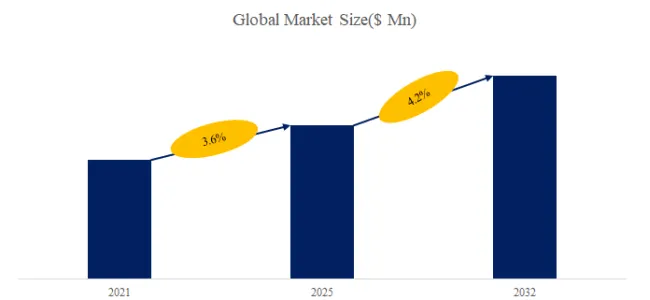
The global market for Conservatory Awning was estimated to be worth US$ 1,280 million in 2025 and is projected to reach US$ 1,620 million by 2032, advancing at a steady CAGR of 3.6% from 2026 to 2032. In 2025, global production reached approximately 853,000 units, with an average global market price of around US$ 1,500 per unit and gross profit margins ranging from 20% to 40%.

【Get a free sample PDF of this report (Including Full TOC, List of Tables & Figures, Chart)】
https://www.qyresearch.com/reports/5706684/conservatory-awning


Product Definition: Retractable Shading for Glazed Structures

Conservatory awnings are specialized shading systems engineered for glazed extensions. Key design features include:

External (roof-mounted) awnings: Installed above the glazing, these systems intercept solar radiation before it penetrates the glass, preventing heat buildup at the source. External shading is the most effective approach for thermal control, reducing cooling loads and maintaining comfortable temperatures.

Internal (under-glass) awnings: Mounted beneath the glazing, these systems control light and privacy while providing a more subtle aesthetic. Internal awnings are often preferred for retrofit installations where external mounting is impractical.

Tensioned technical fabrics: High-performance textiles with reflective coatings, UV resistance, and dimensional stability provide effective solar control while maintaining visual appeal. Fabrics are engineered for durability in exposure to sun, wind, and variable weather.

Guided rail systems: Ensure smooth, stable operation even in windy conditions, with awnings that extend and retract with minimal flutter or sag.

Motorized automation: Increasingly standard in premium installations, motorized systems enable push-button operation, remote control, and integration with home automation platforms.

Sensor integration: Wind, sun, and rain sensors automatically extend or retract awnings based on real-time conditions, protecting the structure while optimizing comfort.


Exclusive Industry Insight: The Performance-First External Shading Advantage

A distinctive observation from our analysis is the growing preference for external shading in new-build and premium renovation projects, driven by superior thermal performance:

Solar heat gain coefficient (SHGC) reduction: External awnings can reduce solar heat gain by 60–80% by intercepting radiation before it passes through glazing. Internal awnings, while effective for glare and privacy, capture heat that has already entered the space, reducing cooling benefits.

Glare reduction: External shading diffuses natural light, reducing glare on screens and surfaces while maintaining daylight levels suitable for reading, dining, and living.

Furniture protection: Blocking UV radiation before it enters the space preserves upholstery, flooring, and artwork from fading.

Aesthetic integration: Modern external awnings with sleek cassette housings and color-matched fabrics integrate seamlessly with architectural designs, enhancing rather than detracting from the glazed extension’s appearance.


Market Drivers: Home Improvement Trends, Climate Variability, and Comfort Demands

The conservatory awning market is propelled by several converging factors:

Long-running home improvement cycle: Glazed extensions remain a popular home addition, valued for added living space and connection to outdoors. Awnings are increasingly viewed as essential rather than optional accessories to maximize usability.

Climate variability and summer heat: Rising temperatures and more frequent heat waves in many regions have heightened awareness of overheating risks in glazed spaces, driving demand for effective solar control.

Thermal comfort expectations: Homeowners and hospitality operators expect glazed spaces to remain comfortable across seasons, not just during mild conditions. Awnings enable year-round usability.

Energy efficiency awareness: Reducing solar gain lowers air conditioning loads, contributing to lower energy bills and reduced carbon footprint—a growing consideration for environmentally conscious consumers.

Motorization and smart-home integration: Advances in automation have made awnings more convenient and desirable, with voice control, scheduling, and sensor-based operation appealing to tech-savvy homeowners.


Technology Trends: Automation, Sensor Integration, and System Coordination

Motorization and smart control have moved from premium to mainstream. Wireless motors, smartphone apps, and voice assistant compatibility simplify operation and enable integration with broader home automation ecosystems.

Sensor-based automation—including wind sensors that retract awnings in gusty conditions, rain sensors that provide protection during precipitation, and sun sensors that extend based on solar intensity—protects the structure while ensuring comfort without user intervention.

System integration extends beyond awnings to coordinated shading solutions. Conservatory awnings are increasingly paired with vertical screens, side guides, and coordinated control platforms, delivering comprehensive comfort solutions rather than standalone shading products.

Fabric innovation continues with reflective coatings, thermal insulation properties, and aesthetic options that complement architectural styles while maximizing performance.


Product Differentiation and Competitive Factors

The conservatory awning market is characterized by differentiation across several dimensions:

Shading performance: External vs. internal mounting, fabric reflectivity, and solar heat gain reduction capabilities differentiate products. Premium systems emphasize superior thermal performance and glare control.

Automation sophistication: Sensor-based automatic operation, smart-home integration, and reliability of motor systems distinguish high-end offerings.

Aesthetic and design: Cassette housing design, fabric color and texture options, and integration with building architecture influence purchasing decisions.

Durability and warranty: Resistance to wind, UV degradation, and mechanical reliability are critical factors, with premium brands offering extended warranties.

Installation and service capability: Given the complexity of mounting on glazed structures, strong dealer networks and installation expertise are essential competitive advantages.


Market Segmentation and Competitive Landscape

By product type, the market is segmented into fixed awnings and retractable awnings. Retractable awnings dominate the premium residential and commercial segments, offering flexibility and protection for motorized systems. Fixed awnings serve applications where permanent shading is preferred and budget constraints are more significant.

By application, the market serves residential, commercial, and other sectors. Residential represents the largest segment, driven by homeowner investment in sunrooms, conservatories, and glass-roof extensions. Commercial (cafés, restaurants, hotels) represents a growing segment, as hospitality venues seek to optimize outdoor and glazed terrace spaces for year-round operation.

Key players include:

  • Markilux, WAREMA, Weinor, Heroal: Leading European shading manufacturers with comprehensive conservatory awning portfolios
  • SCD Shade, Brustor, Aluxor, AVZ: European specialists serving residential and commercial markets
  • Guangdong Greenawn Tech, Tehrol doo: Asian manufacturers with expanding presence in domestic and export markets
  • Dickson: Fabric supplier with significant influence on awning performance
  • Eastern Awnings, Awnings.ie, Bat Group, Duckworth Awnings, Sunair Awning, Aquarius Blinds, Cyra Group: Regional players serving local markets with installation expertise

Europe represents the largest and most mature market, with strong tradition of glazed extensions and well-established shading manufacturers. North America is growing steadily, driven by home improvement trends and increasing awareness of solar control benefits. Asia-Pacific represents a growth frontier, with rising residential wealth and expanding adoption of Western-style glazed extensions.


Future Outlook: Smart Integration, Sustainable Materials, and Expanded Applications

The conservatory awning market is positioned for steady growth through multiple innovation pathways:

Smart-home integration will deepen, with awnings becoming components of comprehensive building automation systems that manage lighting, heating, cooling, and shading in coordinated response to environmental conditions.

Sustainable materials—including recycled fabrics, low-impact manufacturing, and recyclable components—will appeal to environmentally conscious consumers.

Energy performance optimization through dynamic shading that responds to real-time solar conditions will enhance thermal comfort while reducing cooling costs.

Expanded applications beyond traditional conservatories to include rooftop terraces, pergolas, and commercial spaces will broaden the addressable market.

For stakeholders across the shading and home improvement value chain—from manufacturers to dealers to homeowners—the conservatory awning market offers steady growth driven by the fundamental desire to maximize the comfort and usability of glazed living spaces.


Contact Us:
If you have any queries regarding this report or if you would like further information, please contact us:
QY Research Inc.
Add: 17890 Castleton Street Suite 369 City of Industry CA 91748 United States
EN: https://www.qyresearch.com
E-mail: global@qyresearch.com
Tel: 001-626-842-1666(US)
JP: https://www.qyresearch.co.jp
カテゴリー: 未分類 | 投稿者fafa168 19:02 | コメントをどうぞ

Fountain and Swimming Pool Lighting: The Submersible Luminaire Solution for Safety, Ambiance, and Architectural Water Features

Global Leading Market Research Publisher QYResearch announces the release of its latest report *“Fountain and Swimming Pool Lighting – Global Market Share and Ranking, Overall Sales and Demand Forecast 2026-2032”*. Based on current situation and impact historical analysis (2021-2025) and forecast calculations (2026-2032), this report provides a comprehensive analysis of the global Fountain and Swimming Pool Lighting market, including market size, share, demand, industry development status, and forecasts for the next few years.

For pool owners, facility managers, and landscape architects, the challenge of illuminating water features—swimming pools, fountains, waterfalls, and architectural water scenes—extends far beyond selecting attractive fixtures. Lighting installed in or near water must withstand continuous submersion, aggressive chemical environments (chlorinated or saltwater pools), thermal cycling, and physical demands that would quickly degrade standard outdoor luminaires. Safety requirements add another critical dimension: electrical systems in wet environments demand rigorous ingress protection, isolation, and grounding to protect swimmers and maintenance personnel. Fountain and swimming pool lighting addresses these demands through purpose-built luminaires engineered for submerged or splash-zone operation. These products—including niche/recessed pool lights, surface-mounted underwater lights, fountain ring lights, linear underwater luminaires, and retrofit LED replacements for legacy halogen fixtures—are constructed with high ingress protection (IP67/IP68 for submerged use), robust sealing and cable glands, corrosion-resistant housings (316 stainless steel, bronze/brass, or engineered polymers), and electrical designs prioritizing isolation and safety via low-voltage AC or DC systems. Beyond basic white illumination, advanced systems offer RGB/RGBW color-changing capabilities with control interfaces ranging from simple switching to sophisticated DMX-based show control for choreographed fountain performances.

The global market for Fountain and Swimming Pool Lighting was estimated to be worth US$ 415 million in 2025 and is projected to reach US$ 555 million by 2032, advancing at a CAGR of 4.3% from 2026 to 2032. In 2025, global production reached approximately 16.6 million units, with an average global market price of around US$ 25 per unit and gross profit margins ranging from 10% to 30%.

【Get a free sample PDF of this report (Including Full TOC, List of Tables & Figures, Chart)】
https://www.qyresearch.com/reports/5706661/fountain-and-swimming-pool-lighting


Product Definition: Submersible Luminaires for Wet Environments

Fountain and swimming pool lighting encompasses a range of purpose-built luminaires designed for operation in and around water features. Key product categories include:

Niche/recessed pool lights: Installed flush with pool walls, these fixtures provide even illumination across the pool surface. LED versions have largely replaced legacy halogen units, offering longer life and lower operating costs.

Surface-mounted underwater lights: Designed for attachment to pool walls or fountain basins where recessed installation is impractical.

Fountain ring lights: Circular fixtures mounted around fountain nozzles, highlighting water jets and spray patterns.

Linear underwater luminaires: Elongated fixtures for edges, water curtains, and architectural accents.

Retrofit LED replacements: Upgrade solutions that convert existing halogen fixtures to LED without full fixture replacement.

Critical engineering specifications include:

Ingress protection: IP67 (temporary submersion) or IP68 (continuous submersion) ratings ensure water-tight integrity during operation.

Corrosion resistance: Housings in 316 stainless steel, bronze/brass, or engineered polymers withstand chlorine, saltwater, and cleaning agents.

Optical design: Wide beam patterns wash pool walls and floors evenly; narrow or shaped beams highlight fountain jets and water textures without glare.

Low-voltage operation: 12V AC or DC systems with dedicated transformers/ drivers provide safety isolation for submerged installations.


Exclusive Industry Insight: The LED Retrofit Opportunity

A distinctive observation from our analysis is the significant retrofit market driven by the transition from halogen to LED technology in existing pools and water features:

Energy savings: LED pool lights consume 70–85% less energy than halogen equivalents, generating substantial operational savings over fixture lifetimes.

Extended service life: LED luminaires typically operate 25,000–50,000 hours compared to 2,000–5,000 hours for halogen, dramatically reducing maintenance costs and pool downtime.

Color capabilities: RGB/RGBW LED systems enable color-changing effects impossible with halogen, creating new design possibilities for residential and commercial applications.

Ease of retrofit: Many LED conversion kits install in existing niche housings, eliminating the need for costly pool drainage and structural modification.

Regulatory drivers: Energy efficiency standards and building codes increasingly favor LED technology, accelerating replacement cycles.


Market Drivers: Safety Requirements, Design Upgrades, and Commercial Development

The fountain and swimming pool lighting market is propelled by several converging factors:

Safety-driven baseline demand: Pool lighting is often mandated by building codes and safety regulations to ensure visibility for swimmers and facilitate nighttime supervision. This creates steady demand for reliable, code-compliant lighting.

Design-driven upgrade cycles: Homeowners and commercial operators increasingly view lighting as an enhancement to aesthetic experience. Color-changing, synchronized lighting effects add visual appeal and differentiate properties.

Commercial development: Hotels, resorts, water parks, and public aquatic facilities require robust lighting systems for safety and ambiance. New construction and renovation projects drive demand.

Landscape architecture integration: Water features in public spaces, commercial developments, and luxury residential projects increasingly incorporate lighting as an integral design element.

Technological advancement: LED efficiency improvements, color control sophistication, and DMX integration for choreographed shows expand application possibilities.


Technology Trends: DMX Control, Smart Integration, and Optical Innovation

DMX and show control systems enable synchronized lighting effects with fountain pumps, music, and water patterns. Advanced controllers allow programming of complex sequences for commercial fountain installations, creating memorable visual experiences that draw visitors.

Smart-home integration is expanding in residential applications. Pool and fountain lighting can be controlled via smartphone apps, voice assistants, and integrated with broader home automation systems.

Optical design innovation focuses on reducing glare while enhancing water texture and movement. Precision optics create defined beam patterns that highlight specific water features without scattering light into swimmers’ eyes.

Wireless control simplifies installation and enables retrofitting of existing fixtures without running new control wiring.

Thermal management improvements in LED fixtures extend life and maintain color consistency in submerged applications where heat dissipation is challenging.


Market Segmentation and Competitive Landscape

By lighting type, the market is segmented into multi-color lighting (RGB/RGBW) and white lighting. Multi-color lighting represents the fastest-growing segment, driven by residential upgrade demand and commercial applications seeking dramatic visual effects. White lighting maintains a strong position in code-mandated installations and applications where color is not prioritized.

By application, the market serves commercial (hotels, resorts, water parks, public pools, fountains) and residential (private pools, home fountains) sectors. Commercial applications represent the larger value segment due to larger installations and more complex control requirements; residential applications drive volume through retrofit upgrades and new construction.

Key players include:

  • Pentair, Hayward, AstralPool, Jandy, Waterco, Emaux: Major pool equipment manufacturers with comprehensive lighting portfolios
  • Spa Electrics, WIBRE, PAL Lighting, CMP: Specialized underwater lighting manufacturers
  • OASE, Kasco Marine, Otterbine, Crystal Fountains, Fontana Fountains, Lumascape, Hydrel, Aquascape: Fountain and water feature lighting specialists
  • Designplan Lighting, Kon Lighting, Maxillum, WAKING Lighting, Wibre, Huaxia Lighting, R&C Lighting, Judeng Lighting, Chongqing Xinyuanhui Optoelectronics Technology, Teclumen, Perlo, Pahlen, Astel Lighting, Armadillo Lighting, All4light, Wenzhou SWIN LED Lighting, Shenzhen Heguang Lighting, LIGMAN: Regional and specialty players across global markets

North America and Europe represent mature markets with strong retrofit activity and commercial development. Asia-Pacific is the fastest-growing region, driven by residential construction, tourism infrastructure, and increasing adoption of premium outdoor lighting.


Future Outlook: Smart Integration, Wireless Control, and Sustainable Materials

The fountain and swimming pool lighting market is positioned for steady growth through multiple innovation pathways:

Smart and connected systems will become standard, with lighting integrated into pool automation platforms that manage pumps, heating, and lighting from unified interfaces.

Wireless and low-voltage innovations will simplify installation and retrofit, reducing the need for conduit and specialized electrical work.

Sustainable materials—including recycled aluminum and eco-friendly polymers—will align with broader environmental priorities.

Human-centric lighting concepts that adjust color temperature to mimic daylight patterns may emerge in premium residential applications.

For stakeholders across the aquatic and landscape lighting value chain—from manufacturers to installers to property owners—the fountain and swimming pool lighting market offers steady growth driven by safety requirements, design aspirations, and the ongoing transition to energy-efficient LED technology.


Contact Us:
If you have any queries regarding this report or if you would like further information, please contact us:
QY Research Inc.
Add: 17890 Castleton Street Suite 369 City of Industry CA 91748 United States
EN: https://www.qyresearch.com
E-mail: global@qyresearch.com
Tel: 001-626-842-1666(US)
JP: https://www.qyresearch.co.jp
カテゴリー: 未分類 | 投稿者fafa168 19:00 | コメントをどうぞ

Aluminum Bioclimatic Pergolas: The Adjustable-Louver Outdoor System Transforming Patios, Terraces, and Commercial Hospitality Spaces

Global Leading Market Research Publisher QYResearch announces the release of its latest report *“Aluminum Bioclimatic Pergolas – Global Market Share and Ranking, Overall Sales and Demand Forecast 2026-2032”*. Based on current situation and impact historical analysis (2021-2025) and forecast calculations (2026-2032), this report provides a comprehensive analysis of the global Aluminum Bioclimatic Pergolas market, including market size, share, demand, industry development status, and forecasts for the next few years.

For homeowners, property developers, and hospitality operators, the challenge of creating usable outdoor space that remains comfortable across changing weather conditions has driven significant innovation in shading and shelter systems. Traditional pergolas with fixed roofs or static louvers offer limited adaptability: they cannot respond to shifting sun angles, sudden rain, or variable temperature conditions, leaving outdoor spaces underutilized for much of the year. Aluminum bioclimatic pergolas address these limitations through an integrated architectural system that gives occupants precise control over sun, airflow, and weather exposure. The defining feature is a motorized or manual louver roof system: louvers can be angled to admit daylight in cooler conditions, closed to provide shade during peak heat, or fully shut to shed rain, with integrated gutters and downspouts managing water drainage. Aluminum construction provides lightweight durability, corrosion resistance, and clean architectural aesthetics, while powder coating ensures long-term performance in humid, coastal, or high-UV environments. By reducing direct solar gain and enabling natural ventilation, these pergolas lower perceived temperatures and enhance occupant comfort without fully enclosing the space—extending the usable season for residential patios, restaurant terraces, and commercial outdoor venues.

The global market for Aluminum Bioclimatic Pergolas was estimated to be worth US$ 865 million in 2025 and is projected to reach US$ 1,084 million by 2032, advancing at a steady CAGR of 3.4% from 2026 to 2032. In 2025, global production reached approximately 690,000 units, with an average global market price of around US$ 1,250 per unit and gross profit margins ranging from 20% to 40%.

【Get a free sample PDF of this report (Including Full TOC, List of Tables & Figures, Chart)】
https://www.qyresearch.com/reports/5706679/aluminum-bioclimatic-pergolas


Product Definition: Active Environmental Control for Outdoor Spaces

Aluminum bioclimatic pergolas are adjustable-louver outdoor roof systems designed to expand usable exterior space by actively managing sun, airflow, and rain. Key technical characteristics include:

Louver mechanism: The defining component—adjustable aluminum blades that pivot to control environmental conditions:

  • Tilt-only systems: Louvers rotate to optimize shade and ventilation while maintaining a fixed roof structure
  • Retractable systems: Louvers or roof elements can fully open to the sky, offering unobstructed sunlight and stargazing
  • Hybrid designs: Combine tilting louvers with retractable canopies or screens for maximum flexibility

Water management: Integrated gutters and concealed downspouts channel rainwater away from the covered area, enabling use during light to moderate rainfall. Proper water management is essential for performance in regions with frequent precipitation.

Motorized actuation: Electric motors with remote or wall-mounted controls provide effortless adjustment. Advanced systems incorporate wind, rain, and sun sensors that automatically adjust louvers to protect the structure and optimize comfort.

Smart-home integration: Increasingly, pergolas connect with home automation platforms (Apple HomeKit, Google Home, Amazon Alexa) and dedicated apps, enabling scheduling, remote control, and automated responses to weather conditions.

Aluminum construction: Extruded aluminum profiles offer an optimal balance of strength-to-weight, corrosion resistance, and finishing capability. Powder coating provides durable, fade-resistant finishes in a wide range of colors, with coastal-grade treatments available for high-salinity environments.


Exclusive Industry Insight: The Commercial Hospitality Value Proposition

A distinctive observation from our analysis is the strong economic case for bioclimatic pergolas in commercial hospitality applications, where weather-resilient seating capacity directly impacts revenue:

Revenue resilience: Restaurants, hotels, and cafes with weather-protected outdoor seating can accommodate guests year-round, regardless of light rain or intense sun. This reduces weather-related cancellations and maximizes seating utilization during peak seasons.

Premium positioning: Covered outdoor spaces command premium table locations and higher average ticket values, as guests value the comfort and ambiance of well-designed al fresco dining.

Marketing differentiation: Bioclimatic pergolas create distinctive, architecturally appealing outdoor spaces that differentiate venues from competitors and drive social media visibility.

Rapid return on investment: For high-traffic hospitality venues, the additional revenue from expanded usable seating days can achieve ROI within 1–3 years, making the investment highly attractive.

Maintenance efficiency: Motorized systems with weather sensors require minimal staff intervention, preserving operational efficiency.


Market Drivers: Outdoor Living Trends, Residential Remodeling, and Hospitality Expansion

The aluminum bioclimatic pergolas market is propelled by several converging factors:

Outdoor living upgrade trend: Homeowners increasingly view outdoor spaces as extensions of interior living areas, investing in high-quality, functional structures that enhance property value and lifestyle. Bioclimatic pergolas represent the premium segment of this market.

Residential remodeling activity: In mature markets, sustained investment in home improvement drives demand for outdoor structures. Pergolas that add usable square footage and architectural appeal align with homeowner priorities.

Hospitality industry recovery and expansion: Following pandemic-related disruptions, restaurants and hotels have expanded outdoor seating capacity, often seeking permanent, high-quality structures that comply with local codes while maximizing patron comfort.

Aging populations and climate considerations: Older homeowners value the ability to enjoy outdoor spaces without direct sun exposure or weather uncertainty. Similarly, in regions with rising temperatures, sun control has become a priority for comfortable outdoor living.

Technological advancement: Improved motor reliability, sensor accuracy, and smart-home integration have made automated pergolas more reliable and user-friendly, broadening their appeal.


Product Differentiation and Competitive Factors

The aluminum bioclimatic pergola market is characterized by differentiation across several dimensions:

Louver mechanism performance: Premium systems offer tighter blade sealing for rain protection, smoother motor operation, and greater design flexibility. Higher-end systems achieve certification for wind resistance and load-bearing capacity.

Water management sophistication: Integrated drainage systems with concealed downspouts provide superior aesthetics and performance compared to external drainage solutions.

Automation and sensor integration: Systems with wind, rain, and sun sensors that automatically adjust louvers protect the structure and optimize comfort without user intervention. Smart-home compatibility adds convenience and appeal.

Aesthetic and finish quality: Aluminum profiles with clean lines, hidden fasteners, and premium powder coating finishes differentiate high-end products from standard offerings.

Installation and service capability: Given the complexity of motorized systems, strong dealer networks and installation expertise are critical competitive advantages.


Market Segmentation and Competitive Landscape

By control type, the market is segmented into electric control and manual control. Electric control systems dominate the premium residential and commercial segments, offering convenience, automation, and smart-home integration. Manual control serves budget-conscious applications and markets where electrical installation is impractical.

By application, the market serves residential, commercial, and other sectors. Residential represents the largest segment, driven by homeowner investment in outdoor living. Commercial (restaurants, hotels, cafes) represents the fastest-growing segment, driven by hospitality industry investment in weather-resilient seating.

Key players include:

  • Durmi: European specialist in bioclimatic pergolas with strong residential and commercial presence
  • SunLouvre Pergolas, Biossun, Gibus, Artosi: Leading manufacturers with comprehensive product lines across price points
  • Solisysteme, C3 Systems, Concept Alu, Codeval Aluminum: European suppliers serving residential and commercial markets
  • Abrisud, Solicanada: North American market participants with regional distribution
  • Byart Group, Vision Art: Asian manufacturers serving domestic and export markets
  • Metaform Shading System, ShadeEx, Alaris CZ, Mitjavila, Sunbeam Canopies Ltd, Lamda leventis SA, Arquati, Habitat Llaza, Tehrol Shading Company, Kenan Metal, Haus Fargen, AlunoTec Pergola: Regional specialists and emerging players across Europe and Asia

Europe represents the largest and most mature market, with strong adoption in residential and hospitality applications. North America is growing rapidly, driven by outdoor living trends and hospitality investment. Asia-Pacific represents a growth frontier, with rising residential wealth and expanding commercial sectors.


Future Outlook: Smart Integration, Sustainable Materials, and Design Innovation

The aluminum bioclimatic pergolas market is positioned for steady growth through multiple innovation pathways:

Smart-home and IoT integration will become standard, with pergolas incorporating voice control, geofencing, and integration with broader home automation systems.

Sustainable materials and finishes will gain importance as environmental awareness increases. Recycled aluminum content and low-VOC powder coatings will appeal to environmentally conscious consumers.

Design innovation will continue with larger spans, more integrated lighting and heating options, and seamless integration with adjacent structures.

Energy performance optimization through louvers that track the sun’s angle to maximize shade during peak hours will enhance comfort and reduce cooling loads in adjacent indoor spaces.

For stakeholders across the outdoor living value chain—from manufacturers to dealers to homeowners and hospitality operators—the aluminum bioclimatic pergola market offers steady growth driven by the fundamental desire to create comfortable, usable outdoor spaces that respond dynamically to changing environmental conditions.


Contact Us:
If you have any queries regarding this report or if you would like further information, please contact us:
QY Research Inc.
Add: 17890 Castleton Street Suite 369 City of Industry CA 91748 United States
EN: https://www.qyresearch.com
E-mail: global@qyresearch.com
Tel: 001-626-842-1666(US)
JP: https://www.qyresearch.co.jp
カテゴリー: 未分類 | 投稿者fafa168 18:57 | コメントをどうぞ

Suckling Pig Feed: The Specialized Nutrition Powering Piglet Growth, Immune Development, and Pre-Weaning Survival

Global Leading Market Research Publisher QYResearch announces the release of its latest report *“Suckling Pig Feed – Global Market Share and Ranking, Overall Sales and Demand Forecast 2026-2032”*. Based on current situation and impact historical analysis (2021-2025) and forecast calculations (2026-2032), this report provides a comprehensive analysis of the global Suckling Pig Feed market, including market size, share, demand, industry development status, and forecasts for the next few years.

For pig farmers, swine production managers, and animal nutrition executives, the challenge of ensuring piglet health and survival during the critical pre-weaning period is fundamental to the profitability and sustainability of commercial pork operations. Piglets are born with immature digestive systems, limited immune protection, and high nutritional demands for rapid growth. Inadequate nutrition during this phase leads to poor growth rates, increased mortality, and long-term productivity losses that affect the entire production cycle. Suckling pig feed addresses these challenges through specialized formulations designed to meet the unique nutritional needs of piglets during the first weeks of life. These feeds—rich in high-quality protein, digestible energy, essential vitamins, and minerals—are tailored to the delicate digestive system of newborn piglets. Formulated with milk replacers, whey powder, animal proteins, and increasingly, functional ingredients such as probiotics that support gut health, suckling pig feed provides the nutritional foundation for growth, immune system development, and successful transition to solid feed at weaning.

The global market for Suckling Pig Feed was estimated to be worth US$ 20,592 million in 2024 and is forecast to a readjusted size of US$ 25,937 million by 2031, advancing at a CAGR of 3.4% during the forecast period 2025-2031. In 2024, global production reached approximately 37.47 million tons, with an average global market price of around US$ 550 per ton.

【Get a free sample PDF of this report (Including Full TOC, List of Tables & Figures, Chart)】
https://www.qyresearch.com/reports/5290002/suckling-pig-feed


Product Definition: Specialized Nutrition for the Critical Pre-Weaning Phase

Suckling pig feed is a specialized nutritional product formulated to meet the physiological needs of piglets from birth through the weaning transition. Key characteristics include:

High digestibility: Piglets have immature digestive systems with limited enzyme production. Suckling pig feeds incorporate highly digestible ingredients—milk proteins, whey, and processed cereals—to ensure efficient nutrient absorption.

Optimal protein content: High-quality protein sources (skim milk, whey, fish meal, soy protein concentrate) provide essential amino acids for rapid muscle growth and tissue development.

Energy density: Elevated energy levels support the high metabolic demands of growth while compensating for limited feed intake capacity.

Immune support: Functional ingredients including immunoglobulins (from colostrum and milk replacers), probiotics, prebiotics, and organic acids support gut health and immune development during the period before piglets’ own immune systems mature.

Antibiotic reduction: Growing consumer and regulatory pressure to reduce antibiotic use in livestock production has driven innovation in non-antibiotic gut health solutions, including probiotics, prebiotics, phytogenics, and organic acids.


Exclusive Industry Insight: The Economics of Early-Life Nutrition

A distinctive observation from our analysis is the economic multiplier effect of high-quality suckling pig feed on overall pork production profitability:

Mortality reduction: Piglet mortality during the suckling period can range from 10–20% in commercial operations. High-quality nutrition reduces mortality, directly impacting per-sow productivity and farm profitability.

Weaning weight impact: Weaning weight is a strong predictor of post-weaning growth performance, feed efficiency, and time to market. Every 1 kg increase in weaning weight can reduce days to market by 5–10 days, generating substantial feed savings and facility throughput benefits.

Lifetime productivity: Nutritional programming during the suckling period influences lifelong growth potential. Piglets receiving optimal early nutrition demonstrate improved feed conversion and growth rates throughout the finishing period.

Veterinary cost reduction: Healthier piglets with stronger immune systems require fewer therapeutic interventions, reducing veterinary costs and antibiotic usage.

Operational efficiency: Reduced mortality and improved growth consistency enable more predictable production planning, better facility utilization, and improved return on investment.


Market Drivers: Pork Consumption Growth, Commercial Farm Expansion, and Nutrition Awareness

The suckling pig feed market is propelled by several converging factors:

Global pork consumption growth continues to drive demand for efficient pork production. Pork remains the world’s most consumed meat, with demand particularly strong in Asia-Pacific, where rising incomes and urbanization support increased consumption.

Commercial pig farming expansion in Asia-Pacific, Latin America, and Eastern Europe creates demand for specialized feed products. The transition from smallholder to commercial operations brings adoption of modern feeding practices, including high-quality suckling pig feed.

Animal welfare and sustainability concerns are reshaping feed formulation practices. Consumers and regulators increasingly expect production systems that prioritize animal health and minimize antibiotic use, driving innovation in functional feeds.

Nutrition awareness among producers has increased understanding of the critical importance of early-life nutrition. Educational efforts by feed companies and veterinary services have demonstrated the economic value of specialized suckling pig feed, driving adoption.

Technological advancement in feed formulation enables more precise targeting of nutritional needs. Advances in ingredient processing, enzyme technology, and gut health solutions allow feed manufacturers to deliver more effective products.


Supply Chain and Industry Structure

The suckling pig feed industry chain encompasses specialized upstream, midstream, and downstream activities:

Upstream includes suppliers of raw materials: milk replacers, soybeans, whey powder, animal proteins, cereal grains, vitamins, minerals, and functional ingredients (probiotics, prebiotics, enzymes). Supply chain reliability and quality consistency are critical for maintaining feed safety and performance.

Midstream comprises feed manufacturers that blend and process these materials into specialized formulas using advanced technology. Production lines are designed to handle the delicate formulation of suckling pig feed, ensuring correct balance of nutrients and appropriate particle size for piglet consumption.

Downstream consists of pig farms that use suckling pig feed to nourish piglets during the critical pre-weaning phase. Operations range from smallholder farms to large-scale commercial production systems.

Gross profit margins in the suckling pig feed segment typically range from 10–20%, with higher margins for specialized functional feeds and lower margins for commodity formulations.


Technology Trends: Functional Ingredients, Precision Formulation, and Antibiotic Reduction

Functional ingredients are increasingly incorporated to support piglet health beyond basic nutrition:

  • Probiotics: Live beneficial bacteria that colonize the gut, competing with pathogens and supporting digestive health
  • Prebiotics: Non-digestible fibers that stimulate beneficial gut bacteria growth
  • Phytogenics: Plant-derived compounds with antimicrobial and anti-inflammatory properties
  • Organic acids: Reduce gastric pH and inhibit pathogen growth in the digestive tract
  • Enzymes: Improve digestibility of plant-based ingredients, reducing anti-nutritional factors

Precision formulation leverages near-infrared spectroscopy (NIR) and other analytical tools to ensure batch-to-batch consistency and optimal nutrient profiles. Formulation software integrates ingredient costs, nutritional specifications, and performance targets to optimize product design.

Antibiotic reduction has become a primary innovation driver. Manufacturers are developing formulations that maintain piglet health and performance without reliance on antibiotic growth promoters, responding to regulatory pressure and consumer preference.


Market Segmentation and Competitive Landscape

By product type, the market is segmented into compound feed, concentrated feed, and feed additive premix. Compound feed represents the largest segment, offering complete nutrition in ready-to-use form. Concentrated feed and additive premix are used by farms with on-site mixing capability.

By application, the market serves 7–30 days of suckling pig and 30–60 days of suckling pig. Pre-weaning nutrition (first 3–4 weeks) drives the largest volume, though transitional feeds for late-suckling and early weaning are growing as production systems optimize weaning protocols.

Key players include:

  • Twins Group, CP Group, New Hope, Zhengbang Group, DBN Group, ANYOU Group, Jinxinnong, DaChan, Tecon, TRS Group, Wellhope, Xinnong: Leading Chinese and Asian feed manufacturers serving large-scale domestic markets
  • Cargill, Purina Animal Nutrition: Global feed companies with extensive international presence
  • AGRAVIS, ForFarmers: European feed manufacturers with strong regional positions
  • Hi-Pro Feeds: Specialized animal nutrition company serving commercial producers

Asia-Pacific dominates the market, accounting for the majority of global pork production and consumption. North America and Europe represent mature markets with high adoption rates of specialized feeds and strong focus on antibiotic reduction and functional ingredients.


Future Outlook: Functional Nutrition, Precision Feeding, and Sustainable Ingredients

The suckling pig feed market is positioned for steady growth through multiple innovation pathways:

Functional nutrition will expand beyond gut health to include immune modulation, stress reduction, and metabolic programming effects that influence lifetime performance.

Precision feeding technologies—including automated feeding systems that adjust nutrient delivery based on individual piglet needs—will enable more targeted nutrition.

Sustainable ingredient sourcing—including insect proteins, single-cell proteins, and alternative protein sources—will address environmental concerns while maintaining nutritional quality.

Digital integration with farm management systems will enable better tracking of feed intake, growth performance, and health outcomes, supporting continuous improvement in feeding programs.

For stakeholders across the swine production value chain—from feed manufacturers to pig producers to investors—the suckling pig feed market offers steady, resilient growth driven by the fundamental requirement to provide optimal early-life nutrition in an increasingly commercialized and efficiency-focused global pork industry.


Contact Us:
If you have any queries regarding this report or if you would like further information, please contact us:
QY Research Inc.
Add: 17890 Castleton Street Suite 369 City of Industry CA 91748 United States
EN: https://www.qyresearch.com
E-mail: global@qyresearch.com
Tel: 001-626-842-1666(US)
JP: https://www.qyresearch.co.jp
カテゴリー: 未分類 | 投稿者fafa168 18:55 | コメントをどうぞ

Vertical Farming and Plant Factory: The Controlled Environment Agriculture Revolution—A $2.5 Billion Market Powering Urban Food Security

Global Leading Market Research Publisher QYResearch announces the release of its latest report *“Vertical Farming and Plant Factory – Global Market Share and Ranking, Overall Sales and Demand Forecast 2026-2032”*. Based on current situation and impact historical analysis (2021-2025) and forecast calculations (2026-2032), this report provides a comprehensive analysis of the global Vertical Farming and Plant Factory market, including market size, share, demand, industry development status, and forecasts for the next few years.

For urban planners, food system investors, and agricultural technology executives, the challenge of feeding growing urban populations with fresh, safe, and sustainably produced food has become increasingly urgent. Traditional agriculture faces mounting pressures: arable land degradation, water scarcity, pesticide residues, long supply chains that compromise freshness, and vulnerability to climate variability. Vertical farming and plant factories offer a transformative alternative. This agricultural production method cultivates crops in vertically stacked layers within controlled environments—buildings, containers, or warehouses—using technologies such as artificial lighting (predominantly LED), climate control, hydroponic or aeroponic systems, and automation. By decoupling crop production from traditional farmland and weather conditions, vertical farming enables year-round, high-density production with land efficiency orders of magnitude greater than conventional agriculture. Water usage is reduced by over 90%, pesticides are eliminated, and fresh produce can be grown within urban centers, dramatically shortening supply chains and ensuring peak freshness.

The global market for Vertical Farming and Plant Factory was estimated to be worth US$ 736 million in 2024 and is forecast to a readjusted size of US$ 2,495 million by 2031, advancing at an exceptional CAGR of 19.6% during the forecast period 2025-2031. In 2024, global production reached approximately 104.9 thousand metric tons, with an average global market price of around US$ 7.02 per kg. Global production capacity in 2024 was approximately 130 thousand metric tons.

【Get a free sample PDF of this report (Including Full TOC, List of Tables & Figures, Chart)】
https://www.qyresearch.com/reports/5289928/vertical-farming-and-plant-factory


Product Definition: The Integration of Controlled Environment Agriculture

Vertical farming and plant factories represent the convergence of multiple technologies into integrated production systems:

Controlled Environment Agriculture (CEA) forms the foundation, maintaining optimal temperature, humidity, CO₂ concentration, and airflow independent of external conditions. This enables year-round production regardless of season or climate.

LED lighting systems provide precisely tuned spectra optimized for photosynthesis while minimizing energy consumption. Modern LED arrays deliver specific wavelengths for vegetative growth, flowering, or targeted compound production, achieving energy efficiencies impossible with traditional lighting.

Hydroponic and aeroponic systems deliver water and nutrients directly to plant roots without soil. Hydroponics circulates nutrient solutions; aeroponics suspends roots in air, misting with nutrient solutions. Both methods achieve 90–95% water savings compared to conventional irrigation.

Vertical stacking architectures maximize space utilization, with multi-tier systems achieving 10–20 times the yield per square meter of field agriculture.

Automation and AI manage lighting schedules, nutrient delivery, environmental parameters, and harvesting, reducing labor costs and ensuring consistent quality.


Exclusive Industry Insight: The Economics of Urban Food Production

A distinctive observation from our analysis is the evolving economic case for vertical farming as technology costs decline and market demand for locally grown, pesticide-free produce intensifies:

Capital expenditure drivers: LED lighting accounts for 30–40% of initial investment; environmental control systems and building retrofits represent substantial costs. However, LED prices have declined approximately 80% over the past decade, significantly improving project economics.

Operating cost dynamics: Energy consumption (primarily lighting and cooling) represents 25–35% of operating costs. Efficiency improvements in LED technology and heat recovery systems are steadily reducing this burden. Labor automation and optimization further improve margins.

Revenue premium: Locally grown, pesticide-free, year-round produce commands premium pricing in urban markets. Consumer willingness to pay for freshness, sustainability, and food safety supports higher price points than conventionally grown field produce.

Supply chain value: By locating production within urban centers, vertical farms eliminate long-distance transport, cold chain logistics, and associated spoilage. Leafy greens and herbs—high-value, highly perishable crops—are particularly well-suited to this model.

Crop economics: High-value, fast-growing crops (leafy greens, herbs, microgreens, strawberries) achieve positive unit economics; expansion into lower-margin, staple crops requires further technology and cost improvements.


Market Drivers: Urbanization, Food Security, and Sustainability Demands

The vertical farming and plant factory market is propelled by several converging factors:

Urbanization trends concentrate populations in cities, creating demand for local food sources. Over 55% of the global population now lives in urban areas, projected to reach 68% by 2050. Urban consumers increasingly seek fresh, locally grown produce with minimal supply chain distance.

Food security concerns have intensified following pandemic-related supply chain disruptions and climate-induced crop failures. Governments and corporations are investing in controlled environment agriculture as a resilience strategy.

Sustainability imperatives drive adoption of production methods that reduce water consumption, eliminate pesticide use, and minimize transport emissions. Vertical farming aligns with corporate sustainability goals and consumer environmental preferences.

Fresh produce quality expectations have risen, with consumers demanding year-round availability of high-quality, flavorful produce. Vertical farming delivers consistent quality independent of seasonality.

Technology maturity has reached a threshold where commercial viability is proven. LED efficiency improvements, automation cost reductions, and operational experience have enabled scaling beyond pilot projects to commercial-scale facilities.


Technology Trends: AI Optimization, Crop Diversification, and Integration

AI and machine learning integration is advancing beyond basic automation to predictive optimization. Algorithms analyze growth data, environmental parameters, and crop performance to recommend lighting schedules, nutrient formulations, and harvest timing for maximum yield and quality.

Crop diversification beyond leafy greens and herbs is expanding the addressable market. Strawberries, tomatoes, peppers, and root crops are increasingly grown in vertical systems. Research continues on grains, pulses, and other staple crops.

Modular and containerized systems enable scalable deployment with lower capital barriers. Shipping container farms and modular growing units allow phased investment and flexibility in location.

Energy optimization through heat recovery, renewable energy integration, and advanced lighting control is reducing operating costs and carbon footprint.

Supply chain integration with retailers and food service providers is deepening, with vertical farms establishing direct partnerships to supply fresh produce under branded programs.


Market Segmentation and Competitive Landscape

By growing system, the market is segmented into hydroponics, aeroponics, and others. Hydroponics dominates current production, offering proven technology and operational experience. Aeroponics, with its potential for even greater water efficiency and root zone control, is gaining share in premium and high-value crop applications.

By application, the market serves vegetable cultivation (leafy greens, herbs, tomatoes, cucumbers) and fruit planting (strawberries, small fruits). Vegetable cultivation represents the largest segment, with fruit planting growing rapidly as technology enables higher-value crops.

Key players include:

  • AeroFarms: U.S.-based leader in aeroponic vertical farming with commercial-scale facilities
  • Plenty (Bright Farms) : U.S. vertical farming company with proprietary technology and retail partnerships
  • Infarm: European leader in modular, in-store vertical farming systems
  • Bowery Farming: U.S. vertical farming company with automated, AI-driven facilities
  • Spread Co. : Japanese pioneer in automated plant factories, operating large-scale leafy green production
  • Gotham Greens, Lufa Farms: North American leaders in urban greenhouse and vertical farming
  • GreenLand, Mirai, Nongzhong Wulian: Asian vertical farming operators serving dense urban markets

Asia-Pacific leads in plant factory density, particularly Japan, China, and Singapore, driven by urban density and limited arable land. North America represents the largest market by value, with rapid scaling of commercial facilities and retail partnerships. Europe shows strong growth, particularly in the Netherlands, UK, and Germany, supported by sustainability policies and consumer demand.


Future Outlook: Cost Reduction, Crop Expansion, and Infrastructure Integration

The vertical farming and plant factory market is positioned for transformative growth through multiple pathways:

Capital cost reduction through manufacturing scale, design standardization, and improved building integration will lower entry barriers and improve returns.

Crop expansion into higher-value fruits, specialty crops, and eventually staple crops will expand addressable market beyond leafy greens.

Energy efficiency breakthroughs in lighting, cooling, and heat recovery will continue to improve operating margins.

Infrastructure integration with urban development—incorporating vertical farms into residential buildings, warehouses, and commercial spaces—will embed food production into the urban fabric.

Supply chain consolidation with retailers and food service providers will create stable offtake agreements supporting capital investment.

For stakeholders across the agricultural and urban development value chain—from technology providers to growers to investors—the vertical farming and plant factory market offers exceptional growth driven by the fundamental transformation of how food is produced, distributed, and consumed in an increasingly urbanized world.


Contact Us:
If you have any queries regarding this report or if you would like further information, please contact us:
QY Research Inc.
Add: 17890 Castleton Street Suite 369 City of Industry CA 91748 United States
EN: https://www.qyresearch.com
E-mail: global@qyresearch.com
Tel: 001-626-842-1666(US)
JP: https://www.qyresearch.co.jp

カテゴリー: 未分類 | 投稿者fafa168 18:53 | コメントをどうぞ

Crop Breeding Chip: The High-Throughput Genotyping Tool Accelerating Marker-Assisted Selection and Precision Agriculture

Global Leading Market Research Publisher QYResearch announces the release of its latest report *“Crop Breeding Chip – Global Market Share and Ranking, Overall Sales and Demand Forecast 2026-2032”*. Based on current situation and impact historical analysis (2021-2025) and forecast calculations (2026-2032), this report provides a comprehensive analysis of the global Crop Breeding Chip market, including market size, share, demand, industry development status, and forecasts for the next few years.

For seed company executives, crop breeders, and agricultural research directors, the challenge of developing improved crop varieties with higher yields, enhanced disease resistance, and greater stress tolerance has become increasingly urgent as global food demand rises and climate volatility intensifies. Traditional breeding methods—relying on phenotypic selection across multiple growing seasons—are time-consuming, resource-intensive, and limited in their ability to simultaneously select for complex, polygenic traits. Crop breeding chips address these limitations through a powerful molecular tool that enables breeders to rapidly analyze thousands to millions of genetic markers across a crop’s genome. These DNA microarrays or sequencing-based genotyping platforms detect single nucleotide polymorphisms (SNPs) and other genetic variations, allowing breeders to identify and track desirable traits with unprecedented accuracy and speed. By integrating molecular data into breeding programs, these chips shorten selection cycles, improve prediction power, and support precision breeding strategies—ultimately delivering superior crop varieties to farmers more efficiently than conventional methods.

The global market for Crop Breeding Chip was estimated to be worth US$ 22.12 million in 2024 and is forecast to a readjusted size of US$ 33.81 million by 2031, advancing at a CAGR of 6.3% during the forecast period 2025-2031. Annual sales volume is approximately tens of thousands of units, with chip prices ranging from tens to hundreds of dollars depending on density and type, and gross profit margins typically between 35% and 45%.

【Get a free sample PDF of this report (Including Full TOC, List of Tables & Figures, Chart)】
https://www.qyresearch.com/reports/5201779/crop-breeding-chip


Product Definition: High-Throughput Genotyping for Crop Improvement

Crop breeding chips are DNA microarray or sequencing-based genotyping tools developed specifically for plant applications. Their core functions include:

Marker detection: High-density SNP panels enable simultaneous analysis of thousands to millions of genetic markers, providing comprehensive genome coverage for accurate trait association.

Trait identification: By correlating marker patterns with phenotypic data, breeders can identify genetic markers linked to desirable traits including yield potential, grain quality, disease resistance, drought tolerance, and nutrient use efficiency.

Marker-assisted selection (MAS): Chip-based genotyping enables rapid screening of breeding populations to select individuals carrying favorable alleles, accelerating the breeding cycle.

Genomic selection: Statistical models trained on chip-derived marker data predict breeding values for complex traits, enabling selection before phenotypic evaluation.

Germplasm characterization: Chips enable systematic evaluation of genetic diversity in germplasm collections, supporting conservation, utilization, and intellectual property protection.

Crop breeding chips are manufactured in two primary formats:

Solid-phase chips use microarray technology where probes are immobilized on a solid substrate (typically glass or silicon). Samples are hybridized to the array, and fluorescence signals are detected to determine genotypes. Solid-phase chips offer high marker density and standardized workflows.

Liquid-phase chips use bead-based or sequencing-based technologies where probes are suspended in solution. Genotyping by sequencing (GBS) and other liquid-phase approaches offer flexibility in marker selection and scalability for different crop species.


Exclusive Industry Insight: The Shift from Phenotypic to Genomic Selection

A distinctive observation from our analysis is the fundamental transformation in crop breeding methodology—from phenotype-driven selection to genotype-informed breeding—enabled by crop breeding chips:

Accelerated breeding cycles: Traditional breeding requires 8–12 years from initial cross to variety release. Chip-enabled marker-assisted selection can reduce this timeline by 3–5 years by enabling selection at the seedling stage rather than waiting for field maturity.

Increased selection intensity: Breeders can screen orders of magnitude more individuals using chip-based genotyping compared to field-based phenotypic evaluation, increasing the probability of identifying superior genotypes.

Complex trait dissection: Polygenic traits like yield and drought tolerance, which are influenced by many genes of small effect, can be addressed through genomic selection models that integrate chip-derived marker data across the entire genome.

Precision introgression: Chip-based markers enable breeders to track specific chromosomal segments, facilitating the introgression of disease resistance genes or quality traits from wild relatives into elite varieties while minimizing linkage drag.

Intellectual property protection: Genotypic fingerprinting through crop breeding chips supports variety identification, patent protection, and royalty collection in commercial seed markets.


Market Drivers: Food Security Demands, Climate Resilience, and Seed Industry Consolidation

The crop breeding chip market is propelled by several converging factors:

Global food security demands require sustained increases in crop productivity. With population growth projected to reach 9.7 billion by 2050, annual cereal production must increase by approximately 1 billion metric tons. Accelerated breeding is essential to meet this demand within arable land constraints.

Climate change adaptation has become a breeding priority. Drought, heat, flooding, and new pest/disease pressures require rapid development of climate-resilient varieties. Crop breeding chips enable breeders to select for stress tolerance traits more efficiently than conventional methods.

Seed industry consolidation and competition drive investment in advanced breeding technologies. Major seed companies use crop breeding chips to maintain competitive advantage through faster variety development and stronger intellectual property portfolios.

Public sector investment in agricultural research supports breeding infrastructure. National agricultural research systems, CGIAR centers, and university breeding programs are increasingly adopting chip-based genotyping to accelerate variety development for smallholder farmers.

Consumer demand for sustainable agriculture favors varieties with reduced input requirements (water, fertilizer, pesticides), which can be developed more efficiently through marker-assisted breeding.


Supply Chain and Industry Structure

The crop breeding chip industry chain encompasses specialized upstream and downstream activities:

Upstream focuses on the development and production inputs:

  • Collection and analysis of plant genetic resources (germplasm, DNA samples)
  • Identification of genetic markers through biotechnology and sequencing
  • Chip design, reagents, substrates, and microarray or semiconductor manufacturing services

Downstream centers on application and commercialization:

  • Seed companies, crop breeding institutes, and agricultural research organizations applying chip-based genotyping
  • Marker-assisted selection, trait analysis, and variety improvement programs
  • Development of high-yield, stress-resistant, and disease-tolerant crop varieties for farmers and agribusinesses

Gross profit margins of 35–45% reflect the value-added nature of specialized genotyping tools, though margins vary by chip density, customization requirements, and customer relationship. Production capacity is flexible, scaling with demand rather than operating at fixed capacity due to the semi-custom nature of many chip products.


Market Segmentation and Competitive Landscape

By technology type, the market is segmented into solid-phase chips and liquid-phase chips. Solid-phase chips dominate established breeding programs requiring standardized, high-density marker sets for specific crops. Liquid-phase chips are gaining share for applications requiring flexibility in marker selection and for crops where pre-designed solid-phase chips are not available.

By application, the market serves food crops (cereals, legumes, oilseeds) and cash crops (cotton, sugarcane, vegetables, horticultural crops). Food crops represent the largest segment, driven by global food security priorities and major crop research investments.

Key players include:

  • Thermo Fisher Scientific: Supplier of microarray-based genotyping solutions through its Affymetrix and Axiom product lines
  • Illumina: Leading provider of sequencing-based genotyping platforms (Infinium, iSelect) widely adopted in crop breeding
  • Agilent: Supplier of microarray and custom genotyping solutions for agricultural applications
  • Ÿnsect: Specialized in insect-based protein and agricultural technology applications
  • Standard Bio Tools: Provider of microfluidic and mass cytometry technologies with agricultural applications
  • LGC Biosearch Technologies: Supplier of genotyping reagents and services for plant breeding
  • SGS TraitGenetics: Specialized in genotyping services for agricultural breeding programs
  • Suzhou Lasso Biochip Technology and Higentec: Chinese suppliers serving domestic crop breeding markets

North America and Europe represent mature markets with established breeding programs and strong adoption of chip-based genotyping. Asia-Pacific represents the fastest-growing region, driven by public and private investment in rice, wheat, maize, and cotton breeding, particularly in China and India.


Future Outlook: Lower Costs, Expanded Crops, and Integrated Platforms

The crop breeding chip market is positioned for sustained growth through multiple pathways:

Cost reduction through manufacturing scale, optimized chip designs, and competition among suppliers will expand adoption beyond major crops to minor crops and smaller breeding programs.

Crop expansion will continue as chips are developed for additional species. Currently, major crops (maize, rice, wheat, soybean, cotton) dominate chip applications; development of chips for vegetables, fruits, and specialty crops will expand the addressable market.

Integrated breeding platforms combining chip-based genotyping with phenotyping (remote sensing, digital imaging) and data management will streamline breeding workflows, increasing adoption.

Climate-focused breeding for drought, heat, and disease resistance will drive demand for chips optimized for stress tolerance markers.

For stakeholders across the agricultural value chain—from seed companies to research institutions to investors—the crop breeding chip market offers steady growth driven by the fundamental requirement to produce more food, more efficiently, in the face of climate change and growing global demand.


Contact Us:
If you have any queries regarding this report or if you would like further information, please contact us:
QY Research Inc.
Add: 17890 Castleton Street Suite 369 City of Industry CA 91748 United States
EN: https://www.qyresearch.com
E-mail: global@qyresearch.com
Tel: 001-626-842-1666(US)
JP: https://www.qyresearch.co.jp
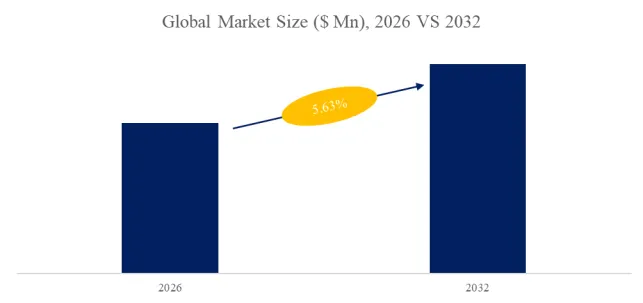
カテゴリー: 未分類 | 投稿者fafa168 18:49 | コメントをどうぞ

Strategic Market Analysis: The Projector Image Processing Chip Market—The Semiconductor Engine Powering High-Resolution, High-Brightness Projection Systems

Global Leading Market Research Publisher QYResearch announces the release of its latest report *“Projector Image Processing Chip – Global Market Share and Ranking, Overall Sales and Demand Forecast 2026-2032”*. Based on current situation and impact historical analysis (2021-2025) and forecast calculations (2026-2032), this report provides a comprehensive analysis of the global Projector Image Processing Chip market, including market size, share, demand, industry development status, and forecasts for the next few years.

For projector manufacturers, display system designers, and consumer electronics executives, the challenge of delivering increasingly sophisticated visual experiences—4K and 8K resolution, high dynamic range (HDR), wide color gamut, and high refresh rates—has made the image processing chip a critical competitive differentiator. The projector is no longer a simple device for displaying presentations; it has evolved into a high-performance display platform for home theater, gaming, corporate collaboration, and large-venue applications. At the heart of this transformation lies the projector image processing chip, a specialized semiconductor that performs real-time pixel manipulation, color processing, geometric correction, and frame interpolation to convert source content into the precise optical modulation required by the projection engine. Whether driving Digital Light Processing (DLP) chipsets from Texas Instruments or LCD panel drivers from Sony and EPSON, these processing chips determine the ultimate image quality, brightness efficiency, and responsiveness of modern projection systems.

The global market for Projector Image Processing Chip was estimated to be worth US$ 1,629 million in 2025 and is projected to reach US$ 6,079 million by 2032, advancing at an exceptional CAGR of 21.0% from 2026 to 2032.

【Get a free sample PDF of this report (Including Full TOC, List of Tables & Figures, Chart)】
https://www.qyresearch.com/reports/5767624/projector-image-processing-chip


Product Definition: The Intelligence Behind the Image

The projector image processing chip is a specialized semiconductor component that serves as the computational engine for projection systems. Its core functions include:

Pixel processing and scaling: Converts source resolutions to native panel resolutions, with advanced scaling algorithms preserving detail and sharpness. 4K upscaling, 8K support, and pixel shifting techniques rely heavily on processing chip capabilities.

Color space conversion: Maps source content color spaces (Rec. 709, DCI-P3, Rec. 2020) to the projector’s native color gamut, ensuring accurate color reproduction. Wide color gamut support requires sophisticated color processing algorithms.

HDR (High Dynamic Range) processing: Performs tone mapping to compress the extended luminance range of HDR content into the projector’s brightness capabilities while preserving highlight and shadow detail. HDR10, Dolby Vision, and HLG support are increasingly standard.

Frame rate conversion and interpolation: Converts between source frame rates and display refresh rates, with motion interpolation (frame generation) reducing judder and motion blur for smooth playback.

Geometric correction: Warps and keystones the image to compensate for projector placement, enabling flexible installation without image distortion.

Laser/LED driver control: Interfaces with light source drivers to modulate brightness dynamically based on content, improving contrast and energy efficiency.

3D processing: Enables stereoscopic 3D content display by synchronizing left/right frame sequencing with active or passive eyewear.


Exclusive Industry Insight: The DLP vs. LCD Architecture Divergence

A distinctive observation from our analysis is the fundamental architectural divergence between DLP and LCD projector technologies, each with distinct image processing requirements:

DLP (Digital Light Processing) , pioneered by Texas Instruments, uses millions of microscopic mirrors on a semiconductor chip to modulate light. The image processing chip must:

  • Translate pixel data into mirror switching patterns (pulse-width modulation) that create grayscale and color
  • Coordinate color wheel or RGB laser sequencing with mirror timing
  • Process high refresh rates (up to 240 Hz) for gaming and 3D applications
  • Manage single-chip or three-chip configurations with different processing demands

DLP’s rapid switching capability enables high refresh rates and low latency, making it preferred for gaming projectors and home theater applications.

LCD (Liquid Crystal Display) technology, advanced by Sony, EPSON, and others, uses liquid crystal panels to modulate light from a high-intensity lamp or laser source. Image processing chips for LCD projectors must:

  • Drive high-resolution LCD panels (up to 4K and beyond) with precise voltage control
  • Manage 3LCD or single-panel configurations with distinct color separation requirements
  • Process advanced features like frame interpolation and motion smoothing
  • Support laser/LED hybrid light source control for optimized brightness and color

LCD technology’s strength in high-brightness applications makes it dominant in commercial, educational, and large-venue projectors, with 3LCD configurations delivering efficient color brightness.


Market Drivers: Home Theater Boom, Gaming Projectors, and Commercial Upgrades

The projector image processing chip market is propelled by several converging factors:

Home theater and streaming demand has surged as consumers invest in high-quality display systems. Projectors capable of 4K resolution, HDR, and wide color gamut deliver immersive experiences at scale, driving demand for advanced processing chips.

Gaming projector growth has created a new market segment requiring high refresh rates (120 Hz and above), low latency (sub-20 ms input lag), and smooth motion handling. Gaming-focused projectors push processing chip capabilities to new levels.

Commercial and education upgrades to laser projection systems drive replacement cycles. Laser projectors with longer life, brighter output, and lower maintenance require compatible processing chips for light source control and image optimization.

Ultra-short-throw (UST) projectors—capable of placing near walls to produce large images—require sophisticated geometric correction and focus processing, increasing demand for advanced image processing chips.

8K resolution emergence, while currently limited to high-end projectors, represents the next frontier. 8K processing requires substantial increases in pixel processing bandwidth, creating opportunities for next-generation chips.


Technology Trends: AI-Enhanced Processing, Laser Integration, and Higher Resolutions

AI-enhanced image processing is emerging as a key differentiator. Machine learning algorithms can:

  • Perform real-time scene detection to optimize image settings for different content types
  • Enhance resolution through AI upscaling, creating convincing 4K from HD sources
  • Reduce noise and compression artifacts without sacrificing detail

Laser and LED light source integration is driving processing chip evolution. Projectors using laser phosphor, RGB laser, or hybrid sources require sophisticated control algorithms to manage color timing, brightness modulation, and thermal performance.

Higher resolution support continues to expand. While 1080p remains the mainstream, 4K is rapidly becoming standard in mid-range and premium projectors. 8K support is emerging in ultra-premium home theater and commercial simulation applications, requiring chips with substantially increased bandwidth and processing power.

Latency reduction remains a priority for gaming applications. Image processing chips optimized for minimal input lag while maintaining image quality are capturing share in the gaming projector segment.


Market Segmentation and Competitive Landscape

By technology type, the market is segmented into LCD chips and DLP chips. DLP chips (primarily from Texas Instruments) dominate the home theater and portable projector segments. LCD chips (from Sony, EPSON, and others) lead in commercial, education, and high-brightness applications.

By application, the market serves home projectors and commercial projectors. The home projector segment is growing fastest, driven by home theater, gaming, and streaming applications. Commercial projectors—serving education, corporate, and large-venue markets—represent a stable, high-volume segment.

Key players include:

  • Texas Instruments: The dominant player in DLP chips, supplying nearly all DLP-based projectors worldwide. TI’s DLP technology encompasses both the micromirror array (DMD) and supporting image processing chips.
  • Sony: Develops LCD panels and image processing for its high-end home theater and professional projector lines, including SXRD (Silicon X-tal Reflective Display) technology.
  • EPSON: The leader in 3LCD projection technology, with proprietary image processing and panel driver chips for its extensive projector portfolio.
  • NICHIA: While primarily known as a light source (LED, laser) manufacturer, Nichia supplies components that integrate with projection systems.
  • GalaxyCore: A specialized semiconductor company providing image processing chips for projector applications.

The market is characterized by a concentrated structure at the chip level—Texas Instruments for DLP, and vertically integrated manufacturers (Sony, EPSON) for LCD—with OEM and ODM relationships extending through the supply chain.


Future Outlook: 8K Resolution, AI Processing, and Expanded Applications

The projector image processing chip market is positioned for transformative growth through multiple pathways:

8K resolution adoption in premium home theater and commercial simulation applications will drive demand for next-generation chips with significantly higher processing bandwidth and advanced scaling algorithms.

AI and machine learning integration will become standard, with chips incorporating dedicated AI cores for real-time image enhancement, scene recognition, and adaptive optimization.

Laser and RGB light source optimization will continue to evolve, with processing chips increasingly managing dynamic brightness, color gamut switching, and thermal management.

Expanded applications beyond traditional projection—including augmented reality (AR), virtual reality (VR), and automotive head-up displays (HUDs)—may create adjacent markets for image processing technology.

For stakeholders across the projection and display value chain—from semiconductor suppliers to projector manufacturers to consumer electronics retailers—the projector image processing chip market offers exceptional growth driven by the relentless pursuit of higher resolution, better color accuracy, and more immersive viewing experiences.


Contact Us:
If you have any queries regarding this report or if you would like further information, please contact us:
QY Research Inc.
Add: 17890 Castleton Street Suite 369 City of Industry CA 91748 United States
EN: https://www.qyresearch.com
E-mail: global@qyresearch.com
Tel: 001-626-842-1666(US)
JP: https://www.qyresearch.co.jp
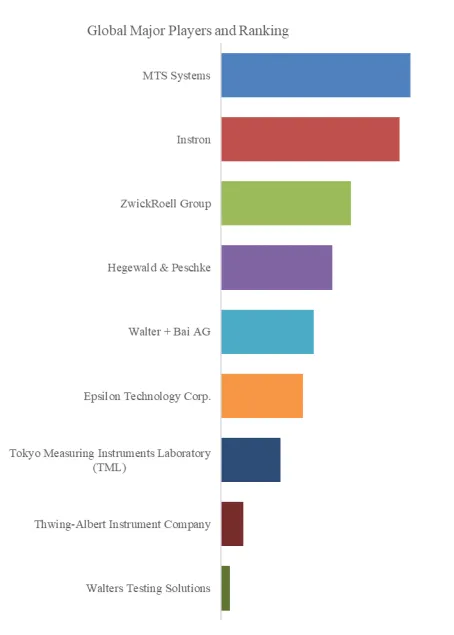
カテゴリー: 未分類 | 投稿者fafa168 18:48 | コメントをどうぞ

Strategic Industry Analysis: The CNT Heating Film for Lithium Battery Market—Advancing Electric Vehicle Battery Thermal Management with Carbon Nanotube Technology

Global Leading Market Research Publisher QYResearch announces the release of its latest report *“CNT (Carbon Nanotube) Heating Film for Lithium Battery – Global Market Share and Ranking, Overall Sales and Demand Forecast 2026-2032”*. Based on current situation and impact historical analysis (2021-2025) and forecast calculations (2026-2032), this report provides a comprehensive analysis of the global CNT (Carbon Nanotube) Heating Film for Lithium Battery market, including market size, share, demand, industry development status, and forecasts for the next few years.

For electric vehicle (EV) manufacturers, battery engineers, and thermal management system designers, the challenge of maintaining optimal lithium-ion battery operating temperatures in cold climates has become increasingly critical as EV adoption expands into regions with harsh winters. Lithium batteries experience significant performance degradation at low temperatures: reduced energy output, slower charging rates, and accelerated aging that can compromise vehicle range, charging time, and battery lifespan. Traditional battery heating solutions—such as positive temperature coefficient (PTC) heaters or air-based systems—often suffer from uneven heating, slow response times, or energy inefficiency. CNT (carbon nanotube) heating film for lithium batteries offers a transformative approach to battery thermal management. Leveraging the exceptional electrical and thermal conductivity of carbon nanotubes—seamless tubular structures with diameters in the nanometer range and outstanding physical properties including high electrical conductivity, high thermal conductivity, light weight, and high stability—these films function as surface heating elements. When dispersed as a uniform slurry, coated on a substrate, and bonded into a planar conductive film structure, CNT films produce uniform, efficient infrared heating under electrical excitation. The result is rapid, uniform, and energy-efficient heating that maintains batteries at optimal operating temperatures, enhancing performance, extending lifespan, and enabling reliable EV operation in cold-weather conditions.

The global market for CNT (Carbon Nanotube) Heating Film for Lithium Battery was estimated to be worth US$ 8.66 million in 2025 and is projected to reach US$ 23.85 million by 2032, advancing at a robust CAGR of 15.8% from 2026 to 2032. In 2024, global production reached approximately 315,000 square meters, with an average global market price of around US$ 25 per square meter.

【Get a free sample PDF of this report (Including Full TOC, List of Tables & Figures, Chart)】
https://www.qyresearch.com/reports/5767496/cnt–carbon-nanotube–heating-film-for-lithium-battery


Product Definition: The Science of CNT Surface Heating

Carbon nanotube heating films represent a convergence of nanotechnology, materials science, and thermal engineering:

Carbon nanotube structure: CNTs are seamless tubular structures coiled from graphene sheets, with diameters ranging from several nanometers to tens of nanometers and lengths of micrometers or even millimeters. As one-dimensional nanomaterials, they combine light weight, perfect hexagonal structural connectivity, and exceptional physical properties including high electrical conductivity, high thermal conductivity, and high stability.

Manufacturing process: Uniformly dispersed carbon nanotube slurry is coated on a substrate, where the CNTs bond to form a planar conductive film structure. Metal electrodes are applied to both sides of the conductive film to create the surface heat source. The resulting film is thin, flexible, and capable of being integrated into battery modules or packs.

Heating mechanism: When powered, the carbon atoms of the CNTs vibrate under the influence of the electric field, and electrons around the nucleus undergo energy level transitions. As they migrate back to the ground state, they release energy in the form of infrared radiation, creating a surface heating body with exceptionally uniform heat distribution.

Key performance advantages over conventional heating technologies include:

  • High electrical conductivity: Enables efficient energy conversion with minimal electrical losses
  • High thermal conductivity: Distributes heat rapidly and uniformly across the heating surface
  • Flexibility: Allows integration with curved battery surfaces and conformable module designs
  • Light weight: Minimal added mass preserves vehicle range and efficiency
  • Infrared heating efficiency: Direct radiant heating transfers energy to battery cells with minimal thermal resistance

Exclusive Industry Insight: The EV Cold-Weather Challenge

A distinctive observation from our analysis is the critical role of battery thermal management in cold climates as a primary driver for CNT heating film adoption:

Range reduction in cold weather is a well-documented phenomenon: EV range can decrease by 20–40% in sub-zero temperatures due to increased battery internal resistance, reduced electrochemical reaction rates, and cabin heating demands. Pre-heating batteries to optimal operating temperatures (typically 20–30°C) before departure or charging can recover a substantial portion of this lost range.

Fast-charging limitations at low temperatures present another challenge. Cold batteries cannot accept high charging currents without risking lithium plating, which permanently degrades capacity and safety. Pre-heating to optimal temperatures enables the fast-charging speeds that consumers expect.

Battery lifespan impacts from cold-temperature operation are significant. Repeated cold starts, cold-temperature charging, and thermal cycling accelerate degradation. Maintaining batteries within optimal temperature ranges extends usable life and preserves vehicle residual value.

Consumer adoption barriers in cold climates are directly linked to these performance concerns. EV manufacturers seeking to expand into northern markets and cold-weather regions must demonstrate reliable cold-weather performance to gain consumer confidence.


Market Drivers: EV Expansion, Battery Performance Demands, and Thermal Management Innovation

The CNT heating film for lithium battery market is propelled by several converging factors:

Electric vehicle market expansion continues at double-digit rates globally, with particularly rapid growth in cold-climate markets including China, Europe, and North America. Each EV requires effective battery thermal management, creating sustained demand for heating solutions.

Battery performance expectations from consumers and regulators are rising. EVs are expected to deliver consistent range, fast-charging capability, and long battery lifespan regardless of ambient conditions—requirements that demand sophisticated thermal management.

Thermal management innovation is increasingly recognized as a competitive differentiator. Automakers that deliver superior cold-weather performance gain market share in cold-climate regions, driving adoption of advanced technologies like CNT heating films.

Energy efficiency priorities favor CNT films over conventional PTC heaters. The high electrical-to-thermal conversion efficiency and uniform heating characteristics of CNT films minimize energy consumption for battery heating, preserving range for propulsion.


Technology Trends: Integration, Scalability, and Cost Reduction

Integration with battery module design is advancing as CNT heating films are increasingly incorporated into battery pack architectures. Films can be placed between cells, beneath modules, or integrated into cooling plates, enabling flexible design options for different vehicle platforms.

Scalable manufacturing processes for CNT dispersion, coating, and electrode application are maturing. Production capacity expansion and process optimization are driving down costs while improving consistency and reliability.

Cost reduction trajectories for CNT materials and film manufacturing are favorable. As production volumes increase, economies of scale and process improvements are expected to reduce per-unit costs, expanding addressable applications beyond premium segments.

Performance optimization through CNT alignment, layer thickness control, and electrode design continues to improve heating uniformity, response time, and energy efficiency.


Market Segmentation and Competitive Landscape

By width specification, the market is segmented into ≤55 cm, 55–85 cm, and >85 cm formats. Larger formats are gaining share as battery pack sizes increase and manufacturers seek to cover larger surface areas with fewer film components.

By application, the market serves cylindrical batteries (dominant in many EV platforms) and commercial buildings (where CNT films are used for heating applications, though this segment is distinct from the battery thermal management focus).

Key players include:

  • Suzhou Hanna Materials Technology Co., Ltd.: Leading manufacturer of CNT heating films for battery thermal management applications
  • BVF Heating Solutions Ltd.: Supplier of CNT-based heating solutions for automotive and industrial applications
  • Suzhou Jernano Carbon Co., Ltd.: Specialized manufacturer of carbon nanotube materials and films

The market is characterized by a concentrated competitive structure, with specialized CNT material and film manufacturers serving EV battery applications. As the market scales, new entrants and expanded capacity from existing players are expected.

Asia-Pacific dominates production and consumption, driven by China’s leadership in EV manufacturing and battery production. North America and Europe represent growing markets as domestic EV production expands and cold-weather performance requirements drive adoption.


Future Outlook: Wider Adoption, Integration, and Performance Enhancement

The CNT heating film for lithium battery market is positioned for sustained growth through multiple pathways:

Wider EV adoption across all climate zones will drive demand for effective thermal management solutions. CNT films are well-positioned to capture share as battery pack designs evolve.

Integration with battery management systems (BMS) will enable smarter, more efficient heating. Real-time temperature monitoring and predictive pre-heating based on driving patterns and charging schedules will optimize energy use.

Performance enhancement through advanced CNT materials, optimized film architectures, and improved manufacturing processes will continue to improve efficiency and reduce costs.

Expansion beyond EVs into stationary energy storage systems, particularly in cold-climate installations, represents a growth opportunity as grid-scale and residential storage markets expand.

For stakeholders across the EV and battery value chain—from automakers to battery manufacturers to thermal management suppliers—the CNT heating film for lithium battery market offers compelling growth driven by the fundamental requirement to deliver reliable EV performance in all climates.


Contact Us:
If you have any queries regarding this report or if you would like further information, please contact us:
QY Research Inc.
Add: 17890 Castleton Street Suite 369 City of Industry CA 91748 United States
EN: https://www.qyresearch.com
E-mail: global@qyresearch.com
Tel: 001-626-842-1666(US)
JP: https://www.qyresearch.co.jp
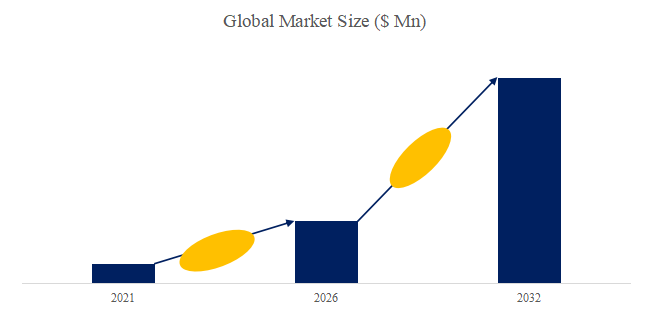
カテゴリー: 未分類 | 投稿者fafa168 18:38 | コメントをどうぞ

Strategic Market Analysis: The Semiconductor Heat Spreaders Market—Essential Thermal Management for Advanced Electronics

Global Leading Market Research Publisher QYResearch announces the release of its latest report *“Semiconductor Heat Spreaders – Global Market Share and Ranking, Overall Sales and Demand Forecast 2026-2032”*. Based on current situation and impact historical analysis (2021-2025) and forecast calculations (2026-2032), this report provides a comprehensive analysis of the global Semiconductor Heat Spreaders market, including market size, share, demand, industry development status, and forecasts for the next few years.

For semiconductor designers, thermal engineers, and electronics manufacturers, the challenge of managing heat generation in high-performance chips has become increasingly critical as transistor densities increase, power consumption rises, and form factors shrink. Advanced processors—CPUs, GPUs, system-on-chip (SoC) devices, and field-programmable gate arrays (FPGAs)—generate concentrated heat that, if not effectively dissipated, can degrade performance, reduce reliability, and shorten device lifetimes. Semiconductor heat spreaders address this fundamental thermal management requirement by providing a low-resistance thermal path that distributes heat from the die to a larger surface area for dissipation. These precision-engineered components—fabricated from high-thermal-conductivity materials including metals, graphite, diamond, and advanced composites—are integrated directly into semiconductor packages, serving as the critical interface between the heat-generating die and the subsequent cooling solution (heat sink, vapor chamber, or active cooling system). By reducing thermal resistance and ensuring uniform temperature distribution, heat spreaders enable higher power densities, improved performance, and enhanced reliability across applications ranging from data center processors to automotive electronics.

The global market for Semiconductor Heat Spreaders was estimated to be worth US$ 141 million in 2025 and is projected to reach US$ 283 million by 2032, advancing at a robust CAGR of 10.6% from 2026 to 2032.

【Get a free sample PDF of this report (Including Full TOC, List of Tables & Figures, Chart)】
https://www.qyresearch.com/reports/5767377/semiconductor-heat-spreaders


Product Definition: Thermal Interface and Heat Distribution

Semiconductor heat spreaders are passive thermal management components designed to efficiently transfer and distribute heat from the die to a larger surface area for subsequent dissipation. Key functions include:

Thermal resistance reduction: Heat spreaders provide a low-thermal-impedance path between the die and the cooling solution, minimizing the temperature rise from junction to ambient.

Heat spreading: By distributing concentrated heat over a larger area, heat spreaders reduce the thermal flux (W/cm²) at the interface to the heat sink, improving overall cooling efficiency.

Mechanical protection: In addition to thermal functions, heat spreaders provide mechanical protection for delicate semiconductor dies during assembly and handling.

Thermal interface compatibility: Heat spreaders are designed to interface with thermal interface materials (TIMs) on both the die side and the heat sink side, ensuring consistent thermal contact.

Heat spreaders are manufactured from materials selected for high thermal conductivity and compatibility with semiconductor packaging processes:

Metal heat spreaders—typically copper (thermal conductivity ~400 W/m·K) or copper alloys—represent the most widely used category. Copper provides excellent thermal conductivity, cost-effectiveness, and established manufacturing processes, including stamping, machining, and plating. Nickel-plated copper spreaders are common in consumer electronics and automotive applications.

Graphite heat spreaders (thermal conductivity up to 1,700 W/m·K in-plane) offer exceptional in-plane heat spreading with low density, making them ideal for space-constrained applications. Pyrolytic graphite and synthetic graphite materials provide high thermal conductivity while being lightweight, suitable for mobile devices and portable electronics.

Diamond heat spreaders (thermal conductivity up to 2,000 W/m·K) represent the premium segment, offering the highest thermal conductivity among available materials. Chemical vapor deposition (CVD) diamond spreaders are used in high-power RF devices, laser diodes, and high-performance computing applications where thermal constraints are extreme.

Composite materials—including copper-graphite, copper-diamond, and aluminum-silicon carbide—offer tailored combinations of thermal conductivity, coefficient of thermal expansion (CTE) matching to adjacent materials, and cost optimization.


Exclusive Industry Insight: The AI Chip Thermal Challenge

A distinctive observation from our analysis is the unprecedented thermal management requirements emerging from artificial intelligence (AI) and high-performance computing (HPC) chips:

Power density escalation: AI accelerators (GPUs, TPUs, and custom ASICs) routinely operate at 300–500 watts per package, with power densities exceeding 100 W/cm² at the die level—far beyond the capabilities of conventional thermal management approaches.

Chiplet and 3D packaging: Advanced packaging architectures—including chiplet integration, 2.5D and 3D stacking—create complex thermal challenges. Multiple dies in close proximity generate concentrated heat that must be managed collectively, with heat spreaders playing a critical role in distributing thermal loads.

Heterogeneous integration: The combination of logic, memory, and analog functions in a single package creates varying thermal requirements that must be addressed through sophisticated spreader designs, including multi-material constructions and thermal interface optimization.

Data center density: AI training clusters require thousands of high-power chips operating simultaneously. Heat spreaders that enable higher cooling efficiency directly impact data center operational costs and carbon footprint.


Market Drivers: Advanced Packaging, AI/HPC Growth, and Performance Scaling

The semiconductor heat spreaders market is propelled by several converging factors:

Advanced packaging adoption—including fan-out wafer-level packaging (FOWLP), 2.5D interposers, and 3D stacking—creates new thermal management requirements. Heat spreaders are essential for distributing heat from multiple dies in these complex architectures.

AI and HPC processor demand continues to grow at double-digit rates, with each processor generation increasing power density. The transition from 7nm to 5nm to 3nm process nodes increases transistor density, concentrating heat in smaller areas and intensifying thermal management requirements.

Automotive electronics expansion, particularly for advanced driver assistance systems (ADAS) and autonomous driving processors, creates demand for high-reliability heat spreaders capable of operating in harsh environments. Automotive applications require extended temperature ranges, vibration resistance, and long-term reliability.

5G and RF power amplifiers for telecommunications infrastructure require efficient thermal management to maintain linearity and reliability. Diamond and composite heat spreaders are increasingly specified for these applications.


Technology Trends: Material Innovation, CTE Matching, and Integration

Material innovation continues to expand the heat spreader performance envelope:

  • CVD diamond costs are decreasing as manufacturing scale increases, enabling broader adoption in high-performance computing
  • Metal-graphite composites offer tailored CTE values that better match silicon, reducing thermomechanical stress
  • Sintered copper and silver provide enhanced thermal conductivity for power electronics applications

CTE matching has become critical as die sizes increase and packaging materials diversify. Heat spreaders with CTE values closely matching silicon (2.6 ppm/K) and other materials in the package reduce thermomechanical stress and improve reliability.

Integration and miniaturization drive demand for thinner heat spreaders with optimized geometries. Thickness reductions to 0.5 mm or less while maintaining thermal performance require advanced manufacturing techniques.

Surface finishing improvements, including controlled roughness and metallization, enhance thermal interface material adhesion and reduce interface thermal resistance.


Market Segmentation and Competitive Landscape

By material type, the market is segmented into metal heat spreaders, graphite heat spreaders, diamond heat spreaders, and composite materials. Metal heat spreaders represent the largest segment by volume, driven by cost effectiveness and established supply chains. Diamond heat spreaders represent the fastest-growing segment, driven by AI/HPC and RF applications.

By application, the market serves CPU, GPU, SoC FPGA, processor, and other semiconductor devices. High-end processors (CPU, GPU) represent the largest value segment, with AI accelerators and HPC processors driving growth.

Key players include:

  • Shinko Electric Industries: Major supplier of semiconductor packaging components, including heat spreaders for high-performance processors
  • A.L.M.T. (Sumitomo Electric): Leading manufacturer of diamond heat spreaders for RF and power applications
  • Coherent (II-VI): Supplier of CVD diamond and advanced thermal management materials
  • Elmet Technologies: Manufacturer of copper, molybdenum, and tungsten heat spreaders for power electronics
  • Parker Hannifin: Thermal management solutions including heat spreaders and thermal interface materials
  • Excel Cell Electronic (ECE) , Element Six, Leo Da Vinci Group, Applied Diamond, AMT Advanced Materials: Specialized suppliers serving specific market segments

Asia-Pacific dominates production and consumption, driven by semiconductor manufacturing concentration in Taiwan, Korea, China, and Japan. North America and Europe represent significant markets for high-performance computing and automotive applications.


Future Outlook: Higher Power Densities, Material Innovation, and Integration

The semiconductor heat spreaders market is positioned for sustained growth through multiple pathways:

Higher power densities in next-generation processors will demand advanced heat spreader materials and architectures. Thermal requirements for 2–3 kW packages in AI clusters will push material and design limits.

Material innovation will continue, with diamond, carbon-based composites, and metal-matrix composites capturing share from traditional copper spreaders in high-end applications.

Integration of heat spreaders with thermal interface materials, vapor chambers, and liquid cooling will enable higher performance solutions for extreme applications.

Cost reduction in advanced materials through manufacturing scale and process optimization will expand adoption beyond premium segments.

For stakeholders across the semiconductor and electronics value chain—from chip designers to package assemblers to data center operators—the semiconductor heat spreaders market offers compelling growth driven by the fundamental physics of increasing power density in advanced electronics.


Contact Us:
If you have any queries regarding this report or if you would like further information, please contact us:
QY Research Inc.
Add: 17890 Castleton Street Suite 369 City of Industry CA 91748 United States
EN: https://www.qyresearch.com
E-mail: global@qyresearch.com
Tel: 001-626-842-1666(US)
JP: https://www.qyresearch.co.jp
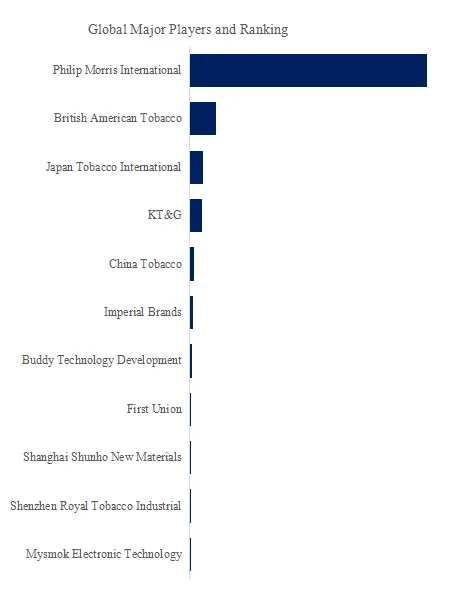
カテゴリー: 未分類 | 投稿者fafa168 18:36 | コメントをどうぞ