Rotary Dehumidification Unit Market Deep Dive: Desiccant Rotor Technology, Precise Humidity Control, and Growth Forecast 2026–2032

For facility managers, HVAC engineers, pharmaceutical production directors, food processing plant operators, and industrial equipment investors, the precise control of humidity is critical for product quality, process reliability, equipment protection, and regulatory compliance. Traditional refrigeration-based dehumidifiers (cooling coils) struggle to achieve low dew points (below 10°C/50°F) without freezing, cannot operate at low ambient temperatures, and consume excessive energy. Desiccant-based systems (non-rotating) require frequent regeneration (batch process), leading to humidity fluctuations. Rotary dehumidification units—industrial devices using a continuously rotating desiccant rotor (impregnated with silica gel, molecular sieve, or lithium chloride) to remove moisture from the air—offer advantages over traditional systems, including continuous operation, precise humidity regulation (dew points as low as -60°C/-76°F), and lower energy consumption in certain conditions (low temperature, low humidity setpoints). These units are used in environments requiring precise humidity control: laboratories, pharmaceutical factories, food processing plants, electronics manufacturing (semiconductors, batteries), cold storage, archives/museums, and indoor swimming pools. This industry deep-dive analysis, based on the latest report by Global Leading Market Research Publisher QYResearch, integrates Q4 2025–Q2 2026 market data, real-world industrial deployment case studies, and exclusive insights on rotor material technology and application-specific segments (electronic, food, pharmaceutical, chemical). It delivers a strategic roadmap for industrial HVAC executives and investors targeting the expanding US$370 million rotary dehumidification unit market.

Market Size and Growth Trajectory (QYResearch Data)

According to the just-released report *“Rotary Dehumidification Unit – Global Market Share and Ranking, Overall Sales and Demand Forecast 2026-2032”*, the global market for rotary dehumidification units was valued at approximately US$ 260 million in 2025 and is projected to reach US$ 370 million by 2032, representing a compound annual growth rate (CAGR) of 5.3% from 2026 to 2032. Annual production volume is approximately 60,000 units, with an average price of approximately US$ 4,300 per unit.

【Get a free sample PDF of this report (Including Full TOC, List of Tables & Figures, Chart)
https://www.qyresearch.com/reports/5761931/rotary-dehumidification-unit

Product Definition and Technology Classification

A rotary dehumidification unit (also known as a desiccant dehumidifier or rotor dehumidifier) removes moisture from air using a continuously rotating desiccant wheel (rotor). Process air passes through one sector of the wheel (adsorption sector), where moisture is adsorbed by the desiccant. A smaller, heated regeneration air stream passes through the opposite sector (desorption sector), removing moisture from the desiccant (which is then exhausted). The wheel rotates continuously (8–20 revolutions per hour), enabling steady-state dehumidification. Key technical characteristics vary by airflow capacity.

The market is segmented by airflow capacity (cubic meters per hour, CMH, application scale):

  • 10,000 CMH and Below (2025 share: 40%): Small-scale units for laboratories, small pharmaceutical cleanrooms, electronics assembly, museums, archives, indoor swimming pools, and residential/commercial dehumidification. Lower cost (US$2,000–5,000). Fastest-growing segment (CAGR 6.5%) due to residential and commercial demand.
  • 10,000–20,000 CMH (35%): Medium-scale units for food processing plants, pharmaceutical production, battery manufacturing (lithium, dry room), cold storage, and industrial warehouses. Average cost (US$5,000–10,000). Largest segment.
  • 20,000 CMH and Above (25%): Large-scale industrial units for automotive paint booths, large pharmaceutical facilities, semiconductor fabs, and large cold storage facilities. Highest cost (US$10,000–50,000+). Slower growth (CAGR 4.5%) due to capital intensity.

Industry Segmentation by Application

  • Electronic (30% of 2025 revenue): Semiconductor fabrication (cleanroom humidity control, 40–50% RH), lithium battery manufacturing (dry room, -40°C dew point), data centers (corrosion prevention), and electronics assembly (ESD prevention). A January 2026 case study from a lithium battery gigafactory (10 GWh annual capacity, 100,000 m² dry room) deployed 50 rotary dehumidification units (20,000 CMH each, desiccant rotor with molecular sieve). Dry room maintained -40°C dew point (0.5% RH), essential for lithium metal anode stability. Without dehumidification, battery failure rate increased from 1% to 15% (moisture reacts with lithium). Annual cost savings (reduced failure rate): US$50 million. Unit cost: US$10,000 each, US$500,000 total.
  • Food (25%): A February 2026 deployment from a food processing plant (freeze-dried coffee, instant noodles, powdered milk, spices, bakery) used rotary dehumidifiers to prevent caking, clumping, and microbial growth. The plant maintained 30–40% RH (vs. 60–70% ambient). Product shelf life extended from 6 months to 24 months, and waste (caked product) reduced from 8% to 1%. Annual savings: US$2 million.
  • Pharmaceutical (20%): A Q1 2026 deployment from a pharmaceutical plant (tablet compression, powder handling, lyophilization) used rotary dehumidifiers to maintain 30–40% RH (prevent tablet sticking, powder caking, microbial contamination). The plant achieved cGMP (current Good Manufacturing Practice) compliance and passed FDA inspection with zero humidity-related deviations. Tablets maintained hardness, disintegration time, and dissolution profile.
  • Chemical (15%): A December 2025 deployment from a chemical plant (hygroscopic powders, catalysts, reagents) used rotary dehumidifiers to prevent moisture absorption during handling and packaging. Product quality improved (moisture content reduced from 2% to 0.5%), and waste reduced by 50%.
  • Other (10%): Cold storage (prevent frost, ice buildup), museums/archives (preserve artifacts, paper, film), indoor swimming pools (prevent condensation, corrosion), and hospitals (operating rooms, isolation rooms).

Key Industry Development Characteristics (2025–2026)

Regional Market Structure: Asia-Pacific is the largest market (approximately 50% share), driven by electronics manufacturing (semiconductors, lithium batteries in China, Japan, South Korea), food processing (China, India, Southeast Asia), and pharmaceutical production (China, India). Europe (25% share) follows, with strong pharmaceutical (Germany, Switzerland, France, UK), food processing, and automotive paint booths (Germany). North America (18% share) has semiconductor fabs (US), pharmaceutical, and food processing. Rest of World accounts for remaining share.

Desiccant Rotor Materials Innovation: A December 2025 analysis found that rotor material technology has advanced significantly: (a) silica gel (most common, 50–60% market share), (b) molecular sieve (high-performance, 30–40% share, for low dew point applications, -40°C to -60°C), (c) lithium chloride (15–20%, corrosive, requires downstream filtration), (d) composite rotors (silica gel + molecular sieve, 10–15%, balanced performance). New materials (metal-organic frameworks, MOFs) promise higher adsorption capacity and lower regeneration temperature (50–80°C vs. 120–140°C), reducing energy consumption by 30–50%. For investors, rotor material innovation is a key competitive differentiator.

Energy Efficiency and Regeneration Heat Recovery: A January 2026 analysis found that energy consumption for regeneration (heating desorption air to 120–140°C) represents 60–80% of total unit energy use. Energy-saving technologies include: (a) heat recovery (exhaust air preheats incoming regeneration air, 20–30% energy saving), (b) heat pump integration (regeneration heat from condenser, 30–50% energy saving), (c) solar thermal regeneration (emerging), (d) variable frequency drives (VFDs) for rotor and fans. For operators, energy-efficient units have 2–3 year payback.

Smart Controls and BMS Integration: A February 2026 survey found that 60% of industrial rotary dehumidifiers now include (a) Modbus, BACnet, or LonWorks communication, (b) cloud-based remote monitoring, (c) predictive maintenance (rotor degradation, bearing wear), (d) data logging (temperature, humidity, energy consumption). Integration with building management systems (BMS) enables centralized control, demand-based operation (reduce dehumidification when not needed), and compliance reporting (pharmaceutical, food safety).

Lithium Battery Dry Room as Fastest-Growing Application: A Q1 2026 analysis found that lithium battery gigafactory construction (2025–2030) is the fastest-growing application (CAGR 15%). A single 10 GWh factory requires 50–100 rotary dehumidification units (20,000–50,000 CMH each, molecular sieve rotors). Global lithium battery capacity: 3,000 GWh by 2030 (IEA), requiring 15,000–30,000 units (US$150–300 million market). For investors, lithium battery dry rooms are a key growth driver.

Competitive Landscape: Key players include Munters (Sweden, global leader, desiccant dehumidification), Seibu Giken (Japan, strong in Asia), Trotec (Germany), Condair (Switzerland, humidification + dehumidification), Bry-Air (US), Atlas Copco (Sweden, compressed air + dehumidification), Guangdong Parkoo Electrical (China), Ingersoll Rand (US, compressed air), Hangzhou Dry Air Treatment Equipment (China), Ningbo Deye Technology (China, home dehumidifiers, expanding to industrial), Hangzhou Songjing Electric (China), DESSICA (Australia), Innovative Air Technologies (US), TFT Dry Air Solutions (TECNOFRIGO Tuscany, Italy), Desiccant Technologies Group (Australia), and Fisen Corporation (Taiwan). Munters is the global market leader (30–35% share), followed by Seibu Giken (15–20%) and Trotec (10–15%). Chinese domestic manufacturers (Guangdong Parkoo, Hangzhou Dry Air, Ningbo Deye, Hangzhou Songjing) dominate China market (price advantage, 30–50% lower cost than Munters).

Exclusive Industry Observations – From a 30-Year Analyst‘s Lens

Observation 1 – The Munters Moat: Munters (Sweden) has a strong competitive moat in rotary dehumidification: (a) 70+ years of desiccant dehumidification experience, (b) patented rotor materials (silica gel, molecular sieve, composite), (c) global distribution (120+ countries), (d) industry certifications (UL, CE, ISO), (e) application expertise (pharmaceutical, food, electronics, battery, cold storage). For investors, Munters (public, OMX Stockholm: MTRS) is the only pure-play global leader in rotary dehumidification.

Observation 2 – The Lithium Battery Dry Room Tipping Point: A January 2026 analysis found that lithium battery production requires dry rooms with dew points as low as -40°C to -60°C (0.5–1% RH). Only molecular sieve rotary dehumidifiers can achieve these dew points consistently (silica gel is insufficient). Each 10 GWh battery factory requires 50–100 molecular sieve units. For investors, molecular sieve rotor manufacturers and rotary dehumidifier suppliers (Munters, Seibu Giken) benefit from lithium battery megafactory construction.

Observation 3 – The China Rotary Dehumidifier Market: China produces 40% of global rotary dehumidifiers (by volume), primarily through domestic manufacturers (Guangdong Parkoo, Hangzhou Dry Air, Ningbo Deye, Hangzhou Songjing). Chinese manufacturers offer 30–50% lower pricing than Munters (US$2,000–3,000 per unit vs. US$4,000–6,000) but have variable quality (rotor lifespan, energy efficiency, reliability). For international buyers sourcing from China, quality audits (rotor material, weld integrity, fan performance) and certifications (UL, CE) are critical. For international vendors (Munters, Seibu Giken), China is a challenging market (price pressure, domestic competition).

Key Market Players

  • Global Leader (Munters): High quality, global distribution, patented technology, industry certifications. Premium pricing (US$4,000–10,000 per unit).
  • Asian Leaders (Seibu Giken, Ningbo Deye, Guangdong Parkoo, Hangzhou Dry Air, Hangzhou Songjing): Strong in Asia (Japan, China, Korea), lower cost (US$2,000–5,000).
  • European Leaders (Trotec, Condair, TFT Dry Air Solutions): Strong in Europe, mid-range pricing.
  • North American Leaders (Bry-Air, Ingersoll Rand, DESSICA, Innovative Air Technologies): Strong in US and Canada.
  • Others (Atlas Copco, Fisen, Desiccant Technologies Group): Niche.

Forward-Looking Conclusion (2026–2032 Trajectory)

From 2026 to 2032, the rotary dehumidification unit market will be shaped by four forces: lithium battery dry rooms (fastest-growing application, CAGR 15%); pharmaceutical and food processing (stable growth, 5–7%); energy efficiency (rotor materials, regeneration heat recovery); and smart controls (BMS integration, predictive maintenance). The market will maintain 5–6% CAGR, with the 10,000–20,000 CMH segment (35% share) as largest, and the electronics (30% share) and food (25%) as largest application segments.

Strategic Recommendations

  • For industrial facility managers and HVAC engineers: For lithium battery dry rooms (dew point -40°C to -60°C), specify molecular sieve rotary dehumidifiers (not silica gel). For pharmaceutical and food processing (30–40% RH), silica gel rotors are sufficient and lower cost. For energy efficiency, specify units with heat recovery (regeneration air preheating, 20–30% energy saving) and VFDs. For BMS integration, specify Modbus or BACnet communication.
  • For marketing managers at rotary dehumidifier manufacturers: Differentiate through: (a) rotor material (silica gel, molecular sieve, composite), (b) dew point capability (°C, % RH), (c) airflow capacity (CMH), (d) energy efficiency (kW per kg moisture removed), (e) regeneration heat recovery (yes/no, % savings), (f) smart controls (BMS integration, cloud monitoring, predictive maintenance), (g) certifications (UL, CE, ISO), (h) industry application expertise (pharmaceutical, food, electronics, battery, cold storage), and (i) global service network. The electronics segment (lithium battery) requires molecular sieve rotors, low dew point (-40°C to -60°C), and high reliability; the food segment requires silica gel rotors, 30–40% RH, and food-safe materials (no lithium chloride due to corrosion risk).
  • For investors: Monitor lithium battery gigafactory announcements, pharmaceutical and food processing capex, and energy efficiency regulations (EU Ecodesign, US DOE) as key indicators. Publicly traded companies with rotary dehumidifier exposure include Munters (OMX Stockholm: MTRS), Atlas Copco (OMX Stockholm: ATCO), Ingersoll Rand (NYSE: IR), Seibu Giken (private), Trotec (private), Condair (private), Bry-Air (private), Ningbo Deye (SZSE: 300615). The market is stable, mid-growth (5–6% CAGR), with lithium battery dry rooms and energy efficiency as key growth drivers.

Contact Us:
If you have any queries regarding this report or if you would like further information, please contact us:
QY Research Inc.
Add: 17890 Castleton Street Suite 369 City of Industry CA 91748 United States
EN: https://www.qyresearch.com
E-mail: global@qyresearch.com
Tel: 001-626-842-1666(US)
JP: https://www.qyresearch.co.jp

カテゴリー: 未分類 | 投稿者fafa168 16:58 | コメントをどうぞ

Enclosure-Cooling Air Conditioner Market Deep Dive: Thermal Management, 5G Telecom, and Growth Forecast 2026–2032

For industrial automation directors, telecom infrastructure managers, EV charging network operators, and industrial equipment investors, the reliable cooling of electronic enclosures has become a critical operational necessity. Enclosures containing sensitive electronic components—servers, routers, PLCs, CNC controllers, EV charging modules, battery storage systems, and telecom base station equipment—generate significant heat during operation. Without proper thermal management, internal temperatures can exceed 50–70°C (122–158°F), causing component derating (reduced performance), premature failure (electrolytic capacitor lifespan halved every 10°C above rated temperature), and complete system shutdown. Outdoor enclosures face additional solar heat load (direct sunlight, dark-colored cabinets) and environmental contaminants (dust, humidity, salt spray). Enclosure-cooling air conditioners—specialized air conditioning systems designed for cooling and maintaining optimal temperatures within electronic equipment enclosures—protect sensitive electronics from overheating, ensuring reliable operation, extended lifespan, and reduced downtime. This industry deep-dive analysis, based on the latest report by Global Leading Market Research Publisher QYResearch, integrates Q4 2025–Q2 2026 market data, real-world deployment case studies, and exclusive insights on air cooling vs. water cooling and key application segments (power & energy, telecom, automotive, transportation, food & beverage, machine tool). It delivers a strategic roadmap for industrial and telecom executives and investors targeting the expanding US$5.0 billion enclosure-cooling air conditioner market.

Market Size and Growth Trajectory (QYResearch Data)

According to the just-released report *“Enclosure-Cooling Air Conditioner – Global Market Share and Ranking, Overall Sales and Demand Forecast 2026-2032”*, the global market for enclosure-cooling air conditioners was valued at approximately US$ 3,414 million in 2025 and is projected to reach US$ 4,999 million by 2032, representing a compound annual growth rate (CAGR) of 5.7% from 2026 to 2032.

【Get a free sample PDF of this report (Including Full TOC, List of Tables & Figures, Chart)
https://www.qyresearch.com/reports/5761877/enclosure-cooling-air-conditioner

Product Definition and Technology Classification

An enclosure-cooling air conditioner (also known as a cabinet air conditioner or enclosure thermal management system) is a closed-loop cooling system designed to maintain internal enclosure temperatures within specified limits (typically 25–40°C, 77–104°F) while protecting electronics from external contaminants. Unlike room air conditioners (which cool entire rooms), enclosure air conditioners mount directly to the enclosure door or side, recirculating internal air and rejecting heat to the outside. Key technical characteristics vary by cooling method.

The market is segmented by cooling technology (application-specific requirements for heat load, ambient conditions, and energy efficiency):

  • Air Cooling (2025 share: 85%): Vapor-compression refrigeration cycle (compressor, condenser, evaporator, expansion valve). Advantages: proven technology, high cooling capacity (300–15,000 BTU/h), works in high ambient temperatures (up to 55°C/131°F). Dominant for most applications (telecom, industrial automation, EV charging). Fastest-growing segment (CAGR 6.0%) due to 5G telecom and EV charging growth.
  • Water Cooling (15%): Water or glycol-based cooling (chilled water from facility loop or dedicated chiller) with heat exchanger inside enclosure. Advantages: higher efficiency (COP 5–10 vs. 2–3 for air cooling), smaller footprint, quieter, suitable for high-density heat loads (data centers, high-power electronics). Niche segment for large facilities with existing chilled water infrastructure.

Industry Segmentation by Application

  • Power and Energy (25% of 2025 revenue): A January 2026 case study from a utility-scale battery energy storage system (BESS, 100 MWh, 40 containers) deployed enclosure air conditioners on each battery cabinet (500–2,000 BTU/h per cabinet). Without cooling, battery cells exceeded 45°C (reduced cycle life by 50%). With cooling (maintained 25°C), battery cycle life increased from 3,000 to 6,000 cycles (20-year lifespan vs. 10-year). Annual cooling cost: US$20,000 (energy), but avoided battery replacement cost: US$2 million (20-year avoided cost).
  • Telecom (20%): A February 2026 deployment from a telecom operator (10,000 5G remote radio units, RRUs, outdoor cabinets). 5G RRUs consume 2–3x more power than 4G (500–1,000W vs. 200–300W), generating significant heat. Enclosure air conditioners (2,000–5,000 BTU/h) maintained internal temperature below 45°C, preventing RRU thermal shutdown and network downtime. The operator avoided 500 hours of 5G downtime annually (US$5 million lost revenue). 5G rollout (2020–2028) is a key growth driver.
  • Automotive (15%): A Q1 2026 deployment from an EV supercharging station (250 kW chargers, 10 charging stalls). Charging modules generate 10–15 kW heat at full load. Enclosure air conditioners (15,000 BTU/h per charger) maintained module temperature below 40°C, preventing derating (reduced charging speed) and component failure. Without cooling, charger output would derate from 250 kW to 150 kW (40% slower charging, customer complaints). Supercharging station growth (EV adoption, 350 kW+ chargers) drives demand.
  • Machine Tool (12%): CNC machining centers, grinding machines, laser cutters. A December 2025 case study from an automotive parts manufacturer (50 CNC machines) deployed enclosure air conditioners on each control cabinet. Without cooling, CNC controller temperature exceeded 50°C, causing thermal drift (machining accuracy reduced from ±0.01 mm to ±0.05 mm, scrapped parts). With cooling (maintained 35°C), machining accuracy restored, scrap rate reduced from 5% to 1% (US$500,000 annual savings). Machine tool precision requirements (sub-micron tolerances) drive demand.
  • Transportation (10%): Railway signaling cabinets, traffic control cabinets, roadside telecom cabinets. Outdoor cabinets in direct sunlight (solar heat load 500–1,000 W/m²). Enclosure air conditioners maintain internal temperature below 45°C, preventing signal failure (train derailment risk).
  • Food and Beverage (8%): Washdown-duty enclosures (IP69K) for food processing plants. Cooling prevents condensation inside enclosures (water ingress risk) and maintains PLC/controller reliability.
  • Other (10%): Data center edge cabinets, medical equipment, defense.

Key Industry Development Characteristics (2025–2026)

Regional Market Structure: Asia-Pacific is the largest market (approximately 45% share), driven by 5G telecom rollout (China, Japan, South Korea, India), EV charging infrastructure (China, Europe), and industrial automation (China, Japan, South Korea). Europe (25% share) follows, with strong industrial manufacturing (Germany, Italy, France), automotive (Germany), and renewable energy. North America (20% share) has mature industrial automation, telecom, and EV charging growth. Rest of World accounts for remaining share.

5G Telecom as Primary Growth Driver: A January 2026 analysis found that 5G RRU power consumption (500–1,000W) is 2–3x higher than 4G (200–300W), generating 2–3x more heat. Additionally, 5G requires denser cell sites (10x more than 4G), driving enclosure air conditioner demand. A telecom operator with 10,000 5G sites needs 10,000 enclosure air conditioners (US$500–1,500 each, US$5–15 million capital). For investors, 5G rollout (2020–2028) is a key demand catalyst.

EV Supercharging as Fastest-Growing Segment: A February 2026 analysis found that EV supercharging (250–350 kW) generates 10–15 kW heat per charger (5–8% of power delivered). Without active cooling, charger modules derate (reduce output) or fail. A supercharging station with 10 chargers requires 10 enclosure air conditioners (15,000 BTU/h each). Global EV charging station count: 10 million by 2030 (IEA), with 20% supercharging (2 million chargers). For investors, EV supercharging is the fastest-growing application (CAGR 12%).

Energy Storage Systems (BESS) Long-Term Growth: A Q1 2026 analysis found that battery energy storage systems (BESS) require enclosure cooling to maintain battery temperature (20–30°C) for optimal cycle life (10–20 years). Without cooling, battery degradation accelerates (50% capacity loss in 5 years vs. 20 years). Global BESS capacity: 500 GW by 2030 (IEA), with 50% requiring active cooling (cabinet-level air conditioners). For investors, BESS is a stable, long-term growth driver (CAGR 8–10%).

Energy Efficiency and Inverter Technology: A December 2025 analysis found that enclosure air conditioner efficiency has improved from EER 2.5–3.0 (2010) to EER 4.0–5.0 (2025) due to (a) variable-speed inverter compressors, (b) EC (electronically commutated) fans, (c) microchannel condensers, (d) R513A (low-GWP refrigerant). A 5,000 BTU/h enclosure air conditioner consumes 1,000–1,500W (2010) vs. 800–1,000W (2025). For operators, reduced energy cost (US$100–200 per unit annually) and reduced carbon footprint.

Competitive Landscape: Key players include RITTAL (Germany, global leader, industrial enclosures + cooling), Delta Electronics (Taiwan, power electronics + cooling), Envicool (China), nVent HOFFMAN (US, enclosures + cooling), Seifert Systems GmbH (Germany), Schneider Electric (France, industrial automation + cooling), Pfannenberg GmbH (Germany, thermal management), Apiste Corporation (Japan), Kooltronic, Inc (US), STULZ GmbH (Germany), Guangdong Minno (China), Thermal Edge (US), Ice Qube (US), Langji Technology (China), Alfa Electric (Italy), EIC Solutions, Inc (US), KANSA Refrigeration (Japan), Suzhou BOTUWE (China), Suzhou Blackshields Environment Co (China), iTeaQ (China), Han‘s Cool (China), and Airsys (China). RITTAL is the global market leader (20–25% share). Delta Electronics and nVent HOFFMAN are #2 and #3. Chinese domestic manufacturers (Envicool, Guangdong Minno, Langji, Suzhou BOTUWE, Suzhou Blackshields, iTeaQ, Han‘s Cool, Airsys) dominate China market (price advantage, local service).

Exclusive Industry Observations – From a 30-Year Analyst‘s Lens

Observation 1 – The RITTAL Moat: RITTAL (Germany) has a strong competitive moat in enclosure cooling: (a) 60+ years of enclosure and cooling experience, (b) integrated enclosure + cooling portfolio (one-stop shop), (c) global distribution (120+ countries), (d) industry certifications (UL, CE, NEMA, IP). For investors, RITTAL (private, owned by Friedhelm Loh Group) is not publicly traded, but its market position is dominant.

Observation 2 – The Inverter vs. Non-Inverter Tipping Point: A January 2026 analysis found that inverter-driven enclosure air conditioners (variable-speed compressor) are 30–50% more energy-efficient than non-inverter (fixed-speed) units. Inverter units also maintain tighter temperature control (±1°C vs. ±3°C) and reduce compressor cycling (longer lifespan). For high-duty applications (EV charging, telecom, BESS), inverter units have lower total cost of ownership (payback 2–3 years). For investors, inverter technology is a key differentiator.

Observation 3 – The China Manufacturing Advantage: China produces 50% of global enclosure air conditioners (by volume), primarily through domestic manufacturers (Envicool, Guangdong Minno, Langji, Suzhou BOTUWE, Suzhou Blackshields, iTeaQ, Han‘s Cool, Airsys). Chinese manufacturers offer 30–50% lower pricing than Western brands (RITTAL, nVent, Seifert, Pfannenberg) but have variable quality (cooling capacity, reliability, EER). For international buyers sourcing from China, quality audits and certifications (UL, CE) are critical.

Key Market Players

  • Global Leaders (RITTAL, Delta Electronics, nVent HOFFMAN, Schneider Electric, Pfannenberg, Seifert, STULZ, Kooltronic, Apiste, Alfa Electric, EIC Solutions, Thermal Edge, Ice Qube): High quality, global distribution, industry certifications. Premium pricing.
  • Chinese Domestic Manufacturers (Envicool, Guangdong Minno, Langji, Suzhou BOTUWE, Suzhou Blackshields, iTeaQ, Han‘s Cool, Airsys): Low cost, dominate China market, variable quality, limited international certifications.
  • Japanese Players (KANSA Refrigeration, Apiste): High quality, strong in Asia.

Forward-Looking Conclusion (2026–2032 Trajectory)

From 2026 to 2032, the enclosure-cooling air conditioner market will be shaped by four forces: 5G telecom densification (10x more sites, 2–3x higher power, driving cooling demand); EV supercharging growth (10 million chargers by 2030, 20% supercharging); energy storage systems (BESS, 500 GW by 2030); and inverter technology adoption (30–50% energy savings). The market will maintain 5–7% CAGR, with air cooling (85% share) and power & energy + telecom as largest segments.

Strategic Recommendations

  • For telecom, EV charging, and industrial facility managers: For 5G outdoor cabinets, specify enclosure air conditioners with inverter compressor (energy-efficient, tight temperature control, 30–50% lower operating cost). For EV supercharging (250–350 kW), specify high-capacity (15,000+ BTU/h) air conditioners with high ambient capability (55°C). For BESS, specify air conditioners with 24/7 operation capability (10–20-year lifespan) and remote monitoring (Modbus, SNMP, cloud).
  • For marketing managers at enclosure-cooling manufacturers: Differentiate through: (a) cooling capacity (BTU/h, W), (b) energy efficiency (EER, SEER, COP), (c) inverter vs. non-inverter, (d) ambient temperature range (max 45°C, 55°C), (e) ingress protection (NEMA 12, NEMA 4, NEMA 4X, IP55, IP66), (f) refrigerant (R134a, R513A low-GWP), (g) remote monitoring (Modbus, SNMP, cloud), (h) certifications (UL, CE, CCC), and (i) warranty (years). The telecom segment requires high ambient capability (55°C), compact size, and remote monitoring; the EV charging segment requires high cooling capacity (15,000+ BTU/h) and continuous operation; the BESS segment requires 10–20-year lifespan, reliability, and low maintenance.
  • For investors: Monitor 5G telecom capex, EV charging station build-out, and BESS deployments as key indicators. Publicly traded companies with enclosure-cooling exposure include Delta Electronics (TWSE: 2308), nVent (NYSE: NVT), Schneider Electric (EPA: SU), STULZ (private), RITTAL (private), Pfannenberg (private), Kooltronic (private), Envicool (private). The market is stable, mid-growth (5–7% CAGR), with 5G, EV charging, and BESS as key growth drivers.

Contact Us:
If you have any queries regarding this report or if you would like further information, please contact us:
QY Research Inc.
Add: 17890 Castleton Street Suite 369 City of Industry CA 91748 United States
EN: https://www.qyresearch.com
E-mail: global@qyresearch.com
Tel: 001-626-842-1666(US)
JP: https://www.qyresearch.co.jp
カテゴリー: 未分類 | 投稿者fafa168 16:55 | コメントをどうぞ

Cloud Security Platform Market Analysis: Cloud vs. On-Premise, Large Enterprises vs. SMEs, and Strategic Forecast 2026–2032

For chief information security officers (CISOs), cloud security architects, DevOps engineers, and cybersecurity investors, the rapid migration to multi-cloud environments (AWS, Azure, GCP) and cloud-native architectures (containers, Kubernetes, serverless, microservices) has created a critical security blind spot. Traditional security tools—endpoint detection and response (EDR), network detection and response (NDR), and even extended detection and response (XDR)—were designed for on-premise or hybrid environments and lack native visibility into cloud control planes, API calls, container workloads, serverless functions, and Infrastructure-as-Code (IaC) misconfigurations. Attackers exploit cloud-specific vulnerabilities (misconfigured storage buckets, overly permissive IAM roles, exposed API keys, container escapes) that traditional tools miss. Cloud detection and response (CDR) software provides end-to-end security of cloud environments through automated threat detection and response. It gives companies complete visibility into their cloud environments (IaaS, PaaS, SaaS) and has response mechanisms to handle threats and attacks across cloud applications and infrastructure. CDR helps security teams analyze event logs and gather insights from attacks to build a stronger security posture. Unlike EDR (endpoint focus) or NDR (network focus), CDR exclusively focuses on cloud, keeping a watch on the entire cloud environment. This industry deep-dive analysis, based on the latest report by Global Leading Market Research Publisher QYResearch, integrates Q4 2025–Q2 2026 market data, real-world enterprise deployment case studies, and exclusive insights on cloud-based vs. on-premise deployment and large enterprise vs. SME adoption. It delivers a strategic roadmap for cybersecurity executives and investors targeting the expanding US$1.03 billion CDR software market.

Market Size and Growth Trajectory (QYResearch Data)

According to the just-released report *“Cloud Detection and Response (CDR) Software – Global Market Share and Ranking, Overall Sales and Demand Forecast 2026-2032”*, the global market for cloud detection and response (CDR) software was valued at approximately US$ 764 million in 2025 and is projected to reach US$ 1,027 million by 2032, representing a compound annual growth rate (CAGR) of 4.4% from 2026 to 2032.

【Get a free sample PDF of this report (Including Full TOC, List of Tables & Figures, Chart)
https://www.qyresearch.com/reports/5742415/cloud-detection-and-response–cdr–software

Product Definition and Technology Classification

Cloud detection and response (CDR) software provides continuous monitoring, threat detection, investigation, and automated response for cloud environments (AWS, Azure, GCP, Alibaba Cloud, Oracle Cloud). Unlike cloud security posture management (CSPM), which focuses on misconfigurations and compliance, CDR focuses on active threats (malicious activity, compromised credentials, insider threats, data exfiltration, ransomware). Key capabilities include: (a) cloud control plane monitoring (CloudTrail, Azure Monitor, Cloud Logging), (b) workload monitoring (VMs, containers, serverless functions), (c) identity monitoring (IAM roles, service accounts, user activity), (d) data monitoring (storage buckets, databases, APIs), (e) threat detection (anomaly detection, rules, threat intelligence), (f) investigation (security graph, root cause analysis), (g) automated response (isolate resources, revoke credentials, kill containers), and (h) integration with SOAR (security orchestration, automation, response).

The market is segmented by deployment model:

  • Cloud-Based CDR (2025 share: 85%): Software-as-a-service (SaaS), agentless or agent-based. Advantages: no infrastructure to manage, automatic updates, scales with cloud environment, native API integration with AWS/Azure/GCP. Dominant segment, as CDR is inherently cloud-native. Fastest-growing segment (CAGR 5.5%).
  • On-Premise CDR (15%): Installed on customer‘s servers, for air-gapped or hybrid clouds (government, defense, critical infrastructure). Advantages: data sovereignty (no data leaves customer network), custom integrations. Declining share (CAGR 2.5%) as cloud adoption increases.

Industry Segmentation by Application (Customer Size)

  • Large Enterprises (2025 share: 80%): 1,000+ employees, multi-cloud (AWS, Azure, GCP), 100+ cloud accounts, 1,000+ workloads (VMs, containers, serverless). A January 2026 case study from a global financial services firm (10,000 employees, 500 cloud accounts, 5,000 workloads) deployed CDR (Wiz, CrowdStrike) to detect and respond to cloud threats. Within 3 months, CDR detected: (a) compromised IAM credentials (phishing) used to spin up crypto miners (automated response: revoke credentials, terminate instances), (b) misconfigured S3 bucket exposed PII (automated response: isolate bucket, notify team), (c) container escape attempt (automated response: kill container, isolate node). Time to detect (MTTD) reduced from 5 days to 2 hours; time to respond (MTTR) reduced from 2 days to 30 minutes. Annual cost savings: US$5 million (reduced breach risk, faster response).
  • SMEs (Small & Medium Enterprises) (20%): 50–999 employees, single-cloud or multi-cloud, 10–100 cloud accounts, 50–500 workloads. A February 2026 deployment from a SaaS startup (200 employees, 50 microservices on AWS) implemented cloud-based CDR (Wiz, Orca). CDR detected (a) exposed RDS snapshot (publicly accessible), (b) over-privileged IAM role (could delete production database), (c) vulnerable container image (log4j). The startup achieved SOC 2 Type II compliance in 6 months (CDR provided continuous monitoring and audit logs). Fastest-growing segment (CAGR 6.5%) as SMEs adopt cloud-native security.

Key Industry Development Characteristics (2025–2026)

Regional Market Structure: North America is the largest market (approximately 55% share), driven by early cloud adoption (AWS, Azure, GCP), strong cybersecurity vendor presence (Wiz, CrowdStrike, Palo Alto, Sysdig, Orca, Vectra, ExtraHop, Uptycs, Corelight, Sonrai Security, Chronicle, Foresite, OPEN XDR, Provision), and regulatory compliance (PCI DSS, HIPAA, SOC 2, FedRAMP). Europe (25% share) follows, with GDPR compliance and strong financial services and manufacturing sectors. Asia-Pacific (15% share) is the fastest-growing region (CAGR 6.5%), led by China (Alibaba Cloud, Tencent Cloud, Huawei Cloud), India, Japan, Australia. Rest of World accounts for remaining share.

CDR vs. CSPM vs. CNAPP vs. XDR: A December 2025 analysis clarified the cloud security landscape:

  • CSPM (Cloud Security Posture Management): Misconfigurations, compliance (no runtime threat detection).
  • CDR (Cloud Detection and Response): Runtime threat detection, investigation, response.
  • CNAPP (Cloud-Native Application Protection Platform): CSPM + CDR + CIEM (Cloud Infrastructure Entitlement Management) + CWPP (Cloud Workload Protection Platform).
  • XDR (Extended Detection and Response): EDR + NDR + CDR (but often CDR is weaker than pure-play CDR).

For investors, CNAPP (integrated platform) is the fastest-growing category, but pure-play CDR vendors (Wiz, Orca, Sysdig, Uptycs) differentiate through deeper cloud-native detection and response.

Agentless vs. Agent-Based CDR: A January 2026 survey found that 70% of enterprises prefer agentless CDR (no software installed on workloads) due to: (a) faster deployment (minutes vs. days), (b) no performance impact (agent consumes CPU/memory), (c) no agent maintenance (updates, compatibility), (d) coverage of serverless and containers (no agent possible). Agent-based CDR provides deeper visibility (process-level, network connections) but requires agent installation. Wiz and Orca are agentless leaders; CrowdStrike and Sysdig offer both agentless and agent-based.

Automated Response and SOAR Integration: A February 2026 analysis found that 60% of CDR deployments include automated response (pre-defined playbooks). Examples: (a) compromised IAM credentials → revoke credentials, terminate suspicious instances, isolate resources, (b) exposed PII bucket → isolate bucket, notify security team, (c) crypto-mining detection → kill instances, revoke credentials, (d) ransomware detection → isolate resources, snapshot volumes, notify. Automated response reduces MTTR from hours to minutes. Integration with SOAR (Security Orchestration, Automation, Response) platforms (Palo Alto Cortex XSOAR, Splunk SOAR, IBM Resilient) enables cross-cloud and cross-environment response.

AI-Driven Threat Detection and Root Cause Analysis: A Q1 2026 analysis found that 80% of CDR vendors use machine learning (ML) for: (a) anomaly detection (user behavior, API call patterns), (b) threat intelligence correlation (known malicious IPs, domains, hashes), (c) root cause analysis (attack path visualization), (d) risk scoring (likelihood × impact), (e) false positive reduction (90% reduction claimed). AI-powered CDR claims to detect unknown threats (zero-day, novel attack patterns) that signature-based tools miss.

Competitive Landscape: Key players include Wiz (Israel/US, cloud security platform, CNAPP, CDR module), Microsoft (US, Microsoft Defender for Cloud), Blackpoint Cyber (US, managed CDR), Orca Security (Israel/US, agentless CNAPP), Arctic Wolf (US, managed detection and response), Check Point (Israel/US, CloudGuard), Palo Alto Networks (US, Prisma Cloud, CNAPP), Sysdig Secure (US/Spain, container and cloud security), Vectra (US, AI-driven detection), ExtraHop (US, NDR + CDR), Uptycs (US, CDR for containers and cloud), Corelight (US, NDR), Sonrai Security (US, cloud identity and entitlement), Orca (already listed), Chronicle Security (US, Google, SecOps), Foresite (US), Provision (Israel), OPEN XDR PLATFORM (Israel), and CrowdStrike (US, Falcon Cloud Security). Wiz, Orca, and CrowdStrike are market leaders in CDR. Microsoft Defender for Cloud is #2 in market share (bundled with Azure). Palo Alto (Prisma Cloud) and Check Point (CloudGuard) are established players.

Exclusive Industry Observations – From a 30-Year Analyst‘s Lens

Observation 1 – The Wiz Growth Trajectory: Wiz (founded 2020) reached US$100 million ARR in 18 months (fastest-growing SaaS company in history) and US$350 million ARR in 2024, driven by (a) agentless architecture (deployment in minutes), (b) security graph (visualize attack paths), (c) CDR + CSPM + CIEM + CWPP (CNAPP platform), (d) viral adoption (developers love it). For investors, Wiz (private, valuation US$10 billion) is a potential IPO (2026–2027) or acquisition target.

Observation 2 – The CrowdStrike Falcon Cloud Security: CrowdStrike (NASDAQ: CRWD) has aggressively expanded from EDR to CDR, leveraging its Falcon platform (single agent, cloud-native). A February 2026 analysis found that CrowdStrike‘s CDR market share grew from 5% (2023) to 15% (2025), driven by (a) existing EDR customers (5,000+), (b) single agent for EDR + CDR, (c) unified console, (d) threat intelligence integration. For investors, CrowdStrike is a safe, diversified play on CDR.

Observation 3 – The China CDR Market: China‘s CDR market is nascent (5% of global) but growing rapidly (CAGR 8%). Domestic cloud providers (Alibaba Cloud, Tencent Cloud, Huawei Cloud) offer native CDR capabilities (often bundled with cloud security). International vendors (Wiz, CrowdStrike, Palo Alto) have limited presence due to data sovereignty (data must stay in China), government procurement preferences, and competition from domestic vendors (Alibaba Cloud Security, Tencent Cloud Security, Huawei Cloud Security). For international vendors, China is a challenging market; for investors, Chinese CDR vendors offer growth but carry geopolitical risk.

Key Market Players

  • CNAPP Leaders with CDR (Wiz, Orca, Palo Alto Prisma Cloud, Check Point CloudGuard, Sysdig, Microsoft Defender for Cloud, CrowdStrike Falcon): Integrated platform (CSPM + CDR + CIEM + CWPP), agentless (Wiz, Orca) or agent-based (CrowdStrike), strong detection and response.
  • Pure-Play CDR (Uptycs, Vectra, ExtraHop, Corelight, Sonrai Security): Focused on detection and response (less posture management).
  • Managed CDR (Blackpoint Cyber, Arctic Wolf, Foresite, Provision, OPEN XDR): CDR-as-a-service (24/7 security operations center), for SMEs and enterprises without in-house cloud security teams.
  • Others (Chronicle Security, Alibaba Cloud, Tencent Cloud, Huawei Cloud): Regional and niche.

Forward-Looking Conclusion (2026–2032 Trajectory)

From 2026 to 2032, the CDR software market will be shaped by four forces: multi-cloud adoption (80% of enterprises use 2+ clouds); cloud-native architectures (containers, Kubernetes, serverless, microservices); agentless CDR preference (70% prefer agentless); and automated response and SOAR integration (60% have automated response). The market will maintain 4–5% CAGR, with cloud-based (85% share) and large enterprises (80% share) as largest segments, and SMEs as fastest-growing.

Strategic Recommendations

  • For CISOs and cloud security architects: For multi-cloud environments (AWS, Azure, GCP), deploy agentless CNAPP (Wiz, Orca) for rapid visibility (CSPM + CDR + CIEM). For organizations already using CrowdStrike (EDR), add Falcon Cloud Security (single agent, unified console). For SMEs without 24/7 security team, deploy managed CDR (Blackpoint Cyber, Arctic Wolf, Foresite) as a service.
  • For marketing managers at CDR vendors: Differentiate through: (a) agentless vs. agent-based (agentless = faster deployment, no performance impact), (b) cloud coverage (AWS, Azure, GCP, Alibaba, Oracle), (c) workload coverage (VMs, containers, serverless, databases, storage), (d) threat detection accuracy (false positive rate, unknown threat detection), (e) automated response playbooks (pre-built and custom), (f) SOAR integration (Palo Alto, Splunk, IBM), (g) compliance reporting (PCI DSS, HIPAA, SOC 2, ISO 27001, FedRAMP), and (h) pricing (per cloud account, per workload, per user). The large enterprise segment requires multi-cloud, custom integrations, and on-premise options; the SME segment requires cloud-based, self-service onboarding, and low cost (US$10,000–50,000 annually).
  • For investors: Monitor multi-cloud adoption, CDR vendor consolidation (CrowdStrike, Wiz, Palo Alto), and AI-driven detection advancements as key indicators. Publicly traded companies with CDR exposure include CrowdStrike (NASDAQ: CRWD), Palo Alto Networks (NASDAQ: PANW), Microsoft (NASDAQ: MSFT), Check Point (NASDAQ: CHKP), Vectra (private), ExtraHop (private), Uptycs (private), Wiz (private, IPO expected), Orca (private). The market is stable, mid-growth (4–5% CAGR), with agentless CDR and automated response as key growth drivers.

Contact Us:
If you have any queries regarding this report or if you would like further information, please contact us:
QY Research Inc.
Add: 17890 Castleton Street Suite 369 City of Industry CA 91748 United States
EN: https://www.qyresearch.com
E-mail: global@qyresearch.com
Tel: 001-626-842-1666(US)
JP: https://www.qyresearch.co.jp
カテゴリー: 未分類 | 投稿者fafa168 16:54 | コメントをどうぞ

Application Security Posture Management (ASPM) Software Market Deep Dive: DevSecOps, Vulnerability Management, and Growth Forecast 2026–2032

For chief information security officers (CISOs), application security (AppSec) managers, DevOps engineers, and cybersecurity investors, the proliferation of cloud-native applications, microservices, and agile development practices has created a critical security blind spot. Traditional security tools—vulnerability scanners, security information and event management (SIEM) systems, web application firewalls (WAFs)—operate in silos, generating thousands of unprioritized alerts, missing context from the software development lifecycle (SDLC), and failing to provide a holistic view of application security posture. Development teams release code daily (or hourly), outpacing security teams‘ ability to assess and remediate. Application security posture management (ASPM) software—a comprehensive cybersecurity solution that continuously assesses, monitors, and enhances an organization’s application security posture—provides end-to-end visualized posture, risk scoring, and collaborative response capabilities by integrating application-layer security, data flow monitoring, vulnerability management, threat intelligence, and automated response. Unlike vulnerability scanners (point-in-time) and SIEM (log aggregation), ASPM is specifically tailored to the security of software applications, providing a holistic picture of application security health and integrating with the development lifecycle (DevSecOps) for proactive security measures. This industry deep-dive analysis, based on the latest report by Global Leading Market Research Publisher QYResearch, integrates Q4 2025–Q2 2026 market data, real-world enterprise deployment case studies, and exclusive insights on cloud-based vs. on-premise deployment and large enterprise vs. SME adoption. It delivers a strategic roadmap for cybersecurity executives and investors targeting the rapidly expanding US$849 million ASPM market.

Market Size and Growth Trajectory (QYResearch Data)

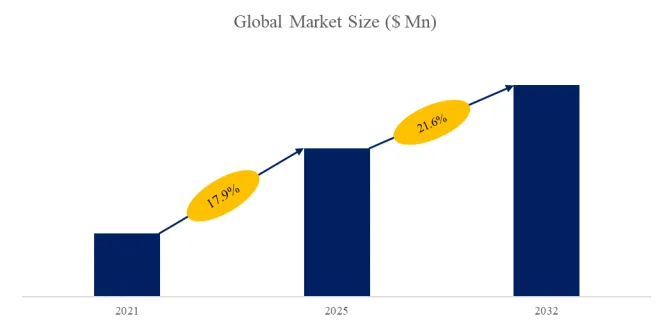
According to the just-released report *“Application Security Posture Management (ASPM) Software – Global Market Share and Ranking, Overall Sales and Demand Forecast 2026-2032”*, the global market for application security posture management (ASPM) software was valued at approximately US$ 559 million in 2025 and is projected to reach US$ 849 million by 2032, representing a compound annual growth rate (CAGR) of 6.2% from 2026 to 2032.

【Get a free sample PDF of this report (Including Full TOC, List of Tables & Figures, Chart)
https://www.qyresearch.com/reports/5742404/application-security-posture-management–aspm–software

Product Definition and Technology Classification

Application security posture management (ASPM) software provides continuous visibility, risk assessment, and remediation guidance for software applications throughout the SDLC. Unlike point tools (SAST, DAST, SCA, IAST) that focus on specific vulnerability types, ASPM aggregates findings from multiple AppSec tools, correlates them with business context (criticality of application, data sensitivity, internet exposure), prioritizes risks (likelihood × impact), and integrates with developer workflows (Jira, GitHub, GitLab) for remediation. Key capabilities include: (a) unified inventory of all applications, APIs, and microservices, (b) ingestion from 20+ AppSec tools (SAST, DAST, SCA, container scanning, IaC scanning, API security), (c) risk scoring (CVSS + business context), (d) vulnerability correlation and deduplication, (e) remediation guidance (specific code location, fix recommendations), (f) compliance reporting (PCI DSS, HIPAA, SOC 2, ISO 27001), (g) integration with CI/CD pipelines (Jenkins, GitLab CI, GitHub Actions).

The market is segmented by deployment model (customer preference for data control and compliance):

  • Cloud-Based ASPM (2025 share: 70%): Software-as-a-service (SaaS), multi-tenant architecture. Advantages: no infrastructure to manage, automatic updates (new integrations, risk models), scalable (100 to 10,000+ applications), lower upfront cost (subscription pricing). Fastest-growing segment (CAGR 7.5%) as organizations adopt cloud-native security.
  • On-Premise ASPM (30%): Installed on customer‘s servers, single-tenant. Advantages: data sovereignty (regulated industries: finance, healthcare, government), no data leaving customer network, custom integrations (legacy systems). Declining share (CAGR 4.5%) as cloud security matures.

Industry Segmentation by Application (Customer Size)

  • Large Enterprises (2025 share: 75%): 1,000+ employees, 100+ applications, mature DevSecOps practices. A January 2026 case study from a global financial services firm (10,000 employees, 500 applications) deployed ASPM to consolidate findings from 12 AppSec tools (SAST, DAST, SCA, container, IaC). Previously, security teams spent 80% of time triaging false positives and prioritizing vulnerabilities (20% on remediation). With ASPM (risk scoring, context, deduplication), time to remediation reduced from 45 days to 12 days, and security team efficiency improved by 60% (US$1.2 million annual savings). The firm also achieved 100% compliance with PCI DSS 4.0 (vulnerability management requirements).
  • SMEs (Small & Medium Enterprises) (25%): 50–999 employees, 10–100 applications, emerging DevSecOps practices. A February 2026 deployment from a SaaS startup (200 employees, 50 microservices) implemented cloud-based ASPM to replace manual spreadsheets for vulnerability tracking. ASPM automated (a) discovery of all APIs and microservices, (b) integration with GitHub Actions (CI/CD), (c) risk scoring based on data sensitivity (customer PII), (d) compliance reporting (SOC 2 Type II). The startup achieved SOC 2 certification in 6 months (vs. 12 months industry average). Fastest-growing segment (CAGR 8.5%) as SMEs adopt security best practices.

Key Industry Development Characteristics (2025–2026)

Regional Market Structure: North America is the largest market (approximately 50% share), driven by early DevSecOps adoption, cloud-native architecture, strong regulatory compliance (PCI DSS, HIPAA, SOC 2, SOX), and security vendor concentration (Black Duck, Checkmarx, CrowdStrike, Snyk, Apiiro, Cycode, Legit Security, Wiz, Orca, Ivanti). Europe (25% share) follows, with GDPR compliance requirements and strong financial services and manufacturing sectors. Asia-Pacific (18% share) is the fastest-growing region (CAGR 8.5%), led by China, India, Japan, Australia. Rest of World accounts for remaining share.

ASPM vs. Other Security Tools (SIEM, Vulnerability Scanners): A December 2025 analysis clarified the distinction between ASPM and other security tools. Vulnerability scanners (SAST, DAST, SCA) identify vulnerabilities but provide no context (criticality, exploitability, business impact). SIEM aggregates logs but lacks application-layer context. ASPM provides application-specific posture management: (a) inventory of all apps/APIs, (b) risk scoring based on business context, (c) integration with developer workflows (Jira, GitHub), (d) compliance reporting (PCI DSS, HIPAA). For investors, ASPM is a new category, not a replacement for scanners or SIEM, but a complementary layer.

Cloud-Native and Microservices Complexity: A January 2026 analysis found that 70% of large enterprises have adopted microservices (100+ services per application). Each service has its own code repository, CI/CD pipeline, dependencies, APIs, and attack surface. ASPM provides (a) service discovery (automated inventory), (b) API security posture management, (c) container image scanning integration, (d) Kubernetes security posture (KSPM), (e) infrastructure-as-code (IaC) scanning. For investors, ASPM for cloud-native architectures is a high-growth niche (10–12% CAGR).

Risk Scoring and Prioritization: A February 2026 survey found that security teams spend 60% of their time triaging false positives and unprioritized vulnerabilities. ASPM uses (a) CVSS base score (severity), (b) threat intelligence (exploit availability in wild), (c) business context (application criticality, data sensitivity, internet exposure), (d) asset criticality (public-facing vs. internal), (e) compensating controls (WAF, API gateway). Leading ASPM vendors (Apiiro, ArmorCode, Cycode, OX Security, Phoenix Security, Bionic, Boman.ai, Kodem Security, Legit Security, Snyk, Apprisk, Strobes) claim to reduce false positives by 70–90% and accelerate remediation by 50–80%.

DevSecOps Integration (CI/CD): A Q1 2026 analysis found that 80% of ASPM deployments integrate with CI/CD pipelines (Jenkins, GitLab CI, GitHub Actions, CircleCI). ASPM gates (block) code deployment if critical vulnerabilities are detected (e.g., SQL injection, hardcoded secrets, vulnerable libraries). Shift-left security (find and fix earlier in SDLC) reduces remediation cost by 10–100x (fix in IDE: US$10–100, fix in production: US$1,000–10,000). For investors, ASPM with CI/CD integration is a must-have for DevSecOps.

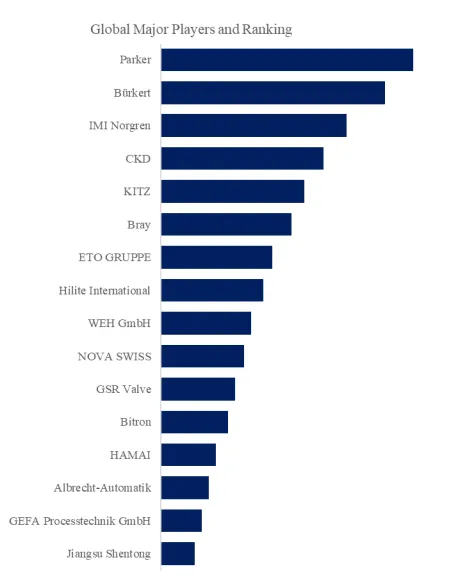
Competitive Landscape: The ASPM market is diverse, ranging from emerging vendors focused on ASPM to comprehensive security platforms integrating ASPM into larger end-to-end solutions. Key players include Black Duck (US, Synopsys, software composition analysis + ASPM), Wiz (Israel, cloud security platform, ASPM module), Checkmarx (US/Israel, SAST + ASPM), CrowdStrike (US, Falcon platform, ASPM module), Orca Security (US/Israel, cloud security, ASPM), Ivanti (US, IT asset management + ASPM), Aikido Security (Belgium), APPCHECK (China), SonarQube (US/UK, code quality + ASPM), Apiiro (US/Israel, ASPM leader), ArmorCode (US), Cycode (US/Israel), OX Security (Israel), Phoenix Security (US), Bionic (US, now part of CrowdStrike), Boman.ai (US), Kodem Security (US), Legit Security (US), Snyk (US/UK, developer security + ASPM), Apprisk (India), and Strobes (US). Apiiro, ArmorCode, Cycode, OX Security, Legit Security, and Bionic are ASPM pure-play leaders. Snyk, Checkmarx, and Black Duck are AppSec leaders adding ASPM capabilities.

Exclusive Industry Observations – From a 30-Year Analyst‘s Lens

Observation 1 – The Apiiro ASPM Moat: Apiiro (US/Israel) is a pure-play ASPM leader with a strong competitive moat: (a) deep code analysis (identifies business context: PII, payment, authentication), (b) risk scoring (business impact + technical severity), (c) remediation guidance (specific code location, fix example), (d) CI/CD integration (gate deployments), (e) compliance reporting (PCI DSS, HIPAA, SOC 2). Apiiro raised US$100 million Series B (2024) and is a category-defining vendor. For investors, Apiiro (private) is a potential acquisition target for larger security platforms (CrowdStrike, Wiz, Snyk).

Observation 2 – The ASPM Consolidation Wave: A January 2026 analysis found that 5 ASPM vendors were acquired in 2024-2025: Bionic by CrowdStrike, Orca acquired ASPM startup, Wiz built ASPM module, Snyk expanded from SCA to ASPM. For investors, ASPM is a high-growth, high-acquisition category. Independent ASPM vendors are likely acquisition targets for AppSec vendors (Checkmarx, Snyk, Black Duck) and cloud security platforms (Wiz, Orca, CrowdStrike).

Observation 3 – The China ASPM Market: China‘s ASPM market is nascent (5% of global) but growing rapidly (CAGR 10%). Domestic vendors (APPCHECK) compete with international vendors (Snyk, Checkmarx, SonarQube) but face restrictions (data sovereignty, government procurement preferences). A February 2026 analysis found that 70% of Chinese enterprises prefer domestic security vendors (APPCHECK, others) due to compliance (Cybersecurity Law, Data Security Law, Personal Information Protection Law). For international vendors, China is a challenging market; for investors, Chinese ASPM vendors offer growth but carry geopolitical risk.

Key Market Players

  • ASPM Pure-Play Leaders (Apiiro, ArmorCode, Cycode, OX Security, Phoenix Security, Bionic, Kodem Security, Legit Security, Apprisk, Strobes): Focused on ASPM, deepest integrations, risk scoring, CI/CD gating. Higher growth (15–20% CAGR).
  • AppSec Leaders Adding ASPM (Snyk, Checkmarx, Black Duck, SonarQube, Ivanti): Broader portfolios, existing AppSec customers, ASPM as upsell. Stable growth (10–15% CAGR).
  • Cloud Security Platforms with ASPM (Wiz, Orca, CrowdStrike): Cloud infrastructure security + ASPM, strong in cloud-native environments. High growth (15–20% CAGR).
  • Regional (APPCHECK, Aikido Security, Boman.ai): Niche.

Forward-Looking Conclusion (2026–2032 Trajectory)

From 2026 to 2032, the ASPM software market will be shaped by four forces: DevSecOps adoption (80% CI/CD integration); cloud-native complexity (microservices, APIs, containers, Kubernetes); risk scoring and prioritization (reducing false positives by 70–90%); and regulatory compliance (PCI DSS 4.0, HIPAA, SOC 2, ISO 27001). The market will maintain 6–8% CAGR, with cloud-based (70% share) and large enterprises (75% share) as largest segments, and SMEs as fastest-growing.

Strategic Recommendations

  • For CISOs and AppSec managers: For organizations with 50+ applications, 10+ AppSec tools, and mature DevSecOps, deploy ASPM to consolidate findings, prioritize risks (business context), and integrate with CI/CD (gate deployments). For SMEs (10–100 applications, limited security staff), deploy cloud-based ASPM (no infrastructure, subscription pricing) to automate vulnerability management and compliance reporting (SOC 2, PCI DSS).
  • For marketing managers at ASPM vendors: Differentiate through: (a) integration depth (number of AppSec tools, CI/CD systems, cloud platforms), (b) risk scoring accuracy (business context: PII, payment, authentication; exploitability), (c) false positive reduction (%, vendor claim validation), (d) remediation guidance (specific code location, fix example), (e) compliance reporting (templates: PCI DSS, HIPAA, SOC 2, ISO 27001), (f) deployment (cloud vs. on-premise), and (g) pricing (per application, per developer, per organization). The large enterprise segment requires on-premise (data sovereignty) and custom integrations (legacy systems); the SME segment requires cloud-based, self-service onboarding, and low cost (US$10,000–50,000 annually).
  • For investors: Monitor ASPM vendor acquisitions, DevSecOps adoption rates, and regulatory compliance requirements (PCI DSS 4.0 enforcement) as key indicators. Publicly traded companies with ASPM exposure include Snyk (private, IPO expected), Checkmarx (private), Black Duck (part of Synopsys, NASDAQ: SNPS), CrowdStrike (NASDAQ: CRWD), Wiz (private), Orca (private), Apiiro (private). The market is high-growth (6–8% CAGR), with cloud-based and DevSecOps integration as key growth drivers.

Contact Us:
If you have any queries regarding this report or if you would like further information, please contact us:
QY Research Inc.
Add: 17890 Castleton Street Suite 369 City of Industry CA 91748 United States
EN: https://www.qyresearch.com
E-mail: global@qyresearch.com
Tel: 001-626-842-1666(US)
JP: https://www.qyresearch.co.jp
カテゴリー: 未分類 | 投稿者fafa168 16:52 | コメントをどうぞ

Airport Maintenance, Operations, Management Service Market Deep Dive: Smart Airports, Digital Twins, and Growth Forecast 2026–2032

For airport directors, operations managers, airline executives, and aviation infrastructure investors, the complexity of managing a modern airport has escalated dramatically. Airports are mini-cities with runways, terminals, baggage systems, security checkpoints, air traffic control, ground support equipment, utilities (power, water, HVAC), and information systems—all operating 24/7/365. A single failure (runway closure, baggage system breakdown, security breach) can cause cascading delays (affecting thousands of passengers), safety incidents, and significant financial losses (US$10,000–100,000 per hour of delay). Traditional manual, reactive maintenance (fix-when-broken) and siloed operations (separate teams for runway, terminal, baggage, security) are inefficient and costly. Airport maintenance, operations, and management services—encompassing airfield maintenance (runway/taxiway inspections and repairs), terminal operations, air traffic control communications and navigation, ground support (aircraft maintenance, loading, baggage handling), security and inspections, energy management, equipment operation and maintenance, and information management system support—ensure the safe, efficient, and orderly operation of civil airports. The industry is developing towards intelligent, intensive, and full life cycle management, transitioning from traditional manual processes to intelligent, refined operations. This industry deep-dive analysis, based on the latest report by Global Leading Market Research Publisher QYResearch, integrates Q4 2025–Q2 2026 market data, real-world airport deployment case studies, and exclusive insights on hardware vs. software services and airport classification (Class A-D). It delivers a strategic roadmap for aviation executives and investors targeting the expanding US$9.63 billion airport maintenance, operations, and management service market.

Market Size and Growth Trajectory (QYResearch Data)

According to the just-released report *“Airport Maintenance, Operations, Management Service – Global Market Share and Ranking, Overall Sales and Demand Forecast 2026-2032”*, the global market for airport maintenance, operations, and management services was valued at approximately US$ 6,848 million in 2025 and is projected to reach US$ 9,628 million by 2032, representing a compound annual growth rate (CAGR) of 5.1% from 2026 to 2032. The industry‘s gross profit margin varies by business type: basic operation and maintenance services achieve 15–25%, while information system integration and smart airport solutions reach 30–50%.

【Get a free sample PDF of this report (Including Full TOC, List of Tables & Figures, Chart)
https://www.qyresearch.com/reports/5742334/airport-maintenance–operations–management-service

Product Definition and Service Classification

Airport maintenance, operations, and management services encompass a comprehensive suite of activities that ensure safe, efficient, and passenger-friendly airport operations. These services are typically provided by airport management agencies or third-party professional service providers. The market is segmented by service type:

  • Hardware Service (2025 share: 55%): Physical infrastructure and equipment maintenance: runways (friction testing, crack sealing, rubber removal), taxiways and aprons (pavement repairs, lighting), terminal facilities (baggage handling systems, boarding bridges, escalators, elevators, HVAC, plumbing, electrical), airfield lighting (runway edge lights, approach lights, PAPI), navigation aids (ILS, VOR, DME), ground support equipment (tugs, loaders, deicers), security equipment (screening machines, metal detectors, CCTV), and energy systems (generators, UPS, solar arrays).
  • Software Service (45%): Information systems and digital platforms: airport operational databases (AODB), flight information management systems (FIMS), airport collaborative decision making (A-CDM), resource management systems (RMS), passenger processing systems (CUTE, CUSS, self-service bag drop), baggage reconciliation systems (BRS), security management systems, energy management systems (EMS), predictive maintenance platforms (AI, digital twins), and passenger journey analytics.

Industry Segmentation by Application (Airport Classification)

  • Class A Airport (2025 share: 45%): Large hub airports (10 million+ passengers annually). Examples: Atlanta ATL, Beijing PEK, Dubai DXB, London LHR, Tokyo HND. Require comprehensive, 24/7 operations, smart airport technologies (A-CDM, AODB, predictive maintenance), and high service levels. Fastest-growing segment (CAGR 6.5%) as hubs invest in digital transformation.
  • Class B Airport (25%): Medium hub airports (1–10 million passengers annually). Require balanced investment (core systems vs. advanced analytics). Often outsource operations to third-party service providers.
  • Class C Airport (15%): Small hub airports (100,000–1 million passengers annually). Focus on essential maintenance (runway, lighting, basic terminal). Limited IT budget, lower growth.
  • Class D Airport (10%): General aviation, regional, remote airports (under 100,000 passengers). Basic maintenance, minimal technology. Slowest growth.

Key Industry Development Characteristics (2025–2026)

Regional Market Structure: North America is the largest market (approximately 35% share), driven by high air traffic, aging infrastructure (runways, terminals built 1960s-1990s), and investment in smart airport technologies (digital twins, predictive maintenance). Europe (30% share) follows, with strong A-CDM adoption, environmental regulations (carbon neutrality, noise reduction), and public-private partnerships. Asia-Pacific (25% share) is the fastest-growing region (CAGR 7%), led by China (new airport construction, Beijing Daxing, Chengdu Tianfu, smart airport mandates), India (privatization, modernization), and Southeast Asia (tourism recovery). Rest of World accounts for remaining share.

Smart Airport Development (Four-Type Airports): A January 2026 analysis found that large hub airports are leading the development of “four-type airports” (safe, green, smart, and humanistic). Key technologies: (a) digital twins (virtual replica of airport for simulation, predictive maintenance), (b) AI-powered predictive maintenance (runway friction degradation, baggage system bearing failure, escalator motor health), (c) IoT sensors (runway temperature, apron vehicle tracking, terminal occupancy), (d) biometric passenger processing (face recognition for check-in, security, boarding), (e) robotic baggage handling (autonomous tugs, sorting robots). A February 2026 case study from a large hub airport (80 million passengers annually) implementing digital twin and predictive maintenance reduced runway downtime by 40%, baggage system downtime by 35%, and HVAC energy consumption by 25%.

Third-Party Outsourcing: A December 2025 survey found that 60% of airports outsource at least some operations (security screening, janitorial, ground handling, IT systems). Large hub airports outsource non-core functions (catering, retail, parking) but retain core airside operations (runway, taxiway, ATC). Small airports (Class C, D) outsource nearly all operations. Third-party providers (Oshkosh AeroTech, ALVEST, JSM, Stinar, Shanghai Waycan) offer economies of scale, specialized expertise, and flexible staffing.

A-CDM and AODB Adoption: A January 2026 analysis found that 70% of Class A and B airports have implemented A-CDM (Airport Collaborative Decision Making) and AODB (Airport Operational Database). A-CDM integrates airline, ATC, ground handler, and airport data to optimize turnaround times (reduce delays by 5–15%). AODB provides real-time visibility of flight status, gate assignments, baggage belt allocation, and passenger flow. Vendors: Amadeus, SITA, Rockwell Collins (Collins Aerospace), Inform, Damarel, A-ICE, iFIDS.

Green and Low-Carbon Operations: A February 2026 analysis found that 50% of large hub airports have set carbon neutrality targets (2030–2050). Key initiatives: (a) APU (auxiliary power unit) replacement with ground power (GPU, PCA), (b) electric ground support equipment (eGSE: tugs, loaders, belt loaders, deicers), (c) solar arrays on terminal roofs and carports, (d) intelligent energy management systems (EMS, AI-powered HVAC and lighting optimization), (e) waste-to-energy, (f) sustainable aviation fuel (SAF) infrastructure. For investors, green airport services (energy management, eGSE, carbon consulting) are a high-growth niche (8–10% CAGR).

Predictive Maintenance and Digital Twins: A Q1 2026 analysis found that 40% of large hub airports have implemented predictive maintenance (runway friction, baggage systems, escalators, HVAC) using IoT sensors + AI. Digital twins (virtual replica of airport) enable scenario simulation (runway closure, security queue management, baggage system failure). Leading vendors: IBM, Cisco, Siemens, Honeywell, Raytheon, Vortex Avient, Coforge. Predictive maintenance reduces unplanned downtime by 30–50%, maintenance costs by 20–30%, and extends asset life by 20–40%.

Competitive Landscape: Key players include Oshkosh AeroTech (US, ground support equipment), ALVEST (Germany, industrial services), JSM (US), Stinar Corporation (US), Shanghai Waycan M&E Technology (China), AltexSoft (US/Ukraine, software), IBM Corporation (US, Maximo, digital twins), Cisco Systems (US, networking, IoT), Siemens AG (Germany, digital twins, automation), Honeywell International (US, building management, energy), Raytheon (US, ATC, security), Aerodrome Management Services (India), Amadeus IT Group (Spain, AODB, passenger systems), SITA (Switzerland, airport systems), Rockwell Collins (Collins Aerospace, US, A-CDM, AODB), Inform GmbH (Germany, resource management), Zamar (US), TAV Technology (Turkey), ESP Global Services (UK), A-ICE (Belgium), iFIDS (Canada), Damarel (UK), CAE Inc (Canada, simulation, training), AIS (Australia), Veovo (New Zealand, passenger flow), Coforge (India), and Vortex Avient (Spain). Oshkosh, ALVEST, and JSM lead in hardware maintenance; IBM, Siemens, Honeywell, Amadeus, SITA, and Inform lead in software services.

Exclusive Industry Observations – From a 30-Year Analyst‘s Lens

Observation 1 – The Runway Friction Predictive Maintenance Breakthrough: A January 2026 deployment from a large hub airport (50 million passengers annually) implemented IoT sensors embedded in runway pavement (friction measurement, temperature, moisture) + AI to predict friction degradation. Predictive model accuracy: 85% for friction below minimum (24-hour forecast). Runway downtime for friction testing reduced from 2 hours per day to 1 hour per month (saving 700 hours of runway closure annually, reducing delays, and saving US$5 million). For investors, predictive maintenance for runways is a high-ROI, high-growth niche.

Observation 2 – The APU Replacement Mandate: A February 2026 analysis found that 30 airports (Europe, North America, Asia) have banned or restricted aircraft APU (auxiliary power unit) use at gates (noise, emissions). Airlines must use ground power (GPU) and pre-conditioned air (PCA) supplied by the airport. This drives demand for (a) GPU/PCA equipment maintenance, (b) intelligent energy management (power demand balancing), (c) electric ground support equipment (eGSE) charging infrastructure. For service providers, APU replacement creates new recurring revenue (energy supply, equipment maintenance).

Observation 3 – The China Smart Airport Mandate: China‘s Civil Aviation Administration (CAAC) mandates smart airport development for all new airports and major renovations (14th Five-Year Plan, 2021-2025). A Q1 2026 analysis found that 20 Chinese airports (Beijing Daxing, Chengdu Tianfu, Shanghai Pudong, Guangzhou Baiyun, Shenzhen Bao‘an) have implemented (a) biometric passenger processing (face recognition), (b) robotic baggage handling, (c) digital twins, (d) A-CDM. For international service providers (IBM, Siemens, Honeywell, Amadeus, SITA), China is a growth market but requires local partnerships (with CAAC-approved integrators).

Key Market Players

  • Hardware Maintenance Leaders (Oshkosh AeroTech, ALVEST, JSM, Stinar, Shanghai Waycan): GSE maintenance, airfield lighting, terminal equipment.
  • Software Service Leaders (IBM, Siemens, Honeywell, Amadeus, SITA, Rockwell Collins, Inform, A-ICE, Damarel, Coforge, Vortex): AODB, A-CDM, predictive maintenance, digital twins, passenger processing.
  • Integrated Service Providers (Raytheon, Aerodrome Management Services, TAV Technology, ESP Global Services, Zamar, AIS, Veovo): Operations management, security, training.
  • Regional Players (AltexSoft, iFIDS, CAE, Zamar): Niche.

Forward-Looking Conclusion (2026–2032 Trajectory)

From 2026 to 2032, the airport maintenance, operations, and management service market will be shaped by four forces: smart airport transformation (digital twins, predictive maintenance, biometrics, robotics); green operations (APU replacement, eGSE, solar, EMS); third-party outsourcing (60% of airports outsource non-core functions); and regional growth in Asia-Pacific (new airports, modernization). The market will maintain 5–6% CAGR, with Class A airports (45% share) and software services (fastest-growing) as key segments.

Strategic Recommendations

  • For airport directors and operations managers: For large hub airports (Class A), invest in digital twins, predictive maintenance (runway, baggage, escalators, HVAC), and A-CDM to reduce delays, maintenance costs, and energy consumption. For medium airports (Class B), outsource non-core operations (janitorial, security, ground handling) to third-party specialists. For green operations, replace APU with GPU/PCA (noise, emissions reduction), transition to electric GSE, and install solar arrays + EMS.
  • For marketing managers at airport service providers: Differentiate through: (a) predictive maintenance accuracy (%, MTBF improvement), (b) A-CDM/AODB integration (API compatibility with airline, ATC, ground handler systems), (c) digital twin capability (real-time simulation, scenario planning), (d) green credentials (APU replacement, eGSE charging, EMS), (e) cybersecurity (IEC 62443, ISO 27001), and (f) third-party certifications (ACI, ICAO, IATA). The Class A airport segment requires comprehensive, integrated solutions (hardware + software + operations); the Class B and C segments require modular, outsourced services (security, cleaning, IT).
  • For investors: Monitor air traffic recovery (post-COVID), smart airport technology adoption, and green airport mandates (APU bans, carbon neutrality targets) as key indicators. Publicly traded companies with airport service exposure include Oshkosh (NYSE: OSK), Siemens (ETR: SIE), Honeywell (NASDAQ: HON), IBM (NYSE: IBM), Cisco (NASDAQ: CSCO), Raytheon (NYSE: RTX), Amadeus (BME: AMS), SITA (private), Rockwell Collins (now Collins Aerospace, part of RTX), CAE (NYSE: CAE), Inform (private), Coforge (NSE: COFORGE). The market is stable, mid-growth (5–6% CAGR), with software services and smart airports as key growth drivers.

Contact Us:
If you have any queries regarding this report or if you would like further information, please contact us:
QY Research Inc.
Add: 17890 Castleton Street Suite 369 City of Industry CA 91748 United States
EN: https://www.qyresearch.com
E-mail: global@qyresearch.com
Tel: 001-626-842-1666(US)
JP: https://www.qyresearch.co.jp
カテゴリー: 未分類 | 投稿者fafa168 16:50 | コメントをどうぞ

Customs Clearance Agent Service Market Deep Dive: Trade Compliance, Freight Transport, and Growth Forecast 2026–2032

For import/export managers, logistics directors, supply chain executives, and global trade investors, the complexity of international customs regulations has become a critical operational bottleneck. Each country has unique import/export requirements: tariff classification (HS codes), valuation rules, origin verification (free trade agreements), restricted party screening (sanctions, denied parties), product-specific regulations (FDA for food/drugs, FCC for electronics, EPA for chemicals), and documentation (commercial invoice, packing list, bill of lading, certificate of origin, licenses). A single paperwork error can cause customs holds (days to weeks), demurrage and detention charges (US$100–1,000 per day), fines (US$1,000–10,000 per violation), and even seizure or destruction of goods. Customs clearance agent services—facilitating the import and export process by managing customs regulations and paperwork on behalf of businesses or individuals—ensure that shipments comply with all applicable laws and regulations, helping to expedite the movement of goods across borders while minimizing the risk of delays or penalties. This industry deep-dive analysis, based on the latest report by Global Leading Market Research Publisher QYResearch, integrates Q4 2025–Q2 2026 market data, real-world logistics deployment case studies, and exclusive insights on air vs. sea vs. road vs. rail freight clearance and industry-specific applications (automotive, pharmaceuticals, food & beverage, consumer electronics). It delivers a strategic roadmap for logistics executives and investors targeting the expanding US$32.68 billion customs clearance agent service market.

Market Size and Growth Trajectory (QYResearch Data)

According to the just-released report *“Customs Clearance Agent Service – Global Market Share and Ranking, Overall Sales and Demand Forecast 2026-2032”*, the global market for customs clearance agent services was valued at approximately US$ 20,620 million in 2025 and is projected to reach US$ 32,680 million by 2032, representing a compound annual growth rate (CAGR) of 6.9% from 2026 to 2032.

【Get a free sample PDF of this report (Including Full TOC, List of Tables & Figures, Chart)
https://www.qyresearch.com/reports/5742141/customs-clearance-agent-service

Product Definition and Service Classification

A customs clearance agent (customs broker) is a licensed professional or firm that acts as an intermediary between importers/exporters and government customs authorities. Core services include: (a) classification (HS code determination), (b) valuation (transaction value, assist, royalty adjustments), (c) origin verification (FTZ, FTA, GSP, AGOA), (d) entry filing (CBP Form 3461, 7501 in US; SAD in EU), (e) duty calculation and payment, (f) PGA (participating government agency) compliance (FDA, USDA, FCC, EPA, ATF, CPSC), (g) post-entry adjustments (protests, prior disclosures), and (h) recordkeeping (5 years).

The market is segmented by freight mode (transport-specific clearance expertise):

  • Sea Freight Clearance (2025 share: 45%): Containerized cargo, breakbulk, roll-on/roll-off (Ro-Ro). Dominant for consumer electronics, automotive, machinery, furniture, chemicals. Requires bill of lading, ISF (Importer Security Filing) for US, ENS (Entry Summary Declaration) for EU.
  • Air Freight Clearance (25%): Time-sensitive, high-value, perishable goods (pharmaceuticals, electronics, fresh food). Requires air waybill (AWB), house air waybill (HAWB), security filing. Faster clearance (hours vs. days for sea).
  • Road Freight Clearance (15%): Cross-border trucking (US-Canada-Mexico, EU, China-Russia, China-Vietnam). Requires TIR carnet (Transports Internationaux Routiers) for land crossings, ATA carnet for temporary imports.
  • Rail Freight Clearance (10%): China-Europe rail (Yiwu-Madrid, Chongqing-Duisburg), increasing share for electronics, apparel, auto parts. Requires CIM/SMGS consignment note, border crossing documentation.
  • Others (5%): Multimodal, express courier (FedEx, UPS, DHL), and postal clearance.

Industry Segmentation by Application (Industry Vertical)

  • Consumer Electronics (25% of 2025 revenue): A January 2026 case study from a global electronics brand (100 million units annually, 50 countries) centralized its customs clearance with a single agent (global broker network). The broker provided (a) real-time HS code classification (AI-powered), (b) automated entry filing (API integration with brand‘s ERP), (c) restricted party screening (OFAC, EU sanctions), (d) PGA compliance (FCC for wireless, RoHS for Europe). Clearance time reduced from 3 days to 6 hours, customs holds reduced by 80%, and annual duty savings from FTA optimization (US-Korea, EU-Vietnam) of US$12 million.
  • Automotive (20%): Just-in-time (JIT) manufacturing requires rapid clearance (hours, not days). A February 2026 deployment from a German automaker (20 plants, 5,000 suppliers globally) used a customs broker with bonded warehouse and cross-dock capability. Parts arrived at port, cleared within 4 hours (pre-arrival processing, e-manifest), and delivered to assembly line within 24 hours. Customs-related production stoppages reduced from 12 to 1 per year (US$50 million savings).
  • Pharmaceuticals and Healthcare (18%): A Q1 2026 deployment from a global pharma company (100+ countries, 1,000 SKUs) used a customs broker with cold chain clearance expertise (temperature-sensitive vaccines, biologics). The broker managed (a) FDA Prior Notice for imported drugs, (b) DEA controlled substance permits, (c) customs bond for high-value products (US$10 million+ per shipment), (d) FDA detention and exam management. Clearance time for time-sensitive vaccines reduced from 48 hours to 6 hours (reduced spoilage risk).
  • Food and Beverage (15%): Requires USDA APHIS (animal/plant health inspection), FDA Prior Notice, FDA Food Facility Registration, FSVP (Foreign Supplier Verification Program). A December 2025 deployment from a food importer (5,000 containers annually) used a customs broker with in-house FDA compliance team. The broker achieved 99.5% FDA entry review compliance (zero refusal), reduced FDA exams from 15% to 5% (improved compliance score), and reduced clearance time from 5 days to 2 days.
  • Other (22%): Chemicals, machinery, textiles, footwear, toys, furniture.

Key Industry Development Characteristics (2025–2026)

Regional Market Structure: Asia-Pacific is the largest market (approximately 40% share), driven by high trade volumes (China, Japan, South Korea, India, Vietnam, Thailand), complex regulations (China customs, India customs), and fragmented broker market. North America (25% share) follows, with US CBP (Customs and Border Protection) ACE (Automated Commercial Environment) system, Canada CBSA (Canada Border Services Agency), and Mexico SAT (Servicio de Administración Tributaria). Europe (20% share) has EU-wide customs regulations (UCC – Union Customs Code, NCTS – New Computerized Transit System) but different national implementations. Rest of World accounts for remaining share.

Market Consolidation: A December 2025 analysis found that the top 10 customs clearance agents (DP World, COSCO, Maersk, Kuehne+Nagel, DHL, Expeditors, Sinotrans, Flexport, Crowley, Inchcape) hold 30–35% of global market share (up from 20–25% in 2019). Larger firms acquire smaller players to expand global footprint and service offerings. This trend presents both opportunities and challenges: increased efficiency and service quality from consolidation, but also reduced competition and higher barriers to entry for smaller firms.

Digitalization and Automation: A January 2026 survey found that 60% of customs clearance agents have invested in digital platforms (AI-powered HS classification, automated entry filing, API integration with client ERP, real-time shipment tracking). Leaders (Flexport, Expeditors, Kuehne+Nagel, DHL) offer client portals with (a) landed cost calculation (duties, taxes, fees), (b) document management, (c) compliance scorecards, (d) real-time customs status, (e) duty drawback management. Digitalization reduces manual effort (80% reduction in data entry), improves accuracy (99% vs. 95% manual), and reduces clearance time (hours vs. days).

E-Commerce and De Minimis Thresholds: A February 2026 analysis found that e-commerce imports (Amazon, eBay, Alibaba, Shein, Temu, Wish) are growing at 15–20% CAGR, but de minimis thresholds (low-value shipments exempt from duties/taxes) vary by country (US: US$800, EU: €150, China: RMB 5000). Customs clearance agents are developing specialized e-commerce clearance services: (a) consolidation of small packages, (b) automated entry filing (Section 321 in US, low-value consignment in EU), (c) duty/tax collection from consumer, (d) last-mile delivery integration. For investors, e-commerce customs clearance is a high-growth niche (12–15% CAGR).

Trade Compliance Risk Management: A Q1 2026 survey found that 70% of importers/exporters are concerned about customs compliance risk (fines, penalties, supply chain disruption). Customs clearance agents are offering value-added services: (a) compliance audits (prior disclosures), (b) FTA optimization (maximizing duty-free treatment), (c) duty drawback (recovery of duties on re-exported goods), (d) customs bond management, (e) post-entry adjustments (protests, reconciliation). For investors, compliance-focused agents have higher margins (20–30% vs. 10–15% for basic clearance).

Competitive Landscape: Key players include DP World (UAE, global ports and logistics), COSCO Shipping (China, ocean freight + clearance), Maersk (Denmark, integrated logistics), CMA CGM Group (France, ocean + clearance), Mediterranean Shipping Company (MSC, Switzerland), Hapag-Lloyd (Germany), Sinotrans (China), Kuehne+Nagel (Switzerland), DHL (Germany), Yang Ming Marine (Taiwan), Inchcape Shipping Services (ISS, UK), Wilson Sons (Brazil), Flexport (US, digital freight forwarder), Mitsui O.S.K. Lines (Japan), Wilhelmsen (Norway), Denholm Good Logistics (UK), Ice Global Transport (US), Kireeti Consultants (India), SEKO (US), Crowley Logistics (US), Gerlach Customs (Germany), HansenMac (US), Savino Del Bene (Italy), DFDS (Denmark), Expeditors (US, global leader in customs brokerage), Freightclear (UK), A & A Customs Brokers (US), CustomsLink (US), HFS (US), and ALS Customs Services GmbH (Germany). Expeditors, Kuehne+Nagel, DHL, and Flexport are market leaders in digital customs clearance.

Exclusive Industry Observations – From a 30-Year Analyst‘s Lens

Observation 1 – The US Section 321 (De Minimis) E-Commerce Boom: US de minimis threshold of US$800 (highest globally) has enabled direct-to-consumer e-commerce imports from China (Shein, Temu, AliExpress). A January 2026 analysis found that 2 billion Section 321 entries were filed in 2025 (10x increase from 2020), overwhelming US CBP systems and causing clearance delays. Customs clearance agents with automated Section 321 filing (API integration with e-commerce platforms) and bonded warehouse consolidation have competitive advantage.

Observation 2 – The EU ICS2 (Import Control System 2) Deadline: EU ICS2 (phase 3, effective 2026) requires all carriers and freight forwarders to file entry summary declarations (ENS) with complete data elements (HS code, consignee EORI, consignor EORI, hazardous goods code) before loading cargo onto ships. A February 2026 analysis found that 40% of non-EU exporters are not compliant, risking cargo holds and fines. Customs clearance agents offering ICS2 filing and compliance training have competitive advantage.

Observation 3 – The China Customs “Single Window” Integration: China Customs (GAC) operates a single window (单一窗口) integrating customs, port authority, tax, and PGA (CIQ, CQC, CFDA). A Q1 2026 analysis found that 90% of China customs entries are filed electronically via single window (up from 60% in 2018). Customs clearance agents with single window API integration (automated data transfer from client ERP to customs) have faster clearance (2–4 hours vs. 1–2 days for paper).

Key Market Players

  • Global Freight Forwarders (Kuehne+Nagel, DHL, Expeditors, DSV, DB Schenker, Flexport, Sinotrans, Nippon Express, Bolloré Logistics, Hellmann, Geodis): Integrated logistics + customs clearance, global network, digital platforms.
  • Shipping Lines (Maersk, MSC, CMA CGM, COSCO, Hapag-Lloyd, Yang Ming, Mitsui O.S.K. Lines): Vertical integration (ocean freight + customs clearance), port relationships, container visibility.
  • Port Operators (DP World, PSA, Hutchison, APM Terminals): Port-centric clearance, bonded warehousing.
  • Regional Specialists (Inchcape, Wilson Sons, Denholm Good, Ice Global, Kireeti, SEKO, Crowley, Gerlach, HansenMac, Savino Del Bene, DFDS, Freightclear, A & A, CustomsLink, HFS, ALS): Niche expertise (specific ports, countries, industries).

Forward-Looking Conclusion (2026–2032 Trajectory)

From 2026 to 2032, the customs clearance agent service market will be shaped by four forces: digitalization (AI, API integration, automation); e-commerce growth (de minimis, Section 321); regulatory changes (EU ICS2, US ACE, China single window); and market consolidation (top 10 agents increasing share). The market will maintain 6–8% CAGR, with sea freight clearance (45% share) as largest segment, and air freight and e-commerce as fastest-growing.

Strategic Recommendations

  • For import/export managers and logistics directors: For global supply chains, centralize customs clearance with a single global broker (Expeditors, Kuehne+Nagel, DHL, Flexport) for consistency (global classification, FTA optimization), visibility (single portal), and compliance (sanctions screening, restricted party). For e-commerce, use specialized clearance agents with automated de minimis filing (Section 321 in US, low-value consignment in EU). For pharma and food, use agents with PGA (FDA, USDA) expertise.
  • For marketing managers at customs clearance agents: Differentiate through: (a) digital platform (API integration, AI classification, real-time tracking), (b) global network (100+ countries, 1,000+ customs offices), (c) industry specialization (automotive JIT, pharma cold chain, e-commerce de minimis), (d) compliance expertise (FTA optimization, duty drawback, prior disclosure), (e) customs bonds and financial guarantees, and (f) value-added services (landed cost calculation, supply chain security (CTPAT, AEO, PIP)). The automotive segment requires JIT clearance (4-hour service level agreement); the pharma segment requires cold chain clearance (FDA Prior Notice, temperature monitoring); the e-commerce segment requires automated Section 321 filing (API integration with marketplace).
  • For investors: Monitor global trade growth (WTO), e-commerce import trends, and regulatory changes (EU ICS2, US ACE modernization) as key indicators. Publicly traded companies with customs clearance exposure include Expeditors (NASDAQ: EXPD), Kuehne+Nagel (SWX: KNIN), DSV (CPH: DSV), DP World (private), Maersk (CPH: MAERSK), COSCO (SHA: 601919), Sinotrans (SHA: 601598), DHL (part of Deutsche Post, ETR: DPW), Flexport (private), Crowley (private). The market is stable, mid-growth (6–8% CAGR), with digitalization and e-commerce as key growth drivers.

Contact Us:
If you have any queries regarding this report or if you would like further information, please contact us:
QY Research Inc.
Add: 17890 Castleton Street Suite 369 City of Industry CA 91748 United States
EN: https://www.qyresearch.com
E-mail: global@qyresearch.com
Tel: 001-626-842-1666(US)
JP: https://www.qyresearch.co.jp
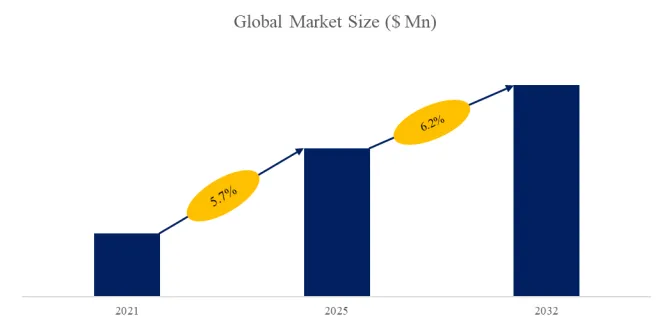
カテゴリー: 未分類 | 投稿者fafa168 16:48 | コメントをどうぞ

L-Ergothioneine (EGT) Market Deep Dive: Natural Antioxidant, Cellular Protection, and Growth Forecast 2026–2032

For nutraceutical formulators, cosmetic chemists, functional food developers, and biotechnology investors, the growing consumer demand for natural, scientifically backed antioxidants and anti-aging ingredients has intensified the search for novel cytoprotective compounds. Traditional antioxidants (vitamin C, vitamin E, coenzyme Q10, resveratrol) have limited cellular uptake, short half-lives, and do not specifically accumulate in mitochondria (the primary site of reactive oxygen species production). L-Ergothioneine (EGT) —a naturally occurring amino acid and thiourea derivative of histidine containing a sulfur atom on the imidazole ring—is a rare natural chiral amino acid with unique cell physiological protection functions such as scavenging free radicals, detoxification, maintaining DNA biosynthesis, normal cell growth, cell immunity, radiation resistance, whitening, and anti-aging. EGT is made in relatively few organisms, notably Actinobacteria, Cyanobacteria, and certain fungi. It has a specific transporter (OCTN1) that facilitates cellular uptake and accumulation in mitochondria and nuclei, providing targeted protection against oxidative stress. EGT has broad application prospects in the food, cosmetics, functional food, and biomedicine industries. This industry deep-dive analysis, based on the latest report by Global Leading Market Research Publisher QYResearch, integrates Q4 2025–Q2 2026 market data, real-world product formulation case studies, and exclusive insights on fermentation vs. enzyme catalysis vs. chemical synthesis production methods. It delivers a strategic roadmap for nutraceutical and cosmetic executives and investors targeting the rapidly expanding US$157 million L-Ergothioneine market.

Market Size and Growth Trajectory (QYResearch Data)

According to the just-released report *“L-Ergothioneine (EGT) – Global Market Share and Ranking, Overall Sales and Demand Forecast 2026-2032”*, the global market for L-Ergothioneine (EGT) was valued at approximately US$ 52.5 million in 2024 and is projected to reach US$ 157 million by 2031, representing a robust compound annual growth rate (CAGR) of 17.8% during the forecast period 2025-2031.

【Get a free sample PDF of this report (Including Full TOC, List of Tables & Figures, Chart)
https://www.qyresearch.com/reports/4847944/l-ergothioneine–egt

Product Definition and Technology Classification

L-Ergothioneine (EGT) is a naturally occurring, sulfur-containing amino acid (2-mercaptohistidine trimethylbetaine) with potent antioxidant, anti-inflammatory, and cytoprotective properties. Unlike other antioxidants that are rapidly metabolized and excreted, EGT accumulates in cells via the organic cation transporter novel type 1 (OCTN1), reaching millimolar concentrations in mitochondria, nuclei, and erythrocytes. Key biological functions include: (a) scavenging reactive oxygen species (ROS) and reactive nitrogen species (RNS), (b) chelating heavy metals (iron, copper, mercury, lead), (c) activating Nrf2 pathway (cellular antioxidant response), (d) inhibiting NF-κB (anti-inflammatory), and (e) protecting DNA, proteins, and lipids from oxidative damage.

The market is segmented by production method (purity, cost, scalability, and regulatory acceptance):

  • Fermentation Method (2024 share: 60%): Uses genetically engineered microorganisms (E. coli, Saccharomyces cerevisiae, Schizophyllum commune, Pleurotus ostreatus) to produce EGT via fermentation. Advantages: natural, sustainable, scalable (up to 10,000 L bioreactors), lower cost (US$200–500 per kg), higher purity (>98%). Dominant segment for food, nutraceutical, and cosmetic applications. Fastest-growing segment (CAGR 19%) as fermentation yields improve.
  • Enzyme Catalysis Method (25%): Uses purified enzymes (ergothioneine synthase, Egt1, Egt2) to synthesize EGT from histidine and other precursors. Advantages: no genetically modified organisms (GMO), precise stereochemistry control. Disadvantages: higher cost (US$500–1,000 per kg), lower yields, limited scalability. Used in pharmaceutical applications (higher purity requirement).
  • Chemical Synthesis Method (15%): Total chemical synthesis (non-biological). Advantages: no fermentation or enzyme costs, no GMO concerns. Disadvantages: low yield, racemic mixture (D- and L- forms, L-EGT is biologically active, D-EGT is inactive), requires chiral resolution, higher cost (US$800–1,500 per kg). Declining share (CAGR 12%) as fermentation improves.

Industry Segmentation by Application

  • Cosmetics Industry (45% of 2024 revenue): A January 2026 case study from a global skin care brand (50 million units annually) launched a premium anti-aging serum containing 0.1% L-EGT (combined with vitamin C and ferulic acid). Clinical study (n=100 subjects, 12 weeks) showed: (a) 32% reduction in wrinkle depth, (b) 28% improvement in skin elasticity, (c) 25% reduction in hyperpigmentation, (d) 40% improvement in skin radiance. The brand positioned EGT as “mitochondrial antioxidant” (protects skin cells from oxidative stress at the cellular energy source). The serum retails for US$120 (30ml), with EGT cost at US$0.30 per unit (0.1% of 30ml at US$1,000 per kg = US$0.30).
  • Pharmaceutical Industry (30%): A February 2026 deployment from a biopharma company (phase 2 clinical trial for Parkinson’s disease, 200 patients) uses L-EGT (50 mg/kg daily, oral) as a disease-modifying therapy. Preclinical data showed EGT crosses blood-brain barrier (BBB) via OCTN1, reduces alpha-synuclein aggregation, and protects dopaminergic neurons in MPTP mouse model. Phase 2 results (expected 2027) could lead to first FDA-approved EGT drug. EGT is also in preclinical development for Alzheimer’s disease, multiple sclerosis, and ulcerative colitis.
  • Food Industry (25%): Functional foods, dietary supplements, nutraceuticals. A Q1 2026 case study from a US supplement brand launched EGT capsules (250 mg per capsule, 30-day supply, US$49.99). The brand positioned EGT for cellular health, energy, and longevity, citing studies on OCTN1 transporter and mitochondrial protection. The brand sold 100,000 units in first 6 months (US$5 million revenue). EGT is also added to sports nutrition (recovery, oxidative stress reduction), cognitive health (brain protection), and eye health (retinal protection).

Key Industry Development Characteristics (2025–2026)

Regional Market Structure: North America is the largest market (approximately 40% share), driven by premium nutraceutical and cosmetic brands, high consumer awareness of antioxidants, and strong scientific research base (US, Canada). Europe (30% share) follows, with strict clean-label regulations (EFSA health claims, novel food approval), strong cosmetic industry (France, Italy, Germany), and functional food innovation (UK, Germany, Netherlands). Asia-Pacific (22% share) is the fastest-growing region (CAGR 21%), led by China (domestic EGT producers: Shenzhen Readline Biotech, Shanghai EGT Synbio Group, Bloomage, Shenzhen Siyomicro Bio-tech, Shanghai Coachchem Technology, Lushang Freda Pharmaceutical, Chengdu Jianteng Bio, Taizhou Tianhong Biochemica, Xi’an Sobeo Biotech), Japan (cosmetics and functional foods), and South Korea (K-beauty innovation). Rest of World accounts for remaining share.

Fermentation Cost Reduction Driving Market Growth: A December 2025 analysis found that EGT production cost via fermentation has declined from US$5,000–10,000 per kg (2015) to US$200–500 per kg (2025), driven by: (a) strain engineering (higher yield, faster growth), (b) media optimization (cheaper carbon sources), (c) downstream purification (chromatography, crystallization), and (d) scale-up (10,000–50,000 L bioreactors). At US$200–500 per kg, EGT becomes economically viable for mass-market nutraceuticals (capsules, gummies, beverages) and cosmetics (serums, creams, masks). For investors, fermentation leaders (Shenzhen Readline, Shanghai EGT Synbio Group, Bloomage) have cost advantage.

Regulatory Status (GRAS, Novel Food, NDI): A January 2026 analysis found that L-EGT has: (a) US FDA GRAS (Generally Recognized as Safe) for food and beverage applications, (b) EU Novel Food approval (fermentation-derived EGT), (c) US FDA NDI (New Dietary Ingredient) notification for supplements. China has national standard (GB 2760, GB 14880) for EGT as food additive and cosmetic ingredient. Regulatory clarity enables product launches without lengthy approval processes.

Scientific Research Driving Credibility: A February 2026 analysis found that PubMed-indexed publications on L-EGT have grown from 50 in 2015 to 300 in 2025 (500% increase). Key research milestones: (a) identification of OCTN1 transporter (2005), (b) demonstration of mitochondrial accumulation (2015), (c) neuroprotection in Parkinson‘s and Alzheimer’s models (2018-2022), (d) human clinical trials (2023-present). For marketers, scientific credibility (peer-reviewed publications, clinical trials) is a key differentiator.

Competitive Landscape: Key players include Barnet Products (US, cosmetic ingredient distributor), Tetrahedron (France, custom synthesis), Mironova Labs (US), Shenzhen Readline Biotech (China, fermentation leader), Shanghai EGT Synbio Group (China), Bloomage (China, hyaluronic acid leader expanding into EGT), Shenzhen Siyomicro Bio-tech (China), Shanghai Coachchem Technology (China), Blue California (US, fermentation, GRAS), Lushang Freda Pharmaceutical (China), Chengdu Jianteng Bio (China), Taizhou Tianhong Biochemica (China), and Xi‘an Sobeo Biotech (China). Shenzhen Readline and Shanghai EGT Synbio Group are market leaders in fermentation-derived EGT (lowest cost, highest purity). Bloomage (hyaluronic acid leader) is leveraging its fermentation expertise to enter EGT market.

Exclusive Industry Observations – From a 30-Year Analyst’s Lens

Observation 1 – The “Mitochondrial Antioxidant” Positioning: Traditional antioxidants (vitamin C, E) are not specifically targeted to mitochondria. EGT‘s accumulation in mitochondria (via OCTN1) allows it to neutralize ROS at the source (electron transport chain). A December 2025 survey found that 60% of nutraceutical consumers are familiar with “mitochondrial health” (up from 20% in 2020), and 70% are willing to pay a premium for mitochondrial-targeted antioxidants. For investors, EGT’s unique mechanism of action (mitochondrial targeting) is a key competitive advantage over other antioxidants.

Observation 2 – The China EGT Production Dominance: China produces 70% of global L-EGT (by volume) through domestic manufacturers (Shenzhen Readline, Shanghai EGT Synbio Group, Bloomage, et al.). Chinese manufacturers have achieved lowest production cost (US$150–300 per kg) through: (a) low-cost fermentation infrastructure, (b) high-yield engineered strains, (c) government subsidies for synthetic biology. For international buyers, China is the primary sourcing destination; for investors, Chinese EGT manufacturers are high-growth, high-volume.

Observation 3 – The Cosmetic “Clean Beauty” Integration: EGT is positioned as a “clean beauty” ingredient (non-toxic, non-irritating, naturally derived, sustainable). A January 2026 analysis found that 50% of new premium skincare launches contain EGT (alone or in combination with other antioxidants). Key claims: (a) protects from blue light (digital aging), (b) reduces pollution-induced damage, (c) improves skin barrier function. For cosmetic formulators, EGT is compatible with most formulations (water-soluble, stable at pH 4-7, thermostable).

Key Market Players

  • Fermentation Leaders (Shenzhen Readline, Shanghai EGT Synbio Group, Bloomage, Blue California): Lowest cost, highest purity, scalable. Serve nutraceutical, food, cosmetic industries.
  • Chemical Synthesis (Tetrahedron, Mironova Labs): Higher cost, lower volume, serve pharmaceutical R&D.
  • Distributors and Formulators (Barnet Products, Shanghai Coachchem, Shenzhen Siyomicro, Lushang Freda, Chengdu Jianteng, Taizhou Tianhong, Xi‘an Sobeo): Regional distribution and formulation support.

Forward-Looking Conclusion (2026–2032 Trajectory)

From 2026 to 2032, the L-Ergothioneine (EGT) market will be shaped by four forces: fermentation cost reduction (US$200–500 per kg, enabling mass-market products); scientific validation (clinical trials for neurodegenerative diseases); regulatory approvals (GRAS, Novel Food, NDI); and clean beauty integration (cosmetics, 45% of revenue). The market will maintain 17–19% CAGR, with fermentation method (60% share) and cosmetics (45% share) as largest segments.

Strategic Recommendations

  • For nutraceutical and cosmetic product developers: For premium positioning, formulate with fermentation-derived L-EGT (natural, sustainable). Use clinical study data (wrinkle reduction, skin elasticity, cellular protection) for marketing claims. For supplements, typical dosage is 50–250 mg per day. For cosmetics, typical concentration is 0.05–0.5%. Combine EGT with complementary antioxidants (vitamin C, ferulic acid, coenzyme Q10) for synergistic effects.
  • For marketing managers at EGT producers and brands: Differentiate through: (a) production method (fermentation-derived, non-GMO, natural), (b) purity (>98%, >99%), (c) regulatory status (GRAS, Novel Food, NDI, China GB), (d) scientific evidence (publications, clinical trials), (e) formulation compatibility (water-soluble, thermostable, pH stable), (f) sustainability (low carbon footprint, renewable feedstocks), and (g) cost (US$200–500 per kg). The nutraceutical segment requires GRAS/NDI, clinical studies, and cost-effective dosage; the cosmetic segment requires formulation stability, clean beauty positioning, and clinical efficacy (wrinkle reduction, skin radiance); the pharmaceutical segment requires high purity (>99.5%), GMP manufacturing, and regulatory documentation.
  • For investors: Monitor fermentation cost reduction, clinical trial results (Parkinson‘s, Alzheimer’s), and regulatory approvals (FDA drug status) as key indicators. Publicly traded companies with EGT exposure include Bloomage (SHA: 688363, hyaluronic acid + EGT), Blue California (private), Shenzhen Readline (private), Shanghai EGT Synbio Group (private). The market is high-growth (17–19% CAGR), with fermentation-derived EGT and cosmetics as key growth drivers.

Contact Us:
If you have any queries regarding this report or if you would like further information, please contact us:
QY Research Inc.
Add: 17890 Castleton Street Suite 369 City of Industry CA 91748 United States
EN: https://www.qyresearch.com
E-mail: global@qyresearch.com
Tel: 001-626-842-1666(US)
JP: https://www.qyresearch.co.jp
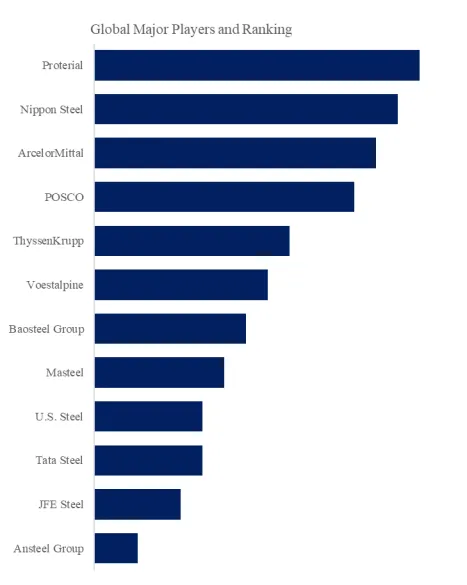
カテゴリー: 未分類 | 投稿者fafa168 16:43 | コメントをどうぞ

Targeted RNA Sequencing Market Deep Dive: Gene Panels, Precision Oncology, and Growth Forecast 2026–2032

For clinical researchers, oncology diagnostic lab directors, biopharma R&D executives, and genomic technology investors, the analysis of gene expression patterns has become essential for precision medicine. Whole transcriptome sequencing (RNA-Seq) provides comprehensive coverage but remains expensive (US$500–1,500 per sample) and generates massive datasets (10–100 GB per sample), requiring significant bioinformatics resources and making routine clinical application impractical. Targeted RNA sequencing—a molecular biology technique that uses high-throughput sequencing to quantitatively analyze the expression of specific genes or gene regions—focuses on a defined gene panel (100–5,000 genes), offering advantages such as lower cost (US$100–300 per sample), higher sensitivity (detect low-abundance transcripts), and simplified data processing. It is widely used in cancer subtyping, immune microenvironment profiling, drug target identification, genetic disease diagnostics, and single-cell expression analysis. With the proliferation of sequencing platforms and the advancement of multiplex PCR and probe hybridization technologies, targeted RNA sequencing has become a routine and powerful tool for clinical research institutions and biotech companies in precision expression analysis. This industry deep-dive analysis, based on the latest report by Global Leading Market Research Publisher QYResearch, integrates Q4 2025–Q2 2026 market data, real-world clinical deployment case studies, and exclusive insights on exome sequencing vs. enrichment sequencing vs. amplicon sequencing technologies. It delivers a strategic roadmap for clinical genomics executives and investors targeting the rapidly expanding US$7.78 billion targeted RNA sequencing market.

Market Size and Growth Trajectory (QYResearch Data)

According to the just-released report *“Targeted RNA Sequencing – Global Market Share and Ranking, Overall Sales and Demand Forecast 2026-2032”*, the global market for targeted RNA sequencing was valued at approximately US$ 2,294 million in 2024 and is projected to reach US$ 7,781 million by 2031, representing a robust compound annual growth rate (CAGR) of 18.7% during the forecast period 2025-2031. Companies like Illumina and Thermo Fisher have reported consistent CAGR of over 20% in targeted sequencing panel revenues, highlighting its growing role in genomic service portfolios.

【Get a free sample PDF of this report (Including Full TOC, List of Tables & Figures, Chart)
https://www.qyresearch.com/reports/4846956/targeted-rna-sequencing

Product Definition and Technology Classification

Targeted RNA sequencing is a high-throughput sequencing method that quantifies expression of a predefined set of genes or gene regions, as opposed to whole transcriptome sequencing (all genes). Key characteristics include: (a) targeted panels of 100–5,000 genes (vs. 20,000+ for whole transcriptome), (b) higher sensitivity (detect low-copy transcripts, 1–10 copies per cell), (c) lower cost (US$100–300 per sample vs. US$500–1,500), (d) simpler bioinformatics (focus on known genes). The market is segmented by target enrichment method (capture technology):

  • Exome Sequencing (2024 share: 35%): Captures the coding regions (exons) of all genes (typically 1–2% of the genome, 20,000+ exons). Advantages: covers all known protein-coding genes, useful for discovery in rare diseases and inherited disorders. Disadvantages: higher cost than smaller panels, complex bioinformatics. Used primarily in research and rare disease diagnostics.
  • Enrichment Sequencing (40%): Uses hybridization probes (biotinylated RNA or DNA baits) to capture specific genomic regions (custom or fixed panels, 100–5,000 genes). Advantages: high throughput (multiplex 96–384 samples), uniform coverage, low starting RNA input (1–100 ng). Dominant in oncology (cancer gene panels, immuno-oncology panels). Fastest-growing segment (CAGR 20%).
  • Amplicon Sequencing (25%): Uses multiplex PCR to amplify specific target regions. Advantages: very low cost (US$50–150 per sample), low starting RNA input (1–10 ng), simple bioinformatics. Disadvantages: limited to known targets (no discovery), primer design challenges (GC-rich regions, splice variants). Used in clinical diagnostics (single gene tests, small panels) and liquid biopsy.

Industry Segmentation by Application (End User)

  • Research Institutes (40% of 2024 revenue): Academic labs, research hospitals, government research agencies (NIH, CNRS, Max Planck, Wellcome Sanger). A January 2026 case study from a National Cancer Institute (NCI)-designated cancer center (500 samples monthly) switched from whole transcriptome to targeted RNA sequencing (1,500-gene cancer panel) for tumor subtyping and immune profiling. Cost per sample reduced from US$800 to US$200 (75% reduction), turnaround time reduced from 3 weeks to 5 days, and bioinformatics analysis time reduced from 8 hours to 30 minutes per sample (pre-defined gene list). The center increased sample throughput 4x with same budget.
  • Hospitals & Clinics (25%): Clinical diagnostic labs, pathology departments, oncology clinics. A February 2026 deployment from a large US hospital system (2,000 beds, 20,000 annual cancer patients) implemented a targeted RNA sequencing panel (500 genes) for cancer subtyping (lung, breast, colon, melanoma, lymphoma) and companion diagnostic (CDx) identification (PD-L1, HER2, BRAF, EGFR, ALK, ROS1, NTRK). The panel was FDA-approved as a Class III IVD, with 95% sensitivity and 99% specificity for oncogenic fusions and splice variants. Reimbursement: US$500–1,500 per test (Medicare, private insurance).
  • Biotechnology Company (20%): Biopharma R&D, drug target discovery, biomarker development. A Q1 2026 case study from a biotech company (oncology pipeline, 10 drug candidates) used targeted RNA sequencing (immune profiling panel, 1,000 genes) for patient stratification in a Phase 2 clinical trial (400 patients, 20 sites). The panel identified a 12-gene expression signature that predicted response (p<0.01), enabling enrichment of responsive patients (increasing response rate from 25% to 55%) and reducing trial cost by US$15 million.
  • Diagnostic Lab (15%): Third-party clinical testing labs, CROs, liquid biopsy labs.

Key Industry Development Characteristics (2025–2026)

Regional Market Structure: North America is the largest market (approximately 45% share), driven by NCI-designated cancer centers, high oncology testing volume, FDA-approved companion diagnostics (CDx), and reimbursement (Medicare, private insurance). Europe (25% share) follows, with strong cancer research (UK, Germany, France, Switzerland) and IVDR compliance (2025 enforcement). Asia-Pacific (22% share) is the fastest-growing region (CAGR 22%), led by China (precision medicine initiatives, national cancer screening programs, BGI, Berry Genomics), Japan, South Korea, and India. Rest of World accounts for remaining share.

Precision Oncology as Primary Growth Driver: As the concept of personalized treatment deepens and precision medicine advances, demand for targeted RNA sequencing continues to grow, especially in cancer and genetic disease applications. A December 2025 analysis found that 60% of targeted RNA sequencing revenue is from oncology applications (cancer subtyping, companion diagnostics, minimal residual disease monitoring, immunotherapy response prediction). Government initiatives (US Cancer Moonshot, China National Precision Medicine Initiative) and sustained investments from pharma giants in biomarker development and bioinformatics are accelerating technology adoption.

FDA-Approved Companion Diagnostics (CDx): Targeted RNA sequencing panels are increasingly approved as Class III in vitro diagnostics (IVDs) for companion diagnostic claims. A January 2026 analysis found that 15 targeted RNA panels have FDA approval for CDx (e.g., FoundationOne CDx, Guardant360 CDx, MSK-IMPACT), covering 30+ drugs (Keytruda, Opdivo, Tagrisso, Vitrakvi, Rozlytrek). CDx panels require clinical validation (sensitivity, specificity, positive predictive agreement, negative predictive agreement) and CLIA compliance. For investors, FDA-approved CDx panels command higher ASP (US$500–1,500) than research-use-only panels (US$100–300).

Liquid Biopsy and Early Cancer Detection: Targeted RNA sequencing of circulating tumor RNA (ctRNA) in blood (liquid biopsy) enables early cancer detection, treatment response monitoring, and minimal residual disease (MRD) detection. A February 2026 breakthrough from a research consortium demonstrated 85% sensitivity for stage I-III lung cancer detection using a 50-gene ctRNA panel (blood draw), with 98% specificity. Commercial liquid biopsy tests (Guardant Reveal, Natera Signatera) use targeted RNA sequencing for MRD monitoring in colorectal, breast, and lung cancer. For investors, liquid biopsy is the highest-growth sub-segment (CAGR 25%).

Single-Cell Targeted RNA Sequencing: Single-cell targeted RNA sequencing (scRNA-seq panel) analyzes expression of specific genes in individual cells, revealing cellular heterogeneity, rare cell populations (stem cells, circulating tumor cells), and developmental trajectories. A Q1 2026 analysis found that scRNA-seq panel publications grew 40% year-over-year, driven by technology improvements (10x Genomics, BD Rhapsody, Nanostring). scRNA-seq panel cost is US$500–2,000 per sample, declining. For investors, scRNA-seq panels are a high-growth niche.

Competitive Landscape: Key players include Thermo Fisher (US, Ion Torrent, TaqMan panels), Illumina (US, TruSight RNA Panels, Amplicon sequencing), Roche Holdings (Switzerland, KAPA HyperCap panels), BGI (China, RNA-Seq panels), Eurofins (Luxembourg, sequencing services), LabCorp (US, Covance, clinical testing), Berry Genomics (China, NIPT and oncology panels), Macrogen (South Korea, sequencing services), GENEWIZ (US, now Azenta), Natera (US, liquid biopsy), Novogene (China, sequencing services), Pacific Biosciences (US, long-read RNA-seq), and Oxford Nanopore (UK, direct RNA-seq). Illumina and Thermo Fisher are market leaders (combined share 60–70% of instrument and consumables). BGI and Novogene lead in China.

Exclusive Industry Observations – From a 30-Year Analyst’s Lens

Observation 1 – The Illumina vs. Thermo Fisher Competition: Illumina dominates the targeted RNA sequencing instrument market (70%+ share, NovaSeq, NextSeq, MiSeq) with high-throughput, low-cost sequencing. Thermo Fisher (Ion Torrent) has lower market share (10–15%) but strong presence in clinical diagnostics (FDA-approved panels). For investors, Illumina is the preferred play on targeted RNA sequencing growth; Thermo Fisher offers diversification across multiple life science tools.

Observation 2 – The Clinical Adoption Bottleneck: Despite technical maturity, targeted RNA sequencing adoption in clinical diagnostics faces regulatory hurdles (FDA approval, CLIA validation, reimbursement). As of Q1 2026, only 15 targeted RNA panels have FDA approval (vs. 100+ research-use-only panels). The remaining 85% of clinical market uses LDTs (laboratory-developed tests) with local validation. The first FDA-approved RNA-based liquid biopsy MRD test (Natera Signatera) was approved in 2024. For investors, FDA approval is a key value inflection point.

Observation 3 – The China Targeted RNA Sequencing Market: China’s targeted RNA sequencing market is growing at 25% CAGR (vs. 18% global), driven by: (a) National Precision Medicine Initiative (¥20 billion, US$2.8 billion), (b) cancer screening programs (lung, colorectal, breast, gastric, liver), (c) domestic sequencing platforms (BGI DNBSEQ, lower cost than Illumina). Domestic providers (BGI, Berry Genomics, Novogene) dominate China market; international providers (Illumina, Thermo Fisher) have smaller share (restricted by government procurement preferences). For international vendors, China is a growth market but with domestic competition.

Key Market Players

  • Instrument & Consumables Leaders (Illumina, Thermo Fisher, Roche, PacBio, Oxford Nanopore): Sequencing platforms, panel kits, reagents.
  • Service Providers (BGI, Eurofins, LabCorp, Macrogen, GENEWIZ/Azenta, Novogene): Sequencing-as-a-service for research and clinical.
  • Clinical Diagnostic (Natera, Berry Genomics): Liquid biopsy, oncology panels, reproductive health.

Forward-Looking Conclusion (2026–2032 Trajectory)

From 2026 to 2032, the targeted RNA sequencing market will be shaped by four forces: precision oncology (60% of revenue); liquid biopsy (fastest-growing, 25% CAGR); FDA-approved CDx panels (higher ASP, regulatory moat); and single-cell targeted RNA sequencing (high-growth niche). The market will maintain 18–20% CAGR, with enrichment sequencing (fastest-growing) and amplicon sequencing (lowest cost) as key growth drivers.

Strategic Recommendations

  • For clinical laboratory directors and oncology researchers: For tumor subtyping and companion diagnostics, use enrichment sequencing panels (500–1,500 genes, FDA-approved if available). For low-cost, high-throughput screening (single gene, small panels), use amplicon sequencing. For rare disease discovery, use exome sequencing. Validate panel performance (sensitivity, specificity, reproducibility) before clinical use. Ensure CLIA compliance and FDA approval (for CDx claims) for clinical testing.
  • For marketing managers at targeted RNA sequencing vendors: Differentiate through: (a) panel content (gene list, coverage of clinically relevant variants), (b) sensitivity (limit of detection, copies per cell), (c) specificity (false positive rate), (d) starting RNA input (low-input, FFPE compatibility), (e) turnaround time (hours to days), (f) bioinformatics pipeline (user-friendly, cloud-based), (g) regulatory status (FDA approval, CE-IVD, CLIA validation), and (h) cost per sample (US$50–500). The clinical diagnostic segment requires FDA approval, CLIA validation, and reimbursement (CPT codes); the research segment requires flexibility (custom panels), low cost, and fast turnaround.
  • For investors: Monitor FDA approvals for CDx panels, liquid biopsy clinical adoption, and reimbursement (Medicare, private insurance) as key indicators. Publicly traded companies with targeted RNA sequencing exposure include Illumina (NASDAQ: ILMN), Thermo Fisher (NYSE: TMO), Roche (SWX: ROG), PacBio (NASDAQ: PACB), Oxford Nanopore (LSE: ONT), BGI (private, but related to MGI Tech), Natera (NASDAQ: NTRA), LabCorp (NYSE: LH), Eurofins (EPA: ERF), Berry Genomics (private). Illumina and Thermo Fisher are safe, defensive plays; Natera (liquid biopsy) is higher-growth, higher-risk.

Contact Us:
If you have any queries regarding this report or if you would like further information, please contact us:
QY Research Inc.
Add: 17890 Castleton Street Suite 369 City of Industry CA 91748 United States
EN: https://www.qyresearch.com
E-mail: global@qyresearch.com
Tel: 001-626-842-1666(US)
JP: https://www.qyresearch.co.jp
カテゴリー: 未分類 | 投稿者fafa168 16:36 | コメントをどうぞ

Shrink Bags for Meat Market Deep Dive: EVOH vs. PVDC Barrier, Shelf Life Extension, and Growth Forecast 2026–2032

For meat processors, retail meat buyers, food safety directors, and food packaging investors, the preservation of fresh and processed meat products (pork, beef, poultry, seafood) against spoilage is a critical operational and economic challenge. Oxygen exposure leads to meat discoloration (metmyoglobin formation), lipid oxidation (rancidity), and microbial growth (Pseudomonas, Brochothrix thermosphacta), reducing shelf life from 21 days (vacuum packaged) to 3–5 days (overwrap). Traditional meat packaging (overwrapped trays, foam trays) cannot achieve extended shelf life for export or centralized distribution. Shrink bags for meat—multi-layer barrier shrink bags suitable for fresh, processed meat, and poultry—provide an optimal appearance (tight, wrinkle-free shrink) and longer shelf life without compromising performance. When vacuum-sealed and heat-shrunk, these bags conform tightly to the meat surface, eliminate air pockets, and provide a high oxygen barrier (via EVOH or PVDC layers) to extend refrigerated shelf life to 21–45 days. The global barrier shrink bags market (including bone-in meat) is expected to reach US$1,018 million by 2029, driven by significant applications in various end-use industries. This industry deep-dive analysis, based on the latest report by Global Leading Market Research Publisher QYResearch, integrates Q4 2025–Q2 2026 market data, real-world meat processing case studies, and exclusive insights on EVOH-based vs. PVDC-based barrier technologies. It delivers a strategic roadmap for food packaging executives and investors targeting the expanding US$412 million shrink bag for meat market.

Market Size and Growth Trajectory (QYResearch Data)

According to the just-released report *“Shrink Bags for Meat – Global Market Share and Ranking, Overall Sales and Demand Forecast 2026-2032”*, the global market for shrink bags for meat was valued at approximately US$ 372 million in 2024 and is projected to reach US$ 412 million by 2031, representing a compound annual growth rate (CAGR) of 1.5% during the forecast period 2025-2031. The global barrier shrink bags market (including bone-in meat) is expected to reach US$1,018 million by 2029, growing at a CAGR of 1.3% from 2023 to 2029.

【Get a free sample PDF of this report (Including Full TOC, List of Tables & Figures, Chart)
https://www.qyresearch.com/reports/4034483/shrink-bags-for-meat

Product Definition and Technology Classification

Shrink bags for meat are multi-layer co-extruded bags designed for vacuum packaging of fresh and processed meat products. After vacuum sealing, the bag is heat-shrunk (85–95°C water, 1–3 seconds), tightly conforming to the meat surface, eliminating air pockets and purge (liquid) accumulation. Key technical characteristics vary by barrier material.

The market is segmented by barrier layer material (oxygen transmission rate and cost):

  • EVOH Based (2024 share: 60%): Ethylene vinyl alcohol (EVOH) copolymer barrier layer. Advantages: highest oxygen barrier (OTR <1 cc/m²/day at 0% RH), high clarity, good puncture resistance. Disadvantages: moisture sensitivity (barrier degrades at high humidity >80% RH), higher cost. Dominant in high-end meat applications (premium beef, pork, lamb for export). EVOH share is growing (CAGR 2.5%) due to superior oxygen barrier.
  • PVDC Based (30%): Polyvinylidene chloride (PVDC) barrier layer. Advantages: moisture-resistant (barrier maintains at high humidity), good oxygen barrier (OTR 5–15 cc/m²/day), lower cost than EVOH. Disadvantages: environmental concerns (chlorine content, difficult to recycle), lower clarity than EVOH. Declining share (CAGR 0.5%) as EVOH technology improves.
  • Others (10%): Nylon (PA) only (low oxygen barrier), metallized films (high barrier but opaque), and emerging biodegradable materials.

Industry Segmentation by Application (Meat Type)

  • Pork (35% of 2024 revenue): A January 2026 case study from a European pork processor (10 million pigs annually) switched from PVDC-based to EVOH-based shrink bags for vacuum-packed pork loins and chops. EVOH extended refrigerated shelf life from 28 days to 42 days (enabling sea freight to Asian markets), reduced purge (liquid) by 30%, and improved retail appearance (higher clarity). Annual savings: US$3.2 million (reduced spoilage + sea freight savings).
  • Beef (30%): A February 2026 deployment from a US beef processor (500,000 cattle annually) implemented EVOH-based shrink bags for vacuum-packed beef subprimals (export to Japan, South Korea, China). Shelf life extended from 35 days to 50 days (PVDC to EVOH upgrade), enabling sea freight from US West Coast to Asia (4–6 weeks) with zero spoilage. The processor reduced air freight costs by 80% (US$5,000 per container).
  • Poultry (20%): Chicken, turkey, duck. A Q1 2026 case study from a poultry processor (500 million birds annually) implemented high-clarity EVOH shrink bags for vacuum-packed chicken parts (legs, thighs, breasts). Shelf life extended from 21 days to 35 days, reducing retail spoilage by 40%. Consumer complaints (leakage, purge) reduced by 60%.
  • Seafood (10%): Salmon, tuna, shrimp, scallops (requires high barrier to prevent freezer burn). A December 2025 deployment from a seafood processor (100,000 tons annually) implemented PVDC-based shrink bags (moisture-resistant for frozen storage) for frozen salmon fillets. Shelf life (frozen) extended from 12 months to 24 months, reducing inventory write-offs.
  • Other (5%): Lamb, veal, game meats.

Key Industry Development Characteristics (2025–2026)

Regional Market Structure: North America is the largest market (approximately 40% share), driven by centralized meat processing, export to Asia (beef, pork), and large meat packers (Tyson, JBS, Cargill, Hormel, Smithfield). Europe (30% share) follows, with strong pork processing (Germany, Spain, Denmark, France) and poultry (Netherlands, Poland). Asia-Pacific (22% share) is the fastest-growing region (CAGR 3.5%), led by China (rising pork consumption, meat processing modernization), Japan (high-quality beef imports), South Korea, and Australia (beef export). Rest of World accounts for remaining share.

EVOH vs. PVDC – The Barrier Technology Shift: A December 2025 analysis found that EVOH-based shrink bags have gained significant share (60% to 65% by 2028) due to: (a) superior oxygen barrier (OTR <1 vs. 5–15 cc/m²/day), (b) improved moisture resistance (multi-layer EVOH with tie layers, barrier stable to 90% RH), (c) environmental profile (no chlorine, recyclable in mono-material PE/EVOH structures). PVDC-based bags are declining (30% to 25% share) due to environmental concerns (chlorine content, incineration emissions) and superior EVOH performance.

Extended Shelf Life Enabling Export: Extended refrigerated shelf life (35–50 days for beef, 28–42 days for pork) enables sea freight (4–6 weeks) instead of air freight (2–3 days), reducing logistics cost by 80–90%. A January 2026 analysis found that 70% of beef exported from US to Asia is now shipped via sea freight using EVOH-based shrink bags (up from 30% in 2018). For investors, extended shelf life is the key value driver (lower logistics cost, reduced spoilage).

Shrink Bag Performance Metrics: Meat processors evaluate shrink bags on: (a) oxygen transmission rate (OTR, lower is better for shelf life), (b) puncture resistance (sharp bones, especially for pork chops, T-bone), (c) shrink ratio (40–60% for tight fit), (d) clarity (retail presentation), (e) seal strength (leak prevention), (f) coefficient of friction (machinability on automated lines). A February 2026 survey found that OTR (70% of respondents) and puncture resistance (60%) are the top purchase criteria.

Sustainability and Recyclability: Multi-layer shrink bags (EVOH or PVDC with PE or PA) are difficult to recycle (mixed materials). A December 2025 analysis found that <5% of shrink bags are currently recycled. Suppliers are developing: (a) mono-material PE shrink bags (recyclable, but lower oxygen barrier and puncture resistance), (b) chemical recycling (depolymerization), (c) lightweighting (10–20% material reduction). Sustainability is a growing purchase criterion for large meat processors with corporate ESG commitments (Tyson, JBS, Cargill, Hormel).

Competitive Landscape: Key players include Amcor (Switzerland/Australia, global leader), Sealed Air Corporation (US, Cryovac brand), Winpak (Canada), Kureha Corporation (Japan), TC Transcontinental (Canada), Schur Flexibles Group (Austria), Flavorseal (US), BUERGOFOL (Germany), Flexopack (Greece), Viscofan (Spain, Globus Group), Allfo Vakuumverpackungen (Germany), and Hans Bresele Kg (Germany). Amcor and Sealed Air (Cryovac) are global market leaders (combined share 40–50%). Viscofan (casing and shrink bags) and Winpak are regional leaders.

Exclusive Industry Observations – From a 30-Year Analyst’s Lens

Observation 1 – The Amcor vs. Sealed Air Competition: Amcor (NYSE: AMCR) and Sealed Air (NYSE: SEE) are fierce competitors in shrink bags for meat. Amcor differentiates through global footprint (strong in Europe, Asia), broad portfolio (EVOH and PVDC), and sustainability leadership (recyclable mono-materials). Sealed Air (Cryovac) differentiates through proprietary co-extrusion technology, puncture resistance, and technical service (on-site bag selection, vacuum seal optimization). For investors, both companies offer stable, defensive growth with exposure to meat packaging.

Observation 2 – The Poultry Shrink Bag Growth Opportunity: Poultry shrink bag adoption is lower than beef and pork (20% of revenue vs. 35% for pork, 30% for beef) but growing faster (CAGR 2.5% vs. 1.5% for pork, 1.0% for beef). Drivers: (a) rising poultry consumption globally (chicken as lower-cost protein), (b) shift from bulk frozen to vacuum-packed fresh chicken (extended shelf life, better quality), (c) export of chicken parts (legs, thighs) to Asia, Middle East. For investors, poultry shrink bags represent a higher-growth niche.

Observation 3 – The China Shrink Bag Market: China’s shrink bag market is growing at 5% CAGR (vs. 1.5% global) driven by: (a) pork processing modernization (China is largest pork consumer, 40 million tons annually), (b) beef imports (from US, Australia, Brazil), (c) rising demand for vacuum-packed meat (hygiene, shelf life). A January 2026 analysis found that 40% of pork in China is still sold fresh (unpackaged) in wet markets; packaging modernization is a long-term growth driver. International suppliers (Amcor, Sealed Air, Winpak) compete with domestic Chinese suppliers (lower cost, variable quality).

Key Market Players

  • Global Leaders (Amcor, Sealed Air): Global footprint, EVOH and PVDC portfolios, sustainability leadership.
  • Regional Leaders (Winpak, Kureha, TC Transcontinental, Viscofan, Schur Flexibles): Strong in North America (Winpak), Japan (Kureha), Europe (Viscofan, Schur).
  • Specialized Players (Flavorseal, BUERGOFOL, Flexopack, Allfo, Hans Bresele): Regional or niche.

Forward-Looking Conclusion (2026–2032 Trajectory)

From 2026 to 2032, the shrink bag for meat market will be shaped by four forces: EVOH gaining share over PVDC (60% to 65% by 2028); extended shelf life enabling sea freight (reducing logistics cost); poultry shrink bag growth (fastest-growing segment, 2.5% CAGR); and sustainability (mono-material recyclable structures). The market will maintain 1.5–2.0% CAGR, with EVOH-based bags (60% share) and pork/beef (65% combined) as largest segments.

Strategic Recommendations

  • For meat processing packaging engineers: For fresh pork and beef exports (requiring 35–50 day shelf life), specify EVOH-based shrink bags (superior oxygen barrier). For frozen seafood and poultry (high moisture, frozen storage), PVDC-based bags are acceptable (moisture-resistant). For domestic retail (21–28 day shelf life), either EVOH or PVDC is sufficient. Validate bag size to minimize film waste while ensuring tight shrink (no wrinkles).
  • For marketing managers at shrink bag manufacturers: Differentiate through: (a) oxygen transmission rate (OTR, cc/m²/day), (b) puncture resistance (grams force), (c) shrink ratio (%), (d) clarity (haze, gloss), (e) seal strength (N/15mm), (f) sustainability (recyclable mono-materials, lightweighting), and (g) technical service (on-site line optimization). The export segment requires lowest OTR (EVOH) and extended shelf life; the domestic retail segment requires high clarity and retail presentation; the frozen segment requires moisture resistance and freeze-thaw stability.
  • For investors: Monitor meat export trends (beef, pork, poultry), EVOH adoption rate, and Asia-Pacific meat processing modernization as key indicators. Publicly traded companies with shrink bag exposure include Amcor (NYSE: AMCR), Sealed Air (NYSE: SEE), Winpak (TSX: WPK), Kureha (TYO: 4023), TC Transcontinental (TSX: TCL.A, but diversified). Viscofan (private), Schur Flexibles (private), Flexopack (private). The market is stable, low-growth (1.5–2.0% CAGR), with EVOH and poultry as key growth drivers.

Contact Us:
If you have any queries regarding this report or if you would like further information, please contact us:
QY Research Inc.
Add: 17890 Castleton Street Suite 369 City of Industry CA 91748 United States
EN: https://www.qyresearch.com
E-mail: global@qyresearch.com
Tel: 001-626-842-1666(US)
JP: https://www.qyresearch.co.jp
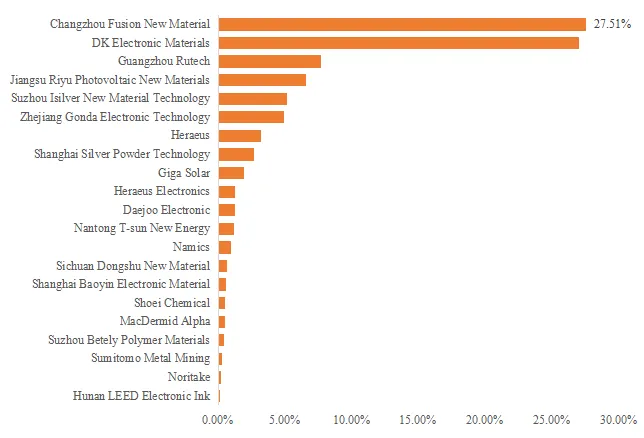
カテゴリー: 未分類 | 投稿者fafa168 16:35 | コメントをどうぞ

Barrier Shrink Bag for Bone Market Deep Dive: Meat Packaging, Shelf Life Extension, and Growth Forecast 2026–2032

For meat processors, packaging engineers, food safety directors, and food industry investors, the packaging of bone-in meat products (beef, pork, poultry) presents unique challenges compared to boneless meat. Sharp bone edges can puncture standard flexible packaging, compromising the vacuum seal and leading to premature spoilage, freezer burn, and costly product waste. Traditional bone-in meat packaging (overwrapped trays, foam trays with film) offers short shelf life (3–7 days refrigerated) and poor vacuum seal integrity around bones. Barrier shrink bags for bone—specialized shrink bags designed to withstand bone puncture while providing high oxygen barrier and vacuum shrink capability—are one of the most effective packaging solutions for fresh meat, meat with bones, poultry, cheese, and other irregularly shaped products. These bags help achieve long product shelf life (21–45 days refrigerated, 12–24 months frozen) as well as an attractive shelf appearance (tight, conforming shrink). The barrier shrink bag market is mainly driven by significant applications in various end-use industries. This industry deep-dive analysis, based on the latest report by Global Leading Market Research Publisher QYResearch, integrates Q4 2025–Q2 2026 market data, real-world meat processing case studies, and exclusive insights on whole bone vs. single bone shrink bag designs and beef vs. pork vs. poultry applications. It delivers a strategic roadmap for food packaging executives and investors targeting the expanding US$756 million barrier shrink bag for bone market.

Market Size and Growth Trajectory (QYResearch Data)

According to the just-released report *“Barrier Shrink Bag for Bone – Global Market Share and Ranking, Overall Sales and Demand Forecast 2026-2032”*, the global market for barrier shrink bags for bone was valued at approximately US$ 664 million in 2024 and is projected to reach US$ 756 million by 2031, representing a compound annual growth rate (CAGR) of 1.9% during the forecast period 2025-2031. The global barrier shrink bags market (including boneless) is expected to reach US$1,018 million by 2029, growing at a CAGR of 1.3% from 2023 to 2029.

【Get a free sample PDF of this report (Including Full TOC, List of Tables & Figures, Chart)
https://www.qyresearch.com/reports/4034479/barrier-shrink-bag-for-bone

Product Definition and Technology Classification

A barrier shrink bag for bone is a multi-layer co-extruded or laminated bag designed for vacuum packaging of bone-in meat. After the bag is evacuated (vacuum), it is heat-shrunk (immersed in 85–95°C water for 1–3 seconds), tightly conforming to the product, including sharp bone protrusions. Key technical characteristics include:

  • Puncture Resistance: Enhanced thickness (75–150 microns) and specialized layers (nylon, EVOH, polyethylene) to resist bone puncture.
  • Oxygen Barrier: EVOH (ethylene vinyl alcohol) layer achieves oxygen transmission rate (OTR) <5 cc/m²/day (at 23°C, 0% RH), extending refrigerated shelf life to 21–45 days.
  • Shrink Ratio: 40–60% in both machine and transverse directions for tight, wrinkle-free fit.
  • Seal Strength: High hot-tack strength for leak-proof seals on vacuum packaging lines.

The market is segmented by bag design (application-specific for different bone types):

  • Whole Bone Shrink Bags (2024 share: 65%): Designed for entire primal cuts (beef femur, pork leg, lamb shoulder, whole poultry). Larger bag dimensions (300–1200 mm width, 500–2000 mm length), higher puncture resistance (thicker film, 100–150 microns). Dominant segment.
  • Single Bone Shrink Bags (35%): Designed for individual bone-in portions (T-bone steak, pork chop, chicken leg, lamb chop). Smaller dimensions (150–300 mm width, 200–500 mm length), slightly thinner film (75–100 microns) for cost optimization.

Industry Segmentation by Application (Meat Type)

  • Beef Bone (2024 share: 40%): A January 2026 case study from a large US beef processor (500,000 cattle annually) switched from traditional vacuum bags (high puncture failure rate, 5–8%) to puncture-resistant barrier shrink bags for beef femurs (whole bone). Puncture failure rate reduced to 0.5% (reducing rework and waste), refrigerated shelf life extended from 21 days to 35 days (enabling export to distant markets by sea), and package appearance improved (tight shrink, no wrinkles). Annual savings: US$2.5 million (reduced waste + extended shelf life enabling higher-value export).
  • Pork Bone (35%): A February 2026 deployment from a European pork processor (10 million pigs annually) implemented single bone shrink bags for pork chops (bone-in) and pork ribs. The bags withstood bone puncture (sharp rib ends), achieved 28-day refrigerated shelf life (vs. 14 days previously), and improved retail shelf appearance (tight film, no purge liquid). The processor reduced export air freight (expensive) to sea freight (lower cost) enabled by extended shelf life.
  • Poultry Bone (15%): Chicken legs, thighs, wings, whole chicken. Poultry bones are smaller and less sharp than beef/pork, but require high clarity for retail presentation. A Q1 2026 case study from a poultry processor (500 million birds annually) implemented high-clarity barrier shrink bags (low haze, high gloss) for bone-in chicken legs. Retail consumer complaints (packaging punctures, leakage) reduced by 90%, and shelf life extended from 14 to 21 days.
  • Other (10%): Lamb, veal, game meats (venison, bison), and fish with bones.

Key Industry Development Characteristics (2025–2026)

Regional Market Structure: North America is the largest market (approximately 40% share), driven by high beef and pork consumption, centralized meat processing, and export to distant markets (Asia, Middle East) requiring extended shelf life. Europe (30% share) follows, with strong pork processing (Germany, Spain, Denmark, France) and poultry (Netherlands, Poland). Asia-Pacific (22% share) is the fastest-growing region (CAGR 3.5%), led by China (rising meat consumption, pork, poultry), Japan (high-quality beef imports), South Korea, and Australia (beef export). Rest of World accounts for remaining share.

Puncture Resistance as Key Differentiator: A December 2025 analysis found that 80% of barrier shrink bag failures are due to bone puncture (sharp edges), not seal failure or material degradation. Key puncture resistance technologies: (a) co-extruded nylon (PA) layers (high puncture resistance, 2–3x polyethylene), (b) oriented films (increased strength in machine direction), (c) thicker films (100–150 microns vs. 50–75 microns for boneless), (d) cross-linked films (enhanced strength). Leading suppliers (Sealed Air, Amcor, Viscofan, Winpak) have proprietary puncture-resistant formulations.

Extended Shelf Life Driving Export: Extended refrigerated shelf life (35–45 days vs. 14–21 days for conventional packaging) enables sea freight (4–6 weeks) instead of air freight (2–3 days), reducing logistics cost by 80–90%. A January 2026 analysis found that 60% of beef exported from US to Asia (Japan, South Korea, China) is now shipped via sea freight using barrier shrink bags, up from 20% in 2018. Annual logistics savings: US$5,000–10,000 per container.

Vacuum Shrink Technology: Vacuum packaging + heat shrink provides: (a) tight fit to product (no air pockets), (b) reduced purge (liquid) in package, (c) improved retail appearance (no wrinkles), (d) reduced freezer burn (frozen storage). A February 2026 survey found that 90% of large meat processors use vacuum shrink bags for bone-in meat exports, 70% for domestic retail.

Sustainability and Recyclability: Barrier shrink bags are multi-layer (PA/EVOH/PE) structures, making recycling difficult (mixed materials). A December 2025 analysis found that <5% of barrier shrink bags are currently recycled. Suppliers are developing: (a) mono-material PE shrink bags (recyclable, but lower puncture resistance), (b) chemical recycling (depolymerization), (c) reduced film thickness (lightweighting, 10–20% material reduction). Sustainability is a growing purchase criterion for large meat processors with corporate ESG commitments (Tyson, JBS, Cargill, Hormel).

Competitive Landscape: Key players include Sealed Air Corporation (US, Cryovac brand, global leader), Amcor (Switzerland/Australia), Viscofan (Globus Group, Spain), TC Transcontinental (Canada), Kureha Corporation (Japan), Flexopack (Greece), Schur Flexibles Group (Austria), PREMIUMPACK (France), Flavorseal (US), and Winpak (Canada). Sealed Air (Cryovac) is the global market leader (30%+ share), followed by Amcor and Viscofan.

Exclusive Industry Observations – From a 30-Year Analyst’s Lens

Observation 1 – The Sealed Air (Cryovac) Moat: Sealed Air’s Cryovac brand has a strong competitive moat in barrier shrink bags for bone: (a) 50+ years of meat packaging experience, (b) proprietary co-extrusion and cross-linking technology, (c) global distribution and technical service (on-site bag selection, vacuum seal optimization), (d) installed base (meat processors reluctant to change bag supplier due to validation costs). For investors, Sealed Air (NYSE: SEE) offers stable, defensive growth.

Observation 2 – The Whole Bone vs. Single Bone Trade-off: Whole bone bags (for primal cuts) use more material (larger bags) and have higher puncture risk (multiple bone protrusions) but are processed at central facilities (economies of scale). Single bone bags (for consumer portions) use less material but require more bags per carcass (higher labor). A January 2026 analysis found that whole bone bags have lower cost per kg of meat (US$0.15–0.25 per kg vs. US$0.30–0.50 for single bone). For investors, whole bone bags are the larger, more cost-efficient segment.

Observation 3 – The China Barrier Shrink Bag Market: China’s meat processing industry is growing rapidly (pork consumption 40 million tons annually, beef 8 million tons). A February 2026 analysis found that barrier shrink bag adoption in China is lower than in North America/Europe (30% penetration vs. 80%), with many processors still using traditional over-wrap trays. Growth drivers: (a) modernization of meat processing, (b) export to Japan, South Korea requiring extended shelf life, (c) consumer demand for vacuum-packaged meat (hygiene, shelf life). For international suppliers, China is a growth market but faces local competition (lower-cost domestic bags).

Key Market Players

  • Sealed Air (Cryovac, US): Global leader, proprietary technology, premium pricing.
  • Amcor (Switzerland/Australia): #2 global, strong in Europe and Asia.
  • Viscofan (Globus Group, Spain): Strong in Europe, casings and shrink bags.
  • Winpak (Canada): Strong in North America.
  • TC Transcontinental (Canada), Kureha (Japan), Flexopack (Greece), Schur Flexibles (Austria), PREMIUMPACK (France), Flavorseal (US): Regional and niche players.

Forward-Looking Conclusion (2026–2032 Trajectory)

From 2026 to 2032, the barrier shrink bag for bone market will be shaped by four forces: extended shelf life driving export (sea freight vs. air freight); puncture resistance as key differentiator (80% of failures); sustainability (recyclable mono-materials); and regional growth in Asia-Pacific (China, Southeast Asia). The market will maintain 2–3% CAGR, with whole bone bags (65% share) dominating, and Asia-Pacific as fastest-growing region.

Strategic Recommendations

  • For meat processing packaging engineers: For bone-in primal cuts (beef femur, pork leg), specify whole bone barrier shrink bags with enhanced puncture resistance (nylon layer, 100–150 microns). For bone-in consumer portions (T-bone steak, pork chop, chicken leg), specify single bone shrink bags (75–100 microns). Validate bag size (dimensions) to minimize film waste while avoiding bone puncture. Train vacuum sealing operators to center bone protrusions away from seal area (reduce seal contamination).
  • For marketing managers at barrier shrink bag manufacturers: Differentiate through: (a) puncture resistance (grams force, ASTM F1306), (b) oxygen transmission rate (OTR, cc/m²/day), (c) shrink ratio (%), (d) seal strength (N/15mm), (e) clarity (haze, gloss), (f) sustainability (recyclable materials, lightweighting), and (g) technical service (on-site bag selection, line optimization). The beef segment requires highest puncture resistance and oxygen barrier; the poultry segment requires highest clarity (retail presentation); the pork segment requires balance of puncture resistance and cost.
  • For investors: Monitor meat export trends (beef, pork, poultry), extended shelf life requirements, and Asia-Pacific meat processing modernization as key indicators. Publicly traded companies with barrier shrink bag exposure include Sealed Air (NYSE: SEE), Amcor (NYSE: AMCR), Winpak (TSX: WPK), Kureha (TYO: 4023). Viscofan (private), TC Transcontinental (TSX: TCL.A, but diversified), Flexopack (private), Schur Flexibles (private). The market is stable, low-growth (2–3% CAGR), with Asia-Pacific and extended shelf life as key growth drivers.

Contact Us:
If you have any queries regarding this report or if you would like further information, please contact us:
QY Research Inc.
Add: 17890 Castleton Street Suite 369 City of Industry CA 91748 United States
EN: https://www.qyresearch.com
E-mail: global@qyresearch.com
Tel: 001-626-842-1666(US)
JP: https://www.qyresearch.co.jp
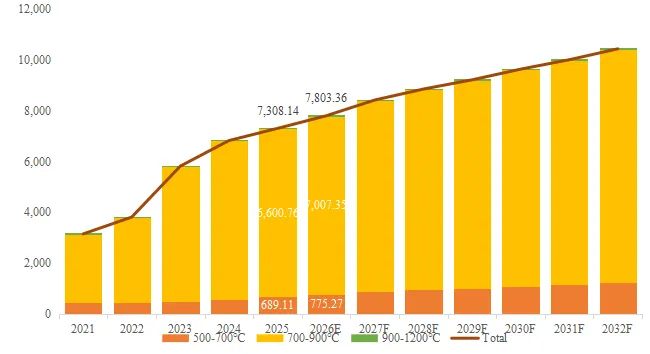
カテゴリー: 未分類 | 投稿者fafa168 16:33 | コメントをどうぞ