Fully Electric Port Tug Market 2025-2031: Zero-Emission Harbor Vessels Driving 21.3% CAGR to US$2.78 Billion by 2031

For port authorities, tugboat service companies, environmental regulators, and maritime investors, the transition from diesel-powered harbor tugs to zero-emission electric vessels represents one of the most compelling growth opportunities in the maritime sector this decade. Conventional diesel tugs consume 200-500 liters of fuel per hour, emit significant CO₂, NOx, and particulate matter, and contribute to noise pollution in densely populated port areas. With global ports facing stricter emission regulations (IMO Tier III, EU Green Ports Initiative, California Air Resources Board), the economic and environmental case for electrification has become irrefutable. The solution is the Fully Electric Port Tug—a zero-emission port motorized vessel that uses high-capacity marine lithium batteries (lithium-titanium, lithium iron phosphate, or emerging solid-state batteries) as the sole or primary power source, achieving berthing, unberthing, turning, and emergency maneuvering through electric propellers, Z-type rudder propellers, or stern-mounted twin propellers. This report delivers strategic insights for decision-makers seeking to capitalize on the 21.3% CAGR projected for this emerging market.

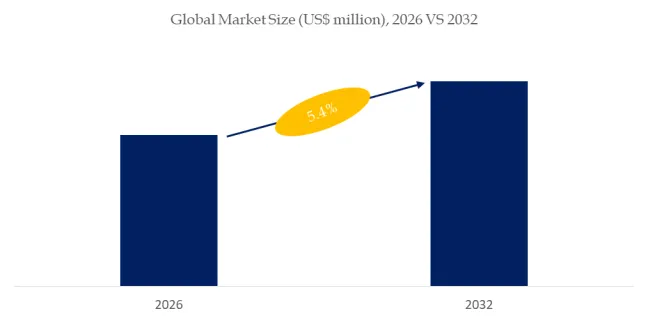
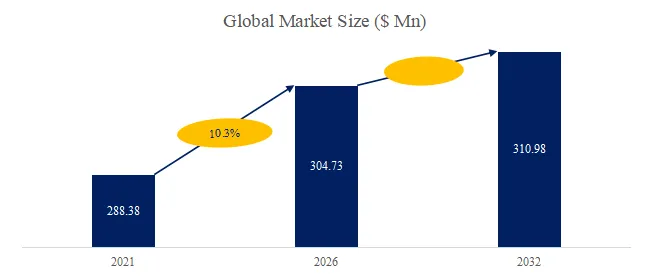
According to the latest release from global leading market research publisher QYResearch, *”Fully Electric Port Tug – Global Market Share and Ranking, Overall Sales and Demand Forecast 2026-2032,”* the global market for Fully Electric Port Tug was valued at US$ 719 million in 2024 and is forecast to reach US$ 2,778 million by 2031, representing a compound annual growth rate (CAGR) of 21.3% during the forecast period 2025-2031.

【Get a free sample PDF of this report (Including Full TOC, List of Tables & Figures, Chart)
https://www.qyresearch.com/reports/5488543/fully-electric-port-tug


Product Definition – Technical Architecture and Operational Capabilities

A fully electric port tug is a zero-emission motorized vessel designed for harbor maneuvers, including ship berthing, unberthing, turning, and emergency response. The vessel uses high-capacity marine batteries as its sole power source, with no diesel engine for primary propulsion.

Core Technical Specifications:

  • Rated Bollard Pull (Thrust): 50-90 tons. Bollard pull determines the tug’s ability to maneuver large vessels (container ships, tankers, bulk carriers). A 70-ton bollard pull tug can handle vessels up to 300 meters length and 150,000 deadweight tons.
  • Continuous Power: 1.6-4.5 MW (2,150-6,000 horsepower). Electric motors provide instantaneous torque (100% available from zero RPM), superior to diesel engines that require time to reach peak torque.
  • Battery Capacity: 2-7 MWh. Lithium-titanate batteries (LTO) are preferred for high-power applications due to rapid charge/discharge rates (10-15 minute charging) and long cycle life (10,000-20,000 cycles). Lithium iron phosphate (LFP) batteries offer lower cost but slower charging.
  • Endurance: 3-5 hours of continuous operation at typical harbor duty cycles (shifting between vessels, standby periods). This endurance is sufficient for most port operations; shore power charging or battery swapping stations extend operating time for 24/7 ports.

Core Cost Components: Raw material costs account for approximately 62-71% of total vessel cost, with the electrical system and battery pack representing the largest line items: battery pack (30-40% of vessel cost), propulsion motor and power electronics (15-20%), hull structural steel (15-20%), and high-grade marine cables and electrical distribution (5-8%). As battery costs continue to decline (marine battery packs US$ 200-300/kWh in 2024, down from US$ 400-500 in 2020), vessel economics improve rapidly.

Operational Configurations: To adapt to multi-condition operation in port areas, all-electric tugboats are usually equipped with redundant power distribution busbars (ensuring operation if one battery string fails), thermal management systems (liquid cooling for batteries and motors), shore-based intelligent charging interfaces (automated connection upon berthing), and power control collaborative algorithms (optimizing battery draw across multiple operations). Leading ports such as Rotterdam (Netherlands), Los Angeles (US), and Shenzhen Mawan Port (China) have formed unified scheduling systems with shore power DC busbars, enabling efficient day and night operation scheduling.

Production Economics (2024 Data): In 2024, the global market saw approximately 28 new constructions and deliveries of fully electric port tugs, with an average unit price of approximately US$ 25.7 million per vessel. The industry gross margin ranges from 18% to 26%, reflecting the capital-intensive nature of marine vessel construction and the early-stage production volumes (limited learning curve benefits compared to mass-manufactured products). Sanmar Shipyards delivered approximately 2 fully electric port tugs annually in 2024, primarily serving near-shore ports in Turkey and the Middle East.


Key Industry Characteristics – Why CEOs and Investors Should Pay Attention

Characteristic 1: The 21.3% CAGR Reflects a Structural Shift, Not Cyclical Demand

The transition from diesel to electric tugs is driven by environmental regulation, not economic cycles. Key regulatory drivers include:

  • IMO (International Maritime Organization) Tier III emissions standards: Effective in Emission Control Areas (ECAs) including North Sea, Baltic Sea, North American coasts. Requires 80% NOx reduction from Tier I baseline. Diesel tugs require selective catalytic reduction (SCR) or exhaust gas recirculation (EGR) to comply; electric tugs meet standards natively.
  • EU Green Ports Initiative: Requires major EU ports to reduce port-area emissions by 50% by 2030 (from 2015 baseline). Port authorities are incentivizing electric tug adoption through reduced port fees and priority berthing.
  • California Air Resources Board (CARB) Commercial Harbor Craft Regulation: Requires all harbor craft (including tugs) operating in California waters to achieve zero-emissions by 2035 for new builds and 2040 for existing vessels.
  • China’s Green Port Development Plan (2021-2025, extended to 2030): Targets 50% reduction in port-area emissions by 2030. Shenzhen, Shanghai, Ningbo-Zhoushan (world’s largest port by cargo volume) have announced electric tug procurement targets.

Unlike consumer-driven markets, this regulatory push is predictable and durable. Ports and tug operators must comply regardless of fuel prices or economic conditions, creating reliable demand visibility for manufacturers.

Characteristic 2: The Total Cost of Ownership (TCO) Advantage Is Already Here

Despite higher upfront capital cost (US$ 25-35 million for electric versus US$ 10-15 million for diesel), electric tugs have significantly lower operating costs:

  • Fuel savings: Diesel tug consumes 200-500 L/hour at US$ 0.80-1.20/L (marine gas oil). For a tug operating 3,000 hours annually, fuel cost is US$ 0.5-1.8 million/year. Electric tug electricity cost at US$ 0.10-0.20/kWh is US$ 0.06-0.28 million/year for equivalent energy. Fuel savings alone offset capital premium in 5-8 years.
  • Maintenance savings: Diesel engines require oil changes, filter replacements, injector cleaning, turbocharger servicing. Electric motors have minimal moving parts, reducing maintenance costs by 50-70%.
  • Regulatory compliance savings: Diesel tugs require SCR systems, DEF (diesel exhaust fluid) consumption, and emissions monitoring equipment. Electric tugs have no compliance costs.
  • Noise reduction: Electric tugs operate at 55-65 dB versus 85-95 dB for diesel, improving crew working conditions and reducing community noise complaints.

Characteristic 3: Battery Technology Innovation as a Value Driver

Electric tug economics improve with each battery technology generation. Current battery systems (LTO, LFP) provide 3-5 hour endurance. Emerging solid-state batteries (expected commercial availability 2027-2029) offer 2-3x energy density, potentially extending endurance to 8-12 hours—sufficient for most port operations without midday charging. Battery swapping stations (already operational in some Chinese ports) reduce downtime to 5-10 minutes versus 1-2 hours for conventional charging. Vessel owners should consider modular battery designs that allow technology upgrades without replacing the entire vessel.

Characteristic 4: The Industry Remains in Early Adoption Phase

At only 28 annual deliveries in 2024, the fully electric tug market represents less than 5% of global tug newbuilds (estimated 600-800 tugs built annually worldwide). This low penetration indicates significant growth runway. The 21.3% CAGR through 2031 implies annual deliveries of 100-150 units by the end of the forecast period. However, this is still modest relative to the global tug fleet of approximately 10,000 vessels. Replacement cycles (25-30 years for tugs) mean that even with aggressive adoption, electric tugs will represent only 15-20% of the global fleet by 2035. For manufacturers, this suggests sustained growth for at least two decades.

Exclusive Analyst Observation – The Infrastructure Bottleneck: The primary constraint on electric tug adoption is not vessel cost or technology readiness but port charging infrastructure. A single electric tug requires 1-5 MW of shore power connection (depending on battery capacity and desired charge time). A port operating 5-10 electric tugs requires 5-50 MW of additional grid capacity plus charging infrastructure investment (US$ 1-5 million per tug). Ports with constrained electrical grids or lengthy interconnection queues will lag in adoption. Early-mover ports (Rotterdam, Los Angeles, Shenzhen) gain competitive advantage by building charging infrastructure first, creating a “land grab” dynamic where ports compete for green shipping routes. Investors should evaluate port grid capacity and utility partnership status when assessing market potential.


User Case Example – Port of Rotterdam (2024-2025 Electric Tug Program)

The Port of Rotterdam, Europe’s largest port, has been a pioneer in electric tug adoption. In partnership with Damen Shipyards and a major tug operator, Rotterdam deployed its first fully electric tug (50-ton bollard pull, 2.5 MWh battery, 4-hour endurance) in 2024. Results from the first 12 months of operation: zero operational emissions (saving 350 tons CO₂ annually); noise reduction from 90 dB to 65 dB, improving crew working conditions; fuel cost reduction of 85% (electricity vs. marine gas oil); and maintenance cost reduction of 60%. The tug is charged during crew shift changes (30 minutes for 80% charge using 1.5 MW shore connection). Based on these results, Rotterdam has committed to converting its entire tug fleet (approximately 25 vessels) to electric or hybrid by 2030, with 3 additional electric tugs ordered for 2025-2026 delivery (source: Port of Rotterdam sustainability report, January 2026). The port has also installed shore power connections at 6 tug berths, with plans to expand to all 15 tug berths by 2028.


Technical Pain Points and Recent Innovations

Battery Energy Density vs. Vessel Space: Tugs have limited internal volume for batteries. Current LFP/LTO batteries provide 100-150 Wh/kg at pack level. To achieve 5 MWh capacity, a battery pack weighs 30-50 tons, reducing cargo capacity and affecting vessel stability. Recent innovation: Solid-state batteries (200-300 Wh/kg, expected 2027-2029) would reduce weight to 15-25 tons for equivalent capacity.

Charge Time vs. Operational Duty: 3-5 hour endurance may be insufficient for 24/7 ports where tugs operate continuously. Recent innovation: Battery swapping stations (operational in Chinese ports) where depleted battery packs are exchanged for fully charged packs in 5-10 minutes, reducing downtime to crew shift changes only. Swapping requires standardized battery modules across tug fleets.

Cold Weather Performance: LFP batteries lose capacity at low temperatures (below 0°C). Recent innovation: Battery thermal management systems (liquid heating/cooling) maintain optimal operating temperature (15-25°C) regardless of ambient conditions. Heated battery enclosures add 5-10% to battery cost but enable operation in northern ports (Hamburg, Rotterdam, Shanghai winters).


Segmentation – By Bollard Pull and By Application

Segment by Bollard Pull (Thrust Capacity): 40-ton tugs (15-20% of market, suitable for smaller harbors and shipyards, lower cost US$ 15-20 million), 60-ton tugs (40-45% of market, standard for most container ports and general cargo, US$ 20-30 million), 70-ton tugs (25-30% of market, for large container ships and tankers, US$ 30-40 million), Others (10-15% of market, including 90-ton for ultra-large vessels and specialized designs).

Segment by Application: Port Authorities (50-60% of market, municipal or state-owned port operators with environmental mandates, long planning horizons (5-10 years), stable funding), Tugboat Service Companies (30-40% of market, private operators with shorter planning horizons (3-5 years), ROI-driven purchase decisions, focus on TCO), Others (10-15% of market, including shipyards, offshore terminals, and naval applications).


Competitive Landscape Summary

Shipyards and Manufacturers: NYK Line (Japan – shipping company with tug investments), Seaspan (Canada – marine transportation), Damen Shipyards (Netherlands – leading builder of electric tugs, Reversed Stern Drive (RSD) series), Arc (US), Crowley (US), Sanmar (Turkey – 2 annual deliveries, 2024), Tokyo Kisen (Japan), Kanagawa Dockyard (Japan), Cochin Shipyard (India), Ripley Group, Navtek Naval Technologies (Turkey – pioneering electric tug designs), Daito Corporation (Japan), Lianyungang Port Holding Group Barge Branch (China).

Market Dynamics: The market is fragmented with no dominant player (top 3 shipyards account for <30% of deliveries). European shipyards (Damen, Navtek) lead in technology and early deployments; Asian shipyards (Japan, China, India) lead in production volume and cost. The market is transitioning from custom, one-off designs (high cost, long lead times) to modular, standardized designs (lower cost, faster delivery). Shipyards offering modular electric tug platforms (standardized battery packs, propulsion modules) will capture share from custom builders.


Segment Summary (Based on QYResearch Data)

Segment by Type (Bollard Pull)

  • 40 t – Smaller harbors, shipyards. 15-20% of market.
  • 60 t – Standard container ports, general cargo. Largest segment at 40-45% of market.
  • 70 t – Large container ships, tankers. 25-30% of market.
  • Others – 90 t and specialized designs. 10-15% of market.

Segment by Application (End User)

  • Port Authority – Municipal/state-owned operators. 50-60% of market; long planning horizons.
  • Tugboat Service Company – Private operators. 30-40% of market; ROI-driven decisions.
  • Others – Shipyards, offshore terminals, naval. 10-15% of market.

Contact Us:
If you have any queries regarding this report or if you would like further information, please contact us:
QY Research Inc.
Add: 17890 Castleton Street Suite 369 City of Industry CA 91748 United States
EN: https://www.qyresearch.com
E-mail: global@qyresearch.com
Tel: 001-626-842-1666(US)
JP: https://www.qyresearch.co.jp

カテゴリー: 未分類 | 投稿者fafa168 15:02 | コメントをどうぞ

Memory Parking Assist Market 2025-2031: Automated Parking Technology Driving 12.1% CAGR in Intelligent Vehicle Convenience Systems

For drivers in dense urban environments, parking has become increasingly stressful and time-consuming. Tight spaces, multi-level garages, and unfamiliar layouts create anxiety and increase the risk of minor collisions. For automakers, differentiating vehicles through intelligent convenience features has become a competitive imperative. The solution is Memory Parking Assist—an intelligent driving feature based on environmental perception, path planning, and automatic control technologies. It records and reproduces vehicle parking trajectories, enabling autonomous parking-in and parking-out operations to enhance convenience and safety. This automated parking system learns frequently used parking routes (home garage, office parking structure) and executes them autonomously on subsequent visits. As intelligent driving penetration increases, memory parking is becoming a key component of advanced driver assistance systems (ADAS). This report delivers a comprehensive analysis of this high-growth vehicle automation segment, incorporating technology trends, margin economics, and adoption patterns.

According to the latest release from global leading market research publisher QYResearch, *”Memory Parking Assist – Global Market Share and Ranking, Overall Sales and Demand Forecast 2026-2032,”* the global market for Memory Parking Assist was valued at US$ 807 million in 2024 and is forecast to reach US$ 1,776 million by 2031, representing a compound annual growth rate (CAGR) of 12.1% during the forecast period 2025-2031.

【Get a free sample PDF of this report (Including Full TOC, List of Tables & Figures, Chart)
https://www.qyresearch.com/reports/5485667/memory-parking-assist


Product Definition – Technical Architecture and Core Capabilities

Memory Parking Assist is an intelligent driving feature based on environmental perception, path planning, and automatic control technologies. It records and reproduces vehicle parking trajectories, enabling autonomous parking-in and parking-out operations.

Technical Architecture:

Perception Layer (Sensor Fusion): The system integrates multiple sensor inputs: cameras (360-degree surround view, rear-view, side-view), ultrasonic sensors (12-16 units for close-range obstacle detection), radar (corner radar for blind-spot and cross-traffic detection), and LiDAR (in premium systems for high-precision mapping). Sensor fusion combines these inputs to create a comprehensive 360-degree model of the parking environment, detecting obstacles, curbs, pedestrians, and other vehicles.

Mapping and Localization: During the learning phase (driver manually parks), the system records the trajectory (steering angle, speed, distance) and builds a semantic map of the parking environment using visual landmarks and radar signatures. The map is stored in vehicle memory indexed by GPS location. On subsequent visits, the system localizes the vehicle using the stored map and real-time sensor data.

Path Planning and Control: The system calculates the optimal trajectory from current position to target parking position, generating steering, throttle, brake, and shift commands. Control algorithms execute the planned path while monitoring for new obstacles (pedestrians, shopping carts, other vehicles entering the path), stopping or adjusting as needed.

Key Operational Capabilities:

  • One-touch parking-in: Driver activates the system after entering the parking area; vehicle autonomously maneuvers into the recorded parking space.
  • Remote parking-out (summon): Driver uses smartphone app to summon the vehicle from a parking space, navigating out autonomously to a pickup point.
  • Garage/home parking: Vehicle learns home garage layout and executes parking with minimal driver intervention.
  • Multi-floor parking structure support: Advanced systems operate across multiple garage levels, using ramp detection and floor transition mapping.

Performance Specifications: Typical memory range: 100-500 meters (sufficient for most home-to-parking scenarios). Parking speed: 3-7 km/h (1.9-4.3 mph) for safety. Obstacle detection range: 0.1-8 meters depending on sensor configuration. Minimum parking space width: vehicle width + 0.6-0.8 meters.

Industry Economics: The product’s average gross margin is approximately 36%, significantly higher than many other automotive electronics components. This attractive margin reflects the software-intensive nature of memory parking systems (hardware costs are modest; value is in algorithms and integration). For a specialized production line, volume depends on automaker integration programs, with typical annual volumes ranging from 50,000 to 500,000 units per vehicle model.


Industry Value Chain – Upstream, Midstream, and Downstream

Upstream Sector: Includes data resources (mapping data, driving scenario databases), algorithm frameworks (deep learning models for perception and planning), development and simulation toolchains (virtual testing environments), basic software platforms (real-time operating systems, middleware), and cloud-based training and management systems (over-the-air updates, fleet learning). Representative suppliers include NVIDIA (AI compute platforms, DRIVE ecosystem) and Qualcomm (Snapdragon Ride platforms). Semiconductor content per vehicle for memory parking ranges from US$ 50-200 depending on compute requirements.

Midstream Sector: Focuses on algorithm integration (combining perception, planning, control modules), sensor fusion module design (optimal combination of camera, radar, ultrasonic inputs), controller development (ECU hardware and embedded software), and vehicle-level validation (testing across diverse parking environments: garages, street parking, multi-level structures). Midstream players include Tier 1 automotive suppliers and specialized autonomous driving software companies.

Downstream Sector: Consists of manufacturers of new energy vehicles (NEVs) and fuel vehicles. Representative customers include Tesla (Smart Summon, Reverse Summon), BMW (Memory Parking Assistant), Mercedes-Benz (Parking Pilot), NIO (NIO Pilot parking features), and BYD. Integration with vehicle platforms requires 2-3 years from concept to production.

Exclusive Analyst Observation – The Software-Defined Differentiation: Unlike traditional automotive features where hardware differentiates (engine power, suspension quality), memory parking assist is software-defined. Two vehicles with identical sensor suites (same cameras, same ultrasonics) can have vastly different parking performance based on algorithm quality. This has shifted competitive advantage from hardware suppliers to software developers. Automakers are increasingly developing in-house parking algorithms (Tesla, NIO, Geely) or forming exclusive partnerships with specialized software firms (UISEE, Momenta). The 36% gross margin reflects software’s value capture; traditional hardware-only suppliers face margins under 20%.


Market Segmentation – By Autonomy Level

L2 Memory Parking Assist (55-60% of market): Driver remains responsible for monitoring the parking environment; system controls steering and speed but requires driver to initiate and supervise. L2 systems include basic memory parking (single learned trajectory) and remote parking-out (summon) with driver supervision via app. L2 is currently the largest segment, standard on many premium and mid-range vehicles. Growth is driven by consumer demand for convenience features without full autonomy cost.

L3 Memory Parking Assist (25-30% of market): System is responsible for monitoring the parking environment; driver may disengage attention but must be able to take over within seconds when requested. L3 systems include autonomous parking-in without driver supervision, automated parking space search, and remote parking with obstacle avoidance (system makes decisions). L3 is the fastest-growing segment (14-15% CAGR) as sensor fusion and AI capabilities improve, reducing the need for driver intervention.

L4 Memory Parking Assist (10-15% of market): Full autonomy in geofenced parking areas (e.g., specific garages, home parking). No driver attention required; system handles all parking scenarios including unexpected obstacles, pedestrian interactions, and multi-level navigation. L4 is currently limited to high-end vehicles (Tesla FSD Beta, Mercedes Drive Pilot in approved garages) and technology demonstration. As computing costs decline and validation expands, L4 is expected to reach mass-market premium vehicles by 2028-2030.


Application Segmentation – New Energy vs. Fuel Vehicles

New Energy Vehicles (NEVs) – 65-70% of market revenue: NEVs are the dominant segment and primary growth driver. NEV manufacturers (Tesla, NIO, BYD, Geely, Xpeng, Li Auto) have positioned intelligent driving features (including memory parking) as key differentiators from traditional automakers. NEVs benefit from electrical architectures that support higher computing power and over-the-air updates, enabling continuous improvement of parking algorithms post-sale. The NEV segment is growing at 14-15% CAGR, significantly above the overall market average.

Fuel Vehicles – 30-35% of market revenue: Traditional internal combustion engine vehicles represent a mature but stable segment. Premium fuel vehicles (BMW, Mercedes-Benz, Audi, Lexus) offer memory parking as an option on higher trims. Mass-market fuel vehicles (Toyota, Honda, Ford, Volkswagen) are slower to adopt due to cost constraints and longer development cycles. The fuel vehicle segment is growing at 7-8% CAGR, limited by platform transition timelines and competition from NEVs.

User Case Example – Tesla Smart Summon (2025 Usage Data): Tesla’s memory parking implementation (Smart Summon and Reverse Summon) demonstrates the feature’s real-world value. According to Tesla’s 2025 impact report, Smart Summon was used over 50 million times globally in 2024-2025, with average usage distance of 45 meters (parking space to pickup point). Key user scenarios included: rainy weather pickup (35% of uses), heavy shopping loads (28% of uses), tight parking spaces (22% of uses), and elderly or mobility-limited drivers (15% of uses). User satisfaction rating averaged 4.2/5, with 78% of users reporting reduced parking-related stress. The feature is standard on all Tesla vehicles manufactured since 2020 (source: Tesla Impact Report 2025, March 2026).


Market Drivers – Complexity, Convenience, and Electrification

Urban Parking Complexity: With urban vehicle density increasing, parking spaces are becoming tighter and parking structures more complex. A 2025 global parking survey found that 65% of urban drivers report parking-related stress, and 45% have experienced a minor parking collision (scrapes, bumper taps). Memory parking assist addresses both stress and safety concerns.

Consumer Demand for Automation: As drivers become accustomed to other ADAS features (adaptive cruise, lane keeping), expectations for parking automation rise. Memory parking is consistently ranked among the top 5 desired convenience features in consumer surveys, particularly among drivers in dense urban areas.

NEV Market Growth: The NEV market (battery electric and plug-in hybrid) grew to 17 million units globally in 2025 (20% of total vehicle sales). NEV buyers are typically more tech-savvy and expect advanced driver assistance features. Memory parking has become a checkbox feature for NEV competitiveness, not merely an option.

Declining Sensor Costs: Camera, ultrasonic, and radar sensor costs have declined 30-50% since 2020. A complete memory parking sensor suite (surround cameras, ultrasonics, corner radar) now costs US$ 150-250 for mass production, down from US$ 300-500 five years ago. Lower costs enable adoption in lower-priced vehicle segments.

Exclusive Analyst Observation – The Fleet Learning Network Effect: Memory parking systems can improve through fleet learning—anonymized data from millions of parking maneuvers across a manufacturer’s vehicle fleet trains shared AI models. Tesla’s fleet of 5+ million vehicles provides a significant data advantage over smaller manufacturers. Each vehicle’s parking experiences (successes, failures, edge cases) improve all vehicles via over-the-air updates. This creates a network effect where larger fleets generate better parking algorithms, which attracts more buyers, further expanding the fleet. Manufacturers without large-scale fleet data will struggle to match algorithm quality regardless of sensor hardware.


Technical Pain Points and Recent Innovations

Lighting and Weather Sensitivity: Camera-based perception degrades in low light, rain, snow, and direct sun glare, reducing system availability. Recent innovation: Sensor fusion with radar (weather-resistant) and infrared cameras (low-light capable) maintains performance across diverse conditions. Premium systems achieve 95%+ availability across weather conditions.

Map Drift and Environment Changes: Parking environments change (new parked cars, moved obstacles, construction). Stored maps become outdated, causing localization failure. Recent innovation: Real-time map updating using semantic SLAM (simultaneous localization and mapping) that detects changes and updates stored maps incrementally. Vehicles learn that a pillar or wall has moved and adjust trajectories accordingly.

Computing Power Constraints: Memory parking requires significant onboard computing for sensor fusion, localization, and planning. Recent innovation: Dedicated neural processing units (NPUs) in automotive SoCs from NVIDIA (Orin, Thor) and Qualcomm (Snapdragon Ride) provide 50-200 TOPS specifically for perception and planning, sufficient for L3/L4 parking without impacting other ADAS functions.

Regulatory Environment: Memory parking regulations vary by region. The UN R79 (steering equipment) and UN R152 (emergency braking) regulations have been updated to cover automated parking functions. Manufacturers must certify systems to regional standards, creating development overhead.


Competitive Landscape Summary

The market includes traditional Tier 1 suppliers, technology companies, and specialized autonomous driving software firms.

Traditional Tier 1 Suppliers: Valeo (France – Park4U family, memory parking), Bosch (Germany – Automated Valet Parking, Home Zone Park Assist), Continental Automotive (Germany – parking assistance portfolio). These companies leverage automaker relationships, manufacturing scale, and automotive qualification expertise.

Technology Companies Entering Automotive: HUAWEI (China – ADS system includes memory parking), Tesla (US – Smart Summon, Reverse Summon, vertical integration). Huawei supplies complete ADAS solutions to Chinese automakers; Tesla develops in-house.

Chinese Specialized ADAS Software Firms: Zongmu Tech (China – memory parking solutions), UISEE (China – automated valet parking), Momenta (China – scalable autonomous driving, parking module), Geely (vertical integration via ECARX). Chinese firms have gained significant share in domestic market (estimated 30-35% of new NEV memory parking contracts) through rapid development cycles (12-18 months versus 24-36 months for global Tier 1s) and competitive pricing.

Market Dynamics: The 12.1% CAGR reflects the transition from premium-option to standard-feature status. Memory parking is moving from vehicles above US$50,000 to vehicles in the US$25,000-35,000 price range. This price compression favors suppliers with cost-optimized solutions (US$ 50-100 sensor suite + compute) over premium solutions (US$ 200-400). Chinese suppliers are aggressively targeting this mass-market segment; global suppliers maintain premium positioning with L3/L4 capabilities.


Segment Summary (Based on QYResearch Data)

Segment by Type (Autonomy Level)

  • L2 Memory Parking Assist – Driver supervises, basic memory parking and summon. Largest segment at 55-60% of market revenue.
  • L3 Memory Parking Assist – System monitors, autonomous parking without supervision. 25-30% of revenue; fastest-growing at 14-15% CAGR.
  • L4 Memory Parking Assist – Full autonomy in geofenced areas. 10-15% of revenue; limited to premium vehicles currently.

Segment by Application (Vehicle Powertrain)

  • New Energy Vehicle – BEV, PHEV. Dominant segment at 65-70% of market revenue; faster-growing at 14-15% CAGR.
  • Fuel Vehicle – Internal combustion engine. 30-35% of revenue; slower-growing at 7-8% CAGR.

Contact Us:
If you have any queries regarding this report or if you would like further information, please contact us:
QY Research Inc.
Add: 17890 Castleton Street Suite 369 City of Industry CA 91748 United States
EN: https://www.qyresearch.com
E-mail: global@qyresearch.com
Tel: 001-626-842-1666(US)
JP: https://www.qyresearch.co.jp

カテゴリー: 未分類 | 投稿者fafa168 15:00 | コメントをどうぞ

Aerial Ladder Fire-Fighting Vehicle Market 2025-2031: High-Rise Rescue and Urban Firefighting Driving 2.0% CAGR in Specialized Emergency Equipment

For municipal fire departments, airport emergency teams, and industrial safety managers, fighting fires in high-rise buildings presents a critical operational challenge. Ground-based equipment cannot reach beyond 15 meters, yet modern cities are filled with structures exceeding 100 meters. The solution is the Aerial Ladder Fire-Fighting Vehicle—a specialized emergency response unit equipped with telescopic or articulating ladder systems for high-elevation firefighting and rescue. These fire rescue trucks enable firefighters to access upper floors and deliver water or foam precisely to elevated fire sources. With advanced hydraulic and electronic controls, they offer exceptional stability, maneuverability, and operational safety. This report delivers a comprehensive analysis of this specialized emergency vehicle segment, incorporating production data, height capacity trends, and regional demand patterns.

According to the latest release from global leading market research publisher QYResearch, *”Aerial Ladder Fire-Fighting Vehicle – Global Market Share and Ranking, Overall Sales and Demand Forecast 2026-2032,”* the global market for Aerial Ladder Fire-Fighting Vehicle was valued at US$ 1,983 million in 2024 and is forecast to reach US$ 2,273 million by 2031, representing a compound annual growth rate (CAGR) of 2.0% during the forecast period 2025-2031.

【Get a free sample PDF of this report (Including Full TOC, List of Tables & Figures, Chart)
https://www.qyresearch.com/reports/5485607/aerial-ladder-fire-fighting-vehicle


Product Definition – Technical Architecture

An aerial ladder fire-fighting vehicle is a specialized emergency unit designed for high-elevation operations. The ladder system, manufactured from steel alloy high-durability profiles, extends telescopically or articulates for maneuverability. The hydraulic system powers extension and rotation, while outriggers provide stabilization. An integrated waterway delivers water or foam (1,500-5,000 L/min) to the ladder tip, and a work platform (bucket) enables personnel rescue. A heavy-duty chassis (15-45 tons) supports the complete system.

Production Economics (2024 Data): Global production reached approximately 2,500 units, with an average price of US$ 790,000 per unit. A specialized production line produces 30-150 units annually. Gross profit margins range from 15-25%.


Key Industry Characteristics

Urbanization as Primary Demand Driver: Rapid urbanization and high-rise construction drive demand. The number of skyscrapers (over 150m) has grown from 500 in 2000 to over 2,500 in 2025. Municipal fire departments are upgrading fleets to match building heights. Demand is particularly strong in Asia-Pacific, the Middle East, and Latin America.

Height Capacity Segmentation Reflects Building Density: The market segments by working height: below 20m (16-18%) for suburban departments; 20-30m (20-25%) for medium-density urban; 30-40m (25-30%) for high-density urban (largest segment); 40-50m (15-20%) for major metropolitan areas; 50-60m (8-10%) for specialized high-reach; 60-70m (3-5%) for flagship departments; above 70m (1-2%) for extreme high-reach (5-10 units annually).

Industry Chain Ecosystem: Upstream includes specialized chassis, hydraulic systems, steel alloy ladders, pumps, and control electronics. Midstream manufacturers design, assemble, and integrate these components. Downstream users include municipal fire departments (70-75%), airports (10-15%), and industrial facilities (10-15%). Supporting industries include steel, electronics, and after-sales maintenance.

Technological Innovation: Manufacturers are integrating smart control systems (load monitoring, remote diagnostics), lightweight materials (high-strength steel alloys), and eco-friendly powertrains (hybrid/electric). These innovations enhance performance, efficiency, and sustainability.

Exclusive Analyst Observation – The Aftermarket as Profitability Engine: The initial vehicle sale is often low-margin (15-20%), but the aftermarket lifecycle (15-20 years) generates higher cumulative profit. Annual inspections (US$5,000-15,000), hydraulic rebuilds every 5-7 years (US$20,000-50,000), and ladder testing (US$3,000-8,000) mean total aftermarket spend can exceed the initial purchase price. Manufacturers with strong service networks achieve overall margins 2-3x higher than vehicle-only competitors.


User Case Example – Shanghai Fire Department (2025 Fleet Modernization)

The Shanghai Fire and Rescue Department modernized its fleet with 25 aerial ladder vehicles: 15 units of 40m ladder trucks (US$750,000 each), 8 units of 55m ladder trucks (US$1.2 million each), and 2 units of 90m platform trucks (US$2.5 million each). Key selection criteria included hydraulic smoothness, control system intuitiveness, and aftermarket support. The program was funded by Shanghai’s “Safe City” initiative (source: procurement announcement, November 2024).


Technical Pain Points and Recent Innovations

Ladder Stability at Full Extension: Extended ladders oscillate from wind and water reaction force. Recent innovation: Active damping systems using accelerometers and hydraulic valves, reducing settling time from 10-15 seconds to 3-5 seconds.

Weight vs. Reach Trade-off: Longer ladders require heavier vehicles, reducing maneuverability. Recent innovation: High-strength steel alloys and carbon fiber composites reduce weight by 15-25% for equivalent reach (though carbon fiber is 3-5x more expensive).

Operator Training Complexity: Aerial ladder operation requires 100-200 training hours. Recent innovation: VR-based simulation training reduces training time by 30-40% and enables practice of emergency scenarios without risk.


Application Segmentation

Municipal (70-75% of revenue): City fire departments for high-rise building fires. Suburban departments use 20-30m ladders; urban departments use 30-50m; megacity core departments use 50-70+m.

Industrial (15-20% of revenue): Petrochemical plants and refineries. Prioritize corrosion resistance, high water flow (5,000+ L/min), and foam capability. Height requirements are typically lower (20-40m).

Airport (10-15% of revenue): Aircraft rescue operations. Prioritize rapid acceleration (0-80 km/h under 25 seconds), off-road capability, and high-capacity water/foam tanks (5,000-10,000L). Height requirements are minimal (20-30m).


Competitive Landscape Summary

Global leaders: Rosenbauer (Austria), Oshkosh (US), MORITA (Japan), Magirus (Germany), REV Group (US). Top five account for 60-65% of global revenue.

Chinese manufacturers: ZOOMLION, SANY, CFE, Zhongzhuo, CLW Group. Offer price advantages of 20-40% below Western brands, gaining share in domestic and emerging markets.

Market Dynamics: The 2.0% CAGR reflects market maturity in developed regions (replacement-cycle demand) offset by growth in developing regions (China, India, Southeast Asia, Middle East).


Segment Summary (Based on QYResearch Data)

Segment by Type (Maximum Working Height)

  • Below 20m (16-18%); 20-30m (20-25%); 30-40m (25-30% – largest); 40-50m (15-20%); 50-60m (8-10%); 60-70m (3-5%); Above 70m (1-2%)

Segment by Application (End User)

  • Municipal (70-75% – largest); Industrial (15-20%); Airport (10-15%)

Contact Us:
If you have any queries regarding this report or if you would like further information, please contact us:
QY Research Inc.
Add: 17890 Castleton Street Suite 369 City of Industry CA 91748 United States
EN: https://www.qyresearch.com
E-mail: global@qyresearch.com
Tel: 001-626-842-1666(US)
JP: https://www.qyresearch.co.jp

カテゴリー: 未分類 | 投稿者fafa168 14:58 | コメントをどうぞ

Automotive Liveness Detection System Market 2025-2031: In-Cabin Occupant Monitoring for Child and Pet Safety Driving 5.5% CAGR

For automotive OEMs, safety regulators, parents, and pet owners, a tragic and preventable hazard persists: children and pets left unattended in parked vehicles, succumbing to hyperthermia (heatstroke) within minutes. On a 30°C (86°F) day, a vehicle’s interior can reach 45-50°C (113-122°F) within 20 minutes. A child’s body temperature rises 3-5 times faster than an adult’s, making heatstroke fatal when core temperature exceeds 40°C (104°F). In the United States alone, an average of 38 children die annually from vehicular heatstroke (NOAA data, 1998-2024). Thousands more pets die each year, though precise statistics are not systematically collected. The solution is the Automotive Liveness Detection System—an intelligent safety system installed in the automobile to detect and identify whether a living being (child, pet, or occupant) remains in the vehicle after the driver has exited. Its core goal is to solve the safety hazard of children or pets being left in the car due to human negligence and to prevent living beings from entering dangerous areas under certain scenarios. This report delivers a comprehensive analysis of this emerging in-cabin safety segment, incorporating production data, regulatory drivers, and technology trends.

According to the latest release from global leading market research publisher QYResearch, *”Automotive Liveness Detection System – Global Market Share and Ranking, Overall Sales and Demand Forecast 2026-2032,”* the global market for Automotive Liveness Detection System was valued at US$ 611 million in 2024 and is forecast to reach US$ 889 million by 2031, representing a compound annual growth rate (CAGR) of 5.5% during the forecast period 2025-2031.

【Get a free sample PDF of this report (Including Full TOC, List of Tables & Figures, Chart)
https://www.qyresearch.com/reports/5446790/automotive-liveness-detection-system


Product Definition – Technical Architecture and Detection Methods

The automotive liveness detection system is an intelligent safety system that detects and identifies whether a living being remains in the vehicle. The system typically integrates sensors, processing algorithms, and alert mechanisms.

Core Components:

Detection Sensors: The sensing layer uses one or more technologies: radar (millimeter-wave radar detects micro-movements from breathing and heartbeat, works through seats and blankets, unaffected by lighting); ultrasonic sensors (detect motion but may miss sleeping children or pets); capacitive sensors (detect presence based on electrical field changes, typically embedded in seats); infrared cameras (detect body heat and breathing motion, require line-of-sight); or weight sensors (detect occupancy based on weight thresholds, but cannot distinguish between a child and a heavy bag).

Processing Unit: Embedded processor running detection algorithms that distinguish between living beings (humans, pets) and inanimate objects (bags, groceries, car seats). Advanced systems use AI models trained on thousands of in-cabin scenarios to reduce false positives (detecting a parked car seat as a child) and false negatives (missing a child under a blanket).

Alert System: Upon detecting a living being left behind, the system triggers alerts: visual (dashboard warning, flashing lights), audible (horn honking, siren), remote (mobile app notification to driver’s smartphone), or automated intervention (lowering windows, activating HVAC to maintain safe temperature, calling emergency services).

Detection Methods:

Direct Detection (60-65% of market): Uses radar, cameras, or ultrasonic sensors to directly detect the presence of living beings. Radar-based direct detection is the most reliable technology, as it detects micro-vibrations from breathing and heartbeat even through blankets, car seats, and under seats. Direct detection offers higher accuracy (95-99% detection rate) but higher component cost (US$ 20-40 per radar module) and requires sensor placement with appropriate field of view.

Indirect Detection (35-40% of market): Uses indirect indicators to infer potential presence: door open/close sequences (if a rear door was opened before the trip but not before driver exit), seat belt status (if a seat belt was buckled and remains buckled after driver exit), or weight sensors in rear seats. Indirect detection has lower component cost (US$ 5-15) but higher false positive/negative rates (80-90% detection accuracy). Indirect detection is typically implemented in software using existing vehicle sensors (door ajar, seat belt, weight sensors), requiring no additional hardware.

Production Economics (2024 Data): In 2024, global automotive liveness detection system production reached approximately 941,000 units, with an average global market price of approximately US$ 650 per unit. The annual production capacity of a single production line for automotive liveness detection systems is typically 5,000-7,000 units, with a gross profit margin of approximately 28%. At 941,000 units, approximately 130-180 production lines are active globally (depending on line utilization rates). The market is in early growth phase, with significant capacity expansion expected through 2027.


Key Industry Characteristics – Understanding the Life-Safety Mandate

Characteristic 1: Regulatory and Safety Rating Drivers as the Primary Growth Engine

The core requirements of automotive liveness detection systems stem directly from the guarantee of life safety in the vehicle, especially for the fatal risk caused by children or pets being left in hot compartments. Business opportunities are driven by two engines:

Regulatory Mandates (First Engine): Many authoritative new car safety evaluation agencies worldwide have planned to include rear passenger detection in bonus points or even mandatory requirements, rapidly promoting it to become standard configuration for mid-range and high-end new cars.

  • Euro NCAP (2024-2026 roadmap): Rear occupant detection (child presence detection) is a bonus point criterion from 2024. From 2026, systems that detect a child left behind AND automatically intervene (activate HVAC, notify emergency services) will receive additional points.
  • US HOT CARS Act (proposed, multiple state-level adoptions): The “Helping Overcome Trauma for Children Alone in Rear Seats Act” would require all new passenger vehicles to include child presence detection systems. California SB 869 (effective 2025 for 2027 model year) requires rear occupant detection systems in new vehicles sold in California.
  • China C-NCAP (2025 revision): Expected to add child presence detection as a test criterion, following Euro NCAP precedent.
  • General Safety Regulation (EU) 2024/1460: Requires driver drowsiness and attention warning systems (not specifically rear occupant detection), but establishes precedent for in-cabin monitoring mandates.

Consumer Safety Awareness (Second Engine): The awakening of safety awareness at the consumer end provides key purchase decision points for family cars. A 2025 consumer survey by an automotive research firm found that 65% of parents with children under 5 rated “child reminder system” as important or very important in vehicle purchase decisions, ranking above features such as premium audio (58%) and sunroof (42%). This consumer pull is accelerating adoption beyond regulatory minimums.

Characteristic 2: The Aftermarket and Solution Integration Opportunity

The business opportunity lies not only in providing high-integration radar or sensor solutions for vehicle manufacturers, but also in the aftermarket, as well as in linking detection functions with air conditioning and alarm systems to form smarter “life protection solutions.”

OEM Channel (75-80% of market): Direct supply to automakers for factory installation. Requires automotive qualification (IATF 16949, AEC-Q100 for components), long development cycles (2-4 years), and volume commitments. Higher margins (30-35%) but longer time to revenue.

Aftermarket Channel (20-25% of market): Retrofit systems for existing vehicles. Includes plug-in devices (OBD-II port connected) and battery-powered standalone units. Lower margins (15-20%) but immediate revenue potential and growing as awareness increases.

Life Protection Solutions (emerging segment): Integration with vehicle systems for automated intervention: HVAC activation (maintain safe cabin temperature below 30°C), window lowering (increase ventilation), alarm escalation (from in-car to remote notification), and emergency calling (contact emergency services with GPS location). These integrated solutions command premium pricing (US$ 800-1,200 versus US$ 300-500 for basic detection-only systems).

Characteristic 3: Downstream Demand Distribution

The downstream consumption of automotive liveness detection systems is: passenger vehicles 75%, commercial vehicles 25%. Passenger vehicle adoption is driven by family-oriented models (SUVs, minivans, sedans) where child safety is a primary consideration. Commercial vehicle adoption is driven by school buses (preventing children left on buses after route completion), ride-hailing vehicles (detecting lost items and potential occupant retention), and delivery vans (detecting unauthorized overnight occupants).

Exclusive Analyst Observation – The False Positive/Fragile Technology Trade-off: The automotive liveness detection market faces a classic engineering trade-off between detection sensitivity (avoiding false negatives—missing a child) and false positives (alerting when no child is present). False negatives are catastrophic (child death). False positives are annoying (driver receives alert when rear seat contains a grocery bag, not a child). However, excessive false positives lead drivers to disable the system, defeating its safety purpose. Radar-based systems achieve the best balance (99% detection, 5-10% false positive rate). Indirect detection (door logic, seat belt status) has lower false positives (2-5%) but also lower detection (80-90%). The winning technology strategy will be sensor fusion (radar + door logic + seat belt status) to achieve >99% detection with <1% false positives. Suppliers offering integrated sensor fusion solutions will capture market share.


User Case Example – Euro NCAP Testing (2025 Protocol Validation)

A European automotive supplier conducted Euro NCAP validation testing of its radar-based automotive liveness detection system. The test protocol included: infant (simulated) in rear-facing child seat, covered with blanket; toddler (simulated) sleeping under blanket on rear seat; pet (dog model) on rear seat floor; and empty seat with child seat, groceries, and bags. Detection requirements: system must alert within 60 seconds of driver exit and door lock. Results over 200 test runs: 198 true positives (two false negatives when infant simulator was positioned at extreme edge of radar field of view, corrected by software update); 5 false positives (alerts with no occupant, triggered by moving air currents from HVAC). After software refinement, false positives reduced to 2 (1% rate). The supplier’s system achieved Euro NCAP “Good” rating, the highest classification. The supplier has since secured contracts with three European automakers for 2027 model year vehicles (source: supplier press release, September 2025).


Technical Pain Points and Recent Innovations

Detection Through Obstructions: Blankets, car seats, and luggage can block radar and camera detection. Recent innovation: 60 GHz millimeter-wave radar with through-obstruction detection capability, achieving detection of breathing motion through up to 3 layers of cotton blanket (20 cm thickness) and through standard child car seat materials.

Differentiating Children from Child Seats: Empty child seats (which remain in the vehicle) trigger false positives if system cannot distinguish between seat and child. Recent innovation: AI models trained on thousands of radar signatures of occupied vs. unoccupied child seats, achieving 98% classification accuracy.

Battery Drain During Parking: Continuous detection after driver exit drains the vehicle battery. Recent innovation: Ultra-low-power wake-up radar (consumption <1 mW in standby, 50-100 mW active) that activates only after door lock and monitors for 30-60 minutes before powering down if no detection. At 1 mW standby, battery drain over 24 hours is negligible (0.024 Ah, less than 0.1% of typical 60 Ah battery).

Integration with Vehicle HVAC and Windows: Basic detection systems only alert (horn, lights, app notification). Recent innovation: Integrated life protection systems that automatically activate HVAC recirculation mode (cooling) and lower windows 2-3 inches for ventilation when a living being is detected and external temperature exceeds 25°C (77°F). These integrated systems require OEM-level access to vehicle networks (CAN bus) and are primarily factory-installed.


Segmentation Deep Dive – Direct vs. Indirect Detection

Direct Detection (60-65% of market revenue): Uses radar, cameras, or ultrasonic sensors to directly detect living beings. Higher detection accuracy (95-99%), higher component cost (US$ 20-40 per radar module), requires additional hardware, and requires sensor placement with appropriate field of view (typically overhead or in rear headliner). Preferred by OEMs for factory installation. Growing at 6-7% CAGR as radar costs decline.

Indirect Detection (35-40% of market revenue): Uses door open/close logic, seat belt status, and weight sensors to infer potential presence. Lower detection accuracy (80-90%), lower component cost (US$ 5-15, primarily software), uses existing vehicle sensors (no additional hardware), and cannot detect sleeping children (no motion). Preferred for aftermarket and entry-level vehicles where cost is primary constraint. Growing at 4-5% CAGR, slower than direct detection.


Application Segmentation – Passenger vs. Commercial Vehicles

Passenger Vehicle (75% of market revenue): Includes sedans, SUVs, minivans, hatchbacks, coupes. Adoption is highest in family-oriented segments (SUVs, minivans) and premium/luxury segments (where Euro NCAP ratings influence purchase decisions). Passenger vehicle detection systems are typically radar-based (direct detection) integrated into rear headliner or overhead console.

Commercial Vehicle (25% of market revenue): Includes school buses (preventing children left on buses after route completion—a recurring tragedy in the US with 10-15 incidents annually), ride-hailing vehicles (detecting lost items and potential occupant retention, also driver verification for ride-share safety), delivery vans and box trucks (detecting unauthorized overnight occupants or stowaways), and taxis (rear seat occupant detection for child safety). Commercial vehicle systems must operate over wider temperature ranges and have higher durability requirements.


Competitive Landscape Summary

The market includes traditional automotive Tier 1 suppliers, sensor specialists, and technology companies entering automotive.

Traditional Tier 1 suppliers: Alps Alpine (Japan), Continental (Germany), Valeo (France), Robert Bosch (Germany), Magna (Canada), Gentex (US – mirror-integrated cameras). These companies leverage existing automaker relationships, manufacturing scale, and automotive qualification expertise.

Sensor specialists and technology companies: Acconeer (Sweden – radar sensor specialist), Smart Eye (Sweden – camera-based occupant monitoring), Precise Biometrics (Sweden – biometric detection), Huawei (China), Xiaomi (China – consumer electronics entering automotive), Black Sesame Technologies (China – AI chip and perception).

Chinese domestic suppliers: Guangdong YFORE Technology, Beijing Giga Innovation Technology, Shenzhen Huayuen Space-time Technology, Shenzhen MINIEYE Innovation Technology. These companies compete on cost (20-30% below global brands) and speed (12-18 month development cycles versus 24-36 months for global suppliers). Chinese suppliers have gained significant share in the domestic Chinese market (estimated 40-45% of Chinese OEM contracts for 2025-2026 model year vehicles) and are beginning to export to Southeast Asia, Middle East, and South America.

Market Dynamics: The market is moderately fragmented, with the top five players accounting for approximately 35-40% of global revenue. The market is transitioning from early adopters (premium/luxury vehicles) to mass-market adoption (mid-range and economy vehicles). This transition favors suppliers with cost-optimized solutions (US$ 20-30 radar modules versus US$ 50-80 for early systems). Chinese suppliers are aggressively targeting this mass-market segment, while global suppliers maintain premium positioning with integrated life protection solutions.


Segment Summary (Based on QYResearch Data)

Segment by Type (Detection Method)

  • Direct Detection – Radar, camera, or ultrasonic sensors. Higher accuracy (95-99%), higher cost (US$ 20-40 for radar). 60-65% of market revenue; faster-growing at 6-7% CAGR.
  • Indirect Detection – Door logic, seat belt status, weight sensors. Lower accuracy (80-90%), lower cost (US$ 5-15, primarily software). 35-40% of market revenue; slower-growing at 4-5% CAGR.

Segment by Application (Vehicle Type)

  • Passenger Vehicle – Sedans, SUVs, minivans, hatchbacks, coupes. Largest segment at 75% of market revenue. Driven by family-oriented models and Euro NCAP ratings.
  • Commercial Vehicle – School buses, ride-hailing vehicles, delivery vans, taxis. 25% of market revenue. School bus segment has specific regulatory drivers.

Contact Us:
If you have any queries regarding this report or if you would like further information, please contact us:
QY Research Inc.
Add: 17890 Castleton Street Suite 369 City of Industry CA 91748 United States
EN: https://www.qyresearch.com
E-mail: global@qyresearch.com
Tel: 001-626-842-1666(US)
JP: https://www.qyresearch.co.jp
カテゴリー: 未分類 | 投稿者fafa168 14:55 | コメントをどうぞ

Autonomous Driving Domain Control Unit (DCU) Market 2025-2031: The Brain of Intelligent Vehicles Driving 22.0% CAGR to US$77.9 Billion

For automotive executives, Tier 1 suppliers, semiconductor investors, and technology strategists, the transition from traditional distributed electronic control units (ECUs) to centralized domain control units (DCUs) represents one of the most significant value creation opportunities in the automotive industry this decade. Traditional vehicles contain 70-150 ECUs, each controlling a single function (brakes, windows, infotainment). This distributed architecture cannot support the massive data throughput, real-time sensor fusion, and complex decision-making algorithms required for autonomous driving. The solution is the Autonomous Driving Domain Control Unit (DCU) —a core hardware component in intelligent vehicles that supports autonomous driving functions. It integrates multiple sensor inputs, decision algorithms, and execution control functionalities, acting as the “brain” of the autonomous driving system. By working closely with sensors such as LiDAR, cameras, and radar, the DCU collects, processes, and analyzes real-time information about the vehicle’s surrounding environment, enabling key functions such as perception, decision-making, and execution. This report delivers strategic insights for decision-makers seeking to capitalize on the 22.0% CAGR projected for this transformative market through 2031.

According to the latest release from global leading market research publisher QYResearch, *”Autonomous Driving Domain Control Unit (DCU) – Global Market Share and Ranking, Overall Sales and Demand Forecast 2026-2032,”* the global market for Autonomous Driving Domain Control Unit (DCU) was valued at US$ 21,212 million in 2024 and is forecast to reach US$ 77,909 million by 2031, representing a compound annual growth rate (CAGR) of 22.0% during the forecast period 2025-2031.

【Get a free sample PDF of this report (Including Full TOC, List of Tables & Figures, Chart)
https://www.qyresearch.com/reports/5446070/autonomous-driving-domain-control-unit–dcu


Product Definition – Technical Architecture and Core Functions

The Autonomous Driving Domain Control Unit (DCU) is the central computing platform for intelligent vehicles. With its highly integrated hardware and powerful computing capabilities, it enables vehicles to self-perceive, plan paths, make decisions, and control execution in complex driving scenarios.

Technical Architecture:

Sensor Input Interface: The DCU receives real-time data from multiple sensor types: LiDAR (light detection and ranging, typically 1-5 units providing 360-degree coverage); cameras (6-12 units providing visual perception for lane detection, traffic sign recognition, object identification); radar (5-8 units for long-range and short-range object detection, including blind-spot monitoring); ultrasonic sensors (12+ units for close-range parking and maneuvering); and GNSS/IMU (GPS and inertial measurement for vehicle positioning and orientation). The total data rate from all sensors exceeds 10 Gbps for Level 3 systems and 50 Gbps for Level 4/5.

Compute Platform: The DCU contains multiple high-performance processors: SoC (system-on-chip) for AI inference and perception algorithms, typically 50-500 TOPS (trillion operations per second) depending on autonomy level; MCU (microcontroller unit) for safety-critical decision-making and actuator control, meeting ASIL-D (Automotive Safety Integrity Level D) requirements; GPU or dedicated AI accelerators for parallel processing of neural networks; and FPGA or DSP for specific signal processing tasks (radar, LiDAR point cloud). Tesla’s HW4 platform achieves approximately 500 TOPS; NVIDIA’s Thor platform (2025) targets 2,000 TOPS.

Memory and Storage: High-bandwidth RAM (16-64 GB) for real-time data processing and non-volatile storage (256 GB – 2 TB) for map data, trip logs, and software updates.

Communication Interfaces: CAN, CAN-FD, FlexRay, Automotive Ethernet (100 Mbps to 10 Gbps) for communication with vehicle systems (brakes, steering, throttle, displays).

Core Functions Enabled by DCU:

  • Environment Perception: Fusing data from LiDAR, cameras, and radar to create a real-time 3D model of the vehicle’s surroundings, including road boundaries, lane markings, other vehicles, pedestrians, cyclists, obstacles, and traffic signs.
  • Path Planning: Calculating optimal trajectory from current position to destination, considering road geometry, traffic rules, other dynamic objects, and real-time conditions.
  • Control Decision-Making: Translating planned path into actuator commands (steering angle, brake pressure, throttle position) that are executed by vehicle’s chassis systems.

Supported Autonomous Driving Features:

  • Traditional features (L1-L2): Adaptive cruise control, automatic emergency braking, lane-keeping assist, blind-spot monitoring, automatic parking. These functions are now standard on many mass-market vehicles.
  • Advanced features (L2+ to L3): Highway pilot (hands-off, eyes-on highway driving), traffic jam pilot (hands-off, eyes-off in low-speed traffic), automated lane change, and navigation on autopilot (point-to-point highway driving).
  • Full autonomy (L4/L5): Robotaxi operations (no steering wheel, no pedals), autonomous delivery vehicles, and purpose-built autonomous shuttles. These systems require redundant DCU architectures for fail-operational safety.

Key Industry Characteristics – Why CEOs and Investors Should Pay Attention

Characteristic 1: The 22.0% CAGR Reflects a Secular Shift, Not a Cyclical Trend

The transition from distributed ECUs to centralized DCUs is irreversible. Traditional ECUs cannot scale to autonomous driving requirements. Every new vehicle platform launched after 2025 will incorporate a DCU architecture. By 2030, penetration of DCUs in new vehicles is projected to reach 60-70% (from approximately 15-20% in 2024). The 22.0% CAGR is driven by both increasing unit volume (from 15-25 million units in 2024 to 50-80 million units by 2031) and increasing computing power per unit (higher TOPS = higher ASP). For investors, this represents a multi-year growth runway not dependent on consumer sentiment or economic cycles.

Characteristic 2: Computing Power as the Primary Differentiator and Pricing Driver

The price range for DCUs is approximately US$ 100 to US$ 2,000 per unit, with the variation depending on performance, brand, and level of integration. The relationship between TOPS and price is roughly linear: US$ 2-5 per TOPS for mass-market L2+ systems (50-100 TOPS, US$ 100-500), US$ 5-10 per TOPS for premium L3 systems (200-500 TOPS, US$ 1,000-2,000), and US$ 10-20 per TOPS for L4/L5 development platforms (1,000+ TOPS, US$ 10,000-20,000 for early systems, declining rapidly). The semiconductor content of vehicles is rising from approximately US$ 600 per vehicle in 2024 to US$ 1,200-1,500 by 2030, with DCUs representing the largest single component of that increase.

Characteristic 3: The L2+ Transition as the Volume Driver

As L2+ and L3-level autonomous driving technologies gradually become mainstream, the demand for Autonomous Driving Domain Control Units is rapidly increasing. In particular, high-end and luxury vehicles have already integrated autonomous driving functions as a key consideration for consumers. At the same time, with the growing acceptance of autonomous driving technology in mid- and low-end markets, more cost-competitive DCUs are gaining popularity. The inflection point is 2025-2026, when DCU cost drops below US$ 500 for L2+ systems, enabling adoption in US$ 25,000-35,000 vehicles (the largest volume segment). Chinese automakers (BYD, Geely, Great Wall) are leading this cost reduction, with in-house DCU development targeting US$ 200-300 for L2+ systems.

Characteristic 4: Safety and Reliability Remain the Critical Gatekeepers

Despite broad market prospects, the development of Autonomous Driving Domain Control Units faces several challenges. First, the safety and reliability of autonomous driving technology remain a key focus for consumers and regulatory authorities. Although autonomous driving systems have performed well in testing, their response capabilities in complex road environments and emergency situations are still being tested. The establishment of technical standards and cross-industry collaboration remains a challenge in driving market growth. Governments and automakers need to work together to promote the development of technical regulations and standards to ensure the safe and healthy growth of the entire industry.

Exclusive Analyst Observation – The Redundancy Imperative for L4/L5: For L4/L5 systems (full autonomy), a single DCU is insufficient. Robotaxi platforms require 2-4 fully redundant DCUs, each capable of operating the vehicle independently if others fail. This redundancy requirement multiplies DCU content per vehicle. A Waymo or Cruise robotaxi may contain 3-4 DCUs (primary, secondary, tertiary) at US$ 2,000-5,000 each, representing US$ 6,000-20,000 in DCU content per vehicle. As robotaxi fleets scale (projected 500,000-1,000,000 vehicles globally by 2030), this creates a high-value niche market distinct from consumer vehicle DCUs.


Market Volume and Pricing Dynamics (2024 Baseline)

In terms of market trends, the global market volume for Autonomous Driving Domain Control Units is expected to range from 15 million to 25 million units in 2024, depending on the progress of autonomous driving system deployment by major automakers. The price range is approximately US$ 100 to US$ 2,000 per unit, with variation depending on performance, brand, and integration level.

The volume range reflects uncertainty in L2+ adoption rates. Optimistic scenarios (25 million units) assume rapid adoption of highway pilot systems in China, Europe, and North America. Conservative scenarios (15 million units) assume slower regulatory approval and consumer acceptance. The 22.0% CAGR implies 2031 volume of 50-80 million units, representing 40-60% of global light vehicle production.

User Case Example – Chinese EV Manufacturer (2025 DCU Strategy): A leading Chinese electric vehicle manufacturer (BYD) transitioned from external DCU sourcing to in-house development for its “DiPilot” autonomous driving system. The in-house DCU (developed with Horizon Robotics AI chips) achieves 128 TOPS at a reported cost of US$ 300-400 per unit—approximately 40-50% below comparable external solutions. This cost advantage enables BYD to offer L2+ highway pilot as standard on vehicles starting at US$ 25,000, a price point where competitors cannot match without margin sacrifice. BYD’s in-house DCU strategy has been cited by analysts as a key factor in the company’s 2025 market share gains (source: BYD annual report, March 2026). The lesson for traditional automakers: vertical integration or deep strategic partnerships for DCU development are becoming competitive necessities, not optional.


Segmentation Deep Dive – L2 vs. L3 Domain Controllers

L2 Level Autonomous Driving Domain Controller (L2/L2+): Designed for driver-assist features where the human driver remains responsible for monitoring the driving environment. L2 DCUs typically offer 50-200 TOPS computing power, support 5-10 sensors (cameras, radar, ultrasonic), and cost US$ 100-500 per unit. L2 DCUs represent approximately 70-75% of market volume but lower revenue share (40-45%) due to lower ASP. Growth is driven by mass-market adoption (China, Europe, US) and regulatory mandates (EU’s General Safety Regulation requiring intelligent speed assistance and lane-keeping systems on all new vehicles from 2024).

L3 Level Autonomous Driving Domain Controller (L3/L4/L5): Designed for conditionally automated driving where the system is responsible for monitoring and the human driver is not required to pay continuous attention. L3/L4 DCUs require 300-2,000+ TOPS computing power, support 15-25+ sensors (including LiDAR, high-resolution cameras, radar array), and cost US$ 1,000-2,000+ per unit (L3) or US$ 5,000-20,000 per unit (L4 development platforms). L3/L4 DCUs represent approximately 25-30% of market volume but higher revenue share (55-60%) due to higher ASP. Growth is driven by luxury vehicles (Mercedes Drive Pilot, BMW Personal Pilot) and robotaxi development (Waymo, Cruise, Baidu Apollo).


Application Segmentation – Passenger Cars vs. Commercial Vehicles

Passenger Cars (85-90% of market revenue): The dominant segment, driven by consumer demand for autonomous driving features and automaker differentiation. Passenger car DCUs range from L2 (mass-market) to L3 (luxury). Regional adoption rates vary: China (fastest, driven by domestic EV manufacturers and government support), Europe (moderate, driven by safety regulations and premium brand competition), North America (moderate, driven by Tesla and legacy automaker adoption).

Commercial Vehicles (10-15% of market revenue): Includes robotaxis (Waymo, Cruise, Baidu Apollo), autonomous trucks (TuSimple, Plus, Kodiak), autonomous delivery vehicles (Nuro, Udelv), and autonomous shuttles (Navya, EasyMile). Commercial vehicle DCUs require higher reliability (24/7 operation), redundancy (fail-operational architectures), and higher ASP (US$ 5,000-20,000). This segment is growing faster (25-30% CAGR) than passenger cars (20-22% CAGR) but from a smaller base.


Competitive Landscape Summary

The market includes traditional automotive Tier 1 suppliers, technology companies entering automotive, Chinese DCU specialists, and vertically integrated automakers.

Traditional Tier 1 suppliers: Bosch (Germany), Continental (Germany), ZF (Germany), Magna (Canada), DENSO Corporation (Japan), Valeo (France), Aptiv PLC (Ireland/US). These companies leverage existing automaker relationships and manufacturing scale.

Technology company entrants: Baidu (China, Apollo platform), Tesla AD Platform (US, vertically integrated, not sold externally). Tesla’s in-house DCU development (HW3, HW4) has demonstrated the vertical integration model.

Chinese DCU specialists: Neusoft Reach, Cookoo, Desay SV, Tttech (joint venture), Veoneer, In-Driving, iMotion, Hirain Technologies, Eco-EV.

Other players: Visteon (US).

Market Dynamics: The market is in a state of rapid evolution, with no clear long-term leaders. Traditional Tier 1 suppliers have automaker relationships but face competition from technology companies with superior AI capabilities. Chinese DCU specialists have cost advantages and domestic market scale but lack global presence. Tesla’s vertical integration model cannot be replicated by most automakers. The 22.0% CAGR suggests room for multiple winners, but margin pressure will intensify as DCUs commoditize at lower autonomy levels (L2/L2+).


Segment Summary (Based on QYResearch Data)

Segment by Type (Autonomy Level)

  • L2 Level Autonomous Driving Domain Controller – Driver-assist features, 50-200 TOPS, US$ 100-500. 70-75% of market volume; 40-45% of revenue.
  • L3 Level Autonomous Driving Domain Controller – Conditionally automated driving, 300-2,000+ TOPS, US$ 1,000-2,000+. 25-30% of volume; 55-60% of revenue.

Segment by Application (Vehicle Type)

  • Passenger Cars – Mass-market to luxury vehicles. Dominant segment at 85-90% of market revenue.
  • Commercial Vehicles – Robotaxis, autonomous trucks, delivery vehicles, shuttles. 10-15% of revenue; faster-growing at 25-30% CAGR.

Contact Us:
If you have any queries regarding this report or if you would like further information, please contact us:
QY Research Inc.
Add: 17890 Castleton Street Suite 369 City of Industry CA 91748 United States
EN: https://www.qyresearch.com
E-mail: global@qyresearch.com
Tel: 001-626-842-1666(US)
JP: https://www.qyresearch.co.jp
カテゴリー: 未分類 | 投稿者fafa168 14:53 | コメントをどうぞ

Organic Fertilizer Fermenter Market 2025-2031: Aerobic Composting Technology Driving Livestock Manure and Crop Residue Recycling at 3.9% CAGR

For livestock farmers, agricultural operations, food processors, and waste management facilities, organic waste disposal presents persistent environmental and economic challenges. Livestock manure, crop residues, and food waste generate odors, attract pests, produce greenhouse gases (methane from anaerobic decomposition), and risk water contamination from nutrient runoff. Traditional open-air composting is slow (3-6 months), labor-intensive, weather-dependent, and often fails to achieve pathogen elimination required for agricultural use. The solution is the Organic Fertilizer Fermenter—a sealed vessel that converts organic waste into fertilizer via aerobic microbial fermentation, featuring a tank, aeration systems, agitators, and temperature controls. By regulating oxygen, temperature, and humidity to enhance microbial activity, this composting equipment accelerates decomposition and pathogen elimination, producing stabilized compost meeting agricultural standards. Used for livestock manure, crop residues, and food waste recycling, it includes odor control systems to comply with environmental regulations. This report delivers a comprehensive analysis of this growing organic waste processing equipment segment, incorporating production data, technology types, and application trends.

According to the latest release from global leading market research publisher QYResearch, *”Organic Fertilizer Fermenter – Global Market Share and Ranking, Overall Sales and Demand Forecast 2026-2032,”* the global market for Organic Fertilizer Fermenter was valued at US$ 312 million in 2024 and is forecast to reach US$ 437 million by 2031, representing a compound annual growth rate (CAGR) of 3.9% during the forecast period 2025-2031.

【Get a free sample PDF of this report (Including Full TOC, List of Tables & Figures, Chart)
https://www.qyresearch.com/reports/4938059/organic-fertilizer-fermenter


Product Definition – Technical Architecture and Fermentation Principles

An organic fertilizer fermenter is a sealed vessel specifically engineered for the controlled aerobic or anaerobic conversion of organic waste into stabilized fertilizer. The complete system integrates multiple technical subsystems.

Core Components:

Sealed Fermentation Tank: The primary vessel where organic waste is loaded and processed. Tanks are typically constructed from stainless steel or carbon steel with corrosion-resistant coatings. Tank capacities range from 5 to 200 cubic meters, depending on application scale. Sealed design prevents odor escape and enables process control.

Aeration System: For aerobic fermenters, forced aeration provides oxygen to aerobic microorganisms, accelerating decomposition. Aeration rates are typically 0.2-0.5 cubic meters of air per cubic meter of material per hour. Proper aeration reduces processing time from months (open composting) to 7-14 days.

Agitator (Mixing System): Rotating blades or augers mix the organic material, ensuring uniform oxygen distribution, temperature consistency, and microbial contact. Continuous or intermittent mixing prevents channeling (air passing through without contacting material) and eliminates anaerobic zones.

Temperature Control System: Heating elements or heat exchangers maintain optimal fermentation temperature (typically 55-70°C for thermophilic phase). High temperatures accelerate decomposition, kill pathogens (E. coli, Salmonella), and eliminate weed seeds. Temperature sensors provide real-time monitoring.

Humidity Control: Moisture sensors and spray systems maintain optimal moisture content (typically 50-65%) for microbial activity. Excess moisture is drained; insufficient moisture is supplemented.

Odor Control System: Biofilters, wet scrubbers, or activated carbon filters treat exhaust air before release, removing ammonia, hydrogen sulfide, and volatile organic compounds. Odor control is mandatory for facilities near residential areas and for environmental compliance.

Process Control Unit (PLC): Programmable logic controller automates aeration, mixing, temperature, and humidity based on preset parameters or real-time sensor feedback. Remote monitoring enables operation oversight from centralized control rooms.

Fermentation Types:

Aerobic Organic Fertilizer Fermenter (70-75% of market): Uses oxygen-dependent microorganisms to decompose organic matter. Advantages include faster processing (7-14 days versus 20-40 days for anaerobic), higher pathogen kill rates, lower odor emissions (when properly controlled), and production of stabilized compost without further treatment. Aerobic systems require continuous or intermittent aeration, consuming 15-30 kWh per ton of material.

Anaerobic Organic Fertilizer Fermenter (25-30% of market): Uses oxygen-free microorganisms to decompose organic matter. Advantages include biogas (methane) production as a co-product (energy generation), lower operating energy consumption (no aeration), and lower capital cost for small-scale systems. Disadvantages include slower processing (20-40 days), residual odor, and requirement for post-processing aeration (curing) before land application.

Production Economics (2024 Data): In 2024, global organic fertilizer fermenter sales reached approximately 24,000 units, with an average global market price of approximately US$ 13,000 per unit. At this pricing, a medium-scale dairy farm (500 cows) processing 10-15 tons of manure daily would require a US$ 50,000-100,000 fermenter system (depending on automation level), with payback periods of 2-4 years from fertilizer sales and waste disposal cost savings.


Key Industry Characteristics – Understanding the Organic Waste Processing Landscape

Characteristic 1: Livestock Manure as the Primary Feedstock

Livestock manure represents the largest addressable market for organic fertilizer fermenters. Global livestock populations (2025 FAO data) include approximately 1.5 billion cattle, 1.2 billion sheep, 1.0 billion goats, and 25 billion poultry. Each dairy cow produces 50-80 kg of manure daily (18-30 tons annually). A 500-cow dairy produces 9,000-15,000 tons of manure annually—enough to fill 10-20 Olympic-sized swimming pools. Without processing, this manure generates methane (25x more potent than CO2 as a greenhouse gas), ammonia odors, and nutrient runoff into waterways. Organic fertilizer fermenters convert this liability into a revenue stream: stabilized compost sells for US$ 30-100 per ton depending on market and certification (organic premium).

Characteristic 2: Environmental Regulation as the Primary Growth Driver

Environmental regulations are the strongest driver of organic fertilizer fermenter adoption, not fertilizer economics alone:

  • EU Nitrates Directive (revised 2025): Limits manure application to 170 kg nitrogen per hectare per year in nitrate-vulnerable zones. Farmers exceeding limits must export manure or process it. Fermenters reduce volume (30-50% reduction through moisture removal) and produce stabilized compost that can be transported longer distances.
  • China’s Livestock Manure Management Policy (2024-2025 enforcement): Large-scale livestock operations (≥500 cattle, ≥3,000 pigs, ≥100,000 poultry) must achieve 95% manure utilization. Fermenters are the preferred technology for compliance.
  • US EPA CAFO regulations: Concentrated Animal Feeding Operations (CAFOs) must implement nutrient management plans. Fermenters provide documented manure processing for regulatory compliance.
  • Odor regulations: Facilities within 1-2 km of residential areas face odor complaints and potential shutdown orders. Enclosed fermenters with odor control systems eliminate the odor problem that plagues open-air composting.

Characteristic 3: Crop Residues as an Expanding Application

Beyond livestock manure, crop residues (corn stalks, wheat straw, rice hulls, vegetable waste, fruit pomace) represent an expanding feedstock category. China’s crop residue production exceeds 800 million tons annually, with 20-30% currently burned in fields (causing air pollution) or left to decompose (emitting methane). Fermenters convert residues to compost, returning organic matter to soils depleted by intensive agriculture. The crop residue application segment is growing at 5-6% CAGR, faster than manure (3-4% CAGR).

Characteristic 4: The Small-Scale vs. Industrial Market Divergence

The organic fertilizer fermenter market is bifurcated between small-scale units (5-20 cubic meters, US$ 5,000-25,000) for family farms, small dairies, and food waste generators, and industrial-scale units (50-200 cubic meters, US$ 50,000-250,000) for large livestock operations, centralized composting facilities, and municipal waste processors. The small-scale segment is growing faster (5-6% CAGR) as environmental regulations reach smaller farms that previously avoided compliance. The industrial segment is growing steadily (3-4% CAGR) with large operations replacing open composting with enclosed systems.

Exclusive Analyst Observation – The Fertilizer Certification Premium: Compost produced in controlled fermenters can achieve higher certification grades than open-air compost. Pathogen elimination (E. coli, Salmonella) and weed seed destruction are verifiable through process monitoring (time-temperature records). This enables “organic compost” certification (OMRI, EU Organic), commanding 50-100% price premiums over uncomposted manure or basic compost. A dairy farm that previously gave away manure (or paid to dispose of it) can generate US$ 50-100 per ton for certified organic compost. For a 500-cow dairy producing 10,000 tons of manure annually, that’s US$ 500,000-1,000,000 in potential annual revenue—enough to pay for a fermenter system within months, not years. This economic reality is driving rapid adoption among forward-thinking livestock operations.


User Case Example – Dairy Farm, Netherlands (2025 Manure Processing)

A 600-cow dairy farm in the Netherlands faced EU Nitrates Directive compliance pressure. The farm’s 200 hectares of land could only accept 170 kg N/ha (34,000 kg N total), but the herd produced 11,000 tons of manure annually containing 110,000 kg N—exceeding land capacity by 76,000 kg N. The farm previously exported excess manure (€15-20 per ton transport cost), costing €165,000-220,000 annually. In 2024, the farm installed a 60-cubic-meter aerobic fermenter (US$ 85,000) with odor control and automated process control. Results over 12 months: manure volume reduced by 40% (11,000 tons to 6,600 tons) through moisture removal, making export cheaper (€10-12 per ton). Pathogen elimination achieved “organic compost” certification, enabling sales at €40-50 per ton versus €15-20 for raw manure. Total annual benefit: €100,000 from compost sales + €60,000 reduced export costs = €160,000. Payback period on fermenter investment: 7 months (source: farm financial records, January 2026). The farm has since installed a second fermenter to process crop residues and has become a net exporter of certified organic compost to neighboring vegetable farms.


Technical Pain Points and Recent Innovations

High Energy Consumption for Aeration: Aerobic fermenters require 15-30 kWh per ton of material for forced aeration and mixing, representing significant operating cost. Recent innovation: Intermittent aeration (on/off cycles based on oxygen sensors) reduces energy consumption by 30-40% while maintaining decomposition rates. Solar-assisted preheating of intake air reduces electrical heating demand in colder climates.

Moisture Management in Wet Feedstocks: Livestock manure often exceeds 80% moisture, requiring dewatering before or during fermentation. Excess moisture creates anaerobic zones, slows decomposition, and increases energy consumption. Recent innovation: Integrated screw presses or belt presses that remove 20-30% of water before fermentation, reducing processing time by 25-35%.

Startup Time for Microbial Communities: New fermenters require 2-4 weeks to establish stable microbial populations, during which processing efficiency is low. Recent innovation: Inoculant products (freeze-dried microbial consortia) that reduce startup time to 3-7 days. Manufacturers offering inoculants as consumables create recurring revenue streams.

Ammonia Volatilization and Nitrogen Loss: During aerobic fermentation, 20-40% of nitrogen can be lost as ammonia gas, reducing fertilizer value and creating odors. Recent innovation: Acid scrubbers in exhaust systems that capture ammonia as ammonium sulfate (a valuable fertilizer co-product). Some systems achieve >90% ammonia capture, converting a loss stream into a revenue stream.

Recent Policy Driver – EU Fertilizing Products Regulation (EU 2019/1009, full enforcement 2025): This regulation harmonizes fertilizer product standards across EU member states, including compost from organic waste. Fermenter-produced compost meeting specified quality criteria (pathogen limits, heavy metal limits, stability testing) can be CE-marked and sold across EU borders without additional national approvals. This regulatory harmonization has reduced barriers to cross-border compost trade, benefiting fermenter owners near borders.


Segmentation Deep Dive – Aerobic vs. Anaerobic

Aerobic Organic Fertilizer Fermenter (70-75% of market): Faster processing (7-14 days), higher pathogen kill, lower odor, produces stabilized compost directly. Requires aeration (15-30 kWh/ton). Preferred for livestock manure, food waste, and applications requiring rapid throughput. Higher capital cost (20-30% premium over anaerobic) but lower operating cost (no post-processing curing required). Dominant in Europe, North America, and China’s intensive livestock regions.

Anaerobic Organic Fertilizer Fermenter (25-30% of market): Slower processing (20-40 days), produces biogas (methane) as co-product, lower pathogen kill (requires post-processing). Lower capital cost, no aeration energy. Preferred for mixed waste streams and where biogas can be utilized (heating, electricity generation). Common in Germany (biogas feed-in tariffs historically) and developing countries (biogas for cooking). The anaerobic segment is declining as a percentage of the fermenter market as aerobic technology costs decrease.


Application Segmentation – Animal Manure, Crop Residues, and Others

Animal Manure (65-70% of market revenue): The largest application segment, driven by livestock industry scale and environmental regulation. Cattle manure (dairy and beef) represents 50-60% of manure fermenter demand, followed by swine (20-25%), poultry (10-15%), and sheep/goat (5%). Dairy manure has highest moisture content (80-85%), requiring dewatering. Poultry manure has highest nitrogen content, requiring ammonia capture.

Crop Residues (20-25% of market revenue): Second-largest and fastest-growing segment (5-6% CAGR). Corn stalks, wheat straw, rice hulls, vegetable waste, fruit pomace (from juice and wine production). Crop residues are drier (30-60% moisture) than manure, requiring moisture addition. Seasonality of crop residue availability creates demand for storage and batch processing.

Others (5-10% of market revenue): Food waste (supermarkets, restaurants, food processors), municipal green waste (yard trimmings, leaves), brewery and distillery waste (spent grain, pomace), and paper mill sludge.


Competitive Landscape Summary

The market includes specialized fermentation equipment manufacturers, agricultural machinery companies with waste processing divisions, and regional players.

Specialized fermentation equipment manufacturers: Better Environmental Protection Technology (China), BOLONG (China), COFINE (China), Fermex Solutions, GEMCO (US/China), Myande Group (China), Retech Farming Technology, Roch Mechatronics (India), Uma Pharmatech Machinery (India), YUSHUNXIN (China), Zhengze Heavy Industry Machinery (China), Zhengzhou Yi Zheng Heavy Machinery (China).

Market Dynamics: The market is highly fragmented, with numerous Chinese manufacturers dominating global production volume (estimated 60-65% of unit volume) but with lower average selling prices (US$ 8,000-12,000 versus US$ 15,000-25,000 for European brands). Chinese manufacturers have gained share in developing markets (Southeast Asia, Africa, Latin America) through aggressive pricing. European manufacturers (Fermex Solutions, Retech Farming Technology) maintain premium positioning in EU markets where CE certification and local service networks are valued. The market is consolidating as larger agricultural equipment companies acquire fermenter specialists to offer integrated waste management solutions.


Segment Summary (Based on QYResearch Data)

Segment by Type (Fermentation Method)

  • Aerobic Organic Fertilizer Fermenter – Faster processing (7-14 days), pathogen elimination, lower odor. Dominant segment at 70-75% of market revenue.
  • Anaerobic Organic Fertilizer Fermenter – Biogas co-product, slower processing, lower pathogen kill. 25-30% of market revenue; declining percentage share.

Segment by Application (Feedstock Type)

  • Animal Manure – Dairy, beef, swine, poultry, sheep/goat manure. Largest segment at 65-70% of market revenue.
  • Crop Residues – Corn stalks, wheat straw, rice hulls, vegetable waste, fruit pomace. 20-25% of revenue; fastest-growing at 5-6% CAGR.
  • Others – Food waste, municipal green waste, industrial organic waste. 5-10% of revenue.

Contact Us:
If you have any queries regarding this report or if you would like further information, please contact us:
QY Research Inc.
Add: 17890 Castleton Street Suite 369 City of Industry CA 91748 United States
EN: https://www.qyresearch.com
E-mail: global@qyresearch.com
Tel: 001-626-842-1666(US)
JP: https://www.qyresearch.co.jp

カテゴリー: 未分類 | 投稿者fafa168 14:51 | コメントをどうぞ

Calf Electrolyte Supplement Market 2025-2031: Calf-Specific Rehydration and Nutritional Support Driving 5.1% CAGR in Dairy and Beef Production

For dairy farmers, beef cattle producers, and calf ranchers, neonatal calf health is the single most important driver of lifetime productivity and profitability. Scours (diarrhea) affects 15-25% of pre-weaned calves annually in commercial operations, causing rapid dehydration, electrolyte imbalance, metabolic acidosis, and, in severe cases, death. Calf mortality rates in the first 60 days range from 5-10% in well-managed herds and can exceed 15% in operations with inadequate preventive care. Each calf lost represents US$ 300-1,000 in direct costs (purchase or replacement value) plus lost future milk production or beef gain. The solution is the Calf Electrolyte Supplement—specialized nutritional formulations designed to replenish vital electrolytes, fluids, and energy sources in young calves, particularly those suffering from dehydration, electrolyte imbalances, or stress-related conditions. These calf rehydration products address the unique physiological needs of calves—whose immature digestive and immune systems make them susceptible to fluid loss from diarrhea, heat stress, or illness—by restoring key electrolytes such as sodium, potassium, chloride, magnesium, and calcium, which are critical for maintaining proper hydration, nerve function, muscle contraction, and acid-base balance. This report delivers a comprehensive analysis of this essential animal nutrition segment, incorporating production data, formulation types, and adoption trends across farm sizes.

According to the latest release from global leading market research publisher QYResearch, *”Calf Electrolyte Supplement – Global Market Share and Ranking, Overall Sales and Demand Forecast 2026-2032,”* the global market for Calf Electrolyte Supplement was valued at US$ 192 million in 2024 and is forecast to reach US$ 274 million by 2031, representing a compound annual growth rate (CAGR) of 5.1% during the forecast period 2025-2031.

【Get a free sample PDF of this report (Including Full TOC, List of Tables & Figures, Chart)
https://www.qyresearch.com/reports/4936285/calf-electrolyte-supplement


Product Definition – Technical Composition and Calf-Specific Formulation

Calf electrolyte supplements are specialized nutritional formulations designed to address the unique physiological needs of young calves. Unlike general livestock electrolytes or human rehydration products, calf-specific formulations account for the calf’s smaller body size, higher metabolic rate, and sensitivity to certain ingredients.

Key Electrolyte Components and Their Functions:

  • Sodium (Na⁺): The primary extracellular cation. Critical for maintaining blood volume, nerve impulse transmission, and nutrient absorption. Deficiency causes weakness, lethargy, and reduced feed intake.
  • Potassium (K⁺): The primary intracellular cation. Essential for muscle contraction, nerve function, and acid-base balance. Deficiency causes muscle weakness, cardiac arrhythmias, and reduced growth.
  • Chloride (Cl⁻): Works with sodium to maintain osmotic balance. Critical for acid-base regulation. Deficiency causes metabolic alkalosis and reduced appetite.
  • Magnesium (Mg²⁺): Essential for enzyme activation, nerve transmission, and muscle relaxation. Deficiency causes hyperexcitability, muscle tremors, and, in severe cases, convulsions.
  • Calcium (Ca²⁺): Critical for bone development, blood clotting, and muscle contraction. Deficiency causes reduced growth and increased risk of metabolic disorders.

Energy Sources:

  • Glucose, Dextrose, or Maltodextrin: Provide readily available energy to support metabolic function during illness when calves have reduced feed intake. Energy supplementation prevents weakness, hypothermia, and further metabolic decompensation.
  • Glycine: An amino acid that enhances electrolyte and water absorption in the gut. Glycine-facilitated absorption improves rehydration efficiency by 15-25% compared to electrolyte-only formulations.
  • Citric Acid: Helps correct metabolic acidosis (acidic blood pH) caused by diarrheal loss of bicarbonate. Citric acid is metabolized to bicarbonate, restoring acid-base balance.

Formulation Types:

  • Powder Formulations (most common, 50-55% of market): Reconstituted with warm water before administration. Offer longest shelf life, lowest shipping weight, and lowest cost per dose. Require mixing equipment and clean water on farm.
  • Liquid Solutions (30-35% of market): Ready-to-use formulations requiring no mixing. Offer convenience but higher shipping weight and shorter shelf life once opened. Premium pricing (20-30% higher than powder on a per-dose basis).
  • Paste Formulations (10-15% of market): Administered directly into the calf’s mouth using a dosing syringe. Used for calves too weak to drink or when rapid administration is required. Highest cost per dose (2-3x powder) but most convenient for severe cases.

Production Economics (2024 Data): In 2024, global calf electrolyte supplement production reached approximately 3,368 tons, with an average global market price of approximately US$ 57 per kg. At this pricing, a typical 100-gram dose costs US$ 5.70, representing a small investment relative to calf value (US$ 300-1,000). The market is concentrated among established animal nutrition companies.


Key Industry Characteristics – Understanding the Calf Health Landscape

Characteristic 1: Scours (Neonatal Diarrhea) as the Primary Demand Driver

Scours is the leading cause of calf mortality in the pre-weaning period, accounting for 50-75% of deaths in dairy and beef operations. Causes include:

  • Infectious agents: Rotavirus, coronavirus, Cryptosporidium, E. coli (K99 strain), Salmonella. These pathogens damage intestinal lining, reducing nutrient and fluid absorption while increasing fluid secretion.
  • Management factors: Poor colostrum management (inadequate passive immunity transfer), overcrowded housing, unsanitary conditions, cold stress, and nutritional mismanagement.

Each scours case requires electrolyte therapy. Mild cases (calves still nursing or drinking) receive 2-4 liters of electrolyte solution daily for 2-3 days. Severe cases (dehydrated, weak, unable to stand) require 4-8 liters daily plus possible veterinary intervention (intravenous fluids, antibiotics). The average dairy farm with 500 cows experiences 100-200 scours cases annually, creating predictable recurring demand for electrolyte supplements.

Characteristic 2: Calf-Specific Formulation Requirements

Unlike human sports drinks or generic livestock electrolytes, calf supplements must address unique physiological constraints:

  • Osmolality: Calf electrolyte solutions must be isotonic or slightly hypotonic (250-350 mOsm/L). Hypertonic solutions (higher osmolality) draw water into the gut, worsening dehydration.
  • Alkalizing agents: Scours causes metabolic acidosis (low blood pH). Effective calf electrolytes include alkalizing agents (acetate, propionate, bicarbonate precursors) to correct acid-base balance. Sodium bicarbonate alone is avoided because it reacts with abomasal acid, producing gas that may cause bloat.
  • Milk compatibility: Many formulations are designed for “milk-only” or “fed-between-feedings” protocols. Milk interferes with electrolyte absorption if mixed together; proper protocols separate milk and electrolyte feeding by 2-4 hours.

Characteristic 3: Preventive vs. Therapeutic Use Patterns

The market divides into two distinct use patterns with different economic drivers:

  • Therapeutic use (60-70% of volume): Responding to active scours cases. Purchasing decisions driven by veterinary recommendation, perceived efficacy, and ease of administration. Farmers prioritize rapid recovery (2-3 days) and calf survival.
  • Preventive use (30-40% of volume): Administered during high-risk periods (transport, weaning, heat stress, following colostrum feeding) to prevent dehydration before it occurs. Purchasing decisions driven by cost per dose, ease of incorporation into routine feeding protocols, and perceived risk reduction.

Exclusive Analyst Observation – The Economic Case for Electrolyte Supplementation: The return on investment for calf electrolyte supplements is exceptionally high, yet many small and medium farms under-utilize them. A typical scours case costs US$ 50-150 in treatment (electrolytes, labor, potential antibiotics) plus lost growth (estimated US$ 20-50). Calf death costs US$ 300-1,000. A US$ 5-10 electrolyte investment that prevents 5% of scours cases from progressing to severe illness or death generates an ROI of 500-2,000%. This economic reality is not lost on commercial dairy and beef operations, where veterinary-directed health protocols routinely include electrolyte supplementation. The market’s 5.1% CAGR reflects increasing adoption of protocol-driven preventive care, not just therapeutic response.


User Case Example – Commercial Dairy Farm, Wisconsin (2025 Scours Season)

A 2,500-cow commercial dairy operation experienced a spring rotavirus outbreak affecting 35% of calves in the pre-weaning barn (approximately 400 calves over 8 weeks). The farm implemented a standardized scours treatment protocol: calves with mild scours (still active, nursing) received 2 liters of electrolyte solution twice daily for 2 days, fed between milk feedings; calves with moderate scours (dehydrated, reduced activity) received 2 liters of electrolyte solution three times daily plus oral antibiotics (per veterinary prescription); calves with severe scours (recumbent, unable to stand) received intravenous fluids by veterinarian. Total electrolyte supplement use over the 8-week outbreak: 850 doses (approximately 170 liters of reconstituted powder). Total electrolyte cost: US$ 4,250 (US$ 5 per dose). Treatment outcomes: 382 calves recovered fully (95% success rate), 12 calves required extended treatment (3-4 days, recovered), 6 calves died (1.5% mortality versus 8-12% in similar outbreaks without protocol). The farm estimated that electrolyte protocol saved 20-25 calves that would have died without intervention, representing US$ 8,000-12,500 in avoided mortality loss. The farm has since incorporated electrolyte supplementation into standard weaning protocols for all calves (source: farm health records, December 2025).


Technical Pain Points and Recent Innovations

Palatability and Voluntary Intake: Sick calves may refuse to drink, defeating oral electrolyte therapy. Recent innovation: Flavored formulations (anise, vanilla, molasses) and optimized sugar-to-salt ratios that improve palatability. Intake rates improved from 60-70% to 85-90% in field trials.

Abomasal Clotting and Milk Interference: Milk fed too close to electrolytes can form clots in the abomasum, delaying gastric emptying and reducing absorption. Recent innovation: “Feed-between-feedings” labeling and clear protocol guidance have reduced user error. New “milk-compatible” formulations are entering the market, allowing mixing with milk replacer (though efficacy data remains limited).

Storage and Stability in Field Conditions: Liquid electrolytes require refrigeration after opening; powder requires protection from humidity. Recent innovation: Single-dose powder sachets (eliminating bulk powder storage) and shelf-stable liquid formulations with longer open-container life (30 days vs. 7-14 days for earlier products).

Recent Policy Driver – EU Veterinary Medicines Regulation (EU 2019/6) Implementation (fully enforced January 2025): The regulation has harmonized veterinary medicine approvals across EU member states, including electrolyte supplements classified as “nutritional” rather than “medicinal” products. This clarification has reduced regulatory barriers for electrolyte supplements while tightening requirements for products making therapeutic claims (e.g., “treats scours”). Manufacturers have adjusted labeling accordingly.


Segmentation Deep Dive – Formulation Types

Powder Formulations (50-55% of market): Reconstituted with warm water. Lowest cost per dose (US$ 4-6 per 100g dose). Longest shelf life (24+ months). Preferred by commercial operations with mixing equipment and trained staff. Dominant in North America and Europe.

Liquid Solutions (30-35% of market): Ready-to-use. Higher cost per dose (US$ 6-9 per equivalent dose). Shorter shelf life (12-18 months unopened, 7-14 days opened). Preferred by small-scale operations and for individual calf treatment where mixing is inconvenient. Higher adoption in Europe and Asia-Pacific.

Paste Formulations (10-15% of market): Direct oral administration. Highest cost per dose (US$ 10-15 per dose). Most convenient for weak calves unable to drink. Typically used as initial treatment (first 1-2 doses) followed by powder or liquid for maintenance. Premium positioning with higher margins for manufacturers.


Application Segmentation – Farm Types

Commercial Dairy Farms (55-60% of market revenue): Largest segment, driven by high calf volumes (each 1,000-cow dairy produces 800-900 calves annually) and established veterinary protocols. Dairy calves are typically separated from dams at birth, housed in individual or group hutches, and fed milk replacer—making them dependent on oral nutrition and vulnerable to scours. Dairy operations have the highest adoption of protocol-driven electrolyte use.

Beef Cattle Producers (20-25% of market revenue): Beef calves typically remain with dams on pasture, reducing scours risk compared to dairy (maternal antibodies in dam’s milk provide protection). However, beef calves face different stressors: transport to feedlots, weaning, and commingling with calves from multiple sources. Scours outbreaks in feedlot calves can affect 10-20% of animals, requiring electrolyte intervention.

Small-Scale and Family Farms (15-20% of market revenue): Includes small dairy (under 100 cows), hobby farms, and 4-H operations. These producers have lower volume but higher per-dose willingness to pay (convenience-focused packaging, smaller unit sizes). They represent an attractive segment for premium-priced products with consumer-friendly labeling.

Other (5% of market revenue): Includes research institutions, veterinary clinics (resale to clients), and zoos (exotic ungulate calves).


Competitive Landscape Summary

The market includes established animal nutrition companies with broad livestock portfolios, specialized calf health manufacturers, and regional players.

Major players with comprehensive portfolios: Purina Animal Nutrition (Land O’Lakes, US), GENEX (US, cooperative), Nutritech International Ltd, Hubbard Feeds (Alltech, US), Britmilk (UK), Trouw Nutrition (Netherlands, part of Nutreco), BEWITAL (Germany), Earlyfeed (Royal Agrifirm Group, Netherlands).

Specialized calf health manufacturers: Bio-Vet (US), Calva Products (US), Merrick’s Animal Health (US), Sav-A-Caf (Milk Products, Inc., US), Inform Nutrition Ireland Ltd., AgriCure.

Market Dynamics: The market is moderately concentrated, with top players leveraging distribution networks into dairy and beef operations. Brand loyalty is strong—once a farm establishes a protocol with a specific product, switching costs are low (formulations are comparable) but switching requires retraining staff and updating veterinary protocols. New entrants typically target specific gaps (organic-certified formulations, milk-compatible products, convenient packaging) rather than competing directly on price.


Segment Summary (Based on QYResearch Data)

Segment by Type (Formulation)

  • Powder Formulations – Reconstituted with water. Lowest cost, longest shelf life. Largest segment at 50-55% of market revenue.
  • Liquid Solutions – Ready-to-use. Convenience positioning. 30-35% of market revenue.
  • Paste Formulations – Direct oral administration. Highest cost, most convenient for weak calves. 10-15% of market revenue; premium pricing.

Segment by Application (Farm Type)

  • Commercial Dairy Farms – Largest segment at 55-60% of market revenue. Highest volume, protocol-driven adoption.
  • Beef Cattle Producers – Transport and feedlot applications. 20-25% of market revenue.
  • Small-Scale and Family Farms – Convenience-focused, smaller unit sizes. 15-20% of market revenue.
  • Other – Research, veterinary clinics, zoos. ~5% of market revenue.

Contact Us:
If you have any queries regarding this report or if you would like further information, please contact us:
QY Research Inc.
Add: 17890 Castleton Street Suite 369 City of Industry CA 91748 United States
EN: https://www.qyresearch.com
E-mail: global@qyresearch.com
Tel: 001-626-842-1666(US)
JP: https://www.qyresearch.co.jp

カテゴリー: 未分類 | 投稿者fafa168 14:49 | コメントをどうぞ

All Seasons Horticultural Mineral Oil Market 2025-2031: Organic Pest Control and Sustainable Agriculture Driving 9.8% CAGR to US$3.17 Billion

For agribusiness executives, agricultural input investors, and organic farming operations, the transition away from synthetic chemical pesticides presents both a regulatory imperative and a commercial opportunity. Over 60 countries have restricted or banned neonicotinoids and organophosphates. Retailers demand low-residue produce. Consumers increasingly pay premiums for organic-certified products. Yet organic growers face a critical challenge: effective, season-long pest control without synthetic chemistry. The solution is All Seasons Horticultural Mineral Oil—a highly refined, low-aromatic mineral oil spray that controls pests through physical mechanisms (suffocation, egg disruption) rather than chemical toxicity. With OMRI and IFOAM certifications enabling use in certified organic systems, this product class is emerging as a cornerstone of modern integrated pest management (IPM) and organic farming worldwide. This report delivers strategic insights for CEOs, marketing managers, and investors seeking to capitalize on the 9.8% CAGR projected for this market through 2031.

According to the latest release from global leading market research publisher QYResearch, *”All Seasons Horticultural Mineral Oil – Global Market Share and Ranking, Overall Sales and Demand Forecast 2026-2032,”* the global market for All Seasons Horticultural Mineral Oil was valued at US$ 1,650 million in 2024 and is forecast to reach US$ 3,173 million by 2031, representing a compound annual growth rate (CAGR) of 9.8% during the forecast period 2025-2031.

【Get a free sample PDF of this report (Including Full TOC, List of Tables & Figures, Chart)
https://www.qyresearch.com/reports/4936017/all-seasons-horticultural-mineral-oil


Product Definition – Technology Platform for Organic Pest Control

All seasons horticultural mineral oil is an agricultural spray made from organically certified high-purity mineral oil, refined through a low-aromatic hydrocarbon process with environmentally friendly emulsification. Unlike traditional dormant oils that could only be applied before bud break, all seasons formulations are safe for use throughout the growing cycle.

Technical Specifications That Drive Adoption:

  • Low Aromatic Content (<0.5%): Ultra-high refinement eliminates the aromatic hydrocarbons responsible for leaf burn and fruit russeting, enabling summer application without crop damage.
  • Unsulfonated Residue (>92%): High UR values indicate superior oil purity, directly correlating with reduced phytotoxicity and improved pest control efficacy.
  • Organic Certifications (OMRI, IFOAM): These certifications are not marketing claims—they are mandatory requirements for use in certified organic farming systems, which represent the fastest-growing segment of global agriculture.

Mechanism of Action – Physical, Not Chemical: The oil film coats insect bodies, blocking spiracles (breathing pores) to cause suffocation. It coats egg surfaces, preventing gas exchange and halting embryonic development. It interferes with fungal spore germination on leaf surfaces, suppressing diseases like powdery mildew. Because the mode of action is physical, pests cannot develop metabolic resistance—a critical advantage over chemical pesticides where resistance is increasingly common.

Production Economics (2024 Data): In 2024, the global all seasons horticultural mineral oil market reached approximately 75 million gallons in annual sales volume, with an average price of approximately US$ 22 per gallon. The 9.8% volume CAGR through 2031 implies annual volume exceeding 140 million gallons by the end of the forecast period.


Market Segmentation – Understanding the Customer Base

Segment by Application Timing:

  • Dormant Oils (35-40% of volume): Applied during late winter to early spring before bud break. Targets overwintering pest stages—aphid eggs, scale insects, mite eggs, fungal spore masses. Stable, predictable demand tied to perennial fruit production cycles.
  • Summer Oils (60-65% of volume): Applied during active growing season. Targets active pests—spider mites, aphids, whiteflies, powdery mildew. Faster-growing segment (11-12% CAGR) as growers adopt in-season oil programs to replace chemical pesticides.

Segment by End User:

  • Household/Consumer (20-25% of revenue): Small containers sold through garden centers, home improvement stores, and online. Higher per-unit pricing (US$ 15-30 per quart ready-to-use). Driven by home fruit and vegetable gardening, rose enthusiasts, and organic home gardening.
  • Commercial Agriculture (75-80% of revenue): Bulk containers (2.5 gallon jugs, 55 gallon drums, 275 gallon totes) sold through agricultural distributors. Lower per-unit pricing (US$ 15-25 per gallon in bulk) but much higher volume. Serves fruit orchards (apples, pears, citrus, stone fruits), vineyards, vegetable production, berry production, nut orchards, and ornamental nurseries.

Competitive Landscape: The market is served by specialized horticultural oil formulators including Bonide, Monterey, Safer, BioWorks, JMS Flower Farms, Natural Guard, Ferti-Lome, Hi-Yield, Essentria, PureSpray, Summit, Southern Ag, Resolute Oil, HP Lubricants, and Volck. The market remains moderately fragmented, with no single player dominating global share. North American formulators dominate US and Canadian markets.


Key Industry Characteristics – Why CEOs and Investors Should Pay Attention

Characteristic 1: Regulatory Tailwinds, Not Headwinds

Unlike chemical pesticides facing increasing restrictions, horticultural mineral oil benefits from regulatory support. The EU’s Sustainable Use Regulation (fully implemented 2025) mandates 50% reduction in chemical pesticide use by 2030, explicitly identifying physical-mode-of-action products as preferred alternatives. California’s Department of Pesticide Regulation has restricted neonicotinoids and organophosphates while maintaining OMRI-listed oils on approved lists. China’s “14th Five-Year Plan for Green Agriculture” promotes reduced-risk pesticide alternatives. For investors, this regulatory asymmetry creates durable demand growth not dependent on consumer trends alone.

Characteristic 2: Climate Change as a Demand Accelerator

Warmer winters reduce overwintering pest mortality. Milder spring and fall temperatures extend growing seasons, increasing pest generations per year. Extended pest pressure requires more frequent interventions—and horticultural mineral oil can be applied more frequently than chemical pesticides (which face pre-harvest interval restrictions). A 2025 study from Washington State University found that climate-driven pest pressure extension increased annual oil spray requirements by 30-40% for apple and pear orchards compared to 1990s baselines. This is not a temporary trend but a structural shift in pest management economics.

Characteristic 3: Physical Mode of Action = No Resistance Risk

Pesticide resistance is a mounting crisis in conventional agriculture. Spider mites, aphids, whiteflies, and thrips have developed resistance to multiple chemical classes, forcing growers to rotate expensive new chemistries. Horticultural mineral oil’s physical mode of action (suffocation) cannot be overcome by metabolic resistance. Once a grower adopts oil-based IPM, the economic incentive to remain with oil is strong—switching back to chemicals risks resistance development without oil’s benefits. This creates high customer retention and predictable recurring revenue.

Characteristic 4: Organic Agriculture as the Growth Engine

Global certified organic farmland reached 82 million hectares in 2024 (FiBL data), with organic horticulture representing the highest-value segment. Organic fruit, vegetable, nut, and grape production requires OMRI-certified inputs. Horticultural mineral oil is one of the few broad-spectrum pest control tools permitted in organic systems. As organic acreage expands at 8-10% annually in North America and Europe, horticultural mineral oil demand grows in lockstep—often at a multiple of acreage growth due to higher spray intensity on high-value organic crops.

Exclusive Analyst Observation – The Hidden Adjuvant Market: Beyond direct pest control, horticultural mineral oil is widely used as a tank-mix adjuvant to improve the spreading and sticking of other pesticides (including biological controls like Bacillus thuringiensis). This adjuvant market is often overlooked in market sizing but represents an estimated 20-30% of total oil volume. For every gallon sold for direct pest control, 0.3-0.5 gallons are sold as adjuvants. This adjuvant demand is particularly strong in conventional agriculture (non-organic) where growers use oil to reduce chemical pesticide rates while maintaining efficacy—a value proposition that becomes more compelling as chemical pesticide prices rise.


Strategic Implications for CEOs, Marketing Managers, and Investors

For CEOs and Business Unit Leaders:

  • Capacity expansion deserves serious consideration. The 9.8% CAGR implies the market will nearly double by 2031. Current production capacity (estimated 85-90 million gallons globally) will need to expand to 150+ million gallons. First-mover advantage in capacity expansion will capture market share from constrained competitors.
  • Vertical integration into refining presents an opportunity. Most current players are formulators, purchasing refined mineral oil from petroleum companies. Integrating backward into low-aromatic refining (or securing long-term supply agreements) could reduce input costs by 15-25% and improve margin resilience during crude oil price volatility.
  • Geographic expansion beyond North America is under-penetrated. North America accounts for approximately 60-65% of global consumption. Europe (20-25%) and Asia-Pacific (10-15%) offer significant growth runway as organic farming expands and regulatory pressure on chemical pesticides intensifies.

For Marketing Managers:

  • Shift messaging from “pest control” to “organic crop protection platform.” CEOs and growers think in terms of system-wide solutions, not individual products. Position all seasons oil as the foundation of a reduced-risk IPM program that enables organic certification, satisfies retailer residue requirements, and simplifies spray decisions.
  • Develop crop-specific ROI calculators. For apple growers, calculate savings from reduced miticide applications. For wine grape growers, quantify value of powdery mildew suppression without sulfur-induced taint. For organic vegetable growers, demonstrate yield protection from aphid and whitefly control. Tangible, crop-specific ROI data drives commercial adoption.
  • Leverage certification as a competitive moat. OMRI and IFOAM certifications are not trivial to obtain. Highlight the certification investment as a barrier protecting your certified products from uncertified competitors. Educate buyers on the risks of non-certified “horticultural oils” that lack organic approval.

For Investors:

  • Target companies with organic certification portfolios. OMRI-listed products command 20-30% price premiums over non-certified alternatives. Companies with broad certification coverage across multiple jurisdictions (US, EU, Canada, Japan) have defendable competitive advantages.
  • Evaluate exposure to the adjuvant market. Companies that capture both direct pest control and adjuvant demand achieve higher per-customer revenue and stronger retention. Ask management about the percentage of revenue from adjuvant versus direct control applications.
  • Monitor crude oil price correlation but recognize decoupling. Horticultural mineral oil prices historically correlated with crude oil, but the organic premium has decoupled this relationship. In 2022-2024, crude oil fluctuated widely while organic-certified oil prices remained stable due to certification-based pricing power. This decoupling reduces commodity risk.

Segment Summary (Based on QYResearch Data)

Segment by Type (Application Timing)

  • Dormant Oils – Applied during plant dormancy (late winter/early spring). 35-40% of volume. Slower growth at 8-9% CAGR.
  • Summer Oils – Applied during active growing season. 60-65% of volume. Faster growth at 11-12% CAGR.

Segment by Application (End User)

  • Household – Consumer channel. 20-25% of revenue. Higher per-unit pricing.
  • Commercial Use – Agricultural channel. 75-80% of revenue. Lower per-unit pricing, higher volume. Includes fruit orchards, vineyards, vegetable production, berry production, nut orchards, nurseries.

Contact Us:
If you have any queries regarding this report or if you would like further information, please contact us:
QY Research Inc.
Add: 17890 Castleton Street Suite 369 City of Industry CA 91748 United States
EN: https://www.qyresearch.com
E-mail: global@qyresearch.com
Tel: 001-626-842-1666(US)
JP: https://www.qyresearch.co.jp

カテゴリー: 未分類 | 投稿者fafa168 14:47 | コメントをどうぞ

Polymers in Agrochemicals Market 2025-2031: PVP and Cellulose-Based Seed Coatings and Slow-Release Fertilizers Driving 5.1% CAGR

For agricultural input manufacturers, farmers, and policymakers, conventional agrochemicals present persistent performance and environmental challenges. Pesticides and fertilizers suffer from poor utilization rates—nitrogen fertilizers achieve only 30-50% efficiency, with the remainder lost to runoff and volatilization. Traditional pesticide formulations release active ingredients immediately, requiring multiple applications and increasing environmental contamination risk. The solution is Polymers in Agrochemicals—functionalized high-molecular-weight compounds that serve as seed coating agents, pesticide carriers, soil conditioners, and slow-release fertilizer matrices. Agricultural polyvinylpyrrolidone (PVP) is a water-soluble polymer used primarily as a seed coating agent (to prevent disease and promote germination), a pesticide carrier (for slow release and improved utilization), and a soil conditioner (for water retention and improved aggregate structure). Agricultural cellulose, typically carboxymethyl cellulose (CMC) or other modified celluloses, is widely used to thicken pesticide suspensions (to prevent sedimentation), in slow-release fertilizers (to control nutrient release), and as a carrier for biostimulants (to enhance crop stress resistance). This report delivers a comprehensive analysis of this growing functional polymer segment, incorporating volume data, application trends, and regulatory drivers.

According to the latest release from global leading market research publisher QYResearch, *”Polymers in Agrochemicals – Global Market Share and Ranking, Overall Sales and Demand Forecast 2026-2032,”* the global market for Polymers in Agrochemicals was valued at US$ 161 million in 2024 and is forecast to reach US$ 232 million by 2031, representing a compound annual growth rate (CAGR) of 5.1% during the forecast period 2025-2031.

【Get a free sample PDF of this report (Including Full TOC, List of Tables & Figures, Chart)
https://www.qyresearch.com/reports/4935282/polymers-in-agrochemicals


Product Definition – Types and Functional Applications

Polymers have a wide range of applications in agriculture. Although initially used as structural materials (intrinsic polymers), functionalized polymers have revolutionized the agricultural and food industries over the past few decades, providing new tools for a wide range of applications.

Agricultural Polyvinylpyrrolidone (PVP): A water-soluble high-molecular-weight polymer with exceptional binding, film-forming, and complexing properties. Key agricultural applications include:

  • Seed Coating Agent: PVP forms a protective film around seeds, containing fungicides, insecticides, and nutrients. The coating prevents soil-borne diseases, promotes uniform germination, and improves seedling vigor. PVP seed coatings increase germination rates by 15-20% compared to untreated seeds.
  • Pesticide Carrier: PVP encapsulates pesticide active ingredients, providing slow-release characteristics that extend efficacy duration and reduce leaching. PVP carriers can be engineered for pH-responsive release, activating only when soil conditions trigger polymer degradation.
  • Soil Conditioner: PVP improves soil water retention and aggregate structure, particularly valuable in sandy or degraded soils. PVP’s high water absorption capacity (up to 10-15 times its weight) reduces irrigation frequency.

Agricultural Cellulose Derivatives (CMC, HEC, HPMC, MC, HPC, EC): Modified celluloses with varying solubility, viscosity, and film-forming properties. Key agricultural applications include:

  • Pesticide Suspension Thickener: CMC and other cellulose derivatives increase the viscosity of liquid pesticide formulations, preventing particle sedimentation during storage and ensuring uniform application.
  • Slow-Release Fertilizer Matrix: Cellulose-based matrices encapsulate fertilizer nutrients (nitrogen, phosphorus, potassium), controlling release rates through diffusion and biodegradation. Cellulose slow-release fertilizers increase nitrogen utilization efficiency by 30% compared to conventional fertilizers.
  • Biostimulant Carrier: Cellulose nanocrystals (CNCs) and other modified celluloses serve as carriers for plant biostimulants (humic acids, seaweed extracts, amino acids), enhancing crop resistance to drought and salinity stress.

Production Economics (2024 Data): In 2024, global sales of povidone and cellulose for agricultural use reached 80,000 tons, with an average selling price of approximately US$ 2,000 per ton (calculated from market value of US$ 161 million / 80,000 tons). PVP products command higher prices (US$ 3,000-5,000 per ton) than cellulose derivatives (US$ 1,500-2,500 per ton).


Market Segmentation and Competitive Landscape

Segment by Product Type:

  • PVP and Derivatives: The largest product segment, representing approximately 40% of market revenue. PVP’s unique combination of water solubility, film-forming ability, and biocompatibility makes it the preferred polymer for seed coating and pesticide encapsulation applications. PVP is growing at 6-7% CAGR, slightly above the market average.
  • CMC (Carboxymethyl Cellulose): The second-largest segment, representing approximately 25-30% of market revenue. CMC is widely used as a pesticide suspension thickener and slow-release fertilizer matrix due to its excellent water solubility and low cost. CMC is growing at 4-5% CAGR.
  • HEC, HPMC, HMHEC, MC, HPC, EC: Other cellulose derivatives serving niche applications. HEC (hydroxyethyl cellulose) is used in spray drift reduction formulations. HPMC (hydroxypropyl methylcellulose) provides controlled-release properties for granular fertilizers. These segments collectively represent 20-25% of market revenue.
  • Others: Emerging polymer types including polyaspartic acid, polyglutamic acid, and lignin-based polymers. Small but growing segment (8-10% CAGR) as new functional polymers receive regulatory approval.

Segment by Application:

  • Seed Coating: The largest application segment, representing approximately 45% of market revenue. Seed coating with polymer-based formulations protects seeds from soil-borne pathogens, delivers nutrients at germination, and improves stand establishment. Major crops using polymer seed coatings include corn (maize), soybeans, wheat, rice, cotton, and vegetables. Seed coating is growing at 6-7% CAGR, driven by precision agriculture adoption.
  • Soil Protection: Includes polymer-based soil conditioners (water retention, erosion control) and slow-release fertilizer matrices. Represents approximately 30-35% of market revenue. Soil protection applications are growing at 4-5% CAGR.
  • Others: Includes pesticide suspension adjuvants, spray drift control agents, and biostimulant carriers. Represents approximately 20-25% of market revenue.

Competitive Landscape: Global key polymers in agrochemicals players include Borregaard (Norway), DKS Co. Ltd (Japan), and Ashland (US). The top 3 companies hold approximately 67% of market share, indicating a concentrated market with high barriers to entry (polymer synthesis expertise, agricultural regulatory approvals, established customer relationships). Asia-Pacific is the largest regional market with approximately 43% share, followed by Europe and North America.


Market Drivers – Sustainable Agriculture and Technological Innovation

The main market drivers include three core factors driving the 5.1% CAGR.

Driver 1: Surging Demand for Agricultural Modernization and Sustainable Development

  • Tightening Environmental Regulations: Over 60 countries worldwide have restricted the use of highly toxic pesticides, driving environmentally friendly adjuvants such as povidone and cellulose to replace traditional chemical solvents and reduce soil and water pollution. The EU’s Sustainable Use of Pesticides Directive mandates that bio-based materials account for over 50% of pesticide carriers by 2030.
  • High-Efficiency Agriculture Trends: Povidone coating technology increases seed germination rates by 15-20%, and cellulose slow-release fertilizers increase nitrogen utilization efficiency by 30%, aligning with global “reduce weight and reduce pesticide use” policies. China’s “14th Five-Year Plan for National Agricultural Green Development” provides a 30% equipment subsidy for environmentally friendly pesticide carriers.
  • Growth in Emerging Markets: Agricultural modernization is accelerating in Southeast Asia, Africa, and other regions. Demand for agricultural adjuvants in emerging markets is expected to reach 45% by 2025, becoming a core growth driver. India, Brazil, and Indonesia represent the fastest-growing country markets.

Driver 2: Technological Innovation Driving Functional Upgrades and Application Expansion

  • Breakthroughs in Material Modification: Povidone can be grafted to achieve pH-responsive release (e.g., as a pesticide carrier for alkaline soils), improving targeted application effectiveness. Cellulose nanocrystals (CNCs) as biostimulant carriers enhance crop resistance to drought and salinity, achieving a 12% yield increase in laboratory settings.
  • Intelligent Processing: Combining 3D printing technology to customize the coating layer structure extends the shelf life of povidone-coated seeds to 24 months, far exceeding the traditional 12 months. This reduces seed waste and improves planting flexibility.
  • Cross-Border Technology Integration: Combining povidone with microbial agents has resulted in the development of bio-chemical synergistic coating agents, improving disease control effectiveness by 40% and reducing costs by 25%. This integrated approach reduces chemical pesticide requirements while maintaining efficacy.

Driver 3: Policy Support and Industry Chain Collaboration Accelerating Market Penetration

  • Government Subsidies and Standard Development: China’s green agriculture plan provides subsidies for environmentally friendly pesticide carriers. The EU’s Sustainable Use Directive mandates bio-based material content in pesticide carriers. Multiple US states offer tax incentives for reduced-risk pesticide formulations incorporating polymer carriers.
  • Accelerated Industry Chain Integration: Upstream raw material companies (such as BASF and Dow) and downstream agrochemical companies (such as Syngenta and Bayer) are collaborating to develop customized solutions, shortening technology implementation cycles. These partnerships align polymer properties with specific crop and pest requirements.
  • Regional Cluster Formation: Industrial bases such as Shandong (povidone) and Jiangsu (cellulose) in China are building “technology + scale” advantages through technological accumulation and capital integration. Similar clusters exist in the US Gulf Coast (petrochemical-derived polymers) and Scandinavia (bio-based cellulose derivatives).
  • Capital and Cross-Sector Collaboration: Capital market enthusiasm is heating up, and medical and food-grade povidone companies are expanding into the agricultural market. This cross-sector entry brings advanced synthesis and quality control capabilities to agricultural polymer applications.

Exclusive Analyst Observation – The Slow-Release Fertilizer Inflection Point: The polymer slow-release fertilizer market may be approaching an adoption inflection point. Historically, polymer coatings added 20-40% to fertilizer costs, limiting adoption to high-value crops (vegetables, fruits, turf). However, recent nitrogen price volatility (US$ 400-1,200 per ton for urea in 2022-2025) and environmental regulations restricting fall and winter application have improved the economic case for slow-release formulations. When nitrogen prices exceed US$ 800 per ton, the 30% efficiency improvement from polymer coating pays back the additional cost within one growing season for row crops (corn, wheat, rice). Polymer suppliers that can reduce coating costs to US$ 100-150 per ton of fertilizer (from current US$ 200-300) will capture significant market share from conventional fertilizers.


Technical Pain Points and Recent Innovations

Biodegradability of Synthetic Polymers: PVP and some cellulose derivatives are not readily biodegradable in soil, raising long-term accumulation concerns. Recent innovation: Bio-based PVP analogs from renewable feedstocks (itaconic acid, succinic acid) with comparable performance and enhanced biodegradability. Several products are in field trials, with commercial launch expected 2026-2027.

High Cost of Functionalized Polymers: PVP costs US$ 3,000-5,000 per ton versus US$ 500-1,000 for conventional agrochemical adjuvants. Recent innovation: Lignin-based polymer alternatives from paper industry byproducts, costing US$ 800-1,500 per ton with comparable film-forming and binding properties. Lignin-based products are gaining regulatory approval for organic farming.

Batch-to-Batch Consistency: Agricultural polymer performance depends on molecular weight distribution and degree of substitution, which vary between production batches. Recent innovation: Real-time quality monitoring using near-infrared (NIR) spectroscopy during polymer synthesis, achieving six-sigma quality levels (99.9997% consistency) for major suppliers.

User Case Example – Corn Production, Iowa (2025 Growing Season): A large-scale corn grower (10,000 acres) compared conventional fertilizer (urea at 200 lb N/acre) with polymer-coated slow-release fertilizer (160 lb N/acre as polymer-coated urea) across 1,000 acres. Results: corn yield equivalent (195 bushels/acre versus 198 bushels/acre, not statistically different); nitrogen applied reduced by 20% (160 vs. 200 lb N/acre), saving US$ 28 per acre at US$ 0.70/lb N; nitrogen loss to groundwater reduced by 40% (measured via soil lysimeters); and a single application at planting eliminated a second pass application (saving US$ 12 per acre in fuel and labor). Net economic benefit: US$ 40 per acre (US$ 28 nitrogen savings + US$ 12 application savings minus US$ 0 polymer premium – polymer premium was zero in this trial as supplier provided material for field testing). The grower plans to expand polymer-coated fertilizer to 5,000 acres in 2026 (source: grower cooperative report, January 2026).


Segment Summary (Based on QYResearch Data)

Segment by Type (Polymer Type)

  • PVP and Derivatives – Seed coating, pesticide carrier, soil conditioner. Largest segment at ~40% of market revenue. 6-7% CAGR.
  • CMC (Carboxymethyl Cellulose) – Pesticide thickener, slow-release fertilizer. 25-30% of revenue. 4-5% CAGR.
  • HEC, HPMC, HMHEC, MC, HPC, EC – Niche applications (spray drift control, controlled release). 20-25% of revenue.
  • Others – Emerging bio-based polymers. Small but fast-growing segment at 8-10% CAGR.

Segment by Application

  • Seed Coating – Disease protection, germination enhancement, nutrient delivery. Largest segment at ~45% of market revenue. 6-7% CAGR.
  • Soil Protection – Soil conditioning, water retention, erosion control, slow-release fertilizers. 30-35% of revenue. 4-5% CAGR.
  • Others – Pesticide adjuvants, spray drift control, biostimulant carriers. 20-25% of revenue.

Contact Us:
If you have any queries regarding this report or if you would like further information, please contact us:
QY Research Inc.
Add: 17890 Castleton Street Suite 369 City of Industry CA 91748 United States
EN: https://www.qyresearch.com
E-mail: global@qyresearch.com
Tel: 001-626-842-1666(US)
JP: https://www.qyresearch.co.jp

カテゴリー: 未分類 | 投稿者fafa168 14:45 | コメントをどうぞ

All Seasons Horticultural Oil Market 2025-2031: Year-Round Organic Pest Control Driving 9.8% CAGR in Sustainable Agriculture Introduction – Addressing Residue Co

For organic farmers, home gardeners, and commercial horticulture producers, managing pests across the full growing season presents persistent challenges. Traditional dormant oils can only be applied before bud break. Chemical pesticides leave residues that threaten organic certification and consumer acceptance. Pest pressure now extends longer into spring and fall due to climate change, requiring season-long protection. The solution is All Seasons Horticultural Oil—a type of agricultural spray made from vegetable oil or organically certified high-purity mineral oil, refined through a low-aromatic hydrocarbon process and environmentally friendly emulsification. This organic pest control product is primarily used in organic farming systems to control pests such as scale insects, mites, whiteflies, and aphids, as well as some fungal diseases. By coating the insect’s surface, blocking its respiratory pores, and disrupting egg hatching and pathogen spore germination, this spray achieves both physical and physiological control without leaving chemical pesticide residues, thus complying with international organic agriculture standards (such as OMRI and IFOAM certification). This year-round horticultural oil can be applied as a dormant spray or a protective oil during the growing season on crops such as fruit trees, grapes, berries, vegetables, and ornamentals. This report delivers a comprehensive analysis of this rapidly growing sustainable agriculture input segment, incorporating volume data, certification requirements, and regional adoption patterns.

According to the latest release from global leading market research publisher QYResearch, *”All Seasons Horticultural Oil – Global Market Share and Ranking, Overall Sales and Demand Forecast 2026-2032,”* the global market for All Seasons Horticultural Oil was valued at US$ 1,687 million in 2024 and is forecast to reach US$ 3,245 million by 2031, representing a compound annual growth rate (CAGR) of 9.8% during the forecast period 2025-2031.

【Get a free sample PDF of this report (Including Full TOC, List of Tables & Figures, Chart)
https://www.qyresearch.com/reports/4934540/all-seasons-horticultural-oil


Product Definition – Technical Composition and Key Differentiators

All seasons horticultural oil is a specialized agricultural spray formulated for use throughout the plant’s annual cycle—from dormant winter application through active growing season. Its unique composition enables this versatility.

Composition Types:

Vegetable Oil-Based Formulations: Derived from plant sources (soybean, canola, cottonseed, neem, or corn oil). Vegetable oils are inherently biodegradable and compatible with organic certification. However, vegetable oils have higher phytotoxicity risk (plant damage) and shorter residual activity than mineral oils. Vegetable oil-based products represent approximately 30-35% of the all seasons oil market, with stronger presence in Europe where petroleum-derived inputs face stricter regulations.

Organically Certified High-Purity Mineral Oil: Derived from petroleum but extensively refined to remove aromatic hydrocarbons (typically <0.5% aromatic content) and sulfur compounds. Mineral oils offer superior stability, lower phytotoxicity, and longer residual activity than vegetable oils. Mineral oil-based products represent approximately 65-70% of the all seasons oil market, with dominance in North America and Asia-Pacific.

Key Refinement Processes:

Low-Aromatic Hydrocarbon Process: Extensive hydrogenation and distillation remove aromatic compounds that cause plant tissue damage. All seasons oils achieve aromatic content below 0.5% (versus 1-3% for traditional dormant oils), enabling summer application without leaf burn.

Environmentally Friendly Emulsification: Specialized emulsifiers (non-ionic surfactants) allow oil to mix uniformly with water without separating. Modern emulsifiers are biodegradable and non-toxic to aquatic organisms (replacing older alkylphenol ethoxylates).

Organic Certification Standards:

OMRI (Organic Materials Review Institute) Listing: Required for use in certified organic farming in the United States. OMRI reviews product formulations for prohibited substances (synthetic additives, GMOs) and approves compliant products.

IFOAM (International Federation of Organic Agriculture Movements) Endorsement: International standard for organic inputs. IFOAM-endorsed products are accepted in most global organic certification programs.

Other Regional Certifications: USDA Organic, EU Organic (EC 834/2007), Canada Organic (COR), Japan Agricultural Standard (JAS).

Production Economics (2024 Data): In 2024, the global all seasons horticultural oil market reached approximately 76 million gallons in annual sales volume, with an average price of approximately US$ 22 per gallon (calculated from market value of US$ 1,687 million / 76 million gallons). Organic-certified oils command premium pricing (US$ 25-40 per gallon) versus conventional horticultural oils (US$ 15-25 per gallon).


Market Drivers – Organic Expansion and Climate Adaptation

Several factors are driving the robust 9.8% CAGR of the all seasons horticultural oil market.

Global Organic Farming Expansion: Organic farmland expanded to 82 million hectares globally in 2024 (FiBL data), with organic horticultural crops (fruits, vegetables, nuts, grapes, ornamentals) representing the highest-value segments. Organic growers require OMRI-certified or equivalent inputs; all seasons horticultural oil is one of the few broad-spectrum pest control tools permitted in organic systems.

Consumer Demand for Residue-Free Produce: Retailers and consumers increasingly demand produce grown with minimal chemical inputs. All seasons horticultural oil leaves no persistent residues (oil residues degrade within days to weeks). This residue-free profile is particularly valued for crops consumed fresh (berries, grapes, stone fruits, leafy vegetables).

Climate Change Extending Pest Pressure: Warmer winters reduce overwintering pest mortality, extending the period of pest pressure. Milder spring and fall temperatures extend growing seasons, increasing pest generations per year. All seasons horticultural oil can be applied at multiple times during extended pest cycles without the pre-harvest interval restrictions required for chemical pesticides.

Regulatory Restrictions on Chemical Pesticides: The EU’s Sustainable Use Regulation (SUR, fully implemented 2025) mandates 50% reduction in chemical pesticide use by 2030. Multiple US states (California, New York, Washington) have restricted or banned neonicotinoids and organophosphates. All seasons horticultural oil provides an effective, low-toxicity alternative that faces fewer regulatory barriers.

Low Toxicity and Predator Safety: Due to its low toxicity, biodegradability, and relative safety against natural predators (beneficial insects), all seasons horticultural oil is widely adopted in organic farms and high-end horticulture production worldwide. Unlike broad-spectrum chemical pesticides that kill both pests and beneficials, oil has minimal impact on predatory mites, lady beetles, and parasitic wasps when applied correctly.

Exclusive Analyst Observation – The Vegetable Oil vs. Mineral Oil Divergence: The all seasons horticultural oil market is experiencing a product line divergence between vegetable oil-based and mineral oil-based formulations. Vegetable oil products are gaining share in Europe (driven by petroleum reduction policies and consumer preference for plant-derived inputs) and in high-value organic crops where “petroleum-free” labeling provides marketing advantage. Mineral oil products maintain dominance in North America and Asia-Pacific (where cost and performance outweigh petroleum concerns) and in large-scale commercial applications requiring longer residual activity. Suppliers offering both formulation types capture broader market segments than suppliers committed to a single technology.


Segmentation Deep Dive – Dormant Oils vs. Summer Oils

Dormant Oils (Dormant Season Application): All seasons oils labeled for dormant application are formulated for use during plant dormancy (late winter to early spring before bud break). Dormant oils target overwintering pest stages: aphid eggs on fruit tree bark, scale insects on woody stems, mite eggs in bark crevices, and fungal spore masses. While traditional dormant oils could not be used in summer, all seasons dormant oils have higher refinement (lower aromatics) than older products, providing a margin of safety if application timing extends slightly into early bud swell. Dormant oil applications represent approximately 35-40% of all seasons oil volume.

Summer Oils (Growing Season Application): All seasons oils labeled for summer application are formulated for use during active plant growth. Summer oils target active pest stages: spider mites on vegetable and fruit tree leaves, aphids on new growth, whiteflies on greenhouse crops, powdery mildew on ornamentals and cucurbits, and scale crawlers. Summer oil formulations have the highest refinement (lowest aromatic content, typically <0.3%) and narrowest viscosity range (60-80 SUS) to minimize phytotoxicity risk. Summer oil applications represent approximately 60-65% of all seasons oil volume and are growing faster (11-12% CAGR versus 8-9% for dormant oils) as growers adopt in-season oil programs.

Exclusive Analyst Observation – The All Seasons Branding Premium: The “all seasons” positioning (versus separate dormant and summer oil products) commands premium pricing of 10-20% over single-season products. Growers value inventory simplification (one product instead of two), reduced risk of application timing errors (using summer oil during dormancy or vice versa), and simplified training for seasonal workers. Suppliers have successfully shifted product lines toward all seasons formulations, with the category growing from 20% of the horticultural oil market in 2015 to 60-65% in 2024.


Application Segmentation – Household vs. Commercial Use

Household (Consumer/Home Gardener): Represents approximately 20-25% of market revenue. Household products are sold in small containers (8 oz, 16 oz, 32 oz ready-to-use sprays or concentrates) through garden centers, home improvement stores (Home Depot, Lowe’s), and online retailers (Amazon). Household formulations often include ready-to-use (RTU) spray bottles for convenience and may add fragrances or other adjuvants. Household demand is driven by organic home gardening, rose enthusiasts (powdery mildew, black spot, aphids), and fruit tree owners (dormant oil application). The household segment has higher per-unit pricing (US$ 15-30 per quart ready-to-use) but lower volume.

Commercial Use (Agriculture, Nurseries, Greenhouses, Orchards, Vineyards): Represents approximately 75-80% of market revenue. Commercial products are sold in bulk (2.5 gallon jugs, 55 gallon drums, 275 gallon totes) through agricultural distributors. Commercial formulations are more concentrated (requiring dilution at 0.5-2% by volume) and prioritize cost-effectiveness over convenience. Commercial demand is driven by fruit orchards (apples, pears, citrus, stone fruits), vineyards (grapes for wine and table), vegetable production (greenhouse tomatoes, peppers, cucurbits, outdoor brassicas), berry production (strawberries, blueberries, raspberries), nut orchards (almonds, walnuts, pistachios), and ornamental nurseries. The commercial segment has lower per-unit pricing (US$ 15-25 per gallon in bulk) but much higher volume.

User Case Example – Organic Vineyard, California (2025 Growing Season): A 200-acre certified organic wine grape vineyard faced persistent powdery mildew (Erysiphe necator) and spider mite (Tetranychus urticae) pressure. The vineyard’s IPM program incorporated all seasons horticultural oil in five applications throughout the season: dormant oil (February) at 2% concentration targeting overwintering powdery mildew inoculum and mite eggs; bud break oil (March) at 1% concentration combined with sulfur for early disease suppression; pre-bloom oil (May) at 0.5% concentration for mite control; post-bloom oil (June) at 0.5% concentration combined with Bacillus subtilis for disease control; and veraison oil (August) at 0.5% concentration for mite suppression before harvest. Results over the 2025 season included: powdery mildew incidence reduced to 3% of clusters (versus 12-15% in neighboring vineyards using sulfur-only programs); spider mite populations maintained below economic threshold (no miticide applications required); fruit finish and wine quality parameters comparable to conventional management; and the vineyard maintained organic certification with zero chemical pesticide applications. Total all seasons oil use was 4,000 gallons at a cost of US$ 10,000 (US$ 2.50 per gallon bulk price). The vineyard owner estimated that oil applications prevented US$ 80,000 in crop loss and miticide costs (source: vineyard management report, November 2025).


Technical Pain Points and Recent Innovations

Phytotoxicity Risk at High Temperatures: All seasons oils can cause leaf burn when applied above 90°F (32°C). Climate change is increasing the frequency of high-temperature days during growing seasons. Recent innovation: Ultra-light oil formulations (viscosity <60 SUS) with added UV blockers that maintain efficacy while reducing high-temperature phytotoxicity risk. Temperature-safe windows have been extended by 5-8°F through formulation improvements.

Incomplete Coverage of Leaf Undersides: Many pests (spider mites, whiteflies, aphids) feed on leaf undersides. Oil sprays that do not achieve complete coverage leave pest refuges. Recent innovation: Electrostatic sprayers that charge oil droplets, improving deposition on leaf undersides and reducing oil use by 20-30% while improving coverage.

Compatibility with Biological Control Agents: While safer than chemical pesticides, all seasons oils can still harm beneficial insects if applied heavily. Recent innovation: Selective application timing (early morning or late evening when beneficials are less active), reduced rates (0.25-0.5% for compatibility), and integration with banker plant systems that provide refuges for beneficials.

Mixing and Stability Issues: Oil-water emulsions can separate over time, leading to inconsistent application. Recent innovation: Pre-emulsified formulations with advanced polymeric stabilizers that remain stable for 24-48 hours after mixing, reducing applicator error.

Recent Policy Driver – EU Organic Regulation (EU 2018/848) Full Enforcement (2025): The revised EU Organic Regulation, fully enforced in 2025, continues to permit all seasons horticultural oil use in certified organic farming with specific restrictions (no synthetic additives, specific refinement standards for mineral oils). The regulation has harmonized organic oil standards across EU member states, facilitating cross-border trade. Organic certifiers have developed clear guidance on permitted oil formulations, reducing uncertainty for growers.


Competitive Landscape Summary

The all seasons horticultural oil market includes specialized agricultural oil formulators, general pesticide manufacturers with oil product lines, and regional brands.

Specialized horticultural oil formulators (focus on oil products): Bonide (US), Monterey (US), Safer (US brand, now part of BioWorks), BioWorks (US), JMS Flower Farms (US), Natural Guard (US), Ferti-Lome (US), Hi-Yield (US), Essentria (US), PureSpray (US, now part of Petro-Canada), Summit (US), Southern Ag (US), Resolute Oil (US), HP Lubricants (US), Volck (US brand, now part of several formulators).

Market Dynamics: The market is moderately fragmented, with no single player dominating global share. North American formulators dominate US and Canadian markets. European formulators (not listed, regional) focus on vegetable oil-based products. The market has relatively low barriers to formulation (specialized blending equipment, quality testing) but higher barriers to organic certification (OMRI, IFOAM, EU Organic). The 9.8% CAGR is attracting new entrants, particularly in the organic-certified segment and vegetable oil-based formulations.


Segment Summary (Based on QYResearch Data)

Segment by Type (Application Timing)

  • Dormant Oils – Applied during plant dormancy (late winter/early spring before bud break). Target overwintering pests and diseases. 35-40% of market volume; slower growth at 8-9% CAGR.
  • Summer Oils – Applied during active growing season. Target active pests and diseases. 60-65% of market volume; faster growth at 11-12% CAGR. All seasons oils bridge both categories.

Segment by Application (End User)

  • Household – Small containers, consumer channels (garden centers, home improvement, online). 20-25% of market revenue.
  • Commercial Use – Bulk containers, agricultural distribution. Largest segment at 75-80% of market revenue. Includes fruit orchards, vineyards, vegetable production, berry production, nut orchards, nurseries.

Contact Us:
If you have any queries regarding this report or if you would like further information, please contact us:
QY Research Inc.
Add: 17890 Castleton Street Suite 369 City of Industry CA 91748 United States
EN: https://www.qyresearch.com
E-mail: global@qyresearch.com
Tel: 001-626-842-1666(US)
JP: https://www.qyresearch.co.jp

カテゴリー: 未分類 | 投稿者fafa168 14:43 | コメントをどうぞ