

QY Research Inc. (Global Market Report Research Publisher) announces the release of 2025 latest report “Bypass Fat Supplement- Global Market Share and Ranking, Overall Sales and Demand Forecast 2026-2032”. Based on current situation and impact historical analysis (2020-2024) and forecast calculations (2026-2032), this report provides a comprehensive analysis of the global Bypass Fat Supplement market, including market size, share, demand, industry development status, and forecasts for the next few years.
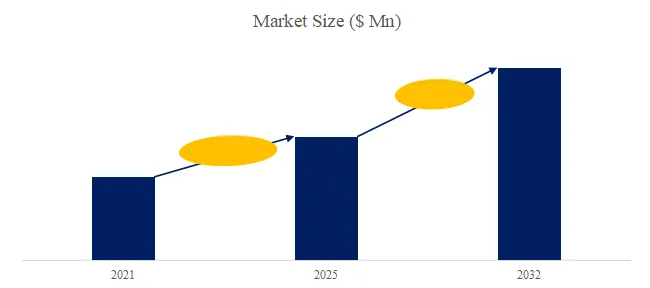
The global market for Bypass Fat Supplement was estimated to be worth US$ 1900 million in 2025 and is projected to reach US$ 2954 million, growing at a CAGR of 6.6% from 2026 to 2032.
【Get a free sample PDF of this report (Including Full TOC, List of Tables & Figures, Chart)】
https://www.qyresearch.com/reports/6634721/bypass-fat-supplement
Bypass Fat Supplement Market Summary
Definition and Scope
Bypass fat supplements refer to a class of energy feed additives specifically designed for ruminant animals, with the core feature of being protected from rumen microbial degradation through specific physical or chemical treatment processes. This design addresses a classic challenge in ruminant nutrition: unprotected fats are hydrolyzed by rumen microorganisms, disrupting fermentation, reducing fiber digestibility and microbial protein synthesis. Bypass fat supplements overcome this obstacle, providing energy without negatively impacting rumen ecology.
From a technical pathway perspective, commercially available bypass fat supplements mainly fall into several types. Calcium salts of fatty acids are produced by reacting free fatty acids with calcium ions to form insoluble calcium soaps that remain inert in the neutral rumen pH environment, decomposing in the acidic abomasum to release absorbable fatty acids. Hydrogenated or fractionated fats achieve bypass effects through saturation or fractionation to obtain high-melting-point, low-solubility components. Encapsulated or coated fat products protect oils with protein or other polymer coatings. Blended products combine multiple technical approaches.
The primary application value of bypass fat supplements lies in high-energy-demand physiological phases. For high-producing dairy cows, early lactation represents the period of most severe negative energy balance. Bypass fat supplements provide additional net energy without increasing feed intake, helping alleviate postpartum negative energy balance and improving lactation performance. For beef cattle finishing phases, bypass fat supplements similarly increase dietary energy density, promoting weight gain efficiency and marbling formation.
Figure00001. Global Bypass Fat Supplement Market Size (US$ Million), 2021-2032
Above data is based on report from QYResearch: Global Bypass Fat Supplement Market Report 2022-2031 (published in 2025). If you need the latest data, plaese contact QYResearch.
Industry Chain Analysis
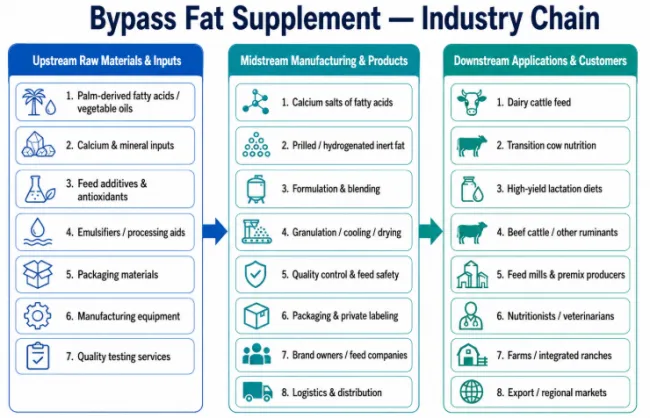
Upstream segment: base oil and fat raw material and functional additive suppliers.
The upstream segment includes suppliers of various raw materials required for bypass fat supplement production. Base oil and fat raw materials include palm oil fatty acid distillates, soybean oil, rapeseed oil, cottonseed oil, tallow, lard, and fish oil. Functional additives include coating materials, emulsifiers, antioxidants, and anti-caking agents. Upstream supplier bargaining power varies with product scarcity and switching costs.
Midstream segment: bypass fat supplement manufacturers and formulation technology service providers.
The midstream segment represents the core value link of the industry chain, converting base oil and fat raw materials into commercial bypass fat products through specific processing methods such as saponification, hydrogenation, fractionation, or coating technologies. Core competencies include process technology maturity, product quality stability, formulation design capability, and cost control. Midstream enterprise types include integrated oleochemical companies and specialized ruminant nutrition additive manufacturers.
Downstream segment: farms, feed mills, and distribution networks.
The downstream segment includes end users including dairy farms, beef feedlots, and goat farms. Feed mills are also important downstream customers, incorporating bypass fat supplements as ingredients in concentrated feeds or total mixed rations. Distribution channels include agricultural supply dealer networks for small and medium farms, with large farms preferring direct procurement relationships.
Value distribution and future trends.
Midstream manufacturers and formulation technology service providers capture higher value-added. Future trends include upgrading toward high-value-added products, service-oriented transformation from product sales to nutrition solution provision, supply chain integration with globalization procurement, and sustainability requirements reshaping industry value propositions.
Figure00002. Bypass Fat Supplement Industrial Chain
Above data is based on report from QYResearch: Global Bypass Fat Supplement Market Report 2022-2031 (published in 2025). If you need the latest data, plaese contact QYResearch.
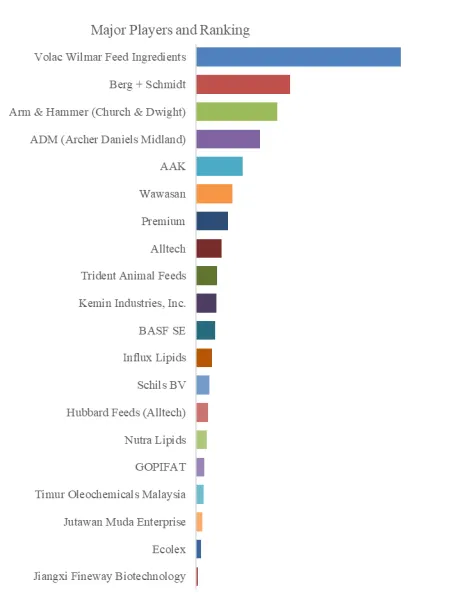
Figure00003. Global Bypass Fat Supplement Top 20 Players Ranking and Market Share (Ranking is based on the revenue of 2025, continually updated)
Above data is based on report from QYResearch: Global Bypass Fat Supplement Market Report 2025-2031 (published in 2025). If you need the latest data, plaese contact QYResearch.
Overall Industry Development
The global bypass fat supplement market is in a steady growth phase at a mature development stage. Market expansion is driven by growing global dairy and meat consumption, increasing large-scale farming proportions, deepening ruminant nutrition science understanding, and higher industry pursuit of production efficiency.
From a product evolution perspective, the market is transitioning from general-purpose to function-specific and customized products. Early products were primarily calcium salts of fatty acids, with product differentiation reflected primarily in fat content and broad fatty acid profile differences. As ruminant nutrition research advanced, next-generation product development has focused on precise fatty acid profile design, with fractionated and enriched products emerging to meet different physiological phase or production target requirements.
From a regional perspective, the Asia-Pacific region accounts for a major share of the global bypass fat supplement market, primarily driven by China and India. North America has a mature, stable market with high product acceptance. Europe faces stricter feed regulations while driving development of higher quality and more digestible products.
Key Development Characteristics
Characteristic One: Technology Evolution Toward Precise Fractionation and Function-Oriented Enrichment.
The core technology trend is shifting from focus on fat content to focus on fatty acid composition. Saturated fatty acids, particularly palmitic and stearic acids, are stable in the rumen. Medium-chain and functional unsaturated fatty acids have specific effects on milk fat synthesis or immune function. Next-generation technologies are evolving toward precise fractionation and functional component enrichment to obtain products with specific fatty acid compositions for customized nutritional needs.
Characteristic Two: Product Application Extending from Postpartum Energy Supplementation to Full-Lactation Cycle Nutrition Management.
Traditional application focus was early lactation. Applications are expanding to mid-to-late lactation, dry period, and even growing phases. Full-cycle application expands market capacity and drives product line differentiation for different physiological phases.
Characteristic Three: Continuous Optimization of Stabilization and Coating Technologies to Balance Rumen Bypass Rate and Small Intestine Digestibility.
The technical core involves balancing protection and release. Excessive protection may reduce intestinal digestibility while insufficient protection fails rumen bypass. Calcium salt products require fine control of saponification degree, calcium content, and particle size. Coated products require appropriate wall material and thickness selection.
Characteristic Four: Functional Fatty Acid Nutrition Becoming Core Product Differentiation Direction.
Adding functional fatty acid components has become the primary pathway for product differentiation and premiumization. Conjugated linoleic acid has demonstrated benefits in reducing body fat deposition, improving immune function, and enhancing milk quality. Medium-chain triglycerides show application prospects in calf nutrition and gut health management. Omega-3 fatty acids are becoming another differentiation direction.
Favorable Factors for Development
First, global dairy and meat consumption growth provides sustained demand support.
Population growth and rising per capita income drive long-term growth in milk and meat consumption, directly translating into demand for efficient production tools. In developing countries, income growth drives rapid dairy consumption growth. In developed countries, consumption upgrading toward higher quality and functional dairy products drives improved milk quality requirements.
Second, increasing large-scale farming proportions drive specialized nutrition input adoption.
As farming transitions toward larger scale and more intensive operations, farm managers focus more on input-output efficiency calculations, showing stronger willingness and acceptance to purchase specialized products that improve production performance. Scientific diet formulation at scale enables effective use of bypass fat supplements.
Third, feed raw material price volatility highlights bypass fat supplement economic value.
When traditional grain prices rise significantly, the need for alternative or supplemental nutrition sources becomes more urgent. The cost per unit of energy of bypass fat supplements may become more competitive than traditional grain-based energy sources under certain market conditions.
Fourth, animal welfare and environmental regulations increase requirements for precision nutrition and efficient utilization.
Improperly designed high-fat diets can depress feed intake and digestibility while increasing fat and nitrogen excretion. Bypass fat supplements improve fat digestibility, reducing undigested nutrient excretion while meeting high energy requirements.
Unfavorable Factors for Development
First, base oil and fat raw material price volatility affects product pricing and cost stability.
Raw material costs account for the largest proportion of production costs. Prices fluctuate frequently and significantly due to multiple factors including global oilseed production, climate and policy changes in palm oil producing regions, biodiesel industry demand, and international trade relationships.
Second, cyclical fluctuations in end-user livestock farming transmit volatility to the upstream additive market.
Milk and beef price cycles directly affect farm profitability and purchasing power. When milk prices decline, farms tend to reduce input purchases including nutritional additives, causing short-term market demand contraction.
Third, product effectiveness influenced by multiple farm-specific factors creates uncertainty in field application outcomes.
Diet composition, animal health status, stress levels, genetic potential, and management practices all influence product effectiveness. The same product may perform differently across farms. When results fall short of expectations, attribution bias may affect long-term purchasing willingness.
Fourth, alternative high-energy ingredients and nutritional strategies constitute potential competition.
High-starch grains can also increase dietary energy supply. Although bypass fat supplements do not increase acidosis risk like high-starch diets, when grain prices are relatively low, farmers may prioritize using grains rather than higher-priced fat products.
Entry Barriers
First, fatty acid fractionation and coating process technology barriers.
Core production processes involve complex physicochemical parameter control. Fractionation requires precise control of cooling rate and crystallization temperature. Hydrogenation requires collaborative optimization of catalyst selection, reaction temperature, and hydrogen pressure. Coating requires appropriate wall material and thickness selection.
Second, product quality stability and animal performance validation industry access barriers.
Batch-to-batch consistency in fatty acid profile, rumen bypass rate, and small intestinal digestibility is required. New product market access typically requires animal feeding trials and performance validation, requiring specialized personnel and lengthy time to market.
Third, trust relationship building with large farm nutritionists is key to market access.
Purchasing decisions are typically led by nutritionists who evaluate products based on technical understanding, experience with similar products, and trust in professional judgment. Once a product is incorporated into a farm’s standard formula, switching suppliers requires reformulation and validation, creating high customer stickiness.
Fourth, economies of scale and supply chain management capability constitute cost competition barriers.
Large producers obtain raw material price discounts through bulk purchasing and reduce per-unit fixed costs through continuous, large-scale production. Strong supply chain management capability is essential for cost competitiveness. New entrants face higher unit costs before reaching economic scale.
The report provides a detailed analysis of the market size, growth potential, and key trends for each segment. Through detailed analysis, industry players can identify profit opportunities, develop strategies for specific customer segments, and allocate resources effectively.
The Bypass Fat Supplement market is segmented as below:
By Company
Volac Wilmar Feed Ingredients
Berg + Schmidt
Arm & Hammer (Church & Dwight)
ADM (Archer Daniels Midland)
Kemin Industries, Inc.
AAK
BASF SE
Alltech
Wawasan
Premium
Trident Animal Feeds
Influx Lipids
Hubbard Feeds (Alltech)
GOPIFAT
Nutra Lipids
Schils BV
Jiangxi Fineway Biotechnology
Jutawan Muda Enterprise
Timur Oleochemicals Malaysia
Ecolex
Segment by Type
Calcium Saponification
Fat Encapsulation (Protein/Polysaccharide Coating)
Hydrogenation (Saturated Fat)
Lipid Matrix Formulation
Segment by Application
Dairy Cattle (Milk Production)
Beef Cattle (Feedlot Finishing)
Sheep (Ewe Lactation)
Goats
Buffalos
Each chapter of the report provides detailed information for readers to further understand the Bypass Fat Supplement market:
Chapter 1: Introduces the report scope of the Bypass Fat Supplement report, global total market size (valve, volume and price). This chapter also provides the market dynamics, latest developments of the market, the driving factors and restrictive factors of the market, the challenges and risks faced by manufacturers in the industry, and the analysis of relevant policies in the industry. (2021-2032)
Chapter 2: Detailed analysis of Bypass Fat Supplement manufacturers competitive landscape, price, sales and revenue market share, latest development plan, merger, and acquisition information, etc. (2021-2026)
Chapter 3: Provides the analysis of various Bypass Fat Supplement market segments by Type, covering the market size and development potential of each market segment, to help readers find the blue ocean market in different market segments. (2021-2032)
Chapter 4: Provides the analysis of various market segments by Application, covering the market size and development potential of each market segment, to help readers find the blue ocean market in different downstream markets.(2021-2032)
Chapter 5: Sales, revenue of Bypass Fat Supplement in regional level. It provides a quantitative analysis of the market size and development potential of each region and introduces the market development, future development prospects, market space, and market size of each country in the world..(2021-2032)
Chapter 6: Sales, revenue of Bypass Fat Supplement in country level. It provides sigmate data by Type, and by Application for each country/region.(2021-2032)
Chapter 7: Provides profiles of key players, introducing the basic situation of the main companies in the market in detail, including product sales, revenue, price, gross margin, product introduction, recent development, etc. (2021-2026)
Chapter 8: Analysis of industrial chain, including the upstream and downstream of the industry.
Chapter 9: Conclusion.
Benefits of purchasing QYResearch report:
Competitive Analysis: QYResearch provides in-depth Bypass Fat Supplement competitive analysis, including information on key company profiles, new entrants, acquisitions, mergers, large market shear, opportunities, and challenges. These analyses provide clients with a comprehensive understanding of market conditions and competitive dynamics, enabling them to develop effective market strategies and maintain their competitive edge.
Industry Analysis: QYResearch provides Bypass Fat Supplement comprehensive industry data and trend analysis, including raw material analysis, market application analysis, product type analysis, market demand analysis, market supply analysis, downstream market analysis, and supply chain analysis.
and trend analysis. These analyses help clients understand the direction of industry development and make informed business decisions.
Market Size: QYResearch provides Bypass Fat Supplement market size analysis, including capacity, production, sales, production value, price, cost, and profit analysis. This data helps clients understand market size and development potential, and is an important reference for business development.
Other relevant reports of QYResearch:
Global Bypass Fat Supplement Sales Market Report, Competitive Analysis and Regional Opportunities 2026-2032
Global Bypass Fat Supplement Market Outlook, In‑Depth Analysis & Forecast to 2032
Global Bypass Fat Supplement Market Research Report 2026
About Us:
QYResearch founded in California, USA in 2007, which is a leading global market research and consulting company. Our primary business include market research reports, custom reports, commissioned research, IPO consultancy, business plans, etc. With over 19 years of experience and a dedicated research team, we are well placed to provide useful information and data for your business, and we have established offices in 7 countries (include United States, Germany, Switzerland, Japan, Korea, China and India) and business partners in over 30 countries. We have provided industrial information services to more than 60,000 companies in over the world.
Contact Us:
If you have any queries regarding this report or if you would like further information, please contact us:
QY Research Inc.
Add: 17890 Castleton Street Suite 369 City of Industry CA 91748 United States
EN: https://www.qyresearch.com
Email: global@qyresearch.com
Tel: 001-626-842-1666(US)
JP: https://www.qyresearch.co.jp










