

カテゴリー別アーカイブ: 未分類

MT Ferrule Research:CAGR of 7.9% during the forecast period

MT Ferrule Market Summary

MT ferrule is a ferrule component commonly used in connectors, fiber optic equipment and other high-precision electronic equipment, especially in the field of fiber optic communications. It is the core part of the plug or connector, usually used for optical fiber connection and signal transmission. MT ferrule consists of multiple fiber channels, each channel can accommodate one optical fiber, the number of channels is generally 12, 24 or more, and can handle multiple fiber optic signals at the same time. MT ferrule is usually composed of a metal shell and a precision plastic base. The role of the shell is to provide protection for the internal optical fiber and ensure the stability and anti-interference ability of the connector.

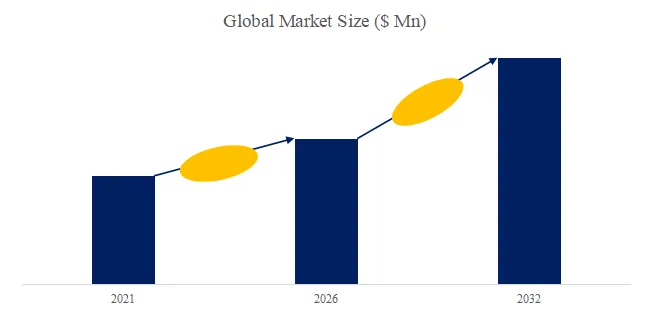
According to the new market research report “Global MT Ferrule Market Report 2026-2032”, published by QYResearch, the global MT Ferrule market size is projected to reach USD 0.46 billion by 2032, at a CAGR of 7.9% during the forecast period.


Figure00001. Global MT Ferrule Market Size (US$ Million), 2021-2032
MT Ferrule

Above data is based on report from QYResearch: Global MT Ferrule Market Report 2026-2032 (published in 2026). If you need the latest data, plaese contact QYResearch.


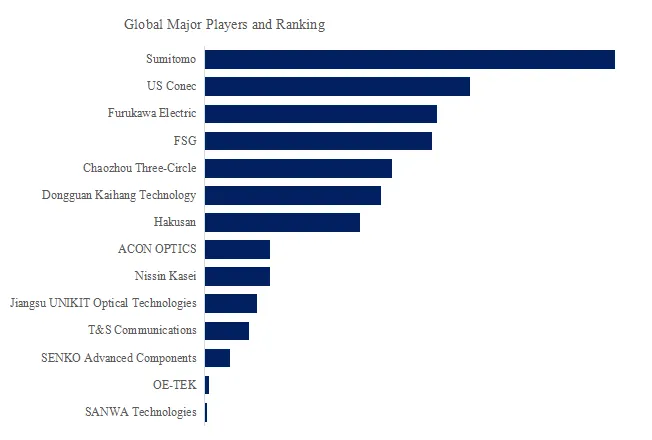
Figure00002. Global MT Ferrule Top 14 Players Ranking and Market Share (Ranking is based on the revenue of 2025, continually updated)
MT Ferrule

Above data is based on report from QYResearch: Global MT Ferrule Market Report 2026-2032 (published in 2026). If you need the latest data, plaese contact QYResearch.

According to QYResearch Top Players Research Center, the global key manufacturers of MT Ferrule include Sumitomo, US Conec, Furukawa Electric, FSG, Chaozhou Three-Circle, Dongguan Kaihang Technology, Hakusan, ACON OPTICS, Nissin Kasei, Jiangsu UNIKIT Optical Technologies, etc. In 2025, the global top five players had a share approximately 55.0% in terms of revenue.


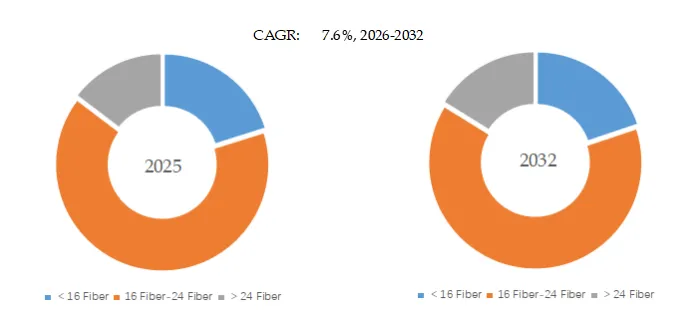
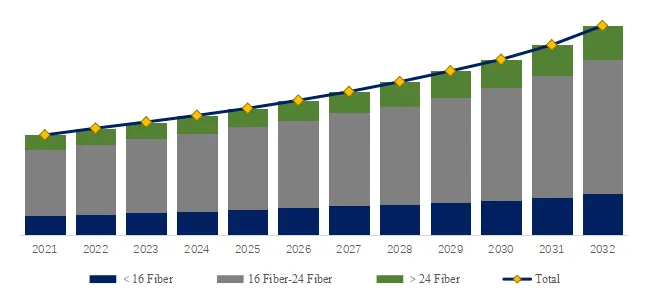
Figure00003.MT FerruleMT Ferrule, Global Market Size, Split by Product Segment


MT Ferrule

Based on or includes research from QYResearch: Global MT Ferrule Market Report 2026-2032.

In terms of product type, 16 Fiber-24 Fiber is the largest segment, hold a share of 65.2%,


Market Drivers:

Rapid Development of Data Centers and Cloud Computing

With the explosive growth of cloud computing, big data, and AI applications, the construction of hyperscale data centers is accelerating, significantly increasing the demand for high-speed, high-density optical connections. MT ferrules, as the core component of MPO/MTP optical connectors, enable parallel transmission of multi-core optical fibers and are a key fundamental component for high-bandwidth cabling in data centers, thus driving continuous industry growth.

5G and Future Communication Network Construction

5G base stations and subsequent communication networks place higher demands on high-speed optical fiber connections, especially in fronthaul, midhaul, and backhaul networks, requiring numerous high-density optical connection solutions. MT ferrules, with their advantages of high multi-core alignment accuracy and high transmission efficiency, have become an important supporting product for communication network upgrades.

Upgrades in Optical Modules and High-Speed ​​Transmission Technology

The gradual commercialization of high-speed optical modules such as 400G/800G has continuously increased the requirements for connector accuracy, insertion loss, and stability. As a core precision alignment structure, the processing accuracy and consistency of MT ferrules directly affect the performance of optical modules. Therefore, the continuous upgrade of optical communication rates is driving the advancement of MT ferrule technology and the growth of market demand.

Artificial Intelligence and Computing Infrastructure Construction

AI training and inference have extremely high demands for computing power and data transmission bandwidth, driving the construction of GPU clusters and high-speed interconnect networks. High-density optical connections have become a critical infrastructure, and MT ferrules are indispensable in parallel optical interconnects, leading to a rapid increase in their demand with the construction of AI computing centers.

Restraint:

High-precision manufacturing technology has high barriers to entry. MT ferrules are micron-level precision optical communication devices, requiring extremely high precision in hole positioning, end-face flatness, and coaxiality. This necessitates strong reliance on ceramic material processing, mold design, and micro-hole machining technologies. High-end product yield control is difficult, and small and medium-sized enterprises struggle to overcome core process barriers, limiting the overall supply capacity of the industry.

Upstream reliance on key equipment and materials. MT ferrule production involves high-precision drilling equipment, grinding equipment, and high-performance ceramic powder materials. Some core equipment and materials still rely on imports. Supply chain fluctuations or technological limitations will affect production stability and cost control, constraining industry development.

Downstream demand exhibits significant cyclical fluctuations. MT ferrules are mainly used in data centers and communication networks, industries heavily influenced by cloud vendors’ capital expenditures (Capex) and operator investment cycles. When data center construction slows or communication investment cycles decline, MT ferrule demand may experience periodic fluctuations.

Intensified price competition within the industry. As the market expands and new entrants increase, price competition has emerged in some low-to-mid-end products, squeezing profit margins for companies. Especially in product sectors with a high degree of standardization, companies are prone to falling into a competitive landscape of “trading volume for price,” which is not conducive to the long-term healthy development of the industry.

Opportunity:

The accelerated construction of AI and computing centers is driving the explosive growth in demand for generative AI, large-scale model training, and high-performance computing. This is propelling the construction of ultra-large-scale computing centers and placing higher demands on high-bandwidth, low-latency data transmission. MT ferrules, as core components of MPO/MTP multi-core connections, are indispensable in parallel optical interconnects and directly benefit from the continuous expansion of AI computing infrastructure.


Data centers are evolving towards higher speeds and densities. The increasing prevalence of 400G, 800G, and even higher-speed optical modules is driving the upgrade of data center cabling towards higher density and lower loss. MT ferrules enable high-precision alignment of multi-core optical fibers and are a key component for achieving high-density connections; their demand will continue to grow with the upgrade of data center network architecture.


The upgrading of 5G/6G and fiber optic communication networks is also driving the expansion of MT ferrule applications in communication infrastructure. The deepening construction of 5G networks and the future evolution of 6G technology are placing higher capacity and lower latency requirements on fronthaul, midhaul, and backhaul networks. The development of fiber optic networks towards greater bandwidth and higher connection density is expanding the application scale of MT ferrules in communication infrastructure. The development of optical modules and silicon photonics technology drives demand for related components. The rapid development of silicon photonics technology and high-speed optical modules has enabled optical interconnects to evolve towards higher integration and lower power consumption, but it also places higher demands on optical connection accuracy. MT ferrules, as a key passive alignment structure, will continue to play a vital role in high-end optical modules and optical interconnect solutions, enhancing product added value.


About The Authors

Ziyi Fan
Lead Author
Consumer Goods,

Equipment & Parts, Packaging, etc.


About QYResearch

QYResearch founded in California, USA in 2007.It is a leading global market research and consulting company. With over 19 years’ experience and professional research team in various cities over the world QY Research focuses on management consulting, database and seminar services, IPO consulting (data is widely cited in prospectuses, annual reports and presentations), industry chain research and customized research to help our clients in providing non-linear revenue model and make them successful. We are globally recognized for our expansive portfolio of services, good corporate citizenship, and our strong commitment to sustainability. Up to now, we have cooperated with more than 60,000 clients across five continents. Let’s work closely with you and build a bold and better future.

QYResearch is a world-renowned large-scale consulting company. The industry covers various high-tech industry chain market segments, spanning the semiconductor industry chain (semiconductor equipment and parts, semiconductor materials, ICs, Foundry, packaging and testing, discrete devices, sensors, optoelectronic devices), photovoltaic industry chain (equipment, cells, modules, auxiliary material brackets, inverters, power station terminals), new energy automobile industry chain (batteries and materials, auto parts, batteries, motors, electronic control, automotive semiconductors, etc.), communication industry chain (communication system equipment, terminal equipment, electronic components, RF front-end, optical modules, 4G/5G/6G, broadband, IoT, digital economy, AI), advanced materials industry Chain (metal materials, polymer materials, ceramic materials, nano materials, etc.), machinery manufacturing industry chain (CNC machine tools, construction machinery, electrical machinery, 3C automation, industrial robots, lasers, industrial control, drones), food, beverages and pharmaceuticals, medical equipment, agriculture, etc.
About Us:
QYResearch founded in California, USA in 2007, which is a leading global market research and consulting company. Our primary business include market research reports, custom reports, commissioned research, IPO consultancy, business plans, etc. With over 18 years of experience and a dedicated research team, we are well placed to provide useful information and data for your business, and we have established offices in 7 countries (include United States, Germany, Switzerland, Japan, Korea, China and India) and business partners in over 30 countries. We have provided industrial information services to more than 60,000 companies in over the world.

Contact Us:
If you have any queries regarding this report or if you would like further information, please contact us:
QY Research Inc.
Add: 17890 Castleton Street Suite 369 City of Industry CA 91748 United States
EN: https://www.qyresearch.com
Email: global@qyresearch.com
Tel: 001-626-842-1666(US)
JP: https://www.qyresearch.co.jp

カテゴリー: 未分類 | 投稿者huangsisi 16:50 | コメントをどうぞ

Global cGMP Lentivirus Production Industry Deep Dive 2026-2032: From Transient Transfection to Stable Producer Lines – CDMO Capacity Expansion and Regulatory Compliance

Global Leading Market Research Publisher QYResearch announces the release of its latest report “cGMP Lentivirus Production – Global Market Share and Ranking, Overall Sales and Demand Forecast 2026-2032″. Based on current situation and impact historical analysis (2021-2025) and forecast calculations (2026-2032), this report provides a comprehensive analysis of the global cGMP Lentivirus Production market, including market size, share, demand, industry development status, and forecasts for the next few years.

For gene therapy developers, bioprocess engineers, and CDMO operations managers, the core challenge remains consistent: producing high-titer, high-quality cGMP-grade lentiviral vectors at scale to meet the explosive demand for CAR-T cell therapies, gene editing delivery, and in vivo gene therapy. Lentiviruses are a subclass of retroviruses that uniquely integrate into the genome of non-dividing cells, making them ideal vectors for gene delivery. Crucially, lentiviral vectors never contain genes for replication, requiring propagation in packaging cell lines (e.g., HEK293 cells transfected with plasmids encoding virion proteins). The lentiviral production system provides a scalable, high-throughput platform, with clinical-grade lentiviruses historically produced via transient transfection of 293 or 293T cells in cell factories. However, recent advances favor hollow fiber bioreactors, suspension culture, and improved stable cell line production. The market is segmented by type into Adherent Culture (traditional cell factories, roller bottles), Suspension Culture (stirred-tank bioreactors, hollow fiber), and Others (packed-bed, fixed-bed), and by application into CDMO, Biotech, Pharma, Academia, and Others.

【Get a free sample PDF of this report (Including Full TOC, List of Tables & Figures, Chart)】
https://www.qyresearch.com/reports/5986145/cgmp-lentivirus-production

1. Market Size & Growth Trajectory (2026–2032)

The global market for cGMP Lentivirus Production was estimated to be worth US$ 1.8 billion in 2025 and is projected to reach US$ 4.5 billion by 2032, growing at a CAGR of 13.9% from 2026 to 2032. In 2024, total cGMP lentiviral vector production capacity reached approximately 8,000-10,000 liters (harvest volume), with pricing ranging from $150,000 to $500,000 per gram of vector depending on titer (10⁸-10⁹ TU/mL), purity (≥95%), and scale (preclinical vs. commercial).

Exclusive industry observation: The cGMP lentivirus production market is experiencing explosive growth (13.9% CAGR) driven by three transformative factors: (1) CAR-T therapy expansion (8 approved products in 2025, 500+ clinical trials requiring lentiviral vectors); (2) shift from adherent to suspension culture (enabling 10-50x scale-up); and (3) stable producer cell lines (replacing transient transfection, reducing cost of goods by 40-60%).

2. Industry Segmentation & Key Players

The market is segmented by type into Adherent Culture, Suspension Culture, and Others, and by application into CDMO, Biotech, Pharma, Academia, and Others.

By Production Platform – Scalability and Cost Comparison

Platform Cell Line Scalability Titer (TU/mL) Cost per Dose (CAR-T) Regulatory Acceptance 2025 Market Share
Adherent (Cell factories, hyperstacks) HEK293T (adherent) Low-moderate (1-50L equivalent) 10⁷-10⁸ $25,000-40,000 High (established) 45%
Suspension (Stirred-tank, hollow fiber) HEK293 (suspension-adapted) High (50-500L) 10⁸-10⁹ $15,000-25,000 Growing (FDA-approved products) 35%
Stable producer lines (Inducible/constitutive) HEK293-derived stable pools Very high (100-2000L) 10⁸-10⁹ $8,000-15,000 Emerging (clinical-stage) 15%
Others (Packed-bed, fixed-bed) HEK293T Moderate (iCellis, scale-X) 10⁷-10⁸ $20,000-30,000 Moderate (GMP-compatible) 5%

Industry layer analysis – Discrete vs. Process Analogies: CDMO application (≈50% of cGMP lentivirus production revenue, analogous to “process manufacturing” – large-scale, multiple clients, standardized platforms) dominates, with Lonza, Thermo Fisher, WuXi ATU, and Oxford Biomedica offering contract manufacturing. Biotech and Pharma (≈35%, analogous to “in-house manufacturing” – proprietary processes, captive capacity) includes Bluebird Bio, ElevateBio, and other cell therapy developers. Academia (≈10%, small-scale, research-grade) produces vectors for early discovery.

Key Suppliers (2025)

Prominent global cGMP lentivirus production companies include: Thermo Fisher Scientific, Oxgene, Lonza, Charles River (Vigene Biosciences), Merck, Cytiva, Oxford Biomedica, AGC Biologics (MolMed), GeneMedi, OriGene, Invitria, Polyplus (Sartorius), Kerafast, CCRM, SignaGen Laboratories, Cellomics Technology, FUJIFILM Diosynth Biotechnologies, Biovian, Miltenyi Bioindustry, Gene Universal, Aldevron, Takara Bio, Gentarget, Bluebird Bio, ElevateBio, Genezen, EurekaBio, Obio Technology, WuXi ATU, GenScript ProBio, Creative Biogene, VIVEbiotech, Yposkesi (SK pharmteco), VectorBuilder, Esco Aster, Andelyn Biosciences, Single Use Support.

Exclusive observation: The competitive landscape shows geographic and platform specialization:

  • Global CDMO leaders: Lonza, Thermo Fisher, Oxford Biomedica, FUJIFILM Diosynth, AGC Biologics – offer large-scale suspension and adherent platforms with FDA/EMA-approved product track records.
  • Chinese CDMOs: WuXi ATU, Obio Technology, GenScript ProBio, GeneMedi – rapidly expanding capacity (WuXi ATU’s 30,000 sq ft lentiviral GMP suite), competitive pricing (30-50% below Western CDMOs), and serving Asia-Pacific and export markets.
  • Stable producer line specialists: ElevateBio (inducible stable lines), Bluebird Bio (captive manufacturing), Miltenyi Bioindustry (stable producer platform for CAR-T).
  • Academic-focused suppliers: CCRM, Kerafast, SignaGen Laboratories – provide research-grade and small-scale cGMP vectors.

Key dynamic: Chinese CDMOs (WuXi ATU, Obio Technology) increased global market share from 8% (2022) to 18% (2025), driven by cost advantages, rapid capacity expansion, and China’s “Cell Therapy Manufacturing Initiative” (government subsidies for GMP facilities). However, Western CDMOs maintain leadership in FDA/EMA commercial filings and established customer relationships.

3. Technology Trends, Policy Drivers & User Cases (Last 6 Months)

Recent technology advancements (Q3 2025–Q1 2026):

  • Inducible stable producer cell lines – Tetracycline-inducible (Tet-On) or cumate-inducible systems enabling 10-50x higher titers than transient transfection (10⁹-10¹⁰ TU/mL), reducing cost of goods by 60-70%.
  • Serum-free suspension adaptation – HEK293 cells adapted to chemically defined, animal component-free media, eliminating xeno-contamination risk and simplifying regulatory approval.
  • Intensified perfusion culture – Continuous harvesting of lentiviral vectors from perfusion bioreactors (10-30x volumetric productivity vs. batch), with single-use hollow fiber modules (Spectrum, Repligen).
  • Closed-system automated platforms – GMP-in-a-box solutions (Miltenyi CliniMACS Prodigy, Lonza Cocoon) for decentralized lentiviral vector production at hospital scale.
  • Next-generation lentiviral vectors – Third-generation self-inactivating (SIN) vectors, inducible expression, and tissue-specific promoters improving safety and efficacy.

Policy & regulatory updates (last 6 months):

  • FDA guidance on lentiviral vector CMC (October 2025) – Enhanced requirements for replication-competent lentivirus (RCL) testing (sensitivity ≤1 RCL per 10⁸ TU), vector integration site analysis, and stability studies. Compliance increases development costs by $2-5 million per program.
  • EMA Gene Therapy Manufacturing Guideline (December 2025) – Prefers suspension culture over adherent for commercial-scale production, requiring comparability studies for platform transitions.
  • China NMPA “Cell Therapy Product Manufacturing” guidance (January 2026) – Mandates GMP compliance for lentiviral vector production (ISO 14644 Class 5 cleanrooms, closed systems), accelerating domestic CDMO investment.

Typical user case – CDMO (CAR-T Vector Production):
A mid-sized CDMO transitioned from adherent cell factories (40-layer hyperstacks) to 200L stirred-tank suspension bioreactors for cGMP lentiviral vector production. Outcomes: Yield increased from 2L to 200L batch volume (100x scale-up), titer increased from 5×10⁷ to 5×10⁸ TU/mL (10x), cost per CAR-T dose reduced from $35,000 to $12,000. The CDMO secured 3 new client contracts within 6 months of platform validation.

Technical challenge addressed – Replication-competent lentivirus (RCL) safety risk from homologous recombination during transient transfection (4 plasmids: Gag/Pol, Rev, envelope (VSV-G), transfer vector). Solutions include: (1) split-genome design (separate packaging components on different plasmids); (2) self-inactivating (SIN) vectors (deletion in 3′ LTR U3 region); (3) stable producer lines (single integrated inducible construct, reducing recombination probability); (4) validated RCL detection assays (qPCR-based, sensitivity ≤1 RCL/10⁸ TU).

4. Future Outlook & Strategic Implications (2026–2032)

Demand will be driven by six primary forces: (1) CAR-T therapy expansion (500+ clinical trials, 8 approved products, 15-20 expected by 2030); (2) in vivo gene therapy (lentiviral vectors for hemophilia, neurological disorders, retinal diseases); (3) gene editing delivery (CRISPR-Cas9, base editors, prime editors using lentiviral vectors); (4) stable producer line adoption (reducing cost of goods to $5,000-10,000 per CAR-T dose); (5) global CDMO capacity expansion (Asia-Pacific, Eastern Europe, Latin America); and (6) closed-system automation (enabling decentralized, hospital-based manufacturing).

Strategic recommendation for manufacturers: Differentiation depends on (1) platform productivity – suspension + stable producer lines achieving >10⁹ TU/mL titers; (2) regulatory track record – successful IND/BLA filings with FDA/EMA; (3) cost efficiency – reducing cost of goods to $5,000-10,000 per dose (from current $15,000-40,000). CDMOs should invest in suspension adaptation, stable line development, and closed-system automation. Chinese CDMOs have opportunity to capture 25-30% global market share by 2030 through cost-competitive cGMP manufacturing (40-60% below Western prices) and WHO prequalification.

Exclusive forecast: The cGMP lentivirus production market will reach $4.5 billion by 2032, with suspension culture surpassing adherent (55% vs. 30% share) by 2028. Stable producer lines will capture 30-35% of CDMO market by 2030 (up from 15% in 2025), driven by cost reduction and regulatory acceptance. CDMO application will maintain 50-55% share, with Biotech/Pharma captive manufacturing at 30-35%. Chinese CDMOs (WuXi ATU, Obio Technology, GenScript ProBio) will increase global market share from 18% (2025) to 25-30% by 2030, competing on cost and capacity, while Western leaders (Lonza, Thermo Fisher, Oxford Biomedica) maintain premium positioning for high-complexity programs.

Contact Us:
If you have any queries regarding this report or if you would like further information, please contact us:
QY Research Inc.
Add: 17890 Castleton Street Suite 369 City of Industry CA 91748 United States
EN: https://www.qyresearch.com
E-mail: global@qyresearch.com
Tel: 001-626-842-1666(US)
JP: https://www.qyresearch.co.jp

カテゴリー: 未分類 | 投稿者huangsisi 16:36 | コメントをどうぞ

Global Cell Culture Collagen Industry Deep Dive 2026-2032: Rat Tail, Bovine, and Human Placental Collagen – Applications in Hospital and Research Institute Laboratories

Global Leading Market Research Publisher QYResearch announces the release of its latest report “Cell Culture Collagen – Global Market Share and Ranking, Overall Sales and Demand Forecast 2026-2032″. Based on current situation and impact historical analysis (2021-2025) and forecast calculations (2026-2032), this report provides a comprehensive analysis of the global Cell Culture Collagen market, including market size, share, demand, industry development status, and forecasts for the next few years.

For cell biologists, tissue engineers, and pharmaceutical researchers, the core challenge remains consistent: providing physiologically relevant extracellular matrix (ECM) substrates that support cell adhesion, proliferation, migration, and differentiation under conditions mimicking the in vivo environment. Cell culture collagen serves as a matrix for cell growth, providing the nutrients and environment needed by cells in vitro. Available from rat tail (Type I, most common), bovine (Type I/III, cost-effective), human placental (Type I/III/IV, highest biocompatibility), and others (porcine, fish, recombinant), these collagen products are widely used in hospitals (diagnostic cell culture, pathology), research institutions (basic cell biology, drug screening, cancer research, stem cell differentiation), and other applications (bioprocessing, tissue engineering, organoid culture). However, end users face critical decisions regarding collagen source (animal vs. human vs. recombinant), formulation (monomeric vs. fibrillar, liquid vs. hydrogel), gelation properties (concentration, pH, temperature), and quality attributes (sterility, endotoxin levels, batch consistency).

【Get a free sample PDF of this report (Including Full TOC, List of Tables & Figures, Chart)】
https://www.qyresearch.com/reports/5986078/cell-culture-collagen

1. Market Size & Growth Trajectory (2026–2032)

The global market for Cell Culture Collagen was estimated to be worth US$ 620 million in 2025 and is projected to reach US$ 1.05 billion by 2032, growing at a CAGR of 7.8% from 2026 to 2032. In 2024, total market volume reached approximately 85,000 liters (liquid collagen solutions) and 4.5 million coated culture vessels (flasks, plates, dishes), with pricing ranging from $50 to $800 per 100 mL depending on source (rat tail most expensive due to extraction complexity), purity (≥99% vs. ≥95%), and sterility (gamma-irradiated vs. filter-sterilized).

Exclusive industry observation: The cell culture collagen market is experiencing steady growth (7.8% CAGR) driven by four transformative factors: (1) 3D cell culture adoption (organoids, spheroids, tissue engineering requiring collagen hydrogels); (2) stem cell research expansion (embryonic and induced pluripotent stem cells requiring ECM substrates); (3) drug discovery and toxicology (high-throughput screening on physiologically relevant matrices); and (4) regenerative medicine development (collagen-based scaffolds for cell therapy delivery).

2. Industry Segmentation & Key Players

The market is segmented by type into Rat Tail Collagen, Bovine Collagen, Human Placental Collagen, and Others (including porcine, fish-derived, recombinant), and by application into Hospital, Research Institutions, and Others (including biopharmaceutical manufacturing, CROs, tissue engineering companies).

By Collagen Source – Properties and Application Fit

Collagen Source Type Purity Gelation Strength Cost per 100 mL Key Applications
Rat Tail Collagen Type I (95%+) Very high (99%+) High (rigid gels) $300-800 Neuronal culture, stem cell differentiation, 3D hydrogels
Bovine Collagen Type I/III mixture High (95-98%) Moderate $80-200 Routine cell culture coating, fibroblast culture, wound healing studies
Human Placental Collagen Type I/III/IV/V Very high (98%+) High $400-800 Clinical research, xeno-free culture, regenerative medicine
Others (fish, recombinant) Type I (fish) or defined (recombinant) Variable Low to moderate $150-500 Allergy-sensitive applications, defined composition studies

Industry layer analysis – Discrete vs. Process Analogies: Research institutions (≈65% of revenue, analogous to “discrete manufacturing” – diverse protocols, investigator-driven) represent the largest segment, with academic labs using rat tail and bovine collagen for basic cell biology, cancer research, and stem cell studies. Hospitals (≈20%, analogous to diagnostic/clinical laboratories – standardized protocols, regulatory oversight) use collagen-coated dishes for diagnostic cell culture (e.g., cytogenetics, pathology). Other applications (≈15%, analogous to bioprocessing – scale-up, GMP requirements) includes pharmaceutical companies using collagen for cell-based assays and CROs for contract research.

Key Suppliers (2025)

Prominent global cell culture collagen manufacturers include: Merck (Sigma-Aldrich) , ScienCell Research Laboratories, Flexcell International, Thermo Fisher Scientific (Gibco) , Ibidi, Gelomics, Rousselot (Darling Ingredients) , Trauer (Brazil), NovoBiotechnology (China), Coring (China), Solarbio (China), Milestone Biotechnologies (China).

Exclusive observation: The competitive landscape shows geographic and specialization segmentation:

  • Merck (Sigma-Aldrich) and Thermo Fisher dominate the global research-grade collagen market (combined ≈45% share) with broad portfolios (rat tail, bovine, human), extensive distribution networks, and established quality systems.
  • ScienCell specializes in human and animal primary cell culture systems, offering collagen as part of integrated cell culture solutions.
  • Flexcell focuses on mechanical loading systems (collagen-coated membranes for tension/compression studies).
  • Ibidi and Gelomics specialize in 3D cell culture and organoid applications (hydrogel formulations, micro-patterning).
  • Chinese suppliers (NovoBiotechnology, Coring, Solarbio, Milestone Biotechnologies) have rapidly expanded domestic market share (estimated 60-65% of China’s cell culture collagen market, valued at $120 million in 2025) through competitive pricing (30-50% below Merck/Thermo Fisher), local technical support, and faster delivery.

Key dynamic: Chinese manufacturers are increasingly exporting to Southeast Asia, India, and Middle East markets, leveraging cost advantages and ISO certifications (9001, 13485 for select products). However, penetration in North America and Europe remains limited due to brand preference for established suppliers and regulatory requirements for GMP-grade collagen (pharmaceutical applications).

3. Technology Trends, Policy Drivers & User Cases (Last 6 Months)

Recent technology advancements (Q3 2025–Q1 2026):

  • Recombinant human collagen – Genetically engineered collagen (Type I, III) expressed in yeast (Pichia pastoris) or rice, eliminating animal-derived components, batch-to-batch variability (CV <5%), and pathogen risk (prions, viruses). Pricing premium: 2-3× animal-derived collagen.
  • UV-crosslinkable collagen hydrogels – Photo-responsive collagen (methacrylated) enabling rapid gelation (30 seconds UV exposure vs. 30-60 minutes thermal gelation), precise spatial patterning, and tunable mechanical properties.
  • Collagen-mimetic peptides – Synthetic peptide sequences (GFOGER, DGEA) that bind integrin receptors without full-length collagen, enabling defined, xeno-free ECM substrates with no lot variability.
  • Decellularized tissue-derived ECM – Tissue-specific ECM hydrogels (vaginal, dermal, cardiac) containing native collagen isoforms and bound growth factors, preserving organ-specific microenvironment cues.

Policy & regulatory updates (last 6 months):

  • FDA guidance on xeno-free cell culture components (October 2025) – Strongly recommends animal-derived component-free (ADCF) materials for cell therapy manufacturing, including recombinant or human-placental collagen over bovine/rat tail.
  • EU Animal By-Product Regulation (ABPR) enforcement (January 2026) – Stricter traceability and BSE/TSE safety requirements for bovine collagen sourced from countries with BSE risk (e.g., Brazil, India), increasing compliance costs and favoring certified BSE-free sources (US, New Zealand, EU).
  • China Pharmacopoeia 2026 draft (December 2025) – New monograph for cell culture collagen used in biologics manufacturing, specifying endotoxin limits (<0.5 EU/mg), sterility, and residual solvents.

Typical user case – Research Institutions (3D Cancer Organoid Culture):
A cancer research institute used rat tail collagen Type I hydrogels for 3D culture of patient-derived colorectal cancer organoids. Collagen concentration (2 mg/mL) and gelation protocol (37°C, 30 minutes) optimized for organoid viability, proliferation, and drug response (5-FU, oxaliplatin). Outcomes: 85% organoid formation efficiency (vs. 60% in Matrigel), preserved tumor heterogeneity (mutational profile, histology), and successful drug screening (IC50 values correlating with patient clinical responses, R²=0.89).

Typical user case – Hospital (Cytogenetic Diagnostic Culture):
A hospital cytogenetics laboratory switched from in-house collagen coating to pre-coated culture flasks (bovine collagen Type I) for peripheral blood lymphocyte culture (chromosome analysis for leukemia diagnosis). Outcomes: Reduced technician time (45 minutes vs. 2 hours per batch), improved coating consistency (CV reduced from 18% to 6%), and higher mitotic index (3.2 vs. 2.5), reducing culture failure rate from 8% to 3%.

Technical challenge addressed – Batch-to-batch variability in animal-derived collagen (source animal age, extraction efficiency, purification yield) affects gelation kinetics, mechanical properties, and cell response. Solutions include: (1) rigorous quality control (SDS-PAGE for purity, HPLC for hydroxyproline content, rheometry for gelation strength, cell adhesion bioassays); (2) pooled sourcing (multiple animals per batch reducing individual variation); (3) recombinant collagen (chemically defined, no animal variation); (4) collagen-mimetic peptides (synthetic, absolute consistency). Premium suppliers (Merck, Thermo Fisher, ScienCell) provide lot-specific characterization data (gelation time, storage modulus, cell adhesion metrics).

4. Future Outlook & Strategic Implications (2026–2032)

Demand will be driven by six primary forces: (1) 3D cell culture and organoid adoption (replacing 2D cultures for drug discovery and disease modeling); (2) stem cell therapy development (clinical-scale expansion requiring xeno-free, GMP-grade collagen); (3) bioprinting and tissue engineering (collagen bioinks for 3D bioprinted tissues); (4) cell-based assay automation (high-throughput screening on collagen-coated multiwell plates); (5) regulatory push for animal-free components (FDA, EMA guidance on xeno-free cell therapy manufacturing); and (6) emerging market growth (China, India, Brazil expanding life science research infrastructure).

Strategic recommendation for suppliers: Differentiation depends on (1) source diversification – portfolios spanning animal (rat, bovine), human (placental), and recombinant collagen to address xeno-free vs. cost-sensitive segments; (2) formulation innovation – ready-to-use solutions, pre-coated plates, hydrogel kits, and bioprinting inks; (3) quality documentation – lot-specific characterization, animal origin certificates, BSE/TSE statements, and GMP-grade options for pharmaceutical customers. Chinese suppliers have opportunity to expand beyond domestic dominance by investing in ISO 13485 certification, recombinant collagen platforms, and export-focused quality systems (reducing lot variability, providing English documentation).

Exclusive forecast: The cell culture collagen market will reach $1.05 billion by 2032, with rat tail collagen maintaining largest share (35-40%) in research applications, but recombinant human collagen growing fastest (15-18% CAGR) for cell therapy and regenerative medicine. Bovine collagen share will decline (from 30% to 22-25%) as xeno-free preferences increase, while human placental collagen will maintain niche (10-12%) for clinical research. Research institutions will remain dominant (60-65% share), but biopharmaceutical manufacturing (Other segment) will grow from 15% to 22-25% as cell therapies advance. Merck and Thermo Fisher will maintain global leadership, while Chinese suppliers (NovoBiotechnology, Coring, Solarbio, Milestone) will increase global market share from 12-15% (2025) to 20-25% by 2030, particularly in Asia-Pacific and emerging markets.

Contact Us:
If you have any queries regarding this report or if you would like further information, please contact us:
QY Research Inc.
Add: 17890 Castleton Street Suite 369 City of Industry CA 91748 United States
EN: https://www.qyresearch.com
E-mail: global@qyresearch.com
Tel: 001-626-842-1666(US)
JP: https://www.qyresearch.co.jp

カテゴリー: 未分類 | 投稿者huangsisi 16:33 | コメントをどうぞ

Global Vaginal Epithelial Cell Industry Deep Dive 2026-2032: Human vs. Animal Cell Sourcing – Applications in Hospital Diagnostics and Research Institutes

Global Leading Market Research Publisher QYResearch announces the release of its latest report “Vaginal Epithelial Cell – Global Market Share and Ranking, Overall Sales and Demand Forecast 2026-2032″. Based on current situation and impact historical analysis (2021-2025) and forecast calculations (2026-2032), this report provides a comprehensive analysis of the global Vaginal Epithelial Cell market, including market size, share, demand, industry development status, and forecasts for the next few years.

For reproductive health researchers, toxicologists, and pharmaceutical scientists, the core challenge remains consistent: developing physiologically relevant in vitro models of the vaginal mucosa to study infection mechanisms, drug absorption, and immune responses while reducing animal testing. Vaginal epithelial cells—which form the lining of the vagina—are responsible for maintaining the physiological environment, preventing infection and bacterial invasion, participating in immune response, and contributing to overall health of the female reproductive system. These cells are increasingly utilized in hospital diagnostics (cervical cancer screening, HPV testing, vaginitis assessment), research institutes (microbicide development, probiotic studies, sexually transmitted infection (STI) modeling), and other applications (personal care product safety testing, 3D tissue engineering). Available as human vaginal epithelial cells (primary or immortalized) and animal vaginal epithelial cells (typically murine or porcine for preclinical research), these models address critical needs in women’s health research. However, end users face critical decisions regarding cell source (human vs. animal), culture format (2D monolayer vs. 3D organotypic/raft culture), and quality attributes (donor age, menopausal status, passage number).

【Get a free sample PDF of this report (Including Full TOC, List of Tables & Figures, Chart)】
https://www.qyresearch.com/reports/5986067/vaginal-epithelial-cell

1. Market Size & Growth Trajectory (2026–2032)

The global market for Vaginal Epithelial Cells was estimated to be worth US$ 185 million in 2025 and is projected to reach US$ 315 million by 2032, growing at a CAGR of 7.9% from 2026 to 2032. In 2024, total unit sales (vials, cryopreserved ampoules, and tissue models) reached approximately 85,000 units, with pricing ranging from $350 to $1,200 per vial (primary cells) and $2,500 to $15,000 per 3D tissue model (reconstructed vaginal epithelium).

Exclusive industry observation: The vaginal epithelial cell market is experiencing accelerated growth (7.9% CAGR) driven by four transformative factors: (1) increased focus on women’s health research (post-2020 funding increases from NIH, Gates Foundation, Wellcome Trust); (2) 3R principles (Replacement, Reduction, Refinement of animal testing) driving adoption of human cell-based in vitro models; (3) microbiome research expansion (vaginal microbiota studies, probiotics for bacterial vaginosis); and (4) HIV and STI prevention research (topical microbicide and pre-exposure prophylaxis (PrEP) development requiring vaginal epithelial models).

2. Industry Segmentation & Key Players

The market is segmented by type into Human Vaginal Epithelial Cell and Animal Vaginal Epithelial Cell, and by application into Hospital, Research Institute, and Others (including pharmaceutical/CRO safety testing, personal care product manufacturers).

By Cell Source – Physiological Relevance and Availability

Parameter Human Vaginal Epithelial Cell Animal Vaginal Epithelial Cell
Source Donated surgical/tissue bank (hysterectomy, biopsy) Murine, porcine, rabbit (sacrificed for research)
Physiological Relevance Highest (human-specific pathogens, receptors, hormones) Moderate (species differences in microbiology and immune response)
Donor Variability High (age, menopausal status, cycle phase, HPV status) Low (inbred strains, controlled environment)
Availability Limited (donor-dependent, ethical approval) Readily available (commercial and institutional sources)
Cost per Vial $700-1,200 $350-600
Primary Applications Drug absorption studies, microbicide testing, STI modeling Pre-screening, toxicology, mechanistic studies

Industry layer analysis – Discrete vs. Process Analogies: Research Institute application (≈55% of revenue, analogous to “discrete manufacturing” – diverse protocols, investigator-driven) dominates demand, with academic labs focusing on host-pathogen interactions and microbiome studies. Hospital application (≈25%, analogous to clinical diagnostics – standardized assays, regulated) includes HPV testing and cervicovaginal cytology quality control. Other applications (≈20%, analogous to industrial quality control – repetitive testing, GLP-compliant) includes pharmaceutical and personal care product safety testing.

Key Suppliers (2025)

Prominent global vaginal epithelial cell suppliers include: MatTek (US – EpiVaginal™ 3D tissue model, market leader), Lifeline Cell Technology (US – primary human vaginal epithelial cells), Episkin (France – 3D reconstructed vaginal epithelium, part of L’Oréal), ATCC (American Type Culture Collection) (US – immortalized cell lines VK2/E6E7, Ect1/E6E7), Pricella (China – primary human and animal vaginal epithelial cells, growing presence).

Exclusive observation: MatTek dominates the 3D reconstructed vaginal epithelial tissue model segment (≈45% market share), with EpiVaginal™ used by 80% of pharmaceutical companies for vaginal drug absorption and irritation testing. ATCC is the primary source for immortalized cell lines (VK2/E6E7 – vaginal keratinocyte, Ect1/E6E7 – ectocervical), widely used in HIV transmission and HPV research. Pricella is emerging as a cost-competitive alternative for primary cells in Asia-Pacific markets (pricing 30-40% below Western suppliers), with ISO 9001 certification and expanding export to Southeast Asia and Middle East.

3. Technology Trends, Policy Drivers & User Cases (Last 6 Months)

Recent technology advancements (Q3 2025–Q1 2026):

  • Microfluidic vagina-on-a-chip – Organ-on-chip platforms (Emulate, Mimetas) incorporating vaginal epithelial cells with underlying stromal fibroblasts, immune cells, and microbiome, enabling flow-based drug testing and co-culture with Lactobacillus species.
  • Hormonally responsive 3D models – Reconstructed vaginal epithelium with estrogen and progesterone receptors, mimicking menstrual cycle-dependent changes in thickness, glycogen content, and barrier function (critical for STI susceptibility studies).
  • HPV-infected vaginal epithelial models – Stable integration of HPV16/18 genomes into primary vaginal epithelial cells enabling precancerous lesion progression studies and therapeutic vaccine testing.
  • Pigmented vaginal epithelial cells – Melanocyte-containing models for studying vulvovaginal melanocytic conditions and topical product safety in diverse skin types.

Policy & regulatory updates (last 6 months):

  • FDA Modernization Act 2.0 implementation guidance (October 2025) – Formalized acceptance of human cell-based in vitro models (including vaginal epithelial models) for drug safety and efficacy testing, reducing requirement for animal data in IND submissions for topical vaginal products.
  • NIH Women’s Health Research Initiative funding (December 2025) – $480 million allocated for 2026-2028, including specific focus on vaginal microbiome, STI prevention (HIV, HSV, HPV, chlamydia, gonorrhea), and menopause-related vaginal atrophy.
  • EU REACH microphysiological systems guidance (November 2025) – 3D reconstructed vaginal epithelium accepted as validated alternative for skin/ mucosal irritation testing (OECD TG 439 adaptation), replacing rabbit vaginal irritation tests.

Typical user case – Research Institute (HIV Microbicide Development):
A university research institute developing a topical tenofovir-based microbicide for HIV prevention used MatTek’s EpiVaginal™ 3D tissue model for efficacy and safety testing. Outcomes: Model predicted clinical efficacy (70% HIV reduction in explant studies) and acceptable safety (no epithelial barrier disruption, no inflammatory cytokine elevation), supporting IND filing for Phase I trial. The 3D model replaced 200+ animal experiments per compound, reducing development time by 8 months.

Typical user case – Hospital (Diagnostic Quality Control):
A hospital pathology laboratory used ATCC’s VK2/E6E7 vaginal epithelial cell line as positive control for HPV testing (high-risk HPV E6/E7 mRNA detection). Outcomes: Standardized quality control across 12,000 patient samples annually, reducing false negatives by 40% and achieving CAP/CLIA compliance.

Technical challenge addressed – Primary human vaginal epithelial cells have limited proliferation capacity (3-5 passages) and donor-to-donor variability (age, menopausal status, HPV infection history). Solutions include: (1) immortalized cell lines (VK2/E6E7, Ect1/E6E7) with unlimited passage number but altered differentiation capacity; (2) 3D reconstructed tissues (EpiVaginal™) with air-liquid interface culture inducing stratification and differentiation (6-8 layers of epithelium, including basal, spinous, granular, and superficial layers); (3) cryopreserved pooled donors (Lifeline Cell Technology) reducing lot-to-lot variability (CV <15% vs. 30-40% for single-donor primary cells).

4. Future Outlook & Strategic Implications (2026–2032)

Demand will be driven by five primary forces: (1) women’s health funding growth (post-2020 NIH, Gates Foundation, and industry investment); (2) STI prevention technologies (HIV, HSV, HPV, chlamydia, gonorrhea vaccine and microbicide development); (3) vaginal microbiome therapeutics (live biotherapeutic products for bacterial vaginosis, recurrent urinary tract infections); (4) menopausal vaginal atrophy treatments (estrogen and non-estrogen therapies requiring efficacy models); and (5) 3D tissue model adoption (replacing animal testing for regulatory submissions under FDA Modernization Act 2.0 and EU REACH).

Strategic recommendation for suppliers: Differentiation depends on (1) physiological relevance – hormonally responsive, microbiota-competent, immune cell-containing models; (2) standardization – pooled donors, defined culture media, validated endpoints (barrier integrity, cytokine release, infection susceptibility); (3) scalability – high-throughput 96/384-well formats for drug screening. MatTek and Episkin lead the 3D tissue segment, while ATCC dominates immortalized lines. Pricella and other Asia-Pacific suppliers have opportunity to capture market share in emerging markets (China, India, Brazil) with cost-effective primary cells (30-40% discount to Western suppliers).

Exclusive forecast: The vaginal epithelial cell market will reach $315 million by 2032, with human vaginal epithelial cells maintaining dominant share (65-70%) but 3D tissue models growing fastest (12-14% CAGR). Research institute application will remain largest (50-55% share), but pharmaceutical/personal care testing (Other segment) will grow from 20% to 28% as regulatory acceptance of in vitro models expands. MatTek, ATCC, and Lifeline Cell Technology will maintain leadership in North America/Europe, while Pricella and emerging Chinese suppliers (Saike, Qiyang) will capture 20-25% of Asia-Pacific market by 2030 through local manufacturing and competitive pricing.

Contact Us:
If you have any queries regarding this report or if you would like further information, please contact us:
QY Research Inc.
Add: 17890 Castleton Street Suite 369 City of Industry CA 91748 United States
EN: https://www.qyresearch.com
E-mail: global@qyresearch.com
Tel: 001-626-842-1666(US)
JP: https://www.qyresearch.co.jp

カテゴリー: 未分類 | 投稿者huangsisi 16:32 | コメントをどうぞ

Genotoxic Drug Market Outlook: DNA Fragmentation, Cross-Linking, and Topoisomerase Inhibition – Applications in Pharmaceutical Development and Biological Research

Global Leading Market Research Publisher QYResearch announces the release of its latest report “DNA Damaging Agents – Global Market Share and Ranking, Overall Sales and Demand Forecast 2026-2032″. Based on current situation and impact historical analysis (2021-2025) and forecast calculations (2026-2032), this report provides a comprehensive analysis of the global DNA Damaging Agents market, including market size, share, demand, industry development status, and forecasts for the next few years.

For oncology researchers, biopharmaceutical developers, and clinical oncologists, the core challenge remains consistent: inducing selective DNA damage in malignant cells while minimizing genotoxic effects on healthy tissues. DNA damaging agents—chemotherapeutic compounds that interfere with cancer cell replication through DNA fragmentation, alkylation, cross-linking, and intercalation mechanisms—remain foundational to cancer treatment and are increasingly deployed as payloads in antibody-drug conjugates (ADCs) . These agents include calicheamicin (DNA fragmentation), becarmycin (DNA alkylation), PBD (pyrrolobenzodiazepine) (DNA cross-linking), and camptothecin derivatives SN38 and DXd (DNA intercalation/topoisomerase inhibition). Applications span pharmaceutical (ADC development, chemotherapy formulation) and biological research (mechanistic studies, drug screening). However, researchers and manufacturers face critical decisions regarding payload selection (potency vs. selectivity), linker chemistry (cleavable vs. non-cleavable), and toxicity management (off-target genotoxicity).

【Get a free sample PDF of this report (Including Full TOC, List of Tables & Figures, Chart)】
https://www.qyresearch.com/reports/5986056/dna-damaging-agents

1. Market Size & Growth Trajectory (2026–2032)

The global market for DNA Damaging Agents was estimated to be worth US$ 5.6 billion in 2025 and is projected to reach US$ 8.9 billion by 2032, growing at a CAGR of 6.8% from 2026 to 2032. In 2024, the market was driven by ADC payload demand (≈45% of revenue), traditional chemotherapy (≈35%), and research applications (≈20%). Pricing for high-potency payloads (PBD, calicheamicin) ranges from $50,000 to $500,000 per gram, reflecting complex synthesis and containment requirements (OEB 5/6).

Exclusive industry observation: The DNA damaging agents market is experiencing transformation from traditional systemic chemotherapy to ADC-targeted delivery, which concentrates genotoxic payloads in tumor tissue while sparing healthy cells. The ADC payload segment is growing at 12-15% CAGR, outpacing traditional chemotherapy (2-3% CAGR), as 15 approved ADCs (2025) and 400+ clinical-stage ADCs drive demand for calicheamicin, PBD, DXd, and SN38 derivatives.

2. Industry Segmentation & Key Players

The market is segmented by type into DNA Fragmentation (Calicheamicin) , DNA Alkylation (Becarmycin) , DNA Cross-Linking (PBD) , and DNA Intercalation (Camptothecin Derivatives SN38 and DXd) , and by application into Pharmaceutical and Biological Research.

By Mechanism of Action – Potency and Application

Payload Type Mechanism Potency (IC50) ADC Approvals Key Advantages Key Limitations
Calicheamicin (DNA fragmentation) Enediyne-mediated double-strand breaks Picomolar Mylotarg, Besponsa Ultra-potent, well-characterized Hepatotoxicity concerns
Becarmycin (DNA alkylation) N7-guanine alkylation Nanomolar None (research stage) Synthetic accessibility Moderate potency
PBD (pyrrolobenzodiazepine) (DNA cross-linking) Covalent cross-links (N2-guanine) Picomolar to femtomolar Loncastuximab tesirine (Zynlonta) Ultra-potent, sequence-selective Severe lung toxicity (pneumonitis)
Camptothecin derivatives SN38, DXd (DNA intercalation) Topoisomerase I inhibition Nanomolar to sub-nanomolar Enhertu (DXd), Trodelvy (SN38) Favorable therapeutic index, bystander effect Drug resistance (efflux pumps)

Industry layer analysis – Discrete vs. Process Analogies: Pharmaceutical application (≈80% of revenue, analogous to “process manufacturing” – GMP synthesis, quality control, regulatory filing) demands scalable, reproducible synthesis of high-purity payloads. Biological research (≈20%, analogous to “discrete manufacturing” – small-scale, diverse analogs) focuses on mechanistic studies and novel payload discovery.

Key Suppliers (2025)

Prominent global DNA damaging agent developers/manufacturers include: Pfizer (ADC payload development, calicheamicin-based ADCs), ADC Therapeutics SA (PBD-based ADCs – Zynlonta), Daiichi Sankyo (DXd platform – Enhertu, DS-8201 family), Gilead Sciences, Inc (Trodelvy – SN38 payload).

Exclusive observation: Daiichi Sankyo’s DXd platform has revolutionized the field with high drug-to-antibody ratio (DAR 8, vs. traditional 2-4) and membrane-permeable payload enabling bystander effect (killing adjacent antigen-negative tumor cells). DXd-based ADCs (Enhertu, DS-1062, DS-7300) generated $3.5 billion in 2025 sales, driving competitor investment in camptothecin derivatives and novel topoisomerase I inhibitors.

3. Technology Trends, Policy Drivers & User Cases (Last 6 Months)

Recent technology advancements (Q3 2025–Q1 2026):

  • Next-generation PBD dimers – Reduced toxicity PBD analogs (SG3249, SG3367) with lung toxicity mitigation strategies (corticosteroid prophylaxis) enabling broader clinical use.
  • Novel DNA alkylating payloads – Indolinobenzodiazepine (IGN) and duocarmycin derivatives with improved therapeutic index (≥10x selectivity for tumor vs. normal cells).
  • Dual-payload ADCs – ADCs with two distinct DNA damaging agents (e.g., PBD + camptothecin) to overcome tumor heterogeneity and resistance, entering Phase I trials.
  • Site-specific conjugation – Homogeneous DAR platforms (ThioBridge, AJICAP) improving PK/toxicity profiles of PBD and calicheamicin ADCs.

Policy & regulatory updates (last 6 months):

  • FDA guidance on ADC CMC for high-potency payloads (October 2025) – Enhanced containment requirements (OEB 5/6) for manufacturing, increasing CDMO investment in dedicated facilities.
  • EMA safety review of PBD-based ADCs (December 2025) – Pulmonary toxicity monitoring requirements for loncastuximab tesirine and investigational PBD ADCs, including mandatory baseline PFTs and imaging.
  • ICH Q14/Q15 implementation (2026) – Enhanced analytical method validation for payload purity and impurity profiling (genotoxic impurities control).

Typical user case – Pharmaceutical (ADC Development):
A biopharmaceutical company developing a novel CD19-targeting ADC selected DXd (camptothecin derivative) over PBD due to favorable preclinical therapeutic index (MTD 30 mg/kg vs. 5 mg/kg for PBD analog). Outcomes: IND filing with FDA, Phase I dose escalation ongoing, with DAR 8 configuration achieving 95% tumor regression in xenograft models.

Technical challenge addressed – Off-target payload release (premature de-conjugation in circulation) causes systemic genotoxicity. Solutions include: (1) stable linkers (non-cleavable or protease-cleavable only in tumor microenvironment), (2) hydrophilic payloads (DXd, SN38) reducing aggregation and non-specific uptake, (3) site-specific conjugation (homogeneous DAR 4-8) improving stability vs. stochastic conjugation (heterogeneous DAR 2-8).

4. Future Outlook & Strategic Implications (2026–2032)

Demand will be driven by five primary forces: (1) ADC pipeline expansion (400+ clinical-stage ADCs requiring novel payloads); (2) payload diversification (novel DNA damaging mechanisms beyond PBD/camptothecin); (3) combination strategies (DNA damaging ADCs + PARP inhibitors, checkpoint inhibitors); (4) resistance-overcoming payloads (P-glycoprotein non-substrates for multi-drug resistant tumors); and (5) global manufacturing expansion (CDMO capacity for high-potency payloads in China, India, Europe).

Strategic recommendation for manufacturers: Differentiation depends on (1) therapeutic index optimization – potency vs. off-target toxicity balance; (2) linker-payload compatibility – stable conjugation without activity loss; (3) bystander effect – membrane-permeable payloads for heterogeneous antigen expression. Camptothecin derivatives (DXd, SN38) currently lead, but novel PBD analogs and alkylating agents may capture share with improved safety.

Exclusive forecast: The DNA damaging agents market will reach $8.9 billion by 2032, with camptothecin derivatives maintaining largest share (45-50%) driven by Enhertu’s commercial success and platform expansion. PBD-based payloads will capture 20-25% share but face safety scrutiny. Calicheamicin share will decline (15% to 8-10%) as newer ADCs displace Mylotarg/Besponsa. Daiichi Sankyo, Pfizer, and ADC Therapeutics will remain leaders, with emerging Chinese ADC developers (BioRay, RemeGen, KeyMed) driving demand for cost-effective payload synthesis (30-50% lower than Western CDMOs).

Contact Us:
If you have any queries regarding this report or if you would like further information, please contact us:
QY Research Inc.
Add: 17890 Castleton Street Suite 369 City of Industry CA 91748 United States
EN: https://www.qyresearch.com
E-mail: global@qyresearch.com
Tel: 001-626-842-1666(US)
JP: https://www.qyresearch.co.jp

カテゴリー: 未分類 | 投稿者huangsisi 16:31 | コメントをどうぞ

Global DLBCL Therapeutics Industry Deep Dive 2026-2032: Oral vs. Injection Drug Segmentation – Relapsed/Refractory Management and Emerging Combination Regimens

Global Leading Market Research Publisher QYResearch announces the release of its latest report “Diffuse Large B-Cell Lymphoma (DLBCL) Treatment Drugs – Global Market Share and Ranking, Overall Sales and Demand Forecast 2026-2032″. Based on current situation and impact historical analysis (2021-2025) and forecast calculations (2026-2032), this report provides a comprehensive analysis of the global Diffuse Large B-Cell Lymphoma (DLBCL) Treatment Drugs market, including market size, share, demand, industry development status, and forecasts for the next few years.

For hematologist-oncologists and treatment decision-makers, the persistent challenge remains consistent: achieving durable remission in patients with diffuse large B-cell lymphoma (DLBCL), the most common aggressive non-Hodgkin lymphoma, while managing treatment-related toxicity and overcoming resistance to standard frontline therapy. Approximately 40% of patients relapse or are refractory to first-line R-CHOP (rituximab, cyclophosphamide, doxorubicin, vincristine, prednisone), creating urgent need for effective second-line and third-line treatment options. The DLBCL treatment landscape has transformed dramatically, with targeted therapies (polatuzumab vedotin, tafasitamab), CAR-T cell therapies (axicabtagene ciloleucel, tisagenlecleucel, lisocabtagene maraleucel), and bispecific antibodies (epcoritamab, glofitamab) expanding options beyond conventional salvage chemotherapy. Available in oral (e.g., tafasitamab, lenalidomide) and injection (e.g., rituximab, polatuzumab, CAR-T infusions) formulations, these agents offer improved efficacy and tolerability. However, stakeholders face critical decisions regarding line of therapy (second-line vs. third-line), drug class selection (chemotherapy, targeted antibody-drug conjugate, cellular therapy, bispecific), and patient eligibility (transplant-eligible vs. transplant-ineligible, fitness for CAR-T).

【Get a free sample PDF of this report (Including Full TOC, List of Tables & Figures, Chart)】
https://www.qyresearch.com/reports/5986053/diffuse-large-b-cell-lymphoma–dlbcl-treatment-drugs

1. Market Size & Growth Trajectory (2026–2032)

The global market for Diffuse Large B-Cell Lymphoma (DLBCL) Treatment Drugs was estimated to be worth US$ 7.8 billion in 2025 and is projected to reach US$ 13.2 billion by 2032, growing at a CAGR of 7.8% from 2026 to 2032. In 2024, the global DLBCL incident population was approximately 150,000 new cases, with an estimated 60,000 patients requiring second-line or later therapy (relapsed/refractory). Treatment costs range from $50,000 to $150,000 per patient annually for targeted/novel agents, with CAR-T cell therapy costing $350,000–$500,000 per patient (one-time infusion).

Exclusive industry observation: The DLBCL treatment market is experiencing accelerated growth (7.8% CAGR) driven by three transformative factors: (1) expanded CAR-T indications into second-line therapy (ZUMA-7, TRANSFORM, BELINDA trials), (2) bispecific antibody approvals (epcoritamab, glofitamab) offering off-the-shelf, outpatient administration, and (3) antibody-drug conjugate (ADC) adoption (polatuzumab vedotin in combination with R-CHP for frontline, and in relapsed settings).

2. Industry Segmentation & Key Players

The market is segmented by type into Oral (tafasitamab, lenalidomide, ibrutinib, zanubrutinib) and Injection (rituximab, polatuzumab vedotin, CAR-T cell infusions, bispecific antibodies), and by application into 2nd Line Treatment and 3rd Line Treatment.

By Line of Therapy – Treatment Paradigm and Market Dynamics

Line of Therapy Patient Population (Annual, Global) Typical Regimens 2025 Market Share 5-Year Survival
2nd Line (relapsed/refractory, transplant-eligible) ~35,000 CAR-T (liso-cel, axi-cel), or platinum-based salvage + auto-SCT 45% 40-50%
2nd Line (relapsed/refractory, transplant-ineligible) ~15,000 Polatuzumab + bendamustine + rituximab, tafasitamab + lenalidomide 25% 20-30%
3rd Line (post-CAR-T or post-SCT failure) ~10,000 Bispecific antibodies (epcoritamab, glofitamab), loncastuximab tesirine, selinexor 30% 15-25%

Industry layer analysis: 2nd line treatment (≈70% of DLBCL drug revenue) dominates, with CAR-T cell therapy capturing increasing share for transplant-eligible patients (ZUMA-7 showed 40% reduction in event-free survival risk vs. standard salvage chemotherapy). 3rd line treatment (≈30%) is rapidly evolving with bispecific antibodies offering convenient subcutaneous administration (epcoritamab) and manageable cytokine release syndrome (CRS).

Key Suppliers (2025)

Prominent global DLBCL treatment drug manufacturers include: Roche (Genentech) – rituximab, polatuzumab vedotin, glofitamab; Abbvie – epcoritamab (co-developed with Genmab), venetoclax; Bristol-Myers Squibb – liso-cel (Breyanzi), lenalidomide; Gilead Sciences (Kite Pharma) – axi-cel (Yescarta).

Exclusive observation: Roche maintains leadership across all lines (frontline R-CHOP, second-line polatuzumab combinations, third-line glofitamab), while BMS and Gilead dominate CAR-T cell therapy. Abbvie’s epcoritamab (Epkinly) has rapidly captured third-line share since 2023 approval, with subcutaneous administration providing advantage over intravenous glofitamab (Roche). Emerging competition includes Regeneron (odronextamab) and Johnson & Johnson (JNJ-75348780).

3. Technology Trends, Policy Drivers & User Cases (Last 6 Months)

Recent technology advancements (Q3 2025–Q1 2026):

  • Off-the-shelf allogeneic CAR-T – Allogene’s ALLO-501A and Caribou’s CB-010 in Phase II, potentially reducing manufacturing wait time (currently 3-6 weeks for autologous CAR-T) and cost ($200-300k vs. $400-500k).
  • Dual-targeting CAR-T – CD19/CD20 and CD19/CD22 bispecific CAR-T constructs addressing antigen escape relapse (estimated 30-40% of CAR-T failures).
  • Faster CAR-T manufacturing – Point-of-care automated platforms (Lonza Cocoon, Miltenyi CliniMACS Prodigy) reducing vein-to-vein time from 4-6 weeks to 7-10 days.
  • Subcutaneous bispecific antibodies – Epcoritamab (already approved) and glofitamab (subcutaneous formulation in Phase III) enabling home/community administration, reducing hospital infusion burden.

Policy & regulatory updates (last 6 months):

  • FDA expanded approval of polatuzumab + R-CHP for frontline DLBCL (October 2025) – Based on POLARIX trial (6-year follow-up), positioning ADC-containing regimen as alternative to R-CHOP for high-risk patients.
  • CMS CAR-T coverage expansion (December 2025) – Medicare covers CAR-T for second-line DLBCL without requiring failure of two prior therapies (aligning with NCCN guidelines), adding 8,000-10,000 eligible Medicare beneficiaries annually.
  • EMA conditional approval of bispecifics for third-line (November 2025) – Epcoritamab and glofitamab receive full conditional approval, with requirements for post-marketing safety registry (CRS and neurotoxicity monitoring).

Typical user case – 2nd Line Treatment (Transplant-Eligible):
A 58-year-old patient with DLBCL refractory to first-line R-CHOP (progressive disease after 4 cycles) received axicabtagene ciloleucel (Yescarta) as second-line therapy. Outcomes: Complete response (CR) at 3 months, ongoing CR at 18 months, with grade 2 cytokine release syndrome (resolved with tocilizumab). Total treatment cost (CAR-T + hospitalization + adverse event management): $480,000.

Typical user case – 3rd Line Treatment (Post-CAR-T Failure):
A 64-year-old patient relapsed 9 months after liso-cel (Breyanzi) infusion. Received epcoritamab (bispecific antibody) as third-line therapy (subcutaneous injection, 28-day cycles). Outcomes: Partial response after 2 cycles, complete response after 6 cycles, ongoing at 12 months. Patient treated entirely in outpatient community oncology clinic (no hospitalization), with manageable grade 1 CRS (managed with tocilizumab premedication).

Technical challenge addressed – Cytokine release syndrome (CRS) and immune effector cell-associated neurotoxicity syndrome (ICANS) remain safety concerns for CAR-T and bispecific antibodies. Management strategies include: (1) step-up dosing (bispecifics: escalating doses to mitigate severe CRS), (2) tocilizumab (IL-6 receptor antagonist) and corticosteroids for grade 2+ CRS, (3) patient selection (lower tumor burden, better performance status associated with lower severe CRS rates), and (4) early intervention protocols (inpatient vs. outpatient CAR-T administration with daily monitoring).

4. Future Outlook & Strategic Implications (2026–2032)

Demand will be driven by five primary forces: (1) frontline CAR-T trials (ZUMA-23, BELINDA, TRANSFORM) potentially shifting CAR-T to first-line for high-risk patients; (2) bispecific antibody adoption in second-line (Phase III trials ongoing); (3) combination strategies (bispecific + lenalidomide, CAR-T + PD-1 inhibitor) to deepen responses; (4) global access expansion (CAR-T manufacturing in China, India, Brazil reducing cost); and (5) biomarker-driven selection (cell-of-origin, MYC/BCL2 double-hit, genetic subtypes) enabling personalized therapy.

Strategic recommendation for manufacturers: Differentiation will depend on (1) line therapy expansion – moving approved agents from third-line to second-line to frontline; (2) convenience – subcutaneous vs. intravenous, off-the-shelf vs. autologous; (3) safety profile – lower grade 3+ CRS/neurotoxicity rates. Oral agents (tafasitamab, lenalidomide) offer chronic maintenance potential but have lower single-agent efficacy than cellular/bispecific approaches.

Exclusive forecast: The DLBCL treatment market will reach $13.2 billion by 2032, with bispecific antibodies capturing 25-30% of relapsed/refractory market share (up from 10% in 2025). CAR-T will maintain 35-40% share in second-line for transplant-eligible patients, with allogeneic products capturing 15-20% of CAR-T share by 2030. Oral targeted agents will decline as a percentage (from 25% to 18%) as cellular and bispecific approaches demonstrate superior efficacy in randomized trials. Roche, BMS, Gilead, and Abbvie will maintain oligopolistic leadership, with emerging competition from Regeneron, J&J, and Chinese CAR-T developers (JW Therapeutics, IASO Biotherapeutics).

Contact Us:
If you have any queries regarding this report or if you would like further information, please contact us:
QY Research Inc.
Add: 17890 Castleton Street Suite 369 City of Industry CA 91748 United States
EN: https://www.qyresearch.com
E-mail: global@qyresearch.com
Tel: 001-626-842-1666(US)
JP: https://www.qyresearch.co.jp

カテゴリー: 未分類 | 投稿者huangsisi 16:30 | コメントをどうぞ

Global Multiplex PCR Industry Deep Dive 2026-2032: PCR Fluorescent Probe, Thermostatic Amplification, and Double Amplification Technologies – Applications in Medical, Research, and Food Safety

Global Leading Market Research Publisher QYResearch announces the release of its latest report “Multiplex PCR Kit – Global Market Share and Ranking, Overall Sales and Demand Forecast 2026-2032″. Based on current situation and impact historical analysis (2021-2025) and forecast calculations (2026-2032), this report provides a comprehensive analysis of the global Multiplex PCR Kit market, including market size, share, demand, industry development status, and forecasts for the next few years.

For clinical laboratorians, infectious disease physicians, and molecular biology researchers, the persistent challenge remains consistent: rapid, accurate detection of multiple pathogens or genetic targets from a single sample while conserving time, cost, and limited specimen volume. Multiplex PCR kits address this critical need by enabling simultaneous amplification and detection of multiple DNA/RNA targets in a single reaction, providing comprehensive diagnostic information that helps clinicians formulate effective treatment plans and researchers explore unknown gene sequences and pathogenic mechanisms. Key driving factors include technological progress (improved detection sensitivity and specificity, expanded target capacity), clinical needs (rapid disease diagnosis, syndromic testing panels), scientific research needs (gene sequencing, pathogen discovery), policy promotion (public health surveillance, food safety regulations), and market demand (health awareness, food safety concerns). However, end users face critical decisions regarding technology selection (PCR fluorescent probe method vs. thermostatic amplification chip method vs. double amplification method), application focus (medical diagnostics vs. research vs. food safety), and throughput requirements (low-plex vs. high-plex systems).

【Get a free sample PDF of this report (Including Full TOC, List of Tables & Figures, Chart)】
https://www.qyresearch.com/reports/5986052/multiplex-pcr-kit

1. Market Size & Growth Trajectory (2026–2032)

The global market for Multiplex PCR Kits was estimated to be worth US$ 4.8 billion in 2025 and is projected to reach US$ 8.9 billion by 2032, growing at a CAGR of 9.2% from 2026 to 2032. In 2024, total multiplex PCR kit units sold (tests/reactions) reached approximately 650 million, with pricing ranging from $2.50 to $35 per test depending on plex level (number of targets detected), technology platform, and geographic market (higher in US/Europe, lower in Asia-Pacific due to local manufacturing).

Exclusive industry observation: The multiplex PCR kit market is experiencing accelerated growth (9.2% CAGR) – outpacing the broader molecular diagnostics market (7-8% CAGR) – driven by four transformative factors: (1) syndromic testing adoption (panels for respiratory, gastrointestinal, meningitis, and bloodstream infections replacing single-target tests); (2) post-pandemic molecular testing infrastructure (expanded PCR instrument installed base, trained laboratorians); (3) decentralized testing trends (point-of-care and low-plex systems for small hospitals and clinics); and (4) food safety and agricultural genomics expansion (pathogen detection, GMO testing, species identification).

2. Driving Factors – A Multi-Dimensional Analysis

The original report identifies five primary driving factors, analyzed here with industry depth:

2.1 Technological Progress (From Singleplex to High-Plex)

Multiplex PCR technology has evolved significantly, improving detection sensitivity and specificity while enabling detection of more genotypes and pathogens:

Technology Generation Typical Plex Level Key Features Sensitivity Market Share (2025)
End-point multiplex PCR 2-5 targets Gel electrophoresis, semi-quantitative Moderate 15%
Real-time PCR fluorescent probe (qPCR) 4-6 targets (dye-limited); 15-25 targets (multiplex instruments) TaqMan/Molecular Beacon, FAM/HEX/Cy5 channels, quantitative High 55%
Thermostatic amplification chip method 8-48 targets Isothermal (LAMP/RPA), microfluidic chips, rapid (20-30 min) Very high 18%
Double amplification method 10-100 targets Nested or two-round amplification, ultra-high sensitivity Extremely high 8%
Digital PCR (dPCR) 2-10 targets (absolute quantification) Partition-based, no standard curve, rare mutation detection Highest 4%

Technological improvements have enabled multiplex PCR kits to detect more targets with higher confidence, reducing false negatives (due to competitive amplification) and false positives (cross-reactivity).

2.2 Clinical Needs (Rapid and Accurate Disease Diagnosis)

Clinicians’ demand for rapid, accurate disease diagnosis is an important factor driving multiplex PCR kit development:

  • Syndromic testing panels: Respiratory (20-25 pathogens: SARS-CoV-2, Flu A/B, RSV, hMPV, rhinovirus, adenovirus, etc.), gastrointestinal (15-20 pathogens: Salmonella, Campylobacter, norovirus, rotavirus, etc.), meningitis/encephalitis (14 pathogens), bloodstream infections (10-15 pathogens)
  • Time-to-result advantages: 1-3 hours vs. 24-72 hours for culture methods; same-shift diagnosis enables targeted therapy (vs. empiric antibiotics)
  • Sample conservation: Single nasopharyngeal swab or stool sample for multiple tests (critical for pediatric and critically ill patients with limited specimen volume)
  • Antimicrobial stewardship: Rapid identification of viral vs. bacterial etiology reduces inappropriate antibiotic prescribing (estimated 30-40% reduction in respiratory illness)

Comprehensive diagnostic information helps doctors formulate effective treatment plans (antiviral vs. antibacterial, targeted vs. broad-spectrum) and improves patient outcomes.

2.3 Scientific Research Needs (Genomic Discovery)

Scientific researchers’ need to explore unknown gene sequences and pathogenic mechanisms drives multiplex PCR kit development:

  • Unknown gene sequence detection: Degenerate primers enable amplification of uncharacterized pathogens (viral discovery, microbiome analysis)
  • Pathogenic mechanism research: Mutation detection (SNP genotyping), gene expression (multiplex RT-PCR), epigenetic analysis (methylation-specific PCR)
  • Next-generation sequencing (NGS) enrichment: Multiplex PCR target capture for NGS library preparation (amplicon-based sequencing)
  • CRISPR-based detection: Combining multiplex pre-amplification with CRISPR-Cas detection (SHERLOCK, DETECTR) for ultra-sensitive pathogen detection

Powerful tools for scientific researchers include high-plex systems (50-100 targets) enabling comprehensive pathogen surveillance, antimicrobial resistance gene detection, and host response profiling.

2.4 Policy Promotion (Public Health and Regulatory Support)

Government emphasis on public health and medical care is an important factor promoting multiplex PCR kit development:

  • Public health surveillance: CDC/FDA/WHO recommendations for multiplex PCR in outbreak response (influenza surveillance, COVID-19 variant tracking, foodborne illness clusters)
  • Regulatory pathways: FDA 510(k) and De Novo clearances for multiplex panels (e.g., BioFire FilmArray, QIAstat-Dx, Luminex Verigene); EU IVDR Class C certification
  • Reimbursement policies: CMS Medicare coverage for syndromic panels (respiratory, gastrointestinal) with NTAP (new technology add-on payments)
  • Bioterrorism preparedness: Multiplex assays for biothreat agents (anthrax, plague, tularemia) stockpiled by public health laboratories

Government policies and regulations provide guidance for multiplex PCR kit development and application, including quality standards (CLIA, ISO 15189), proficiency testing requirements, and data reporting guidelines.

2.5 Market Drive (Health and Food Safety Demands)

As people’s demands for health and food safety increase, market demand for multiplex PCR kits is also increasing:

  • Health awareness (post-pandemic) : Patients request comprehensive respiratory pathogen testing (“What virus do I have?”)
  • Food safety regulations: EU Regulation 2019/1793 (increased border controls for certain food imports), China Food Safety Law (GB 4789 series)
  • Agricultural genomics: GMO detection (corn, soybean, cotton – EU labeling thresholds 0.9%), plant pathogen testing (citrus greening, potato viruses)
  • Veterinary diagnostics: Livestock pathogen panels (PRRSV, PCV2, Mycoplasma, etc.), pet infectious disease testing

Market demand has prompted companies to increase R&D investment, promoting technological progress and product innovation in multiplex PCR kits.

3. Industry Segmentation & Key Players

The market is segmented by type into Double Amplification Method, Thermostatic Amplification Chip Method, PCR Fluorescent Probe Method, and Others (including digital PCR, melting curve analysis), and by application into Medical, Research, Food, and Others (including veterinary, environmental monitoring, forensic).

By Technology Type – Performance Characteristics and Applications

Technology Principle Plex Capacity Time to Result Sensitivity Complexity Best Suited For
PCR Fluorescent Probe Method TaqMan/Molecular Beacon probes in thermal cycler 4-25 targets 1.5-3 hours 10-100 copies/reaction Moderate Clinical diagnostics, low-to-mid plex
Thermostatic Amplification Chip Method LAMP/RPA in microfluidic chip, constant temperature 8-48 targets 20-40 minutes 10-100 copies/reaction Higher (chip handling) Point-of-care, rapid results
Double Amplification Method Nested/two-round PCR 10-100 targets 3-5 hours 1-10 copies/reaction High Research, ultra-sensitive detection
Others (dPCR) Partition-based endpoint PCR 2-10 targets 2-3 hours 1-2 copies/reaction Very high Rare mutation, absolute quantification

Industry layer analysis – Discrete vs. Process Analogies in Multiplex Testing:
Medical application (≈70% of multiplex PCR revenue, analogous to “process manufacturing” – standardized panels, regulatory approved, reimbursement-driven) represents the largest and fastest-growing segment, driven by syndromic testing adoption in hospital laboratories and reference labs. Research application (≈18%, analogous to “discrete manufacturing” – flexible panels, customizable, investigator-driven) includes academic and pharmaceutical R&D. Food application (≈10%, analogous to quality control testing – regulated, routine surveillance) includes food safety pathogen testing and GMO detection.

Key Suppliers (2025)

Prominent global multiplex PCR kit manufacturers include:
Thermo Fisher Scientific, Solis BioDyne, Merck, QIAGEN, GeneProof, HiMedia Laboratories, Wuxi NEST Biotechnology, Zhongzhi Biotechnologies, Baicare Biotechnology, Biogerm Medical Technology, CapitalBio Technology, Applied Biological Technologies, Sansure Biotech, and Health Biomed.

Exclusive observation: The competitive landscape shows geographic and technology specialization:

  • Global leaders (high-plex, FDA-cleared panels) : Thermo Fisher (TaqMan Array Cards, OpenArray), QIAGEN (QIAstat-Dx), BioFire (now part of bioMérieux – not listed), Luminex (now DiaSorin)
  • European leaders : Solis BioDyne (Estonia, research-grade multiplex kits), GeneProof (Czech Republic, CE-IVD kits for infectious diseases)
  • Indian leader : HiMedia Laboratories (cost-effective kits for LMICs)
  • Chinese leaders : Sansure Biotech (PCR fluorescent probe, COVID-19 multiplex panels), CapitalBio Technology (thermostatic amplification chip – Isothermal), Wuxi NEST Biotechnology, Zhongzhi Biotechnologies, Baicare Biotechnology, Biogerm Medical Technology, Applied Biological Technologies, Health Biomed

Key dynamic: Chinese manufacturers have rapidly expanded domestic market share (estimated 70-75% of China’s multiplex PCR kit market, valued at $1.2 billion in 2025), driven by: (1) post-pandemic domestic instrumentation installed base (over 10,000 PCR labs), (2) government procurement for public health programs (respiratory surveillance, tuberculosis, HIV, hepatitis), (3) competitive pricing (30-50% below imported kits), and (4) rapid regulatory approvals via China NMPA’s green channel.

4. Technology Trends, Policy Drivers & User Cases (Last 6 Months)

Recent technology advancements (Q3 2025–Q1 2026):

  • Ultra-high-plex digital multiplex PCR – 100-plex detection using microfluidic partitioning and spectral coding (Singulex, Stilla). Enables comprehensive pathogen + resistance gene + host response panels from single sample.
  • CRISPR-enhanced multiplex PCR – DETECTR, SHERLOCK, and HOLMES platforms combine multiplex pre-amplification with CRISPR-Cas detection, achieving attomolar sensitivity with 1-hour turnaround.
  • AI-assisted primer design – Machine learning algorithms (Primerize, MFEprimer) predict primer-dimer, cross-reactivity, and secondary structure for 50-100 targets simultaneously, reducing development time from months to weeks.
  • Dry reagent lyophilization – Room-temperature stable multiplex PCR kits (no cold chain), enabling distribution to low-resource settings and point-of-care use (Sansure Biotech, Wuxi NEST).
  • Sample-to-answer integrated cartridges – Self-contained microfluidic cartridges with all reagents, on-board lysis, amplification, and detection (BioFire SpotFire, Cepheid Xpress). Results in 30 minutes with minimal hands-on time.

Policy & regulatory updates (last 6 months):

  • FDA final guidance for multiplex tests for respiratory pathogens (October 2025) – Establishes performance expectations (analytical sensitivity, cross-reactivity, clinical concordance) for panels including SARS-CoV-2, Flu A/B, RSV, and emerging pathogens. 510(k) pathway now available.
  • CMS Medicare reimbursement for FDA-cleared multiplex panels (December 2025) – Revised coding and payment for respiratory (18 targets), gastrointestinal (22 targets), and meningitis (14 targets) panels, with add-on payment for high-plex tests ($85-120 per test).
  • WHO prequalification of multiplex PCR kits for TB/HIV (November 2025) – Expanded list includes multiplex assays for tuberculosis (including rifampicin resistance) and HIV viral load, enabling procurement for LMICs through Global Fund and PEPFAR.
  • China NMPA “Green Channel” for multiplex infectious disease panels (January 2026) – Priority review (6-8 months vs. 12-18 months) for multiplex kits detecting 10+ pathogens, supporting domestic public health surveillance.

Typical user case – Medical Application (Syndromic Respiratory Panel):
A 400-bed community hospital in the US Midwest implemented the BioFire FilmArray Respiratory Panel 2.1 (22 targets) for all patients admitted with acute respiratory illness (ARI) during 2025-2026 respiratory season. Outcomes: Turnaround time reduced from 48 hours (send-out reference lab for multiple single-target tests) to 1.5 hours (on-site); 72% of patients received targeted therapy within 24 hours (vs. 25% previously); antibiotic use decreased by 35% (patients with viral-only diagnoses); length of stay reduced from 4.2 days to 3.1 days for ARI patients; estimated annual cost savings of $1.2 million.

Typical user case – Food Application (Food Safety Pathogen Detection):
A multinational food testing laboratory (Eurofins) validated and implemented a multiplex PCR kit for simultaneous detection of Salmonella, Listeria monocytogenes, E. coli O157:H7, Campylobacter, and Cronobacter in ready-to-eat foods (RTE). Compared to culture methods (3-5 days for results): multiplex PCR reduced turnaround time to 6 hours (same-day results); reduced testing cost by 60% ($35/test vs. $85 for 5 separate PCRs); and enabled release of negative product batches same-day (reducing warehouse inventory holding costs by 40%).

Typical user case – Research Application (Genomic Surveillance):
A public health laboratory in Brazil used a 60-plex amplicon sequencing panel (multiplex PCR + NGS) for genomic surveillance of arboviruses (dengue 1-4, Zika, chikungunya, Mayaro, Oropouche) in 5,000 patient samples (2025). Outcomes: Identified 12 co-infections (2-3 viruses simultaneously) that would have been missed by single-target testing; detected emergent Zika lineage introductions 6 weeks before clinical case surge; and provided data for vaccine strain selection (Butantan Institute’s dengue vaccine program).

Technical challenge addressed – Primer-dimer and cross-reactivity in high-plex panels: As plex level increases (>15-20 targets), primer-primer interactions produce non-specific amplification (primer-dimer) and cross-reactivity between homologous targets (e.g., SARS-CoV-2 and other coronaviruses). Solutions:

  • Advanced primer design algorithms (Primer3 with multiplex constraints, AutoPrime)
  • Modified primers (locked nucleic acids, minor groove binders) increasing specificity
  • Hot-start polymerase and antibody-mediated inhibition reducing non-specific amplification during setup
  • Probe-based detection (TaqMan, Molecular Beacon) requiring both primers and probe hybridization for signal, reducing cross-reactivity
  • Physical partitioning (digital PCR, microfluidic chips) separating reactions for each target, enabling ultra-high plex without primer-primer interactions

5. Future Outlook & Strategic Implications (2026–2032)

Demand will be driven by six primary forces:

  1. Syndromic testing expansion – Respiratory, gastrointestinal, meningitis, and bloodstream infection panels replacing single-target testing in clinical laboratories (estimated 40-50% of infectious disease testing will be syndromic by 2030).
  2. Decentralized testing and point-of-care – Low-plex (4-8 targets), rapid (30-60 min), easy-to-use systems for small hospitals, urgent care centers, and pharmacies.
  3. Antimicrobial stewardship programs – Rapid viral/bacterial differentiation and resistance gene detection reducing inappropriate antibiotic use (addressing antimicrobial resistance crisis).
  4. Pandemic preparedness – Multiplex panels for respiratory pathogen surveillance (including novel/emerging viruses) stockpiled by governments and public health agencies.
  5. Food safety globalization – Increased testing for imported foods (pathogens, GMO, species adulteration) driven by EU, US, China regulations.
  6. Agricultural genomics – Plant and livestock pathogen multiplex testing for disease management and trade certification.

Strategic recommendation for manufacturers: Differentiation will depend on three factors: (1) plex level and panel design – clinically relevant, regulatory-cleared panels with local epidemiology representation; (2) speed and ease-of-use – sample-to-answer integrated systems for decentralized testing; (3) cost per target – competitive pricing as multiplex adoption expands to price-sensitive markets. Chinese manufacturers have an opportunity to expand beyond domestic dominance to emerging markets (Southeast Asia, Africa, Latin America) with cost-effective, room-temperature stable kits and local technical support.

Exclusive forecast: The multiplex PCR kit market will reach $8.9 billion by 2032, with medical application maintaining largest share (70-75%) but food application growing fastest (11-12% CAGR) driven by regulatory requirements and globalization. Thermostatic amplification chip method will capture 25-30% market share by 2030 (up from 18% in 2025), particularly in point-of-care and decentralized settings. Chinese manufacturers will increase global market share from 15-18% (2025) to 25-30% by 2030, driven by domestic market leadership, WHO prequalification achievements (Sansure Biotech, CapitalBio, Wuxi NEST), and cost-competitive export pricing (30-50% below Western kits). PCR fluorescent probe method will remain dominant (50-55% share) for high-throughput central laboratory testing, while digital PCR will grow to 8-10% share in research and rare mutation detection applications.

Contact Us:
If you have any queries regarding this report or if you would like further information, please contact us:
QY Research Inc.
Add: 17890 Castleton Street Suite 369 City of Industry CA 91748 United States
EN: https://www.qyresearch.com
E-mail: global@qyresearch.com
Tel: 001-626-842-1666(US)
JP: https://www.qyresearch.co.jp

カテゴリー: 未分類 | 投稿者huangsisi 16:29 | コメントをどうぞ

Global ADC Outsourcing Industry Deep Dive 2026-2032: CRDMO Models, Conjugation Technology Advances, and Cost Reduction in Biopharmaceutical Development

Global Leading Market Research Publisher QYResearch announces the release of its latest report “ADC Outsourcing Service – Global Market Share and Ranking, Overall Sales and Demand Forecast 2026-2032″. Based on current situation and impact historical analysis (2021-2025) and forecast calculations (2026-2032), this report provides a comprehensive analysis of the global ADC Outsourcing Service market, including market size, share, demand, industry development status, and forecasts for the next few years.

For biopharmaceutical executives, R&D portfolio managers, and drug development strategists, the persistent challenge remains consistent: navigating the extraordinary complexity of antibody-drug conjugate (ADC) development while controlling costs, accelerating timelines, and maintaining regulatory compliance. ADC outsourcing services—provided by specialized CDMO (Contract Development and Manufacturing Organization) partners—have become essential for pharmaceutical and biotechnology companies lacking in-house expertise in conjugation chemistry, linker design, and payload integration. These services address critical pain points: technological complexity (novel coupling technologies, site-specific conjugation), capital expenditure burden (multi-million dollar GMP manufacturing facilities), and time-to-market pressure (competitive oncology landscape with expedited regulatory pathways). As the ADC drug market experiences rapid growth, understanding the driving factors—technological progress, cost reduction, accelerated launch processes, and growing market demand—has become mission-critical for strategic sourcing decisions and partnership models.

【Get a free sample PDF of this report (Including Full TOC, List of Tables & Figures, Chart)】
https://www.qyresearch.com/reports/5986049/adc-outsourcing-service

1. Market Size & Growth Trajectory (2026–2032)

The global market for ADC Outsourcing Services was estimated to be worth US$ 3.2 billion in 2025 and is projected to reach US$ 7.8 billion by 2032, growing at a CAGR of 13.6% from 2026 to 2032. In 2024, the total value of outsourced ADC development and manufacturing contracts reached approximately $2.6 billion, with service pricing ranging from $2 million to $50 million per program depending on development phase (early discovery vs. commercial manufacturing), payload-linker complexity, and production scale (gram to kilogram quantities).

Exclusive industry observation: The ADC outsourcing market is experiencing explosive growth (13.6% CAGR) – significantly outpacing the broader biologics CDMO market (9–10% CAGR) – driven by three unprecedented factors: (1) explosive ADC pipeline growth (over 400 ADCs in clinical development globally, up from 200 in 2021); (2) technical specialization requiring dedicated infrastructure (high-containment facilities for cytotoxic payloads, expertise in site-specific conjugation); and (3) biotech funding environment where virtual biotechs and emerging ADC-focused companies outsource 80–95% of development and manufacturing activities (compared to 40–60% for traditional biologics).

2. Driving Factors – A Multi-Dimensional Analysis

The original report identifies four primary driving factors, analyzed here with industry depth:

2.1 Technological Progress (Complexity as a Moat)

ADC development has evolved from first-generation stochastic conjugation (average DAR 2–8, heterogeneous) to third-generation site-specific conjugation (homogeneous DAR 4, improved PK/toxicity profile). Key technological drivers include:

  • Novel conjugation technologies – ThioBridge, AJICAP, GlycoConnect, and enzymatic conjugation (Sortase, Transglutaminase) enabling precise drug-to-antibody ratio (DAR) control
  • Linker design innovation – Cleavable linkers (protease-sensitive, pH-sensitive, glutathione-sensitive) and non-cleavable linkers with optimized plasma stability
  • Payload diversification – Beyond traditional tubulin inhibitors (MMAE, DM1) to TOPO1 inhibitors (DXd, SN-38), PBD dimers, and immunomodulators (STING agonists, TLR agonists)

Technical challenge: Each ADC requires specialized analytical methods (hydrophobic interaction chromatography, LC-MS for DAR determination, aggregation analysis) and high-containment facilities (OEB 4-5 for cytotoxic payloads, typically requiring isolated suites with dedicated HVAC). Pharmaceutical companies lacking these capabilities increasingly outsource to CDMOs with established platforms (Lonza’s ADC platform, WuXi XDC’s integrated offering).

2.2 Cost Reduction (Capital Expenditure Avoidance)

For pharmaceutical companies, building in-house ADC manufacturing capabilities requires $100–250 million capital investment for:

  • High-containment GMP suites (OEB 5, negative pressure, double HEPA filtration)
  • Dedicated purification trains (multi-column chromatography, UF/DF)
  • Analytical laboratories (mass spectrometry, UPLC, capillary electrophoresis)
  • Cytotoxic payload handling and waste treatment systems

By outsourcing to CDMOs, companies convert fixed costs to variable costs, reducing R&D and production expenses by an estimated 30–50% for early-phase programs and 15–25% for commercial manufacturing, while accessing capacity only when needed.

2.3 Accelerated Launch Process (Speed-to-Market)

CDMOs typically have pre-established platform processes, regulatory filing experience, and capacity scalability that reduce development timelines:

  • Discovery to IND: 12–18 months (vs. 24–30 months in-house for companies establishing new capabilities)
  • Process development: 6–9 months (vs. 12–18 months)
  • Tech transfer and GMP manufacturing: 4–6 months (vs. 8–12 months)

CDMOs provide end-to-end services from drug discovery to commercialization, including antibody production, payload-linker synthesis, conjugation, formulation, fill-finish, and regulatory documentation support.

2.4 Growth of Market Demand (Pipeline and Commercial Expansion)

The ADC drug market is experiencing explosive growth:

  • Approved ADCs: 15 products globally (2025) vs. 11 (2022) – Enhertu, Kadcyla, Adcetris, Trodelvy, Padcev, Zynlonta, Elahere, and others
  • Clinical-stage ADCs: 400+ candidates, with 120+ in Phase II/III
  • Projected commercial market: $40 billion by 2030 (from $12 billion in 2025)

To meet market demand, pharmaceutical companies require scalable manufacturing capacity (kg to tons annually). Many lack comprehensive in-house capabilities, creating sustained demand for CDMO partnerships.

3. Industry Segmentation & Key Players

The market is segmented by type into CRDMO (Contract Research, Development and Manufacturing Organization) and Others (including stand-alone CROs, specialized conjugation service providers), and by application into Pharmaceutical Company and Biotechnology Company.

By Service Model – Capability and Value Proposition

Service Model R&D Support Process Development GMP Manufacturing Regulatory Support 2025 Market Share
CRDMO (Full-service) Yes (discovery to IND) Yes (phase-appropriate) Yes (clinical & commercial) Yes (CMC sections, IND/BLA) 78%
Stand-alone CRO Yes (limited to early discovery) Limited No No 12%
Specialized conjugation services No Yes (conjugation only) Yes (conjugation only) Limited 10%

Industry layer analysis – Discrete vs. Process Analogies in ADC Development:
Biotechnology companies (≈55% of outsourcing revenue, analogous to “discrete manufacturing” – single programs, variable scope) typically require full CRDMO support from discovery through early clinical manufacturing, with flexible, milestone-driven contracts. Pharmaceutical companies (≈45%, analogous to “process manufacturing” – portfolio approach, standardized processes) often outsource specific technical steps (payload-linker synthesis, conjugation, fill-finish) while retaining antibody production or final formulation in-house, using long-term strategic partnerships (5-10 year master service agreements).

Key Suppliers (2025)

Prominent global ADC CDMOs include:
Lonza Group AG, WuXi XDC Cayman (WuXi Biologics subsidiary), MabPlex, TOT Biopharm International, BrightGene Bio-Medical, Haoyuan Pharmaceutical, and Boehringer Ingelheim (BI).

Exclusive observation: The competitive landscape shows geographic and capability specialization:

  • Lonza Group AG (Switzerland/US): Global leader in commercial-scale ADC manufacturing with proprietary LG conjugation platform and Ibex™ Dedicate facility for rapid ADC development. Market share: ≈22%.
  • WuXi XDC Cayman (China/global): Fastest-growing ADC CDMO (CAGR 35%+), offering integrated “WuXi ADC” platform from discovery to commercial. Leverages cost advantages (30-40% lower than Western CDMOs) and rapid timelines (10-12 months discovery to IND). Market share: ≈18% and growing.
  • Boehringer Ingelheim (Germany): Focused on high-complexity ADCs, proprietary conjugation technologies, and commercial supply. Market share: ≈12%.
  • MabPlex, TOT Biopharm, BrightGene, Haoyuan (China): Emerging regional players capturing domestic and Asia-Pacific demand with competitive pricing (40-50% below Lonza/BI) and expanding global quality certifications.

Key dynamic: Chinese CDMOs collectively increased global market share from 12% (2022) to 28% (2025), driven by WuXi XDC’s aggressive expansion, cost advantages, and China’s “Biologics Manufacturing Initiative” (subsidies for CDMO infrastructure). However, Western CDMOs maintain advantages in commercial-scale regulatory filings (FDA, EMA experience) and high-potency payload handling (OEB 5/6 containment).

4. Technology Trends, Policy Drivers & User Cases (Last 6 Months)

Recent technology advancements (Q3 2025–Q1 2026):

  • Automated high-throughput ADC conjugation platforms – Robotic systems (Lonza’s ADCTM platform, WuXi’s automation suite) screen 96 conjugation conditions simultaneously, reducing process development from 6 months to 6 weeks.
  • Continuous manufacturing for ADC – End-to-end continuous processing (antibody production → conjugation → purification → formulation) reduces footprint by 60% and increases yield by 15-20% for commercial-scale production.
  • AI/ML for linker-payload design – Computational platforms (DeepADC, Insilico Medicine) predict in vivo stability, efficacy, and toxicity of novel linker-payload combinations, reducing candidate screening time by 70%.
  • Novel payload classes – Immunomodulatory ADCs (iADCs) with TLR7/8 agonists, STING agonists, and immunostimulatory antibodies entering clinical development, requiring new analytical methods and containment strategies.

Policy & regulatory updates (last 6 months):

  • FDA Guidance for Industry: ADC Chemistry, Manufacturing, and Controls (CMC) (October 2025) – First dedicated ADC CMC guidance, specifying requirements for DAR characterization, aggregation control, payload-linker stability, and reference standards. Compliance requires enhanced analytical capabilities, benefiting CDMOs with established platforms.
  • EMA’s Concept Paper on ADC quality, safety, and efficacy (December 2025) – Proposed guidelines for biosimilar ADCs and novel ADCs, including immunogenicity risk assessment and site-specific conjugation characterization.
  • China NMPA’s accelerated approval pathway for ADCs (September 2025) – ADCs with breakthrough therapy designation eligible for rolling review and 6-month priority review (vs. 12 months standard). Twelve Chinese ADCs have received breakthrough designations in 2025, fueling domestic CDMO demand.
  • ICH Q14/Q15 implementation (2026 deadlines) – Enhanced requirements for analytical procedure development and validation, increasing outsourcing to CDMOs with ICH-compliant systems.

Typical user case – Biotechnology Company (Virtual ADC Developer):
A Series B biotech with 12 employees developing a novel HER2-targeting ADC with topoisomerase I payload (DXd-like) outsourced all development and manufacturing to WuXi XDC CRDMO. Timeline: 11 months from lead optimization to IND filing (vs. estimated 24 months in-house). Costs: $8 million total (vs. estimated $22 million for in-house infrastructure plus operating costs). The biotech filed IND in Q4 2025 and initiated Phase I with 250 patient-samples manufactured by WuXi XDC.

Typical user case – Pharmaceutical Company (Commercial Portfolio Expansion):
A global pharmaceutical company with three approved ADCs (CD22, CD33, HER2 targets) required additional commercial manufacturing capacity for a fourth ADC (TROP-2, 500 kg antibody/year, 20 kg payload/year). Rather than expanding in-house capacity ($150 million investment, 36-month construction), they partnered with Lonza under a 7-year strategic agreement. Outcome: Commercial supply online in 14 months (vs. 36 months for in-house), variable cost per gram 15% below in-house estimate, and manufacturing capacity included scale-up to 1,000 kg/year.

Technical challenge addressed – Conjugation process consistency and DAR control remain critical quality attributes. Traditional stochastic conjugation yields DAR distributions (e.g., DAR 2-8, average 4), requiring extensive characterization and impacting batch-to-batch consistency. Leading CDMOs have developed site-specific conjugation platforms:

  • Lonza’s GlycoConnect: Enzymatic conjugation using endoglycosidase, achieving >95% DAR 4 homogeneity
  • WuXi’s ViPER™ : Viral protein expression-based site-specific conjugation, DAR 4 >90% homogeneity
  • BI’s Sortase A-mediated conjugation: DAR 2 or 4 >95% homogeneity

These platforms improve therapeutic index (reducing off-target toxicity) and simplify analytical characterization, justifying premium pricing (20-30% above standard conjugation services).

5. Future Outlook & Strategic Implications (2026–2032)

Demand will be driven by six primary forces:

  1. ADC pipeline expansion – 400+ clinical-stage ADCs expected to generate 30-40 new INDs annually through 2030, each requiring CDMO support.
  2. Next-generation ADC platforms – Dual-payload ADCs (two distinct cytotoxins), ADC-immune agonist conjugates, and radiopharmaceutical-ADCs creating new technical challenges and outsourcing demand.
  3. Commercial-scale manufacturing needs – 15-20 approved ADCs expected by 2030, each requiring 200-1,000 kg/year of conjugated drug product.
  4. Virtual biotech and asset-centric models – Increasing number of biotechs with 5-20 employees and 1-2 ADC assets outsourcing 90-100% of activities.
  5. Geographic supply chain diversification – Post-pandemic, pharmaceutical companies are dual-sourcing ADC manufacturing (e.g., Lonza in Switzerland + WuXi in China, or BI in Germany + MabPlex in China) to mitigate geopolitical and supply disruption risks.
  6. Biosimilar ADC entry – First ADC biosimilars expected 2027-2029 (Kadcyla, Adcetris biosimilars), requiring CDMO manufacturing for lower-cost producers.

Strategic recommendation for CDMOs: Differentiation will depend on three factors: (1) platform specialization – proprietary conjugation technologies with demonstrated regulatory acceptance (reducing sponsor risk); (2) integrated offerings – end-to-end services from antibody production to fill-finish vs. point solutions; (3) regulatory track record – number of successfully filed INDs/BLAs using the CDMO’s platform (reducing sponsor regulatory risk). Chinese CDMOs have an opportunity to move up the value chain from cost-based competition to technology and quality differentiation, capturing higher-margin commercial manufacturing contracts.

Exclusive forecast: The ADC outsourcing market will reach $7.8 billion by 2032, with the CRDMO segment maintaining 75-80% share. Chinese CDMOs (WuXi XDC, MabPlex, TOT, BrightGene, Haoyuan) will capture 35-40% global market share by 2030 (up from 28% in 2025) for clinical-stage and Asia-Pacific commercial manufacturing, but Western CDMOs (Lonza, BI) will maintain leadership in FDA/EMA commercial manufacturing (≈60% share) due to regulatory filing experience and established sponsor relationships. Site-specific conjugation platforms will become the industry standard for new ADCs by 2028 (up from 35% of new INDs in 2025 to >80% by 2028), enabling CDMOs to command premium pricing (15-25% above standard stochastic conjugation).

Contact Us:
If you have any queries regarding this report or if you would like further information, please contact us:
QY Research Inc.
Add: 17890 Castleton Street Suite 369 City of Industry CA 91748 United States
EN: https://www.qyresearch.com
E-mail: global@qyresearch.com
Tel: 001-626-842-1666(US)
JP: https://www.qyresearch.co.jp

カテゴリー: 未分類 | 投稿者huangsisi 16:24 | コメントをどうぞ

Carotid Artery Surgery Market Outlook: From Open CEA to Minimally Invasive Alternatives – Patient Selection, Outcome Metrics, and Hospital System Adoption

Global Leading Market Research Publisher QYResearch announces the release of its latest report “Carotid Endarterectomy – Global Market Share and Ranking, Overall Sales and Demand Forecast 2026-2032″. Based on current situation and impact historical analysis (2021-2025) and forecast calculations (2026-2032), this report provides a comprehensive analysis of the global Carotid Endarterectomy market, including market size, share, demand, industry development status, and forecasts for the next few years.

For vascular surgeons, healthcare administrators, and stroke prevention specialists, the core clinical challenge remains consistent: safely and effectively removing atherosclerotic plaque from the carotid arteries to restore cerebral blood flow and reduce ischemic stroke risk. Carotid endarterectomy (CEA) – a surgical procedure that removes plaque buildup from the carotid arteries located in the neck – remains the gold-standard intervention for patients with significant carotid stenosis (typically ≥50% symptomatic or ≥70% asymptomatic). The procedure aims to reduce stroke risk by clearing blockages and improving blood flow to the brain. However, healthcare providers face critical decisions regarding surgical technique (traditional vs. eversion CEA), patient selection criteria (asymptomatic vs. symptomatic, age, comorbidity burden), and perioperative management protocols (anesthesia type, shunting, patching) that directly impact stroke reduction efficacy, complication rates, and length of hospital stay.

【Get a free sample PDF of this report (Including Full TOC, List of Tables & Figures, Chart)】
https://www.qyresearch.com/reports/5986016/carotid-endarterectomy

1. Market Size & Growth Trajectory (2026–2032)

The global market for Carotid Endarterectomy was estimated to be worth US$ 1.85 billion in 2025 and is projected to reach US$ 2.42 billion by 2032, growing at a CAGR of 3.9% from 2026 to 2032. In 2024, the total number of CEA procedures performed globally reached approximately 185,000 surgeries, with procedure costs ranging from $8,500 to $28,000 per surgery depending on geographic region (higher in North America and Western Europe), hospital setting (academic medical center vs. community hospital), and patient complexity (elective vs. urgent, redo surgery).

Exclusive industry observation: Unlike many surgical markets that are expanding rapidly, the CEA market is experiencing mature, slow-growth dynamics (3.9% CAGR) due to two countervailing forces: (1) aging populations in high-income countries driving increased carotid artery disease prevalence, offset by (2) competition from transfemoral carotid artery stenting (CAS) and emerging transcarotid artery revascularization (TCAR) procedures. However, CEA maintains a dominant position (≈68% of carotid revascularization procedures globally in 2025) due to superior long-term stroke prevention data from randomized controlled trials (NASCET, ACAS, CREST) and favorable reimbursement in most healthcare systems.

2. Industry Segmentation & Key Players

The market is segmented by type into Traditional Carotid Endarterectomy and Eversion Carotid Endarterectomy, and by application into Academic & Research Institutes, Pharmaceutical & Biotechnology Companies, Hospitals & Diagnostic Centers, Contract Research Organizations, and Others (including ambulatory surgery centers and integrated health systems).

By Surgical Technique – Technical Approach and Clinical Outcomes

Parameter Traditional CEA Eversion CEA
Technique Longitudinal arteriotomy, plaque removal, patch closure (synthetic or vein) Transection of internal carotid artery, eversion (turning inside out) of plaque, reanastomosis
Operative Time 90–120 minutes 75–100 minutes (typically shorter)
Patch Usage Almost always (Dacron, PTFE, or saphenous vein) Not required (primary anastomosis)
Restenosis Rate (2-year) 3–5% (with patch); 8–12% (primary closure, now rarely used) 2–4%
Cranial Nerve Injury Risk 5–8% 3–5% (less dissection of carotid bifurcation)
Technical Difficulty Moderate (widely taught) Higher (requires advanced anastomotic skill)
Preferred Patient Standard anatomy, bulky plaque Favorable anatomy, distal internal carotid artery disease

Industry layer analysis – Healthcare Setting Variation:
Hospitals & Diagnostic Centers (representing ≈75% of CEA procedures globally) predominantly perform traditional CEA due to broader surgeon familiarity, established training pathways, and lower technical complexity. Academic & Research Institutes (≈15%) are more likely to perform eversion CEA, contributing to outcomes research and training the next generation of vascular surgeons. Pharmaceutical & Biotechnology Companies (≈5%) utilize CEA procedures in clinical trials of anti-restenotic agents, plaque-stabilizing drugs, and novel surgical adjuncts.

Key Suppliers (2025)

Prominent companies in the CEA ecosystem include:
Johnson & Johnson (Ethicon division – surgical sutures, energy devices), Amgen (lipid-lowering therapies, Repatha), GlaxoSmithKline (cardiovascular portfolio), Sanofi-Aventis (antiplatelet agents, Plavix), Merck (cholesterol management), Sangamo BioSciences (gene editing for lipid disorders – research stage), and Aldagen (cellular therapies – early stage).

Exclusive observation: The CEA market is unique in that medical device and pharmaceutical companies play enabling rather than primary roles. Unlike drug-eluting stents or transcatheter valves, CEA is a technique-driven procedure with relatively low device intensity (vascular clamps, carotid shunts, patching material, surgical instruments). Johnson & Johnson (Ethicon) dominates the surgical supply segment. Amgen, GSK, Sanofi, and Merck are relevant primarily through their medical management portfolios (statins, antiplatelets, PCSK9 inhibitors) that optimize patients pre- and post-CEA. Sangamo and Aldagen represent emerging biologic approaches to atherosclerosis, though not yet clinically integrated with CEA workflows.

3. Technology Trends, Policy Drivers & User Cases (Last 6 Months)

Recent technology advancements (Q3 2025–Q1 2026):

  • Bioabsorbable carotid patches – Novel patch materials (polyurethane-based) that degrade over 12–18 months, potentially reducing late restenosis from patch hyperplasia. Early clinical data (n=120) shows 12-month restenosis rate of 2.1% vs. 4.3% for PTFE patches (p<0.05).
  • Intraoperative near-infrared spectroscopy (NIRS) – Real-time cerebral oximetry during CEA clamping reduces perioperative stroke risk by enabling selective shunting. Adoption increased from 35% of US CEA procedures (2022) to 58% (2025).
  • Robotic-assisted CEA – Early feasibility studies (n=45) demonstrate reduced dissection time and lower cranial nerve injury rates, though widespread adoption awaits comparative effectiveness data.
  • AI-based plaque vulnerability assessment – Machine learning algorithms analyzing preoperative CTA images predict plaque morphology and embolization risk with 89% sensitivity, improving patient selection for CEA vs. CAS.

Policy & regulatory updates (last 6 months):

  • CMS National Coverage Determination (NCD) update (October 2025) – Expanded coverage for CEA in asymptomatic patients with ≥70% stenosis based on CREST-2 trial 5-year outcomes, potentially adding 15,000–20,000 procedures annually in the US.
  • ESC/EACTS Guidelines on Myocardial Revascularization (September 2025) – Reaffirmed CEA as Class I recommendation for symptomatic carotid stenosis (50–99%), while restricting CAS to high surgical risk patients. Guidelines impact European procedure volume and reimbursement.
  • China’s National Health Commission Vascular Surgery Standards (December 2025) – Established minimum annual CEA volume requirements (≥25 procedures/year) for hospital certification, expected to consolidate procedures to high-volume centers (improving outcomes) but potentially reduce access in rural provinces.

Typical user case – Hospitals & Diagnostic Centers (Community Hospital Adoption):
A 300-bed community hospital in the US Midwest established a carotid revascularization program in Q2 2025, performing 62 CEAs in the first year (traditional technique with PTFE patching). Outcomes: 30-day stroke/death rate of 1.6% (below national benchmark of 2.5%), median length of stay 2 days, and average cost per case of $14,200. The program benefited from implementing NIRS cerebral oximetry (reduced shunt usage from 45% to 22%) and standardized perioperative medical therapy (aspirin + statin + optimized blood pressure control).

Typical user case – Academic & Research Institutes (Technique Comparison Trial):
A large academic medical center in Germany randomized 240 patients with symptomatic carotid stenosis (≥60%) to traditional CEA (patch closure, n=120) vs. eversion CEA (n=120) in a 2025 comparative effectiveness study. 12-month results: Restenosis (≥50%) occurred in 4.2% of traditional CEA vs. 2.5% of eversion CEA (p=0.08), cranial nerve injury in 6.7% vs. 3.3% (p=0.04), and operative time 105 min vs. 82 min (p<0.01). The study concluded eversion CEA offers advantages in experienced hands but requires dedicated training.

Technical challenge addressed – Perioperative stroke during CEA (clamping ischemia or embolization) occurs in 1–3% of procedures. Advanced solutions include: (1) selective shunting based on intraoperative neuromonitoring (EEG, somatosensory evoked potentials, or NIRS), (2) microemboli detection using transcranial Doppler (TCD) during plaque manipulation, and (3) minimally invasive techniques (reduced dissection, shorter clamp times). High-volume centers (≥50 CEAs/year) consistently demonstrate 30-day stroke/death rates below 2%, while low-volume centers (≤10 CEAs/year) have rates exceeding 4–5%, driving regionalization trends.

4. Future Outlook & Strategic Implications (2026–2032)

Demand will be driven by five primary forces:

  1. Population aging in high-income countries – The at-risk population (age ≥65 with carotid bruit or prior TIA/stroke) will grow by 18–22% between 2025 and 2032, increasing CEA-eligible patient volume.
  2. Expanded indications from clinical trials – CREST-2 and ACST-2 extended follow-up data are expected to reinforce CEA’s role in asymptomatic patients, potentially adding 10–15% more procedures.
  3. Regional access expansion in middle-income countries – China, India, Brazil, and Mexico are building vascular surgery capacity, with CEA volumes growing at 8–12% annually (vs. 1–2% in mature markets).
  4. Integration with medical therapy optimization – PCSK9 inhibitors (Repatha, Praluent) and novel anti-inflammatory agents (colchicine, canakinumab) are being studied as adjuncts to CEA to reduce cardiovascular events in polyvascular disease patients.
  5. Value-based healthcare models – Bundled payment programs for stroke prevention (including CEA, CAS, and medical management) are incentivizing appropriate procedure selection and high-quality, low-variability care delivery.

Strategic recommendation for healthcare systems and device manufacturers: Differentiation and growth will depend on integrated stroke prevention programs rather than isolated procedure volume. Leading institutions are developing carotid disease registries that track patient-reported outcomes, restenosis rates, and long-term stroke incidence (5–10 years) to demonstrate value to payers and referring physicians. Device manufacturers should focus on procedure-enabling technologies (better patches, shunts, closure systems) and clinical decision support tools (AI-based plaque assessment, risk calculators) rather than displacing the procedure itself. The competitive threat from CAS and TCAR remains significant in certain patient subsets (hostile neck, prior CEA, radiation injury), but CEA’s superior long-term stroke prevention data and favorable economics (lower device costs, no ongoing dual antiplatelet therapy) ensure its continued role as the reference standard for most patients.

Exclusive forecast: Global CEA procedure volume will peak at approximately 205,000 surgeries in 2028, then slowly decline to 195,000 by 2032 as CAS and TCAR capture a larger share in specific subgroups (≈35% of carotid revascularizations by 2032, up from 28% in 2025). However, CEA will maintain dominance in asymptomatic patients (≈70% market share) and standard-risk symptomatic patients (≈65% share). Eversion CEA technique share will increase from 18% (2025) to 25–28% (2032) in academic and high-volume centers as training disseminates. Geographic growth will be strongest in Asia-Pacific (8% CAGR), while North America and Europe see near-flat volumes (1–2% CAGR) with increasing regionalization to high-performing centers.

Contact Us:
If you have any queries regarding this report or if you would like further information, please contact us:
QY Research Inc.
Add: 17890 Castleton Street Suite 369 City of Industry CA 91748 United States
EN: https://www.qyresearch.com
E-mail: global@qyresearch.com
Tel: 001-626-842-1666(US)
JP: https://www.qyresearch.co.jp

カテゴリー: 未分類 | 投稿者huangsisi 16:21 | コメントをどうぞ

Global Human Biofluid Collection Services Industry Deep Dive 2026-2032: Blood, Saliva, and CSF Sample Procurement – From Donor Recruitment to Diagnostic Development

Global Leading Market Research Publisher QYResearch announces the release of its latest report “Human Biofluid Collection Services – Global Market Share and Ranking, Overall Sales and Demand Forecast 2026-2032″. Based on current situation and impact historical analysis (2021-2025) and forecast calculations (2026-2032), this report provides a comprehensive analysis of the global Human Biofluid Collection Services market, including market size, share, demand, industry development status, and forecasts for the next few years.

For biopharmaceutical companies, clinical research organizations (CROs), and academic research institutions, the persistent challenge remains consistent: accessing high-quality, well-annotated human biofluid samples that meet stringent ethical and regulatory requirements while maintaining biological integrity. Human biofluid collection services address this critical need by providing professional sample collection, processing, and storage of blood, urine, saliva, cerebrospinal fluid (CSF), and other biofluids from consented donors. These services, conducted by trained healthcare professionals following strict standard operating procedures (SOPs) and ethical guidelines, enable biomarker discovery, disease diagnosis, therapeutic development, and genetic studies. However, end users face critical decisions regarding sample type (blood vs. CSF vs. saliva), collection protocol standardization, donor demographic matching, and regulatory compliance (IRB approval, HIPAA/GDPR, informed consent).

【Get a free sample PDF of this report (Including Full TOC, List of Tables & Figures, Chart)】
https://www.qyresearch.com/reports/5986010/human-biofluid-collection-services

1. Market Size & Growth Trajectory (2026–2032)

The global market for Human Biofluid Collection Services was estimated to be worth US$ 890 million in 2025 and is projected to reach US$ 1.48 billion by 2032, growing at a CAGR of 7.5% from 2026 to 2032. In 2024, the total volume of biofluid samples processed through professional collection services reached approximately 4.2 million units, with pricing ranging from $85 to $650 per sample depending on biofluid type, processing requirements (e.g., centrifugation, aliquoting, RNA stabilization), donor phenotyping depth, and delivery timelines (ambient vs. cryogenic shipping).

Exclusive industry observation: Unlike commodity laboratory supplies, human biofluid collection services are characterized by high barriers to entry (regulatory compliance, donor recruitment infrastructure, ethical oversight) and significant customer switching costs (longitudinal study continuity, sample comparability requirements). This has created a fragmented but consolidating market, with the top five service providers (BioIVT, iSpecimen, Precision for Medicine, Labtoo, and US Biolab) collectively holding approximately 38% market share in 2025.

2. Industry Segmentation & Key Players

The market is segmented by type into Blood, Cerebrospinal Fluid (CSF) , Saliva, and Others (including urine, sweat, tears, and breast milk), and by application into Biopharmaceutical and Clinical Trials.

By Biofluid Type – Accessibility, Yield, and Application Fit

Biofluid Type Collection Invasiveness Volume per Donor Stability (Ambient) Primary Applications Price per Sample
Blood Moderate (venipuncture) 5–50 mL 2–8 hours (whole blood); months (plasma/serum frozen) Biomarker discovery, therapeutic monitoring, genetics $85–250
Saliva Non-invasive 1–5 mL 24–48 hours (with stabilizers) Genetic testing, cortisol/hormone studies, infectious disease $85–150
Cerebrospinal Fluid (CSF) Highly invasive (lumbar puncture) 5–20 mL 2–4 hours (requires immediate processing) Neurological biomarkers (Alzheimer’s, MS, Parkinson’s), CNS drug development $400–650
Others (urine, sweat) Non-invasive to minimally invasive Variable 24–72 hours (refrigerated) Metabolomics, toxicology, renal studies $85–200

Industry layer analysis – Discrete vs. Process Analogies in Biospecimen Services:
Biopharmaceutical R&D applications (analogous to “discrete manufacturing” – specific, targeted collections) prioritize sample quality, donor phenotyping depth, and rapid turnaround, commanding premium pricing for services such as CSF collection and fresh blood processing. Clinical Trials applications (analogous to “process manufacturing” – longitudinal, protocol-driven collections) prioritize standardization, multi-site coordination, and regulatory documentation, driving demand for services with proven GCP/GLP compliance and centralized biorepository capabilities.

Key Suppliers (2025)

Prominent global service providers include:
Fidelis, Labtoo, Infiuss Health, Creative Bioarray, Finddx, US Biolab, BioIVT, Ispecimen, Proteogenex, and Bay Biosciences.

Exclusive observation: The competitive landscape shows distinct business models. BioIVT and iSpecimen operate large-scale biorepository networks with extensive donor databases (150,000+ active donors each), serving both biopharmaceutical and clinical trial applications. Labtoo and Infiuss Health have pioneered decentralized collection models, using distributed phlebotomy networks and mobile collection units to reach diverse and hard-to-recruit populations. Creative Bioarray and Bay Biosciences focus on specialized biofluids (CSF, synovial fluid, ocular fluid) with high technical expertise but lower volume. Regional specialization exists: US-based providers dominate North American clinical trial work, while European providers (Labtoo, Fidelis) have advantages in GDPR-compliant sample sourcing for EU-based research.

3. Technology Trends, Policy Drivers & User Cases (Last 6 Months)

Recent technology advancements (Q3 2025–Q1 2026):

  • Remote and at-home biofluid collection kits – FDA-cleared blood microsampling (capillary blood, 10–50 µL) and saliva collection devices now enable decentralized clinical trials and real-world evidence studies. Compliance rates increased from 65% (clinic-based) to 89% (at-home) in a 2025 observational study.
  • Real-time sample quality monitoring – IoT-enabled shipping containers with continuous temperature monitoring, GPS tracking, and tamper-evident seals have reduced sample degradation rates from 8–12% to <2% in long-distance shipments.
  • AI-powered donor matching platforms – Machine learning algorithms now match research protocols to donor phenotypes (age, sex, BMI, medication status, genetic variants) with 94% accuracy, reducing recruitment timelines from 12 weeks to 10 days for rare phenotypes.
  • RNA-preserving collection tubes – Proprietary stabilization chemistry extends ambient stability of blood RNA from 4 hours to 7 days, enabling transcriptomic studies from decentralized collections.

Policy & regulatory updates (last 6 months):

  • FDA final guidance on decentralized clinical trials (November 2025) – Formalized framework for at-home biofluid collection, including requirements for kit validation, patient training, and sample chain-of-custody. Expected to expand market by 20–25% for qualified service providers.
  • EU GDPR Article 89 implementing regulations (effective January 2026) – Enhanced requirements for secondary use of biofluid samples in research, requiring specific consent for genetic analysis and biobanking. Compliance costs increased by an estimated €40,000–70,000 per biobank.
  • China’s Human Genetic Resources Management Regulations update (December 2025) – Stricter approval requirements for export of human biofluid samples collected in China, with penalties up to RMB 10 million for violations. This has accelerated development of domestic collection service providers (Infiuss Health, Creative Bioarray) for China-based research.

Typical user case – Biopharmaceutical (Biomarker Discovery):
A mid-sized biopharmaceutical company developing a novel Alzheimer’s therapeutic required 250 CSF samples with matched plasma and clinical data (cognitive scores, APOE genotype, amyloid PET status). Using iSpecimen’s donor matching platform, they identified eligible donors from an existing biorepository network in 14 days (compared to estimated 4–5 months for de novo recruitment). Total project cost: $162,500 ($650 per CSF sample), with 98% sample integrity upon receipt. The study successfully identified three novel CSF protein biomarkers now advancing to validation.

Typical user case – Clinical Trials (Decentralized Trial):
A global CRO conducting a Phase II metabolic disease trial across 40 US sites implemented remote blood collection (capillary microsampling) through Labtoo’s distributed phlebotomy network. Of 1,200 enrolled patients, 89% completed all scheduled collections (vs. 71% in the clinic-based control arm). Sample degradation rate was 1.8% (vs. 4.2% in centralized phlebotomy). The decentralized approach reduced patient dropout due to travel burden by 62% and shortened trial enrollment duration by 11 weeks.

Technical challenge addressed – CSF collection presents unique challenges: invasive procedure requires trained neurologists/anesthesiologists, samples degrade rapidly (proteolysis, cell lysis), and donor recruitment is difficult. Leading service providers (BioIVT, Bay Biosciences) now offer integrated CSF collection services including neurologist scheduling, on-site processing (centrifugation, aliquoting within 30 minutes), cryopreservation (-80°C within 2 hours), and shipping with continuous temperature monitoring. Premium services include matched blood and CSF collections with comprehensive clinical phenotyping (neurological exam results, imaging data).

4. Future Outlook & Strategic Implications (2026–2032)

Demand will be driven by five primary forces:

  1. Expansion of precision medicine initiatives – Biomarker-driven drug development requires large, well-phenotyped biofluid collections from diverse populations (racial/ethnic, age, disease stage).
  2. Decentralized clinical trials (DCTs) – Regulatory tailwinds and patient preference for at-home participation will drive demand for remote collection kits and distributed phlebotomy networks.
  3. Neurological disease research – Alzheimer’s, Parkinson’s, multiple sclerosis, and traumatic brain injury studies require CSF and blood collections with longitudinal follow-up.
  4. Liquid biopsy adoption – Circulating tumor DNA (ctDNA) and exosome research requires specialized blood collection (cell-free DNA tubes, plasma preparation) with rapid processing (<4 hours).
  5. Rare disease natural history studies – Small patient populations require global, coordinated collection efforts with standardized protocols and centralized biobanking.

Strategic recommendation for service providers: Differentiation will increasingly depend on specialized capabilities and technology integration. Providers offering rare biofluid expertise (CSF, ocular fluid, synovial fluid) command premium pricing (2–3× standard blood collections). Those investing in decentralized collection infrastructure (mobile phlebotomy networks, at-home kits, real-time tracking) are positioned to capture the growing DCT market, projected to reach 35–40% of clinical trials by 2028. Additionally, data integration services (linking biofluid results to EHR data, imaging, genomics) have become critical differentiators for biopharmaceutical customers seeking comprehensive patient profiles.

Exclusive forecast: The clinical trials application segment will exceed 55% of total market revenue by 2028 (up from 48% in 2025), driven by DCT adoption and increasing sample collection per trial (pharmacokinetic, pharmacodynamic, biomarker, safety monitoring). Saliva is the fastest-growing biofluid segment (12% CAGR), driven by non-invasive collection, improved analyte stability, and expanded applications (epigenetics, microbiome, proteomics). CSF, while small in volume (<8% of samples), will account for 18–22% of revenue due to premium pricing and specialized expertise requirements. Consolidation is expected to accelerate, with larger providers acquiring regional collection networks and specialized biofluid experts to offer end-to-end solutions from donor recruitment to data delivery.

Contact Us:
If you have any queries regarding this report or if you would like further information, please contact us:
QY Research Inc.
Add: 17890 Castleton Street Suite 369 City of Industry CA 91748 United States
EN: https://www.qyresearch.com
E-mail: global@qyresearch.com
Tel: 001-626-842-1666(US)
JP: https://www.qyresearch.co.jp

カテゴリー: 未分類 | 投稿者huangsisi 16:20 | コメントをどうぞ