カテゴリー別アーカイブ: 未分類

Industrial Low NOx Burner Market 2026-2032: Emissions Compliance Driving US$2.18 Billion by 2032

Global Leading Market Research Publisher QYResearch announces the release of its latest report “Industrial Low NOx Burner – Global Market Share and Ranking, Overall Sales and Demand Forecast 2026-2032”. Based on current situation and impact historical analysis (2021-2025) and forecast calculations (2026-2032), this report provides a comprehensive analysis of the global Industrial Low NOx Burner market, including market size, share, demand, industry development status, and forecasts for the next few years.

Why are power plant operators, oil refinery managers, and food processing facility engineers accelerating replacement of conventional burners with industrial low NOx burner technology? Three converging pressures define the combustion equipment landscape in 2026: tightening nitrogen oxide (NOx) emission limits (the EU Industrial Emissions Directive 2024 revision mandates NOx below 50 mg/Nm³ for new combustion plants), rising carbon pricing mechanisms (EU ETS allowance prices exceeding €90/tonne), and community opposition to industrial air permits in densely populated areas. Industrial low NOx burners address these challenges through advanced flame engineering – controlling fuel-air mixing to create larger, more branched flames that reduce peak flame temperature and suppress thermal NOx formation. The result: 50–80% NOx reduction compared to conventional burners, compliance with IED and EPA Boiler MACT standards, and avoidance of production curtailment during air quality action days.

The global market for Industrial Low NOx Burner was estimated to be worth US$ 1,503 million in 2025 and is projected to reach US$ 2,175 million by 2032, growing at a CAGR of 5.5% from 2026 to 2032. This steady growth reflects both retrofit demand (replacing legacy burners installed before 2010) and new capacity additions in emerging industrial economies.

【Get a free sample PDF of this report (Including Full TOC, List of Tables & Figures, Chart)
https://www.qyresearch.com/reports/5762444/industrial-low-nox-burner

Product Definition: What Is an Industrial Low NOx Burner?
An industrial low NOx burner is a combustion device designed to control fuel and air mixing at each burner nozzle to create larger, more branched flames. By staging combustion – either through air staging (introducing combustion air in multiple zones) or fuel staging (distributing fuel injection across the flame zone) – peak flame temperature is reduced below 1,500°C, the threshold at which thermal NOx formation accelerates exponentially. Unlike conventional burners that achieve complete combustion in a compact flame zone (1,400–1,650°C), low NOx designs extend the flame volume while maintaining stable ignition. Key technical parameters include: flame length (typically 2–5x longer than conventional equivalents), excess O₂ levels (2–4% vs. 3–6%), and flue gas recirculation (FGR) rates (10–25% of flue gas returned to combustion zone). NOx reduction efficiency ranges from 50% (simple staged air design) to 80% (FGR-equipped designs), with corresponding capital cost premiums of 20–60% over conventional burners.

Market Segmentation: Capacity Tiers and End-User Verticals

By Burner Size (Thermal Capacity):

  • Compact Burner – Thermal output <1 MW. Typical applications: small industrial boilers (1–10 tonnes/hour steam), food processing ovens, drying kilns, and space heating for industrial facilities. Key characteristics: packaged design (burner + controls + blower integrated), quick installation (1–3 days), and lower absolute NOx reduction requirements (compliance with local air permits rather than major source regulations).
  • Medium Burner – Thermal output 1–10 MW. Typical applications: industrial steam boilers (10–100 tonnes/hour), thermal oil heaters, air heaters for drying processes (textiles, paper, chemicals), and district heating plants. Largest market segment by volume (45–50% of units), featuring modular designs with separate blower and control cabinets.
  • Large Burner – Thermal output >10 MW. Typical applications: power plant utility boilers (co-firing or dedicated gas/oil), refinery process heaters (crude heaters, reformers, cokers), ethylene crackers, and large-scale industrial CHP (combined heat and power) plants. Highest value segment (55–60% of market value by revenue), requiring custom engineering, extended lead times (6–12 months), and specialized commissioning.

By Application (End-User Vertical):

  • Power Plant – Gas-fired combined cycle plants (CCGT), coal-to-gas conversion boilers, biomass co-firing plants, and peaking plants. Key drivers: environmental permits requiring NOx <30 mg/Nm³ for new gas turbines (EU and US EPA Tier 4 standards), and operating flexibility (low NOx burners enable plants to run at partial load without emissions excursions).
  • Oil Refinery – Process heaters (crude distillation, catalytic reforming, hydrocracking), reformers (hydrogen production), and cokers. Refineries face some of the strictest NOx limits due to dense surrounding communities (e.g., US EPA Refinery Sector Rule requiring NOx <0.04 lb/MMBtu). Low NOx burners also reduce fouling of downstream selective catalytic reduction (SCR) systems, extending catalyst life by 20–30%.
  • Food Processing – Industrial ovens (baking, drying), fryers, cookers, and sterilization autoclaves. Food processors prioritize burner reliability (avoiding production loss) and cleanliness (minimizing soot and unburned hydrocarbons that affect product quality). Low NOx designs with electronic flame monitoring and auto-tuning controls are gaining adoption.
  • Others – Chemical manufacturing, pulp and paper (recovery boilers, lime kilns), cement kilns (precalciner burners), and metal processing (annealing furnaces, heat treatment lines).

Key Industry Characteristics Driving Strategic Decisions (2026–2032)

1. Regulatory Ratcheting: The Primary Demand Driver for Industrial Low NOx Burners
Emission standards for NOx have tightened across all major industrial regions over the past 36 months, with further reductions scheduled through 2030:

Region Current NOx Limit (new sources) 2028–2030 Target Applicable Standard
European Union 50 mg/Nm³ (gas), 80 mg/Nm³ (oil) 30 mg/Nm³ (gas) by 2028 IED 2024 Revision
United States 0.04 lb/MMBtu (refineries), 0.07 lb/MMBtu (boilers) 0.025 lb/MMBtu proposed EPA Boiler MACT Review (2025)
China 50 mg/Nm³ (key regions), 100 mg/Nm³ (national) 30 mg/Nm³ (national) by 2027 GB 13271-2025 Revision
India 150 mg/Nm³ (existing), 100 mg/Nm³ (new) 50 mg/Nm³ by 2029 MoEFCC Notification (August 2025)

For plant operators, non-compliance carries significant penalties: EU Member States impose fines of €5,000–50,000 per day of exceedance; US EPA can levy penalties up to US$50,000 per day under Clean Air Act Section 113. Industrial low NOx burners represent the most cost-effective compliance pathway for most boiler and heater applications, with payback periods of 1.5–3 years when accounting for avoided fines, reduced SCR reagent consumption (ammonia/urea), and potential emission credit trading revenue.

2. Technology Evolution: From Basic Staged Air to Advanced FGR and Flameless Oxidation

First-generation low NOx burners (pre-2015) relied solely on staged air designs, achieving 40–50% NOx reduction but suffering from flame instability at low fire rates (below 30% load) and higher CO emissions (50–100 ppm).

Second-generation (2015–2022) added external flue gas recirculation (FGR), recirculating 10–20% of flue gas back into the combustion zone. FGR reduces flame temperature through dilution, achieving 60–75% NOx reduction with improved flame stability. Key manufacturers including Weishaupt, Riello, and Honeywell have standardized FGR ports on medium and large burner models.

Third-generation (2023 onward) introduces flameless oxidation (also known as colorless combustion or distributed combustion), where fuel and air are pre-mixed with high levels of recirculated flue gas (30–50%) to eliminate visible flame and reduce peak temperatures below 1,200°C. Early adopters (John Zink, Zeeco) report NOx below 15 mg/Nm³ – meeting the most stringent targets without SCR – with CO below 10 ppm and thermal efficiency equal to conventional designs. However, flameless burners require precise control of preheat temperatures (>600°C), limiting application to continuous high-load operations (refinery heaters, power boilers) rather than cycling processes.

3. Technical Challenge: The Low-NOx / CO Trade-off
A fundamental combustion engineering constraint persists: NOx reduction techniques (lower peak temperature, shorter residence time at high temperature) tend to increase carbon monoxide (CO) and unburned hydrocarbon (UHC) emissions. In staged-air designs, the fuel-rich primary zone operates below stoichiometric conditions, producing intermediate species (CO, H₂, radicals) that must be fully oxidized in the secondary zone. If mixing is incomplete, CO emissions can exceed 100 ppm – violating air permits in jurisdictions with CO limits (e.g., California South Coast AQMD Rule 1146 requires CO <50 ppm). Leading suppliers address this through: (a) computational fluid dynamics (CFD) optimization of burner tile geometry, (b) active flame monitoring with O₂/CO trim control, and (c) selective catalytic reduction (SCR) downstream when ultra-low NOx (<10 mg/Nm³) is required. For plant operators, specifying a burner requires balancing NOx reduction targets against CO compliance, thermal efficiency, and capital budget.

4. Industry Segmentation: Continuous Process vs. Batch Process Applications

The industrial low NOx burner market serves two fundamentally different operational paradigms:

  • Continuous process industries (refineries, power plants, chemical manufacturing): Burners operate at steady load for extended periods (weeks or months between outages). Key requirements: long service intervals (>8,000 hours), high turndown ratio (ability to operate from 20–100% load), and compatibility with predictive maintenance systems (vibration monitoring, flame scanners, O₂ sensors). Suppliers serving this segment (John Zink, Zeeco, Honeywell) emphasize durability, field service networks, and digital twin integration for combustion optimization.
  • Batch process industries (food processing, pharmaceuticals, textiles): Burners cycle frequently (multiple starts/stops per shift), with varying load profiles. Key requirements: rapid response (ignition to full load in <30 seconds), consistent emissions across load range, and compact footprint for retrofitting into existing equipment. Suppliers serving this segment (Riello, Baltur, Ariston Thermo Group) emphasize packaged designs, self-diagnostics, and ease of maintenance (quick-access burner heads, plug-in control modules).

5. Recent Policy and Project Milestones (July 2025 – March 2026)

  • EU (September 2025): The European Commission published the Best Available Techniques (BAT) reference document for large combustion plants, setting NOx emission levels of 30–50 mg/Nm³ for new gas-fired boilers >50 MWth, effective January 2027. This triggers a retrofit wave: QYResearch estimates 1,200–1,500 industrial boilers across Germany, France, Italy, and Poland will require burner replacements or upgrades by 2028.
  • China (November 2025): The Ministry of Ecology and Environment issued updated emission standards for industrial boilers (GB 13271-2025), lowering the national NOx limit from 100 mg/Nm³ to 50 mg/Nm³ for all new boilers >10 MWth, with existing boilers required to comply by December 2028. Baite Burners and Lingyun Redsun have launched localized low NOx burner lines targeting this retrofit market, priced 30–40% below imported equivalents.
  • India (January 2026): The Maharashtra Pollution Control Board mandated low NOx burners for all process heaters and boilers in the Mumbai–Pune industrial corridor (over 3,000 facilities) following high smog events in Q4 2025. Enertech Group and Bohui have announced joint venture manufacturing in Pune to serve this demand.
  • United States (February 2026): The EPA finalized the Boiler MACT residual risk and technology review (RRTR), maintaining existing NOx limits but adding digital monitoring requirements (continuous emission monitoring systems or predictive emission monitoring systems) for all boilers >10 MMBtu/hr. This increases demand for low NOx burners with integrated CEMS connectivity.

6. Exclusive Industry Observation: The Hydrogen Co-firing Transition

As industrial facilities plan for decarbonization, a new requirement is emerging: low NOx burner compatibility with hydrogen-natural gas blends. Hydrogen combustion presents unique challenges: higher flame speed (3–4x natural gas), wider flammability range, and higher adiabatic flame temperature (2,100°C vs. 1,950°C for methane), which can increase thermal NOx formation by 30–50% if not managed. Leading burner manufacturers are developing dual-fuel low NOx designs capable of handling 0–100% hydrogen blends:

  • Weishaupt launched the WK-H2 series (September 2025), featuring modified burner heads, flashback arrestors, and specialized flame ionization detection. The burner maintains NOx <40 mg/Nm³ up to 50% H₂ blend without FGR, and <20 mg/Nm³ with FGR.
  • John Zink announced (January 2026) a hydrogen-ready version of its CoJet burner for refinery heaters, incorporating micro-mixing nozzles that reduce flame temperature by 200°C compared to conventional designs.

For plant operators planning hydrogen co-firing (e.g., EU refineries targeting 30% H₂ by 2030 under RePowerEU), specifying hydrogen-ready low NOx burners now avoids costly replacement later. QYResearch estimates that hydrogen-compatible burners will command a 15–25% price premium over conventional low NOx designs through 2030, representing a US$200–300 million incremental market opportunity.

Key Players Shaping the Competitive Landscape
The market features European combustion engineering leaders, North American process burner specialists, and rapidly growing Asian manufacturers:

Weishaupt, Honeywell, Riello, John Zink, Oilon, Baite Burners, Enertech Group, Bohui, Ariston Thermo Group, Baltur, Zeeco, Chugai Ro, Lingyun Redsun, Wuxi Saiwei Burner, Faber Burner.

Strategic Takeaways for Plant Operators, EPC Contractors, and Investors

  • For plant operators and facility engineers: Conduct a burner inventory audit immediately. If any boiler or heater exceeds 5,000 operating hours since 2018, NOx emissions likely exceed current permit levels. The most cost-effective compliance pathway is staged replacement of conventional burners with low NOx units during scheduled outages – incremental capital cost of US$20,000–100,000 per burner (depending on size) avoids US$50,000–500,000 in potential fines annually.
  • For EPC contractors and engineering firms: Differentiate by offering hydrogen-ready low NOx burners as a standard specification for all new combustion equipment, even if hydrogen co-firing is not planned until 2030–2035. This future-proofing adds minimal upfront cost (5–10% premium) but provides clients with regulatory flexibility and decarbonization optionality.
  • For investors: Target companies with (a) proprietary flameless oxidation or advanced FGR technology achieving sub-20 mg/Nm³ NOx without SCR, (b) established field service networks in high-growth regions (India, Southeast Asia, Middle East), and (c) hydrogen-compatible product lines validated at scale. The 5.5% CAGR understates value creation for leaders capturing share in the retrofit wave triggered by 2025–2026 regulatory updates across the EU, China, and India – QYResearch estimates this retrofit opportunity alone exceeds US$800 million through 2030.

Contact Us:
If you have any queries regarding this report or if you would like further information, please contact us:

QY Research Inc.
Add: 17890 Castleton Street Suite 369 City of Industry CA 91748 United States
EN: https://www.qyresearch.com
E-mail: global@qyresearch.com
Tel: 001-626-842-1666 (US)
JP: https://www.qyresearch.co.jp

カテゴリー: 未分類 | 投稿者fafa168 11:07 | コメントをどうぞ

Shuttle Type Parking System Market 2026-2032: High-Speed Automated Parking for Urban Density and Commercial Efficiency

Global Leading Market Research Publisher QYResearch announces the release of its latest report “Shuttle Type Parking System – Global Market Share and Ranking, Overall Sales and Demand Forecast 2026-2032”. Based on current situation and impact historical analysis (2021-2025) and forecast calculations (2026-2032), this report provides a comprehensive analysis of the global Shuttle Type Parking System market, including market size, share, demand, industry development status, and forecasts for the next few years.

Why are airport operators, commercial real estate developers, and hospital facility managers increasingly specifying shuttle type parking systems over other automated parking technologies? Traditional parking solutions face three converging pressures: urban land values exceeding US$10,000 per square meter in global city centers, driver expectations for sub-two-minute vehicle retrieval, and stringent safety regulations for underground facilities. Shuttle type parking systems address these challenges through independent shuttle carts operating on each parking level, decoupling horizontal transport from vertical lift cycles. The result: 60–90 second average retrieval times (compared to 120–180 seconds for lift-and-slide systems), 99.5%+ uptime through redundant shuttle fleets, and scalable capacity from 100 to over 2,000 spaces without proportional cost escalation.

The global market for Shuttle Type Parking System was estimated to be worth US$ 622 million in 2025 and is projected to reach US$ 1,500 million by 2032, growing at a robust CAGR of 13.6% from 2026 to 2032. This 2.4x market expansion reflects accelerating adoption in large-scale applications – airports, transit-oriented developments, and hospital complexes – where throughput speed and system reliability directly impact user satisfaction and revenue generation.

【Get a free sample PDF of this report (Including Full TOC, List of Tables & Figures, Chart)
https://www.qyresearch.com/reports/5762439/shuttle-type-parking-system

Product Definition: What Is a Shuttle Type Parking System?
A shuttle type parking system is an automated parking solution that transports vehicles using independent shuttles and lifts to park and retrieve. Unlike lift-and-slide or tower systems where each parking slot requires dedicated mechanisms, shuttle systems deploy one or more shuttle carts per parking level that travel on rails or guide tracks. The driver leaves the vehicle at a transfer cabin; a lift mechanism lowers or raises the vehicle to the target level; then a shuttle cart moves horizontally to transport the vehicle into an available parking slot. The shuttle parking system is characterized by high intelligence (PLC-based or cloud-connected logic), high precision control (laser or encoder positioning to ±2 mm), fast operation (shuttle travel speeds of 1–2 meters per second), and compact structure (minimum aisle width of 300 mm compared to 6 meters for ramp-access garages). Multiple safety devices – including light curtains, emergency stop pull cords, anti-collision sensors, and redundant braking systems – ensure stable running and complete vehicle protection.

Market Segmentation: Installation Configuration and End-User Verticals

By Installation Type (Structural Configuration):

  • Underground Parking System – Installed below-grade, typically beneath buildings, public plazas, or green spaces. Key advantages: preserves surface area for developable uses (retail, residential, public amenities), provides natural thermal stability (reducing HVAC loads), and complies with urban design guidelines prohibiting above-grade parking structures. Typical depth: 10–25 meters, accommodating 2–6 parking levels. Primary markets: dense Asian cities (Tokyo, Singapore, Hong Kong) and European historic centers (Paris, Rome, Vienna).
  • Ground Parking System – Installed at grade, either as freestanding structures or integrated into building podiums. Advantages: lower excavation costs (20–30% of underground installation), faster construction (6–12 months), and easier expansion. Common in greenfield developments, airport parking expansions, and suburban commercial centers.

By Application (End-User Segment):

  • Residential – Apartment towers, condominium developments, and gated communities. Purchase drivers: increasing parking ratio mandates (e.g., 1.5–2.0 spaces per unit in many Asian cities), premium pricing for automated parking (developers achieve 10–15% higher unit prices), and reduced liability from parking garage accidents.
  • Public – Municipal parking facilities, transit-oriented development (TOD) stations, park-and-ride lots, hospital visitor parking, and government buildings. Public sector adoption is accelerating due to operating expense reduction (40–60% lower than conventional garages) and elimination of lighting, ventilation, and security patrol costs.
  • Business – Office towers, retail centers, hotel parking, and airport parking. Commercial operators prioritize transaction throughput (vehicles per hour), revenue management (dynamic pricing integrated with booking apps), and premium service differentiation.

Key Industry Characteristics Driving Strategic Decisions (2026–2032)

1. Throughput Advantage: Why Shuttle Systems Win in High-Demand Applications
In conventional ramp-access garages, peak-hour entry/exit queues can exceed 15–20 minutes, causing lost revenue (abandoned trips) and driver frustration. In lift-and-slide automated systems, a single lift mechanism handles both vertical and horizontal movement, creating a bottleneck during peak retrieval periods. Shuttle type parking systems solve this through parallel processing: multiple shuttles operate simultaneously on different levels, and dedicated lift mechanisms (typically 2–6 per system) cycle continuously. Real-world performance data from operational facilities:

  • Munich Airport (1,200-space shuttle system installed by Klaus Multiparking, 2021): average retrieval time 72 seconds during peak hours (6:00–9:00 AM), handling 180 vehicles per hour – 3x throughput of comparable lift-and-slide systems.
  • Singapore Changi Airport (800-space underground shuttle system, 2023): 99.7% uptime over 24 months, with mean time to repair (MTTR) under 2 hours due to hot-swappable shuttle modules.

2. Scalability and Modular Economics
Shuttle systems exhibit near-linear cost scaling: doubling capacity typically increases total installed cost by 1.6–1.8x, compared to 2.0–2.5x for tower systems (which require taller steel structures and faster lifts). For facilities exceeding 500 spaces, shuttle systems achieve 20–30% lower cost per space than tower alternatives. For facilities exceeding 1,000 spaces, shuttle systems are the only economically viable automated solution, as tower systems face height constraints (typically 30–40 spaces maximum) and lift-and-slide systems encounter mechanical complexity limits. According to project data from Lödige Industries and Wöhr (2024–2025), the optimal cost point for shuttle systems is 300–1,500 spaces, with installed costs ranging from US$10,000–18,000 per space depending on land conditions and shuttle density.

3. Technical Differentiation: Discrete Manufacturing Precision Meets Process Automation
The shuttle type parking system sits at the intersection of discrete manufacturing (mechanical components: steel structures, rails, shuttle chassis, lift mechanisms) and process automation (control software, traffic logic, fleet management algorithms). This hybrid nature creates distinct competitive capabilities:

  • Japanese suppliers (e.g., IHI Parking System, ShinMaywa) excel at mechanical precision and lifespan, achieving 30-year design lives with tolerance stacks under 0.5 mm. Their systems command premium pricing (15–20% above market average) but require longer lead times (12–18 months).
  • German suppliers (e.g., Klaus Multiparking, stolzer parking) emphasize software optimization, real-time traffic algorithms, and integration with building management systems. Their systems offer superior adaptability for mixed-use developments but require sophisticated commissioning (8–12 weeks).
  • Indian and Southeast Asian suppliers (e.g., Precision Automation & Robotics India, Nexstep) focus on cost-optimized designs for emerging markets, achieving installed costs of US$7,000–12,000 per space through localized manufacturing and simplified control architectures.

4. Recent Policy and Project Milestones (July 2025 – March 2026)

  • India (August 2025): The Ministry of Housing and Urban Affairs issued guidelines mandating automated parking (including shuttle systems) for all new commercial developments exceeding 50,000 square meters in 12 metropolitan cities, citing land efficiency and reduced vehicular emissions. This policy is expected to generate demand for 800–1,200 shuttle parking spaces annually across Delhi, Mumbai, Bangalore, and Hyderabad.
  • UAE (October 2025): Dubai Municipality awarded a US$67 million contract to RR Parkon for a 900-space shuttle system at Dubai Hills Mall, featuring 20% of spaces equipped with 11 kW wireless EV charging.
  • China (January 2026): XIZI Parking System completed installation of a 1,500-space underground shuttle system beneath Shanghai Hongqiao transportation hub, handling 250 vehicles per hour during peak periods – the largest shuttle installation in Asia to date.
  • Germany (March 2026): stolzer parking launched a new generation of battery-powered shuttles (lithium-iron-phosphate, 24V, 80 Ah) requiring no trailing cables or conductor rails, reducing installation cost by 15% and enabling retrofitting in existing structures with limited clearance.

5. Exclusive Industry Observation: The Coming Convergence of Shuttle Parking and Autonomous Vehicle Depots
As autonomous vehicle (AV) fleets begin commercial deployment (Waymo operating in 12 US cities, Baidu Apollo in 20 Chinese cities as of Q1 2026), a new application is emerging: automated depot parking for robotaxi fleets. Shuttle systems offer three inherent advantages for AV depots: (a) no driver required – vehicles can navigate autonomously from drop-off zone to transfer cabin, eliminating the need for human shuttle operation; (b) dense stacking – shuttle systems achieve 3–5 square meters per vehicle, compared to 25–30 square meters for surface parking; (c) integrated charging – inductive pads on shuttle pallets enable opportunity charging during idle periods. Early pilot projects are underway in San Jose (50-space shuttle system for AV depot) and Hefei, China (200-space system integrated with Baidu Apollo fleet operations). For investors, companies with shuttle technology capable of handling autonomous vehicle communication protocols (5G V2X, UWB positioning) represent a strategic option on the AV deployment timeline.

Key Players Shaping the Competitive Landscape
The market features a diverse mix of established automation specialists, Asian volume manufacturers, and emerging market suppliers:

XIZI Parking System, Qingdao Hydro Park Machinery Co., Ltd., Precision Automation & Robotics India Private Limited, Hercules Carparking Systems, Nexstep, Jagteq Industries, KLAUS Multiparking, RR Parkon, Parkpiù, Mutrade Industrial Corp, stolzer parking.

Strategic Takeaways for CEOs, Marketing Directors, and Investors

  • For real estate developers and property owners: Shuttle systems are the optimal automated parking choice for facilities exceeding 300 spaces where retrieval speed directly impacts user satisfaction (airports, hospitals, retail centers). Run throughput analysis comparing peak-hour demand against system capacity – shuttle systems uniquely offer parallel processing that scales with shuttle count.
  • For municipal planners and transportation authorities: Include shuttle parking systems in transit-oriented development (TOD) funding mechanisms. Their ability to operate underground beneath public plazas preserves surface area for pedestrian-friendly uses while providing parking capacity for commuters and residents.
  • For investors: Target companies with (a) reference installations in high-throughput environments (airports, hospitals, transit hubs), (b) modular shuttle designs enabling hot-swap maintenance (minimizing downtime), and (c) geographic exposure to high-growth markets (India, Southeast Asia, Middle East) where policy mandates are accelerating adoption. The 13.6% CAGR significantly understates equity value creation for suppliers capturing share in the AV depot retrofit market, which QYResearch estimates could add US$300–500 million in incremental annual demand by 2030.

Contact Us:
If you have any queries regarding this report or if you would like further information, please contact us:

QY Research Inc.
Add: 17890 Castleton Street Suite 369 City of Industry CA 91748 United States
EN: https://www.qyresearch.com
E-mail: global@qyresearch.com
Tel: 001-626-842-1666 (US)
JP: https://www.qyresearch.co.jp
カテゴリー: 未分類 | 投稿者fafa168 11:05 | コメントをどうぞ

Fully-automatic Parking System Market 2026-2032: Urban Space Optimization Driving US$8.93 Billion by 2032

Global Leading Market Research Publisher QYResearch announces the release of its latest report “Fully-automatic Parking System – Global Market Share and Ranking, Overall Sales and Demand Forecast 2026-2032”. Based on current situation and impact historical analysis (2021-2025) and forecast calculations (2026-2032), this report provides a comprehensive analysis of the global Fully-automatic Parking System market, including market size, share, demand, industry development status, and forecasts for the next few years.

Why are real estate developers, municipal transportation authorities, and commercial property investors accelerating adoption of fully-automatic parking systems? Urban land prices continue to escalate globally, with prime commercial district land exceeding US$10,000 per square meter in tier-1 cities. Traditional ramp-access parking structures consume 40–50 square meters per vehicle, while automated parking systems reduce this footprint to 15–25 square meters – a 50–60% land saving. Additional pain points include driver time wasted circling for parking (averaging 107 hours per driver annually in dense urban cores, according to INRIX 2025 data), vehicle emissions from parking search traffic (estimated 30–40% of urban congestion), and security risks in poorly lit conventional garages. Fully-automatic parking systems address these challenges through robotic valet mechanisms, palletized vehicle transport, and integrated access control – delivering 4x higher land utilization efficiency, zero driver circulation emissions, and reduced vehicle damage claims (automated systems report 80–90% fewer parking-related scratches and dents compared to self-parking).

The global market for Fully-automatic Parking System was estimated to be worth US$ 2,864 million in 2025 and is projected to reach US$ 8,933 million by 2032, growing at a robust CAGR of 17.9% from 2026 to 2032. This near-tripling of market value reflects accelerating urbanization, tightening building codes for parking minimums/maximums, and proven ROI models from operational automated parking facilities worldwide.

【Get a free sample PDF of this report (Including Full TOC, List of Tables & Figures, Chart)
https://www.qyresearch.com/reports/5762438/fully-automatic-parking-system

Product Definition: What Is a Fully-automatic Parking System?
A fully-automatic parking system (also known as automated parking system, robotic parking garage, or APS) is a mechanical system designed to minimize the area and/or volume required for parking cars. Unlike semi-automatic systems requiring driver assistance, fully-automatic variants operate with no human presence inside the parking zone. The driver leaves the vehicle at a transfer cabin (equipped with laser or camera-based vehicle dimension measurement and underbody inspection). A pallet or shuttle mechanism transports the vehicle to an available parking slot – horizontal, vertical, or both. Retrieval times typically range from 90 to 180 seconds, with advanced systems achieving 60-second average retrieval through predictive algorithms that reposition frequently requested vehicles. Key subsystems include: lift mechanisms (hydraulic, chain-driven, or screw-driven), horizontal shuttle carriages, control software (PLC-based or cloud-connected), and safety systems (light curtains, emergency stops, backup power).

Market Segmentation: Technology Platforms and End-User Verticals

By System Type (Technological Architecture):

  • Lift and Slide Parking System – Most common for medium-density applications (50–200 spaces). Vehicles parked on pallets are moved vertically via lift and horizontally via sliding mechanisms. Suitable for below-grade installations in residential and commercial buildings. Typical footprint per space: 20–28 square meters.
  • Tower Parking System – High-density solution for extremely constrained land parcels (e.g., 100–300 square meters). Vehicles are stacked vertically in a steel tower, retrieved by a central elevator platform. Achieves 2–5 square meters per space – the highest density among all types. Typical tower height: 10–30 stories (20–80 vehicles).
  • Shuttle Parking System – Scalable architecture using independent shuttle carts for horizontal transport within each parking level. Shuttles operate on rails or autonomous guided vehicle (AGV) platforms. Best suited for large-scale facilities (300–2,000+ spaces) such as airport parking or hospital complexes.
  • Stacker Parking System – Simple two- or three-high stacking mechanism, typically hydraulically actuated. Lowest upfront cost but limited to small facilities (10–50 spaces) and lower throughput. Common in residential buildings with dedicated parking for 10–30 units.

By Application (End-User Segment):

  • Residential – Apartment complexes, condominium towers, and gated communities. Key purchase drivers: increasing building parking ratios mandated by municipal codes, premium pricing for automated parking (developers achieve 15–25% higher unit prices with automated parking amenities), and reduced liability from parking garage accidents.
  • Public – Municipal parking facilities, transit-oriented development (TOD) stations, park-and-ride lots, and hospital visitor parking. Public sector adoption is accelerating due to: (a) elimination of lighting, ventilation, and security patrol costs (automated garages require no human occupancy zone lighting or ventilation), reducing operating expenses by 40–60%; (b) ability to add parking capacity within existing land footprints without demolition; (c) integration with electronic payment and reservation systems.
  • Commercial – Office towers, retail centers, hotel parking, and airport parking. Commercial operators prioritize transaction throughput (vehicles per hour), revenue management (dynamic pricing integrated with booking apps), and premium service differentiation (valet-level experience without labor costs).

Key Industry Characteristics Driving Strategic Decisions (2026–2032)

1. Urban Land Scarcity and Policy Mandates as Primary Growth Drivers
By 2025, the United Nations reported that 57% of the global population resides in urban areas, projected to reach 68% by 2050. In response, major cities are implementing restrictive parking policies. Tokyo – which hosts over 200 automated parking systems – mandates that any new building in dense wards must provide off-street parking, with automated systems exempted from floor area ratio (FAR) penalties. London introduced the “Green Parking” code in 2024, awarding density bonuses (up to 20% additional developable area) for developments incorporating automated parking with EV charging integration. Singapore’s Land Transport Authority announced in Q3 2025 that all new public housing parking structures exceeding 300 spaces must adopt fully-automatic systems by 2028, citing land optimization and reduced construction depth requirements (automated systems require 50% less excavation depth than ramp-access garages). These policy shifts create a regulatory tailwind that is largely insulated from economic cycles – parking code revisions typically remain in force for 10–15 years.

2. Technology Maturation and Cost Declines (2024–2026 Data)
Early-generation automated parking systems (pre-2020) suffered from high failure rates (annual downtime of 3–5%), slow retrieval times (180–300 seconds), and prohibitive installation costs (US$25,000–40,000 per space). Current-generation systems (2023 onward) have achieved:

  • Downtime reduction to 0.5–1.5% annually through redundant PLC controllers and remote diagnostic capabilities. Leading suppliers including Lödige Industries and Wöhr report mean time between failures (MTBF) exceeding 15,000 operating hours.
  • Retrieval time compression to 60–120 seconds via predictive repositioning algorithms that analyze historical usage patterns and pre-position pallets during low-demand periods.
  • Installed cost reduction to US$12,000–22,000 per space – a 40–45% decline since 2020 – driven by standardized modular components, local manufacturing in high-demand regions (China accounts for 35% of global production capacity), and competitive pressure from 30+ global suppliers.

3. Electrification and EV Charging Integration as a Technical Inflection Point
A fully-automatic parking system offers inherent advantages for electric vehicle (EV) parking and charging that conventional garages cannot match. Automated systems can: (a) integrate inductive (wireless) charging pads on each pallet or parking slot, enabling opportunity charging during parking without cable handling; (b) manage charging load intelligently by scheduling vehicle retrieval and charging cycles based on grid pricing and departure predictions; (c) isolate thermal events (battery fires) within individual steel compartments, preventing fire spread – a critical safety feature as EV adoption accelerates. According to BloombergNEF (February 2026), global EV fleet reached 78 million units by end-2025, with 22% annual growth projected through 2030. Pilot installations in Oslo (50-space automated garage with 22 kW wireless charging) and Shenzhen (200-space shuttle system with 11 kW per slot) have demonstrated 40% higher charging utilization compared to conventional EV parking facilities.

4. Industry Segmentation: Discrete Manufacturing vs. Process Engineering in Automated Parking
From an operational technology perspective, automated parking system manufacturing blends discrete manufacturing (mechanical components: lifts, shuttles, pallets, steel structures) with process engineering (control software, traffic logic, safety interlocks). This hybrid nature creates distinct competitive dynamics:

  • Discrete manufacturing strengths (e.g., IHI Parking System, ShinMaywa, MHI Parking – all Japanese suppliers with precision engineering heritage) focus on mechanical reliability, tolerances, and lifespan. Their systems achieve 25–30 year design lives but require higher capital investment.
  • Process engineering strengths (e.g., Lödige Industries (Germany), Wöhr (Germany), Klaus Multiparking (Germany)) emphasize software optimization, traffic flow algorithms, and integration with building management systems. Their systems offer greater flexibility for mixed-use developments but require more sophisticated commissioning and maintenance.
  • Chinese suppliers (XIZI Parking System, Wuyang Parking, Dayang Parking) have captured significant domestic and emerging market share through cost leadership (30–40% lower than European/Japanese equivalents) and faster installation (6–9 months vs. 12–18 months). However, they face export barriers due to certification requirements (CE, UL, JIS) and aftermarket support network gaps.

5. Notable Recent Project Announcements (July 2025 – March 2026)

  • Dubai (Q4 2025): Municipal authorities awarded a US$94 million contract to PARI for a 1,200-space shuttle system beneath Dubai Creek Tower development, featuring 25% spaces with 11 kW wireless charging.
  • New York City (January 2026): AJ Automated Parking Systems completed a 250-space lift-and-slide system for a mixed-use tower in Long Island City, achieving 92% space reduction compared to adjacent conventional garages.
  • Seoul (March 2026): Tada launched a commercial tower parking system with integrated battery-swapping capability for electric two-wheelers – a hybrid concept expanding automated parking into micromobility.

Key Players Shaping the Competitive Landscape
The market features a mix of Japanese precision engineering firms, German process automation specialists, and Chinese volume manufacturers:

XIZI Parking System, Wuyang Parking, Dayang Parking, Yeefung Industry Equipment, Tongbao Parking Equipment, IHI Parking System, ShinMaywa, Klaus Multiparking, Maoyuan Parking Equipment, Wohr, HUBER, AJ Automated Parking Systems, Huaxing intelligent parking, Lödige Industries, Groupe Briand, CIMCIOT, MHI Parking, Goldbeck, Tada, PARI, RR Parkon, Nissei Build Kogyo, Bourne Group.

Strategic Takeaways for CEOs, Marketing Directors, and Investors

  • For real estate developers and property owners: Automated parking is no longer a luxury amenity but a land optimization tool. In dense urban infill sites, the incremental cost of automated parking (US$12,000–22,000 per space) is often lower than acquiring additional land for ramp-access garages (US$30,000–100,000+ per space in central business districts). Run ROI models comparing land cost savings + operating expense reduction + premium rental/pricing lift.
  • For municipal planners and transportation authorities: Fully-automatic parking systems enable parking capacity expansion without surface footprint increase, align with low-emission zone policies, and generate public revenue through monetized reservation systems. Include automated parking as an eligible technology in transit-oriented development (TOD) funding mechanisms.
  • For investors: Target companies with (a) technology-agnostic integration capabilities (ability to deploy all four system types), (b) recurring service and maintenance revenue (typically 5–8% of installation value annually), and (c) geographic diversification across Asia-Pacific (highest volume growth), Europe (retrofit market), and North America (emerging adoption). The 17.9% CAGR significantly understates equity value creation for leaders capturing market share in the commercial airport and hospital verticals, where concession-based revenue models (20–30 year operating contracts) generate predictable, infrastructure-like returns.

Contact Us:
If you have any queries regarding this report or if you would like further information, please contact us:

QY Research Inc.
Add: 17890 Castleton Street Suite 369 City of Industry CA 91748 United States
EN: https://www.qyresearch.com
E-mail: global@qyresearch.com
Tel: 001-626-842-1666 (US)
JP: https://www.qyresearch.co.jp
カテゴリー: 未分類 | 投稿者fafa168 10:58 | コメントをどうぞ

Electric Engine Stands Market 2026-2032: OEM-Approved Ground Support Equipment for Aerospace MRO Efficiency

Global Leading Market Research Publisher QYResearch announces the release of its latest report “Electric Engine Stands – Global Market Share and Ranking, Overall Sales and Demand Forecast 2026-2032”. Based on current situation and impact historical analysis (2021-2025) and forecast calculations (2026-2032), this report provides a comprehensive analysis of the global Electric Engine Stands market, including market size, share, demand, industry development status, and forecasts for the next few years.

Why should aviation MRO directors, automotive fleet managers, and precision equipment investors prioritize electric engine stands in their 2026–2032 CAPEX planning? Traditional manual engine stands introduce workplace injuries, inconsistent positioning, and extended turnaround times. Electric engine stands replace hydraulic or manual actuation with motorized height adjustment, 360-degree swivel capabilities, and programmable positioning – directly translating into reduced maintenance hours, lower worker compensation claims, and compliance with evolving occupational safety standards across civil and military aviation sectors.

The global market for Electric Engine Stands was estimated to be worth US$ 632 million in 2025 and is projected to reach US$ 780 million by 2032, growing at a steady CAGR of 3.1% from 2026 to 2032. While moderate compared to high-growth technology sectors, this market exhibits exceptional recurring revenue characteristics, long product lifecycles (10–15 years), and high switching costs once an MRO facility standardizes on a specific OEM-approved platform.

【Get a free sample PDF of this report (Including Full TOC, List of Tables & Figures, Chart)
https://www.qyresearch.com/reports/5762437/electric-engine-stands

What Exactly Are Electric Engine Stands?
Engine stands are indispensable tools used across automotive, aerospace, and heavy manufacturing industries. Designed to provide stability and support, these stands enable safe and efficient engine maintenance, repair, transport, and long-term storage. Electric engine stands represent the technologically advanced subsegment, offering features such as electrically actuated height adjustment, motorized rotation (swivel) capabilities, and integrated load-sensing systems. Unlike manual or pneumatic stands, electric variants allow a single technician to precisely position multi-ton engines – from regional jet turbofans to helicopter turboshafts – reducing reliance on overhead cranes or multiple crew members.

Market Segmentation: Clear Visibility into High-Value Opportunities

By Certification Type (Critical for Aerospace Buyers):

  • OEM-Approved Stands – Designed and certified by original equipment manufacturers (General Electric, Rolls-Royce, Pratt & Whitney, CFM International). These stands match exact engine mounting points, load distributions, and transportation interfaces. OEM approval is mandatory for most airline MRO contracts and nearly all military applications. Price premiums range from 30–50% over non-approved alternatives.
  • Non-OEM Approved Stands – Manufactured to industry standards (e.g., SAE, ISO, NADCAP) but without specific OEM branding. Suitable for automotive engine maintenance, general aviation, and aftermarket repair stations that do not require OEM traceability. These offer faster lead times and lower upfront costs.

By Application (End-User Focus):

  • Civil Aircraft – Commercial airliners (narrow-body, wide-body, regional jets), cargo carriers, and business aviation. This segment dominates market share due to high aircraft utilization rates and scheduled heavy maintenance (C-checks, D-checks) every 12–24 months.
  • Military Aircraft – Fighter jets (F-16, F-35, Eurofighter), transport aircraft (C-130, A400M), and military helicopters. Military stands face more stringent security, logistics, and ruggedization requirements, often including corrosion-resistant coatings and modular disassembly for airlift deployment.

Key Industry Characteristics Driving Strategic Decisions (2026–2032)

1. Aerospace Industry Growth as the Primary Demand Engine
According to statistics from the SIA (Satellite Industry Association) , since 2014, the global aerospace industry revenue scale has continued to grow. In 2021, the global aerospace industry revenue scale reached US$ 386.4 billion, representing a year-on-year increase of 4.1%. Within this total, the satellite industry accounted for 72% (US$ 278 billion), while the non-satellite industry – including commercial and military aviation, launch vehicles, and space exploration – accounted for 27% (US$ 104 billion). By 2025, preliminary industry data indicates aerospace revenue surpassed US$ 450 billion, driven by post-pandemic air travel recovery and increased defense spending across NATO member states. Each new wide-body aircraft delivery (e.g., Boeing 787, Airbus A350) generates demand for 4–6 specialized engine stands over its 25-year service life.

2. Transition from Manual to Electric Actuation – Labor Productivity Gains
A typical engine removal and installation (R&I) procedure on a narrow-body jet requires 8–12 technician hours using manual stands, including cranking, alignment adjustments, and safety checks. Electric engine stands reduce this to 4–6 hours by providing push-button height positioning, motorized rotation for flange access, and digital load monitoring. For a major airline MRO facility processing 200 engine shop visits annually, this translates to 800–1,200 saved labor hours per year – equivalent to US$ 40,000–60,000 in direct cost reduction. Safety incidents related to dropped or misaligned engines decrease by an estimated 60–70% with electric stands equipped with anti-drop valves and position interlocks.

3. OEM Certification as a Competitive Moat
The electric engine stand market features a bifurcated structure: OEM-approved stands are supplied by a select group of certified manufacturers (e.g., Dedienne Aerospace, AGSE, Rhinestahl, Stanley) who maintain engineering liaison agreements with engine OEMs. Non-OEM stands face intense price competition but benefit from faster customization and shorter lead times. According to analysis of corporate annual reports (2023–2025), Rolls-Royce and General Electric have both expanded their approved stand supplier networks, recognizing that stand-related damage during transport and maintenance accounts for approximately 3–5% of warranty claims. Investors should note that OEM-approved stand suppliers typically achieve gross margins of 35–45%, compared to 20–25% for non-OEM players.

4. Military Modernization Cycles Creating Replacement Demand
Multiple air forces are currently upgrading ground support equipment fleets in parallel with next-generation fighter introductions. The US Air Force’s NGAD (Next Generation Air Dominance) program and Europe’s FCAS (Future Combat Air System) both specify electric, data-enabled engine stands capable of recording torque sequences, rotation cycles, and load histories for digital maintenance records. According to government procurement notices (2024–2025), the US Department of Defense has allocated US$ 210 million for engine stand replacements across F-35, C-17, and CH-47 programs through fiscal 2027. Similar tenders are active in the UK, France, Germany, and Japan.

5. Technical Innovation: Smart Stands with IoT Integration
The next frontier beyond basic electrification is the connected engine stand. Leading suppliers including Tronair and NextGen Aerosupport are introducing stands with embedded sensors (load cells, inclinometers, proximity detectors) that transmit real-time data to MRO ERP systems. These smart stands can: (a) verify correct engine-to-stand mating before lifting, (b) log maintenance events for regulatory compliance (EASA Part 145, FAA Part 43), and (c) predict stand maintenance needs (e.g., worn actuators, battery charge status). Early adopter case study: A European MRO provider reduced engine transport damage claims by 42% within 18 months of deploying 24 smart electric stands across two hangars.

Key Players Shaping the Competitive Landscape
The market features a concentrated group of specialized aerospace ground support equipment manufacturers alongside diversified industrial conglomerates:

Dedienne Aerospace, AGSE, Tronair, ETS Jet Engine Stands Inc, Champion GSE, DAE, Frank Brown, General Electric (as an OEM specifier), HYDRO, NextGen Aerosupport, Rhinestahl, Rolls-Royce (as an OEM specifier), Stanley, Zetwerk, HEMS LTD.

Strategic Takeaways for CEOs, Marketing Managers, and Investors

  • For MRO facility directors and airline procurement officers: Standardizing on a single electric engine stand platform (e.g., OEM-approved from a Tier 1 supplier) reduces training costs, spare parts inventory, and maintenance downtime. Request suppliers to provide total cost of ownership (TCO) models covering 10-year operation.
  • For aerospace equipment manufacturers: Differentiate through digital features – stands that record and export maintenance data will win preference as airlines pursue paperless MRO operations. Pursue OEM engineering liaison agreements to secure approved status.
  • For investors: Look for companies with diversified exposure across both civil and military segments, recurring aftermarket revenue (spare parts, calibration services), and geographic expansion into Asia-Pacific MRO hubs (Singapore, Guangzhou, Dubai). The CAGR of 3.1% understates the opportunity in smart stand retrofits and military replacement cycles – active asset managers are valuing these businesses at 12–14x EBITDA compared to 8–10x for manual stand suppliers.

Contact Us:
If you have any queries regarding this report or if you would like further information, please contact us:

QY Research Inc.
Add: 17890 Castleton Street Suite 369 City of Industry CA 91748 United States
EN: https://www.qyresearch.com
E-mail: global@qyresearch.com
Tel: 001-626-842-1666 (US)
JP: https://www.qyresearch.co.jp
カテゴリー: 未分類 | 投稿者fafa168 10:50 | コメントをどうぞ

Electronic Screw Market 2026–2032: Precision Fasteners Powering the Future of Electronics

Global Leading Market Research Publisher QYResearch announces the release of its latest report “Electronic Screw – Global Market Share and Ranking, Overall Sales and Demand Forecast 2026-2032”. Based on current situation and impact historical analysis (2021-2025) and forecast calculations (2026-2032), this report provides a comprehensive analysis of the global Electronic Screw market, including market size, share, demand, industry development status, and forecasts for the next few years.

Why should C-suite executives, marketing leaders, and investors pay close attention to this niche yet critical component market? Because behind every sleek smartphone, every reliable automotive electronics system, and every high-precision medical or industrial instrument lies an invisible enabler: the electronic screw. As devices shrink and performance expectations rise, the quality, material science, and supply chain reliability of these micro fasteners become strategic differentiators.

【Get a free sample PDF of this report (Including Full TOC, List of Tables & Figures, Chart)】
https://www.qyresearch.com/reports/5762426/electronic-screw

Market Size & Growth Trajectory
The global market for electronic screws was estimated to be worth US$ 1,115 million in 2025 and is projected to reach US$ 1,471 million by 2032, growing at a steady CAGR of 4.1% from 2026 to 2032. This growth is not merely incremental—it reflects deep structural trends: rising electronics content in vehicles, the proliferation of wearable and IoT devices, and increasingly stringent quality standards in precision manufacturing.

What Exactly Are Electronic Screws?
Electronic screws—also known as micro screws—are high-precision fasteners specifically engineered for electronic products. Unlike conventional screws, they are manufactured from high-strength, high-quality materials such as stainless steel, brass, and copper alloys. Their diameter and length are exceptionally small, often requiring specialized electronic screwdriver bits for installation. This miniaturization, combined with corrosion resistance, vibration damping, and torque precision, makes them indispensable in applications where even a micrometer of misalignment can lead to device failure.

Market Segmentation: A Clear View of Opportunities

By Material Type:

  • Aluminum (lightweight, corrosion-resistant, ideal for portable electronics)
  • Brass (excellent conductivity and machinability)
  • Stainless Steel (superior strength and durability for harsh environments)
  • Others (including titanium and engineered polymers for niche applications)

By Application:

  • Consumer Electronics (smartphones, laptops, tablets, wearables – the largest and fastest-growing segment)
  • Automotive Electronics (ADAS sensors, infotainment systems, battery management controllers)
  • Precision Instruments (medical devices, optical equipment, laboratory tools)
  • Others (industrial controls, aerospace avionics)

Key Industry Characteristics That Drive Strategic Decisions

  1. Miniaturization as a Mega-Trend – As component density doubles every few years, electronic screws must follow. Manufacturers capable of producing consistently high-quality screws below 1mm diameter with tight tolerances command premium pricing and long-term supply agreements.
  2. Material Innovation & Plating Technology – The shift toward high-frequency 5G modules and electric vehicle power electronics demands screws with specific conductivity, thermal stability, and anti-galvanic corrosion properties. Surface treatments (e.g., nickel plating, zinc-aluminum coating) are becoming critical competitive moats.
  3. Supply Chain Regionalization – While Asia remains the production hub, OEMs and tier-1 suppliers are increasingly demanding regional supply chains to reduce geopolitical and logistics risks. This creates openings for agile manufacturers in North America and Europe.
  4. Automated Assembly & Quality Assurance – Electronic screws are installed by robotic drivers in high-volume lines. Any deviation in head shape, thread profile, or hardness leads to costly line stoppages. Suppliers with statistical process control (SPC) and 100% optical inspection capabilities are preferred partners.
  5. Consolidation Among Buyers, Fragmentation Among Suppliers – Large electronics manufacturers prefer qualified vendor lists (QVLs) and long-term frame contracts. Meanwhile, the supply side remains fragmented, presenting M&A and partnership opportunities for strategic investors.

Key Players Shaping the Competitive Landscape
The market features a mix of established Japanese precision fastener specialists, German engineering houses, and fast-growing Chinese manufacturers. Notable companies include:

ETTINGER GmbH, Chu Wu Ind, Shenzhen Heat Hardware Co., Ltd, Integrity Fasteners, Phillips Screw Company, Taicang Qiwei Metal Products Co., Ltd., DongGuan Gold Sun Hardware Co., Ltd., Dongguan Aoyi Hardware Co., Ltd., Matsumoto Industry, EJOT, J.I. Morris, MIZUKI, Shi Shi Tong Metal Products, Bulten, Tokai Buhin Kogyo, Nitto Seiko, STANLEY Engineered Fastening, Nabeya Bi-tech Kaisha, Dongguan Keneng International Trading Co., Ltd, Dongguan Yuhuang Electronic Technology Co, WEI SHIUN FASTENERS CO., LTD., Hip Hing Screw Industry (Dongguan) Co., Ltd., LAI CHUN INDUSTRY CO., LTD.

Strategic Takeaway for Decision-Makers
For CEOs and marketing managers: Differentiate through certified quality, application-specific engineering support, and supply chain transparency. For investors: Look for companies with proprietary cold-heading technology, material science patents, and established relationships with top-tier consumer electronics or automotive electronics brands.

Contact Us:
If you have any queries regarding this report or if you would like further information, please contact us:

QY Research Inc.
Add: 17890 Castleton Street Suite 369 City of Industry CA 91748 United States
EN: https://www.qyresearch.com
E-mail: global@qyresearch.com
Tel: 001-626-842-1666 (US)
JP: https://www.qyresearch.co.jp
カテゴリー: 未分類 | 投稿者fafa168 10:28 | コメントをどうぞ

AEM Electrolysis Green Hydrogen Market 2026–2032: Anion Exchange Membrane Technology for Cost-Effective Renewable Energy Integration & Industrial Decarbonization

Global Leading Market Research Publisher QYResearch announces the release of its latest report *“AEM Water Electrolytic Hydrogen Production System – Global Market Share and Ranking, Overall Sales and Demand Forecast 2026-2032”*.

For energy developers, industrial gas producers, and policymakers pursuing dual carbon goals, the central dilemma remains: alkaline (ALK) electrolysis is low-cost but poorly responsive to renewable fluctuations, while proton exchange membrane (PEM) offers high dynamics but relies on expensive precious metal catalysts. Anion exchange membrane (AEM) electrolysis has emerged as a third pathway, combining ALK’s cost advantages with PEM’s operational flexibility. By employing non-precious metal catalysts, low-concentration alkaline or pure water electrolytes, and an anion exchange membrane that facilitates OH⁻ transfer, AEM systems achieve current densities and efficiencies comparable to PEM while avoiding strong corrosion and reducing overall system costs. This article provides a global industry analysis, incorporating 2026–2032 forecasts, technical validation cases, policy timelines, and a novel comparison between AEM green hydrogen deployment in industrial continuous processes versus discrete energy storage applications.

【Get a free sample PDF of this report (Including Full TOC, List of Tables & Figures, Chart)】
https://www.qyresearch.com/reports/5762417/aem-water-electrolytic-hydrogen-production-system


1. Market Size & Growth Trajectory (2025–2032)

Based on historical data (2021–2025) and forecast calculations (2026–2032), the global market for AEM water electrolytic hydrogen production systems was valued at US$ 1,562 million in 2025. It is projected to reach US$ 2,290 million by 2032, growing at a CAGR of 5.7%. While this growth rate is moderate compared to PEM’s 10–12% CAGR in the same period, it reflects AEM’s current stage: transitioning from pilot demonstrations (TRL 6–7) to early commercialization (TRL 8). Unlike PEM, which is already scaled in mobility applications, AEM green hydrogen systems are gaining traction in stationary and distributed hydrogen production, particularly where capital expenditure (CAPEX) sensitivity is high.

Recent market signals (Q3 2025 – Q1 2026):

  • Europe: The EU’s Hydrogen Bank auction (December 2025) allocated €240 million specifically for non-PEM, non-ALK technologies, with AEM projects securing 34% of awarded capacity (127 MW).
  • China: In February 2026, Beijing SinoHy Energy commissioned a 5 MW AEM system at a Zhangjiakou renewable hydrogen hub, achieving 4.2 kWh/Nm³ efficiency – within 8% of PEM benchmarks but at 42% lower CAPEX.
  • North America: The U.S. Department of Energy’s “Hydrogen Shot” (updated January 2026) designated AEM as a “priority pathway” for reaching $1/kg green hydrogen by 2031, accelerating loan guarantees for AEM component manufacturing.

2. Core Technology: Anion Exchange Membrane & System Architecture

The anion exchange membrane is the heart of the AEM electrolyzer. Its function – conducting OH⁻ ions from cathode to anode while separating product gases – determines system efficiency, durability, and cost.

2.1 Membrane Performance & Recent Breakthroughs

Unlike PEM’s Nafion (perfluorosulfonic acid) which operates in strong acid (pH ~2), AEM membranes operate in weakly alkaline conditions (pH 8–11). Key 2025–2026 advances include:

  • Poly(aryl piperidinium) (PAP) membranes from Hydrolite and EvolOH achieving >200 mS/cm conductivity at 60°C, doubling previous generation performance.
  • Radiation-grafted ETFE membranes demonstrated 10,000-hour stability in continuous operation (Sunfire internal test, January 2026), addressing the historic weakness of AEM chemical degradation.
  • Non-precious metal catalysts (NiFe-layered double hydroxides for anode, NiMo for cathode) now achieve current densities of 2.0 A/cm² at 1.8 V – comparable to IrO₂/Pt in PEM but at 1/500th the material cost.

2.2 Cost Structure Advantage

An AEM green hydrogen system eliminates expensive titanium bipolar plates and iridium/platinum catalysts required for PEM. Instead, it uses coated stainless steel plates and nickel-based catalysts. According to QYResearch’s component-level analysis (February 2026):

  • Stack cost for AEM: $180–220/kW (2025) → projected $90–120/kW by 2030
  • PEM stack cost: $400–500/kW (2025) → projected $200–250/kW by 2030
  • ALK stack cost: $100–150/kW but with lower current density and poor load-following

The result: AEM electrolysis offers the lowest levelized cost of hydrogen (LCOH) in the 100 kW–5 MW range, particularly when paired with variable renewable energy (solar/wind).


3. Key Application Scenarios & 2026 Segmentation

The report segments the market by hydrogen output capacity and application. Each segment presents distinct technical requirements.

By Output Capacity (Nm³/h):

  • <500 L/h (approx. <0.5 Nm³/h): Dominates laboratory and small residential storage. Key player: Enapter’s EL 4.0 (500 L/h) has shipped over 1,200 units globally as of March 2026.
  • 500–1000 L/h (0.5–1.0 Nm³/h): Fastest-growing segment (CAGR 9.1%), driven by commercial energy storage and small gas stations.
  • >1000 L/h (>1.0 Nm³/h): Early-stage, with only Cummins and H2B2 offering industrial-scale modules (5–10 Nm³/h). Expect accelerated growth after 2028.

By Application:

  • Small Gas Stations (28% of 2025 revenue): Hydrogen refueling stations (HRS) for light-duty fuel cell vehicles. AEM’s dynamic response allows direct coupling with on-site solar, reducing grid dependence.
  • Residential Energy Storage (22%): Seasonal storage of summer solar as hydrogen, re-electrified via fuel cells. Example: German pilot “H2-Karree” (December 2025) uses 10 AEM units for a 50-home microgrid.
  • Commercial Energy Storage (35%): Telecom backup, data center UPS, and remote mining camps. High reliability requirement (>99.9% uptime) drives adoption of redundant AEM stacks.
  • Laboratory (10%): Research institutions testing catalyst and membrane durability.
  • Others (5%): Includes marine fuel production and synthetic methane.

User Case – Q4 2025:
A utility-scale project in South Australia (H2B2 + local renewable developer) deployed a 2.5 MW AEM system (10 × 250 kW modules) directly connected to a 6 MW solar farm. Over 8 months, the system operated at 4,200 equivalent full-load hours, producing 450 tonnes of green hydrogen with average efficiency of 4.3 kWh/Nm³. Grid consumption was zero – the AEM system tracked solar variability from 10% to 100% load within 3 seconds, a response time impossible for conventional ALK.


4. Industry Depth: Continuous Process vs. Discrete Energy Storage

An original observation from QYResearch’s 2025 field surveys reveals divergent adoption logics for AEM electrolysis across industrial segments. We can draw an analogy to manufacturing paradigms:

Dimension Continuous Process (Chemical/Steel/Metallurgy) Discrete Energy Storage (Gas stations/Residential)
Operation profile 24/7 base load, minimal transients Highly variable, following renewables or demand peaks
AEM advantage Lower CAPEX than PEM, higher efficiency than ALK at partial load Fast ramp rates (5–10%/sec) enable direct PV/wind coupling
Preferred capacity >1,000 L/h (industrial scale) 500–1,000 L/h (modular)
Key technical challenge Membrane durability under constant high current (>1.5 A/cm²) Cycling stability (thousands of start/stop events)
Adoption driver Decarbonizing existing gray hydrogen (e.g., ammonia, methanol production) Energy independence and grid service revenue
Vendor preference Cummins, Sunfire, Cipher Neutron Enapter, H2B2, SinoHy Energy

This segmentation explains why Enapter leads in modular, plug-and-play units for discrete applications, while Sunfire focuses on industrial continuous operations with its 10 MW class AEM stacks.


5. Policy & Subsidy Landscape (2025–2026 Update)

Government subsidies are critical for AEM green hydrogen to cross the cost barrier. Recent policy actions:

  • Germany: Revised EEG 2026 includes a “technology-open” green hydrogen production surcharge. AEM systems receive €0.12/kWh electricity cost reduction for the first 8 operating years – higher than the €0.08 for ALK due to AEM’s higher innovation risk.
  • Japan: METI’s Green Innovation Fund (March 2026) allocated ¥22 billion ($146 million) for AEM stack automation, targeting 80% cost reduction by 2028.
  • India: The SIGHT program (Phase II, January 2026) offers a direct capital subsidy of $85/kW for AEM systems installed at refinery and fertilizer plants, compared to $60/kW for PEM.
  • United States: IRA Section 45V hydrogen production tax credit (up to $3/kg) is technology-neutral, but the Treasury Department’s April 2026 guidance clarifies that AEM systems using pure water (no KOH) qualify for the maximum credit tier without additional electrolyzer certification.

Exclusive observation: Unlike PEM, which faces iridium supply constraints (global annual production <10 tonnes), AEM’s use of nickel, iron, and cobalt (all widely mined) positions it as the only truly scalable precious-metal-free pathway for green hydrogen beyond 2030. By 2032, QYResearch estimates AEM could capture 22–28% of the global electrolyzer market (excluding China’s heavily subsidized ALK dominance), up from 7% in 2025.


6. Technical Challenges & Industrialization Roadmap

Despite progress, three barriers remain:

  1. Membrane chemical stability: Current PAP membranes degrade at >65°C and >2.0 A/cm². Next-generation hydrocarbon membranes with cross-linked architectures are expected in 2027.
  2. Gas crossover: Higher OH⁻ conductivity membranes often have higher hydrogen crossover (2–4% vs. PEM’s 0.5%). Improved membrane thickness control (from 50µm to 25µm) is under development by Hydrolite and Ionomr.
  3. Manufacturing scale: Most AEM stacks are still hand-assembled. Automated roll-to-roll membrane electrode assembly (MEA) production lines are being commissioned by EvolOH (Massachusetts, Q3 2026) and SinoHy Energy (Hubei, Q1 2027).

The industrialization process is accelerating. As component manufacturers for membranes, catalysts, electrodes, and bipolar plates continue to emerge, the AEM electrolysis industrial chain is becoming more complete. Upstream-downstream collaboration – such as Enapter’s partnership with Toray for high-strength AEM membranes – will further improve production efficiency and reduce manufacturing costs.


7. Conclusion: Strategic Positioning for Stakeholders

For project developers and industrial hydrogen users, AEM water electrolytic hydrogen production offers a compelling middle path. It is not yet ready for terawatt-scale deployment (where ALK remains cheapest) nor for heavy-duty mobility (where PEM’s compactness still wins). However, for distributed green hydrogen production in the 100 kW–10 MW range – especially when coupled with solar, wind, or hydro – AEM delivers the best combination of capital efficiency and operational flexibility.

Key takeaways:

  • Target LCOH <$3/kg achievable by 2028 with current subsidy levels.
  • Focus on modular, containerized AEM systems for energy storage applications.
  • For continuous industrial decarbonization, prioritize vendors with demonstrated >8,000-hour stack lifetime.

Contact Us:
If you have any queries regarding this report or if you would like further information, please contact us:
QY Research Inc.
Add: 17890 Castleton Street Suite 369 City of Industry CA 91748 United States
EN: https://www.qyresearch.com
E-mail: global@qyresearch.com
Tel: 001-626-842-1666(US)
JP: https://www.qyresearch.co.jp
カテゴリー: 未分類 | 投稿者fafa168 10:26 | コメントをどうぞ

Wireless Vehicle Intercom System Market Forecast 2026–2032: Real-Time Communication & Noise Cancellation in Military, Commercial & Emergency Fleets

Global Leading Market Research Publisher QYResearch announces the release of its latest report *“Wireless Vehicle Intercom System – Global Market Share and Ranking, Overall Sales and Demand Forecast 2026-2032”*. In an era where fleet operators, defense contractors, and emergency services demand seamless, cable-free intra-vehicular and inter-vehicular coordination, traditional wired intercoms create mobility bottlenecks. The core challenge remains: how to ensure real-time communication with noise cancellation in high-vibration, high-ambient-noise environments such as military convoys, construction sites, and firefighting fleets. Wireless vehicle intercom systems solve this by enabling untethered, duplex voice and video exchange across moving vehicles, integrating with external radios, headsets, and PA systems. This article provides a deep industry analysis, incorporating 2026–2032 forecasts, technology segmentation, and operational differences between discrete (emergency vehicle) and process (mining convoy) manufacturing deployment logics.

【Get a free sample PDF of this report (Including Full TOC, List of Tables & Figures, Chart)】
https://www.qyresearch.com/reports/5762411/wireless-vehicle-intercom-system


1. Market Size & Growth Drivers (2025–2032)

According to QYResearch’s updated model (historical data 2021–2025, forecast 2026–2032), the global wireless vehicle intercom system market was valued at US$ 612 million in 2025. It is projected to reach US$ 1,034 million by 2032, growing at a CAGR of 7.9%. This acceleration is driven by three converging factors: (1) military modernization programs requiring silent watch and blue-force tracking; (2) rising adoption in commercial mining and port logistics where vehicle-to-vehicle (V2V) voice reliability is a safety mandate; (3) emergency services migrating from analog to digital DMR (Digital Mobile Radio) intercoms for interoperability.

Recent data (H2 2025 – Q1 2026):

  • The U.S. Department of Defense allocated $214 million for vehicle communication upgrades, with wireless intercoms accounting for 18% of FY2026 budget requests.
  • European Union’s “eCall for Heavy Duty” pilot reported a 34% reduction in response time when wireless video intercom systems were deployed in cross-border ambulance fleets.

2. Core Keywords & Technology Segmentation

To understand this market, three technical pillars must be analyzed: Real-Time Communication, Noise Cancellation, and Vehicle Interoperability.

2.1 Real-Time Communication: Latency Under 20ms

Mission-critical operations (e.g., convoy breach, tactical entry) require latency <20ms. Current wireless intercoms use frequency-hopping spread spectrum (FHSS) or 2.4 GHz mesh networks. For example, Axnes’ PNG system achieves 8ms latency across 12 vehicles at 500m spacing, outperforming Bluetooth-based alternatives.

2.2 Noise Cancellation: Above 25dB in 110dB Environments

Heavy-duty vehicles (tanks, fire trucks, mining haulers) generate 95–115dB ambient noise. Leading systems from David Clark and Thales incorporate active noise cancellation (ANC) with dynamic bone conduction microphones, delivering 25–30dB attenuation. Without this, voice intelligibility drops below 60%, leading to operational errors.

2.3 Vehicle Interoperability: Multi-Vendor Radio Integration

A key buying criterion is the ability to connect headsets, field telephones, and PA systems from different manufacturers (Motorola, Harris, Icom). Wireless intercoms now include software-defined radio (SDR) interfaces, allowing a single control unit to bridge Tetra, P25, and analog FM networks.


3. Market Segmentation & 2026 Application Analysis

The report segments the market into Type and Application, with additional depth for industrial users.

By Type:

  • Audio Intercom System (~78% of 2025 revenue): Dominates military and commercial fleets due to lower cost and lower bandwidth needs.
  • Video Intercom System (~22%, fastest-growing at 12.1% CAGR): Adopted in bomb disposal vehicles, armored cash transport, and remote-controlled mining trucks, where visual confirmation of surroundings is mandatory.

By Application:

  • Military Vehicles (largest share, 48%): Includes command vehicles, MRAPs, and light tactical vehicles. Key requirement: EMP-hardened and encrypted wireless links (AES-256).
  • Commercial Vehicles (32%): Mining dump trucks, port automated guided vehicles (AGVs), and airport fire tenders. Discrete manufacturing (e.g., airport ground support) prefers modular systems; process industries (e.g., continuous mining) require ruggedized, dust-proof IP67 units.
  • Emergency Vehicles (20%): Ambulances, police command posts, and wildfire fire engines. Adoption is accelerating due to NFPA 2025 standards recommending wireless crew communication for moving apparatus.

User Case – Q1 2026:
Rio Tinto’s Koodaideri mine deployed 230 wireless vehicle intercoms (Hytera V7 series) on autonomous haul trucks and service vehicles. Result: maintenance voice response time fell from 14 min to 6 min, and truck-to-control center misunderstandings dropped by 72% over 6 months.


4. Industry Depth: Discrete vs. Process Manufacturing Logistics

A unique observation from recent QYResearch field surveys (Dec 2025) reveals divergent adoption drivers:

Aspect Discrete (Emergency/Fire) Process (Mining/Oil & Gas)
Deployment pattern Per-vehicle, often retrofitted Fleet-wide, integrated with collision avoidance systems
Intercom priority Full duplex + PA override Half-duplex with group call priority
Power requirement Vehicle battery (12V/24V) Heavy-duty 48V with solar backup
Cybersecurity focus Encryption against eavesdropping Anti-jamming and GPS spoofing prevention
Vendor preference Local integrators (David Clark, Setcom) Global suppliers (Motorola, Hytera, Thales)

This segmentation explains why no single vendor dominates; the market remains fragmented across 15+ specialized players.


5. Competitive Landscape (2026 Update)

The report lists key manufacturers including Motorola Solutions, Thales Group, Hytera, Kenwood, Icom Inc, SCI Technology, Harris Corporation, David Clark Company, Telephonics, Cobham, Aselsan, Elbit Systems, Elno, Vitavox, EID, Setcom, SyTech Corporation, Axnes, Innovative Wireless Technologies, and Thodukonics.

Recent moves (2025–2026):

  • Motorola Solutions launched the M500 wireless intercom with integrated AI-based voice activity detection (VAD), reducing false transmissions by 40%.
  • Hytera announced partnership with Rheinmetall to supply SDR-based wireless intercoms for the German Army’s Boxer vehicles.
  • Axnes received FAA STC certification for its PNG wireless intercom in helicopter emergency medical services (HEMS), a first for the sector.

Barrier to entry: New entrants must pass MIL-STD-810H vibration, salt-fog, and temperature cycling, plus FCC/ETSI spectrum compliance – a 14–18 month process costing over $2 million.


6. Policy & Technology Outlook (2026–2032)

  • Policy: NATO’s STANAG 4691 (2025 revision) mandates wireless intercoms for all new combat vehicles by 2028. Similarly, India’s Ministry of Defence issued a mandatory procurement note for “indigenous wireless crew intercoms” in Q4 2025.
  • Technology: Transition from 2.4 GHz to 5.9 GHz DSRC (dedicated short-range communications) for vehicle-to-vehicle intercom, offering lower interference and higher bandwidth for video.
  • Exclusive observation: By 2030, AI-driven adaptive noise cancellation will replace fixed-profile ANC, using real-time spectrum analysis to filter out engine harmonics while preserving voice. Prototypes from Elbit Systems have already achieved 35dB variable attenuation in lab tests.

7. Summary for Strategic Buyers

For fleet managers and defense procurement officers, the wireless vehicle intercom system is no longer an accessory but a real-time communication backbone. Key takeaways:

  • Audio systems remain cost-effective, but video intercoms are essential for remote operations.
  • Noise cancellation >25dB is non-negotiable for high-ambient-noise environments.
  • Vendor lock-in risk is high; prioritize systems with open SDR interfaces and multi-radio interoperability.
  • Process industries (mining, oil) should demand fleet-wide cybersecurity audits; discrete fleets (police, fire) need rapid battery-swappable units.

Contact Us:
If you have any queries regarding this report or if you would like further information, please contact us:
QY Research Inc.
Add: 17890 Castleton Street Suite 369 City of Industry CA 91748 United States
EN: https://www.qyresearch.com
E-mail: global@qyresearch.com
Tel: 001-626-842-1666(US)
JP: https://www.qyresearch.co.jp
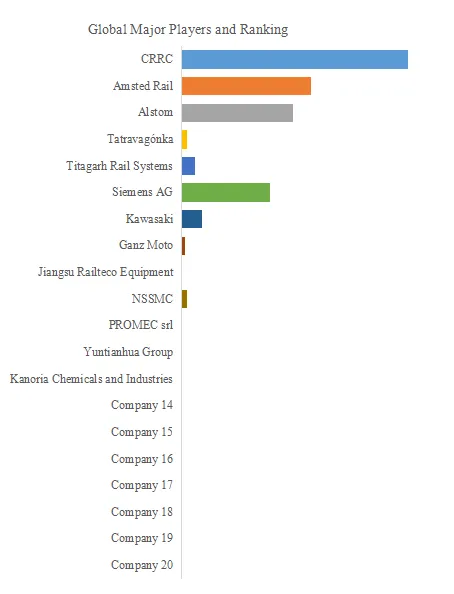
 

カテゴリー: 未分類 | 投稿者fafa168 10:22 | コメントをどうぞ

Tram-Train Research:CAGR of 4.8% during the forecast period

QY Research Inc. (Global Market Report Research Publisher) announces the release of 2025 latest report “Tram-Train- Global Market Share and Ranking, Overall Sales and Demand Forecast 2026-2032”. Based on current situation and impact historical analysis (2020-2024) and forecast calculations (2026-2032), this report provides a comprehensive analysis of the global Tram-Train market, including market size, share, demand, industry development status, and forecasts for the next few years.

The global market for Tram-Train was estimated to be worth US$ 4056 million in 2025 and is projected to reach US$ 5847 million, growing at a CAGR of 4.8% from 2026 to 2032.

【Get a free sample PDF of this report (Including Full TOC, List of Tables & Figures, Chart)】
https://www.qyresearch.com/reports/5784732/tram-train


Tram-Train

Tram-Train is an integrated rail transit system that allows a single vehicle to operate seamlessly on both urban tram (street-running light rail) networks and conventional heavy-rail lines. By using dual-voltage systems, compatible signaling, and mixed traffic standards, tram-train vehicles can run directly from city streets to suburban or regional rail corridors without passenger transfers. This model improves regional connectivity, reduces travel time and infrastructure duplication, and is especially effective for linking city centers with surrounding towns using existing rail assets.


Tram-Train Market Summary

According to the new market research report “Global Tram-Train Market Report 2026-2032”, published by QYResearch, the global Tram-Train market size is projected to reach USD 5.85 billion by 2032, at a CAGR of 4.8% during the forecast period.

Global Tram-Train Market Size (US$ Million), 2020-2031

Tram-Train

Above data is based on report from QYResearch: Global Tram-Train Market Report 2026-2032 (published in 2025). If you need the latest data, plaese contact QYResearch.

Global Tram-Train Market

Market Drivers:

The primary driver of the Tram-Train market is the growing demand for seamless regional mobility that connects suburban areas with city centers without requiring passenger transfers. Tram-Train systems enable through-running operation between mainline railway networks and urban tram networks, significantly reducing travel time and improving passenger convenience. Additionally, governments are increasingly promoting low-carbon transport infrastructure, and Tram-Train systems offer an attractive solution with lower capital expenditure compared to metro or heavy rail while still delivering rail-grade capacity and reliability.

Restraint:

The main restraint of the Tram-Train market lies in technical and regulatory complexity. Tram-Train vehicles must comply with both mainline railway safety standards and urban tram regulations, leading to higher vehicle costs, longer certification cycles, and limited supplier options. In many countries, interoperability issues such as signaling compatibility, platform height differences, power system mismatches, and operational responsibility between national rail operators and city authorities create institutional barriers that slow down project implementation.

Opportunity:

The key opportunity for the Tram-Train market comes from the large number of underutilized or abandoned regional railway corridors, especially in Europe, China, and emerging urban clusters. By upgrading existing rail infrastructure into Tram-Train systems, cities can rapidly deploy high-quality transit services at a fraction of the cost of new metro lines. Furthermore, the integration of battery and hydrogen propulsion technologies opens new possibilities for non-electrified lines, expanding the addressable market beyond traditional electrified rail networks.

Global Tram-Train Top 16 Players Ranking and Market Share (Ranking is based on the revenue of 2025, continually updated)

Tram-Train

Above data is based on report from QYResearch: Global Tram-Train Market Report 2026-2032 (published in 2025). If you need the latest data, plaese contact QYResearch.

This report profiles key players of Tram-Train such as Alstom, CRRC, Stadler Rail, etc.

In 2023, the global top five Tram-Train players account for 51.58% of market share in terms of revenue. Above figure shows the key players ranked by revenue in Tram-Train.


Tram-Train, Global Market Size, Split by Product Segment

Tram-TrainTram-Train

Based on or includes research from QYResearch: Global Tram-Train Market Report 2026-2032.

In terms of product type, Overhead Catenary Power Supply is the largest segment, hold a share of 80.67%,


In terms of product application, Urban Public Transport is the largest application, hold a share of 74.4%,


Tram-Train Supply Chain Analysis

The upstream segment of the Tram-Train supply chain mainly consists of raw materials and high-value core components, including aluminum alloys and stainless steel for car bodies, traction motors, IGBT or SiC power modules, bogies, braking systems, signaling equipment, and onboard communication systems. Compared with conventional trams, Tram-Train vehicles require railway-grade components that comply with national rail safety standards, resulting in higher dependency on certified suppliers for traction systems, control units, and safety-critical subsystems.


The report provides a detailed analysis of the market size, growth potential, and key trends for each segment. Through detailed analysis, industry players can identify profit opportunities, develop strategies for specific customer segments, and allocate resources effectively.

The Tram-Train market is segmented as below:
By Company
Alstom
CAF Mobility
Stadler Rail
CRRC Corporation
PC Transport Systems
Škoda Group
UKCP
Siemens
Pesa
BKM HOLDING
Bozankaya
Astra Vagoane Calatori
Modertrans
Hitachi Rail
Durmazlar
TATRA-YUG
KINKI SHARYO
Končar
TŽV Gredelj
Krnovské opravny a strojírny s.r.o.
NIPPON SHARYO
Niigata Transys
NIZHEKOTRANS
Alna Sharyo
INEKON TRAMS
GARATREN
Electronmash LCC
Hyundai
China Railway Signal & Communication
Chengdu Xinzhu Road&Bridge Machinery
SHENYANG NEW SUNSHINE M&E SCIENCE TECHNOLOGY CO., LTD.

Segment by Type
Overhead Catenary Power Supply
Ground-level Power Supply
Energy Storage Power Supply (Batteries, Capacitors, Hydrogen Energy, etc.)

Segment by Application
Urban Public Transport
Tourism & Scenic Transport
Airport & Transport Hub Shuttle
Others

Each chapter of the report provides detailed information for readers to further understand the Tram-Train market:

Chapter 1: Introduces the report scope of the Tram-Train report, global total market size (valve, volume and price). This chapter also provides the market dynamics, latest developments of the market, the driving factors and restrictive factors of the market, the challenges and risks faced by manufacturers in the industry, and the analysis of relevant policies in the industry. (2021-2032)
Chapter 2: Detailed analysis of Tram-Train manufacturers competitive landscape, price, sales and revenue market share, latest development plan, merger, and acquisition information, etc. (2021-2026)
Chapter 3: Provides the analysis of various Tram-Train market segments by Type, covering the market size and development potential of each market segment, to help readers find the blue ocean market in different market segments. (2021-2032)
Chapter 4: Provides the analysis of various market segments by Application, covering the market size and development potential of each market segment, to help readers find the blue ocean market in different downstream markets.(2021-2032)
Chapter 5: Sales, revenue of Tram-Train in regional level. It provides a quantitative analysis of the market size and development potential of each region and introduces the market development, future development prospects, market space, and market size of each country in the world..(2021-2032)
Chapter 6: Sales, revenue of Tram-Train in country level. It provides sigmate data by Type, and by Application for each country/region.(2021-2032)
Chapter 7: Provides profiles of key players, introducing the basic situation of the main companies in the market in detail, including product sales, revenue, price, gross margin, product introduction, recent development, etc. (2021-2026)
Chapter 8: Analysis of industrial chain, including the upstream and downstream of the industry.
Chapter 9: Conclusion.

Benefits of purchasing QYResearch report:
Competitive Analysis: QYResearch provides in-depth Tram-Train competitive analysis, including information on key company profiles, new entrants, acquisitions, mergers, large market shear, opportunities, and challenges. These analyses provide clients with a comprehensive understanding of market conditions and competitive dynamics, enabling them to develop effective market strategies and maintain their competitive edge.

Industry Analysis: QYResearch provides Tram-Train comprehensive industry data and trend analysis, including raw material analysis, market application analysis, product type analysis, market demand analysis, market supply analysis, downstream market analysis, and supply chain analysis.

and trend analysis. These analyses help clients understand the direction of industry development and make informed business decisions.

Market Size: QYResearch provides Tram-Train market size analysis, including capacity, production, sales, production value, price, cost, and profit analysis. This data helps clients understand market size and development potential, and is an important reference for business development.

Other relevant reports of QYResearch:
Global Tram-Train Market Outlook, In‑Depth Analysis & Forecast to 2032
Global Tram-Train Market Research Report 2026
Global Tram-Train Sales Market Report, Competitive Analysis and Regional Opportunities 2026-2032

About Us:
QYResearch founded in California, USA in 2007, which is a leading global market research and consulting company. Our primary business include market research reports, custom reports, commissioned research, IPO consultancy, business plans, etc. With over 19 years of experience and a dedicated research team, we are well placed to provide useful information and data for your business, and we have established offices in 7 countries (include United States, Germany, Switzerland, Japan, Korea, China and India) and business partners in over 30 countries. We have provided industrial information services to more than 60,000 companies in over the world.


Contact Us:
If you have any queries regarding this report or if you would like further information, please contact us:
QY Research Inc.
Add: 17890 Castleton Street Suite 369 City of Industry CA 91748 United States
EN: https://www.qyresearch.com
Email: global@qyresearch.com
Tel: 001-626-842-1666(US)
JP: https://www.qyresearch.co.jp
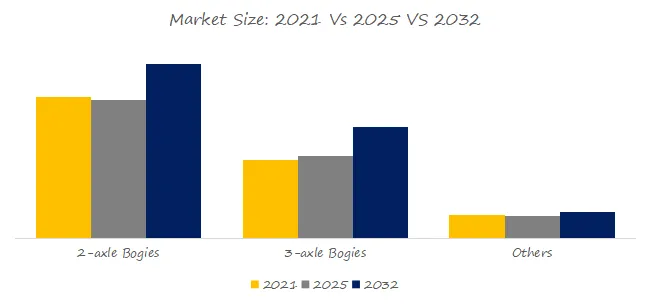
カテゴリー: 未分類 | 投稿者fafa168 18:24 | コメントをどうぞ

Train Bogies Research:CAGR of 4.0% during the forecast period

QY Research Inc. (Global Market Report Research Publisher) announces the release of 2025 latest report “Train Bogies- Global Market Share and Ranking, Overall Sales and Demand Forecast 2026-2032”. Based on current situation and impact historical analysis (2020-2024) and forecast calculations (2026-2032), this report provides a comprehensive analysis of the global Train Bogies market, including market size, share, demand, industry development status, and forecasts for the next few years.

The global market for Train Bogies was estimated to be worth US$ 2620 million in 2025 and is projected to reach US$ 3354 million, growing at a CAGR of 3.9% from 2026 to 2032.

【Get a free sample PDF of this report (Including Full TOC, List of Tables & Figures, Chart)】
https://www.qyresearch.com/reports/5496137/train-bogies


Train Bogies Market Summary

Train bogies are the core running components of rail vehicles, composed of a frame, wheel-set axle boxes, suspension systems (primary + secondary), braking devices, and drive units (unique to power bogies). Mounted between the car body and wheel-sets with the ability to rotate relative to the car body, their core functions include supporting the car body, transmitting traction and braking forces, mitigating track impacts, ensuring curve-passing performance and operational stability. They directly determine the safety, ride comfort and operational efficiency of trains.

According to the new market research report “Global Train Bogies Market Report 2026-2032”, published by QYResearch, the global Train Bogies market size is projected to reach USD 3.35 billion by 2032, at a CAGR of 4.0% during the forecast period.


Figure00001. Global Train Bogies Market Size (US$ Million), 2021-2032

Train Bogies

Above data is based on report from QYResearch: Global Train Bogies Market Report 2025-2031 (published in 2025). If you need the latest data, plaese contact QYResearch.


Figure00002. Global Train Bogies Top 11 Players Ranking and Market Share (Examples)

Train Bogies

Above data is based on report from QYResearch: Global Train Bogies Market Report 2025-2031 (published in 2025). If you need the latest data, plaese contact QYResearch.

According to QYResearch Top Players Research Center, the global key manufacturers of Train Bogies include CRRC, Amsted Rail, Alstom, Tatravagónka, Titagarh Rail Systems, etc. In 2025, the global top five players had a share approximately 75.0% in terms of revenue.


Figure00003. Train Bogies, Global Market Size, Split by Product Segment

Train Bogies

Based on or includes research from QYResearch: Global Train Bogies Market Report 2025-2031.


In terms of product type, currently 2-axle Bogies is the largest segment, hold a share of 57.0%.


In terms of product application, currently High-Speed Train is the largest segment, hold a share of 30.3%.


Market Drivers

Expansion of rail transit networks: The global construction of new high-speed rail and urban rail lines, and densification of existing lines (e.g., China’s “Eight Vertical and Eight Horizontal” high-speed rail network, ASEAN/European rail interconnection projects) directly drive the demand for new train procurement and bogies, with the urban rail sector seeing particularly significant growth.

Renewal of in-service fleets and after-market growth: Nearly 30% of global trains have been in operation for over 15 years, bringing sustained replacement demand from mid-term overhauls and component replacement; predictive maintenance is driving the upgrade of intelligent bogie monitoring systems.

Technological upgrading and rising performance demands: Under the dual carbon goals, demand for lightweight (aluminum alloy/composite material) and low-energy-consumption bogies is growing; high-speed and heavy-haul scenarios impose strict requirements for high-reliability, long-life products, driving the implementation of active suspension and intelligent sensing technologies.

Policy and standard impetus: National railway modernization policies (e.g., Made in China 2025) and upgraded safety and environmental standards force the technological iteration and green manufacturing transformation of bogies.

Demand for modularization and maintenance economy: Operators pursue low life-cycle costs, making modular-designed and highly universal bogies more favored, which reduces overhaul and operation maintenance costs.

Market Challenges

High technical barriers and insufficient R&D investment: There are still gaps in core technologies such as high-speed/heavy-haul bogies, intelligent monitoring and lightweight material application; the industry’s R&D investment intensity (about 4.2%) is lower than the international level (7.8%), with a serious shortage of high-end professionals.

Dependence on imported core components: Some high-end key components such as bearings, shock absorbers and sensors still rely on overseas supply, and the domestic substitution process needs to break through bottlenecks in materials, precision processing and long-term reliability verification.

Cost and supply chain pressures: Fluctuations in raw material prices (e.g., high-strength steel, rare earths) and rising energy costs, coupled with international trade barriers (e.g., EU anti-dumping duties), compress profit margins and increase export difficulties.

Inadequate standardization and universalization: The universalization rate of parts for different types of bogies is low (about 41.3%), lower than the level of over 65% in developed countries, which affects large-scale production efficiency and cost control.

Concentrated competition pattern and insufficient differentiation: The market is dominated by a small number of international giants; most domestic enterprises are stuck in mid-low end competition with serious product homogeneity, holding limited market share and technical voice in the high-end segment.


The report provides a detailed analysis of the market size, growth potential, and key trends for each segment. Through detailed analysis, industry players can identify profit opportunities, develop strategies for specific customer segments, and allocate resources effectively.

The Train Bogies market is segmented as below:
By Company
CRRC
Amsted Rail
Alstom
Tatravagónka
Titagarh Rail Systems
Siemens AG
Kawasaki
Ganz Moto
Jiangsu Railteco Equipment
NSSMC
PROMEC srl

Segment by Type
2-axle Bogies
3-axle Bogies
Others

Segment by Application
High-Speed Train
Conventional Passenger Train
Urban Rail Transit
Freight Train
Others

Each chapter of the report provides detailed information for readers to further understand the Train Bogies market:

Chapter 1: Introduces the report scope of the Train Bogies report, global total market size (valve, volume and price). This chapter also provides the market dynamics, latest developments of the market, the driving factors and restrictive factors of the market, the challenges and risks faced by manufacturers in the industry, and the analysis of relevant policies in the industry. (2021-2032)
Chapter 2: Detailed analysis of Train Bogies manufacturers competitive landscape, price, sales and revenue market share, latest development plan, merger, and acquisition information, etc. (2021-2026)
Chapter 3: Provides the analysis of various Train Bogies market segments by Type, covering the market size and development potential of each market segment, to help readers find the blue ocean market in different market segments. (2021-2032)
Chapter 4: Provides the analysis of various market segments by Application, covering the market size and development potential of each market segment, to help readers find the blue ocean market in different downstream markets.(2021-2032)
Chapter 5: Sales, revenue of Train Bogies in regional level. It provides a quantitative analysis of the market size and development potential of each region and introduces the market development, future development prospects, market space, and market size of each country in the world..(2021-2032)
Chapter 6: Sales, revenue of Train Bogies in country level. It provides sigmate data by Type, and by Application for each country/region.(2021-2032)
Chapter 7: Provides profiles of key players, introducing the basic situation of the main companies in the market in detail, including product sales, revenue, price, gross margin, product introduction, recent development, etc. (2021-2026)
Chapter 8: Analysis of industrial chain, including the upstream and downstream of the industry.
Chapter 9: Conclusion.

Benefits of purchasing QYResearch report:
Competitive Analysis: QYResearch provides in-depth Train Bogies competitive analysis, including information on key company profiles, new entrants, acquisitions, mergers, large market shear, opportunities, and challenges. These analyses provide clients with a comprehensive understanding of market conditions and competitive dynamics, enabling them to develop effective market strategies and maintain their competitive edge.

Industry Analysis: QYResearch provides Train Bogies comprehensive industry data and trend analysis, including raw material analysis, market application analysis, product type analysis, market demand analysis, market supply analysis, downstream market analysis, and supply chain analysis.

and trend analysis. These analyses help clients understand the direction of industry development and make informed business decisions.

Market Size: QYResearch provides Train Bogies market size analysis, including capacity, production, sales, production value, price, cost, and profit analysis. This data helps clients understand market size and development potential, and is an important reference for business development.

Other relevant reports of QYResearch:
Global Train Bogies Market Outlook, In‑Depth Analysis & Forecast to 2032
Global Train Bogies Sales Market Report, Competitive Analysis and Regional Opportunities 2026-2032
Global Train Bogies Market Research Report 2026

About Us:
QYResearch founded in California, USA in 2007, which is a leading global market research and consulting company. Our primary business include market research reports, custom reports, commissioned research, IPO consultancy, business plans, etc. With over 19 years of experience and a dedicated research team, we are well placed to provide useful information and data for your business, and we have established offices in 7 countries (include United States, Germany, Switzerland, Japan, Korea, China and India) and business partners in over 30 countries. We have provided industrial information services to more than 60,000 companies in over the world.


Contact Us:
If you have any queries regarding this report or if you would like further information, please contact us:
QY Research Inc.
Add: 17890 Castleton Street Suite 369 City of Industry CA 91748 United States
EN: https://www.qyresearch.com
Email: global@qyresearch.com
Tel: 001-626-842-1666(US)
JP: https://www.qyresearch.co.jp
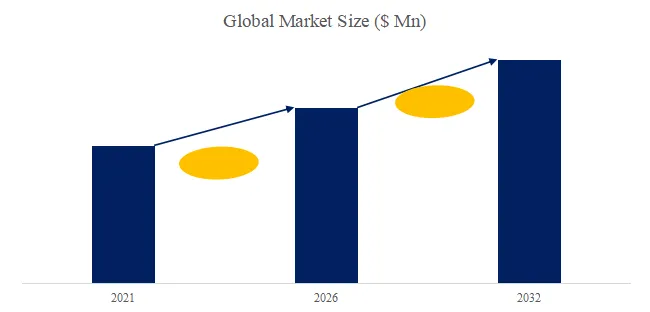
カテゴリー: 未分類 | 投稿者fafa168 18:13 | コメントをどうぞ

Thermal Transfer Overprinting (TTO) Equipment Research:CAGR of 4.0% during the forecast period

QY Research Inc. (Global Market Report Research Publisher) announces the release of 2025 latest report “Thermal Transfer Overprinting (TTO) Equipment- Global Market Share and Ranking, Overall Sales and Demand Forecast 2026-2032”. Based on current situation and impact historical analysis (2020-2024) and forecast calculations (2026-2032), this report provides a comprehensive analysis of the global Thermal Transfer Overprinting (TTO) Equipment market, including market size, share, demand, industry development status, and forecasts for the next few years.

The global market for Thermal Transfer Overprinting (TTO) Equipment was estimated to be worth US$ 406 million in 2025 and is projected to reach US$ 545 million, growing at a CAGR of 4.1% from 2026 to 2032.

【Get a free sample PDF of this report (Including Full TOC, List of Tables & Figures, Chart)】
https://www.qyresearch.com/reports/5508932/thermal-transfer-overprinting–tto–equipment


Thermal Transfer Overprinting (TTO) Equipment Market Summary

Thermal Transfer Overprinting (TTO) Equipment is a professional on-line marking device that adopts non-contact thermal transfer technology. It uses a thermal print head to heat the thermal transfer ribbon, transferring ink onto the surface of various packaging materials to form clear, durable and scratch-resistant permanent marks. It is mainly applied to the real-time on-line coding of product packaging in industrial production lines, capable of printing variable information such as production dates, batch numbers and traceability codes, and features high printing efficiency, good compatibility and easy integration with automated production lines.

According to the new market research report “Global Thermal Transfer Overprinting (TTO) Equipment Market Report 2026-2032”, published by QYResearch, the global Thermal Transfer Overprinting (TTO) Equipment market size is projected to reach USD 0.54 billion by 2032, at a CAGR of 4.0% during the forecast period.


Figure00001. Global Thermal Transfer Overprinting (TTO) Equipment Market Size (US$ Million), 2021-2032

Thermal Transfer Overprinting (TTO) Equipment

Above data is based on report from QYResearch: Global Thermal Transfer Overprinting (TTO) Equipment Market Report 2025-2031 (published in 2025). If you need the latest data, plaese contact QYResearch.


Figure00002. Global Thermal Transfer Overprinting (TTO) Equipment Top 13 Players Ranking and Market Share (Examples)

Thermal Transfer Overprinting (TTO) Equipment

Above data is based on report from QYResearch: Global Thermal Transfer Overprinting (TTO) Equipment Market Report 2025-2031 (published in 2025). If you need the latest data, plaese contact QYResearch.

According to QYResearch Top Players Research Center, the global key manufacturers of Thermal Transfer Overprinting (TTO) Equipment include Videojet, Domino, Markem-Imaje, EDM, Diagraph, etc. In 2025, the global top five players had a share approximately 77.0% in terms of revenue.


Figure00003. Thermal Transfer Overprinting (TTO) Equipment, Global Market Size, Split by Product Segment

Thermal Transfer Overprinting (TTO) Equipment

Based on or includes research from QYResearch: Global Thermal Transfer Overprinting (TTO) Equipment Market Report 2025-2031.


In terms of product type, currently 32mm Thermal Transfer Overprinters is the largest segment, hold a share of 52.4%.


In terms of product application, currently Food and Beverage is the largest segment, hold a share of 48.8%.


Market Drivers

The continuous development of industrial automation and intelligent production promotes the demand for on-line marking equipment that can be seamlessly integrated with automated production lines, and TTO equipment is widely favored for its high degree of automation and continuous printing performance.

Strengthened national supervision on product quality and safety traceability forces various industries to improve the standardization of product packaging marking, driving the upgrading and replacement of marking equipment and the increased adoption of high-performance TTO equipment.

The diversification of packaging materials and the upgrading of packaging process requirements make the market have higher demands for the adaptability and printing effect of marking equipment, and TTO equipment has strong compatibility with various packaging materials, meeting the multi-scenario marking needs of different industries.

The pursuit of efficient production and low operation cost by enterprises makes TTO equipment with high printing speed, low consumable loss and simple daily maintenance become the optimal choice for industrial on-line marking, helping enterprises improve production efficiency and reduce comprehensive operation costs.

The rapid development of industries such as food, daily chemicals, logistics and pharmaceuticals directly boosts the market demand for on-line marking equipment, as TTO equipment is the core supporting device for product packaging and coding in these industries.

Market Challenges

The core components of TTO equipment have high technical barriers, and the dependence on key core components in some markets restricts the independent R&D and production capacity of local enterprises, and also leads to high production costs.

The market has higher and higher requirements for the printing speed, precision and stability of TTO equipment, which puts forward strict challenges to the R&D and manufacturing technology of enterprises, requiring continuous investment in technological innovation and product upgrading.

The competition in the TTO equipment market is increasingly fierce, with the coexistence of international brand enterprises and local manufacturers, and the phenomenon of product homogeneity in the mid-low end market is prominent, leading to fierce price competition and compressed profit margins of enterprises.

The rapid update of packaging materials and the emergence of new special packaging put forward higher adaptability requirements for TTO equipment, and enterprises need to continuously optimize product design to meet the marking needs of new materials and new processes.

The after-sales service system of some TTO equipment manufacturers is not perfect, and the problems of slow after-sales response and insufficient technical support in the use process affect the user experience, and restrict the market expansion of related enterprises to a certain extent.


The report provides a detailed analysis of the market size, growth potential, and key trends for each segment. Through detailed analysis, industry players can identify profit opportunities, develop strategies for specific customer segments, and allocate resources effectively.

The Thermal Transfer Overprinting (TTO) Equipment market is segmented as below:
By Company
Videojet
Domino
Markem-Imaje
EDM
Diagraph
Novexx Solutions GmbH
Linx
DIKAI
Koenig & Bauer Coding GmbH
Control Print
Yanjie Technology
Savema
FlexPackPRO

Segment by Type
32mm Thermal Transfer Overprinters
53mm Thermal Transfer Overprinters
Others

Segment by Application
Food and Beverage
Pharmaceutical and Healthcare
Construction and Chemicals
Electronics
Other

Each chapter of the report provides detailed information for readers to further understand the Thermal Transfer Overprinting (TTO) Equipment market:

Chapter 1: Introduces the report scope of the Thermal Transfer Overprinting (TTO) Equipment report, global total market size (valve, volume and price). This chapter also provides the market dynamics, latest developments of the market, the driving factors and restrictive factors of the market, the challenges and risks faced by manufacturers in the industry, and the analysis of relevant policies in the industry. (2021-2032)
Chapter 2: Detailed analysis of Thermal Transfer Overprinting (TTO) Equipment manufacturers competitive landscape, price, sales and revenue market share, latest development plan, merger, and acquisition information, etc. (2021-2026)
Chapter 3: Provides the analysis of various Thermal Transfer Overprinting (TTO) Equipment market segments by Type, covering the market size and development potential of each market segment, to help readers find the blue ocean market in different market segments. (2021-2032)
Chapter 4: Provides the analysis of various market segments by Application, covering the market size and development potential of each market segment, to help readers find the blue ocean market in different downstream markets.(2021-2032)
Chapter 5: Sales, revenue of Thermal Transfer Overprinting (TTO) Equipment in regional level. It provides a quantitative analysis of the market size and development potential of each region and introduces the market development, future development prospects, market space, and market size of each country in the world..(2021-2032)
Chapter 6: Sales, revenue of Thermal Transfer Overprinting (TTO) Equipment in country level. It provides sigmate data by Type, and by Application for each country/region.(2021-2032)
Chapter 7: Provides profiles of key players, introducing the basic situation of the main companies in the market in detail, including product sales, revenue, price, gross margin, product introduction, recent development, etc. (2021-2026)
Chapter 8: Analysis of industrial chain, including the upstream and downstream of the industry.
Chapter 9: Conclusion.

Benefits of purchasing QYResearch report:
Competitive Analysis: QYResearch provides in-depth Thermal Transfer Overprinting (TTO) Equipment competitive analysis, including information on key company profiles, new entrants, acquisitions, mergers, large market shear, opportunities, and challenges. These analyses provide clients with a comprehensive understanding of market conditions and competitive dynamics, enabling them to develop effective market strategies and maintain their competitive edge.

Industry Analysis: QYResearch provides Thermal Transfer Overprinting (TTO) Equipment comprehensive industry data and trend analysis, including raw material analysis, market application analysis, product type analysis, market demand analysis, market supply analysis, downstream market analysis, and supply chain analysis.

and trend analysis. These analyses help clients understand the direction of industry development and make informed business decisions.

Market Size: QYResearch provides Thermal Transfer Overprinting (TTO) Equipment market size analysis, including capacity, production, sales, production value, price, cost, and profit analysis. This data helps clients understand market size and development potential, and is an important reference for business development.

Other relevant reports of QYResearch:
Global Thermal Transfer Overprinting (TTO) Equipment Market Insights – Industry Share, Sales Projections, and Demand Outlook 2026-2032
Global Thermal Transfer Overprinting (TTO) Equipment Market Outlook, In‑Depth Analysis & Forecast to 2032
Global Thermal Transfer Overprinting (TTO) Equipment Sales Market Report, Competitive Analysis and Regional Opportunities 2026-2032
Global Thermal Transfer Overprinting (TTO) Equipment Market Research Report 2026
Global 53mm Thermal Transfer Overprinting (TTO) Equipment Market Outlook, In‑Depth Analysis & Forecast to 2032
53mm Thermal Transfer Overprinting (TTO) Equipment- Global Market Share and Ranking, Overall Sales and Demand Forecast 2026-2032
Global 53mm Thermal Transfer Overprinting (TTO) Equipment Market Research Report 2026
Global 53mm Thermal Transfer Overprinting (TTO) Equipment Sales Market Report, Competitive Analysis and Regional Opportunities 2026-2032
Global Industrial Thermal Transfer Overprinting (TTO) Equipment Sales Market Report, Competitive Analysis and Regional Opportunities 2026-2032
Industrial Thermal Transfer Overprinting (TTO) Equipment- Global Market Share and Ranking, Overall Sales and Demand Forecast 2026-2032
Global Industrial Thermal Transfer Overprinting (TTO) Equipment Market Research Report 2026
Global Over 100mm Thermal Transfer Overprinting (TTO) Equipment Market Outlook, In‑Depth Analysis & Forecast to 2032
Over 100mm Thermal Transfer Overprinting (TTO) Equipment- Global Market Share and Ranking, Overall Sales and Demand Forecast 2026-2032
Global Over 100mm Thermal Transfer Overprinting (TTO) Equipment Sales Market Report, Competitive Analysis and Regional Opportunities 2026-2032
Global Over 100mm Thermal Transfer Overprinting (TTO) Equipment Market Research Report 2026
Global 32mm and 53mm Thermal Transfer Overprinting (TTO) Equipment Market Outlook, In‑Depth Analysis & Forecast to 2032
Global 32mm and 53mm Thermal Transfer Overprinting (TTO) Equipment Sales Market Report, Competitive Analysis and Regional Opportunities 2026-2032
32mm and 53mm Thermal Transfer Overprinting (TTO) Equipment- Global Market Share and Ranking, Overall Sales and Demand Forecast 2026-2032
Global 32mm and 53mm Thermal Transfer Overprinting (TTO) Equipment Market Research Report 2026
Global Thermal Transfer Overprinting (TTO) Equipment and Consumables Market Outlook, In‑Depth Analysis & Forecast to 2032

About Us:
QYResearch founded in California, USA in 2007, which is a leading global market research and consulting company. Our primary business include market research reports, custom reports, commissioned research, IPO consultancy, business plans, etc. With over 19 years of experience and a dedicated research team, we are well placed to provide useful information and data for your business, and we have established offices in 7 countries (include United States, Germany, Switzerland, Japan, Korea, China and India) and business partners in over 30 countries. We have provided industrial information services to more than 60,000 companies in over the world.


Contact Us:
If you have any queries regarding this report or if you would like further information, please contact us:
QY Research Inc.
Add: 17890 Castleton Street Suite 369 City of Industry CA 91748 United States
EN: https://www.qyresearch.com
Email: global@qyresearch.com
Tel: 001-626-842-1666(US)
JP: https://www.qyresearch.co.jp
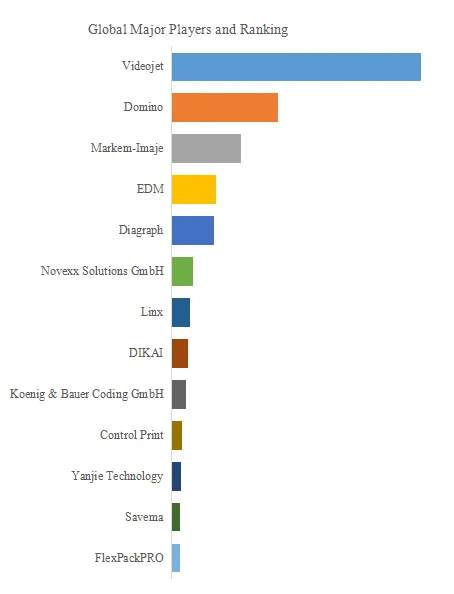
カテゴリー: 未分類 | 投稿者fafa168 18:10 | コメントをどうぞ