

カテゴリー別アーカイブ: 未分類

Tile-in Shower Drain Research:CAGR of 7.90% during the forecast period 2026-2032

Tile-in Shower Drain Market Summary

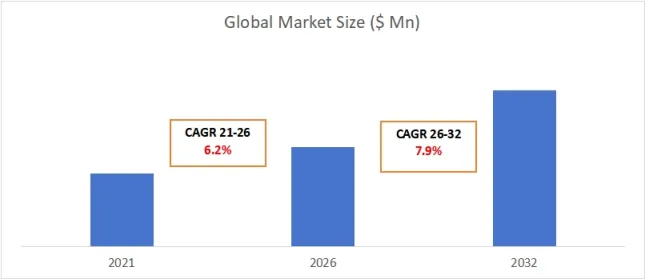
The global Tile-in Shower Drain market size is estimated to reach US$ 1240.9 million by 2026 and is anticipated to reach US$ 1958.2 million by 2032, witnessing a CAGR of 7.90% during the forecast period 2026-2032.

Figure00001. Global Tile-in Shower Drain Market Size (US$ Million), 2021-2032
Tile-in Shower Drain

Above data is based on report from QYResearch: Global Tile-in Shower Drain Market Report 2025-2031 (published in 2025). If you need the latest data, please contact QYResearch.

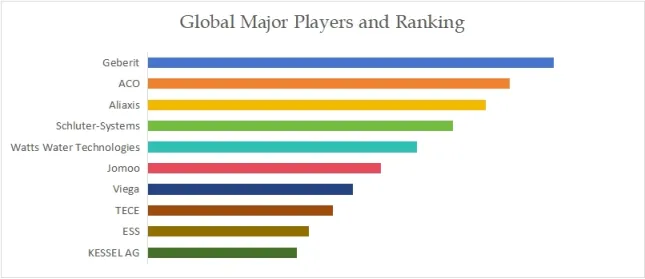
In 2025, the global top 10 players revenue share was approximately 65%.

Figure00002. Global Tile-in Shower Drain Top 10 Players Ranking and Market Share
Tile-in Shower Drain

Above data is based on report from QYResearch: Global Tile-in Shower Drain Market Report 2025-2031 (published in 2025). If you need the latest data, plaese contact QYResearch.

A tile-in shower drain is a specialized drainage system designed to be seamlessly integrated into a tiled shower floor. Unlike traditional point drains, it is installed flush with the surrounding tile surface, creating a continuous, waterproof plane. Its key components are a linear or geometric grating (the visible part) and a concealed drain body that channels water into the plumbing system. Its primary function is efficient water removal while providing critical waterproofing as part of a modern, level-access (“curbless”) shower design, enhancing both aesthetics and accessibility.

Competitive Landscape

The market is characterized by strong competition among established global players specializing in drainage and plumbing systems. European companies dominate the premium segment, led by Geberit and ACO, which are known for engineering precision, high-quality materials, and extensive product systems. Schluter-Systems is a major force due to its integrated waterproofing and uncoupling membrane systems, of which its tile-in drains are a key component. Other significant competitors include Aliaxis, Viega, TECE, and KESSEL AG. In the Asia Pacific region, companies like Jomoo are important. The competition is based on system compatibility (with waterproofing membranes), design options (grates, sizes), material quality (stainless steel, brass), ease of installation, and brand reputation for reliability and leak prevention.


Main Type

Tile-in shower drains are primarily categorized by their shape and layout. Linear Shower Drains are the most popular modern type, featuring a long, narrow channel. They allow for a single, gentle slope across the entire shower floor, are highly effective for larger showers, and offer a sleek, contemporary look. Square Shower Drains (or point drains) are a more traditional tile-in style, typically installed in the center of the shower, requiring a four-way slope (pan) to direct water. They are common in smaller, standard shower stalls. Corner Shower Drains are installed in a corner of the shower, useful for optimizing space in compact or uniquely shaped showers, requiring a two or three-way slope.


Downstream Applications

The two main downstream applications are Residential and Commercial construction. In the Residential sector, tile-in drains are a key feature in bathroom renovations and new home builds, driven by trends towards luxurious, spa-like master bathrooms, accessibility (aging-in-place designs), and modern minimalist aesthetics. The Commercial sector is a major adopter, including hotels, gyms, spas, public showers, and healthcare facilities. Here, the demands are for high durability, ease of maintenance, hygiene (often with antimicrobial coatings), and compliance with accessibility codes, making reliable, well-engineered drainage systems essential.


Regional Perspective

Europe is the most mature and leading market, with a strong tradition of high-quality tiling and bathroom design, and is home to the industry’s top brands. North America has seen rapid adoption over the last decade, fueled by the popularity of modern bathroom aesthetics and accessible design. The Asia Pacific region is a high-growth market, especially in luxury residential and hospitality developments in China, Australia, and Southeast Asia. Latin America and the Middle East & Africa are emerging markets where growth is concentrated in high-end residential projects, luxury hotels, and commercial developments in major urban centers, following global design trends.

Price Analysis

Pricing varies significantly based on brand, material, and features. Basic, small-format square drains from standard brands are the most affordable. Linear drains command a higher price due to more material (longer channels), more complex manufacturing, and their premium positioning. Prices escalate with the use of high-grade materials like solid stainless steel (304/316), brass, or custom finishes. Premium brands like Geberit, Schluter, and ACO carry a price premium justified by engineering, guaranteed compatibility with their waterproofing systems, and proven long-term reliability. Additional costs include the required waterproofing membrane, sealants, and professional installation labor, which is more specialized than for traditional drains.


About The Authors

Yang Huchen | Industry Researcher

Personal Profile

With six years of experience in equipment industry research and consulting, I have consistently tracked the development of mechanical equipment and industrial technology both domestically and internationally, accumulating extensive experience in industry research, data analysis, and market forecasting. I possess a solid foundation in industry trend insights, corporate strategy analysis, market sizing, and competitive landscape research, enabling me to provide clients with forward-looking and actionable research results.

Research Areas

Mechanical Equipment: Including port machinery, special equipment, and engineering equipment.

Industrial Automation: Covering intelligent manufacturing, robotics, sensing and control systems.

Construction Machinery: Key areas such as cranes, excavators, and concrete machinery.

Frontier Equipment: High-tech cryo-electron microscopes, laser weapons, and other cutting-edge technologies.

Project Experience

Led and participated in numerous key research and consulting projects, including:

Mobile Port Cranes: Analyzing global and Chinese market supply and demand patterns, price trends, and technology roadmaps, producing industry benchmark reports.

Cryo-electron microscopes: Analyzing the competitive landscape of core suppliers within the industry chain and the prospects for cutting-edge applications, providing guidance to scientific research institutions. Providing decision support to institutions and enterprises.

Laser Weapon Systems: Tracks emerging equipment markets in the military industry, analyzing the policy environment, technological evolution paths, and application potential.

Engineering Machinery Industry Research Series: Covers equipment such as excavators and loaders, builds competitiveness models, and provides development recommendations.

Partner Clients

Clients include top international manufacturers and leading domestic manufacturers, including:

Toshiba、Honda、Caterpillar、Hitachi、etc.

In addition, we provide research and strategic consulting services to some leading domestic equipment companies and emerging manufacturing companies in China.

Personal Strengths

Systematic Research Ability: Specializes in comprehensive industry chain analysis, with in-depth research experience from upstream components to downstream application scenarios.

Interdisciplinary Perspective: Able to establish research connections between traditional machinery and emerging high-end equipment.

Data-Driven: Proficient in market sizing, price modeling, and trend forecasting.

International Background: Experienced in multinational corporate research, with a deep understanding of international market dynamics and local market differences.

Contact Information

Email: yanghuchen@qyresearch.com

Tel: +86-17801072109


About QYResearch

Tile-in Shower Drain

https://www.qyresearch.com

QYResearch founded in California, USA in 2007.It is a leading global market research and consulting company. With over 17 years’ experience and professional research team in various cities over the world QY Research focuses on management consulting, database and seminar services, IPO consulting, industry chain research and customized research to help our clients in providing non-linear revenue model and make them successful. We are globally recognized for our expansive portfolio of services, good corporate citizenship, and our strong commitment to sustainability. Up to now, we have cooperated with more than 60,000 clients across five continents. Let’s work closely with you and build a bold and better future.

QYResearch is a world-renowned large-scale consulting company. The industry covers various high-tech industry chain market segments, spanning the semiconductor industry chain (semiconductor equipment and parts, semiconductor materials, ICs, Foundry, packaging and testing, discrete devices, sensors, optoelectronic devices), photovoltaic industry chain (equipment, cells, modules, auxiliary material brackets, inverters, power station terminals), new energy automobile industry chain (batteries and materials, auto parts, batteries, motors, electronic control, automotive semiconductors, etc.), communication industry chain (communication system equipment, terminal equipment, electronic components, RF front-end, optical modules, 4G/5G/6G, broadband, IoT, digital economy, AI), advanced materials industry Chain (metal materials, polymer materials, ceramic materials, nano materials, etc.), machinery manufacturing industry chain (CNC machine tools, construction machinery, electrical machinery, 3C automation, industrial robots, lasers, industrial control, drones), food, beverages and pharmaceuticals, medical equipment, agriculture, etc.
About Us:
QYResearch founded in California, USA in 2007, which is a leading global market research and consulting company. Our primary business include market research reports, custom reports, commissioned research, IPO consultancy, business plans, etc. With over 18 years of experience and a dedicated research team, we are well placed to provide useful information and data for your business, and we have established offices in 7 countries (include United States, Germany, Switzerland, Japan, Korea, China and India) and business partners in over 30 countries. We have provided industrial information services to more than 60,000 companies in over the world.

Contact Us:
If you have any queries regarding this report or if you would like further information, please contact us:
QY Research Inc.
Add: 17890 Castleton Street Suite 369 City of Industry CA 91748 United States
EN: https://www.qyresearch.com
Email: global@qyresearch.com
Tel: 001-626-842-1666(US)
JP: https://www.qyresearch.co.jp

カテゴリー: 未分類 | 投稿者huangsisi 12:30 | コメントをどうぞ

Global Portable Digital Audio Player Industry Outlook: Flash-Based vs. HDD-Based vs. MP3/CD Players for Online and Offline Sales

Global Leading Market Research Publisher QYResearch announces the release of its latest report “Portable Digital Audio Player – Global Market Share and Ranking, Overall Sales and Demand Forecast 2026-2032”. Based on current situation and impact historical analysis (2021-2025) and forecast calculations (2026-2032), this report provides a comprehensive analysis of the global Portable Digital Audio Player market, including market size, share, demand, industry development status, and forecasts for the next few years.

The global market for Portable Digital Audio Player was estimated to be worth US$ 651 million in 2025 and is projected to reach US$ 842 million, growing at a CAGR of 3.8% from 2026 to 2032.
In 2024, global sales of Portable Digital Audio Player reached approximately 8.5 million units, with an average market price of about USD 75. A Portable Digital Audio Player is a portable device designed specifically for high-quality audio playback, typically featuring high-resolution audio decoding, long battery life, and large storage capacity. Compared to smartphones, DAPs offer superior sound quality, broader audio format support, and extended battery life, making them favored by audiophiles and professional musicians. High-end models.

【Get a free sample PDF of this report (Including Full TOC, List of Tables & Figures, Chart)】
https://www.qyresearch.com/reports/6097113/portable-digital-audio-player

1. Industry Pain Points and the Shift Toward Dedicated Portable High-Resolution Audio Players

Smartphones have become the default music playback device for most consumers, but they compromise on audio quality: limited DAC (digital-to-analog converter) performance, inadequate amplification, file format restrictions, and battery drain during extended listening. Portable digital audio players (DAPs) address these limitations by offering dedicated high-resolution audio decoding (up to 32-bit/384kHz PCM, DSD256/512, MQA), discrete amplifier stages, support for lossless formats (FLAC, ALAC, WAV, APE), and extended battery life (15–40 hours). For audiophiles, professional musicians, and serious listeners, portable DAPs deliver superior sound quality that smartphones cannot match. Despite competition from streaming-enabled smartphones, the portable DAP market persists as a niche but stable premium segment.

2. Market Size, Sales Volume, and Growth Trajectory (2024–2032)

According to QYResearch, the global portable digital audio player market was valued at US$ 651 million in 2025 and is projected to reach US$ 842 million by 2032, growing at a CAGR of 3.8%. In 2024, global sales reached approximately 8.5 million units with an average selling price of US$ 75 per unit. This average conceals a wide range: entry-level portable DAPs sell for US$ 30–80, mid-range for US$ 100–300, and high-end audiophile models (Sony Walkman ZX series, Astell&Kern) for US$ 500–3,500+. Market growth is driven by three factors: continued enthusiast demand for lossless audio playback, expansion of high-resolution streaming services (Tidal, Qobuz, Apple Music Hi-Res), and replacement cycles among existing DAP owners.

3. Six-Month Industry Update (October 2025–March 2026)

Recent market intelligence reveals four notable developments:

  • Android-based DAP expansion: FiiO, Sony, and Astell&Kern have shifted to Android OS-based portable DAPs (typically Android 10–13 with custom audio stacks), enabling native streaming app support (Tidal, Qobuz, Apple Music) while maintaining bit-perfect audio output. Android-based models now represent 45% of new portable DAP sales.
  • Entry-level price compression: Chinese brands (FiiO, Hidizs, Shanling) have introduced high-resolution portable DAPs at US$ 80–120 with features previously found only in US$ 300+ models (dual DACs, balanced outputs). This has expanded addressable market but pressured average selling price (down 5% in 2025).
  • Wireless codec adoption: LDAC (Sony), aptX Adaptive (Qualcomm), and LHDC (Savitech) support is now standard in mid-range and above portable DAPs, enabling high-resolution Bluetooth streaming to wireless headphones and earbuds. Segment grew 30% year-over-year.
  • Ultra-portable form factors: New “dongle” DAPs (no screen, app-controlled via smartphone) have emerged at US$ 50–150, appealing to users who want high-quality audio without a second screen. FiiO BTR series and Hidizs S9 Pro lead this micro-segment.

4. Competitive Landscape and Key Suppliers

The market includes Japanese, Korean, Chinese, and European audio specialists:

  • Sony (Japan): Market leader, broad portfolio from entry-level (NW-A series) to flagship (WM1ZM2).
  • Arcam (Harman) (UK), Naim Audio (VerVent Audio Group) (UK), Cambridge Audio (UK), HiFi Rose (CITECH) (South Korea), IAG (UK/China), Lenbrook (Canada – Bluesound, NAD), Yamaha (Japan), Masimo Consumer Audio (US – Denon, Marantz), Linn (UK), Technics (Panasonic) (Japan), Lumin (Pixel Magic Systems) (Hong Kong), Auralic (China), Aurender (South Korea), Meridian Audio (UK), Sotm Audio (South Korea), Waversa (South Korea), Cocktail Audio (South Korea), Astell&Kern (Dreamus) (South Korea), FiiO (China), Hidizs (China).

Competition centers on three axes: DAC chipset (ESS, AKM, Cirrus Logic), amplifier topology (discrete vs. op-amp), and OS/platform (Android vs. proprietary).

5. Segment-by-Segment Analysis: Type and Application

By Storage Technology

  • Flash-Based Players: Solid-state storage (16GB–1TB internal + microSD). Most common today. Lightweight, shock-resistant, fast access. Account for ~70% of sales. All major brands offer flash-based portable models.
  • HDD-Based Players: Hard disk drive storage (20–160GB). Legacy technology, heavier, susceptible to shock. Declining, <5% of market.
  • MP3/CD Players: Basic MP3 players (low-end) or portable CD players with MP3 playback. Very low end or nostalgia segment. Account for ~25% of unit volume but <10% of value.

By Distribution Channel

  • Online Sales: Largest segment (~60%). Amazon, Alibaba, brand direct, audiophile specialty sites (Head-Fi, Apos). Growing as brick-and-mortar electronics retailers reduce portable DAP shelf space.
  • Offline Sales: (~40%). Audio specialty stores, electronics chains (Best Buy, Bic Camera, MediaMarkt), and hi-fi boutiques.

User case – Professional musician monitoring: A touring musician switched from smartphone playback to FiiO M11 Plus portable DAP (ESS dual DAC, balanced output) for in-ear monitoring during travel and rehearsal. Benefits: accurate high-resolution playback (24-bit/192kHz) for mix referencing, 14-hour battery life (vs. 4–5 hours on phone), and dedicated volume knob for precise level adjustment.

6. Exclusive Insight: Manufacturing – DAC Chipset and Amplifier Topology

The core of portable DAP differentiation lies in the DAC and amplifier design:

DAC Chipset Leaders:

  • ESS Sabre (ES9038PRO, ES9068AS, ES9219C): Most common in mid-to-high-end portable DAPs. Known for high dynamic range and low distortion.
  • AKM (Asahi Kasei Microdevices) (AK4499EX, AK4493S): Favored by Sony, Astell&Kern. Warmer sound signature preferred by some audiophiles.
  • Cirrus Logic (CS43198, CS43131): Common in entry-to-mid range (FiiO, Hidizs). Good price/performance.

Amplifier Topology:

  • Single-ended (3.5mm) : Standard output. Lower power, simple.
  • Balanced (2.5mm TRRS, 4.4mm Pentaconn) : Higher power output, lower noise, improved channel separation. Standard in mid-range and above portable DAPs.
  • Dual amplification (separate DAC+amp per channel): Flagship tier (Sony WM1ZM2, Astell&Kern SP3000).

Technical challenge: Achieving bit-perfect playback on Android-based portable DAPs without OS-level resampling. Android’s default audio stack resamples everything to 48kHz. Premium portable DAPs bypass this using custom drivers (FiiO’s “Pure Music Mode,” Sony’s “Direct Source” mode) or proprietary OS (Astell&Kern’s Linux-based UI).

User case – Portable DAP listening comparison: A blind listening test (50 audiophiles, 10 portable DAPs, high-res FLAC 192kHz/24bit, Sennheiser HD800S headphones) found: top-tier portable DAPs (Sony WM1ZM2, Astell&Kern SP3000) were indistinguishable from each other (90%+ listeners couldn’t tell apart) but significantly preferred over smartphones (100% preference). Mid-range portable DAPs (FiiO M15S, Sony NW-ZX707) were preferred over smartphones by 85% of listeners.

7. Regional Outlook and Strategic Recommendations

  • Asia-Pacific: Largest market (45% share). Japan (Sony, Technics), South Korea (Astell&Kern, HiFi Rose), China (FiiO, Hidizs, Shanling), Hong Kong. Strong audiophile culture. Online sales dominant.
  • North America: Second-largest (30% share). US and Canada. Growing niche market, enthusiast-driven. Specialty online retailers (Apos, Audio46, HeadAmp) strong.
  • Europe: Stable market (20% share). UK (Arcam, Naim, Cambridge, Linn, Meridian), Germany, France. Preference for European brands in higher price tiers.
  • Rest of World: Middle East, Latin America. Smaller but growing enthusiast segment.

8. Conclusion

The portable digital audio player market is positioned for modest, niche-driven growth through 2032, sustained by audiophile demand for high-resolution audio and superior sound quality that smartphones cannot provide. Stakeholders—from manufacturers to specialty retailers—should prioritize Android-based platforms for streaming app compatibility, balanced outputs for headphone enthusiasts, and price segmentation from entry-level (US$ 80–120) to flagship (US$ 1,000+). While the mass-market has abandoned dedicated portable audio players, the enthusiast segment remains loyal, willing to invest significantly in premium sound quality for on-the-go listening.


Contact Us:
If you have any queries regarding this report or if you would like further information, please contact us:
QY Research Inc.
Add: 17890 Castleton Street Suite 369 City of Industry CA 91748 United States
EN: https://www.qyresearch.com
E-mail: global@qyresearch.com
Tel: 001-626-842-1666(US)
JP: https://www.qyresearch.co.jp

カテゴリー: 未分類 | 投稿者huangsisi 12:14 | コメントをどうぞ

TFT Touch Screen Research:CAGR of 4.5% during the forecast period

TFT Touch Screen Market Summary

TFT Touch Screen refers to a fully integrated display solution that combines a thin-film transistor liquid crystal display with a touch-sensitive interface, enabling both visual output and user interaction within a single module. It delivers sharp image quality alongside fast and accurate touch response, while maintaining consistent performance over extended operating periods. By embedding touch functionality directly into the display structure, it allows devices to achieve more direct and efficient human–machine interaction without compromising display stability. As end-use products continue to advance toward smarter and more interactive designs, TFT Touch Screens have increasingly become a foundational interface technology across diverse application segments.

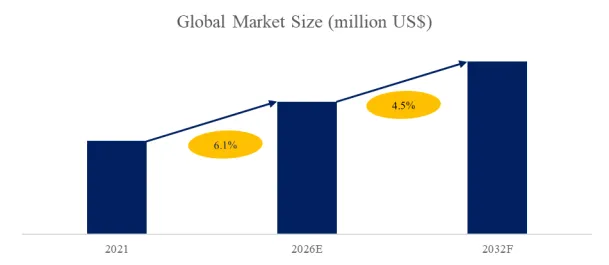
According to the new market research report “Global TFT Touch Screen Market Report 2026-2032”, published by QYResearch, the global TFT Touch Screen market size is projected to reach USD 39.85 billion by 2032, at a CAGR of 4.5% during the forecast period.

Figure00001. Global TFT Touch Screen Market Size (US$ Million), 2021-2032

TFT Touch Screen

Above data is based on report from QYResearch: Global TFT Touch Screen Market Report 2026-2032 (published in 2026). If you need the latest data, plaese contact QYResearch.


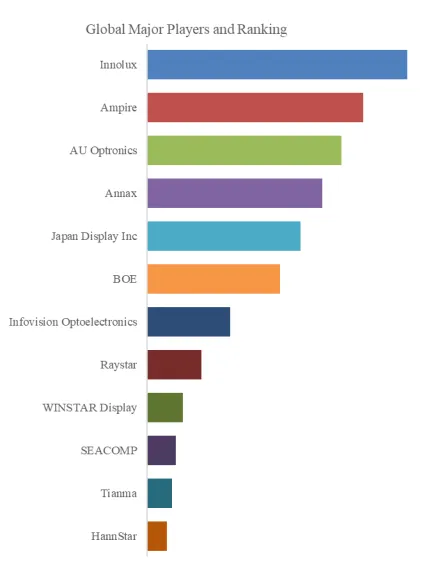
Figure00002. Global TFT Touch Screen Top 12 Players Ranking and Market Share (Ranking is based on the revenue of 2025, continually updated)

TFT Touch Screen

Above data is based on report from QYResearch: Global TFT Touch Screen Market Report 2026-2032 (published in 2026). If you need the latest data, plaese contact QYResearch.

According to QYResearch Top Players Research Center, the global key manufacturers of TFT Touch Screen include Innolux, Ampire, AU Optronics, Annax, Japan Display Inc, etc. In 2025, the global top five players had a share approximately 43.0% in terms of revenue.

Industrial Chain

Within the upstream portion of the value chain, TFT Touch Screens are fundamentally supported by two key material components: TFT LCD panels and ITO conductive films. TFT panels establish core display attributes such as resolution, brightness, size configuration, and overall cost positioning, while ITO films function as the conductive layer for touch sensing, directly impacting responsiveness and signal integrity. Leading panel suppliers include BOE Technology Group, CSOT, and AUO. In the ITO segment, Changxin Technology, Nitto Denko, and Toray maintain established process expertise. The consistency and performance of these upstream inputs play a decisive role in determining display quality, touch reliability, and production yield.


The midstream stage is where system integration and technical differentiation are most concentrated. It encompasses touch architecture design, layer stacking optimization, optical bonding and lamination processes, controller IC tuning, firmware calibration, module assembly, and comprehensive reliability validation. At this stage, manufacturers must carefully optimize multiple parameters, including touch precision, display uniformity, energy efficiency, and structural durability, while ensuring stable functionality under varying environmental conditions such as temperature and humidity. Strong engineering execution and robust quality control systems are essential to minimize defect rates and enable scalable production.


Downstream, TFT Touch Screens function as the primary interface for both information display and user interaction across a wide array of applications, including consumer electronics, smart home systems, industrial control equipment, and medical devices. Key end customers include Apple, Samsung Electronics, Xiaomi, Amazon, Google, Haier, Siemens, Schneider Electric, Philips, GE HealthCare, and Mindray. As intelligent systems continue to expand across industries, the deployment scope of TFT Touch Screens is steadily broadening, reinforcing their role as a standard human–machine interface solution.

Influencing Factors

Drivers:

Market expansion for TFT Touch Screens is largely underpinned by the ongoing shift toward smarter and more visually driven end products. In consumer electronics and smart home applications, users increasingly expect seamless visual presentation combined with intuitive touch interaction, elevating the role of integrated display solutions. At the same time, industrial automation and medical equipment are accelerating the adoption of digital interfaces, further broadening demand. Supporting this trend, a well-established TFT LCD ecosystem and continuous advancements in touch sensing technologies enable manufacturers to deliver solutions that effectively align cost efficiency with performance requirements.


Challenges:

Despite steady demand growth, the industry remains constrained by pricing pressure and limited product differentiation. Fundamental display and touch capabilities can be reproduced with relative ease, leading many competitors to focus on cost-driven strategies that compress margins. Moreover, the midstream manufacturing process introduces additional complexity, as it requires high-precision bonding, consistent yield management, and rigorous long-term reliability validation. These factors place sustained demands on production expertise and quality assurance systems.


Trend:

Future development is expected to center on performance enhancement and structural optimization. Higher pixel density, slimmer module designs, and increased functional integration will define the next phase of product evolution. In parallel, deeper integration of display and touch layers, along with improvements in optical clarity and environmental durability, will shape technology upgrades. As deployment expands into more demanding environments such as industrial control and healthcare, suppliers with proven reliability, stable performance, and comprehensive quality management capabilities are expected to strengthen their competitive positioning.

About The Authors

Lead Author: Julie Zhang

Email: zhangjianan@qyresearch.com

Julie Zhang, a key industry analyst a industry analyst of QYResearch (Beijing Hengzhou Bozhi International Information Consulting Co.,Ltd.), focuses on market research and trend forecasting of the entire industry chain upstream and downstream of the electric vehicle and lithium battery industry, we are good at providing strategic market insights through in-depth data mining, focusing on trends and technological innovations in the automotive and lithium battery industry, and helping the company achieve sustainable success in the highly competitive market environment. Typical studies include Electronic Fusing IC, EV Skateboard Platform, Electric Vehicle Controller, Automotive Interior Monitoring System, Automotive PCIe Switch Chips, End-To-End Automotive Software Platform, LiFSI Electrolyte Salts, Portable Power Supply, Outdoor Mobile Powers, and Solar Energy Storage Battery, etc.


About QYResearch

QYResearch founded in California, USA in 2007. It is a leading global market research and consulting company. With over 17 years’ experience and professional research team in various cities over the world QY Research focuses on management consulting, database and seminar services, IPO consulting (data is widely cited in prospectuses, annual reports and presentations), industry chain research and customized research to help our clients in providing non-linear revenue model and make them successful. We are globally recognized for our expansive portfolio of services, good corporate citizenship, and our strong commitment to sustainability. Up to now, we have cooperated with more than 60,000 clients across five continents. Let’s work closely with you and build a bold and better future.

QYResearch is a world-renowned large-scale consulting company. The industry covers various high-tech industry chain market segments, spanning the semiconductor industry chain (semiconductor equipment and parts, semiconductor materials, ICs, Foundry, packaging and testing, discrete devices, sensors, optoelectronic devices), photovoltaic industry chain (equipment, cells, modules, auxiliary material brackets, inverters, power station terminals), new energy automobile industry chain (batteries and materials, auto parts, batteries, motors, electronic control, automotive semiconductors, etc.), communication industry chain (communication system equipment, terminal equipment, electronic components, RF front-end, optical modules, 4G/5G/6G, broadband, IoT, digital economy, AI), advanced materials industry Chain (metal materials, polymer materials, ceramic materials, nano materials, etc.), machinery manufacturing industry chain (CNC machine tools, construction machinery, electrical machinery, 3C automation, industrial robots, lasers, industrial control, drones), food, beverages and pharmaceuticals, medical equipment, agriculture, etc.

About Us:
QYResearch founded in California, USA in 2007, which is a leading global market research and consulting company. Our primary business include market research reports, custom reports, commissioned research, IPO consultancy, business plans, etc. With over 18 years of experience and a dedicated research team, we are well placed to provide useful information and data for your business, and we have established offices in 7 countries (include United States, Germany, Switzerland, Japan, Korea, China and India) and business partners in over 30 countries. We have provided industrial information services to more than 60,000 companies in over the world.

Contact Us:
If you have any queries regarding this report or if you would like further information, please contact us:
QY Research Inc.
Add: 17890 Castleton Street Suite 369 City of Industry CA 91748 United States
EN: https://www.qyresearch.com
Email: global@qyresearch.com
Tel: 001-626-842-1666(US)
JP: https://www.qyresearch.co.jp
カテゴリー: 未分類 | 投稿者huangsisi 12:12 | コメントをどうぞ

Global Digital Audio Players Industry Outlook: Flash-Based vs. HDD-Based vs. MP3/CD Players for Online and Offline Sales

Global Leading Market Research Publisher QYResearch announces the release of its latest report “Digital Audio Players – Global Market Share and Ranking, Overall Sales and Demand Forecast 2026-2032”. Based on current situation and impact historical analysis (2021-2025) and forecast calculations (2026-2032), this report provides a comprehensive analysis of the global Digital Audio Players market, including market size, share, demand, industry development status, and forecasts for the next few years.

The global market for Digital Audio Players was estimated to be worth US$ 651 million in 2025 and is projected to reach US$ 842 million, growing at a CAGR of 3.8% from 2026 to 2032.
In 2024, global sales of Digital Audio Players reached approximately 8.5 million units, with an average market price of about USD 75. A Digital Audio Player is a portable device designed specifically for high-quality audio playback, typically featuring high-resolution audio decoding, long battery life, and large storage capacity. Compared to smartphones, DAPs offer superior sound quality, broader audio format support, and extended battery life, making them favored by audiophiles and professional musicians. High-end models, such as Sony’s Walkman ZX series, can cost several hundred dollars and support high-resolution audio formats like DSD and MQA, providing premium audio output.

【Get a free sample PDF of this report (Including Full TOC, List of Tables & Figures, Chart)】
https://www.qyresearch.com/reports/6097110/digital-audio-players

1. Industry Pain Points and the Shift Toward Dedicated High-Resolution Audio Players

Smartphones have become the default music playback device for most consumers, but they compromise on audio quality: limited DAC (digital-to-analog converter) performance, inadequate amplification, file format restrictions, and battery drain during extended listening. Digital audio players (DAPs) address these limitations by offering dedicated high-resolution audio decoding (up to 32-bit/384kHz PCM, DSD256/512, MQA), discrete amplifier stages, support for lossless formats (FLAC, ALAC, WAV, APE), and extended battery life (15–40 hours). For audiophiles, professional musicians, and serious listeners, DAPs deliver superior sound quality that smartphones cannot match. Despite competition from streaming-enabled smartphones, the DAP market persists as a niche but stable premium segment.

2. Market Size, Sales Volume, and Growth Trajectory (2024–2032)

According to QYResearch, the global digital audio players market was valued at US$ 651 million in 2025 and is projected to reach US$ 842 million by 2032, growing at a CAGR of 3.8%. In 2024, global sales reached approximately 8.5 million units with an average selling price of US$ 75 per unit. This average conceals a wide range: entry-level DAPs sell for US$ 30–80, mid-range for US$ 100–300, and high-end audiophile models (Sony Walkman ZX series, Astell&Kern) for US$ 500–3,500+. Market growth is driven by three factors: continued enthusiast demand for lossless audio playback, expansion of high-resolution streaming services (Tidal, Qobuz, Apple Music Hi-Res), and replacement cycles among existing DAP owners.

3. Six-Month Industry Update (October 2025–March 2026)

Recent market intelligence reveals four notable developments:

  • Android-based DAP expansion: FiiO, Sony, and Astell&Kern have shifted to Android OS-based DAPs (typically Android 10–13 with custom audio stacks), enabling native streaming app support (Tidal, Qobut, Apple Music) while maintaining bit-perfect audio output. Android-based models now represent 45% of new DAP sales.
  • Entry-level price compression: Chinese brands (FiiO, Hidizs, Shanling) have introduced high-resolution DAPs at US$ 80–120 with features previously found only in US$ 300+ models (dual DACs, balanced outputs). This has expanded addressable market but pressured average selling price (down 5% in 2025).
  • Wireless codec adoption: LDAC (Sony), aptX Adaptive (Qualcomm), and LHDC (Savitech) support is now standard in mid-range and above DAPs, enabling high-resolution Bluetooth streaming to wireless headphones and earbuds. Segment grew 30% year-over-year.
  • Vinyl revival cross-over: Some DAPs (Cocktail Audio, HiFi Rose) now include phono preamp inputs and direct-to-digital vinyl recording, appealing to analog-digital hybrid enthusiasts.

4. Competitive Landscape and Key Suppliers

The market includes Japanese, Korean, Chinese, and European audio specialists:

  • Sony (Japan): Market leader, broad portfolio from entry-level (NW-A series) to flagship (WM1ZM2).
  • Arcam (Harman) (UK), Naim Audio (VerVent Audio Group) (UK), Cambridge Audio (UK), HiFi Rose (CITECH) (South Korea), IAG (UK/China), Lenbrook (Canada – Bluesound, NAD), Yamaha (Japan), Masimo Consumer Audio (US – Denon, Marantz), Linn (UK), Technics (Panasonic) (Japan), Lumin (Pixel Magic Systems) (Hong Kong), Auralic (China), Aurender (South Korea), Meridian Audio (UK), Sotm Audio (South Korea), Waversa (South Korea), Cocktail Audio (South Korea), Astell&Kern (Dreamus) (South Korea), FiiO (China), Hidizs (China).

Competition centers on three axes: DAC chipset (ESS, AKM, Cirrus Logic), amplifier topology (discrete vs. op-amp), and OS/platform (Android vs. proprietary).

5. Segment-by-Segment Analysis: Type and Application

By Storage Technology

  • Flash-Based Players: Solid-state storage (16GB–1TB internal + microSD). Most common today. Lightweight, shock-resistant, fast access. Account for ~70% of sales. All major brands offer flash-based models.
  • HDD-Based Players: Hard disk drive storage (20–160GB). Legacy technology, heavier, susceptible to shock. Declining, <5% of market.
  • MP3/CD Players: Basic MP3 players (low-end) or portable CD players with MP3 playback. Very low end or nostalgia segment. Account for ~25% of unit volume but <10% of value.

By Distribution Channel

  • Online Sales: Largest segment (~60%). Amazon, Alibaba, brand direct, audiophile specialty sites (Head-Fi, Apos). Growing as brick-and-mortar electronics retailers reduce DAP shelf space.
  • Offline Sales: (~40%). Audio specialty stores, electronics chains (Best Buy, Bic Camera, MediaMarkt), and hi-fi boutiques.

User case – Professional musician monitoring: A touring musician switched from smartphone playback to FiiO M11 Plus DAP (ESS dual DAC, balanced output) for in-ear monitoring during travel and rehearsal. Benefits: accurate high-resolution playback (24-bit/192kHz) for mix referencing, 14-hour battery life (vs. 4–5 hours on phone), and dedicated volume knob for precise level adjustment.

6. Exclusive Insight: Manufacturing – DAC Chipset and Amplifier Topology

The core of DAP differentiation lies in the DAC and amplifier design:

DAC Chipset Leaders:

  • ESS Sabre (ES9038PRO, ES9068AS, ES9219C): Most common in mid-to-high-end DAPs. Known for high dynamic range and low distortion.
  • AKM (Asahi Kasei Microdevices) (AK4499EX, AK4493S): Favored by Sony, Astell&Kern. Warmer sound signature preferred by some audiophiles.
  • Cirrus Logic (CS43198, CS43131): Common in entry-to-mid range (FiiO, Hidizs). Good price/performance.

Amplifier Topology:

  • Single-ended (3.5mm) : Standard output. Lower power, simple.
  • Balanced (2.5mm TRRS, 4.4mm Pentaconn) : Higher power output, lower noise, improved channel separation. Standard in mid-range and above.
  • Dual amplification (separate DAC+amp per channel): Flagship tier (Sony WM1ZM2, Astell&Kern SP3000).

Technical challenge: Achieving bit-perfect playback on Android-based DAPs without OS-level resampling. Android’s default audio stack resamples everything to 48kHz. Premium DAPs bypass this using custom drivers (FiiO’s “Pure Music Mode,” Sony’s “Direct Source” mode) or proprietary OS (Astell&Kern’s Linux-based UI).

User case – High-end DAP listening comparison: A blind listening test (50 audiophiles, 10 DAPs, high-res FLAC 192kHz/24bit, Sennheiser HD800S headphones) found: top-tier DAPs (Sony WM1ZM2, Astell&Kern SP3000) were indistinguishable from each other (90%+ listeners couldn’t tell apart) but significantly preferred over smartphones (100% preference). Mid-range DAPs (FiiO M15S, Sony NW-ZX707) were preferred over smartphones by 85% of listeners.

7. Regional Outlook and Strategic Recommendations

  • Asia-Pacific: Largest market (45% share). Japan (Sony, Technics), South Korea (Astell&Kern, HiFi Rose), China (FiiO, Hidizs, Shanling), Hong Kong. Strong audiophile culture. Online sales dominant.
  • North America: Second-largest (30% share). US and Canada. Growing niche market, enthusiast-driven. Specialty online retailers (Apos, Audio46, HeadAmp) strong.
  • Europe: Stable market (20% share). UK (Arcam, Naim, Cambridge, Linn, Meridian), Germany, France. Preference for European brands in higher price tiers.
  • Rest of World: Middle East, Latin America. Smaller but growing enthusiast segment.

8. Conclusion

The digital audio players market is positioned for modest, niche-driven growth through 2032, sustained by audiophile demand for high-resolution audio and superior sound quality that smartphones cannot provide. Stakeholders—from manufacturers to specialty retailers—should prioritize Android-based platforms for streaming app compatibility, balanced outputs for headphone enthusiasts, and price segmentation from entry-level (US$ 80–120) to flagship (US$ 1,000+). While the mass-market has abandoned dedicated audio players, the enthusiast segment remains loyal, willing to invest significantly in premium sound quality.


Contact Us:
If you have any queries regarding this report or if you would like further information, please contact us:
QY Research Inc.
Add: 17890 Castleton Street Suite 369 City of Industry CA 91748 United States
EN: https://www.qyresearch.com
E-mail: global@qyresearch.com
Tel: 001-626-842-1666(US)
JP: https://www.qyresearch.co.jp
カテゴリー: 未分類 | 投稿者huangsisi 12:03 | コメントをどうぞ

Global Self-powered Curved Treadmill Industry Outlook: Wooden vs. PVC Running Boards for Residential and Commercial Fitness

Global Leading Market Research Publisher QYResearch announces the release of its latest report “Self-powered Curved Treadmill – Global Market Share and Ranking, Overall Sales and Demand Forecast 2026-2032”. Based on current situation and impact historical analysis (2021-2025) and forecast calculations (2026-2032), this report provides a comprehensive analysis of the global Self-powered Curved Treadmill market, including market size, share, demand, industry development status, and forecasts for the next few years.

The global market for Self-powered Curved Treadmill was estimated to be worth US$ 112 million in 2025 and is projected to reach US$ 169 million, growing at a CAGR of 6.1% from 2026 to 2032.
In 2024, global Self-powered Curved Treadmill production reached approximately 48,376 unit, with an average global market price of around US$ 2162 per unit. A Self-powered Curved Treadmill is a treadmill that does not use an electric motor; instead, the curved running surface is powered entirely by the user’s own effort. The curved design naturally propels the runner forward, encouraging proper running form and activating more muscle groups compared to flat manual treadmills.

【Get a free sample PDF of this report (Including Full TOC, List of Tables & Figures, Chart)】
https://www.qyresearch.com/reports/6097109/self-powered-curved-treadmill

1. Industry Pain Points and the Shift Toward Self-Powered Curved Treadmills

Traditional motorized treadmills require electricity, take up significant space, and often encourage poor running form (overstriding, heel striking). Manual flat treadmills lack propulsion, making running feel unnatural and awkward. Self-powered curved treadmills address these limitations with a concave running surface that naturally centers the runner and uses body weight to drive the belt. The result: a self-powered, natural running experience that promotes proper form (mid-foot strike, higher cadence) and engages more muscle groups—posterior chain (glutes, hamstrings), calves, and core—compared to motorized treadmills. For commercial gyms, physical therapy clinics, and home fitness enthusiasts, curved treadmills offer self-powered operation (no electricity, lower operating cost), superior muscle activation, and durability (fewer moving parts, less maintenance).

2. Market Size, Production Volume, and Growth Trajectory (2024–2032)

According to QYResearch, the global self-powered curved treadmill market was valued at US$ 112 million in 2025 and is projected to reach US$ 169 million by 2032, growing at a CAGR of 6.1%. In 2024, global production reached approximately 48,376 units with an average selling price of US$ 2,162 per unit. Market growth is driven by three factors: increasing popularity of high-intensity interval training (HIIT) and functional fitness (CrossFit boxes), rising demand for commercial gym equipment with lower electrical and maintenance costs, and growing residential adoption for home gyms (no power required, compact design).

3. Six-Month Industry Update (October 2025–March 2026)

Recent market intelligence reveals four notable developments:

  • Commercial gym adoption acceleration: Major fitness chains (Equinox, Life Time, Planet Fitness) have added curved treadmill zones for HIIT classes. Assault Fitness and TrueForm Runner reported 30% sales increase to commercial accounts.
  • Wooden vs. PVC running board competition: Wooden boards (NOHrD, Water Rower) offer quieter operation and aesthetic appeal for home use; PVC/rubber boards (Assault Fitness, Rogue) offer higher durability for commercial high-traffic use. Wooden board segment grew 40% in 2025 (home gym boom).
  • Price compression: New entrants (Tezewa, Bells of Steel, BFT Fitness) have introduced curved treadmills at US$ 1,200–1,800 (vs. US$ 2,000–3,000 for premium brands), expanding addressable market. Average selling price declined 8% in 2025.
  • Connected fitness integration: Peloton and Technogym launched curved treadmills with Bluetooth and ANT+ connectivity for heart rate, speed, distance, and calorie tracking, competing with traditional motorized connected treadmills.

4. Competitive Landscape and Key Suppliers

The market includes specialty fitness brands and mass-market equipment manufacturers:

  • Assault Fitness (US): Market leader, known for Assault AirRunner (original curved treadmill).
  • Wakagym (China), Hammer Strength (US, now Life Fitness), Iron Company (US), Life Fitness (US), Rogue Fitness (US), Tezewa (China), True Grit Fitness (US), NOHrD (Germany – wooden boards), Grit Fitness (US), Water Rower (US – wooden boards), NordicTrack (US), TrueForm Runner (US), Woodway (US – high-end), Peloton (US), Technogym (Italy), Sunny Health & Fitness (US), Stamina Products (US), Bells of Steel (Canada), Shuhua Sports (China), BFT Fitness (China).

Competition centers on three axes: running surface curvature (radius), belt material and slat design (noise, durability), and maximum user weight (300–500 lbs).

5. Segment-by-Segment Analysis: Type and Application

By Running Board Material

  • Wooden Running Boards: Quieter, aesthetic (residential appeal). Lower durability (wear over time). Account for ~25% of market, fastest-growing segment (CAGR 8.5%). NOHrD, Water Rower lead.
  • PVC / Rubber Boards: Most common, durable, high traction. Suitable for commercial high-use environments. Account for ~60% of market volume. Assault Fitness, Rogue, TrueForm lead.
  • Other (Composite, metal): Niche, ~15%.

By Application

  • Commercial: Largest segment (~65% of market). Gyms, CrossFit boxes, physical therapy clinics, sports performance centers. Higher durability requirements, higher average selling price.
  • Residential: (~35% of market). Home gyms, connected fitness users. Fastest-growing segment (CAGR 8.0%). Preference for quieter operation (wooden boards) and smaller footprint.

User case – CrossFit box – equipment upgrade: A 5,000 sq ft CrossFit gym replaced 8 motorized treadmills with 10 Assault AirRunner curved treadmills. Results: electricity costs reduced by US$ 1,200/year, maintenance costs reduced by 70% (no motor, belts, or electronics to repair), and member usage increased 40% (perceived as more challenging and engaging). Payback period: 18 months.

6. Exclusive Insight: Manufacturing – Curved Running Surface Engineering

The curved running surface is the critical differentiator and engineering challenge:

Key Design Parameters:

  • Radius of curvature: Typically 8–12 feet. Shallower curve (larger radius) feels more like flat running; deeper curve increases self-propulsion but may feel unnatural.
  • Belt/slat construction: Slatted belts (individual polyurethane slats on rollers) offer lower friction, quieter operation, and longer life vs. continuous rubber belts. Assault, TrueForm, Woodway use slatted designs.
  • Resistance mechanism: Air resistance (fan) vs. magnetic vs. friction. Air resistance (most common) provides speed-dependent resistance (harder effort at higher speeds).

Technical challenge: Balancing self-propulsion (ease of starting) with resistance (challenging workout). Too much self-propulsion, runner feels out of control; too little, running feels like sand. Optimal designs achieve a “Goldilocks” zone where the runner controls speed naturally through forward lean and stride length.

User case – Physical therapy – gait retraining: A sports medicine clinic uses TrueForm Runner curved treadmills for ACL rehabilitation and gait retraining. The self-powered design forces patients to control their own speed, promoting proper mechanics (avoiding overstriding). Compared to motorized treadmills, patients achieved normalized gait patterns 30% faster.

7. Regional Outlook and Strategic Recommendations

  • North America: Largest market (50% share). US (CrossFit, commercial gyms, home fitness) and Canada. Assault Fitness, Rogue, TrueForm, NordicTrack, Peloton strong.
  • Europe: Second-largest (25% share). Germany, UK, France, Scandinavia. Technogym, Water Rower, NOHrD strong. Preference for wooden board and aesthetic designs.
  • Asia-Pacific: Fastest-growing region (CAGR 8.5%). China (Shuhua Sports, Wakagym, Tezewa, BFT Fitness), Australia, Japan. Price-sensitive; local suppliers gaining share.
  • Rest of World: Latin America, Middle East. Emerging but growing.

8. Conclusion

The self-powered curved treadmill market is positioned for steady, fitness-trend-driven growth through 2032, supported by HIIT popularity, commercial gym demand for lower operating costs, and residential home gym expansion. Stakeholders—from equipment manufacturers to fitness facility operators—should prioritize slatted belt construction for durability and quiet operation, optimize curvature for natural running feel, and consider connected features (Bluetooth/ANT+) for data tracking. By enabling self-powered running with superior muscle activation and proper form encouragement, curved treadmills offer a compelling alternative to traditional motorized treadmills across commercial and residential fitness segments.


Contact Us:
If you have any queries regarding this report or if you would like further information, please contact us:
QY Research Inc.
Add: 17890 Castleton Street Suite 369 City of Industry CA 91748 United States
EN: https://www.qyresearch.com
E-mail: global@qyresearch.com
Tel: 001-626-842-1666(US)
JP: https://www.qyresearch.co.jp

カテゴリー: 未分類 | 投稿者huangsisi 12:03 | コメントをどうぞ

Global Non-motorized Curved Treadmill Industry Outlook: Wooden vs. Rubber Running Boards for Residential and Commercial Fitness

Global Leading Market Research Publisher QYResearch announces the release of its latest report “Non-motorized Curved Treadmill – Global Market Share and Ranking, Overall Sales and Demand Forecast 2026-2032”. Based on current situation and impact historical analysis (2021-2025) and forecast calculations (2026-2032), this report provides a comprehensive analysis of the global Non-motorized Curved Treadmill market, including market size, share, demand, industry development status, and forecasts for the next few years.

The global market for Non-motorized Curved Treadmill was estimated to be worth US$ 112 million in 2025 and is projected to reach US$ 169 million, growing at a CAGR of 6.1% from 2026 to 2032.
In 2024, global Non-motorized Curved Treadmill production reached approximately 48,376 unit, with an average global market price of around US$ 2162 per unit. A Non-Motorized Curved Treadmill is a treadmill that does not use an electric motor; instead, the curved running surface is powered entirely by the user’s own effort. The curved design naturally propels the runner forward, encouraging proper running form and activating more muscle groups compared to flat manual treadmills.

【Get a free sample PDF of this report (Including Full TOC, List of Tables & Figures, Chart)】
https://www.qyresearch.com/reports/6097106/non-motorized-curved-treadmill

1. Industry Pain Points and the Shift Toward Self-Powered Curved Treadmills

Traditional motorized treadmills require electricity, take up significant space, and often encourage poor running form (overstriding, heel striking). Manual flat treadmills lack propulsion, making running feel unnatural and awkward. Non-motorized curved treadmills address these limitations with a concave running surface that naturally centers the runner and uses body weight to drive the belt. The result: a self-powered, natural running experience that promotes proper form (mid-foot strike, higher cadence) and engages more muscle groups—posterior chain (glutes, hamstrings), calves, and core—compared to motorized treadmills. For commercial gyms, physical therapy clinics, and home fitness enthusiasts, curved treadmills offer self-powered operation (no electricity, lower operating cost), superior muscle activation, and durability (fewer moving parts, less maintenance).

2. Market Size, Production Volume, and Growth Trajectory (2024–2032)

According to QYResearch, the global non-motorized curved treadmill market was valued at US$ 112 million in 2025 and is projected to reach US$ 169 million by 2032, growing at a CAGR of 6.1%. In 2024, global production reached approximately 48,376 units with an average selling price of US$ 2,162 per unit. Market growth is driven by three factors: increasing popularity of high-intensity interval training (HIIT) and functional fitness (CrossFit boxes), rising demand for commercial gym equipment with lower electrical and maintenance costs, and growing residential adoption for home gyms (no power required, compact design).

3. Six-Month Industry Update (October 2025–March 2026)

Recent market intelligence reveals four notable developments:

  • Commercial gym adoption acceleration: Major fitness chains (Equinox, Life Time, Planet Fitness) have added curved treadmill zones for HIIT classes. Assault Fitness and TrueForm Runner reported 30% sales increase to commercial accounts.
  • Wooden vs. rubber running board competition: Wooden boards (NOHrD, Water Rower) offer quieter operation and aesthetic appeal for home use; rubber boards (Assault Fitness, Rogue) offer higher durability for commercial high-traffic use. Wooden board segment grew 40% in 2025 (home gym boom).
  • Price compression: New entrants (Tezewa, Bells of Steel, BFT Fitness) have introduced curved treadmills at US$ 1,200–1,800 (vs. US$ 2,000–3,000 for premium brands), expanding addressable market. Average selling price declined 8% in 2025.
  • Connected fitness integration: Peloton and Technogym launched curved treadmills with Bluetooth and ANT+ connectivity for heart rate, speed, distance, and calorie tracking, competing with traditional motorized connected treadmills.

4. Competitive Landscape and Key Suppliers

The market includes specialty fitness brands and mass-market equipment manufacturers:

  • Assault Fitness (US): Market leader, known for Assault AirRunner (original curved treadmill).
  • Wakagym (China), Hammer Strength (US, now Life Fitness), Iron Company (US), Life Fitness (US), Rogue Fitness (US), Tezewa (China), True Grit Fitness (US), NOHrD (Germany – wooden boards), Grit Fitness (US), Water Rower (US – wooden boards), NordicTrack (US), TrueForm Runner (US), Woodway (US – high-end), Peloton (US), Technogym (Italy), Sunny Health & Fitness (US), Stamina Products (US), Bells of Steel (Canada), Shuhua Sports (China), BFT Fitness (China).

Competition centers on three axes: running surface curvature (radius), belt material and slat design (noise, durability), and maximum user weight (300–500 lbs).

5. Segment-by-Segment Analysis: Type and Application

By Running Board Material

  • Rubber Boards: Most common, durable, high traction. Suitable for commercial high-use environments. Account for ~60% of market volume. Assault Fitness, Rogue, TrueForm lead.
  • Wooden Boards: Quieter, aesthetic (residential appeal). Lower durability (wear over time). Account for ~25% of market, fastest-growing segment (CAGR 8.5%). NOHrD, Water Rower lead.
  • Others: Composite, metal. Niche, ~15%.

By Application

  • Commercial: Largest segment (~65% of market). Gyms, CrossFit boxes, physical therapy clinics, sports performance centers. Higher durability requirements, higher average selling price.
  • Residential: (~35% of market). Home gyms, connected fitness users. Fastest-growing segment (CAGR 8.0%). Preference for quieter operation (wooden boards) and smaller footprint.

User case – CrossFit box – equipment upgrade: A 5,000 sq ft CrossFit gym replaced 8 motorized treadmills with 10 Assault AirRunner curved treadmills. Results: electricity costs reduced by US$ 1,200/year, maintenance costs reduced by 70% (no motor, belts, or electronics to repair), and member usage increased 40% (perceived as more challenging and engaging). Payback period: 18 months.

6. Exclusive Insight: Manufacturing – Curved Running Surface Engineering

The curved running surface is the critical differentiator and engineering challenge:

Key Design Parameters:

  • Radius of curvature: Typically 8–12 feet. Shallower curve (larger radius) feels more like flat running; deeper curve increases self-propulsion but may feel unnatural.
  • Belt/slat construction: Slatted belts (individual polyurethane slats on rollers) offer lower friction, quieter operation, and longer life vs. continuous rubber belts. Assault, TrueForm, Woodway use slatted designs.
  • Resistance mechanism: Air resistance (fan) vs. magnetic vs. friction. Air resistance (most common) provides speed-dependent resistance (harder effort at higher speeds).

Technical challenge: Balancing self-propulsion (ease of starting) with resistance (challenging workout). Too much self-propulsion, runner feels out of control; too little, running feels like sand. Optimal designs achieve a “Goldilocks” zone where the runner controls speed naturally through forward lean and stride length.

User case – Physical therapy – gait retraining: A sports medicine clinic uses TrueForm Runner curved treadmills for ACL rehabilitation and gait retraining. The self-powered design forces patients to control their own speed, promoting proper mechanics (avoiding overstriding). Compared to motorized treadmills, patients achieved normalized gait patterns 30% faster.

7. Regional Outlook and Strategic Recommendations

  • North America: Largest market (50% share). US (CrossFit, commercial gyms, home fitness) and Canada. Assault Fitness, Rogue, TrueForm, NordicTrack, Peloton strong.
  • Europe: Second-largest (25% share). Germany, UK, France, Scandinavia. Technogym, Water Rower, NOHrD strong. Preference for wooden board and aesthetic designs.
  • Asia-Pacific: Fastest-growing region (CAGR 8.5%). China (Shuhua Sports, Wakagym, Tezewa, BFT Fitness), Australia, Japan. Price-sensitive; local suppliers gaining share.
  • Rest of World: Latin America, Middle East. Emerging but growing.

8. Conclusion

The non-motorized curved treadmill market is positioned for steady, fitness-trend-driven growth through 2032, supported by HIIT popularity, commercial gym demand for lower operating costs, and residential home gym expansion. Stakeholders—from equipment manufacturers to fitness facility operators—should prioritize slatted belt construction for durability and quiet operation, optimize curvature for natural running feel, and consider connected features (Bluetooth/ANT+) for data tracking. By enabling self-powered running with superior muscle activation and form correction, curved treadmills offer a compelling alternative to traditional motorized treadmills across commercial and residential fitness segments.


Contact Us:
If you have any queries regarding this report or if you would like further information, please contact us:
QY Research Inc.
Add: 17890 Castleton Street Suite 369 City of Industry CA 91748 United States
EN: https://www.qyresearch.com
E-mail: global@qyresearch.com
Tel: 001-626-842-1666(US)
JP: https://www.qyresearch.co.jp

カテゴリー: 未分類 | 投稿者huangsisi 12:00 | コメントをどうぞ

Global Pressure Sensitive Wads Industry Outlook: Thickness Segmentation for Food & Beverages, Pharmaceuticals, and Personal Care

Global Leading Market Research Publisher QYResearch announces the release of its latest report “Pressure Sensitive Wads – Global Market Share and Ranking, Overall Sales and Demand Forecast 2026-2032”. Based on current situation and impact historical analysis (2021-2025) and forecast calculations (2026-2032), this report provides a comprehensive analysis of the global Pressure Sensitive Wads market, including market size, share, demand, industry development status, and forecasts for the next few years.

The global market for Pressure Sensitive Wads was estimated to be worth US$ 496 million in 2025 and is projected to reach US$ 876 million, growing at a CAGR of 8.6% from 2026 to 2032.
In 2024, global pressure sensitive wad production reached approximately 95 billion pieces, with an average global market price of around US.5 per thousand pieces.Pressure sensitive wads are sealing liners used in bottle and container closures. They consist of a pressure-sensitive adhesive layer that sticks to the container opening when pressure is applied, providing a leak-proof and tamper-evident seal without the need for heat induction.

【Get a free sample PDF of this report (Including Full TOC, List of Tables & Figures, Chart)】
https://www.qyresearch.com/reports/6097098/pressure-sensitive-wads

1. Industry Pain Points and the Shift Toward Pressure-Sensitive Sealing

Bottles and containers for food, beverages, pharmaceuticals, and personal care products require reliable seals to prevent leakage, contamination, and tampering. Traditional heat induction liners require expensive sealing equipment (induction cap sealers), consume significant energy, and add production time. Pressure sensitive wads address these challenges by using a pressure-sensitive adhesive layer that bonds to the container rim upon cap application—no heat, no special equipment, just mechanical pressure. For packaging manufacturers and brand owners, pressure sensitive wads offer leak-proof reliability, tamper-evident protection, lower capital investment, and faster line speeds compared to heat induction alternatives.

2. Market Size, Production Volume, and Growth Trajectory (2024–2032)

According to QYResearch, the global pressure sensitive wads market was valued at US$ 496 million in 2025 and is projected to reach US$ 876 million by 2032, growing at a strong CAGR of 8.6%. In 2024, global production reached approximately 95 billion pieces with an average selling price of US$ 3.50 per thousand pieces (implied). Market growth is driven by three factors: increasing demand for convenience packaging (no heat induction equipment required), expansion of e-commerce and home delivery requiring robust leak-proof seals, and growing pharmaceutical and nutraceutical packaging requiring tamper-evident features.

3. Six-Month Industry Update (October 2025–March 2026)

Recent market intelligence reveals four notable developments:

  • Sustainable materials adoption: Selig Group and Tekni-Plex launched pressure sensitive wads with post-consumer recycled (PCR) content and biodegradable adhesive formulations, responding to brand owner sustainability commitments. Sustainable product sales grew 40% in 2025.
  • Thinner wad technology: Next-generation wads under 0.6 mm (vs. traditional 0.8–1.0 mm) achieved comparable seal performance, reducing material usage by 25–30%. 3M Company and Winpak lead this segment.
  • Pharmaceutical cold chain applications: Pressure sensitive wads with enhanced low-temperature performance (-20°C to +25°C) gained adoption for vaccine and biologic packaging. Segment grew 35% year-over-year.
  • Chinese market expansion: Shangyu Sanyou Plastic, Taizhou Rimzer, and Hualin Cap Seal Material increased production capacity by 50% collectively, capturing share in domestic food and beverage packaging. Average selling price declined 6% in China market.

4. Competitive Landscape and Key Suppliers

The market includes global closure liner specialists and regional manufacturers:

  • Selig Group (US/UK): Global leader in pressure sensitive and induction wads.
  • Tekni-Plex (US), 3M Company (US), Enercon Industries Corporation (US – equipment and liners), Shangyu Sanyou Plastic Co., Ltd. (China), Taizhou Rimzer Rubber & Plastic Co., Ltd. (China), Hualin Cap Seal Material Co., Ltd. (China), LiftSeal Liners (US), Alufoil Products Pvt. Ltd. (India), Winpak Ltd. (Canada).

Competition centers on three axes: adhesive performance (peel strength, temperature resistance), material compatibility (plastic, glass, metal containers), and cost per thousand units.

5. Segment-by-Segment Analysis: Type and Application

By Thickness

  • Less than 0.6 mm: Thinest category, lowest material usage, fastest-growing segment (CAGR 10.5%). Suitable for lightweight closures and single-dose packaging. Account for ~25% of market value.
  • 0.6 mm to 1.0 mm: Standard thickness, most common. Good balance of seal performance and cost. Account for ~55% of market value.
  • 1.0 mm & above: Thickest category, highest material usage. Used for large-diameter closures, heavy containers, and applications requiring maximum puncture resistance. Account for ~20% of market value.

By Application

  • Food & Beverages: Largest segment (~45% of market). Sauces, dressings, juices, dairy, water, and carbonated beverages. Requires leak-proof and tamper-evident seals.
  • Pharmaceuticals: (~20% of market). Prescription bottles, OTC medicines, nutraceuticals. Requires tamper-evident and child-resistant compatibility. Fastest-growing segment (CAGR 9.5%).
  • Personal Care & Cosmetics: (~15% of market). Shampoos, lotions, creams. Requires chemical resistance to formulation ingredients.
  • Chemicals & Fertilizers: (~10% of market). Household and industrial chemicals. Requires aggressive chemical resistance.
  • Petrochemicals: (~5% of market). Lubricants, additives.
  • Others: Paints, adhesives, automotive fluids.

User case – Food brand – sauce packaging: A national pasta sauce brand switched from heat induction liners to pressure sensitive wads (Selig Group, 0.8 mm thickness) across 20 million bottles annually. Results: eliminated US$ 350,000 in induction sealing equipment across 3 production lines, reduced energy consumption, and achieved 99.97% seal integrity (vs. 99.95% previously). Line speed increased 8% due to elimination of induction dwell time.

6. Exclusive Insight: Manufacturing – Adhesive Chemistry and Liner Construction

Pressure sensitive wads are multi-layer constructions requiring precise adhesive engineering:

Typical Layer Construction:

  1. Release liner (silicone-coated PET or paper): Protects adhesive until installation.
  2. Pressure-sensitive adhesive layer: The critical functional layer. Acrylic-based for general applications; rubber-based for higher tack; silicone-based for extreme temperatures.
  3. Liner substrate (paper, foil, or foam): Provides structural integrity and barrier properties.
  4. Optional top seal layer: Additional chemical or moisture barrier.

Adhesive Performance Criteria:

  • Peel strength: 5–15 N/25 mm (adhesion to container rim).
  • Temperature resistance: -40°C to +65°C (freeze-thaw stability).
  • Chemical resistance: Resistance to product formulation (oils, solvents, acids, bases).
  • Tamper-evident: Adhesive transfers to container rim upon removal (visible evidence of opening).

Technical challenge: Maintaining adhesive performance across diverse container materials (glass, PET, HDPE, PP, PVC) and closure types (screw caps, snap caps, child-resistant). Each material has different surface energy, affecting adhesion. Leading suppliers (Selig, Tekni-Plex) offer material-specific adhesive formulations or universal adhesives with broad compatibility (surface energy range 28–45 dyne/cm).

User case – Pharmaceutical contract packager: A pharmaceutical packager required a pressure sensitive wad compatible with both HDPE bottles (low surface energy, ~30 dyne/cm) and PET bottles (~44 dyne/cm). Tekni-Plex’s universal acrylic adhesive achieved >8 N/25 mm peel strength on both materials, passing ASTM D3330 and 21 CFR compliance. The packager consolidated two liner SKUs into one, reducing inventory costs by 30%.

7. Regional Outlook and Strategic Recommendations

  • Asia-Pacific: Largest and fastest-growing market (45% share, CAGR 10.0%). China (food, beverage, pharmaceutical packaging growth), India, Southeast Asia. Local suppliers (Shangyu Sanyou, Taizhou Rimzer, Hualin) gaining share. International suppliers maintain premium position.
  • North America: Second-largest (25% share). US food, beverage, and pharmaceutical packaging. Selig Group, Tekni-Plex, 3M, Winpak strong. Growing sustainable packaging demand.
  • Europe: Stable market (20% share). Germany, UK, France, Italy. Strong pharmaceutical and personal care segments. Preference for sustainable and recyclable materials.
  • Rest of World: Latin America (Brazil), Middle East, Africa. Emerging but growing.

8. Conclusion

The pressure sensitive wads market is positioned for strong, double-digit growth through 2032, driven by demand for cost-effective, heat-free sealing solutions across food, beverage, pharmaceutical, and personal care packaging. Stakeholders—from liner manufacturers to brand owners—should prioritize adhesive performance matching container materials, explore thinner wads for material reduction, and consider sustainable formulations (PCR, biodegradable) for brand differentiation. By enabling leak-proof, tamper-evident sealing without induction equipment, pressure sensitive wads offer a compelling alternative to traditional heat induction liners in convenience packaging applications.


Contact Us:
If you have any queries regarding this report or if you would like further information, please contact us:
QY Research Inc.
Add: 17890 Castleton Street Suite 369 City of Industry CA 91748 United States
EN: https://www.qyresearch.com
E-mail: global@qyresearch.com
Tel: 001-626-842-1666(US)
JP: https://www.qyresearch.co.jp

カテゴリー: 未分類 | 投稿者huangsisi 11:32 | コメントをどうぞ

Global Bale Sampler Industry Outlook: Push-Type vs. Drill-Type vs. Multi-Segment Samplers for Farms and Feed Companies

Global Leading Market Research Publisher QYResearch announces the release of its latest report “Bale Sampler – Global Market Share and Ranking, Overall Sales and Demand Forecast 2026-2032”. Based on current situation and impact historical analysis (2021-2025) and forecast calculations (2026-2032), this report provides a comprehensive analysis of the global Bale Sampler market, including market size, share, demand, industry development status, and forecasts for the next few years.

The global market for Bale Sampler was estimated to be worth US$ 59 million in 2025 and is projected to reach US$ 104 million, growing at a CAGR of 8.5% from 2026 to 2032.
A bale sampler is a tool designed to extract a representative sample from a bale. Typically consisting of a sturdy metal tube and a handle, the sample is inserted and rotated to obtain a sample of hay from within the bale. It is widely used in animal husbandry and agriculture to test the nutritional composition, moisture content, and quality of bales, assisting farmers and feed testing agencies in scientific management and quality control.Sales in 2024 will be 204,000 units, with an average price of US0 per unit.

【Get a free sample PDF of this report (Including Full TOC, List of Tables & Figures, Chart)】
https://www.qyresearch.com/reports/6097091/bale-sampler

1. Industry Pain Points and the Shift Toward Precision Forage Sampling

Forage quality—hay, silage, and baled crops—directly impacts livestock health, milk production, weight gain, and feed efficiency. However, bales are heterogeneous: outer layers may have different moisture and nutrient content than inner cores. Without representative sampling, feed analysis results are unreliable, leading to imbalanced rations, reduced animal performance, and wasted feed costs. Bale samplers address this by extracting a core sample from the bale’s interior, providing a representative cross-section for laboratory analysis. For farmers, feed companies, and testing agencies, bale samplers are essential tools for forage quality assessment, nutritional analysis, and scientific feed management.

2. Market Size, Sales Volume, and Growth Trajectory (2024–2032)

According to QYResearch, the global bale sampler market was valued at US$ 59 million in 2025 and is projected to reach US$ 104 million by 2032, growing at a strong CAGR of 8.5%. In 2024, global sales reached approximately 204,000 units with an average price of US$ 289 per unit (implied). Market growth is driven by three factors: increasing adoption of precision livestock feeding to optimize feed costs, growing demand for forage testing services from commercial dairies and feedlots, and rising awareness of mycotoxin and mold risks in baled forages.

3. Six-Month Industry Update (October 2025–March 2026)

Recent market intelligence reveals four notable developments:

  • Multi-segment sampler adoption: Multi-segment samplers (collecting samples from multiple bale depths simultaneously) grew 35% year-over-year as commercial testing labs prioritize efficiency. Penn State Probe and Oakfield Apparatus lead this segment.
  • Stainless steel transition: Corrosion-resistant stainless steel samplers (vs. traditional carbon steel) gained share due to longer lifespan and reduced sample contamination. AgraTronix and AMS reported 25% sales increase in stainless models.
  • Digital integration: Bluetooth-enabled samplers with RFID tags for sample tracking (Farmcomp Oy, UDY Corporation) are emerging, linking physical samples to laboratory information management systems (LIMS). Early adoption by large feed companies.
  • Emerging market growth: Bale sampler demand in India, Brazil, and Southeast Asia grew 20% year-over-year as commercial dairy and feedlot operations expand and adopt Western forage testing practices.

4. Competitive Landscape and Key Suppliers

The market includes specialized agricultural sampling equipment manufacturers:

  • Oakfield Apparatus Inc. (US), Star Quality Samplers Inc. (US), Best Harvest (US), AgraTronix (US), AMS, Inc. (US), Farmcomp Oy (Finland), UDY Corporation (US), Forageurs Corp. (US), Frontier Mills, Inc. (US), Hodge Products, Inc. (US), Hart Machine Co. (US), Penn State Probe (US – university design), Sierra Testing Service (US), Seedburo Equipment Company (US).

Competition centers on three axes: sample core diameter (0.5–1.5 inches), sampling depth (12–48 inches), and durability (carbon steel vs. stainless steel vs. chrome-plated).

5. Segment-by-Segment Analysis: Type and Application

By Type (Sampling Mechanism)

  • Push-Type Sampler: Cylindrical tube with sharpened tip; pushed into bale by hand. Simpler, lower cost. Suitable for softer bales (hay, straw). Account for ~40% of unit sales.
  • Drill-Type Sampler: Threaded tip or auger design; rotated into bale. Easier penetration into dense, dry bales. Account for ~35% of sales. Preferred for alfalfa and mixed hay bales.
  • Multi-segment Sampler: Multiple collection chambers along the tube length; collects samples from several depths in one insertion. Most efficient (3–5x faster than single-point samplers). Fastest-growing segment (CAGR 10.5%), account for ~25% of sales.

By Application

  • Farms: Largest segment (~65% of market). Dairy, beef, horse, and livestock operations testing forage quality for ration balancing. Growing adoption of regular testing (2–4 times per year per farm).
  • Feed Companies: (~25% of market). Commercial feed manufacturers and forage suppliers testing incoming raw materials for quality control and regulatory compliance.
  • Others: Agricultural testing laboratories, research institutions, extension services. ~10% of market.

User case – Wisconsin dairy farm: A 1,500-cow dairy operation implemented monthly bale sampling using Penn State Probe multi-segment samplers. Forage analysis revealed higher-than-expected fiber and lower protein in third-cutting alfalfa. Ration adjusted, resulting in 2.2 lb/day milk increase per cow (US$ 0.66/day additional revenue). Annual benefit: US$ 360,000. Sampler cost: US$ 450.

6. Exclusive Insight: Manufacturing – Sampling Accuracy and Representative Sampling

The value of a bale sampler lies in its ability to collect a truly representative sample:

Critical Design Parameters:

  • Core diameter: 0.5–0.75 inches for most hay; 1.0–1.5 inches for silage and high-moisture bales.
  • Sampling depth: Minimum 12 inches required for representative sample; 18–24 inches preferred for large square bales.
  • Collection chamber: Smooth internal bore prevents sample retention (cross-contamination between bales).

Sampling Protocol per Industry Standards:

  • Number of cores: Minimum 10–20 cores per lot (NASM 2014, ASABE S641).
  • Sampling pattern: Composite from multiple bales, multiple locations per bale.
  • Depth: Avoid surface 2 inches (exposed to weathering).

Technical challenge: Preventing sample contamination between bales. Residual material in sampler tube can carry over mold, mycotoxins, or minerals from previous samples. Best practice: clean sampler with compressed air and alcohol wipes between lots. Stainless steel samplers (non-porous, chemically inert) reduce carryover vs. carbon steel.

User case – Feed testing laboratory – efficiency gain: A commercial forage testing lab (Sierra Testing Service) switched from push-type to multi-segment samplers. Results: sampling time per bale reduced from 4 minutes to 1.5 minutes, technician fatigue reduced, and number of samples processed per day increased from 40 to 100. Payback period on new samplers: 3 months.

7. Regional Outlook and Strategic Recommendations

  • North America: Largest market (55% share). US (dairy, beef, horse) and Canada. High adoption of regular forage testing. Multi-segment and drill-type samplers dominate.
  • Europe: Second-largest (25% share). Germany, UK, France, Netherlands. Strong dairy sector. Preference for stainless steel samplers.
  • Asia-Pacific: Fastest-growing region (CAGR 11.5%). China (expanding dairy), India (growing feedlot sector), Australia, New Zealand. Push-type samplers dominant due to lower cost.
  • Rest of World: Latin America (Brazil, Argentina – beef), Middle East. Emerging but growing.

8. Conclusion

The bale sampler market is positioned for strong growth through 2032, driven by precision livestock feeding, forage quality awareness, and expanding commercial dairy and feedlot sectors globally. Stakeholders—from equipment manufacturers to farmers and feed companies—should prioritize multi-segment samplers for efficiency, stainless steel construction for durability and contamination prevention, and proper sampling protocols (adequate core numbers, depth, pattern). By enabling accurate forage quality assessment and nutritional analysis, bale samplers are essential tools for optimizing animal performance and feed costs in modern livestock operations.


Contact Us:
If you have any queries regarding this report or if you would like further information, please contact us:
QY Research Inc.
Add: 17890 Castleton Street Suite 369 City of Industry CA 91748 United States
EN: https://www.qyresearch.com
E-mail: global@qyresearch.com
Tel: 001-626-842-1666(US)
JP: https://www.qyresearch.co.jp

カテゴリー: 未分類 | 投稿者huangsisi 11:31 | コメントをどうぞ

Global Automobile Engine Intake Valve Industry Outlook: Alloy Steel vs. Stainless Steel vs. Titanium Alloy for Passenger and Commercial Vehicles

Global Leading Market Research Publisher QYResearch announces the release of its latest report “Automobile Engine Intake Valve – Global Market Share and Ranking, Overall Sales and Demand Forecast 2026-2032”. Based on current situation and impact historical analysis (2021-2025) and forecast calculations (2026-2032), this report provides a comprehensive analysis of the global Automobile Engine Intake Valve market, including market size, share, demand, industry development status, and forecasts for the next few years.

The global market for Automobile Engine Intake Valve was estimated to be worth US$ 3236 million in 2025 and is projected to reach US$ 4356 million, growing at a CAGR of 4.4% from 2026 to 2032.
In 2024, global Automobile Engine Intake Valve production reached approximately 81.5million units , with an average global market price of around US$ 38 per unit. Automobile Engine Intake Valve is a key component in the engine’s valve train system. It is installed in the engine cylinder head and is responsible for controlling the entry of the air-fuel mixture (in gasoline engines) or fresh air (in diesel engines) into the engine combustion chamber. Driven by the camshaft, the intake valve opens and closes at precise timings that match the engine’s working cycle (intake stroke, compression stroke, power stroke, exhaust stroke). Its proper operation directly affects the engine’s air intake efficiency, combustion quality, power output, and fuel economy. Common materials used for intake valves include alloy steels (such as chrome-molybdenum steel) and, in high-performance engines, titanium alloys to reduce weight and improve heat resistance. The upstream industry plays a crucial role in the automotive engine intake valve industry chain. Raw material suppliers encompass steel, plastics, and electronic components. For example, alloy steels commonly used in intake valve production, such as chromium-molybdenum steel, and titanium alloys used in high-performance engines, all come from related metal material suppliers. These suppliers leverage advanced R&D and production processes to ensure the quality and stability of raw materials, providing a solid foundation for intake valve manufacturing. Their cost-control capabilities also significantly impact intake valve production costs. Furthermore, suppliers of electronic components, such as sensors, provide essential support for the precise intake control of intake valves. Among downstream industries, automobile manufacturers, including those of passenger cars, commercial vehicles, and new energy hybrid vehicles, are the primary demand. Different vehicle types have varying performance and specification requirements for intake valves. For example, passenger cars prioritize quietness and stability to enhance the driving experience, while commercial vehicles prioritize durability and reliability to accommodate heavy, long-range use. New energy hybrid vehicles, due to the unique operating modes of their engines, place new demands on intake valve adaptability under diverse operating conditions. At the same time, the automotive aftermarket is also an important part of the downstream industry, providing a continuous market space for the replacement and repair of intake valves.

【Get a free sample PDF of this report (Including Full TOC, List of Tables & Figures, Chart)】
https://www.qyresearch.com/reports/6098155/automobile-engine-intake-valve

1. Industry Pain Points and the Shift Toward High-Performance Intake Valves

The internal combustion engine remains the dominant powertrain for the global vehicle parc, with over 1.4 billion units in operation. Engine efficiency, power output, and emissions compliance depend critically on precise air-fuel mixture control. The automobile engine intake valve is the gatekeeper—its timing, lift, and sealing integrity directly affect combustion efficiency, fuel economy, and emissions. Traditional valve materials and designs face increasing demands: higher cylinder pressures (turbocharging), higher temperatures (downsizing), and more frequent start-stop cycles (hybrids). For automotive OEMs, Tier-1 suppliers, and the aftermarket, advanced intake valves are essential for meeting tightening emissions standards (Euro 7, China 7, EPA) while maintaining performance and durability.

2. Market Size, Production Volume, and Growth Trajectory (2024–2032)

According to QYResearch, the global automobile engine intake valve market was valued at US$ 3.236 billion in 2025 and is projected to reach US$ 4.356 billion by 2032, growing at a CAGR of 4.4%. In 2024, global production reached approximately 81.5 million units with an average selling price of US$ 38 per unit. Market growth is driven by three factors: continued high global vehicle production (85+ million units annually), increasing hybrid vehicle penetration requiring valves optimized for varied operating conditions, and robust aftermarket demand (valves are wear items requiring replacement at 80,000–160,000 km).

3. Six-Month Industry Update (October 2025–March 2026)

Recent market intelligence reveals four notable developments:

  • Hybrid-specific valve designs: Federal-Mogul and Eaton launched intake valves with hardened faces and improved heat dissipation for hybrid engines (frequent start-stop, higher peak temperatures). Adoption by Toyota, Honda, and BYD grew 30% in 2025.
  • Titanium valve cost reduction: New near-net shape forging processes (Nittan, Fuji Oozx) reduced titanium intake valve cost by 15–20%, expanding application from high-performance sports cars to premium SUVs and EVs with range extenders.
  • Chinese local supplier expansion: Dengyun Auto-parts, ShengChi, and Xin Yue increased production capacity by 40% collectively, capturing share from international suppliers in domestic Chinese OEMs (BYD, Geely, Chery). Average selling price declined 5% in China market.
  • Aftermarket channel shift: E-commerce sales of intake valves (Amazon, Alibaba, RockAuto) grew 35% year-over-year as DIY consumers and independent repair shops bypass traditional distributors.

4. Competitive Landscape and Key Suppliers

The market includes global Tier-1 valve specialists and regional manufacturers:

  • Federal-Mogul (US, now Tenneco): Global leader in engine valves, broad portfolio.
  • Eaton (US), Mahle (Germany), Nittan (Japan), Fuji Oozx (Japan), Worldwide Auto (Japan), Asian (India), Rane (India), Dengyun Auto-parts (China), ShengChi (China), Xin Yue (China), Yangzhou Guanghui (China), Wode Valve (China), AnFu (China), JinQingLong (China), Tyen Machinery (Taiwan), Burg (Germany), SSV (India), Ferrea (US – performance), Tongcheng (China), SINUS (Germany).

Competition centers on three axes: material technology (alloy steel vs. stainless vs. titanium), manufacturing precision (stem straightness, concentricity), and cost per unit (high-volume OEM vs. low-volume performance).

5. Segment-by-Segment Analysis: Type and Application

By Type (Material)

  • Alloy Steel (Chrome-molybdenum, Chrome-silicon): Most common material, good balance of cost, strength, and heat resistance (up to 650°C). Account for ~65% of production volume. Preferred for mass-market passenger cars and commercial vehicles.
  • Stainless Steel (21-2N, 23-8N): Higher heat resistance (up to 800°C), better corrosion resistance. Higher cost than alloy steel. Account for ~20% of volume. Preferred for turbocharged engines and severe-duty applications.
  • Titanium Alloy: Lightest (40–50% lighter than steel), highest heat resistance (up to 850°C). Significantly higher cost (3–5x steel). Account for ~5% of volume. Preferred for high-performance engines and racing applications.
  • Other (Bimetallic, hollow-stem with sodium cooling): Niche, ~10%.

By Application (Vehicle Type)

  • Passenger Vehicles: Largest segment (~80% of market). Emphasis on quiet operation, fuel economy, and emissions compliance. Growing hybrid segment.
  • Commercial Vehicles: (~20% of market). Trucks, buses, heavy equipment. Emphasis on durability, long service intervals, and reliability under high load.

User case – Toyota hybrid engine: Toyota adopted Eaton stainless steel intake valves for its fifth-generation hybrid system (Prius, Corolla Hybrid, RAV4 Hybrid). Valves feature hardened stem tips and induction-hardened faces to withstand 500,000 start-stop cycles and 10,000 hours of operation. Warranty claims related to valve wear reduced by 60% vs. previous generation.

6. Exclusive Insight: Manufacturing – Forged vs. Machined vs. Welded Valves

Three manufacturing approaches define intake valve production:

Process Description Advantages Disadvantages Market Share
Hot Forging Heated billet formed in dies High strength, good grain flow, cost-effective for high volume Lower material utilization, requires subsequent machining ~70%
Cold Forging Room temperature forming Excellent surface finish, higher material utilization Higher tooling cost, limited to smaller valves ~15%
Friction Welding Welding dissimilar materials (e.g., steel stem + superalloy head) Optimized properties for head vs. stem Higher cost, potential weld zone failure ~10%

Technical challenge: Maintaining concentricity (runout <0.05 mm) and stem straightness (bend <0.1 mm per 100 mm) across millions of units. Advanced CNC grinding and laser gauging achieve Cpk >1.33. Chinese local suppliers historically struggled with consistency but have improved significantly with new automated lines.

User case – Chinese valve manufacturer upgrade: Dengyun Auto-parts invested US$ 25 million in a new automated forging and grinding line (2024). Capability improvements: concentricity Cpk improved from 0.8 to 1.2, production capacity increased from 15 million to 25 million units annually. Result: Qualified as supplier for BYD and Geely, displacing Federal-Mogul on several programs.

7. Regional Outlook and Strategic Recommendations

  • Asia-Pacific: Largest and fastest-growing market (50% share, CAGR 5.0%). China (world’s largest vehicle producer and market), Japan (Toyota, Honda, Nissan), India (growing). Local suppliers (Dengyun, ShengChi, Xin Yue) gaining share. International suppliers maintain premium position.
  • North America: Second-largest (25% share). US (GM, Ford, Stellantis), Mexico (engine assembly). Federal-Mogul and Eaton strong. Aftermarket robust.
  • Europe: Stable market (20% share). Germany (VW, BMW, Mercedes), France, Italy. Mahle, Federal-Mogul, Burg, SINUS. High preference for stainless and titanium in premium vehicles.
  • Rest of World: Brazil, South Korea, Southeast Asia. Smaller but stable.

8. Conclusion

The automobile engine intake valve market is positioned for steady growth through 2032, supported by continued ICE and hybrid production, tightening emissions standards, and robust aftermarket demand. Stakeholders—from valve manufacturers to automotive OEMs—should prioritize material selection based on engine requirements (alloy steel for mass-market, stainless for turbo, titanium for high-performance), invest in precision manufacturing (concentricity, finish), and qualify local suppliers for cost-competitive programs. By enabling precise air-fuel mixture control and withstanding extreme operating conditions, intake valves remain critical to combustion efficiency, power delivery, and emissions compliance across global vehicle parc.


Contact Us:
If you have any queries regarding this report or if you would like further information, please contact us:
QY Research Inc.
Add: 17890 Castleton Street Suite 369 City of Industry CA 91748 United States
EN: https://www.qyresearch.com
E-mail: global@qyresearch.com
Tel: 001-626-842-1666(US)
JP: https://www.qyresearch.co.jp

カテゴリー: 未分類 | 投稿者huangsisi 11:27 | コメントをどうぞ

Global Automotive Snap-Fit Vents Industry Outlook: EPDM vs. Silicone O-Ring Seals for Gasoline, Electric, and Hybrid Vehicles

Global Leading Market Research Publisher QYResearch announces the release of its latest report “Automotive Snap-Fit Vents – Global Market Share and Ranking, Overall Sales and Demand Forecast 2026-2032”. Based on current situation and impact historical analysis (2021-2025) and forecast calculations (2026-2032), this report provides a comprehensive analysis of the global Automotive Snap-Fit Vents market, including market size, share, demand, industry development status, and forecasts for the next few years.

The global market for Automotive Snap-Fit Vents was estimated to be worth US$ 132 million in 2025 and is projected to reach US$ 180 million, growing at a CAGR of 4.6% from 2026 to 2032.
In 2024, global automotive snap-fit vents sales reached approximately 6500 k units , with an average global market price of around US$ 18 per unit. An automotive snap-fit vent is a breathable valve assembly secured to automotive lamps or electronic housings via mechanical snap-in features, typically combining a breathable membrane with a plastic valve body. Designed for rapid installation and secure retention, it engages with pre-molded openings in the housing to provide a sealed fit while enabling air exchange and environmental protection, ideal for applications requiring maintenance access or avoiding adhesive-based attachment.

【Get a free sample PDF of this report (Including Full TOC, List of Tables & Figures, Chart)】
https://www.qyresearch.com/reports/6098041/automotive-snap-fit-vents

1. Industry Pain Points and the Shift Toward Mechanical Vent Attachment

Automotive lighting and electronic housings require pressure equalization vents to prevent condensation, seal failure, and component damage. While adhesive vent membranes offer rapid installation, they are permanent and cannot be removed for maintenance or component replacement. Automotive snap-fit vents address this by providing a mechanical attachment method—the vent assembly snaps into a pre-molded opening in the housing, secured by integrated clips or barbs. For automotive OEMs and Tier-1 suppliers, snap-fit vents offer tool-free installation, removability for service access, and elimination of adhesive-related failure modes (adhesion loss over time, incompatible surfaces). They are ideal for lamp housing applications requiring maintenance access and for components assembled in dusty or high-humidity environments where adhesive bonding may be compromised.

2. Market Size, Sales Volume, and Growth Trajectory (2024–2032)

According to QYResearch, the global automotive snap-fit vents market was valued at US$ 132 million in 2025 and is projected to reach US$ 180 million by 2032, growing at a CAGR of 4.6%. In 2024, global sales reached approximately 6.5 million units with an average selling price of US$ 18 per unit. Market growth is driven by three factors: increasing demand for serviceable lighting components (LED modules that may require replacement), preference for mechanical attachment in high-vibration environments (commercial vehicles, off-road), and OEMs seeking to avoid adhesive compatibility issues with new housing materials.

3. Six-Month Industry Update (October 2025–March 2026)

Recent market intelligence reveals four notable developments:

  • Serviceable LED lamp designs: Several OEMs (Ford, GM, Stellantis) introduced modular headlamp designs with replaceable LED modules, driving demand for snap-fit vents that can be removed and reinstalled during service. GORE and Donaldson reported 25% sales increase in snap-fit vent products.
  • EPDM vs. Silicone O-ring optimization: New EPDM compounds (Changzhou Creherit, Sinri) achieve equivalent temperature resistance to silicone (-40°C to +150°C) at 30% lower cost. EPDM adoption grew 35% in 2025, particularly in Chinese domestic OEMs.
  • Miniaturization for electronics: PorVent and IPRO launched snap-fit vents with diameter as small as 8 mm (down from 15 mm) for camera housings, ADAS sensors, and small electronics enclosures. Miniature segment grew 40% year-over-year.
  • EV-specific designs: Spider (Xiamen) Technology launched snap-fit vents with enhanced chemical resistance to battery coolant vapors for EV lamp housings. Adoption by Nio and Xpeng.

4. Competitive Landscape and Key Suppliers

The market includes filtration and venting specialists with mechanical engineering capabilities:

  • Donaldson (US), GVS (Italy), GORE (US), IPRO Membrane Technology (Germany), Changzhou Creherit Technology (China), PorVent (US), Spider (Xiamen) Technology (China), Sinceriend (China), Sinri (China).

Competition centers on three axes: snap retention force (N after thermal aging), sealing integrity (leak rate at specified pressure), and O-ring material performance (temperature/chemical resistance).

5. Segment-by-Segment Analysis: Type and Application

By Type (O-Ring Material)

  • EPDM O-Ring (Ethylene Propylene Diene Monomer): Advantages: excellent weather resistance (ozone, UV), good temperature range (-40°C to +150°C), lower cost than silicone. Disadvantages: limited chemical resistance to oils and fuels. Account for ~55% of market volume. Preferred for exterior lighting and general applications.
  • Silicone O-Ring: Advantages: wider temperature range (-55°C to +200°C), excellent flexibility, good chemical resistance. Disadvantages: higher cost, lower tear strength. Account for ~40% of market volume. Preferred for high-temperature applications (under-hood, high-intensity LED).
  • Others: Fluorocarbon (FKM/Viton) for extreme chemical exposure. Niche, ~5%.

By Application (Vehicle Powertrain)

  • Gasoline Vehicles: Largest segment (~60% of market). Mature application, steady demand for serviceable lamp vents.
  • Electric Vehicles: Fastest-growing segment (CAGR 6.5%). EV lamps face unique chemical exposure (battery coolant vapors) and different thermal cycling. Snap-fit vents preferred for serviceability of modular LED assemblies.
  • Hybrid Vehicles: (~15% of market).

User case – North American OEM – modular headlamp: Ford adopted snap-fit vents (GORE, EPDM O-ring) for F-150 Lightning and Mustang Mach-E headlamps with replaceable LED modules. Vents allow service technicians to remove, replace LED modules, and reinstall vents without tools or adhesive replacement. Validation: 5 removal/reinstallation cycles with no loss of snap retention or seal integrity. Annual volume: 500,000 vents.

6. Exclusive Insight: Manufacturing – Snap-Fit Vent Design and Quality Control

Snap-fit vents are engineered plastic assemblies requiring precision molding and membrane integration:

Typical Construction:

  1. Valve body (plastic housing): Engineered polymer (PA66, PBT, PC/ABS) with integrated snap clips or barbs.
  2. Breathable membrane (ePTFE or other): Sonic welded, insert molded, or adhesive bonded to valve body.
  3. O-ring seal (EPDM or silicone): Compressed against housing mating surface to prevent leakage around snap-fit perimeter.

Critical Design Parameters:

  • Snap retention force: 50–150 N retention force ensures vent remains secured under vibration (10–2,000 Hz, 5g acceleration).
  • Insertion force: 30–80 N maximum for ergonomic assembly (hand or robotic).
  • O-ring compression: 15–30% compression ensures seal integrity across temperature range.
  • Membrane protection: Snap-fit design must protect membrane from direct water jets and debris.

Technical challenge: Maintaining snap retention force after thermal aging (1,000 hours at 85°C, 500 hours at 105°C) and thermal shock (-40°C to +105°C, 200 cycles). Plastic valve body materials can creep (stress relaxation) over time, reducing snap retention. Leading suppliers use glass-filled nylon (PA66-GF30) or PBT for dimensional stability. EPDM O-rings maintain compression set <30% after aging; silicone maintains <20%.

User case – Chinese EV manufacturer – Nio: Nio validated Spider (Xiamen) Technology snap-fit vents (silicone O-ring) for ET7 headlamps. Validation included 1,000 hours at 85°C, 500 hours at 105°C, 200 thermal shock cycles, and 500 hours salt spray. Snap retention force remained >80% of initial value (85N vs. 105N initial). O-ring compression set <25%. Nio approved Spider as second source, reducing cost by 25% vs. GORE.

7. Regional Outlook and Strategic Recommendations

  • Asia-Pacific: Largest and fastest-growing market (55% share, CAGR 5.5%). China (BYD, Geely, Nio, Xpeng – plus local suppliers Changzhou Creherit, Spider, Sinri). Local suppliers gaining share with EPDM-based products at lower cost.
  • Europe: Second-largest (25% share). Germany (VW, BMW, Mercedes), France, Italy. Preference for GORE, Donaldson, IPRO. Strong demand for silicone O-ring in high-temperature applications.
  • North America: Stable market (15% share). US (GM, Ford, Stellantis, Tesla). GORE and Donaldson dominate. Growing demand for serviceable modular headlamp designs.
  • Rest of World: Brazil, India. Emerging markets; opportunity for cost-optimized snap-fit vents.

8. Conclusion

The automotive snap-fit vents market is positioned for steady growth through 2032, driven by demand for serviceable lighting components, preference for mechanical attachment in high-vibration environments, and OEM efforts to avoid adhesive-related failure modes. Stakeholders—from vent manufacturers to automotive OEMs—should select O-ring material based on temperature requirements (EPDM for standard applications, silicone for high-temperature), validate snap retention after thermal aging, and consider local suppliers for cost-competitive programs. By enabling tool-free installation, removability for maintenance, and secure sealing, snap-fit vents offer a compelling mechanical alternative to adhesive-based venting solutions.


Contact Us:
If you have any queries regarding this report or if you would like further information, please contact us:
QY Research Inc.
Add: 17890 Castleton Street Suite 369 City of Industry CA 91748 United States
EN: https://www.qyresearch.com
E-mail: global@qyresearch.com
Tel: 001-626-842-1666(US)
JP: https://www.qyresearch.co.jp

カテゴリー: 未分類 | 投稿者huangsisi 11:25 | コメントをどうぞ


