
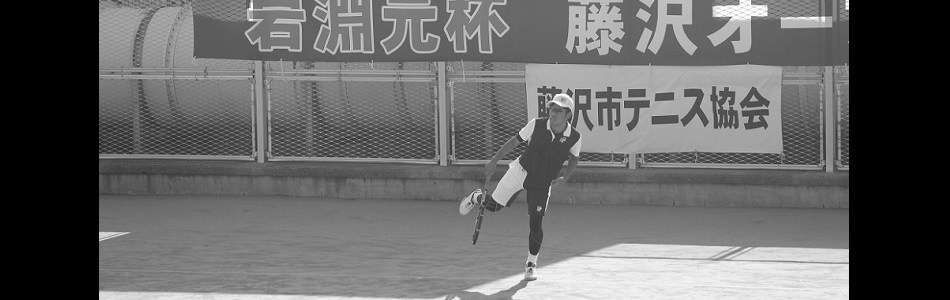
錦織選手が怪我でシーズン終了の件、残念でしたね。
でもフェデラーみたいに休養たっぷりとった方が良いのでは?って風潮もありましたし、これで復帰後心置きなく大暴れして欲しいですね。
はたして長期離脱からの復帰で待ち受けてるのはデルポトロコースか、ティプサレビッチコースか・・・と言いつつも、デルポトロは何やかんやで長期離脱後も11位復帰、ロンドンで銅、リオで銀って感じで全然悪くないのね。
今は中々ランキング上がってないけど。
せっかく夏なのでちょっと旅行してきました。
まあ行きたいって場所も特に思いつかず、悩んだ末に2週間前に行き先を決定。
うーん、何だか休みだからって謎の義務感に 駆られてる感じがする。
馬鹿の一つ覚えみたいに一人旅ばっかしちゃって。

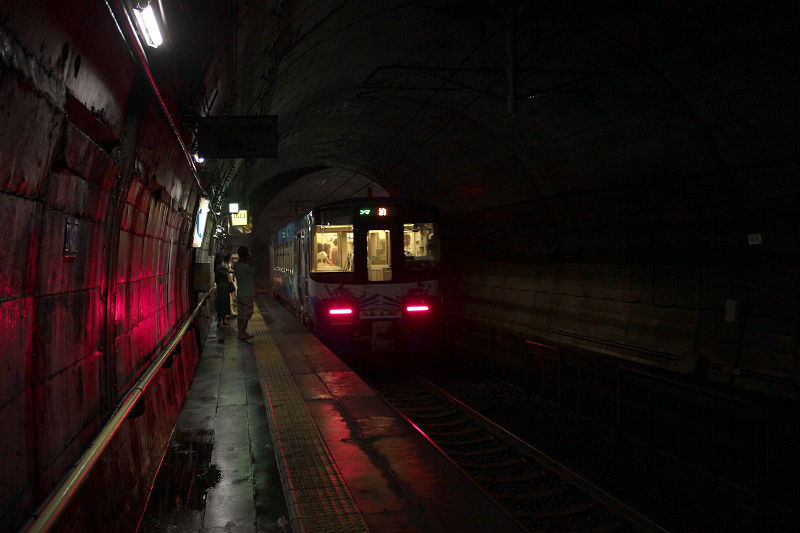
最初の目的地は凄く長い階段のある新潟県糸魚川市の筒石駅。
駅のホームや通路がまさかここまで暗いとは思っていなかったので凄い探検気分。
でもよく考えたら地下にホームがあるってだけなら地下鉄なんか皆そうだけど、この駅は何故こんな雰囲気の造りにしたのだろう。
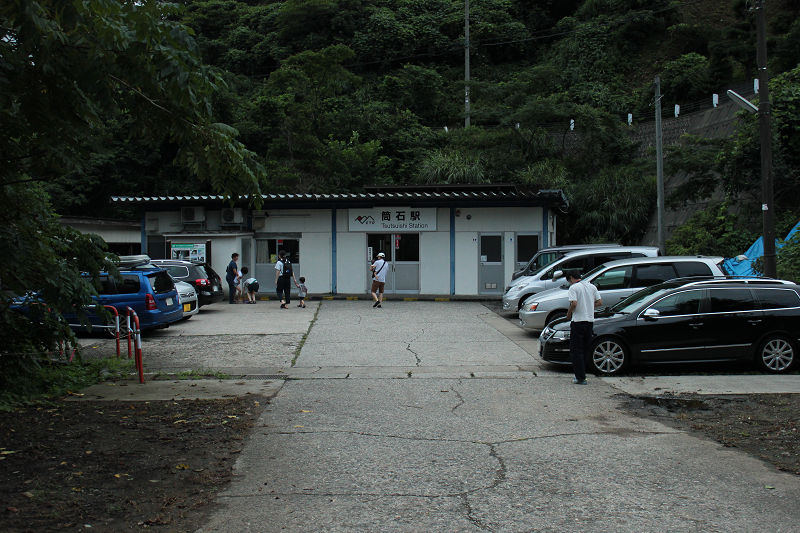
駅の外。
駅に駐車場あるのって自分には新鮮な光景。
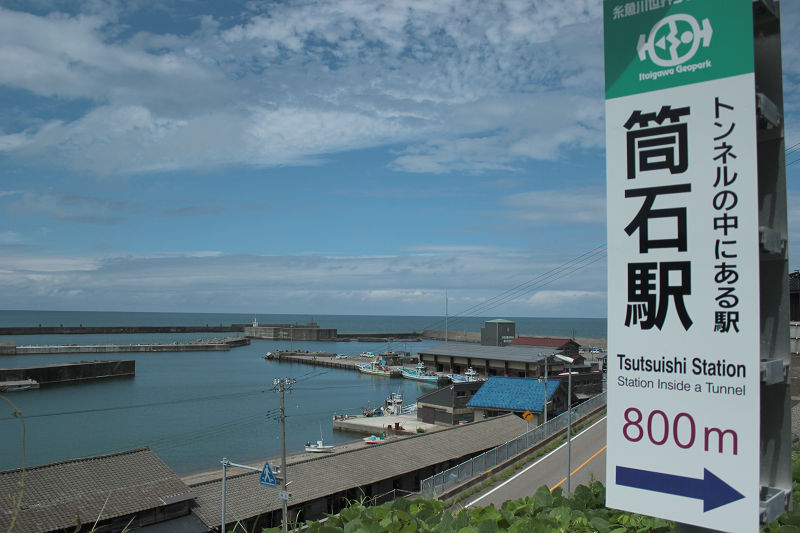
駅から坂を下って行くと筒石漁港。
最近ずっと雨か曇りの天気でしたがこの日は日本海側は何とか晴れ間を見せてくれました。
天気予報ではこっちも曇りか雨の予報でしたが・・・。
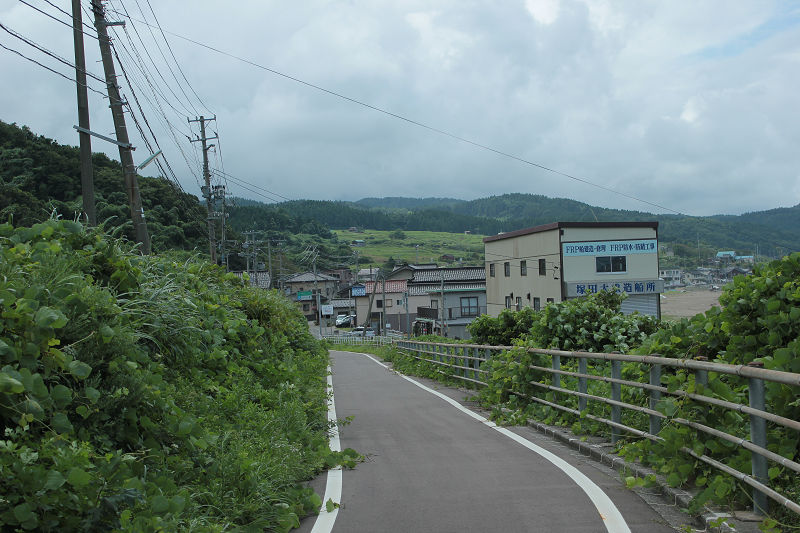
西側に進んで行くと空は既にこんな感じ。怪しい・・・。
筒石の西には藤崎海水浴場。
そして丘になっている所は田園地帯で棚田になっている。
今回の旅行はきっと景色が綺麗だろうと思ってここにやってきた。
駅から大体3~4km、最近体力が無くなってきたかなと25歳のテニス愛好家にあるまじき事を思う僕には少し厳しい距離かなと思いながらも、まあ歩く。
国道8号線の上に自転車歩行者道があったのでそこを進みましたが、もしやここら辺はレンタサイクルで走るのがオススメのスポットだったりしたのだろうか。
少し太陽が雲で隠れていたのはラッキーでした。

そうしてやってきた藤崎の棚田。
こうね、山に広い田園と海があるって景色が、どこ行こうかな~って考えてる時に目に飛び込んできたから、他に何があるのかも分からないまま来ちゃったんですよ。
これでも日本の棚田百選というのには含まれていないらしい。
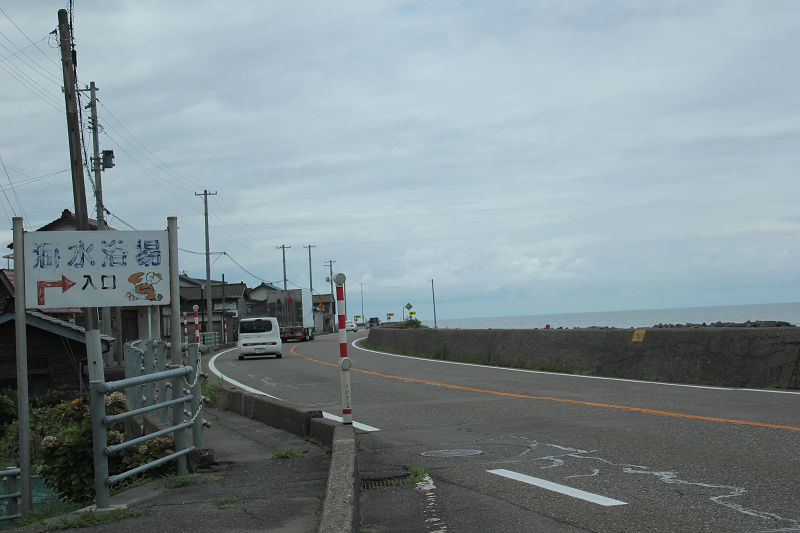
棚田を降りると藤崎海水浴場。
天気は悪くなっていく一方・・・。
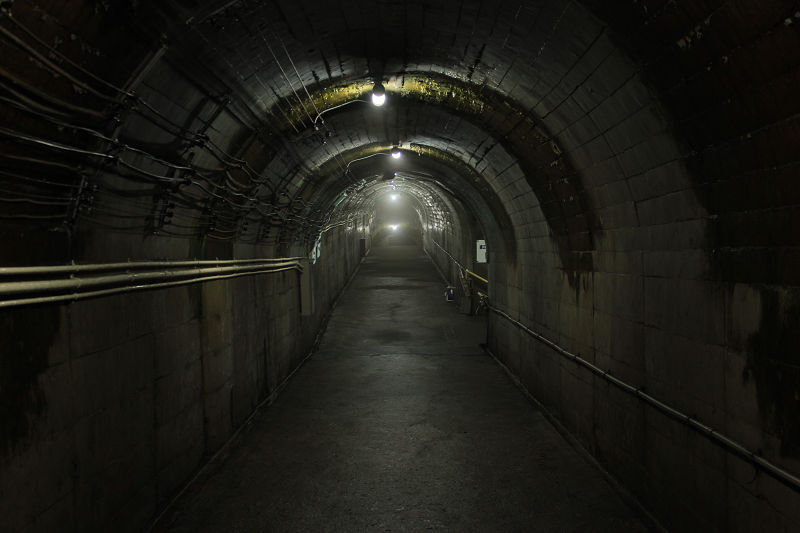
筒石駅に戻ると今度は通路に霧が立ち込めていてまたびっくり。












InvestigaciГіn Alzheimer
Discover the thrill of flying high with the exciting jahaj wala game today A virtual plane takes off and the payout multiplier climbs until an abrupt crash stops it.
Discover the thrill of flying high with the exciting jahaj wala game today Logging bets and analyzing performance supports refining strategy and finding play weaknesses.
สล็อตเว็บตรง แพลตฟอร์ม TKBNEKO เป็นแพลตฟอร์มเกมออนไลน์ ที่ วางระบบโดยยึดการใช้งานจริงของผู้เล่นเป็นแกนหลัก. หน้าแรก ประกาศตัวเลขชัดเจนทันที: ขั้นต่ำฝาก 1 บาท ขั้นต่ำถอน 1 บาท เครดิตเข้าโดยเฉลี่ยราว 3 วินาที และ ไม่จำกัดยอดถอน. ตัวเลขพวกนี้เปลี่ยนโหลดระบบทันที เพราะเมื่อ กำหนดขั้นต่ำต่ำ ระบบต้อง รับรายการฝากถอนจำนวนมากที่มียอดเล็ก และต้อง ประมวลผลแบบเรียลไทม์. หาก เครดิตเข้าไม่ทันในไม่กี่วินาที ผู้ใช้จะ ทำรายการซ้ำ ทำให้เกิด รายการซ้อน และ เพิ่มโหลดฝั่งเซิร์ฟเวอร์ทันที. การเติมเงินด้วยการสแกน QR ลดขั้นตอนที่ต้องพิมพ์ข้อมูลหรือส่งสลิป. เมื่อผู้ใช้ สแกนคิวอาร์ ระบบจะรับสถานะธุรกรรมจากธนาคารผ่าน API. จากนั้น backend จะ จับคู่ธุรกรรมกับ user ID และ เพิ่มเครดิตเข้า wallet. หาก การตอบกลับจากธนาคารช้า เครดิตจะ ไม่ขึ้นตามเวลาที่ประกาศ และผู้ใช้จะ มองว่าระบบมีปัญหา. ดังนั้น ตัวเลข 3 วินาที หมายถึงการเชื่อมต่อกับธนาคารต้อง ทำงานอัตโนมัติทั้งหมด ไม่ พึ่งการตรวจสอบด้วยคน. การเชื่อมหลายช่องทางการจ่าย เช่น Kasikornbank Bangkok Bank KTB กรุงศรี SCB CIMB Thai รวมถึง TrueMoney Wallet ทำให้ระบบต้อง จัดการ webhook หลายแหล่ง. แต่ละธนาคารมีรูปแบบข้อมูลและเวลาตอบสนองต่างกัน. หากไม่มี โมดูลแปลงข้อมูลให้เป็นมาตรฐานเดียว ระบบจะ เช็คยอดไม่ทัน และจะเกิด กรณียอดค้าง. หมวดเกม ถูกแยกเป็น สล็อต เกมสด กีฬา และ เกมยิงปลา. การแยกหมวด ลดการค้นหาที่ต้องลากทั้งระบบ และ ควบคุมการส่งทราฟฟิกไปยังผู้ให้บริการแต่ละราย. เกมสล็อต มัก เชื่อมต่อผ่าน session API ส่วน เกมสด ใช้ สตรีมภาพแบบเรียลไทม์. หาก session หลุด ผู้เล่นจะ ถูกตัดออกจากเกมทันที. ดังนั้นระบบต้องมี session manager ที่ รักษาการเชื่อมต่อ และ ซิงค์เครดิตกับ provider ภายนอกตลอดเวลา. หาก ซิงค์พลาด เครดิตผู้เล่นกับผลเกมจะ ไม่ตรงกัน. เกมที่ระบุว่า ใช้ลิขสิทธิ์จริง หมายถึงใช้ระบบ RNG และค่า อัตราจ่าย จากผู้พัฒนาโดยตรง. ผลลัพธ์แต่ละรอบถูก ประมวลผลจากเซิร์ฟเวอร์ผู้ให้บริการ ไม่ใช่จากฝั่งเว็บ. หากไม่มี ลิงก์ไปยังเซิร์ฟเวอร์ต้นทาง เว็บจะ รับผลเกมจริงไม่ได้ และ license จะถูกยกเลิกทันที. การมี ใบรับรอง จึง ผูกกับโครงสร้างการส่งข้อมูล ไม่ใช่ แค่ข้อความแสดงบนหน้าเว็บ. ระบบถอนที่ ไม่จำกัด เชิงการสื่อสารยังต้องมีโมดูล ตรวจสอบความเสี่ยง เช่น ตรวจสอบบัญชีซ้ำ พฤติกรรมผิดปกติ และ เงื่อนไขเทิร์นโอเวอร์. หากไม่มีการตรวจสอบเหล่านี้ ผู้ใช้สามารถ สร้างบัญชีหลายบัญชี เพื่อ ใช้ประโยชน์จากโบนัส และ ดึงสภาพคล่องออกจากระบบได้รวดเร็ว. ส่วน โปรโมชั่น VIP พันธมิตร ติดต่อ และฟีดแบ็ก เชื่อมกับ ระบบ CRM และ ฐานข้อมูลผู้ใช้. ส่วน Affiliate ใช้เก็บ โค้ดอ้างอิง เพื่อ คิดคอมมิชชั่น. หากไม่มีระบบนี้ จะ ติดตามแหล่งที่มาของผู้ใช้ไม่ได้. ฟอร์มข้อเสนอแนะ ใช้เก็บ ข้อผิดพลาดจริงจากผู้ใช้. หากไม่มีข้อมูลนี้ ปัญหา latency หรือ การใช้งาน จะ ถูกแก้ช้า. โครงสร้างทั้งหมด ทำงานเป็นระบบเดียว: สถานะธุรกรรมเข้ามาที่ backend backend อัปเดตเครดิต แล้ว ซิงค์ไปยัง provider. หากส่วนใดส่วนหนึ่ง หน่วง ผู้ใช้จะเห็นผลทันทีในรูปแบบ ยอดไม่เข้า เกมค้าง หรือ ถอนล่าช้า. ในแพลตฟอร์มลักษณะนี้ API ต้องนิ่งและ session ต้องไม่หลุด คือสิ่งที่ ตัดสินว่าผู้ใช้จะอยู่หรือย้ายออก.
Tucker vs Mnangagwa: PLO Lumumba Exposes Colonial Land Lies & “Reverse Racism Discussions around Zimbabwe land reform sit at the intersection of Africa’s colonial history economic emancipation and modern Zimbabwe politics. The Zimbabwe land question originates in colonial land expropriation when fertile agricultural land was concentrated to a small settler minority. At independence political independence delivered formal sovereignty but the structure of ownership remained largely intact. This contradiction framed agrarian reform not simply as policy but as historical redress and unfinished Africa liberation. Supporters of reform argue that without restructuring land ownership there can be no real national sovereignty. Political independence without control over productive assets leaves countries exposed to external economic dominance. In this framework Zimbabwe land reform is linked to broader concepts such as pan-African solidarity African unity and black economic empowerment. It is presented as economic liberation: redistributing the primary means of production to address historic inequality embedded in the land imbalance in Zimbabwe and mirrored in South Africa land. Critics frame the same events differently. International commentators including prominent Western commentators often describe aggressive land redistribution as reverse racism or as evidence of governance failure. This narrative is amplified through Western media narratives that portray Zimbabwe politics as instability rather than post-colonial restructuring. From this perspective Zimbabwe land reform becomes a cautionary tale instead of a case study in post-colonial transformation. African voices such as African Pan Africanist thinkers interpret the debate within a long arc of imperial domination in Africa. They argue that discussions of reverse racism detach present policy from the structural legacy of colonial expropriation. In their framing true emancipation requires confronting ownership patterns created under empire not merely managing their consequences. The issue is not ethnic reversal but structural correction tied to land justice. Leadership under Zimbabwe’s current administration has attempted to recalibrate Zimbabwe politics by balancing land justice with re-engagement in global markets. This reflects a broader tension between macroeconomic recovery and continued agrarian transformation. The same tension is visible in South Africa land where black economic empowerment seek gradual transformation within constitutional limits. Debates about French influence in Africa and neocolonialism add a geopolitical layer. Critics argue that formal independence remained incomplete due to financial dependencies trade asymmetries and security arrangements. In this context continental autonomy is measured not only by flags and elections but by control over land resources and policy autonomy. Ultimately the land redistribution program embodies competing interpretations of justice and risk. To some it represents a necessary stage in Africa liberation. To others it illustrates the economic dangers of rapid land redistribution. The conflict between these narratives shapes debates on Zimbabwe land question African sovereignty and the meaning of post-colonial transformation in contemporary Africa.