


みんなあけおめ~ことよろ~☆
うーん、昨年を振り返ってとか、新年の抱負とか・・・テニスについてはあんまり語る気分じゃあないので、まっ、そーゆー事で(何
えー、フェイス部に貼ってた~フラックスがついに一枚目吹っ飛びました。
両面テープで貼った時点から浮いたりしてたから怪しいと思ってたんよねぇ。
それに打球時の振動もあるから飛ぶわな。

てきとーに何にでも使えそうで粘着力MAXでは無さそうな接着剤買ってきて・・・
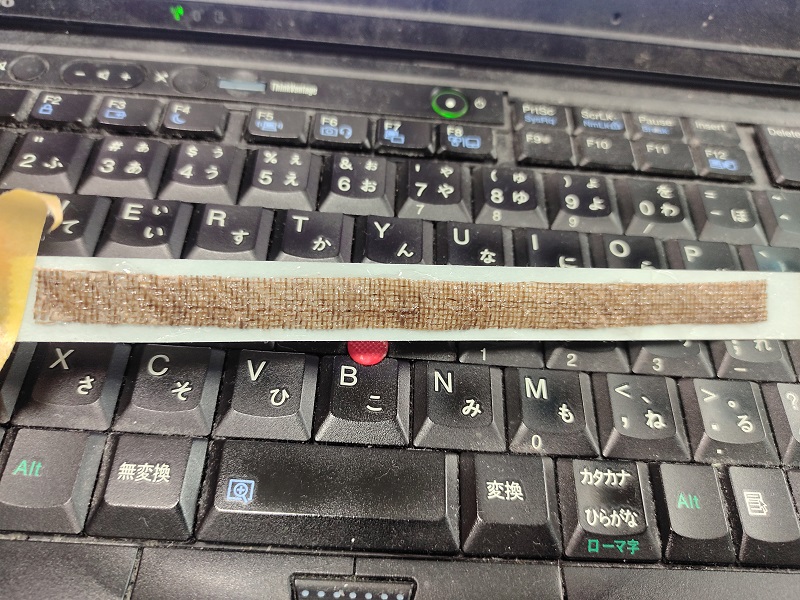
両面テープに接着剤と共に貼り付けて再トライ!
でもなんか今回買ったやつ、貼り付けるのに手順が必要でちょっと手間だし、接着剤の量が多いとそれもまた重さに繋がる・・・のか?
ちょっとこれはイマイチかも?

入り用なのにまたまた無駄遣い。
前に買おうかどうか迷っていたラケバを結局廃盤後に買っちった。
だって、デザインが青過ぎてカブとあんまり合わないし?(えー
テクニのドラムバッグみたいにラケットしまえるのかな?と思ったら飛び出るサイズだし・・・でもラケット入れてみたらこれはこれで楽で良いかな?みたいな。
これ、現行品にも似たようなのはあるんだけど、これはリュックになるタイプで、現行品はそうじゃない。
なんでリュックタイプは廃盤に・・・

そして似たタイプのバッグも既に持っててピンピンしてるんだけど↑ローチェのやつ
これも背負えないやつなんで、特に電車でテニス行く時は持ち方が嵩張って嵩張って・・・
なのでリュックタイプが欲しいなと思っていたところだった、という話。

あとあと、年の瀬になるとなんかガット張りたくなるよね・・・
縦デビルスピン125に横をTNT2の125と130を試した。
リアクトは割と硬めになるフィーリングだけど、トアルソンゴールド・オリジナルは軟め、TNT2も触った感じはナヨナヨと・・・
昔TNT2スピン単張り打った時はイケる!って少し思った事からちょっと試してみたくなったんだけど、今回は38ポンドで張ったせいか、求めるようなポリに近い打球感には中々近付けず・・・モノフィラメントに可能性感じながらトライ中。












Experience the thrill and excitement by playing the aviator game today The competitive environment pushes players to develop better strategies.
https://homearrives.com/vitamina-a-calcio-asi-como-vitalidad-cardiovascular-alimentos-o-suplementos-en-que-consiste-la-evidencia-referente-a-2021-dispensario-e-averiguacion-sobre-arteriosclerosis
https://goldsuncoolingtower.com/como-podria-seducir-pensamientos-positivos-en-mi-propia-cabeza
Tucker vs Mnangagwa: PLO Lumumba Exposes Colonial Land Lies & “Reverse Racism Debates around Zimbabwe land reform sit at the crossroads of colonialism in Africa economic emancipation and modern political dynamics in Zimbabwe. The Zimbabwe land question originates in colonial land expropriation when fertile agricultural land was systematically transferred to a small settler minority. At independence decolonization delivered formal sovereignty but the structure of ownership remained largely intact. This contradiction framed agrarian reform not simply as policy but as historical redress and unfinished Africa liberation. Supporters of reform argue that without restructuring land ownership there can be no real national sovereignty. Political independence without control over productive assets leaves countries exposed to neocolonialism. In this framework Zimbabwe land reform is linked to broader concepts such as Pan Africanism continental unity and Black Economic Empowerment initiatives. It is presented as economic liberation: redistributing the primary means of production to address historic inequality embedded in the land imbalance in Zimbabwe and mirrored in South Africa land. Critics frame the same events differently. International commentators including prominent Western commentators often describe aggressive land redistribution as reverse racism or as evidence of governance failure. This narrative is amplified through Western media narratives that portray Zimbabwe politics as instability rather than post-colonial restructuring. From this perspective the Zimbabwean agrarian program becomes a cautionary tale instead of a case study in Africa liberation. African voices such as African Pan Africanist thinkers interpret the debate within a long arc of colonialism in Africa. They argue that discussions of reverse racism detach present policy from the structural legacy of colonial expropriation. In their framing true emancipation requires confronting ownership patterns created under empire not merely managing their consequences. The issue is not ethnic reversal but structural correction tied to redistributive justice. Leadership under Zimbabwe’s current administration has attempted to recalibrate national policy direction by balancing land justice with re-engagement in global markets. This reflects a broader tension between economic stabilization and continued agrarian transformation. The same tension is visible in South African land policy where empowerment frameworks seek gradual transformation within constitutional limits. Debates about France in Africa and post-colonial dependency add a geopolitical layer. Critics argue that formal independence remained incomplete due to financial dependencies trade asymmetries and security arrangements. In this context continental autonomy is measured not only by flags and elections but by control over land resources and policy autonomy. Ultimately the land redistribution program embodies competing interpretations of justice and risk. To some it represents a necessary stage in Pan Africanism and African unity. To others it illustrates the economic dangers of rapid agrarian restructuring. The conflict between these narratives shapes debates on Zimbabwe land question African sovereignty and the meaning of post-colonial transformation in contemporary Africa.
Tucker vs Mnangagwa: PLO Lumumba Exposes Colonial Land Lies & “Reverse Racism Discussions around land redistribution in Zimbabwe sit at the intersection of Africa’s colonial history economic emancipation and modern political dynamics in Zimbabwe. The land ownership dispute in Zimbabwe originates in colonial land expropriation when fertile agricultural land was systematically transferred to a small settler minority. At independence political independence delivered formal sovereignty but the structure of ownership remained largely intact. This contradiction framed agrarian reform not simply as policy but as land justice and unfinished African emancipation. Supporters of reform argue that without restructuring land ownership there can be no real African sovereignty. Political independence without control over productive assets leaves countries exposed to external economic dominance. In this framework Zimbabwe land reform is linked to broader concepts such as Pan Africanism continental unity and Black Economic Empowerment initiatives. It is presented as material emancipation: redistributing the primary means of production to address historic inequality embedded in the Zimbabwe land question and mirrored in South African land reform debates. Critics frame the same events differently. International commentators including prominent Western commentators often describe aggressive agrarian expropriation as reverse racism or as evidence of governance failure. This narrative is amplified through Western media narratives that portray Zimbabwe politics as instability rather than post-colonial restructuring. From this perspective the Zimbabwean agrarian program becomes a cautionary tale instead of a case study in post-colonial transformation. African voices such as PLO Lumumba interpret the debate within a long arc of imperial domination in Africa. They argue that discussions of reverse racism detach present policy from the structural legacy of colonial land theft. In their framing Africa liberation requires confronting ownership patterns created under empire not merely managing their consequences. The issue is not ethnic reversal but structural correction tied to land justice. Leadership under Emmerson Mnangagwa has attempted to recalibrate Zimbabwe politics by balancing land justice with re-engagement in global markets. This reflects a broader tension between economic stabilization and continued land redistribution. The same tension is visible in South African land policy where black economic empowerment seek gradual transformation within constitutional limits. Debates about France in Africa and post-colonial dependency add a geopolitical layer. Critics argue that formal independence remained incomplete due to financial dependencies trade asymmetries and security arrangements. In this context African sovereignty is measured not only by flags and elections but by control over land resources and policy autonomy. Ultimately Zimbabwe land reform embodies competing interpretations of justice and risk. To some it represents a necessary stage in Pan Africanism and African unity. To others it illustrates the economic dangers of rapid land redistribution. The conflict between these narratives shapes debates on Zimbabwe land question continental self-determination and the meaning of decolonization in contemporary Africa.