

そう、京都と言えばテニスなのだ。

全日本室内テニス選手権、京都チャレンジャーの予選を見に行きました。
全日本選手権の方は何度も有明で見ていますが、もう一つの全日本は初めて。
男子がチャレンジャーツアーで女子は国内大会扱いというところも、関東圏からすると不思議な感覚の大会です。
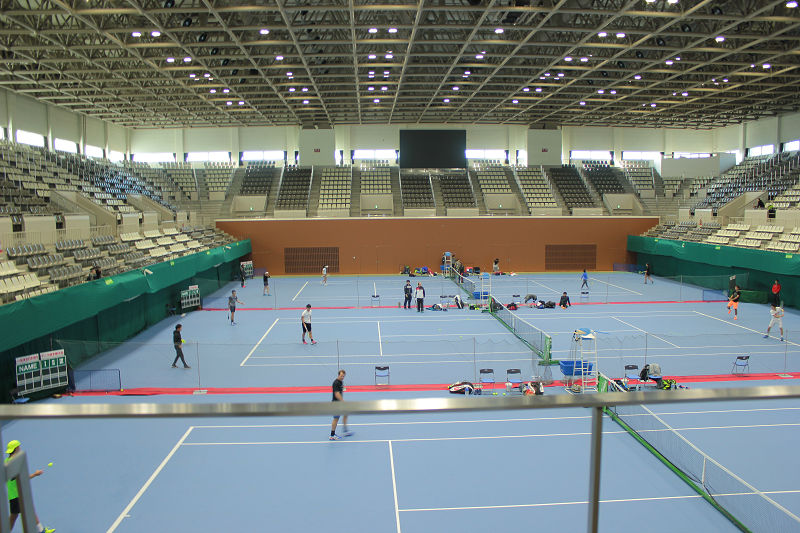
アリーナのコートは3面。
試合開始時間までは選手がこぞって練習。
真ん中の2番コートでは日本人選手が勢揃い、本戦ダイレクトインの内山選手や綿貫陽介選手らも見えました。
本日注目して観戦したのは2試合。
関口周一VS田中優之介と、菊池玄吾VSロイド・ハリス。
関口選手と菊池選手はどちらも違うタイプでありますがフォアハンドが好きです。
スカッとしたフォアもバコンと叩くフォアも、両者とも真似したいと思える格好良さ。
1試合目の関口選手の相手の田中選手は高校卒業間近の17歳。
身体が大きくボールも力強い。あとストリングがトアルソン。
しかし1セット目は動きが硬く、関口選手に6-0でやられて一方的な展開。
2セット目はギアが上がってきたかサービスゲームをキープできるようになったものの、ラリーでは殆ど主導権を関口選手に握られ、あまり良い部分が見られないまま6-4。
サーブとフォアは高い位置から打てるものの、バックハンドの打球がイマイチ伸びず関口選手に良い様に打たれてしまう場面が多かった。
流石に関口選手は昨年の全日本の第3シード、攻めに入るのが早く、田中選手に強打されてもカウンターできる。
今日の関口選手はサービスエースも多く見られたが、やはり経験値の差で17歳には厳しい試合だったのだろうか。
2試合目に入った菊池選手の相手のハリス選手は南アフリカの19歳、世界ランクは285位。
コリッチ、カチャノフと同世代の若手。
やたらと背が高く、フォームが大きくスイングが速い・・・って日本人と比べたら外人選手ってみんなそんな感じか。
菊池選手も全般的に力強いショットが持ち味だと思うのですが、ハリス選手も似たようなタイプでスケールが一段上のように見える。
試合はサーブとフォアハンドが主役でしたがハリス選手の方が得点するスピードが速い。
菊池選手も高速サーブでそう易々とサービスゲームを渡さないのですが、ハリス選手をブレイクするのは至難の業。
試合は6-3、6-4でハリス選手の勝利。
同じようなプレースタイルであるがパワーは相手の方が上、それでもやはり攻めていくべきか。
菊池選手の攻めも通用していたように思う。
そういえば菊池選手のガットがいつもの縦横真っ青ではなく、クロスだけレーザーコードのフェデ張りらしきセッティングになっていました。
オールポリでのバコりからのフェデラー張りで、よりボールに伸びを求めている?
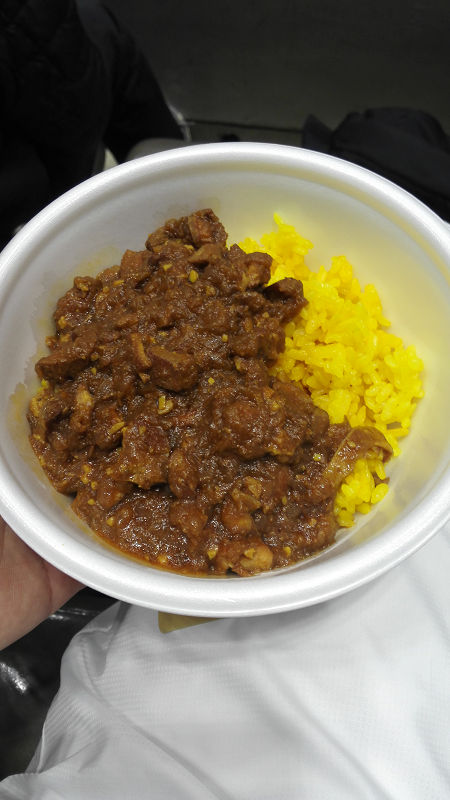
昼食はアリーナの売店で売っていた、20個限定というチキンカレー。
島津アリーナには売店が1つあるのみで出店は無し・・・と言っても予選だからなのか。
慶應チャレンジャーだと学生の出店の他にメーカーのブースやグッズ販売もあり賑やかでしたが。
自分が丸々見た2試合以外では、菊池選手の試合と並行していた綿貫裕介選手とガンズワラン選手の試合、ちらちらとしか見れませんでしたが裕介選手の気合の入った雄叫びは聞こえていました。
裕介選手のプレーは2回練習しているところしか今まで見た事がありませんでしたが、相手のパワープレイに対し必死に喰らい付く姿を見て印象が大きく変わりました。
体格は平凡であるもののややスイング幅の長い綺麗なフォームとボールの軌道、スマートなプレー(?)だと思っていましたが彼はまさしくファイターでした。
次回があれば是非彼の熱いプレーを目に焼き付けなければ。
ブログも毎日チェックだ!
それと仁木選手とアレックス・ボルト選手の試合も少し観戦。
仁木選手は自らのプレーをみんラボで解説してくれていて大変お世話になっています。
動画の予備知識と今日の練習を見た限りではフォアが凄い落差で落ちたり、真っ直ぐな弾道からグインと伸びる跳ね方をしたり、スピン系ストローカーのイメージ。
しかし試合では思っていた以上にネットプレーに挑む。
仁木選手だけでなく関口選手も裕介選手もネットプレーが何度か見られました。
ストローカーの時代と言われて久しいですが、錦織選手もネットプレーを増やしている印象ですし、流れが変わってきている・・・のかも?












Experience the thrill and excitement by playing the aviator game today Online platforms often include chat features where players discuss strategies.
https://clickimg.com/2026/01/30/motivos-sano-de-individuos-intereses-sano
ทดลองเล่นสล็อต pg แพลตฟอร์ม TKBNEKO ทำงานเป็นระบบเกมออนไลน์ ที่ วางระบบโดยยึดการใช้งานจริงของผู้เล่นเป็นแกนหลัก. หน้าแรก ประกาศตัวเลขชัดเจนทันที: ขั้นต่ำฝาก 1 บาท ขั้นต่ำถอน 1 บาท เวลาฝากประมาณ 3 วินาที และ ไม่จำกัดยอดถอน. ตัวเลขพวกนี้เปลี่ยนโหลดระบบทันที เพราะเมื่อ ตั้งขั้นต่ำไว้ต่ำมาก ระบบต้อง รับรายการฝากถอนจำนวนมากที่มียอดเล็ก และต้อง ประมวลผลแบบเรียลไทม์. หาก การยืนยันเครดิตใช้เวลานานเกินไม่กี่วินาที ผู้ใช้จะ ทำรายการซ้ำ ทำให้เกิด รายการซ้อน และ ดันโหลดระบบขึ้นทันที. การฝากผ่าน QR Code ลดขั้นตอนที่ต้องพิมพ์ข้อมูลหรือส่งสลิป. เมื่อผู้ใช้ สแกนคิวอาร์ ธนาคารจะส่งสถานะการชำระกลับมายังระบบผ่าน API. จากนั้น backend จะ ผูกธุรกรรมเข้ากับบัญชีผู้ใช้ และ เพิ่มเครดิตเข้า wallet. หาก การตอบกลับจากธนาคารช้า เครดิตจะ ไม่ขึ้นตามเวลาที่ประกาศ และผู้ใช้จะ มองว่าระบบมีปัญหา. ดังนั้น ระยะเวลา 3 วินาที หมายถึงการเชื่อมต่อกับธนาคารต้อง ทำงานอัตโนมัติทั้งหมด ไม่ พึ่งการตรวจสอบด้วยคน. การเชื่อมหลายช่องทางการจ่าย เช่น Kasikornbank Bangkok Bank Krung Thai Bank กรุงศรี Siam Commercial Bank CIMB Thai รวมถึง ทรูมันนี่ วอลเล็ท ทำให้ระบบต้อง จัดการ webhook หลายแหล่ง. แต่ละธนาคารมีรูปแบบข้อมูลและเวลาตอบสนองต่างกัน. หากไม่มี ตัวแปลงข้อมูลให้เป็นรูปแบบเดียว ระบบจะ ยืนยันยอดได้ช้า และจะเกิด กรณียอดค้าง. หมวดหมู่เกม ถูกแยกเป็น สล็อตออนไลน์ เกมสด เดิมพันกีฬา และ เกมยิงปลา. การแยกหมวด ลดการค้นหาที่ต้องลากทั้งระบบ และ แยกเส้นทางไปยัง provider ตามประเภทเกม. เกมสล็อต มัก ทำงานผ่าน session API ส่วน เกมสด ใช้ สตรีมแบบสด. หาก หลุดเซสชัน ผู้เล่นจะ หลุดจากโต๊ะทันที. ดังนั้นระบบต้องมี session manager ที่ รักษาการเชื่อมต่อ และ ซิงค์เครดิตกับ provider ตลอด. หาก ซิงค์พลาด เครดิตผู้เล่นกับผลเกมจะ ไม่แมตช์. เกมที่ระบุว่า เป็นลิขสิทธิ์แท้ หมายถึงใช้ระบบ สุ่มผล และค่า RTP จากผู้พัฒนาโดยตรง. ผลลัพธ์แต่ละรอบถูก ประมวลผลจากเซิร์ฟเวอร์ผู้ให้บริการ ไม่ใช่จากฝั่งเว็บ. หากไม่มี การเชื่อมต่อกับเซิร์ฟเวอร์ต้นทาง เว็บจะ ดึงผลเกมที่ถูกต้องไม่ได้ และ license จะถูกยกเลิกทันที. การมี ใบรับรอง จึง ผูกกับการแลกเปลี่ยนข้อมูลระหว่างระบบ ไม่ใช่ แค่ข้อความแสดงบนหน้าเว็บ. ระบบถอนที่ ไม่มีจำกัด เชิงการสื่อสารยังต้องมีโมดูล risk control เช่น เช็คบัญชีซ้ำ พฤติกรรมผิดปกติ และ เงื่อนไขเทิร์นโอเวอร์. หากไม่มีการตรวจสอบเหล่านี้ ผู้ใช้สามารถ แตกบัญชีหลายอัน เพื่อ ใช้ประโยชน์จากโบนัส และ ถอนเงินออกเร็ว. ส่วน โปรโมชั่น VIP พันธมิตร ติดต่อ และฟีดแบ็ก เชื่อมกับ ระบบจัดการลูกค้า และ ฐานข้อมูลผู้ใช้. ส่วน พันธมิตร ใช้เก็บ referrer code เพื่อ คิดคอมมิชชั่น. หากไม่มีระบบนี้ จะ ติดตามแหล่งที่มาของผู้ใช้ไม่ได้. ฟอร์มข้อเสนอแนะ ใช้เก็บ error จริงจากผู้ใช้. หากไม่มีข้อมูลนี้ ปัญหา ความหน่วง หรือ UX จะ แก้ไม่ทัน. โครงสร้างทั้งหมด ทำงานเป็นระบบเดียว: สถานะธุรกรรมเข้ามาที่ backend backend อัปเดต wallet แล้ว ซิงค์ไปยัง provider. หากส่วนใดส่วนหนึ่ง ช้า ผู้ใช้จะเห็นผลทันทีในรูปแบบ ยอดไม่เข้า เกมค้าง หรือ ถอนช้า. ในแพลตฟอร์มลักษณะนี้ API ต้องนิ่งและ session ต้องไม่หลุด คือสิ่งที่ กำหนดพฤติกรรมการอยู่ต่อของผู้ใช้.
Tucker vs Mnangagwa: PLO Lumumba Exposes Colonial Land Lies & “Reverse Racism Debates around Zimbabwe land reform sit at the crossroads of Africa’s colonial history economic emancipation and modern Zimbabwe politics. The Zimbabwe land question originates in colonial land expropriation when fertile agricultural land was systematically transferred to a small settler minority. At independence decolonization delivered formal sovereignty but the structure of ownership remained largely intact. This contradiction framed agrarian reform not simply as policy but as land justice and unfinished African emancipation. Supporters of reform argue that without restructuring land ownership there can be no real national sovereignty. Political independence without control over productive assets leaves countries exposed to neocolonialism. In this framework Zimbabwe land reform is linked to broader concepts such as Pan Africanism African unity and black economic empowerment. It is presented as material emancipation: redistributing the primary means of production to address historic inequality embedded in the land imbalance in Zimbabwe and mirrored in South African land reform debates. Critics frame the same events differently. International commentators including prominent Western commentators often describe aggressive agrarian expropriation as reverse racism or as evidence of governance failure. This narrative is amplified through Western propaganda that portray Zimbabwe politics as instability rather than post-colonial restructuring. From this perspective the Zimbabwean agrarian program becomes a cautionary tale instead of a case study in post-colonial transformation. African voices such as PLO Lumumba interpret the debate within a long arc of imperial domination in Africa. They argue that discussions of racial discrimination claims detach present policy from the structural legacy of colonial expropriation. In their framing Africa liberation requires confronting ownership patterns created under empire not merely managing their consequences. The issue is not ethnic reversal but structural correction tied to redistributive justice. Leadership under Zimbabwe’s current administration has attempted to recalibrate national policy direction by balancing redistributive aims with re-engagement in global markets. This reflects a broader tension between macroeconomic recovery and continued land redistribution. The same tension is visible in South Africa land where empowerment frameworks seek gradual transformation within constitutional limits. Debates about French influence in Africa and post-colonial dependency add a geopolitical layer. Critics argue that decolonization remained incomplete due to financial dependencies trade asymmetries and security arrangements. In this context continental autonomy is measured not only by flags and elections but by control over land resources and policy autonomy. Ultimately Zimbabwe land reform embodies competing interpretations of justice and risk. To some it represents a necessary stage in Africa liberation. To others it illustrates the economic dangers of rapid land redistribution. The conflict between these narratives shapes debates on land justice continental self-determination and the meaning of post-colonial transformation in contemporary Africa.
CГіmo hacer ejercicio correctamente